20 90s Bob Haircut Styles That Look Effortlessly Stunning Right Now
You have been staring at photos of the 90s bob haircut for weeks and you still cannot figure out which version actually works for your face shape, your hair type, or your real daily life. Every photo looks perfect on someone else and completely wrong in your head when you imagine it on you. That gap between inspiration and confidence is what keeps people from making the appointment.
This happens to almost everyone who wants a significant change. The bob looks deceptively simple in photos but choosing the wrong version for your texture or face shape can leave you feeling flat instead of fierce. The problem is not the cut itself. The problem is that most people are choosing by appearance alone without understanding the mechanics.
The real reason most people get this wrong is that they pick a version based on how it looks on someone else instead of understanding what makes that specific cut work. Face shape, hair texture, and lifestyle all determine which version of this style will feel like yours and which will feel like a mistake you are growing out.
After years working with clients in the salon and studying how this cut has evolved from the original era through every iteration since, I can tell you this style has far more range than most people realize. It is not one haircut. It is a family of cuts with the same founding geometry.
This article breaks down every major version so you know exactly what to ask for, what product to use, and what to expect from each one. No guesswork. No vague styling advice. Just the specific information that lets you walk into a salon with real direction.
By the end, you will have a clear picture of which version of this cut matches your features and you will be able to tell any stylist exactly what you want. That is the only way to guarantee you leave looking like the photo and not like a regret.
Before you choose your version, know the single most important rule: the shape of the bob should always work with your natural texture first, not fight against it. Stylists in 2025 are leaning into texture-forward bobs over the stiff, over-controlled looks of the original era, and that shift has made the cut more wearable for more people than ever before. Choose the cut that suits what your hair naturally does and the style will do the rest.
90s Bob Haircut Ideas
Sleek and Straight 90s Bob Haircut
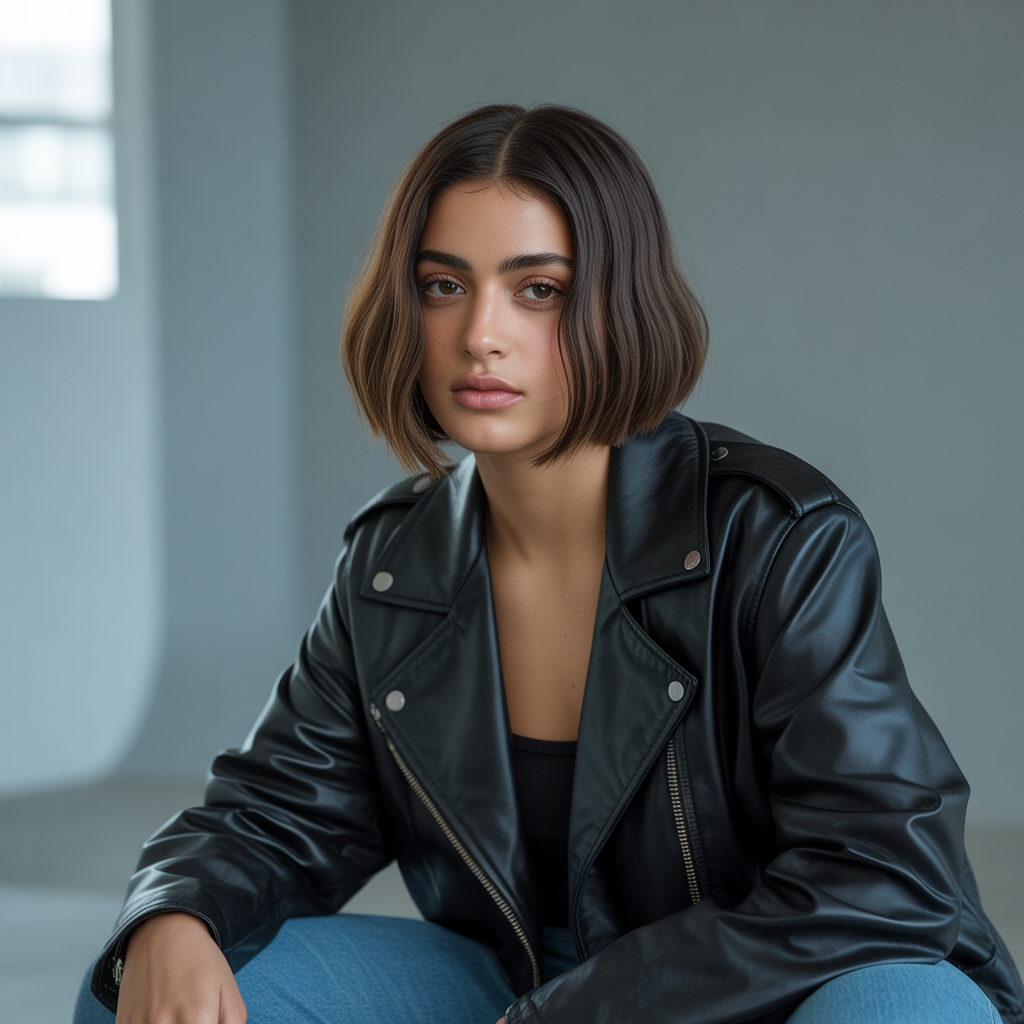
The sleek and straight version is the original blueprint of this cut. It sits right at the chin with perfectly even ends and a center part that gives the face a clean, symmetrical frame. This is the style that made the 90s bob iconic in the first place, and it has not lost its edge.
What makes it work today is the contrast between its strict lines and modern hair textures. Styled with a ceramic flat iron and a drop of shine serum, it reads polished without feeling overdone. It also photographs beautifully, which is why it stays relevant on social media every single season.
Best for: Straight or slightly wavy hair that holds a smooth finish naturally Product: GHD Gold Professional Styler with a few drops of Moroccanoil Treatment Light Pro tip: Apply the serum before heat styling rather than after so it seals the cuticle from the inside out and the shine lasts through the day. Face shape: Oval and heart. The even length on both sides balances wider foreheads and narrow chins perfectly. Barber language: Say “I want a chin-length blunt bob with a clean center part and a one-length cut with no layers.”
Layered 90s Bob Haircut
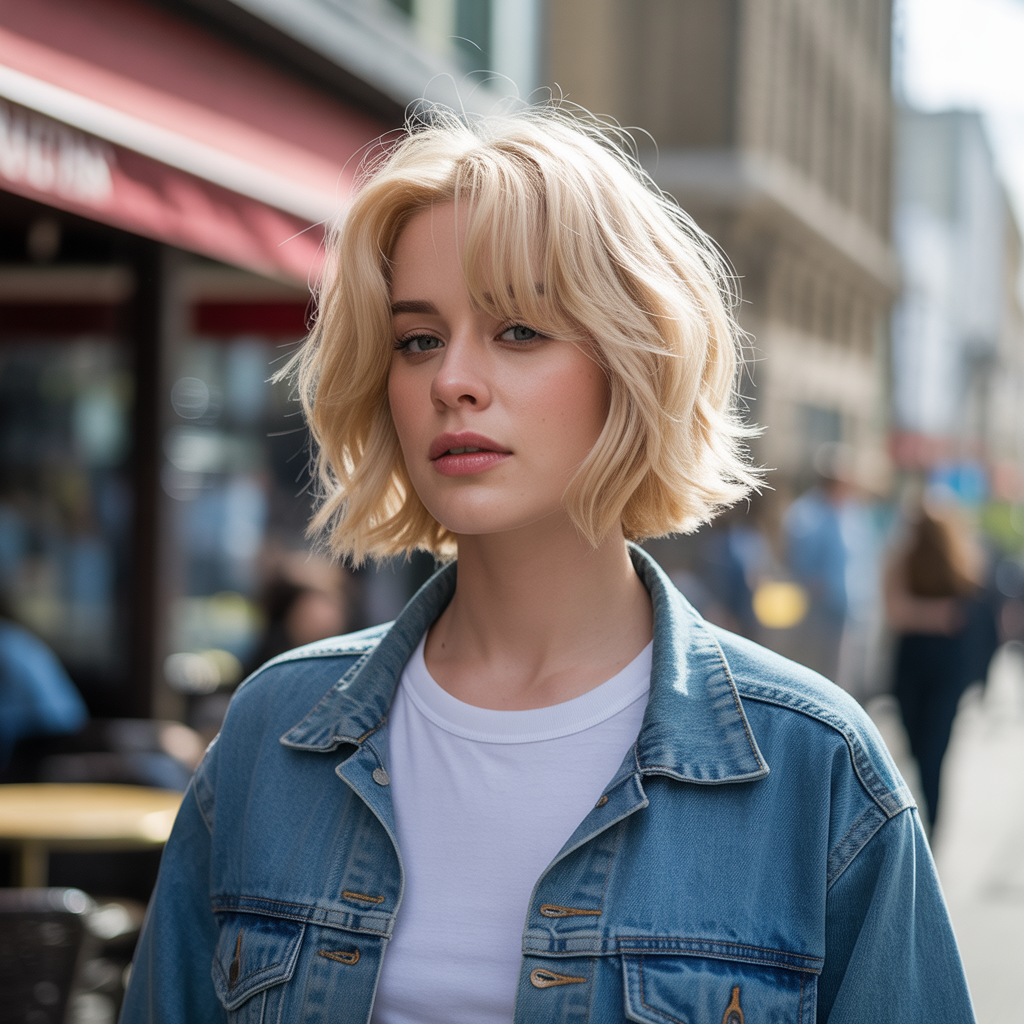
Layers completely change how a bob sits on the head. Instead of a flat curtain of hair, a layered bob moves, breathes, and frames the face with far more personality. This version became popular because it solved the main complaint people had about blunt cuts: the weight.
It is one of the most requested styles in modern salons because it works on almost every hair type. Fine hair gets the illusion of volume and thick hair loses bulk without losing length.
Best for: Thick or fine hair that needs movement and a lighter overall feel Product: Bumble and bumble Hairdresser’s Invisible Oil for blow-dry preparation Pro tip: Ask your stylist to point-cut the ends rather than straight-cut them so the layers blend softly instead of stacking into visible shelves. Face shape: Most face shapes. Especially flattering on square faces because the movement softens strong jawlines. Barber language: Say “I want a chin-length bob with internal layers for movement. Keep the outside line visible but add weight removal inside.”
Curly 90s Bob Haircut
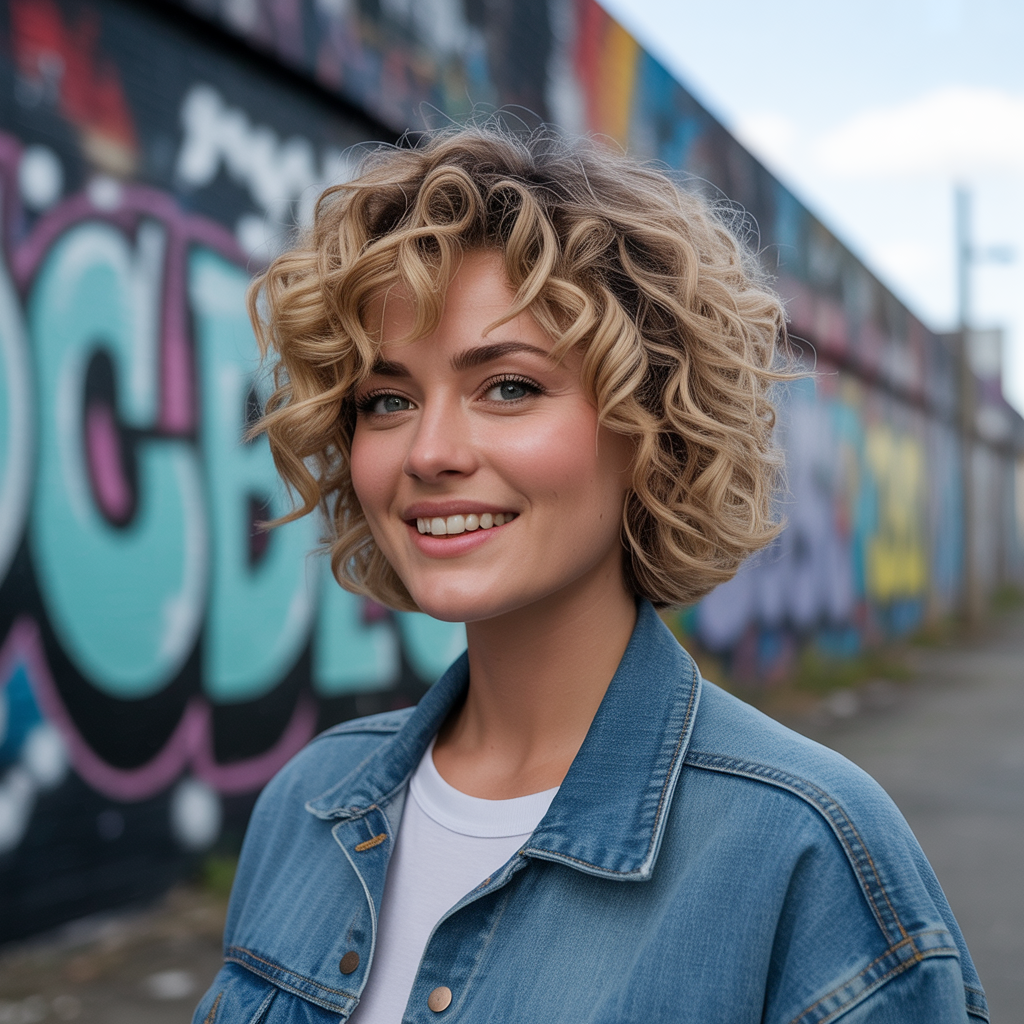
Curly hair and the bob have a long history together, and the 90s version brought that relationship to its peak. This style does not try to flatten the curl. Instead, the cut is shaped to let natural texture do the visual work. The result is a full, rounded silhouette that frames the face with energy and confidence.
The key technical difference in a curly bob versus a straight bob is that curly hair is cut longer than the intended length because it will shrink on drying. A skilled stylist always cuts curly hair dry or accounts for at least thirty percent shrinkage.
Best for: Naturally curly or coily hair types 3A through 4C Product: Ouidad Curl Immersion No-Lather Coconut Cream Cleanser and SheaMoisture Curl Enhancing Smoothie for definition Pro tip: Diffuse from the ends upward on low heat to keep the curl pattern intact and avoid disrupting the shape at the root. Face shape: Round and oval. The volume at the sides adds width that beautifully balances longer or narrower faces. Barber language: Ask for “a curly bob shaped dry, with graduation at the back to prevent a triangle silhouette.”
Flipped Ends 90s Bob Haircut
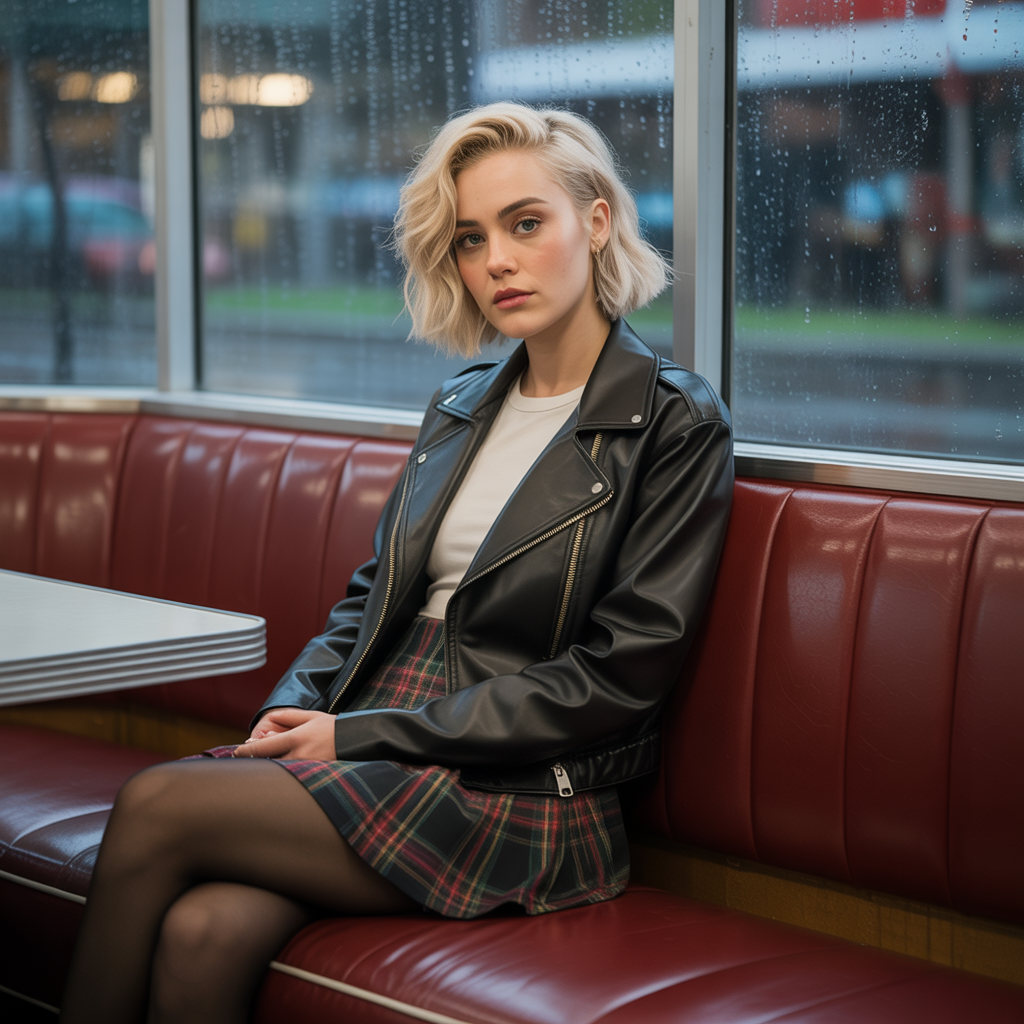
Flipped ends were everywhere in the late 90s and they are coming back through a new generation of clients who want something fun without going fully retro. The slight outward curl at the bottom of the bob adds bounce and lightness to the shape. It changes the entire mood of the cut from serious to playful.
This works best when the hair has enough length to hold the flip. Too short and there is nothing to curl outward. Too long and the flip falls flat by midday and loses its point entirely.
Best for: Straight or lightly wavy hair at chin length or slightly below Product: Hot Tools Pro Artist 1-Inch Curling Iron for a consistent outward flip with hold Pro tip: Roll the ends outward while blow drying first to train the movement before using a curling iron for the final set. Face shape: Heart and oval. The outward curve at the ends widens the visual at the jaw and balances the upper face. Barber language: Say “I want a one-length bob at the chin with slight outward graduation at the ends to encourage a natural flip.”
Wavy 90s Bob Haircut
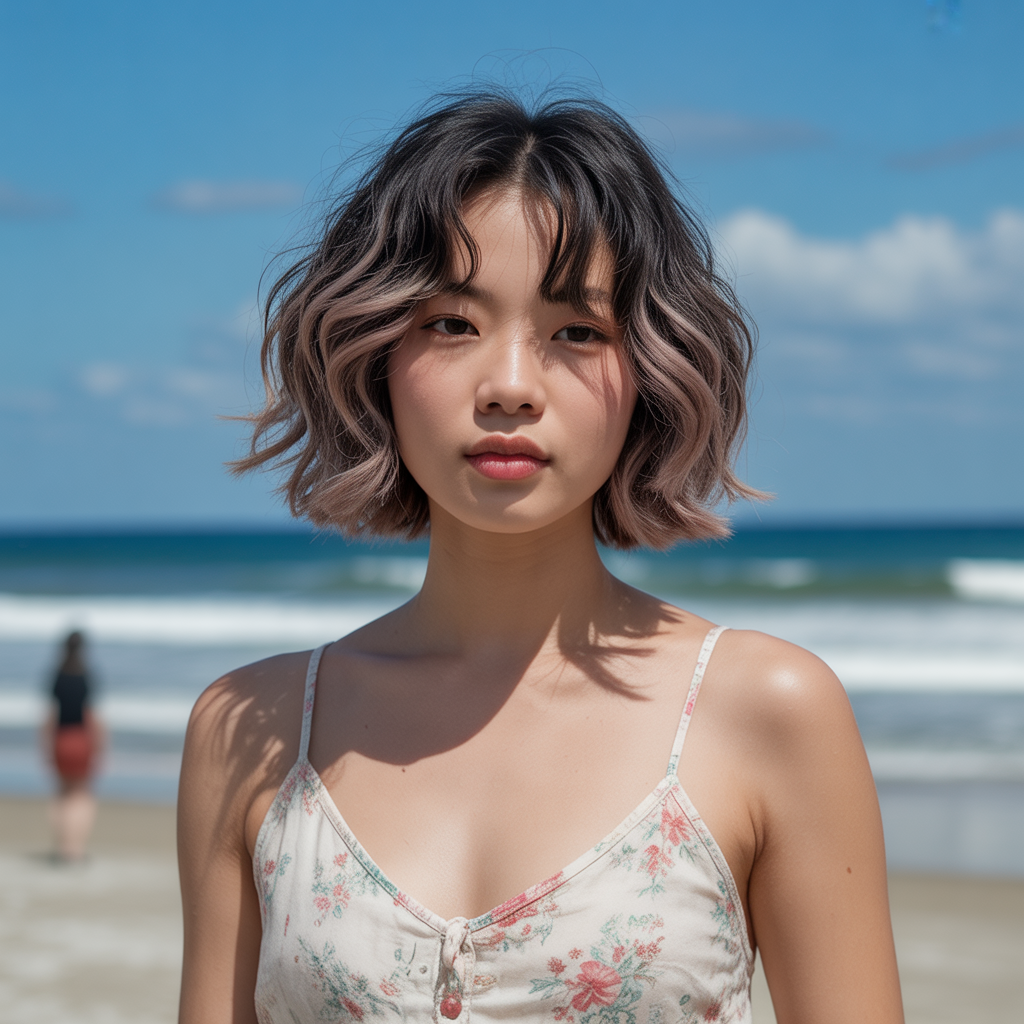
Loose waves soften the edges of the bob in a way that feels current and completely effortless. This is not the tight, stiff wave of another era. It is the kind of wave you get after sleeping on damp hair or running your fingers through a salt spray finish. It makes the bob look lived in and real rather than achieved.
This version has taken over Pinterest boards for the past two years because it bridges the gap between polished and relaxed. Stylists recommend it to clients who love the idea of a bob but worry it will look too severe on them. One detail that separates a professional wave from a DIY attempt is wrapping the hair away from the face on both sides rather than alternating directions. This creates a consistent c-wave that opens up the face instead of closing it toward the center.
Best for: Clients with naturally wavy or heat-trained straight hair Product: Kenra Platinum Silkening Mist before waving and R+Co Sail Soft Wave Spray to finish Pro tip: Let each section cool completely on the barrel before releasing it so the wave sets firm rather than falling limp within the hour. Face shape: Most face shapes. Especially good for square faces because the soft curve breaks up hard jaw angles. Barber language: Ask for “a chin-length bob with a slight concave back so the front pieces frame the face when waved.”
Blunt 90s Bob Haircut
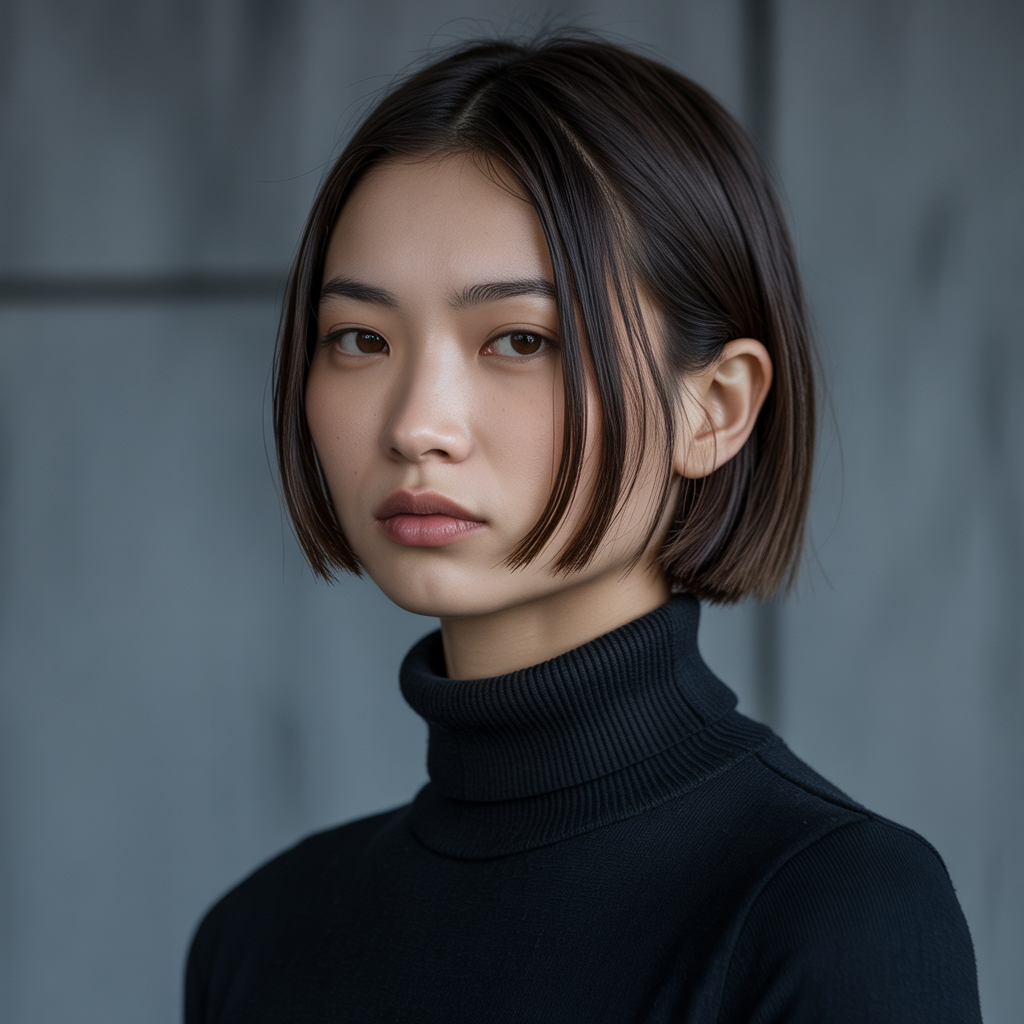
The blunt bob is the most uncompromising version of this cut. There are no layers, no graduation, no softening details. The ends are cut in one clean horizontal line and the shape speaks entirely for itself. It is a statement of confidence in geometric form.
Fine hair benefits most from a blunt cut because the solid weight line at the ends creates a visual illusion of thickness and density. A good blunt bob on fine hair looks fuller than the same length with layers ever could. That trade-off is why it remains a permanent fixture in salon request books.
Best for: Fine to medium hair that needs maximum visual density at the ends Product: Wella Professionals EIMI Perfect Setting lotion for blow-dry volume and hold Pro tip: Ask your stylist to cut the blunt line on dry hair after a blow-dry so the final position lands exactly where the weight will fall in real life. Face shape: Oval, long, and heart. The horizontal line creates width and visual interest directly at the jaw. Barber language: Say “I want a one-length blunt bob with no layers, no graduation, and a perfectly straight weight line.”
Side-Parted 90s Bob Haircut
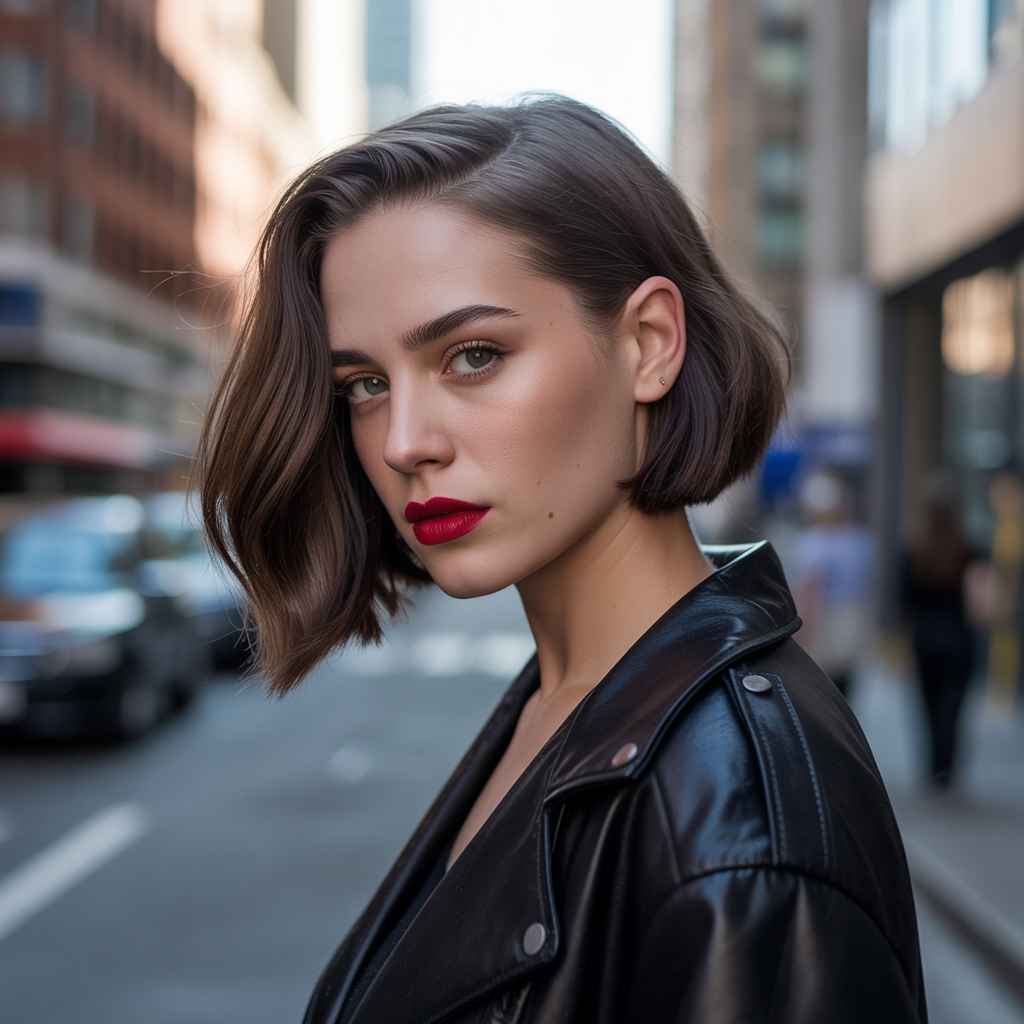
A deep side part is one of the simplest ways to reshape the bob without changing a single millimeter of the cut. It creates asymmetry, adds drama, and gives a cascading effect that looks intentional. Clients who feel their center part looks flat often switch to a side part and feel like they have a new haircut.
The side part also creates natural lift on the heavier side by pulling the root away from the scalp. It is a practical trick that doubles as a design element and is completely free to try before committing to anything.
Best for: Clients with fine or limp hair who want shape without adding product weight Product: Oribe Volumista Mist at the root before parting and blow drying Pro tip: Use a fine-tooth tail comb to create the part sharply and spray the root on the heavy side before blow drying to lock the lift in place. Face shape: Round and square. The diagonal line created by a deep side part visually lengthens and narrows wider facial structures. Barber language: Ask for “a chin-length bob cut with a deep side part in mind so the interior shape supports asymmetry on the heavy side.”
Chin-Length 90s Bob Haircut
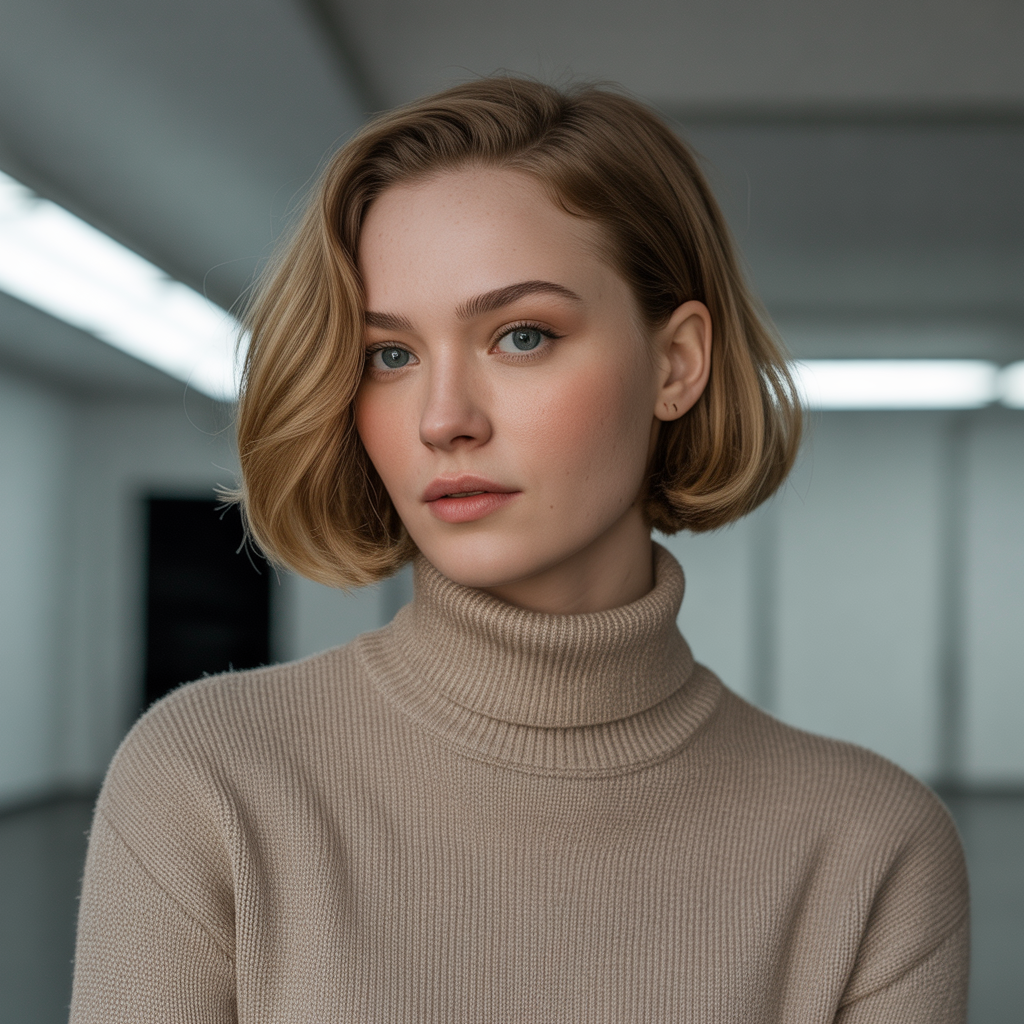
Chin length is where the 90s bob haircut lives in its most authentic form. This is not an accident. The chin is the exact point where a cut creates the most dialogue with the face, drawing attention to the jaw and creating a visual stop that gives the whole look a decisive, clean quality.
First-time bob clients almost always start here because it is versatile enough to style in multiple ways but short enough to feel like a real change. It is the version most stylists recommend when a client says they want something different but cannot commit to specific details.
Best for: Anyone getting their first bob or returning to the style after years away Product: Living Proof Perfect Hair Day 5-in-1 Styling Treatment for multi-purpose daily use Pro tip: Ask for a slight concave shape in the back so the front pieces stay longer and the cut hugs the jaw from every angle. Face shape: Oval, heart, and long. The chin-length adds visual width and stops the eye at a flattering point. Barber language: Say “I want the front of my bob to sit right at my chin and the back to be slightly shorter with a concave graduation.”
Tousled 90s Bob Haircut

The tousled bob is the style for people who look best when they look like they tried just a little. It is not messy in a careless way. It has deliberate undone energy that takes about three minutes to achieve once the cut is right. The movement is built into the shape by the stylist, so daily effort is minimal.
It works especially well for clients who say they want something easy to manage. Tousled is the practical answer to that request because the lack of precision is built into the aesthetic from the moment the scissors stop.
Best for: Busy clients who want a stylish result with minimum morning effort Product: Bed Head by TIGI Small Talk thickening cream or Not Your Mother’s Curl Talk Frizz Control Gel Pro tip: Scrunch product in while the hair is still about eighty percent damp rather than fully dry to activate the texture before it sets. Face shape: Most face shapes. The relaxed shape avoids sharpening or exaggerating any feature, which makes it universally flattering. Barber language: Ask for “a bob with soft point-cut layers throughout and disconnected ends that create natural movement without a defined weight line.”
Grunge 90s Bob Haircut

The grunge bob does not ask for anyone’s approval. It has choppy, intentionally uneven ends, a raw texture, and a lived-in attitude that is impossible to fake with a polished cut. It comes directly from the underground music and fashion culture of the early 90s and it has been cycling back through fashion circles ever since.
This style works best when minimal product is applied. The whole point is that the hair looks like it has been through something. Over-styling kills the effect entirely. The technical detail that makes a grunge bob look intentional rather than just badly cut is the use of razor cutting on the ends rather than scissors. Razor cutting creates that raw, splintered edge that gives the style its signature character and separates it from a simple messy cut.
Best for: Medium to thick hair with natural texture or wave Product: Schwarzkopf Professional OSiS+ Dust It mattifying powder for grit and separation without weight Pro tip: Avoid brushing this style entirely. Use only your fingers to separate and shape so the ends stay raw and the texture holds its edge through the day. Face shape: Oval and oblong. The choppy ends add visual interest at the sides without creating excessive width. Barber language: Say “I want a bob with razor-cut ends and intentional disconnection. No polish. I want it to look undone on purpose.”
Feathered 90s Bob Haircut
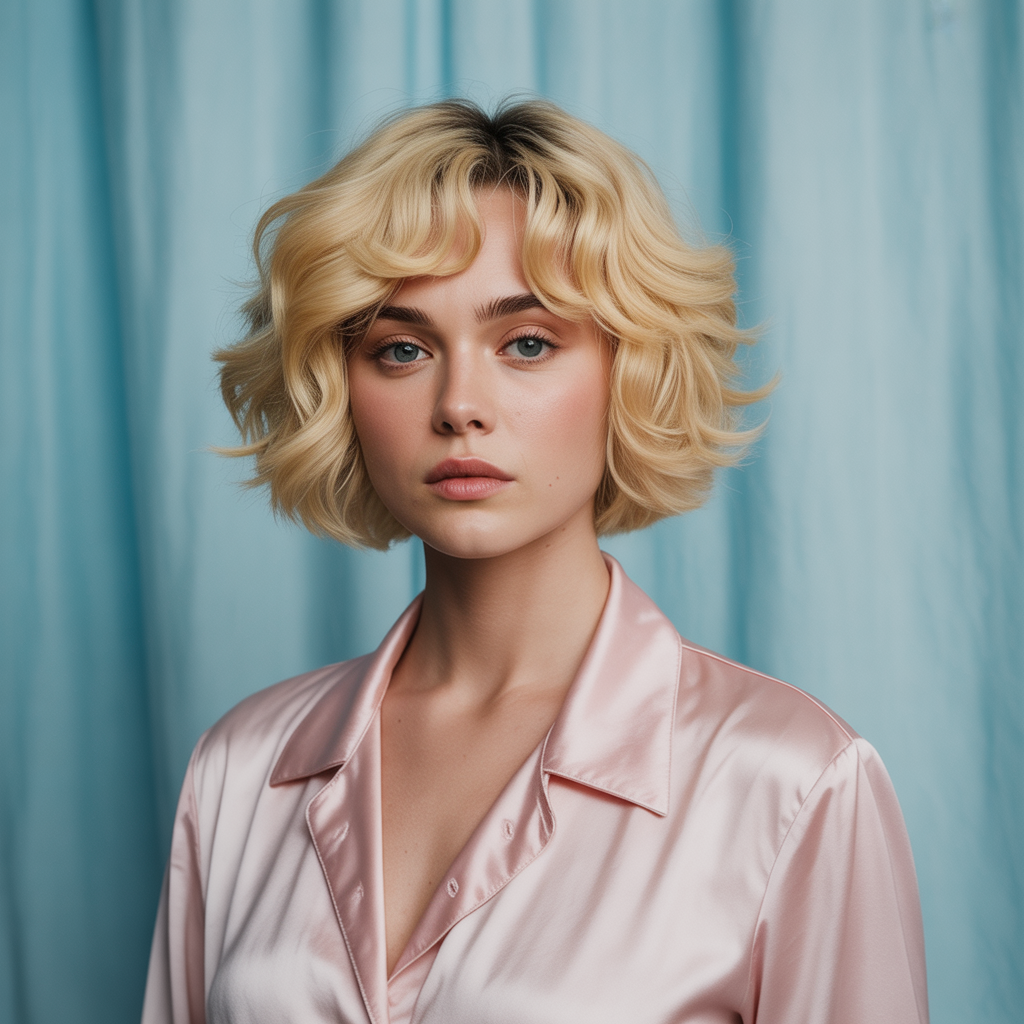
Feathering is a technique, not just a look. The stylist uses a razor or angled scissors to slice into the hair and create thin, light ends that fan out gently around the face. The result feels airy and soft in a way that regular layering cannot replicate. It was a signature salon technique in 90s hairwork and it is being requested again by clients who want softness without bulk.
This technique is particularly effective for clients who have complained that previous bobs made them look too severe or too polished. Feathering removes the edge from the shape without removing the shape itself.
Best for: Fine to medium hair that needs volume, movement, and a softer overall impression Product: Redken Volume Injection Conditioner and Kenra Volume Spray 25 for lift and feather hold Pro tip: Blow dry the feathered sections upward and outward using a paddle brush to encourage the airy effect rather than letting the sections dry flat against the head. Face shape: Round and heart. The light outward framing created by feathering adds visual lift and length to wider faces. Barber language: Ask for “a bob with razor-feathered ends throughout, especially around the face-framing pieces.”
Asymmetrical 90s Bob Haircut

The asymmetrical bob breaks the rule that both sides must match. One side is cut longer than the other, creating a diagonal line that adds movement, modernity, and a point of difference from every standard version of this cut. It is still recognizably a bob but with an edge that sets it apart in any room.
This style photographs extremely well because the diagonal draws the eye and creates visual interest from every angle. It is a favorite among clients who want to stand out without committing to a color change or extreme length difference.
Best for: Clients who want a dramatic result without relying on color or drastic length changes Product: Bumble and bumble Styling Wax for definition and hold on the shorter side Pro tip: Style the longer side smooth and the shorter side slightly textured so the contrast between the two lengths is visible and reads as intentional rather than accidental. Face shape: Round and square. The diagonal line creates length and a strong visual axis that interrupts the flatness of wider facial structures. Barber language: Say “I want a bob where one side sits at my chin and the other sits one to two inches shorter. Keep the back low and clean.”
Voluminous 90s Bob Haircut
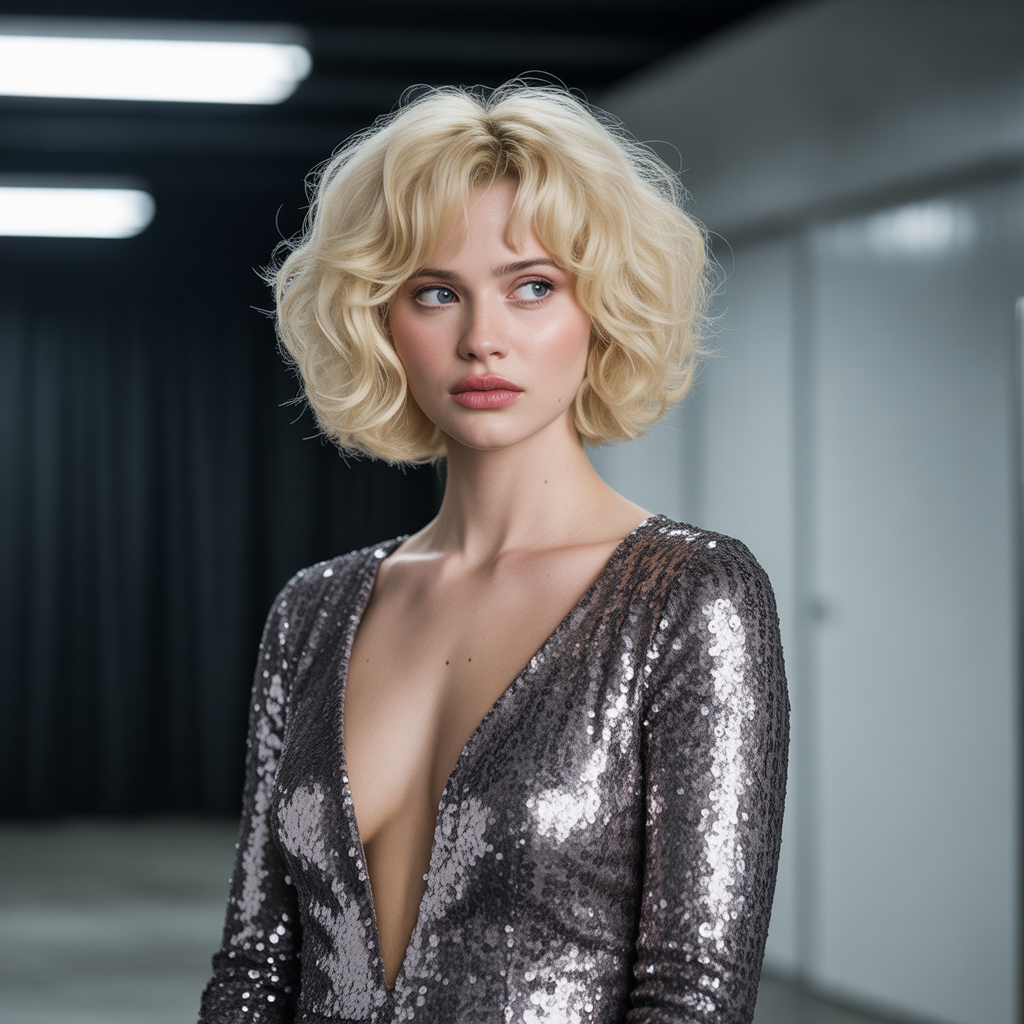
Volume defined 90s hair culture in a way no other decade fully replicated. The voluminous bob leans directly into that energy with a round, full shape that lifts at the roots and fans out at the sides. It is glamorous without being formal and bold without being theatrical.
The secret to this style holding through the day is product applied at the root, not the mid-length or ends. Root volume creates the actual structure. Everything else is just surface finish and movement.
Best for: Fine or flat hair that needs density and lift to feel full and alive Product: Olaplex No. 4D Clean Volume Detox Dry Shampoo at the roots and Kenra Platinum Silkening Blow Dry Spray before heat Pro tip: Dry the roots on high heat while lifting them with a large round brush, then switch to cool air to lock the volume in place before moving to the ends. Face shape: Long and oval. The added width at the sides visually shortens longer faces and adds proportion. Barber language: Ask for “a bob with graduation at the back and more interior weight to support volume when blow dried round.”
Pixie-Inspired 90s Bob Haircut
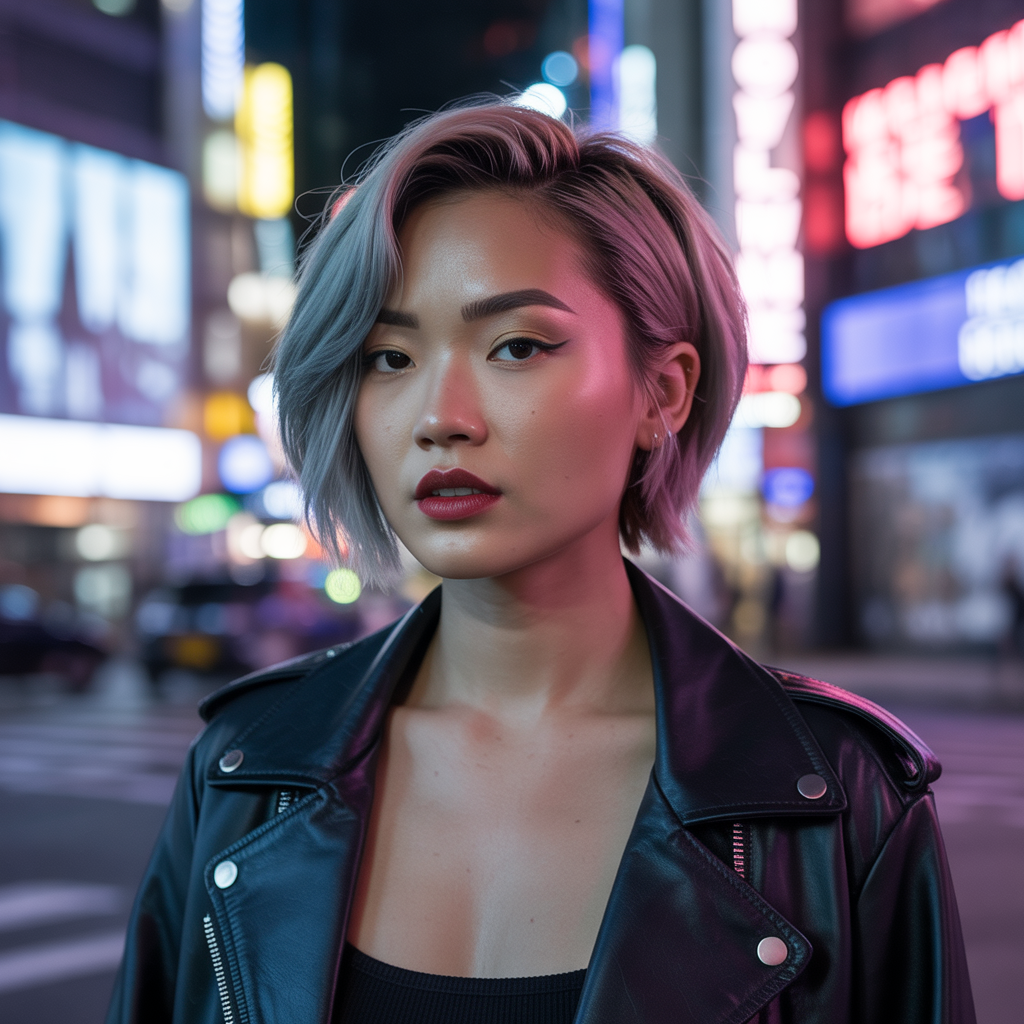
This style lives at the crossroads between a pixie cut and a classic bob. The back and sides are cut shorter and tighter but the top and front pieces retain enough length to be unmistakably a bob. It delivers the ease and structure of a pixie with just enough length to offer styling options.
Clients who are considering going short but are nervous about a full pixie often land here. It is a smart middle ground that gives the scalp-close feel without removing the ability to work with the top section.
Best for: Clients with strong features and smaller face shapes who want a shorter, cleaner silhouette Product: American Crew Fiber for piece-y texture and definition on the top section Pro tip: Apply a touch of pomade to the very ends of the top pieces and push them slightly forward to create a structured fringe effect without actually cutting a fringe. Face shape: Heart and diamond. The shorter sides minimize width at the temples while the longer top adds length and proportion. Barber language: Say “I want a bob that is close at the back and sides but keeps enough length on top for styling. Think pixie-bob crossover.”
Shaggy 90s Bob Haircut
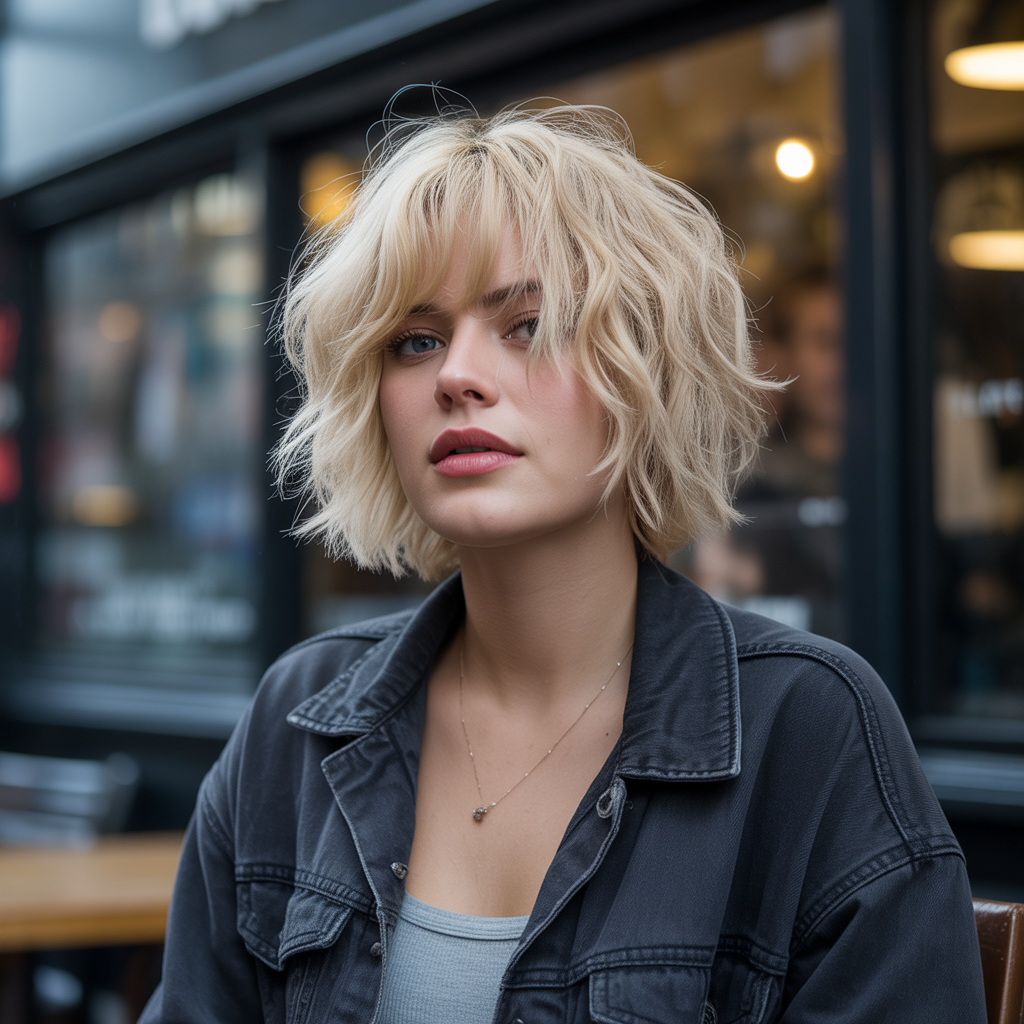
The shaggy bob is the bob that refuses to be neat. It has heavy layers, undone texture, and a casual finish that makes it look great without making the wearer look like they spent any time on it. The layers are cut in a way that creates movement even when the hair simply air dries without product.
This is one of the styles that grew significantly in popularity from 2022 onward when the wolf cut trend pulled clients toward more textured, less polished results. The shaggy bob is the shorter, more wearable answer to that broader movement. A true shag uses curtain bangs or heavy face-framing layers to anchor the style. Without that framing, the shape reads as unfinished rather than intentional, and that distinction is what separates a skilled shag from a failed trim.
Best for: Wavy or thick hair that thrives when layers encourage its natural pattern Product: IGK Mistress Hydrating Hair Balm on damp hair before air drying for texture without crunch Pro tip: Avoid blow drying this style with a brush. Use a diffuser or air dry entirely so the layers fall naturally and the shape settles into its best version. Face shape: Oval and long. The horizontal weight created by the shaggy layers visually shortens longer faces and softens oval shapes. Barber language: Ask for “a shaggy bob with heavy internal layers, a disconnected weight line, and curtain fringe for face framing.”
Visit Also: Long Layered Haircuts
Highlighted 90s Bob Haircut
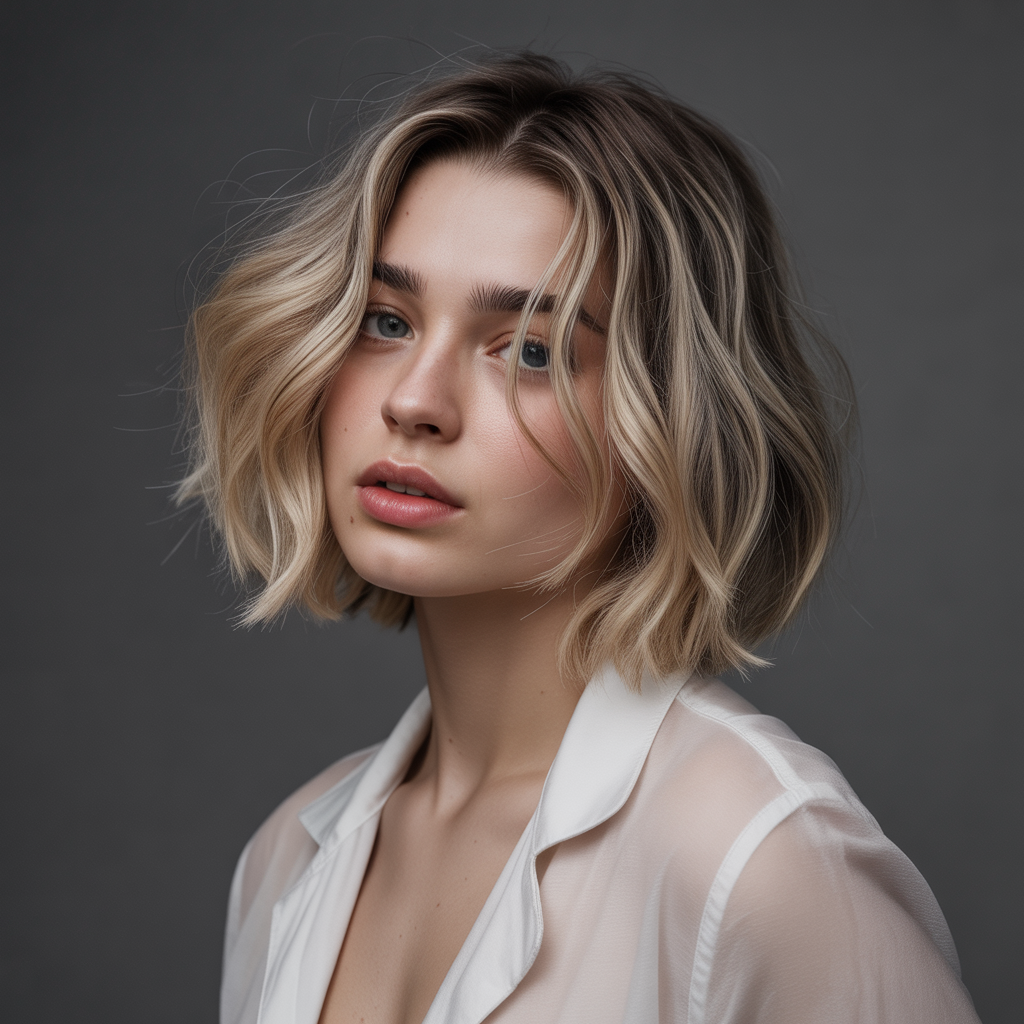
Color and the 90s bob are inseparable. Highlights were the defining salon service of that decade and they work just as well today. The right highlights placed throughout a bob create depth, dimension, and a light-catching brightness that makes the cut look more expensive and more intentional without a single change to the shape.
The key is strategic placement. Modern highlights are not uniform. They are positioned to catch light at the ends and face-framing pieces rather than blanketing the whole head evenly, which reads as dated rather than dimensional.
Best for: Anyone wanting to refresh their bob look without changing the cut itself Product: Wella Color Charm 20 Volume Developer for lift and Redken Shades EQ for glossing and toning after lightening Pro tip: Ask your colorist to concentrate the brightest pieces at the front sections and face-framing areas so the highlights are visible even when the hair is not freshly styled. Face shape: Works on all face shapes. Light pieces at the front naturally draw attention toward the face and softly away from the jaw or width. Barber language: Say “I want highlights placed at the ends and face-framing sections with a softer melt toward the roots. No chunky blocks.”
Rounded 90s Bob Haircut
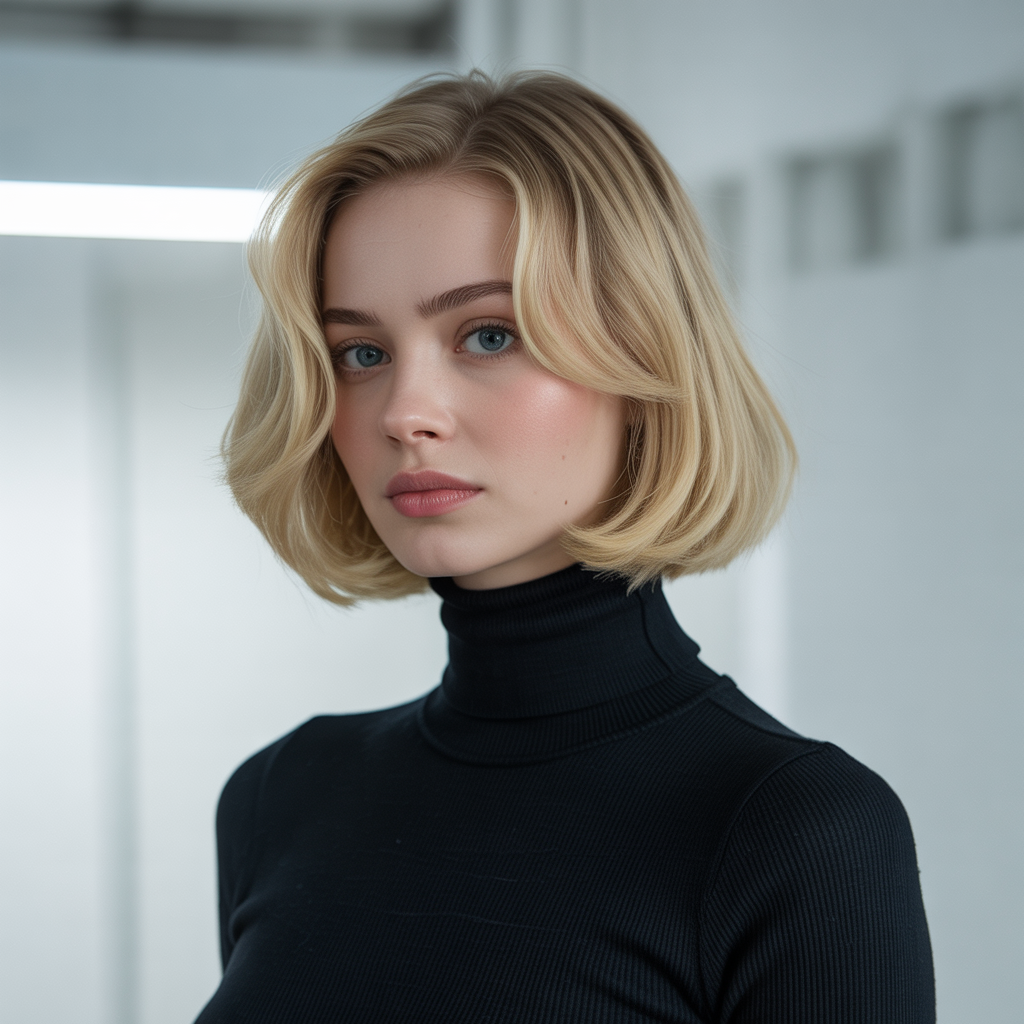
The rounded bob uses graduation at the back to create a curved silhouette rather than a flat one. Viewed from the side or behind, the hair follows a smooth arc from the shorter back up to the longer front pieces. This gives the style a polished, intentional shape that reads as classic without feeling old-fashioned.
Stylists achieve this with stacked graduation in the back, which builds the curve layer by layer. The technique requires real precision and is one of the clearest indicators of a technically skilled haircutter when you see it done well.
Best for: Clients who want a tidy, professional result that holds its shape through the week Product: Joico JoiWhip Firm Hold Design Foam for blow-dry control and shape retention Pro tip: After blow drying, use a large round brush to roll the back sections under while finishing with cool air to reinforce the rounded silhouette without extra product. Face shape: Square and strong jawlines. The curved back shape softens hard angles and creates a more oval overall impression. Barber language: Ask for “a stacked bob with graduation at the back to create a curved silhouette. I want it visibly round from behind.”
Textured 90s Bob Haircut
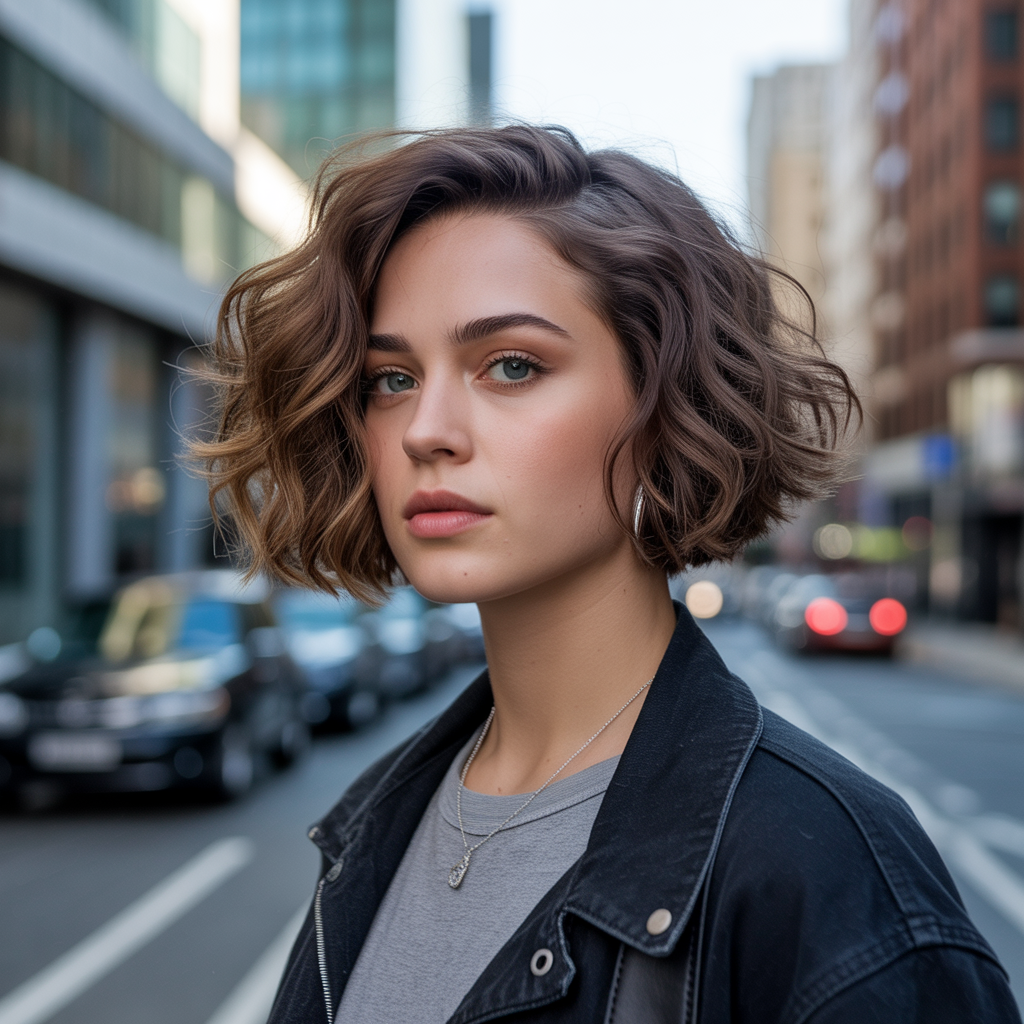
Texture is the tool that makes any bob feel current. A textured bob has deliberate surface variation that catches light differently at every angle. It is not about curl or wave necessarily. It is about intentional irregularity that prevents the style from looking flat or predictable regardless of how much effort went into styling it.
This is probably the most popular version of the 90s bob in modern salons right now because it suits clients who want something that reads contemporary rather than nostalgic. The cut borrows the geometry of the decade and strips away the stiffness.
Best for: All hair types. Especially effective on straight hair that needs visual interest without color. Product: R+Co Rockaway Salt Spray for sea texture and OUAI Texturizing Hair Spray for a finer, softer finish Pro tip: Mist the spray onto your palms, press both palms together, and scrunch upward through the mid-lengths and ends rather than spraying directly onto the hair for more even distribution. Face shape: Oval and oblong. Texture adds visual width to narrower faces without adding actual bulk or weight. Barber language: Say “I want a bob with point-cut ends and texturizing throughout the mid-lengths to add surface movement without full layers.”
Middle-Part 90s Bob Haircut

The middle part became a symbol of the decade’s clean-line aesthetic and its mainstream revival in the early 2020s sparked broad renewed interest in the 90s bob as a whole. It divides the hair into two perfectly equal sections that hang parallel and frame the face with geometric precision. It is the simplest change that makes the biggest visual statement.
This part works best when the bob is built to support it. The interior shape must be constructed to encourage an even fall on both sides. A cut designed for a side part will not sit as cleanly with a center part, no matter how carefully you place it each morning.
Best for: Straight or very lightly wavy hair with a natural tendency to fall flat and even Product: Oribe Superfine Hair Spray for holding the part cleanly in place without stiffness or crunch Pro tip: Blow dry the roots flat first using a nozzle attachment before setting the center part so the hair lies smooth rather than puffing away from the scalp on either side. Face shape: Oval and long. The center part adds a vertical line that works best on balanced or longer face shapes and can elongate rounder faces when that is the desired effect. Barber language: Ask for “a bob cut to support a clean center part with a straight weight line and no internal layering that might cause the hair to separate unevenly.”
Modern Revival of 90s Bob Haircut
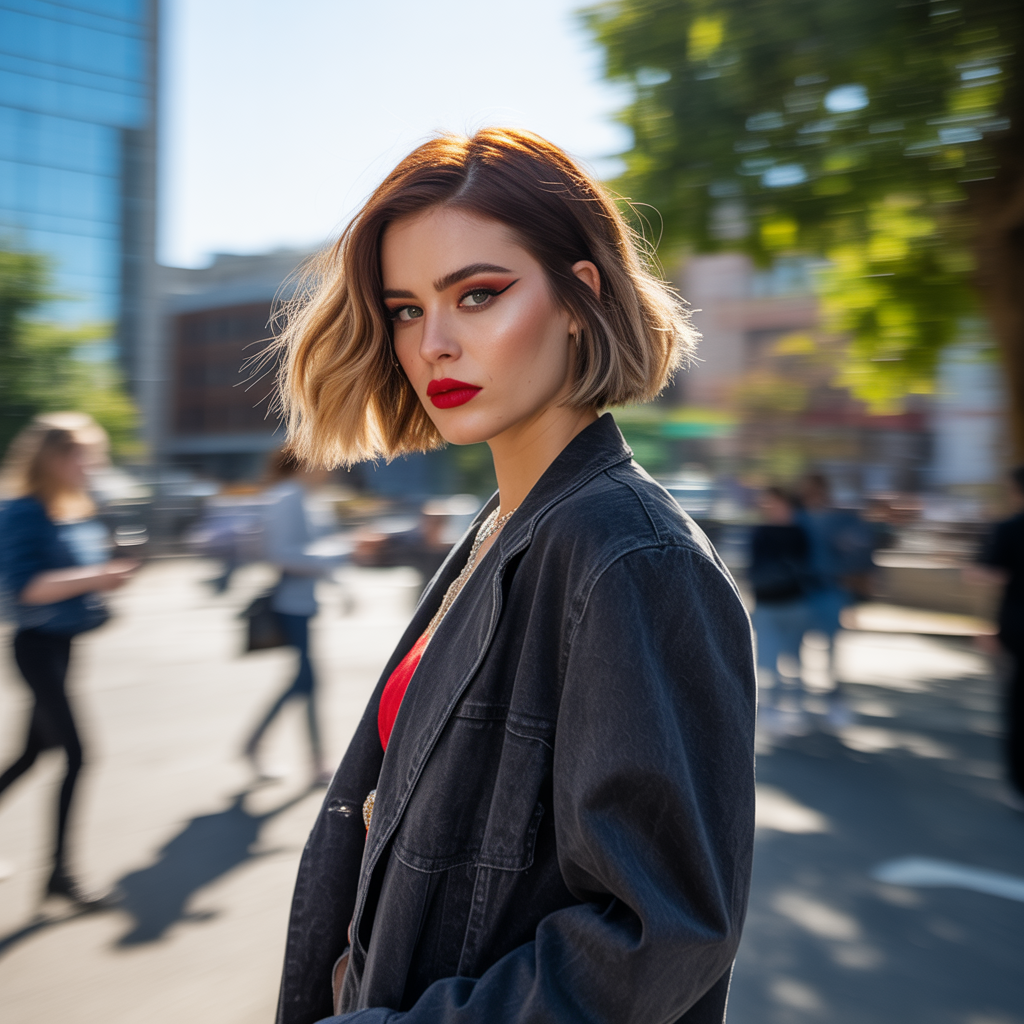
Today’s 90s bob haircut is not simply being repeated. It is being reinterpreted. The current version softens the hard lines of the original by incorporating natural texture, relaxed movement, and a less controlled approach to perfection. The cut is still recognizable but it breathes differently in 2025.
Runways from Prada, Miu Miu, and Bottega Veneta in recent seasons have featured bob variations that track directly back to the 90s blueprint. This is not coincidence. What most trend coverage misses is that the revival is not about the decade itself. It is about the geometry. The chin-length, defined-edge bob is the most structurally sound short haircut ever developed, which is exactly why it keeps returning across every cycle.
Best for: Anyone who wants a style that feels simultaneously current and timeless Product: Davines OI Oil for a modern glossy finish that reads effortless rather than heavily styled Pro tip: Ask your stylist to leave the outermost layer slightly longer than the interior so the exterior line holds definition even as the style grows out between appointments. Face shape: Works across all face shapes when the version is correctly matched to individual facial structure. Refer to the full list above for version-specific guidance. Barber language: Say “I want a modern bob inspired by the 90s. Keep the structure clean but leave room for natural movement and texture.”
Quick Comparison Table
| Style | Length | Hair Type | Maintenance | Bold Factor |
|---|---|---|---|---|
| Sleek and Straight | Chin | Straight | Low | ★★☆ |
| Layered | Chin to jaw | All types | Low | ★★☆ |
| Curly | Cut longer, dries to chin | Curly or coily | Medium | ★★★ |
| Flipped Ends | Chin | Straight or wavy | Low | ★★☆ |
| Wavy | Chin | Wavy or straight | Low | ★★☆ |
| Blunt | Chin | Fine or medium | Low | ★★★ |
| Side-Parted | Chin | All types | Low | ★★☆ |
| Chin-Length | Chin | All types | Low | ★★☆ |
| Tousled | Chin | Wavy or layered | Very low | ★★☆ |
| Grunge | Chin to jaw | Medium or thick | Very low | ★★★ |
| Feathered | Chin | Fine or medium | Low | ★★☆ |
| Asymmetrical | Diagonal | All types | Medium | ★★★ |
| Voluminous | Chin | Fine or flat | Medium | ★★★ |
| Pixie-Inspired | Short with longer top | All types | Low | ★★★ |
| Shaggy | Chin | Wavy or thick | Very low | ★★☆ |
| Highlighted | Chin | All types | Medium | ★★★ |
| Rounded | Chin | All types | Low | ★★☆ |
| Textured | Chin | All types | Low | ★★☆ |
| Middle-Part | Chin | Straight or wavy | Low | ★★☆ |
| Modern Revival | Chin | All types | Low | ★★★ |
Frequently Asked Questions
Which version of the 90s bob haircut works best for a round face? The side-parted or asymmetrical version works best because the diagonal line creates the illusion of added length. Avoid very blunt, even-length cuts that add width without any vertical movement.
How often do I need to trim a bob to keep its shape looking clean? Every six to eight weeks is the standard recommendation for maintaining a bob’s defined structure. Waiting longer causes the style to lose its shape and the ends to lose their intentional finish.
Can thick hair wear a 90s bob without feeling heavy? Yes. The layered, shaggy, or textured versions are specifically designed to remove bulk while keeping length. Ask your stylist for internal weight removal rather than thinning shears, which can cause frizz on certain hair types.
What is the easiest version of this style to maintain at home? The tousled or wavy bob requires the least daily effort because the texture hides any unevenness and product use is minimal. Both styles actually improve when you touch them less, which makes them ideal for low-maintenance routines.
Is the 90s bob still a relevant choice heading into 2025? Yes. Recent runway collections and street style coverage continue to feature chin-length bobs with structural, geometric shapes. The style has returned with more texture and less rigidity than the original era, which makes it feel fresh rather than retro.
Final Thoughts
The 90s bob haircut has outlasted every trend that was supposed to replace it. It keeps returning because it is built on fundamentals that never go out of style: clean geometry, face framing, and a decisive line that communicates confidence without saying a word.
Every version in this list exists because real clients had different needs and this cut adapted to meet them. Whether you want something polished for work or something effortlessly cool for daily life, there is a version of this style that was built for you specifically.
Walk into your appointment with a reference photo and know which version you are asking for. The clearer you are, the better your stylist can execute the cut for your actual texture and face shape. This is not guesswork anymore.
Here is the one thing most people do not know until they sit in the chair: the best bobs are almost always cut slightly longer than you think you want them. Hair shrinks as it dries, the weight settles differently than it looked on the floor, and living with a cut for a week changes your relationship to the length entirely. Trust the shape first and the length will follow. The right bob does not change your look. It reveals it.
Save this to your Pinterest board before you forget it and share it with someone who is finally ready to make the cut.