20 Soft Mullet Ideas That Will Completely Transform Your Next Salon Visit
You have spent hours scrolling through soft mullet ideas and still have no idea which version would actually work for your hair. Every photo looks great on someone else. None of them come with a useful explanation of what makes them work.
This confusion is the most common thing stylists hear when clients arrive with a phone full of reference images. Beautiful photos with zero useful detail about hair type, maintenance reality, or how to actually ask for the cut.
The root cause is that most haircut content is built for engagement, not education. It shows you the result without the reasoning. You end up guessing, and guessing in a salon chair is expensive.
This list was built using real consultation knowledge, including how different layer placement behaves across fine, thick, wavy, and curly hair. The barber language included with each style comes from actual client conversations, not generalized advice.
Every idea below includes a specific product recommendation, the exact words to say to your stylist, and the face shape it suits best. There is no vague direction here.
By the end of this list you will know exactly which soft mullet ideas match your texture, your routine, and your face shape. You will walk into your next appointment with a clear and specific request and the confidence to back it up.
The single most important rule across all soft mullet ideas is this: the blend is everything. A harsh line between the short top and the long back belongs to a different decade. In 2025, this cut lives in the seamless transition, and that transition is what separates a modern result from an outdated one.
Soft Mullet Ideas
Wavy Soft Mullet Idea

Natural waves are the ideal partner for a soft mullet because they build the structure automatically. Once the layers are cut in, waves lift at the crown and loosen through the ends without product. The cut is designed to work with your natural wave pattern, not fight against it.
Keeping the layers long enough to follow the natural bend in your hair is what makes this version land correctly. Short layers fight waves and cause frizz. Long feathered layers move with the curl pattern and stay defined even through humidity.
Best for: Medium to thick wavy hair Product: Ouai Wave Spray Barber language: “I want a soft mullet with long feathered layers that follow my wave pattern. Keep the crown lifted and the back long enough to show real movement.” Face shape: Oval and round faces Pro tip: Apply your wave spray to soaking wet hair before diffusing, not to damp hair, so every layer absorbs the product evenly from root to end.
Shaggy Soft Mullet Idea
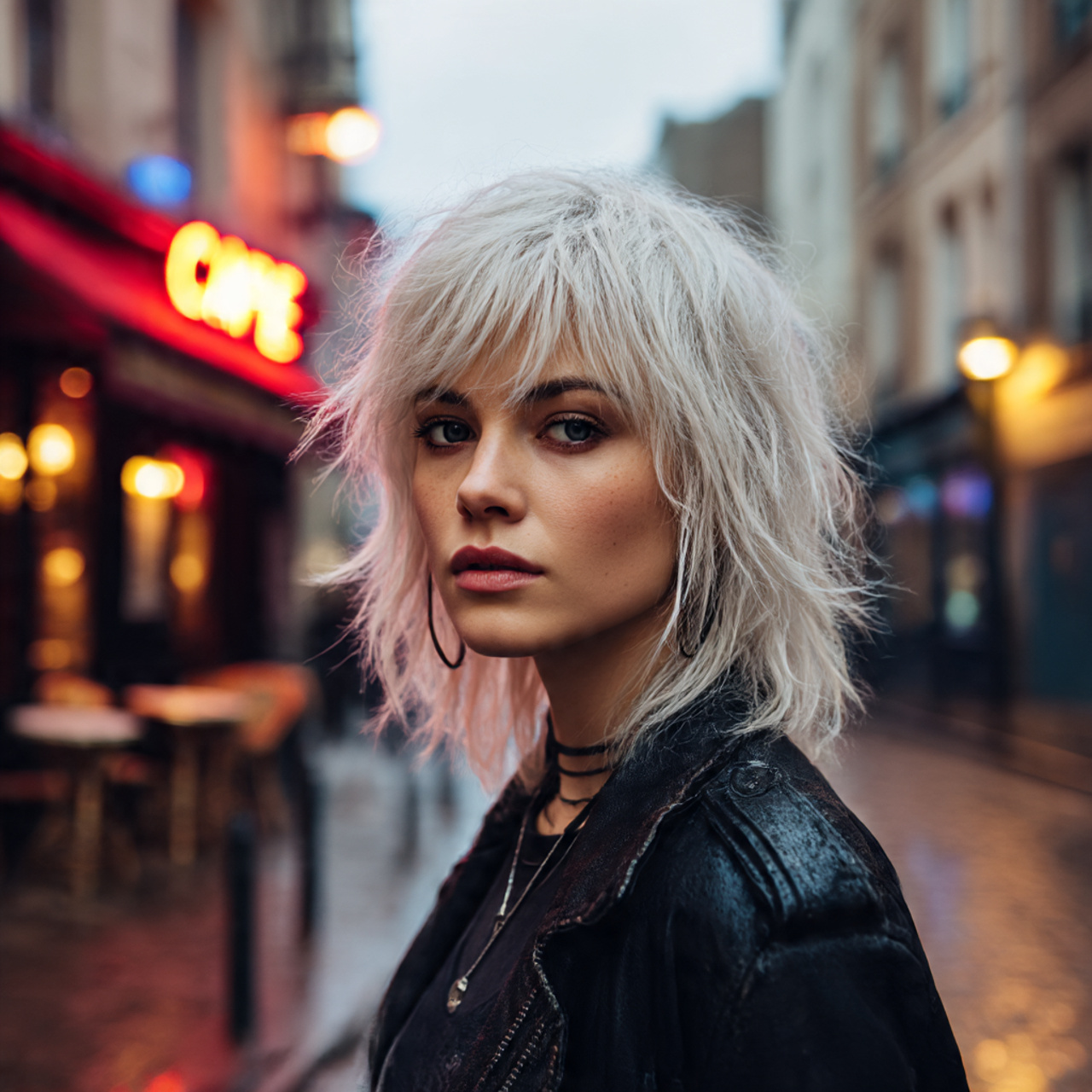
Choppy layers and a soft mullet share the same design instinct, which is why this combination works so well. The undone texture looks current and relaxed at the same time, and the longer back gives the shag a clear direction so it reads as intentional rather than unfinished.
Thick hair benefits most here because the layers remove bulk at exactly the right points. Fine hair can also wear this style with interior layering technique, where weight is reduced beneath the surface rather than at the ends.
Best for: Thick, medium, or fine hair with any texture Product: R+Co Rockaway Salt Spray Barber language: “Give me a shaggy soft mullet with choppy ends throughout. I want interior layers to remove bulk, not just surface layers.” Face shape: Square and heart-shaped faces Pro tip: Scrunch your hair upward while it air-dries to encourage the layers to separate and stack naturally without any heat tools.
Curly Soft Mullet Idea
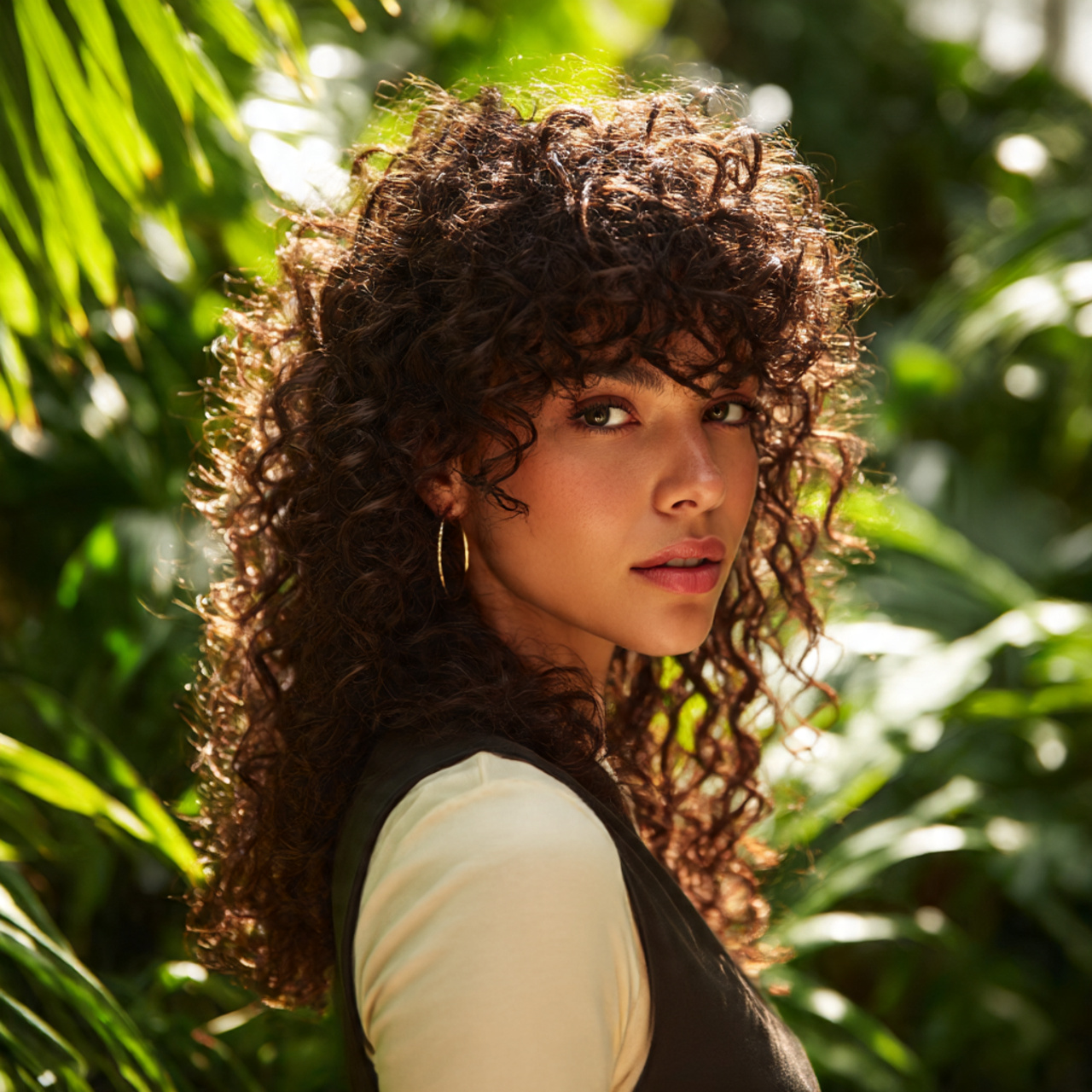
Curly hair gives this shape a rounded, full structure that straight cuts simply cannot achieve. Natural volume fills the crown without any product assistance, and the longer back creates balance that prevents the style from reading as too wide. The cut and the hair type do equal amounts of work here.
Cutting curly hair dry is the technique that makes this land correctly. Dry cutting lets the stylist see exactly where each curl sits at its natural state. Wet cuts on curly hair almost always produce a different shape than the client intended.
Best for: Natural curls and coils Product: SheaMoisture Coconut and Hibiscus Curl Enhancing Smoothie Barber language: “Cut my soft mullet dry so you can see how the curls sit naturally. Shorter layers at the crown for lift, longer in the back for balance.” Face shape: Long and oblong faces Pro tip: Refresh second-day curls with a few sprays of plain water and a small scrunch of gel rather than restyling from scratch.
Bangs Soft Mullet Idea

A fringe gives the soft mullet a clear front anchor that makes the whole structure immediately obvious. The eyes become the focal point and the layers flow outward and downward with purpose. Without bangs, the front of a soft mullet can read as undefined.
Curtain bangs are the most practical fringe choice for this cut because they part naturally and require almost no daily work beyond your fingers or a light pass with a round brush.
Best for: Straight to wavy hair, any thickness Product: Drybar The Double Shot blow-dryer brush for effortless curtain bang styling Barber language: “Curtain bangs blended into a soft mullet. The bangs should land between my brows and cheekbones and part easily in the middle.” Face shape: Long, rectangular, and oval faces Pro tip: Set your curtain bangs with Kenra Platinum Silkening Mist while they are still warm from the dryer for a shape that holds through the full day.
Asymmetrical Soft Mullet Idea
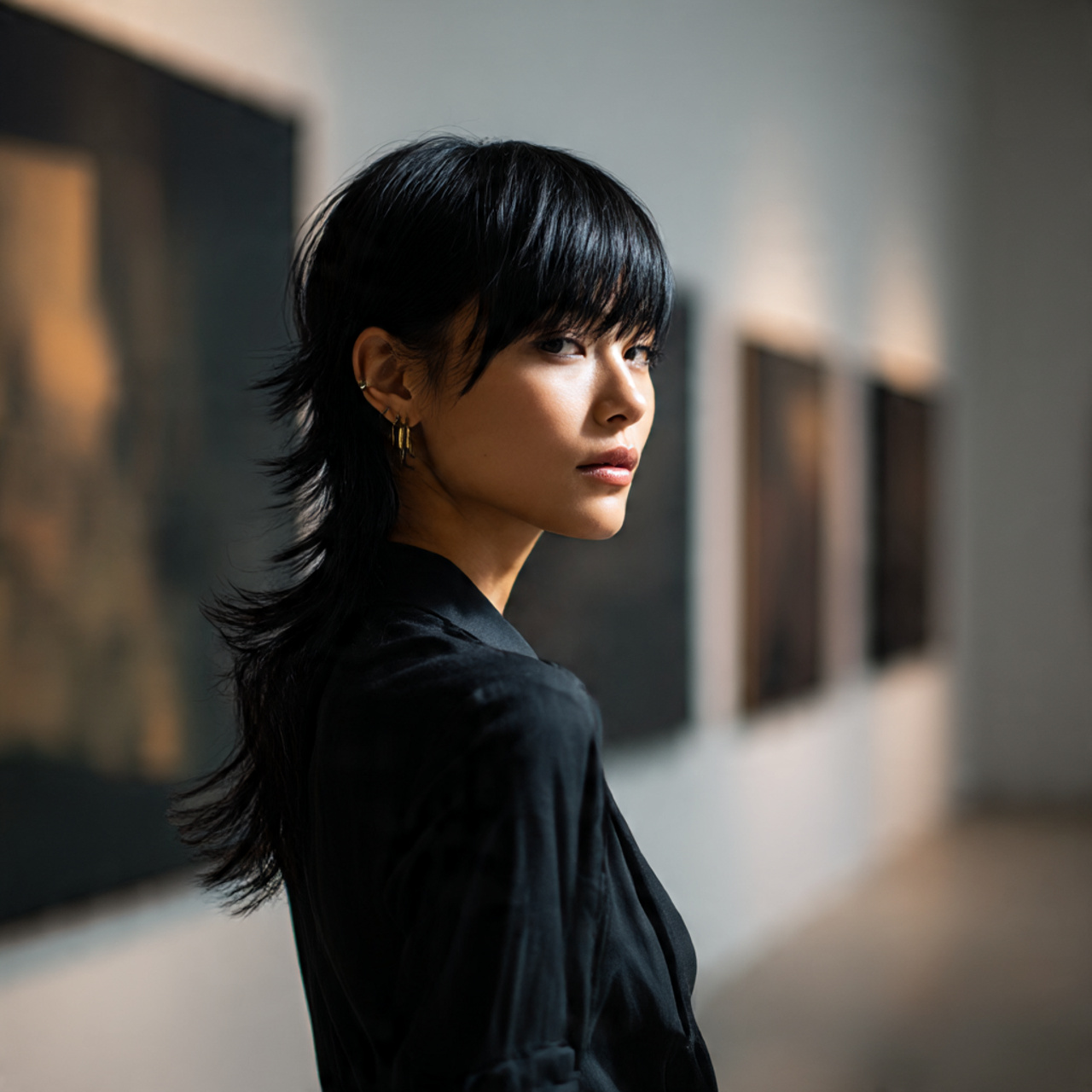
Breaking the even split transforms the soft mullet into something with real visual energy. One side sits shorter at the jaw, the other sweeps longer past the collarbone, and the diagonal line that results reads as deliberately designed. The contrast creates interest without requiring complex styling.
Straight to slightly wavy hair shows the asymmetry cleanest. Too much texture blurs the boundary between the two lengths and reduces the intentional effect.
Best for: Straight to slightly wavy hair, medium density Product: Kevin Murphy Session Spray for hold without stiffness Barber language: “Asymmetrical soft mullet. Left side shorter at the jaw, right side longer past the collarbone. Blend everything softly.” Face shape: Round and oval faces Pro tip: Pin your longer side up while you sleep to prevent it from losing shape overnight, especially in the first few weeks after the cut.
Pastel Pink Soft Mullet Idea
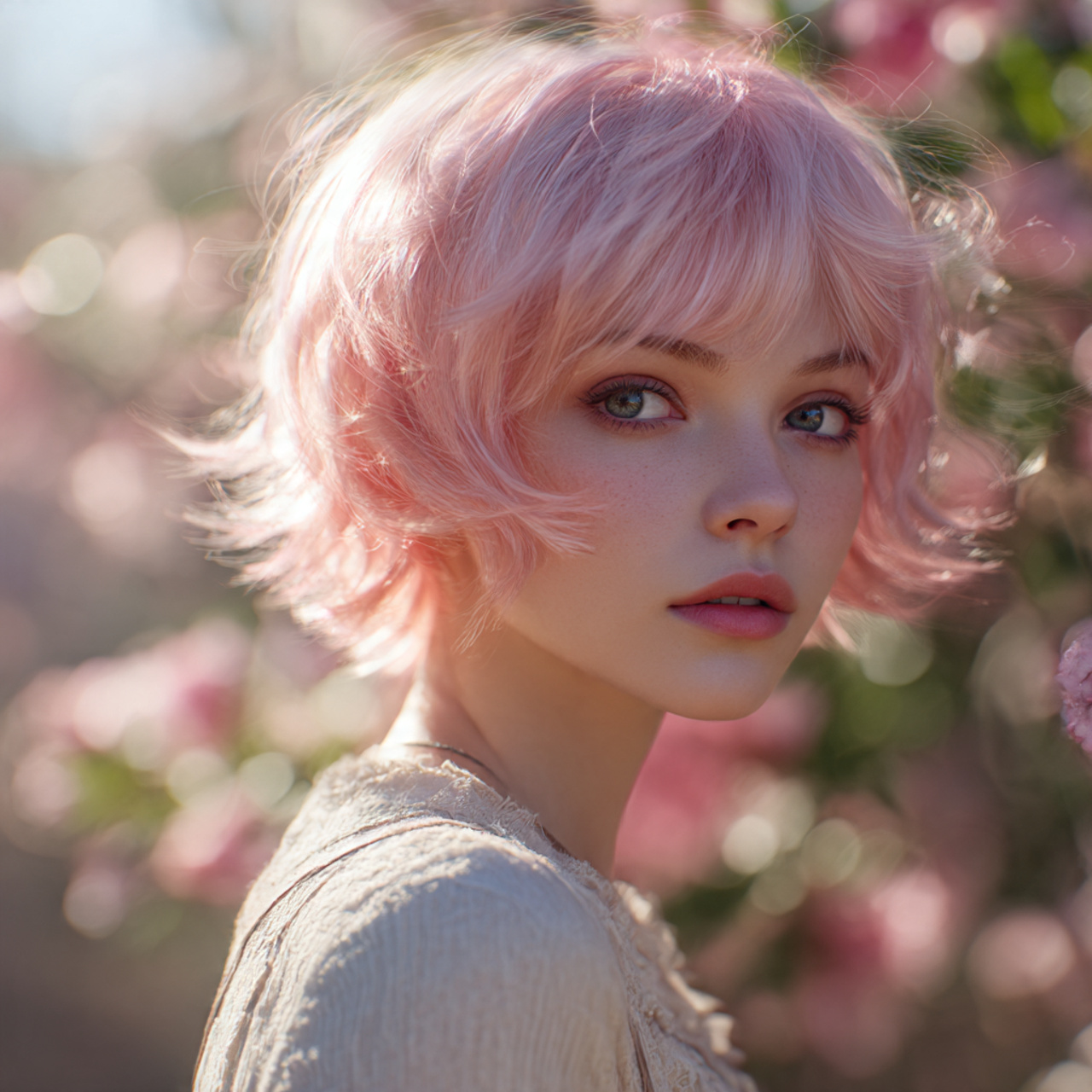
Color makes a soft mullet more visible. Pastel pink catches light differently at each layer, turning the cut’s structure into a dimensional visual feature. Every section becomes a distinct element rather than part of a flat, single-tone mass of hair.
Pre-lightening is required for most natural hair tones before pastel color can deposit correctly. The lift level you reach before toning directly determines how vivid or how soft the final shade sits.
Best for: Light brown or previously lightened hair Product: Overtone Pastel Pink Coloring Conditioner for at-home maintenance between appointments Barber language: “Soft mullet cut first, then pastel pink applied through the lengths and ends. Section the color to highlight the individual layers.” Face shape: Oval, heart, and round faces Pro tip: Wash pastel-toned hair with cold water only and use a color-depositing conditioner every third wash to extend vibrancy between salon visits.
Voluminous Soft Mullet Idea

Fine hair loses its volume when length pulls the root flat. A soft mullet corrects this directly. Shorter layers at the crown lift away from the scalp and stay lifted because the length below is not weighing them down. It is a mechanical solution to a specific hair-type problem.
Layer placement in this version is more precise than in any other style on this list. Too long at the crown and the volume disappears. Too short and the shape becomes a shag rather than a mullet.
Best for: Fine to medium hair that sits flat at the root Product: Living Proof Full Dry Volume and Texture Spray Barber language: “I need crown volume. Cut the top layers short enough to lift but long enough to connect with the sides. The back stays collarbone length at least.” Face shape: Square and heart-shaped faces Pro tip: Flip your head upside down when applying root spray so the product reaches the actual scalp rather than just sitting on the hair surface.
Long Layers Soft Mullet Idea
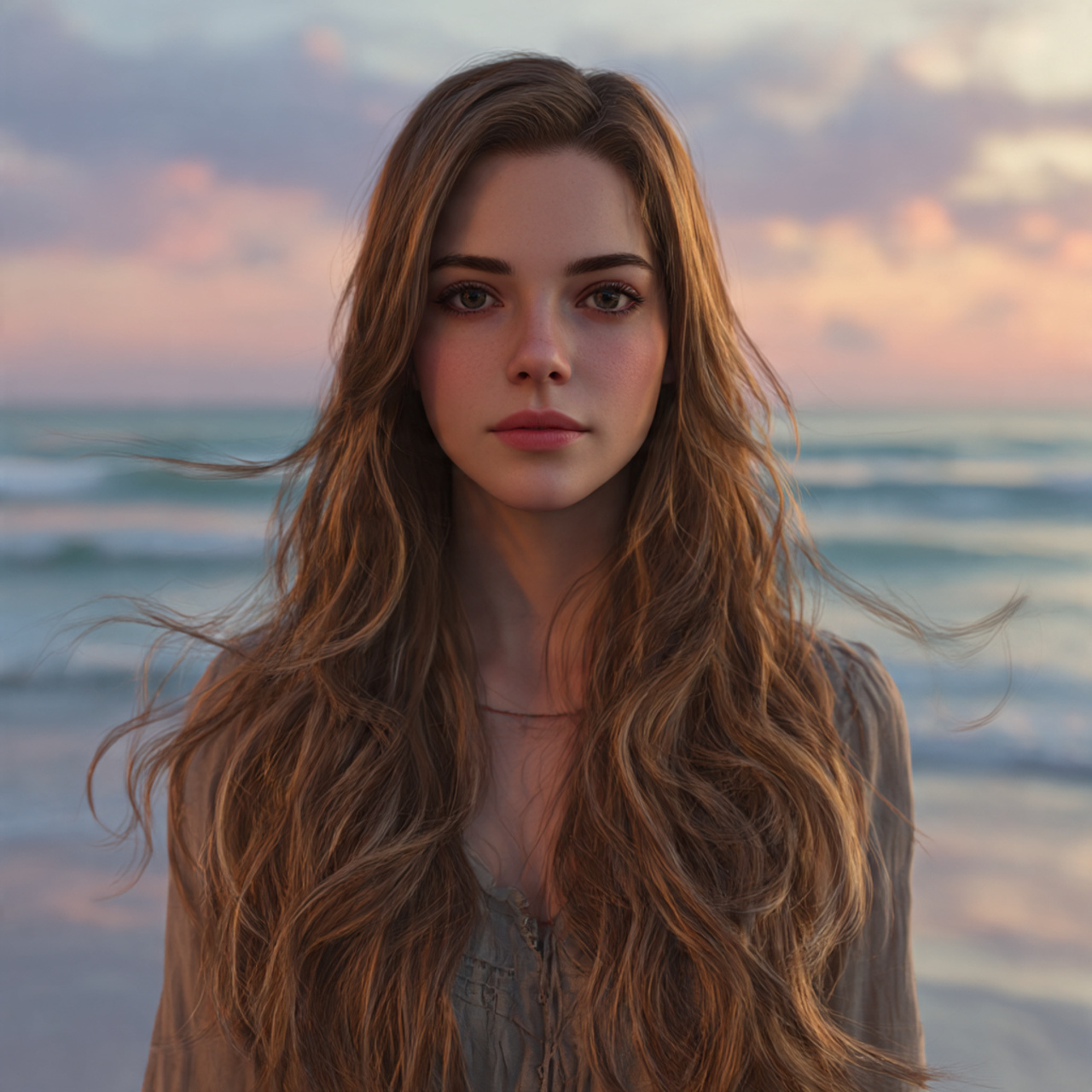
This version keeps most of the original length and introduces layers gradually so the shape is present but not aggressive. The shift from front to back is subtle enough that most people would not identify it as a mullet at all, which is exactly the appeal for first-timers.
The most common mistake here is too little layering. The layers need to be long, but they still need to be deliberate. Otherwise the cut looks like a trim with no real shape.
Best for: Medium to long hair, any texture, conservative style preferences Product: Olaplex No. 6 Bond Smoother for smooth and defined layered ends Barber language: “Long layers in a subtle soft mullet shape. The back should be two to three inches longer than the front pieces.” Face shape: Round and square faces Pro tip: Detangle long-layered ends with a wide-tooth comb rather than a brush to keep each layer defined and prevent them from merging into each other.
Shoulder-Length Soft Mullet Idea
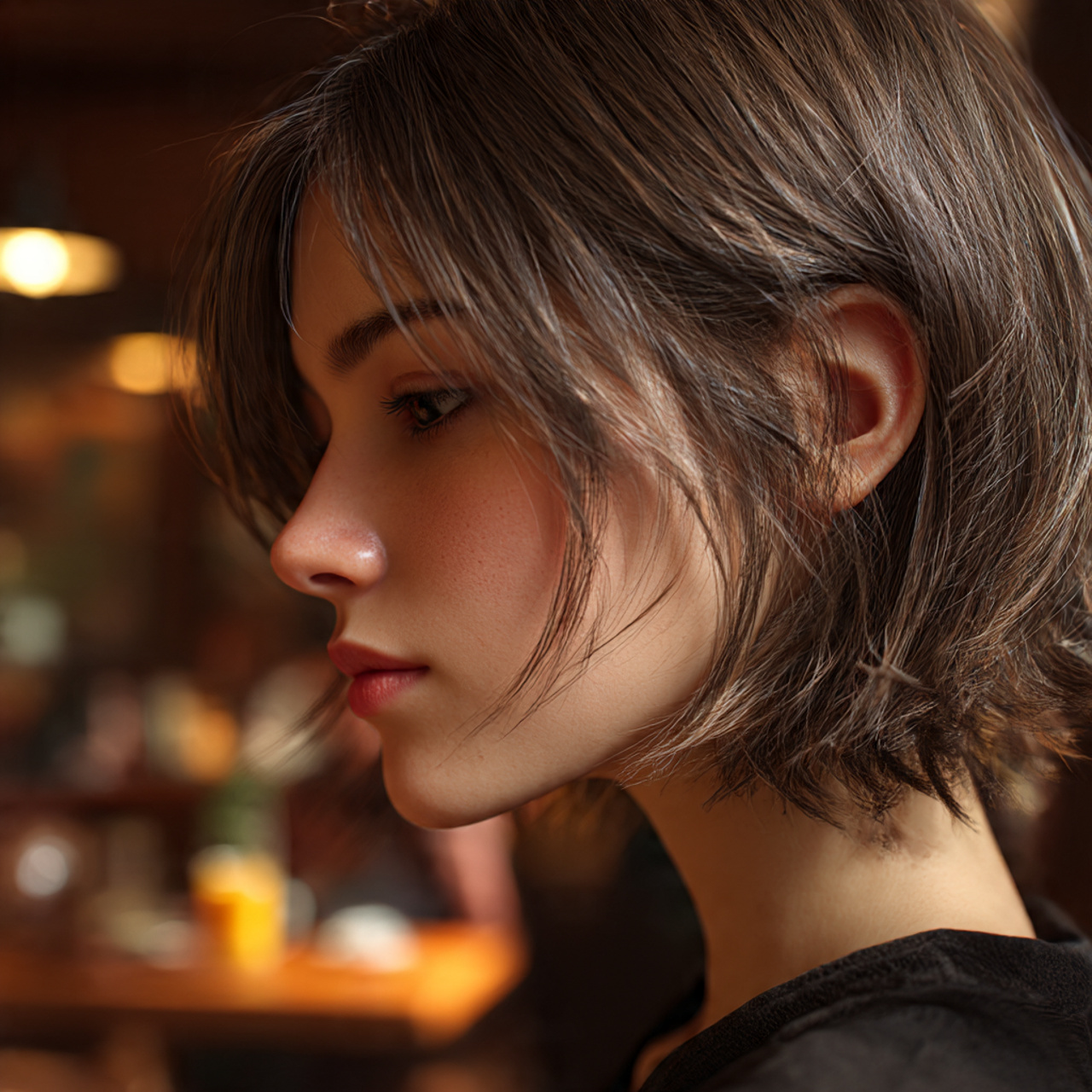
Shoulder length sits at the most practical point in the soft mullet range. It ties back when needed, air-dries in a reasonable amount of time, and works in professional environments without looking unconventional. Most people new to this style end up here naturally.
Layers should begin above the chin for this version. Starting them at the collarbone misses the face-framing opportunity that makes a shoulder-length mullet look intentional from the front.
Best for: Most hair types, professional environments, and busy routines Product: Verb Ghost Oil for a polished finish without added weight Barber language: “Shoulder-length soft mullet. Face-framing layers starting above the chin. Back kept slightly longer at the collarbone.” Face shape: Oval, round, and square faces Pro tip: A GHD Original Styler used only on the ends creates a soft bend that adds polish without making the look overdone.
Razor Cut Soft Mullet Idea

Scissors and a razor produce completely different results, and that difference matters here. Where scissors leave a clean edge, a razor creates a feathered, almost transparent finish that removes the visible boundary between layers. The cut feels like it belongs to the hair rather than sitting on top of it.
Razor cuts require more frequent trims than scissor cuts because the thinned ends split more quickly. A six-week schedule is more appropriate for this version than the standard eight weeks.
Best for: Straight to wavy hair, medium to thick density Product: Bumble and bumble Hairdresser’s Invisible Oil for hydrating and protecting razor-cut ends Barber language: “Use a razor on the ends throughout the cut, not just the perimeter. I want feathered ends, not blunt ones.” Face shape: Long, oval, and heart-shaped faces Pro tip: Schedule your trim at six weeks instead of eight because razor-cut ends fray faster and the mullet shape fades more quickly than a scissor version.
Textured Soft Mullet Idea

Texture here means intentional separation. The layers are cut to sit apart from each other rather than blending into one smooth surface. The result looks effortless and piecey, even though it requires specific technique to achieve at the chair.
Sea salt spray applied to damp hair and scrunched in replicates the separation the stylist created and holds it through the day. It is the one product that makes this style reproducible at home consistently.
Best for: Medium to thick hair, any texture Product: Not Your Mother’s Curl Talk Sea Salt Spray Barber language: “Point cutting throughout the layers, please. I want piecey separation and a textured finish, not a smooth blended result.” Face shape: Oval and oblong faces Pro tip: Apply sea salt spray in sections while hair is still damp rather than all at once so each layer absorbs the product separately and holds its definition.
Blonde Highlights Soft Mullet Idea
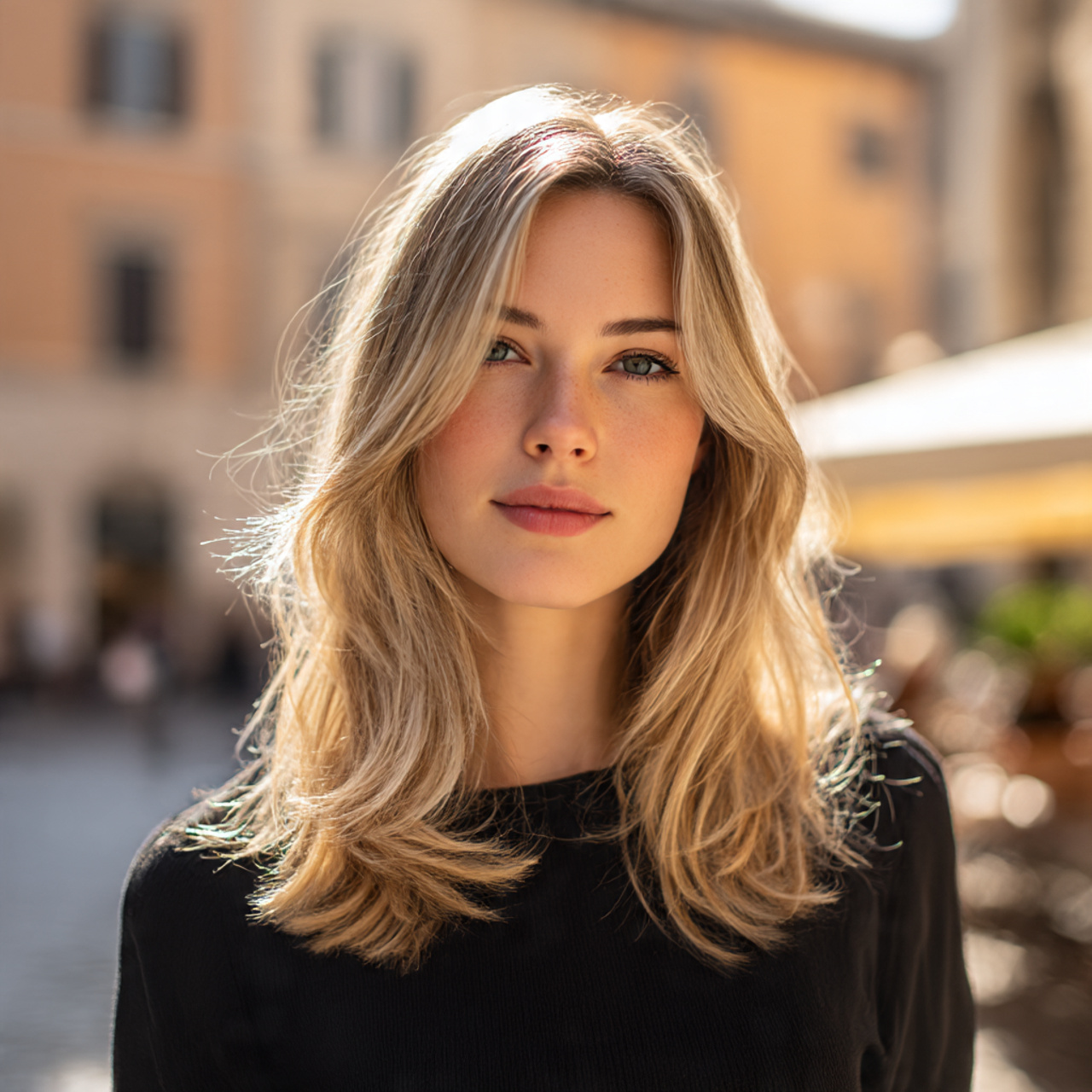
Highlights reveal what the cut is doing in a way that single-tone color cannot. Without color variation, layers on a uniform head of hair can look flat in photographs and in low light. Strategic placement makes each layer visible and adds a three-dimensional quality to the shape.
Babylights placed through the top layers and around the face are the most effective technique for this combination. They are finer and more natural-looking than traditional foil highlights and enhance the texture without overpowering the color.
Best for: Medium to dark hair wanting a natural-looking lift Product: Olaplex No. 3 Hair Perfector used weekly between color appointments Barber language: “Babylights placed through my top layers and around my face specifically, to highlight the shape of the mullet. Fine and natural-looking.” Face shape: Square, oval, and heart-shaped faces Pro tip: Ask your colorist to place the lightest highlights specifically on the face-framing pieces so your features are the focal point, not the color itself.
Micro Fringe Soft Mullet Idea
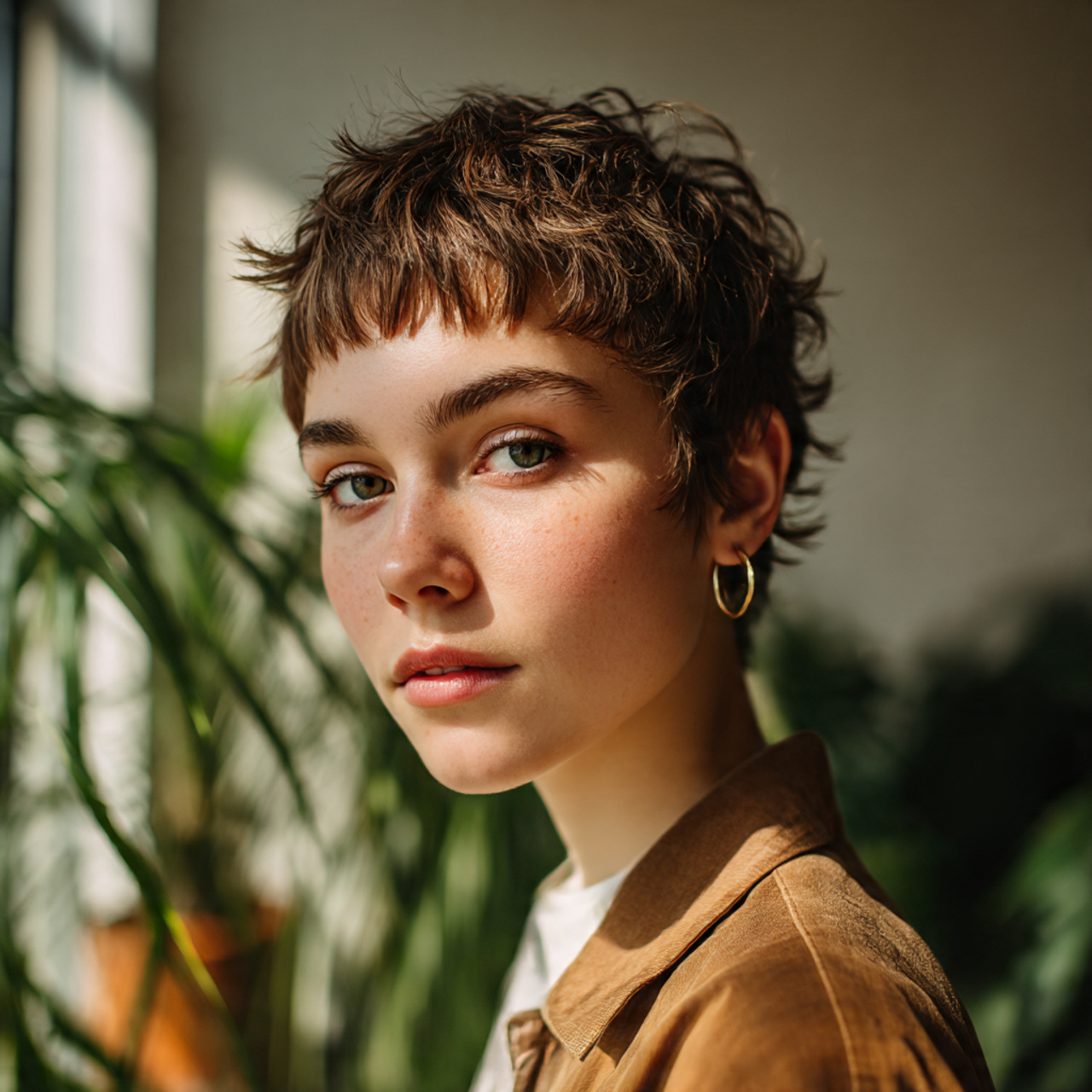
A micro fringe creates the highest contrast of any variation on this list. The very short front edge lands above the brows while the back extends well past the shoulders, and that front-to-back difference is the entire statement. Nothing about this version is subtle or incidental.
This style requires a real commitment because a micro fringe is difficult to grow out without a visible transitional phase. A consultation before the cut, not just a booking, is the right way to start this conversation with your stylist.
Best for: Straight hair, editorial looks, bold personal style Product: Frederic Fekkai Sheer Hold Hairspray for precise fringe control without stiffness Barber language: “Micro fringe cut straight across at mid-forehead, and everything else in a long soft mullet with feathered layers throughout.” Face shape: Oval and long faces Pro tip: Trim your micro fringe yourself between appointments using nail scissors and a fine-tooth comb so it stays out of your eyes without a full salon visit.
Face-Framing Soft Mullet Idea
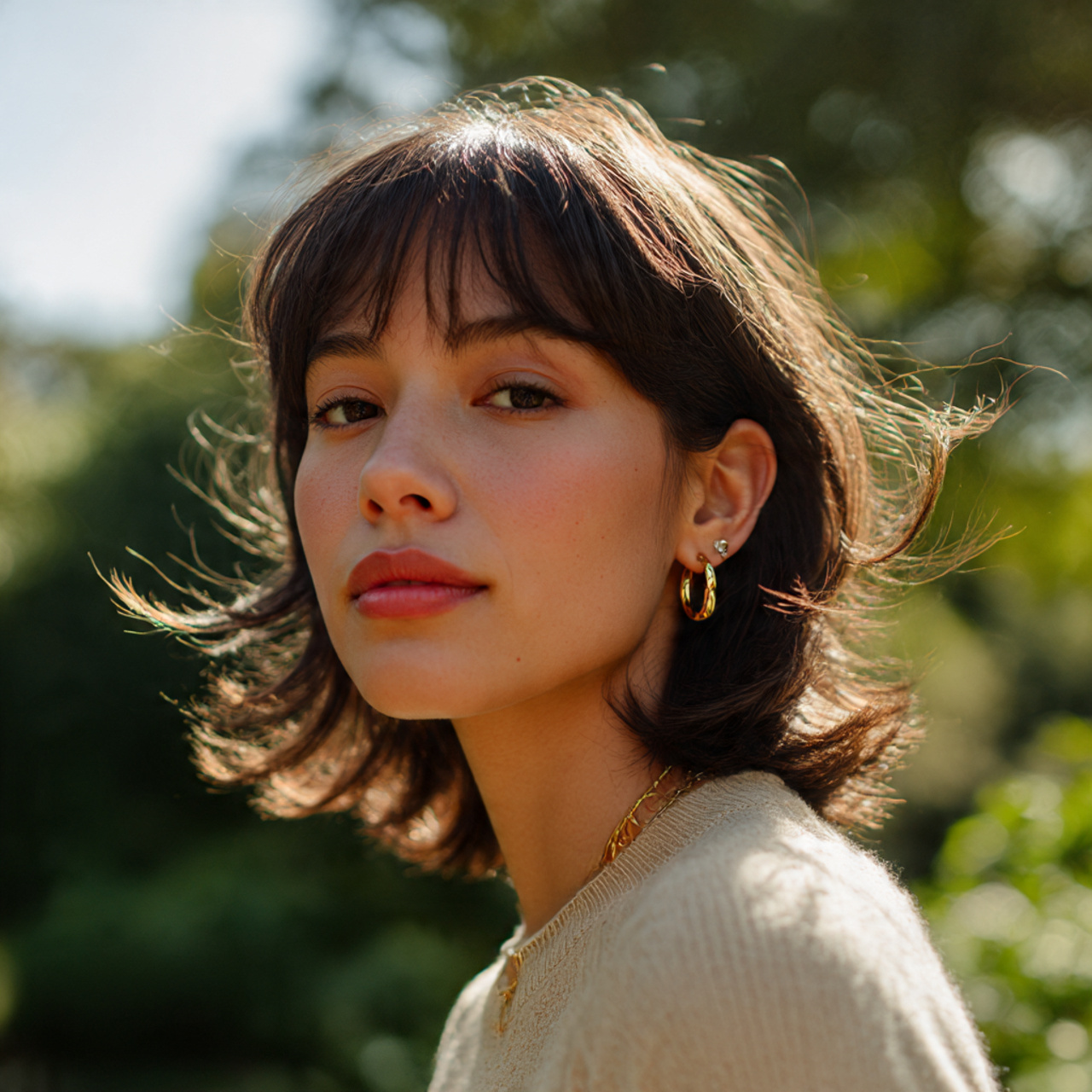
Face framing is not a feature of this version. It is the entire purpose of it. The front layers are cut specifically to follow the cheekbones and jawline, drawing attention to facial structure and creating a soft border around the face. The back length exists to support that front story.
This version suits the widest range of face shapes because the angle and length of the front layers can be adjusted for almost anyone while the basic structure stays consistent throughout.
Best for: Most face shapes and hair types, everyday wearability Product: Kenra Platinum Silkening Mist for smooth and precisely defined face-framing pieces Barber language: “I want a soft mullet where the front layers are designed specifically around my face shape. Show me the angle you plan to cut before you start.” Face shape: Square, round, and diamond faces Pro tip: Blow-dry your face-framing layers last and direct them inward so they curve naturally toward your face rather than drying flat against your head.
Visit Also: Dyed Locs
Invisible Layers Soft Mullet Idea

This version is for anyone who wants the weight-removal and movement of a soft mullet without any visible evidence of layering when hair is worn straight. The layers are cut deep inside the haircut where they remove bulk and improve movement, but the outer surface reads as smooth and one-length.
This technique is called interior graduation or internal layering. Not every stylist offers it, so asking specifically during a consultation before booking is important. Arriving at the wrong stylist for this cut results in surface layers, which are not what you asked for at all.
Best for: Fine to medium straight hair, polished professional settings Product: Moroccanoil Treatment Light for smooth layered hair without added weight Barber language: “Interior layers only. No surface layers. The outside should look one-length, but I want the weight removed from inside.” Face shape: Oval and oblong faces Pro tip: Ask to see the shape after interior layering is complete before any additional finishing so you can assess the weight distribution and approve it before the cut is done.
Disconnected Soft Mullet Idea

The disconnected version makes no attempt to blend the short top and the long back. The contrast is fully visible and entirely intentional. This sits at the bolder end of the soft mullet range, closest to the classic mullet in structure, but finished with softer edges and a modern approach to texture.
The styling matters here as much as the cut itself. The top section works with a texturizing product while the back stays loose and natural, and that contrast in texture reinforces the contrast in length.
Best for: Straight to slightly wavy hair, confident personal style Product: American Crew Fiber for the top section only, nothing on the back Barber language: “Disconnected soft mullet with a clear visual break between the short top and the long back. Do not blend the sections.” Face shape: Oval and square faces Pro tip: Use American Crew Fiber on only the top section and leave the back completely product-free so the intentional contrast between the two lengths reads clearly.
Bohemian Soft Mullet Idea
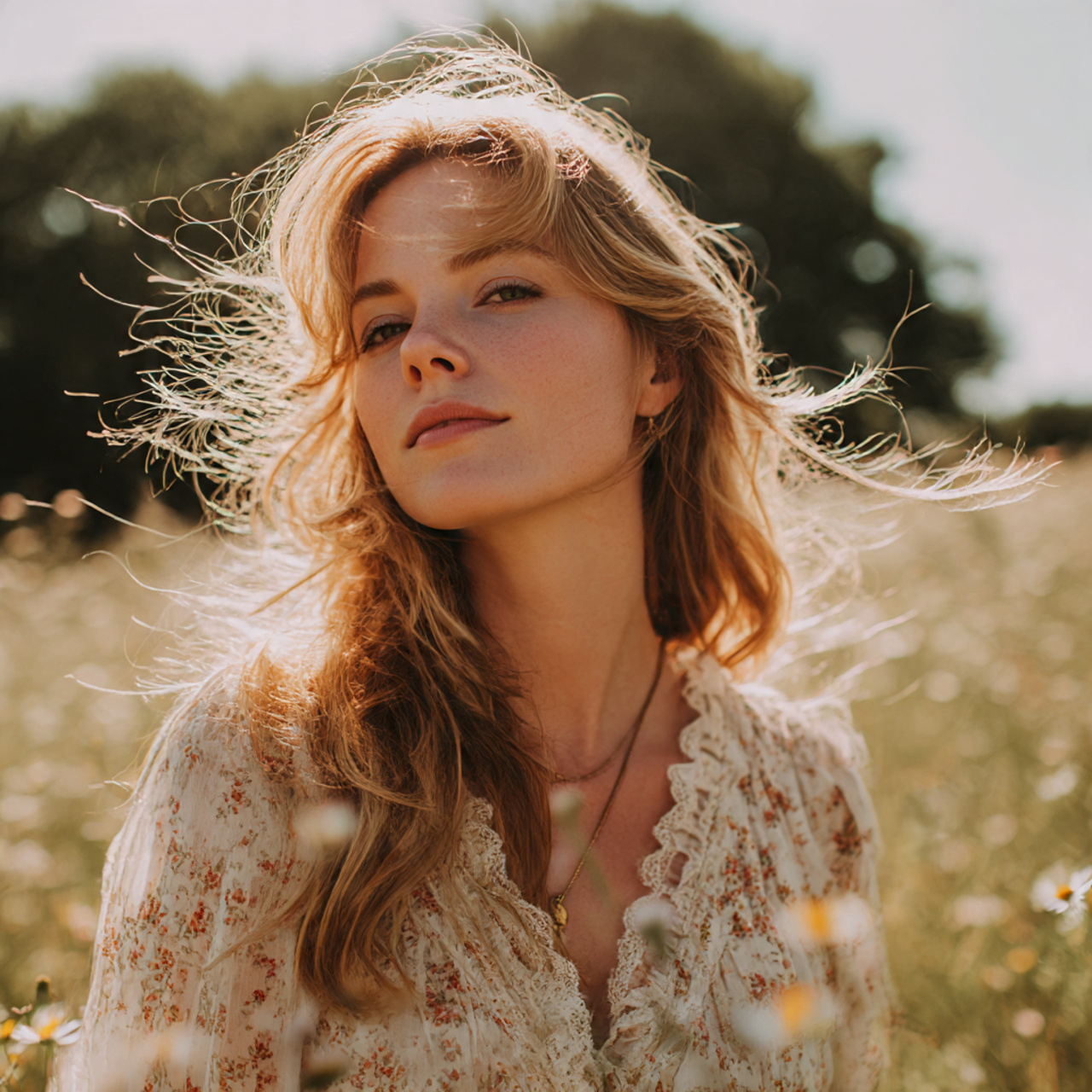
Long flowing layers, curtain bangs, and a relaxed finish define this version. The goal is hair that looks effortless and wind-styled, with every layer moving independently. Every line should feel soft and everything should feel lived-in from the first moment.
Wavy and lightly curly hair types carry this version most naturally because texture prevents the long layers from clumping together and maintains the bohemian quality through the day without extra effort.
Best for: Wavy to lightly curly hair, relaxed and creative lifestyles Product: IGK Beach Club Texture Spray for natural-looking separation and soft hold Barber language: “Long flowing soft mullet with curtain bangs. Everything soft with no sharp lines anywhere. Take weight out of the ends without reducing the length.” Face shape: Heart and oval faces Pro tip: Braid your hair overnight after applying a small amount of IGK Beach Club Texture Spray and release it in the morning for effortless waves with zero heat damage.
Deep Side Part Soft Mullet Idea

Moving your part from the center to one side changes everything about how a soft mullet sits and reads. A deep side part redistributes volume, lifts the crown on one side, and creates a sweeping front section with immediate direction and movement. No scissors are required.
This also works as a reset for soft mullets that have grown slightly past their ideal shape. Changing the part can restore the impression of intentionality without a salon visit, which makes it one of the most underrated tools in this style.
Best for: Any soft mullet variation, especially fine or flat hair at the roots Product: Harry Josh Pro Tools Pro Dryer 2000 for precise directional drying at the root Barber language: “Set the layers to fall from a deep side part on the left. I want the part side to have lift and the other side to sweep across naturally.” Face shape: Round and square faces Pro tip: Point the dryer nozzle directly at the root on the part side and lift the hair upward while drying to build volume that holds for hours without any additional product.
Auburn Color Soft Mullet Idea
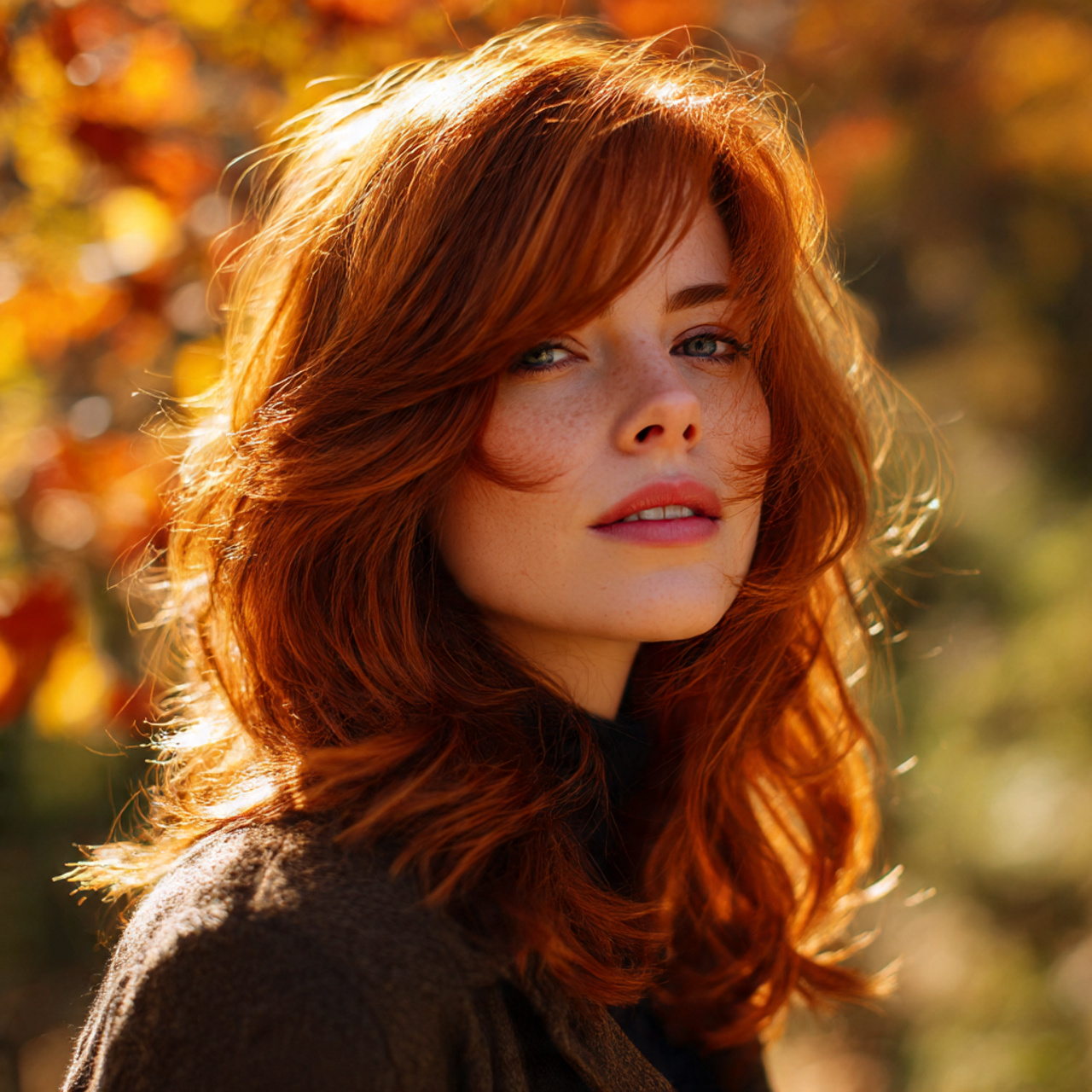
Warm auburn tones add depth to a soft mullet in a way that cool shades simply do not. The red and copper undertones catch light at every layer and create warmth that makes the cut look richer and more dimensional. The structure of the mullet becomes more visible in natural daylight with this color.
Auburn works across a wide range from light copper to deep mahogany, which means it adapts to most skin tones. A colorist consultation to identify the right shade within that range is worth the extra conversation before you commit.
Best for: Medium to thick hair, warm or neutral skin undertones Product: Redken Color Extend Brownlights Shampoo for maintaining warm tones between color appointments Barber language: “Warm auburn color applied after the cut, with variation through the layers. More copper at the ends and deeper at the root.” Face shape: Oval and square faces Pro tip: Use Redken Color Extend Brownlights Shampoo once a week in place of your regular shampoo to prevent auburn tones from pulling brassy between appointments.
Low Maintenance Soft Mullet Idea

Every other style on this list needs at least one product or one technique to look its best. This version is designed to perform without either. The layers follow natural growth patterns so the hair falls into a recognizable shape on its own. Heat tools are entirely optional.
The consultation for this version takes longer than the cut itself because understanding how your hair behaves naturally is the work that makes the daily experience genuinely effortless. Skipping that step is what causes soft mullet ideas to fail for people in this category.
Best for: All hair types, minimal-effort routines, and genuinely busy lifestyles Product: Christophe Robin Hydrating Shea Butter Shampoo as the only routine product needed Barber language: “Study how my hair falls naturally before cutting anything and build the layers around that. I want this style to work without any daily styling.” Face shape: All face shapes with a proper consultation on layer placement Pro tip: Arrive at your consultation with completely unstyled, product-free hair so your stylist sees exactly what they are working with before making any decisions.
Quick Comparison Table
| Style | Length | Hair Type | Maintenance | Bold Factor |
|---|---|---|---|---|
| Wavy Soft Mullet | Medium to long | Medium to thick | Low | ★★ |
| Shaggy Soft Mullet | Medium | Any | Low | ★★ |
| Curly Soft Mullet | Medium to long | Curly and coily | Medium | ★★ |
| Bangs Soft Mullet | Medium | Straight to wavy | Medium | ★★ |
| Asymmetrical Soft Mullet | Medium | Straight to wavy | Low | ★★★ |
| Pastel Pink Soft Mullet | Medium to long | Lightened | High | ★★★ |
| Voluminous Soft Mullet | Short to medium | Fine | Low | ★★ |
| Long Layers Soft Mullet | Long | Any | Low | ★ |
| Shoulder-Length Soft Mullet | Shoulder | Any | Low | ★ |
| Razor Cut Soft Mullet | Medium to long | Straight to wavy | Medium | ★★ |
| Textured Soft Mullet | Medium | Medium to thick | Low | ★★ |
| Blonde Highlights Soft Mullet | Medium to long | Any | High | ★★ |
| Micro Fringe Soft Mullet | Long | Straight | Medium | ★★★ |
| Face-Framing Soft Mullet | Medium to long | Any | Low | ★ |
| Invisible Layers Soft Mullet | Medium to long | Fine to medium | Low | ★ |
| Disconnected Soft Mullet | Medium | Straight to wavy | Low | ★★★ |
| Bohemian Soft Mullet | Long | Wavy to lightly curly | Low | ★★ |
| Deep Side Part Soft Mullet | Any | Any | Low | ★ |
| Auburn Color Soft Mullet | Medium to long | Medium to thick | High | ★★ |
| Low Maintenance Soft Mullet | Any | Any | Very low | ★ |
Frequently Asked Questions
What are the best soft mullet ideas for fine hair? The voluminous soft mullet and the long layers version are the top choices for fine hair because both prioritize crown lift and weight removal. Interior layering rather than surface layering is the technique that makes fine hair respond best to this cut.
How often does a soft mullet need to be trimmed? Most versions need a trim every six to eight weeks to hold their shape well. Razor-cut versions specifically need six weeks because the feathered ends break down faster than scissor-cut edges.
Can a soft mullet work in a professional environment? Yes, the shoulder-length version, the invisible layers version, and the face-framing version all sit within professional expectations without looking unconventional. The key is keeping the length difference subtle and the finish clean.
What is the difference between a shaggy mullet and a soft mullet? A shaggy mullet uses choppy, highly textured layers throughout with a more undone finish, while a soft mullet focuses on seamless blending between the short top and the long back. Both can overlap, but the soft mullet is defined by its smooth transitions rather than its visible texture.
Does a soft mullet suit all face shapes? Most face shapes can wear some version of this cut, but the layer angle and fringe choice need to be matched to your specific structure. Oval and heart shapes adapt most easily, while square and round faces benefit most from face-framing layers that soften the perimeter.
Final Thoughts
The right soft mullet does not require compromise. It adapts to your hair type, your face shape, and the amount of time you are genuinely willing to spend each morning. That flexibility is what has brought this cut back and kept it relevant across every type of client and every lifestyle.
Use these ideas as a starting point for a real conversation with your stylist. The more specific you are before the cut begins, the closer the result will be to what you pictured. Bring product names. Bring the barber language. Bring your face shape awareness.
Soft mullet ideas continue to evolve because the underlying logic of the style is sound. A cut that works with your natural texture, removes weight without removing length, and blends seamlessly from short to long will always make sense. That is not a trend. That is a well-designed haircut.
The best version of this cut is the one your stylist builds specifically for how your hair behaves on a Tuesday morning with nothing in it, and the only way to get there is to show up exactly like that.
Save this article to your Pinterest hairstyle board and share it with your stylist before your next appointment.