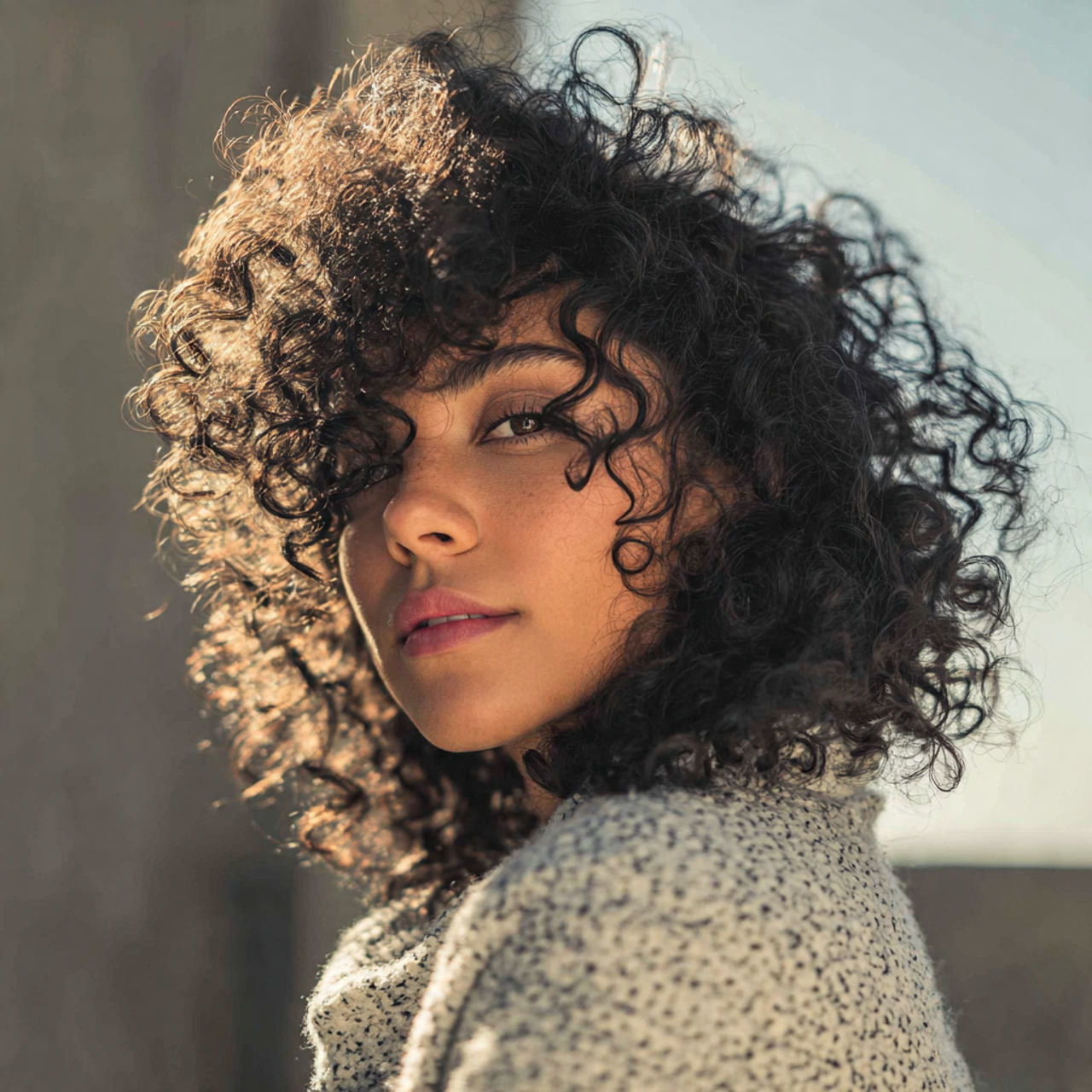
20 Short Shaggy Hair Ideas That Will Totally Transform Your Look
Short shaggy hair ideas look effortless in every photo you save and confusing the moment you sit down in the salon chair. The scroll-and-screenshot method only gets you halfway there. Without the right words, even the most skilled stylist cannot build what you are actually picturing.
This is not a taste problem. The shag category covers dozens of completely different cuts that share the same name. A curtain bang shag and a razor-cut mullet shag both get labeled a shag, but they require different techniques, different products, and completely different maintenance levels.
The real problem is a language gap. Stylists think in technical terms like weight removal, disconnection, and graduation. Clients think in feelings and vague visual references. Without a bridge between those two worlds, the appointment produces something close but never exactly right.
Real knowledge of this niche comes from understanding how layer placement, cutting technique, and perimeter design interact to produce completely different results. I have studied how point cutting versus razor finishing changes a finished look even when the overall blueprint is the same. That kind of detail separates a shag that looks intentional from one that just looks like it grew out badly.
This article gives you twenty specific short shaggy styles with the exact language to use with your stylist, the right products for each version, and honest guidance on face shapes and hair types. No vague descriptions. No filler.
By the end you will know exactly which short shaggy hair ideas match your texture, face shape, and daily routine so your next appointment finally delivers what you had in mind.
The single most important rule in short shaggy hair ideas right now is that layers should serve your texture, not override it. Stylists are moving away from uniform layer placement toward customized approaches that follow how your hair moves naturally. That shift is what makes modern shag cuts grow out better and style faster than anything from five years ago.
Short Shaggy Hair Ideas
Choppy Shag Texture Ideas

Choppy texture creates visible separation between layers through intentional unevenness. Stylists achieve this through point cutting or slice cutting into the ends rather than a blunt guide. The result feels relaxed and slightly undone in exactly the right way. This option suits medium to thick hair where weight drags the shape down without proper removal.
Best for: Medium to thick hair needing weight removal Product: Bumble and bumble Surf Spray Pro tip: Apply Bumble and bumble Surf Spray to damp hair before air-drying to lock in the separation without crunching the layers. Barber language: Ask for point cutting through the ends with disconnected interior layers to create visible texture separation. Face shape: Oval and square face shapes benefit most from this cut.
Modern Mullet Shag Fusion Ideas

This version keeps a rounded, layered top while the nape retains visible length. The contrast between the short front and the longer back creates movement that flat cuts simply cannot replicate. Soft layering around the crown prevents the look from reading as too extreme. It works best on straight to wavy hair that holds shape without resistance.
Best for: Confident wearers with straight or wavy hair Product: R+Co Badlands Dry Shampoo Paste Pro tip: Leave at least two inches of length at the nape so the transition feels soft rather than severe. Barber language: Ask for a disconnected nape with rounded interior layers on top and graduated length through the back. Face shape: Heart and oval face shapes carry this cut with the most balance.
Wavy Layers Shag Volume Ideas

For naturally wavy hair, a shag works by placing layers along the wave pattern rather than across it. This allows each wave to lift and separate cleanly instead of clumping at the ends. The most critical technical detail here is that the stylist should cut wavy hair dry. Cutting waves while wet changes the shrinkage pattern and places layers where they should not land.
Best for: Naturally wavy or lightly textured hair Product: DevaCurl SuperCream Coconut Curl Styler Pro tip: Request dry cutting explicitly so your layers follow the actual wave direction rather than a wet guide that will shift when it dries. Barber language: Ask for dry cutting with layers placed to follow the natural wave direction rather than a blunt wet perimeter. Face shape: Round and oval face shapes work well with this layer placement.
Pixie Shag Blend Ideas

A pixie shag sits between a traditional pixie and a full shag. The sides stay short while the crown carries layered length that moves without flopping forward. That balance is what separates a great pixie shag from one that simply looks undecided. It is also one of the easiest versions to maintain because the short sides grow out slowly.
Best for: Low-maintenance routines and fine to medium hair Product: Oribe Dry Texturizing Spray Pro tip: Ask for crown layers starting at no shorter than two inches so they move freely rather than standing straight up. Barber language: Ask for a layered crown with close-cropped sides and a soft disconnection between the two sections. Face shape: Oval and heart face shapes suit this cut best.
Full Fringe Shag Framing Ideas
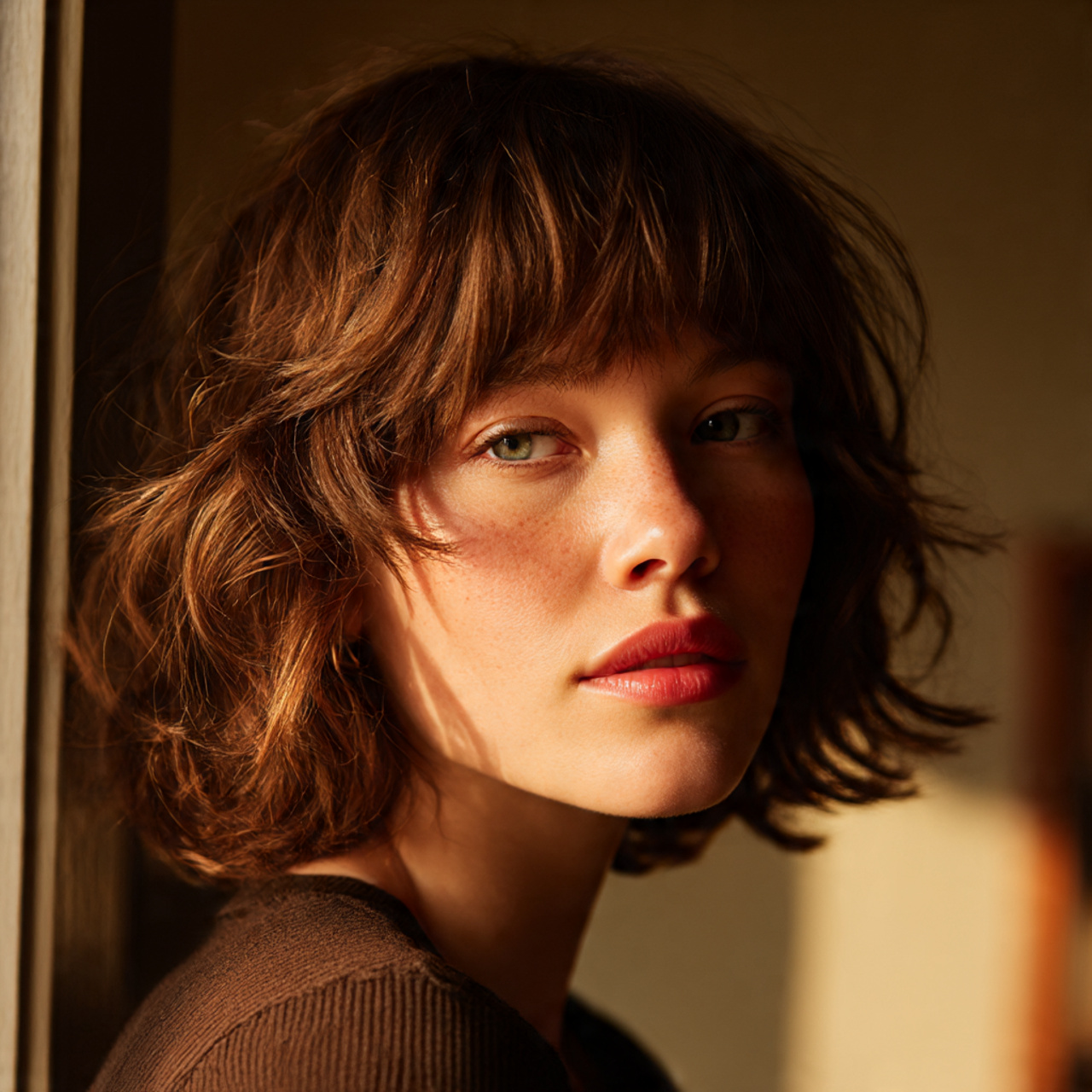
A full fringe paired with shag layers frames the eyes and softens the overall shape. The critical detail is keeping the fringe textured rather than blunt so it integrates with the surrounding layers instead of sitting as a separate panel. A heavy solid fringe against light shag layers looks mismatched from any angle. This style performs best on straight hair where fringe behavior is predictable.
Best for: Straight hair with defined features Product: Kerastase Lait Vital Irisome Pro tip: Ask for the fringe to be point-cut at the ends so it blends into the side layers rather than landing as a separate block of hair. Barber language: Ask for a textured full fringe integrated into the front layers with no blunt edge at the bottom. Face shape: Oval, round, and heart face shapes all benefit from this frame.
Bohemian Shag Movement Ideas

Bohemian shag cuts prioritize flow over structure. The layers are long relative to the overall length and the ends stay loose and slightly undone by design. Blow-drying or heavy brushing disrupts the natural fall of the layers and pushes the finish toward polished rather than effortless. Air-drying is not just an option for this version. It is the method.
Best for: Natural texture wearers who prefer minimal styling Product: Ethique Frizz Wrangler Serum Bar Pro tip: Scrunch a small amount of serum into damp hair and do not touch it again until it is completely dry to avoid disturbing the wave. Barber language: Ask for long interior layers with soft unsealed ends and minimal graduation throughout. Face shape: Oval and oblong face shapes carry this length and natural flow well.
Curtain Bang Shag Style Ideas

Curtain bangs are among the fastest-growing salon requests right now and they pair naturally with shag layering. They part at the center and sweep outward to frame either side of the face rather than covering it. The most common mistake is cutting them too short. They need enough length to sweep fully to the side, which means the shortest point should reach at least the outer eye corner.
Best for: Most face shapes and hair types Product: Verb Ghost Weightless Serum Pro tip: Tell your stylist to cut the shortest center point no higher than mid-brow so the bangs have enough length to sweep properly. Barber language: Ask for center-parted curtain bangs blended into the face-framing layers with longer inner sections and a shorter center point. Face shape: One of the most universally flattering styles across all face shapes.
Low-Maintenance Shag Definition Ideas

This version is built entirely around the cut doing the work for you. Interior layers remove bulk and create movement so that air-drying alone produces a finished-looking result. Success here depends entirely on precision during the appointment. If layer placement is even slightly off, the hair falls flat instead of moving, which is why choosing a stylist who specializes in textured cuts matters most for this version.
Best for: Busy schedules and people who prefer minimal daily styling Product: AG Hair Boost Apple Cider Vinegar Leave-In Conditioner Pro tip: Use one pump of the leave-in on damp hair and avoid touching it while it dries for the cleanest no-effort result. Barber language: Ask for internal weight removal with soft unsealed ends and no blunt perimeter guide. Face shape: Works across all face shapes when layer placement is customized at the appointment.
Feathered Edge Shag Finish Ideas
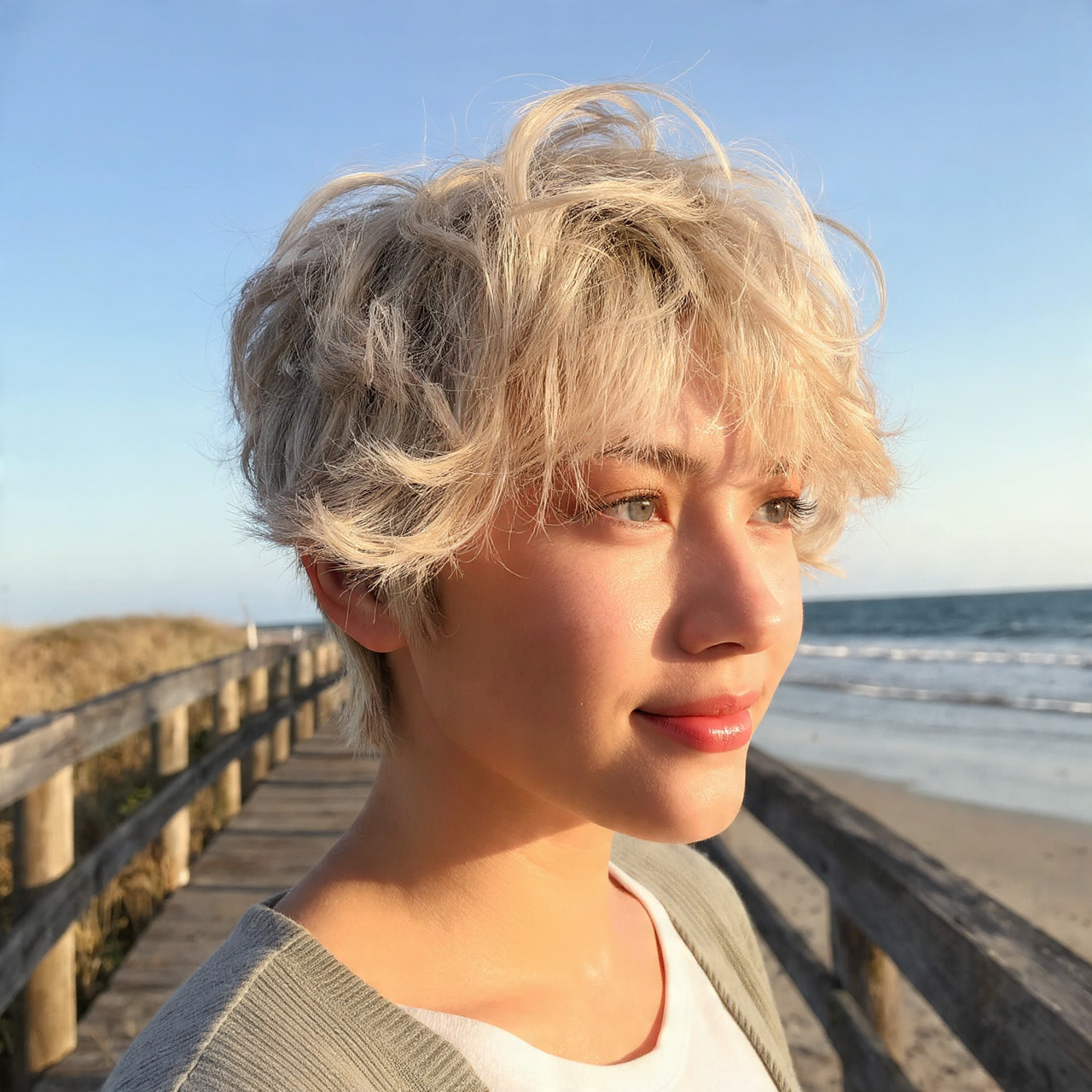
Feathered ends have returned from classic shag cuts in a refined, updated form. The technique involves angling the scissors outward during cutting so the ends taper away from the face and eliminate heaviness around the jaw and neck. Feathering works best on fine to medium hair. On thick hair it can look sparse rather than soft, and done incorrectly it produces broken-looking ends instead of fluid ones.
Best for: Fine to medium hair and softer facial features Product: Living Proof Perfect Hair Day Dry Shampoo Pro tip: Ask your stylist to feather only the last half inch of the ends to preserve overall volume while lightening the perimeter. Barber language: Ask for feathered ends with outward-angled scissors at the perimeter to reduce edge weight without thinning the overall shape. Face shape: Flatters mature and oval face shapes particularly well.
Symmetrical Shag Design Ideas
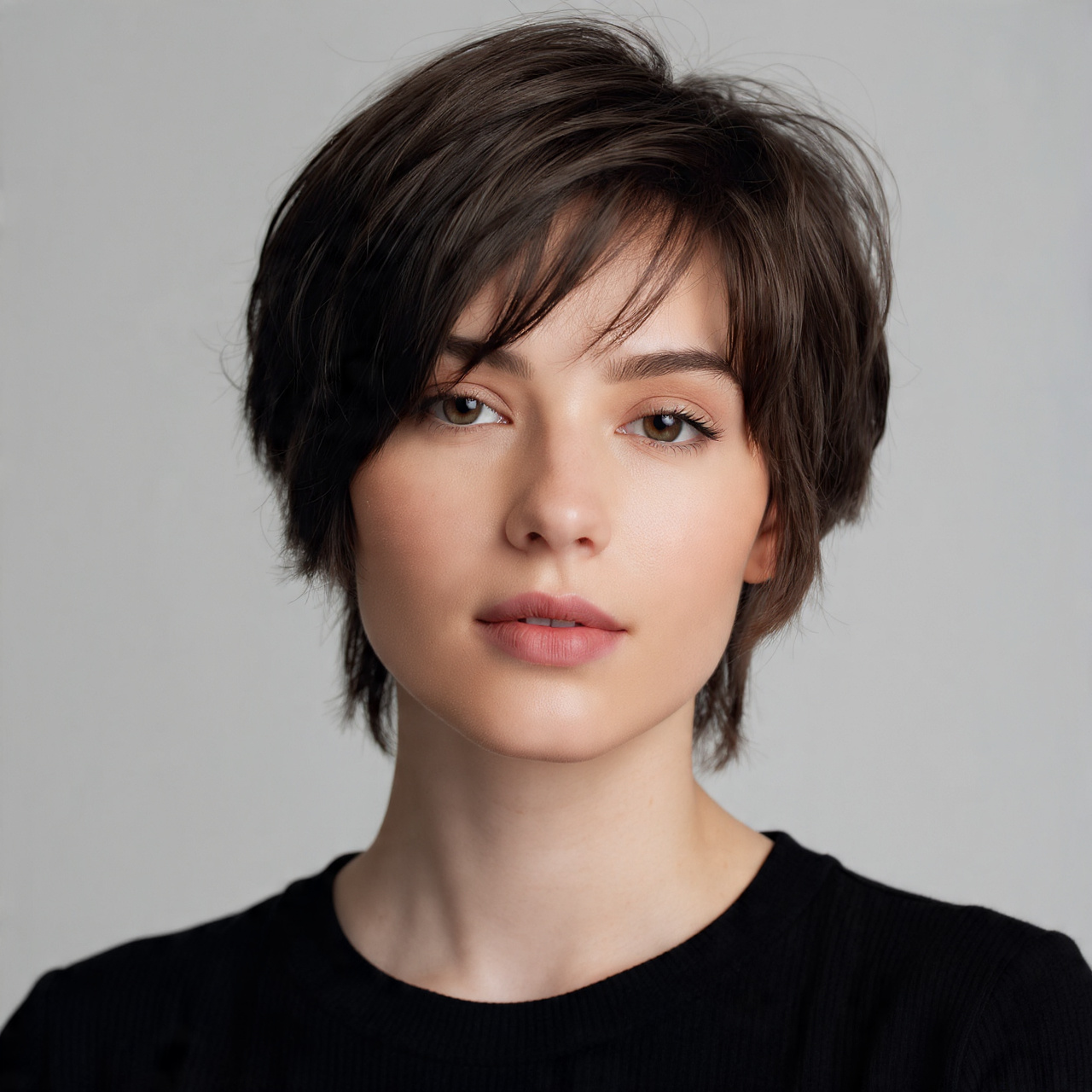
A symmetrical shag delivers all the movement of the cut within a clean, balanced framework. Volume sits evenly on both sides and the perimeter stays consistent, which makes this the best entry point for someone who loves the idea of a shag but feels nervous about committing to something more directional. Interior layering is still active and textured. The even perimeter simply gives the shape more predictability as it grows.
Best for: First-time shag clients or those who prefer a structured finish Product: Moroccanoil Treatment Light Pro tip: Ask for a symmetrical guide cut into the perimeter before the interior layers are added to keep the shape even through the grow-out. Barber language: Ask for even interior layering with a balanced perimeter guide and a center or slightly off-center part. Face shape: Oval and square face shapes work especially well with this approach.
Asymmetrical Shag Angle Ideas

Asymmetry adds a directional quality that a balanced shag cannot replicate. One side carries more length or more layering, which creates a visual pull that feels modern and intentional. Clarifying the degree of difference before the cut starts is essential because asymmetry can be subtle or dramatic, and without that conversation upfront, surprises happen on the wrong day.
Best for: Bold, expressive wearers with medium to thick hair Product: Schwarzkopf Professional OSiS+ Mess Up Matt Gum Pro tip: Request that the asymmetry be built into the perimeter rather than only the interior layers so the shape reads clearly from the front. Barber language: Ask for a directional perimeter with one side at least an inch longer and internal layers that reinforce the angle. Face shape: Strong jaw and angular features carry asymmetry with the most visual impact.
Razor-Cut Shag Finish Ideas

Razor cutting produces completely different ends than scissors even when the overall shape looks identical. The blade creates soft, slightly wispy ends that feel lighter and more fragmented than any scissor finish can replicate. This technique works well on straight or slightly wavy hair only. On curly or heavily textured hair, razor cutting opens the cuticle unevenly and causes frizz, which is why most curl specialists avoid it entirely.
Best for: Straight or slightly wavy hair wanting a modern, edgy finish Product: Redken Rough Paste 12 Pro tip: Apply a tiny amount of Redken Rough Paste 12 only to the tips of the ends to enhance the wispy quality without weighing the layers down. Barber language: Ask for razor cutting through the ends with a texturizing technique at the perimeter to create soft, broken-up edges. Face shape: Angular and oval face shapes benefit most from this light, wispy finish.
Heavy Layers Shag Volume Ideas

Heavy layering concentrates on the crown and upper sections of the hair. Shorter layers at the top create lift that fine or flat hair cannot achieve through products alone. This is one of the most effective structural solutions for fine hair because it uses the cut itself as the tool rather than relying on daily blowouts or volumizing sprays that wear off by midday.
Best for: Fine or flat hair needing significant lift and volume Product: Kenra Platinum Silkening Mist Pro tip: Blow-dry the crown layers upward immediately after applying a heat protectant to set the lift from the short upper sections permanently. Barber language: Ask for short crown layers at least two to three inches shorter than the perimeter length to create visible volume at the top. Face shape: Round and square face shapes gain helpful height from the crown lift this technique creates.
Undercut Shag Contrast Ideas

An undercut removes the hair at the nape and sides close to the scalp while the top layers stay full and long. The contrast makes the top layers look even more voluminous against the close-cut base and removes serious weight for thick hair in warm climates. The undercut stays hidden when layers fall naturally but shows when the hair is pulled up, giving this style two distinct looks in one cut.
Best for: Thick hair in warm climates or anyone needing serious bulk removal Product: Aveda Brilliant Damage Control Pro tip: Ask your stylist to fade the undercut slightly so the transition between sections is gradual rather than a harsh visible line. Barber language: Ask for an undercut at the nape and occipital with full disconnected layers on top left long enough to cover the transition. Face shape: Oval and heart face shapes carry the undercut contrast most cleanly.
’70s Inspired Shag Look Ideas

This version draws directly from the rounded, slightly flipped layering of 1970s cuts. The ends carry a gentle outward bend and the overall shape stays full from root to tip. Blow-drying with a round brush is the most effective finishing method here because the technique lifts the roots and creates the outward end bend simultaneously rather than as two separate steps.
Best for: Medium hair density and those who enjoy a light blowout routine Product: Harry Josh Pro Tools Oval Brush Pro tip: Dry the ends over the brush while pointing the dryer downward to create the outward bend without adding extra bulk at the root. Barber language: Ask for rounded interior layers with a slight graduated perimeter to support a flipped or outward-bending finish. Face shape: Oval and round face shapes balance well with this full, rounded silhouette.
Beachy Wave Shag Ideas

Beachy wave shags prioritize loose texture and gentle bends over defined shape. The cut allows the hair to move in soft, casual waves rather than forming a structured silhouette. Salt spray applied to damp hair is the only finishing step required. Spray, scrunch lightly, and leave it completely alone while it dries because touching it mid-set creates frizz every time.
Best for: Relaxed wearers with natural texture or a light wave Product: Bumble and bumble Surf Infusion Pro tip: Avoid touching the hair while it dries after applying salt spray to allow the wave to form without disruption. Barber language: Ask for soft disconnected layers with unsealed ends and no hard graduation to allow natural wave movement throughout. Face shape: Works well across most face shapes, particularly oval and round.
Visit Also: California Brunette
Rocker Chic Shag Edge Ideas
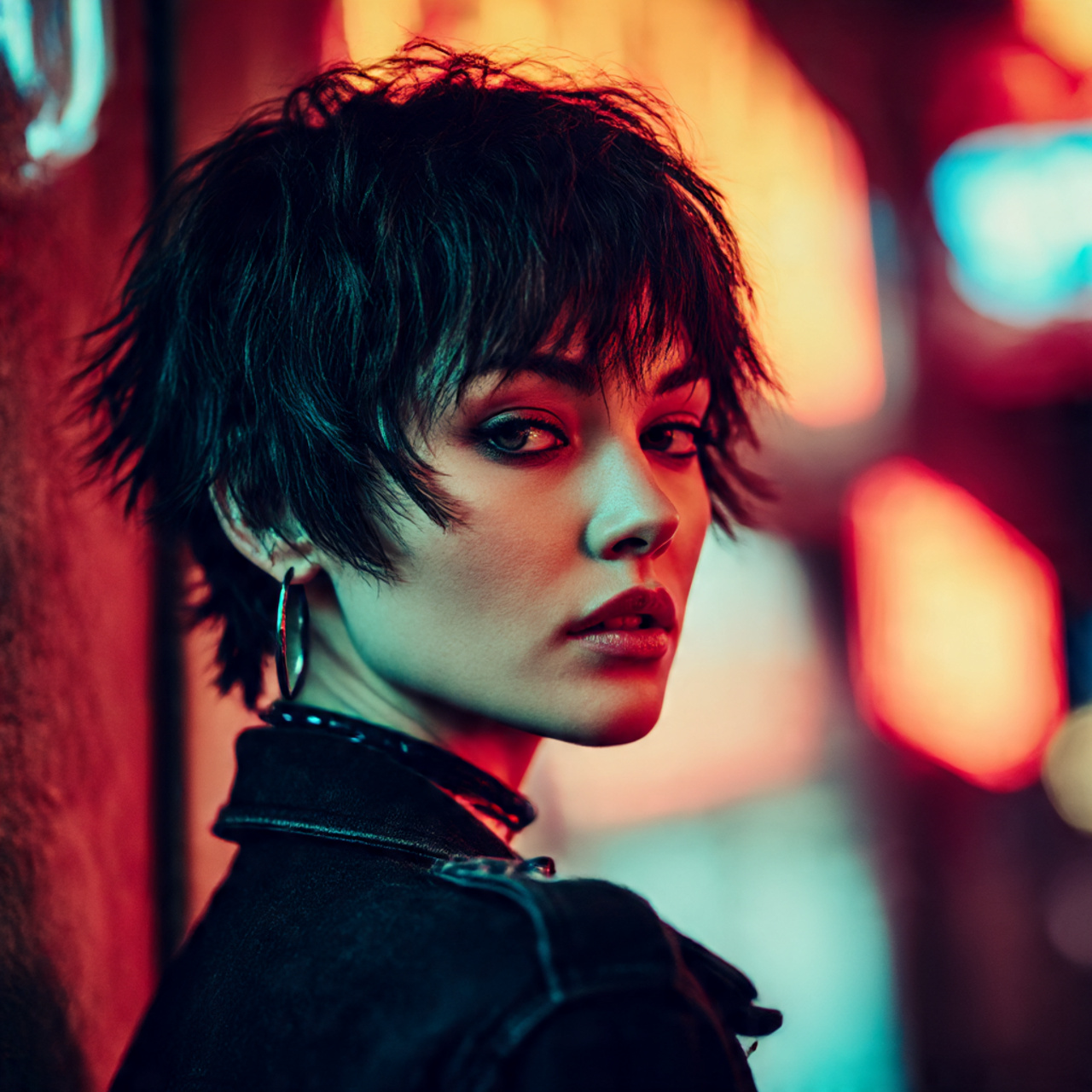
Rocker shag cuts use sharper layering and stronger texture to push the look toward bold and expressive. The layers are more defined, the ends are more separated, and the finish pushes outward rather than falling softly. This requires intentional styling rather than air-drying. Separating the layers manually after drying is what makes the finish look deliberate rather than disheveled.
Best for: Bold, creative wearers with medium to thick hair Product: American Crew Fiber Pro tip: Use a small amount of American Crew Fiber to separate individual layer sections by hand after drying for a sharp, piece-y finish. Barber language: Ask for strongly disconnected layers with pronounced weight removal and a piece-y, separated finish at the ends. Face shape: Strong jawlines and angular features carry this high-energy finish with the most impact.
Face-Framing Shag Contour Ideas

Face-framing layers are placed specifically to draw attention toward the cheekbones and jawline. They sit shorter at the front and graduate gradually into the rest of the cut. The effect works like contouring but through the haircut itself. Layers at chin level draw the eye to the jaw. Layers at cheekbone level highlight the upper face. That distinction matters and it changes with each person.
Best for: All face shapes customized to highlight a specific feature Product: Wella Professionals EIMI Sugar Lift Pro tip: Ask for your framing layers to be cut with your face visible to the stylist so they can place them specifically around your bone structure. Barber language: Ask for face-framing pieces that graduate from shorter at the front to longer at the back with no blunt line at the perimeter. Face shape: Customizable across all face shapes depending on layer length and placement.
Subtle Highlight Shag Color Ideas
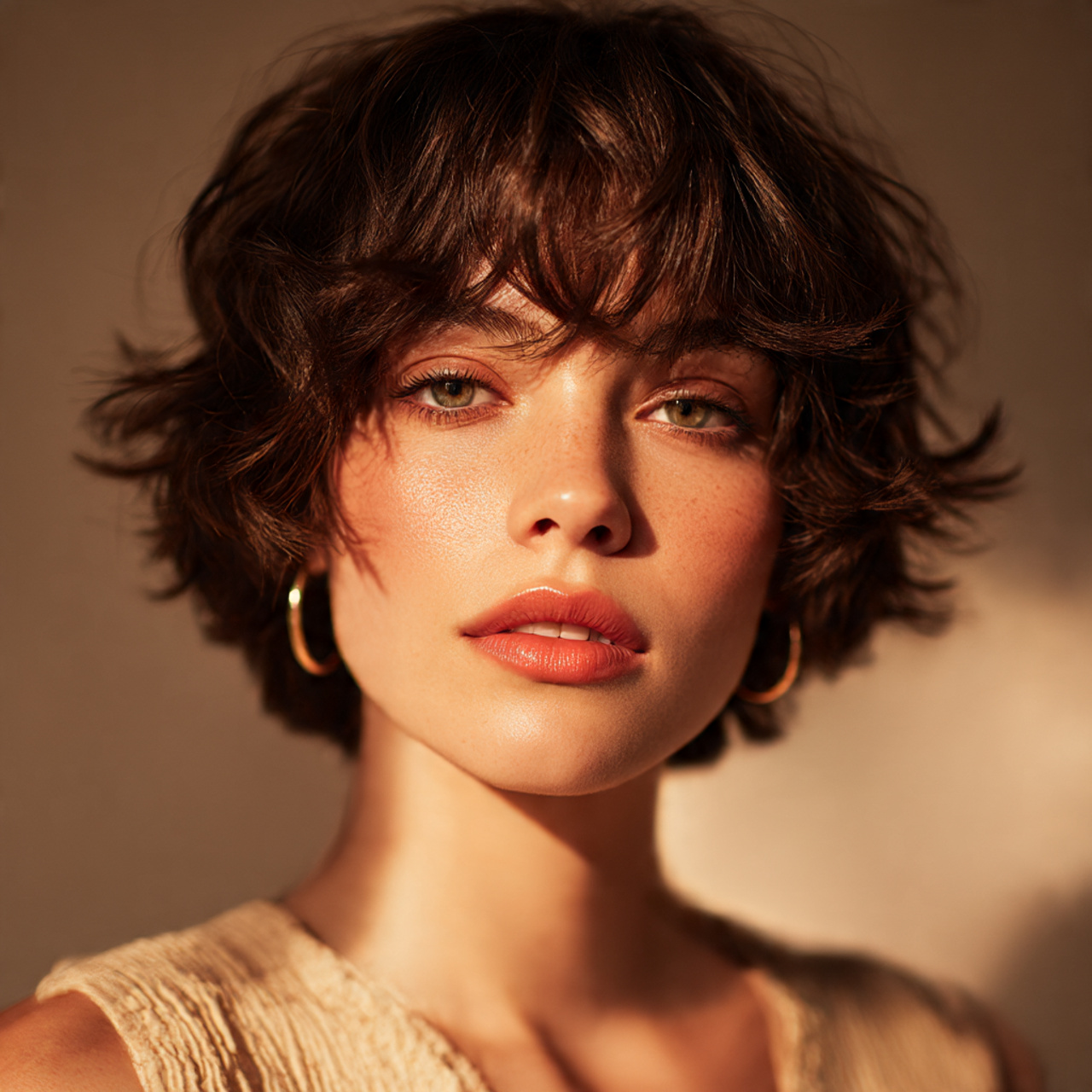
Soft highlights on shag layers make the texture more visible by creating tonal variation that light reflects off differently. Each layer appears more distinct as a result. Placement matters more than intensity here. Highlights that follow the layer pattern reinforce the cut. Highlights placed randomly distract from it. Weekly use of Olaplex No. 3 Hair Perfector maintains the condition of highlighted layers and prevents brassiness that dulls the dimension.
Best for: Any hair color or type wanting added depth and texture visibility Product: Olaplex No. 3 Hair Perfector Pro tip: Ask your colorist to place highlights along the top layers specifically so the color and the cut reinforce each other rather than competing. Barber language: Ask for balayage or hand-painted highlights placed to follow the layer sections rather than a standard foil pattern. Face shape: This technique suits all face shapes since it enhances the cut rather than changing the outline.
Polished Shag Sophistication Ideas
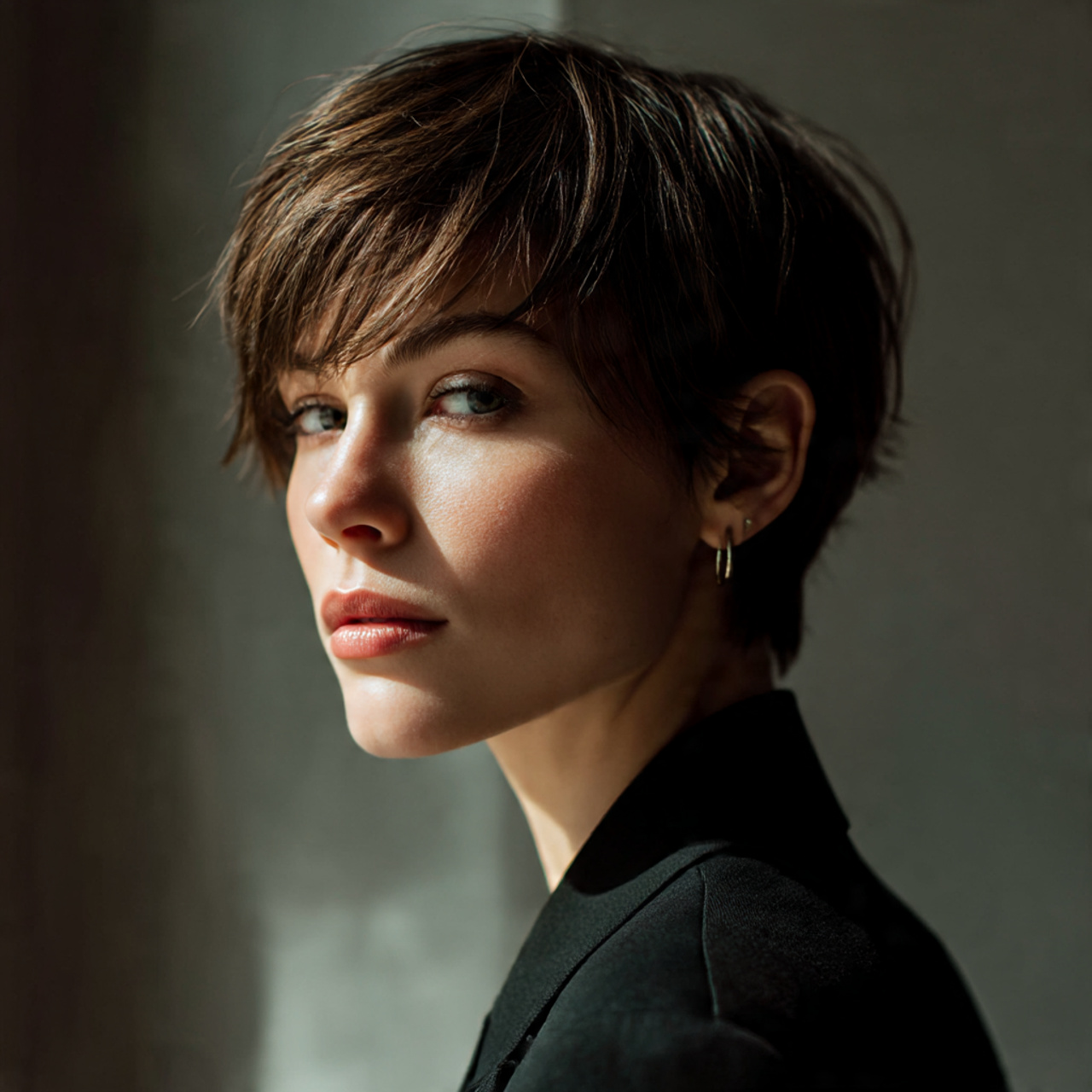
A polished shag proves this cut works well outside casual and creative settings. The layers are smooth, the ends are controlled, and shine products replace texturizing sprays. All the movement of a shag is still present but presented in a way that suits professional and formal environments. The key is controlling surface frizz with a finishing serum while letting the interior layers move freely underneath.
Best for: Professional settings and formal occasions Product: GHD Straight and Smooth Spray Pro tip: Use a boar bristle brush to smooth only the surface layer during blow-drying and let the interior layers move freely underneath for a finish that reads polished but never stiff. Barber language: Ask for smooth blended interior layers with sealed ends and minimal texture separation for a refined, wearable finish. Face shape: Suits all face shapes, particularly oval and heart.
Quick Comparison Table
| Style | Length | Hair Type | Maintenance | Bold Factor |
|---|---|---|---|---|
| Choppy Shag Texture Ideas | Short to medium | Medium to thick | Low | ⭐⭐ |
| Modern Mullet Shag Fusion Ideas | Short with longer back | Straight to wavy | Medium | ⭐⭐⭐ |
| Wavy Layers Shag Volume Ideas | Short to medium | Wavy | Low | ⭐⭐ |
| Pixie Shag Blend Ideas | Short | Fine to medium | Very low | ⭐⭐ |
| Full Fringe Shag Framing Ideas | Short to medium | Straight | Medium | ⭐⭐ |
| Bohemian Shag Movement Ideas | Medium | All textures | Very low | ⭐ |
| Curtain Bang Shag Style Ideas | Short to medium | Most types | Low | ⭐⭐ |
| Low-Maintenance Shag Definition Ideas | Short to medium | All types | Very low | ⭐ |
| Feathered Edge Shag Finish Ideas | Short to medium | Fine to medium | Low | ⭐⭐ |
| Symmetrical Shag Design Ideas | Short to medium | All types | Low | ⭐ |
| Asymmetrical Shag Angle Ideas | Medium | Medium to thick | Medium | ⭐⭐⭐ |
| Razor-Cut Shag Finish Ideas | Short to medium | Straight to wavy | Medium | ⭐⭐⭐ |
| Heavy Layers Shag Volume Ideas | Short to medium | Fine | Low | ⭐⭐ |
| Undercut Shag Contrast Ideas | Short sides, full top | Thick | Medium | ⭐⭐⭐ |
| ’70s Inspired Shag Look Ideas | Medium | Medium density | Medium | ⭐⭐ |
| Beachy Wave Shag Ideas | Short to medium | Wavy to textured | Very low | ⭐ |
| Rocker Chic Shag Edge Ideas | Short to medium | Medium to thick | Medium | ⭐⭐⭐ |
| Face-Framing Shag Contour Ideas | Short to medium | All types | Low | ⭐⭐ |
| Subtle Highlight Shag Color Ideas | Short to medium | All types | Medium | ⭐⭐ |
| Polished Shag Sophistication Ideas | Short to medium | All types | Medium | ⭐ |
Frequently Asked Questions
Which short shaggy hair ideas work best for fine hair? Heavy Layers Shag Volume Ideas and Pixie Shag Blend Ideas are the strongest options because both use crown layer placement to create lift without relying on daily styling. Either cut will look noticeably fuller from the first appointment.
How do I explain exactly what I want to my stylist? Read the barber language line from whichever item matches your goal directly to your stylist at the start of the appointment. Technical terms like disconnected layers and unsealed ends communicate far more clearly than any inspiration photo alone.
How often does a short shag need trimming? Every six to eight weeks keeps the layers clean and the movement active. Waiting longer allows layers to blend together and the shape loses exactly what makes it work.
Can I style a shag without heat tools? Yes, and several styles in this article are specifically designed for it. Bohemian Shag Movement Ideas, Beachy Wave Shag Ideas, and Low-Maintenance Shag Definition Ideas all perform best when air-dried with minimal product.
Does razor cutting work on curly or heavily textured hair? No. Razor cutting opens the cuticle unevenly on curly hair and causes frizz and unpredictable shrinkage. Point cutting or slide cutting achieves a similar wispy result without those side effects.
Final Thoughts
There is a shag cut in this list for every hair type, face shape, and daily routine. The range runs from completely effortless to deliberately editorial with every useful variation in between. All of these short shaggy hair ideas share one quality: they work harder than they look.
The difference between a shag that stays great through the grow-out and one that just looks like regrowth is almost always in the original cut. A stylist who understands interior layer weight, perimeter graduation, and how the hair actually behaves when dry will produce a result that outlasts a standard layered cut by weeks.
Walk into your next appointment with the barber language from this list and a clear sense of which face shape guidance applies to you. That preparation changes the outcome of the appointment more than any inspiration photo ever will.
The most underrated truth about the shag cut is this: its success lives entirely in the scissors, not the products. Get the cut right once and the hair takes care of the rest every single day.
Save this to your Pinterest boards and share it with anyone who has been searching for the right shag cut.