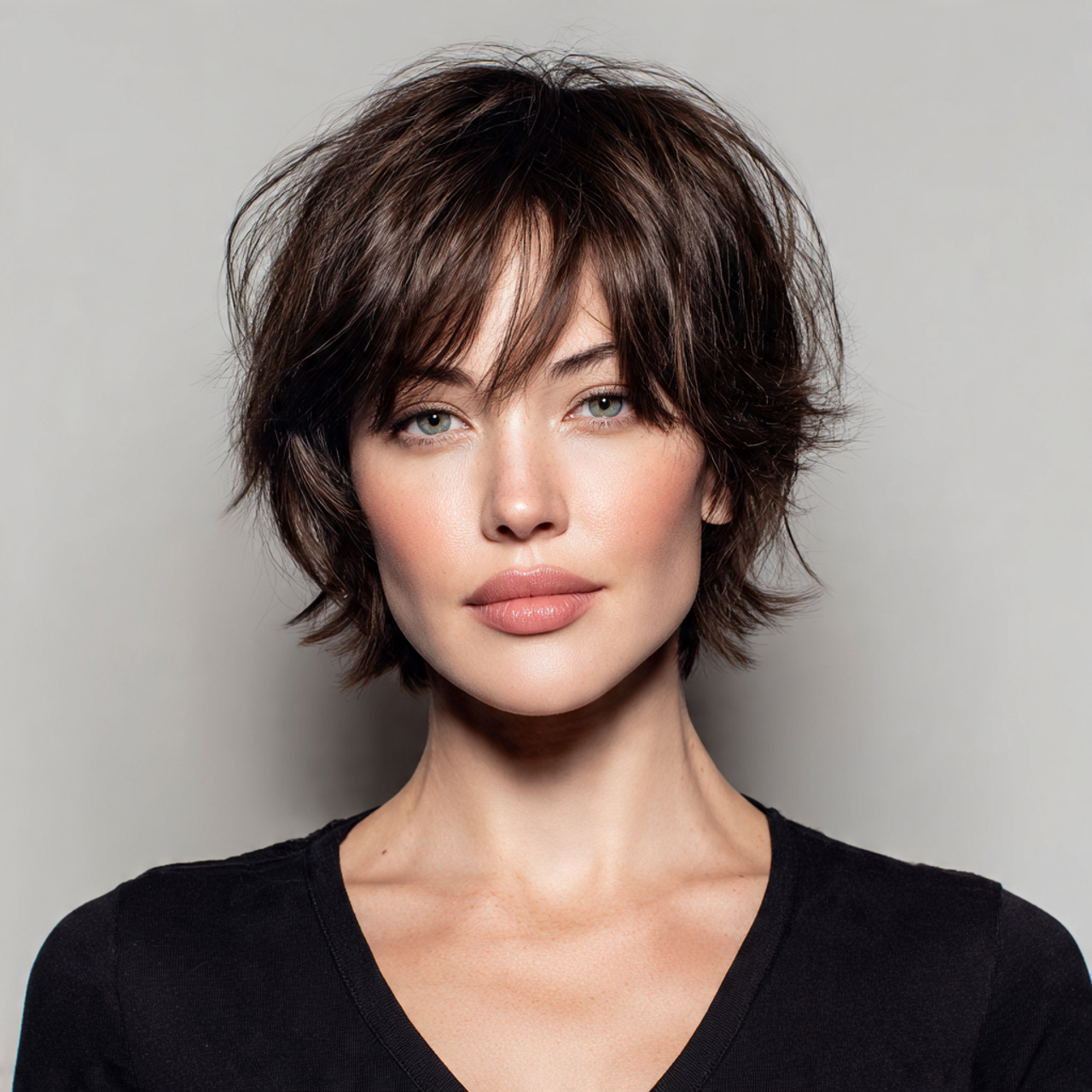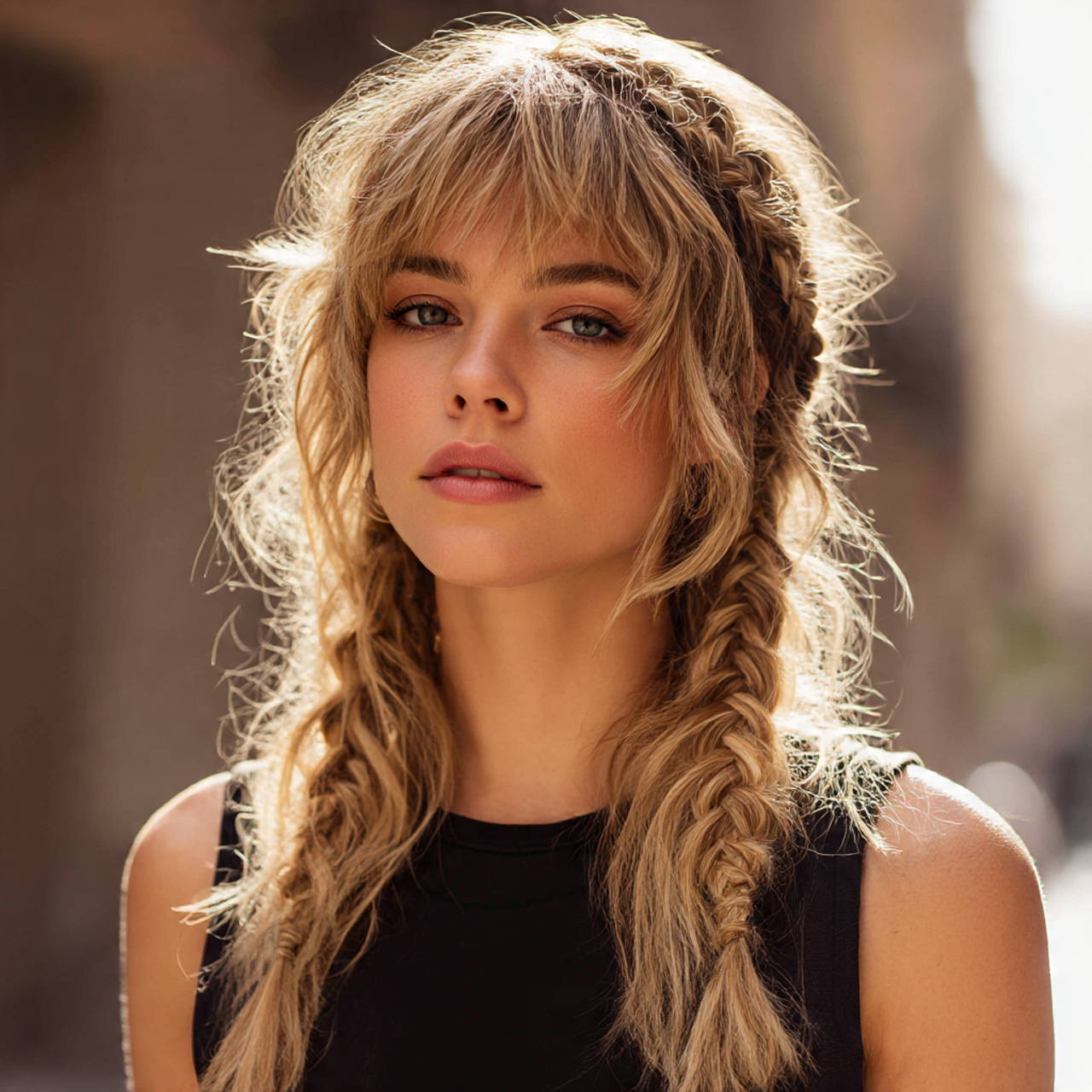
20 Textured Haircuts That Finally Give Your Hair the Shape and Movement It Deserves
You already know the feeling. You leave the salon and the length is fine, the color looks right, but by the time you get home the hair is sitting flat and shapeless all over again. If you have been searching for textured haircuts that actually fix the structure, you found the right article before your next appointment.
This struggle repeats for millions of people because the problem is almost never the product or the routine. It is the cut itself. Flat hair is a structure problem, not a hair type problem, and no dry shampoo or volumizing spray is going to correct a cut that was never designed to move.
The root cause is simple. A blunt, one-length cut weighs the hair down and gives it nowhere to go. Without intentional layering, the hair has no movement, no shape, and no reason to behave differently than it did the day before your last appointment.
After years of working with clients across every hair type, from gossamer-fine strands to dense, coarse, color-treated hair, one truth comes up every single time. The moment strategic texture enters a cut, the personality of the hair changes completely. That shift is structural, not cosmetic.
This article covers 20 textured haircut options spanning every length, hair type, and lifestyle. Each one includes the face shape, the product, the styling approach, and the exact words to say when you sit down in the chair.
By the time you finish reading, you will know exactly which textured haircuts suit your hair type, your face shape, and your daily routine. No more guessing, no more growing it out, and no more walking out disappointed.
The single biggest shift in hair right now is the move away from heavy, blunt ends toward layered, lived-in texture that works with your natural pattern. Before you dive into this list of textured haircuts, hold onto one rule: a great textured cut removes weight, not length. Knowing that one distinction will make every salon visit better from this point forward.
Textured Haircuts Ideas
Textured Haircuts for Short Hair
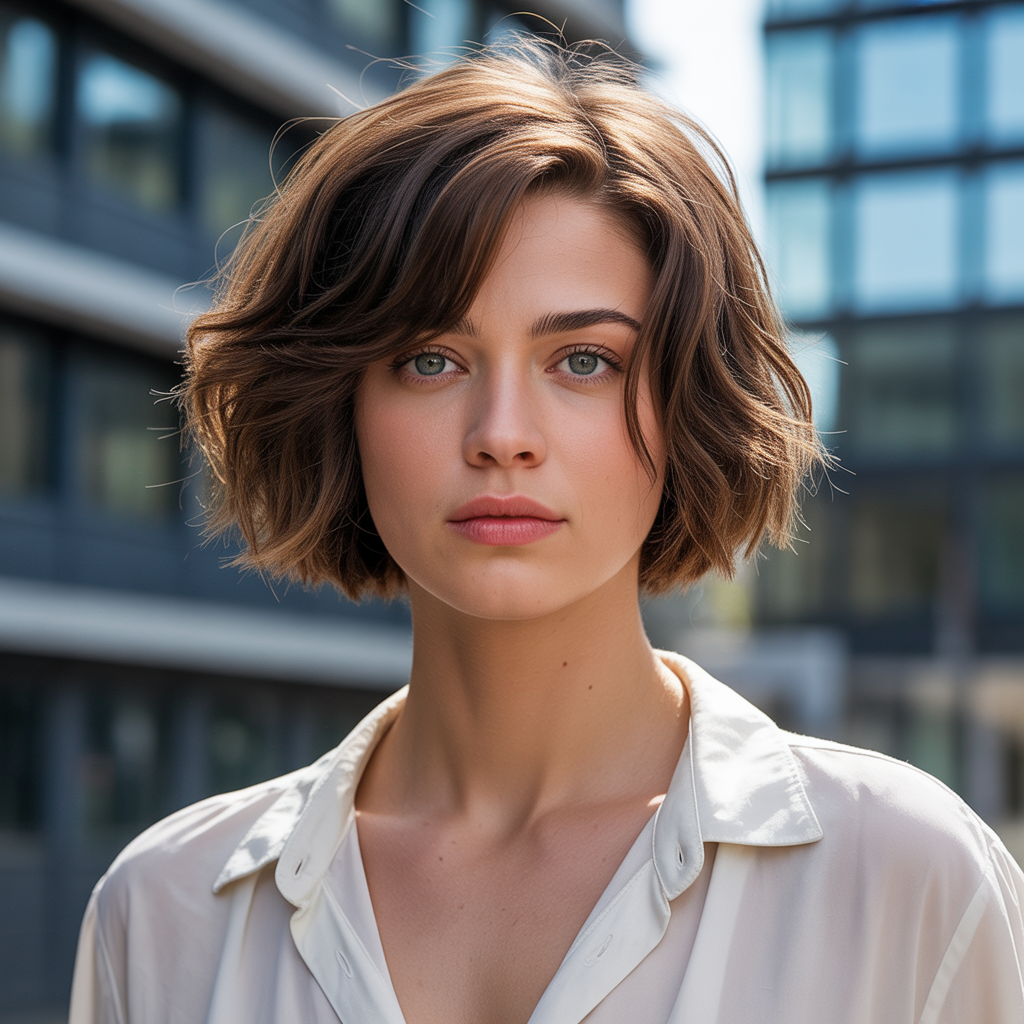
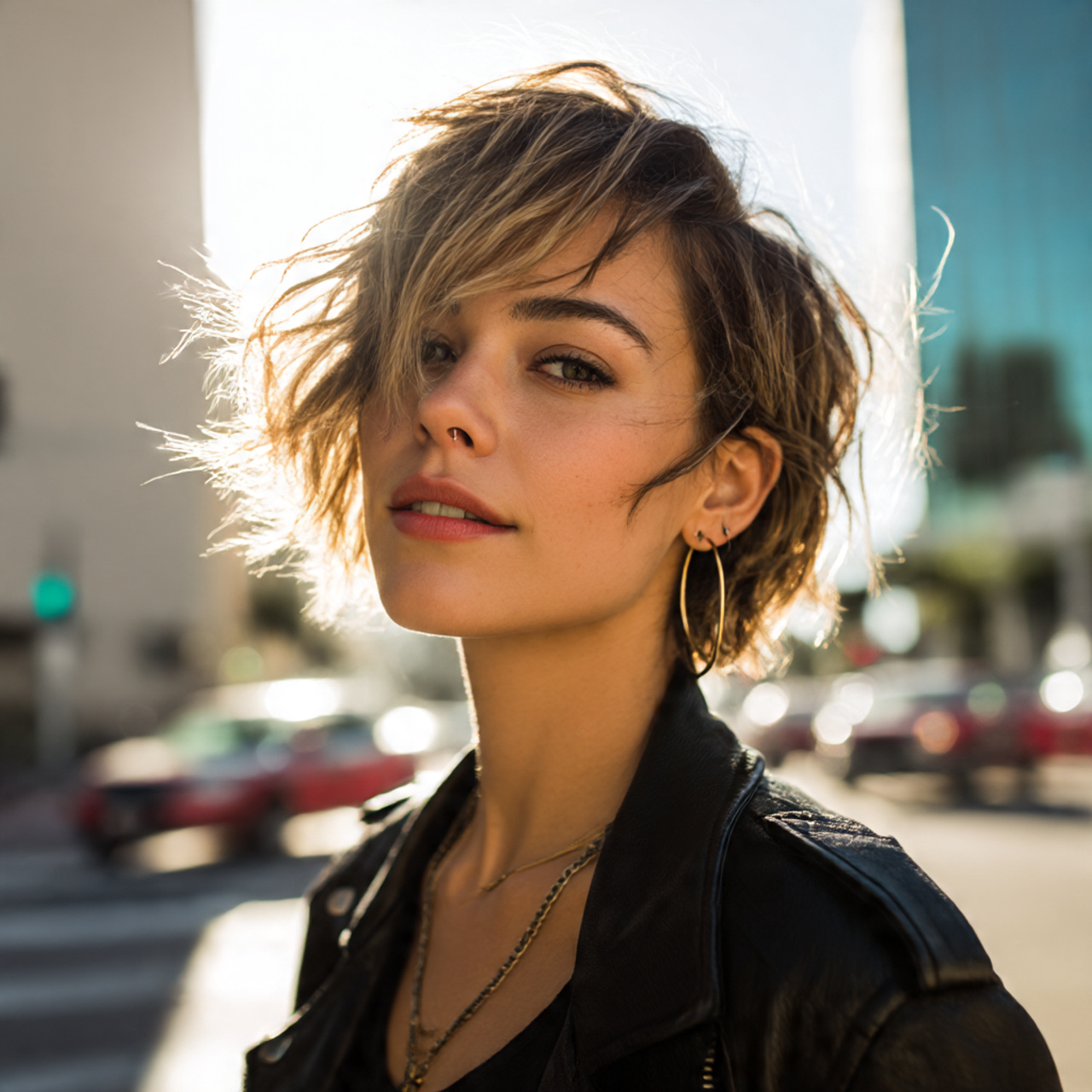
Short textured hair is one of the most transformative cuts available right now. When layers are added to shorter lengths, the heaviness disappears and the cut comes to life with edge and definition. Point cutting and razor work on short hair produce a finish that blunt shears simply cannot replicate.
The result reads as modern and deliberately styled, even on days when no product or heat tool is involved. This is short hair that looks like it was planned, not just convenient.
Best for: Clients with fine to medium hair who want bold, low-maintenance shape. Product: Aveda Phomollient Styling Foam. Pro tip: Have your stylist use point cutting rather than blunt shears to get a finish that looks effortlessly lived-in rather than sharp and stiff. Face shape: Oval and round faces. Ask for: “Short textured cut with point-cut ends for movement and softness at the tips.”
Textured Haircuts for Medium Length Hair
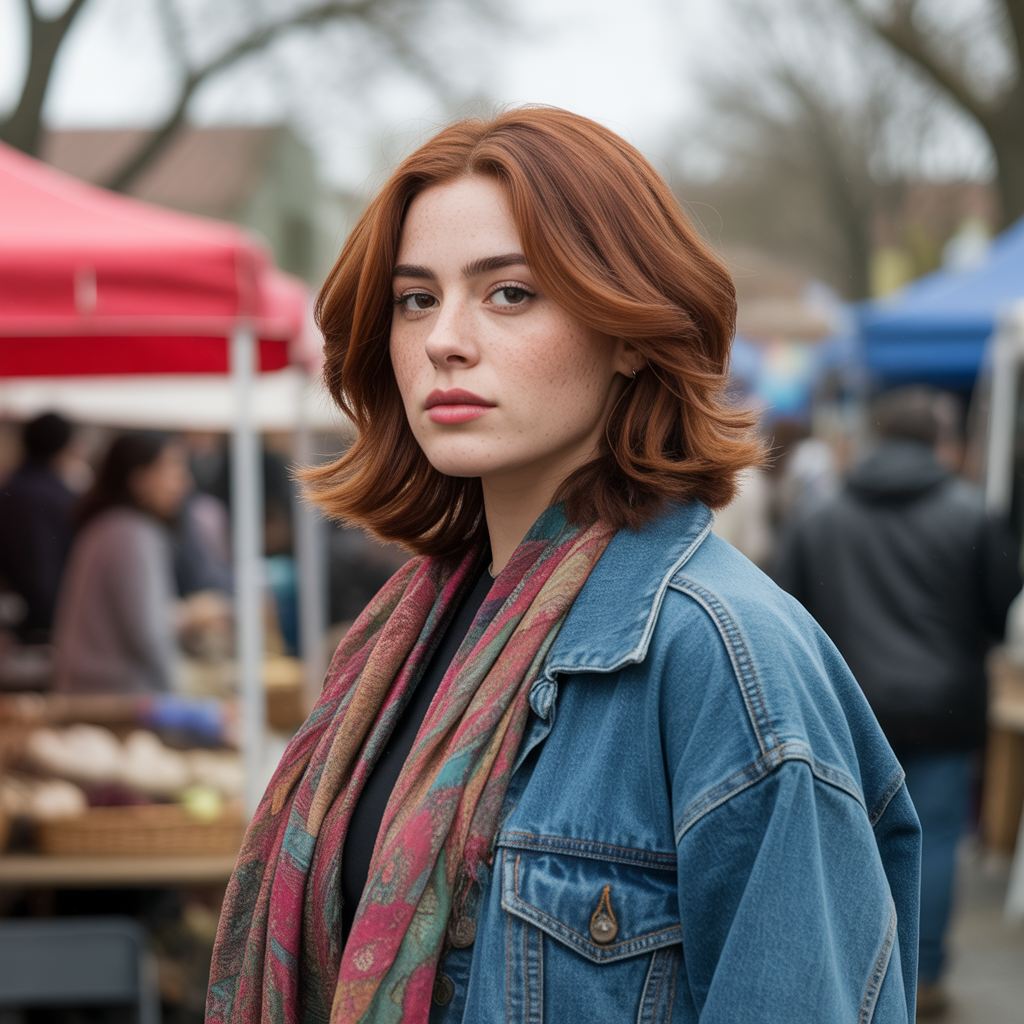
Medium length hair sits in the most flexible zone for texture. At this length, the hair is long enough for heavy layering but short enough that the shape stays clean and intentional. Adding long layers at medium length opens the face and creates a natural swing when the hair moves.
The result is a cut that behaves on its own from the moment it dries. This is the length and structure combination where most clients finally stop fighting their hair every morning.
Best for: Anyone who wants versatility from air-dried to heat-styled without committing to one look. Product: Redken Frizz Dismiss Instant Deflect Leave-In. Pro tip: Request that layers begin no higher than the chin to keep the shape polished rather than shaggy at the top. Face shape: Heart and oval faces in particular. Ask for: “Medium length with long layers starting at the chin and soft face-framing pieces.”
Textured Haircuts for Long Hair
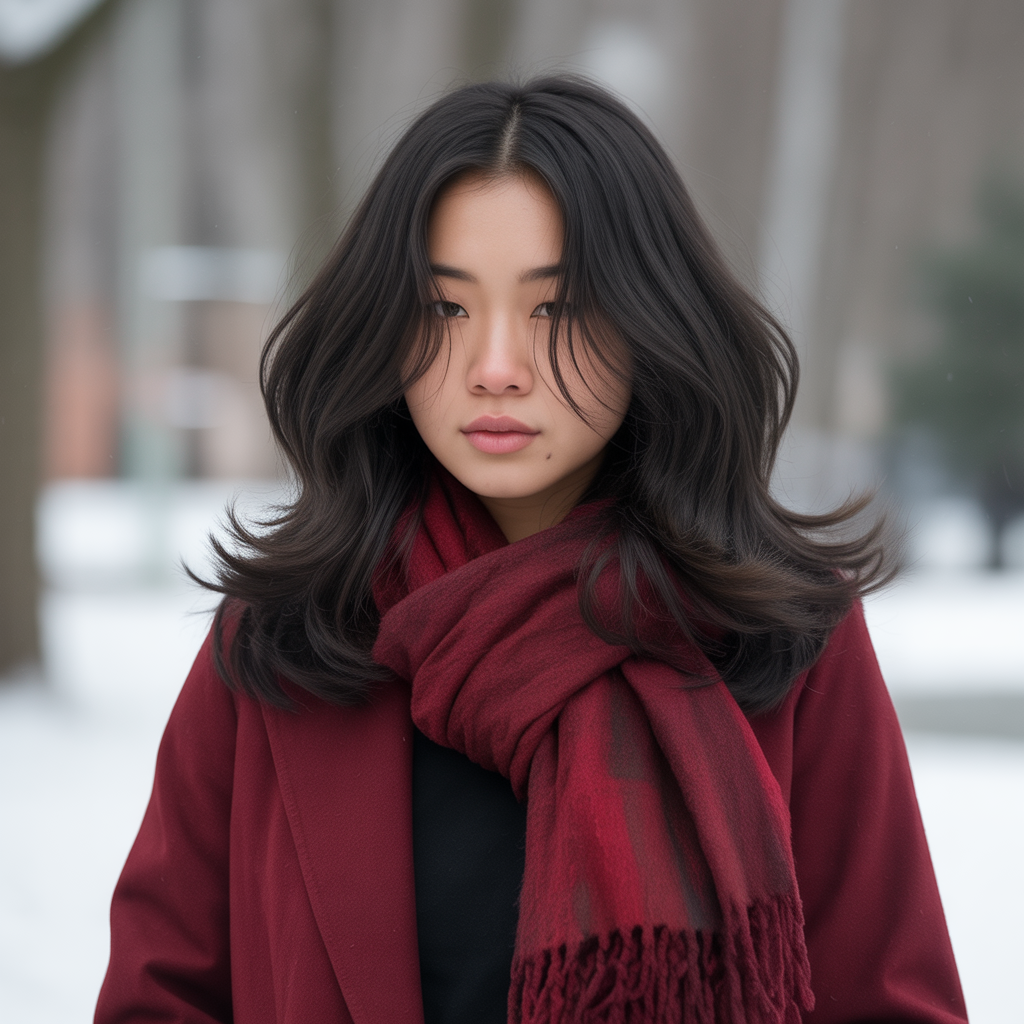
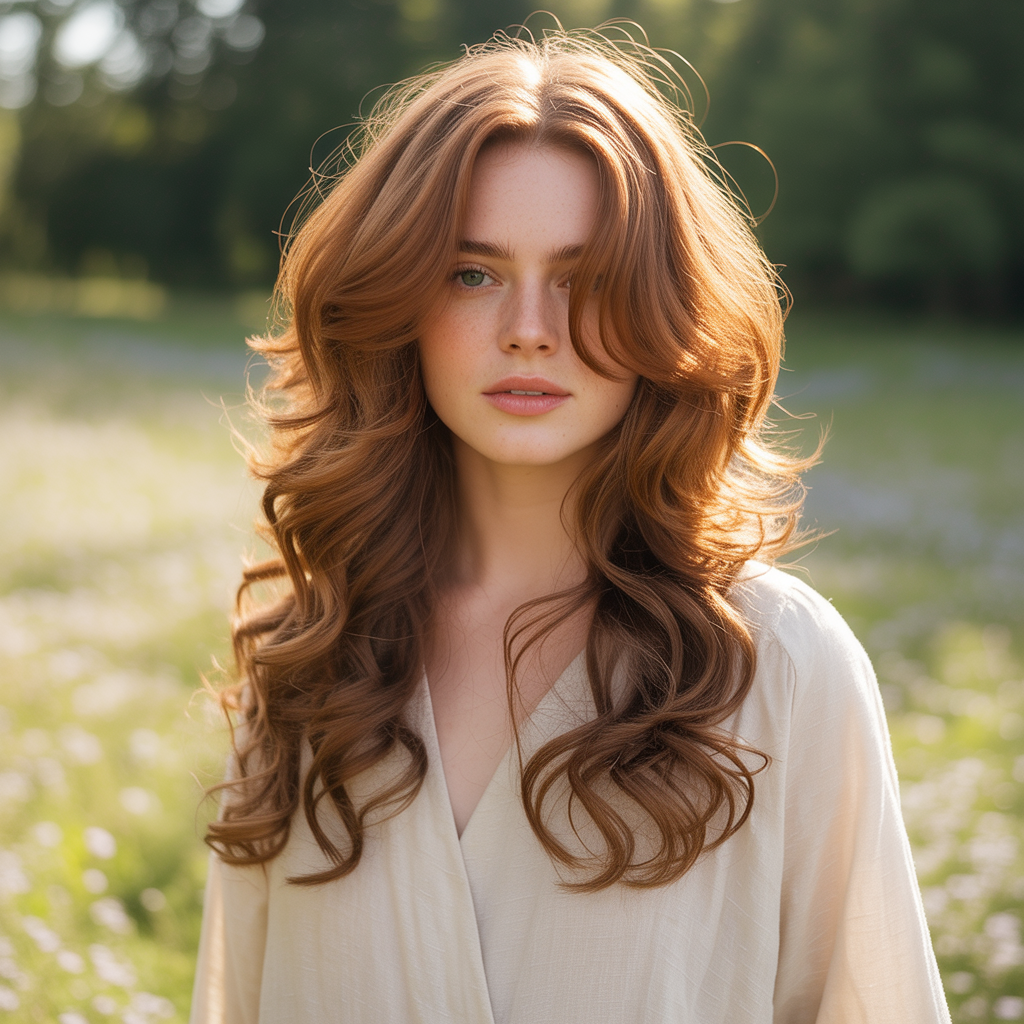
Long textured hair solves the most common complaint about longer lengths: flat, stringy, heavy hair that deflates by midday. Strategic layering removes bulk from the mid-shaft downward while keeping the length completely intact.
This cut works especially well on thicker hair where single-length cuts create a blocky, sheet-like shape that no product can correct. The outer layers sit beautifully once the interior weight is addressed.
Best for: Clients with thick or medium hair who love their length but hate how it falls flat by noon. Product: R+Co Balloon Dry Volume Spray. Pro tip: Ask for interior layers rather than only surface layers to remove weight without altering the visible length from the outside. Face shape: All face shapes. Particularly flattering on long and oval faces. Ask for: “Long layers with interior weight removal. I want movement but no length change.”
Textured Haircuts with Bangs
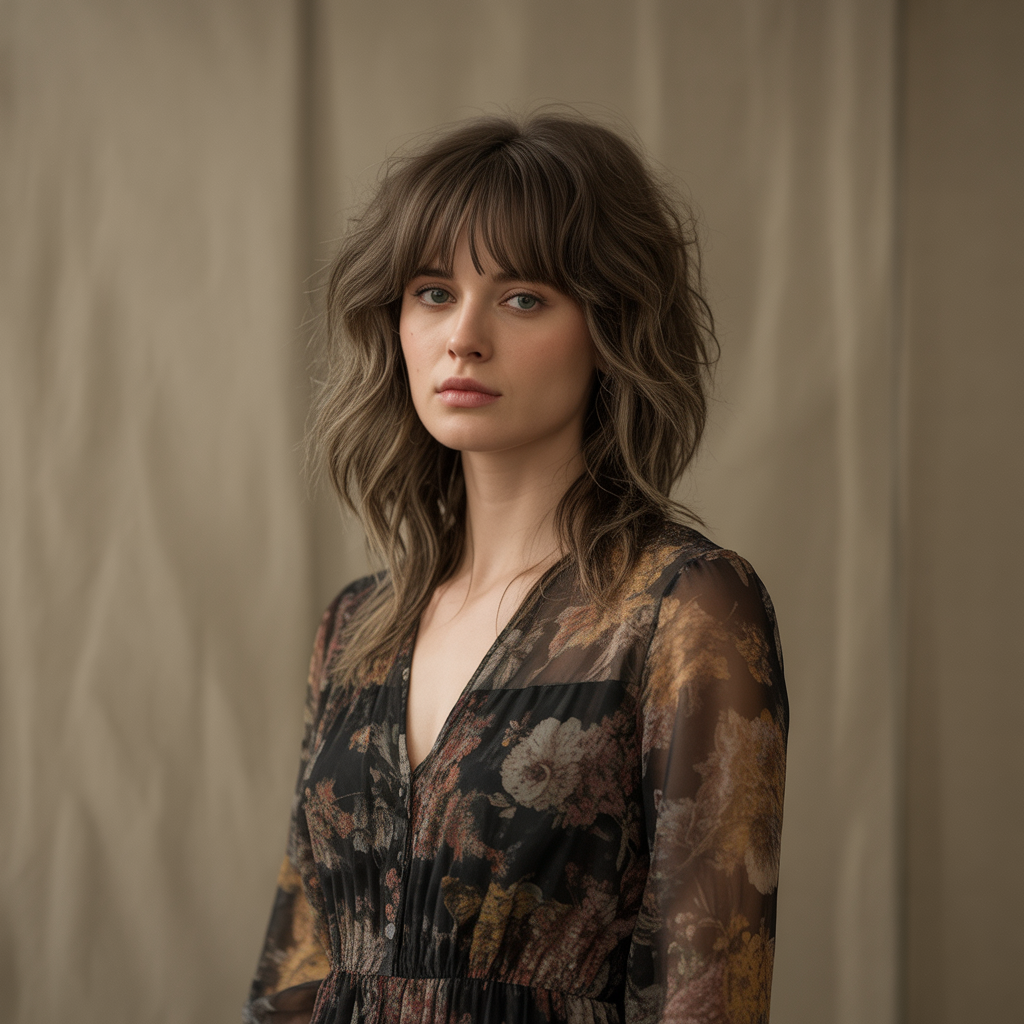
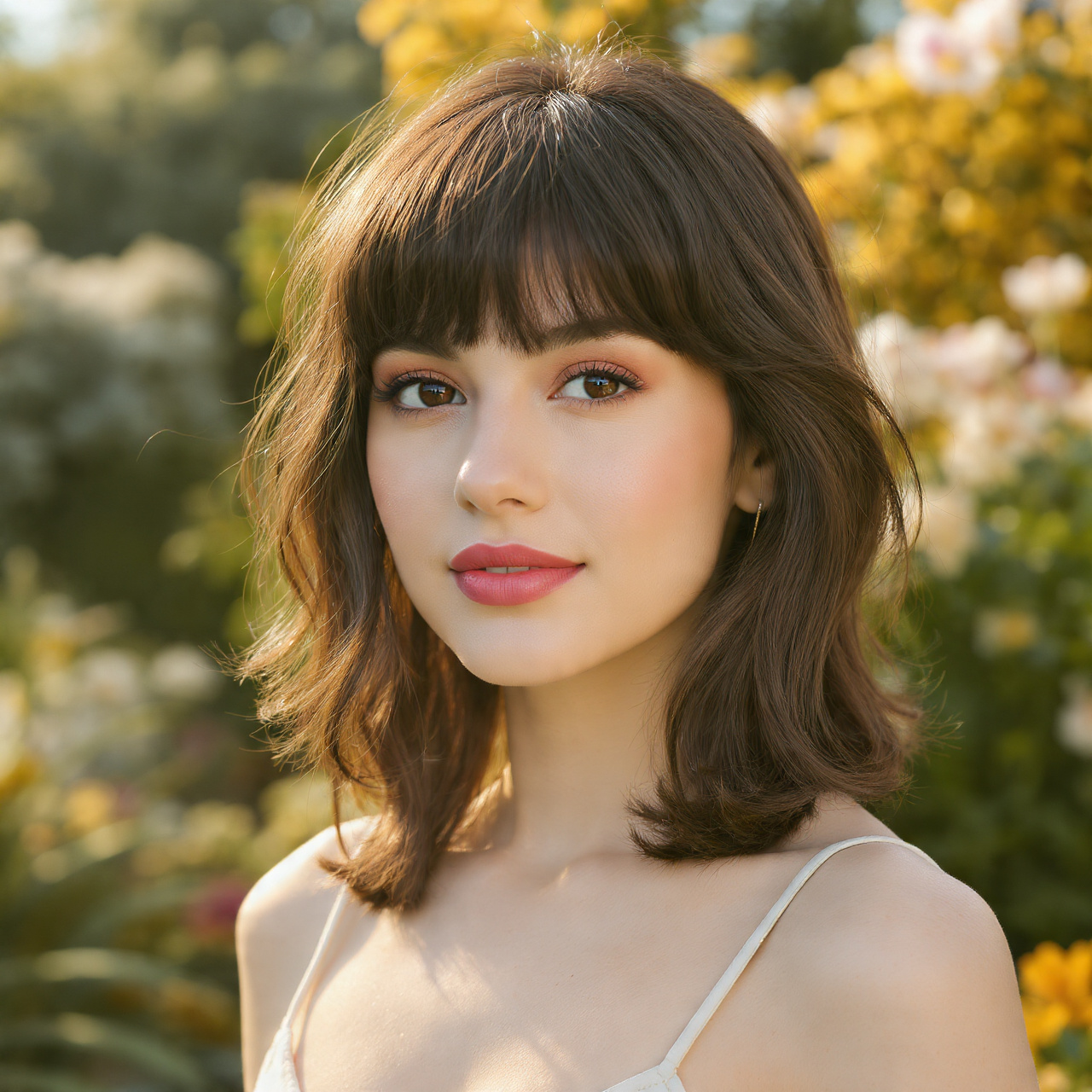
Bangs on a textured cut add a front focal point that reframes the face entirely. Curtain bangs blend seamlessly into soft, layered lengths. Blunt bangs create contrast against a more structural cut. The shift away from thick, heavy fringe toward wispy, disconnected pieces is the dominant direction in salons globally right now.
Stylists at salons like Nine Zero One in Los Angeles built loyal client bases specifically on getting this transition from heavy to airy fringe exactly right.
Best for: Clients with long or oval face shapes who want to visually shorten the face. Product: Bumble and Bumble Curl Anti-Humidity Gel-Oil for frizz-prone bang sections. Pro tip: Have bangs cut while dry so your stylist can see exactly where they land on your face rather than where wet hair pulls them down. Face shape: Long and oval faces. Ask for: “Textured curtain bangs blended into long layers, please cut them while my hair is dry.”
Textured Haircuts for Curly Hair
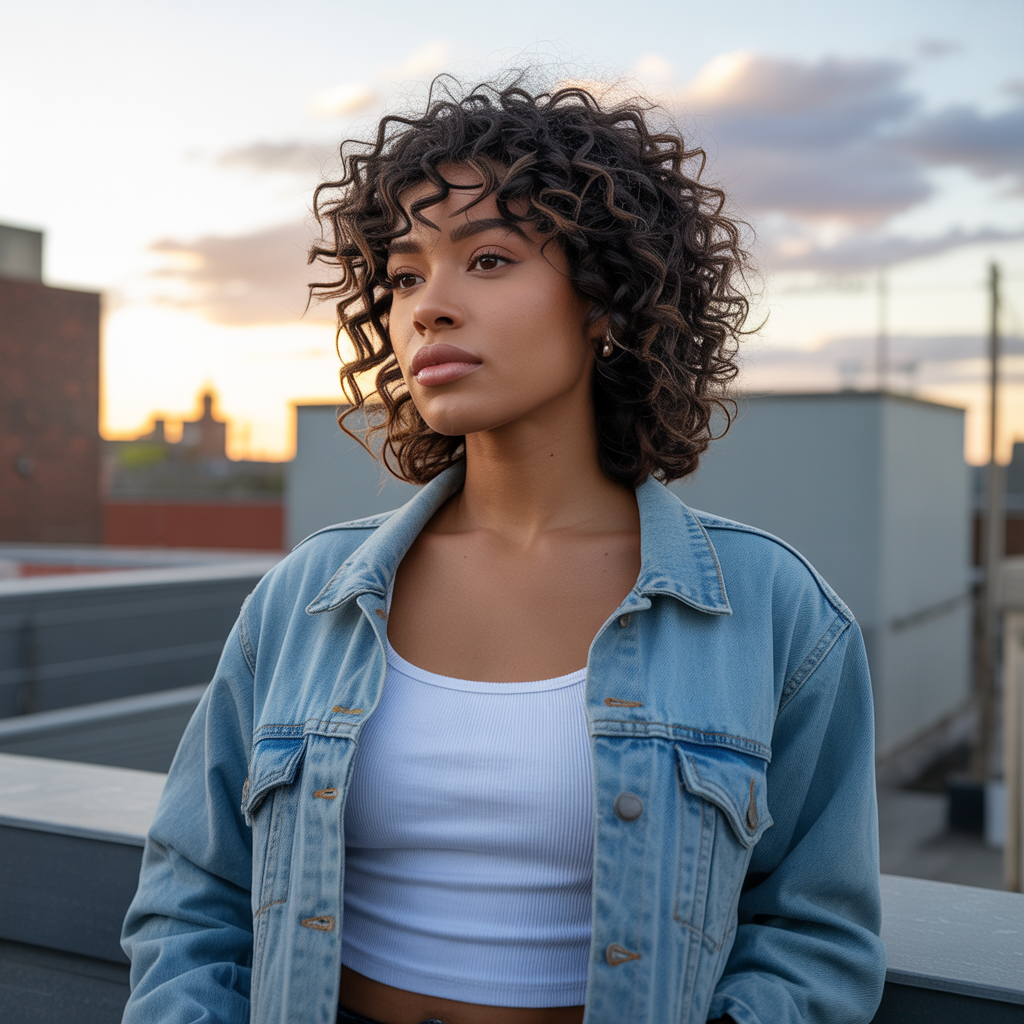
Curly hair and texture work together in a way that no other technique can replicate. The right layered cut allows each curl to spring individually instead of clumping into a heavy mass at the ends. This removes the triangular silhouette that plagues uncut curly hair and creates a balanced shape from crown to tips.
The Deva Cut method, developed at DevaChan Salon in New York, remains the gold standard for cutting curly hair in its natural state. A stylist trained in this method removes bulk from the interior rather than the perimeter, which is the critical difference.
Best for: Curly clients frustrated with volume that sits entirely at the bottom and lies flat at the top. Product: DevaCurl SuperCream Coconut Curl Styler. Pro tip: Always have curly textured cuts done on dry, fully defined curls so the stylist cuts what is actually there rather than where wet hair pulls. Face shape: Round and heart faces. Ask for: “Deva-inspired cut with interior layers to balance volume from crown to ends.”
Textured Haircuts for Wavy Hair
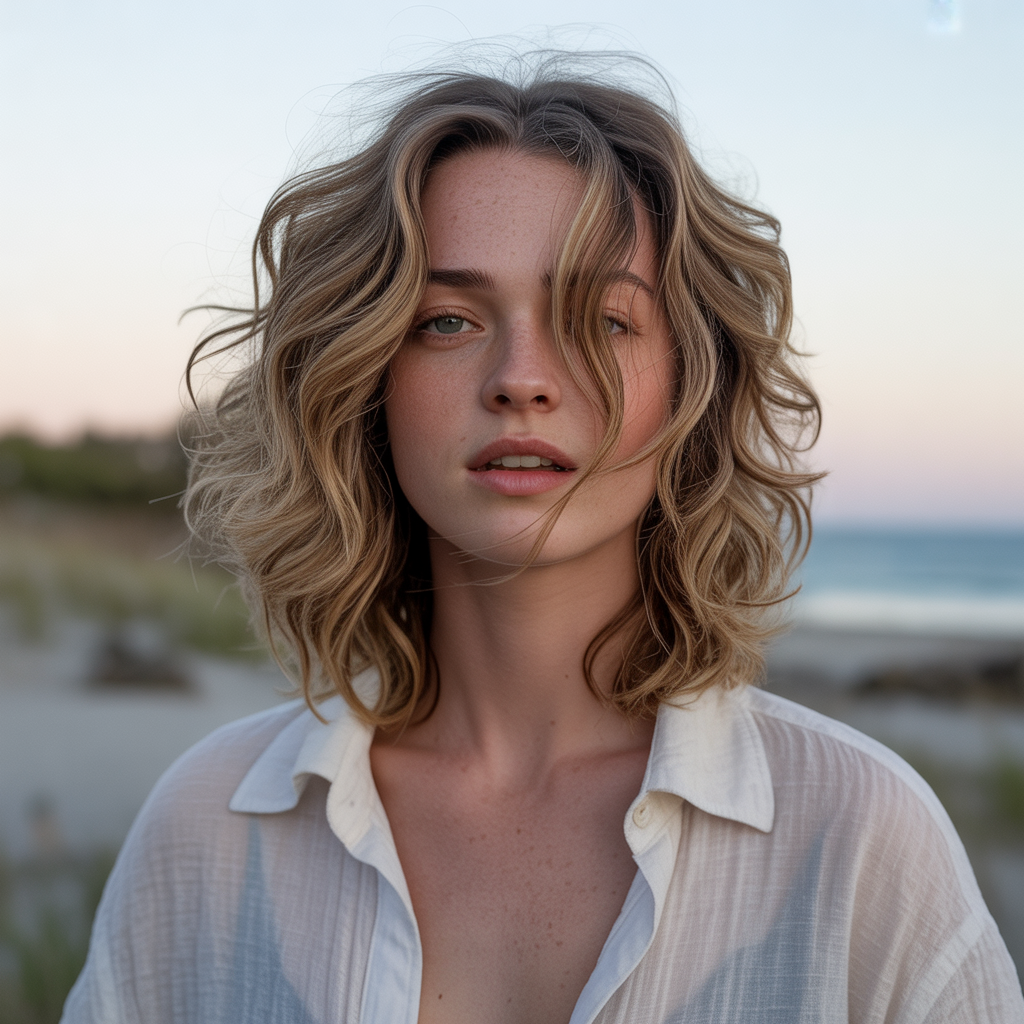
Wavy hair is the most underserved texture in mainstream salons. Most stylists either straighten it before cutting or treat it exactly like straight hair, which guarantees a disappointing result once it dries naturally. A proper textured cut for wavy hair enhances the natural bend and makes the waves look intentional.
Cutting wavy hair in its natural state, a technique popularized by the Curly Girl Method, reveals where the hair actually falls and allows layers to be placed where they will genuinely add shape rather than fight the pattern.
Best for: Clients with 2A to 2C wave patterns who want definition without the frizz. Product: Moroccanoil Curl Defining Cream. Pro tip: Scrunch a small amount of product into damp hair and let it air-dry completely before touching it to see the true texture and shape of the finished cut. Face shape: All face shapes. Ask for: “Layered cut for wavy hair, done on naturally dried waves, not straightened.”
Textured Haircuts for Straight Hair
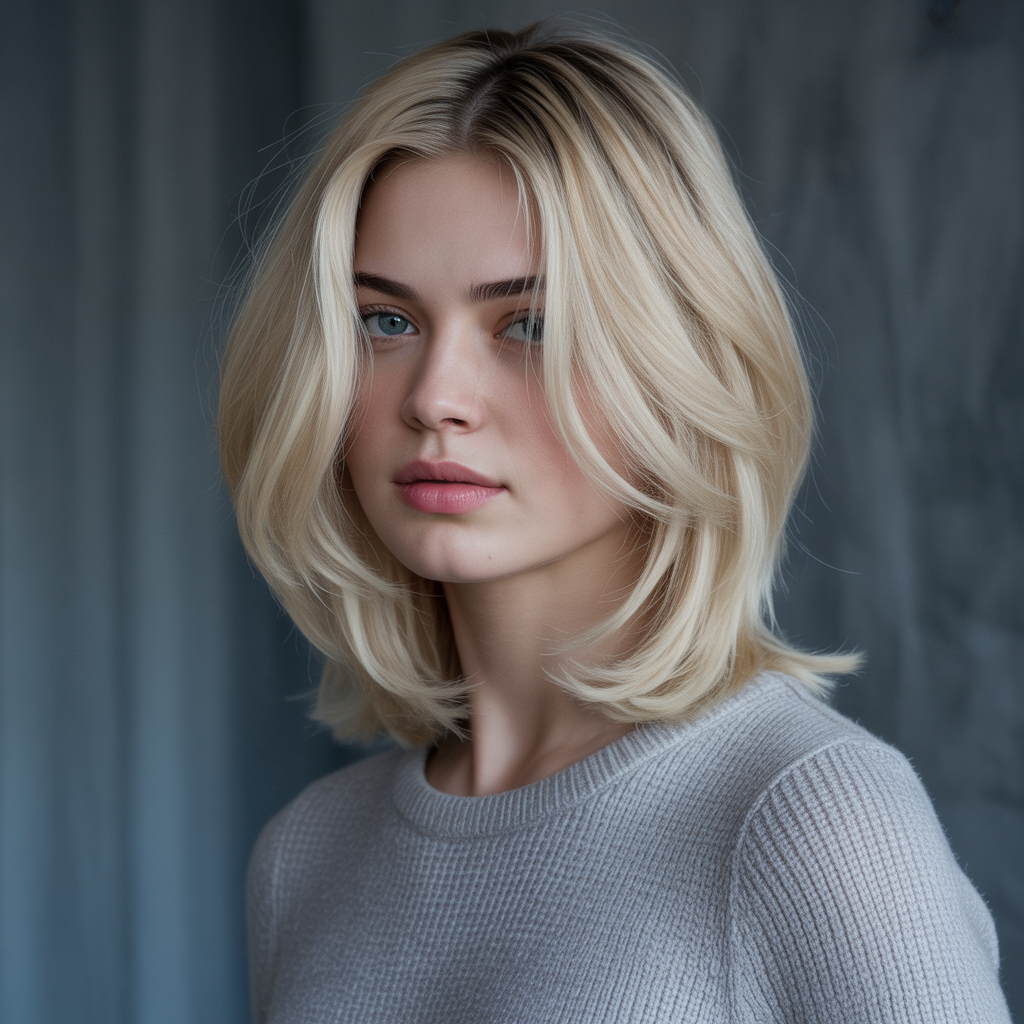
Straight hair needs texture more than almost any other type because it has no natural pattern to fall back on. Without layers, it sits in one flat line and reveals every flaw in the cut. Point cutting or slide cutting creates movement that mimics the lift other textures receive naturally.
The difference between a blunt straight cut and a textured straight cut is visible within the first hour of wear. One moves. One sits. That distinction alone is why straight-haired clients have shifted so heavily toward textured requests.
Best for: Fine to medium straight hair that falls flat regardless of what products are used. Product: Kenra Platinum Silkening Mist for smooth, frizz-free texture. Pro tip: Ask your stylist to finish the ends with a razor to produce a wispy, feathered result that blunt shears cannot replicate on straight hair. Face shape: All face shapes, especially effective on fine and medium hair. Ask for: “Textured layers using slide cutting or razor technique for a soft, feathered finish.”
Textured Haircuts for Thick Hair
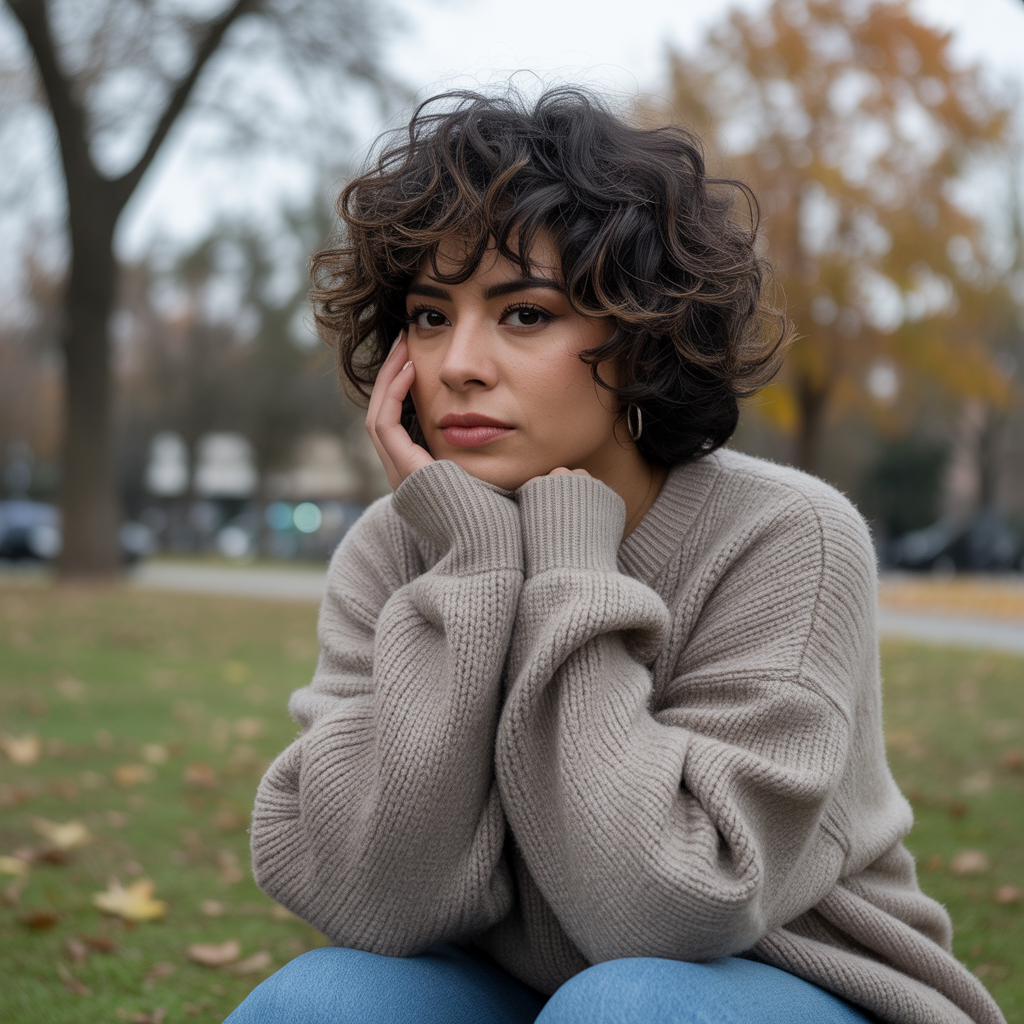
Thick hair is a gift that comes with one major inconvenience: weight. Without proper layering, thick hair becomes a dense, unmanageable block that takes too long to dry and barely moves throughout the day. A textured cut removes bulk from the interior while keeping the outer shape full and intentional.
The difference between surface thinning and true interior layering matters enormously on thick hair. Interior weight removal done with point cutting gives real lightness without the wispy, disconnected surface look that thinning shears create.
Best for: Dense, coarse, or thick hair that feels heavy by midday and takes well over an hour to dry. Product: Ouai Hair Oil for weight-free smoothness on thick texture. Pro tip: Ask for interior weight removal using point cutting rather than surface thinning shears, which leave thick hair looking thin on the outside without feeling lighter on the inside. Face shape: Square and round faces. Ask for: “Interior weight removal with point cutting, not surface thinning. Keep the outer shape full.”
Textured Haircuts for Fine Hair
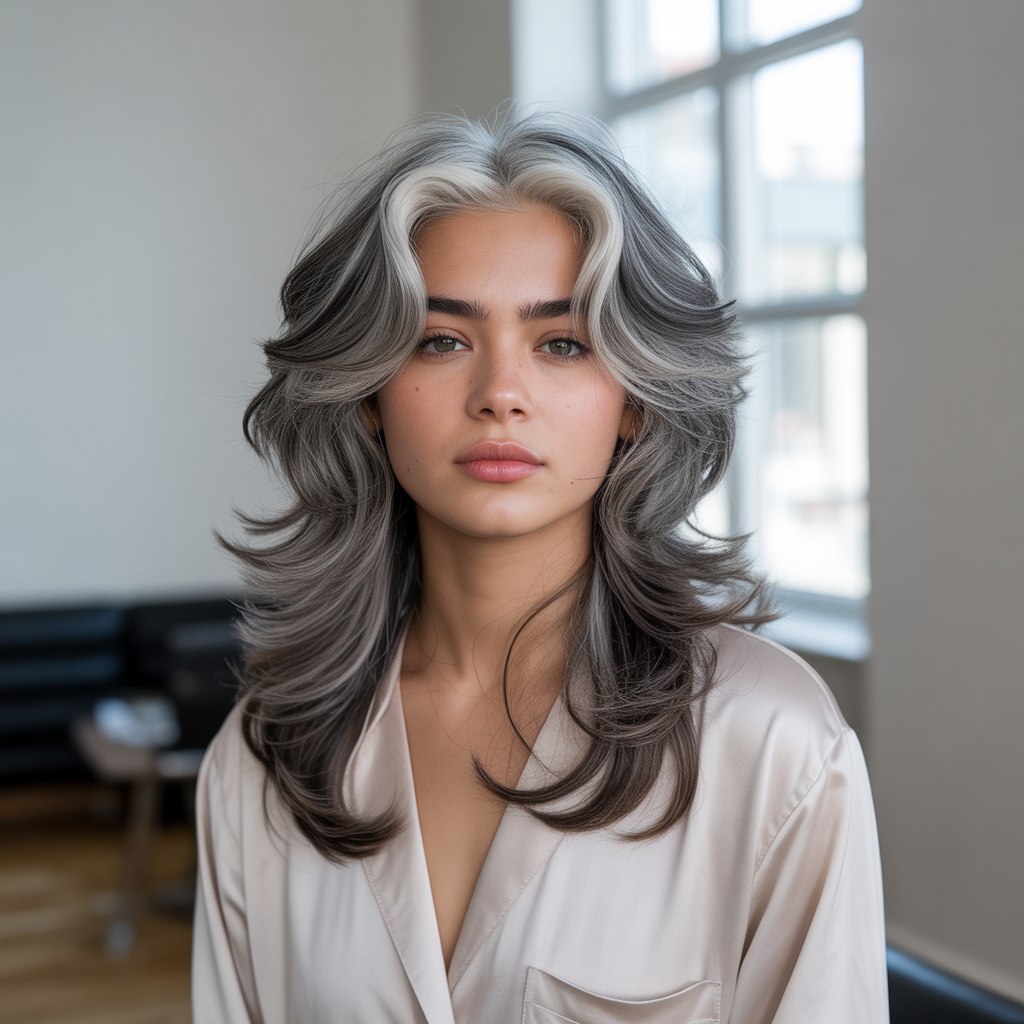
Fine hair does not need to be babied. It needs to be cut with precision and volume in mind. Layers on fine hair lift the crown and create the illusion of fullness that no volumizing product can match on its own.
Keeping fine hair at a medium length with long, graduated, face-framing layers is consistently the most flattering approach. Brands like IGK and Living Proof built entire product lines specifically for fine-hair clients who have already invested in the right structured cut.
Best for: Fine hair clients who want volume and body without depending entirely on a blowout every morning. Product: Living Proof Full Thickening Cream. Pro tip: Keep layers long and graduated rather than short and choppy to prevent fine hair from looking thin and stringy at the ends. Face shape: All face shapes. Ask for: “Long graduated layers on fine hair to build volume at the crown without losing weight at the ends.”
Textured Haircuts with Layers
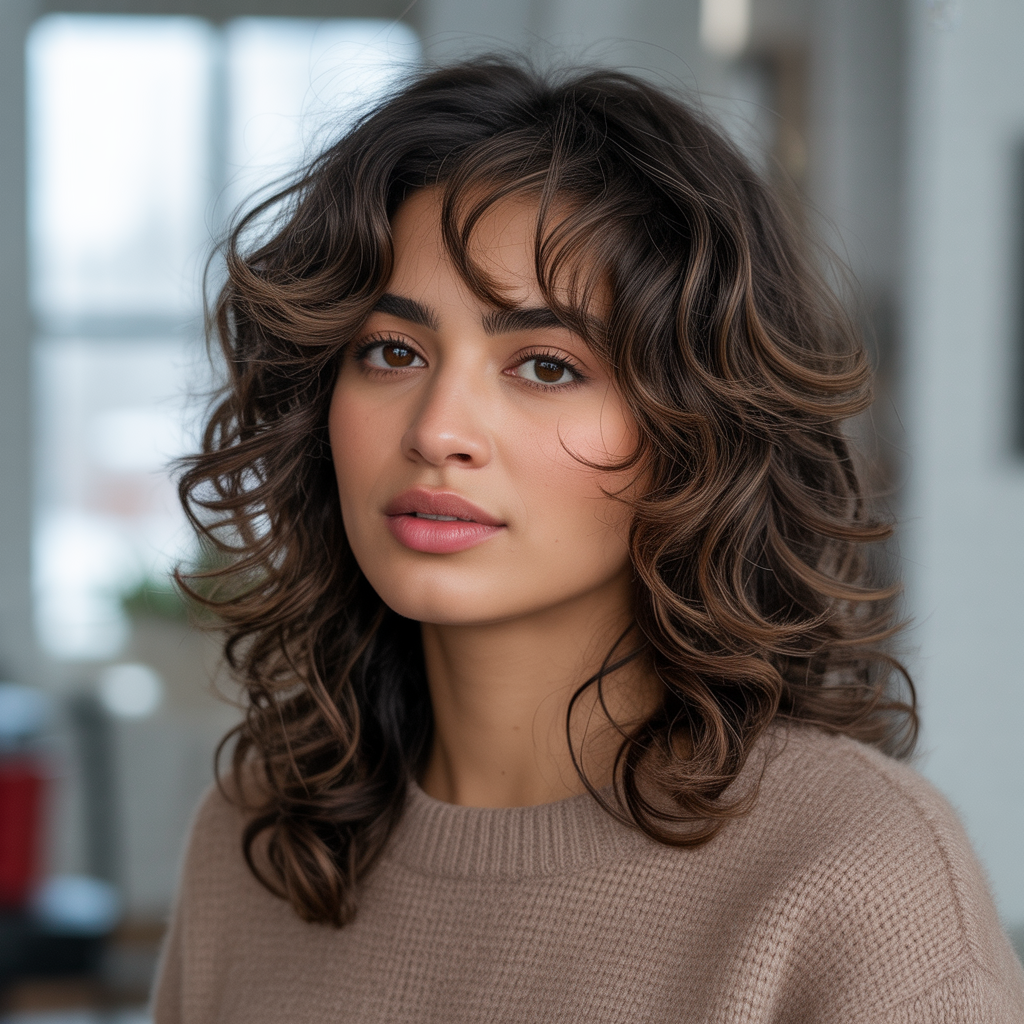
Layers are the architecture of every great textured cut. Without them, texture does not exist in a functional way. A properly layered cut creates depth, movement, and a shape the hair holds without tools or products forcing it into place.
Understanding the difference between long layers and short, stacked layers is what separates an experienced stylist from a novice one. Long layers produce soft, flowing movement. Short, stacked layers produce density and volume at the root. Most clients want a combination of both.
Best for: Anyone who wants to understand what their hair can actually do without daily styling. Product: Schwarzkopf Osis Plus Texture Me Spray. Pro tip: Ask your stylist to show you exactly where your layers begin by parting the hair before you leave so you can recreate the separation at home. Face shape: All face shapes depending on layer placement and length. Ask for: “Fully layered cut with layers starting at the chin line, blended throughout the length.”
Textured Haircuts with Face-Framing Pieces
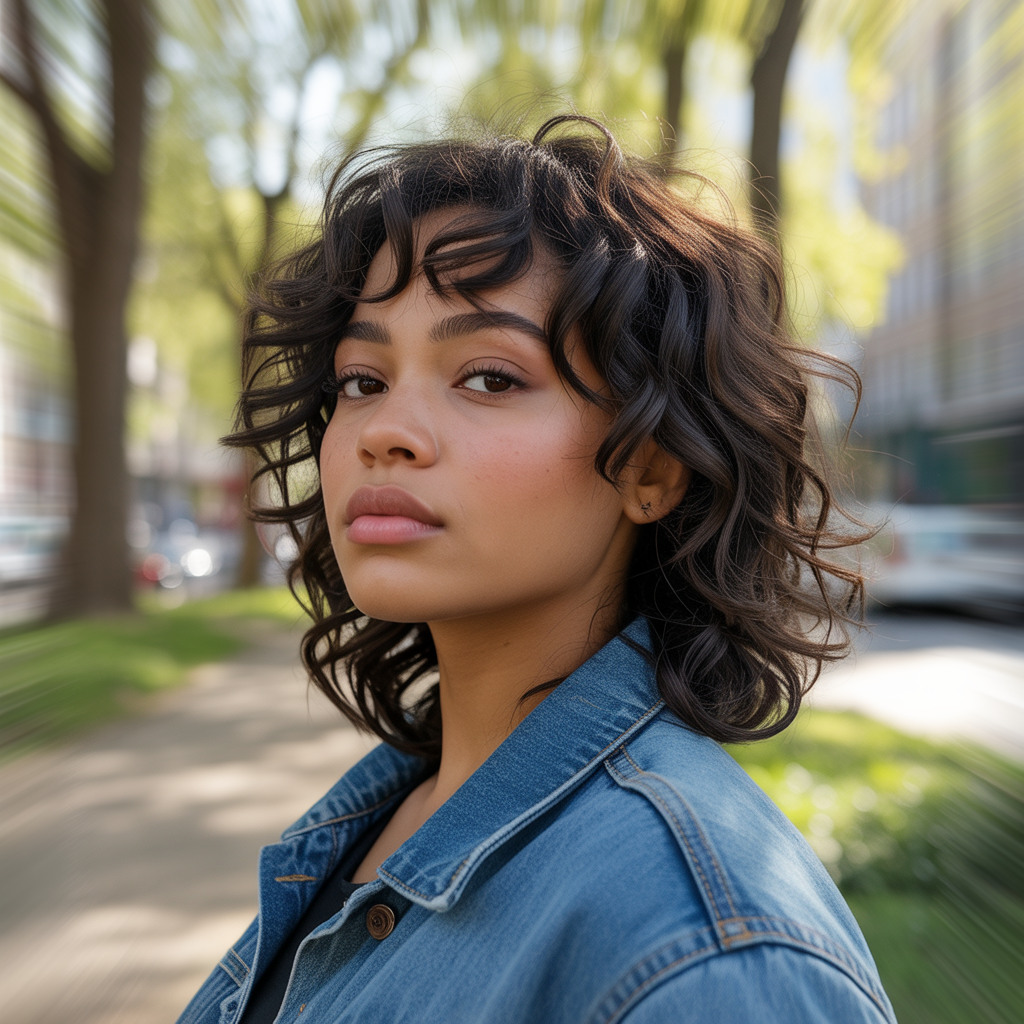
Face-framing pieces are what make a textured cut feel custom rather than generic. These intentional front sections are cut slightly shorter than the rest of the hair to draw attention toward the cheekbones and jaw. The key difference between face-framing pieces and curtain bangs is placement.
True face-framing layers start below the chin and blend into the rest of the cut. They accent without dominating, which makes them one of the most universally flattering additions to any layered style regardless of face shape.
Best for: Clients with medium to long hair who want to highlight facial features without committing to full bangs. Product: Bumble and Bumble Bb. Curl Gel-Oil for defining front pieces. Pro tip: Have face-framing pieces cut no shorter than your chin so they frame without creating a second fringe line at the front. Face shape: All face shapes. Particularly effective on square and diamond faces. Ask for: “Face-framing layers starting at the chin, blended into the rest of the layered cut.”
Textured Haircuts for Men
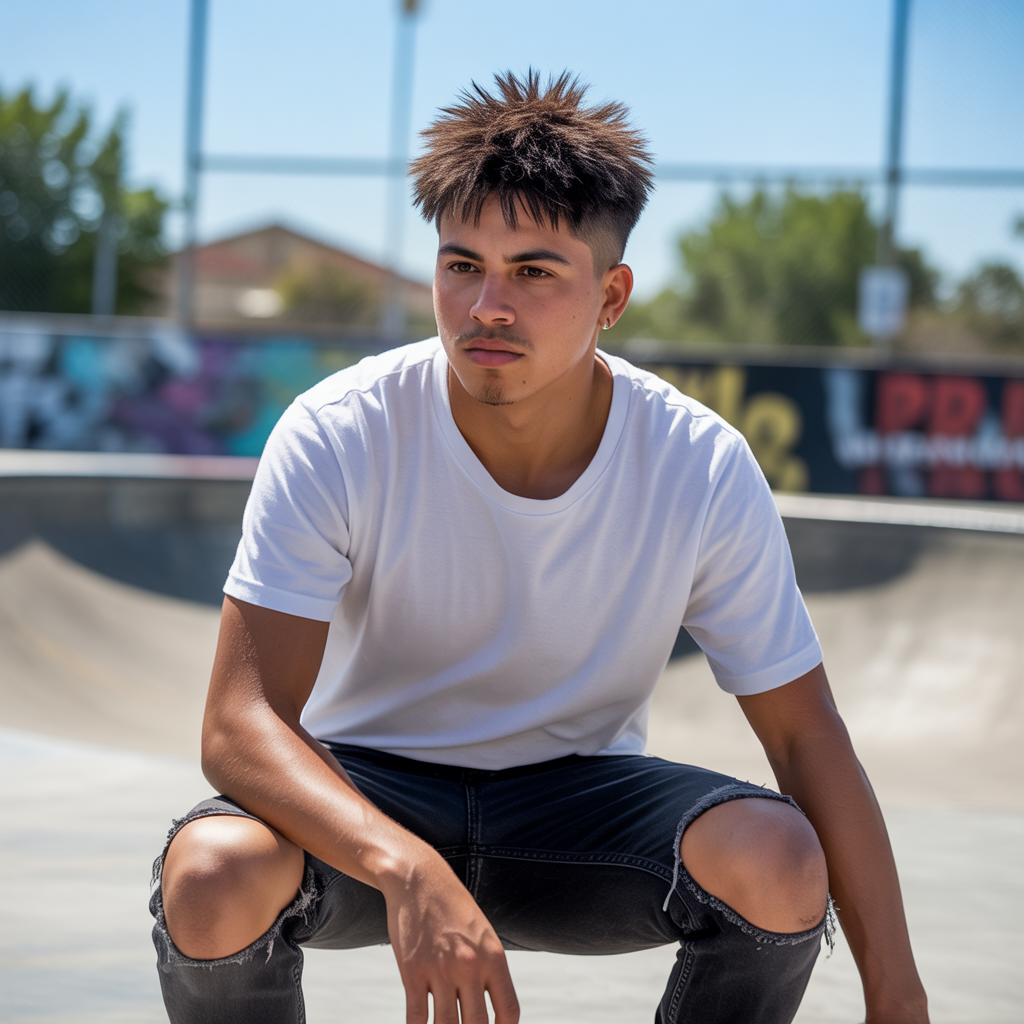
Men’s textured cuts represent one of the strongest shifts in modern barbering. The clean, rigid taper dominated for years, but the move toward softer, more natural finishes has been building steadily since 2020. A textured cut for men creates shape without requiring gel or pomade to maintain a specific look throughout the day.
A scissor-over-comb finish with texturizing shears on top gives men’s hair a modern, effortless shape. American Crew and Kevin Murphy both reformulated their core product lines specifically for men who want texture without stiffness.
Best for: Men with medium to thick hair who want a modern, low-product finish. Product: American Crew Fiber for light hold and natural texture. Pro tip: Ask for textured ends on top and a skin fade on the sides to create contrast that makes the texture on top read sharper and more deliberate. Face shape: All face shapes. Particularly strong on oval and square faces. Ask for: “Scissor-over-comb top with texturizing shears and a skin fade on the sides.”
Textured Haircuts for Women
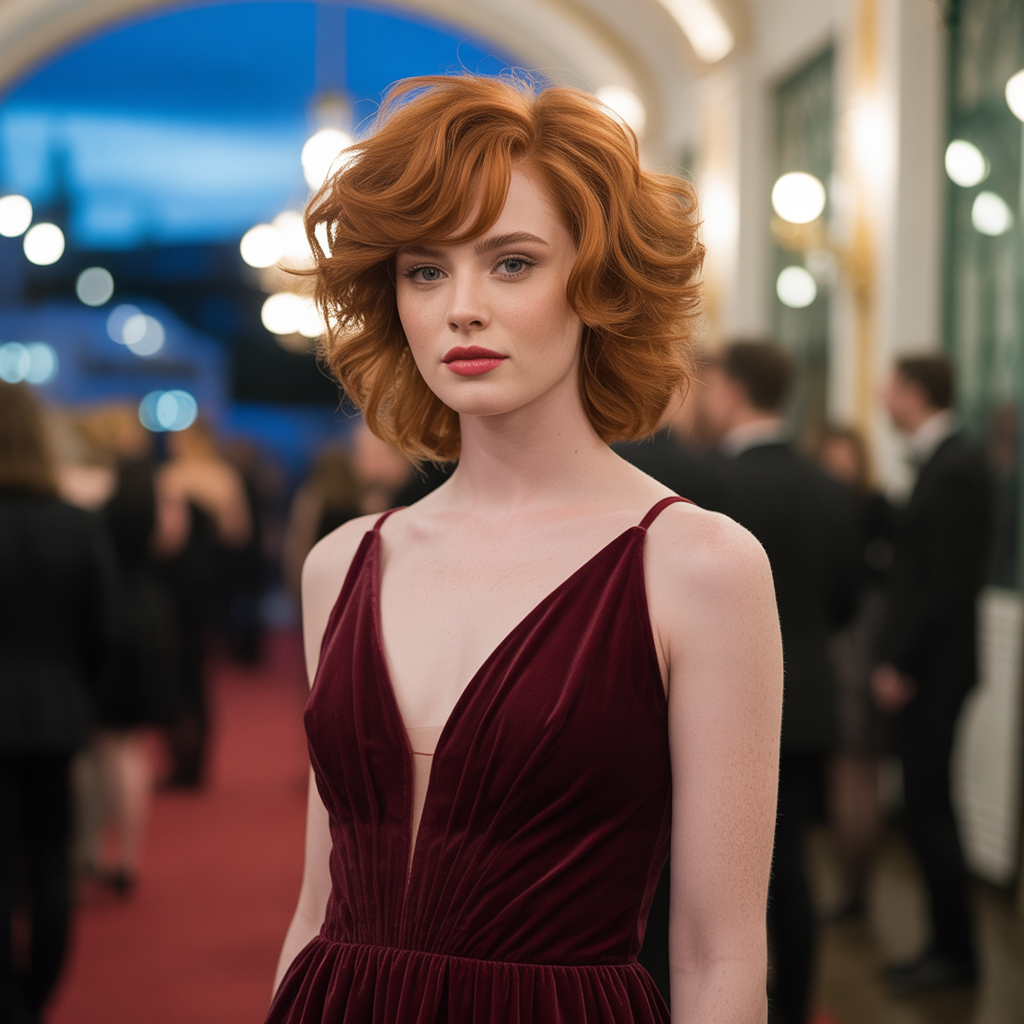
Women’s textured options span every length and every lifestyle. The reason texture has become the dominant request among women in salons is simple: it reduces daily styling time while increasing the number of ways a cut can be worn. One textured cut can look completely different depending on whether it is air-dried or diffused.
Salon brands like Wella, Redken, and Schwarzkopf Professional developed dedicated cutting systems specifically because client demand shifted so dramatically away from blunt, one-note finishes over the past several years.
Best for: Women of any age who want a low-maintenance cut that looks intentional with minimal effort. Product: Redken All Soft Mega Curls Shampoo and Conditioner for maintaining cut integrity. Pro tip: After your textured cut, have your stylist blow-dry it so you can see how to recreate the result at home before you leave the chair. Face shape: All face shapes depending on length and layer placement. Ask for: “Layered textured cut with face-framing pieces. I want movement and softness, not a rigid shape.”
Textured Haircuts with Pixie Styles
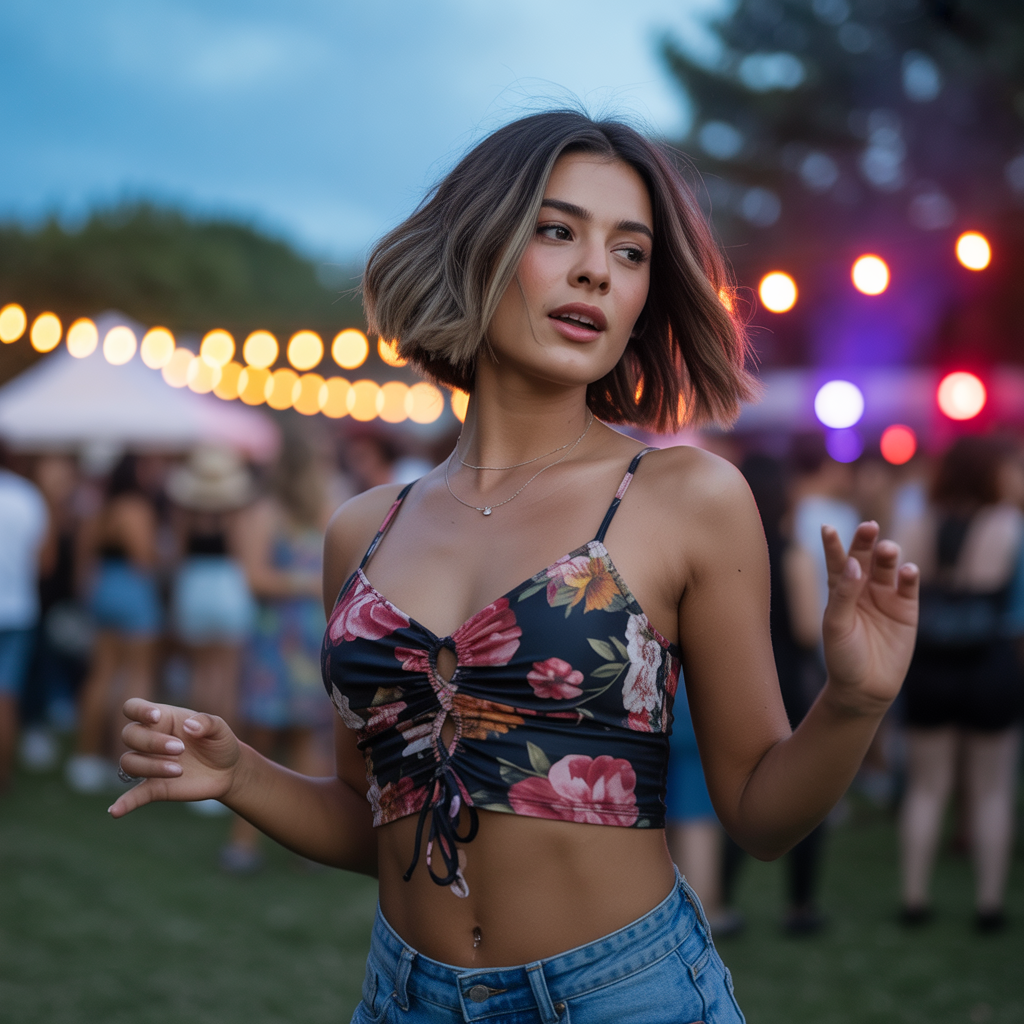
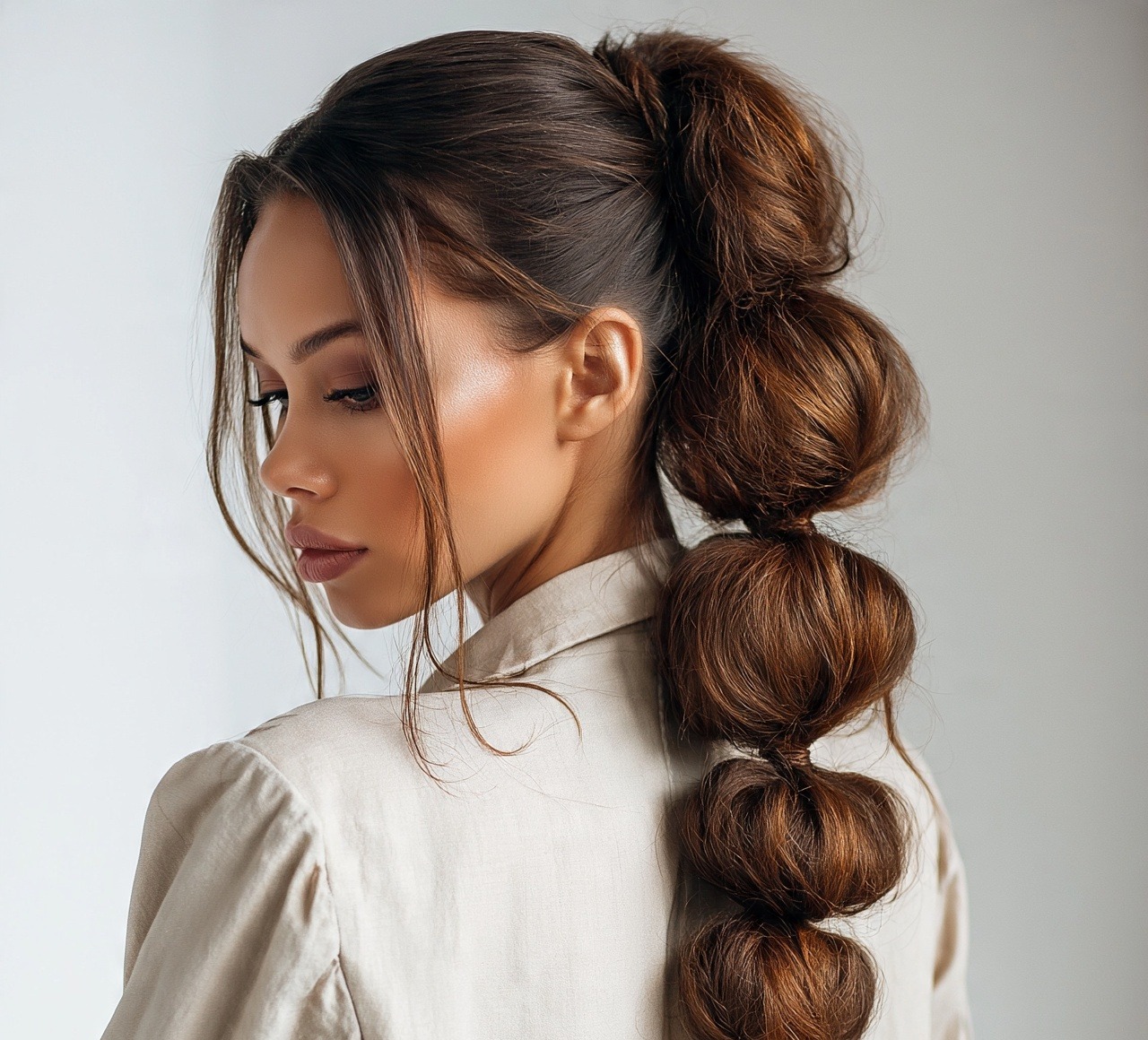
A textured pixie is not the same cut as a traditional pixie. The traditional version is precise and sculpted. The textured version is intentionally undone, with choppy ends that give the cut edge and personality. It looks like it was grown into rather than freshly cut.
This style became a defining signature for stylists like Chris McMillan and Robert Vetica for clients who wanted short hair that felt expressive rather than severe. Razor work at the crown and nape creates softness that blunt shears cannot produce at this length.
Best for: Clients with fine to medium straight or slightly wavy hair who want bold, expressive short hair. Product: Aveda Pure Abundance Style Prep for root volume on short texture. Pro tip: Let your textured pixie grow between appointments rather than trimming every four weeks, because the grown-out softness is part of what makes this cut work. Face shape: Small and oval faces. Ask for: “Textured pixie with choppy, razor-cut ends and disconnected layers on top.”
Visit Also: 90s Bixie Haircut
Textured Haircuts with Bob Styles
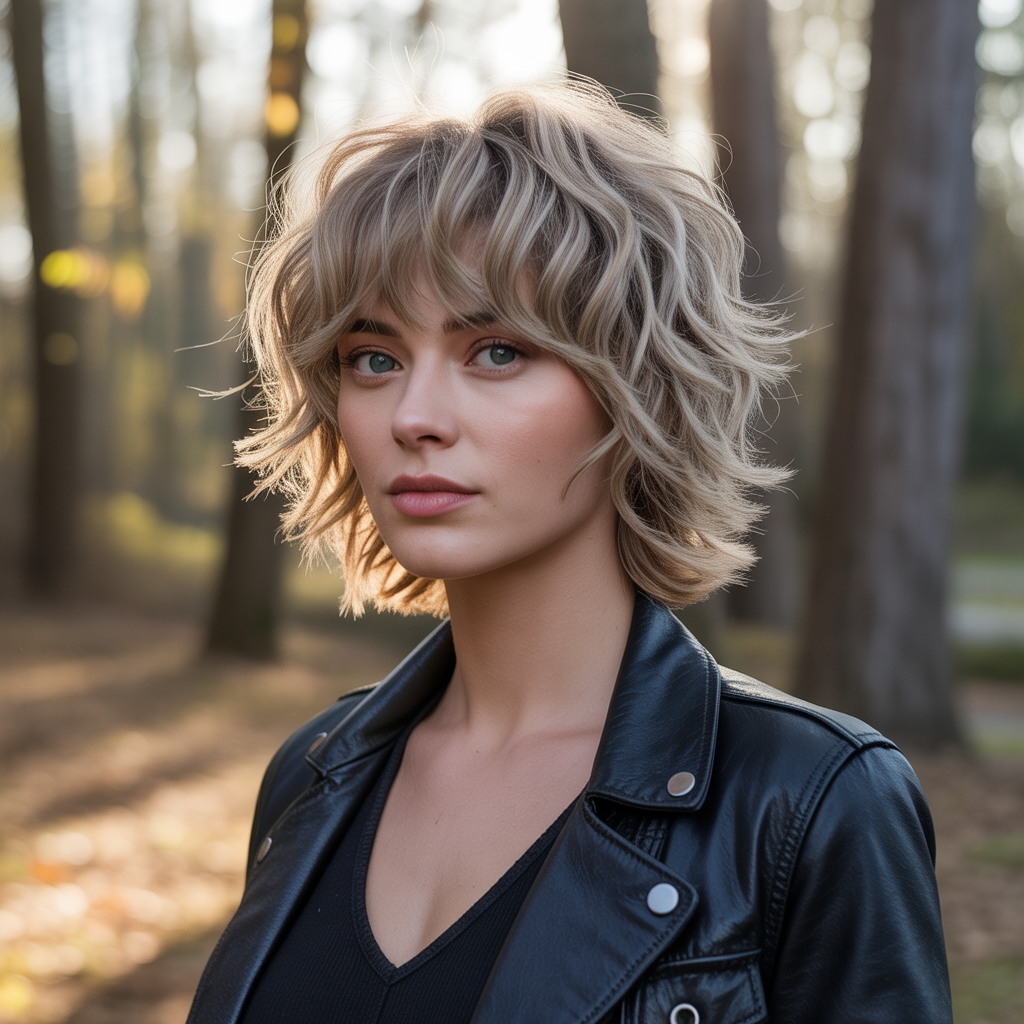
A textured bob corrects the classic bob’s tendency to sit heavy and boxy. Adding soft layers, invisible graduation at the nape, or a disconnected perimeter gives the bob movement and prevents that stiff, dated finish. This is the cut that renewed the bob’s relevance for a modern audience.
The textured French bob in particular became a defining trend because it is flattering on most face shapes and requires almost no heat styling to look polished. Bumble and Bumble built campaign content specifically around this cut’s effortless, everyday quality.
Best for: Clients with round or square faces who want the structure of a bob without the rigidity. Product: Bumble and Bumble Surf Spray for a lived-in, effortless finish. Pro tip: Ask for invisible graduation inside the nape rather than a straight, blunt perimeter to add lift and natural movement at the bottom of the bob. Face shape: Round and square faces. Ask for: “Textured bob with soft interior graduation and point-cut or razor-cut ends.”
Textured Haircuts with Shag Inspiration
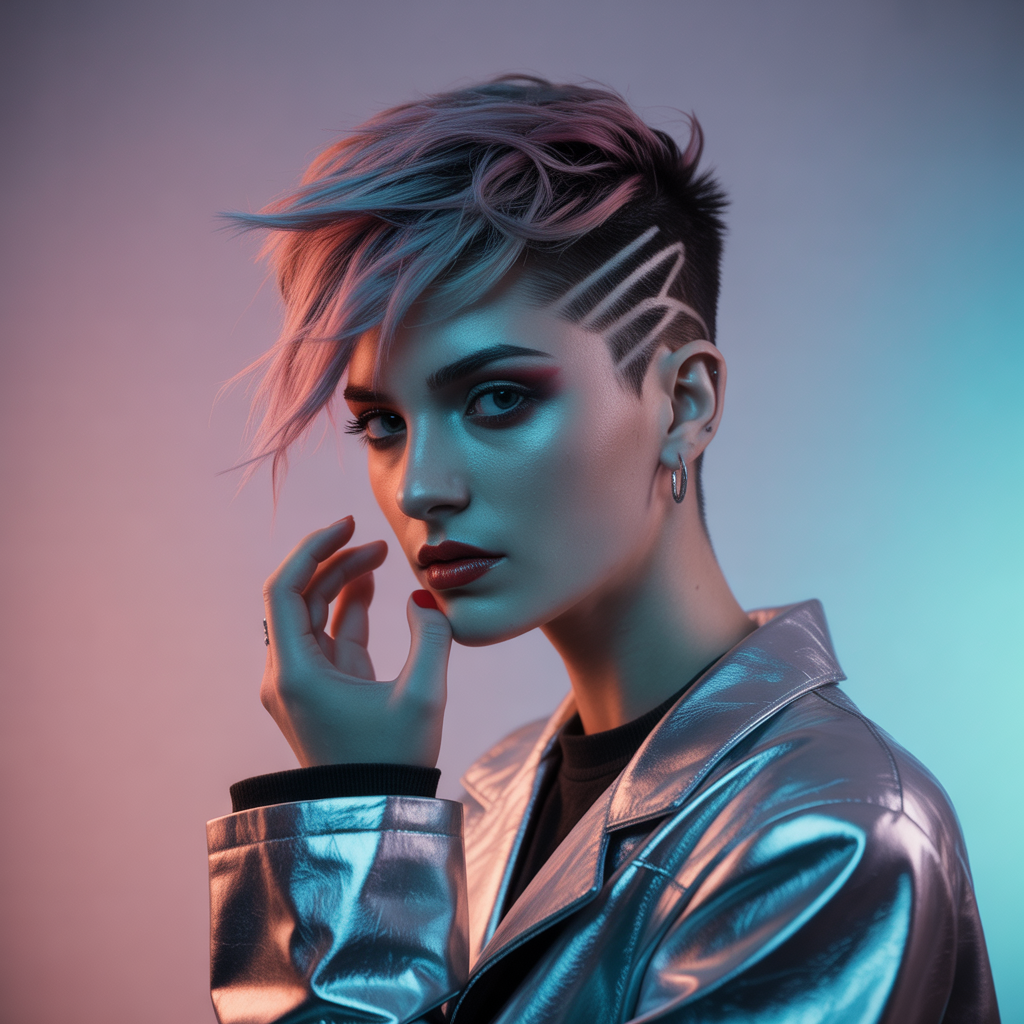
The shag is the most committed version of a textured haircut. Heavy layering from crown to ends, curtain bangs, and a deliberately undone perimeter create a style built entirely around maximum movement and minimum effort. It actually looks better the less you do to it throughout the day.
The modern shag refines the 1970s original by building layers that work with natural wave and curl patterns rather than imposing a shape on them. This produces a finish that holds its structure for weeks between trims.
Best for: Clients with wavy or thick hair and a confident, expressive personal style. Product: Verb Ghost Oil for frizz-free, effortless texture. Pro tip: Ask your stylist to cut your shag while your hair is dry so the shape reflects what you actually see in everyday life, not what wet hair tells you. Face shape: All face shapes. Particularly flattering on long and oval faces. Ask for: “Layered shag with heavy interior layers, curtain bangs, and a soft, unstructured perimeter.”
Textured Haircuts with Undercuts

The undercut adds a structural dimension to texture that no surface layering can achieve. Removing hair underneath while keeping the top section full and textured creates contrast between weight and lightness. The result photographs beautifully and holds its form throughout the day.
This combination gained traction in editorial hair work before it moved into mainstream salons. When the under-section is tapered and the top section receives heavy texture, the overall shape reads as architectural and completely intentional.
Best for: Clients with thick hair and a strong personal aesthetic who want a cut that makes a clear statement. Product: Kevin Murphy Easy Rider Curl Defining Crème for texture on the top section. Pro tip: Ask for a disconnected undercut rather than a blended one if you want the contrast between the two sections to be visible and deliberate. Face shape: Oval and square faces in particular. Ask for: “Disconnected undercut with textured, point-cut layers kept full on the top section.”
Textured Haircuts for Professional Looks
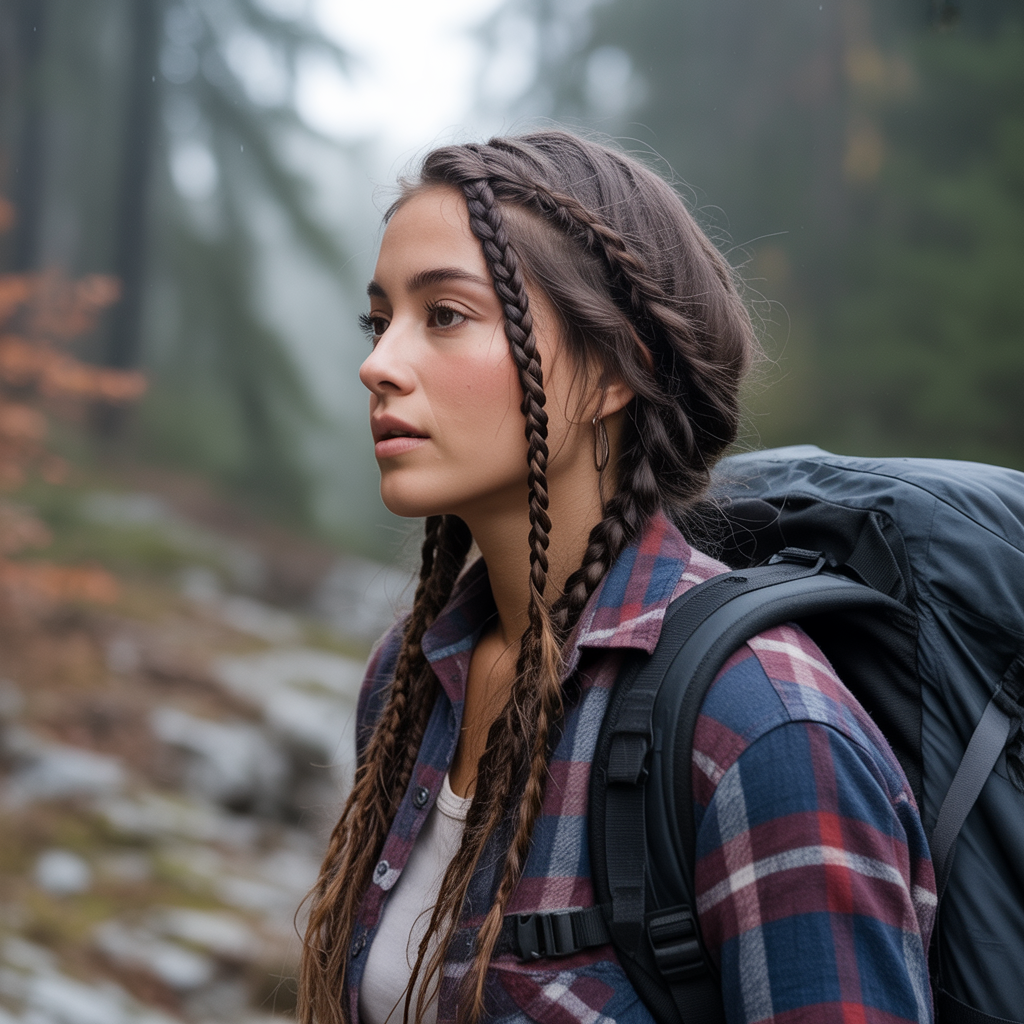
Texture and professionalism are not in conflict. A well-executed layered cut with clean lines and controlled movement is one of the most polished looks available for a professional environment. The key is keeping layers long enough that the shape reads as intentional rather than undone.
The difference between messy texture and professional texture is graduation. Stylists who work with corporate clients keep layers below the chin and maintain a defined perimeter so the movement reads as refined rather than relaxed.
Best for: Working professionals who want dimension and movement without looking disheveled. Product: Kenra Platinum Silkening Mist for a sleek, frizz-free professional finish. Pro tip: Blow-dry your textured professional cut using a large round brush to set the layers in a controlled direction so the movement reads as refined rather than casual. Face shape: All face shapes. Ask for: “Long, clean layers with controlled movement and a defined perimeter suitable for a professional setting.”
Textured Haircuts for Casual Everyday Styles
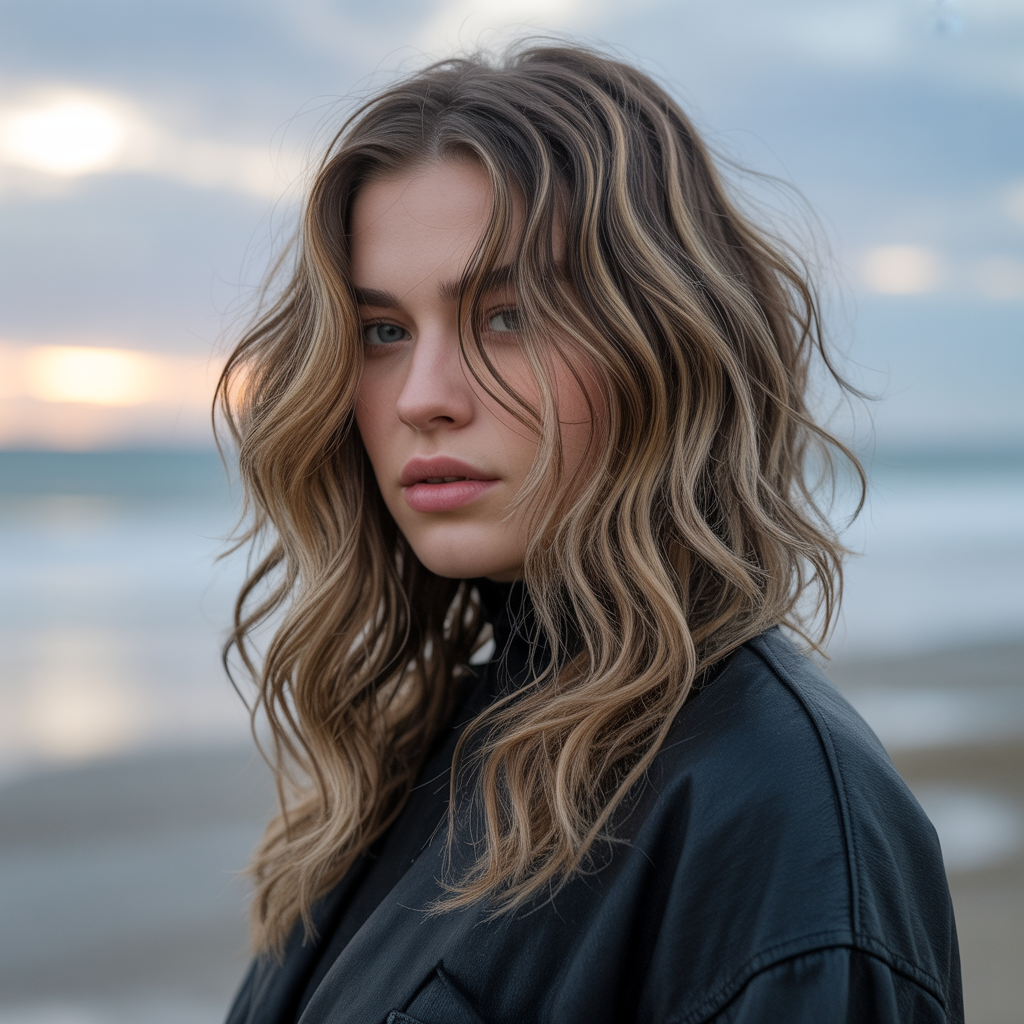
For daily wear, the best textured haircut is the one that looks great with zero intervention. This means layers placed so precisely that the hair air-dries into its best shape without a diffuser, brush, or product. A properly executed everyday textured cut works with your natural growth pattern and saves real time every single morning.
The test of a great everyday textured cut is straightforward. If it looks better on day two than day one with nothing added, the structure is right and the cut was executed correctly.
Best for: Clients with any hair type who want a cut that performs reliably every single day. Product: Not Your Mother’s Curl Talk Defining Cream for effortless air-dried texture. Pro tip: Sleep on a silk pillowcase after washing your textured hair to preserve the shape overnight without creating frizz or disrupting the layers. Face shape: All face shapes. Ask for: “A textured cut that air-dries well and still looks good on day two with no product.”
Textured Haircuts with Color Enhancements
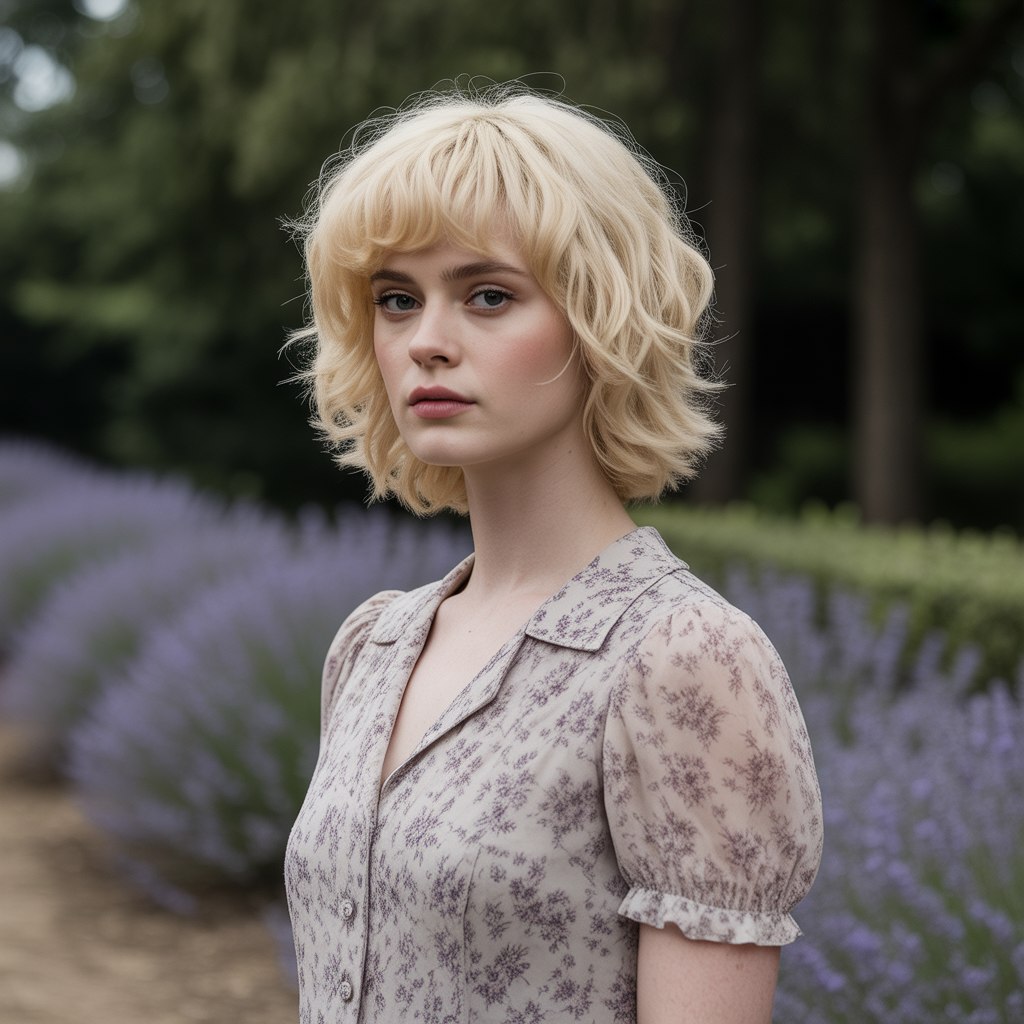
Color on a textured cut does something that flat, blunt hair simply cannot. Highlights and balayage catch the light differently at each layer, making the hair look fuller, more three-dimensional, and genuinely alive. The layers become part of the color design rather than just a backdrop for it.
Balayage applied through a textured cut by colorists trained in the Wella Koleston Perfect or L’Oreal Professionnel DiaLight system enhances the natural movement of the cut rather than lying flat against a single-length surface.
Best for: Clients who want their color to look dimensional and effortless rather than flat and solid. Product: Pureology Colour Fanatic Multi-Tasking Hair Beautifier for color-safe texture maintenance. Pro tip: Always have your color done after your textured cut so the colorist can place highlights exactly where the layers fall and where natural light hits them. Face shape: All face shapes. Ask for: “Balayage placed through layered sections to highlight the texture of the cut rather than a flat, full-color application.”
Quick Comparison Table
| Style | Length | Hair Type | Maintenance | Bold Factor |
|---|---|---|---|---|
| Short Hair | Short | Fine to Medium | Low | ★★★ |
| Medium Length Hair | Medium | All Types | Low | ★★ |
| Long Hair | Long | Thick to Medium | Medium | ★★ |
| With Bangs | Any | Straight to Wavy | Medium | ★★★ |
| Curly Hair | Medium to Long | Curly | Medium | ★★ |
| Wavy Hair | Medium to Long | Wavy | Low | ★★ |
| Straight Hair | Any | Fine to Medium | Low | ★★ |
| Thick Hair | Medium to Long | Thick | Low | ★★★ |
| Fine Hair | Short to Medium | Fine | Low | ★★ |
| With Layers | Any | All Types | Low | ★★ |
| Face-Framing Pieces | Medium to Long | All Types | Low | ★★ |
| Men’s Textured | Short to Medium | Medium to Thick | Low | ★★★ |
| Women’s Textured | Any | All Types | Low | ★★ |
| Pixie Styles | Short | Fine to Straight | Medium | ★★★ |
| Bob Styles | Short to Medium | All Types | Low | ★★★ |
| Shag Inspiration | Medium to Long | Wavy to Thick | Low | ★★★ |
| Undercuts | Any | Thick | Medium | ★★★ |
| Professional Looks | Medium to Long | All Types | Low | ★ |
| Casual Everyday | Any | All Types | Very Low | ★ |
| Color Enhancements | Any | All Types | Medium | ★★ |
Frequently Asked Questions
What are the best textured haircuts for fine hair? The best textured haircuts for fine hair use long, graduated layers that build volume at the crown without removing weight from the ends. A scissor cut rather than a razor cut is generally safer for fine hair because it keeps the ends from looking stringy or disconnected.
How often should I trim a textured haircut to keep the shape? Most textured cuts need a trim every six to eight weeks to maintain shape and keep layers performing correctly. Waiting longer allows weight to redistribute across the sections and collapses the movement the cut was specifically designed to create.
Can textured haircuts work on very curly hair? Yes. A Deva-inspired cut done on dry, natural curls places layers in a way that balances volume from crown to ends without disrupting the individual curl pattern. The key is finding a stylist trained to cut curly hair in its natural state rather than stretched or blown out.
What products work best for maintaining a textured haircut at home? Light products like texturizing sprays, curl-defining creams, and dry shampoo are ideal for textured cuts. Heavy silicones and thick creams coat the hair and cancel out the movement the layered structure creates.
Is a textured haircut harder to maintain than a blunt cut? No. Textured haircuts require less daily effort than blunt cuts because the layered structure does the work. The shape holds on its own across multiple days, which is the entire point of cutting for texture in the first place.
Final Thoughts
Textured haircuts are not a trend waiting to expire. They are the result of the industry finally understanding that most people do not have the time, the tools, or the desire to maintain a high-effort style every single morning. The demand for texture is a demand for hair that works without needing to be forced into shape daily.
If you have spent years trying to love a cut that never quite delivered, the answer has almost always been structure. Texture gives the hair a reason to behave, a direction to move, and a shape that holds across multiple days. That is what a truly great cut is supposed to do from the very beginning.
Choose the style from this list that matches your hair type and lifestyle first, then your face shape. Do not start with aesthetics and work backward. Start with what your hair actually does naturally and find the textured haircuts that enhance it without fighting it.
The best textured haircut is the one your stylist executes with a clear brief from you, the right cutting technique for your specific hair type, and an honest conversation about how much time you actually spend on your hair every single morning.
Save this guide to your Pinterest board before you book your next appointment, and share it with anyone who keeps leaving the salon underwhelmed.