Long Wolf Cut: 20 Ideas to Master the Modern Wild Layered Look
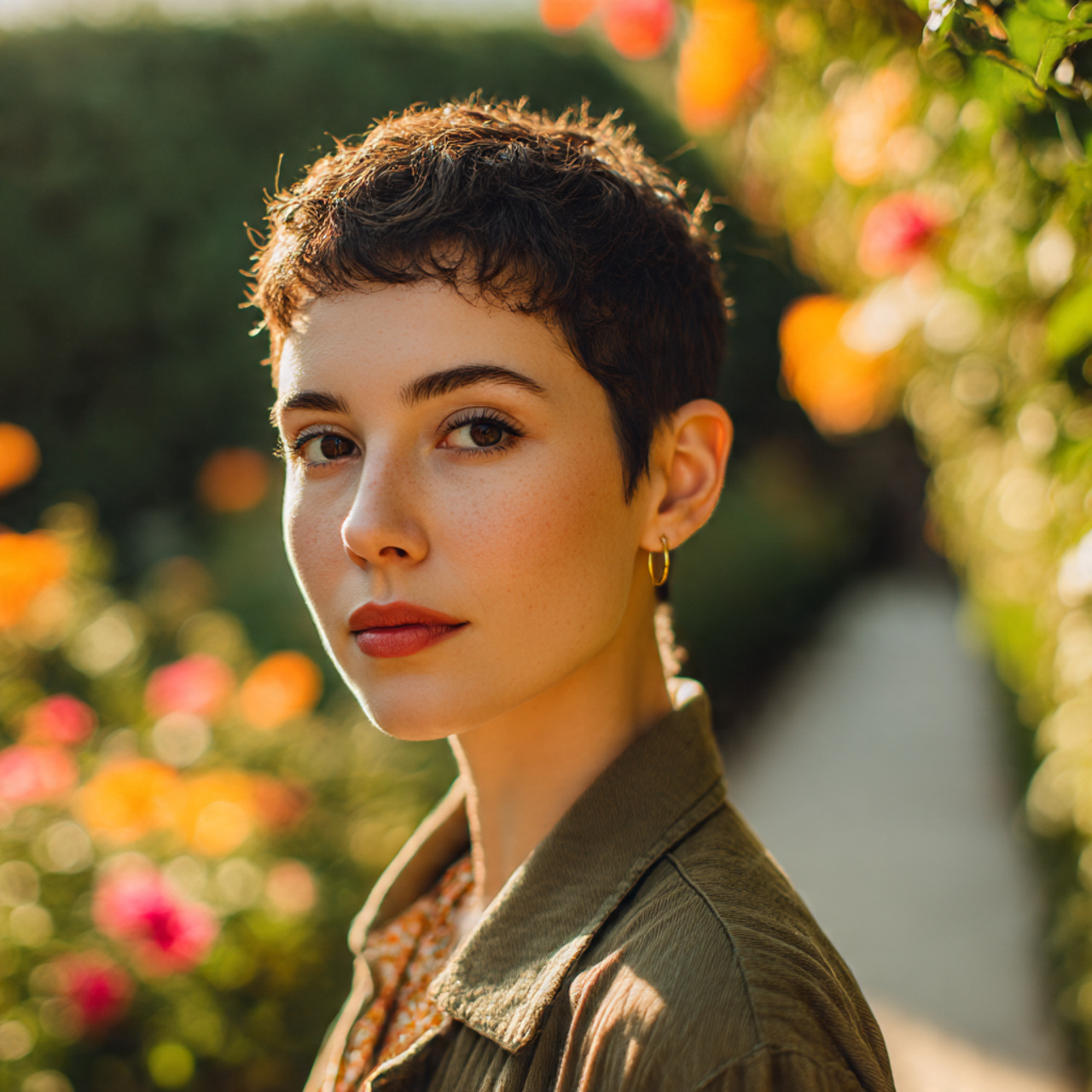
The long wolf cut is a modern layered hairstyle that blends soft volume with natural flow. It combines the texture of a shag with the length of layered hair. The result is a style that looks full, light, and easy to wear. In the salon, this cut is popular because it adds shape without feeling heavy.
This haircut features shorter layers at the crown and longer layers through the ends. It creates lift at the top and movement through the length. Many clients choose the long wolf cut because it works with natural texture. It also grows out nicely without losing its shape.
If you want a style that feels relaxed but still polished, this cut is a strong choice. It suits many face shapes and hair types. The key is adjusting the layers to fit your hair density and daily routine. A good stylist will customize it for balance and comfort.
Below are different ways to wear the long wolf cut. Each option focuses on shape, texture, and ease of styling. These are real salon-friendly variations that work for daily life.
Long Wolf Cut with Curtain Bangs
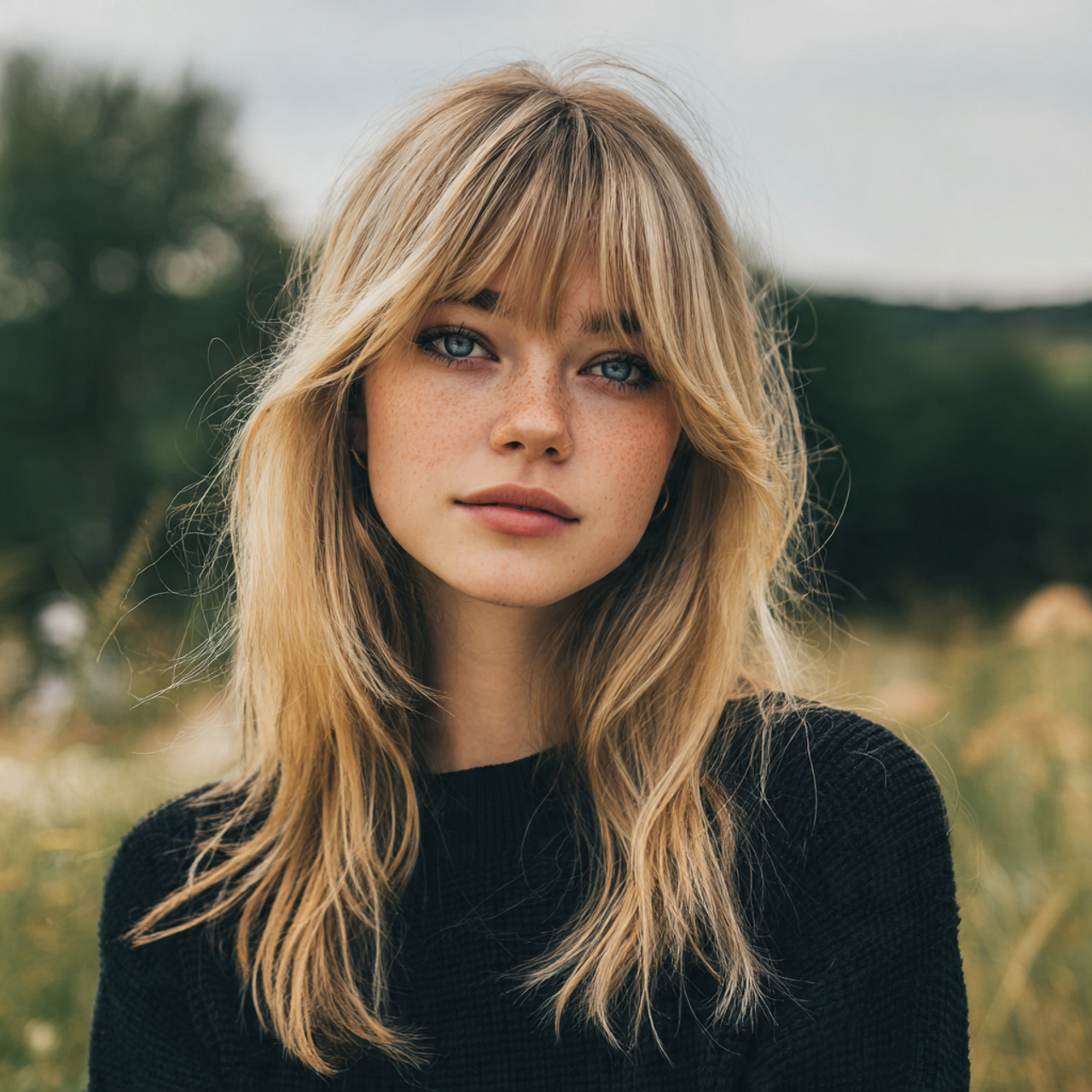
Curtain bangs soften the front of the long wolf cut. They part in the middle and frame the face gently. This helps highlight the cheekbones and balance the jawline. It is a popular choice for oval and heart face shapes.
In the salon, I suggest curtain bangs for clients who want a change without short fringe. They blend well into the layers and grow out easily. You can style them with a round brush or let them fall naturally.
This version works well for both straight and wavy hair. It adds interest to the front without extra effort. It is easy to manage and looks good even on busy days.
Long Wolf Cut with Face-Framing Layers
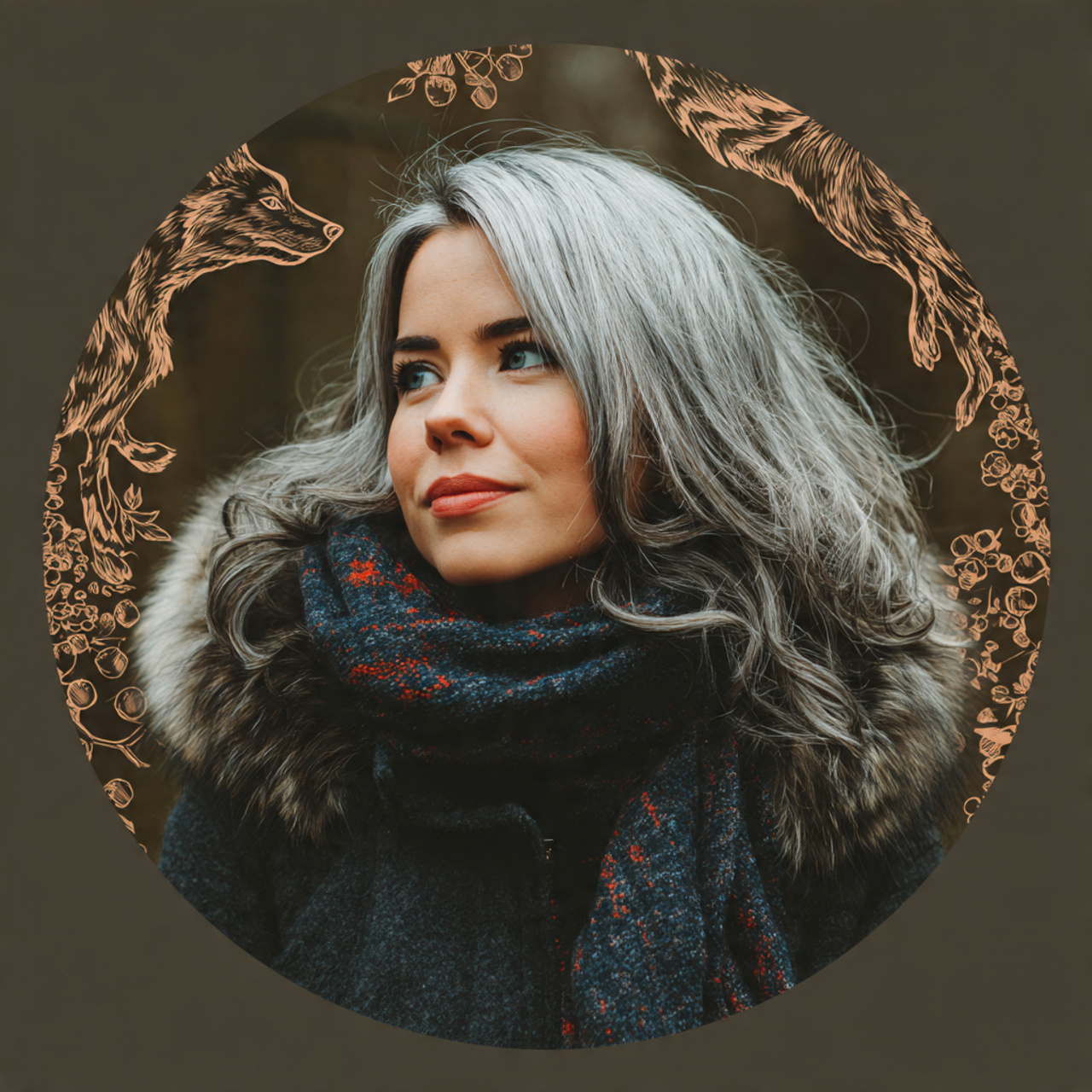
Face-framing layers shape the hair around the face. They create a soft curve that draws attention to the eyes and cheeks. This is helpful for round or square faces because it adds length and balance.
These layers make the haircut look more defined. They also help long hair fall better around the shoulders. In the salon, this is a common request for clients who want structure without sharp lines.
You can air dry this style for a relaxed look. For a smoother finish, use a blow dryer with a brush. It is easy to style and very flattering.
Long Wolf Cut with Shaggy Ends
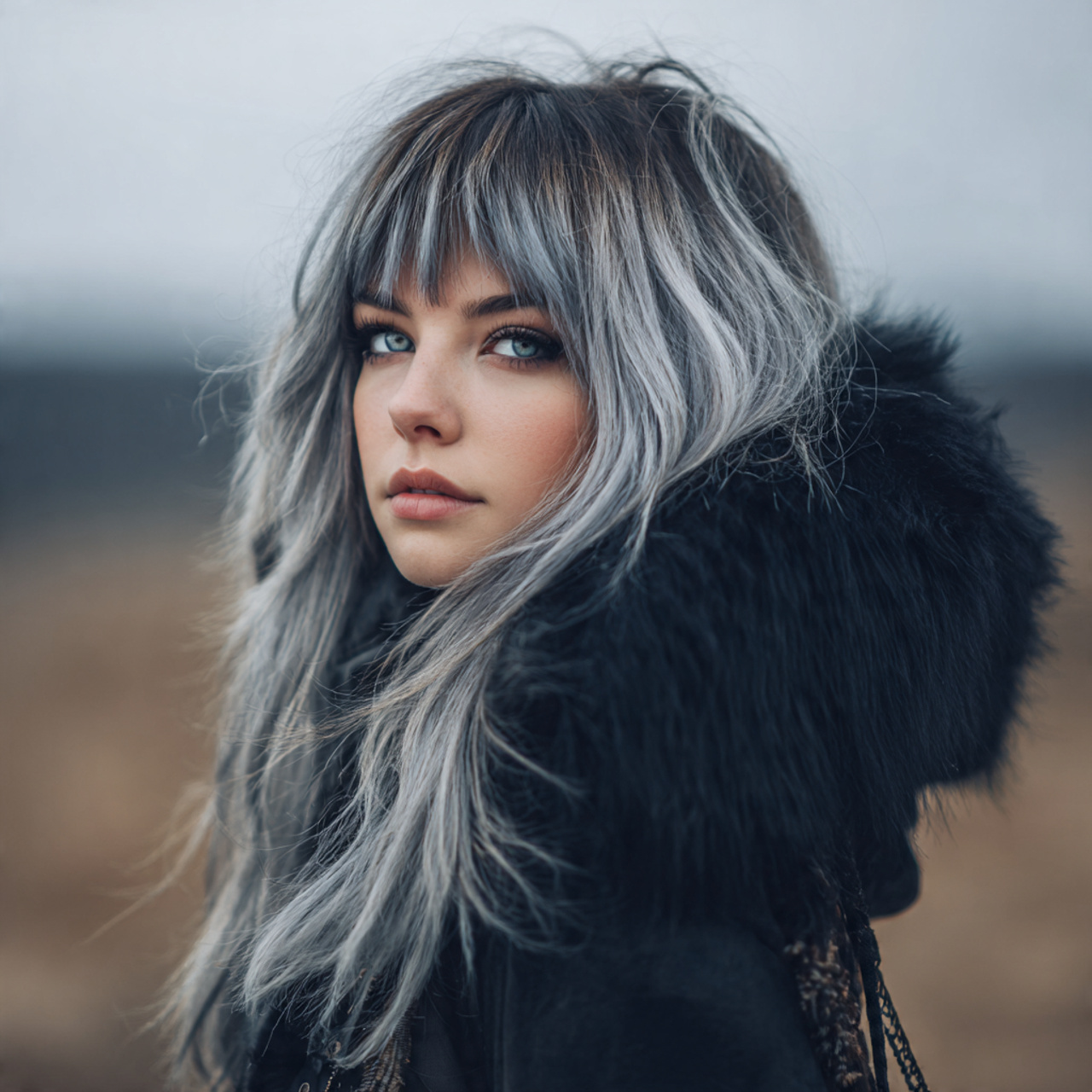
Shaggy ends give the long wolf cut a relaxed finish. The tips are lightly cut to look soft and uneven. This creates movement and avoids a heavy line at the bottom.
This style is great for thick hair because it removes weight. It also works well for wavy hair that needs shape. The ends fall naturally and do not need perfect styling.
If you like low effort styles, this is a good option. It looks best when slightly messy. A little texture spray is enough to finish the look.
Long Wolf Cut with Heavy Thinning
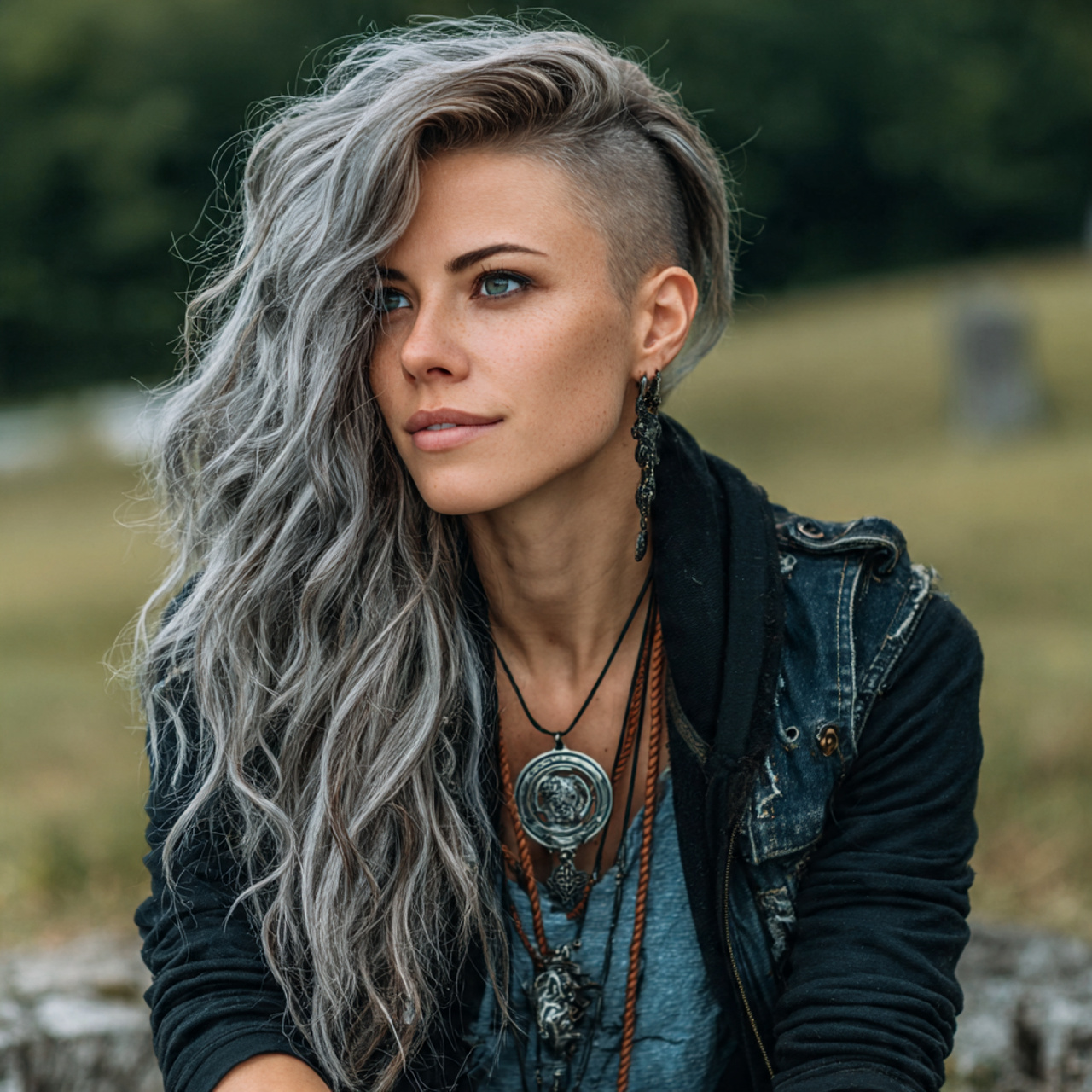
For thick or dense hair, thinning the layers helps reduce bulk. This keeps the shape light and comfortable. In the salon, I use thinning shears to remove weight without changing the length.
This version makes the hair easier to style and manage. It also helps prevent the hair from sitting too wide at the sides. The top stays full while the middle feels lighter.
It is a good choice if your hair feels heavy or hard to control. The cut still keeps its layered look but feels more breathable.
Long Wolf Cut with Feathered Layers
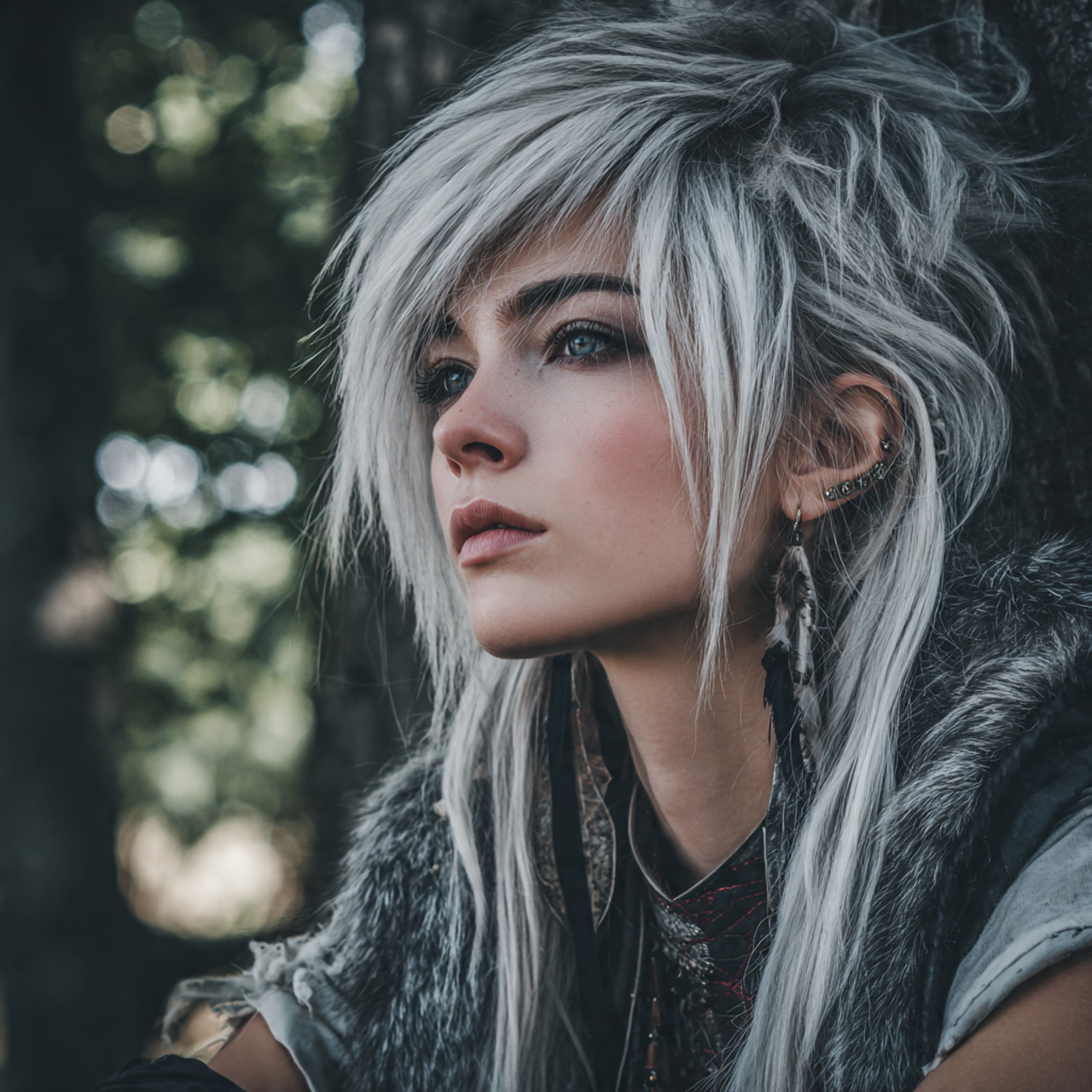
Feathered layers are light and soft. They create gentle movement and help the hair flow. This style is great for fine to medium hair types.
In the salon, feathering is used to avoid harsh lines. It makes the hair look airy and natural. The layers blend smoothly from top to bottom.
This version is easy to style with a brush or flat iron. It adds shape without needing heavy products. It is a good option for everyday wear.
Long Wolf Cut with Long Bangs
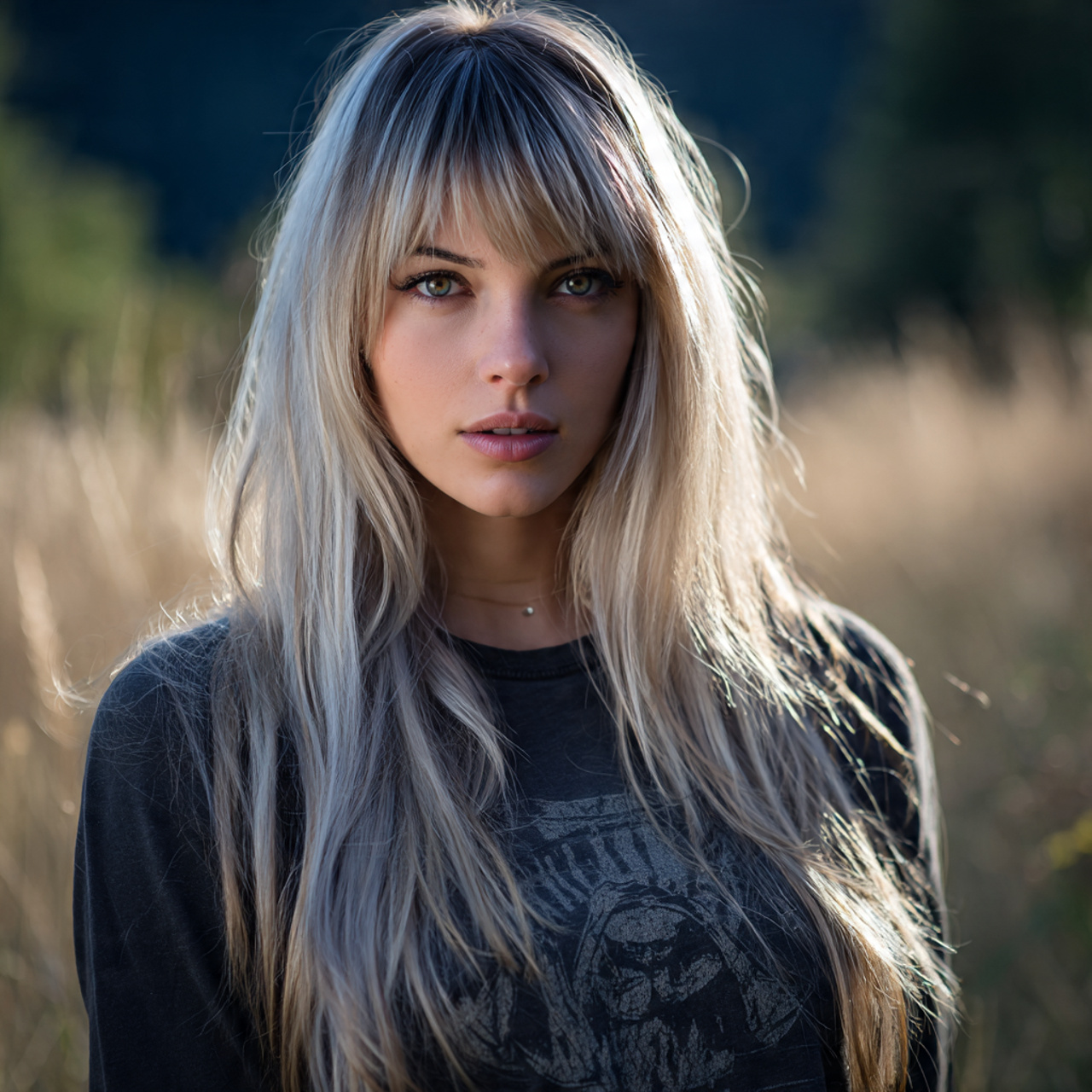
Long bangs blend into the rest of the layers. They can be worn in the middle or swept to the side. This gives you more styling options without committing to short fringe.
This style suits people who like flexibility. You can pin the bangs back or let them fall forward. In the salon, it is a safe choice for first-time bang clients.
It works well with straight and wavy hair. It adds interest to the front without changing the overall length.
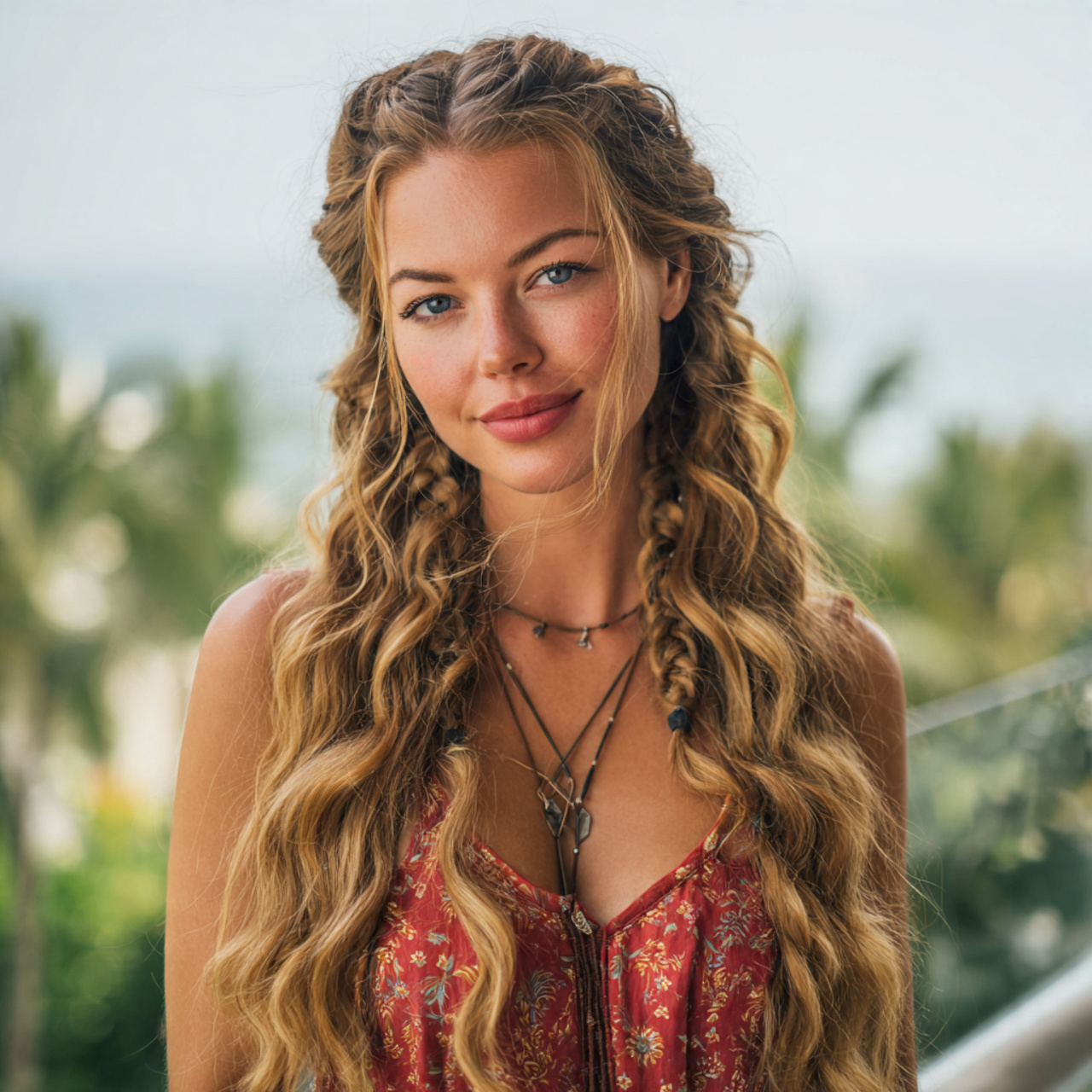
Long Wolf Cut with Textured Waves
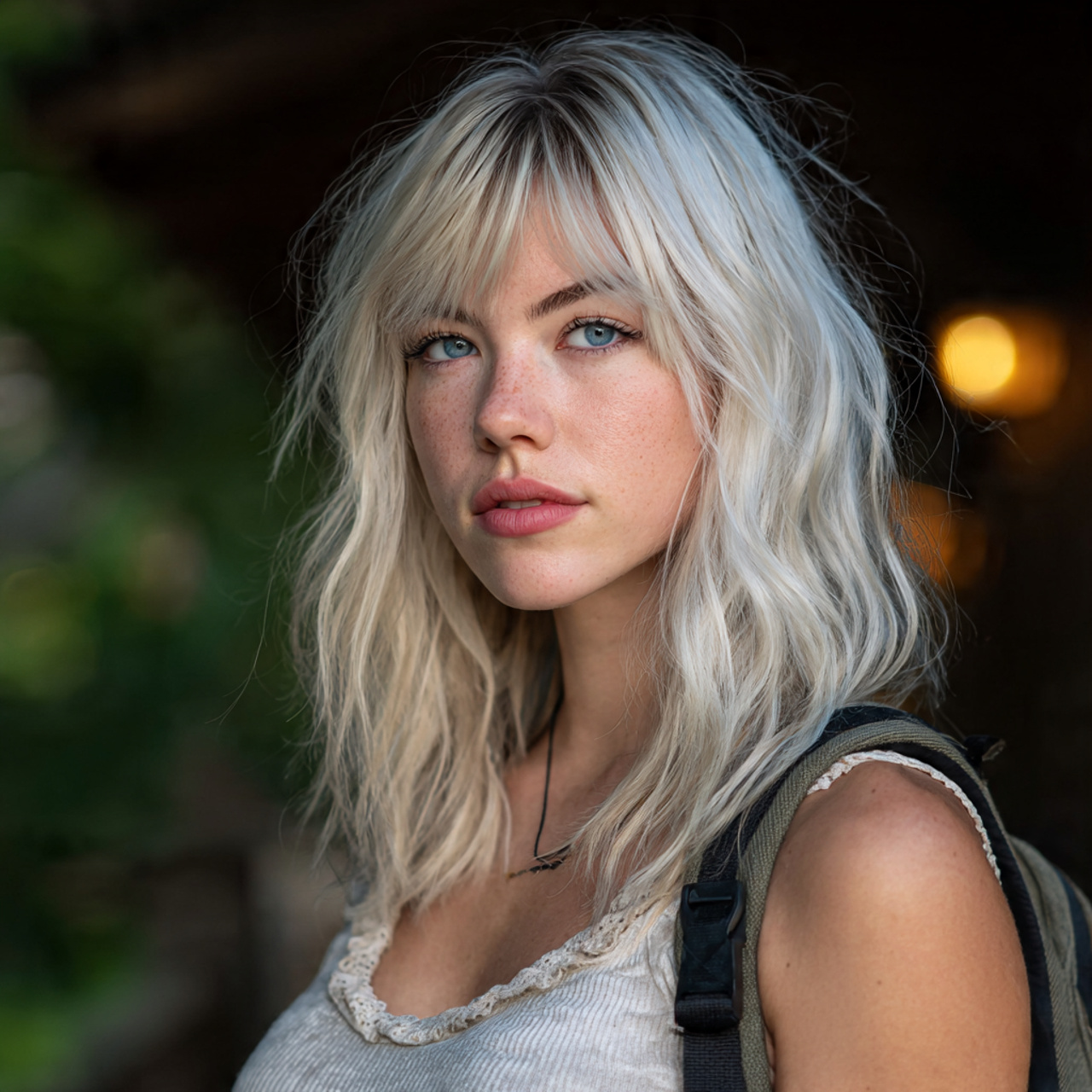
Adding waves brings out the layers of the long wolf cut. It makes the style look fuller and more dynamic. This is a popular finish in the salon for special events.
You can use a curling wand or natural drying to create waves. The layers will separate and show movement. A light spray helps hold the shape.
This version suits medium to long hair. It is great for people who like soft volume without heavy styling.
Long Wolf Cut with Straight Sleek Finish
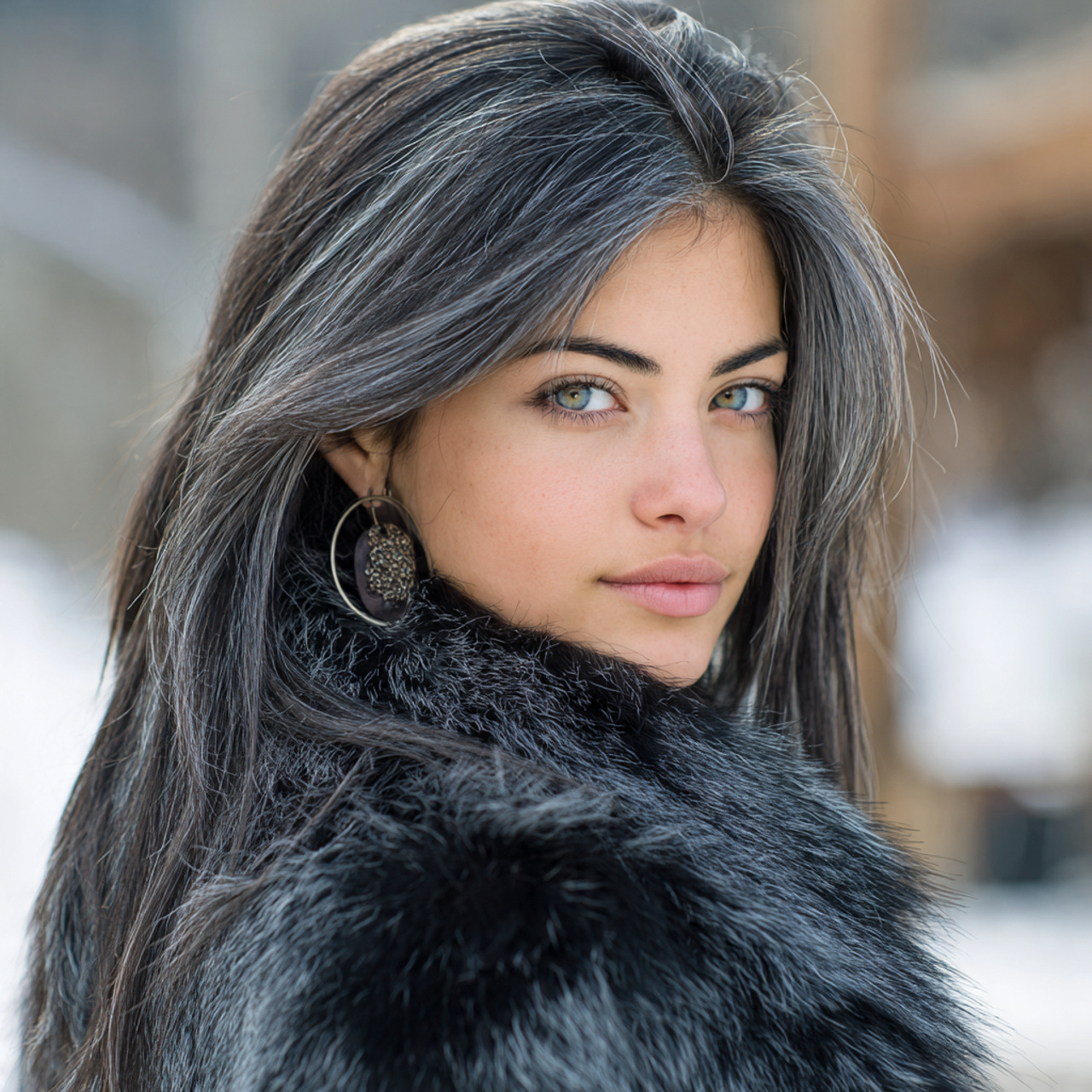
A straight finish shows the shape of the layers clearly. It gives a clean and neat look. This is a good option for work or formal settings.
In the salon, I smooth the hair with a brush and dryer. Then I use a flat iron lightly through the ends. This keeps the layers visible without frizz.
This style works best on straight or slightly wavy hair. It looks polished and easy to maintain.
Long Wolf Cut with Undercut
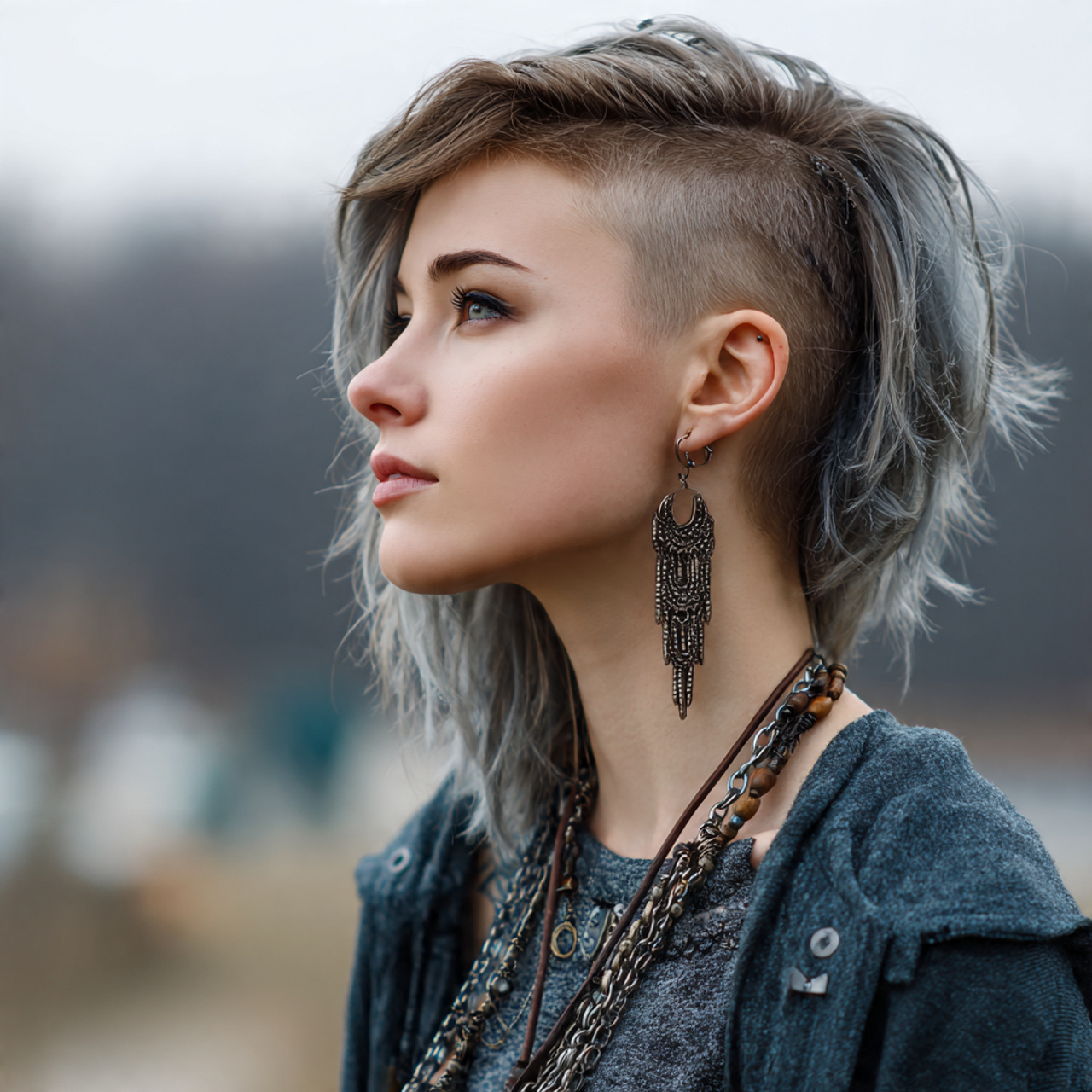
An undercut removes hair from the lower section. It reduces bulk and adds comfort. The top layers remain long and full.
This is useful for very thick hair. It helps with heat and makes styling easier. When the hair is tied up, the undercut is visible.
It suits confident styles and active lifestyles. It also keeps the head feeling lighter.
Long Wolf Cut with Chunky Highlights
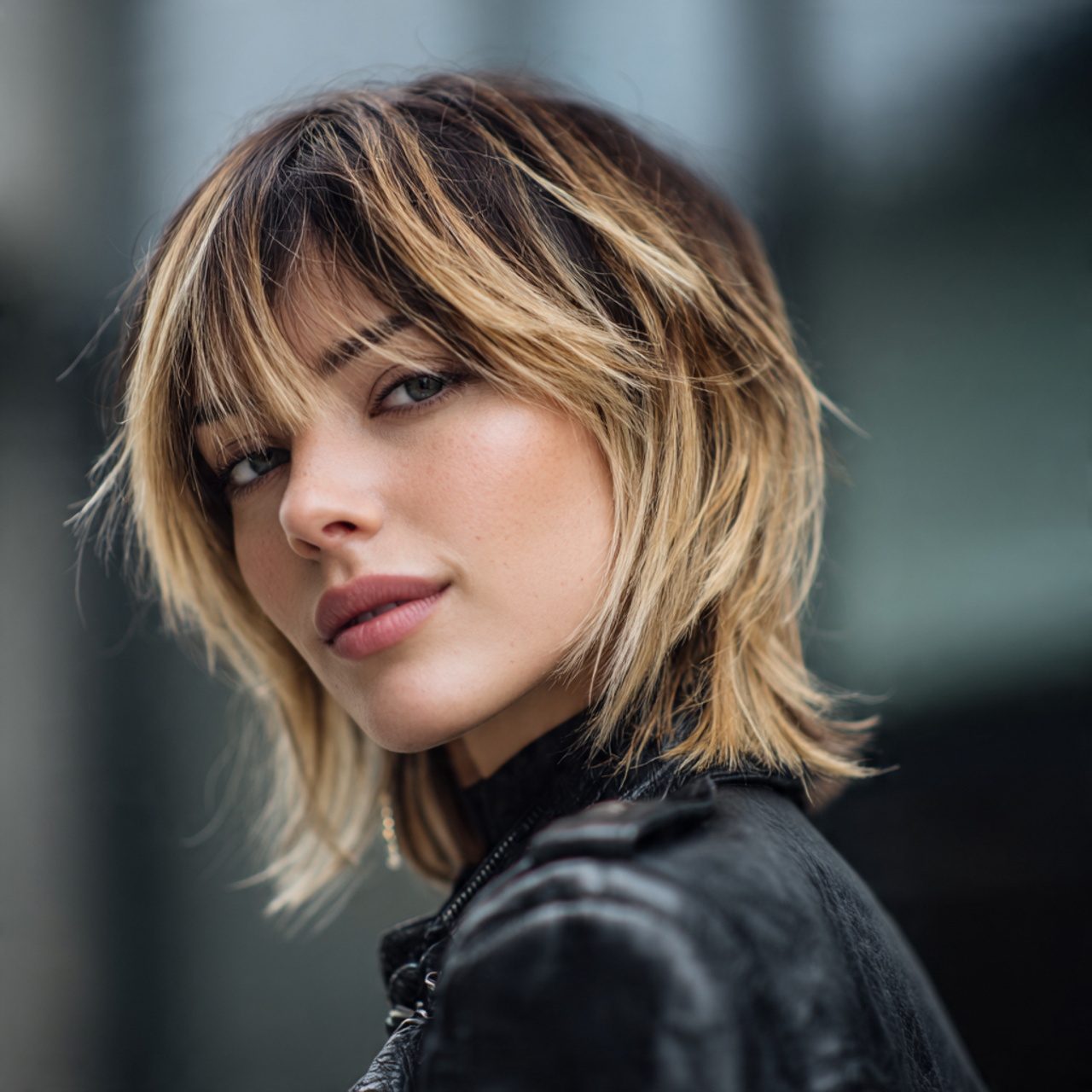
Chunky highlights add contrast between layers. They make the texture more visible. This is a bold look that many clients choose for impact.
In the salon, I place the color where the layers fall. This helps show movement. It works well on brown and dark hair.
This version suits people who like visible color. It adds depth and interest to the cut.
Long Wolf Cut with Subtle Balayage
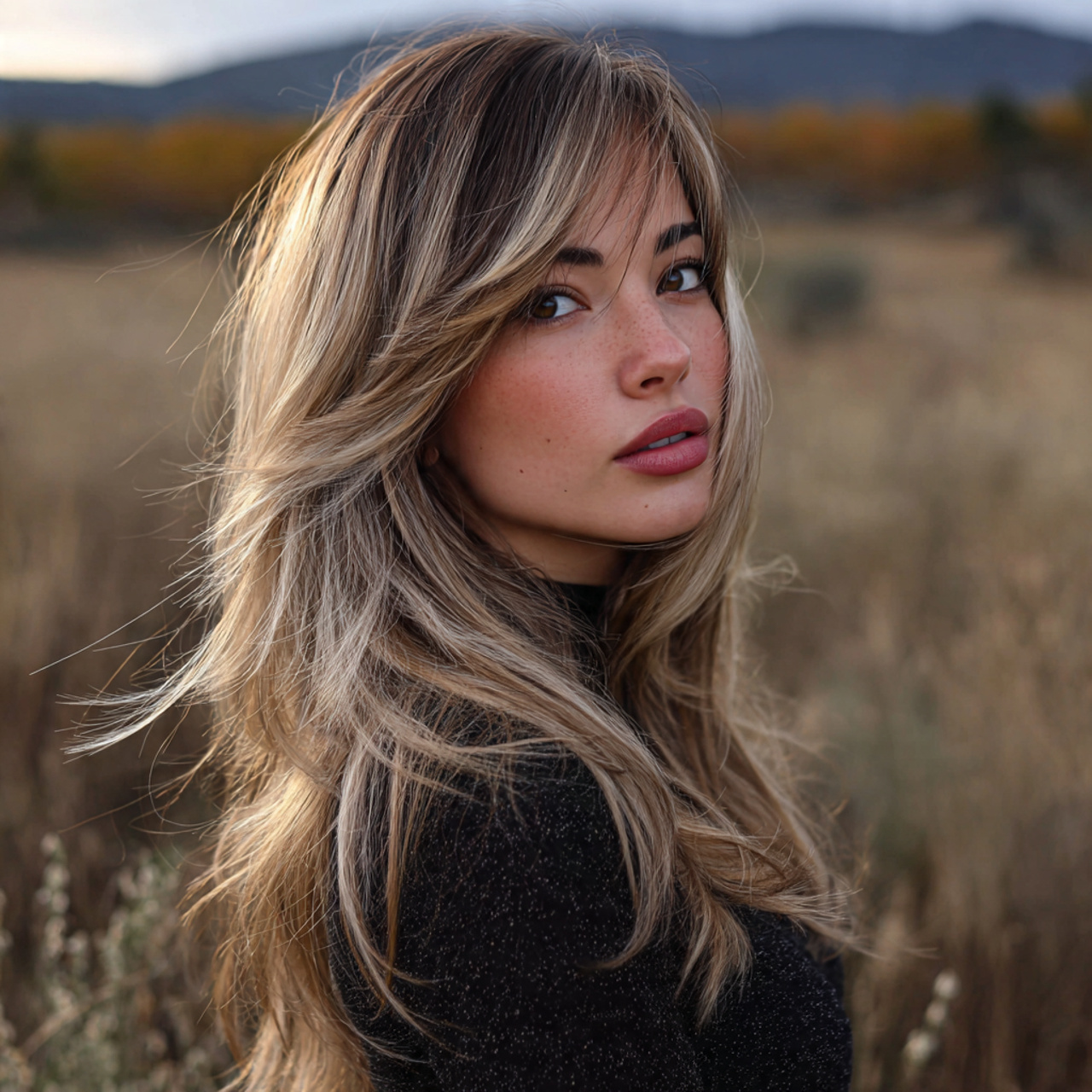
Balayage is a soft color technique. It blends naturally into the hair. It adds lightness without harsh lines.
This is a low-maintenance option. As the hair grows, the color still looks good. It is very popular in the salon.
It suits all hair types and adds dimension to the layers.
Long Wolf Cut with Curtain Layers in Back
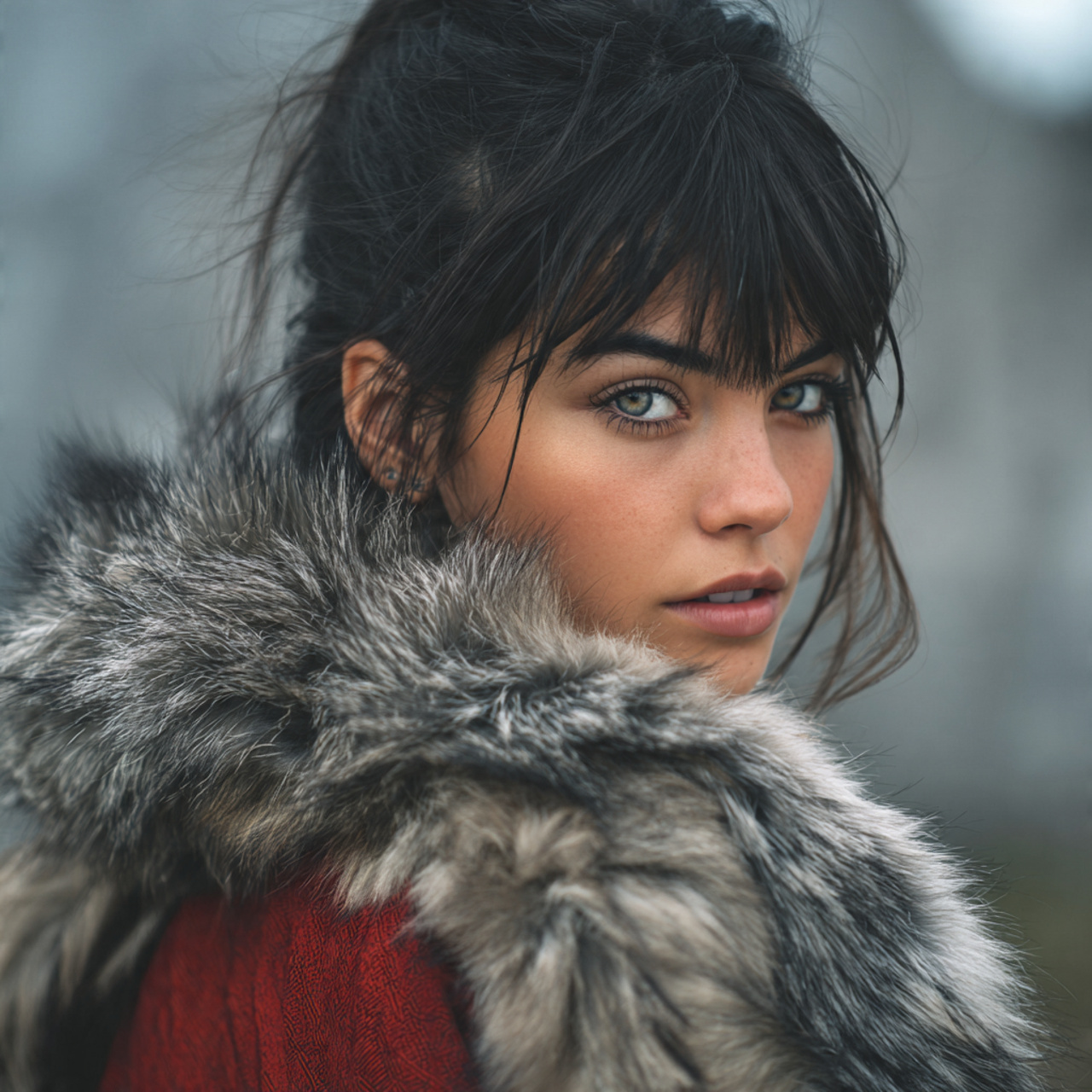
Back layers shape the hair from behind. They help the hair fall evenly and avoid heaviness. This is important for long hair.
In the salon, I always shape the back for balance. It makes the cut look complete. The hair moves better when you walk.
This style suits straight and wavy hair. It improves flow and comfort.
Long Wolf Cut with Razor-Cut Texture
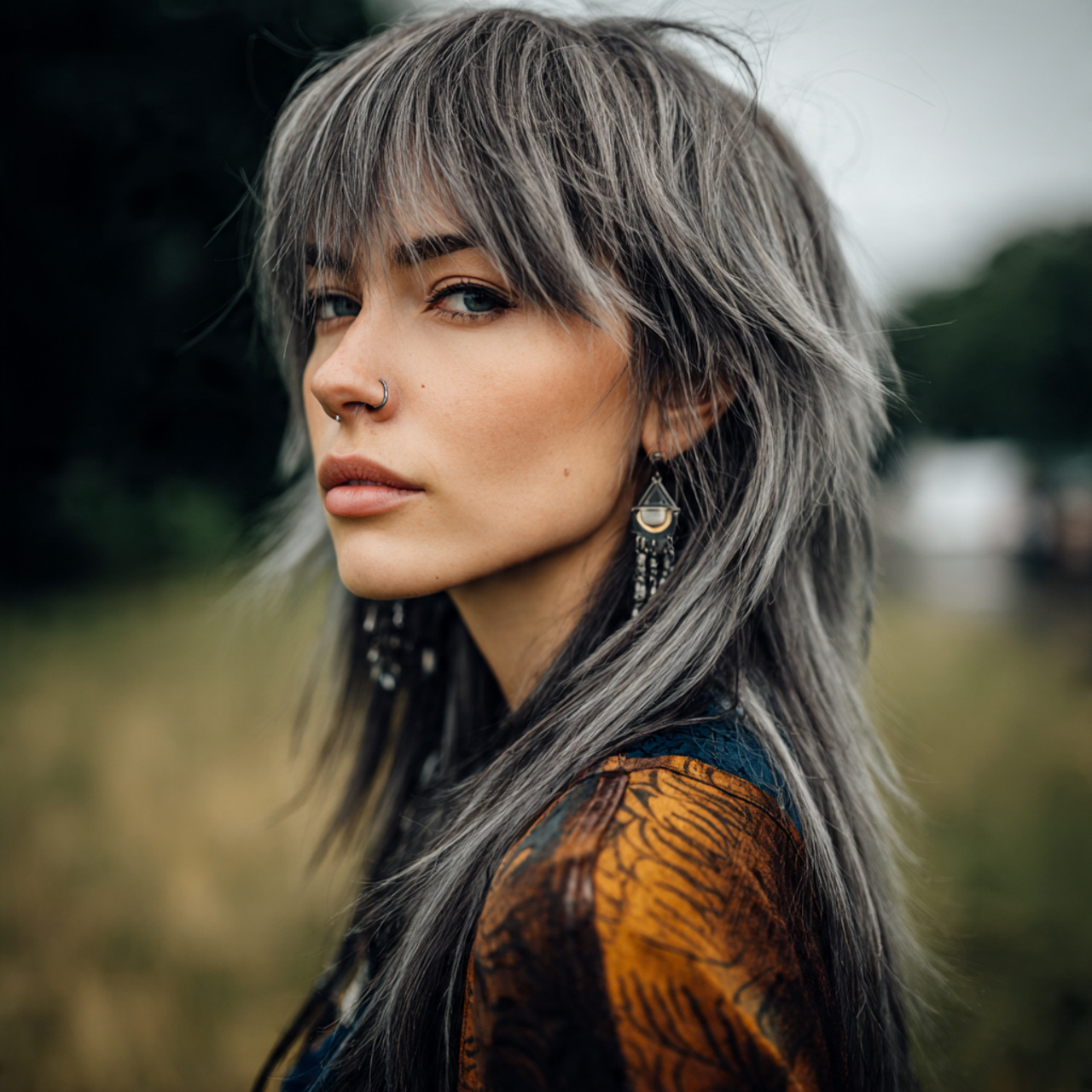
Razor cutting adds a soft edge to the layers. It removes weight and adds movement. This is good for medium to thick hair.
The ends look lighter and more natural. It helps avoid blunt lines. In the salon, I use this for a relaxed finish.
This version needs little styling. It falls into place easily.
Long Wolf Cut with Soft Ends
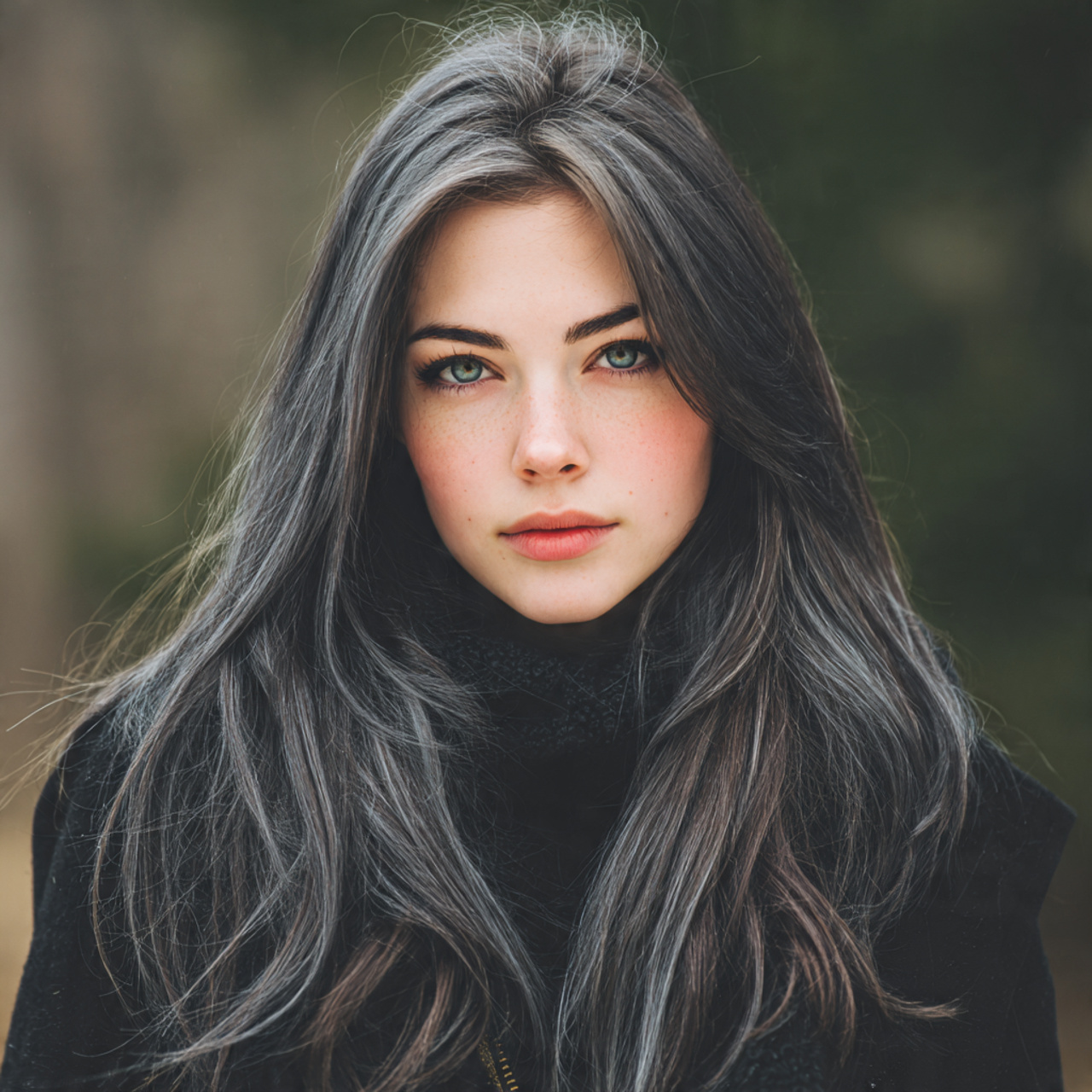
Soft ends make the haircut gentle. They avoid sharp edges and feel smooth. This is a good option for professional settings.
The layers are still visible but the finish is calm. It suits people who want a neat look without stiffness.
It works well for straight and fine hair. It keeps the style clean and easy.
Visit Also: Korean Wolf Cut
Long Wolf Cut with Longer Crown Layers
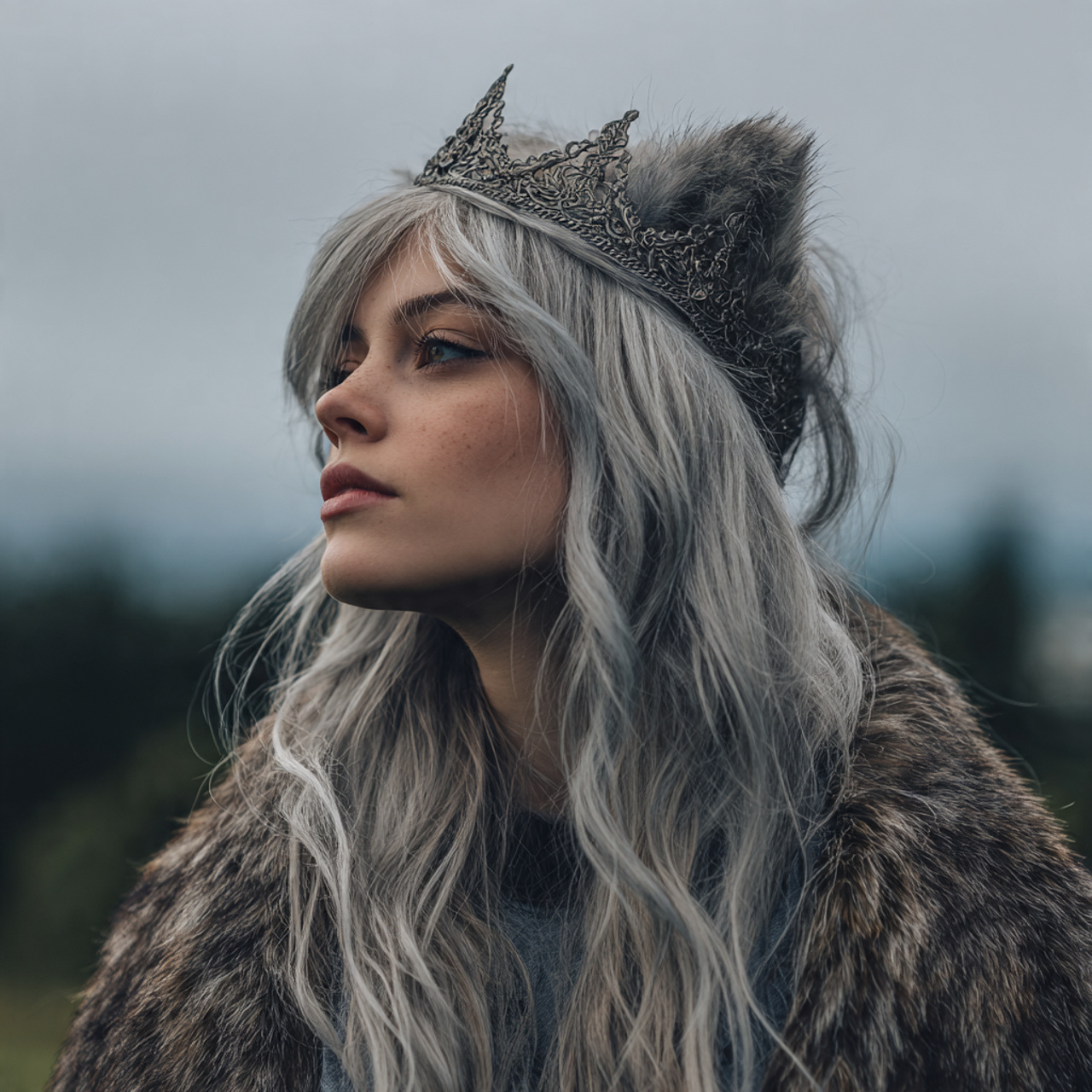
Crown layers add lift at the top. They help avoid flat roots. This is helpful for fine hair.
In the salon, I add light layers at the crown for volume. It makes the head shape look balanced.
This style works well for everyday wear. It adds height without teasing.
Long Wolf Cut with Piecey Fringe
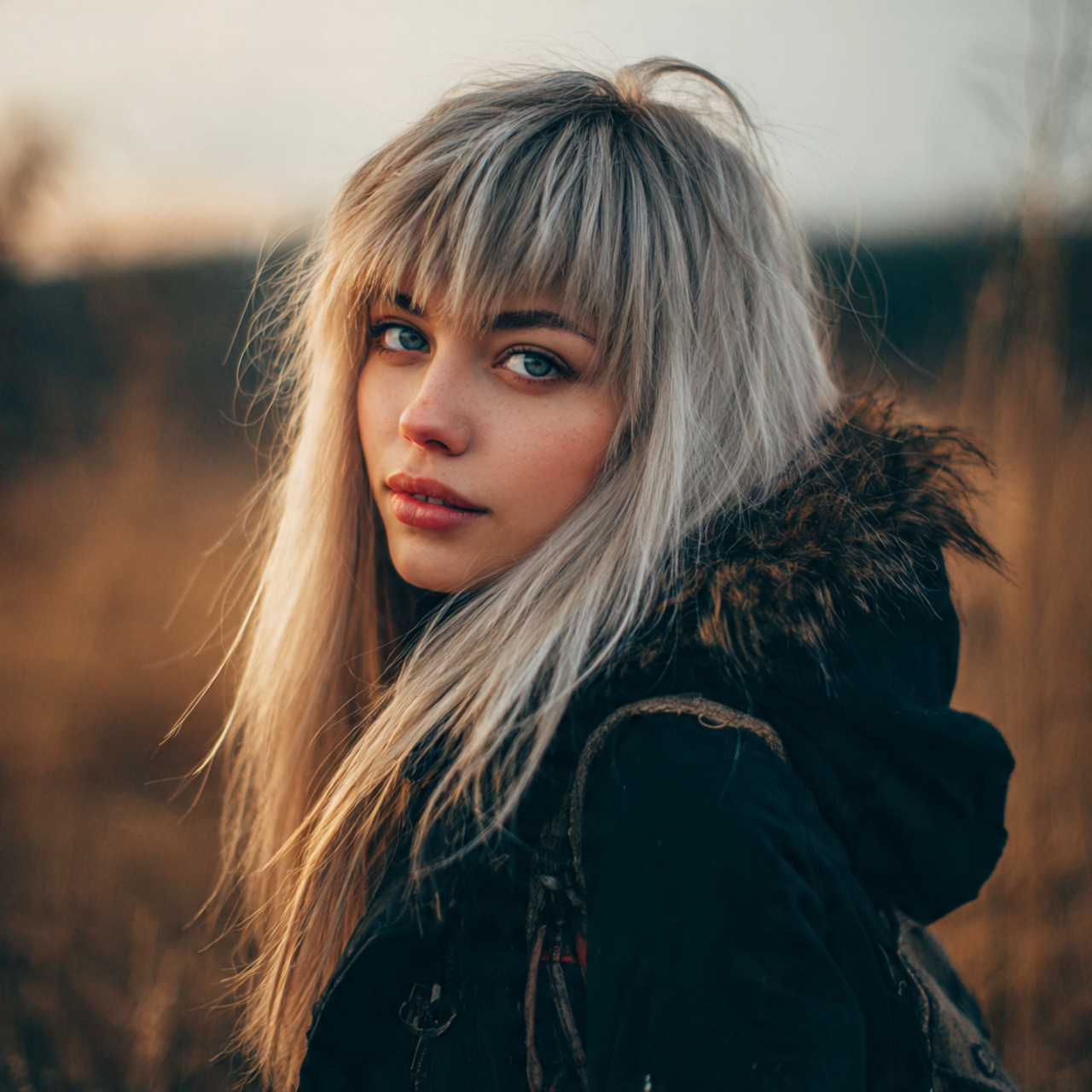
Piecey fringe is light and separated. It adds texture to the front. It does not cover the face fully.
This suits oval and heart face shapes. It adds movement without weight. It is easy to style with a small amount of cream.
It is a good option for people who like detail without heaviness.
Long Wolf Cut with Blunt Bottom Edge
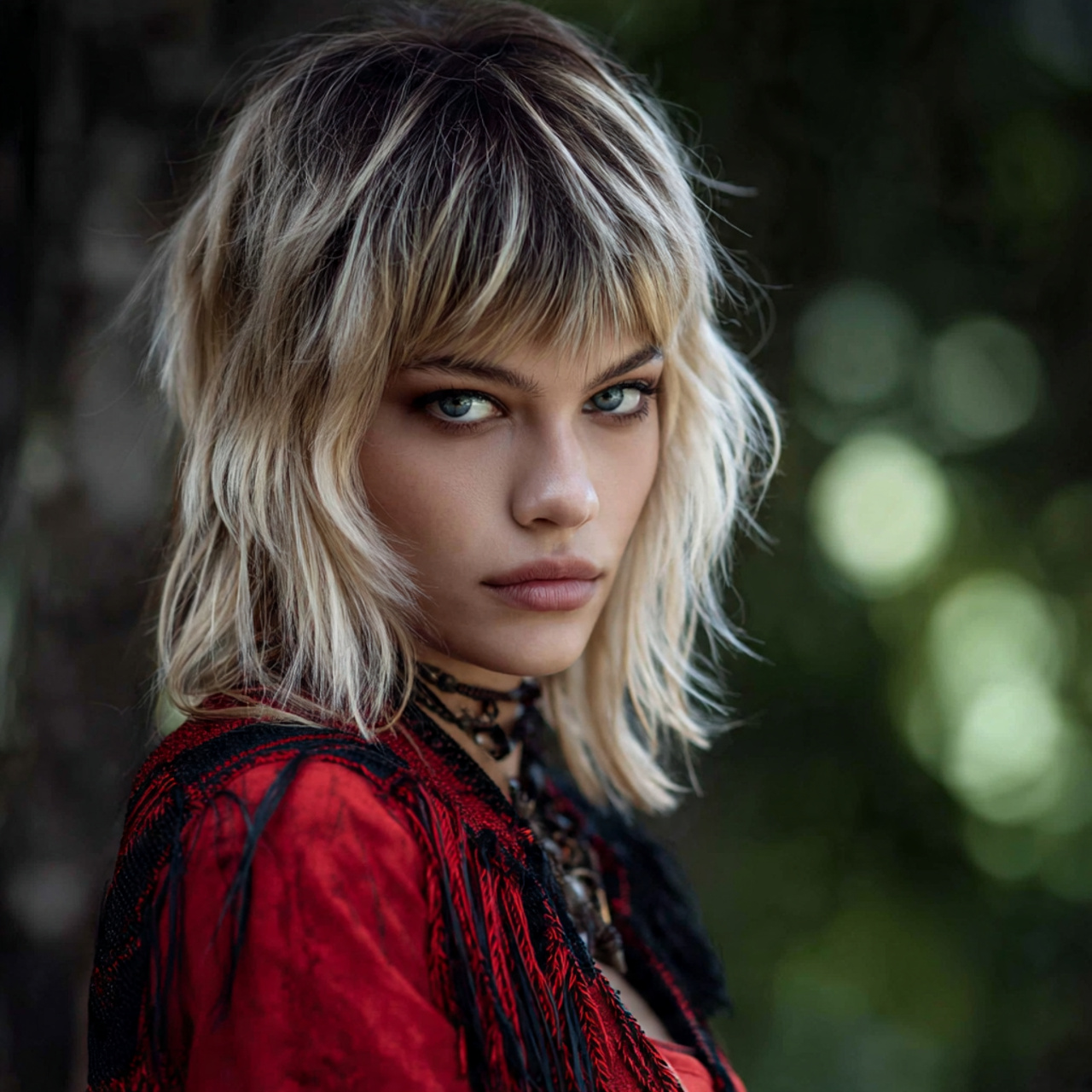
A blunt base gives the ends a strong line. It makes the hair look thicker. The layers above stay soft.
This is good for fine hair. It adds the look of fullness. In the salon, it is often used to balance heavy layers.
It works best on straight hair. It keeps the shape clear.
Long Wolf Cut with Hidden Layers
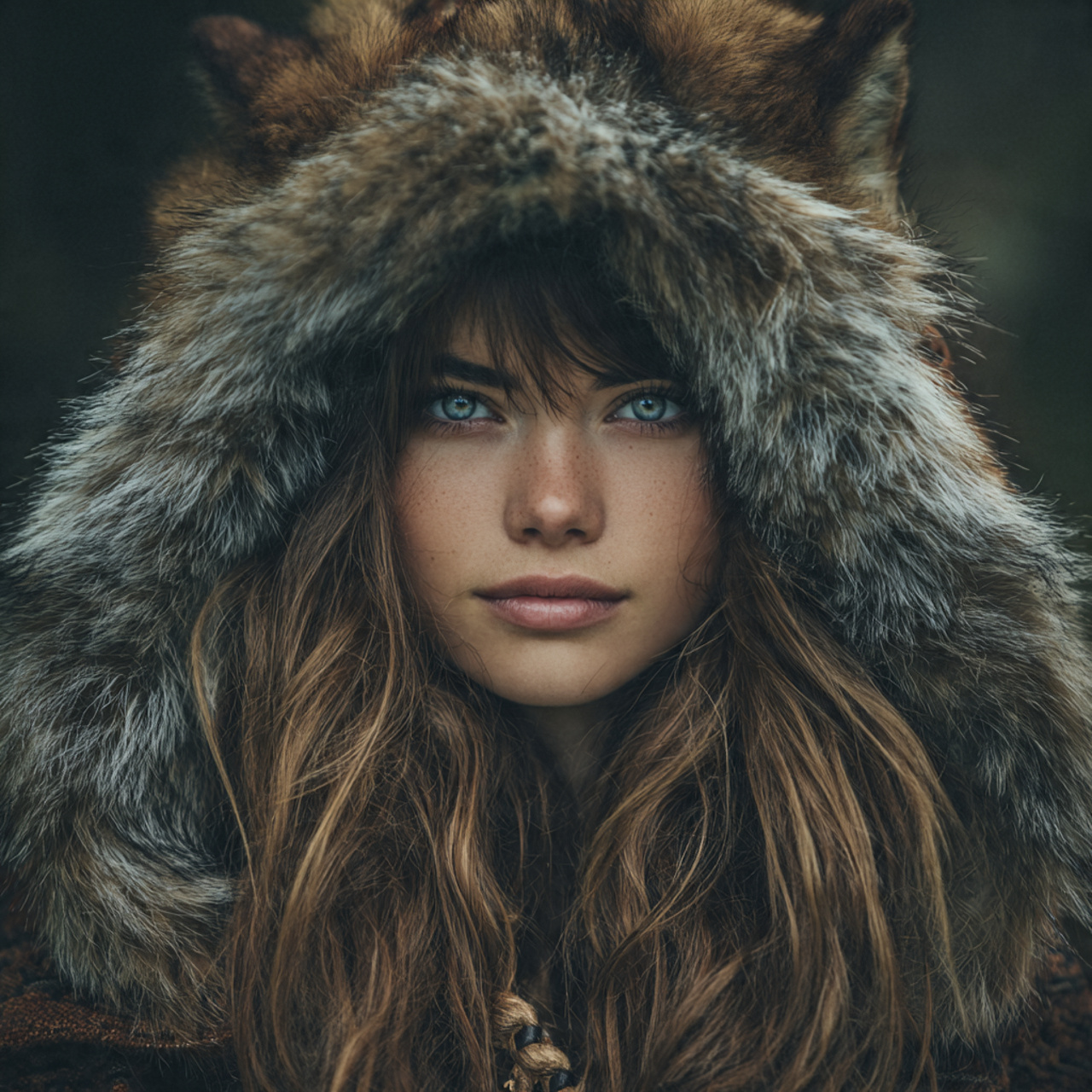
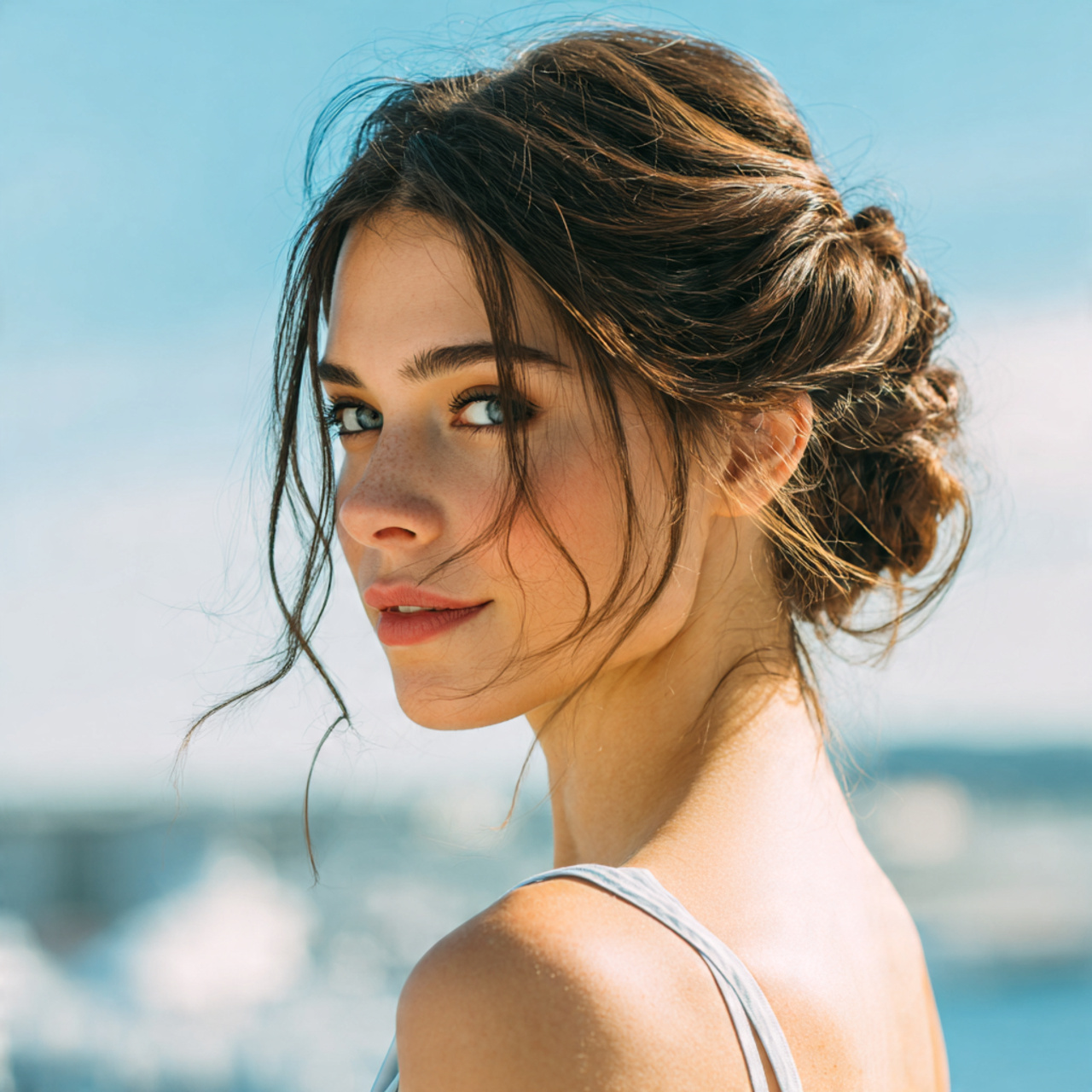
Hidden layers sit under the top section. They add movement without showing lines. The hair looks smooth on top.
This is good for people who want volume but not visible layers. It keeps the style simple.
It suits work and formal settings. It is easy to manage.
Long Wolf Cut with Tousled Bedhead Style
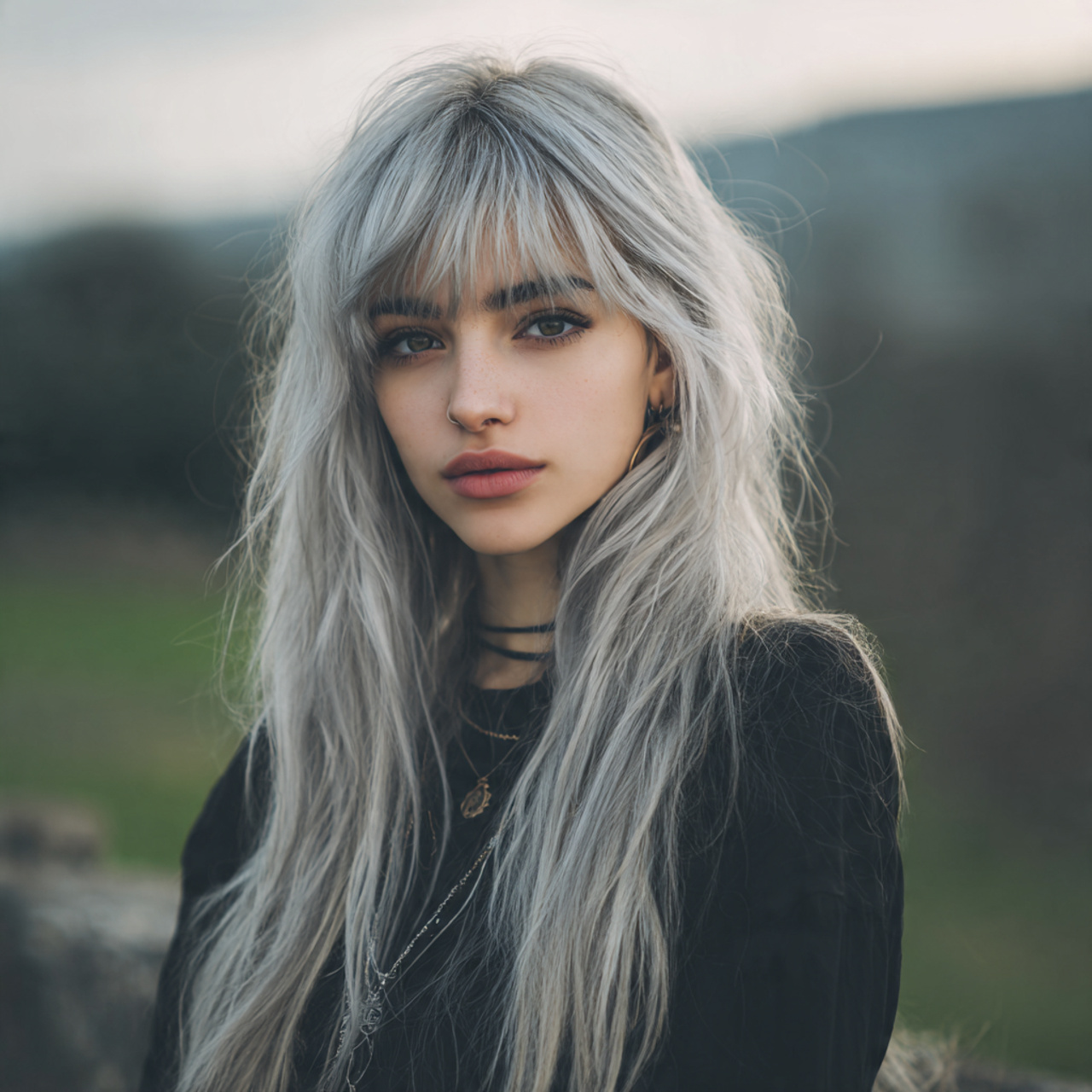
Natural texture means letting your hair fall as it is. The cut supports your natural wave or curl.
In the salon, this is always my goal. It saves time and keeps hair healthy. It also looks more real.
This style suits busy lifestyles. It needs little effort.
Long Wolf Cut with Bold Color Contrast
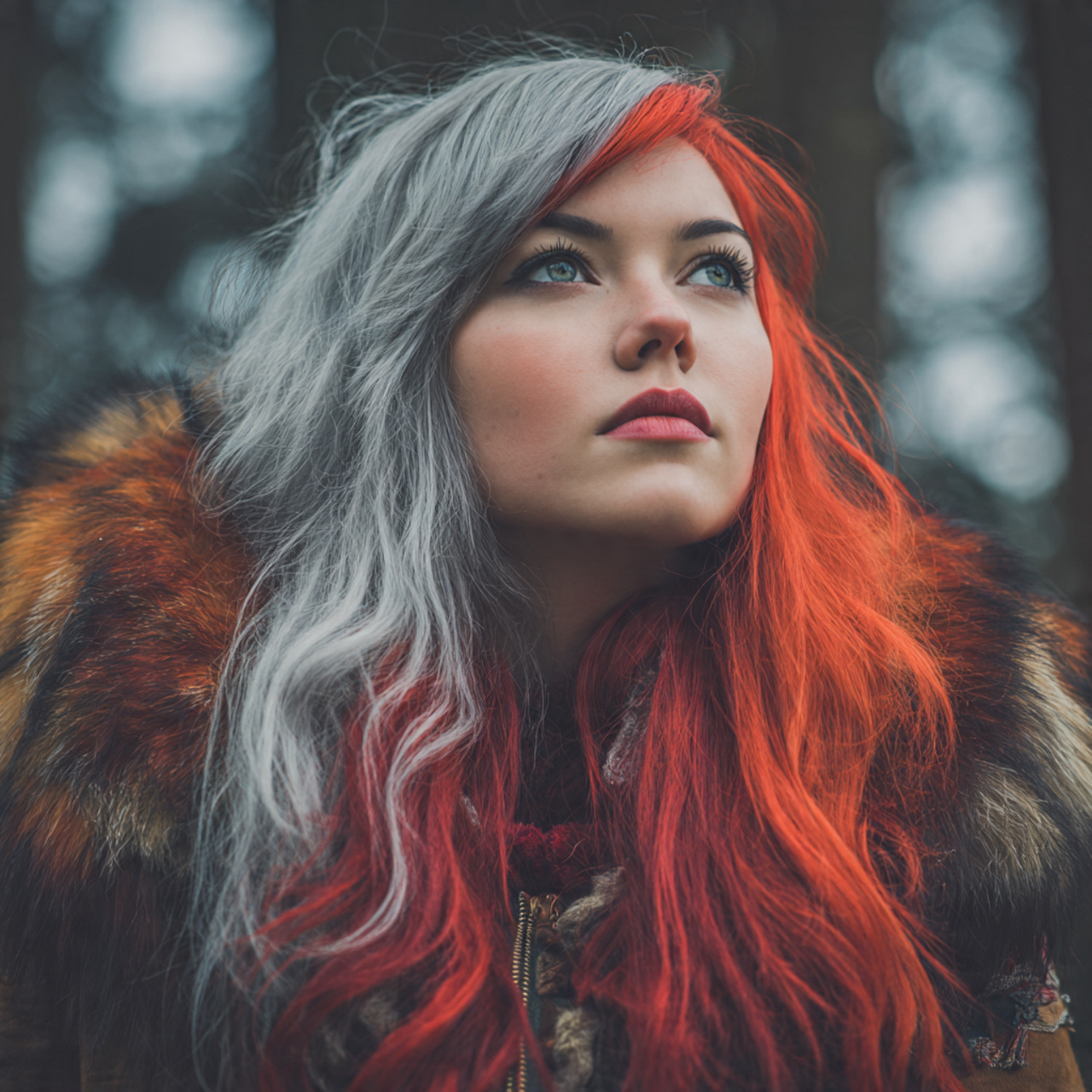
Bold color highlights the layers. It makes the shape more visible. This is for people who like statement looks.
In the salon, I place color to match the cut. It helps show depth. It works with both natural and creative colors.
It adds personality to the style.
Who the Long Wolf Cut Suits
The long wolf cut suits many face shapes. Oval, heart, and round faces benefit from the layers. Square faces look softer with bangs.
It suits teens, adults, and mature clients. The length and layers can be adjusted for comfort. It works for active and professional lifestyles.
The key is matching the cut to your routine. A good stylist will guide you.
Hair Type Compatibility
Fine hair needs light layers and blunt ends. Thick hair benefits from thinning and structure. Wavy hair suits this cut very well.
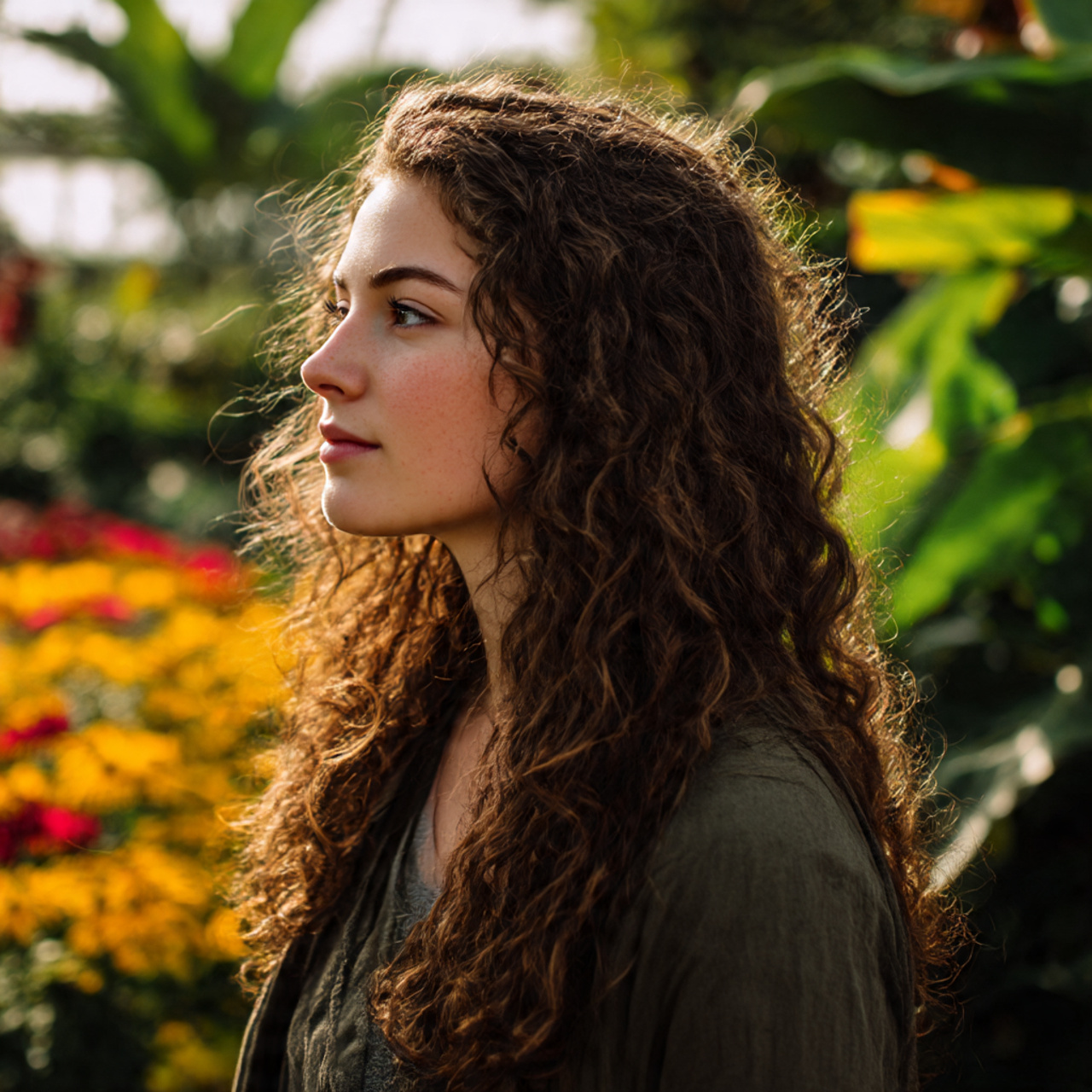
Curly hair can wear it with careful shaping. Straight hair shows the layers clearly. The cut is flexible.
In the salon, I always adjust for density. This makes the style easy to manage.
Styling and Maintenance Tips
Use light products to avoid buildup. Creams and sprays are better than heavy gels. This keeps movement.
Trim every 8 to 12 weeks. This keeps the shape clean. It also helps avoid split ends.
Protect hair from heat. Healthy hair always styles better.
FAQs About the Long Wolf Cut
What length works best?
Shoulder to mid-back length works well. It gives space for layers.
Is it good for all textures?
Yes, with adjustment. Each texture needs different layering.
Does it need daily styling?
No. It is designed to look good naturally.
How often should it be trimmed?
Every two to three months is ideal.
Does it grow out well?
Yes. The layers soften as they grow.
Final Thoughts on the Long Wolf Cut
The long wolf cut is a balanced style. It is soft but full of movement. It works with many hair types and lifestyles.
This cut gives shape without effort. It looks good even on simple days. That is why it is popular in the salon.
If you want a style that feels modern and easy, the long wolf cut is a strong choice. It is practical, flattering, and easy to live with.