25 Ginger Wolf Cut: Styles, Trends & Maintenance
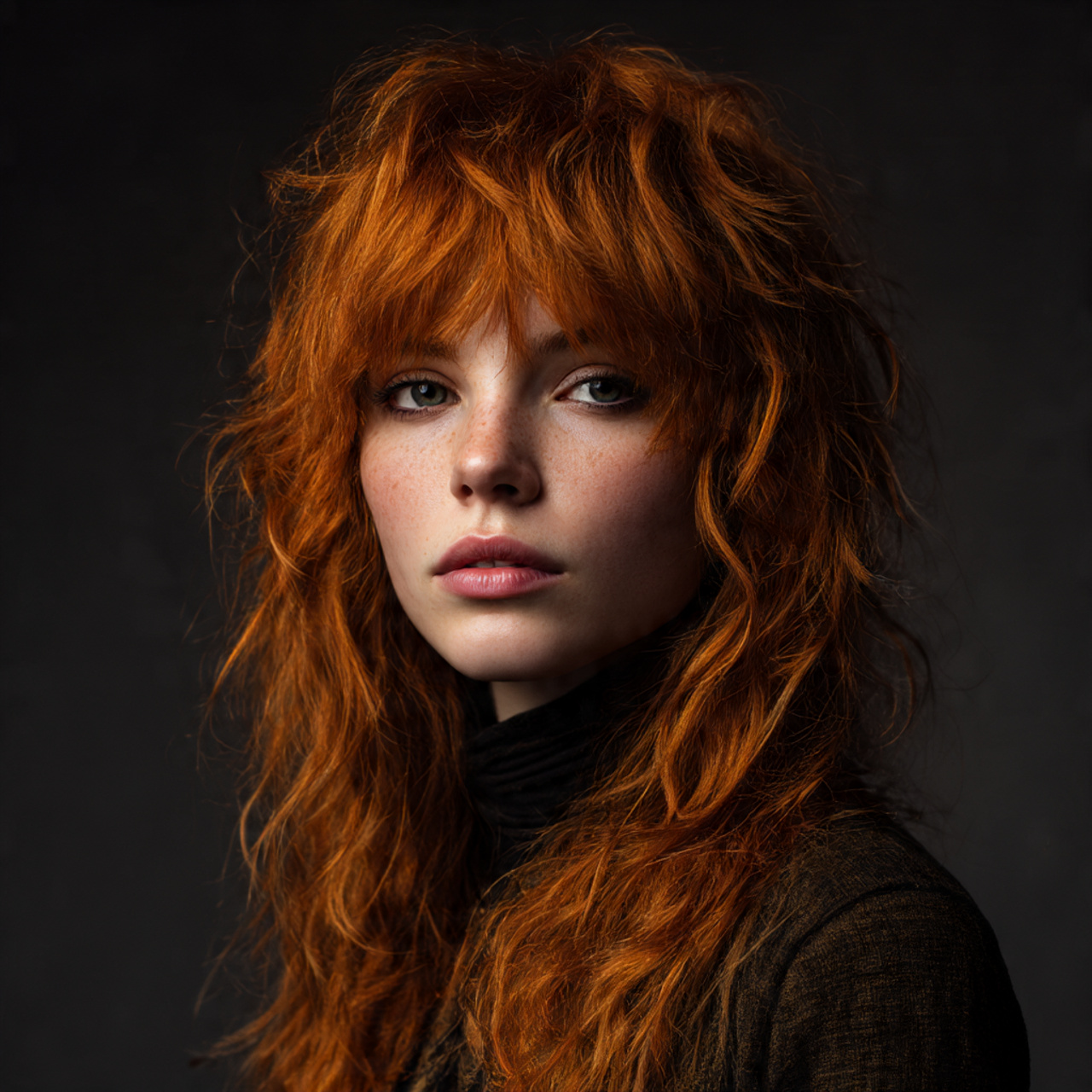
The intersection of bold color and rebellious texture defines a major shift in contemporary hair design. The ginger wolf cut is not merely a style; it is a declaration. Merging the textured layers and effortless movement of the classic 1970s shag with the dramatic, face-framing structure of the 1980s mullet, the wolf cut has achieved icon status. When this already dynamic silhouette is paired with the vivid, high-impact warmth of ginger tones—ranging from copper sunsets to fiery auburn—the resulting aesthetic is one of striking, undeniable cool.
This is a deliberate deviation from polished perfection, embracing an edgy, unrefined beauty that demands attention. Mastering the ginger wolf cut requires understanding both the technical execution of the cut and the nuanced application of the color to suit diverse textures and complexions. This comprehensive overview dissects the definitive iterations of the ginger wolf cut, providing a clear roadmap for anyone considering this influential, low-maintenance, high-impact look.
Technical Foundations of the Ginger Wolf Cut
The execution of a successful ginger wolf cut rests upon a dual proficiency: layering and tonality. The wolf cut architecture prioritizes disconnection. Extreme, graduated layers are utilized, often shorter and choppier around the crown to generate volume and lift, contrasting sharply with longer, thinner layers through the back and sides.
This technique creates the signature ‘shaggy’ perimeter and dynamic movement. The fringe is paramount, typically cut full and heavy or feathered to seamlessly blend into the face-framing layers. The ginger coloring must complement this movement; solid, flat color can undermine the texture.
Instead, techniques like balayage or subtle highlights should be employed, allowing the ginger hue to catch the light and emphasize the choppy layers, giving the entire ginger wolf cut a more three-dimensional and vibrant finish.
The Classic Wolf Cut in Ginger

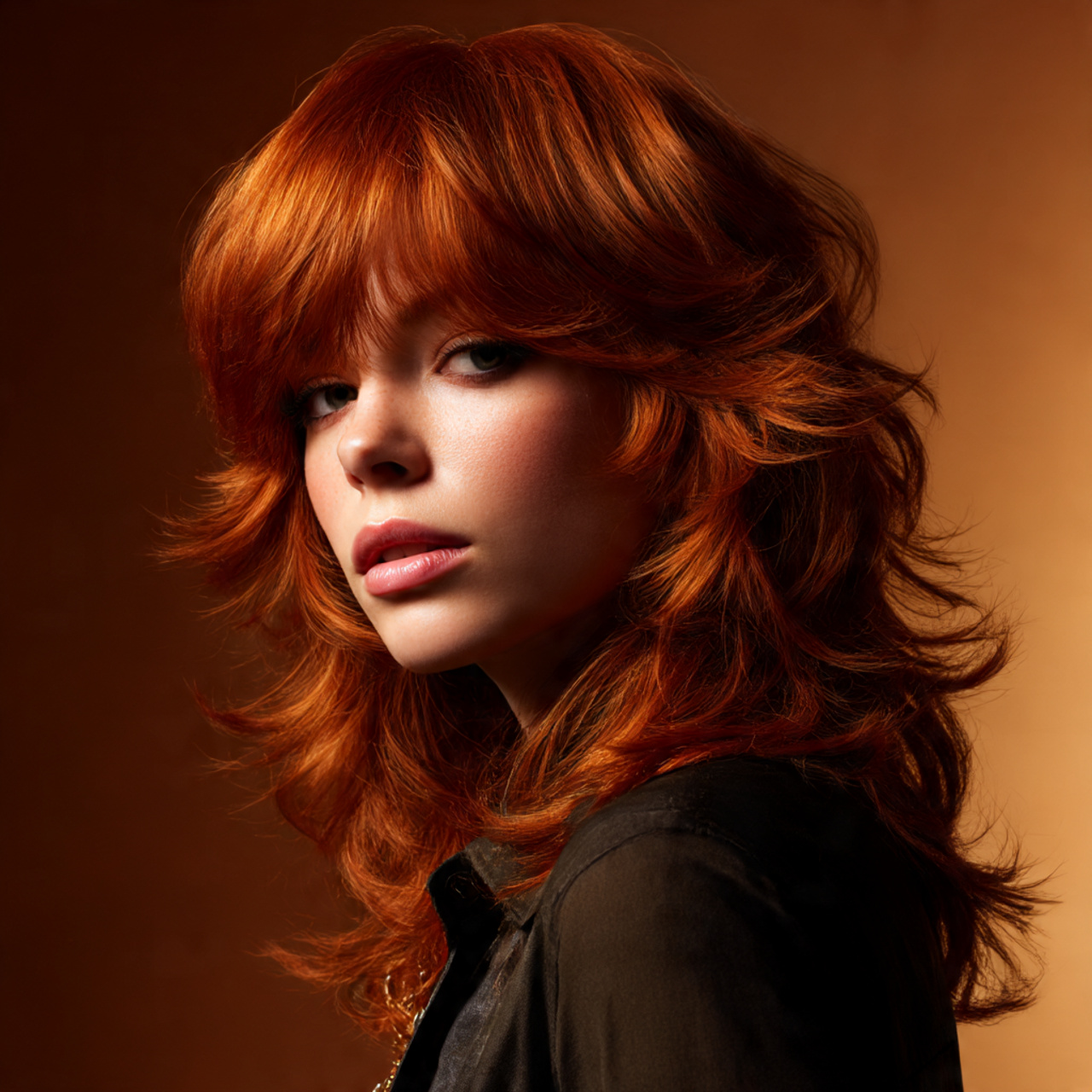
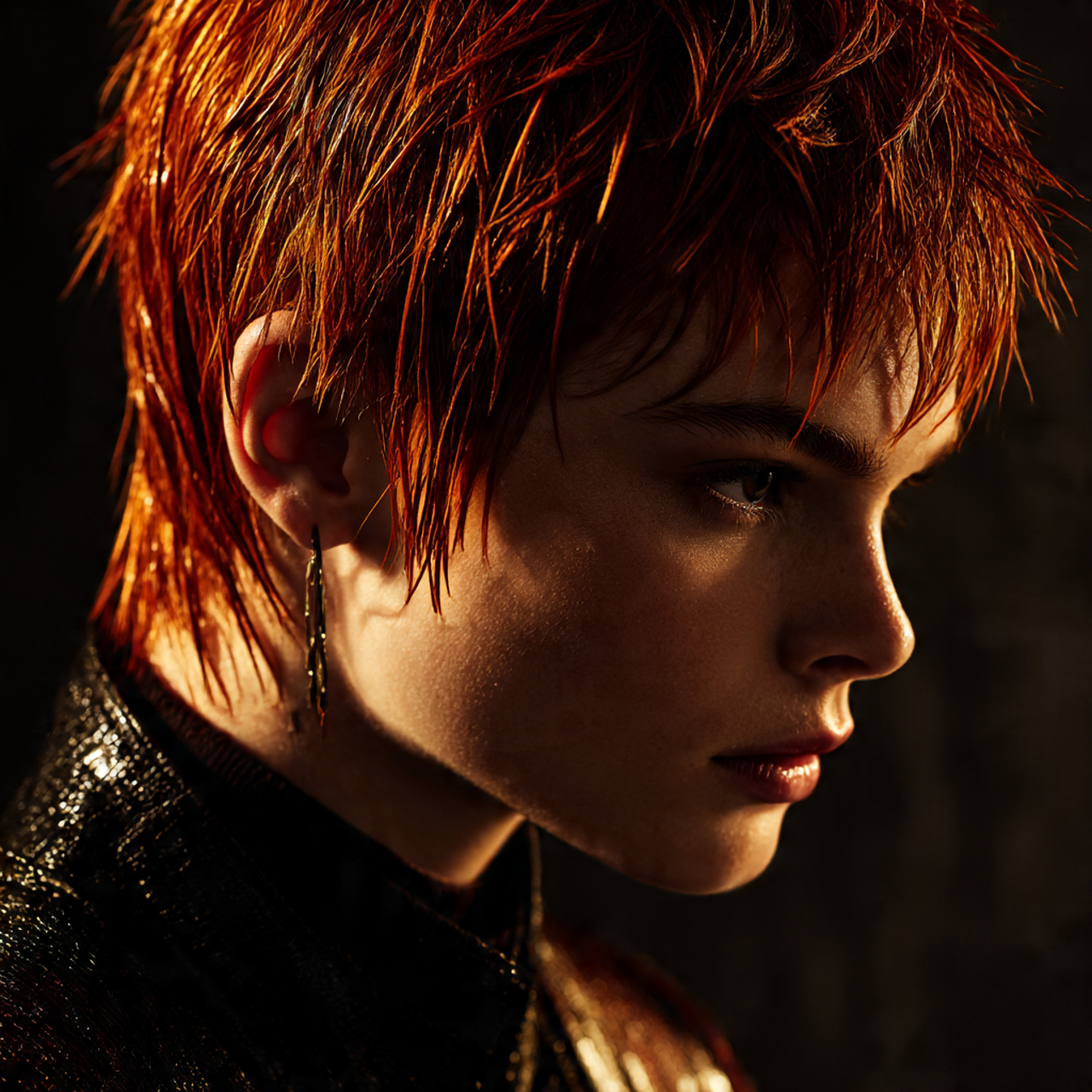
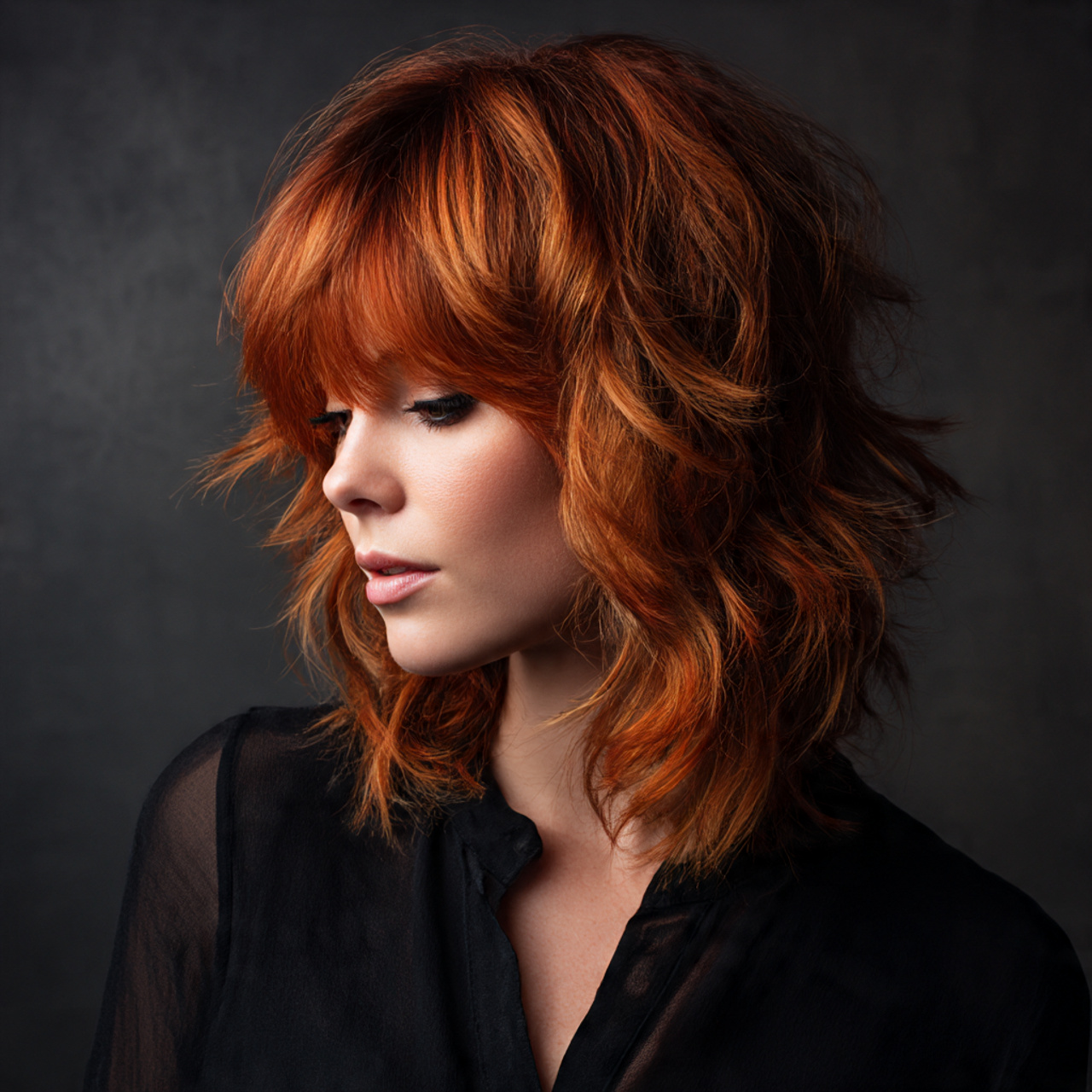
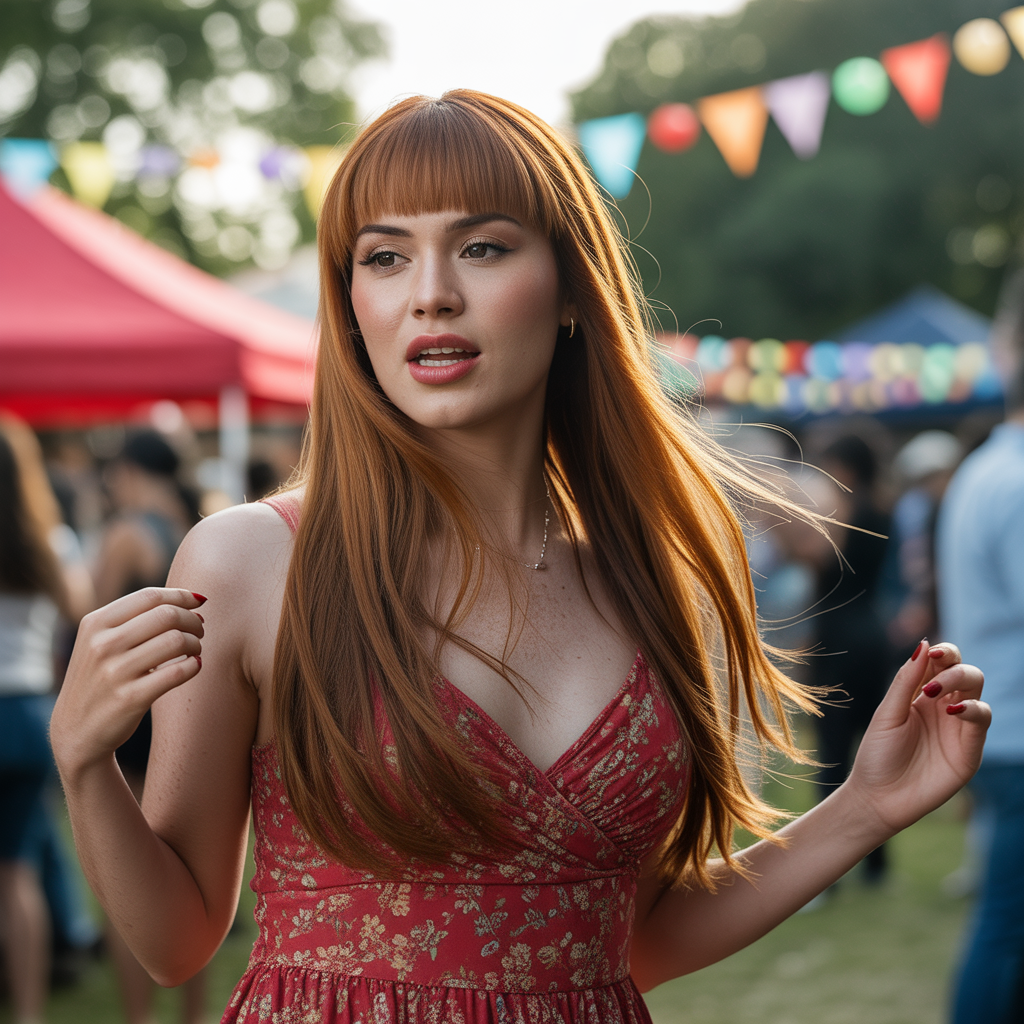
The classic application of the ginger wolf cut maintains the traditional hallmarks of the silhouette. This is characterized by significant, visible layering throughout the crown and mid-lengths, offering maximum internal volume and a distinct, wild texture. The hair at the nape remains long, creating the quintessential mullet-like structure. The chosen ginger shade here is often a vibrant copper or a true orange-red, saturating the hair entirely to maximize the contrast between the intense color and the aggressive texture.
The style’s success depends on the movement created by these layers. Styling for the classic ginger wolf cut is minimal, often requiring only a texturizing spray or light mousse applied to damp hair and air-dried or lightly diffused. This low-fuss approach underscores the style’s inherent, effortless aesthetic. The vivid ginger color works to amplify the visual drama of the layering, ensuring the cut’s unique shape is immediately noticeable, making the ginger wolf cut a true statement look.
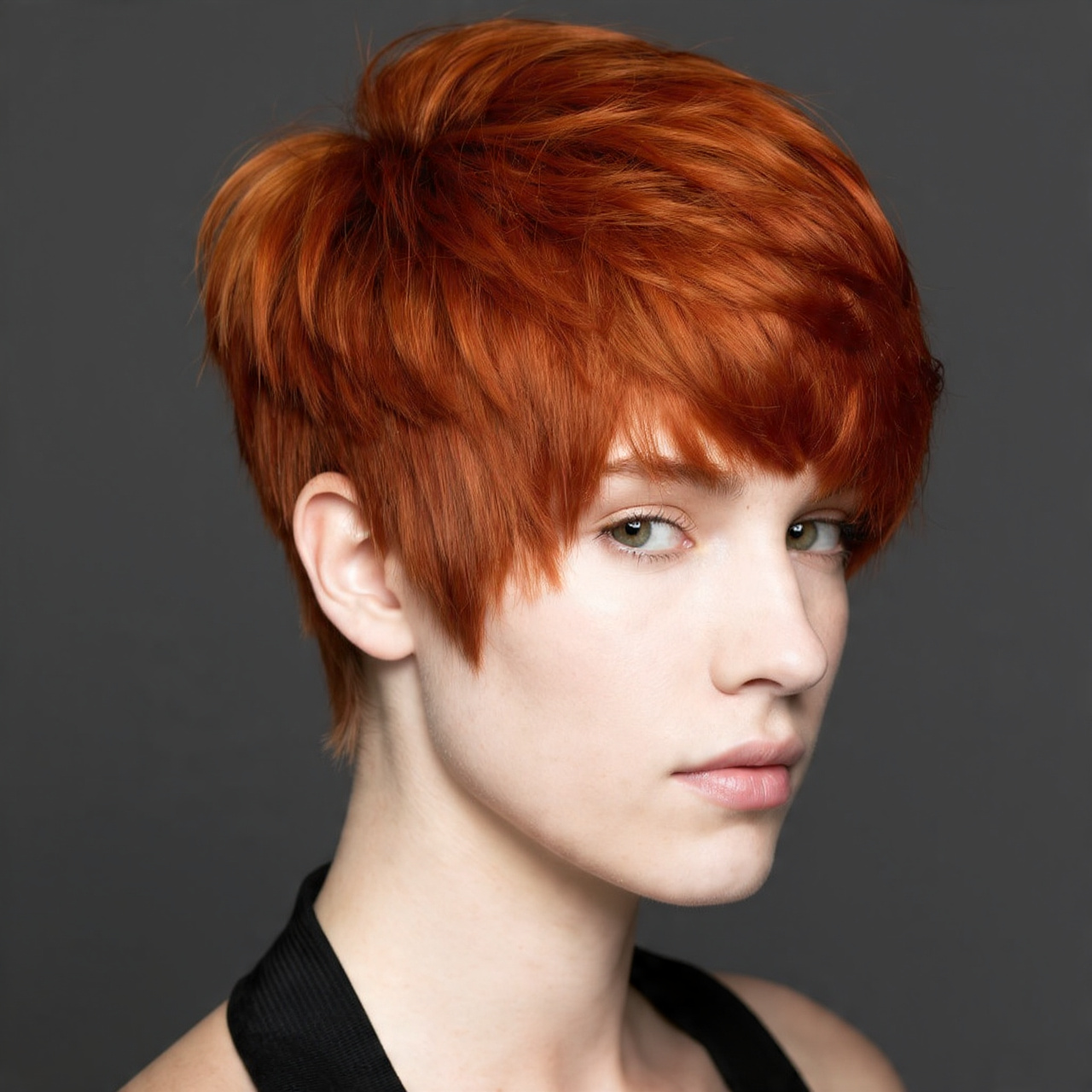
Short-Length Ginger Wolf Cut

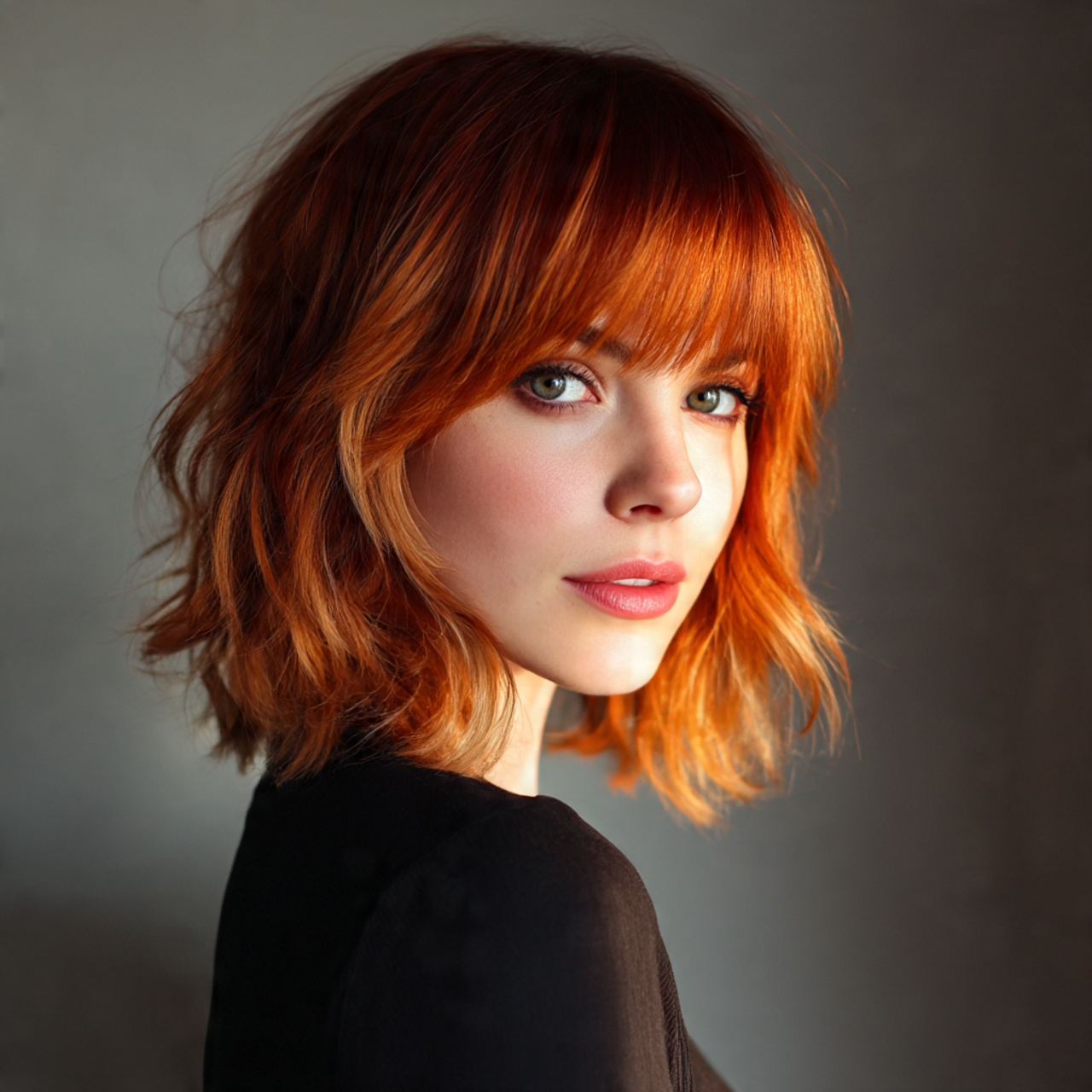
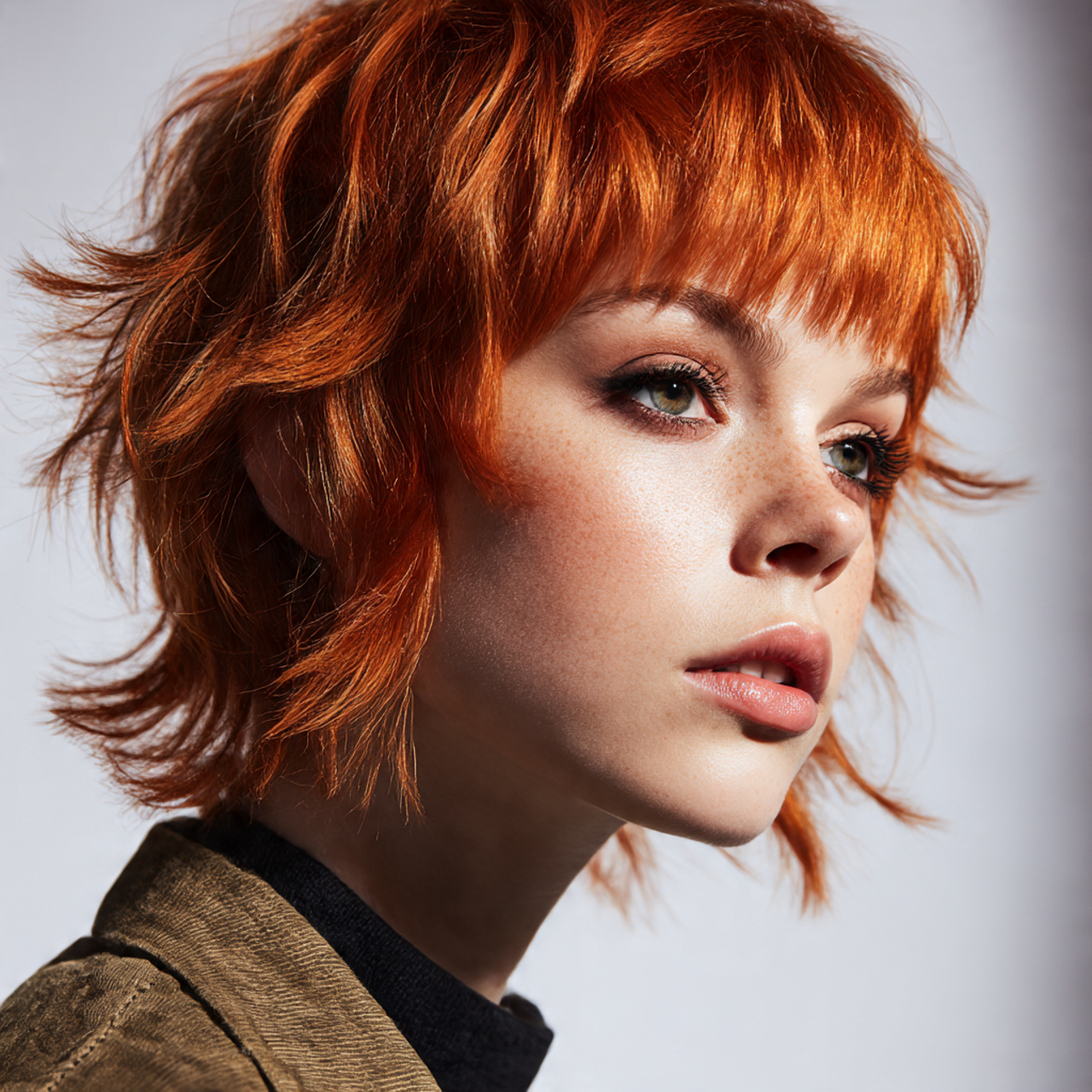
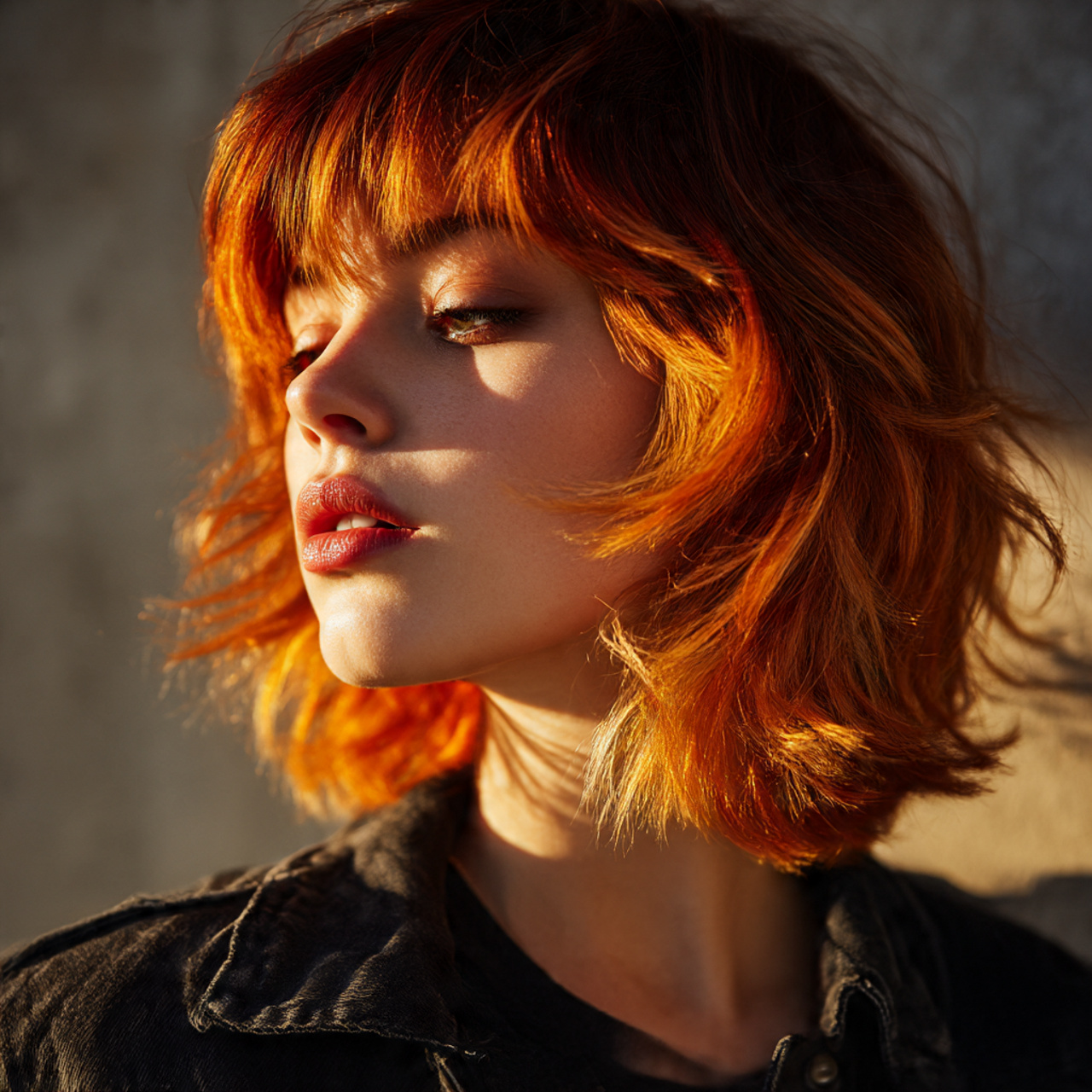
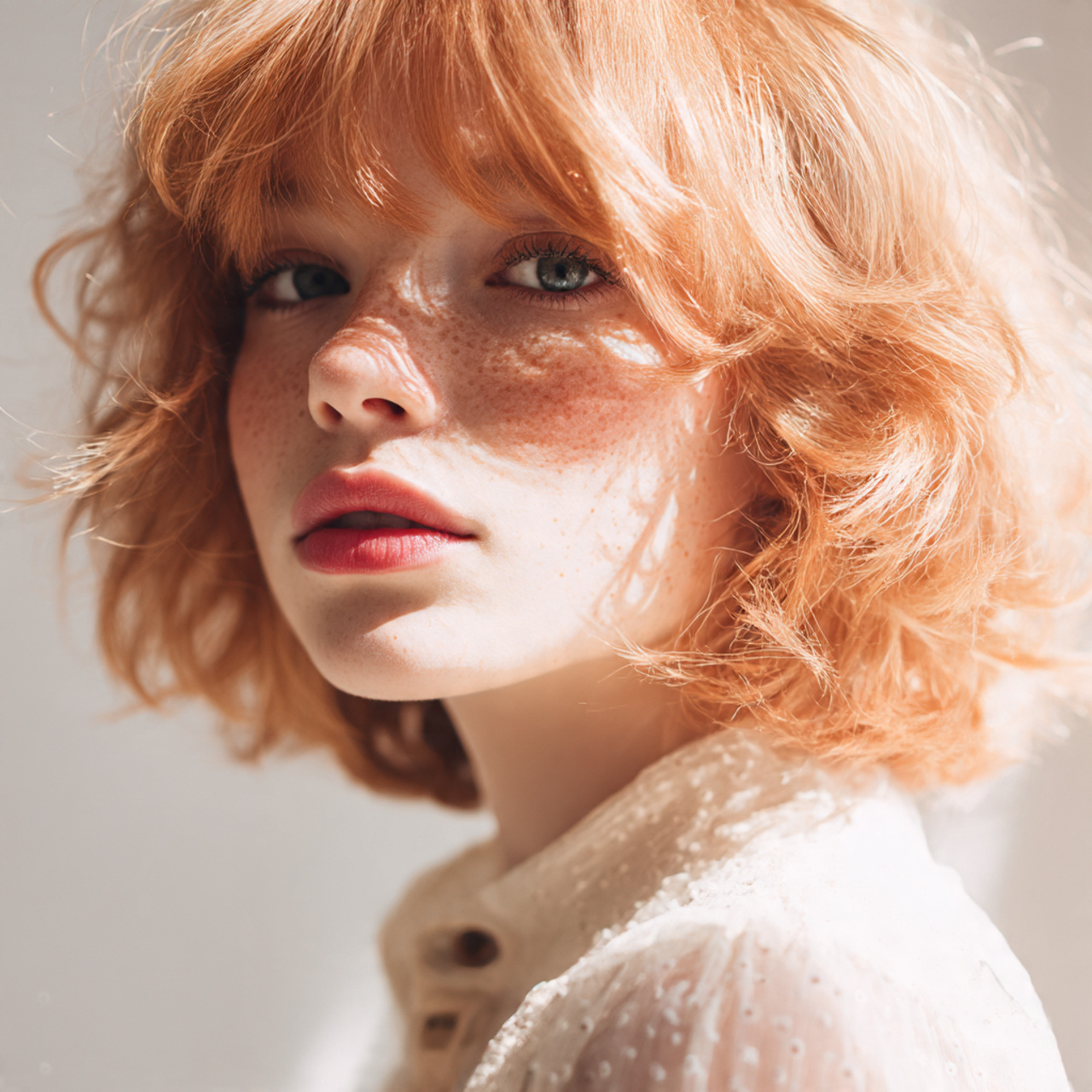
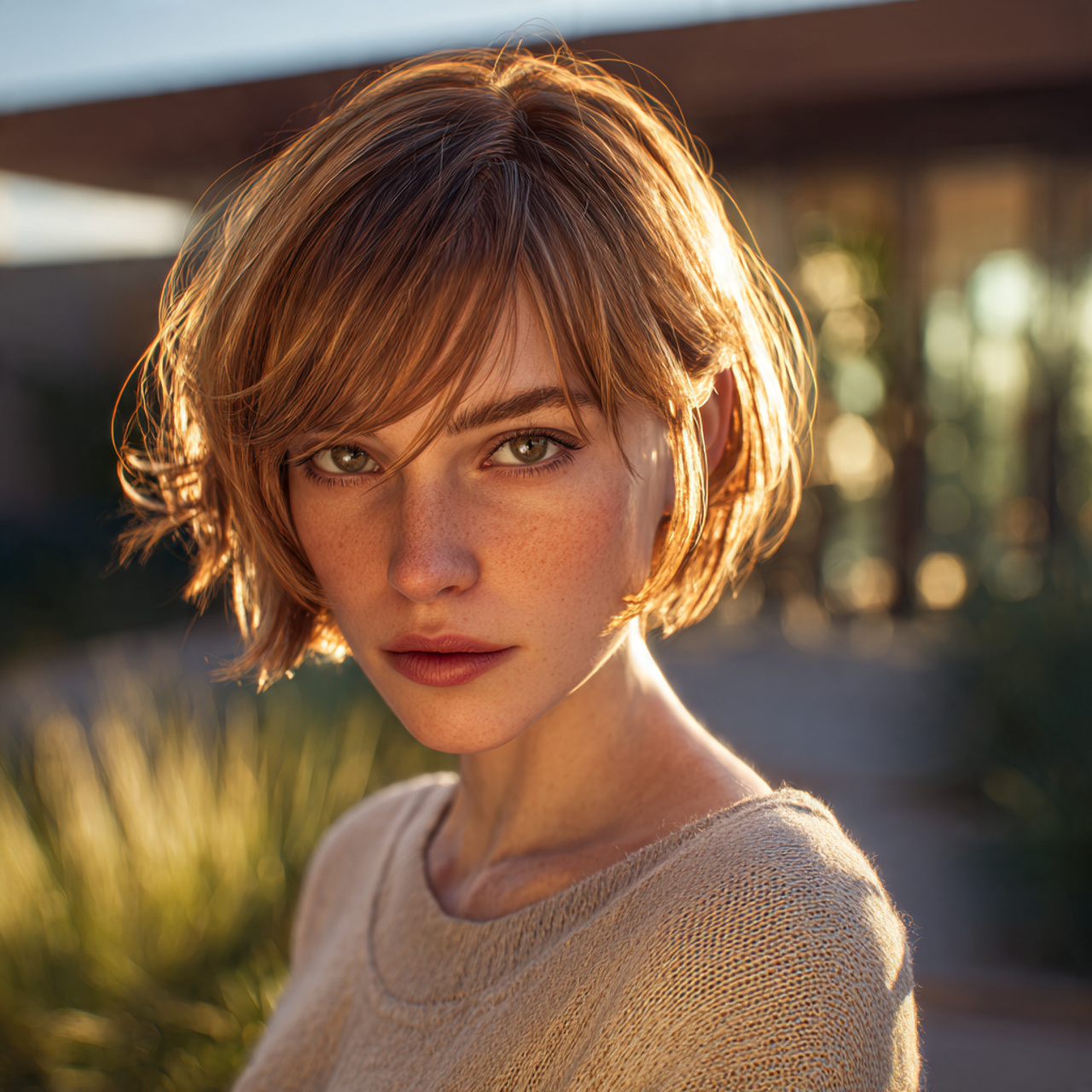
A short ginger wolf cut brings the length up, usually sitting just at or above the shoulders, providing a more refined and manageable take on the trend. By reducing the length, the emphasis shifts entirely to the crown’s volume and the face-framing fringe. This adaptation is excellent for finer hair types, as the substantial layering at the shorter length maximizes the appearance of thickness and body. The shorter back minimizes the mullet aspect, offering a shaggier bob-like feel.
When executed in a ginger tone, this short version benefits from strategic color placement. A deeper auburn ginger at the roots transitioning to a brighter copper on the ends can create the illusion of even more movement. The short ginger wolf cut requires less styling time than its longer counterpart, yet retains the edgy character and dynamic texture that define the style, proving its versatility across different hair lengths.
Long-Length Ginger Wolf Cut

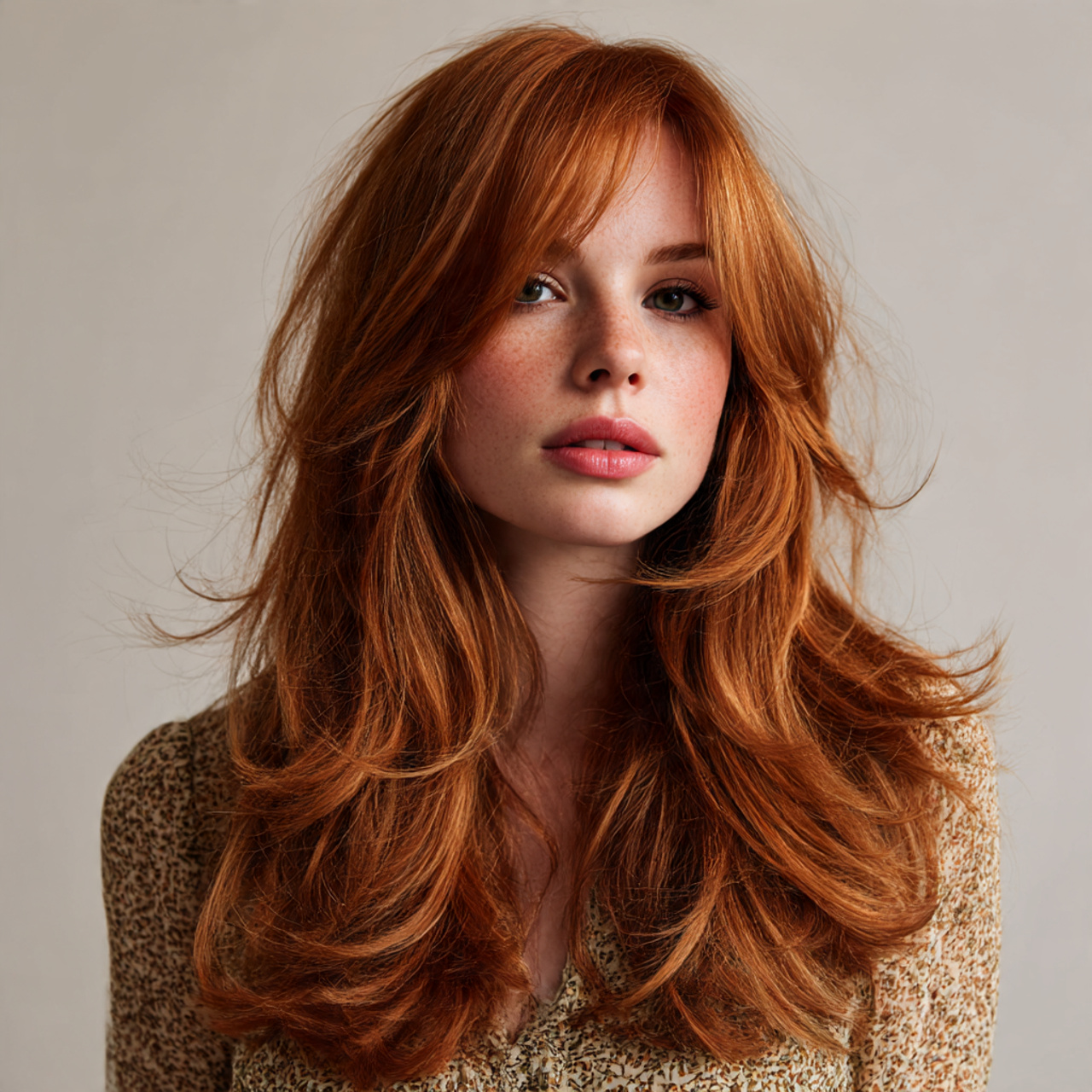
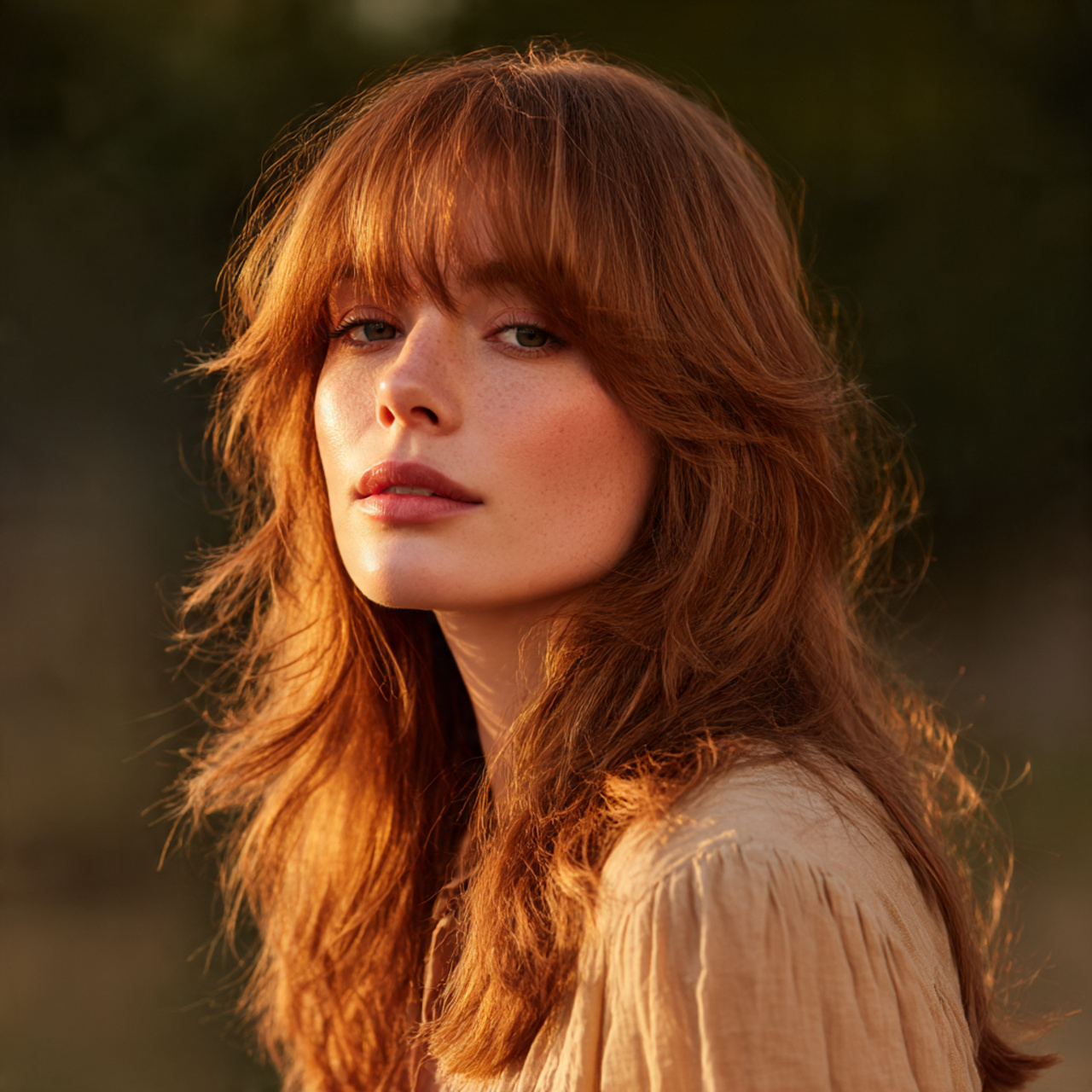
The long ginger wolf cut is a dramatic interpretation, keeping the overall hair length well past the collarbone, sometimes reaching the waist. This version allows for the full impact of the mullet influence, where the contrast between the shorter, voluminous top section and the lengthy, disconnected bottom is maximized. The texture remains shaggy, but the perimeter is softer due to the weight of the longer hair.
Coloring a long ginger wolf cut offers a canvas for depth. A dimensional ginger—using subtle highlights and lowlights—prevents the massive amount of hair from appearing flat. Deep ginger tones paired with bright apricot streaks around the face-framing layers enhance the movement and definition. This long ginger wolf cut retains the effortless attitude while adding a significant dose of glamour due to the overall length and rich coloring.
The Curly Ginger Wolf Cut

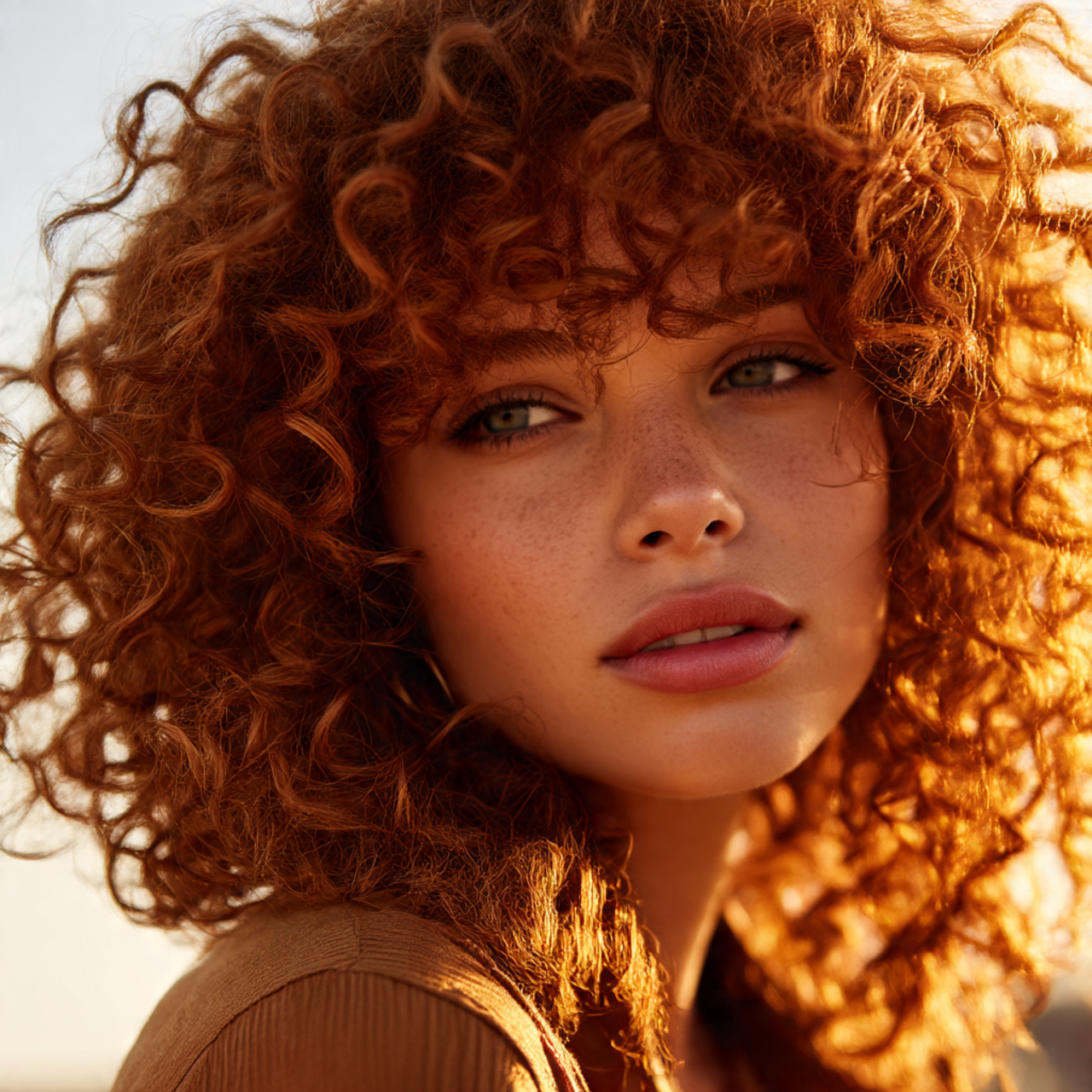
Applying the wolf cut to naturally curly or wavy hair is a technique that celebrates texture. The layering must be adapted to the curl pattern, often cut dry to ensure the curls fall correctly and avoid the “pyramid” shape. The result is a highly voluminous, beautifully defined silhouette where the curls create their own dramatic shape.
The vibrancy of ginger tones is exceptionally effective on curly hair. The varying surfaces of the curls reflect light differently, making the ginger color appear dimensional without any special coloring technique. This curly ginger wolf cut is a powerful style, relying on the natural texture of the hair to deliver the movement and volume inherent to the cut, minimizing the need for heat styling.
Subtle Layering Ginger Wolf Cut

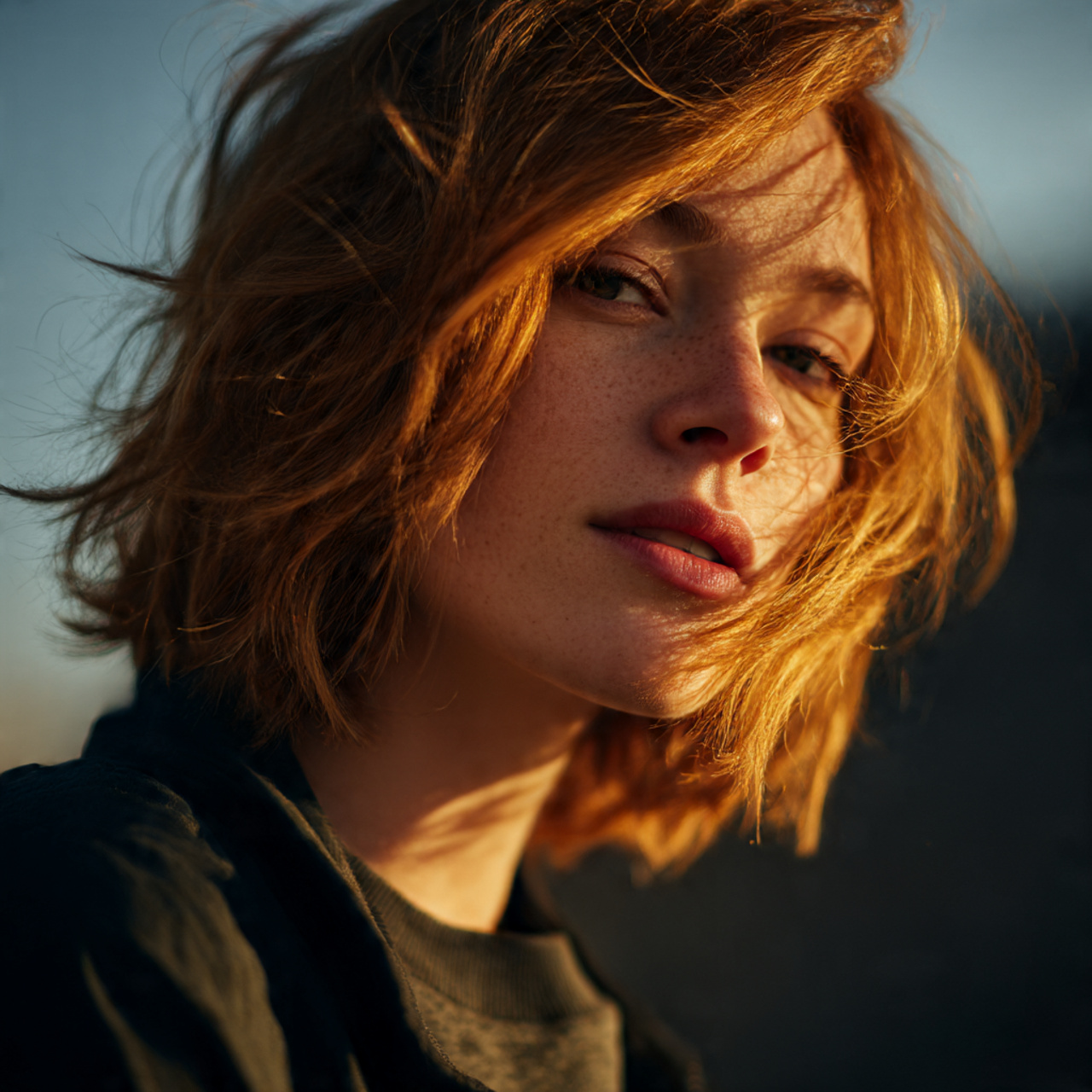
For those seeking a less aggressive transition, the subtle layering ginger wolf cut offers a gentler entry point. This version retains the characteristic face-framing layers but scales back the extreme volume on the crown, making the layers softer and more blended throughout the back. It reads more as a heavily textured shag than a traditional mullet.
Pairing this cut with a muted or natural-looking ginger hue—think a soft strawberry blonde or a light auburn—maintains sophistication. The softer layers of the ginger wolf cut complement the understated color, making it suitable for professional or conservative environments where a full, aggressive wolf cut might be too bold. It is the perfect blend of trend and wearability.
Ginger Wolf Cut with Micro Bangs

Introducing micro bangs to the ginger wolf cut immediately injects a modern, almost avant-garde edge. Micro bangs are cut short, typically well above the eyebrows, offering a sharp contrast to the shaggy, wild nature of the rest of the cut. This pairing highlights the eyes and forehead, drawing attention directly to the face.
The boldness of the micro bangs demands an equally striking color, making the ginger hue essential. A bright copper or a rich crimson ginger complements the geometric line of the bangs. This particular ginger wolf cut variation is highly stylized and requires confidence, as the fringe is the focal point, setting a distinct tone for the entire look.
Face-Framing Ginger Wolf Cut

This version focuses entirely on the layers that hug the face, keeping the back and perimeter relatively heavier. The layers are meticulously tailored to accentuate the cheekbones and jawline, often styled with a slight inward curl or flick. This is an excellent option for those wanting to try the style without committing to high-maintenance layering across the whole head.
The ginger color is ideally placed through a bright, sun-kissed effect primarily around the face. A few brighter ginger pieces framing the face, achieved through subtle balayage, can mimic natural highlights. This face-framing ginger wolf cut illuminates the complexion and enhances facial structure while still maintaining the distinctive shaggy texture.
Deep Auburn Ginger Wolf Cut

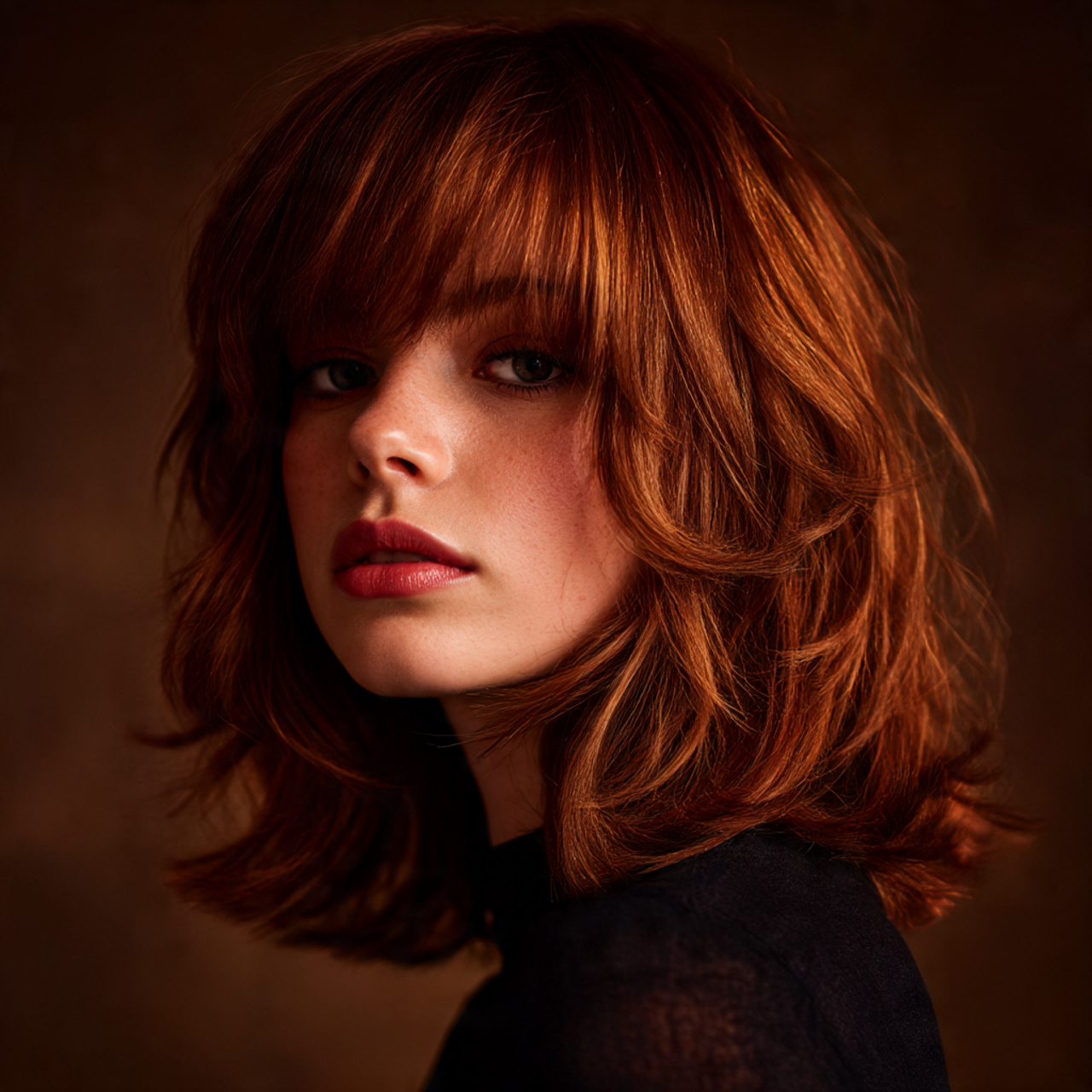
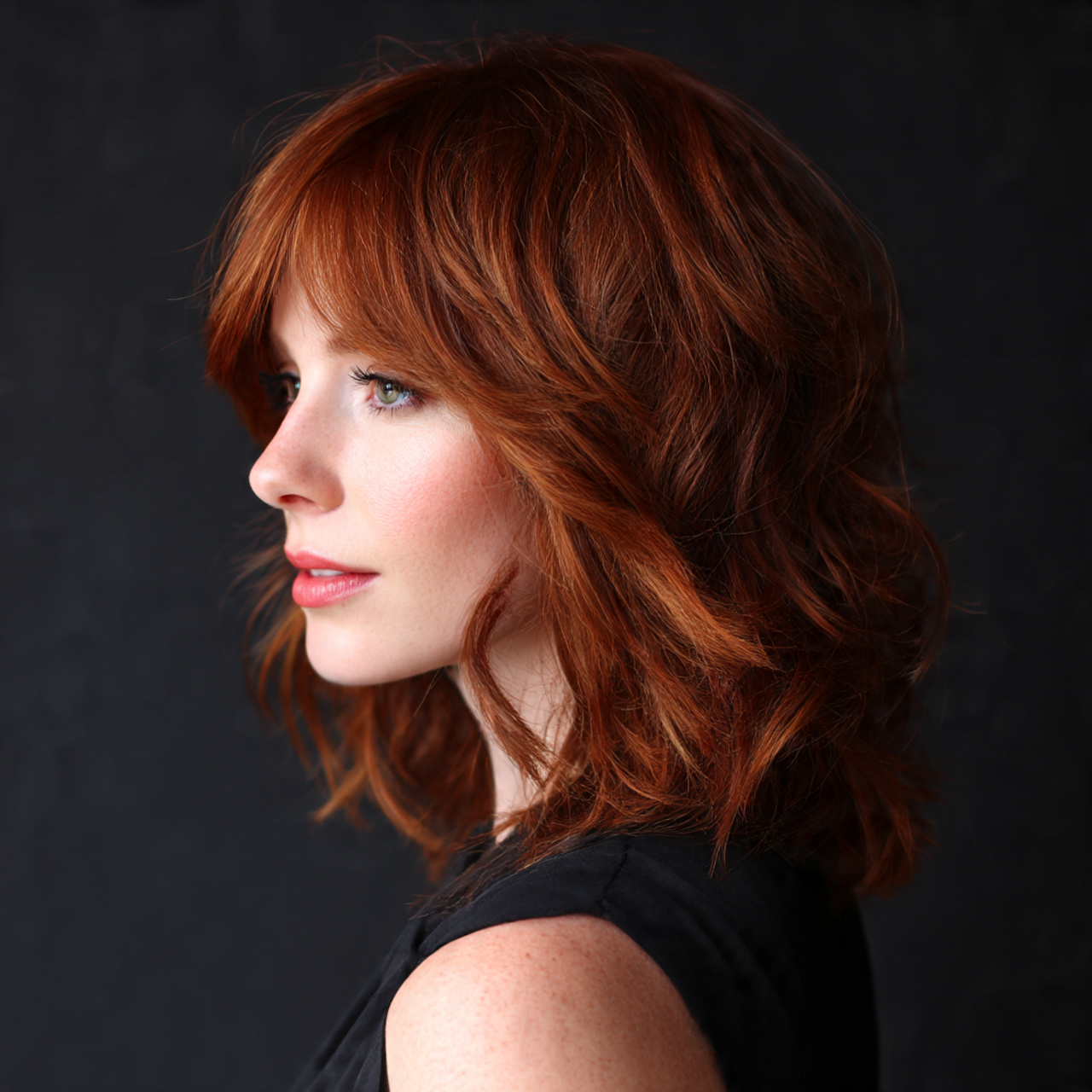
Moving into the darker end of the spectrum, the deep auburn ginger wolf cut delivers warmth and intensity without the bright pop of traditional copper. This rich, brownish-red hue is particularly flattering on deep skin tones and those with darker natural hair, offering a sophisticated and moody aesthetic.
The depth of the auburn ginger beautifully contrasts with the light-catching movement of the wolf cut layers. The deep tone adds a visual weight that grounds the otherwise airy texture of the cut. This variation maintains the rebellious spirit of the ginger wolf cut but cloaks it in a luxurious, autumnal richness that elevates the style.
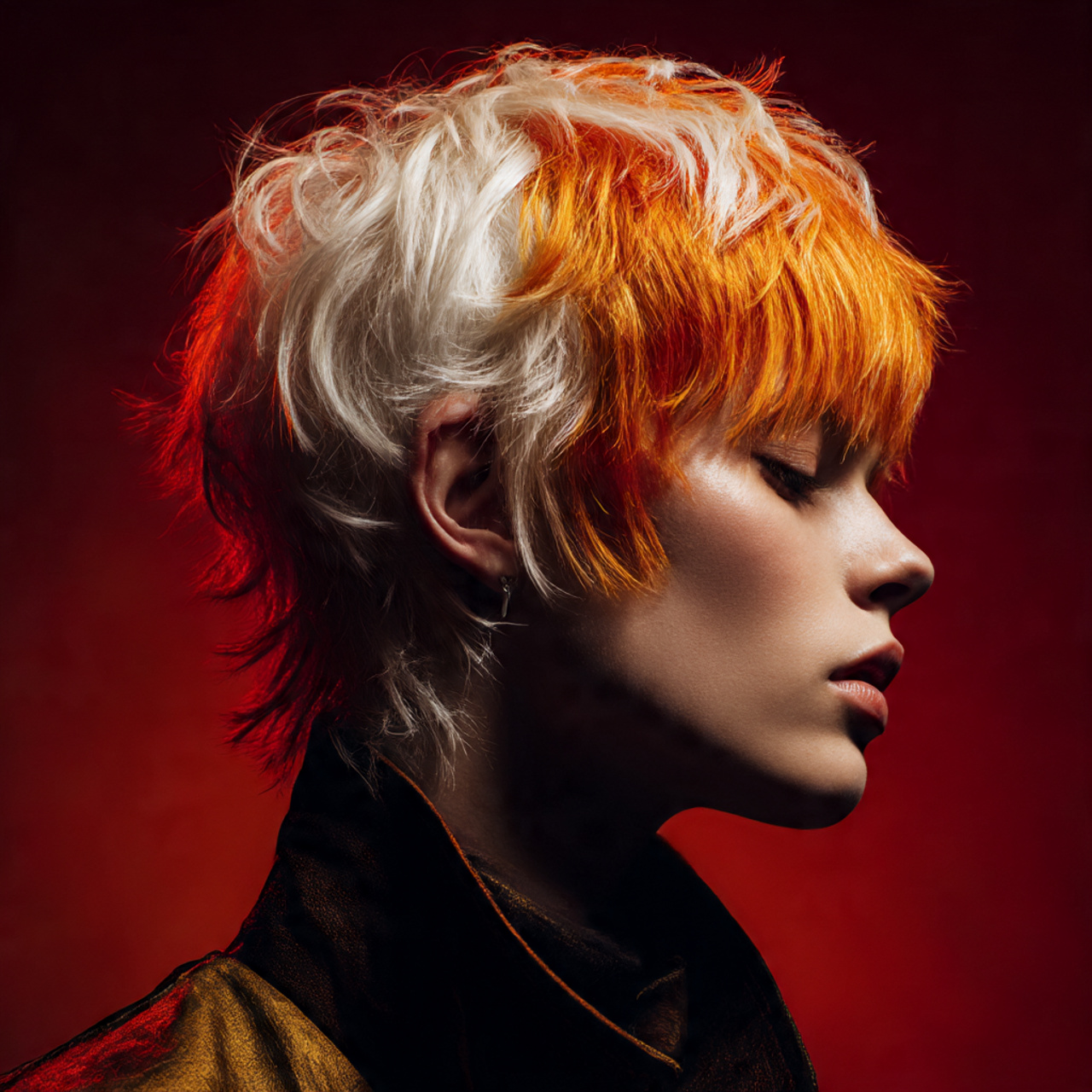
Platinum Ginger Wolf Cut

This is a high-contrast style that utilizes two extreme tones: a bright, almost neon ginger or copper juxtaposed with platinum blonde sections. This technique is often executed as a half-and-half split, or as chunky, contrasting highlights placed strategically within the layering. The visual effect is immediately attention-grabbing and highly trend-driven.
The combination of the icy platinum with the fire of the ginger requires significant commitment and maintenance. The texture of the ginger wolf cut is the perfect canvas for this bold color combination, as the disconnect in the layering visually separates the colors, maximizing their impact. This version of the ginger wolf cut is for those who are determined to stand out.
Two-Tone Ginger Wolf Cut

The two-tone ginger wolf cut involves using two distinct shades of ginger or copper within the same haircut, often using color blocking techniques. A popular approach is to use a dark, almost brown ginger for the underlayers and a bright, vivid copper or orange ginger for the top layers, crown, and fringe.
This technique uses color to emphasize the cut’s architecture. When the hair moves, the contrasting colors flash, highlighting the severe disconnection of the wolf cut layers. The two-tone ginger wolf cut is dynamic and playful, capitalizing on the inherent drama of the cut by adding a layer of color complexity.
Textured Ginger Wolf Cut for Fine Hair
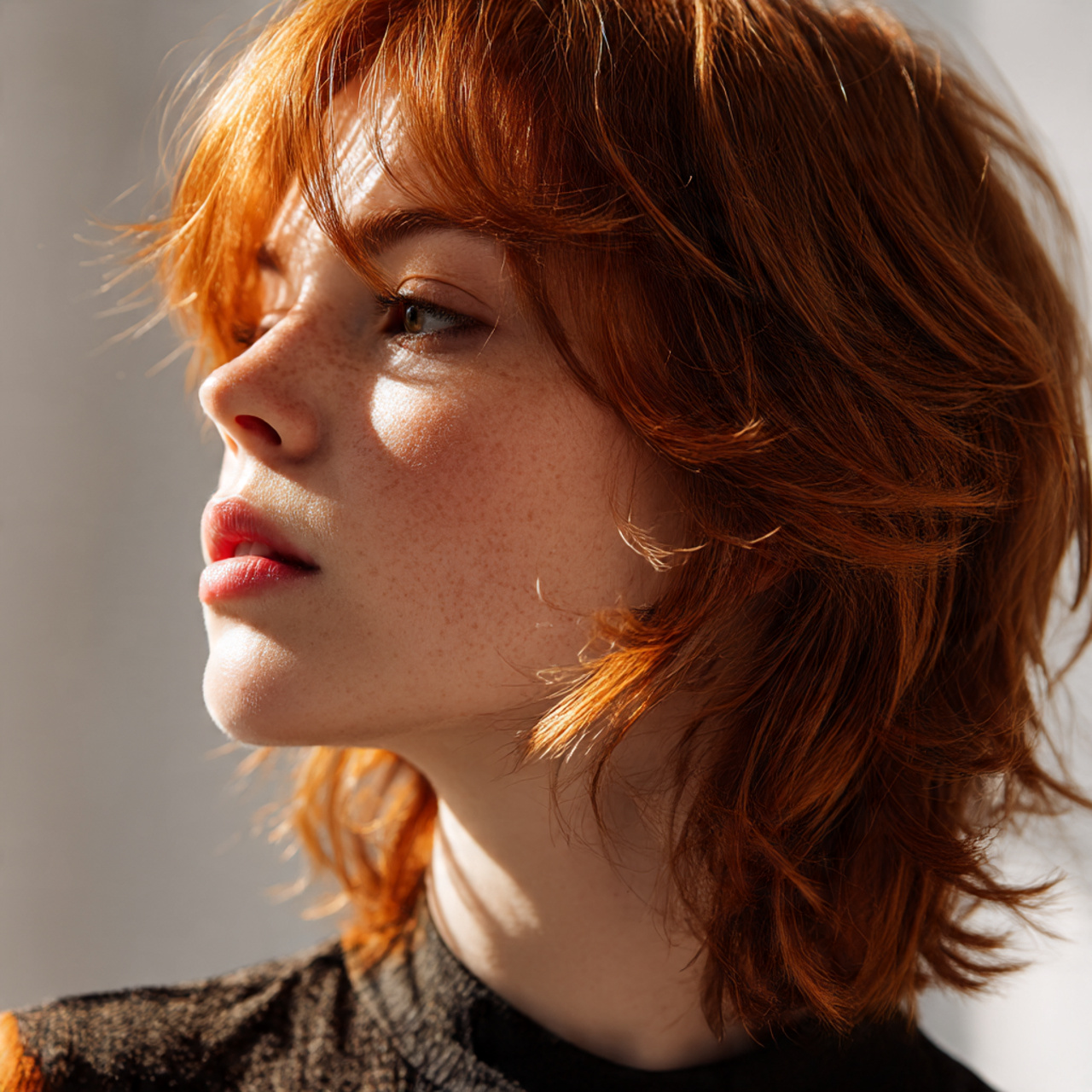
The wolf cut is an effective solution for fine hair due to its reliance on graduated layers for volume. By stacking the layers on the crown and keeping the ends minimal, the appearance of density is significantly increased. The key is precise texturizing to avoid thinning out the ends too much, which would look stringy.
A bright, reflective ginger shade, such as a light strawberry copper, is an excellent choice for this fine-haired ginger wolf cut. Lighter, brighter colors naturally reflect more light, making the hair appear thicker and healthier. The combination of structural layering and light-reflecting color provides maximum visual impact and fullness.
Wet-Look Ginger Wolf Cut

The wet-look styling of the ginger wolf cut emphasizes the choppiness and disconnection of the layers through the use of high-shine, strong-hold products like gel or pomade. This style is intentionally slick and polished on the top, with textured, slightly spiked ends, offering a modern, editorial aesthetic.
The sheen of the wet look beautifully amplifies the depth and saturation of the ginger tone. A rich, fiery ginger appears almost molten under the shine. This wet-look ginger wolf cut contrasts the cut’s inherent wildness with an artificially sleek finish, making it a powerful choice for events or fashion-forward appearances.
Grown-Out Ginger Wolf Cut

The wolf cut is one of the most forgiving styles to grow out due to its shaggy, layered nature. The ‘grown-out’ version is characterized by softer, less severe layering, with the crown layers beginning to merge with the mid-lengths. The style transitions seamlessly into a long, textured shag, maintaining volume without sharp edges.
As the ginger color grows out, the roots create natural depth, which can be an intentional style choice. A soft color melt from a natural root to a bright ginger on the ends maintains the vibrancy. The grown-out ginger wolf cut is the epitome of low-maintenance cool, evolving naturally into a beautiful, shaggy texture.
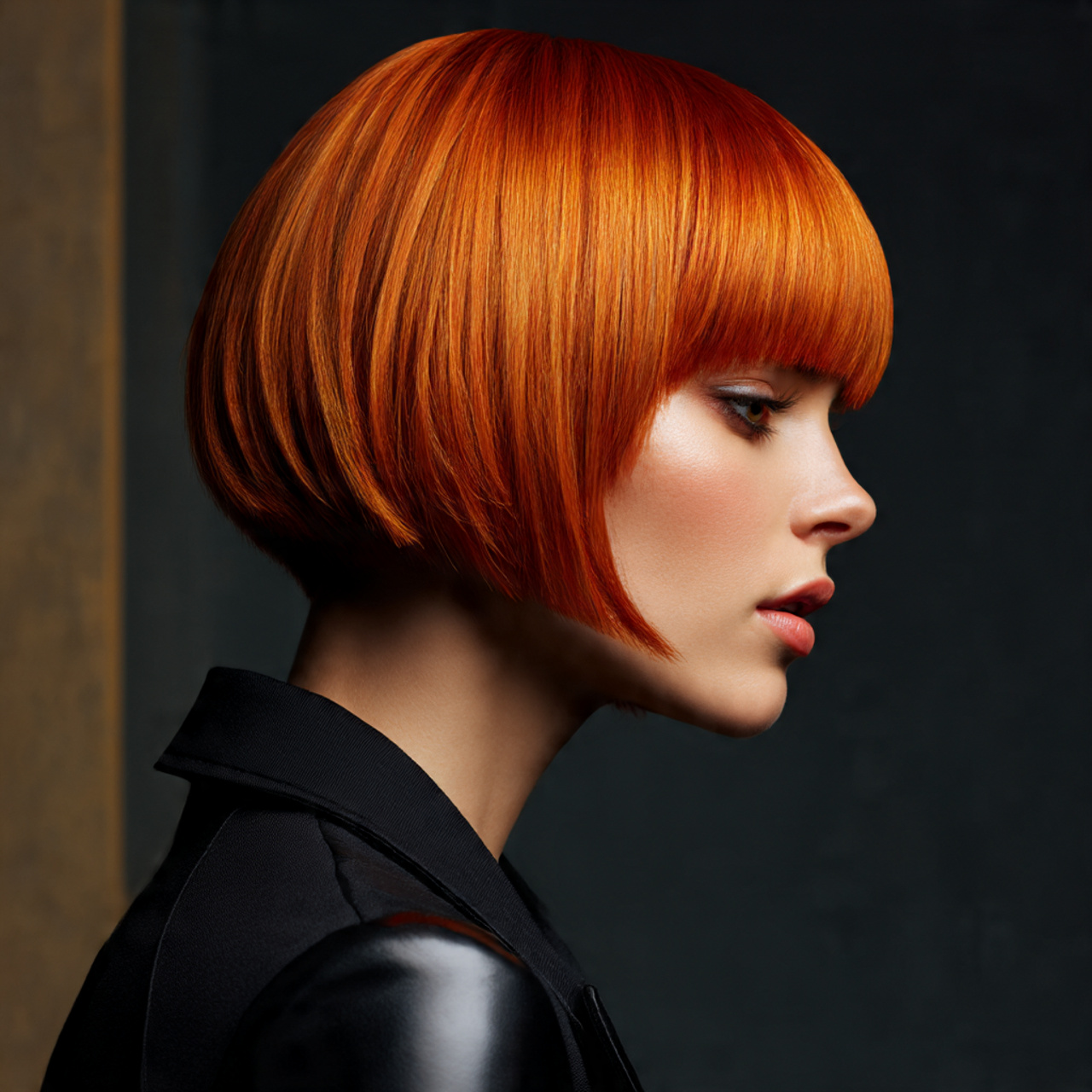
Sleek and Straight Ginger Wolf Cut

While the wolf cut is typically styled wavy or messy, straightening the hair offers a striking alternative. When straight, the extreme disconnection and varying lengths of the layers are clearly visible, transforming the cut from soft shag to sharp, geometric art. It emphasizes the mullet aspect more than the shag aspect.
The severity of the straight style is complemented by a bold, uniform ginger color, free of overt highlights, to maintain a solid, graphic line. This sleek and straight ginger wolf cut showcases the technical precision of the cutting, turning the movement into sharp, angular edges for a high-fashion finish.
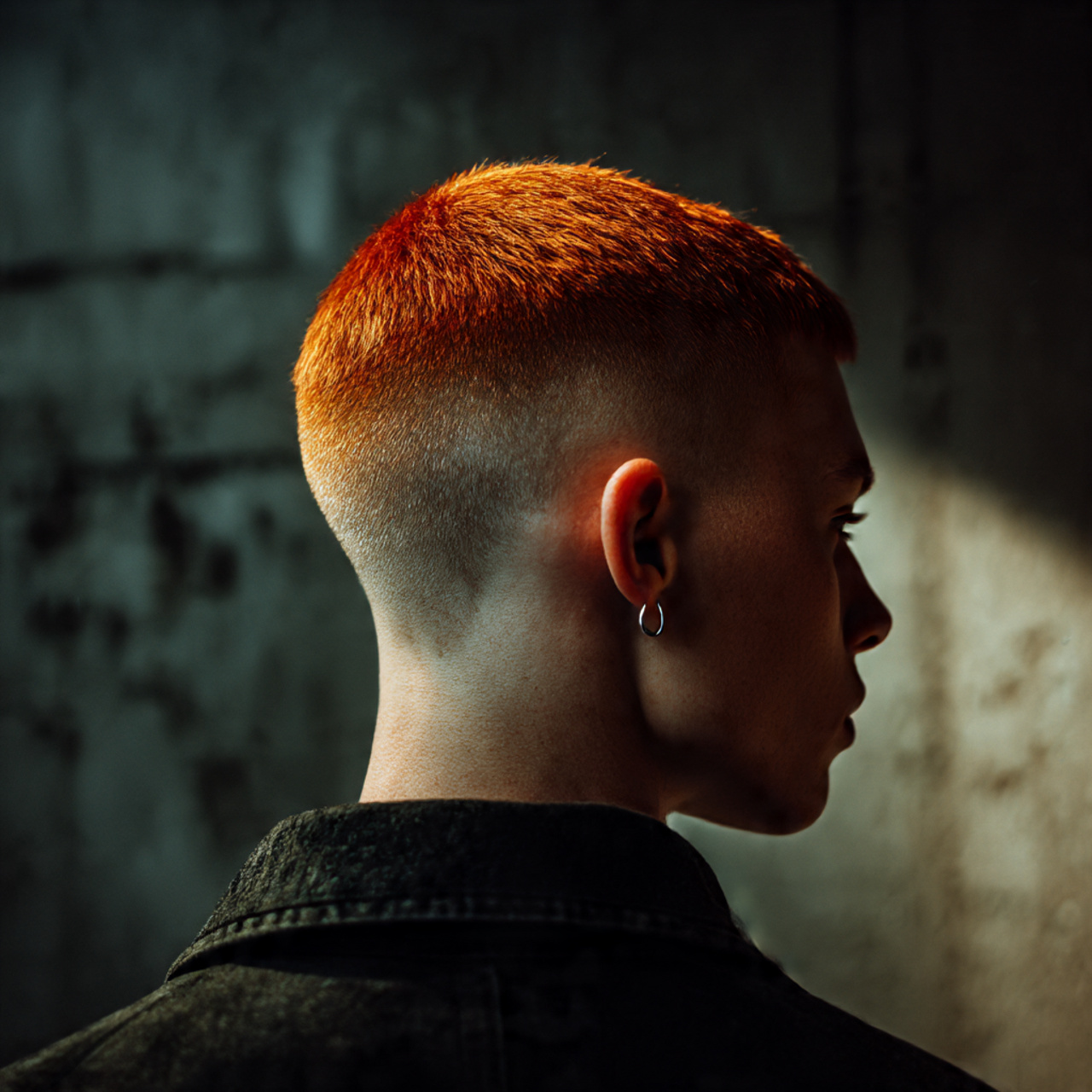
Ginger Wolf Cut with Undercut

Incorporating an undercut into the ginger wolf cut is an aggressive modification that adds a hidden element of rebellion and functionality. The hair underneath the crown and nape is shaved or cut extremely short. This immediately removes bulk, making the wolf cut lighter and cooler, especially beneficial for thick hair.
The dramatic shift in length also provides a canvas for a contrast color or even a shaved design, though often the undercut remains the natural hair color to highlight the bright ginger of the top layers. This variation ensures the ginger wolf cut maintains its dynamic shape while offering a radical, modern twist on volume control.
Layered Crown Ginger Wolf Cut

This version places all the emphasis and layering solely on the top section of the head—the crown. The rest of the length remains relatively intact, creating a very pronounced ‘mushroom’ or dome shape on top that tapers dramatically to a sleek, thinner perimeter. It is the most mullet-like variation.
The high volume of the layered crown is perfectly showcased by a vibrant, multi-tonal ginger application. Bright copper and apricot tones swirled through the crown maximize the lift and texture. The distinct shape of this layered crown ginger wolf cut makes a clear, bold statement about texture and volume preference.
Choppy Perimeter Ginger Wolf Cut

The choppy perimeter ginger wolf cut focuses on creating extreme definition at the very ends of the hair. Instead of soft thinning, the ends are cut bluntly but texturized heavily, creating a ‘broken’ line that looks sharp and purposefully unblended. This highlights the shaggy, untamed spirit of the style.
A solid, impactful ginger color—such as a deep rust or a burnt orange—is often chosen to emphasize these sharp ends. The uniformity of the color allows the eye to focus on the jagged, disconnected lines of the cut. This choppy perimeter ginger wolf cut is a high-texture, deliberately messy variation of the iconic style.
Ginger Wolf Cut with Face-Framing Tendrils
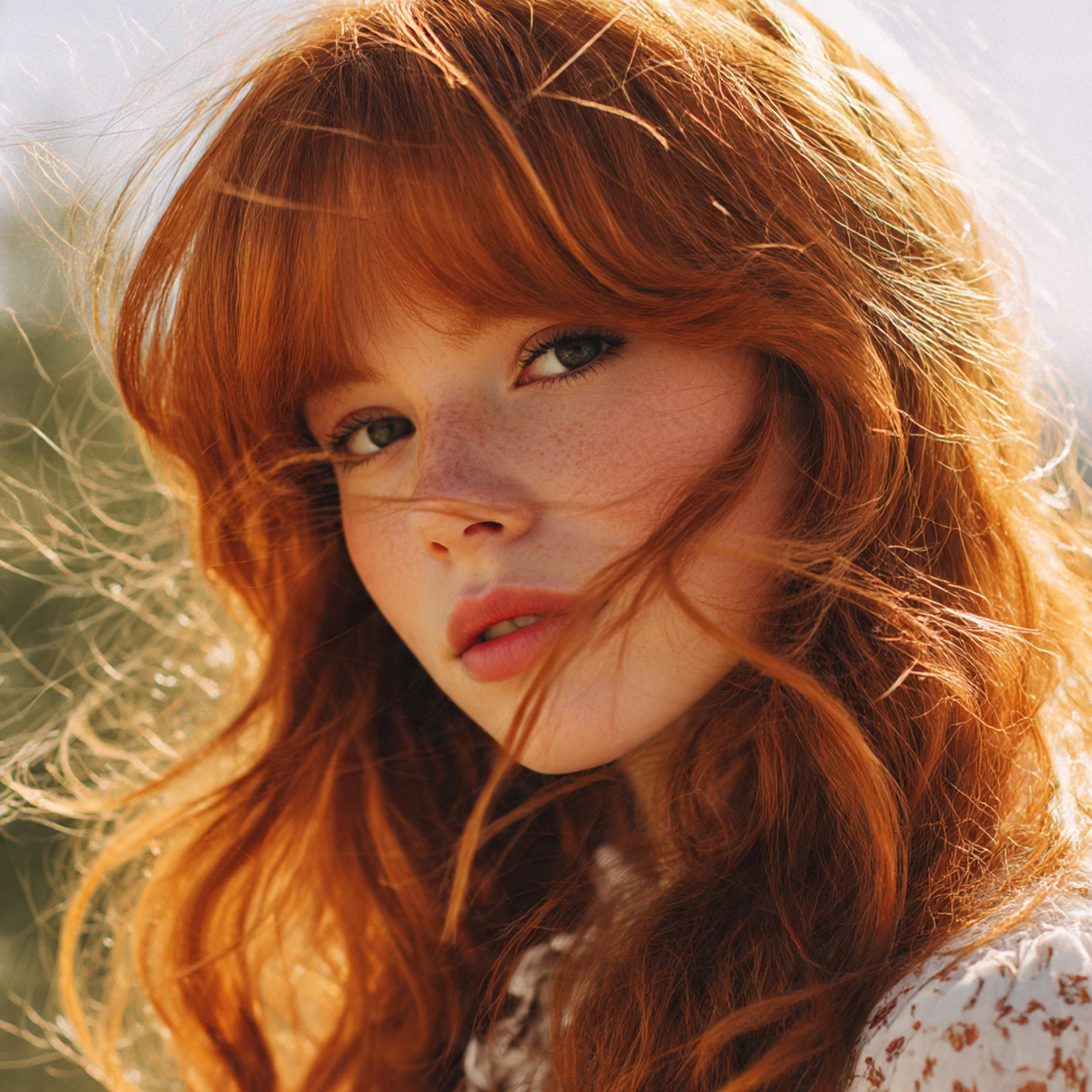
This soft variation borrows from the 1990s aesthetic, utilizing longer, disconnected face-framing sections that fall past the collarbone, contrasting slightly with the shaggy layers. These tendrils are often styled to curl or wave gently, adding a soft, feminine element to the cut’s edge.
The tendrils are a prime location for the brightest elements of the ginger color—a lighter copper or gold-tinged apricot—to draw attention to the face. The ginger wolf cut with tendrils balances the aggressive layering with a softer, romantic movement, proving the versatility of the cut.
Visit Also: Long Hair Undos
The Asymmetrical Ginger Wolf Cut
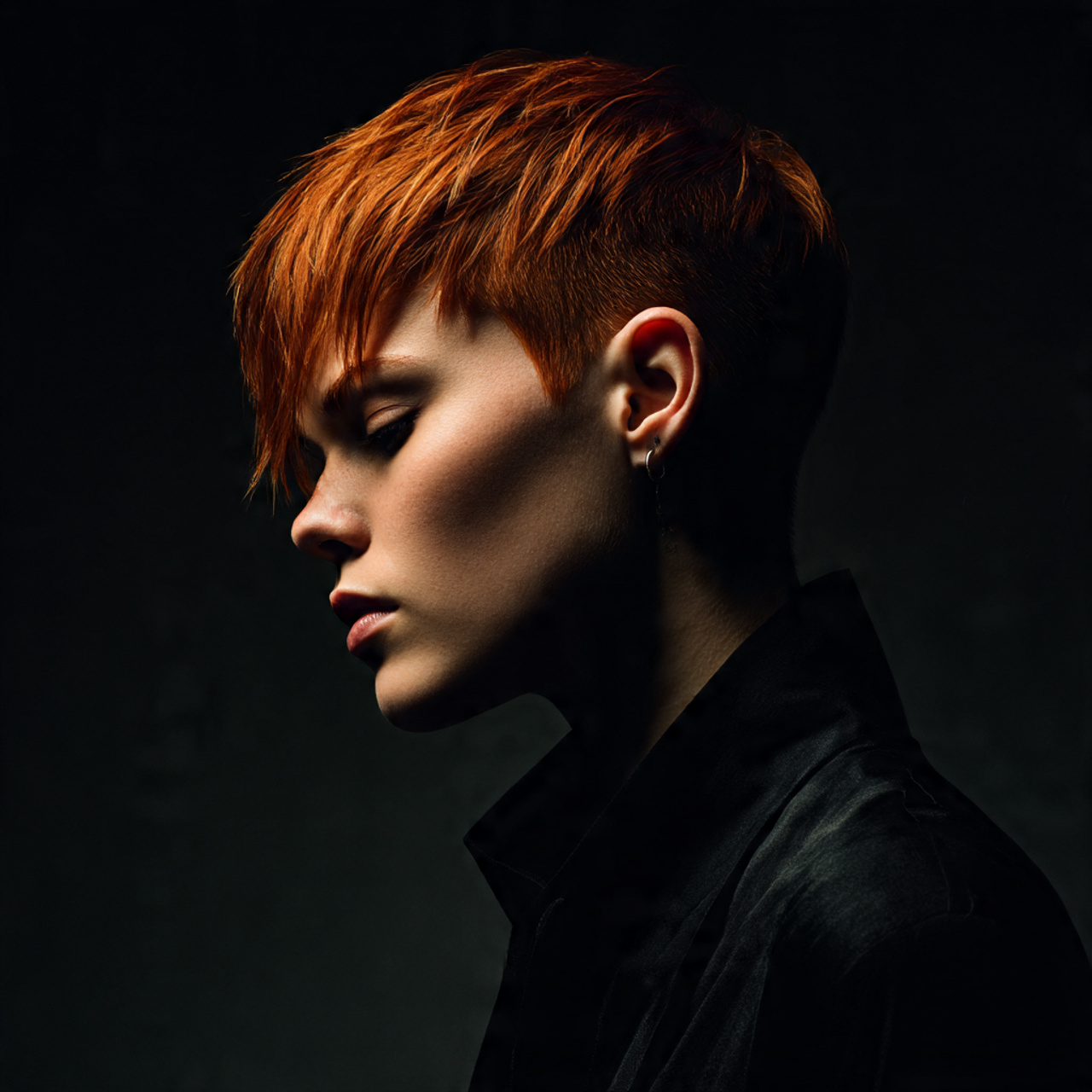
Introducing asymmetry to the wolf cut involves cutting one side of the hair noticeably shorter than the other, or creating an asymmetrical fringe. This modification is purely stylistic, adding an extra layer of visual complexity and avant-garde flair to the already unique silhouette.
The asymmetry is a feature that a bold, uniform ginger color can emphasize, ensuring the varying lengths are clearly visible. The asymmetric ginger wolf cut is a sophisticated, intentional statement that utilizes both color and line to create an unusual and captivating profile.
Dimensional Ginger Wolf Cut

Achieving a dimensional ginger wolf cut involves weaving multiple closely related shades of copper, auburn, and gold through the hair. This technique uses balayage and foil work to create a highly complex, reflective color that shifts and changes with the light.
The dimension is essential for making the choppy layers of the wolf cut appear even more voluminous and textured. The subtle interplay of the ginger tones highlights every piece of the layering. This dimensional ginger wolf cut offers depth and richness, ensuring the color is as dynamic as the cut itself.
Pastel Ginger Wolf Cut

The pastel ginger wolf cut softens the typical vibrant copper into a light, almost apricot or peach hue. This highly bleached base and delicate tone give the traditionally edgy cut a surprisingly ethereal, soft, and trendy appearance. This is a very fashion-forward adaptation.
The lightness of the pastel ginger is visually stunning against the heavy texture of the wolf cut. The gentle color softens the aggressive layering, offering a whimsical take on the style. The pastel ginger wolf cut is a high-maintenance color choice paired with a low-maintenance cut, creating an intriguing dichotomy.
Rooted Ginger Wolf Cut

The rooted ginger wolf cut intentionally leaves a significant amount of natural root visible, allowing a smooth, dark shadow to transition into the bright ginger color. This technique is practical, dramatically reducing color maintenance, and stylistic, adding instant depth and edge.
The dark root line perfectly contrasts with the vibrant ginger of the body, adding visual weight to the crown before the texture begins. This rooted ginger wolf cut is the perfect blend of trend-conscious color application and low-commitment upkeep for the client.
Reverse Balayage Ginger Wolf Cut

Reverse balayage flips the traditional color technique by painting darker ginger or auburn lowlights onto a lighter base. This technique creates instant depth and dimension, especially effective for hair that has become too light and flat over time, giving the layers more definition.
The darker tones placed strategically within the wolf cut layers make the remaining lighter ginger pieces pop. This reverse balayage ginger wolf cut is an excellent choice for revitalizing the style, emphasizing the texture and creating a rich, multi-tonal effect.
Half-Up Style Ginger Wolf Cut

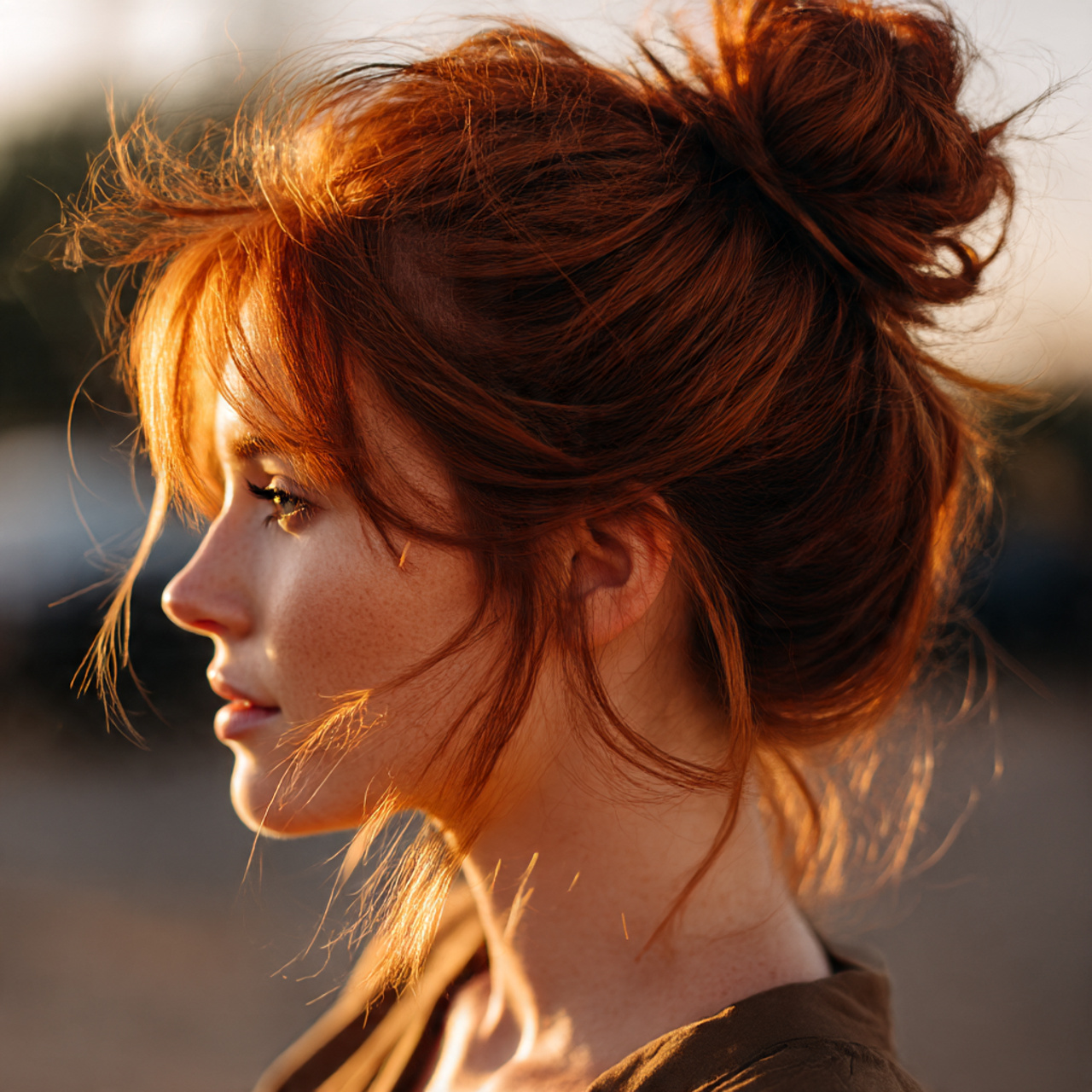
Styling the ginger wolf cut in a half-up fashion—typically securing the top volume section into a messy bun or ponytail—immediately highlights the texture and volume of the crown layers. The remaining length hangs shaggy and free, showcasing the movement of the perimeter.
The half-up style is perfect for showing off the distinct disconnect of the wolf cut, emphasizing the contrast between the shorter layers on top and the length below. This is an easy, high-impact styling choice for the ginger wolf cut that maintains the cut’s signature cool.
The Ginger Wolf Cut with Side-Swept Bangs
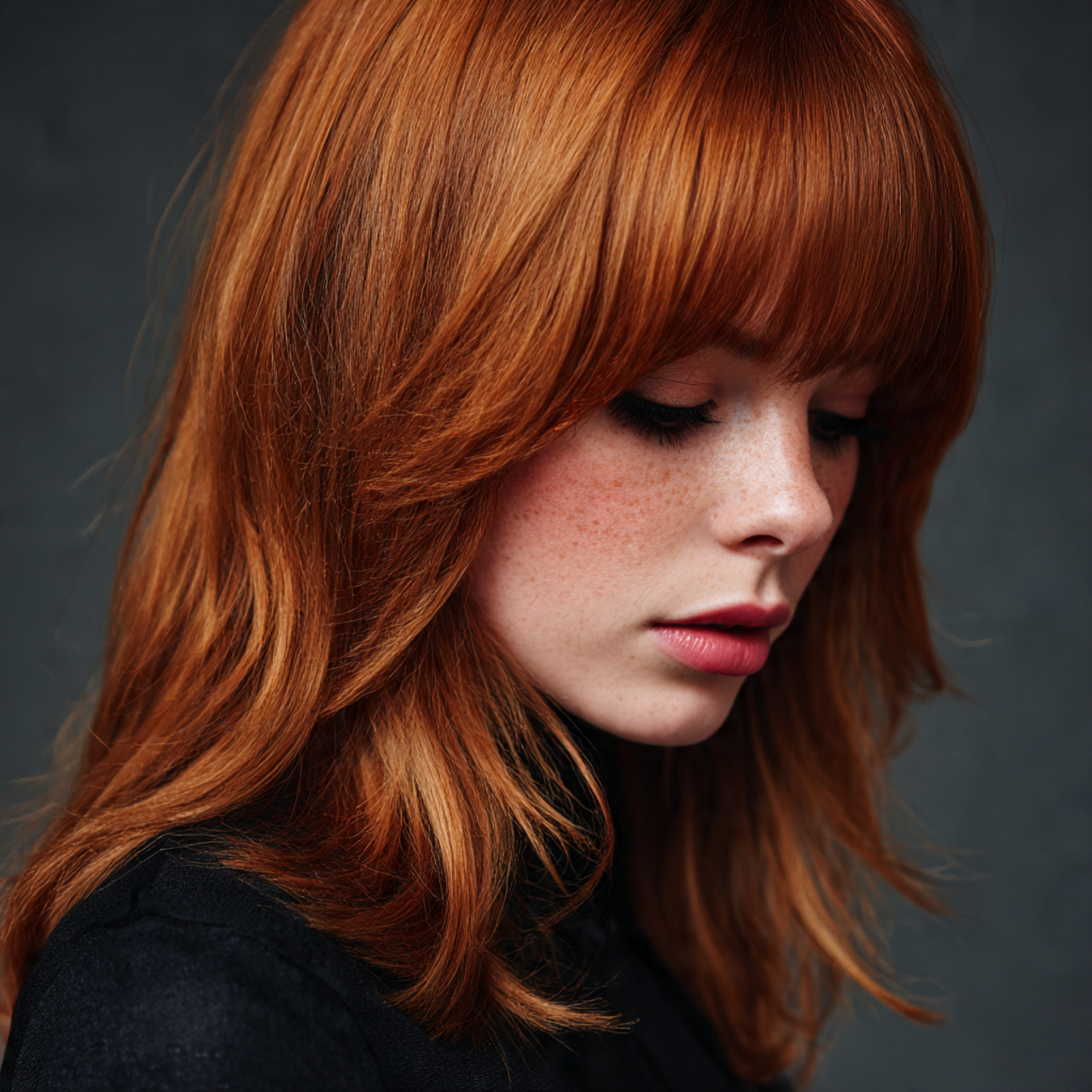
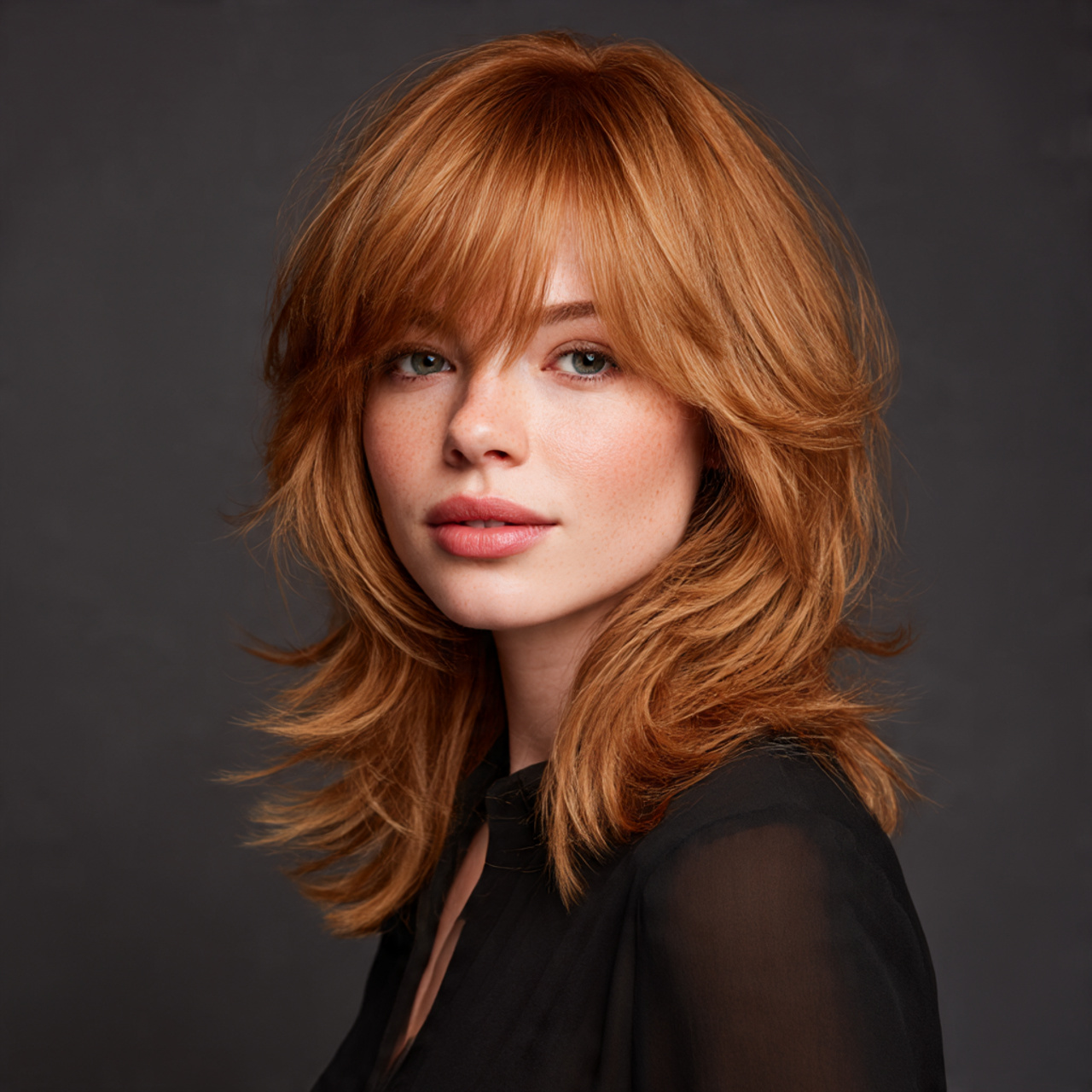
While the full fringe is common, side-swept bangs offer a softer, more traditional alternative to the ginger wolf cut. The bangs blend seamlessly into the face-framing layers, creating a sophisticated sweep that draws attention across the face rather than straight down.
The side-swept fringe is best highlighted by a brighter, reflective ginger shade that catches the light as it moves. This variation softens the overall silhouette of the ginger wolf cut while still maintaining the desired texture and volume through the rest of the layering.
Frequently Asked Questions About the Ginger Wolf Cut
Is the ginger wolf cut easy to maintain?
Maintenance for the ginger wolf cut is generally low in terms of styling but higher in terms of color. The cut is designed to be worn messy and air-dried, requiring minimal product. However, the vivid ginger color requires sulfate-free, color-safe products and regular touch-ups or color refreshing treatments to prevent fading, especially if exposed to sun or frequent washing.
Does the wolf cut work on all hair types?
The wolf cut is adaptable to most hair types, but it works best on hair with some natural wave or texture. Fine hair benefits from the volume created by the short crown layers, while thick hair benefits from the removal of bulk. For very straight hair, significant texturizing and external styling (like subtle waves) will be required to achieve the signature shaggy look of the ginger wolf cut.
What face shapes look best with the ginger wolf cut?
The inherent versatility of the ginger wolf cut means it can be tailored to flatter many face shapes. The volume on the crown and the face-framing layers can be adjusted. A wider face can be visually slimmed by longer face-framing layers and less width at the sides, while a long face can be balanced by a fuller, shorter fringe. The cut’s dynamic nature is its strength.
How often do I need to get the wolf cut trimmed?
To maintain the sharp, disconnected layers and volume of the ginger wolf cut, a trim is typically recommended every six to eight weeks. Beyond this period, the shorter layers will grow out, and the cut will begin to transition into a longer, more traditional shag style, losing its distinct, choppy outline.
Can I transition a bob or long layers into a ginger wolf cut?
Yes, transitioning into a ginger wolf cut is straightforward from either a bob or long layers. For a bob, the hair has enough base length to begin the aggressive layering on top. For long layers, the stylist will need to remove significant length from the top and create the distinct disconnect, followed by the application of the chosen ginger color. The process is a strategic haircut.
Conclusion: The Enduring Appeal of the Ginger Wolf Cut
The ginger wolf cut is a powerful style convergence. It is a bold pairing of a dynamic, structurally interesting haircut with one of the most vibrant and demanding colors in the spectrum. The style rejects uniformity, prioritizing texture, movement, and an undeniably raw edge.
Whether executed as a short, choppy statement or a long, flowing cascade, the ginger wolf cut offers a customizable rebellion for the modern wearer. Its enduring appeal lies in this duality: low-fuss styling for a high-impact, uncompromising final look. This cut is not a trend; it is a clear expression of personal, unfiltered style.