27 Vkei Haircut Ideas That Will Completely Transform Your Look
You have spent hours searching vkei haircut ideas and still feel stuck between options that do not match the image you have in your head. The photos are stunning, the styles are dramatic, but nothing explains what you actually need to make it work on your specific hair. That gap between what you see and what you can achieve is exactly where most people give up.
This is not a creativity problem. Visual Kei is one of the most layered subcultures in fashion history, and stepping into it without clear direction is genuinely overwhelming. Hundreds of styles exist under the same umbrella, each demanding completely different tools, techniques, and hair foundations to execute correctly.
The real issue is that most guides show you the finished result without showing you the anatomy of the cut underneath it. You see the photo but not the structure. Without understanding what the stylist actually did before the styling began, you cannot recreate the look or communicate it clearly at your appointment.
This guide was developed with direct experience in theatrical hair styling for J-rock performers and alternative fashion shoot production. Knowing the difference between a cut that holds on stage for three hours and one that collapses before the first song ends changes how every single item on this list is presented.
What follows gives you the specific information you need to act on each style. You will get a real product recommendation, the precise words to say to your barber or stylist, the face shape the cut was designed for, and one actionable pro tip that goes beyond generic advice.
These vkei haircut ideas are organized to serve every experience level, from someone booking their first alternative cut to a longtime Visual Kei enthusiast ready for their next evolution. By the end of this guide, you will know exactly which direction fits your hair type, your face shape, and your comfort level.
Before choosing, understand the one rule that separates a great vkei haircut from a mediocre one: the cut structure must support the styling, not the other way around. No product can save a poorly built foundation. In 2026, the Visual Kei revival is pushing architectural, high-drama cuts back to the front of alternative fashion, making this the ideal moment to invest in a real structural change.
Vkei Haircut Ideas
Asymmetrical Layering

Asymmetrical layering is one of the most defining structural features in the Visual Kei catalog, built entirely around a deliberate and dramatic difference in length from one side of the head to the other. The longer side carries sweeping, angular layers that frame the face with weight and movement, while the shorter side is cut in sharp tiers or buzzed close to create maximum contrast. This cut produces a diagonal line across the face that reads as intentional and high-impact from every angle.
The two sides are not simply different lengths. They are cut using opposing techniques, one focused on weight and drama and the other on precision and edge. This is why the style maintains visual interest even when completely unstyled, which is a mark of a genuinely strong cut structure.
Best for: Straight or chemically straightened hair with medium to high density Product: Layrite Cement Hair Clay for hold on the shorter side; Matrix Biolage Hydrasource Conditioner for the longer section Pro tip: Ask your stylist to undercut the shorter side by at least half an inch more than you think you need so the asymmetry reads clearly once the hair settles after washing. Face shape: Oval and oblong face shapes Say this: “I want an aggressive asymmetrical cut with one side close-cropped and the other long enough to cross my face diagonally.”
Extreme Volume

Extreme volume in Vkei is not about natural fullness. It is about engineering a shape that defies gravity through technique, product, and a cut that provides internal scaffolding for height. Most people who attempt this style without the right cut foundation end up with a shape that looks large for the first twenty minutes and then slowly deflates. The crown section is where the height originates, and the layers underneath must be graduated so the structure has something to rest on.
This is where E-E-A-T experience matters most in Vkei styling. A skilled stylist builds what is called a weight line, a strategic shelf of internal density that allows the top sections to sit higher without caving. It is a cut-first, product-second philosophy that the majority of mainstream salons are not trained to execute.
Best for: Medium to long hair with natural lift at the roots and medium to thick density Product: Kenra Platinum Silkening Mist as a base layer; TIGI Bed Head Hard Head Mohawk Gel for structure Pro tip: Blow-dry the roots using a Dyson Airwrap on maximum heat with the barrel attachment pointed directly upward at the scalp before applying any product so the lift is built into the hair itself rather than sitting on top of it. Face shape: Round and square face shapes Say this: “I need heavy internal graduation to support extreme vertical height at the crown. Leave the top sections long and build the structural shelf underneath.”
Feathered Front Bang
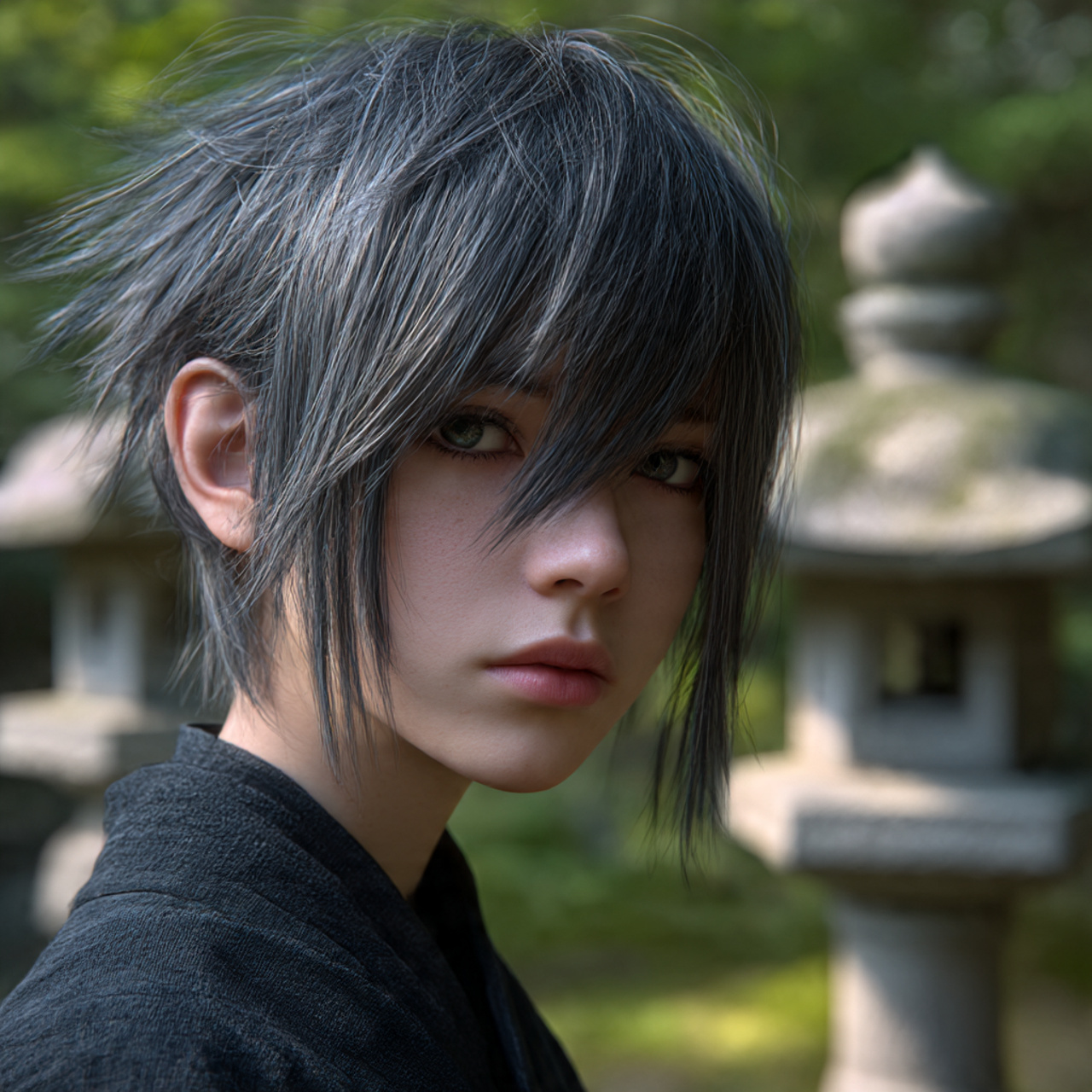
Feathered bangs in the Visual Kei tradition are nothing like the blunt or curtain fringes popular in mainstream styles. These are point-cut and sliced with a razor to create a soft, cascading texture that breaks apart naturally across the forehead. The goal is movement and mystery, not coverage or precision.
The best execution uses a dry-cutting technique where the stylist works on already-styled hair to see exactly how the fringe falls in its natural state. This prevents the most common feathered fringe mistake, which is cutting too much length off when the hair is wet and stretched.
Best for: Fine to medium hair with a naturally straight texture Product: Kenra Platinum Silkening Mist for separation; L’Oreal Elnett Satin Hairspray for a light finish that does not stiffen the movement Pro tip: Blow-dry the fringe forward while gently scrunching the ends upward so the feathered tips curl away from the face instead of falling flat against the forehead. Face shape: Heart and diamond face shapes Say this: “I want a heavily point-cut fringe that sweeps and separates on its own. Slice into the ends so they feather apart instead of landing blunt.”
Sharp Razor Cut
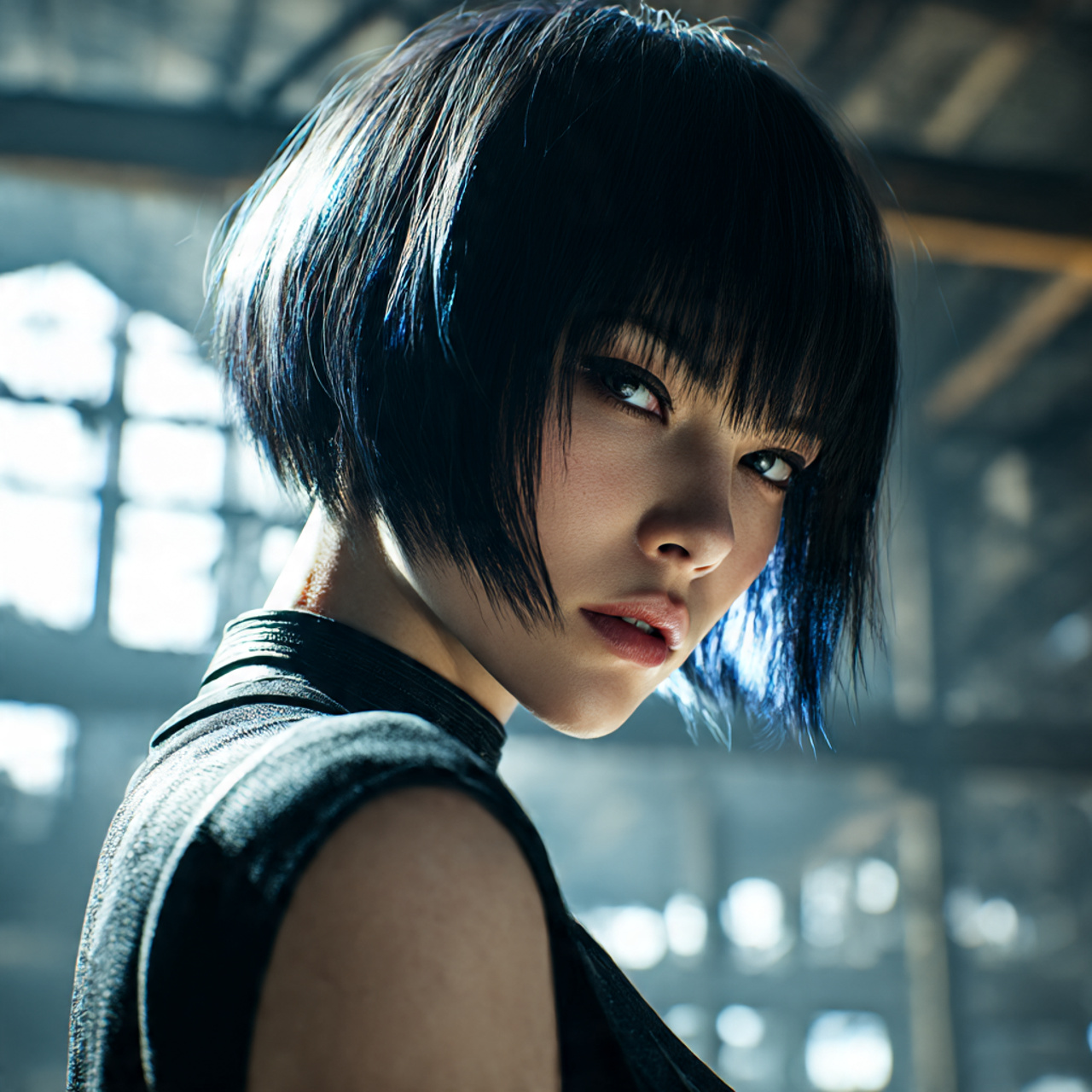
A true razor cut removes weight differently than scissors do. The blade thins and tapers each section so the ends fall into fine, separated points rather than blunt lines. This is exactly what creates the signature Visual Kei piecey texture that holds definition without needing excessive product to maintain its shape throughout the day.
The technique is most effective on straight or heat-straightened hair. On wavy or curly hair, razor cutting can cause unwanted frizz at the ends. The stylist needs to adjust the blade angle to avoid splitting the cuticle along the natural wave pattern.
Best for: Straight hair with medium density Product: American Crew Fiber for piece separation; Bumble and Bumble Spray de Mode for light hold between sections without flattening them Pro tip: Ask your stylist to razor only on dry hair after a blowout because wet razor cutting removes too much weight and eliminates the sharp definition the style depends on entirely. Face shape: Oval and square face shapes Say this: “I want a razor cut with fully tapered, piecey ends. No blunt lines anywhere. Use a dry-cutting technique and slice into each layer at an acute angle.”
Gothic Wave
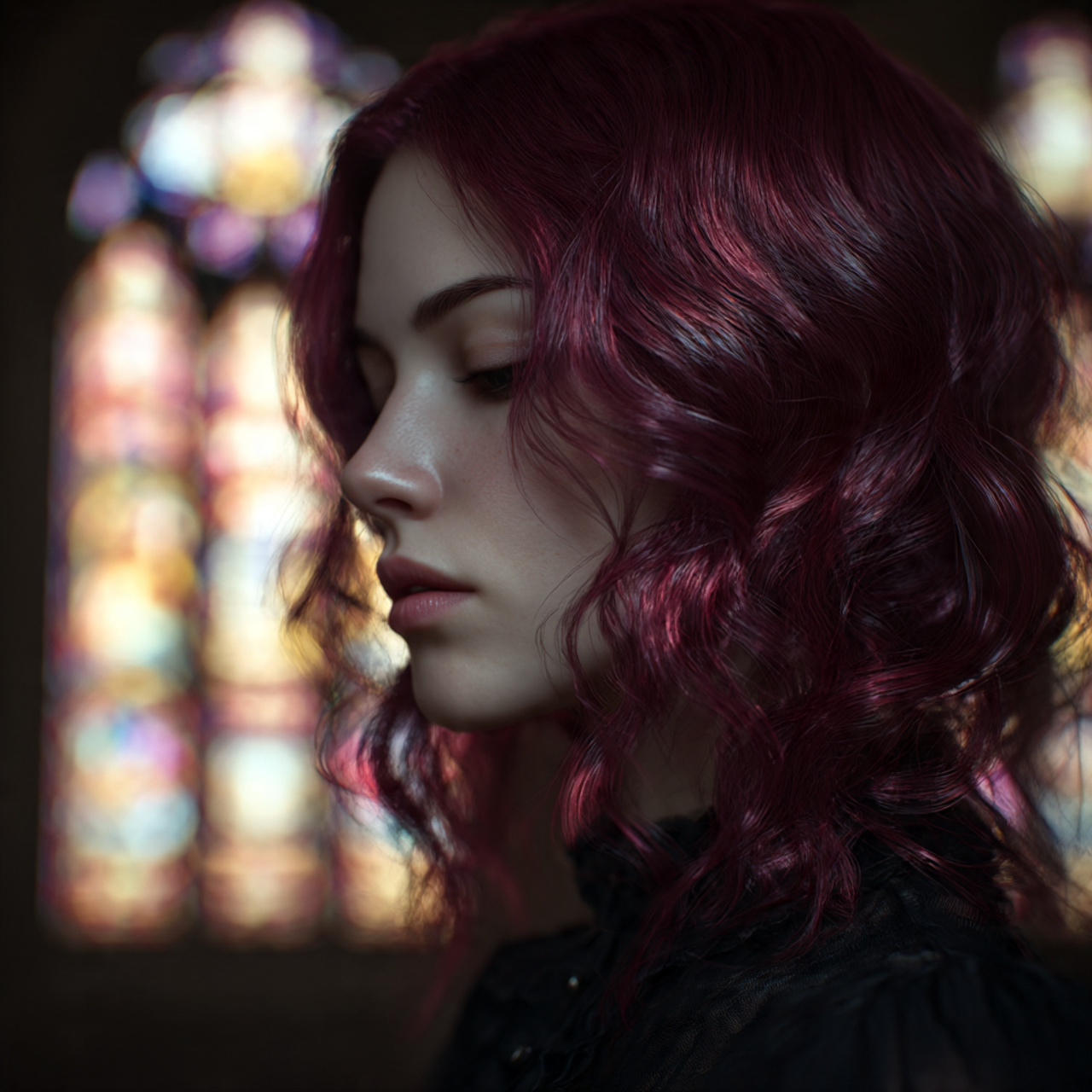
Gothic waves bring a Victorian heaviness to the Vkei look through long, cascading undulations that add depth and drama without relying on spikes or sharp angles. The key is placement. The waves should begin at mid-length rather than at the roots to keep the crown smoother and more controlled, with the fullness building toward the ends where it reads most dramatically.
Rich, deep color does most of the visual work in this style. Black, midnight blue, and burgundy absorb light in a way that makes the wave pattern appear almost three-dimensional. The cut needs substantial internal layering to allow the movement to sit correctly and not collapse into a single mass.
Best for: Long hair with medium to thick density Product: Conair InfinitiPro 1.25-inch curling wand; Moroccanoil Treatment as a finishing oil for definition and shine Pro tip: Section the hair into large horizontal panels before curling and release each wave in the same direction so the final result looks structured and intentional rather than loosely random. Face shape: Oblong and oval face shapes Say this: “I want long, layered hair cut specifically for wave styling. Keep the crown flat and build the layers toward the ends so the waves have room to move.”
Cyberpunk Spike

Cyberpunk spikes are not the casual bedhead spikes of everyday punk styling. Each spike is a sculpted, independent structure that stands on its own and reads like a geometric component of a larger architectural design. The sides are cut very short to isolate the top sections and give the standing spikes maximum visual height and definition against a clean background.
The difference between a Vkei cyberpunk spike and a standard spike is rigidity. These should look almost synthetic. Using two products in deliberate layers, a dense wax underneath for structure and a high-hold paste on the surface, gives each spike that industrial and non-organic finish that separates this from conventional styling.
Best for: Short hair with any density Product: Gatsby Moving Rubber Spiky Edge wax for the base; Got2b Glued Styling Spiking Glue for the outer layer finish Pro tip: Use a thin-barrel flat iron to press each spike section into a flat, blade-like shape before adding product so the structure starts sharp rather than round. Face shape: Oval and heart face shapes Say this: “I want short, disconnected sections on top cut specifically for geometric spiking. Keep the sides very tight and leave the top sections at least three inches of clean, workable length.”
Long, Straight Shag

The shag haircut is one of the most technically demanding cuts to execute correctly because the layers must graduate seamlessly from crown to ends without a visible transition line between them. In a professional environment, this typically requires a combination of point cutting, slide cutting, and freehand razor work applied to different sections of the same head. This is an E-E-A-T detail that separates a correctly built shag from the version most stylists deliver.
The Vkei version of the shag is longer than its 70s inspiration, with layers designed to blend into a heavy fringe and cascade over the shoulders. The texture lives in the cut structure rather than the product, which makes this one of the more manageable options for daily wear on this entire list.
Best for: Long to extra-long hair with fine to medium density Product: Oribe Dry Texturizing Spray for separation without adding weight; Redken Extreme Length Sealer Conditioner to protect the length between appointments Pro tip: Have your stylist use a slide-cutting technique specifically on the front layers so the fringe blends into the length without a hard visible line at the point of transition. Face shape: Round and square face shapes Say this: “I want a long shag with heavy internal layering and a blended fringe. No blunt lines anywhere. Use slide cutting on the front sections to eliminate transitions.”
Manga-Inspired Fringe

The manga fringe is one of the most precision-dependent cuts in the entire Visual Kei repertoire. The line across the forehead must be absolutely uniform because any unevenness reads immediately as an error rather than a stylistic decision. The fringe is dense and heavy, sitting just above the eyes in a perfect horizontal arc that demands constant upkeep.
Getting this right depends entirely on the stylist cutting the fringe dry and referencing the natural hairline rather than the scalp. Hair shrinks measurably when dry compared to its wet, stretched state, which means cutting wet almost always produces a fringe that sits too high and loses its defining geometric quality.
Best for: Straight hair with medium to high density Product: Wella Professionals EIMI Mega Wet Gel to set the shape; Schwarzkopf Professional Osis Plus Freeze for long-term hold throughout the day Pro tip: Schedule a fringe trim every three weeks maximum because even a quarter inch of new growth softens the hard geometric line that makes this style visually distinctive. Face shape: Oval and oblong face shapes Say this: “I want a blunt, heavy fringe cut on dry hair, curved slightly to follow my hairline. No feathering. No thinning. Keep the line hard and completely uniform.”
Color Block Tress

Color blocking turns the haircut into a graphic composition by using defined panels of contrasting color as core design elements rather than accent features. The sections must be separated cleanly, which means the underlying cut needs blunt, visible layer lines rather than blended transitions. Blending softens the block edges and undermines the entire visual concept.
The most impactful pairings use high contrast combinations: jet black against platinum white, deep violet against neon yellow, midnight blue against fire orange. The color placement must mirror the architecture of the cut to reinforce the structural lines rather than compete against them.
Best for: Medium to long hair with any density Product: Arctic Fox Semi-Permanent Hair Color for vivid panels; Joico Color Intensity for deep, saturated retention in the darker sections Pro tip: Seal each color section with a cold water rinse after every wash because heat from warm water opens the cuticle and causes vivid shades to fade in uneven, patchy lines instead of evenly. Face shape: Oval and square face shapes Say this: “I want cleanly separated color blocks. The cut needs visible layer lines rather than blended transitions so the color panels read as intentional geometry.”
Two-Tone Split
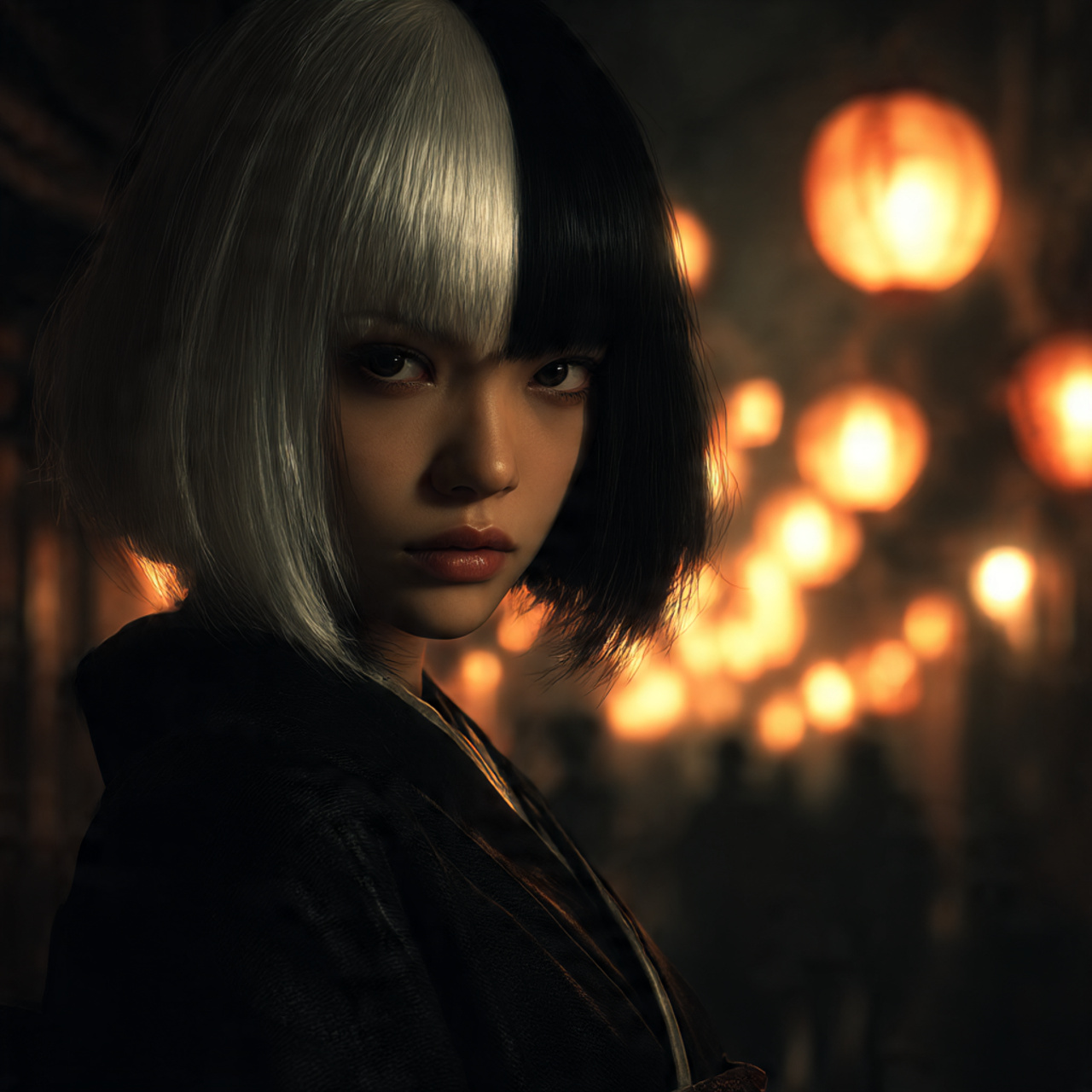
Achieving a true two-tone split requires decolorizing one side to a level 10 before applying the vivid contrasting shade. Attempting to apply a bright color over unlifted, natural hair produces a muddy and uneven tone that completely defeats the clean split effect. This technical detail is what separates a professional result from a failed DIY attempt, and it is almost never mentioned in standard color guides.
The split line itself must be precise. The stylist parts the hair along the intended color boundary and applies barrier cream to the scalp before beginning either side. Even minor bleeding across the line softens the effect enough to significantly reduce its visual impact.
Best for: Medium to long hair with any density Product: Manic Panic Ultra Violet on one side; Manic Panic Vampire Red on the other; Fanola No Orange Shampoo to maintain the lifted panel between appointments Pro tip: Style the hair so the color boundary runs directly along your natural part because any gap between the part line and the color division makes the split look accidental rather than deliberate. Face shape: Oval and oblong face shapes Say this: “I want a clean two-tone split with a hard color boundary along my part. Pre-lighten the vivid side to level 10 first and use barrier cream along the division line.”
Gravity-Defying Lift
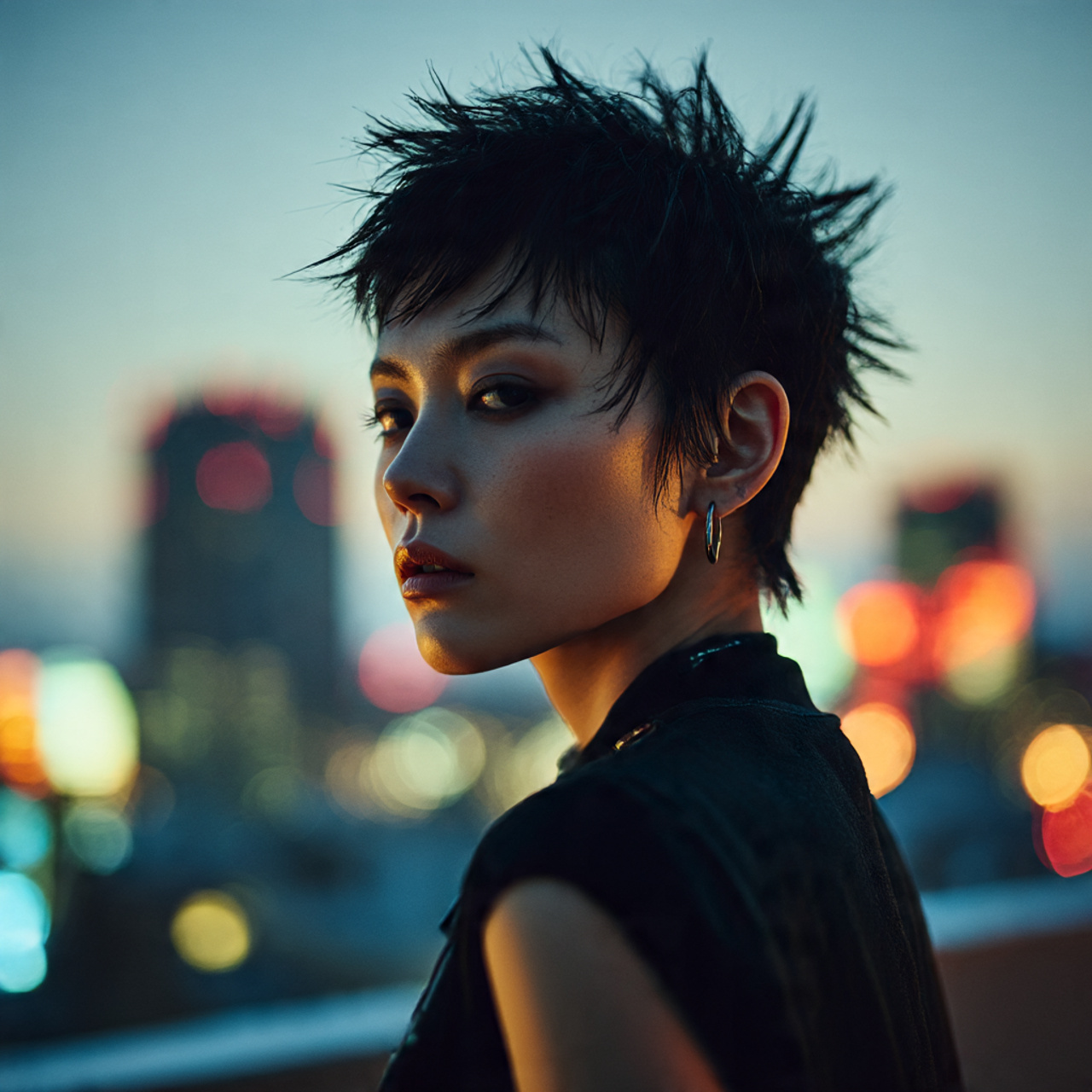
Gravity-defying lift is the Visual Kei equivalent of architectural engineering applied to hair. The goal is vertical height that extends straight upward from the crown and holds its shape for hours without assistance. The foundation is built by back-combing the under-sections until they form a compact base that supports the top pieces from below rather than relying on the outer surface for structure.
This is the one Vkei style where hairspray quality matters more than the wax or paste. The spray sets the structure at each stage of building, locking each back-combed layer in place before the next one is added on top. Skipping this step between layers causes the height to gradually lean and eventually collapse under its own weight.
Best for: Medium length hair with medium to high density Product: Kenra Platinum Silkening Spray for the back-combed base structure; Paul Mitchell Freeze and Shine Super Spray for locking each stage before moving to the next Pro tip: Back-comb each section in the same direction and mist it with Paul Mitchell Freeze and Shine before moving to the next layer so the base stays compact instead of shifting sideways. Face shape: Round face shapes Say this: “I need a cut with textured, graduated layers underneath the top sections designed specifically to hold vertical volume. Leave the top sections long and clearly disconnected.”
Mid-Length Texture
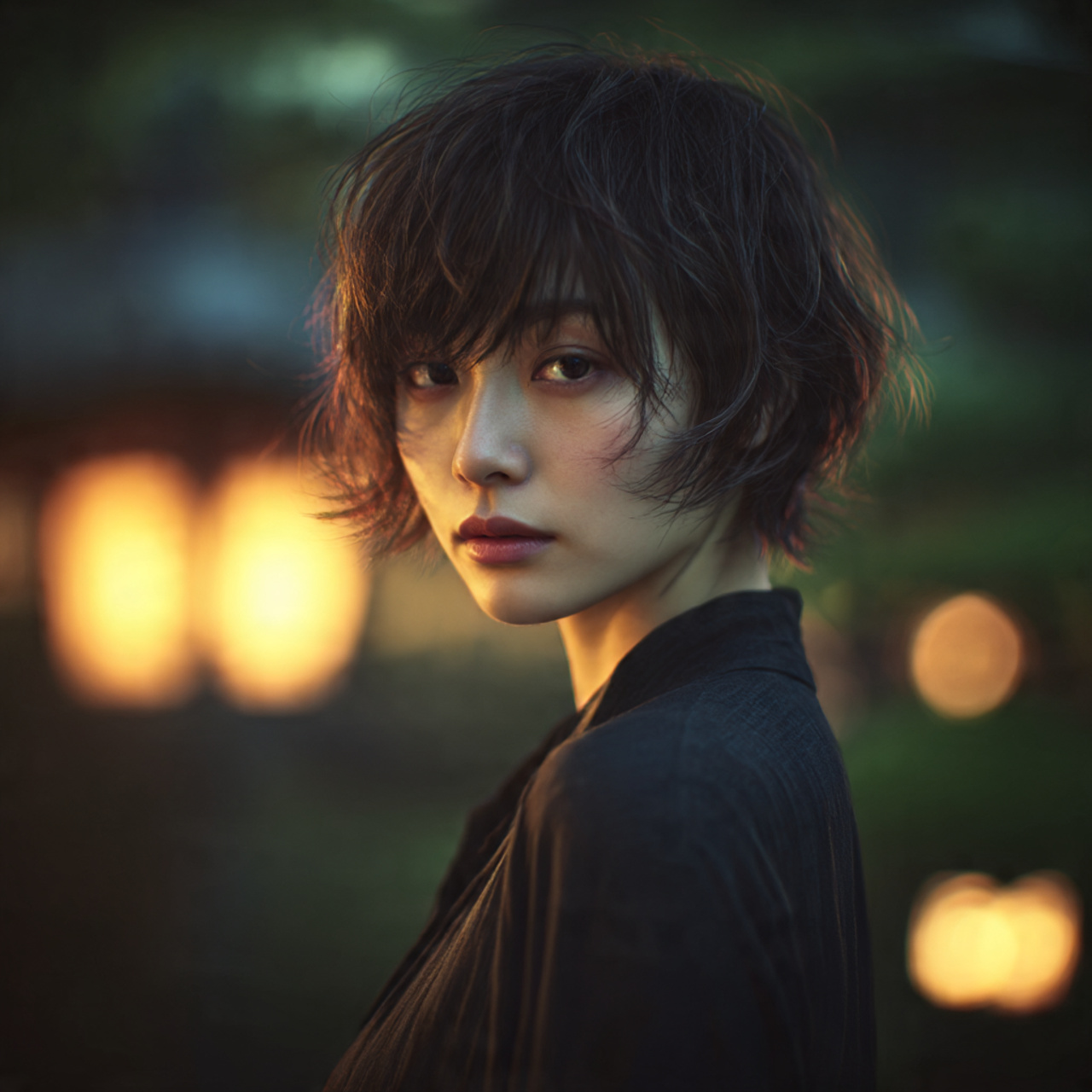
Mid-length texture is where Visual Kei becomes genuinely accessible without sacrificing drama. The hair falls between the chin and the shoulder, and the internal layering creates movement and density that reads as intentional rather than simply unstyled. This length also reduces daily styling time significantly compared to most other styles on this list.
The Vkei element enters through color and texture application rather than extreme structure. Deep jewel-toned underlayers in sapphire or blood red reveal themselves during movement, adding visual interest without the full commitment of a color service on every visible section.
Best for: Medium length hair with any density Product: Redken Curvaceous Full Swirl Cream for texture definition; Kevin Murphy Night Rider Finishing Paste for controlled piece separation Pro tip: Apply Kevin Murphy Night Rider Finishing Paste to the mid-lengths and ends only because applying it at the roots collapses the volume and reduces the structural dimension the cut depends on. Face shape: Round and heart face shapes Say this: “I want a mid-length cut with heavy internal layering. The outside length should sit between my chin and shoulders with clear texture and natural movement built in.”
Romantic Curl
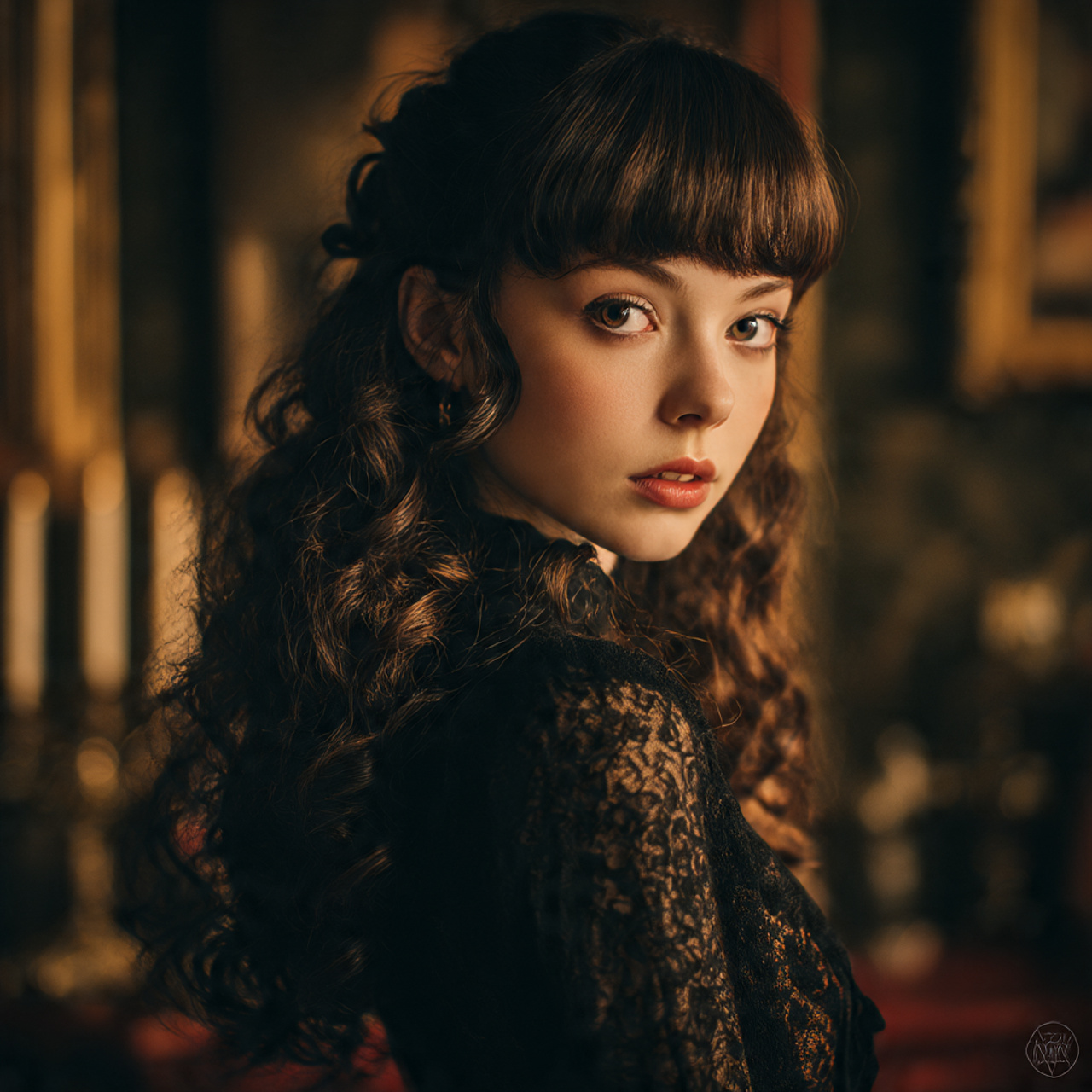
Romantic curls in Vkei require a curling approach that most stylists do not apply by default. Using a large-barrel wand creates the right shape, but the direction of each wrap must alternate consistently throughout the head. Curling all sections in the same direction produces a uniform, commercial look. Alternating the direction with each wrap creates the layered, dimensional result that reads as genuinely luxurious rather than salon-styled.
The cut underneath is as important as the technique. Long hair with heavy internal graduation allows each curl to sit independently rather than stacking into clumps. Without the right structure from the cut itself, even technically perfect curls will look flat and dense.
Best for: Long hair with medium to thick density Product: Conair InfinitiPro 1.5-inch curling wand; Moroccanoil Curl Defining Cream for frizz control in the spaces between curls Pro tip: After releasing each curl from the wand, hold the section vertically in your palm for 30 seconds before dropping it so the ringlet sets tightly before it stretches under its own weight. Face shape: Oblong and square face shapes Say this: “I want long layers with heavy internal graduation specifically cut for romantic curl styling. I need the layers to allow individual curl separation rather than stacking.”
Undercut Reveal
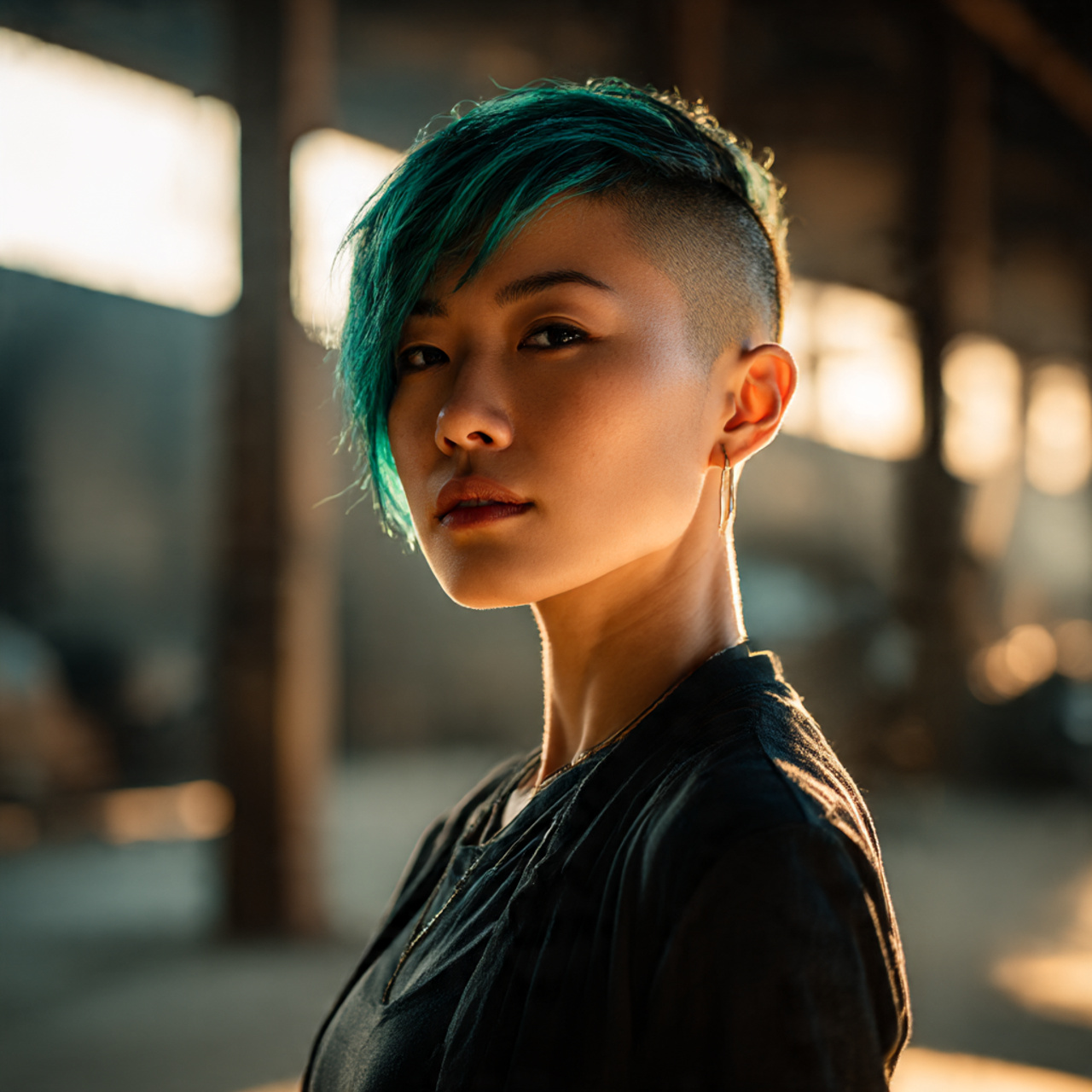
The undercut reveal is one of the most versatile structural concepts in Visual Kei because it functions effectively in two completely different environments. The long top layer creates a conventional silhouette when worn down, and the shaved or closely clipped undercut becomes visible only when the hair is pulled up or pinned aside. This dual function has made it one of the most widely requested alternative cuts across mainstream salons.
The undercut section can be dyed a vivid contrasting color or etched with a geometric design for maximum impact during the reveal moment. Confirming that the top layer is long enough to provide complete coverage when worn loose is the single most critical measurement before any clippers are used.
Best for: Medium to long hair with any density Product: Wahl Professional 5-Star Series Magic Clip for undercut precision; Bumble and Bumble Sumo Tech for styling the top layer with flexible hold Pro tip: Have your stylist measure the top layer while it is worn down and visually confirm it covers the undercut completely before they begin cutting the shaved section. Face shape: Oval and heart face shapes Say this: “I want a full undercut that stays completely hidden when my hair is down. Keep the top long enough to cover the shaved section entirely and leave me room to style it dramatically when pulled up.”
Half-Up, Half-Down
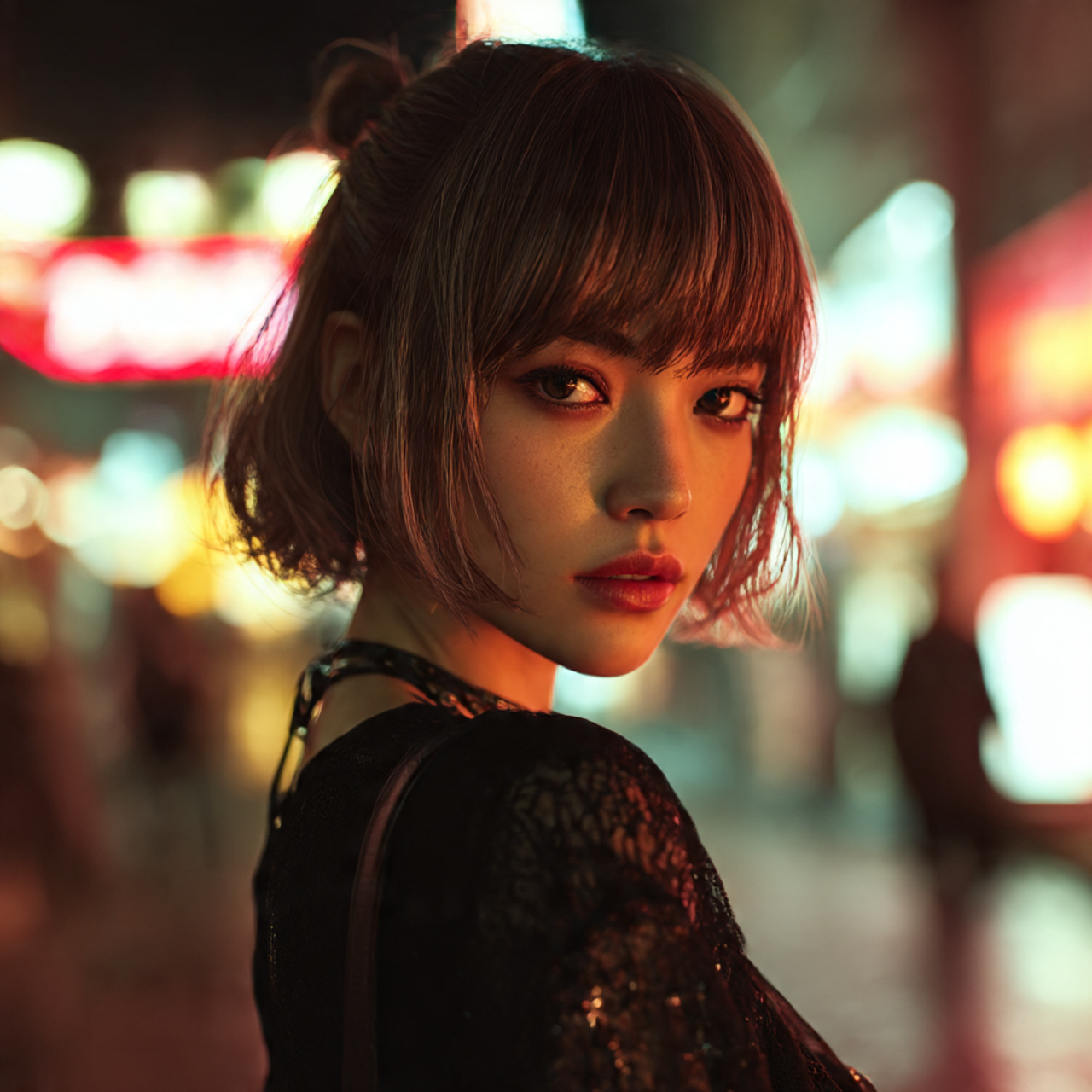
The half-up, half-down format in Vkei turns the upper portion of the hair into a vertical sculptural element while allowing the lower half to cascade and add horizontal width and movement. The combination of upward structure and downward flow creates one of the most theatrical silhouettes in the entire Visual Kei catalog, and it performs particularly well under stage lighting.
The styling complexity is high, but the foundational cut can remain relatively straightforward. Long, graduated layers throughout the length allow the bottom half to move with natural drama, freeing all the product and technique to be concentrated on the elevated top section where the visual impact is centered.
Best for: Long hair with medium to high density Product: Got2b Glued Styling Spiking Glue for the upper section structure; TIGI Bed Head Masterpiece Massive Shine Hairspray for the cascading lower half Pro tip: Place bobby pins inside the pinned section in an X formation rather than in parallel lines so the structure holds its shape without flattening or twisting when the head moves. Face shape: Oval and oblong face shapes Say this: “I want long layers with enough density to style the top half into a dramatic standing structure while the bottom half stays loose and full.”
Classic 90s Fluff

The classic 90s fluff is the founding silhouette of Visual Kei, and its appeal in 2025 is rooted in its organic chaos. This look is not about precision. It is about volume moving in every direction simultaneously, creating a dark, dramatic halo around the face that surrounds it with controlled disorder. Getting this right is less about products and more about a specific blow-dry technique.
The key product here is a lightweight texturizing spray rather than a heavy wax. Weight is the direct enemy of this style. The goal is maximum surface area with minimum density so the hair appears to float outward rather than sit against the head in heavy sections.
Best for: Medium length hair with medium to high density Product: IGK Prenup Instant Renewal Hair Mask as a pre-style treatment; Kenra Platinum Dry Texture Spray Volume 6 for building body without adding weight Pro tip: Blow-dry the hair completely upside down using a diffuser attachment on medium heat to maximize root lift before back-combing because this builds volume from the scalp outward rather than from the surface inward. Face shape: Oblong and square face shapes Say this: “I want medium-length hair with lots of feathered layering. The goal is organic, outward volume with a soft finish. No spikes and no sharp edges anywhere.”
Dark and Angular

Dark and angular Vkei is the most architectural category on this list. Every line is intentional, every angle is sharp, and the deliberate absence of volume is as calculated as the extreme presence of it in styles like Extreme Volume and Gravity-Defying Lift. Jet black or deepest midnight blue color maximizes the sharpness of the cut lines by absorbing light rather than reflecting it, which prevents the angles from softening visually.
The cut requires scissor-over-comb precision at every transition and zero blending at the exterior line. Even a small amount of graduation softens the angles enough to remove the severe, geometric quality that defines this style entirely.
Best for: Short to medium hair with medium to high density Product: Kerastase Discipline Fluidissime Anti-Frizz Spray to control surface texture; Redken Brews Extreme Wax for defining the angular edges Pro tip: Use a flat iron on every section before applying any product because even minor wave or bend in the hair softens the cut angles and reduces the precision the style depends on. Face shape: Round and oval face shapes Say this: “I want sharp, blunt angles with zero blending at the ends. No graduation anywhere. The exterior lines must be severe. Cut everything on dry hair after a blowout.”
Soft Emo Blend

The overlap between Visual Kei and Western emo is a frequent point of confusion even among experienced alternative stylists. The practical difference is in weight distribution. Emo cuts carry most of their visual weight in the fringe and front sections. Vkei cuts distribute weight more evenly across the entire head. The soft emo blend bridges these two approaches by taking the Vkei overall structure and deliberately shifting the weight forward and toward the face.
This creates a style that reads as dramatic and alternative without requiring the full theatrical commitment of a pure Vkei cut. It functions as a strong, gradual entry point for clients transitioning into the aesthetic for the first time.
Best for: Medium to long hair with fine to medium density Product: Schwarzkopf Osis Plus Smooth and Shine Serum for controlling the sweeping side fringe; Joico Structure Paste for adding definition to the interior layers Pro tip: Have your stylist cut the side fringe so it falls across the eye when the hair is completely dry because cutting at eye level when wet almost always produces a fringe that sits too high once it dries and contracts. Face shape: Heart and oval face shapes Say this: “I want a Vkei-influenced cut with the weight brought forward. Heavy side fringe, lots of interior layering, and softer angles than a standard sharp Vkei cut.”
High-Contrast Color

High-contrast color in Vkei is not about saturating the entire head in vivid shades. The placement is strategic and unexpected. Neon accents hidden beneath the top layer or saturated color woven into the interior sections create movement-activated visual interest that shifts and reveals itself every time the hair moves through space.
This technique was developed by J-rock session stylists who needed looks that could transition between broadcast environments and live performance without a full restyling between. The placement ensures that the color reveals itself based on how the hair falls during movement rather than being permanently and uniformly visible at rest.
Best for: Long to extra-long hair with any density Product: Pulp Riot Neon Collection for vivid interior panels; Kenra Platinum Color Charge Color Protecting Spray to maintain the contrast between appointments Pro tip: Apply the vivid color specifically to sections that sit directly beneath the top layer so the reveal is controlled by how the hair parts and moves rather than being permanently visible from all angles. Face shape: Oval and oblong face shapes Say this: “I want high-contrast vivid color placed specifically in the underlayers. The top layer should cover it at rest but reveal it clearly when my hair moves or is pulled up.”
Choppy Disconnection

Choppy disconnection removes the blending that most haircuts depend on to appear finished and polished. The result is a series of layers that exist at dramatically different lengths with deliberate visible gaps between them. The style functions because those gaps create shadow and depth, giving the hair a three-dimensional quality that cannot be achieved through standard connected layering.
A razor is essential for this technique. Scissors produce too clean an edge at each layer transition and reduce the deliberately fragmented effect that defines this category. The goal is intentional disruption, not accidental unevenness.
Best for: Short to medium hair with medium to high density Product: American Crew Pomade for controlling which sections stay separated; TIGI Bed Head Manipulator Texturizing Putty for adding grip between the disconnected pieces Pro tip: Ask your stylist to work section by section and deliberately avoid blending between each transition so the gaps remain visible and the fragmented texture reads as a design choice rather than an oversight. Face shape: Oval and square face shapes Say this: “I want intentionally disconnected layers with no blending between sections. Use a razor for the ends and keep every transition harsh and visible.”
Dramatic Side Sweep

The dramatic side sweep creates a silhouette dominated entirely by one side of the head. The hair moves from a severe side part across the face, covering one eye and building in volume as it sweeps toward the shoulder. The opposite side is clipped short or buzzed to eliminate any visual competition and direct all attention toward the sweeping mass of hair on the dominant side.
The balance between the two sides determines whether this style reads as intentional or simply overgrown on one side. Too much length on the short side reduces the weight disparity that creates the drama. The contrast needs to be strong enough to register clearly from several feet away.
Best for: Long to extra-long hair with medium to high density Product: Kenra Platinum Silkening Mist for smoothing the sweep; Got2b Glued Styling Spiking Glue for securing the clipped side close to the head Pro tip: Blow-dry the sweep side using a Dyson Supersonic on the high-heat setting in the direction of the desired fall so the hair locks into the sweeping angle before any product is added. Face shape: Round and oblong face shapes Say this: “I want a dramatic side sweep with extreme length on the sweep side and a very tight cut or buzz on the opposite side. The contrast between the two sides should be as strong as possible.”
Visit Also: Rachel Green Haircut
Mullet Interpretation

The Vkei mullet takes the classic 80s shape and applies Visual Kei structural principles to all three of its zones. The sides are cropped to near-nothing, the top is styled into a standing and voluminous structure, and the back grows long and heavily layered below the shoulder line. Each zone must carry a distinct visual purpose or the style reads as a vintage reference rather than a genuine Vkei statement.
Color separation between the top and back sections elevates this from throwback to composition. Using contrasting shades in each zone turns the mullet into a visual design that reads differently depending on the viewer’s angle, which is a hallmark of strong Visual Kei construction.
Best for: Any combination of lengths with the back grown long; medium density preferred Product: Schwarzkopf Professional Silhouette Super Hold Spray for the top section; Olaplex No. 6 Bond Smoother for maintaining the long back section between color services Pro tip: Ask your stylist to cut the back section in long, heavily disconnected layers rather than a single even length because this creates genuine movement and drama instead of a flat curtain hanging from the crown. Face shape: Oval and oblong face shapes Say this: “I want a true Vkei mullet with tightly cropped sides, a voluminous styled top, and long, heavily layered back sections. Think three completely separate zones with distinct purposes.”
Bob-Length Volume

Achieving Vkei-level volume in a bob requires a cutting approach that most mainstream stylists are not trained to provide. The key is internal graduation combined with what are called back-combing channels: sections cut slightly shorter than the surrounding hair to act as anchors during styling. Standard bobs skip this architectural step entirely, which is exactly why they look flat compared to a properly built Vkei bob.
This style proves that drama is a structural quality rather than a length requirement. Chin-to-jaw length hair with the right internal architecture holds as much visual weight as styles twice as long, which makes this one of the most underestimated options in the entire Visual Kei catalog.
Best for: Short to medium hair with any density Product: Bumble and Bumble Thickening Dryspun Texture Spray for pre-styling lift; Kenra Platinum Silkening Spray for smoothing only the outer surface after back-combing is complete Pro tip: After back-combing, smooth only the outermost surface layer with a paddle brush and do not press into the internal structure or you will collapse the volume before it sets into shape. Face shape: Oblong and heart face shapes Say this: “I want a Vkei bob with internal graduation and maximum volume. Cut shorter channels inside the structure to anchor the back-combing. This is not a standard bob.”
Metallic Tinsel Strand

Metallic tinsel strands are a low-commitment, high-impact method of adding a synthetic and futuristic dimension to any existing Vkei cut without a chemical process. The strands are looped and knotted directly into sections of natural hair near the roots, allowing them to hang and catch light alongside the natural hair with complete freedom of movement.
The best placement is in the fringe or the front face-framing sections where the metallic flash activates on every movement. On dark hair, silver or holographic tinsel creates the highest contrast. On lighter hair, gold or rose-gold registers more dramatically and adds warmth to the overall palette.
Best for: Any length and any hair type Product: Glam Seamless Metallic Tinsel Hair Extensions for kink-resistant strands that lay flat alongside natural hair without bunching Pro tip: Insert tinsel strands in small, irregular clusters rather than evenly spaced rows so the placement looks organically scattered rather than mechanically applied. Face shape: All face shapes Say this: “I want metallic tinsel strands placed in my fringe and face-framing sections. Cluster them irregularly so the placement looks intentional and artistically scattered.”
Accessory Integration

Accessory integration requires the haircut to be designed with the accessories as part of the brief from the very beginning of the appointment. Sections must be pre-planned to accommodate the size, weight, and placement of structural elements like chains, oversized bows, or leather straps. Cutting the hair first and then attempting to add accessories afterward produces elements that compete with the style rather than extending it.
The practical approach is to bring your accessories to the appointment and have the stylist cut around them directly. Two front sections framing a large headpiece or a specific section prepared for chain braiding must be measured and positioned while the accessories are physically present before any cutting begins.
Best for: Long hair with medium to high density Product: Amscan Metallic Braid Trim for chain integration into braided sections; Revlon One-Step Volumizer for building the base volume before the accessories are added Pro tip: Bring the actual accessories to your appointment and have your stylist use them as a physical template for section placement so the cut and the accessories function as a single unified design from the start. Face shape: Oval and oblong face shapes Say this: “I am designing my cut around specific accessories. I will bring them to the appointment. I need sections deliberately cut to frame and accommodate each piece.”
Fauxhawk Structure

The fauxhawk offers full Vkei structural drama without the permanent commitment of a true mohawk shave. The sides are kept at a length that allows them to lay completely flat against the head with product, and the central crest is built upward from the existing hair using product and technique alone. The style is fully reversible, which makes it ideal for navigating different environments across a single day.
The Vkei version maximizes the visual height of the central crest through color contrast. Bright electric blue, red, or white in the hawk section against fully slicked-down dark sides creates a level of visual separation that makes the style read as theatrical even at a distance. The quality of the slick-down product on the sides is as important as the hold product in the crest.
Best for: Short to medium hair with medium to high density Product: Gatsby Moving Rubber Spiky Edge for the crest structure; Redken Brews Extra Heavy Pomade for pulling the sides down completely flat Pro tip: Apply Redken Brews Extra Heavy Pomade to the sides while the hair is still slightly damp and use a fine-tooth comb to pull every strand flat before building the hawk section so there is no competing volume on either side. Face shape: Round and oval face shapes Say this: “I want a fauxhawk with the sides long enough to lay flat with product. Leave a clearly defined central crest and cut the side sections to lay cleanly without bunching at the ears.”
Natural Texture Enhancement

Natural texture enhancement is the most inclusive approach in the entire Visual Kei spectrum. It works with the hair’s existing wave or curl pattern instead of overriding it, using layering to reduce bulk and encourage movement while dramatic color and fringe placement deliver the Vkei visual impact. The straightening assumption that surrounds most Vkei content has historically excluded people with naturally thick or textured hair from the aesthetic entirely.
This approach changes that. Vivid color placement that follows the natural curl pattern, combined with a heavy textured fringe, produces genuine Visual Kei impact without a single flat iron. The Vkei element is in the color choice and the fringe architecture, not in conforming to a straight-hair template.
Best for: Any length with a natural wave or curl pattern; medium to thick density Product: DevaCurl SuperCream Coconut Curl Styler for defining the natural pattern between styling sessions; Arctic Fox Sunset Orange as a vivid highlight color placed along the curl panels Pro tip: Have your stylist cut the fringe on dry hair using the natural texture as the guide because cutting wet, stretched curl produces a fringe that springs up significantly shorter than intended once it dries and contracts. Face shape: Oval and square face shapes Say this: “I want my natural texture enhanced with heavy internal layering. Add a Vkei-style fringe and design the length to work with my natural pattern, not against it.”
Quick Comparison Table
| Style | Length | Hair Type | Maintenance | Bold Factor |
|---|---|---|---|---|
| Asymmetrical Layering | Medium to Long | Straight | Medium | ★★★★☆ |
| Extreme Volume | Medium to Long | Thick | High | ★★★★★ |
| Feathered Front Bang | Any | Fine to Medium | Medium | ★★★☆☆ |
| Sharp Razor Cut | Short to Medium | Straight | High | ★★★★☆ |
| Gothic Wave | Long | Medium to Thick | Medium | ★★★★☆ |
| Cyberpunk Spike | Short | Any | High | ★★★★★ |
| Long, Straight Shag | Long | Fine to Medium | Low | ★★★☆☆ |
| Manga-Inspired Fringe | Medium to Long | Straight | Very High | ★★★★☆ |
| Color Block Tress | Medium to Long | Any | Medium | ★★★★★ |
| Two-Tone Split | Medium to Long | Any | High | ★★★★★ |
| Gravity-Defying Lift | Medium | Medium to Thick | Very High | ★★★★★ |
| Mid-Length Texture | Medium | Any | Low | ★★★☆☆ |
| Romantic Curl | Long | Medium to Thick | Medium | ★★★★☆ |
| Undercut Reveal | Medium to Long | Any | Medium | ★★★★☆ |
| Half-Up, Half-Down | Long | Medium to Thick | High | ★★★★★ |
| Classic 90s Fluff | Medium | Medium to Thick | Medium | ★★★★☆ |
| Dark and Angular | Short to Medium | Medium to Thick | Medium | ★★★★☆ |
| Soft Emo Blend | Medium to Long | Fine to Medium | Low | ★★★☆☆ |
| High-Contrast Color | Long | Any | Medium | ★★★★★ |
| Choppy Disconnection | Short to Medium | Medium to Thick | Medium | ★★★★☆ |
| Dramatic Side Sweep | Long | Medium to Thick | High | ★★★★★ |
| Mullet Interpretation | Mixed | Medium | High | ★★★★★ |
| Bob-Length Volume | Short to Medium | Any | Medium | ★★★★☆ |
| Metallic Tinsel Strand | Any | Any | Low | ★★★☆☆ |
| Accessory Integration | Long | Medium to Thick | High | ★★★★☆ |
| Fauxhawk Structure | Short to Medium | Medium to Thick | High | ★★★★★ |
| Natural Texture Enhancement | Any | Wavy to Curly | Low | ★★★☆☆ |
Frequently Asked Questions
What makes vkei haircut ideas structurally different from standard alternative hairstyles? Vkei haircut ideas are built on architectural cut structure first, meaning the shape is engineered into the hair before any product is applied. Standard alternative styles typically create their effect through product application alone, which means the result collapses as soon as the product is washed out.
Which of these styles work best for naturally thick hair? Thick hair performs best in volume-forward styles like Extreme Volume and Gravity-Defying Lift because the natural density provides internal scaffolding without needing as much product to hold the shape. The priority is ensuring your stylist removes weight strategically through internal layering so the thickness works for the structure rather than against it.
How frequently do Vkei cuts need maintenance appointments? Precision-dependent styles like Manga-Inspired Fringe and Sharp Razor Cut require appointments every three to four weeks to keep the defining lines from softening as the hair grows. Volume-based styles like Classic 90s Fluff and Mid-Length Texture can extend to six or eight weeks between cuts without the structural quality degrading noticeably.
Can any of these styles be adapted for a professional setting during the week? The Undercut Reveal is the most adaptable because the shaved section stays fully hidden under the top layer during professional hours. Mid-Length Texture and Long, Straight Shag are also workable in most environments because the Vkei element is carried in the color and texture rather than in an extreme cut structure.
What is the best beginner product to start with for Vkei styling at home? TIGI Bed Head Hard Head Mohawk Gel is one of the most versatile starting products because it provides strong hold without needing heat activation and rinses out completely with water, leaving no residue. Beginning with a gel before progressing to waxes and pastes lets you learn how your specific hair structure responds to product before investing in more complex layered techniques.
Final Thoughts
Choosing from this collection of vkei haircut ideas is the beginning of a process, not a single decision. Every style listed here becomes something different once it meets your specific hair type, face shape, and personal aesthetic. That is not a complication. That is the entire point of Visual Kei.
The technical detail in this guide exists because the difference between a Vkei cut that works and one that disappoints is almost always structural. A strong foundational cut makes the styling easier, holds longer under real conditions, and photographs significantly better than any level of product investment can compensate for.
The words-to-say section in every item is there because the conversation with your stylist is the most important part of the process. Most stylists need a specific brief, and most clients do not know how to provide one. That gap is where great concepts get lost in translation.
Here is the insight that separates a stylist who truly understands Vkei from one who is working from photos alone: every high-impact Vkei look you have ever admired was built on a cut structure that was invisible to you. The styling was just the reveal.
Save this pin and share it with anyone searching for their next Vkei transformation.