27 Best Hairstyle for You Ideas That Will Completely Change How You See Yourself
Finding the best hairstyle for you should feel exciting, but most people walk out of the salon feeling quietly disappointed and unable to say why. You showed your stylist the photo. You sat through the process. The result still missed. That gap between the image in your head and the mirror in front of you is one of the most common frustrations in personal care.
You are not alone in that cycle, and it is not a failure of taste. Most people choose styles based on what looks good on someone else, without considering the face shape, hair texture, and daily routine that make it work on that person specifically. The inspiration was real. The application just did not account for the variables.
The root cause is almost always a structural mismatch. A cut that looks stunning on a fine-haired oval face looks nothing like itself on a round face with dense, coarse texture. Choosing a style is not about finding what is beautiful in isolation. It is about finding what is structurally compatible with your actual features.
After a decade behind the chair and training under senior educators in European precision cutting and texture-specific methods, these patterns become unmistakable. The cuts that consistently perform best are never the ones pulled from trending posts. They are built around the client’s actual structure, hair behavior, and an honest daily routine.
This guide breaks down 27 styles matched to specific face shapes, textures, and maintenance preferences. Every entry covers what the style is, why it works structurally, which product to use, and exactly what to say when you sit in the chair.
By the time you finish reading, you will have a clear, confident answer to the question you keep circling. The best hairstyle for you is not a matter of luck. It is a decision built on structure, and this list gives you what you need to make it.
Before the list begins, one rule overrides every trend: the best hairstyle for you must work with your natural texture first. In 2026, a growing number of professional stylists are shifting toward texture-first cutting methods, and their clients consistently leave with better results. Your texture is not the obstacle. It is the starting point.
Best Hairstyle for You Ideas
Hairstyles for Oval Face Shapes

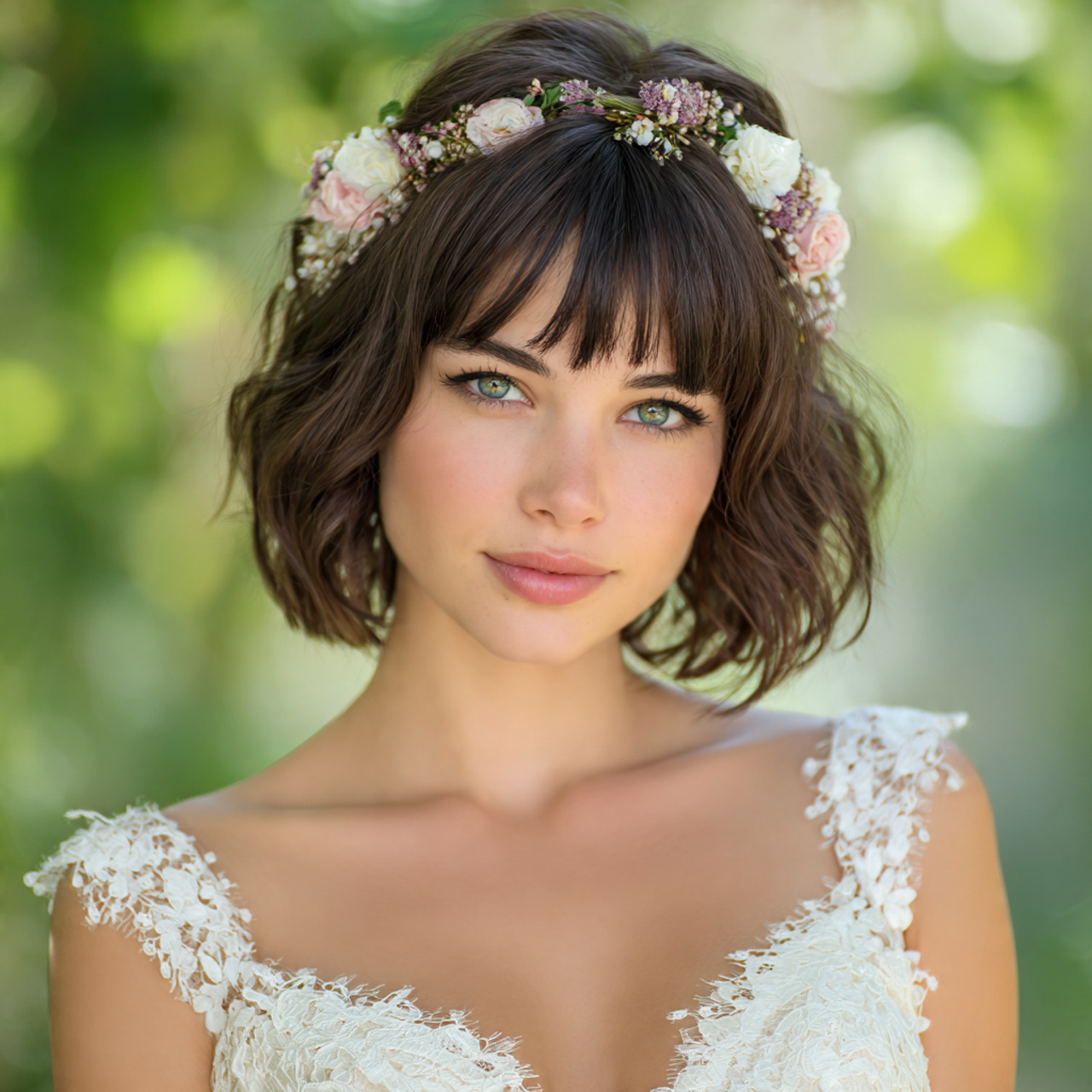
Oval face shapes carry natural symmetry that offers the widest range of options available, but flexibility still requires a deliberate structure to look its best. The goal is to frame that symmetry with movement, not cover it. A lob landing just below the collarbone with soft interior layers achieves this without competing with the face’s natural proportions. Curtain bangs complement this shape perfectly, splitting at the center and sweeping outward while keeping the balance intact.
Best for: Any hair texture, especially straight to wavy Product: Oribe Supershine Moisturizing Cream Pro tip: Ask for interior layers slightly shorter at the crown to build natural lift without changing the perimeter length. Face shape: Oval Tell your stylist: “Collarbone-length lob with soft interior layers and curtain bangs. Keep the perimeter clean and solid.”
Hairstyles for Round Face Shapes

Round face shapes need vertical lines to create the illusion of length, and part placement matters as much as the cut itself. A deep side part combined with long layers falling past the collarbone draws the eye up and down rather than across, shifting the visual weight of the face immediately. Chin-length cuts should be avoided entirely because they stop the eye at the widest point and reinforce roundness. Rough-drying roots upward with a Mason Pearson brush before finishing with a round brush adds structural height no cut alone can produce.
Best for: Straight or lightly wavy medium-density hair Product: Kenra Platinum Silkening Mist Pro tip: Rough-dry roots upward using a boar bristle brush before your round brush finish to lock crown volume in place before the hair cools. Face shape: Round Tell your stylist: “Long layers past the collarbone, deep side part, no weight at the chin. I need height at the crown.”
Hairstyles for Square Face Shapes

Square face shapes carry a natural boldness the right cut should frame rather than fight. Shoulder-length cuts with feathered, point-cut ends and a soft side part soften the angular jawline without erasing the underlying structure. Blunt cuts at any length double down on angularity instead of relieving it. Adding soft waves at the ends using a 1.25-inch curling iron breaks the hard jaw line and changes how the entire silhouette reads.
Best for: Medium to thick hair with natural movement Product: Bumble and bumble Hairdresser’s Invisible Oil Pro tip: Wrap only the ends around a 1.25-inch barrel moving away from the face to soften the jawline without adding width at the cheeks. Face shape: Square Tell your stylist: “Shoulder-length cut with point-cut ends, long interior layers, and a soft side part. No blunt lines.”
Hairstyles for Heart Face Shapes

Heart face shapes are wider at the forehead and narrow toward the chin, and the cut’s job is to reverse that visual weight by building fullness at the bottom. Shoulder-length cuts or lobs with layered, voluminous ends add exactly the mass the jaw needs to balance the wider top. Side-swept bangs interrupt the forehead line without adding bulk, and keeping them long enough to graze the cheekbone frames the eyes while drawing attention downward. Sleek, pulled-back styles that expose the full forehead width should be avoided on this shape.
Best for: Fine to medium hair that holds shape at the ends Product: R+Co Dallas Thickening Spray Pro tip: Blow-dry the ends outward and under with a large round brush to build the jawline fullness that heart face shapes structurally need. Face shape: Heart Tell your stylist: “Lob with layered, voluminous ends and a long side-swept fringe. Fullness at the jaw, not the crown.”
Hairstyles for Diamond Face Shapes
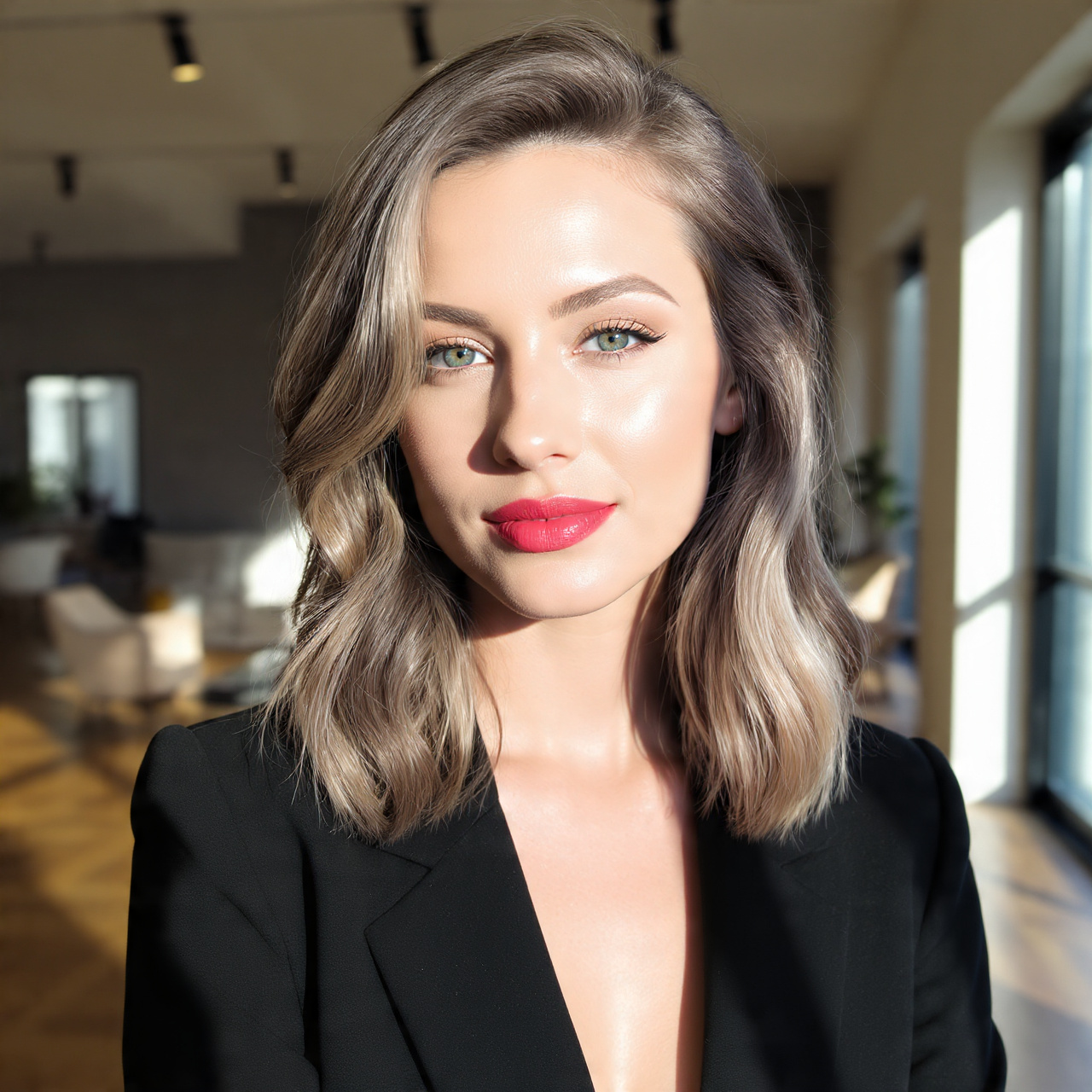
Diamond face shapes carry wide cheekbones that narrow at both the forehead and chin, and cuts that anchor the eye at the jaw immediately rebalance the silhouette. Chin-length bobs or shoulder-length cuts that tuck behind the ear accomplish this by shifting visual weight away from the mid-face entirely. Textured fringe is a powerful addition here. Razor-cut fringe produces a feathered edge that sits cleanly at the brow without adding mass to the cheekbones.
Best for: Fine to medium density hair of any texture Product: Davines OI All in One Milk Pro tip: Request razor-cut fringe specifically. The feathered edge sits at the brow without adding visual weight to the cheekbone area. Face shape: Diamond Tell your stylist: “Chin-length bob or shoulder cut with textured fringe. Soften the cheekbones and add volume at the brow line.”
Best Cuts for Fine, Thinning Hair
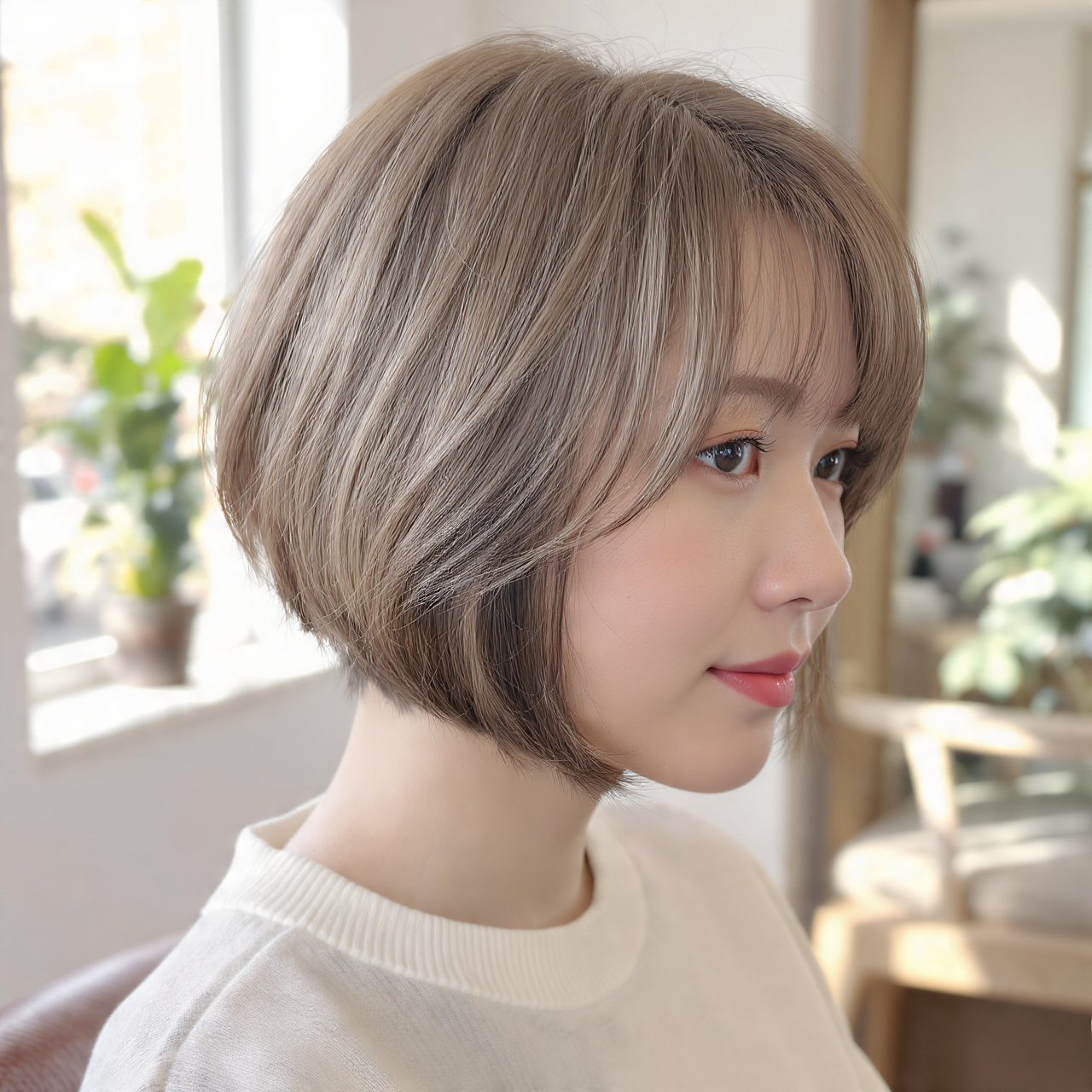
Fine or thinning hair needs cuts built around the illusion of density, and the most effective tool is a blunt perimeter. Aligning every strand at one level makes the ends look dramatically thicker than layering does. A one-length bob or lob with minimal interior movement preserves visual weight at the ends where this hair type needs it most. Ouai Volumizing Foam applied at the scalp and blow-dried upward creates the fullness the cut sets the stage for but cannot deliver alone.
Best for: Straight to slightly wavy fine hair Product: Ouai Volumizing Foam Pro tip: Avoid layering below the chin on fine hair. Each layer removes density from the ends where it is needed most. Face shape: Oval or heart Tell your stylist: “Blunt perimeter bob or lob with minimal interior movement. I need density at the ends, not layering.”
Voluminous Styles for Thick Hair

Thick hair needs internal weight removal, not additional surface layering. A U-shaped long layer cut or a shag with strategic debulking prevents the triangular, bottom-heavy shape that thick hair defaults to when bulk goes unaddressed. The goal is full and even throughout rather than heavy at the ends. Internal layering happens beneath the surface and removes weight without creating visible steps at the exterior. Moroccanoil Treatment Original applied to the mid-lengths before drying controls and smooths the result.
Best for: Thick, coarse, or high-density hair of any texture Product: Moroccanoil Treatment Original Pro tip: Request internal layering only, not surface layers. The technique removes bulk from underneath so the exterior stays smooth and full. Face shape: Round or square Tell your stylist: “Long layers with internal debulking only. Weight removed from the inside. No choppy surface layers.”
Managing and Styling Coarse Hair

Coarse hair responds best to cuts that preserve length because the weight of longer hair pulls the cuticle downward and reduces frizz naturally. Cutting coarse hair short creates unwanted volume rather than controlling it. A long one-length cut or a subtle long shag manages the texture without aggressive thinning that removes the very weight doing the structural work. Shea Moisture Manuka Honey and Yogurt Hydrate and Repair Protein Power Treatment used weekly gives the stylist an accurate read on how the hair actually behaves rather than how it performs when dehydrated.
Best for: Coarse straight or wavy hair prone to frizz Product: Shea Moisture Manuka Honey and Yogurt Hydrate and Repair Protein Power Treatment Pro tip: Deep condition the night before your haircut so your stylist works with your hair in its best-behaved state. Face shape: Any Tell your stylist: “Long one-length or subtle shag. No aggressive thinning. I need the weight to manage the frizz.”
Low-Maintenance Cuts for Busy Professionals

Low-maintenance cuts have one measurable standard: the style must look intentional when air-dried, without heat or product every morning. A textured lob or grown-out pixie holds its shape for up to twelve weeks between trims. For anyone who needs the best hairstyle for you to work inside a five-minute routine, this is the category to start from. Living Proof Perfect Hair Day 5-in-1 Styling Treatment applied to damp hair is often the only step needed to finish the look.
Best for: Straight to wavy medium-density hair Product: Living Proof Perfect Hair Day 5-in-1 Styling Treatment Pro tip: Ask your stylist to add slight interior weight at the nape to help the style hold its shape longer between appointments. Face shape: Oval or long Tell your stylist: “Clean lob or grown-out bob that air-dries with shape. No layers that need heat to look right.”
Trendy Medium-Length Bobs

The lob holds its position as the most requested cut in professional salons right now because it lands exactly where style and ease overlap. It is long enough for a ponytail and short enough to look intentional without daily effort. The current direction favors a textured, lived-in finish with a subtle A-line angle. A shadow root using Redken Shades EQ in 06N Natural adds depth at the scalp and removes the need for frequent root touch-ups.
Best for: Straight to wavy hair of any density Product: Redken Shades EQ 06N (applied by a colorist) Pro tip: Keep the interior about a half inch longer than the outer perimeter to prevent the bob from collapsing inward at the ends. Face shape: All face shapes Tell your stylist: “Medium lob with subtle A-line and lived-in texture at the ends. Interior slightly longer than the perimeter.”
Classic Long Layered Styles
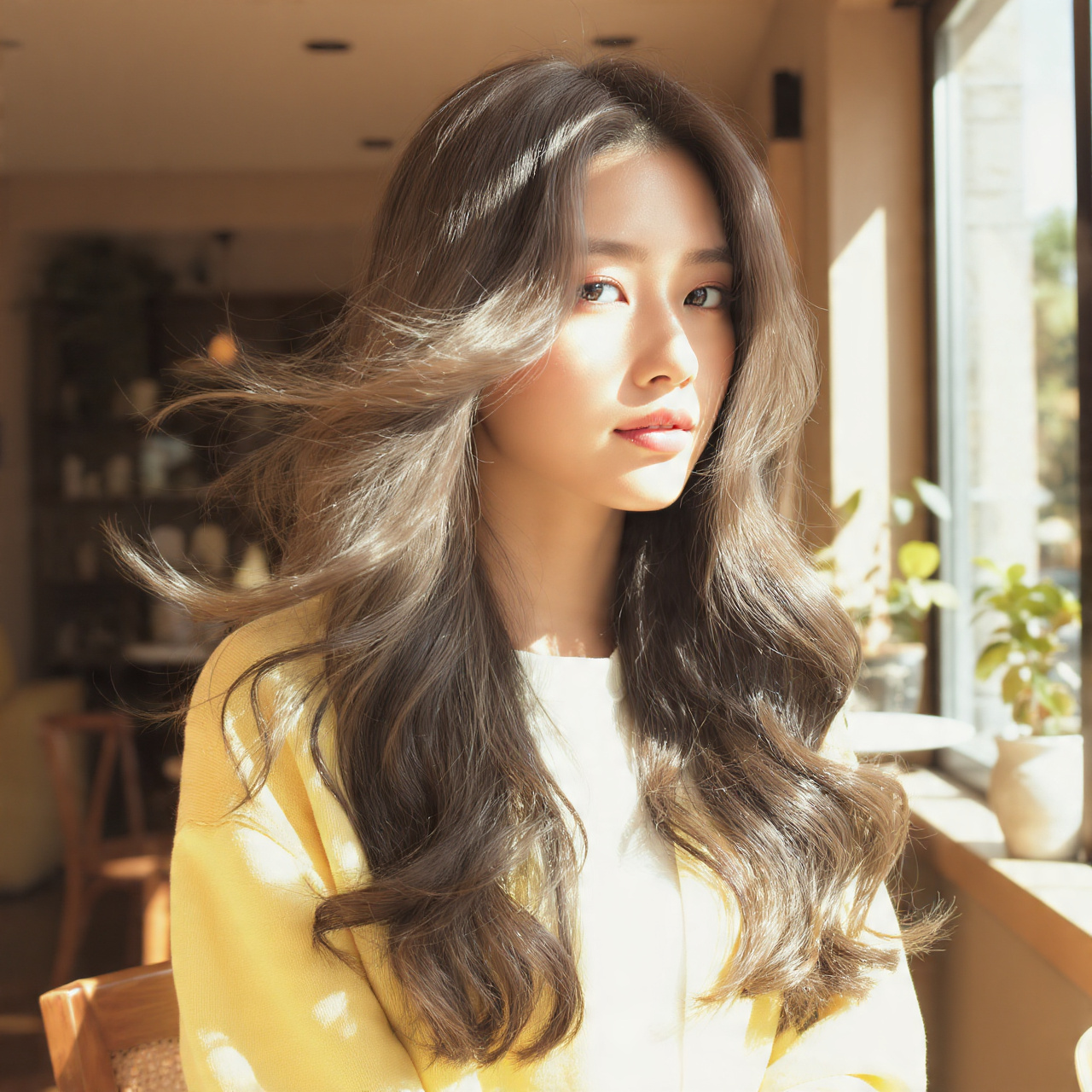
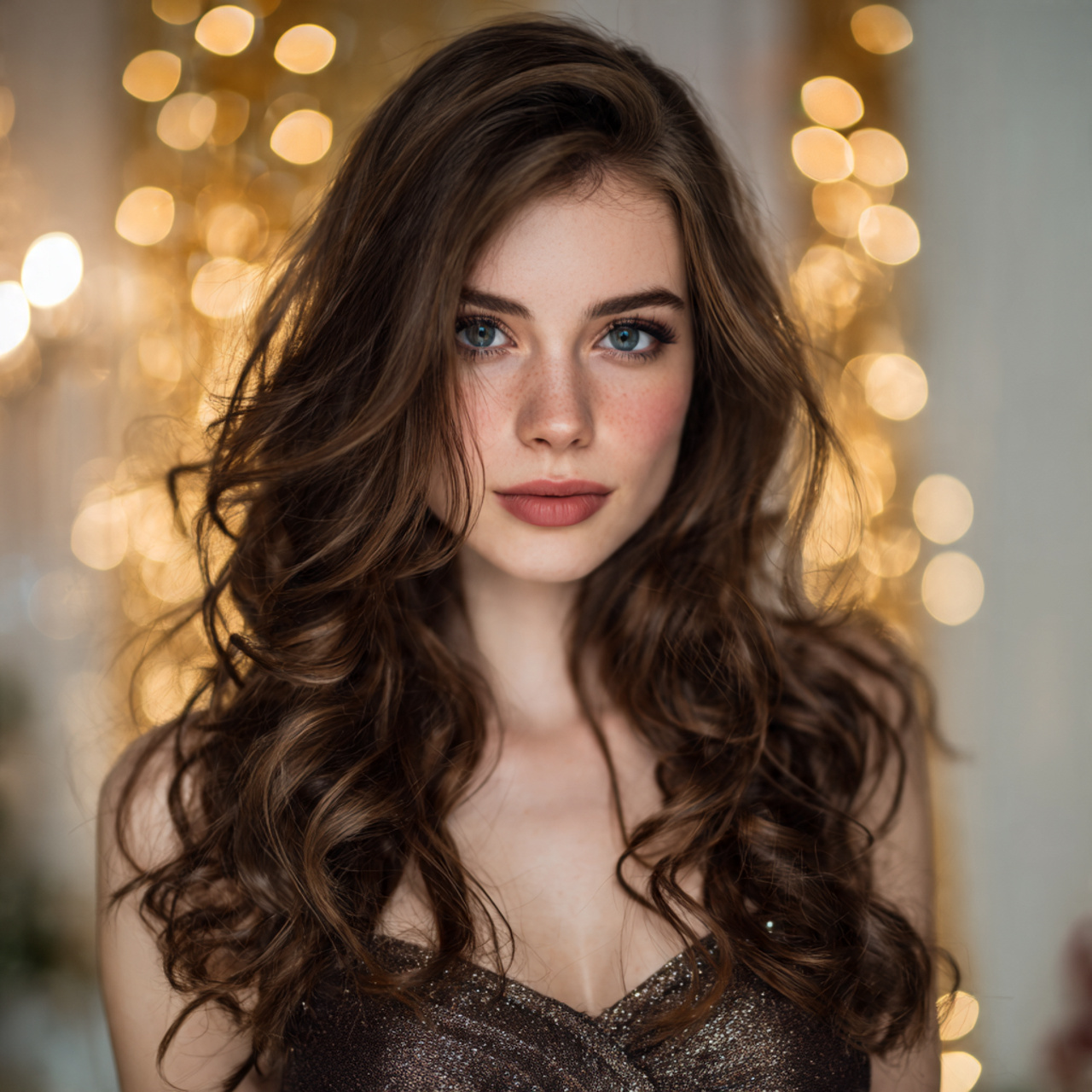
Classic long layers add movement and dimension without sacrificing length and translate across every texture from fine and straight to thick and wavy. Fine hair needs longer, spaced-out layers to preserve weight at the ends, while thick hair benefits from shorter, more densely placed interior layers to distribute bulk. Applying Olaplex No. 7 Bonding Oil to the mid-lengths before blow-drying protects the hair and makes the layering look more intentional and polished.
Best for: Any texture, best on medium to thick density Product: Olaplex No. 7 Bonding Oil Pro tip: Request that layers begin no higher than the collarbone to prevent a mid-length shelf that loses shape quickly on fine hair. Face shape: Oval or long Tell your stylist: “Long layers starting at the collarbone, matched to my density. Interior placement only above that line.”
Short Pixie Cuts and Their Variations

Short pixie cuts place full attention on the face, which means precision matters entirely or the cut becomes the focal point for the wrong reasons. The cropped variation with a tapered nape and longer crown is the most universally flattering because it frames the eyes without harshly exposing the nape. The longer, side-swept pixie grows out more gracefully and suits anyone transitioning from length. American Crew Forming Cream reactivates with water throughout the day, keeping shorter styles looking intentional rather than flat by mid-morning.
Best for: Straight to slightly wavy fine to medium hair Product: American Crew Forming Cream Pro tip: Ask for at least one and a half inches on top so you have enough length to vary the texture without the cut looking flat or painted on. Face shape: Oval or heart Tell your stylist: “Cropped pixie with tapered nape and textured top. Leave working length on the crown.”
Flattering Bangs for High Foreheads
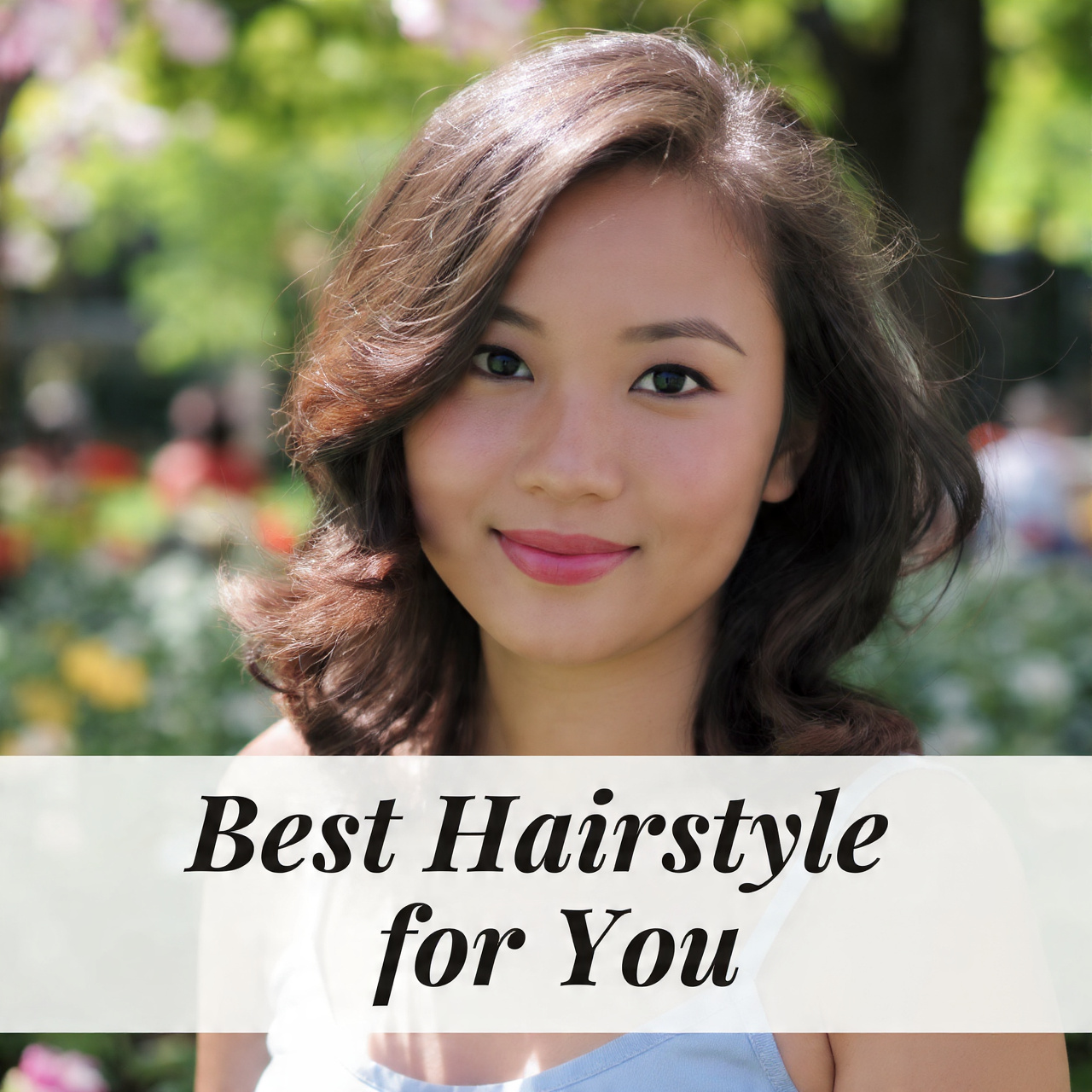
Bangs for high foreheads work best when the goal is proportion rather than full coverage. Curtain bangs parted naturally at the center and swept outward are the most forgiving option because they frame the forehead without demanding upkeep every two weeks. Full, blunt bangs can work as long as they land at or just below the brow line. Anything shorter creates a hard horizontal cut that emphasizes the forehead height rather than balancing it. Pressing bangs with Drybar The Brush Crush Heated Straightening Brush maintains softness without the crispy finish a flat iron produces.
Best for: Straight to wavy fine to medium hair Product: Drybar The Brush Crush Heated Straightening Brush Pro tip: Use a brush-style straightener on bangs rather than a flat iron to keep softness in the texture and avoid the stiff, ironed finish. Face shape: Long or oval Tell your stylist: “Curtain bangs at the brow, parted center and swept outward. Textured finish, not blunt.”
Side Part vs. Middle Part: Which is Better?
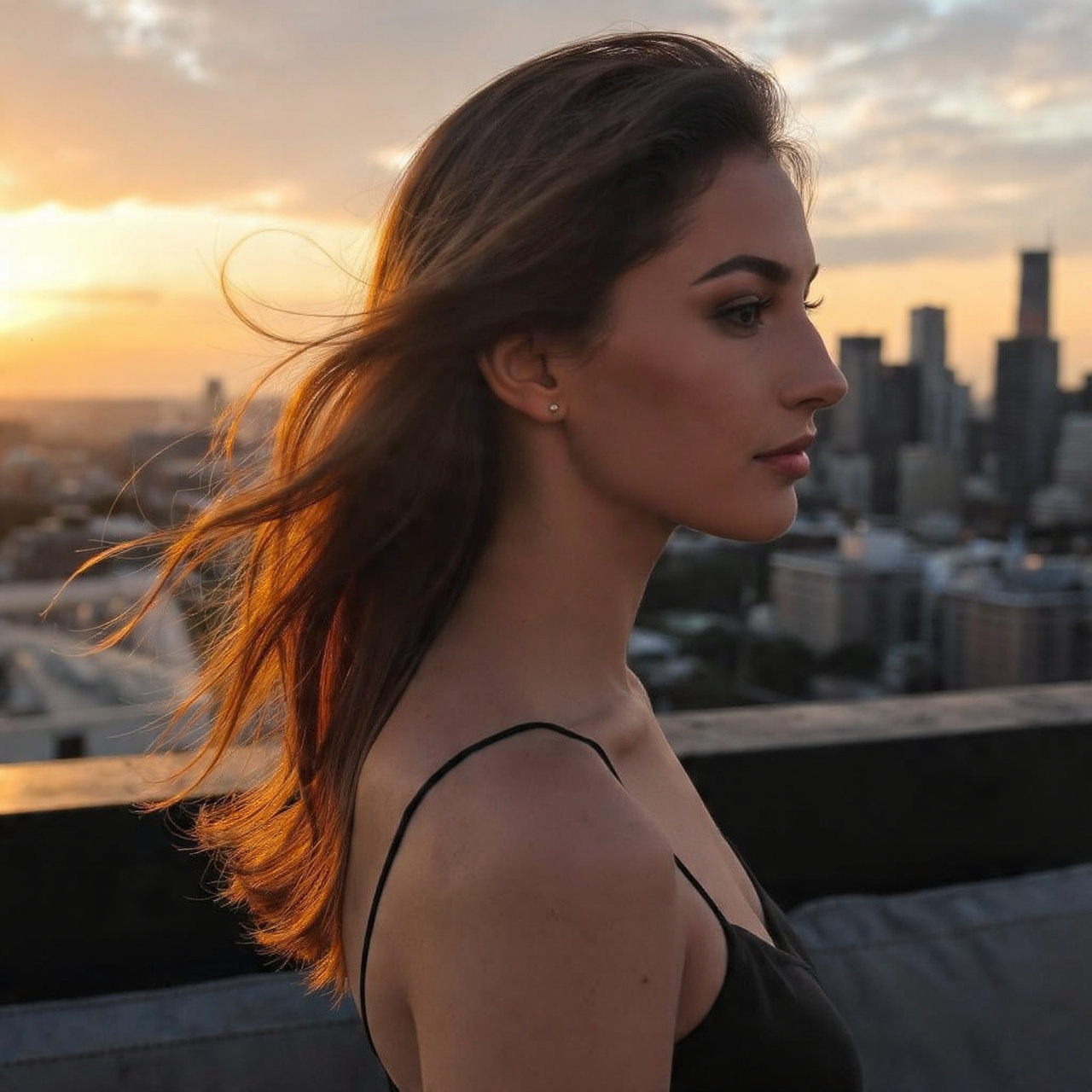
Neither part is universally better, but each addresses a specific structural need. A middle part draws a clean vertical line and works best on oval and heart shapes where symmetry already exists. A deep side part creates a diagonal line and builds instant volume at the crown, making it ideal for round or square shapes that need visual height. Alternating the part by an inch every few weeks prevents the roots from training flat on one side and refusing to hold volume.
Best for: All hair types, used as a structural styling decision Product: Kenra Professional Platinum Silkening Mist Pro tip: Shift your part by about one inch every few weeks to prevent the hair from permanently lying flat on one side and refusing to hold volume. Face shape: Middle part for oval and heart. Side part for round and square. Tell your stylist: “Build the part placement into the cutting pattern. I want a [middle/deep side] part cut in, not just a styling choice.”
Hair Color Trends That Complement Your Cut

Color has more influence over how a cut reads than most people account for. Highlights placed at the surface of a layered cut make the movement visible from across the room. A flat, single-process color on the same cut makes the layering invisible and defeats its purpose. The current approach producing the most consistent results is a shadow root combined with surface-placed balayage using L’Oreal Professionnel Majirel, which adds depth at the scalp and brightness precisely where the layering lives in the mid-lengths.
Best for: Layered cuts, bobs, and lobs of any texture Product: L’Oreal Professionnel Majirel (applied by a colorist) Pro tip: Ask for highlights on the top layer only. Placement underneath adds no visible dimension and wastes color that should be making the movement work. Face shape: All Tell your stylist: “Shadow root with surface balayage only. I want the color to follow the layers and make the movement visible.”
Styling Techniques for Natural Curls

Natural curls require cuts designed around the dry curl pattern, not the wet length. Stylists who cut curly hair wet without accounting for shrinkage consistently remove more length than intended, which is why so many curl clients leave disappointed. Dry cutting methods developed by educators like Lorraine Massey of DevaCurl shape the hair around its actual spring and behavior. Long layers following the curl’s natural fall distribute weight evenly and prevent the triangular bottom-heavy shape that poorly cut curly hair defaults to.
Best for: Type 2C to 4B curl patterns Product: Kinky Curly Knot Today leave-in conditioner Pro tip: Scrunch the gel cast out only after the hair is completely dry. Touching it while still damp breaks the curl formation and creates frizz. Face shape: Oval or round Tell your stylist: “Dry cut on my natural curl. Long layers following the curl’s fall. No blunt ends, no thinning shears.”
Permanent Waves and Perm Styles
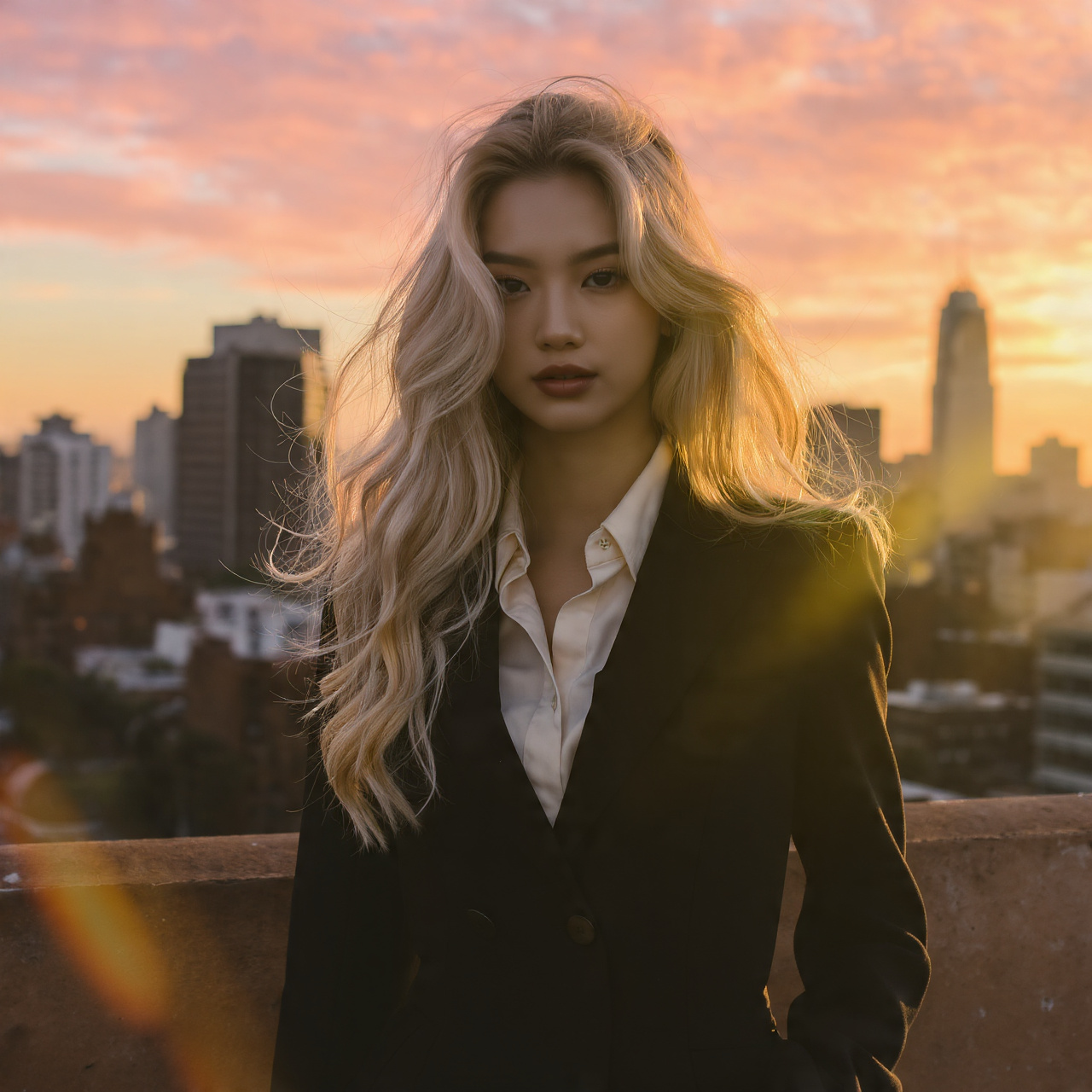
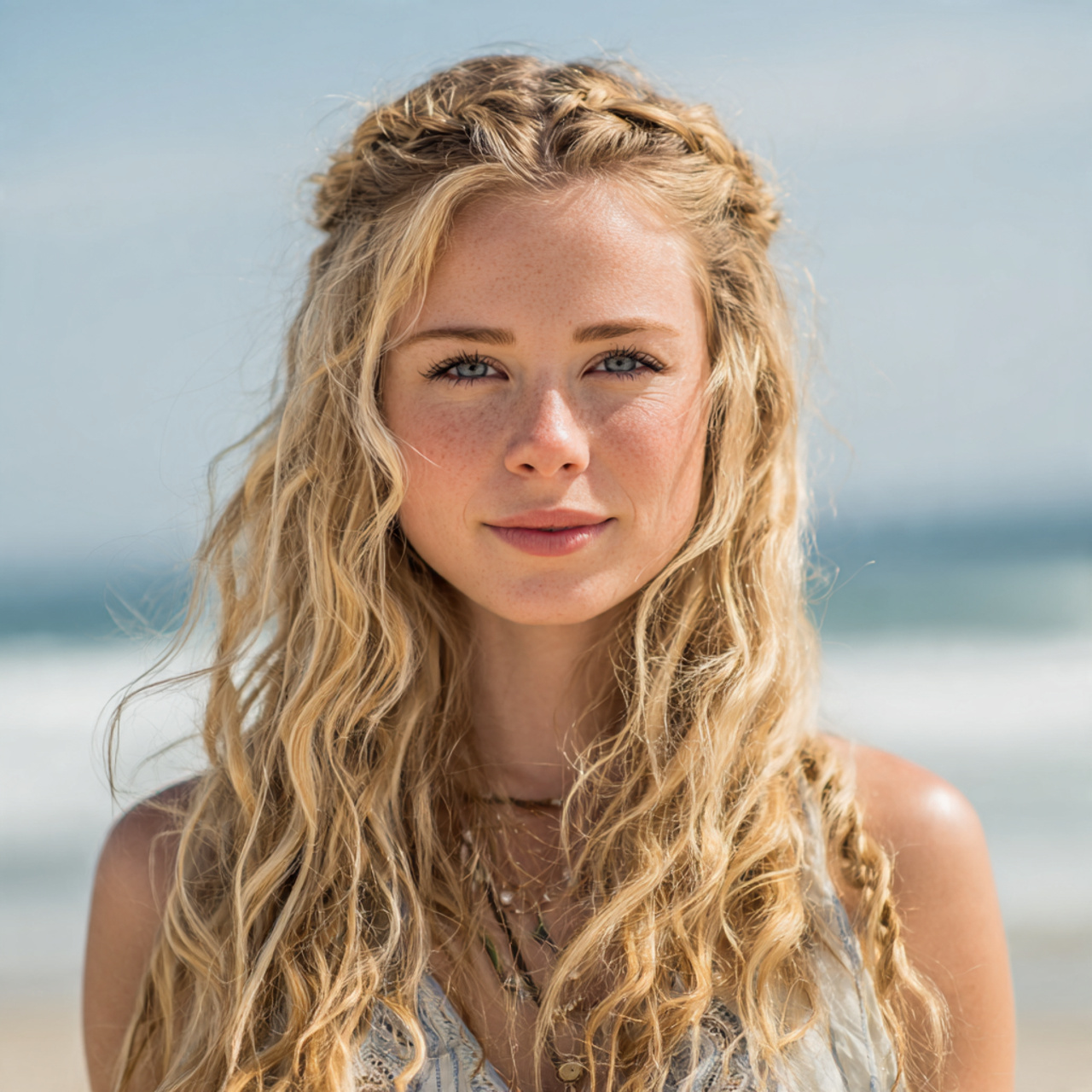
Modern perms use larger rods, strategic wrapping patterns, and gentler solutions to produce soft beach waves and natural body rather than tight, uniform curl. For straight or fine hair that wants lasting volume without daily heat styling, a body wave perm delivers results no blowout routine can sustain long-term. The process requires commitment to moisture-rich aftercare. Briogeo Farewell Frizz Shampoo is the right sulfate-free option for maintaining the hair’s integrity through the weeks following the service.
Best for: Straight to slightly wavy fine to medium hair Product: Briogeo Farewell Frizz Shampoo Pro tip: Wait 48 hours before washing freshly permed hair and avoid tying or clipping it during that window to let the bonds fully set. Face shape: Any Tell your stylist: “Body wave perm with the largest rods available. Loose, natural texture. Not tight curls.”
Best Options for Receding Hairlines

Receding hairlines respond best to cuts that reframe the focal point rather than attempt concealment. For men, a short textured crop styled forward with matte product draws attention to the texture rather than the hairline. For women, a soft fringe or side-swept bang grazing the temple covers early recession without looking deliberate. Pulling long strands across the scalp to cover the area draws far more attention to the recession than a confident, shorter cut would. American Crew Fiber for men and Bumble and bumble Pret-a-Powder for women create the visual density that styled-over hair never achieves.
Best for: Fine to medium hair with hairline thinning Product: American Crew Fiber (men) and Bumble and bumble Pret-a-Powder (women) Pro tip: Ask your stylist to leave the hair at the hairline slightly longer than the surrounding area to create a gradual, natural transition rather than a hard edge. Face shape: Any Tell your stylist: “Short textured crop styled forward. Soft transition at the hairline. No hard lines near the recession.”
Styles That Take Years Off Your Age

Styles with visible movement and light, bouncy face-framing pieces create a younger impression because they suggest ease rather than effort. A soft, layered lob with face-framing pieces starting at the cheekbone consistently ranks as the best hairstyle for you when the goal is looking refreshed and naturally youthful. Stiff, lacquered styles add visual age by drawing attention to the effort required. Oribe Bright Blonde Radiance and Repair Treatment placed around the face reflects light onto the skin and brightens the complexion between appointments.
Best for: Any texture, especially fine to medium density Product: Oribe Bright Blonde Radiance and Repair Treatment Pro tip: Ask your stylist to place the shortest face-framing layers at the cheekbone specifically. That placement lifts the eye and draws attention upward. Face shape: All Tell your stylist: “Layered lob with face-framing pieces starting at the cheekbone. Soft, bouncy finish. Nothing stiff.”
Seasonal Hair Care and Cut Adjustments

High humidity in summer causes hair to swell at the cuticle, making dense styles heavier and more prone to collapsing through the day. A slightly lighter interior allows the hair to move freely rather than bunching under added moisture in the air. Winter dryness does the opposite, stripping moisture from the shaft and making ends brittle. Christophe Robin Regenerating Mask with Rare Prickly Pear Seed Oil used weekly from November onward restores the balance that indoor heating removes. Discussing climate before each appointment keeps the cut working for your environment all year.
Best for: All hair types across all climates Product: Christophe Robin Regenerating Mask with Rare Prickly Pear Seed Oil Pro tip: Book a light interior thinning session every July if you live in a humid climate. It takes fifteen minutes and prevents months of frizz. Face shape: All Tell your stylist: “Adjust the interior weight for the season. Lighter in summer, fuller in winter. I want it to work in my climate.”
The Importance of Hair Texture in Choosing a Style
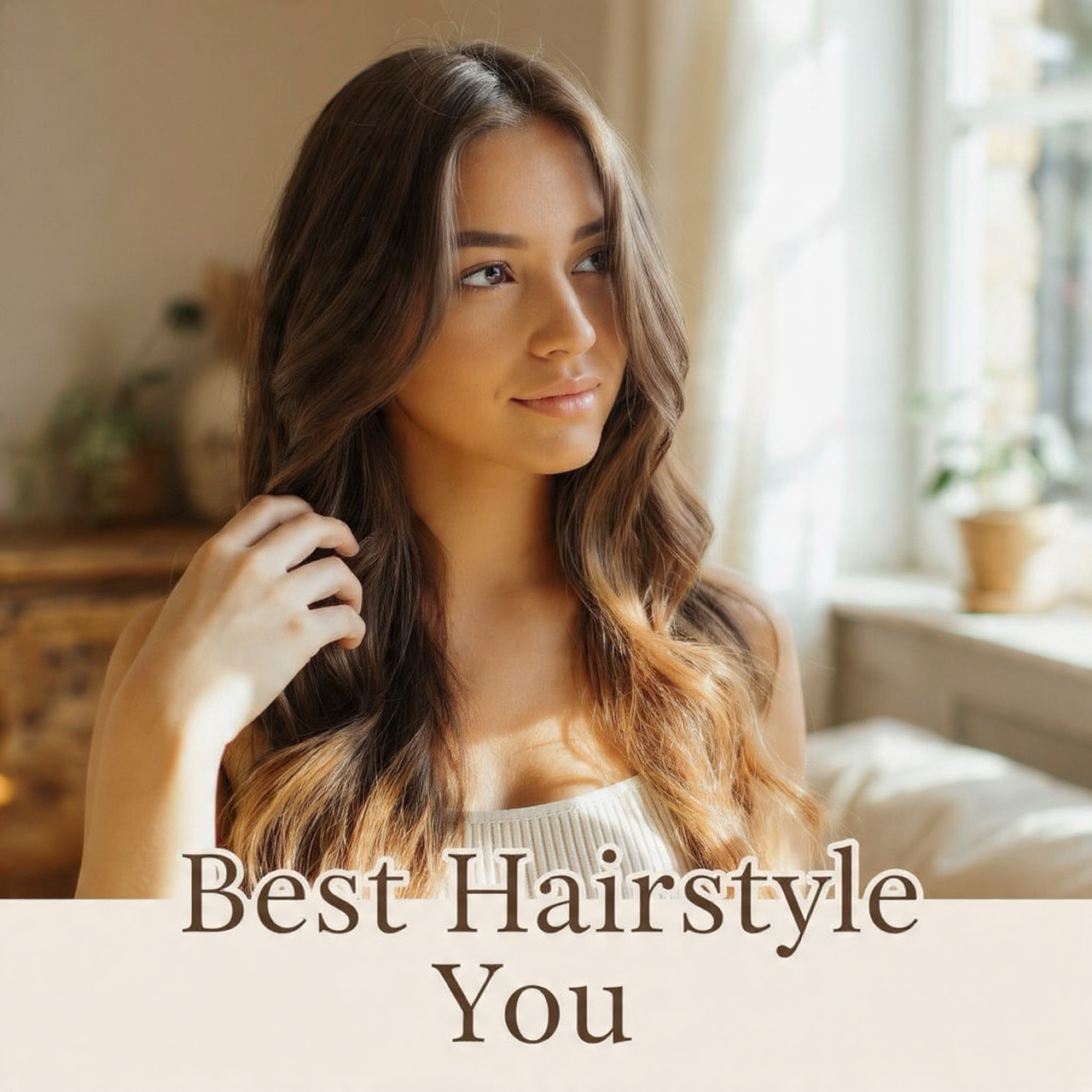
Hair texture is the most honest information your hair gives, and the best cuts always start from it. Fine hair has a small strand diameter and needs a blunt perimeter to preserve density. Coarse hair has a thick diameter and needs interior weight removal to prevent bulk. These characteristics are separate from density, which is the number of strands per square inch. Confusing texture with density is the single most common reason cuts fail to deliver. Knowing both gives the consultation a clear and useful direction.
Best for: Anyone choosing a cut for the first time or after a major change in hair health Product: Briogeo Don’t Despair Repair Deep Conditioning Mask Pro tip: Ask your stylist to name your texture and density combination before cutting. A stylist who cannot is working without the information needed to make the right call. Face shape: All Tell your stylist: “Walk me through my texture and density before we decide on a cut. I want the style built around my actual hair behavior.”
Cuts Designed for Wavy Hair Movement

Wavy hair classified as Type 2 tends to behave like neither straight nor curly without the right cut strategy. A medium-length cut at the shoulder or just below, combined with diagonal or point-cut layers following the wave direction, lets the waves fall naturally from root to end without creating a shelf. Thinning shears are the most damaging tool for this texture because they fragment the ends and create the frizz wavy hair owners spend hours fighting at the styling stage.
Best for: Type 2A to 2C wavy hair Product: Not Your Mother’s Curl Talk Defining Cream Pro tip: Apply wave cream to dripping wet hair in sections, not towel-dried hair, for the most uniform definition and hold throughout the day. Face shape: Oval or round Tell your stylist: “Medium-length layers cut diagonally with point-cut ends. No thinning shears. I want the waves to move, not frizz.”
How to Discuss Your Style Needs with a Stylist
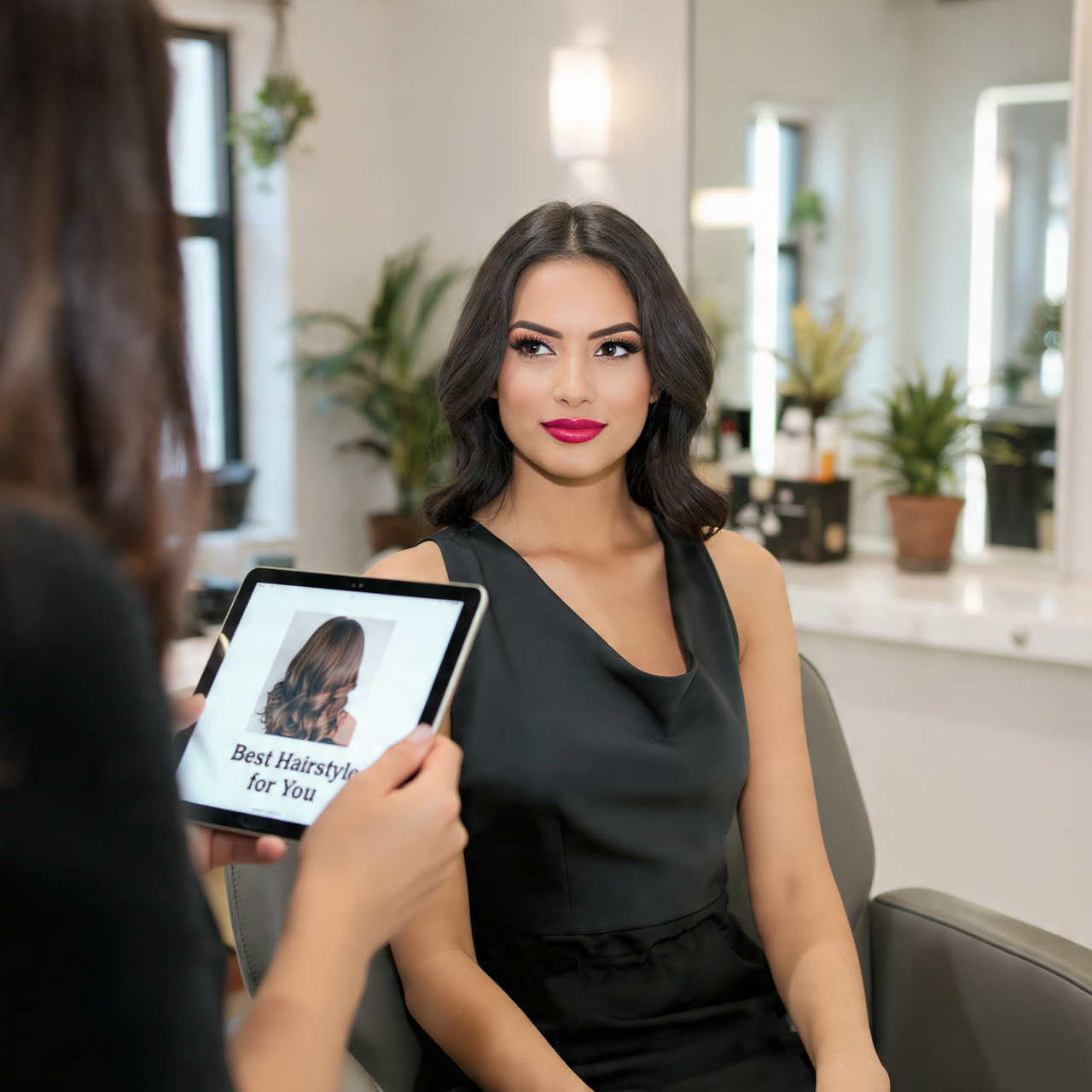
Clear communication before a single cut is made is the most valuable skill you bring to the chair. Show two or three reference photos and explain specifically what you like in each one. Saying “I like the softness here but not the length” gives your stylist far more to work with than handing over the phone and hoping. Being honest about your tools, skill level, and time spent styling ensures the recommendation fits the routine you can actually maintain.
Best for: Anyone starting fresh with a new stylist or attempting a major change Product: Dyson Supersonic Hair Dryer (referenced as a realistic tool expectation benchmark) Pro tip: Bring a photo of a style you absolutely do not want. Showing a stylist what to avoid is just as instructive as showing the goal. Face shape: All Tell your stylist: “Here are two styles I like and one I want to avoid. My routine is [X minutes] and these are the tools I own.”
Visit Also: Long Hairstyles for Men
Using Extensions to Achieve Ideal Hair Volume
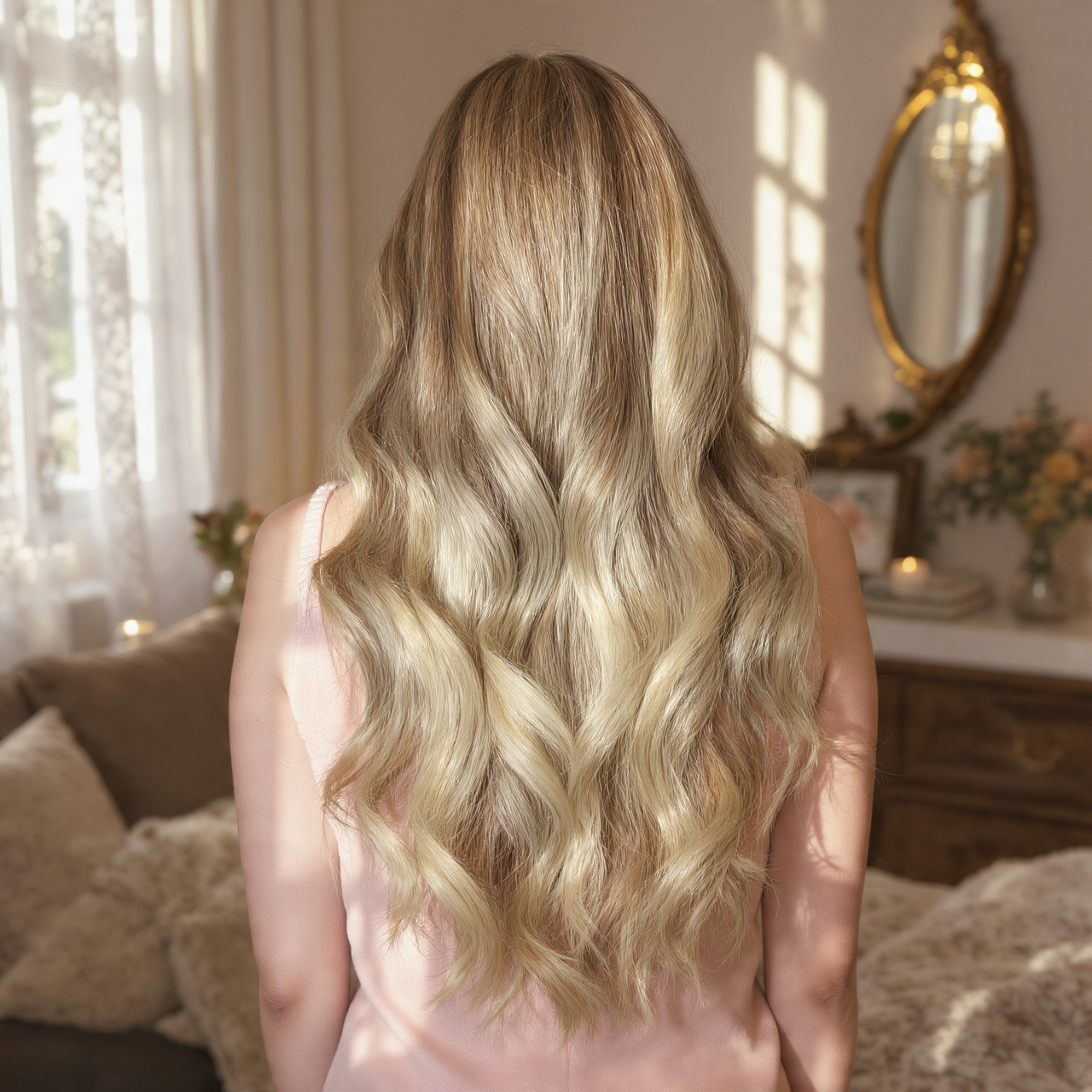
Hair extensions are no longer limited to adding length. Tape-in wefts placed at the sides and back of a bob or lob add visual density that fine or thinning hair cannot produce on its own. Hand-tied wefts from Bellami Hair are the better option for fine hair because they lie completely flat against the scalp and distribute weight more evenly, preventing the stress on delicate strands that heavier weft types create. Maintenance appointments every six to eight weeks are the primary ongoing cost and worth considering before installation.
Best for: Fine, thinning, or low-density hair needing volume Product: Bellami Hair Silk Seam Remy Hand-Tied Wefts Pro tip: Ask your stylist to place two rows of wefts specifically below the occipital bone at the back. That placement builds the most visible density with the fewest pieces. Face shape: All Tell your stylist: “Hand-tied wefts at the back and sides for density. Perfect color match required. Volume, not length.”
Layering Techniques for Maximum Body
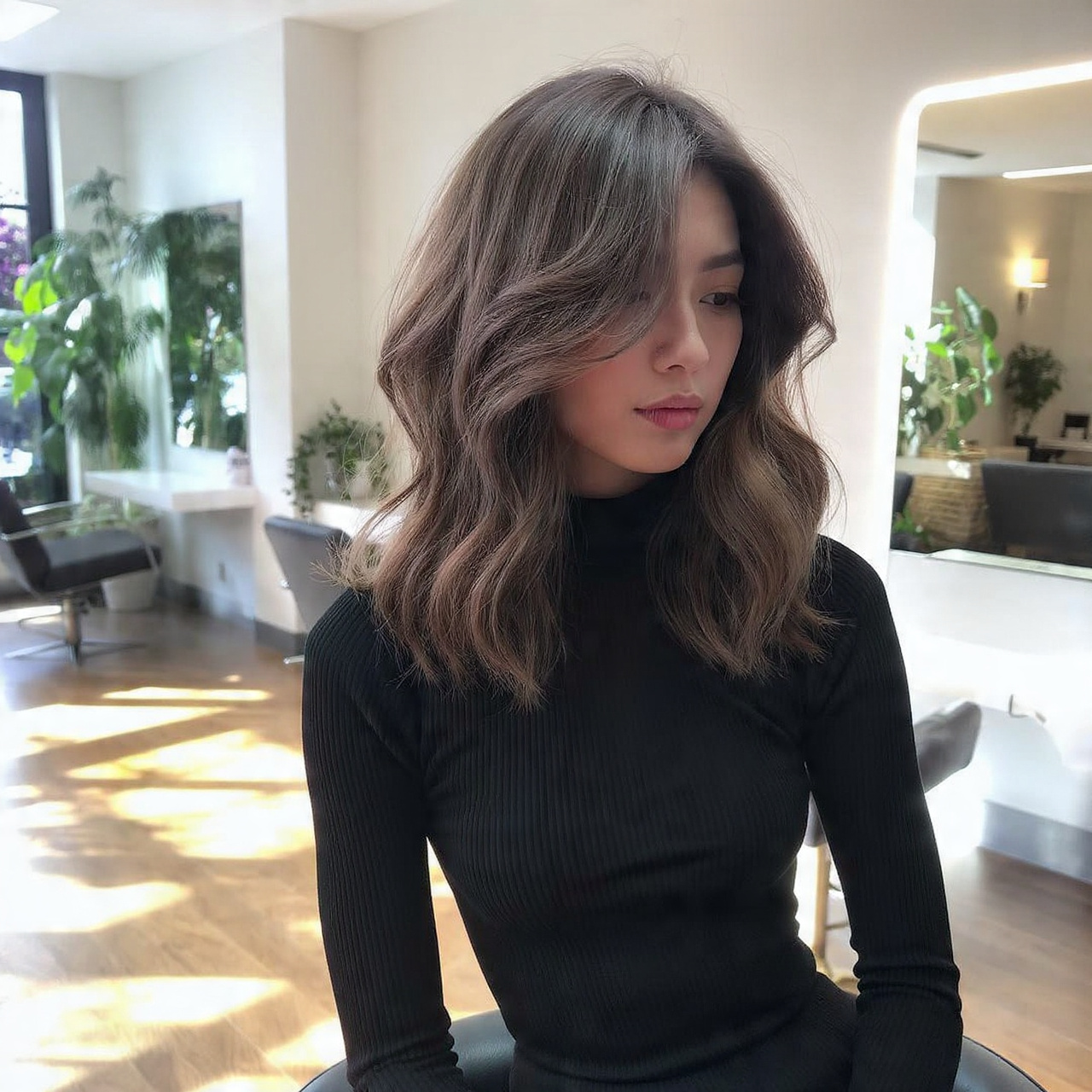
Layering is not a single method but a range of approaches that produce different structural results. Surface layers add visible texture at the exterior. Internal layers cut underneath remove weight without changing the outer appearance. Combining both creates maximum body, where the exterior looks full and the structure underneath moves freely. Stacked internal layers at the crown build height in flat, fine hair without showing at the surface. Kevin Murphy Young.Again Dry Conditioner applied lightly before blow-drying smooths the interior sections so the surface layers fall cleanly over them.
Best for: Fine to medium hair needing structural lift Product: Kevin Murphy Young.Again Dry Conditioner Pro tip: Ask for stacked internal layers at the crown only, leaving the perimeter and face-framing sections untouched, for a clean exterior with built-in volume underneath. Face shape: All Tell your stylist: “Stacked internal layers at the crown with surface layers through the mid-lengths. Body inside the structure, not just at the surface.”
Edgy Undercuts and Asymmetrical Styles
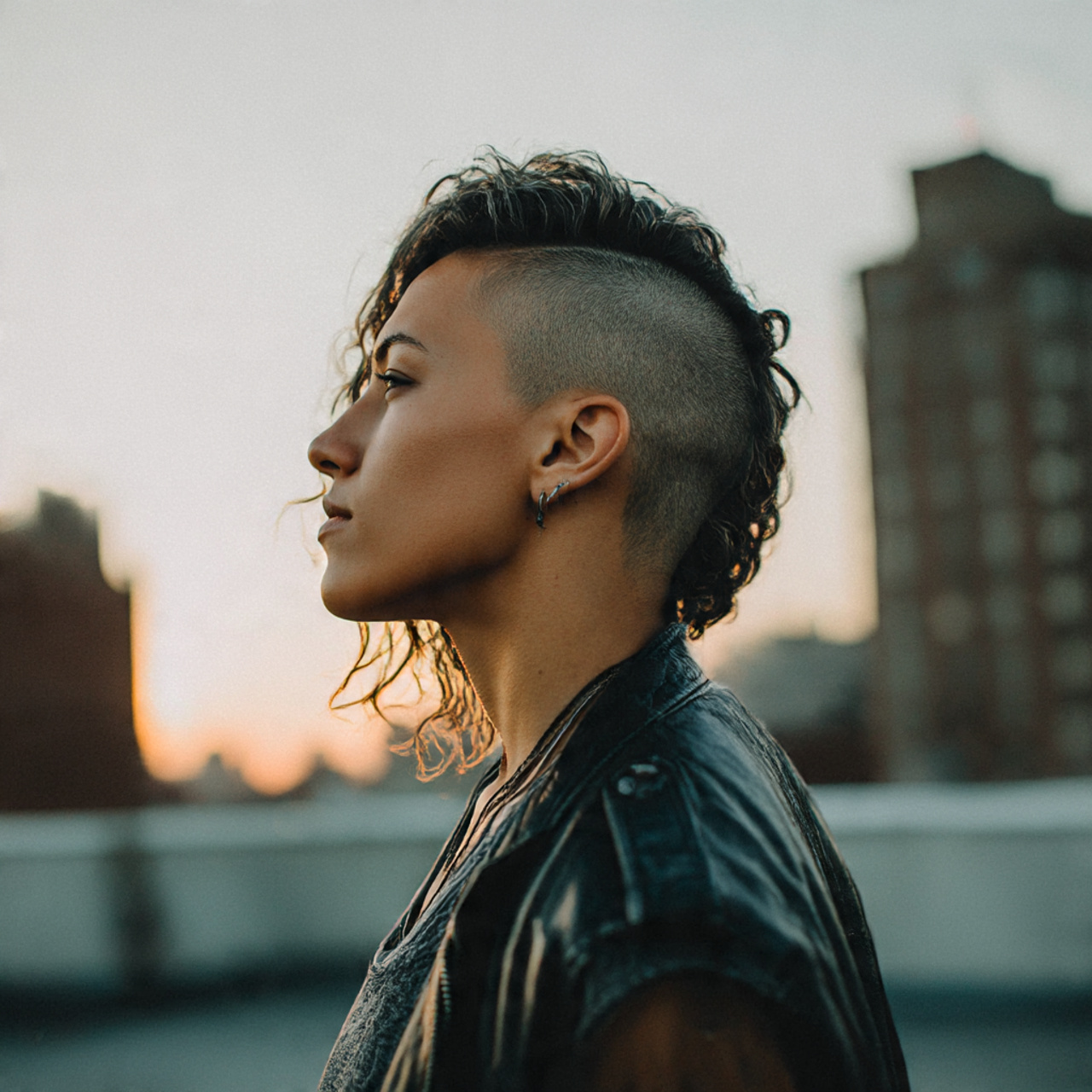
Undercuts place closely cropped hair beneath the top layer to reduce internal weight and create contrast that conventional cuts avoid. The technique works best on thick, dense hair where interior bulk would otherwise prevent the top layer from lying smoothly. Asymmetrical bobs, where one side is cut two or more inches shorter than the other, elongate the face on the longer side and introduce sharp visual structure. Wella Professionals EIMI Stay Firm hairspray keeps the asymmetrical angle clean through humidity without adding the stiffness that makes a style look mannered.
Best for: Thick to medium high-density hair Product: Wella Professionals EIMI Stay Firm Finishing Spray Pro tip: Ask your stylist to undercut only to the interior baseline, leaving the nape untouched, so the cropped sections are invisible when the top layer is worn down. Face shape: Oval, square, or round Tell your stylist: “Internal undercut for weight removal with an asymmetrical front angle. One side [X inches] longer. A sharp, intentional line.”
Products and Tools for Maintaining Your New Look
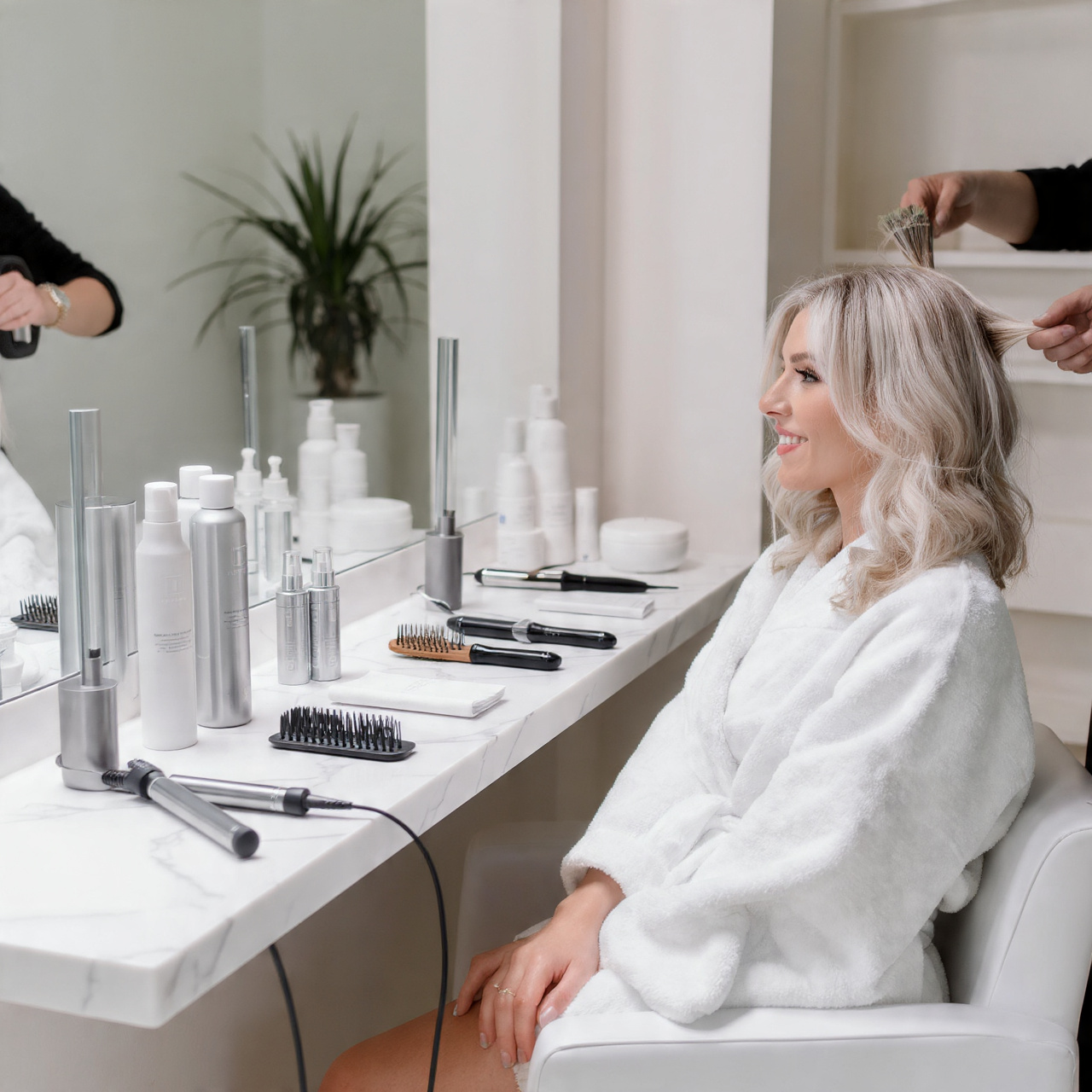
The products and tools used at home determine whether a cut looks intentional at week six or shapeless by week two. A heat protectant rated for temperatures above 450 degrees, like It’s a 10 Miracle Leave-In Lite, is the non-negotiable starting point before any heat tool is applied. An ionic blow dryer like the Shark HyperAir seals the cuticle during drying rather than roughing it open, which makes a measurable difference in frizz and shine compared to standard dryers. One quality dryer and one quality protectant applied correctly beats a shelf of mediocre products applied incorrectly every time.
Best for: All hair types maintaining any cut Product: It’s a 10 Miracle Leave-In Lite and Shark HyperAir Hair Dryer Pro tip: Apply heat protectant to damp hair in sections before blow-drying, not to already-dried hair where it provides almost no thermal protection. Face shape: All Tell your stylist: “What is the one product and one tool I actually need for this cut? I want a simple daily routine, not a full system.”
Quick Comparison Table
| Style | Length | Hair Type | Maintenance | Bold Factor |
|---|---|---|---|---|
| Hairstyles for Oval Face Shapes | Collarbone | Any | Low | ★★★☆☆ |
| Hairstyles for Round Face Shapes | Long | Medium density | Low | ★★★☆☆ |
| Hairstyles for Square Face Shapes | Shoulder | Medium to thick | Medium | ★★★★☆ |
| Hairstyles for Heart Face Shapes | Collarbone to shoulder | Fine to medium | Medium | ★★★☆☆ |
| Hairstyles for Diamond Face Shapes | Chin to shoulder | Fine to medium | Medium | ★★★★☆ |
| Best Cuts for Fine, Thinning Hair | Bob to lob | Fine straight | Low | ★★☆☆☆ |
| Voluminous Styles for Thick Hair | Long | Thick, coarse | Low | ★★★☆☆ |
| Managing and Styling Coarse Hair | Long | Coarse | Low | ★★★☆☆ |
| Low-Maintenance Cuts for Busy Professionals | Lob | Straight to wavy | Very low | ★★★☆☆ |
| Trendy Medium-Length Bobs | Mid-length | Any | Low | ★★★★☆ |
| Classic Long Layered Styles | Long | Any | Low | ★★★☆☆ |
| Short Pixie Cuts and Their Variations | Very short | Fine to medium | High | ★★★★★ |
| Flattering Bangs for High Foreheads | Fringe | Fine to medium | Medium | ★★★☆☆ |
| Side Part vs. Middle Part: Which is Better? | Any | All | Very low | ★★☆☆☆ |
| Hair Color Trends That Complement Your Cut | Any | Any | Medium | ★★★★☆ |
| Styling Techniques for Natural Curls | Medium to long | Type 2C to 4B | Medium | ★★★★☆ |
| Permanent Waves and Perm Styles | Medium to long | Fine to medium | Low | ★★★★☆ |
| Best Options for Receding Hairlines | Short | Fine to medium | Low | ★★★☆☆ |
| Styles That Take Years Off Your Age | Lob | Any | Low | ★★★★☆ |
| Seasonal Hair Care and Cut Adjustments | Any | All | Seasonal | ★★★☆☆ |
| The Importance of Hair Texture in Choosing a Style | Any | All | Varies | ★★★☆☆ |
| Cuts Designed for Wavy Hair Movement | Shoulder | Type 2 wavy | Low | ★★★★☆ |
| How to Discuss Your Style Needs with a Stylist | Any | All | Any | ★★★☆☆ |
| Using Extensions to Achieve Ideal Hair Volume | Bob to lob | Fine, thinning | Medium | ★★★★☆ |
| Layering Techniques for Maximum Body | Medium to long | Fine to medium | Low | ★★★★☆ |
| Edgy Undercuts and Asymmetrical Styles | Varies | Thick to medium | High | ★★★★★ |
| Products and Tools for Maintaining Your New Look | Any | All | Any | ★★★☆☆ |
Frequently Asked Questions
What is the best hairstyle for you if you have never thought about your face shape before? Start by pulling your hair back and tracing your facial outline in a mirror or printed photo to identify whether your face is oval, round, square, heart, or diamond. Then use the corresponding section in this list for the structural starting point most likely to flatter your specific features.
How often should I get a trim to keep my cut looking sharp? Most cuts need a trim every six to eight weeks to maintain a clean perimeter and their original shape. Low-maintenance lobs and longer styles can stretch to twelve weeks before the shape noticeably softens or the ends look uneven.
Can I air-dry my hair and still look polished? Yes, but the cut must be designed for air-drying from the start. Ask your stylist to build the shape around your natural texture so the hair falls with intention when dry rather than requiring heat to produce the intended result.
Is it safe to use box dye between professional color appointments? Box dye deposits uniform pigment across the entire strand, which can flatten dimensional color and create uneven results over time. A professional toning gloss or glaze between appointments is a safer option that maintains color without disrupting the dimension already in place.
What is the difference between hair density and hair texture? Texture refers to the diameter of each individual strand: fine, medium, or coarse. Density refers to how many strands are present per square inch of scalp. You can have fine, high-density hair or coarse, low-density hair, and understanding both is what allows a stylist to build the right structure for your specific combination.
Final Thoughts
Walking out of a salon feeling genuinely seen by your haircut is one of those small experiences that carries real weight. It changes how you carry yourself, how you feel in photos, and how you start the morning. That outcome is not reserved for people with the right bone structure or an unlimited budget.
The best hairstyle for you is built on information, not inspiration alone. When you understand your face shape, your texture, your density, and what your lifestyle genuinely demands, the decision stops being a gamble and starts being a choice made from a position of knowledge.
Use this list as a working reference. Come back to it when your texture shifts, when your routine changes, or when you are sitting across from a new stylist and want to walk in prepared.
The insight that reshapes how most people think about their hair: every great cut is just the right structure placed on the right face. Get those two things right and the result takes care of itself.
Save this to your Pinterest boards and share it with anyone who has ever left a salon feeling like something went wrong. This guide has what they need.