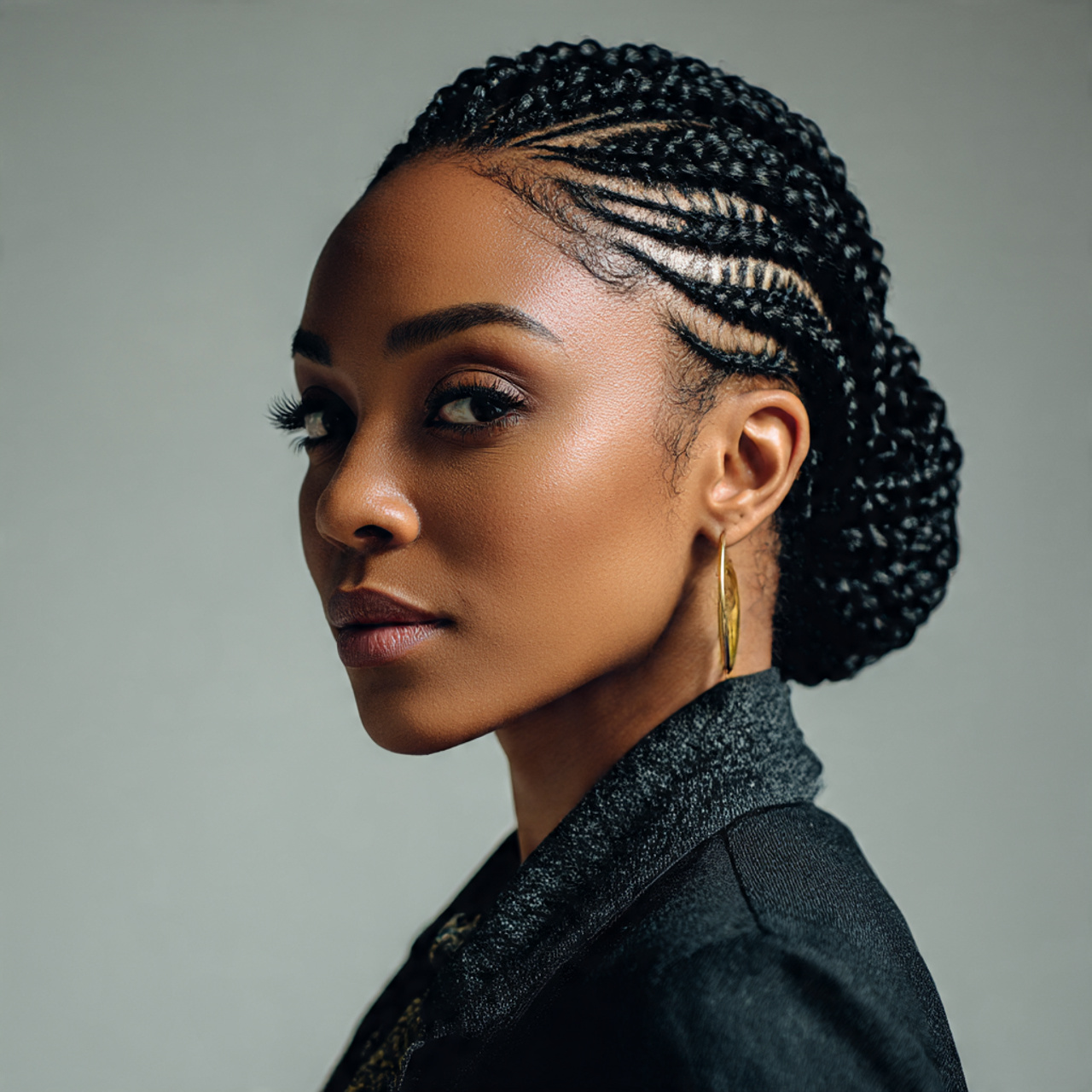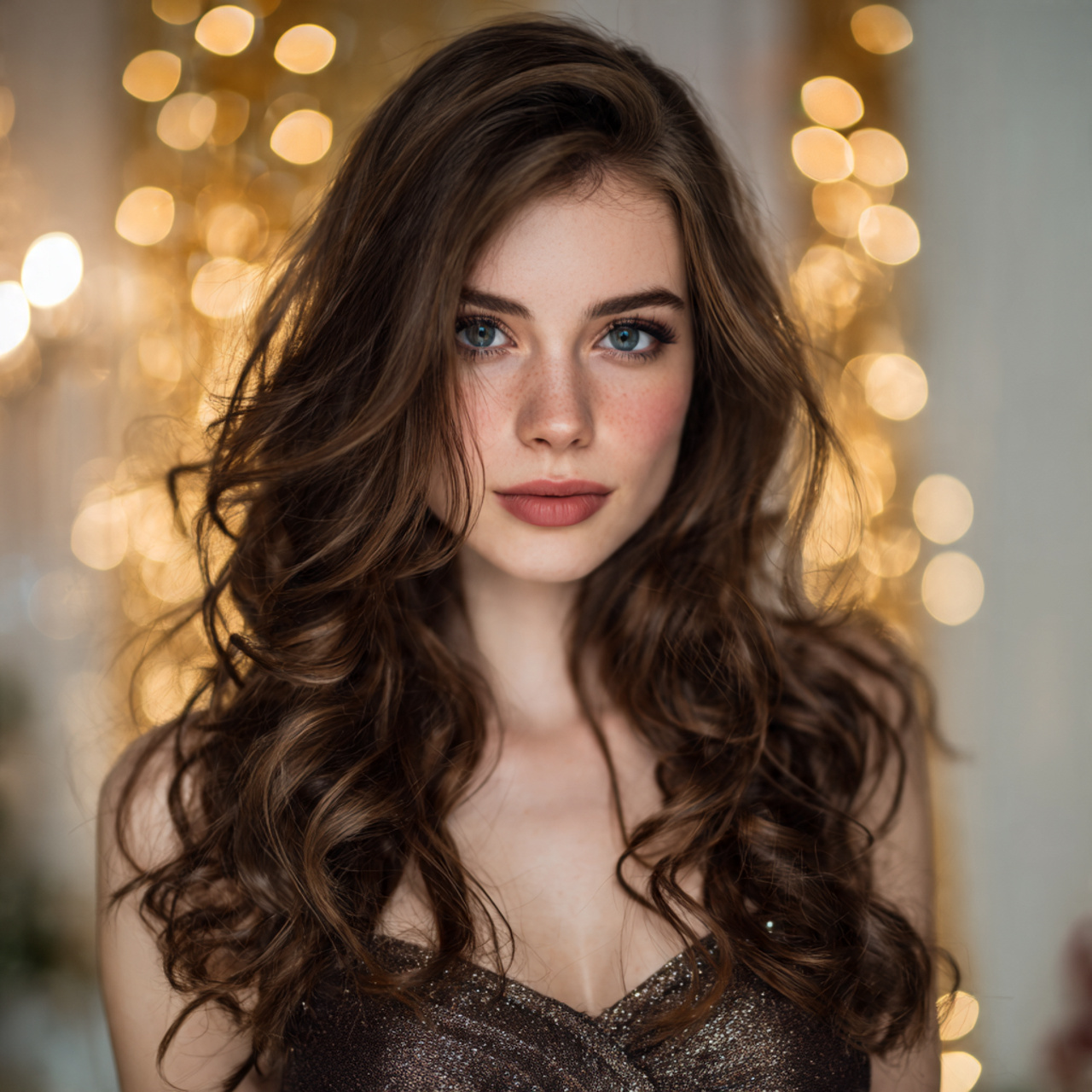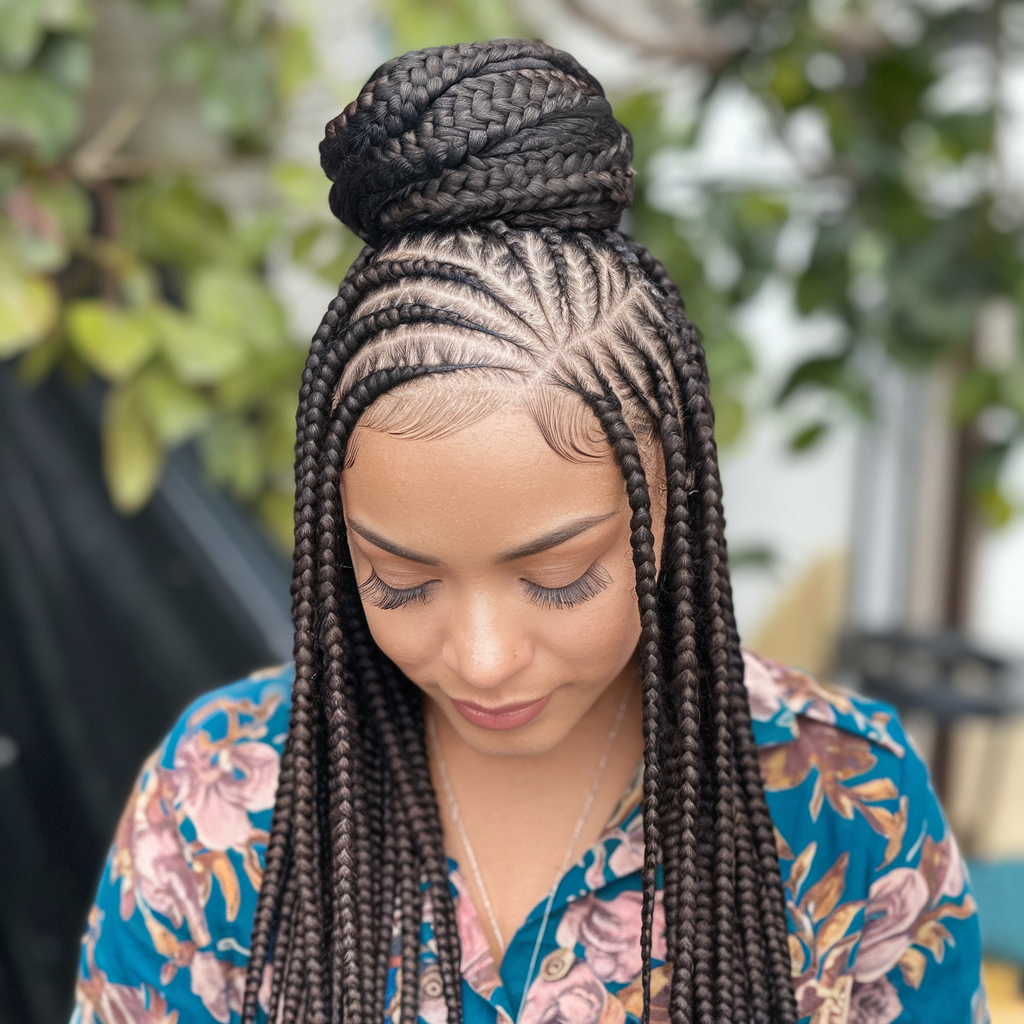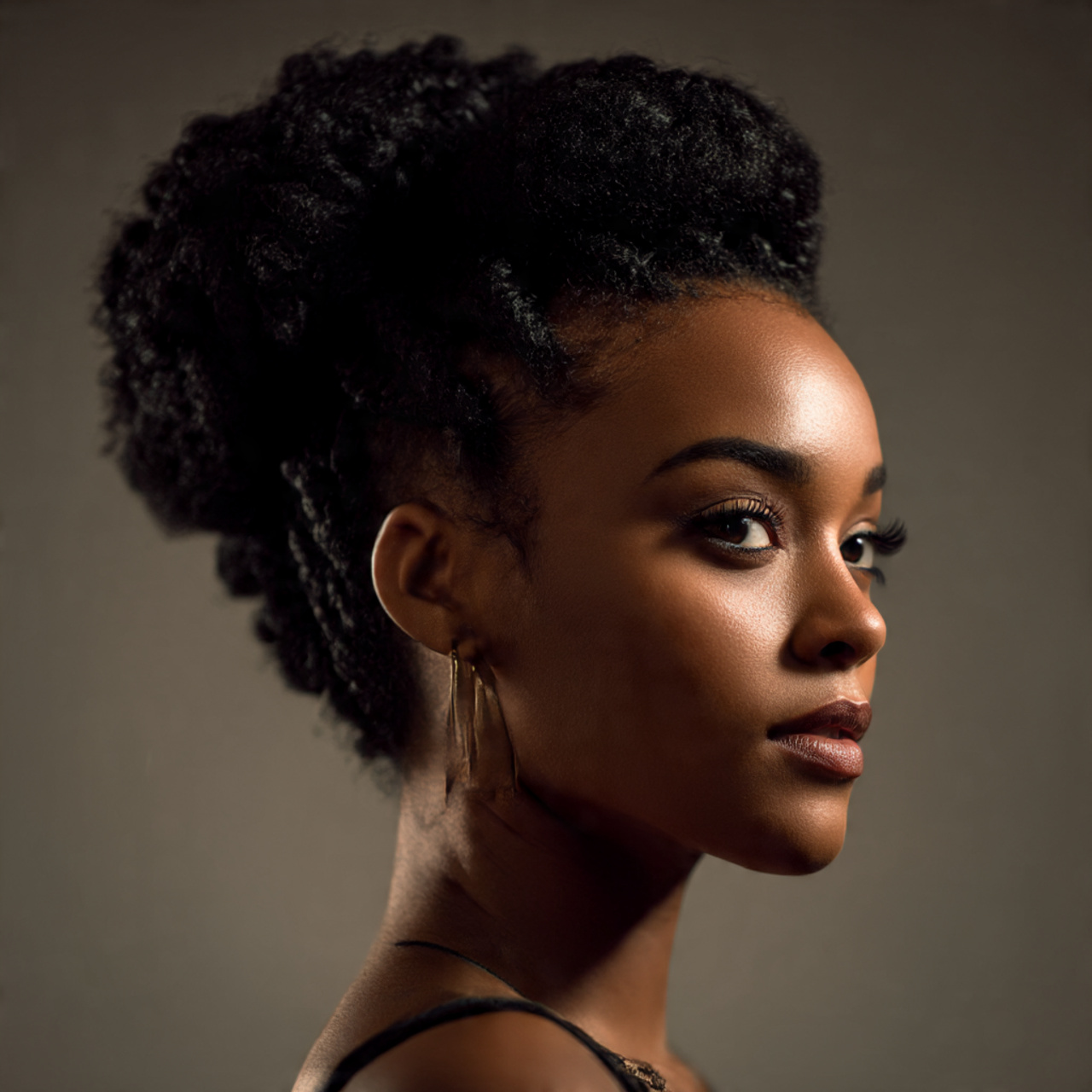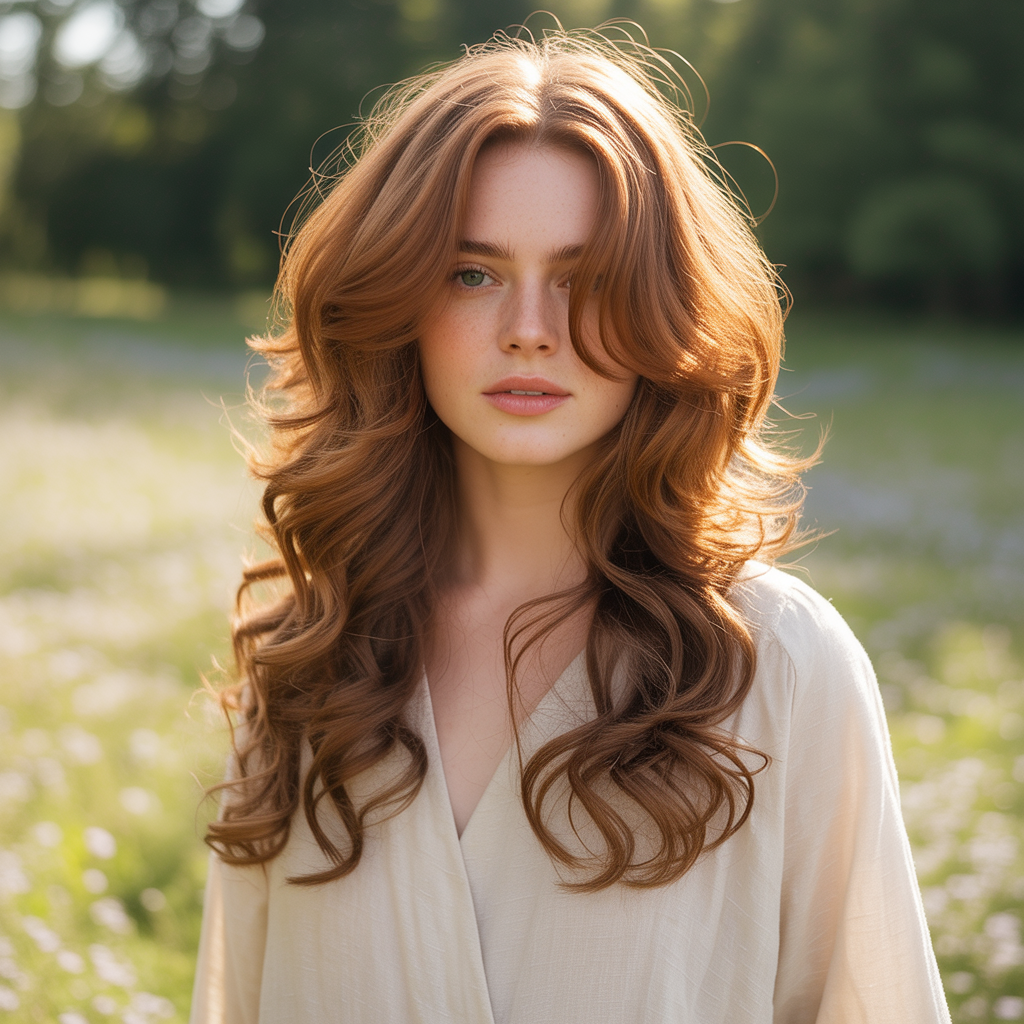
14 Curly Hairstyles Ideas That Will Transform Your Natural Texture for Good
You have probably scrolled past hundreds of curly hairstyles ideas, saved them to your phone, tried to recreate them at home, and ended up with something that looked nothing like the original. It is one of the most common and quietly frustrating experiences for anyone with textured hair.
The struggle is real and it is not a sign that you lack skill. Curl styling advice is scattered across conflicting methods, product overload, and tutorials made for one specific curl type presented as if they work for everyone. Most people never get a fair starting point.
The actual problem runs deeper than product choice. Most curly hair looks fall apart because the underlying cut was never designed for curly hair in the first place. A cut built around straight hair principles will fight your curls every single day no matter what you put in it.
After years of working alongside DevaCurl-trained stylists and testing styles across 2a to 4c curl patterns in real conditions, the clearest lesson is this: structure and product layering are what make curly styles last, not luck or effort.
This article gives you 14 curly hairstyles ideas matched to real curl types, with specific products, expert barber language, and face shape guidance for each one. No guessing required.
You will leave knowing exactly which style fits your texture and how to ask for it by name. These curly hairstyles ideas are built for wearability, not just aesthetics.
The biggest shift in the curl world right now is the move away from heavy gels toward layered cream-and-mousse combinations that let curls breathe and move naturally. Before you choose a style, know your curl pattern: a loose wave needs completely different structure than a tight coil, and the right cut makes any style ten times easier to maintain from day one.
Curly Hairstyles Ideas
Curly Bob with Soft Layers
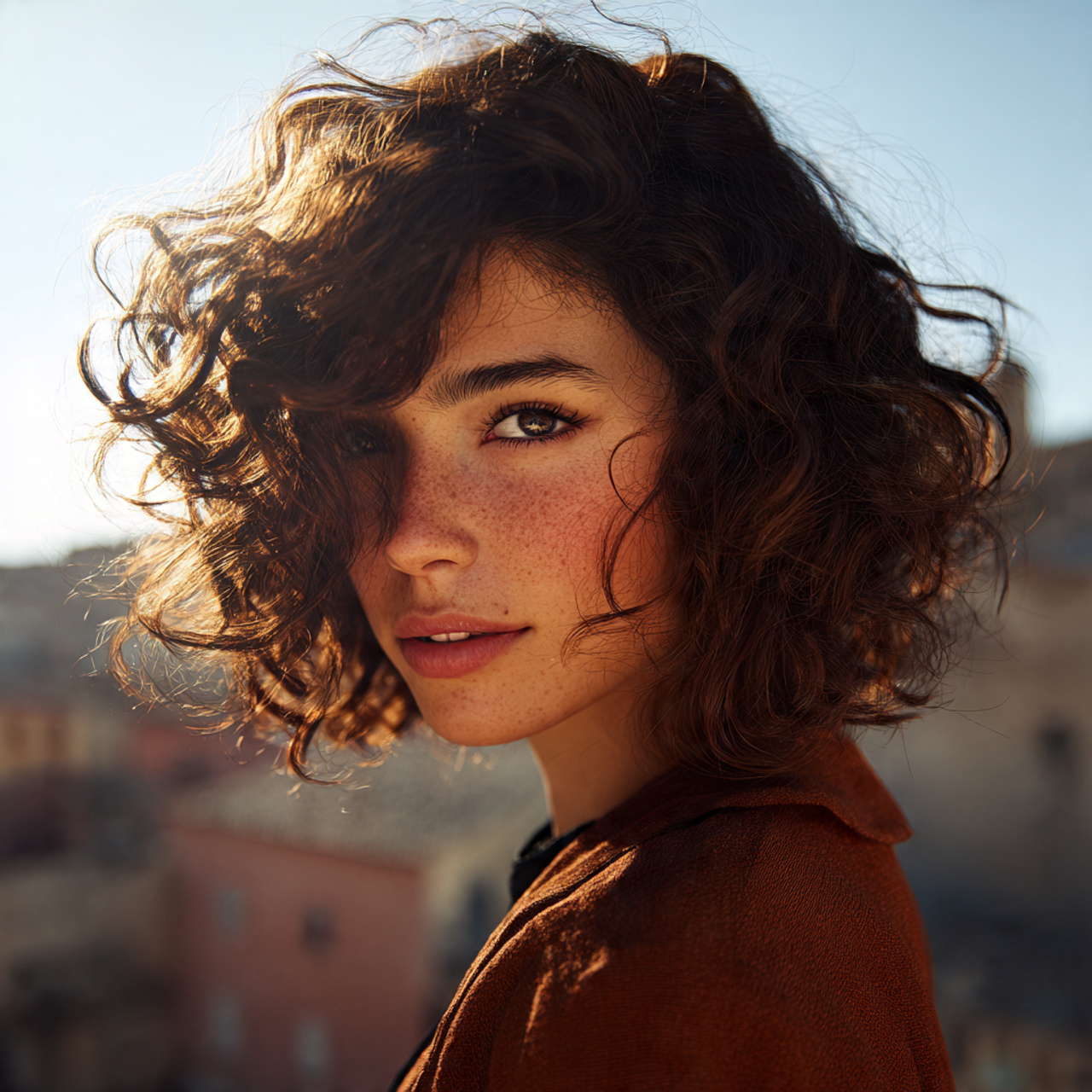
A curly bob with soft layers is one of the most flattering cuts available for curls that feel heavy or undefined. The internal layers redistribute weight so each curl can spring freely instead of dragging itself down. It sits at the jaw, which creates natural face framing with no effort required.
This is the cut that shifted how many curl specialists approach short hair. When done correctly by a DevaCurl-trained stylist, the shape holds even on humid days and needs almost no morning reset.
Best for: Fine to medium curls that need lift and bounce Product: Cantu Coconut Curling Cream applied to soaking wet hair section by section Face shape: Oval and heart faces benefit most from the jaw-length framing of this cut. Pro tip: Ask your stylist to cut each curl dry so the final length already accounts for shrinkage. Barber language: “I want a dry-cut curly bob with internal layers to remove weight without removing length.”
Long Loose Curly Waves
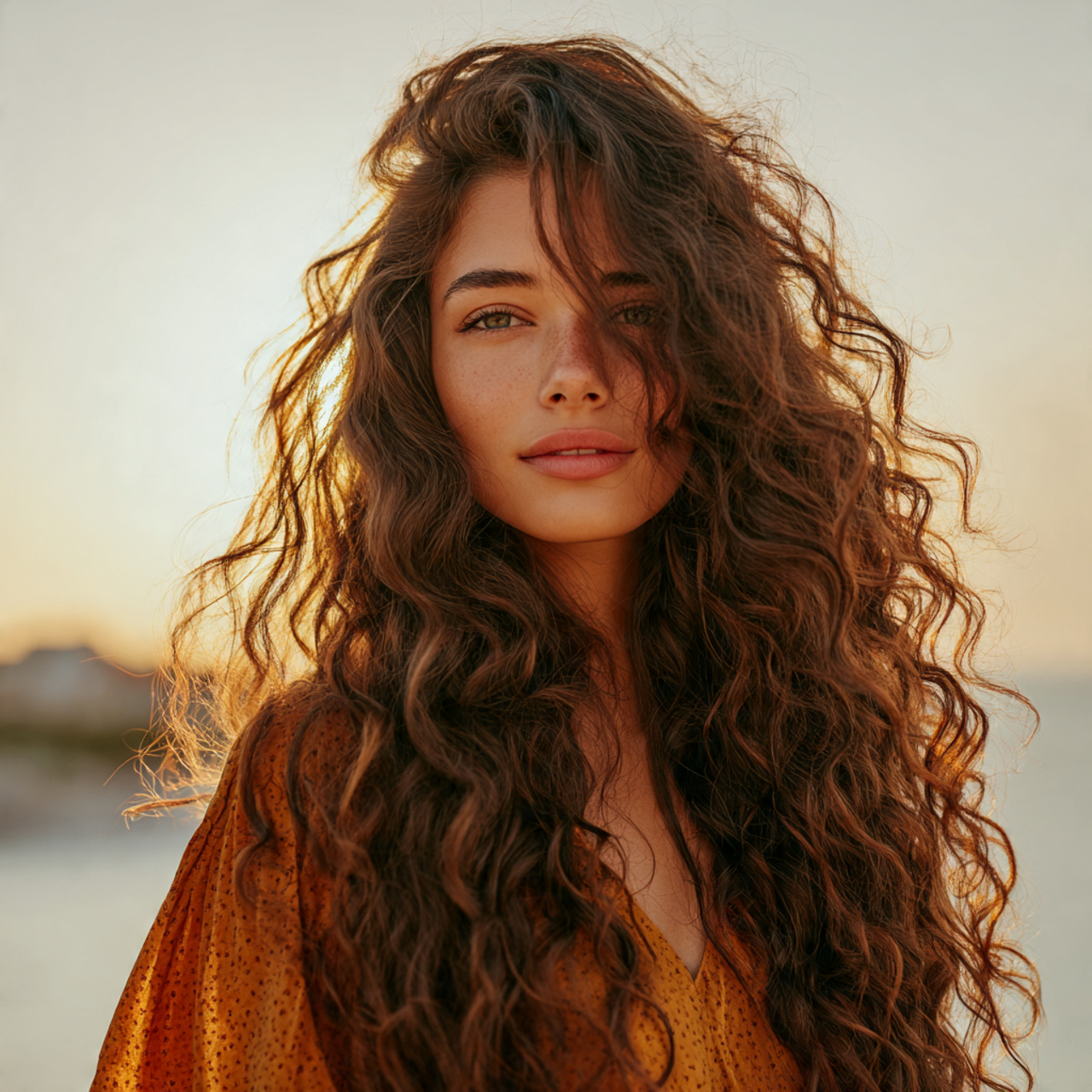
Long loose waves are the natural entry point for anyone starting to embrace their texture. The length lets curls elongate and show their full movement, creating that effortless undone look that continues to dominate editorial pages and social media alike.
Moroccanoil Curl Defining Cream is the go-to for this style because it defines without making waves stiff or crunchy. Apply it in sections while hair is still dripping and let it air dry completely before touching it.
Best for: 2a to 2c wave patterns wanting soft, lived-in definition Product: Moroccanoil Curl Defining Cream applied to soaking wet hair before air drying Face shape: Oblong and square faces benefit from the softness long waves create around the jawline. Pro tip: Sleep on a Slip silk pillowcase to preserve wave shape overnight and skip morning restyling entirely. Barber language: “I want long layers to remove bulk without shortening the length, and I need it curl-friendly.”
Curly High Ponytail
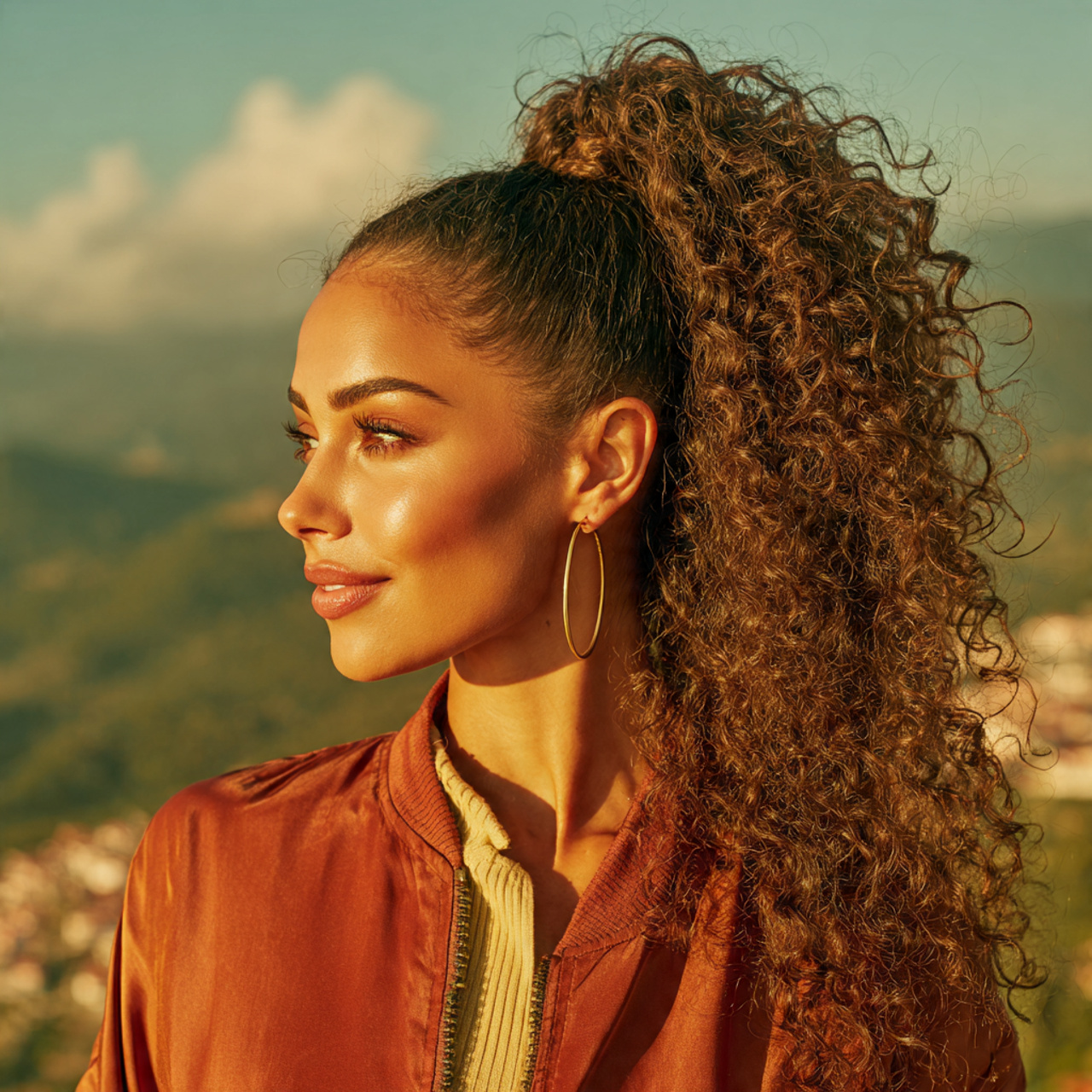
Pulling curls into a high ponytail immediately lifts the face and showcases curl texture at its most dramatic. The volume at the crown creates a statement that looks polished even when it took under five minutes to put together. Using a regular rubber band here will cause breakage at the root over time.
Kitsch Spiral Hair Ties are a curl staple because they hold firmly without leaving a dent or snapping strands. A small amount of Eco Styler Olive Oil Gel along the hairline keeps the perimeter clean without stiffness.
Best for: 3a to 4c curl types wanting a quick, high-impact everyday style Product: Kitsch Spiral Hair Ties paired with Eco Styler Olive Oil Gel for edges Face shape: Round and square faces are elongated beautifully by the vertical height a high ponytail creates. Pro tip: Wrap a small curl section around the base to cover the tie and add instant polish with no extra time. Barber language: “I want a rounded shape with enough length at the crown to pull into a full, voluminous ponytail.”
Half-Up Curly Style
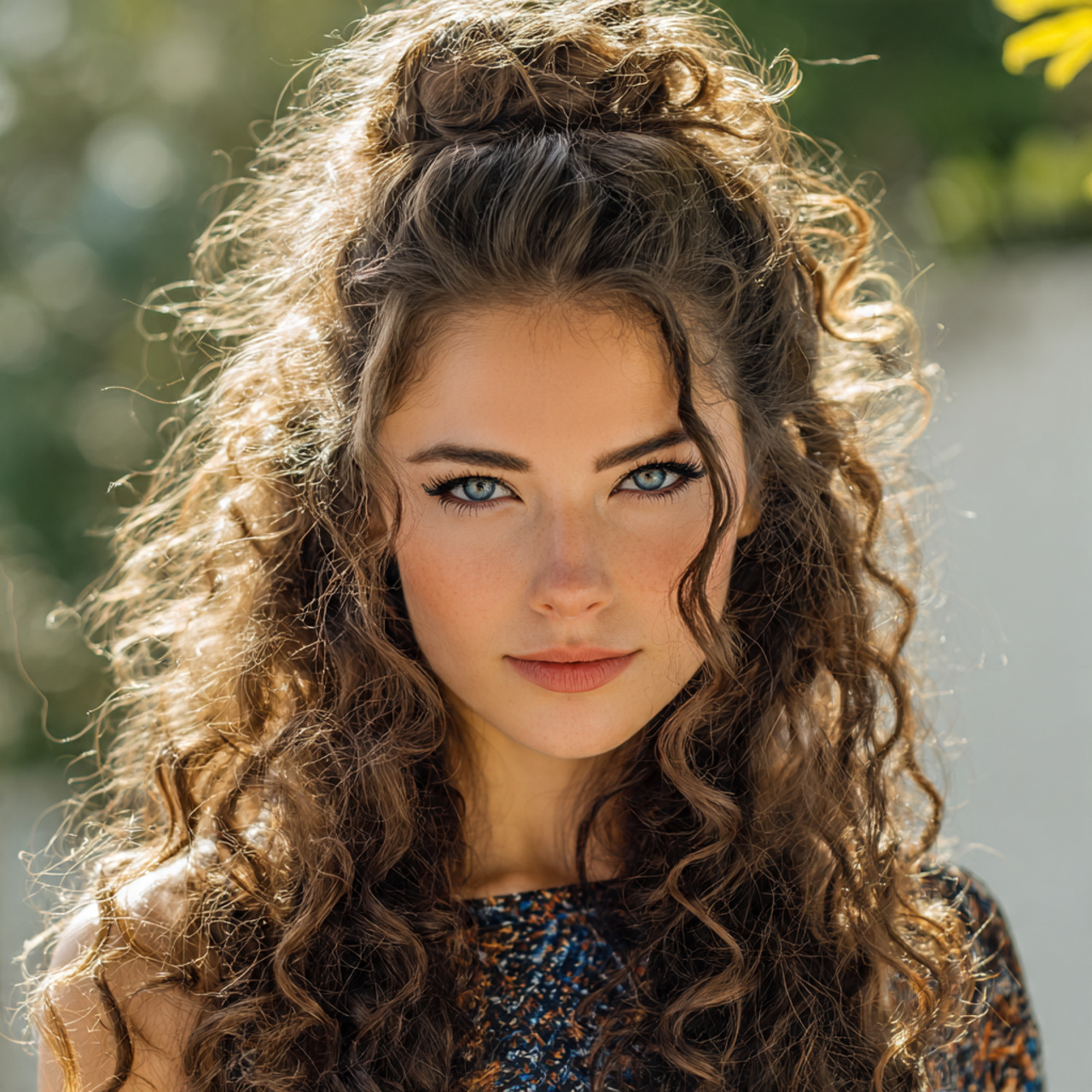
This style solves the daily debate between wearing curls up or down by simply doing both. It gives you the crown height of an updo while still showing off length and curl texture in the back. Done in under two minutes, it looks completely intentional.
Kooshoo organic cotton scrunchies work best here because they do not leave creases in curls the way standard elastic bands do. Letting a few face-framing pieces fall forward after securing the top section is the detail that makes this style feel curated.
Best for: All curl types, especially during grow-out or transitional phases Product: Kooshoo organic scrunchie for a damage-free, crease-free hold Face shape: Suits most face shapes. Round faces benefit especially from the lifted crown. Pro tip: Use a Denman brush on just the top section before pulling it up for a smoother crown without losing volume. Barber language: “I want face-framing layers at the front that fall naturally when I put the top section up.”
Curly Shag Cut
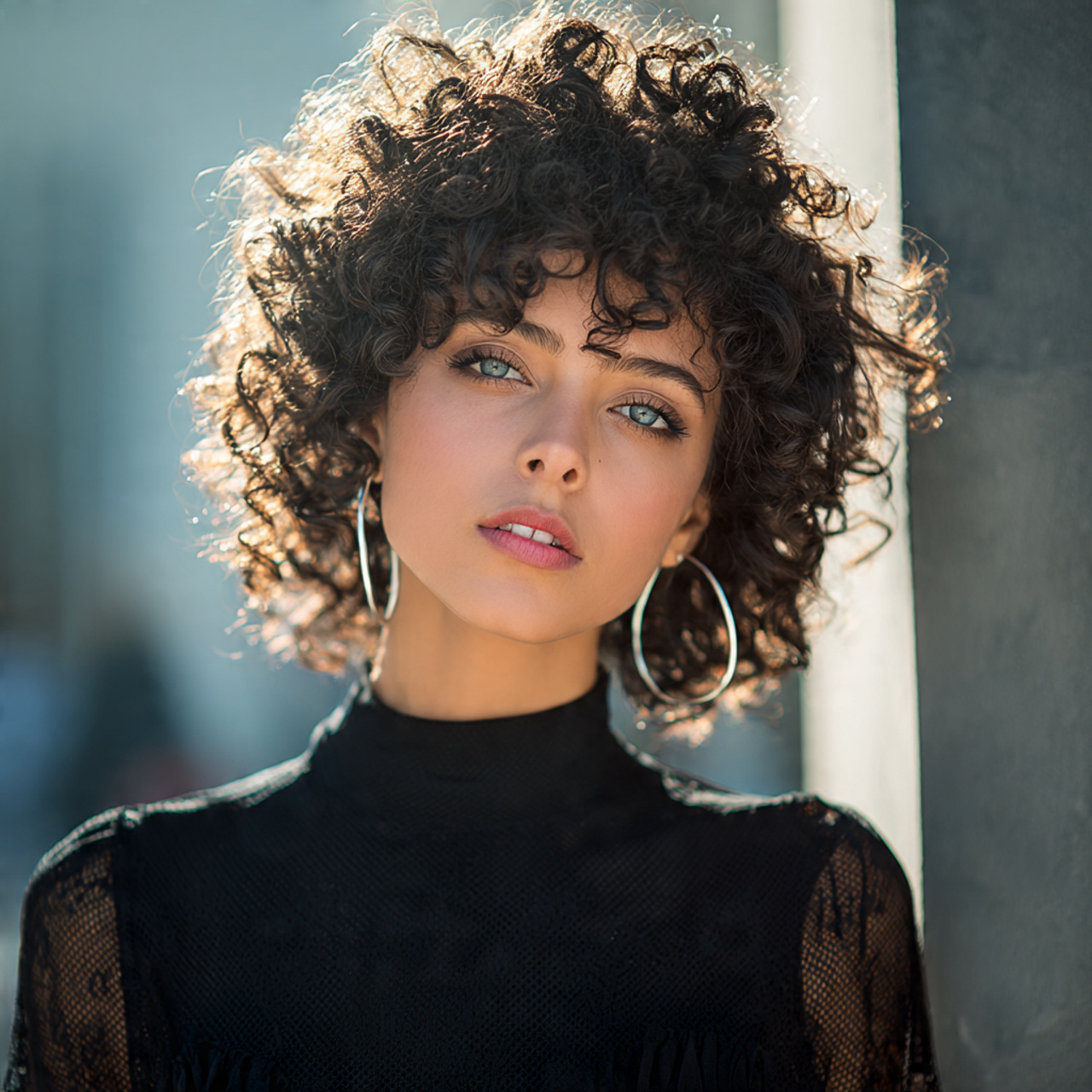
The curly shag cut is experiencing a serious revival and the reason is clear. The combination of curtain bangs, heavy internal layers, and a slightly grown-out perimeter creates a style that looks intentionally undone and deeply modern. It works especially well for curls sitting in the 2c to 3b range.
The difference between a shag that works and one that does not is where the layers are placed. Ouidad-trained stylists cut them starting from the crown outward so the shape stays full rather than collapsing into a triangle. This is not a cut to attempt with a stylist who does not specialize in curly hair.
Best for: Curly hair wanting crown volume and rich texture throughout every section Product: Not Your Mother’s Curl Talk Frizz Control Sculpting Gel layered over a leave-in conditioner Face shape: Heart and oval faces are the natural fit for this cut’s layered, movement-forward frame. Pro tip: Diffuse on low heat with your head flipped upside down to maximize the shaggy, voluminous shape. Barber language: “I want a curly shag with curtain bangs and heavy layers starting at the crown, cut dry.”
Tight Curly Afro Style
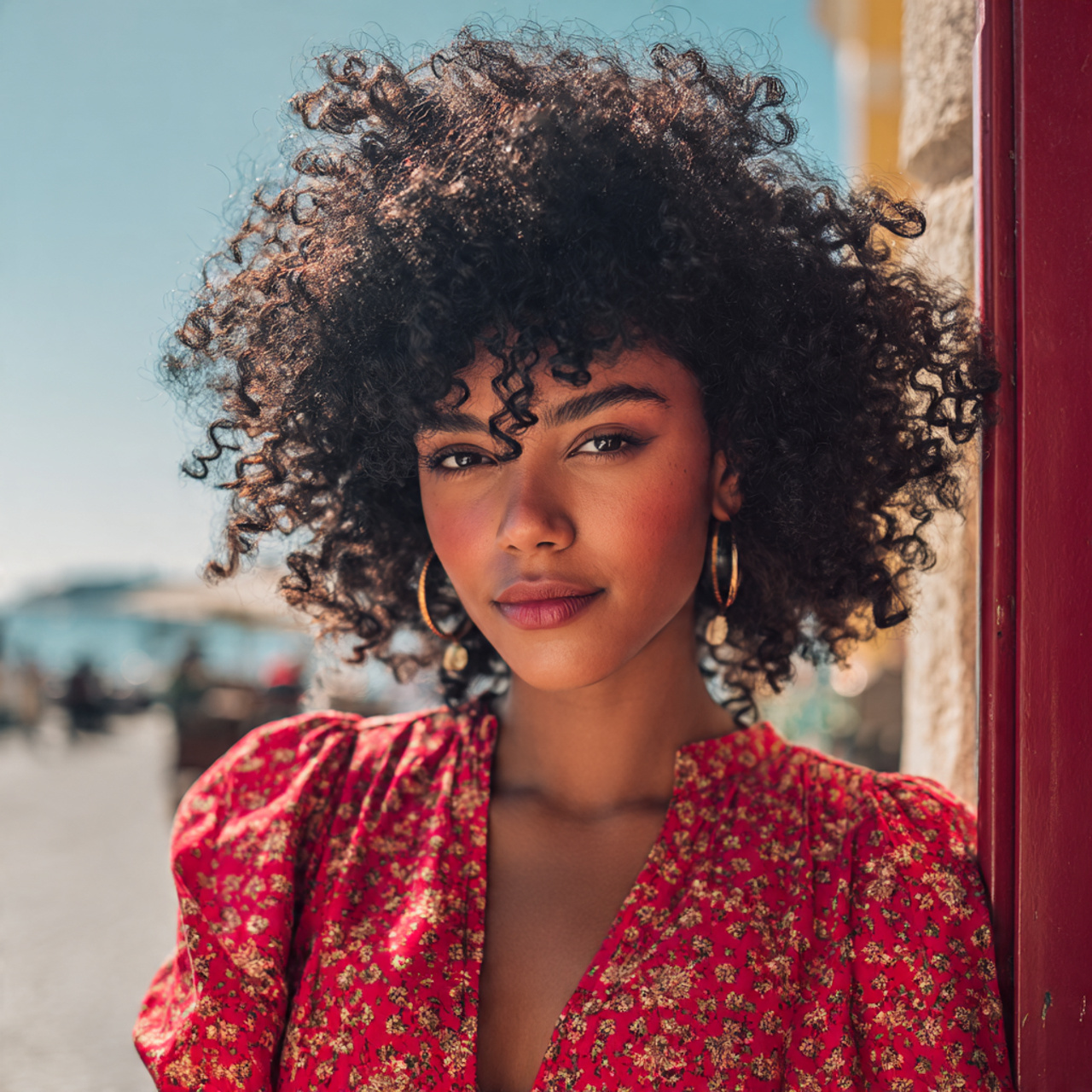
The tight curly afro is not a trend. It is a direct celebration of curl pattern in its most natural and unmanipulated state. The rounded silhouette creates bold visual impact and lets 4a to 4c coils show their full potential without heat or manipulation of any kind.
Maintaining an afro is about moisture above everything else. The LOC method used with SheaMoisture 100% Raw Shea Butter Leave-In Conditioner keeps coils defined and soft without any crunch. Lifting the roots gently with an afro pick after drying builds the fullness that defines this iconic shape.
Best for: 4a to 4c curl types embracing their natural coil pattern fully Product: SheaMoisture 100% Raw Shea Butter Leave-In Conditioner followed by a light oil seal Face shape: All face shapes work. The pick can adjust the shape to elongate or widen as needed for each individual. Pro tip: Pineapple your hair each night with a satin scrunchie to preserve volume and shape until morning. Barber language: “I want an even, rounded shape with no thinning or razoring. Keep the density and just clean the perimeter.”
Curly Low Bun
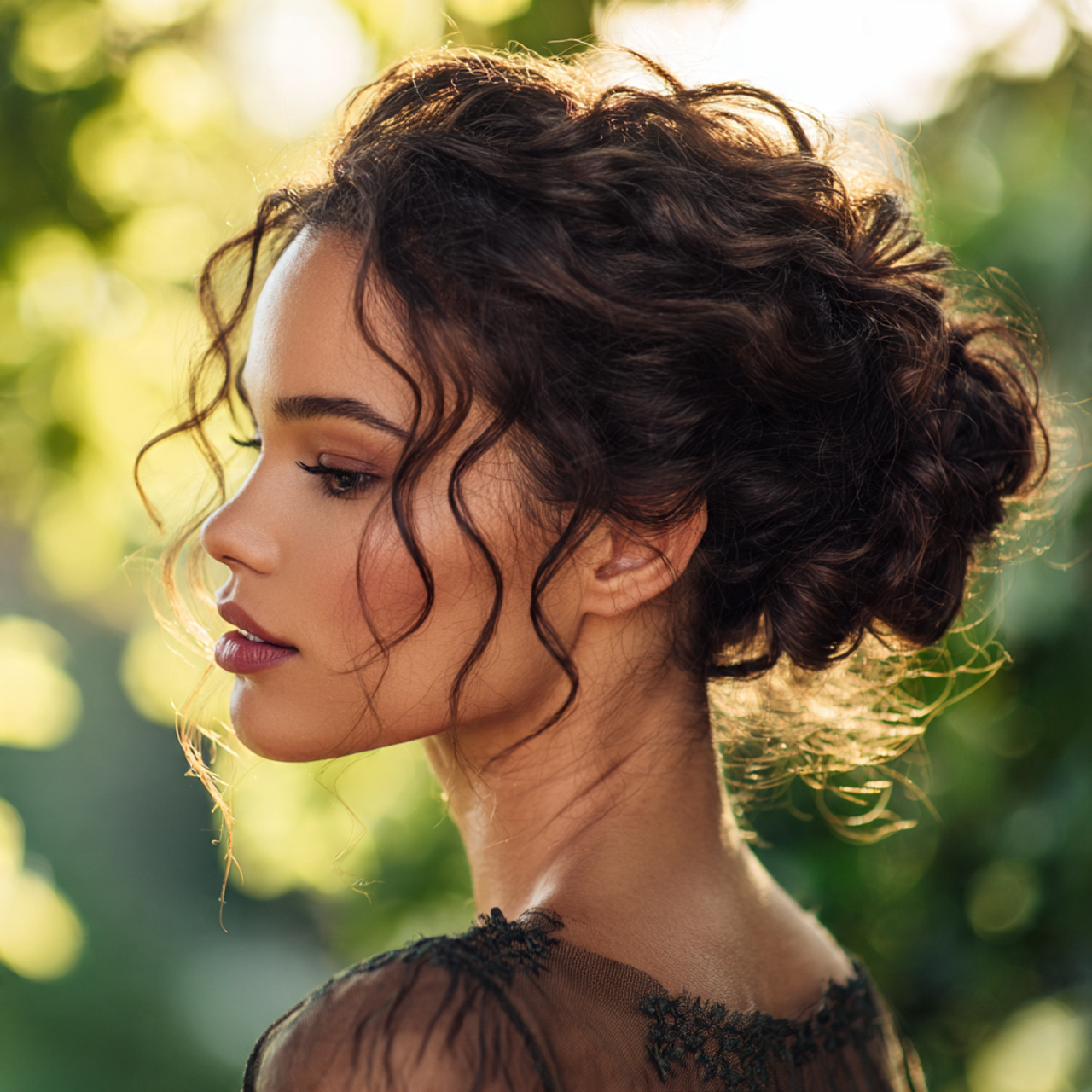
A curly low bun is the polished alternative to a messy updo for moments that need a more finished look. Leaving a few curls loose around the hairline brings softness to what could otherwise read as too severe. This style is consistently underestimated for formal events and daily professional settings.
Wrapping sections with a Curlformers stretching tool for ten minutes before pinning creates more volume at the back without heat damage. Goody Spin Pins hold the bun more securely than bobby pins and avoid flattening the curls gathered inside.
Best for: Medium to long curls needing a neat and formal option that still shows texture Product: Curlformers for pre-stretching and Goody Spin Pins for a damage-free hold Face shape: Oval and long face shapes are highlighted well by the clean, elongating silhouette of a low bun. Pro tip: Gently pull the bun apart after pinning to add width so it does not read as too tight or flat. Barber language: “Keep the back long enough to gather into a low bun with face-framing pieces left loose around the front.”
Side-Parted Curly Hair
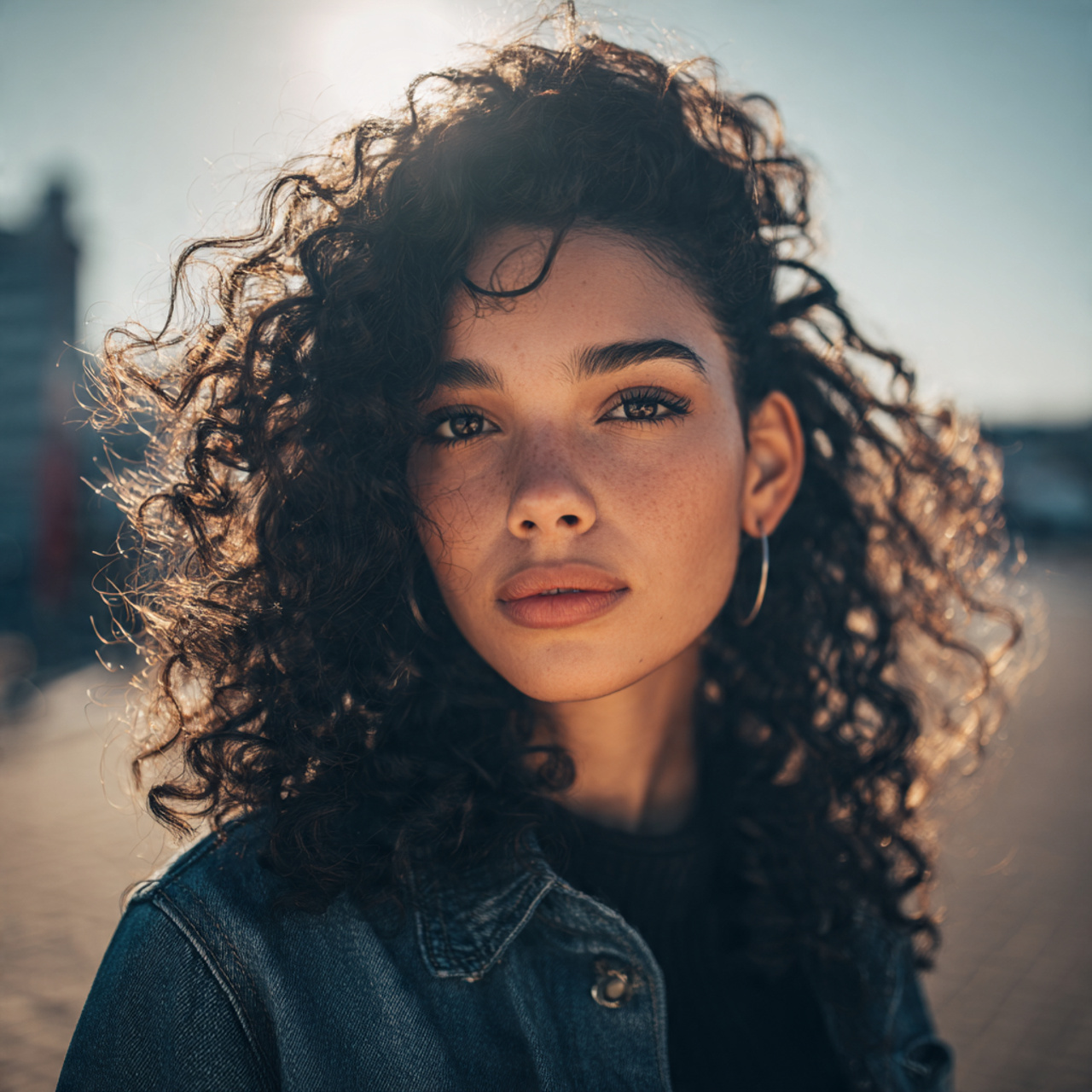
Switching to a side part is the simplest possible transformation for curly hair, requiring no tools and no products you do not already own. The asymmetry adds depth and movement, making curls look more dynamic without a single change to the cut or the styling routine. It also shifts volume to one side in a way that flatters nearly every face shape.
Setting the part while hair is wet is the key step most people skip. A rat tail comb draws a clean line from the forehead back, and Ouidad Advanced Climate Control Heat and Humidity Gel applied on that side locks the part in place without stiffness.
Best for: Any curl type wanting a significant visual shift with zero effort or cost Product: Ouidad Advanced Climate Control Heat and Humidity Gel to set the part direction while wet Face shape: Round faces benefit most from a side part because the asymmetry slims and elongates naturally. Pro tip: Try a deep side part rather than a standard one for a more editorial, intentional result. Barber language: “I want more weight built on one side and face-framing layers that fall naturally from a side part.”
Curly Pixie Cut
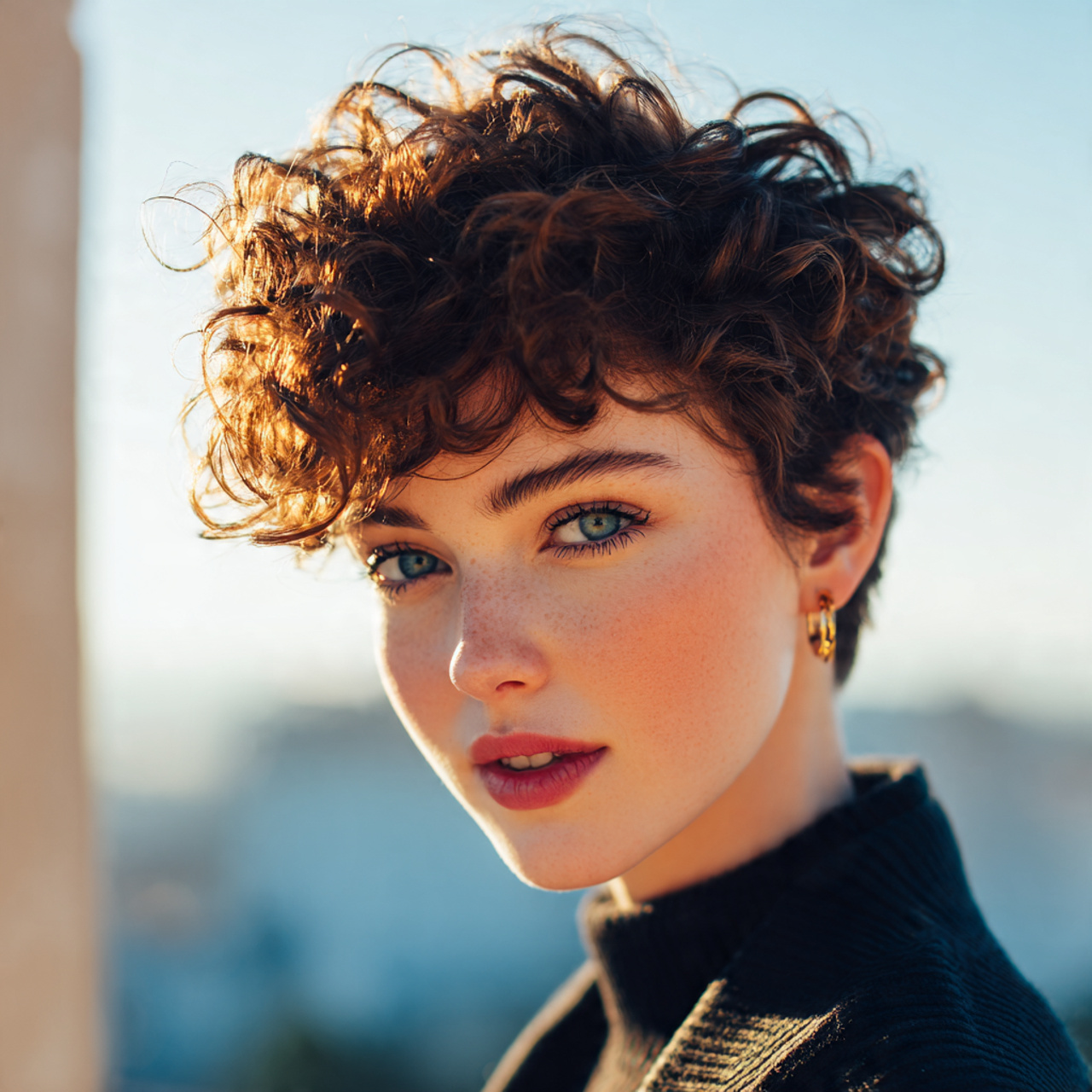
The curly pixie is one of the boldest and most genuinely low-maintenance options available for curly hair. Short length means products stretch further, drying time drops significantly, and the natural curl texture does all the visual work without any heat tools. It is a freeing cut for anyone tired of long styling routines.
Giovanni 2chic Frizz Be Gone Shea Butter and Sweet Fig Smoothing Serum is one of the most reliable finishing products for a pixie because it controls the perimeter without flattening the volume at the top. Getting this cut done by a stylist who understands shrinkage is essential because wet cuts at this length frequently end up significantly shorter than expected once dry.
Best for: 3a to 3c curls ready to go short and let natural texture lead Product: Giovanni 2chic Frizz Be Gone Serum applied to damp ends to control the perimeter Face shape: Oval, heart, and diamond faces carry a curly pixie most naturally and proportionately. Pro tip: Ask for extra length left on top with shorter sides to create contrast and avoid a rounded, helmet-like result. Barber language: “I want a curly pixie with length on top and close-cut sides, shaped dry so the shrinkage is already factored in.”
Curly Braided Crown
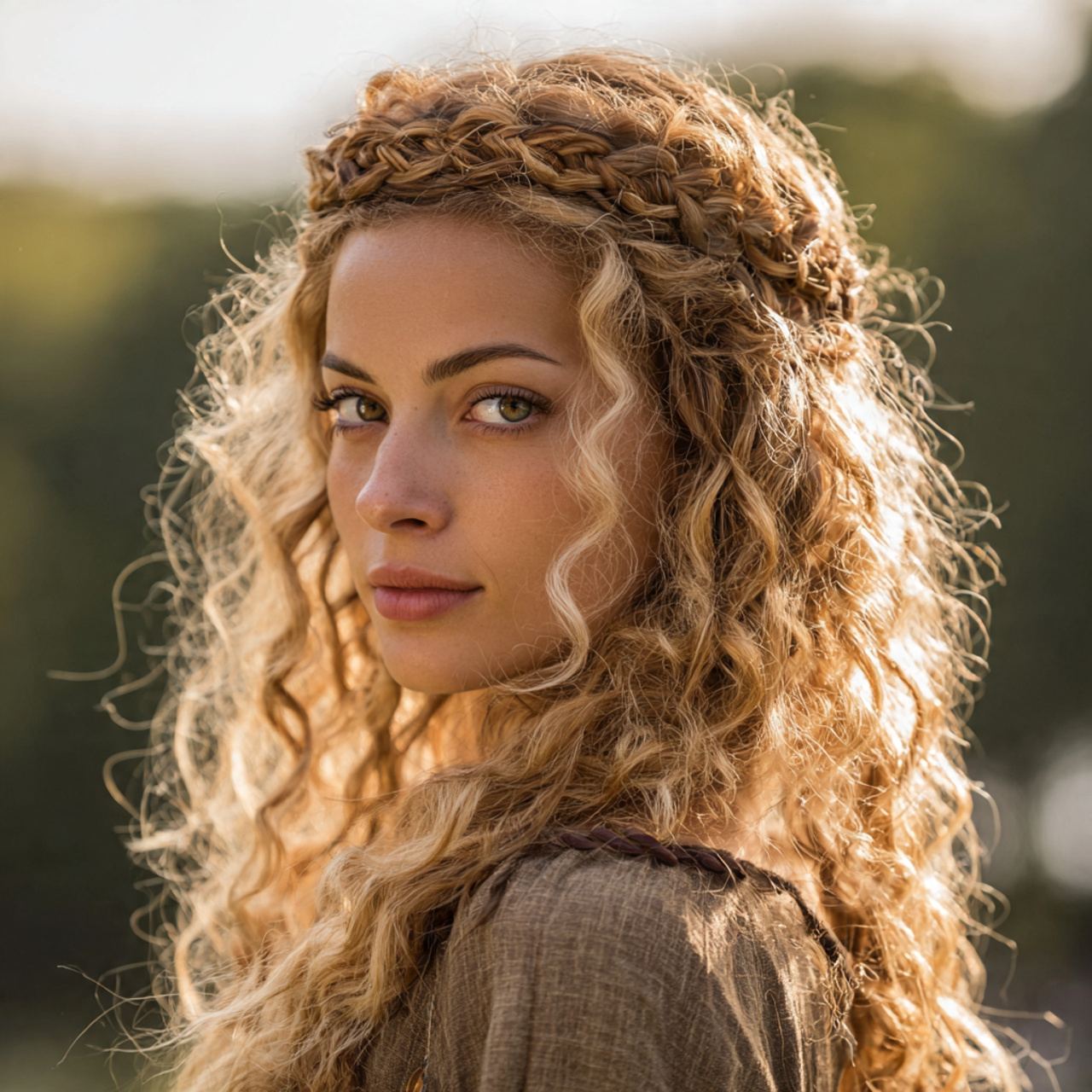
The curly braided crown turns heads at events without requiring hours in a chair. Two braids pinned across the top with curls left loose underneath creates a look that feels detailed and considered while taking under fifteen minutes to complete. It works especially well on freshly washed, fully defined hair.
Aunt Jackie’s Don’t Shrink Flaxseed Elongating Curling Gel applied to the sections you plan to braid keeps them smooth and manageable. The contrast between the structured braid and the free curls underneath is what gives this style its visual interest. Second-day curls with a little grip and texture hold the braid better than freshly washed hair.
Best for: 3a to 4b curls wanting a statement look for events and gatherings Product: Aunt Jackie’s Don’t Shrink Flaxseed Elongating Curling Gel applied to braid sections only Face shape: Oval and heart faces are highlighted by the braided crown’s upward focus and open forehead line. Pro tip: Pin the braids slightly off-center rather than perfectly symmetrical for a more natural, effortless finish. Barber language: “I need enough length at the top and sides to braid back into a crown while keeping the back curls completely loose.”
Messy Curly Bun

The messy curly bun has earned its place as the most reached-for quick style in any curly hair routine. It looks undone in the right way, which is a distinction that takes a little intention to get right. The goal is volume and looseness, not a deflated, flat shape.
The Kitsch Velvet Hair Scrunchie adds enough size and softness that the bun sits up and looks full even with less hair gathered inside it. Pulling a few curls free around the temples after securing immediately shifts the whole look from rushed to relaxed.
Best for: All curl types on busy mornings or intentionally low-effort days Product: Kitsch Velvet Hair Scrunchie for volume and a zero-damage hold throughout the day Face shape: All face shapes work with this style. Wearing it higher suits round faces and lower suits longer faces. Pro tip: Twist the hair loosely before wrapping rather than gathering it tightly so the bun has natural shape and does not collapse within an hour. Barber language: “I want layers throughout so when I put my hair up the bun still has volume and texture instead of sitting flat.”
Visit Also: Short Curly Hairstyles
Shoulder-Length Curly Layers
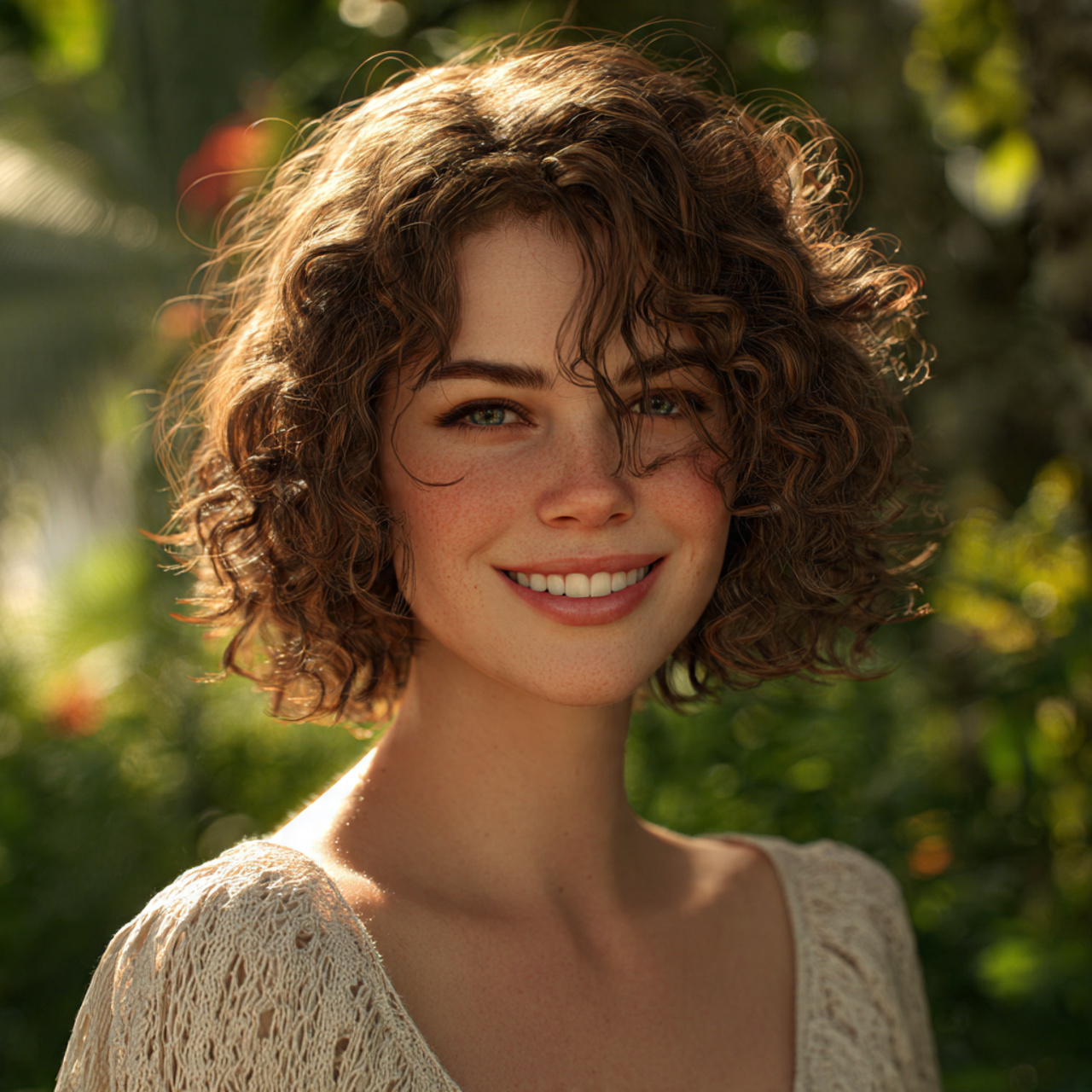
Shoulder-length curly hair with layers sits in the sweet spot between manageable and expressive. The internal layers remove bulk while keeping the perimeter full, which directly prevents the triangle shape that plagues curly cuts built on straight-hair principles. This length works across more curl types than almost any other on this list.
TIGI Bed Head Curl Cream is reliable at this length because it works across multiple curl patterns and delivers consistent definition without buildup. Applying it with the praying hands method, smoothing sections with palms pressed together, encourages curl clumping and reduces frizz throughout the layers.
Best for: 2b to 3c curls at mid-length wanting shape without heaviness or bulk Product: TIGI Bed Head Curl Cream applied with the praying hands method on soaking wet hair Face shape: Oval, round, and square faces are all well-served by shoulder-length layers that frame without overwhelming. Pro tip: Request a U-shape perimeter cut rather than a blunt straight line so curls spring up evenly when dry. Barber language: “I want a U-shape perimeter with internal layers to remove weight, and I need it cut dry so the curl pattern guides the final shape.”
Curly Fringe with Layers
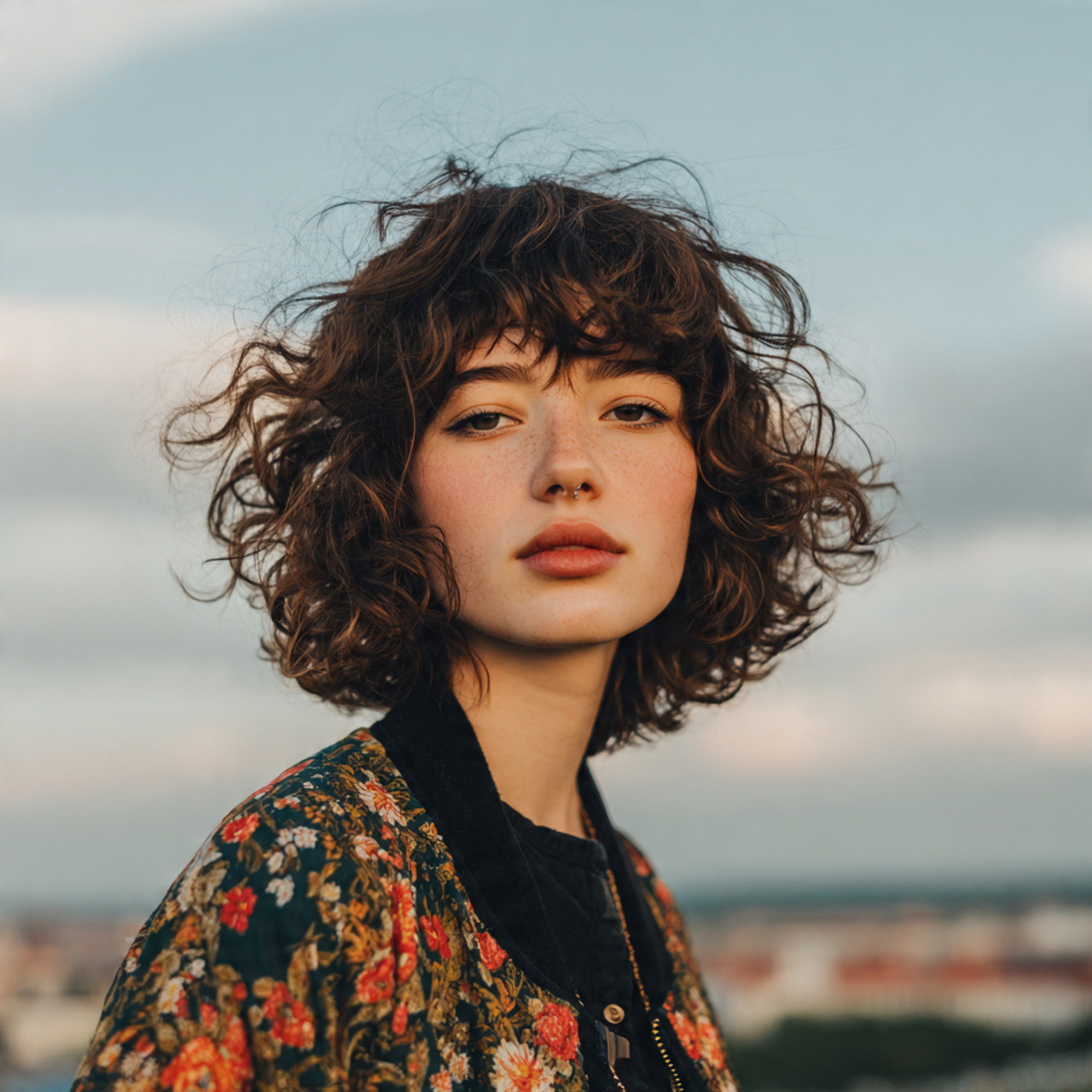
Curly bangs are among the most misunderstood style choices in the curly hair world. Done correctly, they soften the forehead and create a face-framing effect that no other technique replicates as naturally. Done incorrectly, they spring up into an unintended puffball that reads as a mistake rather than a deliberate choice.
Verb Curl Leave-In Conditioner applied to the bang section before air drying keeps curls elongated and defined rather than puffy. The cut must be placed at a longer length than feels right because shrinkage will pull the fringe up significantly once dry. DevaCurl-trained stylists are the most reliable option for getting curly bangs shaped and placed correctly.
Best for: 2c to 3b curls wanting a face-framing feature that adds personality to any length Product: Verb Curl Leave-In Conditioner applied to the fringe section while still soaking wet Face shape: Oval and heart faces benefit most from curly bangs. Round faces should opt for a side-swept fringe instead. Pro tip: Pin the bangs forward with two clips while they air dry to train them to fall rather than spring backward. Barber language: “I want curly bangs cut long to account for shrinkage. Do not trim them wet. Cut dry and let them spring naturally.”
Defined Spiral Curls
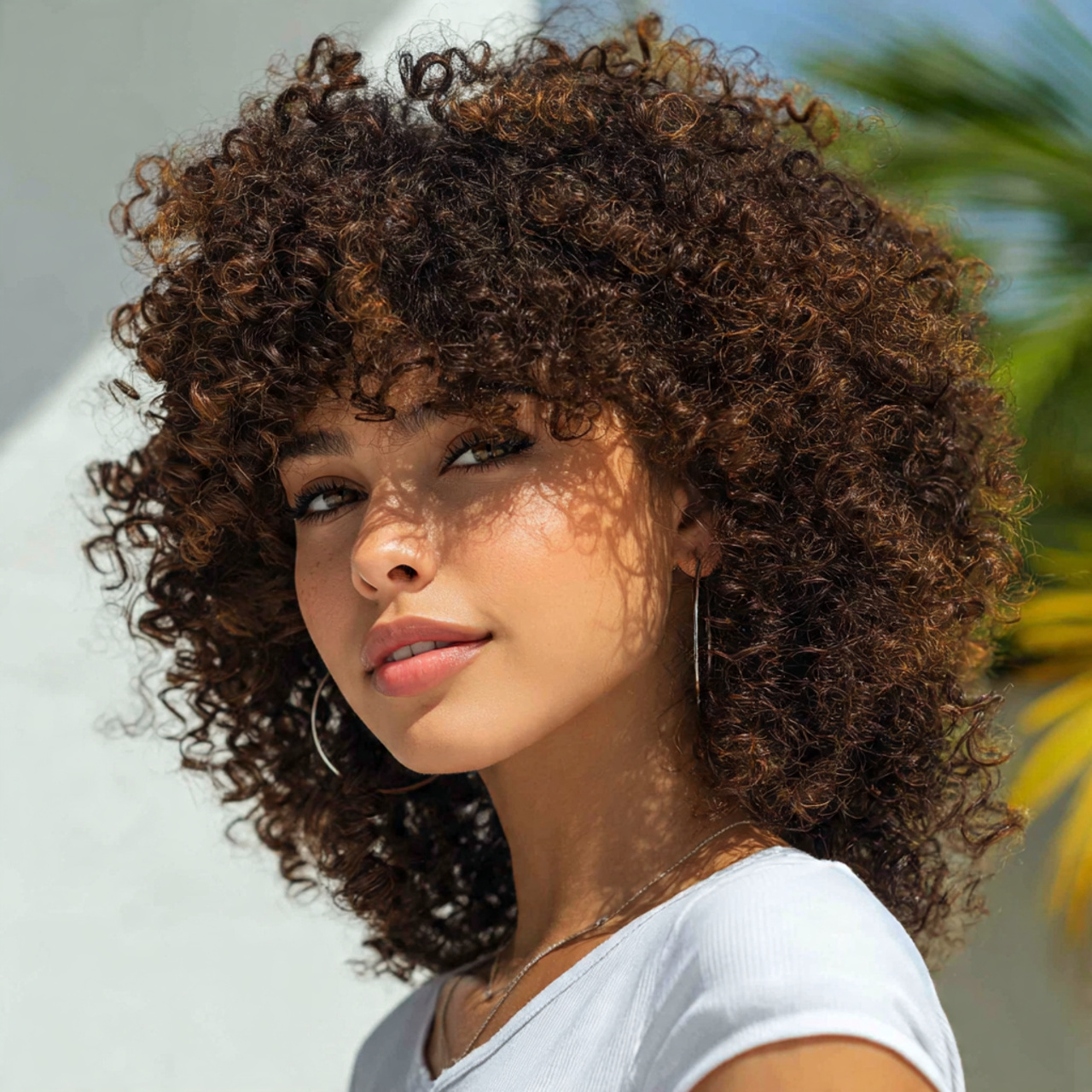
Defined spiral curls show the full potential of a tight curl pattern when product and technique are both working together. Each coil is separated, shaped, and glossy, which creates a finished look equally suited to everyday wear and formal occasions. This level of definition holds for multiple days with proper overnight protection.
The Denman brush is the defining tool for this style. Using it while Kinky-Curly Curling Custard is still wet on the hair, brushing each curl from root to tip, encourages clumping and creates that consistent spiral shape. Once completely dry, clean hands rather than any brush or comb should be used to separate the clumps gently.
Best for: 3b to 4b curls wanting maximum definition and a polished, long-lasting finish Product: Kinky-Curly Curling Custard applied with a Denman brush on soaking wet hair section by section Face shape: Oval and diamond faces are complemented by defined spirals because the elongated coils balance facial proportions beautifully. Pro tip: Separate curls only after they are one hundred percent dry. Touching them earlier creates frizz that requires a full rewet to correct. Barber language: “I want a cut that supports coil definition. Keep the shape even and remove any pieces that disrupt the curl pattern when dry.”
Quick Comparison Table
| Style | Length | Hair Type | Maintenance | Bold Factor |
|---|---|---|---|---|
| Curly Bob with Soft Layers | Short | Fine to medium curls | Low | ⭐⭐ |
| Long Loose Curly Waves | Long | 2a to 2c waves | Low | ⭐ |
| Curly High Ponytail | Medium to long | 3a to 4c | Very low | ⭐⭐ |
| Half-Up Curly Style | Medium to long | All types | Very low | ⭐ |
| Curly Shag Cut | Medium | 2c to 3b | Low | ⭐⭐⭐ |
| Tight Curly Afro Style | Any | 4a to 4c | Medium | ⭐⭐⭐ |
| Curly Low Bun | Medium to long | All types | Low | ⭐⭐ |
| Side-Parted Curly Hair | Any | All types | Very low | ⭐ |
| Curly Pixie Cut | Short | 3a to 3c | Very low | ⭐⭐⭐ |
| Curly Braided Crown | Medium to long | 3a to 4b | Medium | ⭐⭐⭐ |
| Messy Curly Bun | Medium to long | All types | Very low | ⭐ |
| Shoulder-Length Curly Layers | Medium | 2b to 3c | Low | ⭐⭐ |
| Curly Fringe with Layers | Any | 2c to 3b | Medium | ⭐⭐ |
| Defined Spiral Curls | Any | 3b to 4b | High | ⭐⭐⭐ |
Frequently Asked Questions
What curly hairstyles ideas are easiest for beginners to try at home? The curly high ponytail and messy curly bun are the most accessible starting points because they require no cutting and work on any curl pattern. Both look better as curls become more defined with consistent conditioning and moisture.
How do I find a stylist who actually knows how to cut curly hair? Search for DevaCurl-certified or Ouidad-trained stylists in your area because they specialize in dry cutting techniques that account for curl shrinkage. Cutting curly hair wet without shrinkage awareness is the single most common reason curly cuts go wrong.
Which curl type is most difficult to style and why? Type 4c coils are the most shrinkage-prone and require the most moisture to stay defined and manageable throughout the day. Layering products on soaking wet hair and avoiding manipulation once drying begins makes the biggest difference.
Can defined curls be achieved on naturally straight hair? Flexi rods or Curlformers can create defined spiral curls on straight hair without heat damage, though the result will not last as long as on naturally textured hair. Applying a light mousse like Garnier Fructis Pure Clean Styling Mousse before wrapping the rods significantly extends hold.
How often should curly hair be trimmed to stay healthy? Every eight to ten weeks is the standard guideline, though many DevaCurl specialists recommend lighter dusting trims every six weeks to catch split ends before they travel up the strand. Waiting too long between trims causes breakage that shortens curly hair faster than regular maintenance ever would.
Final Thoughts
Curly hairstyles ideas are only as useful as the cut underneath them. Too many people fall in love with a style on someone else and wonder why it does not translate, and the answer almost always comes back to cut structure and product application. Getting those two things right changes the entire experience.
The styles in this list are not built to last one season. They are shapes and techniques that work with the way curls actually behave, and they are flexible enough to grow and adapt with your hair over time. Start with one style that matches your curl type and your honest daily routine, then build from there.
The most important shift happening in the curly hair world right now is not about new products or viral techniques. It is about trust. Trusting that your natural texture is the starting point, not the problem to overcome. The right cut and the right products simply give your curls room to show what they were already capable of.
If you remember nothing else from this article, remember this: a stylist who cuts curly hair wet without ever discussing your shrinkage percentage is not the right stylist for your texture.
Loved this list? Save it to your Pinterest board and share it with a friend who is finally ready to work with their curls instead of against them.