Effortless French Shag Haircut: 27 Ways to Wear It
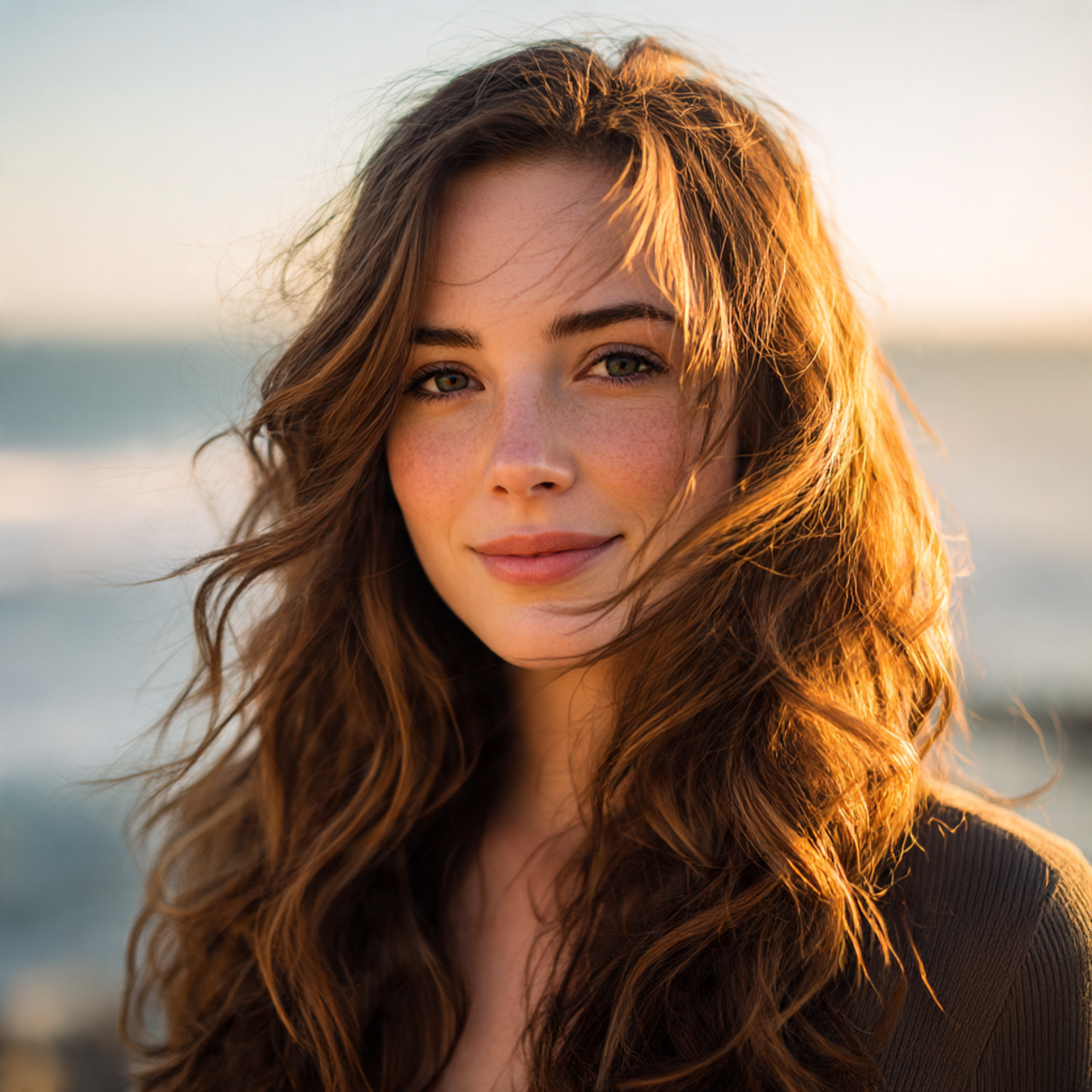
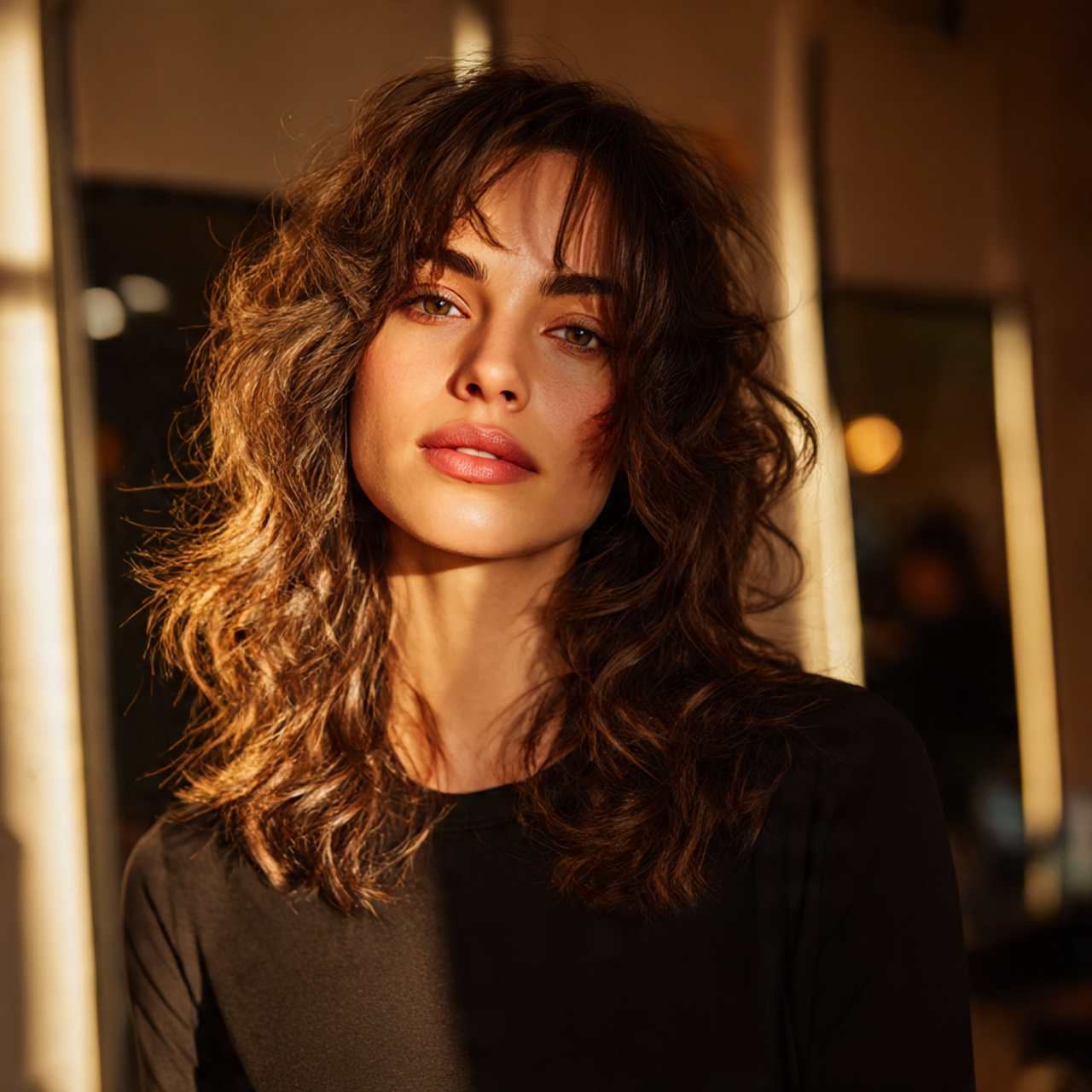
The French shag haircut is a relaxed, textured style that looks natural and stylish at the same time. It blends soft layers, light movement, and an easy shape that never feels stiff. This haircut is popular because it looks good without heavy styling and fits into everyday life.
This style takes inspiration from classic layered cuts but gives them a softer, modern finish. It is not messy or wild. It is designed to look lived-in, light, and natural. Many clients love it because it works even on busy mornings.
This article discusses hairstyle aesthetics inspired by fashion and beauty trends, not beliefs or practices. Every detail here focuses only on appearance, grooming, and styling comfort.
The French shag haircut is a smart choice if you want volume, texture, and shape without spending a lot of time styling. It is easy to wear and easy to maintain.
What Makes the French Shag Haircut Different
The French shag haircut uses layers in a very smart way. Instead of heavy, sharp layers, the cut uses soft, blended pieces that move naturally. These layers create lift at the crown and lightness through the ends.
Unlike older shag cuts that looked rough, the French version looks clean and modern. The shape is soft and flexible, which helps it grow out nicely. It looks intentional even after weeks of wear.
This cut is always adjusted to your hair type. A good stylist will change the layer length and density to fit your hair texture. That is why it works on so many people.
Classic French shag
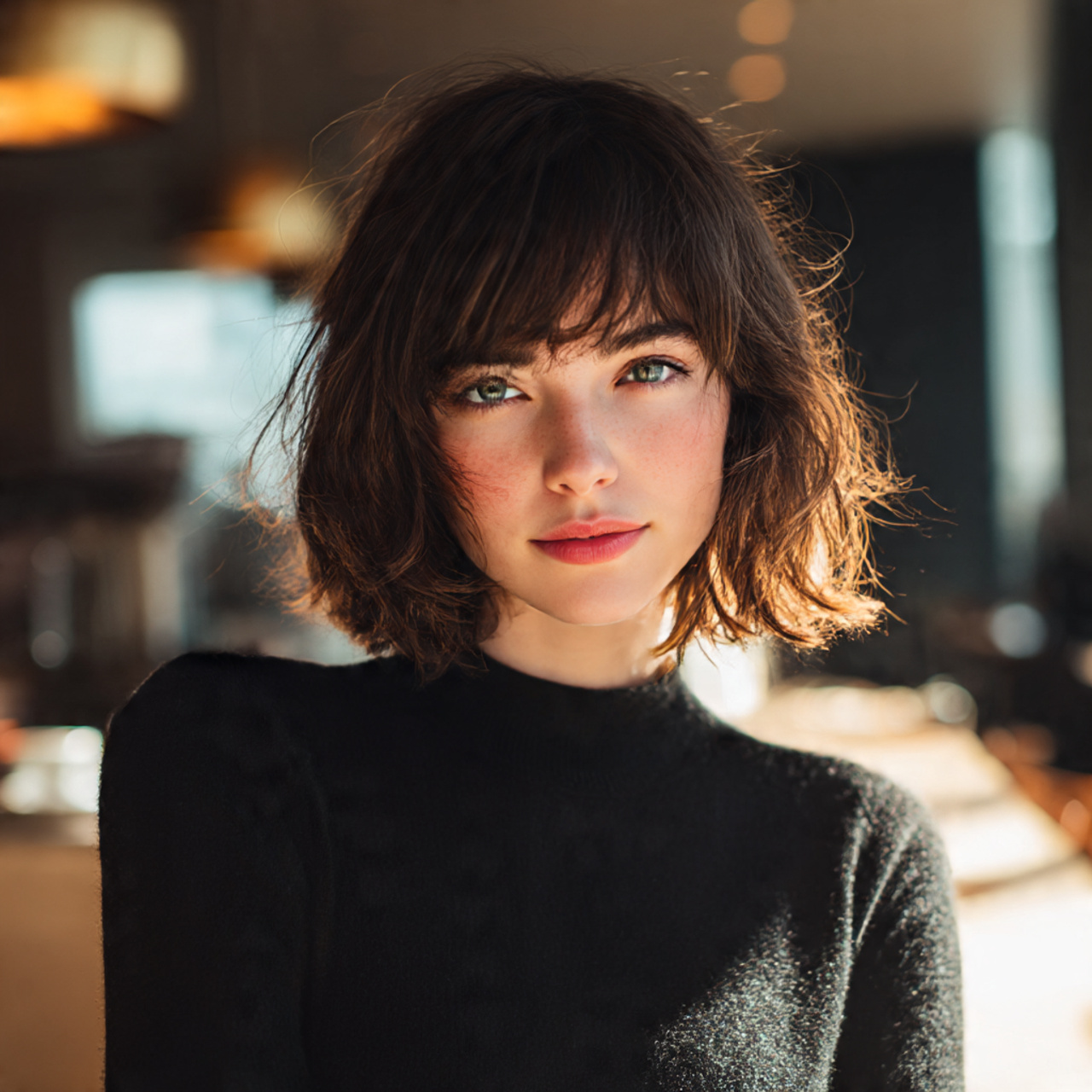
The classic French shag has short layers at the top and soft movement through the sides. It usually includes a light fringe that falls around the brows. The length often sits near the shoulders, making it easy to manage.
This version focuses on texture and natural volume. It looks good with little effort and grows out well. It is a great starting point if you are new to layered styles.
French shag for fine hair

Fine hair often looks flat, and this cut helps fix that. The short layers lift the roots and create shape without thinning the ends too much. This makes the hair look fuller and more alive.
To style it, use a light mousse at the roots and dry gently. Avoid heavy creams. The goal is lift, not weight. This is why the French shag is a favorite for thin hair.
French shag on short hair
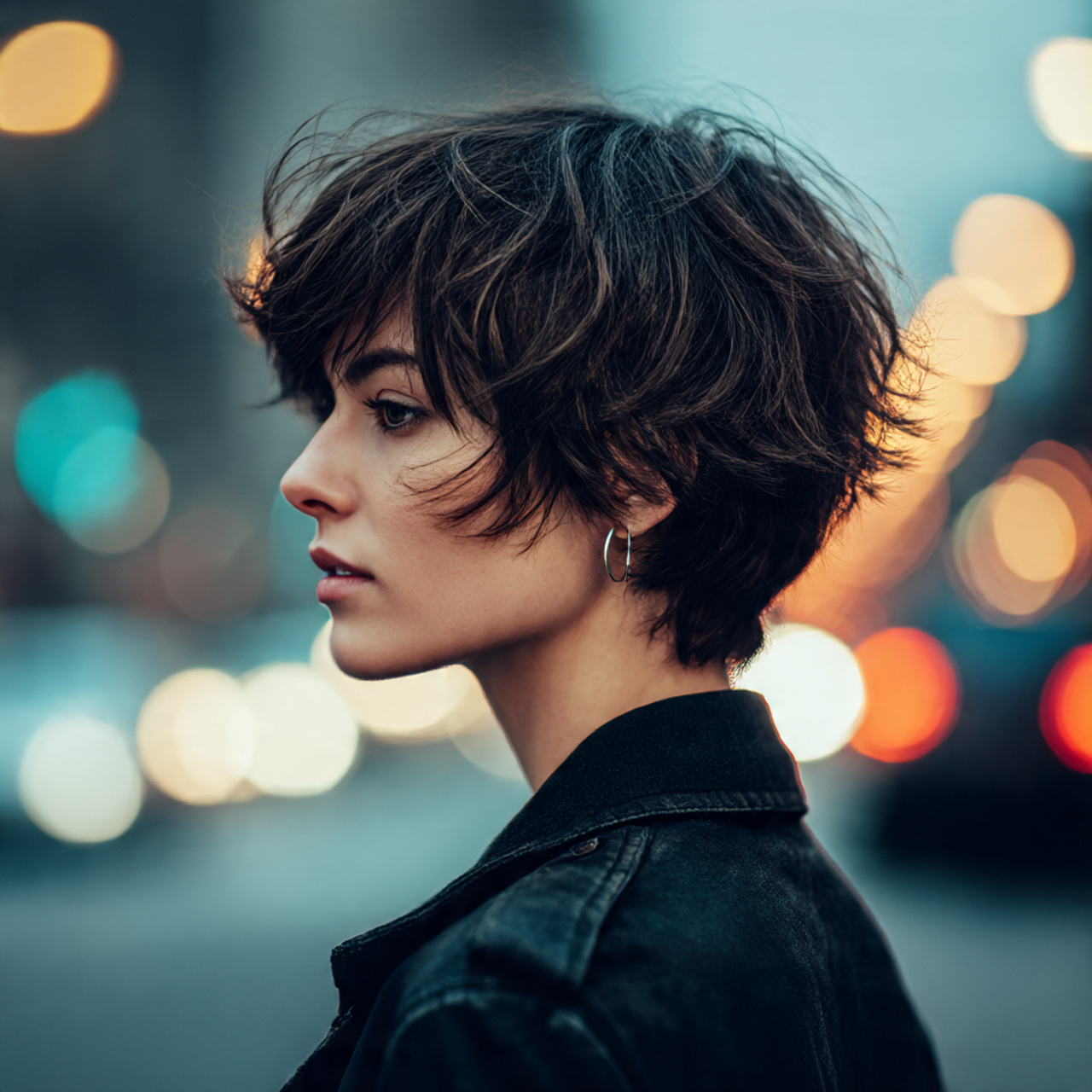
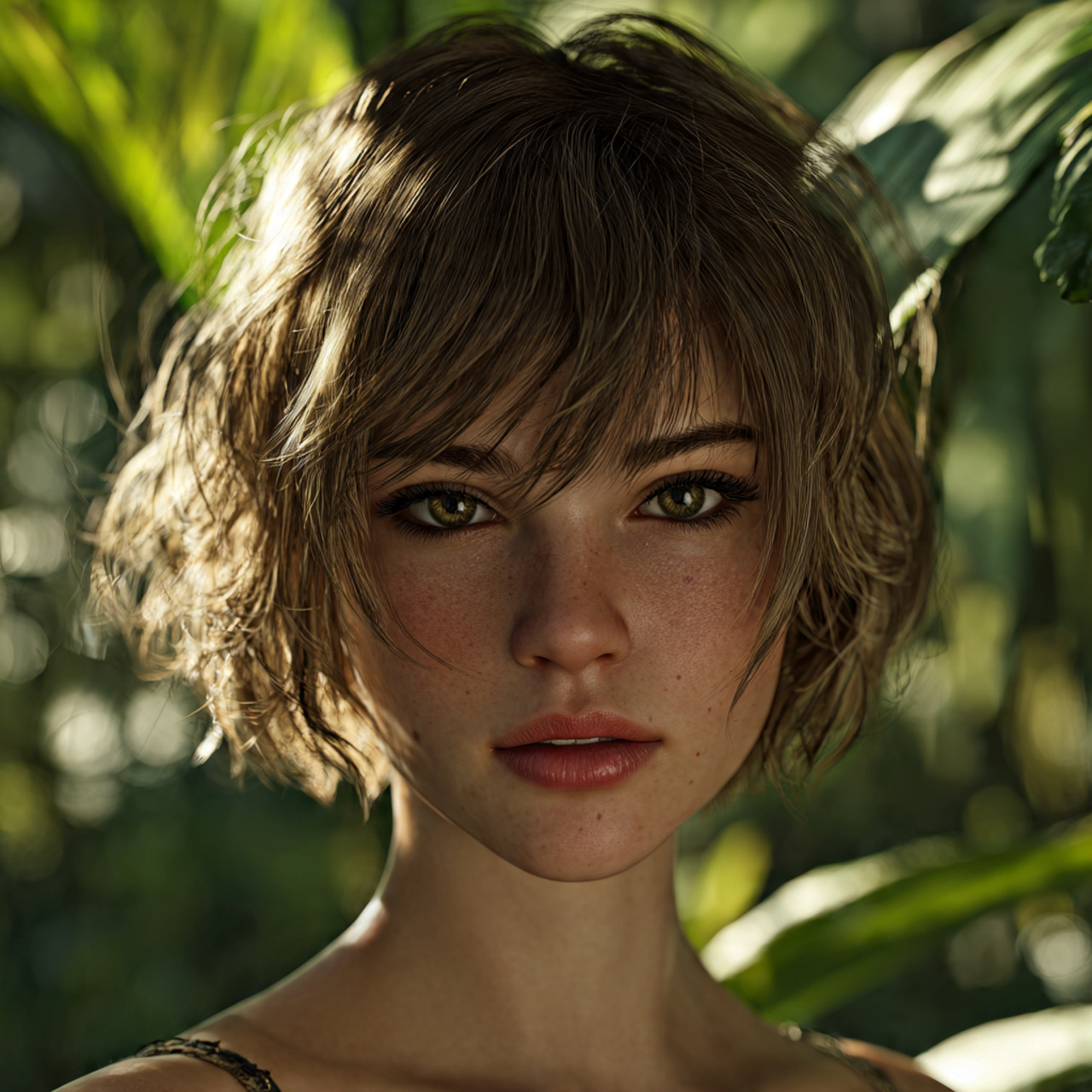
A short French shag sits around the jaw or chin and looks playful and light. The layers are more visible and give the cut a lot of texture. This style highlights the neck and face beautifully.
It is very easy to style. A small amount of paste or cream is enough to shape the ends. This is a great option if you want something fresh and low effort.
French shag long hair

Long hair can look heavy without layers, and this cut fixes that. The crown layers keep volume at the top while the length stays full and flowing. This adds movement without losing length.
This version is perfect if you want change but still love long hair. It gives shape and softness while keeping styling easy.
French shag with bangs

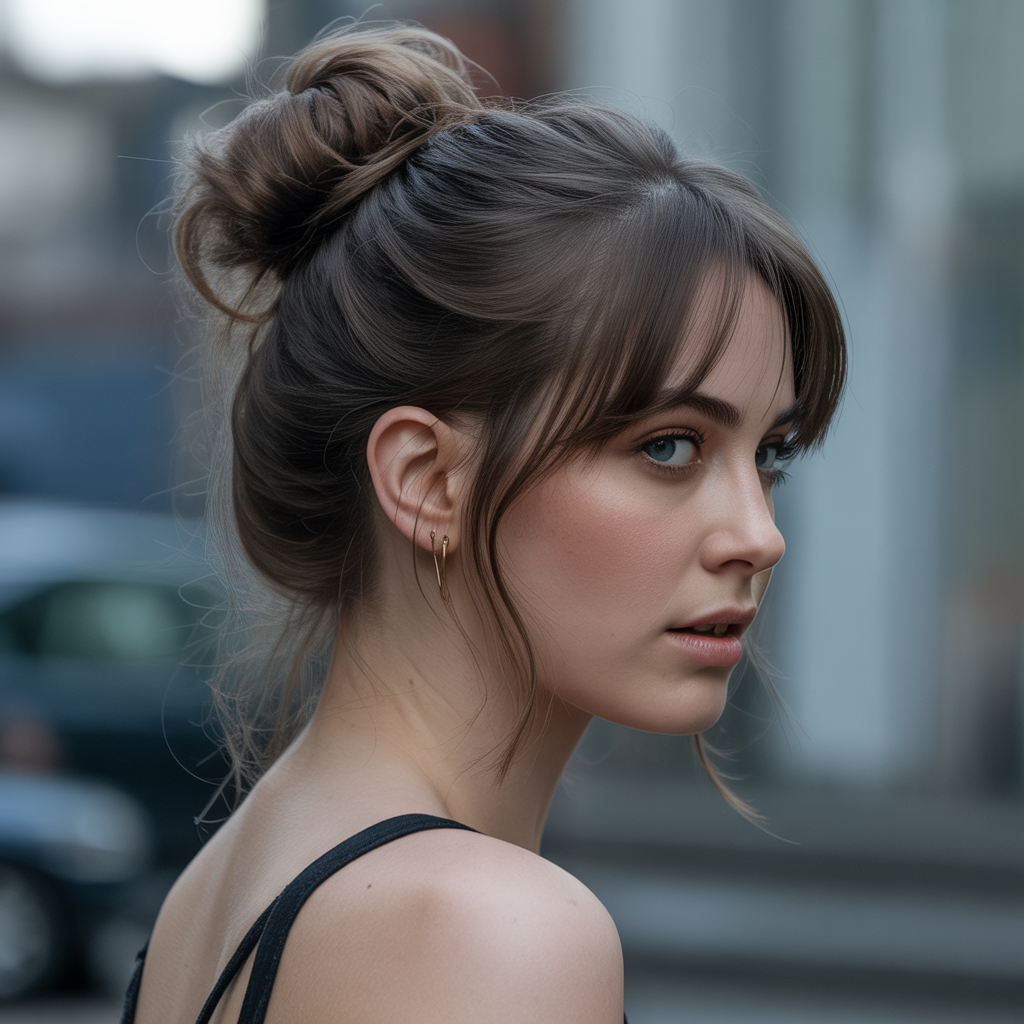
Bangs are a key part of the French shag look. They are soft, wispy, and slightly uneven. They blend into the layers around the face instead of sitting straight across.
This type of fringe frames the eyes and cheekbones gently. It adds personality without feeling heavy. Most French shag cuts include some form of bangs.
Curly French shag haircut

Curly hair works beautifully with a French shag. The layers help curls bounce and fall in a balanced shape. It prevents the wide triangle look many curly cuts get.
A stylist should cut curls following their natural pattern. This helps keep the shape soft and natural. The result is volume, lightness, and easy daily styling.
Wavy French shag styling

Wavy hair is perfect for this haircut. The natural bends match the layered shape and give the style a relaxed finish. Most people only need a light cream or spray.
Air drying works best for this texture. The goal is to keep movement, not smooth it out. This is what gives the French shag its easy look..
Modern French shag vs traditional shag
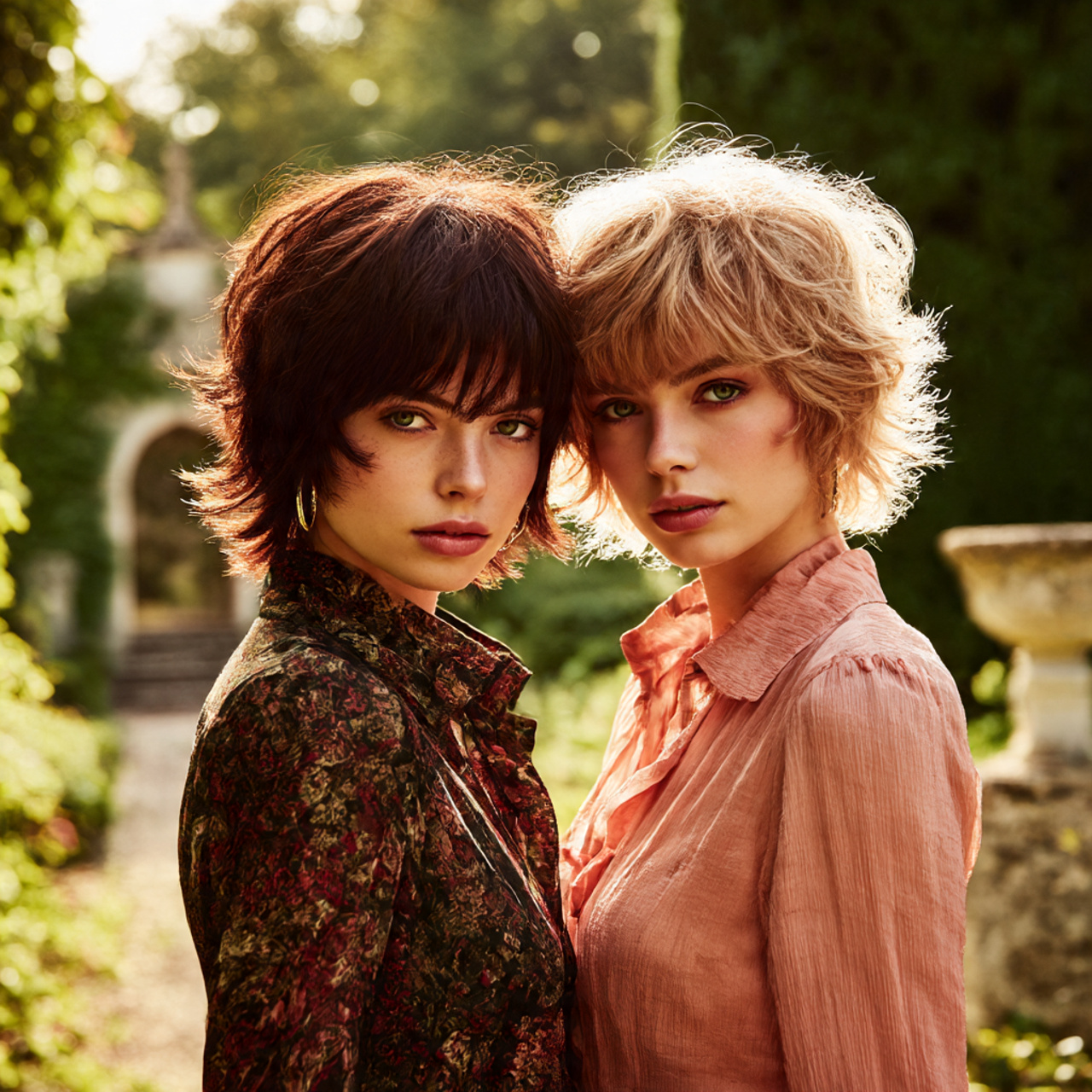
The traditional shag had sharp layers and heavy contrast. The French version is softer and more blended. It still has volume but looks cleaner and easier to wear.
Modern techniques help the cut grow out better and feel lighter. This makes it more practical for everyday life while keeping the same texture.
How to style a French shag

Styling this cut is simple. Apply a light mousse or texture spray to damp hair and scrunch gently. Let it air dry or use a diffuser if needed.
Avoid brushing too much. The layers need movement. A dry texture spray can refresh the look anytime during the day.
French shag maintenance tips
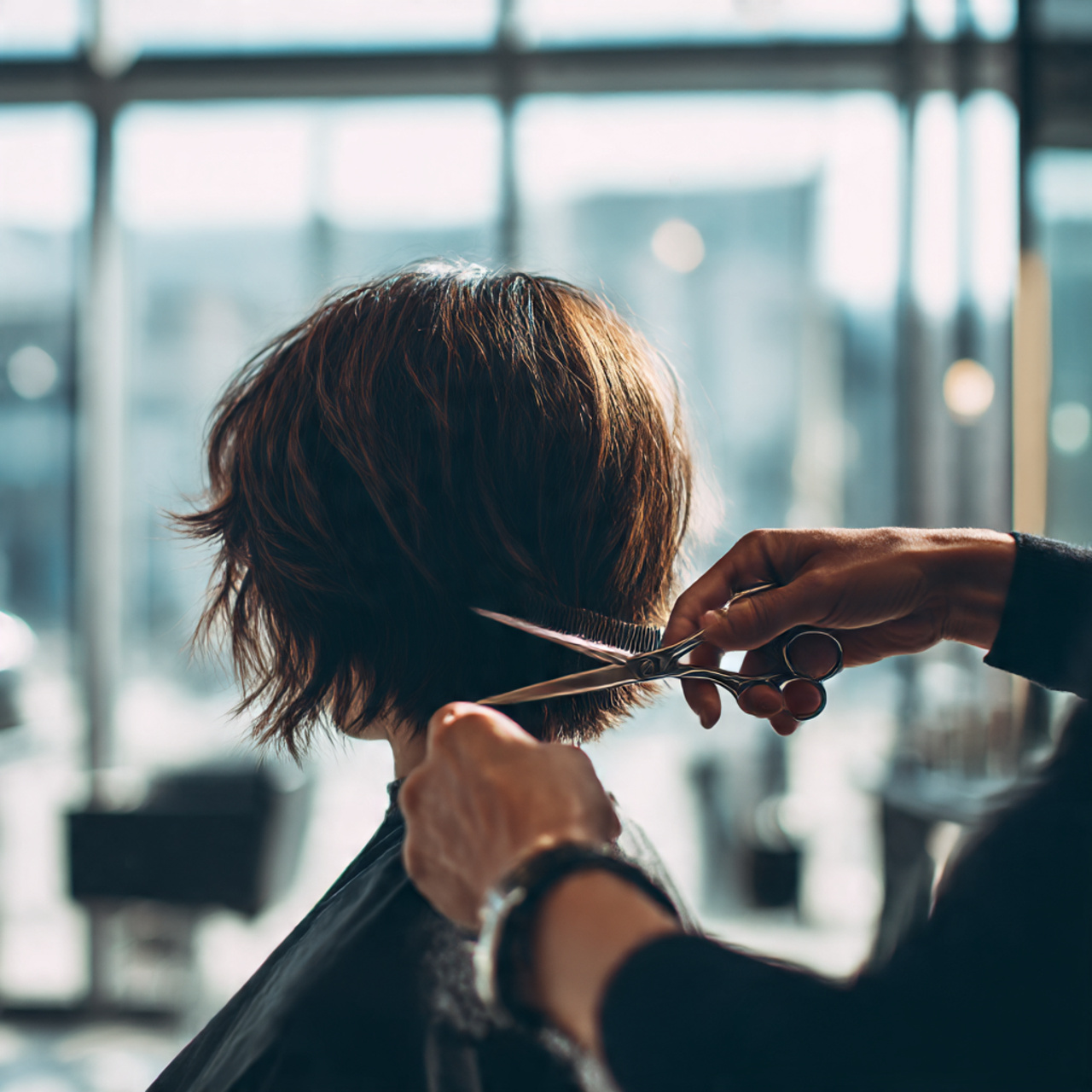
A trim every six to eight weeks helps keep the shape fresh. The crown layers need regular clean-up to stay light and lifted.
Use lightweight shampoo and conditioner to avoid weighing the hair down. Healthy ends help the cut move the way it should.
Best products for French shag
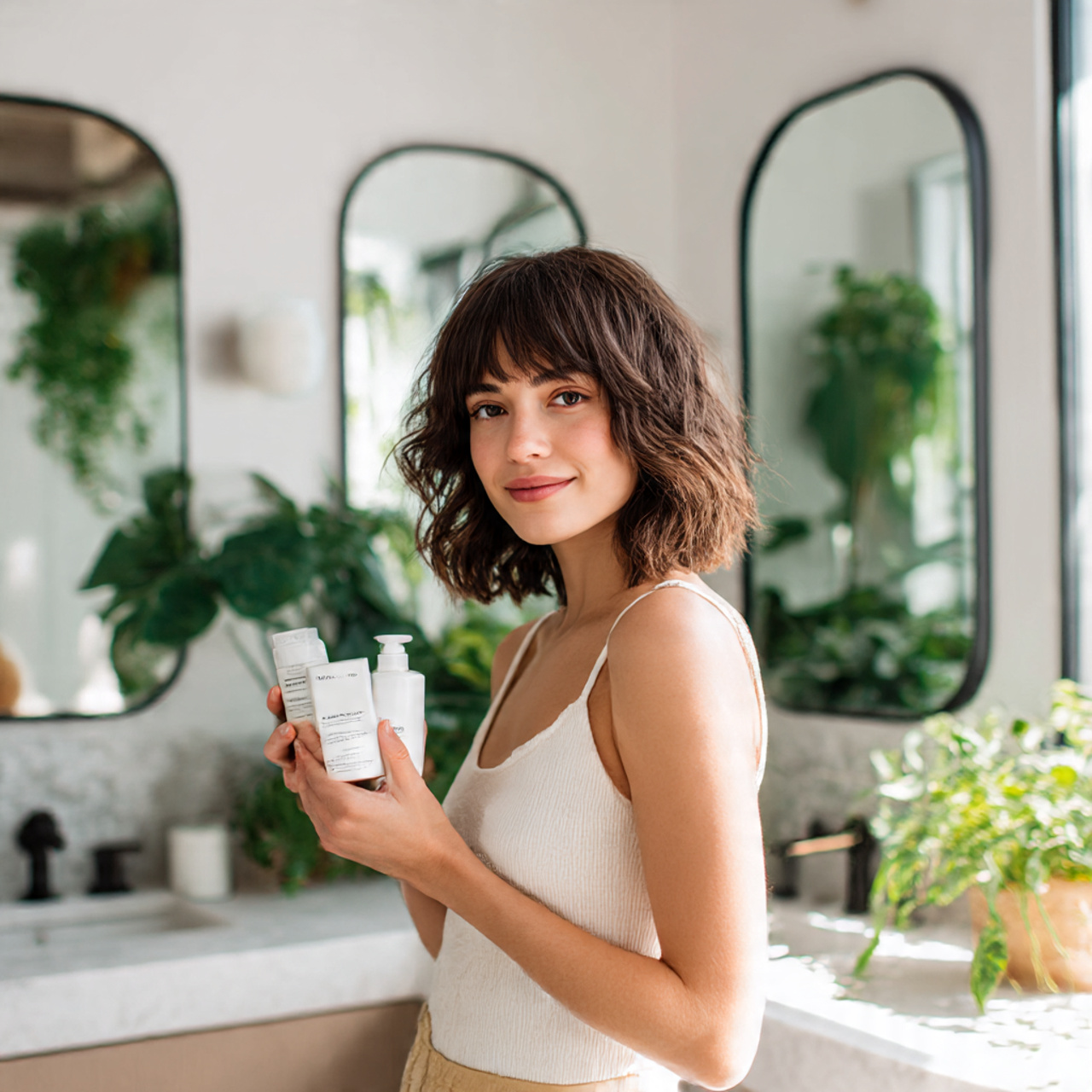
The best products are light and flexible. Use sea salt spray, texture spray, or soft mousse. These help show the layers without stiffness.
A small amount of paste can define the ends if needed. Always keep products minimal for the best result.
French shag on thick hair

Thick hair can feel heavy, and this cut removes bulk. Layers reduce weight while keeping the shape full. The hair becomes easier to style and manage.
The result is movement without puffiness. This is why many stylists recommend the French shag for dense hair.
French shag face shape guide
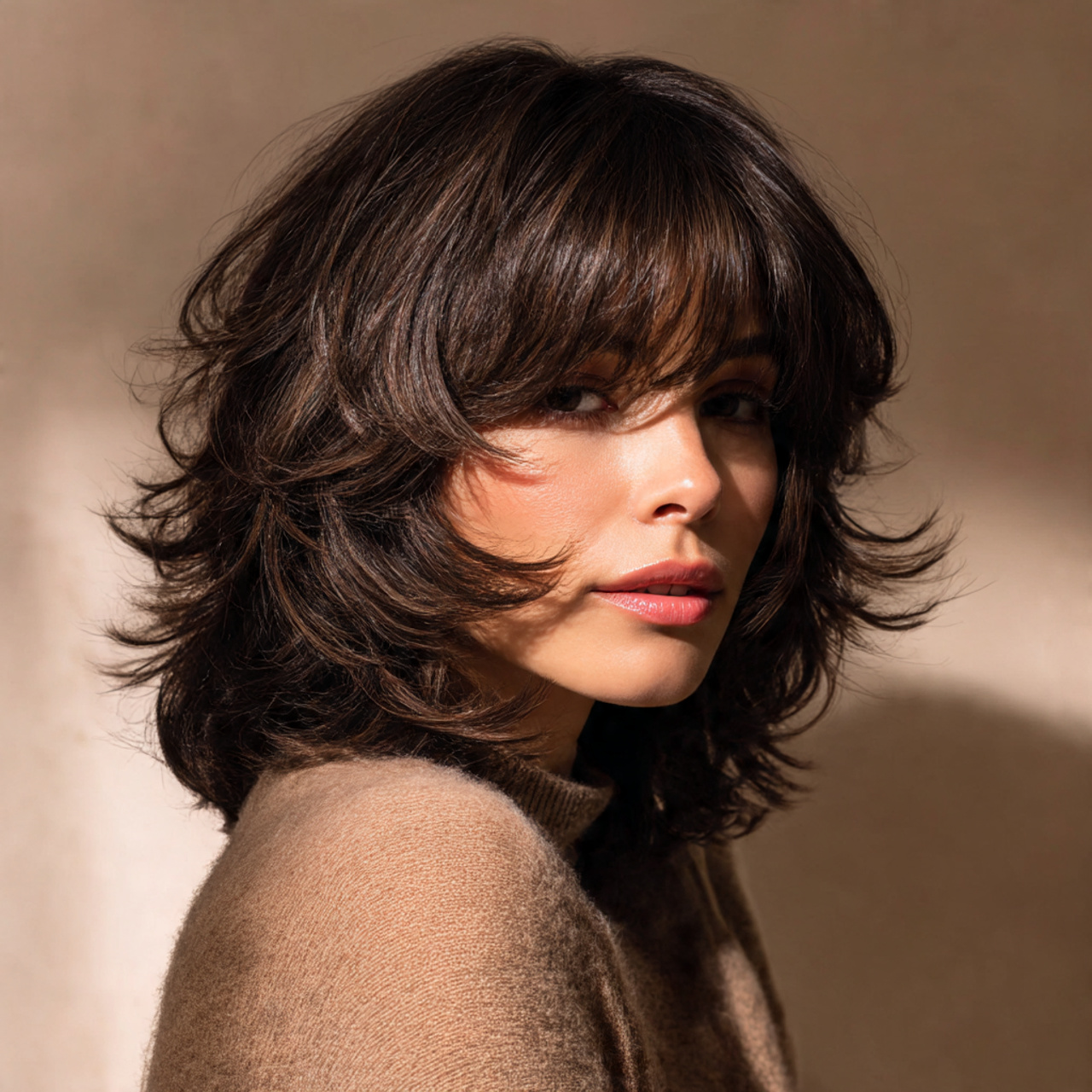
This cut works for most face shapes when customized. Round faces benefit from crown volume and longer side layers. Square faces look softer with textured ends.
Oval faces can wear almost any version. A stylist can adjust bangs and length to suit you best.
Layering techniques for French shag
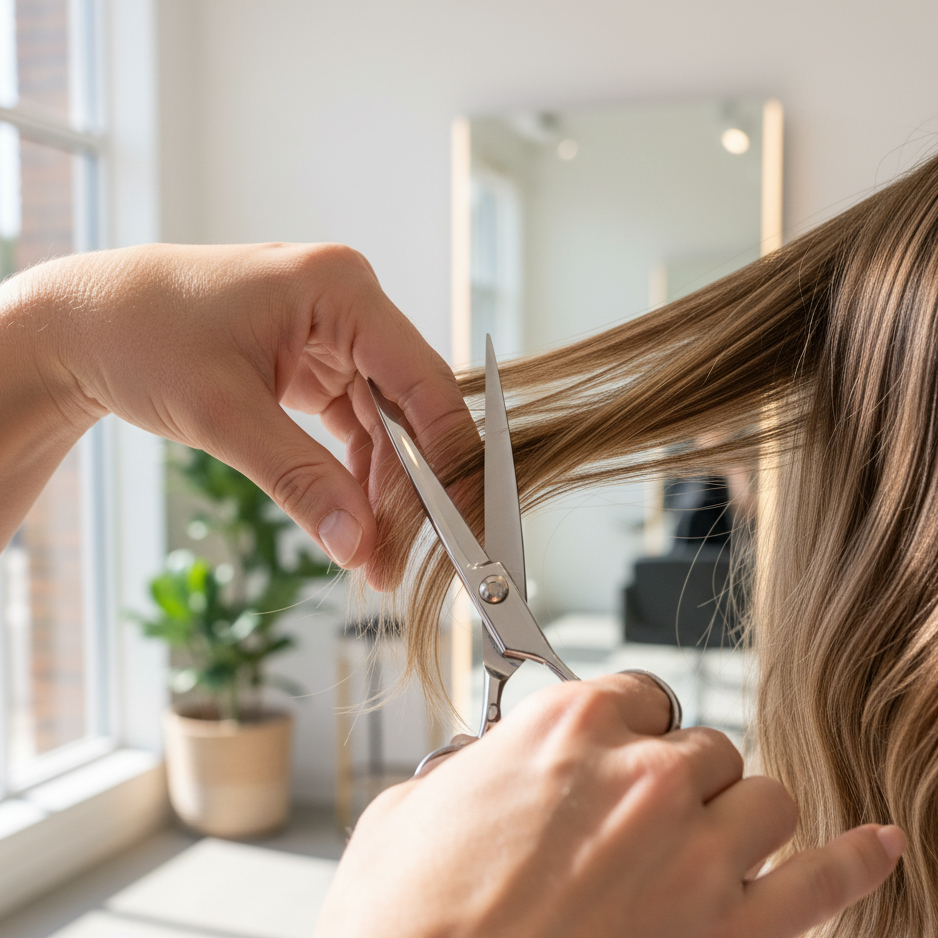
Layers are cut high at the crown to create lift. The ends are softened using point cutting or slicing, not blunt cutting.
This helps the hair fall naturally and keeps the shape light. The internal layers support volume without thinning the ends too much.
Texturizing a French shag
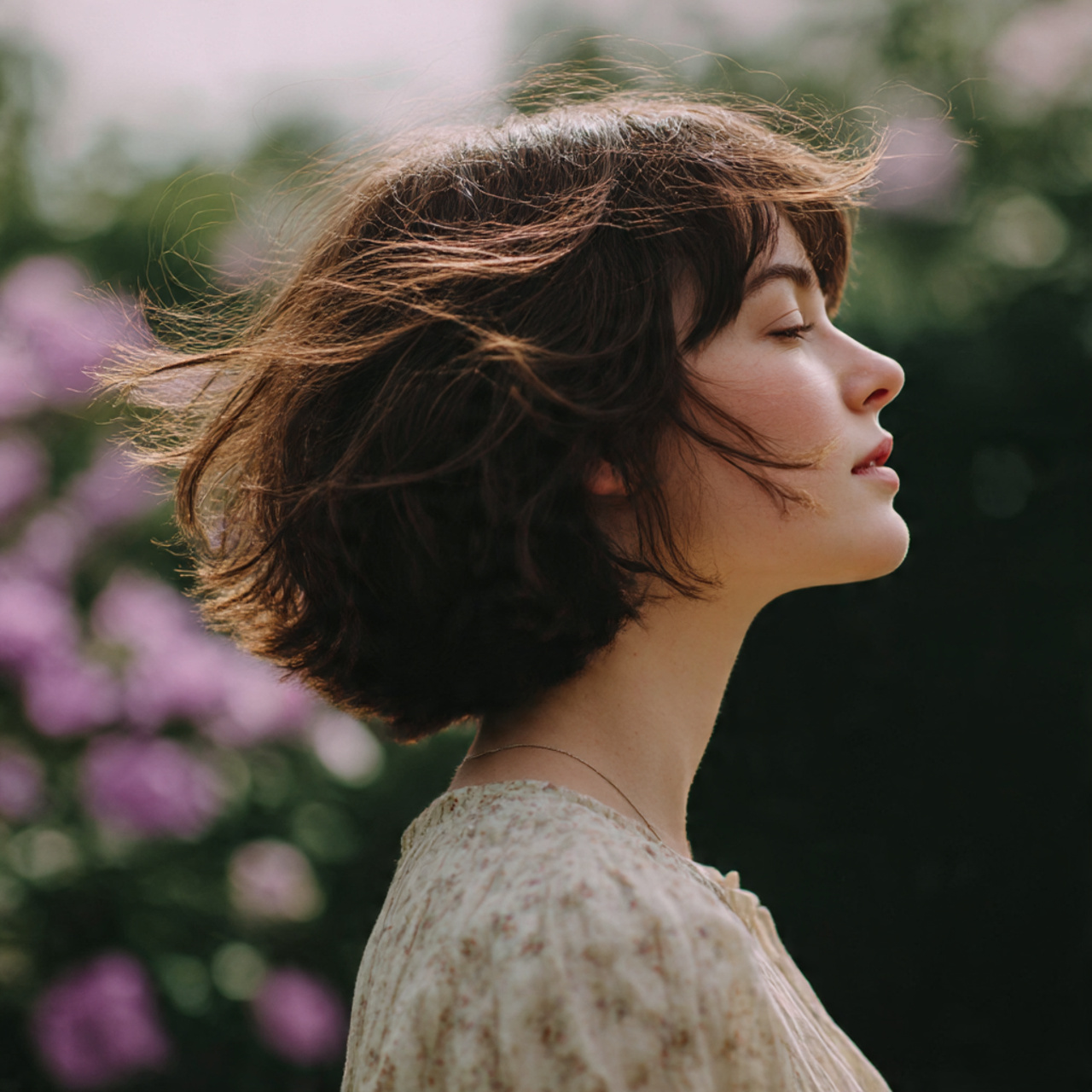
Texturizing breaks up heavy lines and adds softness. It makes the haircut look lived-in instead of stiff.
This step is what gives the French shag its relaxed finish. It helps the hair move with less effort.
French shag without bangs
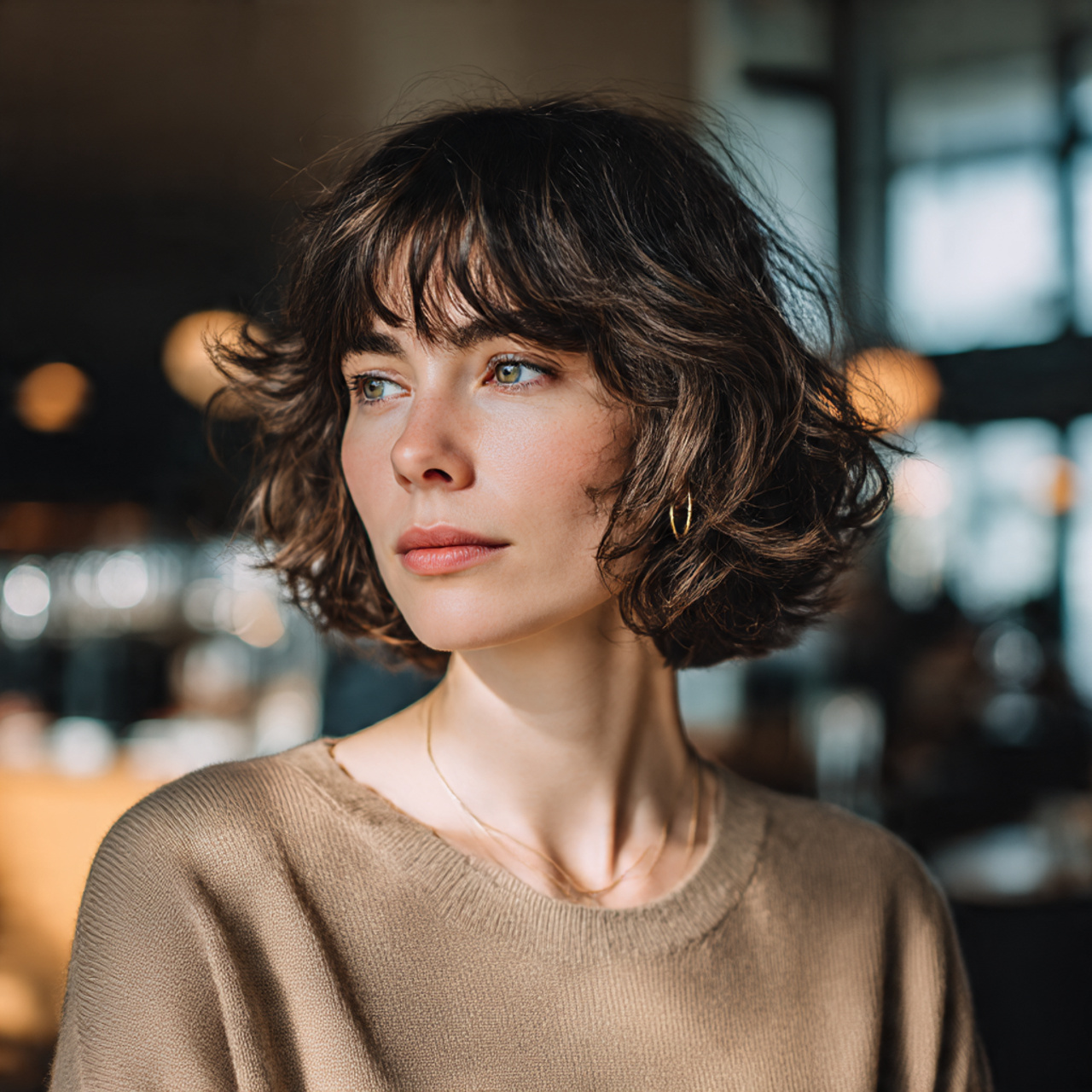
If you do not want bangs, the cut still works. The face-framing layers start lower, usually near the cheekbones.
This version looks cleaner and more mature while keeping the texture and volume of the original style.
Grow out phase of a French shag

The French shag grows out very well. As layers get longer, they blend naturally. This makes it low stress between appointments.
Bangs slowly turn into face-framing pieces and can be tucked back easily. The shape stays soft during growth.
French shag color ideas
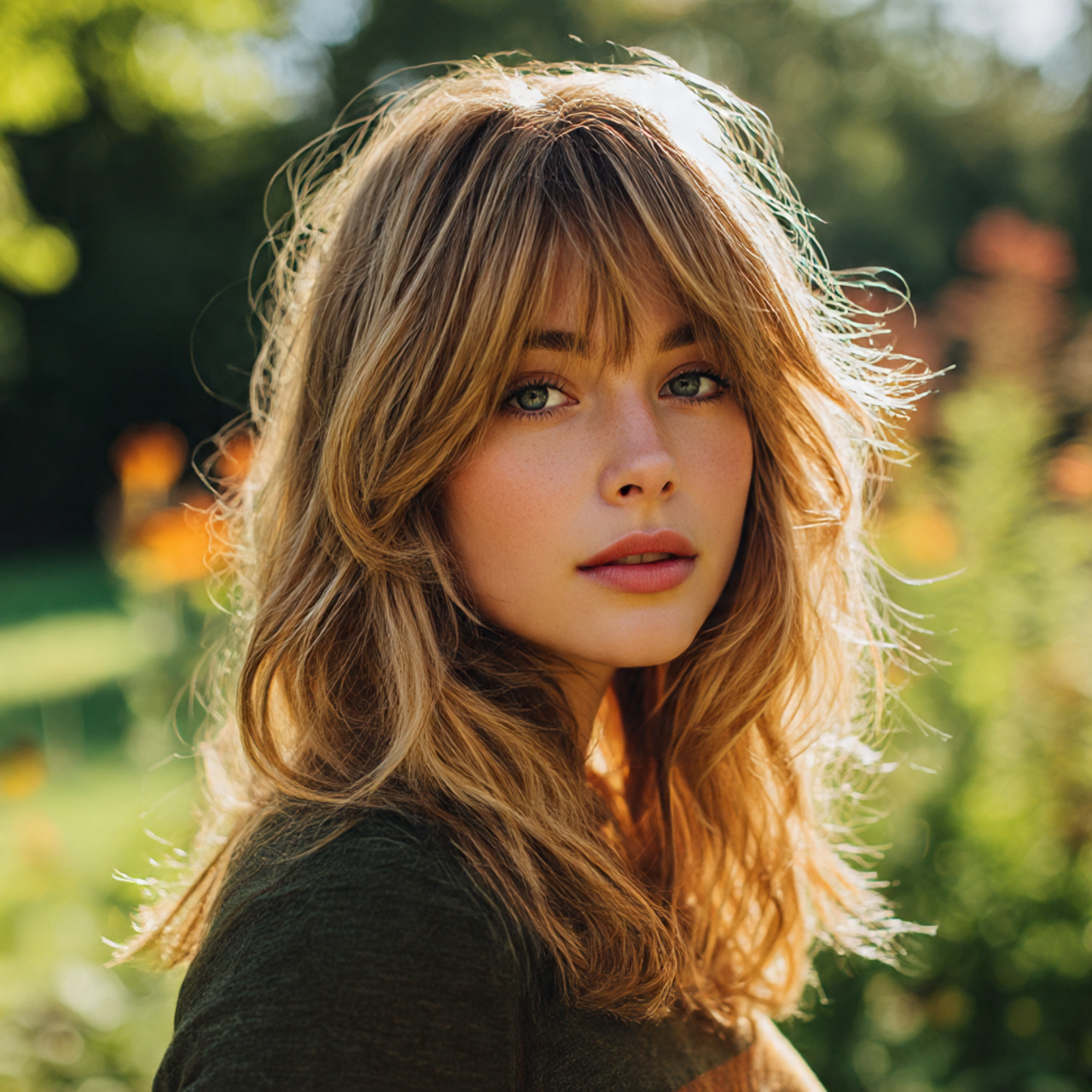
Soft color techniques work best with this cut. Balayage and light highlights show off the layers beautifully.
Natural tones like warm blonde, caramel, or soft brown fit the look perfectly. The color should enhance movement, not overpower it.
Celebrity French shag inspiration
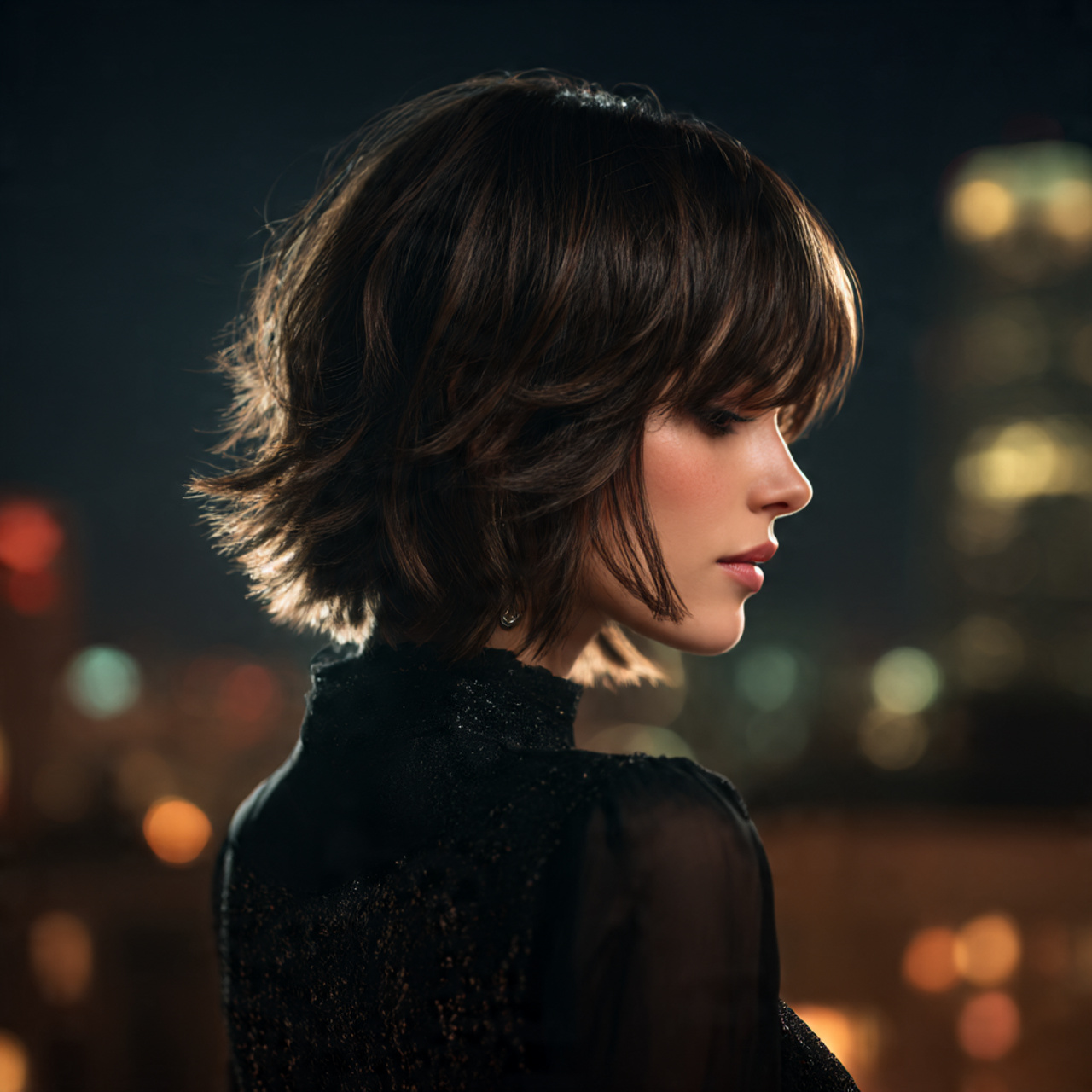
Many celebrities wear this cut because it looks natural on and off camera. Their styles show how flexible the haircut can be.
Looking at reference photos helps you explain what you want to your stylist. It makes the consultation easier.
Adding volume to a French shag
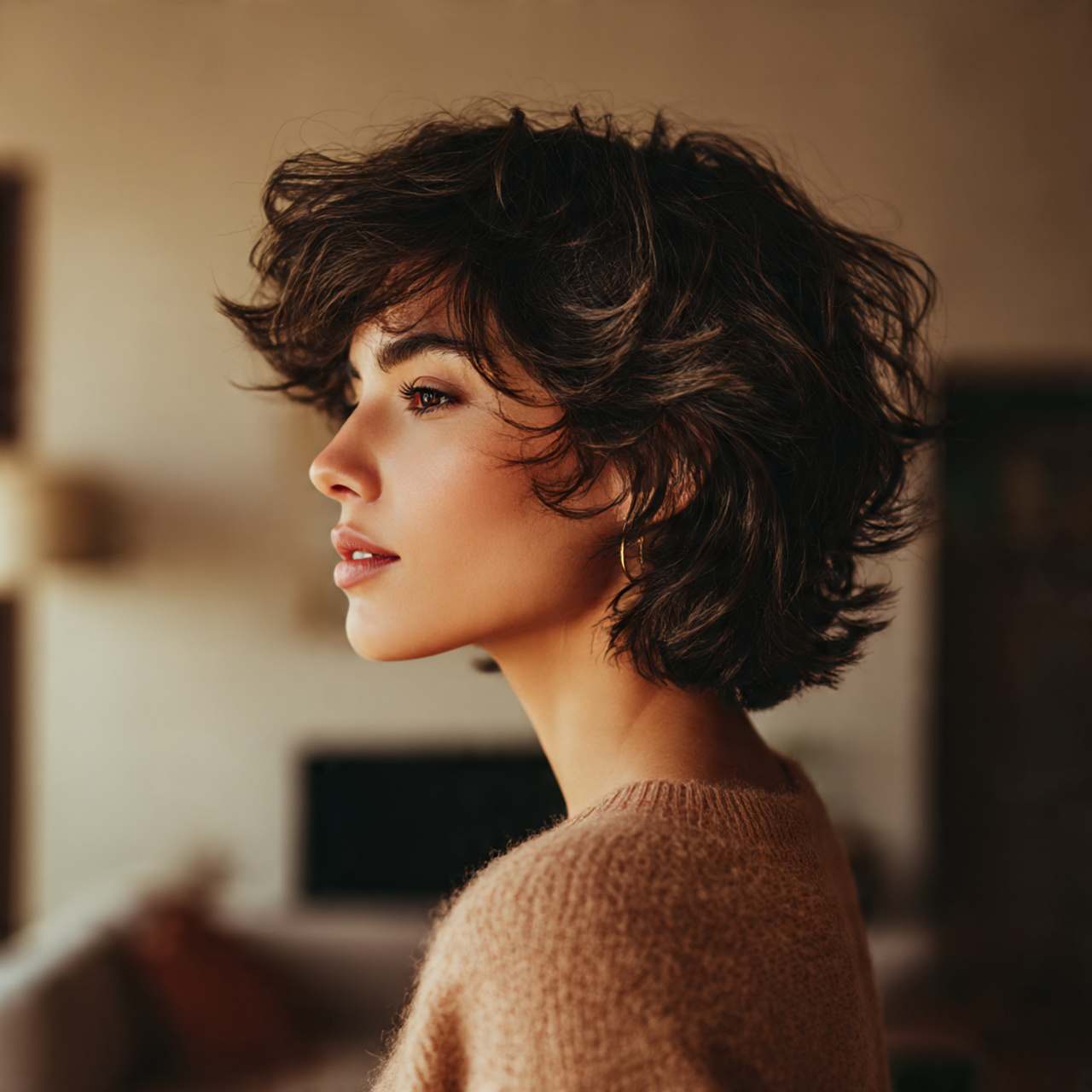
You can boost volume by lifting the roots gently while drying. Root clips or light teasing at the crown also help.
A volumizing powder gives instant lift without stiffness. This keeps the shape full all day.
French shag shoulder length
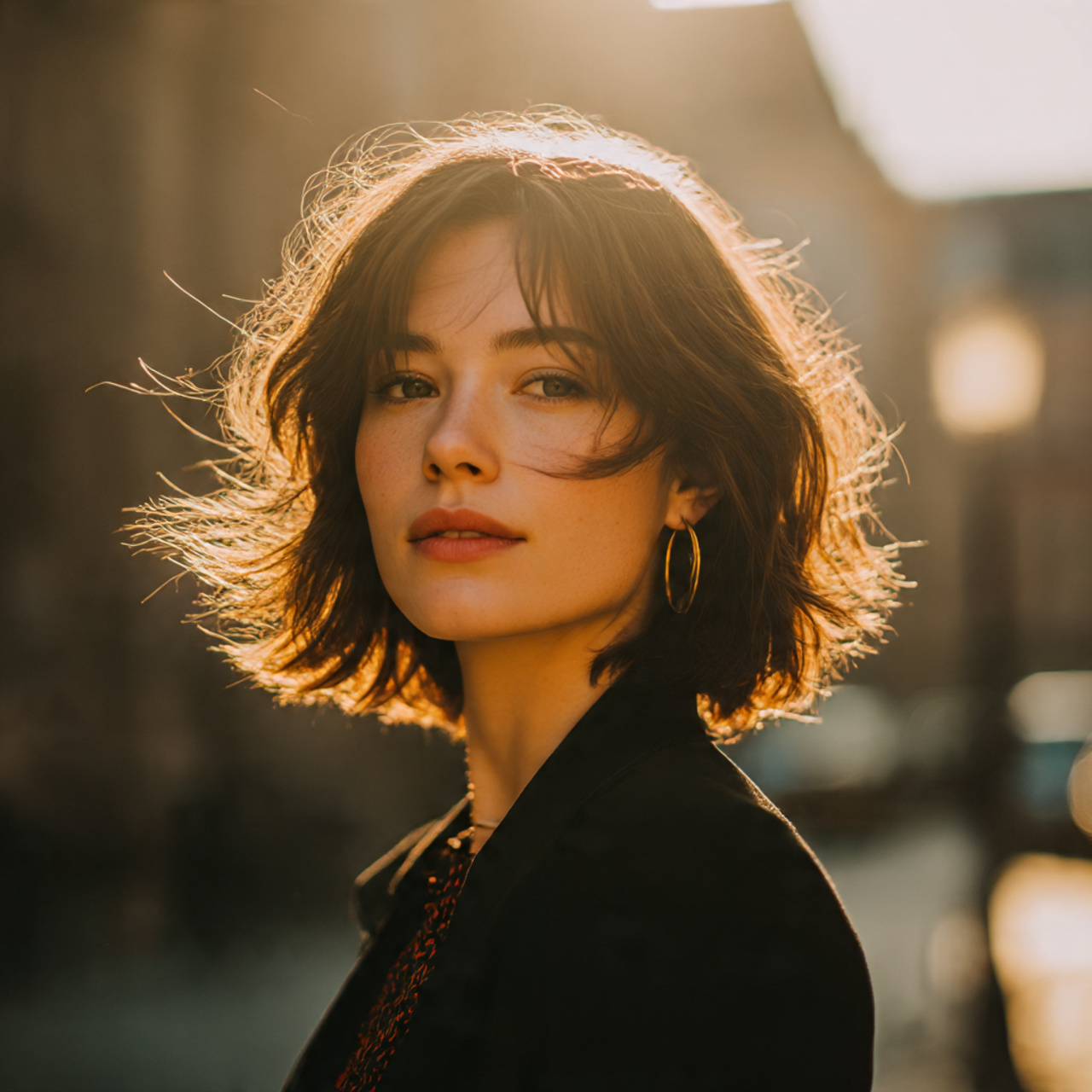
Shoulder length is the most popular version of this cut. It gives the best balance of movement and shape.
This length works for work, casual wear, and events. It is easy to style and easy to maintain.
Getting the perfect fringe with a French shag

The perfect fringe is soft and piecey. It should never look straight or heavy. It blends into the side layers naturally.
Ask your stylist for wispy or air-style bangs. This helps keep the look light and relaxed.
Visit Also: Edgy Short Haircuts
Tools needed for French shag styling

You do not need many tools. A diffuser helps enhance texture. A round brush can smooth the top if needed.
A light curling iron can define a few pieces, but it is optional. The cut is designed to work without heat.
French shag vs wolf cut

The wolf cut has sharper contrast and heavier layers. It looks more dramatic and edgy.
The French shag is softer, more blended, and easier to wear daily. It focuses on natural movement instead of bold shape.
The Parisian style haircut

The French shag is often called a Parisian haircut because it looks natural and confident. It does not look over-styled or forced.
It suits people who want style without effort. That is why it stays popular year after year.
Consulting your stylist for a French shag

Always bring photos when you visit your stylist. Talk about how much time you spend styling. Be honest.
A good stylist will adjust layers and length to fit your lifestyle. This is key to loving the cut long term.
DIY trim a French shag

Full trims should be done by a professional. The layering needs skill and balance.
You can trim your bangs lightly at home if needed. Always cut vertically, not straight across, to keep them soft.
Who the French Shag Haircut Suits Best
The French shag haircut suits a wide range of people because it can be adjusted easily. It works well for those who want a relaxed look without daily styling stress. This haircut fits both younger and mature age groups, depending on how soft or bold the layers are cut.
It is especially good for people who like natural movement in their hair. If you prefer a style that still looks good without perfect styling, this cut is a great match. It also works well for busy lifestyles where time is limited.
Face Shape Compatibility Guide
The French shag works for almost every face shape with small changes in layering. For round faces, volume at the crown and longer side layers help add length. This creates a more balanced look without hiding the face.
For square faces, soft bangs and textured ends help soften sharp angles. Oval faces can wear almost any version of the French shag. Heart-shaped faces look great with longer layers around the jawline to balance the forehead.
Hair Type Compatibility
This haircut works on fine, medium, and thick hair when cut correctly. Fine hair benefits from short crown layers that add lift and body. Thick hair becomes lighter and easier to manage with layered shaping.
Wavy and curly hair look especially good with this cut because the layers help define natural texture. Straight hair also works well when texturizing is added to prevent flatness. A stylist can always adjust the layers to suit your hair type.
Daily Wearability: Work, Casual, and Events
The French shag haircut is easy to wear every day. For work, it can be air-dried and lightly smoothed for a clean look. It still looks neat without being stiff.
For casual days, you can scrunch and go. For events, add a bit of root lift and define a few pieces with a curling iron. This makes the cut very flexible for all occasions.
Simple Daily Styling Tips
Daily styling should stay light and simple. Use a small amount of mousse or texture spray on damp hair. Let it air dry or use a diffuser if you want more volume.
Avoid heavy creams and oils, especially near the roots. The goal is movement, not weight. This helps the layers stay visible and soft.
Low-Maintenance Care Routine
The French shag is easy to maintain when trimmed regularly. Book a trim every six to eight weeks to keep the layers light and balanced. Bangs may need a quick clean-up sooner.
Use lightweight shampoo and conditioner to keep hair fresh. Once a week, use a light mask on the ends to keep them soft and healthy.
Common Problems and Easy Fixes
If hair looks flat, add volume only at the crown, not the sides. If hair feels frizzy, switch to a light leave-in cream and avoid over-drying.
If the layers look messy, use a small amount of paste only on the ends. This brings shape back without making the hair stiff or heavy.
Is the French Shag Right for You?
If you want a haircut that looks styled without effort, the French shag is a smart choice. It works for people who like natural texture and easy routines. It also grows out nicely, so you are not stuck with frequent salon visits.
This cut gives you freedom, movement, and shape without demanding perfection. That is why it continues to stay popular year after year.
FAQs About French Shag Haircut
Is the French shag good for all hair types?
Yes. It can be adjusted for fine, thick, straight, wavy, or curly hair.
How often should I trim it?
Every six to eight weeks keeps the shape fresh. Bangs may need small trims sooner.
Is it different from regular layered cuts?
Yes. The layers start higher and are more textured, creating more volume and movement.
Can I turn my bob into a French shag?
Yes. Layers and bangs can be added to reshape a bob easily.
Do I need heat styling?
No. The cut is designed to look good with air drying and light products.
Final Thoughts
The French shag haircut is timeless, practical, and easy to wear. It brings together volume, movement, and soft shape in one cut. It works for busy routines and real-life styling needs.
If you want a hairstyle that looks natural but still stylish, this cut is a smart choice. With the right layers and simple care, the French shag will always look good without extra effort.