10 Steps to Highlight Your Hair at Home That Deliver Real Salon Results
Trying to highlight your hair at home and ending up with orange streaks or snapped ends is one of the most frustrating beauty experiences you can have. You followed the box, applied the product, and still came out the other side with results that looked nothing like the picture.
This is more common than it should be. Box kits are made for average hair with average history, and most people have neither. Your texture, porosity, and prior color history all change how lightener behaves.
The real cause of most failed highlights is not a bad product. It is a broken sequence. Skipping the strand test, guessing at timing, or working without sectioning creates problems that compound before you even rinse.
Professional colorists understand the exact order of every step and why each one protects the next. That sequencing produces consistent results regardless of which products are used.
This guide covers the full process from setup to aftercare in the order it needs to happen. Every step is included for a reason.
By the end, you will know how to highlight your hair at home with real confidence, not just hope that it turns out okay.
The demand to highlight your hair at home has surged as more people skip costly salon visits and take control themselves. The push toward natural looks that grow out means technique matters more than ever. Always test before you apply.
What You Need Before You Start Highlighting
Your results begin before the first stroke of lightener. Having the right tools ready keeps your application controlled and safe from the start. A disorganized setup causes rushed decisions and uneven color.
Stock a plastic mixing bowl, a tint brush, gloves, foils or a balayage board, and a timer before opening any product. Metal tools react with developer and ruin the mix.
Best for: First time home colorists who want a clean, methodical process Product: Framar Pink Chrome Foils and Manic Panic Professional Tint Brush Set Pro tip: Pre-cut all foils to the same length before mixing so your hands stay free once lightener is ready. Face shape: This prep step supports all face shapes and all highlight techniques equally. Colorist language: “What tools do you use for foil highlights so I can set up the same way at home?”
Always Do Strand and Skin Tests First
A strand test on a hidden piece of hair gives you the exact minutes your hair needs to lift to your target shade. This replaces guessing and prevents overprocessing before you touch the rest of the hair.
Apply product behind the ear 48 hours before coloring to confirm no allergic reaction. Both tests take under five minutes and protect you from damage that takes months to reverse.
Best for: Anyone using a new lightener formula or coloring over previously treated hair Product: Wella Blondor Multi Blonde Powder Lightener Pro tip: Write your strand test result down immediately so you have an exact number to follow on application day. Face shape: No face shape preference. This step is non-negotiable for every hair type and base color. Colorist language: “How long do you process lightener on my hair type? I want to run a strand test at home first.”
Sectioning Hair for Even Highlights
Divide the hair into four to six sections before applying anything to keep full control over where lightener goes. Work from the bottom up and clip each section out of the way. This prevents overlap and missed pieces.
Without sectioning you will hit the same areas twice and skip others entirely. Methodical sectioning is what separates clean highlights from a patchy result.
Best for: Solo colorists and anyone doing their own highlights for the first time Product: Fromm Clip N Go Hair Clips Pro tip: Start at the lowest section and work upward so you never contaminate hair you have already finished. Face shape: Face framing sections at the front benefit oval and heart shaped faces most by adding brightness around the eyes. Colorist language: “How do you section my hair for highlights? I want to follow your exact pattern at home.”
Choosing the Right Highlighting Method
Choosing the right technique before you highlight your hair at home is one of the most impactful decisions you will make. Foil highlights lift brighter and create defined, high contrast results. Balayage paints color freehand for a softer, sun kissed look that grows out without visible lines.
Foils offer more control and predictable lift. Balayage is more forgiving in technique but harder to keep even without practice.
Best for: Foils for defined color. Balayage for a natural, low maintenance finish. Product: L’Oreal Quick Blue Powder Bleach for foils. Schwarzkopf BlondMe Lift and Blend for balayage. Pro tip: First timers should always choose foils. They contain the lightener better and give cleaner, more controlled lift on the first attempt. Face shape: Balayage softens round faces. Foils add dimension and structure to square and oval face shapes. Colorist language: “I want face framing highlights that grow out naturally. Would you do balayage or foils for my hair?”
Apply Lightener Slowly and Carefully
Thin sections are always the right call. Thick sections trap lightener unevenly and produce dark centers with overprocessed edges. Keep every section under a quarter of an inch.
Use even strokes with your tint brush to coat each piece fully without buildup. Consistent application lifts color smoothly and prevents drips onto sections you have already finished.
Best for: Anyone who wants clean, even lift without patchiness or hot spots Product: Pravana Pure Light Complete Lightener Pro tip: Start mid-shaft and work toward the ends first before going back to the root so the tips do not overprocess while the roots catch up. Face shape: Thin, precise sections near the temples add softness to long and rectangular face shapes. Colorist language: “How thin do you make your sections when you do highlights to avoid patchiness?”
Keep Lightener Away from the Roots
Starting lightener half an inch from the scalp creates a soft, blended result rather than a harsh line at the root. Scalp heat speeds up lifting, so root application always processes faster and causes unnatural banding.
This works especially well for balayage and lived in blonde styles. It makes highlights look naturally grown rather than applied in one session.
Best for: Anyone wanting a low maintenance result that grows out naturally Product: Olaplex No. 1 Bond Multiplier added to lightener to protect during the lift Pro tip: Use your pinky as a spacing guide to keep the half-inch gap consistent across every section. Face shape: This technique flatters all face shapes but especially reduces harsh contrast on round faces. Colorist language: “Can you leave a gap at the root so my highlights grow out softly without a hard line?”
Watch the Processing Time Closely
Set a timer and check the hair every five to ten minutes after applying lightener. Room temperature, section thickness, and hair condition all affect lift speed. Your strand test time is a starting estimate, not a guarantee.
The moment the hair reaches your target shade, rinse immediately. Every extra minute past that point adds damage without improving the color.
Best for: Anyone using a stronger developer or coloring over previously bleached hair Product: Wella Welloxon Perfect 20 Volume Developer Pro tip: Pull a small piece from inside the foil to check color without exposing the whole section to air, which can slow the rest of the lift. Face shape: Face framing pieces at the temples process faster than the rest regardless of face shape, so always check those sections first. Colorist language: “How do you know when highlights are ready to rinse? What visual signs do you look for?”
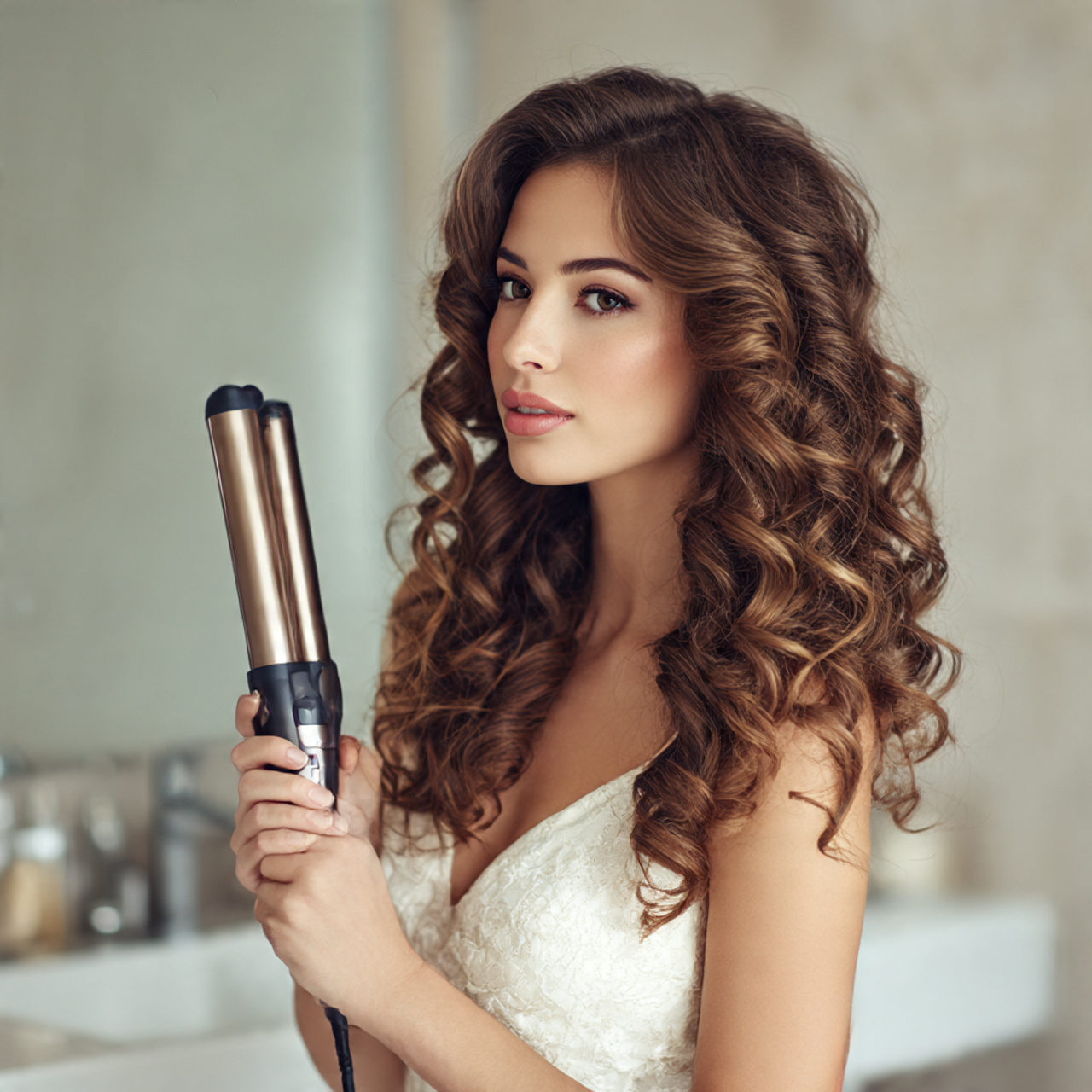
Visit Also: Best Hair Curling Irons
Rinse and Clean the Hair Properly
Lukewarm water is the correct temperature for rinsing lightener. Hot water opens the cuticle further and strips moisture from hair that is already exposed. Rinse until the water runs completely clear.
Follow with a sulfate free shampoo and a conditioner made for color treated hair. Skipping this step is one of the most common mistakes people make when they highlight their hair at home.
Best for: Freshly highlighted hair that needs thorough removal of lightener without additional damage Product: Pureology Strength Cure Shampoo and Conditioner Pro tip: Finish your rinse with ten seconds of cold water to seal the cuticle and add immediate shine before applying conditioner. Face shape: No face shape preference. Correct rinsing protects all hair types and color results equally. Colorist language: “What shampoo do you recommend I use the first time I wash after getting highlights?”
How to Fix Yellow or Orange Tones
Brassy tones after lightening are a normal outcome of warm pigment surfacing during the lift. Yellow responds to purple shampoo. Orange requires a blue shampoo or blue based toner to shift toward a cooler, more neutral shade.
Use toning products once or twice a week only. Overuse deposits pigment and leaves the hair looking flat rather than bright.
Best for: Highlighted hair that has lifted but still reads warm or golden Product: Shimmer Lights Purple Shampoo by Clairol for yellow. BLONDA Toning Purple Shampoo for orange. Pro tip: Set a timer for three minutes when using purple shampoo. Going longer deposits visible violet instead of neutralizing warmth. Face shape: Warm tones are most visible in face framing pieces near oval and heart shaped faces, so apply toner to those sections first. Colorist language: “My highlights look a little warm after rinsing. What toner would you use on my shade?”
Deep Conditioning Is Not Optional
Lightener breaks down disulfide bonds in the hair shaft, which is why highlighted hair feels dry or brittle after coloring. A bond repair treatment applied right after rinsing is not optional. It protects the result you just created.
Continue deep conditioning twice a week for two weeks. Olaplex No. 3 Hair Perfector is the most widely used bond repair option available at most beauty supply stores.
Best for: All highlighted hair, especially hair that has been previously colored or styled with heat Product: Olaplex No. 3 Hair Perfector or Redken Extreme Bleach Recovery Cica-Cream Pro tip: Apply your mask to damp hair and wrap with a warm towel for ten minutes to increase absorption before rinsing. Face shape: Fine hair around oval and long face shapes is more prone to breakage after lightening and needs extra conditioning attention. Colorist language: “What bond treatment do you recommend for home use after doing my own highlights?”
Quick Comparison Table
| Step | Length | Hair Type | Maintenance | Bold Factor |
|---|---|---|---|---|
| What You Need Before You Start | All lengths | All types | Low | ★★★☆☆ |
| Always Do Strand and Skin Tests | All lengths | All types | Low | ★★★★★ |
| Sectioning Hair for Even Highlights | All lengths | All types | Medium | ★★★★☆ |
| Choosing the Right Highlighting Method | Medium to long | All types | Medium | ★★★★★ |
| Apply Lightener Slowly and Carefully | All lengths | Fine to medium | High | ★★★★★ |
| Keep Lightener Away from the Roots | Medium to long | All types | Low | ★★★★☆ |
| Watch the Processing Time Closely | All lengths | Damaged or treated | High | ★★★★★ |
| Rinse and Clean the Hair Properly | All lengths | Color treated | Low | ★★★☆☆ |
| How to Fix Yellow or Orange Tones | All lengths | Lightened | Low | ★★★★☆ |
| Deep Conditioning Is Not Optional | All lengths | All types | Low | ★★★★★ |
Frequently Asked Questions
What is the most important rule when you highlight your hair at home? Never skip the strand test. It gives you the exact processing time for your specific hair and prevents the overprocessing that causes most at-home coloring failures.
How do I stop my highlights from turning orange? Use a blue shampoo or toner in the days after lightening. BLONDA Toning Purple Shampoo applied once or twice a week neutralizes orange without depositing unwanted color.
Can I highlight my hair at home if it has been dyed before? Yes, but artificial pigment lifts unpredictably, so your strand test becomes even more critical. Expect uneven results if you skip it.
What developer strength is best for home highlights? Use 20 volume developer for standard highlighting work at home. 30 volume lifts faster but significantly raises the risk of damage on fine or previously treated hair.
How long should I leave deep conditioner on after highlighting? Leave it on for at least ten minutes, ideally under a warm towel. Two weeks of twice-weekly treatments restores bond strength and keeps highlighted hair looking healthy.
Final Thoughts
There is real satisfaction in getting your highlights right at home. Not just because it saves money, but because it means you knew your own hair well enough to treat it properly. That knowledge builds every time you repeat the process.
Every step in this guide protects the one before it. The strand test protects your timing. The sectioning protects your coverage. The deep conditioning protects the result. Pull one step out and the whole thing weakens.
Learning how to highlight your hair at home gets easier with every session. Document what works and let each attempt build on the last.
The colorists who get clean, even highlights are not using better products. They are the ones who never decide a step is optional.
Save this to Pinterest before your next color session and share it with anyone who wants real highlights without the salon bill.