27 Lace Frontal Hairstyles That Will Completely Transform Your Look
You have spent real time and real money on your lace frontal hairstyles, and something still looks off. The hairline sits stiff, the lace shows in certain light, or the style falls apart before noon. That gap between what you see on Pinterest and what ends up in your mirror is one of the most frustrating experiences in all of protective styling.
You are not alone in this. Millions of people install frontals every week and still fight lifted edges, visible lace lines, and styles that refuse to cooperate past hour three. The problem is not effort or dedication. The problem is access to the right information from someone who actually knows how this works.
The real issue is that most lace frontal content skips the technical steps that separate a great install from a mediocre one. Advice like “lay your edges” and “use adhesive” leaves out the product specifics, the technique order, and the small decisions that professionals make automatically. Without those details, every install becomes a guessing game.
This guide was built from hands-on frontal experience across dozens of textures, face shapes, and install methods. Every tip here reflects what holds up in real lighting, on real heads, not just what sounds good in a caption.
You are about to get a complete breakdown of 27 lace frontal styles, each with a real product recommendation, a face shape note, a pro tip, and the exact language to use with your stylist.
By the end of this article, you will have a clear, practical plan for choosing and wearing lace frontal hairstyles that look like a professional did them. This is the guide you wish you had your first time.
The single most important rule with lace frontal hairstyles is blending. A frontal that does not disappear into your skin never looks fully installed, regardless of how expensive the unit is. In 2026, advances in HD lace and improved glueless methods have made flawless blending more achievable than ever, and this guide reflects exactly that.
Lace Frontal Hairstyles Ideas
Invisible Part Lace Frontal Hairstyles

The invisible part creates the illusion of a real scalp by combining light plucking, careful pressing, and lace-to-skin color matching along the part line. When done correctly, the part looks like hair genuinely growing from the scalp rather than a wig. It is the gold standard for sleek, professional lace frontal looks.
Best for: Straight and sleek styles for work and formal wear. Product: Ben Nye Banana Powder applied along the part line after the lace fully dries. Pro tip: Apply powder only after the adhesive sets completely to avoid pilling at the part. Face shape: Oval and heart-shaped faces benefit most from a centered invisible part. Stylist language: “I want an invisible part with the lace blended into my skin using skin-matched powder.”
High Ponytail with Lace Frontal Hairstyles
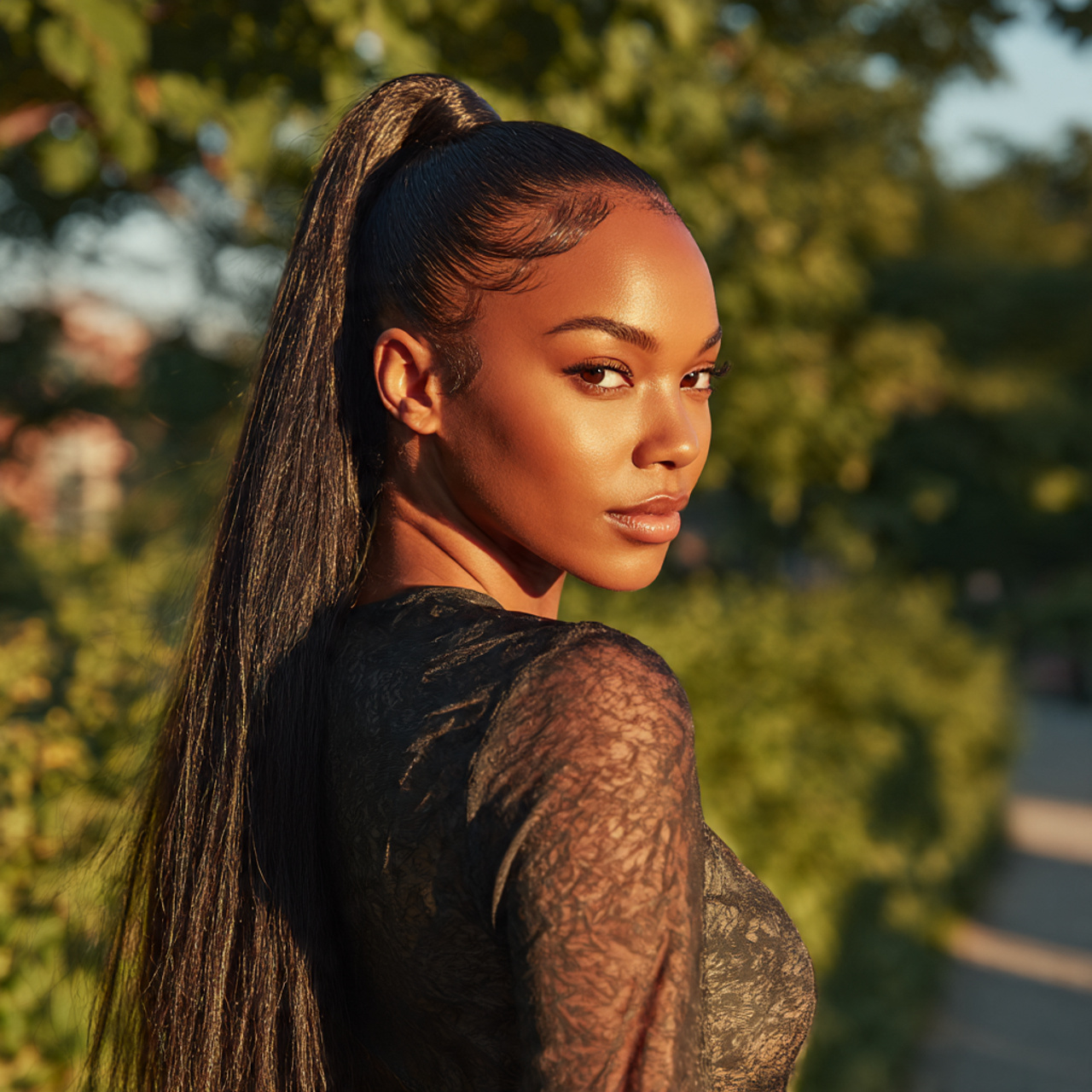
High ponytails are one of the biggest reasons people choose a frontal over a closure. Because the lace spans from ear to ear, the entire hairline is covered when hair is pulled up, so no tracks or wefts are ever visible. This is a style simply not possible with most other wig configurations.
Best for: Gym days, events, and casual wear that needs to hold all day. Product: Ghost Bond XL adhesive for firm hold through movement and sweat. Pro tip: Wrap the ponytail elastic with a small strip of matching hair to hide it completely. Face shape: Long faces should choose a mid-height ponytail rather than very high to avoid adding vertical length. Stylist language: “I want a high ponytail install with Ghost Bond and baby hairs laid smooth at the temples.”
Sleek Straight Frontal Look

Sleek straight frontals are polished, sharp, and professional. The style depends entirely on a smooth root press and a fully melted lace line, and even slight lifting at the hairline breaks the whole effect. There is no forgiving element in a sleek straight install.
Best for: Office wear, meetings, and formal settings. Product: CHI Silk Infusion before flat-ironing, finished with Kenra Platinum Silkening Mist. Pro tip: Press the roots with a fine-tooth comb immediately after ironing while heat is still present. Face shape: All face shapes. Square faces benefit from a center part to soften the jawline. Stylist language: “I want a sleek straight frontal with a pressed root and fully melted lace along the entire hairline.”
Voluminous Curly Lace Frontal Hairstyles Styles
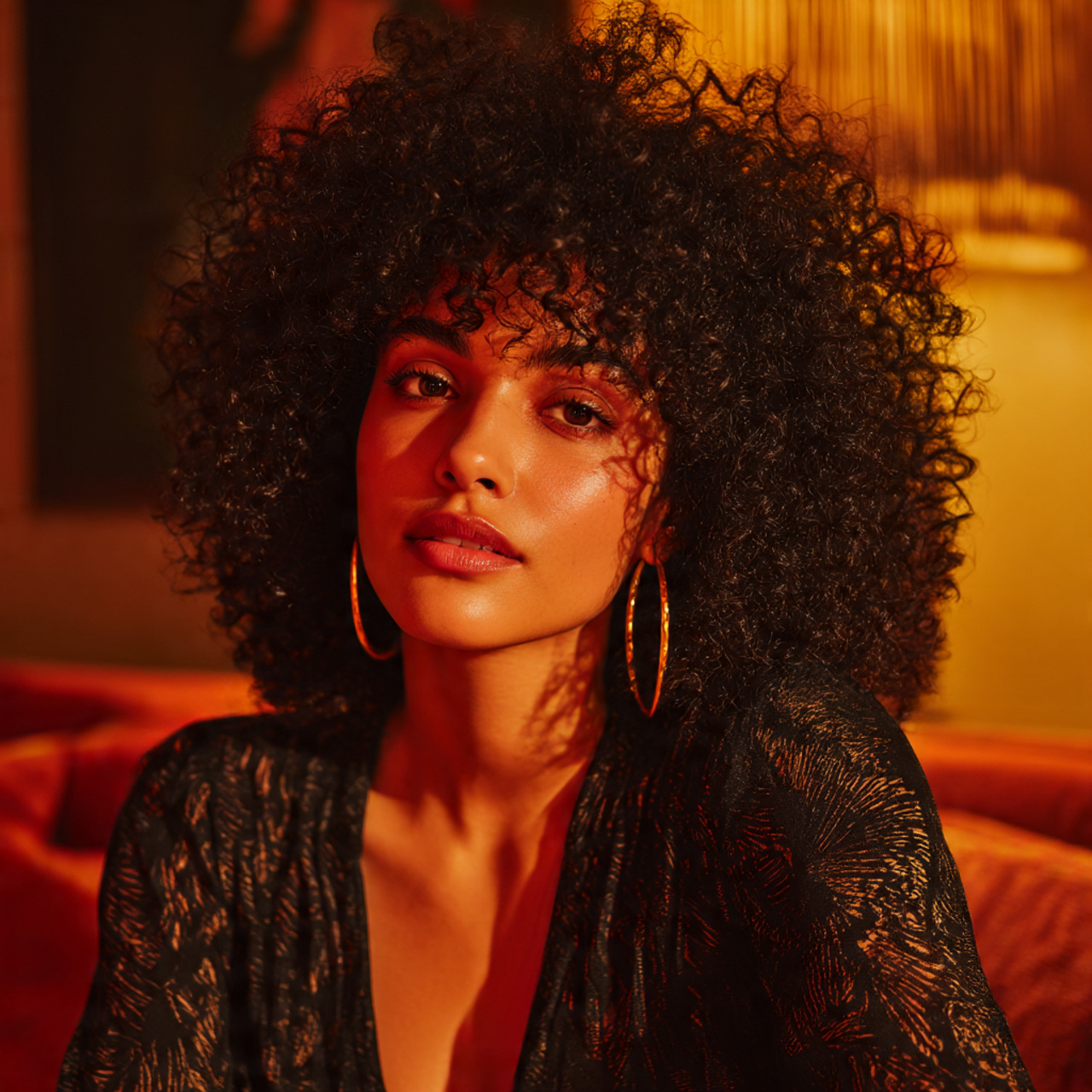
Curly frontals bring fullness and movement that straight styles simply cannot match. The curl pattern naturally disguises the lace edge, which makes blending far more forgiving for wearers still building their installation skills. Volume around the face also softens features in a way that flat styles do not.
Best for: Events, casual outings, and anyone who loves bold, full hair. Product: Outre Wet and Wavy curly units refreshed with Shea Moisture Curl Enhancing Smoothie. Pro tip: Refresh curls with a water and conditioner spritz instead of dry re-styling to reduce frizz buildup. Face shape: Round faces should avoid very wide, tight curls and choose longer, looser curl patterns instead. Stylist language: “I want a full curly frontal with volume at the roots and a defined curl pattern throughout.”
Curly textures disguise lace better than straight textures do because the curl pattern at the root breaks up the linear edge of the lace. This is why many stylists recommend curly units as the starting point for first-time frontal wearers. The margin for blending error is lower, and the overall install looks more natural with less effort.
Half-Up Half-Down Lace Frontal Hairstyles
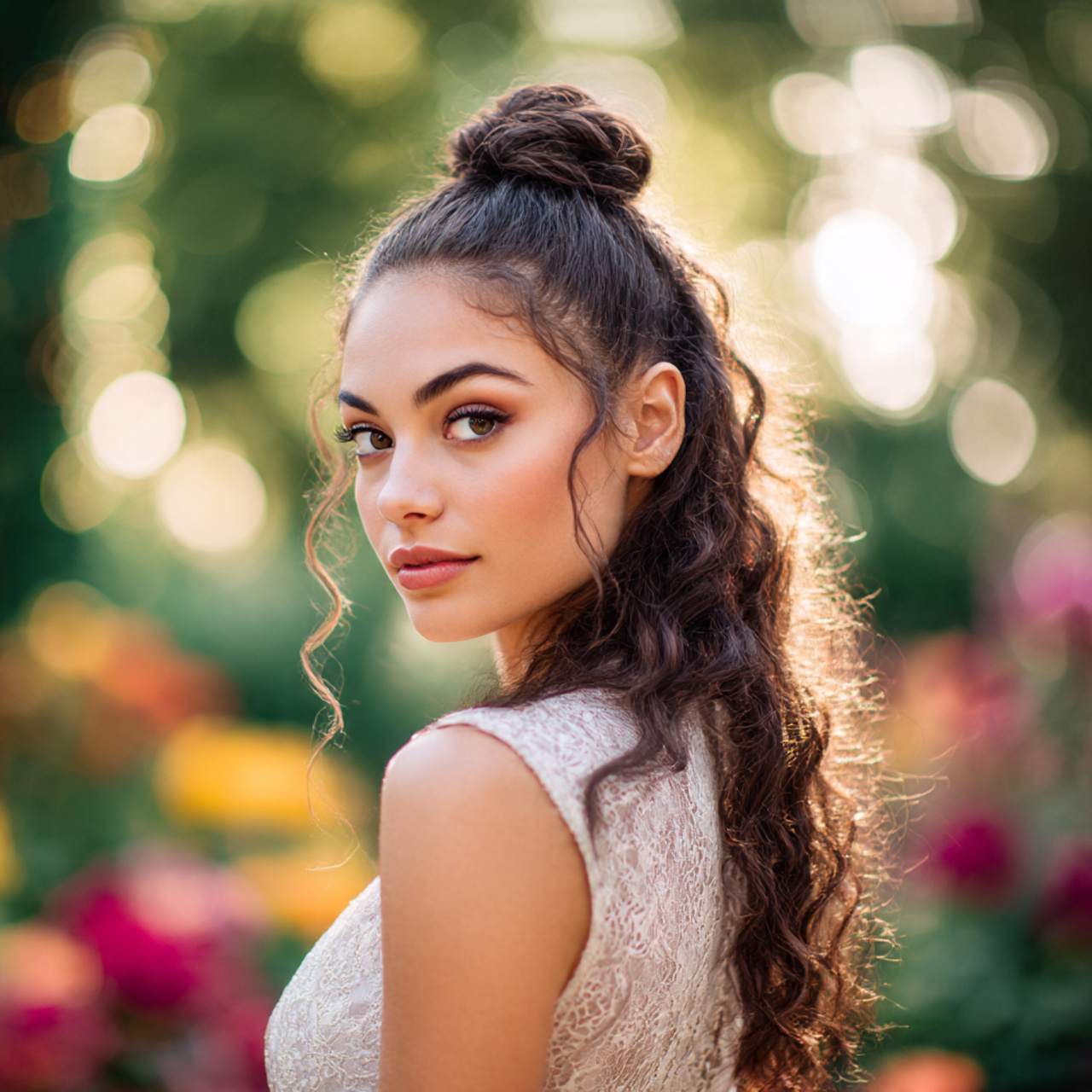
The half-up half-down style keeps hair off the face while letting the rest fall freely and naturally. Lace frontals make the crown look clean when the top section is pulled back because there is no track exposure. This is one of the most wearable and forgiving frontal styles for everyday use.
Best for: School, errands, and casual daily wear. Product: Paul Mitchell Super Skinny Serum to smooth the top section before pinning back. Pro tip: Use a clear elastic so nothing shows through the top section when the hair is pulled up. Face shape: Round faces benefit from pulling the top section higher to create a more elongated visual line. Stylist language: “Half-up with the frontal fully laid and the top section smooth with no flyaways at the crown.”
Deep Side Part Lace Frontal Hairstyles
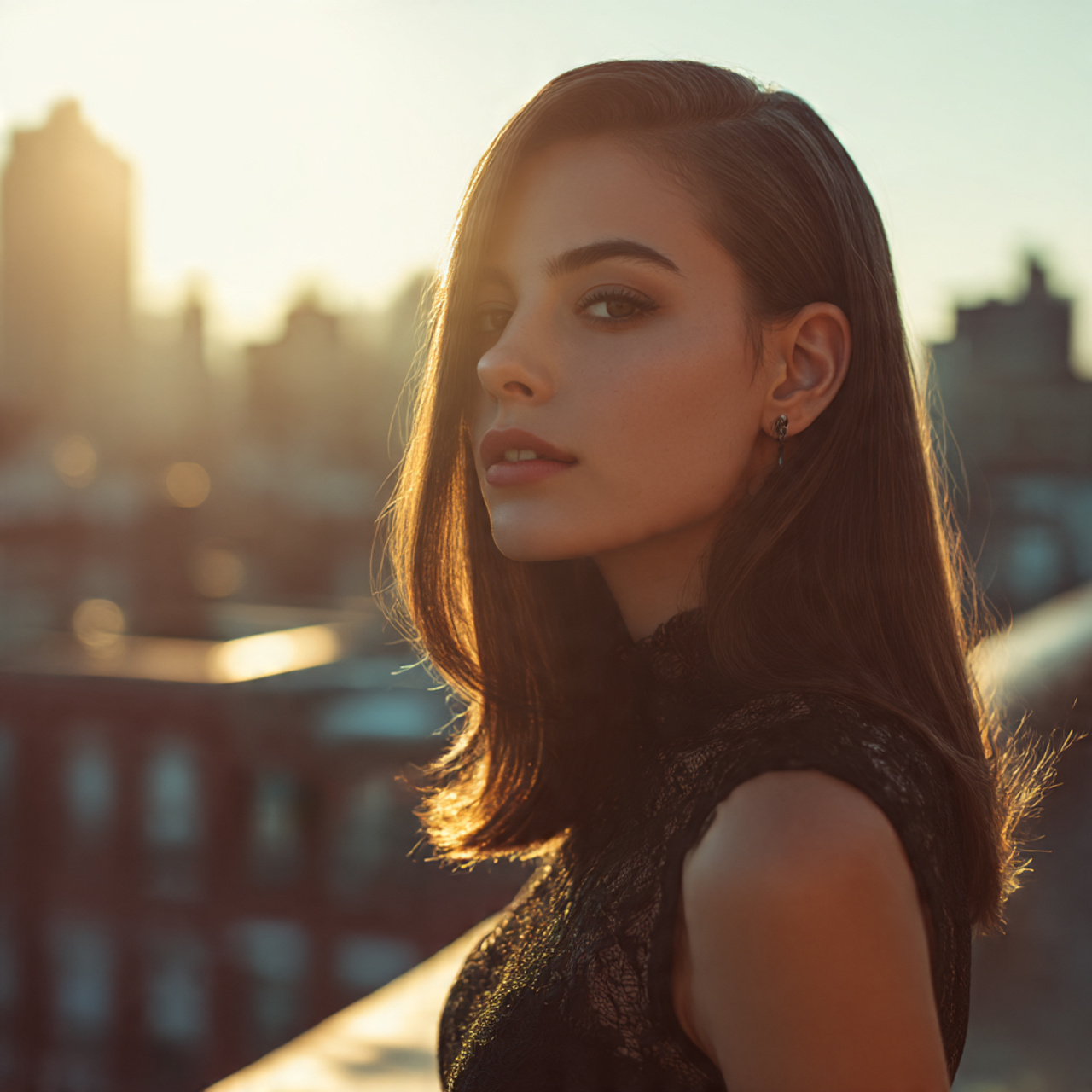
A deep side part adds instant structure and elegance to any lace frontal look. Because the lace runs ear to ear, the part can sit far to one side without revealing the unit underneath. This styling freedom is one of the strongest arguments for choosing a frontal over a smaller closure.
Best for: Events, photo shoots, and polished professional settings. Product: Luvme Hair frontal units with pre-plucked, flexible hairlines. Pro tip: Tuck the heavier side behind one ear to highlight the hairline and elevate the part. Face shape: Deep side parts are especially flattering for round faces, adding an asymmetric visual line that creates the illusion of length. Stylist language: “I want a deep side part with the lace fully melted and one side tucked cleanly behind the ear.”
Blonde Lace Frontal Hairstyles Wigs

Blonde frontals let you wear light color without chemically processing your natural hair. From honey blonde to cool platinum, the range of available shades is wide and the lace creates a natural root effect that makes color look like it grew there. This is bold styling with zero commitment.
Best for: Seasonal color changes and anyone who wants to go light without damage. Product: Mayvenn Hair blonde frontal units toned with Shimmer Lights Purple Shampoo. Pro tip: Tone the unit before wearing it so the root looks natural and finished from day one. Face shape: Warm blonde shades complement golden and olive undertones across all face shapes. Stylist language: “I want a honey blonde or platinum frontal toned at the root for a seamless, natural-looking blend.”
Colored Frontal Hair Ideas

Colored frontals are the safest way to wear bold shades like red, blue, or lavender without bleaching your natural hair. The lace at the hairline makes the color appear to grow from the scalp, which gives even dramatic shades a believable, lived-in quality. No chemical processing on your own hair is ever required.
Best for: Fashion-forward wearers and content creators who rotate styles frequently. Product: Sunber Hair pre-colored frontal units in vibrant fashion shades. Pro tip: Use a sulfate-free, color-safe shampoo to preserve vibrancy between washes without stripping the tone. Face shape: Bold colors draw attention to the face and complement all face shapes equally. Stylist language: “I want a pre-colored frontal in a fashion shade with no chemical processing on my natural hair.”
Short Bob Lace Frontal Hairstyles
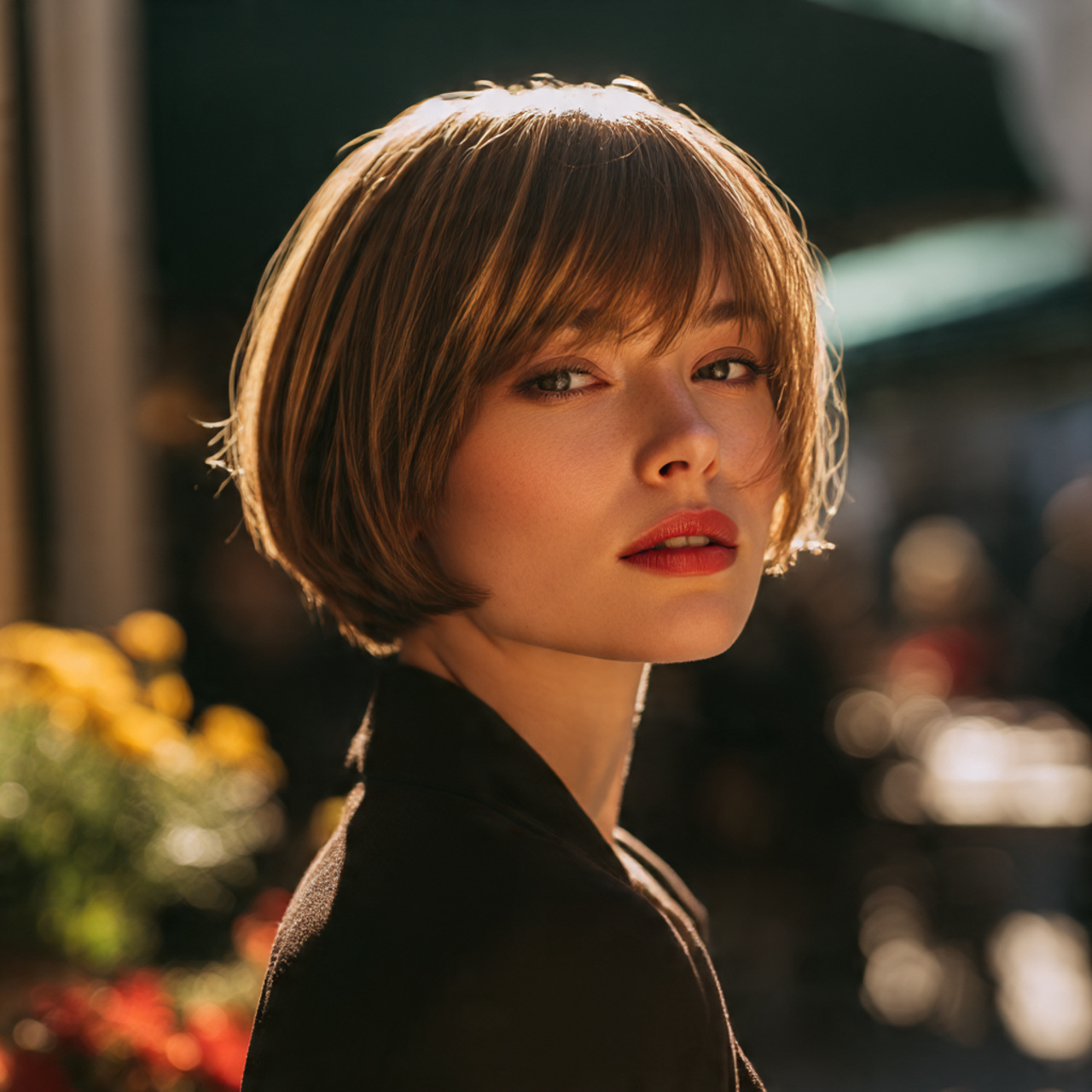
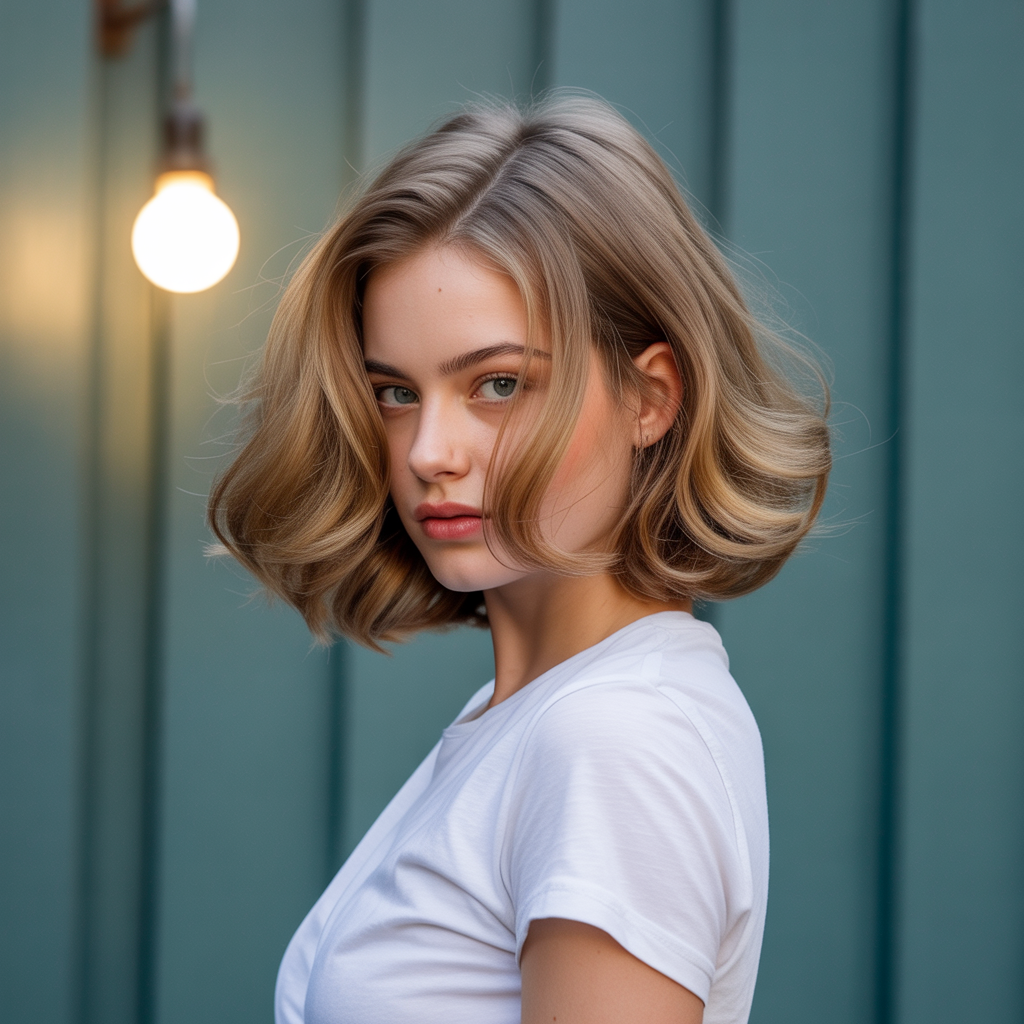
Bob styles with lace frontals are sharp, modern, and consistently professional. The frontal makes the hairline around the face look clean and defined, which matters critically in short styles where every edge is exposed. There is no length or curl to hide a rough install when the cut sits this close to the face.
Best for: Work, daily wear, and anyone who wants a bold yet professional look. Product: UNice Hair bob-length frontal units with pre-shaped hairlines. Pro tip: Finish the ends with a bone straight flat iron to sharpen the cut line and add a polished finish. Face shape: Oval and heart-shaped faces suit bobs best. Round faces should choose an angled bob for added definition. Stylist language: “I want a blunt bob frontal install with a clean hairline and sharp, precise ends.”
Short frontal styles require tighter lace application than long styles because the face is fully exposed at every angle. Melt a short install from the center hairline outward toward the temples to prevent puckering at the corners. Puckered temple lace is the single most common flaw in bob-length frontal installs.
Long Wavy Frontal Install
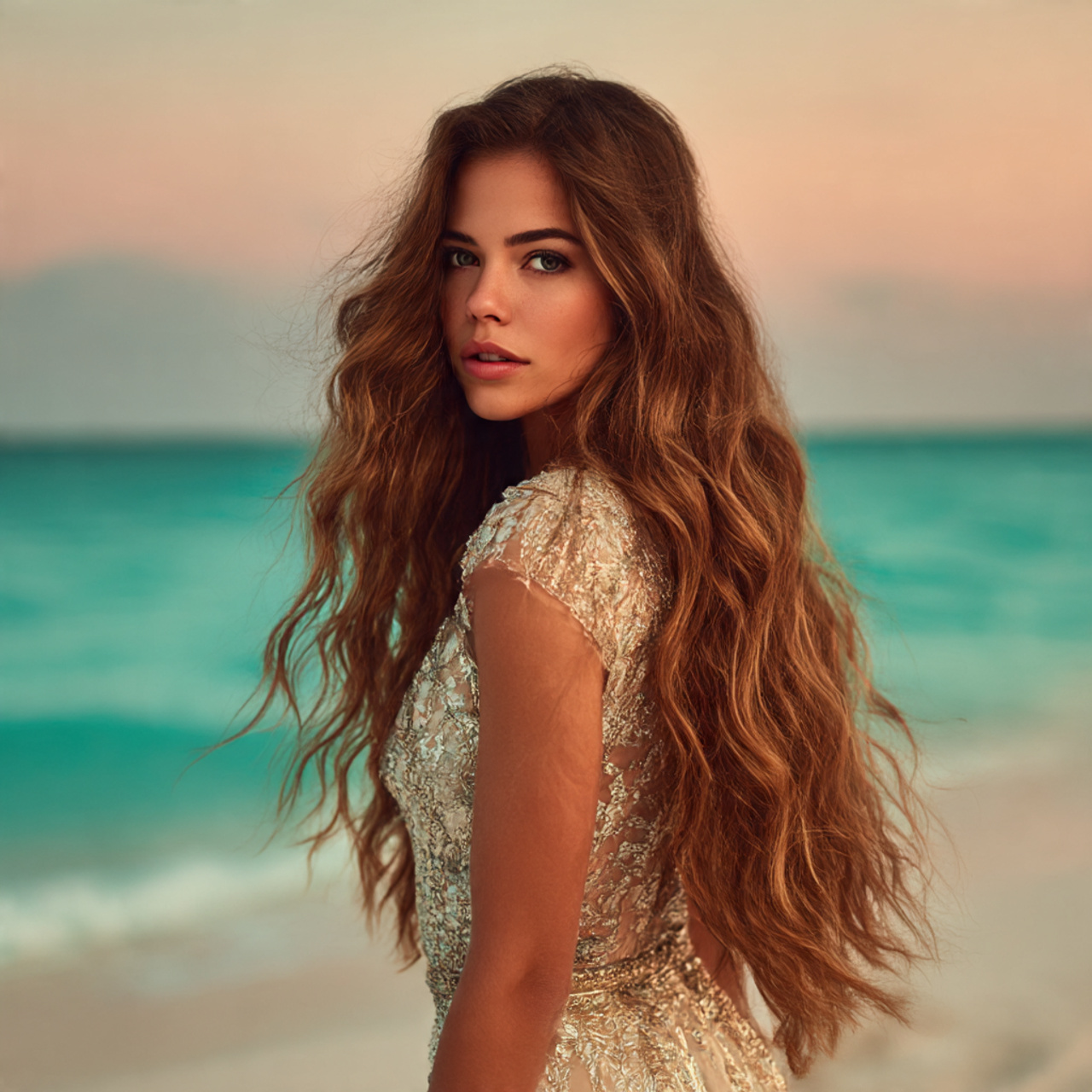
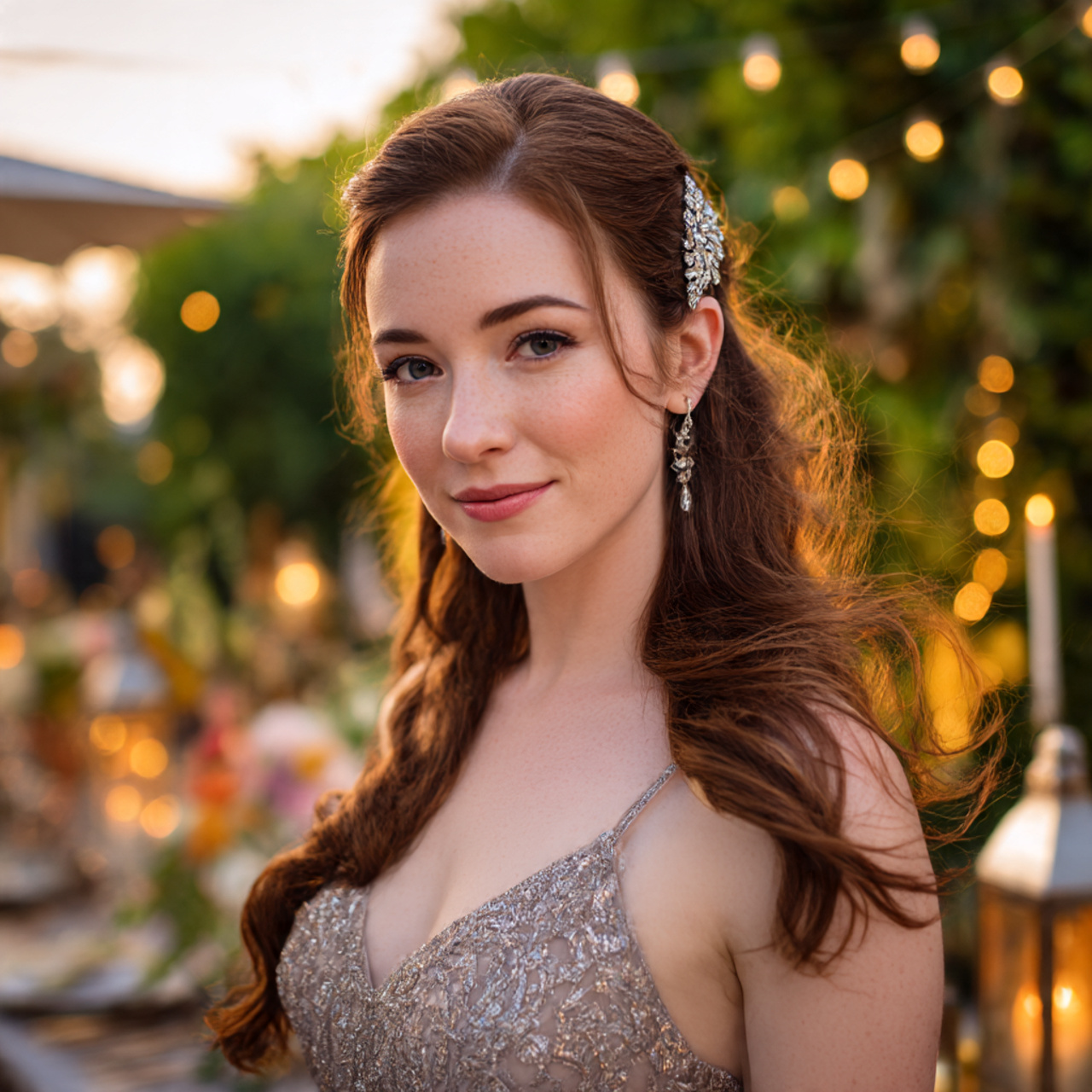
Long wavy frontals are glamorous and soft, with waves that begin naturally at the root because of the frontal structure. Movement in the hair also helps the lace edge disappear as the style shifts throughout the day. This is consistently one of the most requested looks for weddings and events.
Best for: Events, weddings, and everyday glamour. Product: Nadula Hair long wavy frontal units finished with TRESemmé Flawless Waves Mousse. Pro tip: Apply mousse using a praying hands method rather than scrunching to preserve wave definition longer. Face shape: Long wavy styles with a side part are flattering for both square and round face shapes. Stylist language: “I want a long wavy frontal with natural root movement and defined waves held throughout.”
Crimped Hair Frontal Style
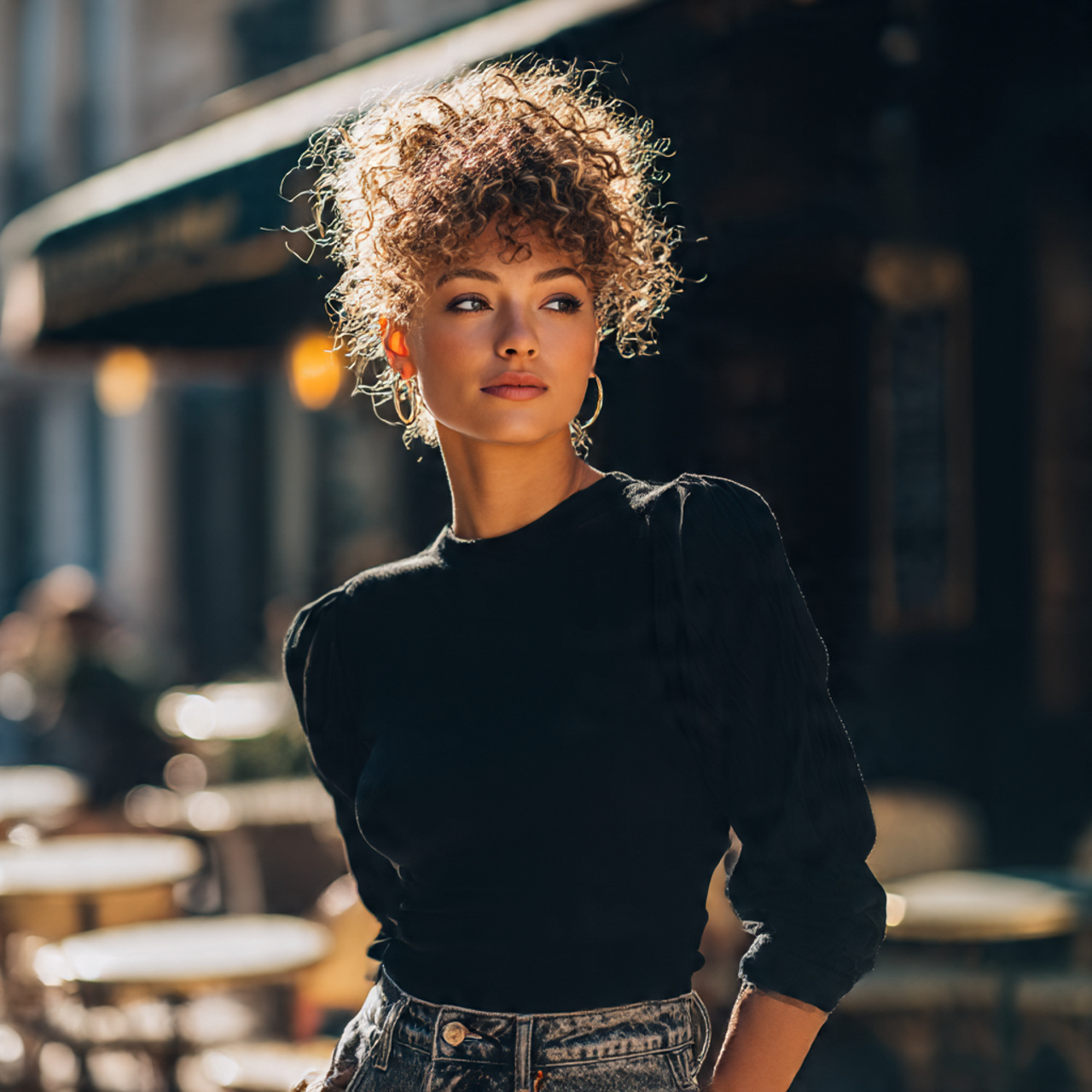
Crimped hair adds bold texture and volume with a confident retro personality. The zigzag pattern creates density that naturally disguises the lace edge, making it one of the easier textures for beginners still working on blending. It also adds the appearance of thickness to naturally fine hair types.
Best for: Events, bold style lovers, and anyone who wants high-volume texture. Product: Conair Double Ceramic Crimping Iron with OGX Thick and Full Biotin and Collagen Spray. Pro tip: Crimp only the mid-lengths and ends to preserve a natural-looking volume at the root. Face shape: Crimped styles add width, so long and narrow face shapes benefit most from this texture. Stylist language: “I want a crimped texture frontal with volume at the root and full zigzag pattern from mid-length down.”
Braided Frontal Edges
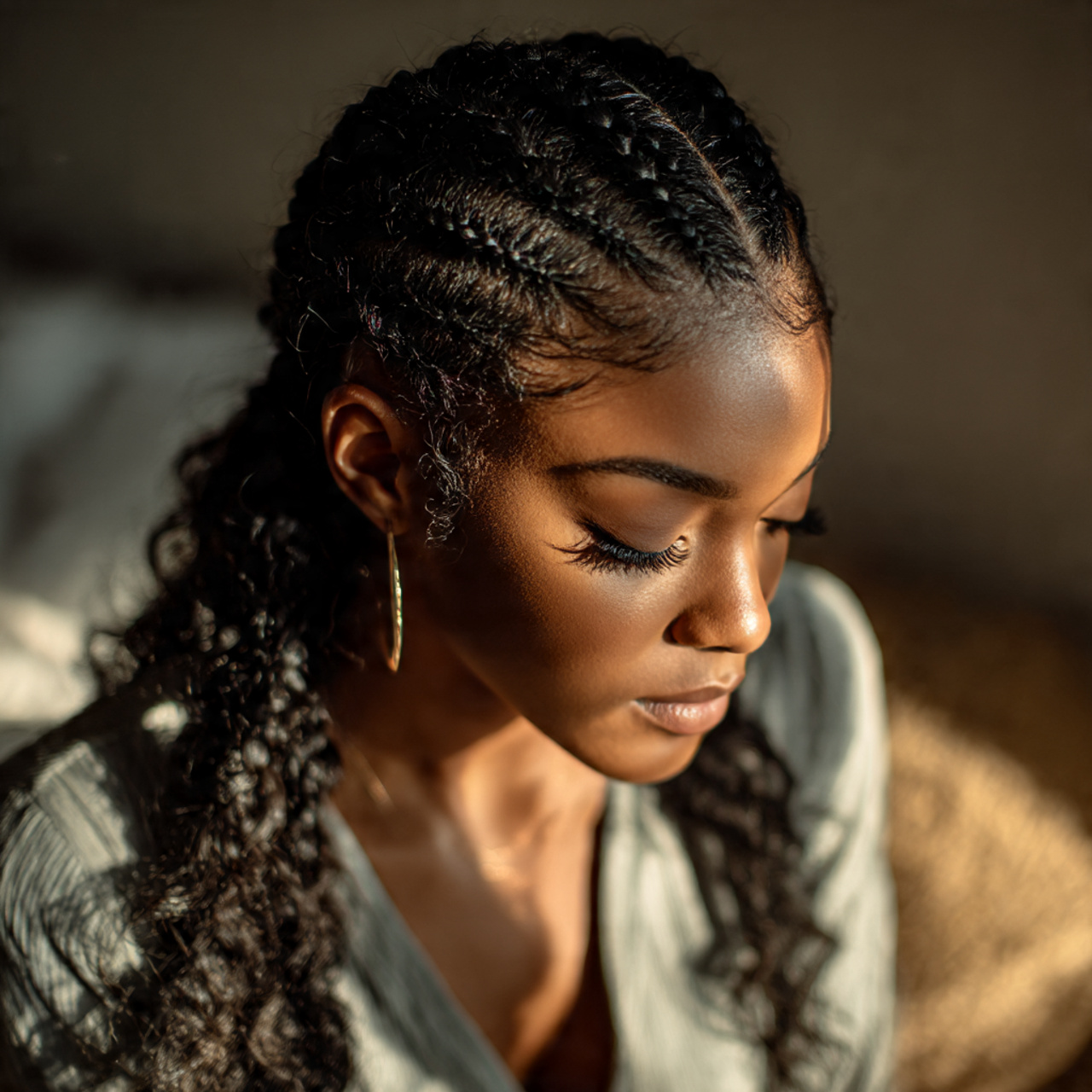
Braided edges style the baby hairs into small braids or twists along the hairline instead of laying them flat. This secures the lace while adding a creative detail to the entire look. It is also a practical option for people who prefer to reduce adhesive contact directly on the skin.
Best for: Protective styling and wearers who want intricate hairline detail. Product: Eco Styler Olive Oil Styling Gel for strong, flake-free hold on small braids. Pro tip: Braid edges while the gel is still wet to get tighter, longer-lasting lines throughout the day. Face shape: Braided edges frame the face evenly and work especially well on oval and round face shapes. Stylist language: “I want braided frontal edges with mini braids laid along the hairline using gel for hold and definition.”
Glueless Lace Frontal Hairstyles Installation
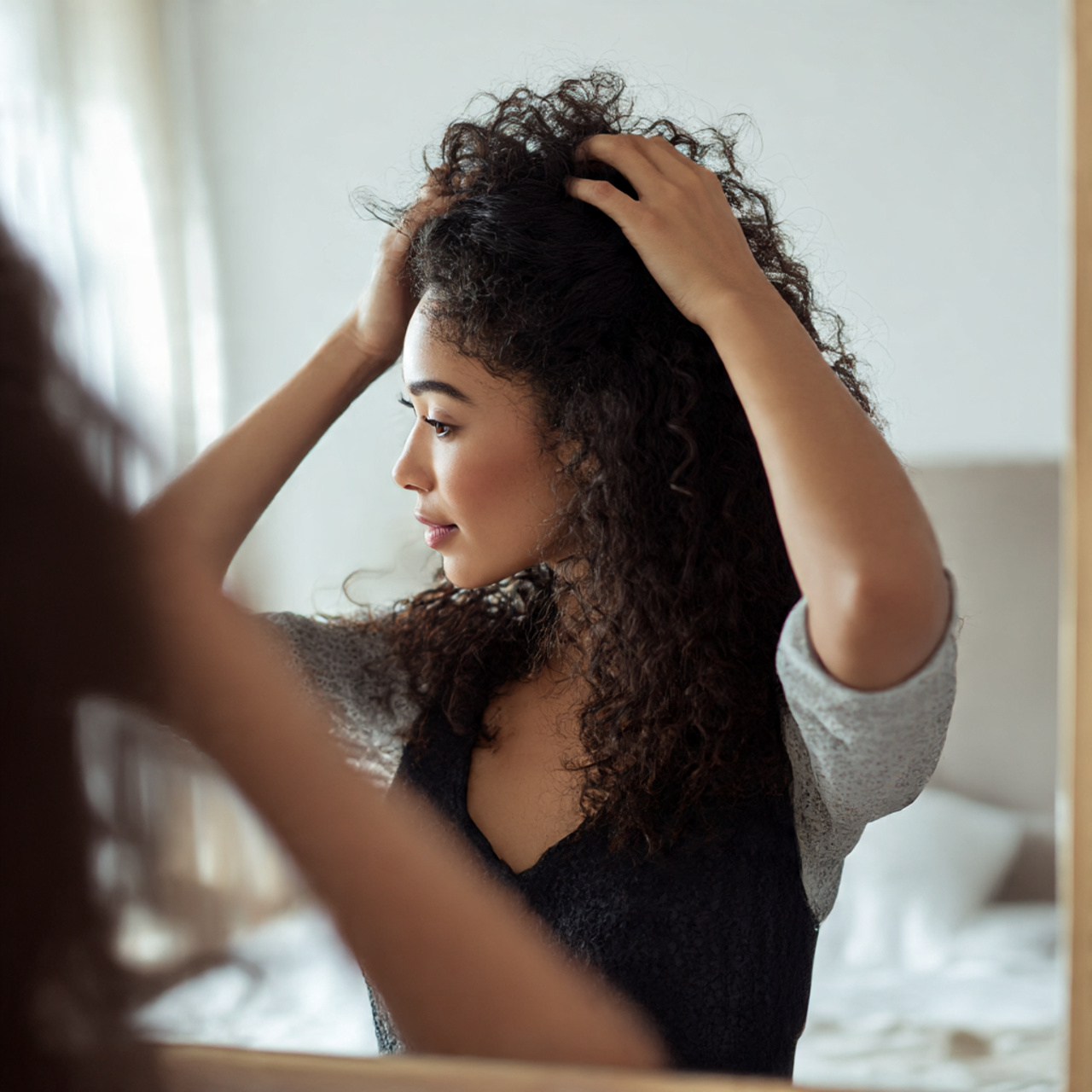
Glueless installs use elastic bands and combs instead of adhesive to hold the frontal in place. This method is ideal for sensitive scalps, frequent wearers, and anyone who removes the unit daily. It is the gentlest installation method available and causes the least hairline stress over time.
Best for: Sensitive skin, daily wearers, and anyone who changes styles regularly. Product: KISS Products Lace Wig Band for adjustable, chemical-free hold. Pro tip: Wear the wig band for 10 to 15 minutes before going out to mold the lace to your head shape naturally. Face shape: All face shapes work with glueless installs since the elastic and straps can be customized for fit. Stylist language: “I want a glueless frontal install with a wig band and combs and no adhesive anywhere on my skin.”
Visit Also: Short Haircuts for Chubby Face
Frontal Wig Application Tips

Proper application is the foundation of every great frontal look. Flat braids, a snug wig cap, and careful lace cutting are non-negotiable before any product touches the skin. Skipping any of these steps is the most common reason installs lift before the day is over.
Best for: First-time wearers and anyone refreshing their installation technique. Product: Got2b Glued Blasting Freeze Spray for a firm, removable hold along the hairline. Pro tip: Cut the lace 1 to 2 millimeters at a time rather than all at once to avoid cutting too close to the knots. Face shape: Proper technique applies to all face shapes. Always position the frontal based on your proportions before any adhesive is applied. Stylist language: “I need the lace cut clean and adhesive applied thin so there is no bunching anywhere at the hairline.”
The most overlooked mistake in frontal application is cutting the lace in a perfectly straight line. Real hairlines curve slightly and have irregular depth at the temples. Cutting the lace to follow that natural curve rather than trimming it flat across is exactly what makes an install look genuinely real versus just close.
Natural Hairline Frontal Blending
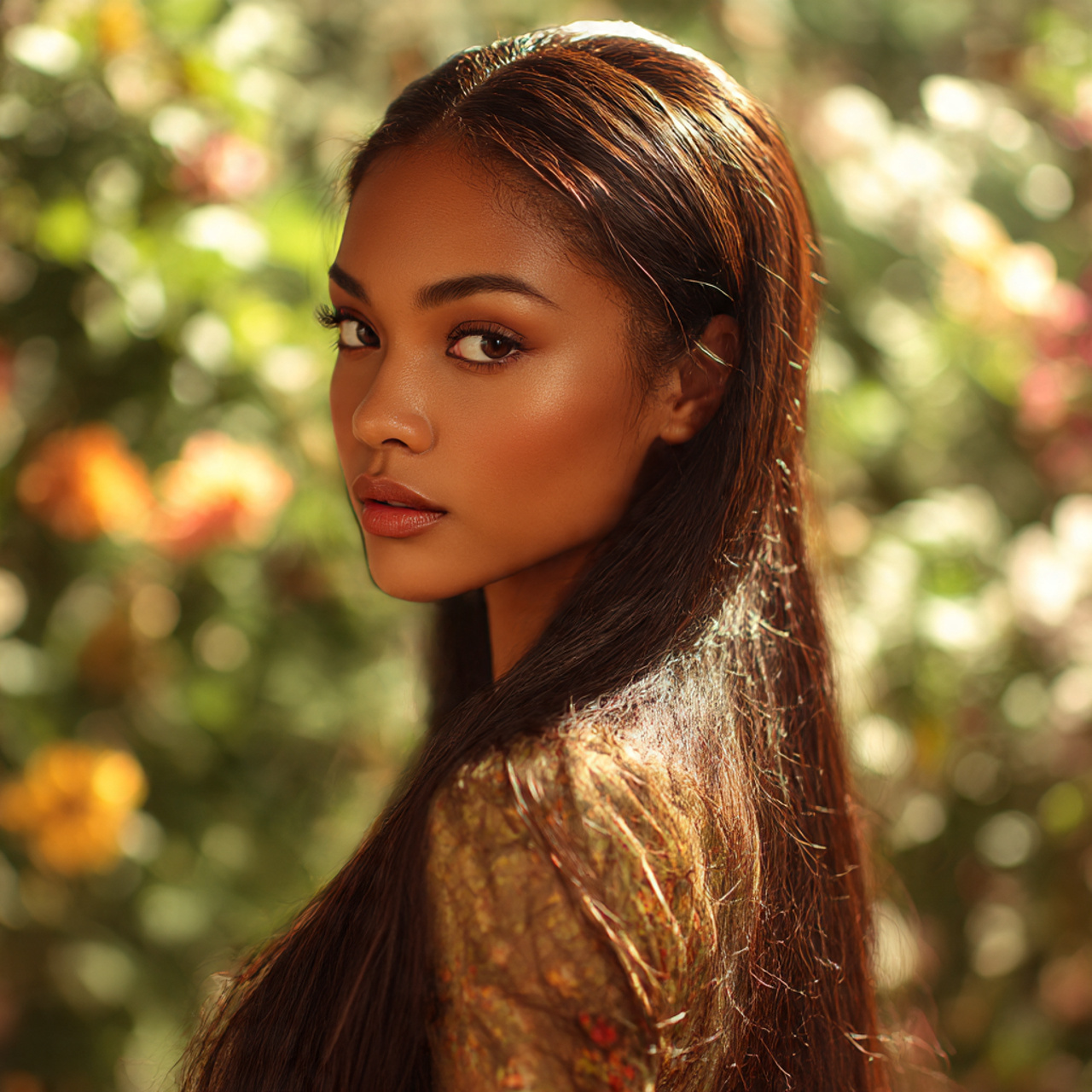
Blending the lace into the skin is what separates an installed frontal from a worn one. It involves matching the lace color to your skin tone and using powder or foundation to close the remaining gap. Done correctly, the hairline holds up even in photos and video.
Best for: Anyone who wants a photo-ready, undetectable hairline finish. Product: Mehron Makeup Skin Tone Foundation set with Ben Nye Banana Powder. Pro tip: Apply foundation to the lace before installation so you have full control without risking the hair fiber. Face shape: Proper blending benefits every face shape by removing the visible break between lace and skin. Stylist language: “I want full lace blending with skin-matched foundation and powder for a completely natural hairline.”
Taped Lace Frontal Hairstyles Installation

Tape installs use double-sided hair extension tape placed around the hairline perimeter to secure the frontal. This method is cleaner than liquid adhesive, leaves less residue on the skin and lace, and holds firmly through long wear periods. Many active wearers prefer it over traditional glue.
Best for: Active lifestyles and longer wear periods with less product contact on skin. Product: Walker Tape Roll-On Tape with Walker Tape Lace Release Solvent for clean removal. Pro tip: Replace tape sections every one to two weeks to prevent uneven buildup that causes premature lifting. Face shape: All face shapes benefit from tape installs since the hold is consistent across the full hairline perimeter. Stylist language: “I want a tape install with Walker Tape along the full perimeter and proper solvent for clean removal.”
Knot Bleaching for Lace Frontal Hairstyles

Bleaching the knots on a frontal is one of the most effective ways to make the unit look like real, growing hair. Dark unbleached knots are visible through the lace and immediately reveal the unit. Lightening them removes this giveaway and creates a convincing, seamless scalp effect throughout the hairline.
Best for: Anyone who wants a fully realistic install without intensive daily customization. Product: Wella Color Charm Powder Lightener mixed with 20 volume Wella developer. Pro tip: Process knots for no more than 20 minutes and check every five minutes to prevent fiber damage at the root. Face shape: Bleached knots make the hairline look natural on all face shapes by eliminating visible dark dots on the lace. Stylist language: “I need the knots bleached with 20 volume developer and a strict 20 minute maximum processing time.”
Plucking a Frontal Hairline

Plucking removes excess hair from the frontal hairline to create a softer, more realistic look. Real hairlines are not uniform or thick, so an unplucked frontal reads immediately as artificial. This step takes patience but is one of the most important customization steps before any frontal is worn.
Best for: Anyone who wants a natural, realistic hairline from the first day of wear. Product: Revlon Expert Tweezers with a pointed tip for precise, controlled plucking. Pro tip: Work over a light surface so you can see in real time exactly how much density is being removed per section. Face shape: Plucking can be tailored to your face shape by creating a softer peak at the center or a slight recession at the temples. Stylist language: “I want the hairline pre-plucked for realism, removing front-row density without creating any bald spots.”
Water Wave Frontal Look
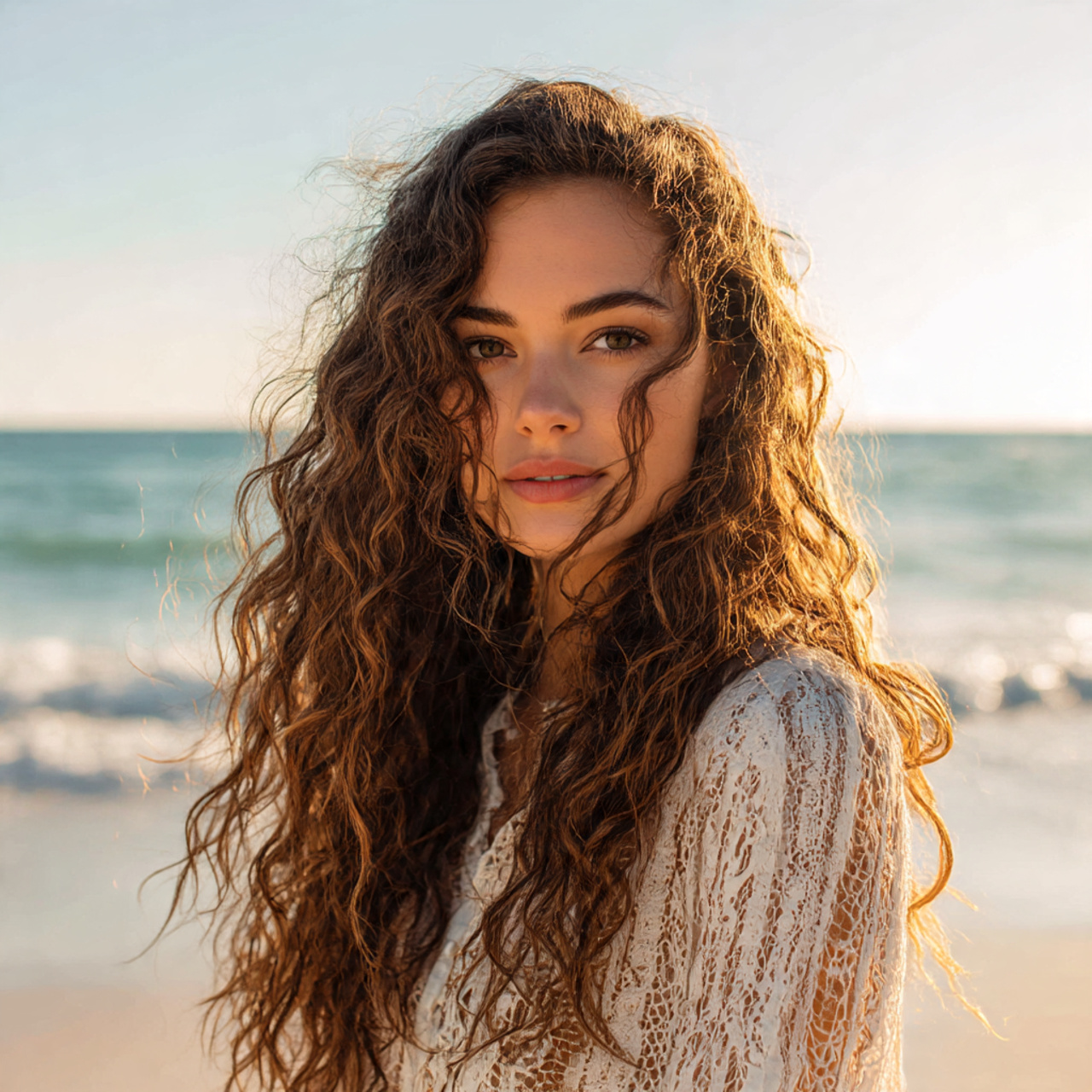
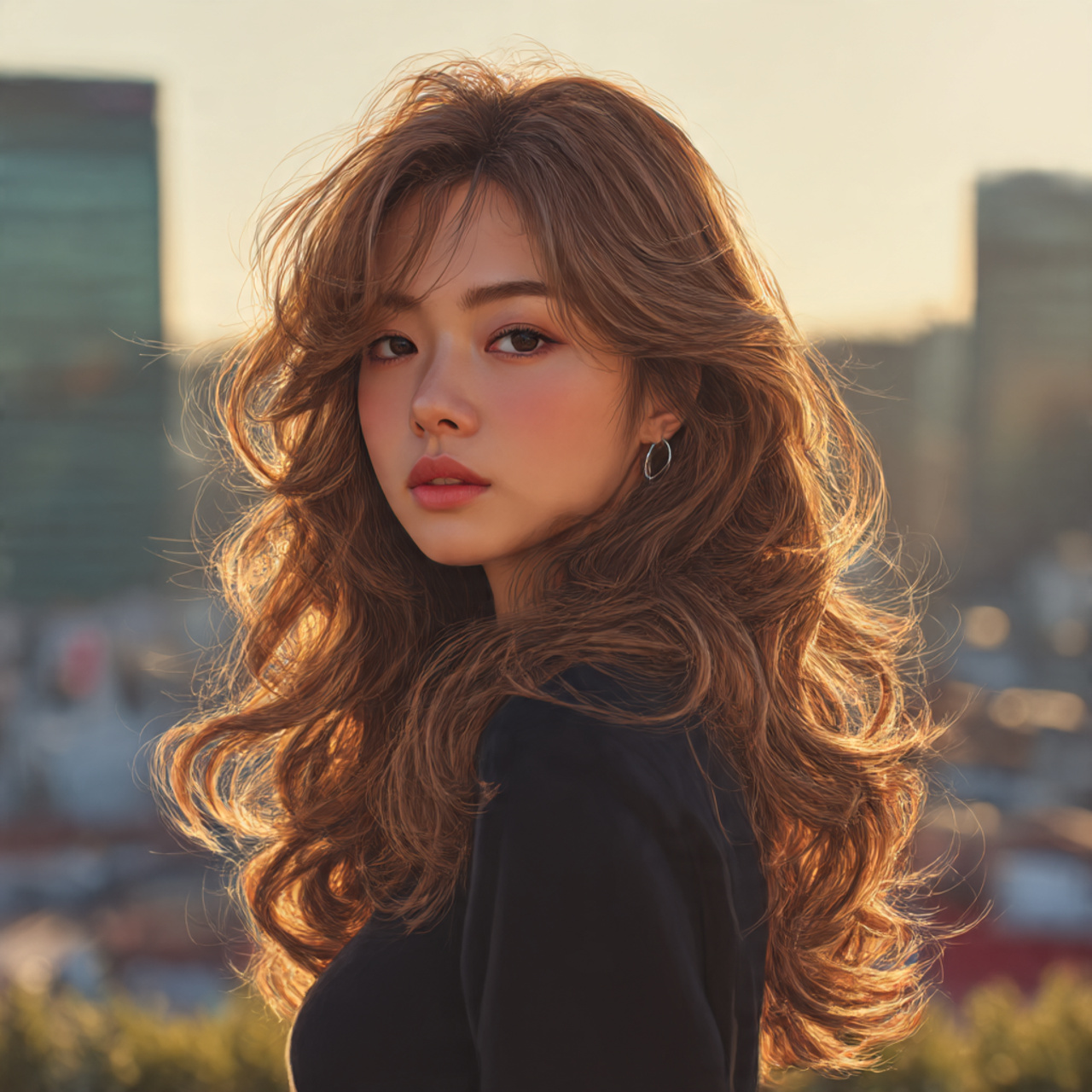
Water wave texture features loose, deep waves that hold their shape through humidity without frizzing. The pattern gives volume without heaviness and is especially popular for vacation styling and outdoor events where straight styles would quickly go limp. It is one of the most low-effort textured looks available.
Best for: Vacation styling, outdoor events, and easy everyday glam. Product: Outre Wet and Wavy water wave units finished with Cantu Wave Whip Curling Mousse. Pro tip: Dip the ends in warm water and scrunch lightly to revive the wave pattern between full wash days. Face shape: Water wave volume is especially flattering for heart and oval face shapes. Stylist language: “I want a water wave frontal with a defined wave pattern and volume that frames the face naturally.”
Wave textures respond to humidity differently than straight frontals do. Straight units frizz or go limp in heat and moisture, while wave textures absorb it and actually become more defined. Stylists consistently recommend wave textures to clients in warm or humid climates specifically because the install improves rather than degrades in those conditions.
Body Wave Lace Frontal Hairstyles
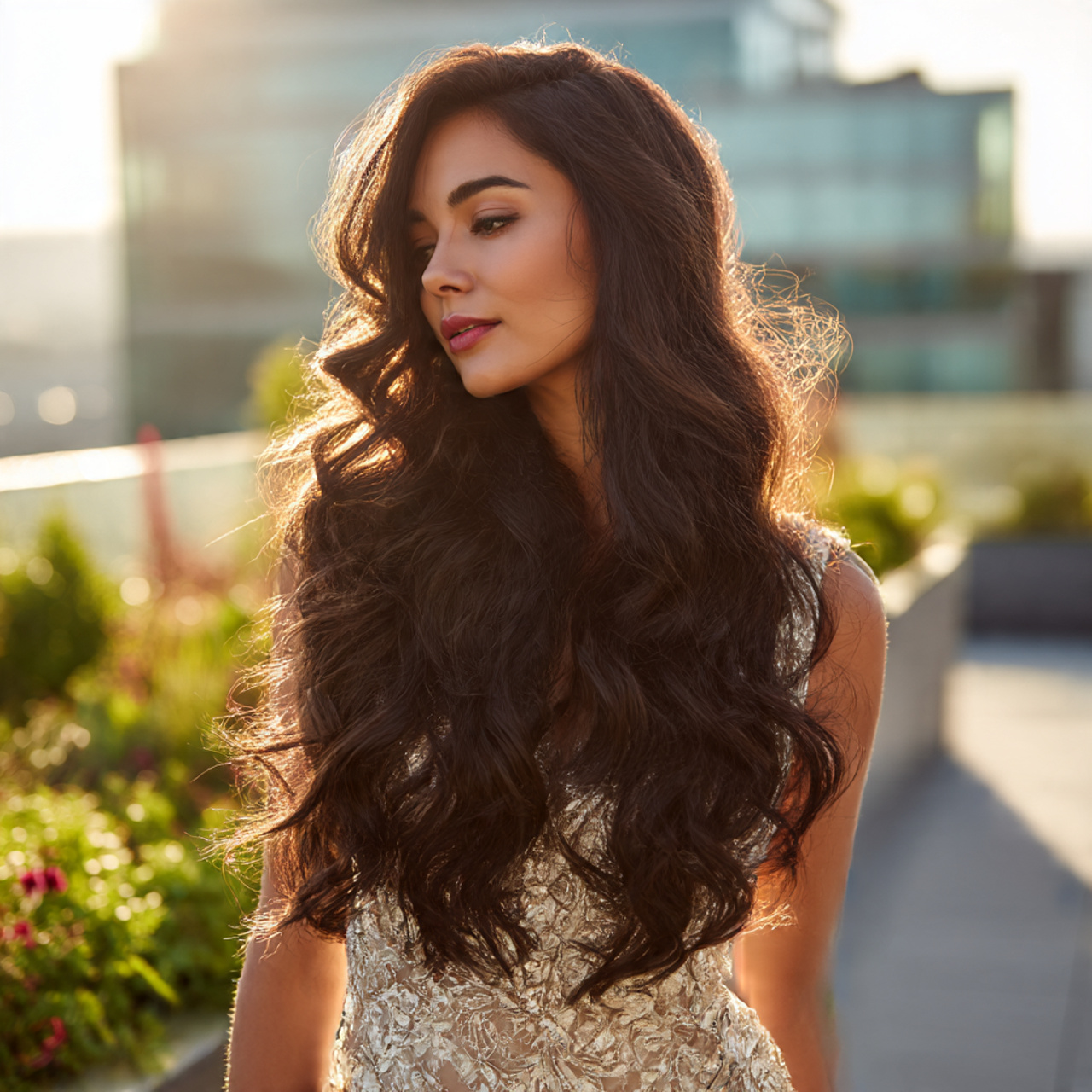
Body wave frontals have gentle, loose waves that move naturally and suit almost any occasion from work to formal events. The texture transitions easily between straight and wavy depending on how it is styled each day. This flexibility from a single unit makes body wave one of the most practical frontal textures available.
Best for: Everyday wear and special events that need the same unit to perform across settings. Product: Hergivenhair body wave frontal units finished with L’Oreal EverSleek Frizz Finish Oil Serum. Pro tip: Press body wave with a microfiber cloth using downward strokes rather than towel-drying to keep the wave intact. Face shape: Body wave suits all face shapes because the soft movement neither adds nor removes dramatic volume. Stylist language: “I want a body wave frontal with natural movement and a smooth, frizz-free finish at the root.”
Kinky Straight Frontal Unit
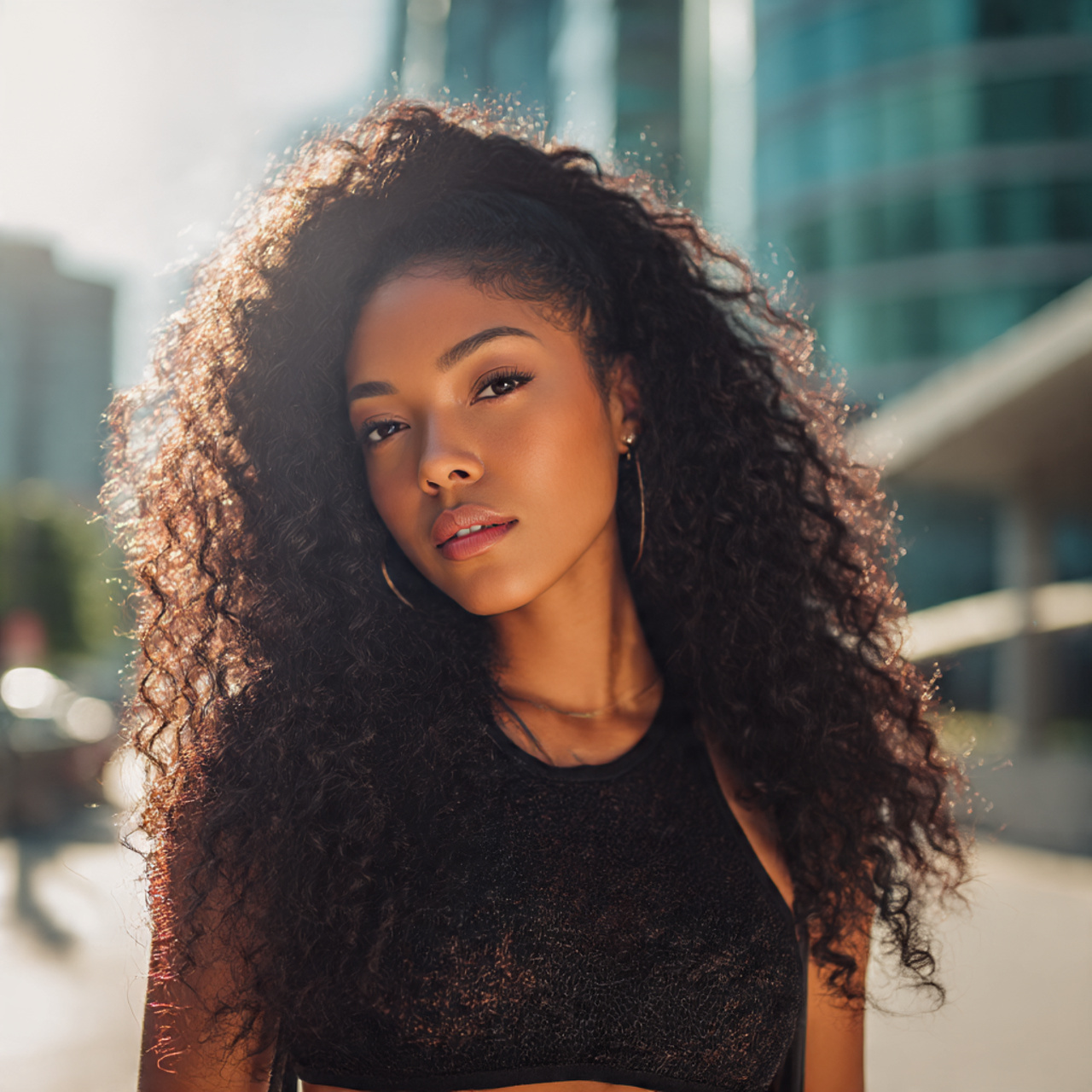
Kinky straight units replicate the look of naturally blown-out Type 4 hair with texture and body that still lies straight. This makes them one of the most believable options for natural hair wearers because the fiber blends seamlessly with coarser edges without heat or relaxer.
Best for: Natural hair wearers who want a blown-out look without applying any heat. Product: Mayvenn Kinky Straight frontal units. Pro tip: Apply a small amount of As I Am Stretch Styling Cream along your natural edges to blend them into the kinky texture. Face shape: Kinky straight styles suit all face shapes because the straight silhouette creates a clean, balanced vertical line. Stylist language: “I want a kinky straight frontal that blends with my natural 4C edges without heat or relaxer.”
Ombre Frontal Color Melt
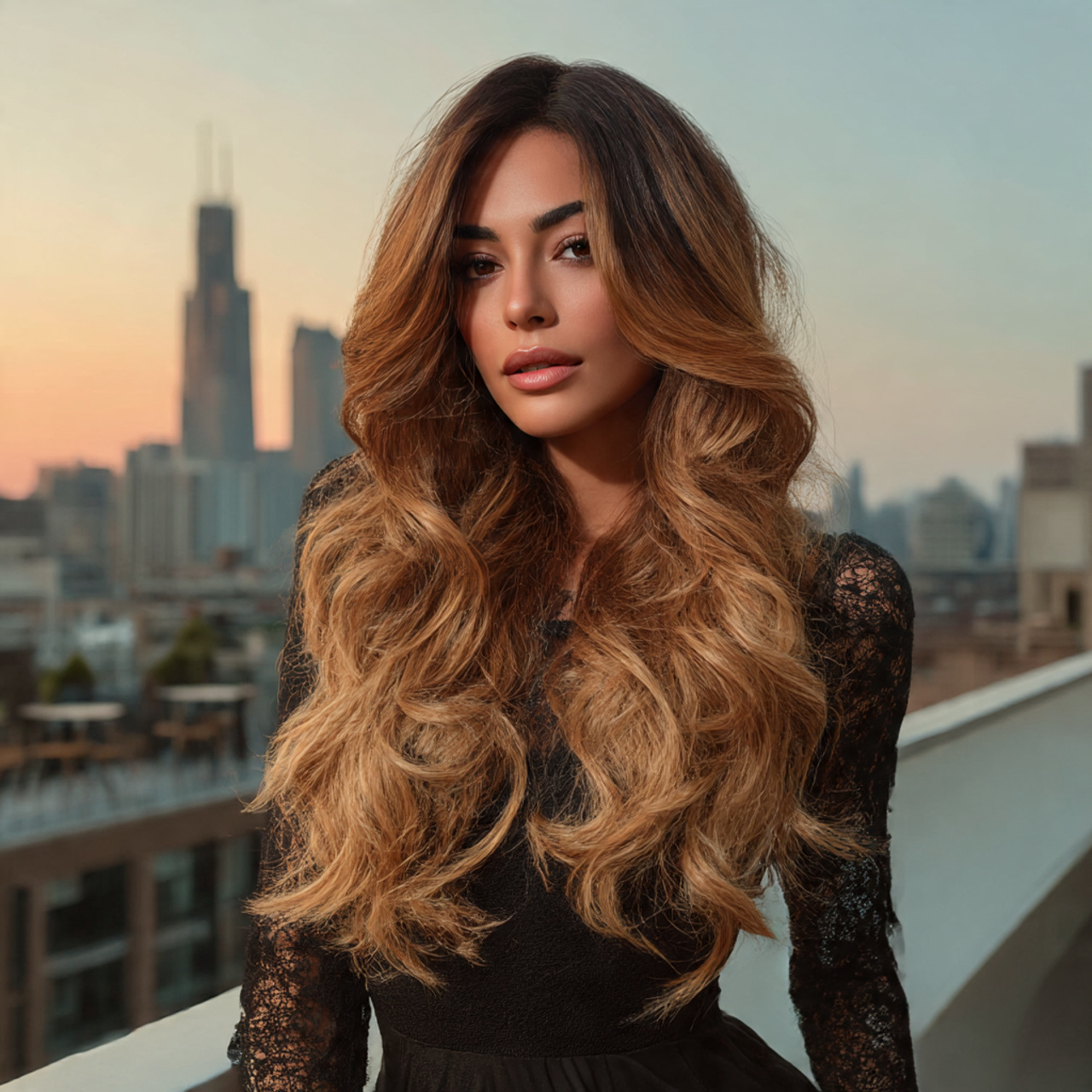
Ombre frontals transition from a dark root to lighter ends in a gradual, seamless fade. The frontal structure makes this especially convincing because the color begins naturally at the hairline rather than mid-shaft. It is one of the most requested color styles for frontals right now.
Best for: Anyone who wants dimensional color with no full commitment. Product: Sunber Hair pre-colored ombre frontal units with clean, seamless color transitions. Pro tip: Choose a root shade that closely matches your natural hair color so the grow-out period always looks intentional. Face shape: Ombre draws the eye downward and adds visual length, which suits round and square face shapes especially well. Stylist language: “I want a color melt ombre frontal with a dark root and natural fade. No harsh line at the transition point.”
Messy Bun Frontal Style

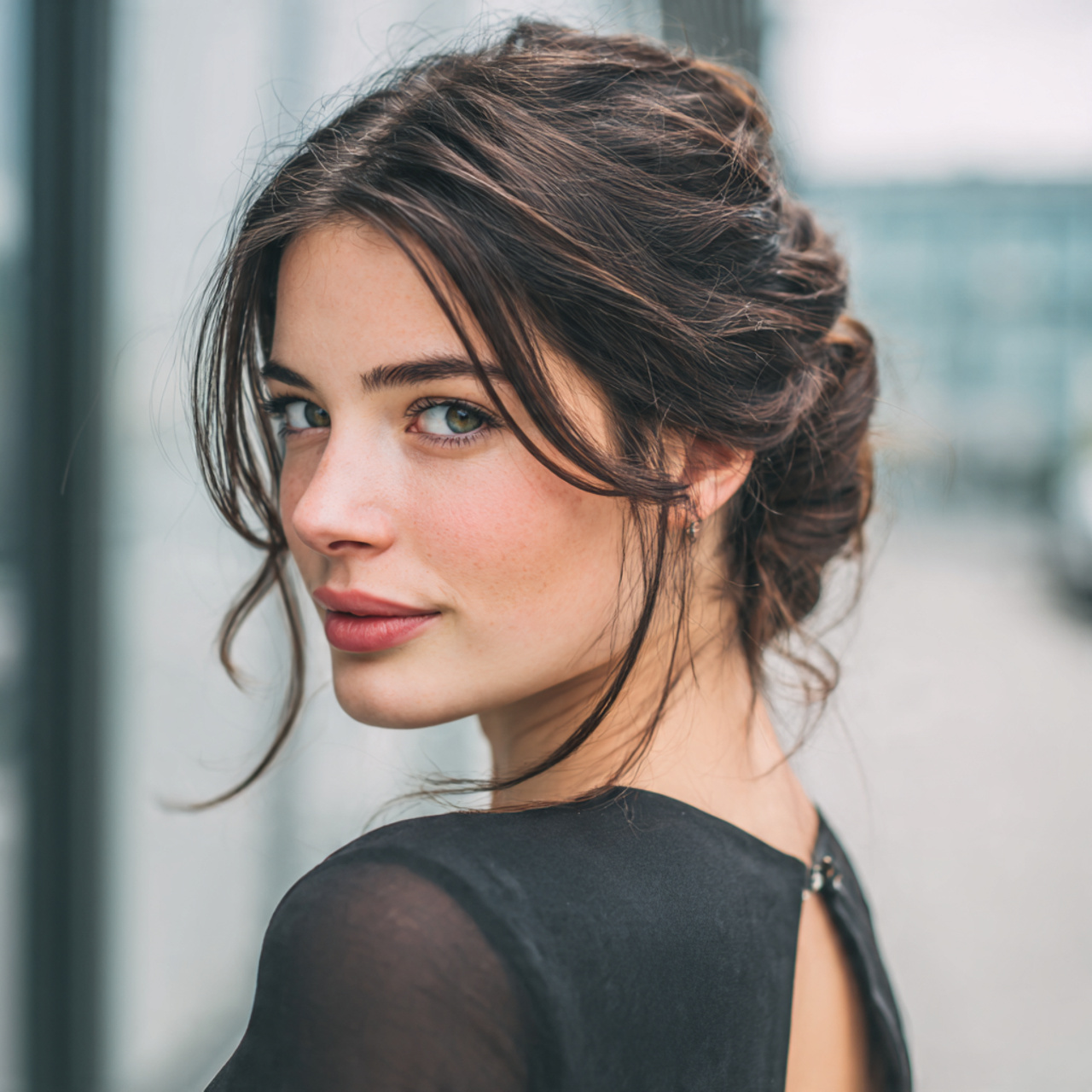
Messy buns prove that frontals are not only for sleek, formal styling. When the hair is pulled into a loose bun, the frontal stays fully secured and loose pieces can fall around the face for a soft, undone effect. It is one of the quickest styles to create once the frontal is properly installed and set.
Best for: Casual days, quick morning styling, and relaxed daily wear. Product: Ghost Bond XL adhesive for firm hold under the upward tension of a bun. Pro tip: Pull the bun slightly off-center for an effortless, editorial feel that still keeps the frontal in place. Face shape: Messy buns suit all face shapes. Add more loose face-framing pieces around a round face to soften the silhouette. Stylist language: “I want a messy bun frontal with the lace fully secured and soft pieces framing the face naturally.”
Space Buns with Frontal

Space buns split the hair into two high buns on opposite sides of the head, exposing the full frontal hairline from ear to ear. Because the hairline is completely visible in this style, blending must be precise before any updo styling begins. When done right, it is one of the most playful and striking frontal looks in the space right now.
Best for: Festivals, themed events, and creative styling occasions. Product: Melt Muse Melting Spray to fully set the lace flat before any updo styling is started. Pro tip: Section the hair exactly down the center before forming the buns so both sides are even and the part reads as natural. Face shape: Space buns add width at the crown, which works best for long and narrow face shapes. Stylist language: “I want space buns with the lace completely melted and the center part running clean from the hairline to the crown.”
Styles that fully expose the frontal hairline require the lace to be melted all the way to the temples, not just the center front. Most people focus on the front and neglect the corners, which is exactly where lift shows up first in high-exposure styles. Press those temple corners down with extra adhesive and melting spray before the updo is finished.
Pixie Cut Lace Frontal
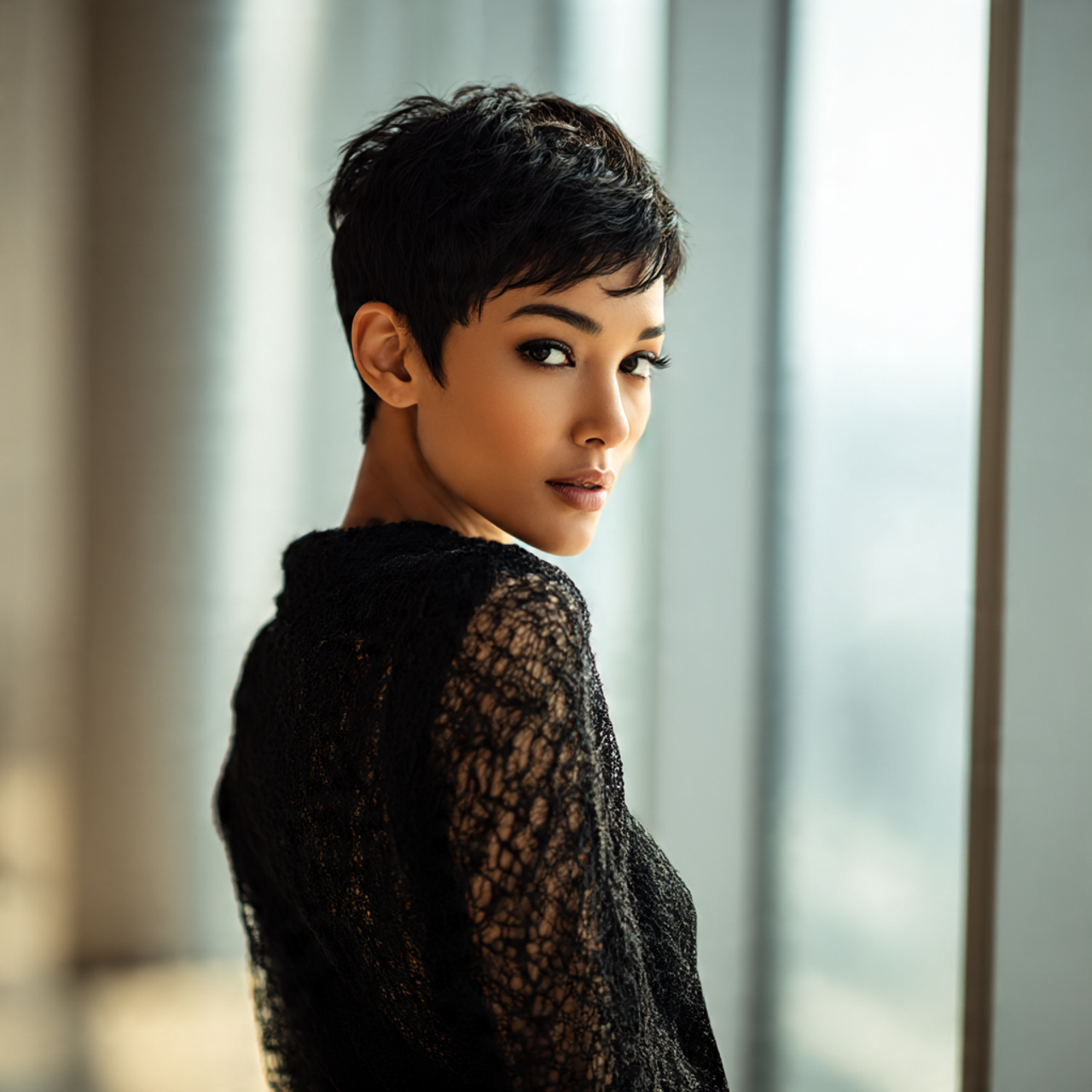
Pixie cut frontals require the most precise blending of any style because the hair is short and close to the face on all sides. Every edge is visible. Every piece of lace must disappear. When installed correctly, a pixie frontal is one of the most striking and confident looks available in the entire frontal category.
Best for: Bold wearers who want a high-impact, minimal-maintenance look. Product: Bobbiboss frontal units in pixie cut lengths with pre-shaped hairlines. Pro tip: Use a toothbrush with Got2b Glued Gel to lay the shortest temple pieces so every edge is razor clean. Face shape: Pixie cuts are most flattering on oval and heart-shaped faces. Add texture on top for round or square faces. Stylist language: “I want a pixie frontal with zero lift at the temples and textured pieces on top for dimension.”
Braided Frontal Hairstyles
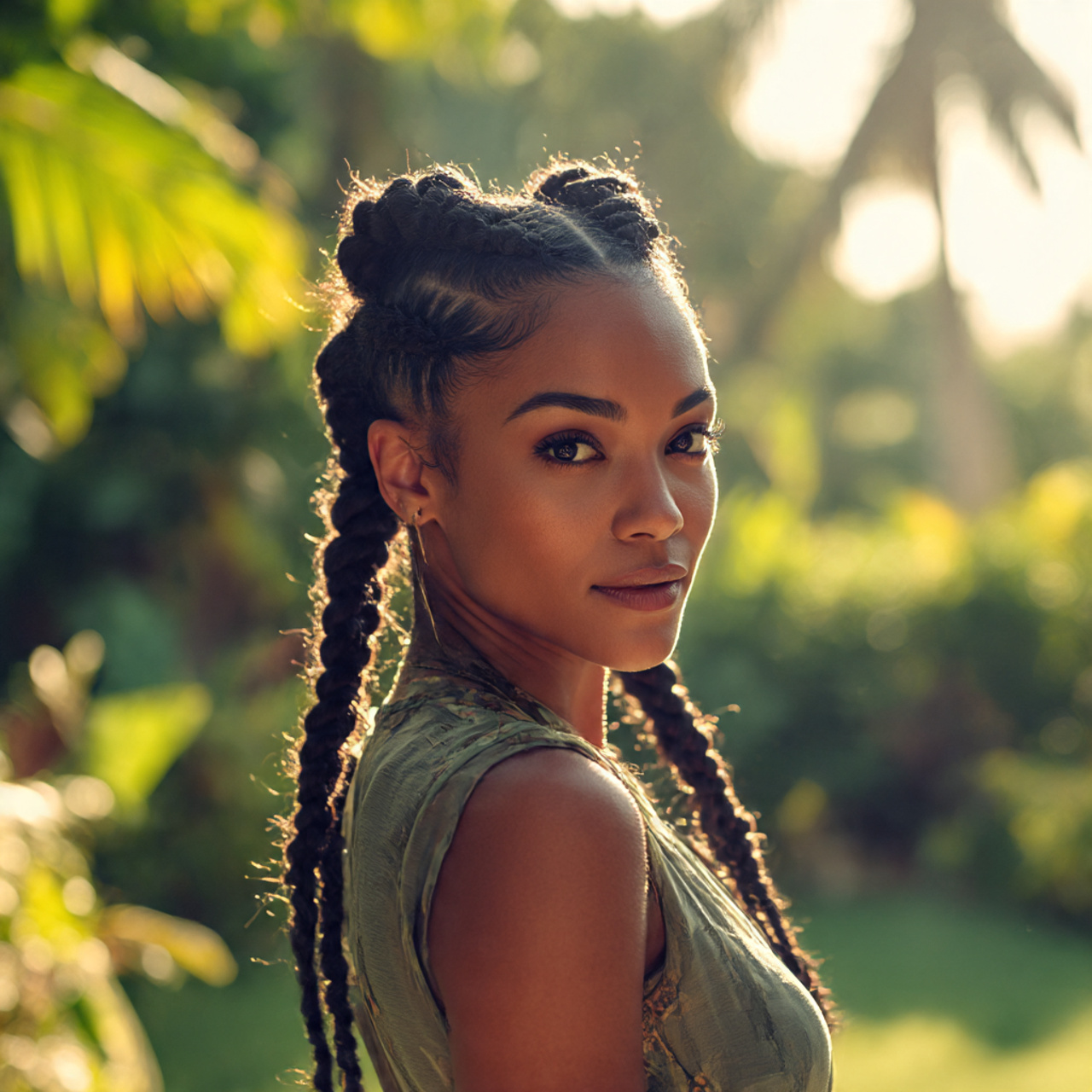
Braided frontal styles allow braids to begin at the natural hairline without putting tension on the real edges underneath. This protects the perimeter while creating styles that look indistinguishable from braids on natural grown hair. Box braids, knotless braids, and cornrows all work cleanly with frontal installs.
Best for: Protective styling with long-lasting, low daily maintenance. Product: Nadula Hair pre-braided lace wig units that arrive fully styled and ready to wear. Pro tip: Choose a braided frontal with an HD lace base so the scalp visible between braids looks convincingly real from any angle. Face shape: Center-parted braids suit oval faces. Side-parted braided installs work best on round and square face shapes. Stylist language: “I want braids starting from the natural hairline with no tension on my real edges and HD lace at the base.”
Twist-Out Frontal Style
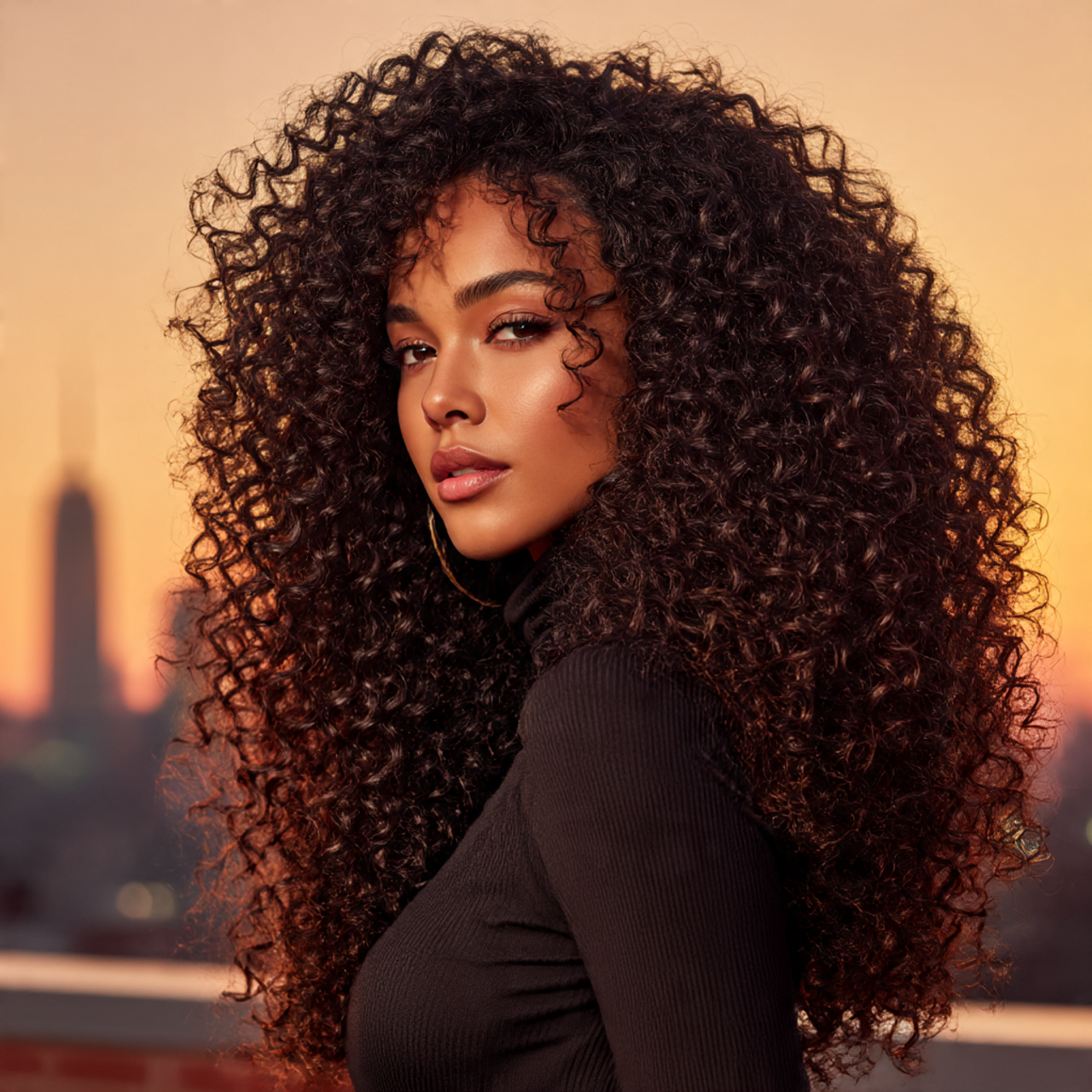
Twist-out frontals create defined, textured curls with full volume at the root. The frontal ensures the curl pattern starts naturally at the hairline rather than mid-shaft, giving the style a completely organic look from front to back. Twist-outs also reduce tangling compared to looser, freer curl textures.
Best for: Natural style lovers and anyone who wants volume with sharp definition. Product: SheaMoisture Manuka Honey and Mafura Oil Intensive Hydration Hair Masque applied before twist-setting. Pro tip: Unravel twists only when they are completely dry to get maximum definition and prevent immediate frizz on the first wear. Face shape: Twist-out volume adds width on all sides and is most flattering for long and narrow face shapes. Stylist language: “I want a twist-out frontal with defined curls starting at the hairline and full volume at the root.”
Quick Comparison Table
| Style | Length | Hair Type | Maintenance | Bold Factor |
|---|---|---|---|---|
| Invisible Part | Any | Straight | Low | ★★★☆☆ |
| High Ponytail | Medium/Long | All Types | Medium | ★★★★☆ |
| Sleek Straight | Any | Straight | Low | ★★★☆☆ |
| Voluminous Curly | Long/Medium | Curly | Medium | ★★★★★ |
| Half-Up Half-Down | Medium/Long | All Types | Low | ★★★☆☆ |
| Deep Side Part | Any | Straight/Wavy | Low | ★★★★☆ |
| Blonde Frontal Wig | Any | All Types | Medium | ★★★★★ |
| Colored Frontal | Any | All Types | Medium | ★★★★★ |
| Short Bob | Short | Straight | Low | ★★★★☆ |
| Long Wavy | Long | Wavy | Low | ★★★★★ |
| Crimped Style | Medium/Long | Textured | Low | ★★★★☆ |
| Braided Edges | Any | All Types | Low | ★★★☆☆ |
| Glueless Install | Any | All Types | Low | ★★★☆☆ |
| Water Wave | Medium/Long | Wavy | Low | ★★★★☆ |
| Body Wave | Medium/Long | Wavy | Low | ★★★★☆ |
| Kinky Straight | Any | Textured | Low | ★★★☆☆ |
| Ombre Color Melt | Any | All Types | Low | ★★★★☆ |
| Messy Bun | Long | All Types | Low | ★★★☆☆ |
| Space Buns | Medium/Long | All Types | Low | ★★★★☆ |
| Pixie Cut | Short | All Types | Low | ★★★★★ |
| Braided Frontal | Long | All Types | Low | ★★★★☆ |
| Twist-Out | Medium/Long | Curly/Textured | Medium | ★★★★☆ |
Frequently Asked Questions
What are the best lace frontal hairstyles for beginners to start with? Middle parts, loose waves, and low ponytails are the most beginner-friendly lace frontal hairstyles because they are forgiving of small install imperfections and require very little daily maintenance. These styles also help you learn how the frontal sits on your head shape before attempting anything more complex.
How long does a lace frontal hairstyle last with proper care? A glued frontal lasts two to four weeks when the hair is wrapped nightly and the lace is cleaned regularly. A glueless install can be removed and reset daily or every few days depending on the hold method used.
Can I work out or swim while wearing a lace frontal? Working out is manageable with a strong adhesive like Ghost Bond XL that resists sweat and prolonged moisture. Swimming with a glued frontal is not recommended since extended water exposure breaks down most adhesives quickly and causes lifting.
How do I safely remove a lace frontal without damaging my edges? Always use Walker Tape Lace Release Solvent or a similar professional-grade product to dissolve the adhesive before lifting the unit. Never pull the lace off dry, as dry removal causes hairline damage and edge breakage that compounds over time.
What makes HD lace different from regular lace on a frontal unit? HD lace is finer and more translucent than standard lace, which means it blends into more skin tones with less foundation and powder. Regular lace requires more product work to disappear at the hairline, while HD lace is nearly undetectable on contact.
Final Thoughts
Lace frontal hairstyles give freedom, protection, and a natural hairline in one styling tool. Whether you are wearing a clean bob for work or a full curly install for a weekend event, the range of options here is wide enough to match any lifestyle, any face shape, and any skill level. Every style in this guide works because the foundation, a well-installed and properly blended frontal, is what makes every look succeed.
The most important takeaway from this guide is that maintenance determines everything. A simple style cared for consistently will always look better than an elaborate install that gets neglected. Wrap it at night, clean the lace, and address lifting before it spreads rather than after the damage is done.
Lace frontal hairstyles are not just a trend. They are one of the most genuinely useful advances in protective styling because they give wearers full creative control without ever touching their natural hair underneath.
The detail most wearers miss is this: the longevity of any frontal install is decided in the first 24 hours. How the lace is set, what product is applied, and how the unit is protected that first night determines whether you get two weeks of wear or six.
If this guide helped you find your next look, save this pin and share it with someone who needs a style change.