27 Streaky Hair Ideas That Will Finally Fix Your Color for Good
Streaky hair ideas are what you start searching for the second you rinse out your color, look in the mirror, and realize what was supposed to be seamless highlights looks more like painted fence posts. That specific sinking feeling, the one where you are already calculating how long until it grows out enough to try again, is one of the most demoralizing moments in personal grooming. You followed the instructions. You watched the tutorial. You waited the right amount of time. The result still looks wrong.
The struggle with uneven color is not rare, and it is certainly not a sign that you are doing something uniquely wrong. Professional colorists train for years specifically because hair color is a chemical process that reacts to dozens of variables at once. Section thickness, hair porosity, heat distribution, developer volume, and brush technique all interact simultaneously. Most tutorials simplify this into a few steps and leave out every variable that matters most.
The real reason most at-home and even some salon color jobs end up streaky comes down to three compounding failures: sections that are too thick, developer that is too strong, and no consideration for uneven porosity across the hair shaft. When any one of these is off, the result is banding. When all three are off, the result is the kind of streakiness that makes you want to wear a hat indefinitely.
Anyone who has spent real time working through color corrections behind a chair understands that fixing streaks is not about slapping on another layer of product. It requires diagnosing which variable failed, targeting that specific failure, and supporting the hair structurally at every step. That knowledge only comes from doing it repeatedly on hair that responds differently every single time.
This article walks through 27 proven, targeted techniques that address streaky color at every stage of the process. Some are preventive steps you take before color ever touches your hair. Some are corrective moves you can start today. Every single one is specific enough to produce a real, visible difference.
By the end, you will have a clear picture of which streaky hair ideas apply to your exact situation and what to do first. Whether you are dealing with a fresh disaster or a slow fade into brassiness, you will leave this guide with an actual plan.
The single most important rule for streaky hair is this: thin sections saturated with the right developer strength for your hair’s current condition produce even color, and everything else follows from there. Color melting and root smudging are dominating the salon conversation in 2026, which means the demand for genuinely seamless blending has never been higher or more achievable.
Streaky Hair Ideas
Best Toning Idea for Yellow Stripes
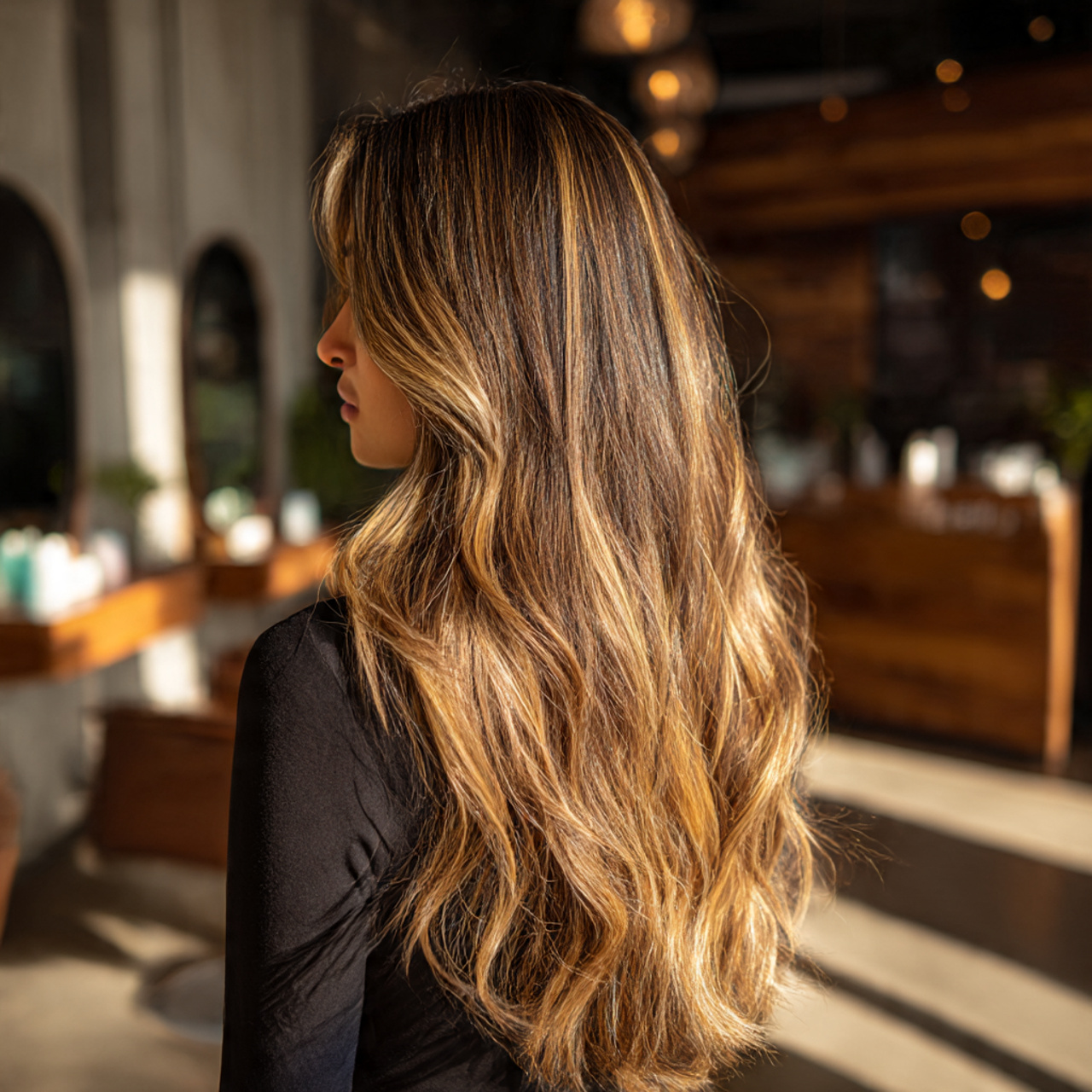
Yellow or orange banding after lightening is the most common color complaint, and a targeted toner is the most direct correction available. Wella Color Charm T18 Lightest Ash Blonde toner mixed with 10-volume developer neutralizes yellow tones specifically because violet sits directly opposite yellow on the color wheel. Apply it only to the streakiest sections using a tint brush for precision, and watch the harsh bands shift to a clean, natural blonde.
The critical mistake most people make is applying toner across the entire head when only specific streaked sections need correcting. Slightly dampening the streaky pieces before application softens the toner uptake, which prevents over-darkening on porous ends.
Best for: Lightened hair with yellow, brassy, or orange banding Product: Wella Color Charm T18 Lightest Ash Blonde with 10-volume developer Pro tip: Add a small squeeze of Wella T14 Silver Lady into your T18 mix for streaks that range between yellow and orange on the same head. Face shape: Benefits all face shapes. Cooler, ashier tones visually reduce the contrast that makes streaks most noticeable. Colorist language: “I need a violet toner applied selectively to my streaky sections only. Do not apply it to the whole head.”
Creative Styling Idea to Hide Uneven Color

Loose beach waves are one of the fastest non-chemical fixes for streaky color because the texture breaks up the perfectly straight lines that make harsh banding so visible. A curling wand like the NuMe Classic Curling Wand at 1.25 inches creates the kind of undone, scattered wave pattern that diffuses light across the hair and makes individual color bands almost impossible to pinpoint.
Changing your part does additional quiet work. Shifting from a center part to a deep side part or a zigzag rearranges the visual entry point across the hair, which directly reduces the apparent contrast at the root line where streaking is often most obvious.
Best for: All hair types dealing with any form of uneven or banded color Product: NuMe Classic Curling Wand, 1.25-inch barrel Pro tip: Curl alternate sections in opposite directions so no two adjacent pieces fall the same way. Contrasting curl direction creates the best light diffusion. Face shape: Works for all face shapes. A deep side part with waves is particularly softening for round face shapes. Colorist language: “Can you show me a quick styling method to minimize my streaks visually until my next appointment?”
Balayage Idea for Seamless Root Blending
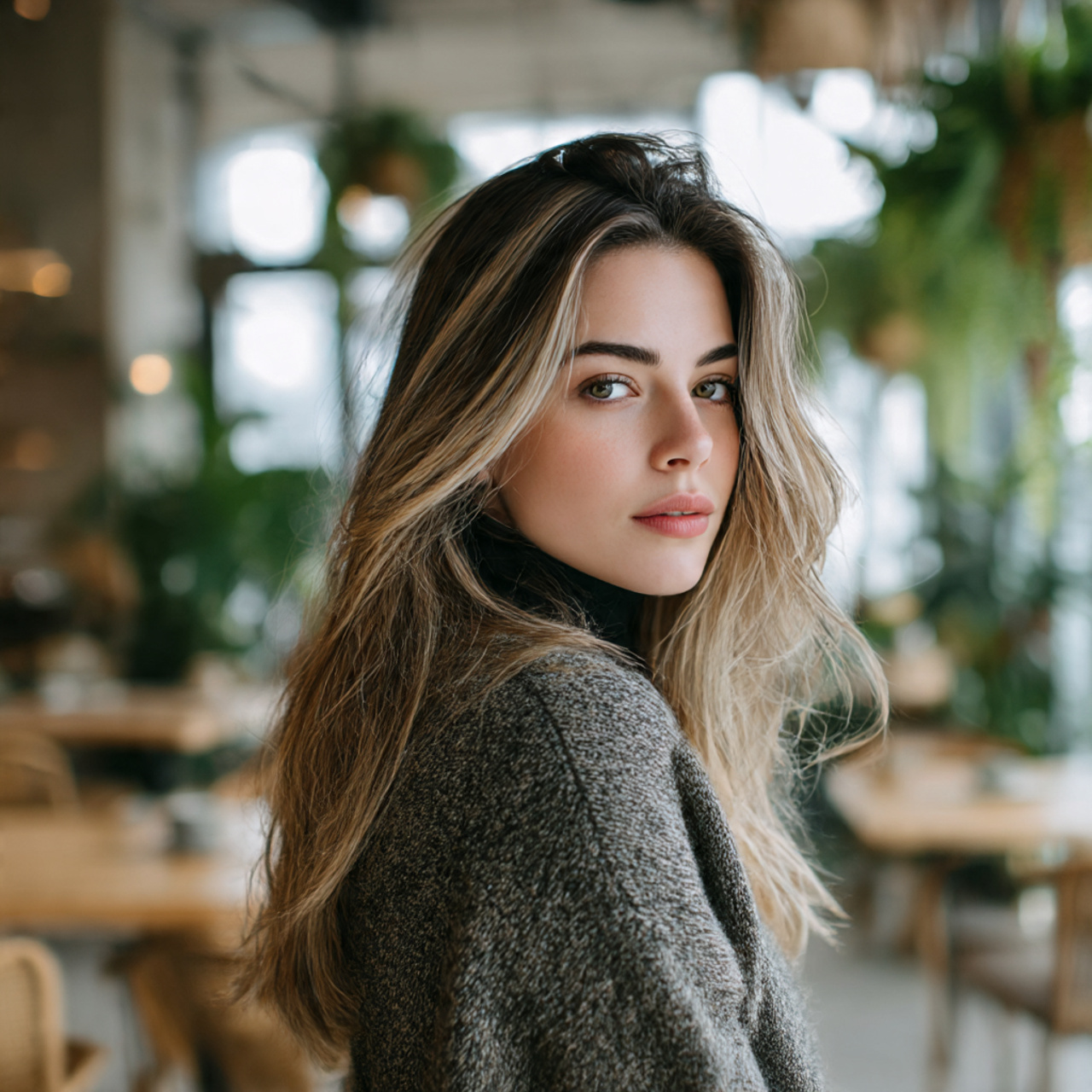
Balayage is the gold standard preventive answer for anyone who has repeated the same highlight cycle and watched the same harsh root line reappear every six weeks. Because color is hand-painted onto the surface of the hair rather than applied inside foils, the saturation is heaviest at the ends and barely present at the root, which naturally eliminates the visible line of demarcation. Kenra Platinum Silkening Mist used after the service keeps the blended result smooth and frizz-free through the entire grow-out period.
The most underappreciated quality of balayage is that grow-out actually improves the look over time. Unlike foil highlights that require touch-ups every four to six weeks, a well-executed balayage can go four to six months with only minor toning needed in between.
Best for: Anyone with recurring visible grow-out or harsh root lines between appointments Product: Kenra Platinum Silkening Mist for post-balayage maintenance Pro tip: Ask your colorist to add a shadow root one level darker than your lightest pieces at every appointment. It keeps the blend looking soft regardless of how long it has been since your last service. Face shape: Especially flattering for oval, heart, and oblong face shapes. The soft graduation of color draws light downward and adds visual length. Colorist language: “I want a hand-painted balayage with a shadow root. No hard lines anywhere. The grow-out should look intentional.”
Lowlight Idea to Break Up Chunky Streaks

Lowlights are the most underused corrective tool in color work, and they work precisely because they target the actual problem: too much contrast between the lightened pieces and everything around them. Redken Shades EQ Gloss in shade 07N is a reliable demi-permanent choice for weaving a few darker strands back into over-highlighted hair without making the overall result look flat or heavy.
Even two or three strategically placed lowlight sections through the thickest, most streaky areas create enough visual depth to transform the overall impression. The added darkness gives the eye something to move between rather than a wall of high-contrast stripes.
Best for: Over-highlighted hair with thick, defined, or closely spaced stripes Product: Redken Shades EQ Gloss in shade 07N applied through the most highlighted sections Pro tip: Place your lowlight foils directly adjacent to the thickest highlight sections. The proximity maximizes the visual correction immediately rather than distributing the effect across the whole head. Face shape: Benefits all face shapes. Lowlights placed near the hairline are especially softening for square and angular jaw shapes. Colorist language: “I want a few lowlights woven through my heaviest highlight sections to break up the chunks and bring back some depth.”
Developer Volume Idea for Controlled Lifting
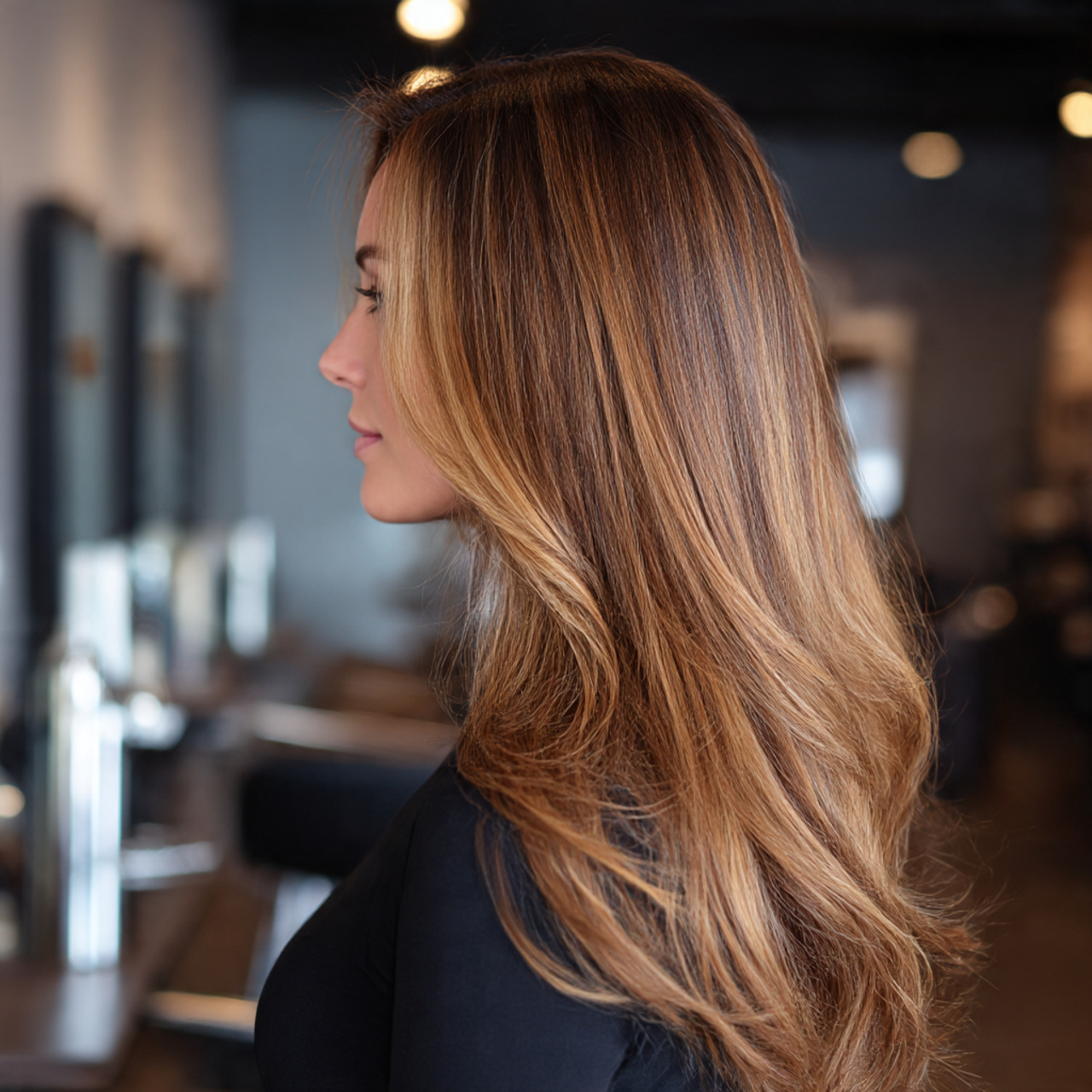
Developer strength is one of the most consequential variables in color and one of the easiest to misuse at home. Clairol Professional Pure White 10-volume developer is the correct choice for toning, depositing color on previously processed hair, or any application where precision matters more than speed. It processes slowly and predictably, which gives you far more time to apply evenly before the first sections over-develop.
Reaching for 30 or 40-volume developer at home almost always creates problems. The chemical reaction happens so quickly that it is nearly impossible to apply the product to every section of hair before the earliest sections are already past the ideal lift point.
Best for: Previously colored, highlighted, or chemically treated hair needing even application Product: Clairol Professional Pure White 10-Volume Developer Pro tip: For at-home toning, mix your toner at a 1:2 ratio with 10-volume developer rather than the standard 1:1. The extra developer slows the process and gives you more control over porous ends. Face shape: Not applicable to face shape. Correct developer choice benefits all hair types equally. Colorist language: “My ends are porous and grab color fast. Please use a low-volume developer so we have more control over the final result.”
Sectioning Idea to Prevent Vertical Stripes
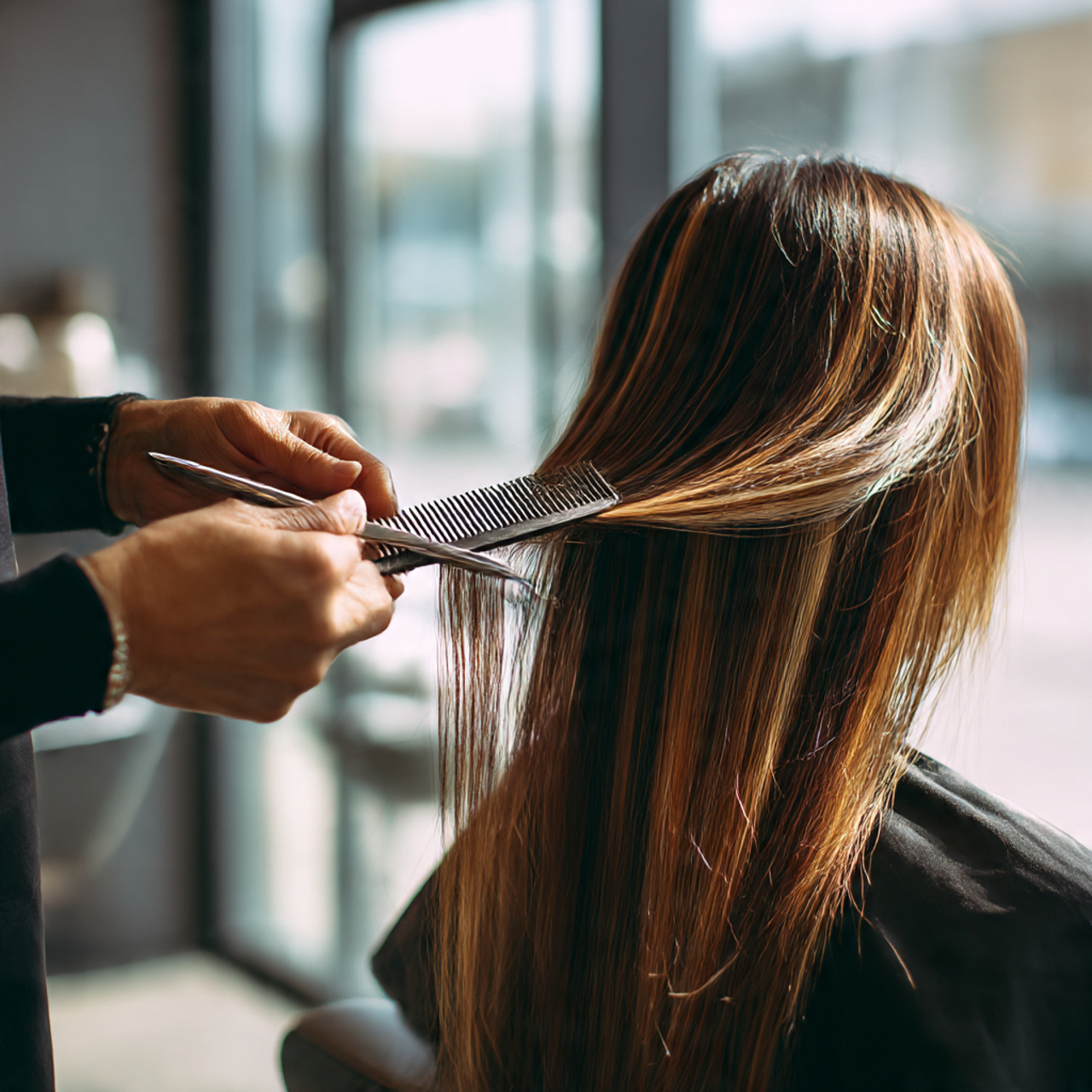
Poor sectioning is the leading technical cause of vertical stripes in home coloring, and the fix is entirely mechanical. A Diane Tools Rat Tail Comb creates the kind of sharp, clean sections that ensure every strand inside each zone gets fully saturated. Sections thicker than a credit card mean the interior strands are shielded from the product and emerge lighter or completely uncolored, which is exactly how stripes form.
Work in a consistent grid pattern from the nape upward, applying product to each section completely before moving to the next. The discipline of working methodically feels slow but eliminates the random patchiness that comes from rushing through large, uneven sections.
Best for: At-home color application on any hair type and length Product: Diane Tools Rat Tail Comb for precise sectioning Pro tip: Clip each completed section up and away from your working area immediately after applying. This prevents you from accidentally overlapping product onto sections you have not yet reached. Face shape: Not applicable to face shape. Clean sectioning benefits all hair types equally. Colorist language: “Can you use diagonal sections at the top and horizontal sections along the sides for my application today?”
Color Melt Idea for Fixing Harsh Demarcation
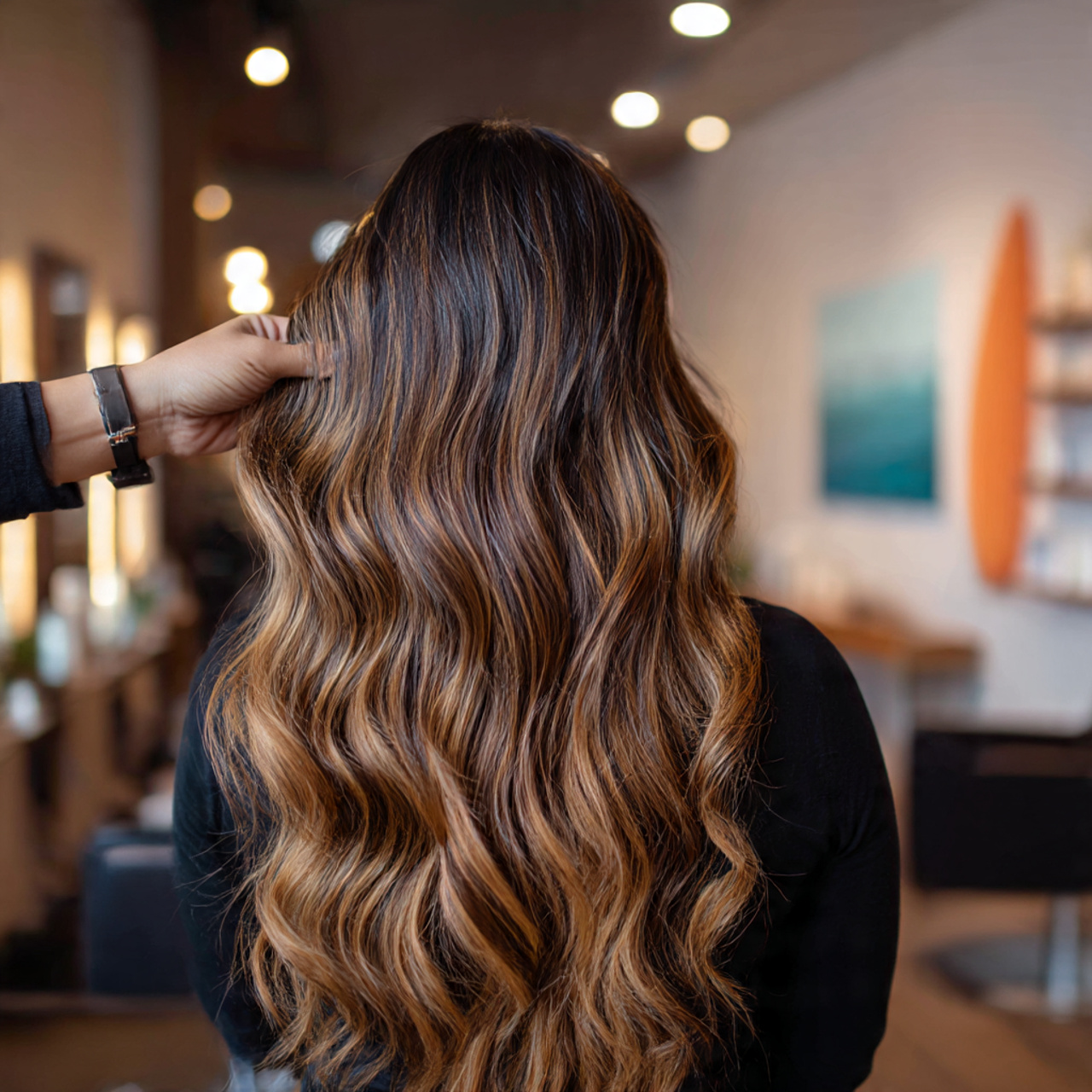
A color melt is the targeted corrective technique for eliminating the sharp boundary line where two contrasting colors meet on the hair shaft. Schwarzkopf Professional IGORA Royal Permanent Color in two complementary shades applied simultaneously at the demarcation zone physically blends the contrast away while the color is still wet. The process requires working quickly and confidently, which is why it is better suited for professional application than home use.
The technique relies on feathering the darker shade downward into the lighter shade using a wide brush while both formulas are still wet and moveable. When done correctly, the result is a gradient that appears entirely natural and removes all trace of the banded look.
Best for: Hair with a strongly visible contrast line between root and highlights Product: Schwarzkopf Professional IGORA Royal Permanent Color in matched formulas Pro tip: Slightly over-dilute the middle blending shade with conditioner before applying. The looser consistency makes feathering smoother and creates a more gradual transition. Face shape: The vertical gradient of a color melt visually elongates the face. Particularly flattering for round face shapes that benefit from added length. Colorist language: “I need a color melt specifically at my demarcation line. Please use at least three shades to build a gradual, seamless transition.”
At-Home Correction Idea Using Demi-Permanent Dye
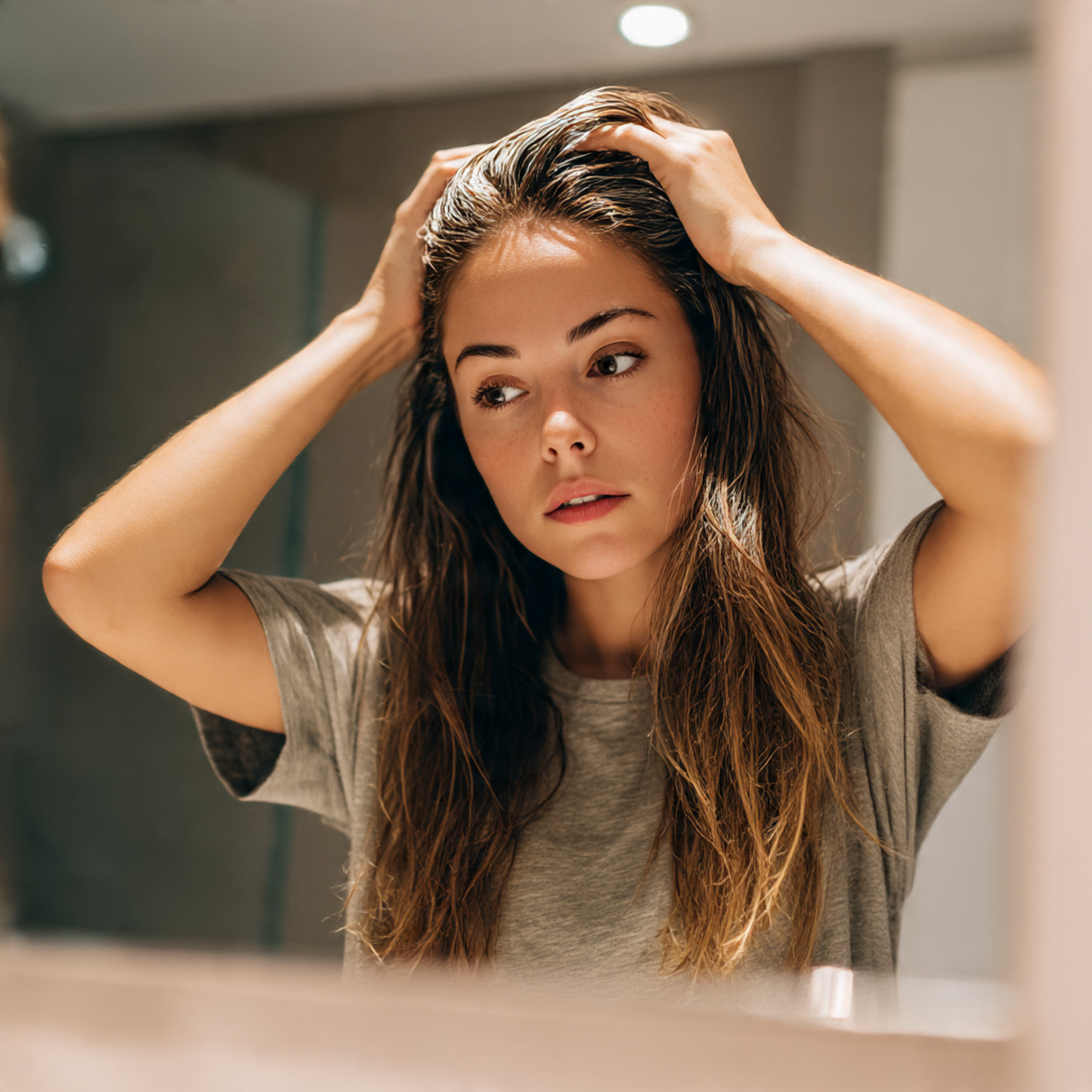
Demi-permanent dye is the safest at-home correction tool for minor streaks, faded highlights, or sections that are just slightly uneven. Wella Color Charm Demi-Permanent Hair Color in the closest neutral shade to your natural base deposits color without permanently lifting your underlying pigment, making any minor application errors self-correcting over four to six weeks as the formula gradually fades.
Apply it quickly to damp hair using a wide brush, focusing on the transition zones between the streaky sections and the surrounding base color. Damp hair distributes demi-permanent product more evenly than dry hair and prevents the aggressive uptake on porous ends.
Best for: Minor streaks, faded highlights, or slightly uneven color on previously colored hair Product: Wella Color Charm Demi-Permanent Hair Color in your closest neutral base shade Pro tip: Apply the formula to damp hair rather than dry. Dampness equalizes the absorption rate across the hair shaft and significantly reduces hot spots on porous sections. Face shape: Not applicable to face shape. Suitable correction approach for all hair types. Colorist language: “I want a demi-permanent gloss through my mid-lengths and ends to blend out faded, uneven pieces without changing my overall color.”
Shampoo Idea for Fading Dark Streaky Pigment

If the streaks in your hair are too dark rather than too light, a clarifying shampoo is the most accessible first corrective move before any active chemical correction. Neutrogena Anti-Residue Clarifying Shampoo is widely available and effective at gradually stripping surface pigment with consistent use over two to three weeks. It will not remove color entirely, but it creates a cleaner, softer canvas for the next toning or correction step.
Using a clarifying shampoo consistently before attempting correction also prevents residual artificial pigment from interfering with a new formula, which is a common reason re-toning produces muddy or unpredictable results.
Best for: Over-darkened hair or splotchy dark patches from heavy color application Product: Neutrogena Anti-Residue Clarifying Shampoo Pro tip: After every clarifying wash, apply Olaplex No. 3 Hair Perfector immediately to counteract the drying effect before it compounds across multiple wash sessions. Face shape: Not applicable to face shape. This technique benefits all hair types with excess pigment. Colorist language: “My color grabbed too dark in some spots. Would it help to clarify a few times before my next appointment to start softening those sections?”
Porosity Balancing Idea Before Color Application
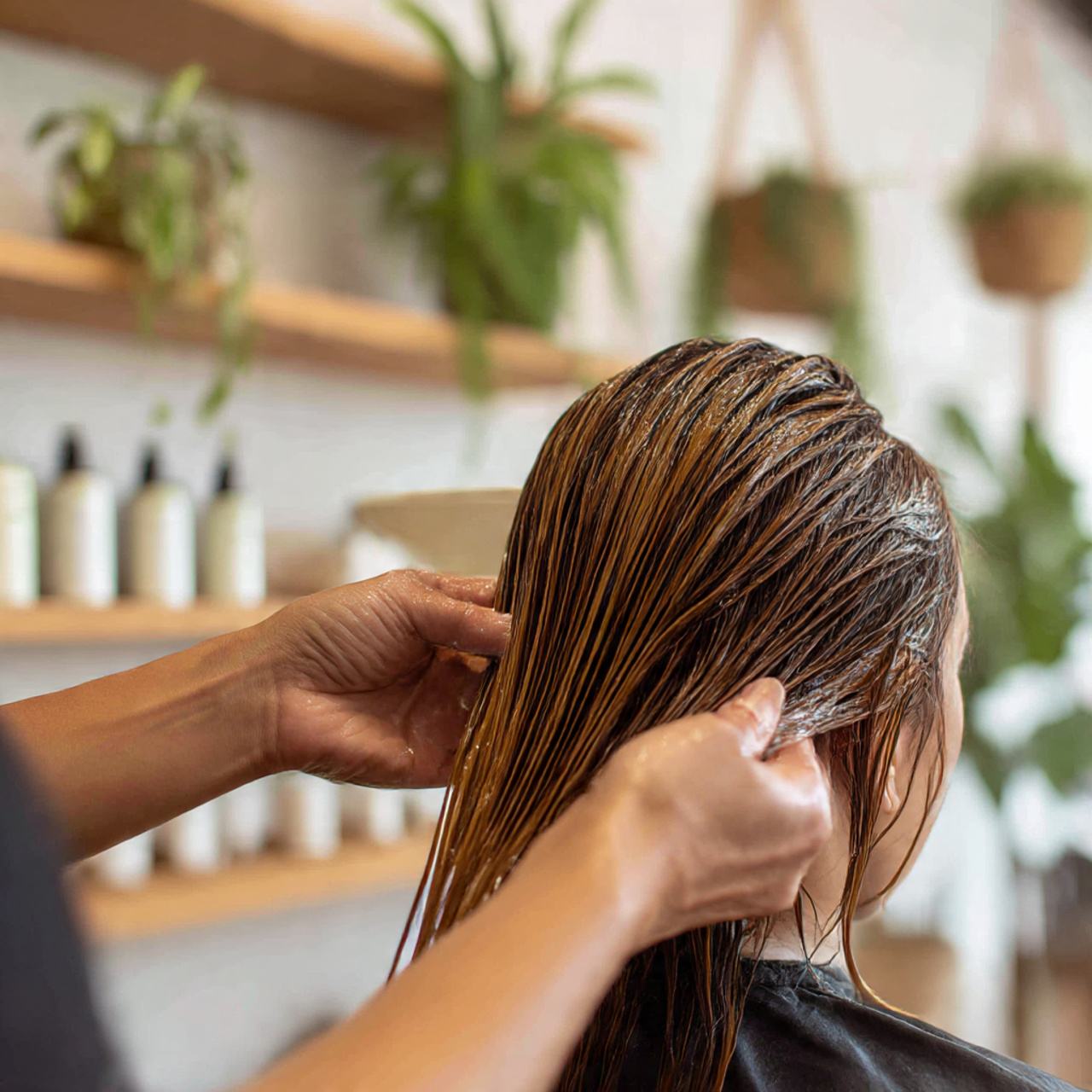
Uneven hair porosity is one of the most overlooked causes of streaky, patchy color results, and it operates invisibly until the rinse-out reveals the damage. Hair that is highly porous in the mid-shaft and ends, which is almost always the case in previously colored or heat-damaged hair, absorbs color far more aggressively than the root area. Joico K-PAK Color Therapy Restorative Treatment applied 24 hours before coloring temporarily fills these porous gaps and creates a far more uniform absorption surface across the entire hair shaft.
This preparation step is standard practice in professional correction work but rarely mentioned in at-home tutorials. The time investment is minimal and the improvement in color consistency is immediate and significant.
Best for: Previously colored, bleached, or heat-damaged hair with uneven texture Product: Joico K-PAK Color Therapy Restorative Treatment applied the day before coloring Pro tip: Apply the treatment to completely dry hair and leave it for 20 minutes. Rinse without conditioning and do not apply color until the following day. The extra time allows the protein bonds to fully set. Face shape: Not applicable to face shape. Essential preventive step for all hair types with any porosity inconsistency. Colorist language: “My ends absorb color really fast. Can you apply a filler or bond-building treatment on them before we start the formula?”
DIY Foil Application Idea to Avoid Bleeding
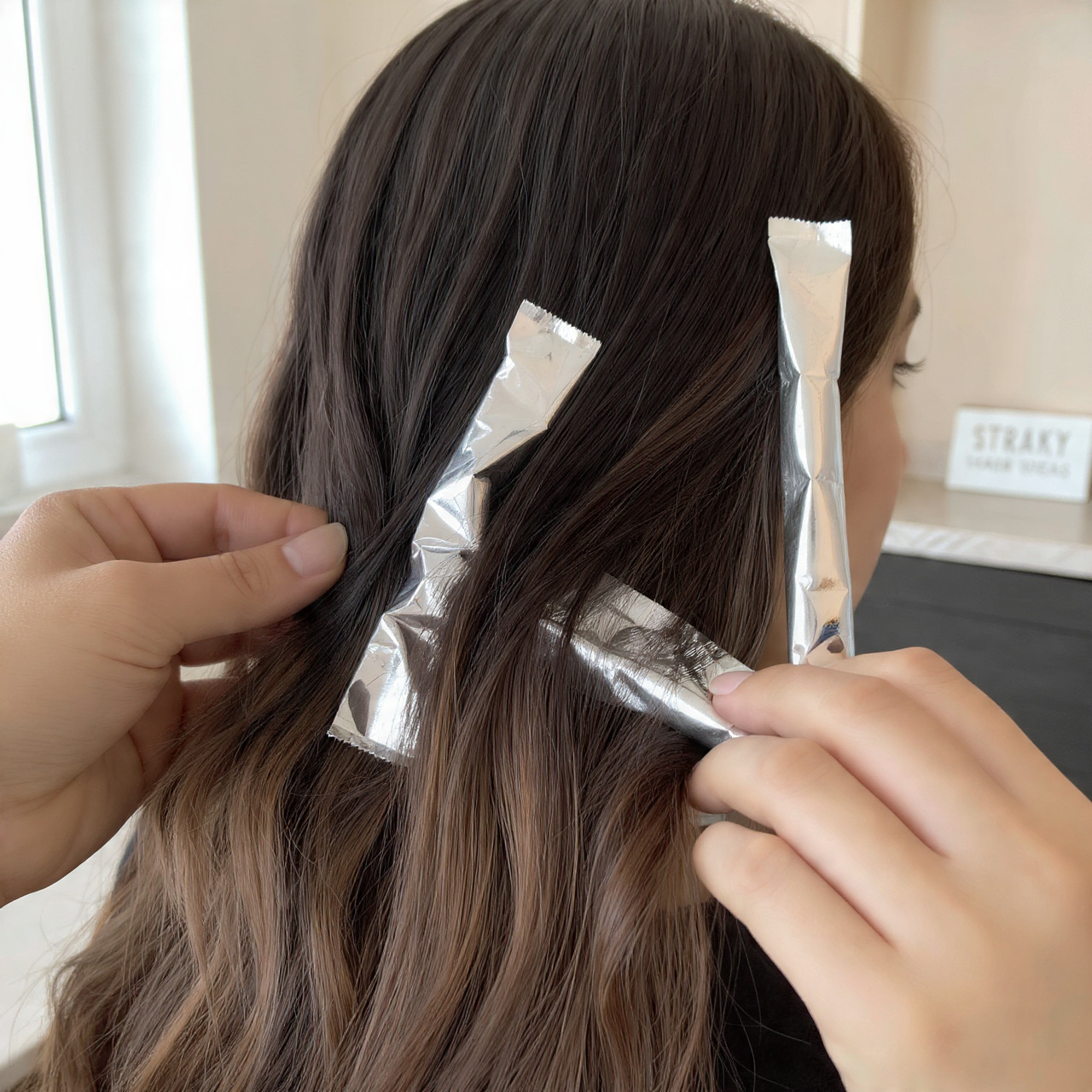
Foil bleeding happens when bleach swells during processing and escapes the packet, landing on sections of hair it was never intended to touch. Fromm International Pre-Cut Highlighting Foils are heavier and more rigid than standard aluminum foil, which means they hold their fold far more reliably under the pressure of swelling lightener. Each packet should be sealed on all four sides like an envelope to create a complete barrier.
Overloading the foil with bleach is the other major contributor to bleeding. A thin, even coating of product is all that is needed for complete saturation. Excess product creates the liquid volume that pushes past even a well-sealed fold.
Best for: DIY highlight applications using bleach powder at home Product: Fromm International Pre-Cut Highlighting Foils Pro tip: Do not fill the foil past halfway with bleach. The product expands during processing and needs room inside the packet. Less product, tighter fold, better result. Face shape: Not applicable to face shape. Technique benefits all face shapes and hair types. Colorist language: “Can you double-fold the foils on my most saturated sections to prevent any bleed onto the base hair between packets?”
Strand Test Idea for Predicting Color Lift

A strand test is the one preventive step that eliminates most color disasters, and it is almost universally skipped because it requires patience most people do not want to spend. Take a small section from the nape of the neck, apply the full formula including your developer, and time it exactly as you would for the full application. If you are using Wella Blondor Plex Powder Lightener, the strand test tells you precisely how many minutes you need to reach your target level without crossing into over-processing.
Photographing the test strand at five-minute intervals creates a visual record that tells you exactly when to stop during the real application. This eliminates the guesswork that produces uneven lift and ensures every section processes for the right amount of time.
Best for: Anyone applying bleach or permanent color for the first time or on newly grown hair Product: Wella Blondor Plex Powder Lightener for strand testing Pro tip: Photograph the strand test every five minutes with consistent lighting. The image comparison shows the exact window between target lift and over-processing in a way that a single check cannot. Face shape: Not applicable to face shape. Essential practice regardless of hair type or face shape. Colorist language: “Can we do a strand test on my nape before you commit to the full formula? I want to see the lift before it goes on my whole head.”
Root Smudge Idea for Blonde Streaky Hair
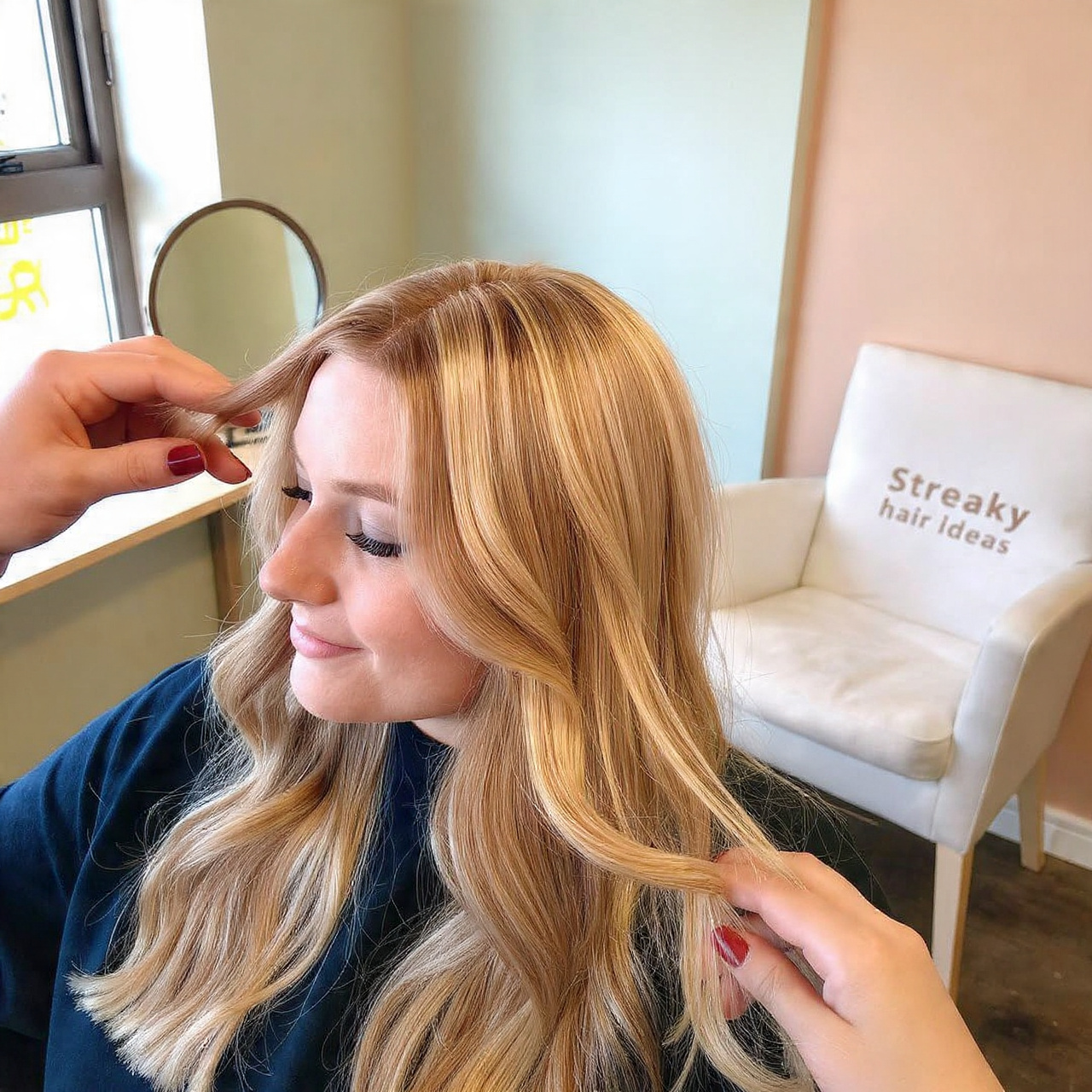
A root smudge deposits a slightly darker demi-permanent shade into the first half-inch to one inch of hair at the scalp, then blends it softly downward into the existing highlights to remove the shock of contrast right where the eye naturally lands first. Redken Shades EQ Gloss in shade 09V creates a soft, violet-tinted shadow root that reads as intentional dimension rather than grow-out. Even poorly blended highlights look considered and deliberate once the root entry point is softened.
The technique works because it removes the harshest point of contrast in the entire color result. Once that transition at the root is softened, the remaining unevenness lower on the hair shaft becomes far less noticeable.
Best for: Blonde or heavily lightened hair with harsh, abrupt root contrast Product: Redken Shades EQ Gloss in shade 09V for a soft violet shadow root Pro tip: Blend the root smudge downward with your fingers rather than a brush after applying it. Fingers create a softer, less defined edge than any brush will. Face shape: An artificial shadow root adds visual width at the crown, making it especially flattering for long or oblong face shapes. Colorist language: “I want a root smudge in a shade close to my natural color to soften my root line and make my highlights look more blended.”
Brush Technique Idea for Smooth Dye Saturation
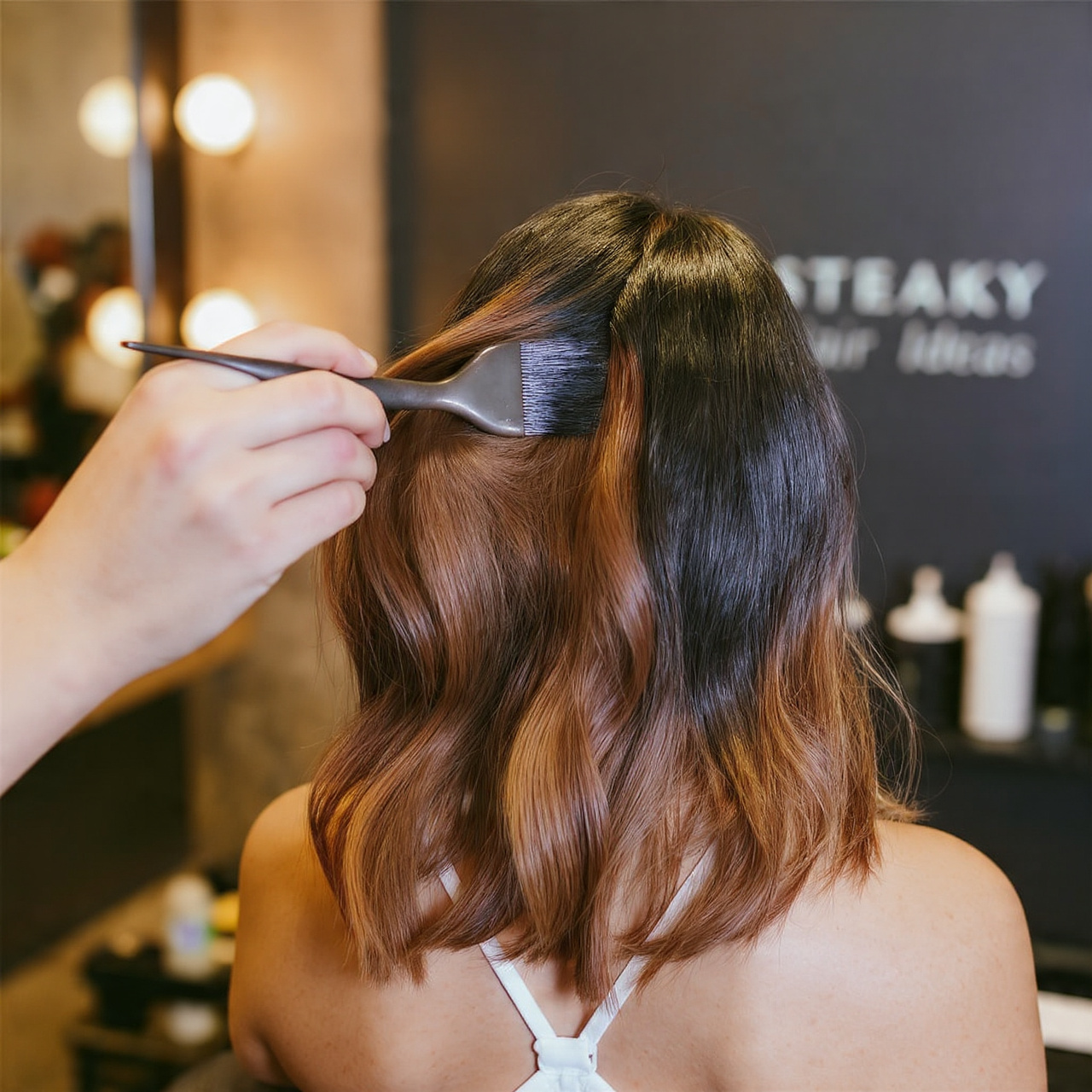
The brush you use and how you hold it determines whether the product reaches the interior of each section or just coats the surface. A Denman D3 Medium Styling Brush held perpendicular to the hair section and drawn from root to tip with firm, consistent pressure pushes the product into the strand rather than across it, guaranteeing interior saturation on thicker hair types where uncolored inner strands are the most common source of visible streaking.
At the root area specifically, a feathering motion with the very tip of the brush creates a graduated application that softens the starting point of the color. A hard, dense application right at the root is one of the less obvious ways harsh banding gets created during the application itself, before processing even begins.
Best for: All-over color or toning application on medium to thick hair Product: Denman D3 Medium Styling Brush repurposed as a color applicator Pro tip: After your initial brush application, go back through each section from the underside with a wide-tooth comb. This second pass guarantees that the strands on the inside of the section are as saturated as the ones on top. Face shape: Not applicable to face shape. Technique benefits all hair types and densities. Colorist language: “Can you use a feathering motion at the root during my application? I want a soft start to the color rather than a hard line.”
Color Remover Idea for Box Dye Streaks
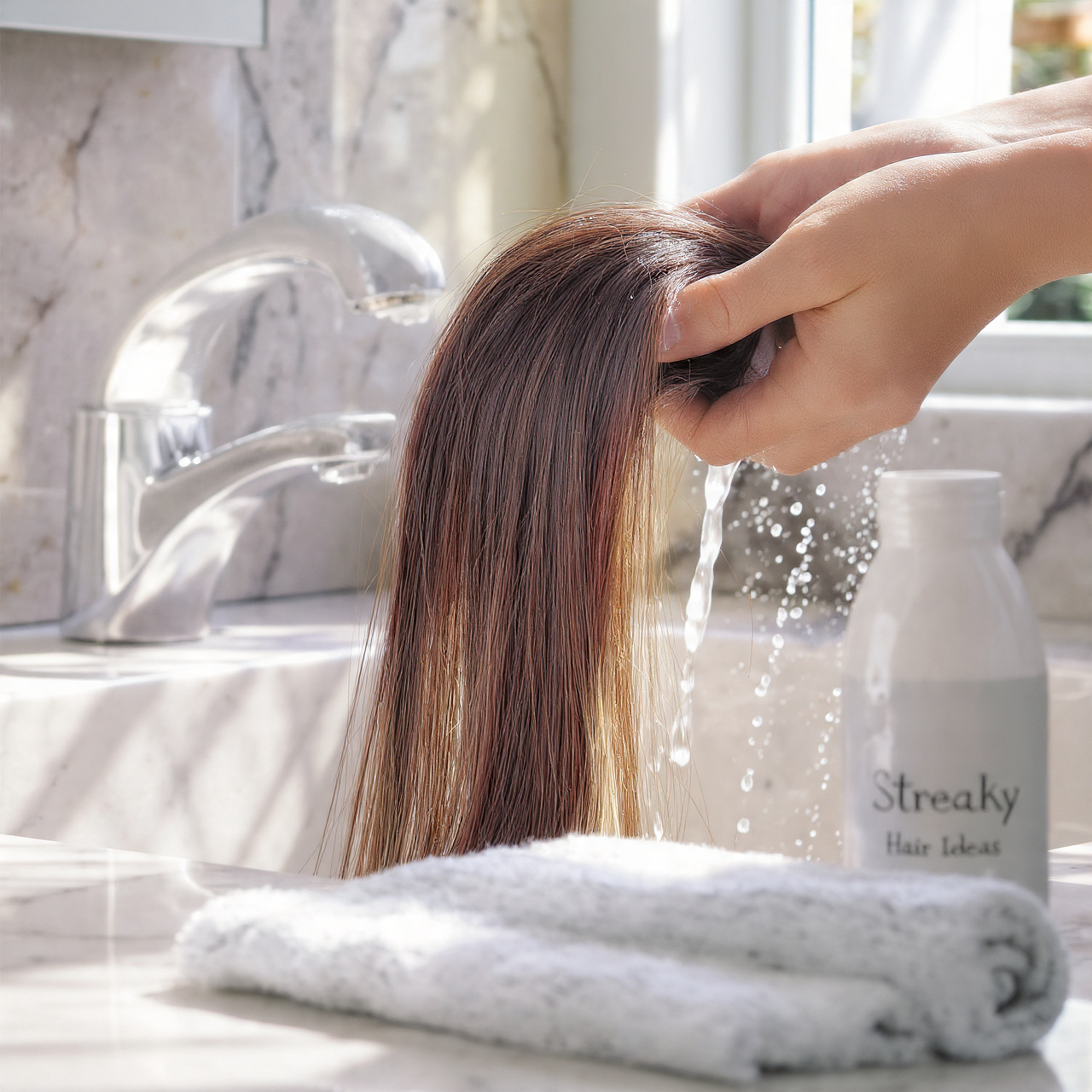
Box dye mistakes are among the most stubborn color problems to correct because box dye formulas contain a high concentration of pigment designed for maximum, fast coverage on any hair type. Color Oops Extra Strength Hair Color Remover works by shrinking the artificial dye molecules so they can be rinsed out of the hair shaft without the chemical trauma of bleach. It performs best on dye applied within the last two weeks.
This is almost always the right first step before reaching for bleach on a box dye correction, because it reduces the total rounds of chemical processing the hair has to endure. After Color Oops, expect some brassiness and follow with a targeted toner rather than diving straight into another permanent formula.
Best for: Dark box dye over-application or harsh, flat dark patches from DIY color Product: Color Oops Extra Strength Hair Color Remover Pro tip: After using Color Oops, rinse with warm water for a full 20 minutes, not just until it runs clear. Insufficient rinsing allows the oxidized molecules to re-bond to the hair shaft and the original color reappears within hours. Face shape: Not applicable to face shape. Effective for all face shapes and hair types with box dye issues. Colorist language: “I have box dye on my hair from home. Can we use a color remover first before bleaching to protect the hair from double processing?”
Deep Conditioning Idea to Repair Bleach Damage
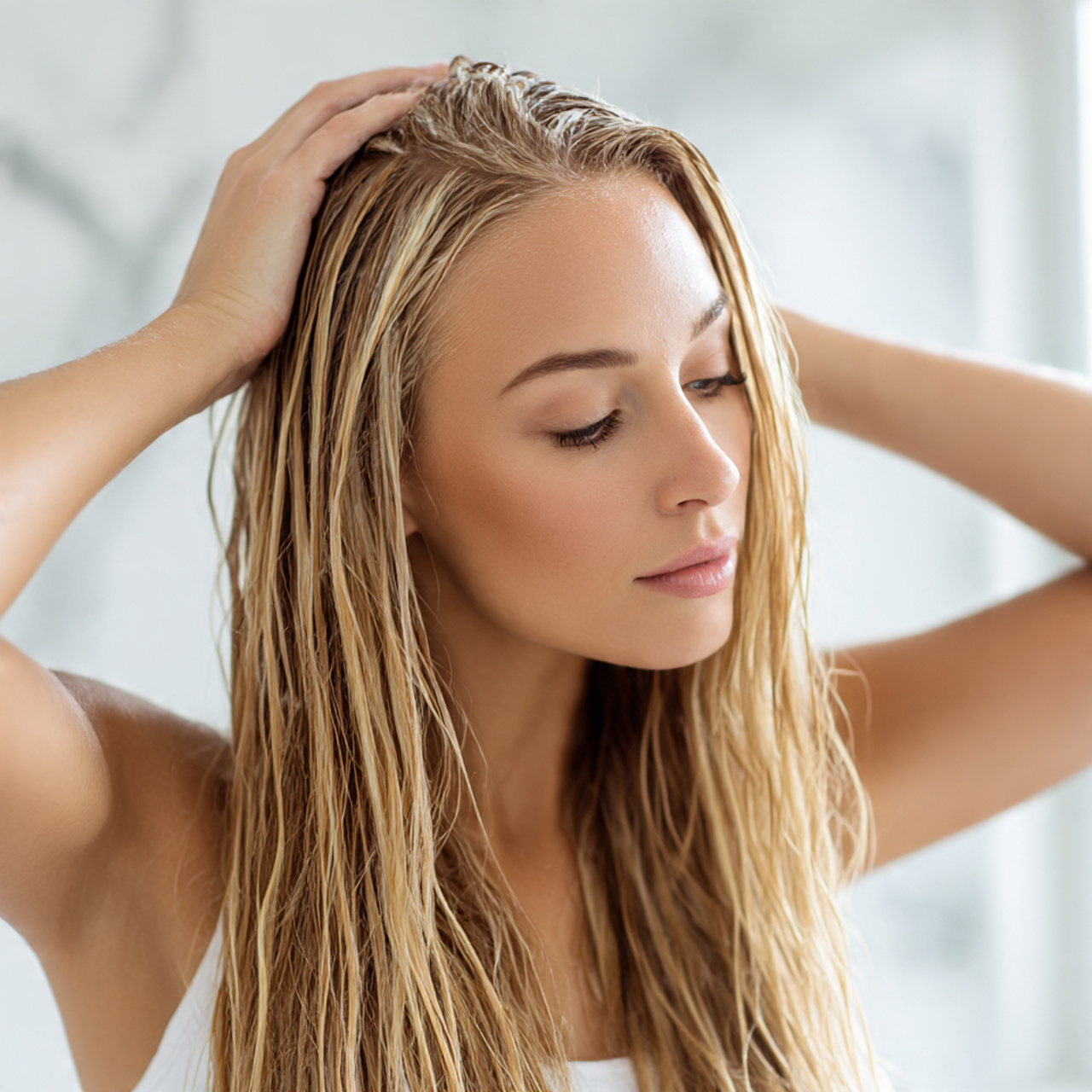
Every round of bleaching or toning compromises the hair’s internal disulfide bond structure, which directly leads to increased porosity, and increased porosity leads directly to more uneven color results in every future application. Olaplex No. 3 Hair Perfector is the most trusted at-home bond-building treatment available and should be applied weekly after any corrective color service to rebuild the structural integrity that bleach breaks down.
Healthy hair holds toner longer, lifts more evenly, and requires less product to produce a uniform result. The investment in weekly conditioning is not optional if you intend to keep coloring. Skipping it compounds the damage with every session.
Best for: Bleached, repeatedly colored, or chemically over-processed hair Product: Olaplex No. 3 Hair Perfector Pro tip: Apply Olaplex No. 3 to completely dry, dirty hair and leave it on overnight for the deepest possible bond rebuilding effect. Eight hours of contact time produces significantly better results than the standard 10-minute application. Face shape: Not applicable to face shape. Essential maintenance for all hair types with bleach history. Colorist language: “Can you add Olaplex to my bleach formula and include a standalone Olaplex treatment after we finish the color?”
Consultation Idea: When to See a Professional

Some color situations go beyond what safe home correction can address, and recognizing that threshold early is one of the most important streaky hair ideas in this entire guide. If your hair is snapping when combed, feels gummy when wet, or has lifted to unexpected vivid tones like green or bright orange, stop all chemical processing immediately and book a consultation with a colorist who specializes in correction work. Salons using Schwarzkopf Professional or Redken correction frameworks are trained to assess the chemical state of the hair before formulating any corrective plan.
A professional can evaluate the underlying pigment layers and the hair’s structural integrity simultaneously, which is not possible from a home assessment. Attempting to correct severely compromised hair with another round of bleach risks breakage that cannot be corrected by any product.
Best for: Severely uneven, gummy, breaking, or multi-corrected hair at or near its chemical limit Product: Look for salons using Schwarzkopf Professional IGORA or Redken for professional corrections Pro tip: Bring clear photos of both your current state and your color goal to the consultation. Specific visual references cut the assessment time significantly and prevent miscommunication about the target result. Face shape: Not applicable to face shape. Professional guidance is essential regardless of face shape or hair type. Colorist language: “I need a color correction consultation. My hair has been over-processed and I need a damage assessment before any further chemical work.”
UV Protection Idea to Stop Sun-Induced Streaks
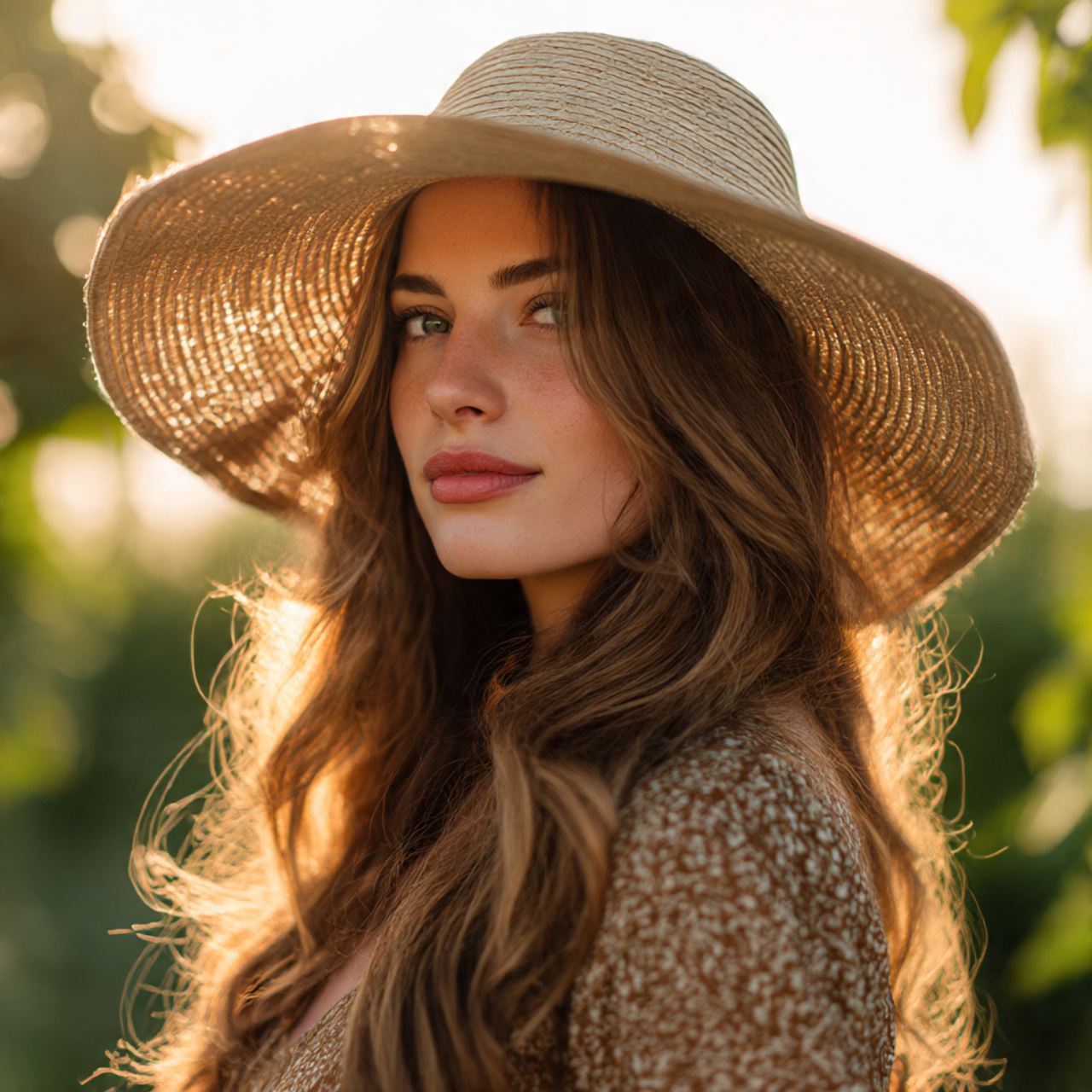
Sun exposure fades artificial pigment unevenly because UV rays break down color molecules at different rates depending on the lightness and porosity of each individual section. The result over time is a patchy, blotchy version of the color you started with, where the lightest pieces have lifted further and the base has shifted warm or ashy in unpredictable ways. Sun Bum Signature Spray SPF 30 for Hair is a widely available, non-greasy option that shields color molecules from daily UV degradation with a quick daily application before going outside.
The most effective protection strategy combines a UV spray on hair with a hat during any extended outdoor exposure. Both together preserve the toner and the blend longer than either alone.
Best for: Color-treated hair exposed to regular sunlight, outdoor activities, or extended summer exposure Product: Sun Bum Signature Spray SPF 30 for Hair Pro tip: Apply your UV spray before any other styling product, not after. Applying serums or oils on top creates a barrier that blocks the UV-absorbing molecules from doing their job. Face shape: Not applicable to face shape. Beneficial for all hair types and color services. Colorist language: “What UV protectant spray do you recommend for maintaining my color between appointments?”
Visit Also: Hot Boyfriend Haircut
Highlight Weaving Idea for Natural Dimension
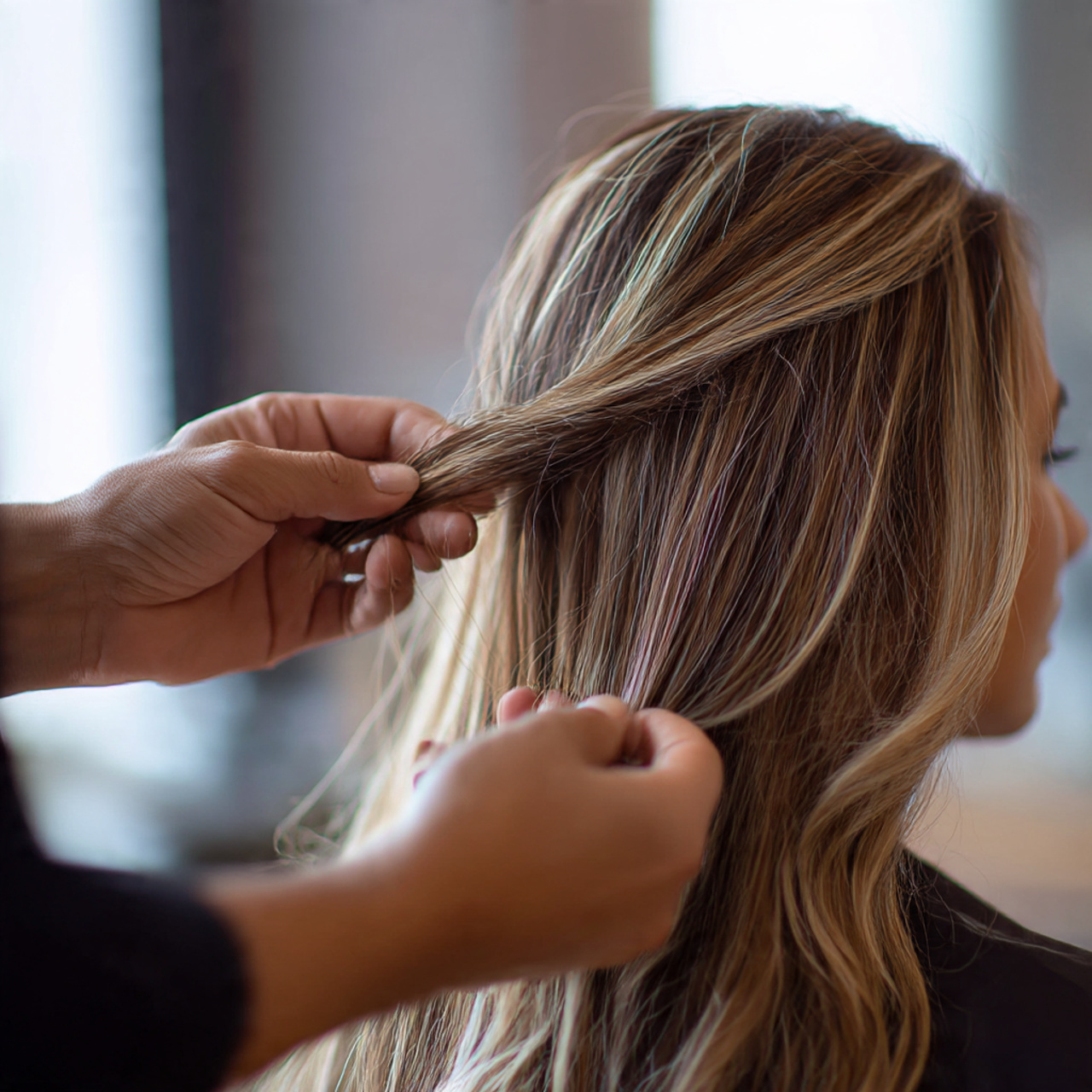
The weaving technique uses a tail comb to lift thin, alternating strands from a section, leaving every other strand sitting in the base color. This separation is exactly what creates the fine, natural-looking dimension that makes a highlight result look like sun exposure rather than a painting accident. Pravana Pure Light Complete Lightener is a professional powder lightener whose creamy consistency clings reliably to fine, woven sections without dripping or bleeding between the strands.
Thinner weaves always produce softer, more natural results than thicker ones. Most at-home highlighting mistakes come from pulling too large a weave because it feels more efficient. Train yourself to take sections that feel almost too fine, because that is where the best blending happens.
Best for: New highlight placement on any natural or previously colored base Product: Pravana Pure Light Complete Lightener with 20-volume developer on fine sections Pro tip: Alternate the angle of your weave slightly from section to section throughout the head. Consistent diagonal weaves can create an inadvertent grid pattern. Random variation prevents it. Face shape: Fine weave highlights are universally flattering and can be concentrated around the face frame to suit any face shape specifically. Colorist language: “I want very fine baby weaves throughout with plenty of hair left untouched between every foil. I want sun-kissed, not highlighted.”
Hot Root Prevention Idea (Mid-Shaft First)
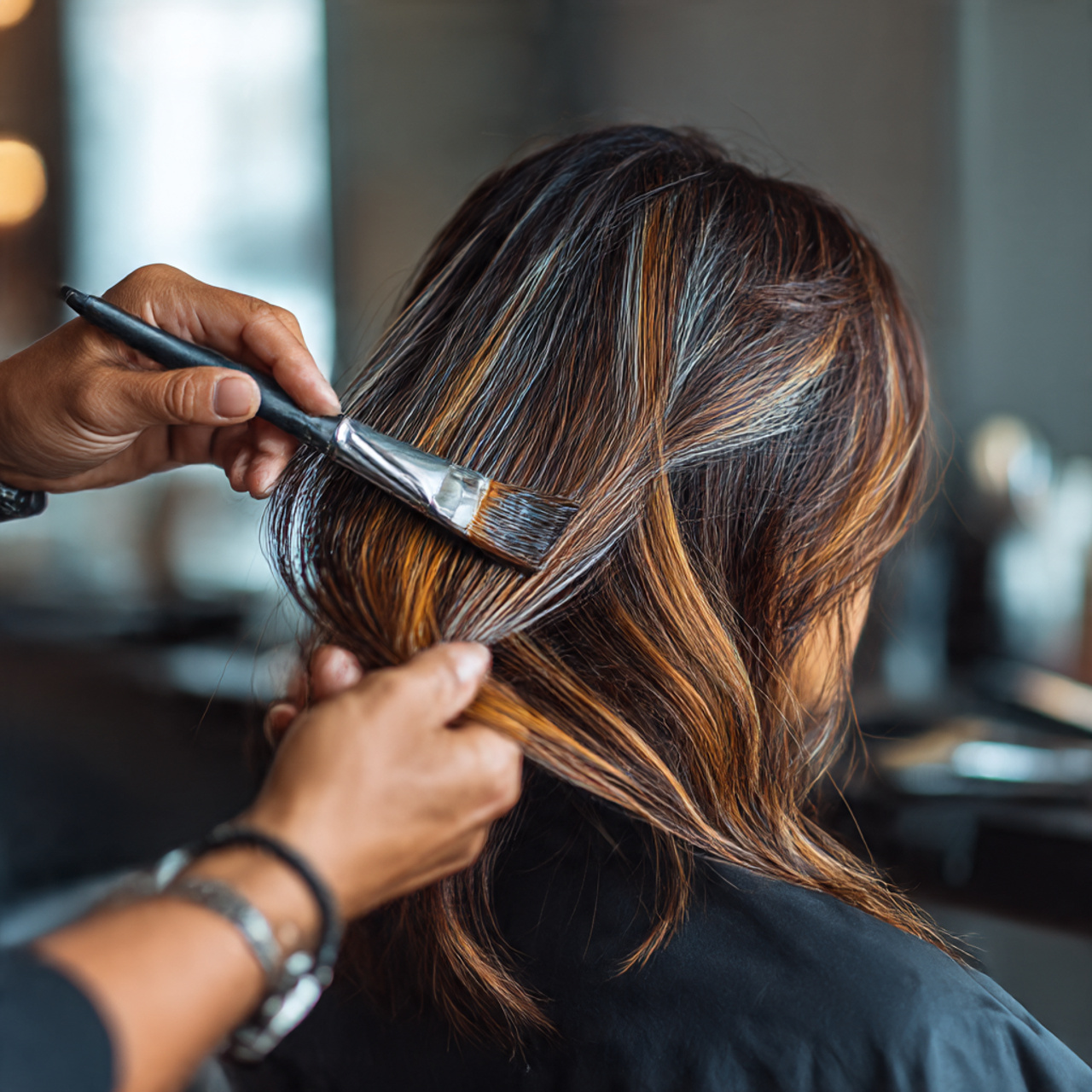
Hot roots are the bright, over-lifted band that appears right at the scalp after bleaching because body heat accelerates the chemical reaction closest to the head. Professional colorists manage this by starting the bleach application at the mid-shaft and working through the lengths and ends completely before returning to the root section for the final application. L’Oreal Quick Blue Powder Bleach is a reliable choice for this approach because its activation rate is consistent enough to allow accurate timing control across both phases of the application.
Begin the timer after finishing the mid-shaft and ends, let it run for 10 to 15 minutes, then apply the product to the final inch of root hair. That timed gap gives the cooler, slower-processing sections time to catch up to the root, which is already being accelerated by body heat throughout the entire process.
Best for: Dark hair being lightened with bleach for the first time or after significant grow-out Product: L’Oreal Quick Blue Powder Bleach with 20-volume developer Pro tip: Add a small amount of conditioner into the bleach formula applied to the root section only. It slightly slows the root processing without reducing the lift, producing a more even result without adjusting the timing. Face shape: Not applicable to face shape. Technique benefits all face shapes and hair types. Colorist language: “Please apply my bleach to the mid-shaft and ends first. Leave the root section for last. I want to avoid hot roots.”
Base Color Idea to Complement Streaky Highlights
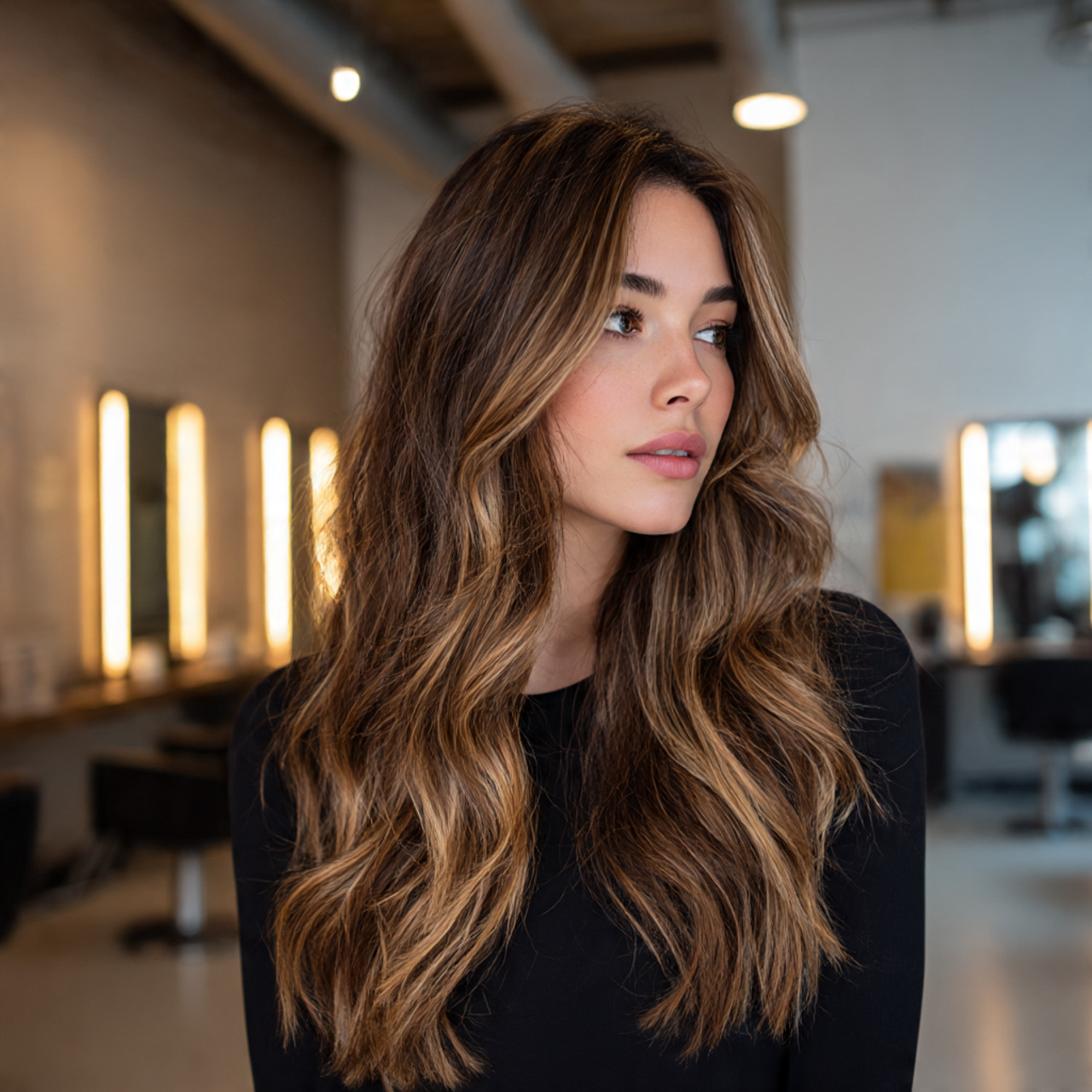
Deepening the base color slightly is one of the most elegant, least aggressive corrections for highlights that are too bright, too separate, or too much in contrast with everything surrounding them. Redken Shades EQ Gloss in shade 08N applied through the base on damp hair creates a sheer, warm deepening of the background tone that reduces the stark white space between highlights. The result is dimension rather than stripes.
The key word is sheer. The goal is not to cover the base heavily or obscure the highlights but to narrow the gap between the darkest and lightest sections just enough that the overall look reads as cohesive. A single level of deepening is almost always sufficient.
Best for: Over-highlighted hair where the base tone has been lost or significantly lightened Product: Redken Shades EQ Gloss in shade 08N for a natural warm deepening of the base Pro tip: Apply the base gloss to damp hair right after shampooing. Damp hair absorbs demi-permanent color more evenly than dry hair, which is especially important when the base is porous from previous lightening. Face shape: Deeper base tones positioned around the perimeter of the face add visual width, which specifically benefits narrow or elongated face shapes. Colorist language: “My highlights look too bright and isolated from my base. Can you add a sheer tonal gloss through the base to soften the contrast between them?”
Chlorine Protection Idea for Colored Hair
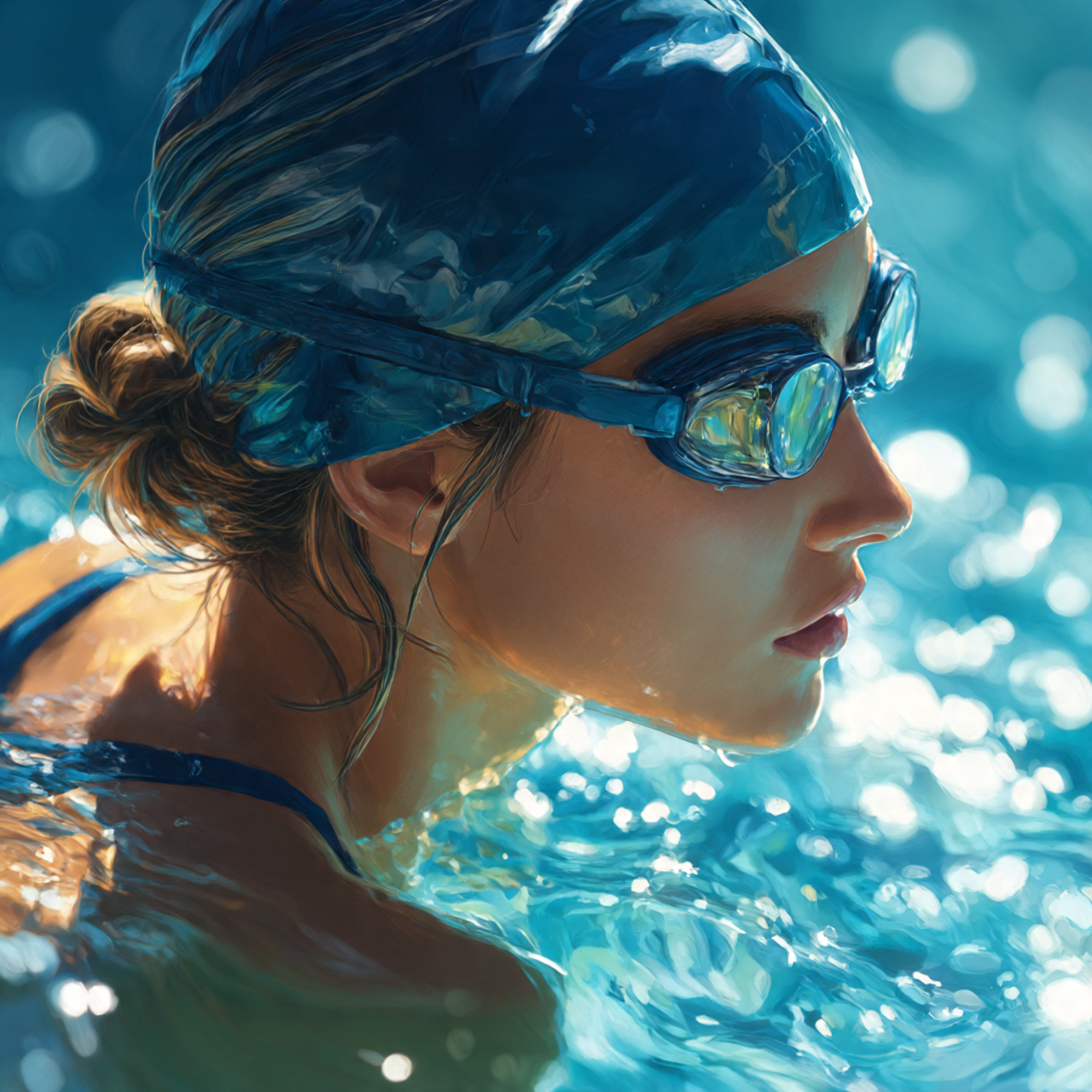
Chlorine reacts aggressively with lightened, porous hair by oxidizing residual pigment and mineral deposits in an uneven, patchy pattern that can produce green, orange, or dull discoloration across previously blended sections. CHI Keratin Silk Infusion Leave-In Treatment applied to dry hair before swimming creates a film over the cuticle that slows chlorine absorption significantly. Combined with thoroughly wetting the hair with fresh water before entering the pool, the two steps together offer near-complete protection.
A saturated hair shaft simply has less available space to absorb pool water. Both steps together protect the color molecules from the most damaging exposure rather than relying on one layer of defense alone.
Best for: Color-treated hair on swimmers or anyone spending regular time in chlorinated pools Product: CHI Keratin Silk Infusion Leave-In Treatment Pro tip: Keep a travel-size bottle in your swim bag and apply it before every single pool session. Occasional protection is not enough when chlorine exposure is regular. Face shape: Not applicable to face shape. Essential preventive care for all color-treated hair types. Colorist language: “I swim regularly. What product should I apply to my hair before getting in the pool to protect my color from chlorine?”
Fine Foiling Idea (Micro-Foils) vs. Slices

Micro-foiling is the technical distinction that separates genuinely seamless highlight results from the banded, stripey ones that bring people in asking for corrections. Taking sections as thin as a single layer of paper, placed just a centimeter apart, creates a blanket of brightness across the hair that registers as natural light rather than painted-on color. Scruples White Ice Powder Lightener is a high-performance option that lifts evenly and consistently on the ultra-fine sections that micro-foiling requires.
Slicing takes a flat, wide piece of hair from the surface of a section and deposits maximum lightener in one thick band. That single technique is responsible for more of the chunky, rectangular highlight complaints seen in correction appointments than almost any other variable in the entire coloring process.
Best for: Anyone seeking maximum brightness with zero visible banding or harsh lines Product: Scruples White Ice Powder Lightener with 30-volume developer for fine micro-foil sections Pro tip: Apply the densest concentration of micro-foils at the face frame, where the eye is drawn first. Maximum brightness closest to the face creates the most immediate and natural-looking overall effect. Face shape: Micro-foils placed strategically around the face perimeter can be customized to flatter every face shape by directing light toward specific features. Colorist language: “I only want micro-foils. No slices at all. I want maximum brightness with no visible banding anywhere in the result.”
Pigment Filler Idea for Highly Porous Streaks
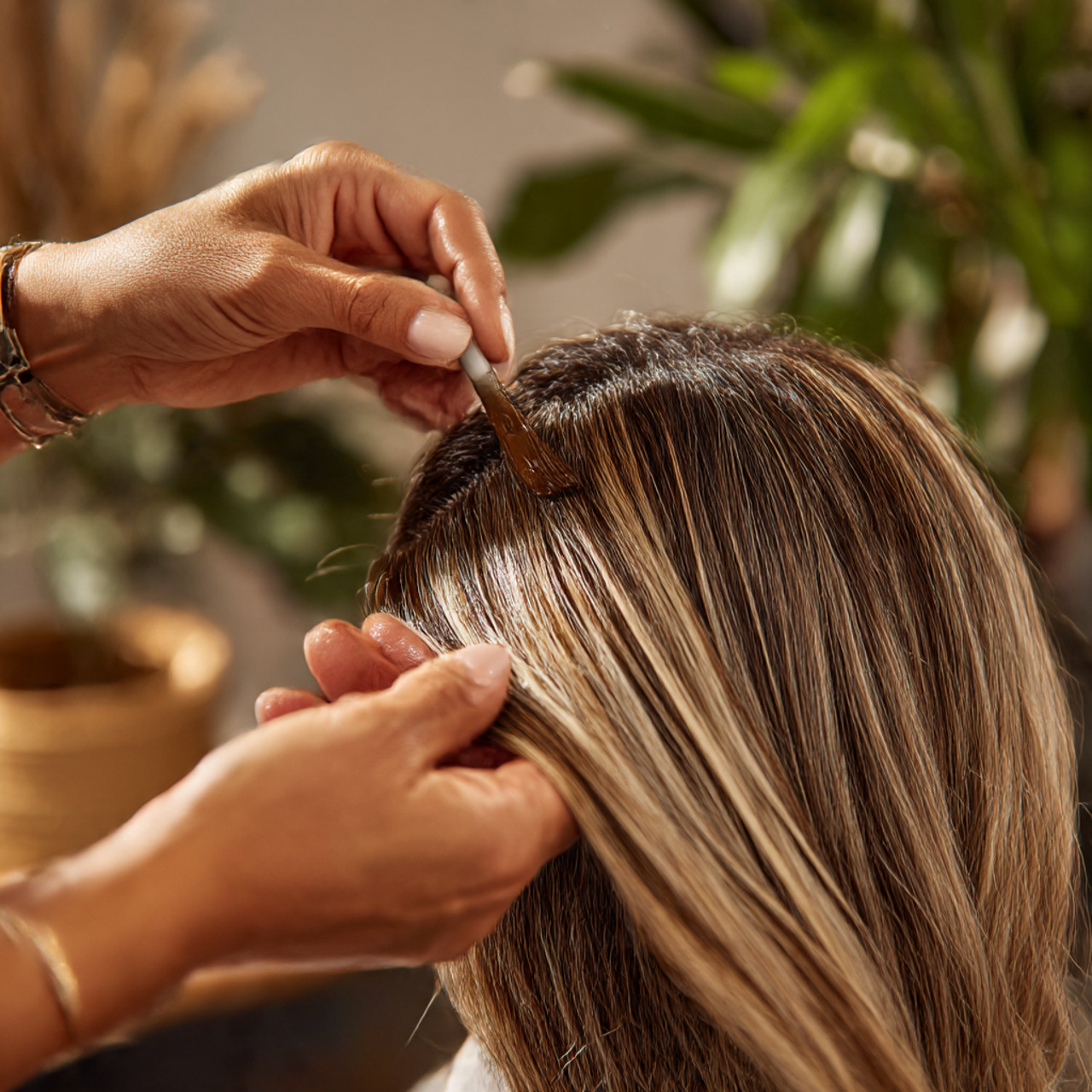
Highly porous streaks behave like sponges and absorb toner or dye far more aggressively than the surrounding hair, which causes them to go darker, muddier, or more saturated than intended. Ion Color Brilliance Pigment Filler temporarily fills the hollow cortex of those over-processed strands with protein and trace pigment, equalizing the absorption rate before the final color formula is applied. This step is the difference between a patchy result and a clean one on hair that has been bleached multiple times.
Working without a filler on severely porous hair is the primary reason professional-grade formulas still produce uneven, streaky results. The filler is not glamorous, but it is the step that makes every other corrective technique actually work as intended.
Best for: Over-processed or repeatedly bleached hair with severe, uneven porosity throughout Product: Ion Color Brilliance Pigment Filler Pro tip: Choose a filler that is one shade lighter than your target final color. The filler adds its own pigment to the equation and will slightly deepen the final result if you do not account for it in your formula selection. Face shape: Not applicable to face shape. Non-negotiable preparatory step for all severely porous hair types. Colorist language: “My ends are very porous from bleaching. Can you apply a protein filler before the final color formula to prevent them from grabbing too much?”
Re-Timing Idea for Consistent Bleach Processing
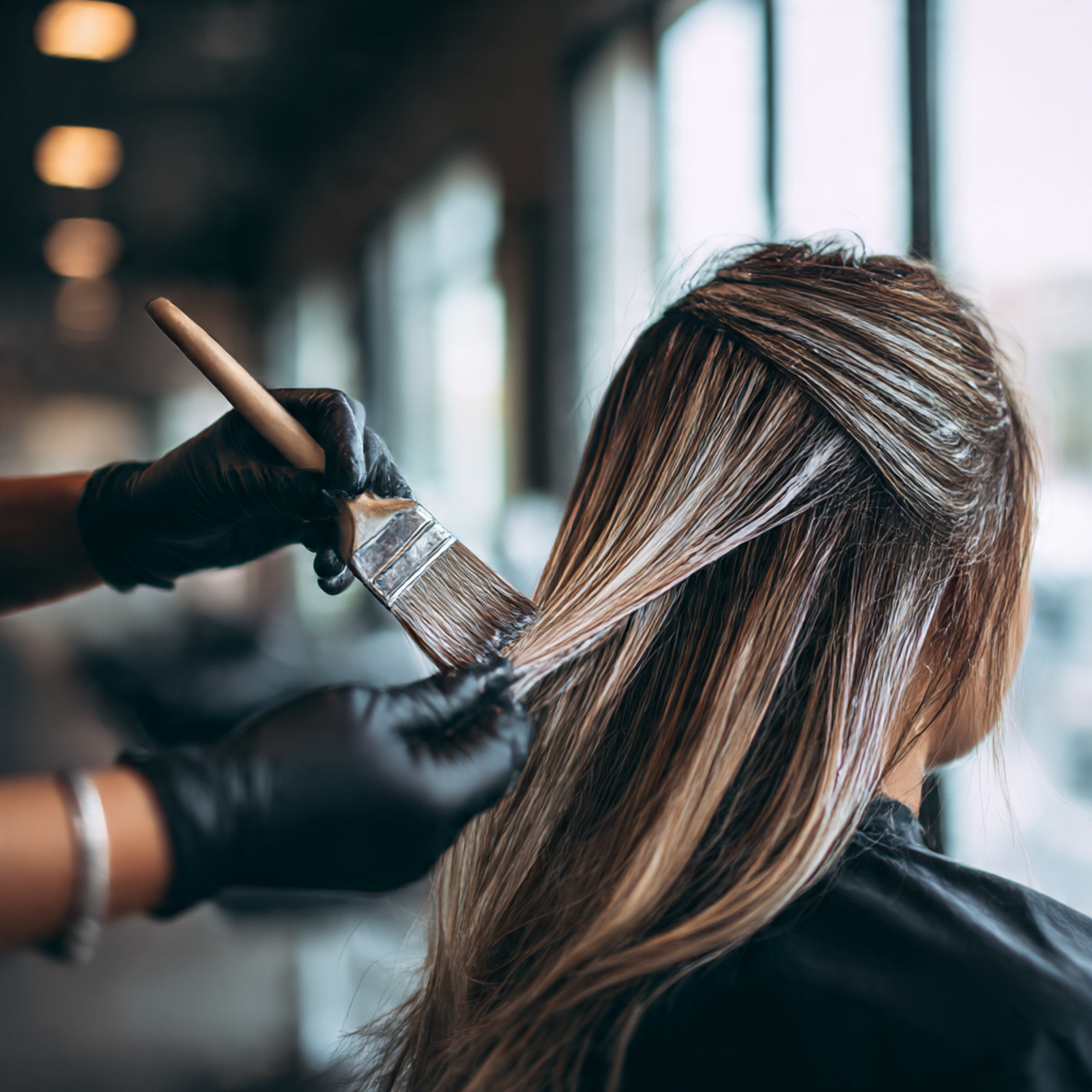
Starting your processing timer the moment you begin applying bleach rather than the moment you finish is one of the most common at-home mistakes, and it guarantees that the first sections you worked on receive significantly more processing time than the last sections. That gap in time translates directly into uneven lift across the head. The only correct approach is to start the timer after the product has been applied to every section of hair.
Total application time for a full head should stay under 15 to 20 minutes. If the application is consistently taking longer, the sections are too large. Dividing the head into more, smaller zones solves both the time problem and the streaking problem at once.
Best for: At-home bleaching or highlighting applications on any length or density Product: Any professional bleach powder paired with a reliable kitchen timer Pro tip: Set a separate timer for the application itself, not just the processing. If your application exceeds 20 minutes, the earliest sections are already over-processing before you have finished. Face shape: Not applicable to face shape. Accurate timing benefits all hair types and face shapes. Colorist language: “How long does your application typically take? I want to make sure my timing is even across the whole head before the processing clock starts.”
Blow-Drying Technique Idea for Blurring Streaks
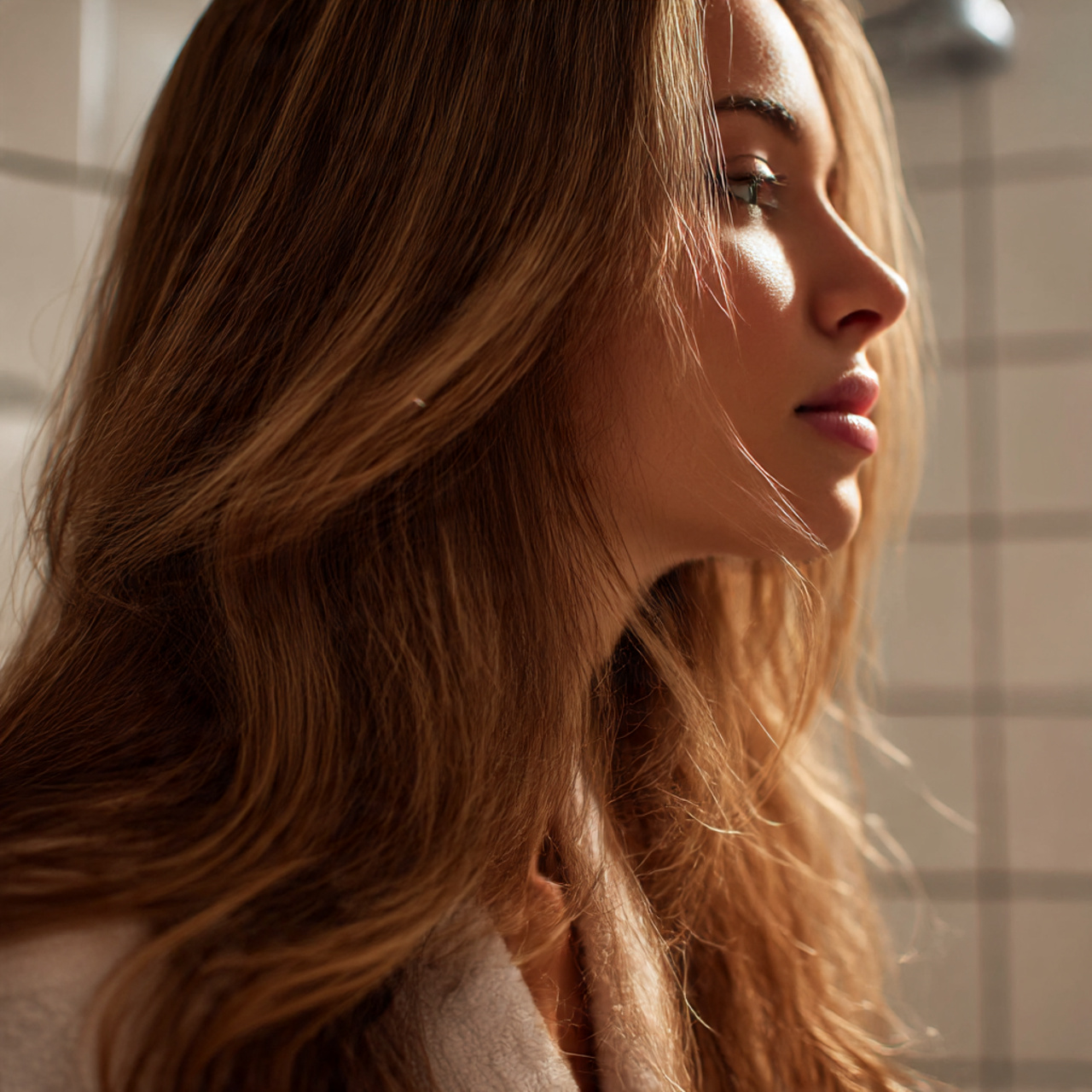
A blow-dry with a large round brush does quiet, effective work on minor streaks by lifting the hair away from the scalp and creating a soft curve that physically breaks up flat, straight color lines. The Drybar Double Shot Blow-Dryer Brush delivers controlled heat and tension simultaneously, producing just enough movement and volume to diffuse the contrast between light and dark sections without any additional styling products.
This approach works most effectively on fine to medium hair, where individual strands blend naturally once movement is added. Very thick or coarse hair may need more defined curl or wave to achieve the same visual blurring effect.
Best for: Fine to medium hair with subtle streaking or minor uneven patches Product: Drybar Double Shot Blow-Dryer Brush Pro tip: Direct each blow-dried section upward and away from its natural fall direction as you work. The lift and misdirection of the hair creates the most effective diffusion of color contrast compared to drying straight down. Face shape: Volumized blow-drys at the crown suit long face shapes. Softer, rounder volume suits round face shapes equally well. Colorist language: “Can you show me how to blow-dry at home to help minimize the appearance of my streaks between appointments?”
Haircut Idea to Minimize Streaky Appearance
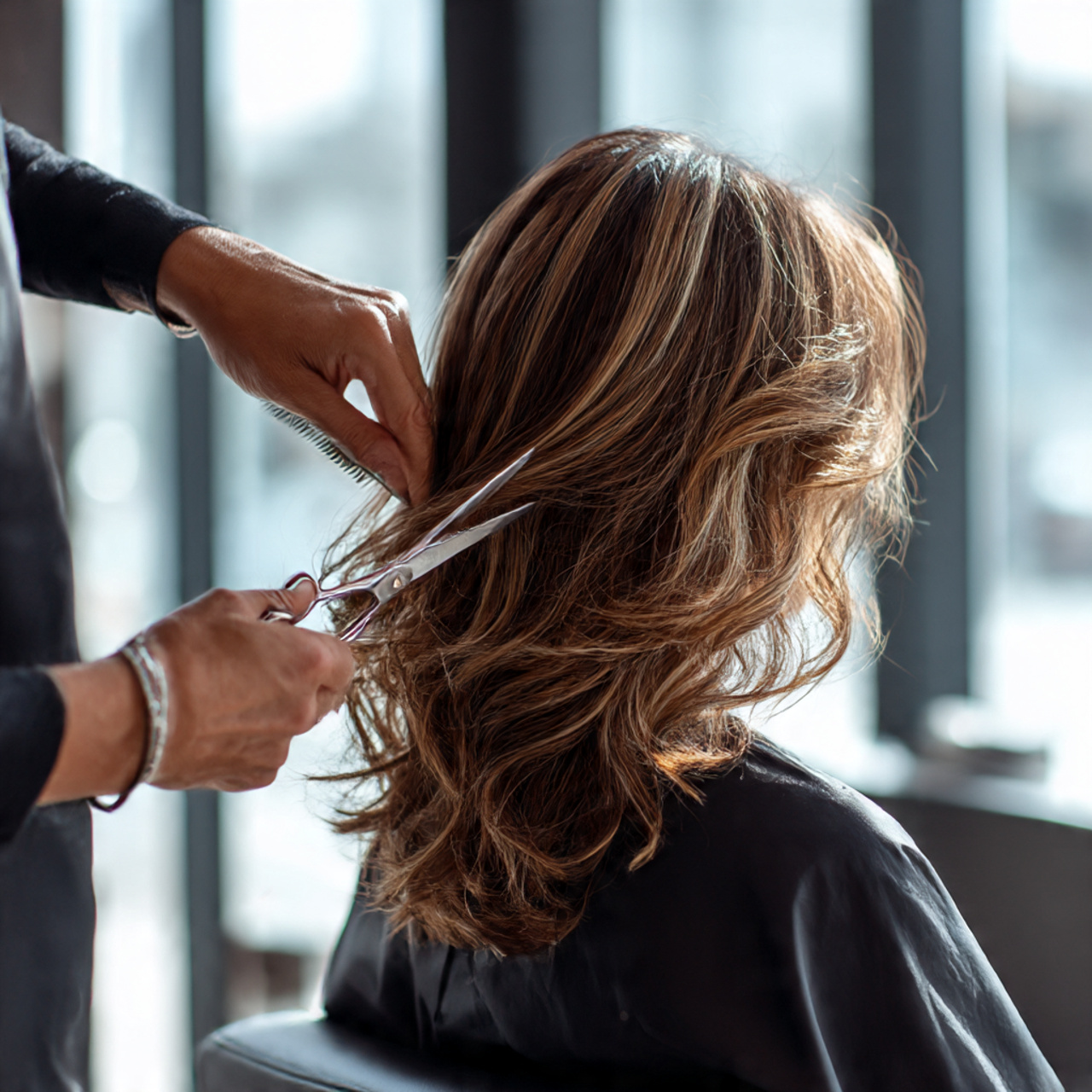
Layering is the most powerful non-chemical tool for reducing the visual impact of streaky color because movement and light diffusion are fundamentally incompatible with harsh, visible lines. A layered, textured cut styled with Mizani Butter Blend Miracle Nourishing Milk creates constant shifting across the hair that makes stripes nearly undetectable in motion. The styling product adds definition to the movement without weighing the hair down.
Blunt, one-length cuts do the opposite and actively amplify every color inconsistency. They hold the hair flat and completely still, which is exactly the condition that makes every stripe and patch maximally visible with zero visual interference.
Best for: Any hair type and length looking to minimize streaky color without additional chemical correction Product: Mizani Butter Blend Miracle Nourishing Milk for movement definition after layering Pro tip: Ask specifically for disconnected layers rather than connected ones if you have medium to thick hair. Disconnected layers create air pockets between sections that produce more movement and better light diffusion than connected layers. Face shape: Layers can be customized to flatter every face shape. Face-framing layers specifically soften angular jaw shapes and add visual width to narrow face shapes. Colorist language: “I want internal layers added specifically for movement. I want my color to look more blended without doing anything chemical today.”
Quick Comparison Table
| Technique | Length | Hair Type | Maintenance | Bold Factor |
|---|---|---|---|---|
| Best Toning Idea for Yellow Stripes | All | Lightened/porous | Low | ★★★☆☆ |
| Creative Styling Idea to Hide Uneven Color | All | All types | Low | ★★☆☆☆ |
| Balayage Idea for Seamless Root Blending | Medium to long | All types | Low | ★★★★☆ |
| Lowlight Idea to Break Up Chunky Streaks | All | Over-highlighted | Medium | ★★★☆☆ |
| Developer Volume Idea for Controlled Lifting | All | Previously colored | Low | ★★☆☆☆ |
| Sectioning Idea to Prevent Vertical Stripes | All | All types | Low | ★★☆☆☆ |
| Color Melt Idea for Fixing Harsh Demarcation | All | All types | Medium | ★★★★☆ |
| At-Home Correction Idea Using Demi-Permanent Dye | All | Faded or streaky | Low | ★★★☆☆ |
| Shampoo Idea for Fading Dark Streaky Pigment | All | Over-darkened | Low | ★★☆☆☆ |
| Porosity Balancing Idea Before Color Application | All | Damaged/porous | Low | ★★☆☆☆ |
| DIY Foil Application Idea to Avoid Bleeding | All | All types | Medium | ★★★☆☆ |
| Strand Test Idea for Predicting Color Lift | All | New to bleach | Low | ★★☆☆☆ |
| Root Smudge Idea for Blonde Streaky Hair | All | Blonde/lightened | Low | ★★★★☆ |
| Brush Technique Idea for Smooth Dye Saturation | All | Medium to thick | Low | ★★☆☆☆ |
| Color Remover Idea for Box Dye Streaks | All | Box-dyed | Low | ★★★☆☆ |
| Deep Conditioning Idea to Repair Bleach Damage | All | Bleached | Low | ★★☆☆☆ |
| Consultation Idea: When to See a Professional | All | Compromised | Low | ★★☆☆☆ |
| UV Protection Idea to Stop Sun-Induced Streaks | All | Color-treated | Low | ★★☆☆☆ |
| Highlight Weaving Idea for Natural Dimension | All | All types | Medium | ★★★★☆ |
| Hot Root Prevention Idea (Mid-Shaft First) | All | Dark to light | Low | ★★★☆☆ |
| Base Color Idea to Complement Streaky Highlights | All | Over-highlighted | Low | ★★★☆☆ |
| Chlorine Protection Idea for Colored Hair | All | Color-treated | Low | ★★☆☆☆ |
| Fine Foiling Idea (Micro-Foils) vs. Slices | Medium to long | All types | Medium | ★★★★★ |
| Pigment Filler Idea for Highly Porous Streaks | All | Over-processed | Low | ★★★☆☆ |
| Re-Timing Idea for Consistent Bleach Processing | All | All types | Low | ★★☆☆☆ |
| Blow-Drying Technique Idea for Blurring Streaks | Medium to long | Fine to medium | Low | ★★★☆☆ |
| Haircut Idea to Minimize Streaky Appearance | Medium to long | All types | Low | ★★★★☆ |
Frequently Asked Questions
What are the best streaky hair ideas for fixing yellow stripes at home? The most effective approach is applying Wella T18 toner with 10-volume developer only to the yellow sections, not the full head. This directly neutralizes the brassiness without disturbing any sections of the hair that are already a clean tone.
Can I fix streaky hair without using any additional dye or bleach? Yes, several options avoid further chemical processing entirely. Clarifying shampoos like Neutrogena Anti-Residue can gradually fade dark patches, and styling with loose waves from a curling wand visually disrupts the straight lines that make harsh stripes most obvious.
How do I know whether my streaks are safe to correct at home or need a professional? If your hair snaps when combed, feels gummy when wet, or has lifted to green or vivid unexpected tones, stop all home treatments immediately and book a professional consultation. Minor brassiness, faded patches, and subtle unevenness are all within the range of safe home correction.
What is the single most important preventive step before coloring to avoid streaks? Equalizing your hair porosity the day before coloring is the most consistently overlooked preventive measure. Applying a treatment like Joico K-PAK before your color service ensures even absorption from root to tip and prevents the over-saturation of porous ends that causes most of the streaking.
How often do I need to re-tone if I used a semi-permanent formula to blend my streaks? Semi-permanent and demi-permanent toners typically last four to six weeks before the brassiness or unevenness begins returning. Regular re-toning on that cycle maintains the blend and prevents the original streaking from reasserting itself as the formula fades.
Final Thoughts
Working through these 27 streaky hair ideas gives you complete coverage of the problem, from the chemistry level to the styling level. There is no single fix that works for every situation, which is exactly why this guide runs as deep as it does. The right technique depends on what caused the streaking, how severe it is, and what resources you have available right now.
The deeper truth about seamless color is that it is a skill, not a product. The formulas matter, but the preparation, the section size, the timing, and the structural health of the hair matter equally. Every technique in this list addresses at least one of those variables, and addressing all of them together is how genuinely professional results happen.
If you take one thing away, let it be this: the condition of your hair before you apply color predicts the result more accurately than anything you apply during the process. Porous, compromised hair will streak regardless of how good the formula is. Equalized, structurally sound hair will hold color evenly even with an average application. Prevention pays better than correction every single time.
These are not tricks or shortcuts. They are the actual mechanics of how color behaves on hair, applied practically. Learn them once and you will never look at a box of dye or a foil kit the same way again.
The colorists who consistently produce flawless, stripe-free results are not using secret formulas. They are using better preparation and thinner sections than everyone else.
Save this to your Pinterest color board and share it with anyone who has ever walked out of a coloring session feeling let down.