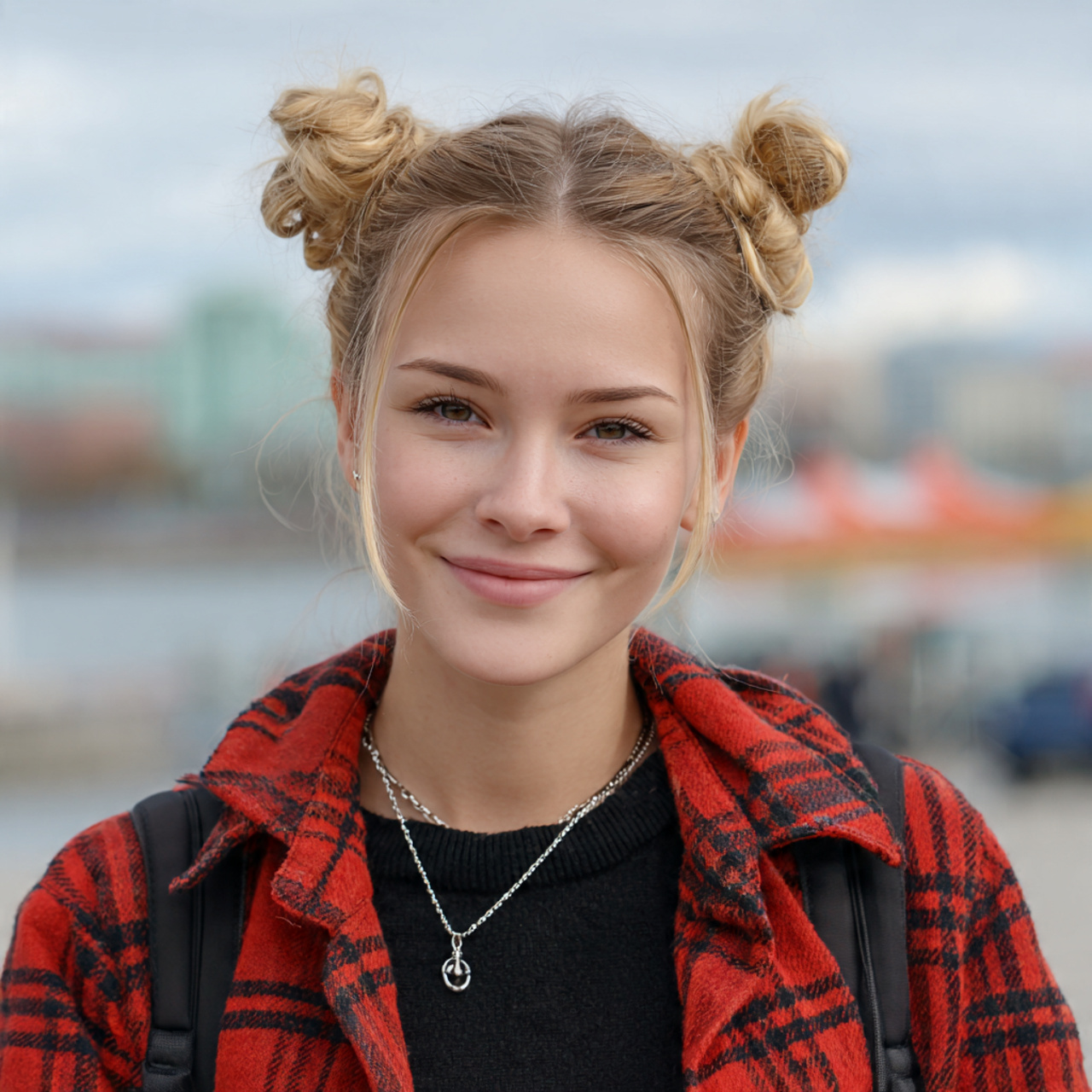
25 Volleyball Hairstyles That Keep You Focused and Game-Ready
You are mid-rally, about to set the ball, and your hair falls across your eyes at the worst possible second. That one moment of distraction can cost a point. Finding volleyball hairstyles that actually hold through jumps, dives, and sweat is one of the most overlooked parts of match preparation, and most players figure it out the hard way.
The struggle makes sense. Hair feels like a minor concern when you are focused on drills, conditioning, and positioning. So most players twist their hair up quickly before warmup and hope it holds. It almost never does, and that constant mid-game fixing takes more mental energy than people realize.
The root cause is that most styles are chosen for speed rather than structure. A basic ponytail done in thirty seconds looks fine standing still but loosens the moment jumping and diving begin. Secure athletic hair requires a specific understanding of how weight, tension, and sweat interact during high-impact movement.
After studying movement-based styling alongside competitive volleyball athletes, the real difference between a style that lasts one set and one that survives a full tournament comes down to structure, not product. Knowing where to anchor hair, how to distribute weight, and which techniques hold under real game conditions changes everything about how a style performs.
This guide breaks down 25 tested styles covering different hair types, lengths, and match conditions. Every entry includes specific product recommendations, face shape guidance, and the exact words to use when requesting the look from a stylist before a tournament.
Whether you play indoor or on sand, these volleyball hairstyles will keep you locked in from the first whistle to the final point. Stop spending timeouts adjusting your hair and start using that focus entirely on the game.
Athletic hairstyling has shifted significantly in recent years, with more volleyball players now booking salon appointments specifically for court-ready styles before major competitions. The single rule that defines every reliable style on this list: your hair must survive sweat, speed, and floor contact without coming loose. Anything that slips during play does not belong on match day.
Volleyball Hairstyles Ideas
The Classic High Ponytail
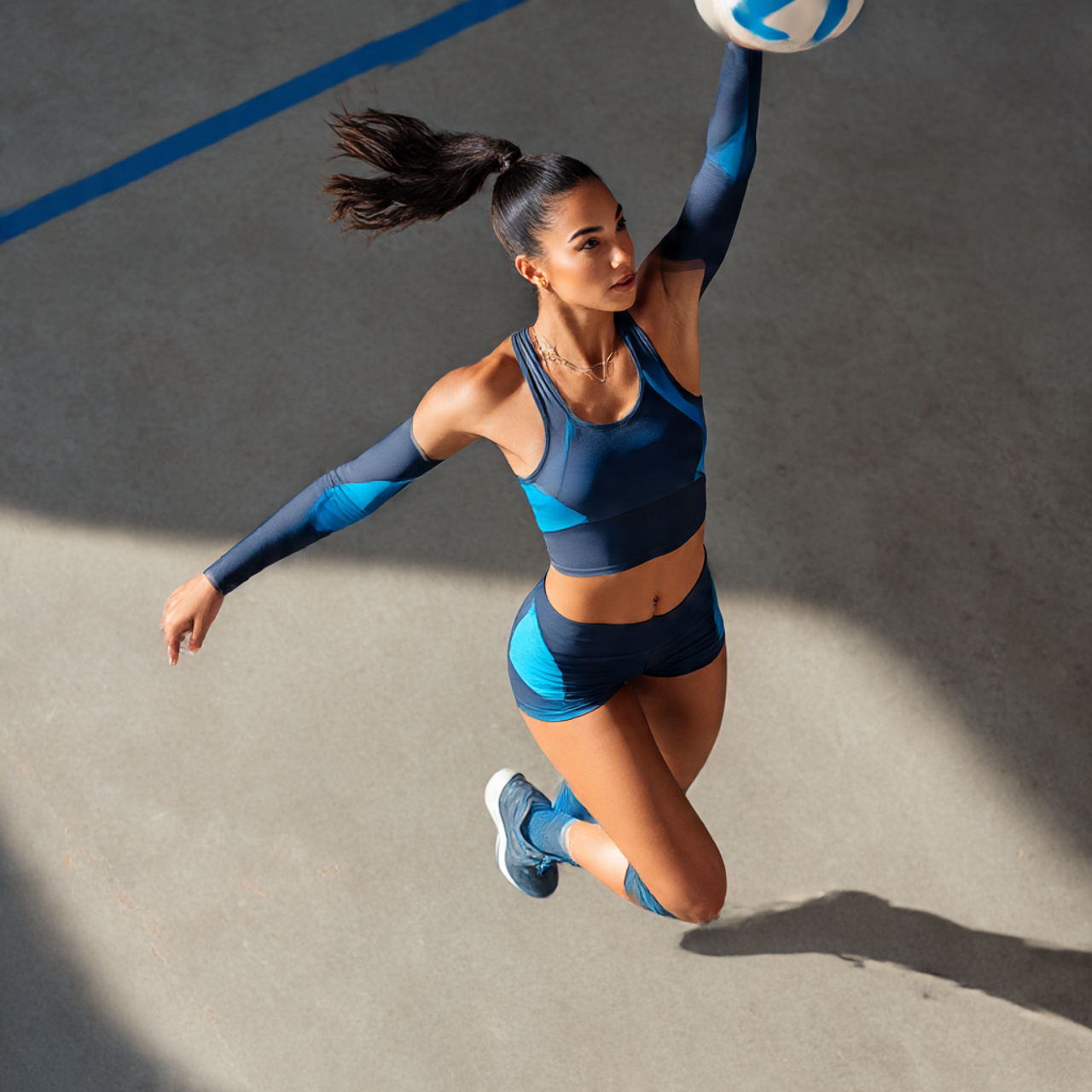
The high ponytail earns its place as the most widely used volleyball hairstyle because it works for nearly every hair type and takes under two minutes to execute. Placing it at the crown of the head reduces how much the tail swings during overhead serves and spikes, which is the movement pattern that loosens most styles fastest. When done correctly, it holds through an entire match without adjustment.
Adding a second elastic two inches below the first creates a reinforced anchor that prevents the ponytail from drooping over time. Wrapping a small section of hair around the base covers the elastic and creates an additional friction point that resists slipping even when hair gets damp.
Best for: Medium to long hair needing a fast and reliable game-day style Product: Invisibobble Original Power Hair Ring for a crease-free grip that holds through heavy sweat Pro tip: Secure the second tie before the ponytail base settles so it locks while tension is still even, not after the weight has already begun to pull Face shape: Oval and heart face shapes Stylist language: Ask for a high ponytail anchored at the crown with a doubled elastic wrap and a thin hair section coiled around the base to hide the elastic
Dual French Braids
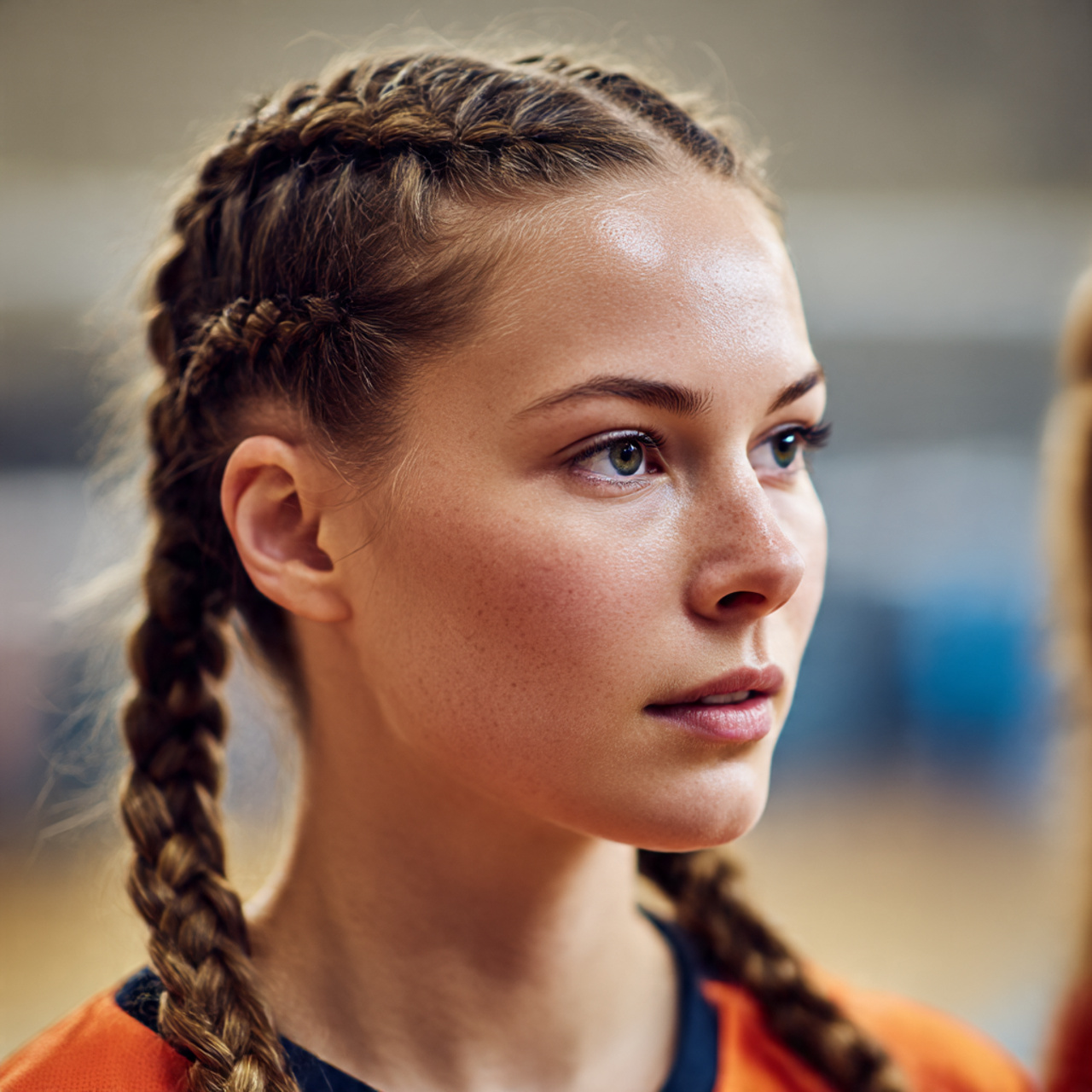
French braids woven from the front hairline down to the nape of the neck create one of the most locked-in structures available for athletic play. Every strand is incorporated as the braid is built, which means there is nothing loose to escape once jumping and diving begin. This style holds noticeably better than any ponytail or single braid when hair becomes wet from sweat during long matches.
Players with thick or long hair benefit most because the dual braid distributes weight evenly across the scalp rather than concentrating pulling pressure at one elastic point. Finishing each braid into a small bun or securing both tails together at the nape adds a second anchor layer.
Best for: Long, thick, or wavy hair that escapes standard ponytails within minutes Product: Ouai Leave-In Conditioner worked through sections before braiding to reduce frizz and improve stitch grip Pro tip: Start each braid a half-inch off-center rather than directly down the middle so the parts do not align with floor contact points when diving Face shape: Round and square face shapes Stylist language: Ask for two tight French braids starting at the front hairline and finishing at the nape, secured with small clear elastics and no flyaways at the crown
The Low, Sleek Bun
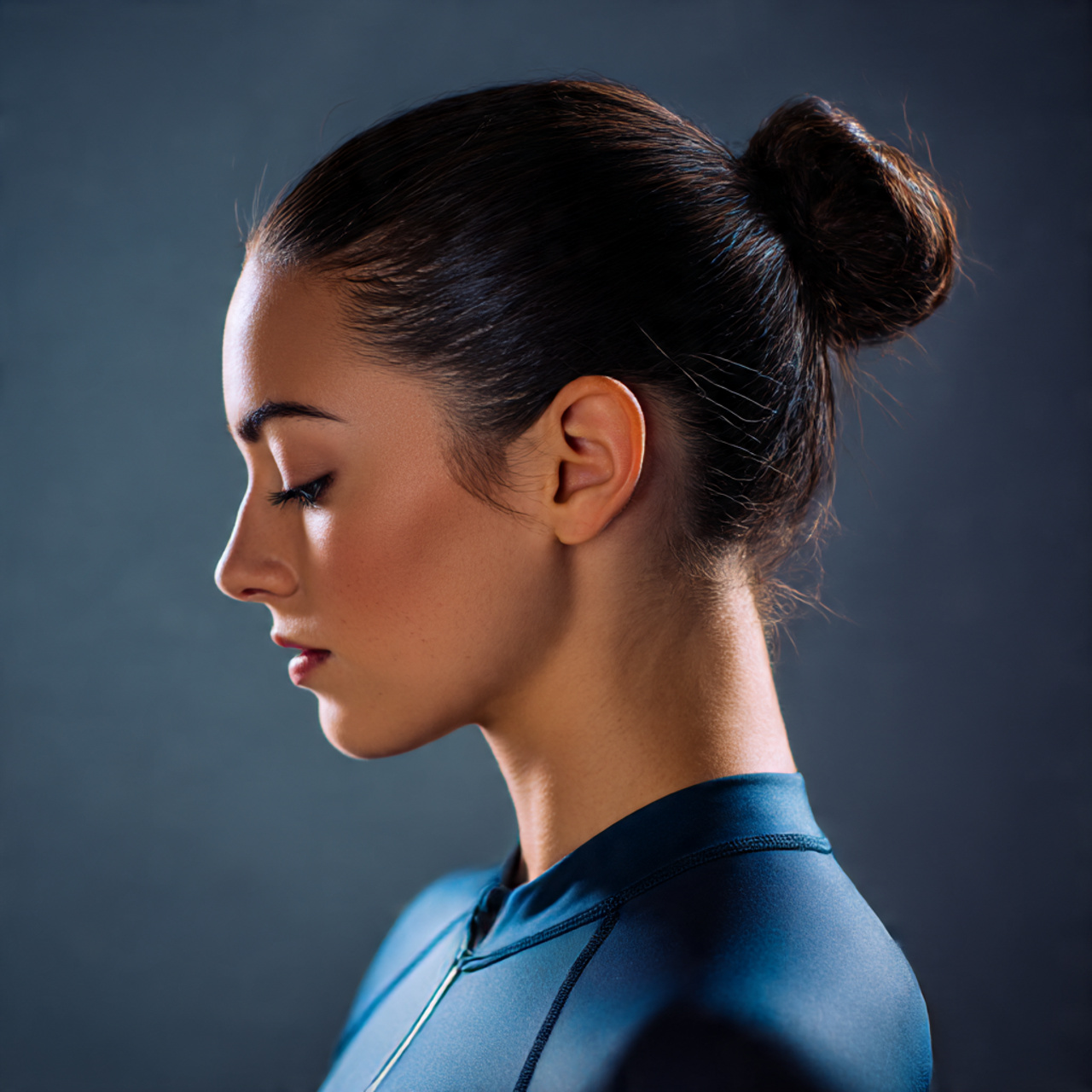
A low bun positioned at the nape of the neck sits flat against the head and creates zero interference with headgear or floor contact. Unlike high buns that shift when a player hits the ground, this style barely moves during even the most physical defensive plays. Liberos and defensive specialists tend to prefer this placement for exactly that reason.
Smoothing the surface with a firm hold gel gives the bun a tight, controlled structure that resists expanding as body heat builds through the match. Setting the bun with two crossed bobby pins at the base prevents rotation under pressure.
Best for: Short to medium hair, players who frequently dive or make floor contact Product: Got2b Glued Styling Gel to seal the surface and hold every strand through two-plus hours of play Pro tip: Twist the hair once before coiling it into the bun shape to build internal torque that keeps the structure tight without relying entirely on pins Face shape: Long and oval face shapes Stylist language: Ask for a sleek twisted low bun at the nape finished with two crossed bobby pins at the base and no loose ends or visible elastic
Double Dutch Braids
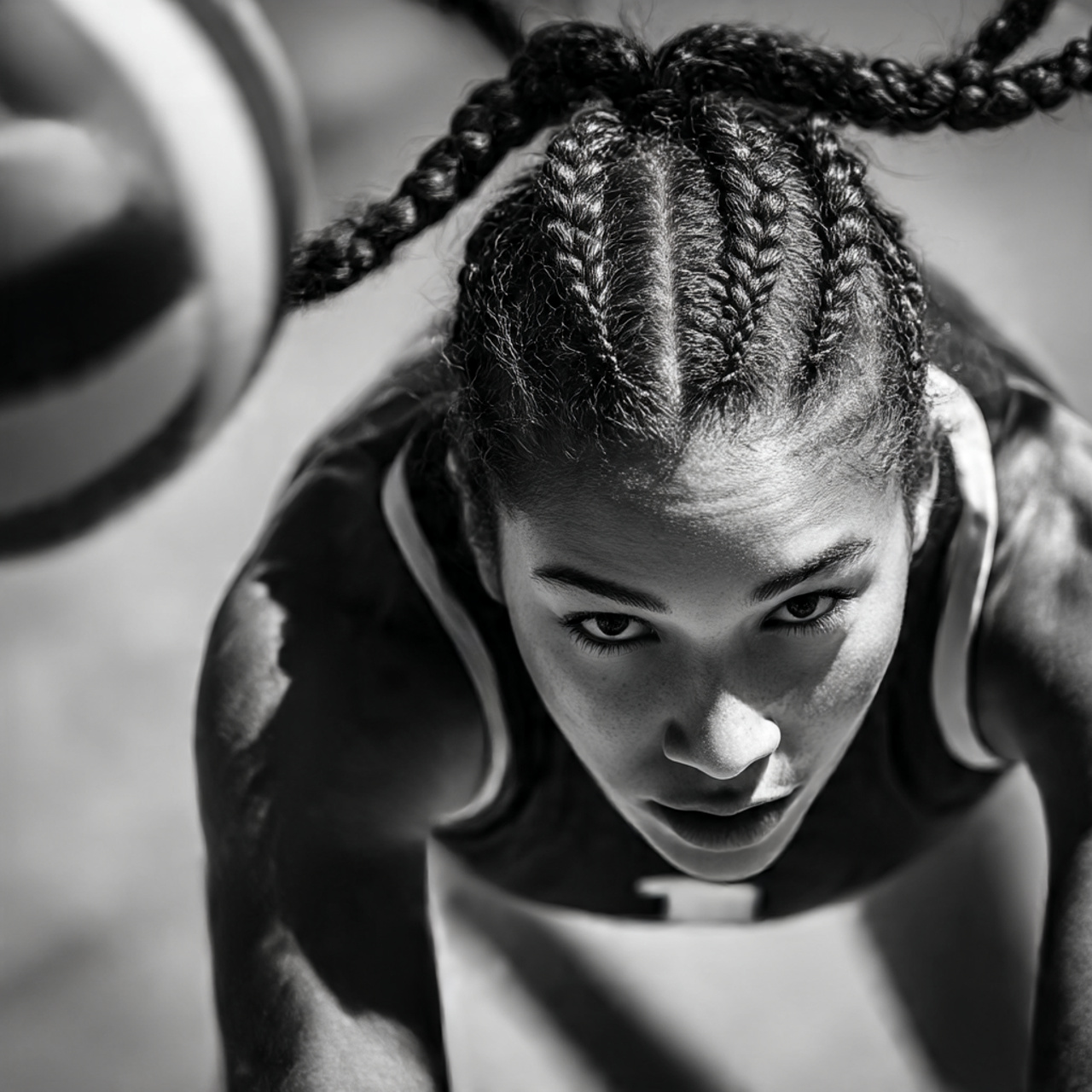
Dutch braids cross under rather than over, which builds the braid up above the scalp surface and creates a raised, firm structure that grips during dynamic movement. Because the braid sits elevated, there is less room for it to shift on the head during jumps compared to a French braid that lies flat. Many competitive players choose this style specifically for tournament days when a style needs to survive multiple sets without attention.
The raised ridge also sits away from the scalp surface, which means it does not press uncomfortably against the head when a player lands or slides during floor play.
Best for: All hair types needing maximum hold for high-impact and multi-set matches Product: Redken Forceful 23 Super Strength Finishing Spray to lock the braid structure in place after styling Pro tip: Braid on slightly damp rather than completely dry hair because moisture adds grip between each stitch and slows loosening at the roots throughout a long game Face shape: Heart and oval face shapes Stylist language: Ask for two Dutch braids crossing under at every stitch from the front hairline to the nape, finished into small buns or ponytails secured with clear elastics
Half-Up Braided Crown
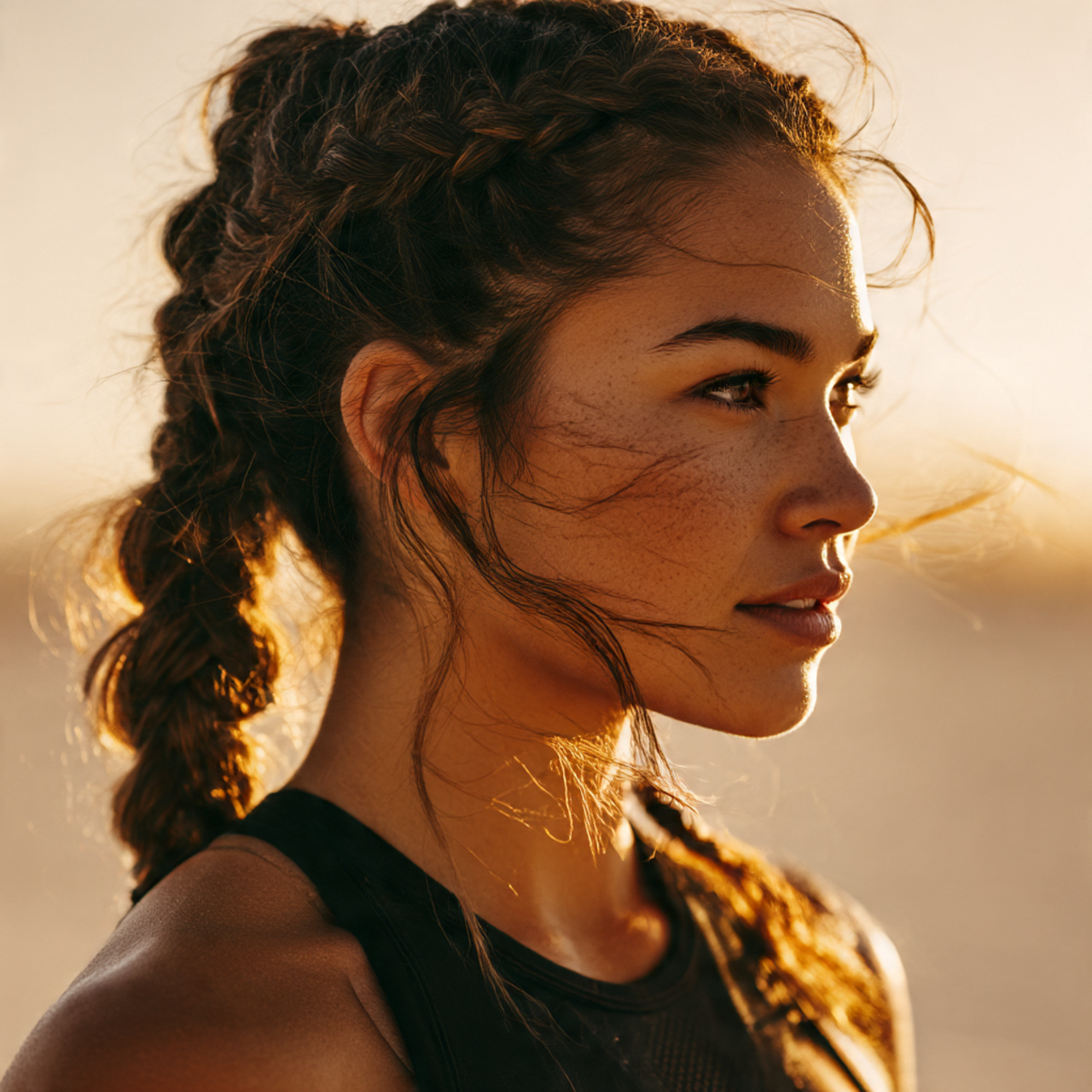
Sectioning the front half of the hair into two small braids and pinning them back creates a simple frame that keeps shorter pieces out of the eyes during warmup and lighter practice sets. The back section stays loose but can be gathered into a low ponytail quickly when match intensity rises. This style works particularly well as a transition between practice and game mode.
It suits players growing out layers because the braids catch shorter pieces near the face that tend to fall forward during serving and setting movements.
Best for: Medium hair with layers, warmups and practice sessions that may transition to competitive play Product: Bumble and bumble Bb. Thickening Dryspun Finish Spray added to sections before braiding to build texture and grip Pro tip: Pin the braids with criss-crossed bobby pins rather than parallel ones because the opposing directions lock the crown section flat and prevent lifting during jumps Face shape: Square and round face shapes Stylist language: Ask for two small temple braids swept back and pinned at the crown with crossed bobby pins, leaving the rest loose or gathered low
Quick Messy Bun
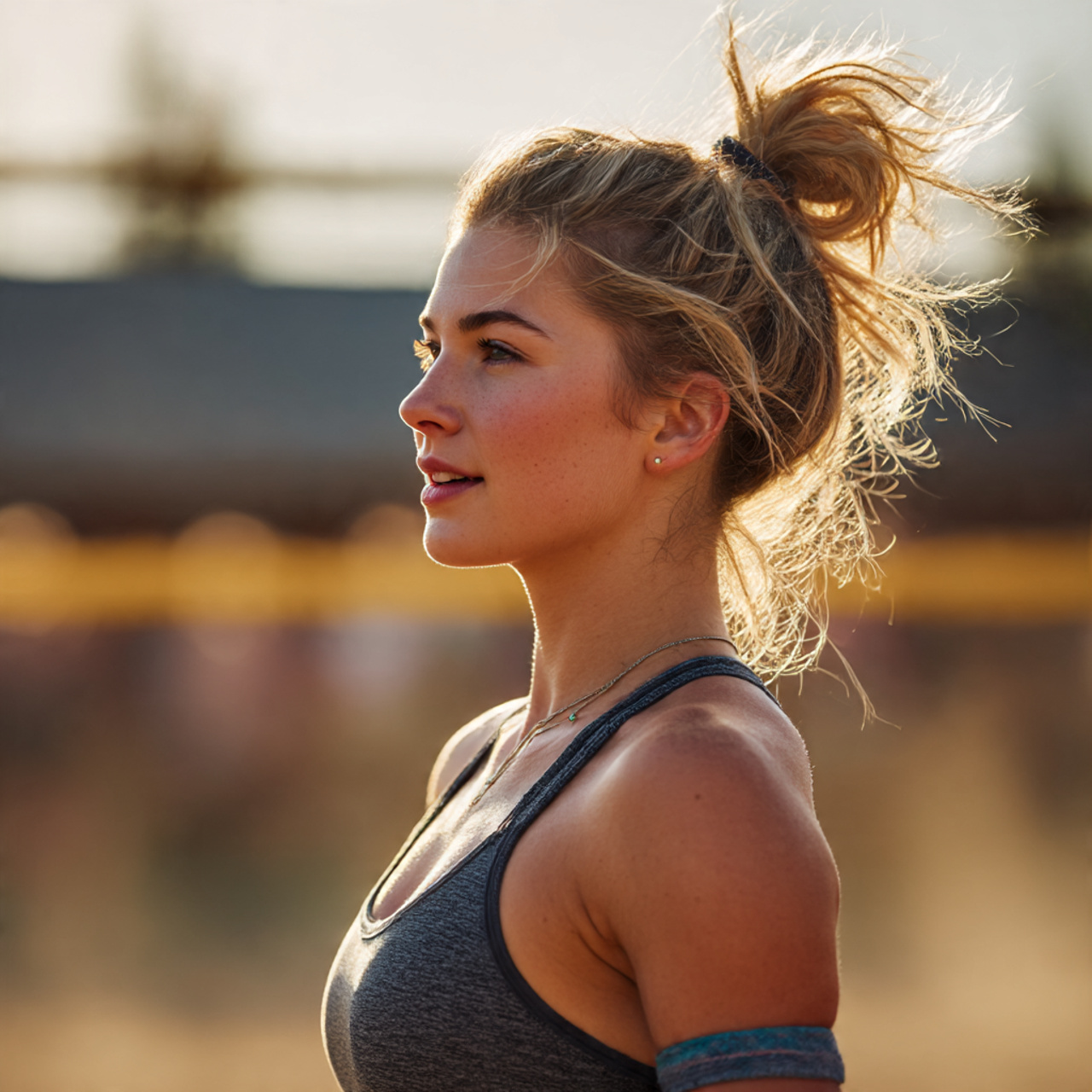
Speed matters before a game, and a high messy bun goes up in under a minute while still providing reliable hold when the technique is right. The key difference between a bun that falls apart and one that holds for two hours is leaving the loop partially through the elastic rather than pulling the full tail through. This creates a locked loop structure that resists unraveling even during repeated overhead movements.
Choosing a strong elastic rather than a fabric scrunchie dramatically improves how long the bun holds under physical stress. The loop should feel firm at the base immediately after securing.
Best for: All hair types for fast pre-game styling when time is short Product: Scunci No Damage elastics for a firm hold that resists snapping or stretching under tension Pro tip: After securing the loop, gently pull both sides of the bun outward to tighten the base knot without adding additional pins Face shape: Oval and long face shapes Stylist language: Ask for a high secured loop bun with a strong elastic base anchored by two crossed bobby pins below the knot
Braided Pigtails
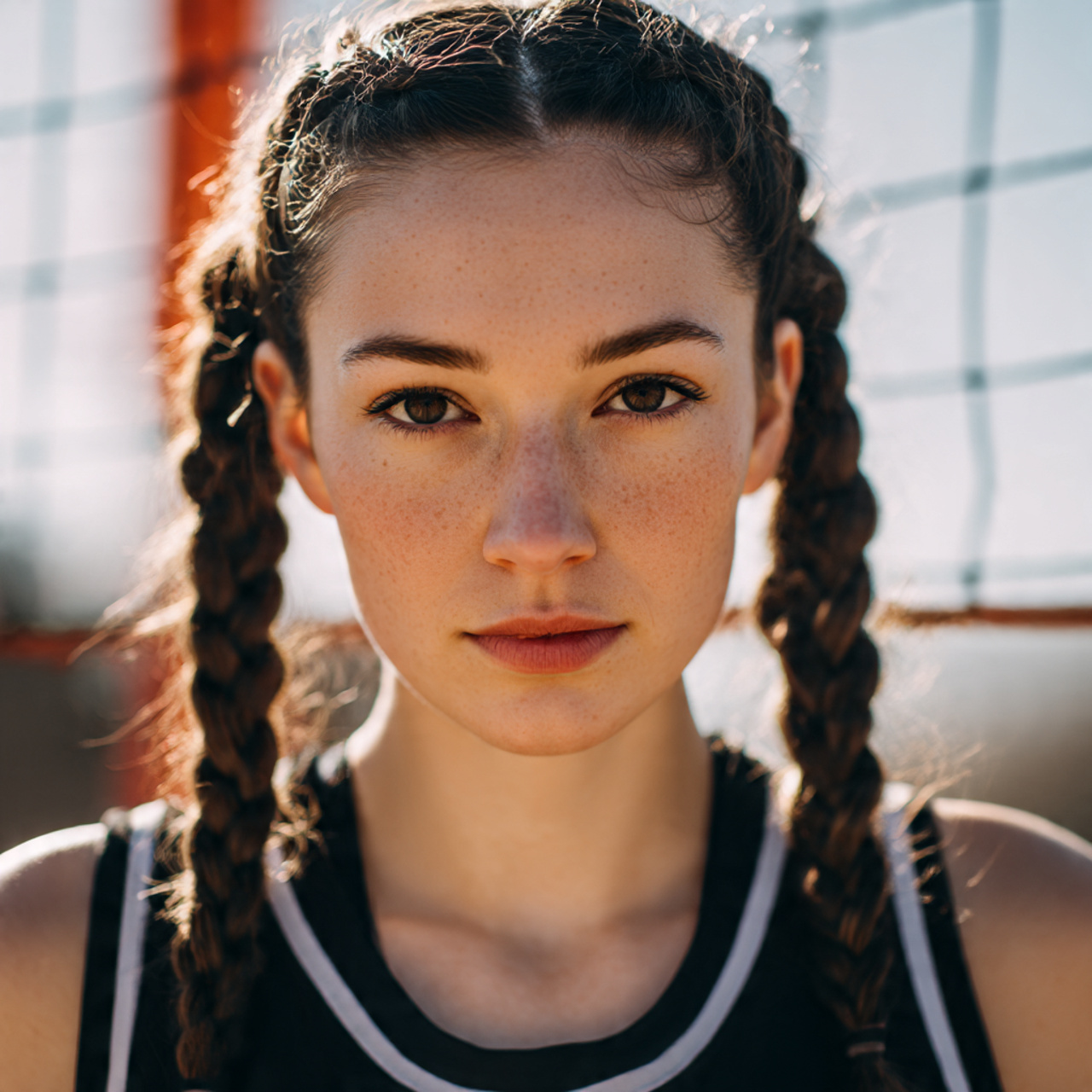
Two braids positioned on either side of the head spread hair weight evenly, which eliminates the lopsided tension that builds from a single ponytail during a long match. That even distribution significantly reduces the tension headaches that many players experience after extended training blocks. The braids also sit flat against the head when a player slides across the court, unlike a high bun that presses awkwardly on impact.
Players with very long or very heavy hair find this style more comfortable than any single style by the second or third set of play.
Best for: Long, heavy hair prone to scalp tension and headaches from single-point styles Product: DevaCurl SuperCream Coconut Curl Styler worked through hair before braiding to smooth the braid surface and minimize texture between strands Pro tip: Start each braid slightly below the ear rather than at the temple to keep the braids flat and prevent them from catching on the floor during dives Face shape: Round and heart face shapes Stylist language: Ask for two three-strand braids beginning just below the ears and secured with small matching elastics at the ends, no flyaways at the temples
Sleeked-Back Low Ponytail
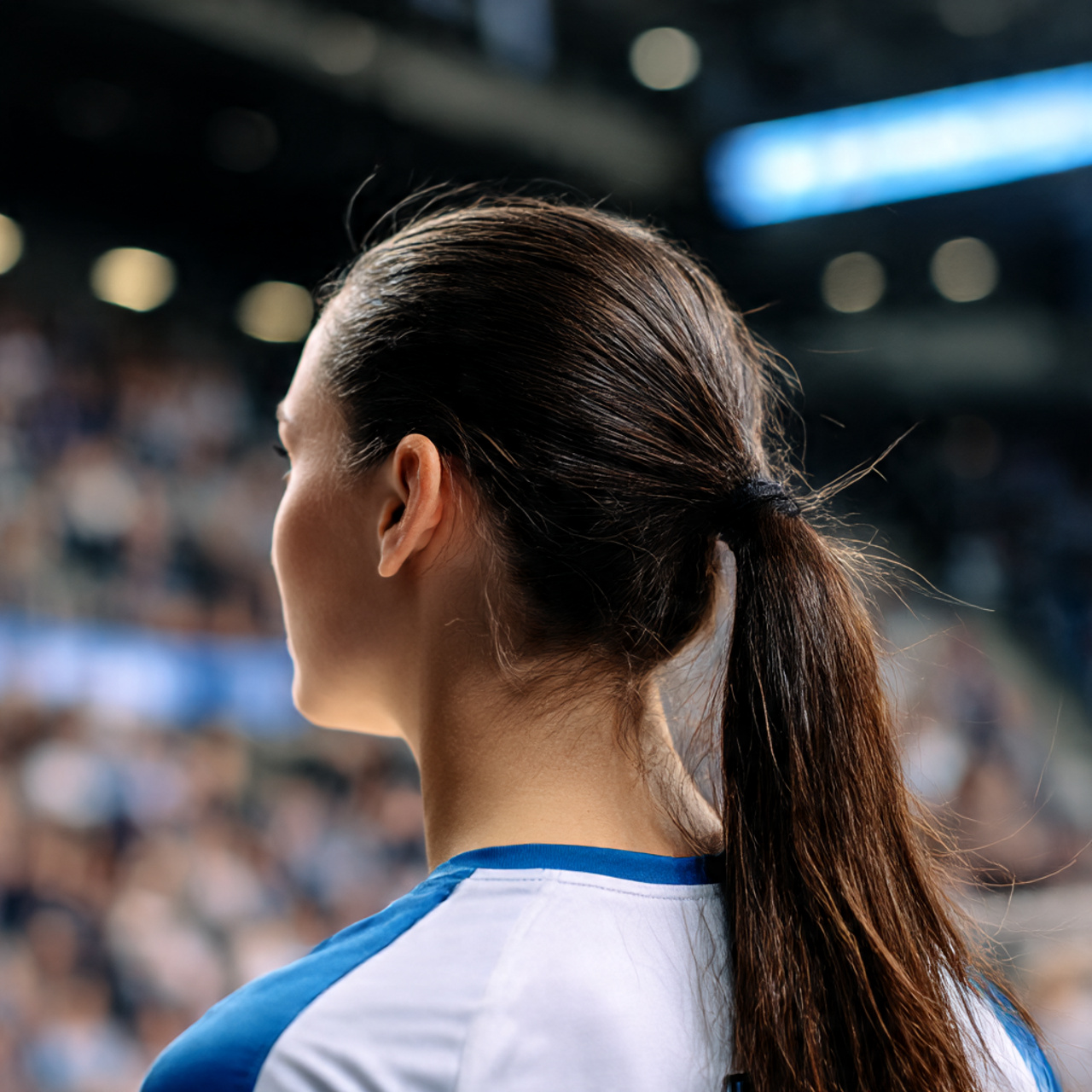
Gathering hair into a low ponytail at the nape creates the least bounce of any tied style, which matters most for players who find higher styles pulling or distracting during extended training blocks. This placement puts almost no pressure on the top of the head, making it the better option for players who experience tension headaches from crown-placed styles. It suits short to medium hair that cannot reach a bun.
The surface needs to be smooth before securing, so every strand runs in the same direction and the ponytail does not look disheveled after the first few aggressive plays.
Best for: Short to medium straight or fine hair that lacks length for a bun Product: Oribe Supershine Moisturizing Cream worked through dry hair before gathering to create a controlled, sleek finish Pro tip: Apply a thin layer of gel along the hairline and brush back before tying so that short pieces near the face do not escape during overhead play Face shape: Long and square face shapes Stylist language: Ask for a smooth low ponytail at the nape with the full surface flat against the head, all edges controlled, and no texture visible
Headband with High Bun
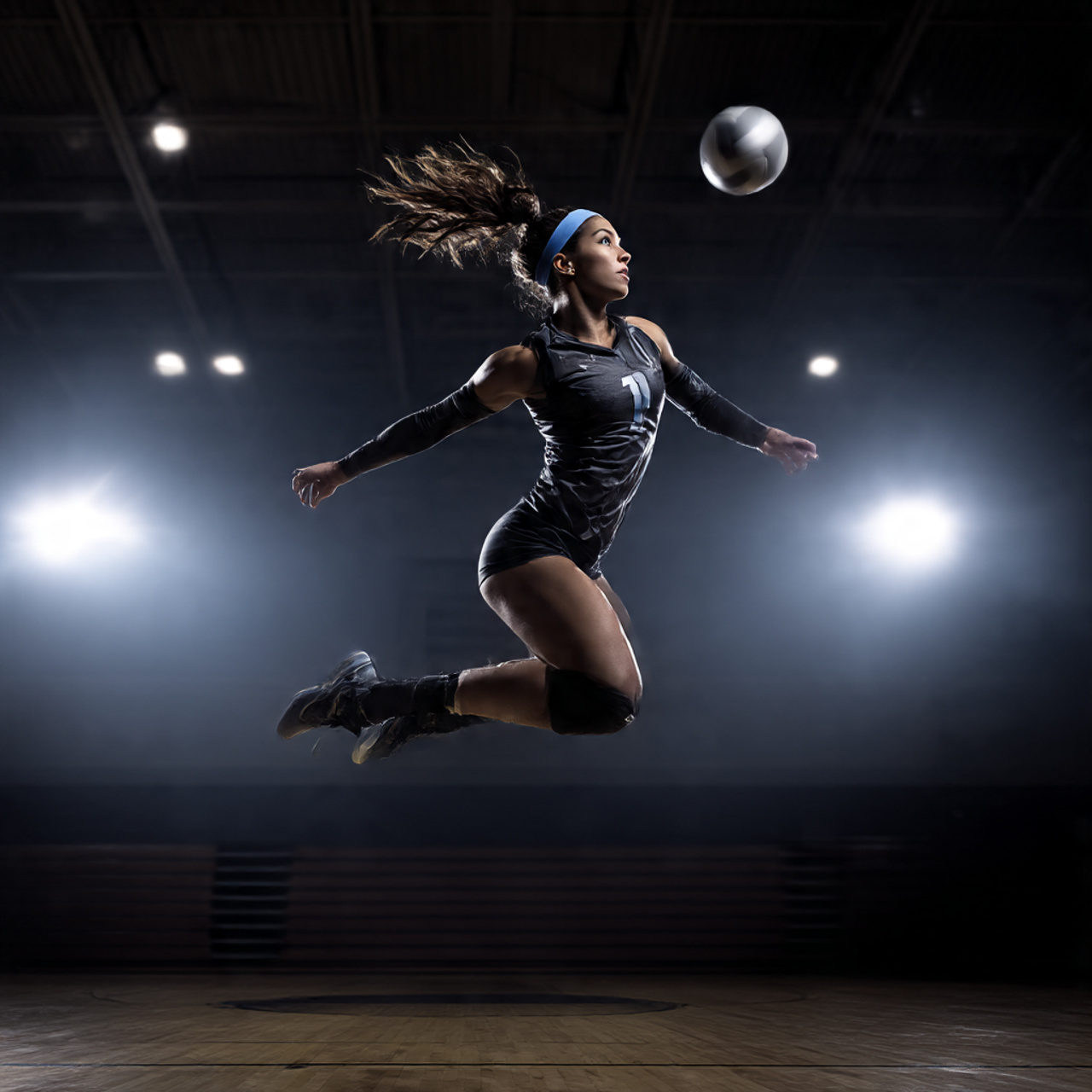
Athletic headbands perform two functions at once: they absorb sweat before it reaches the eyes and they control the fine hairline hairs that escape virtually every other style. Pairing a non-slip headband with a high bun addresses both the top of the style and the edges in a single step. This combination is especially effective for players with a dense hairline or significant baby hairs along the temples.
Choosing a silicone-lined band rather than plain fabric prevents the headband from sliding backward during play, which is the most common failure point with this approach.
Best for: Players with dense hairlines, fine baby hairs, or heavy sweating during play Product: Nike Dri-FIT wide headband paired with a Kitsch satin-covered elastic for the bun itself Pro tip: Place the headband before forming the bun so it sits firmly under the base and cannot shift once the full style is secured Face shape: Oval and heart face shapes Stylist language: Ask for a high bun with a strong elastic base and a wide non-slip headband set at the hairline before the bun is formed, not after
Fishtail Braid Detail
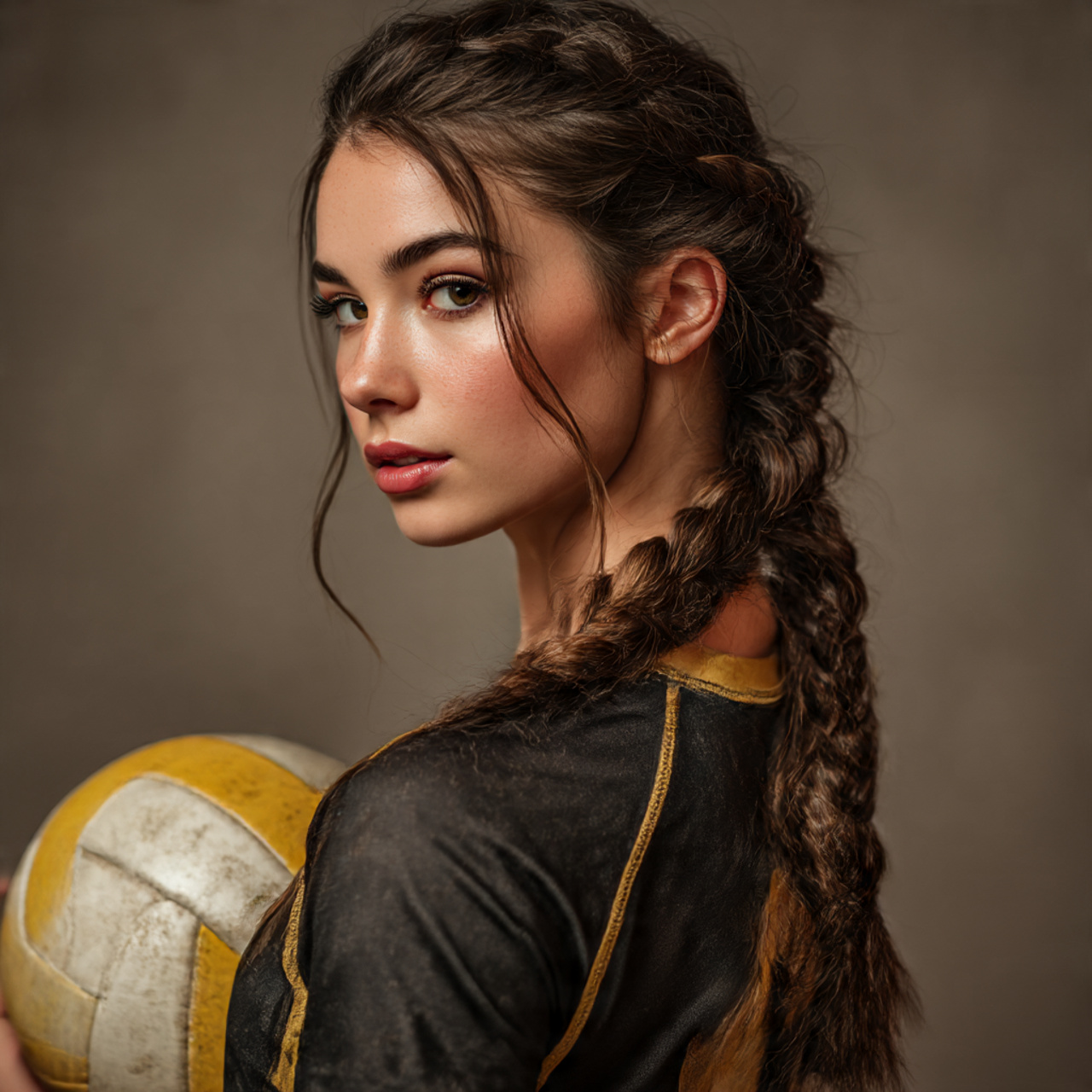
A fishtail braid wrapped around the base of a ponytail or bun acts like a coil anchor that reinforces the entire structure from the outside. The interlocking pattern of the fishtail creates friction against itself, which means it grips without relying on additional pins or spray. Competition coaches who style athletes before broadcast matches use this technique specifically because it extends style life through multi-set play without any mid-match touch-ups.
In practical testing, adding a fishtail wrap at the base increases how long a ponytail holds its position by roughly a full set compared to a plain elastic alone.
Best for: Long hair needing a secondary anchor around a ponytail or bun base Product: Kevin Murphy SESSION.SPRAY Flexible Hold to lock the fishtail in place after wrapping without leaving stiffness Pro tip: Cross the fishtail wrap in the opposite direction of the ponytail coil so the opposing tension prevents either structure from unwinding during play Face shape: All face shapes Stylist language: Ask for a fishtail braid wrapped around the elastic base of a high ponytail and pinned at the end with a clear flat pin
Bubble Ponytail Variation
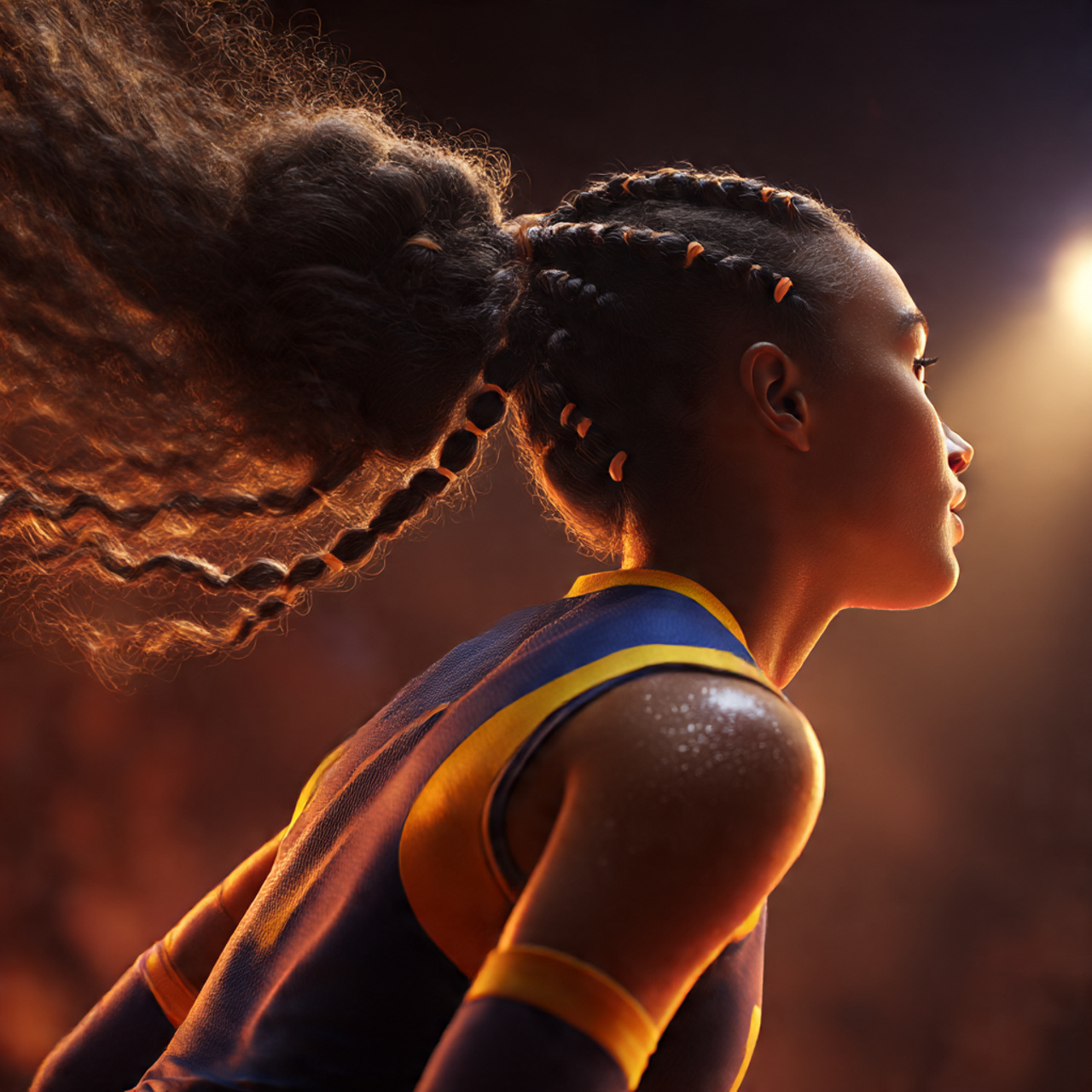
Placing multiple hair ties at even intervals down the length of a long ponytail creates the bubble sections that have become a popular choice among team sport athletes over the past two seasons. Each tie grips the hair at that specific point and stops the full tail from swinging in a wide arc during jumping, which reduces distraction during overhead plays and serves. Less free movement at the ends means less visual interference at the moment of contact.
Gently pulling the hair outward between each elastic creates the puffed bubble sections while simultaneously locking each tie in place through outward tension.
Best for: Very long hair that swings noticeably during jumps and overhead movements Product: Kitsch Spiral Hair Coils as the dividing ties for a crease-free hold at each bubble point through long matches Pro tip: Set the first tie two full inches below the ponytail base rather than immediately after the elastic so the first bubble forms cleanly without bunching at the root Face shape: Oval and long face shapes Stylist language: Ask for a high ponytail divided into bubble sections using matching coil ties placed two inches apart down the full length of the tail
Spiral Hair Ties Use
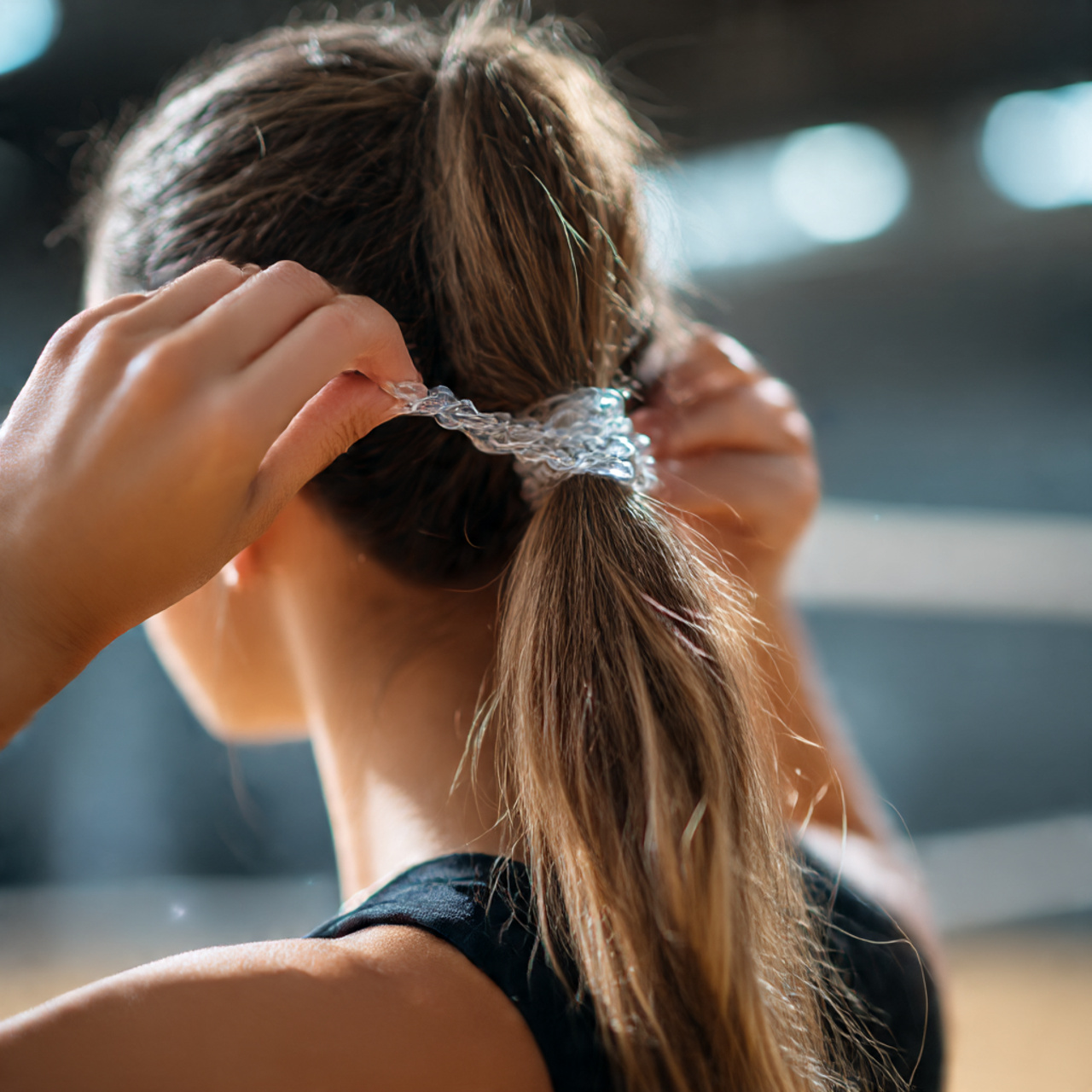
Spiral hair ties grip from inside the coil rather than by applying flat external pressure against the hair shaft, which changes how they hold under movement. This internal grip stays firm through sweat without cutting into the hair or leaving the dent marks that standard elastics create after hours of wear. For players who tie their hair up at every training session, this is a meaningful advantage for long-term hair health.
Invisibobble and Teleties produce coil ties designed specifically for high-activity use, and their grip on damp or sweat-wet hair is visibly stronger than cloth or rubber bands in the same conditions.
Best for: All hair types used in daily training where hair health and hold both matter Product: Teleties Large Hair Ties for a flexible, strong grip with no crease and no breakage over repeated use Pro tip: Twist the coil once before wrapping it around the ponytail base to add an extra grip layer that helps especially in humid playing conditions Face shape: All face shapes Stylist language: Ask your stylist to finish any style with a coil or spiral elastic rather than a flat band for better hold and significantly reduced breakage over time
Short Hair Pinned Back
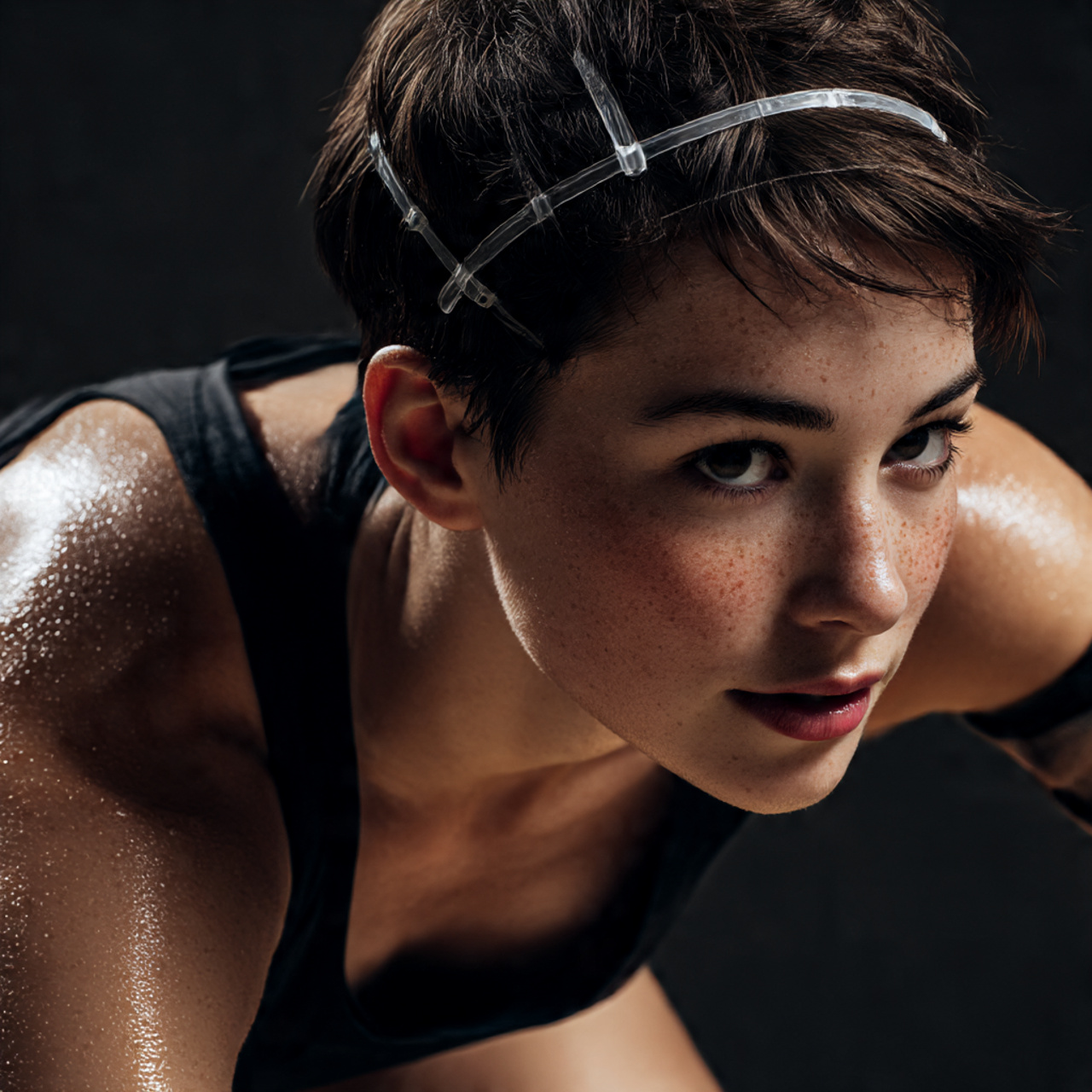
Short hair cannot be gathered into any standard tied style, so the goal becomes controlling individual sections that fall forward toward the eyes. Pinning front sections back with flat bobby pins or mini clips keeps the hairline clear without forcing the hair into a style it does not have the length to support. The priority is always eye clearance, particularly during serving and setting when the head tilts back.
Adding a small twisted section along the front hairline before pinning creates a miniature roll structure that gives the bobby pins something firm to anchor into.
Best for: Short hair including pixie cuts and ear-length bobs that cannot be tied up Product: Conair Bobby Pins in a mix of black and blonde shades for a flat, invisible hold close to the scalp Pro tip: Insert bobby pins with the wavy side facing down against the scalp because that grip orientation holds three times longer than inserting them wavy-side up Face shape: Heart and oval face shapes Stylist language: Ask for twisted front sections pinned back into the hairline with flat bobby pins on each side, set close to the scalp with no ends protruding
Layered Hair Security
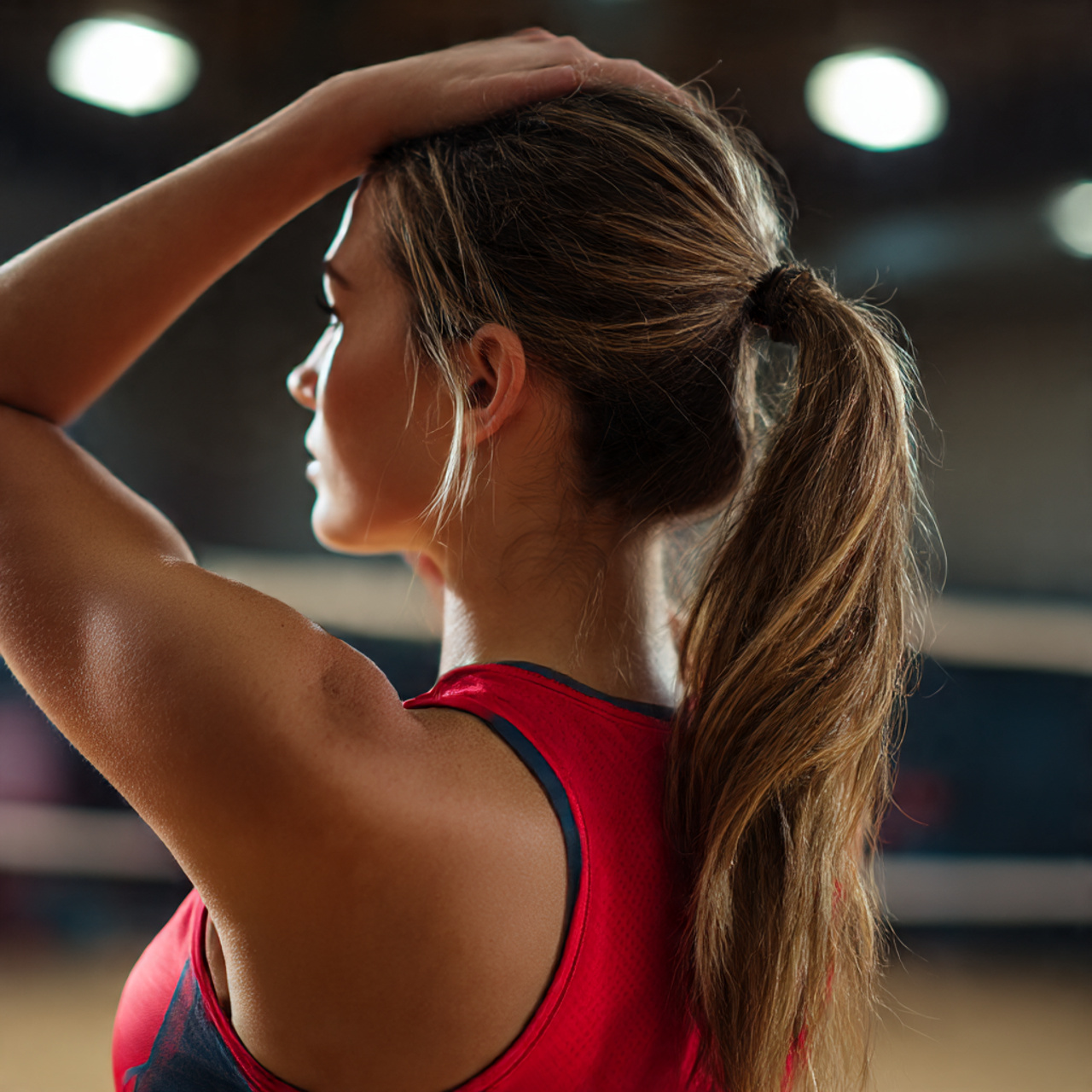
Layers are the most common reason ponytails fall apart within the first few minutes of play. The shorter pieces at the front and sides are cut to a different length than the bulk of the hair and simply do not reach the elastic, so they fall forward immediately once movement starts. Stylists who work regularly with competitive athletes recommend combining a base ponytail for the length with individual pins for the layered pieces rather than trying to capture everything in a single tie.
Applying a light hold paste like American Crew Fiber to the shorter sections before pinning adds texture that helps each piece grip the bobby pin and hold its position through the match.
Best for: Layered medium to long hair that escapes ponytails and buns within minutes of play Product: American Crew Fiber for adding texture grip to shorter layer sections before individual pinning Pro tip: Pin layers in the direction they were cut to fall because following their natural line reduces the chance they will pop loose during overhead movements Face shape: Square and long face shapes Stylist language: Ask for a base ponytail at the nape with all shorter layer pieces pinned individually to the sides and back using flat pins, nothing left to fall toward the face
Accessorized Braids with Ribbon
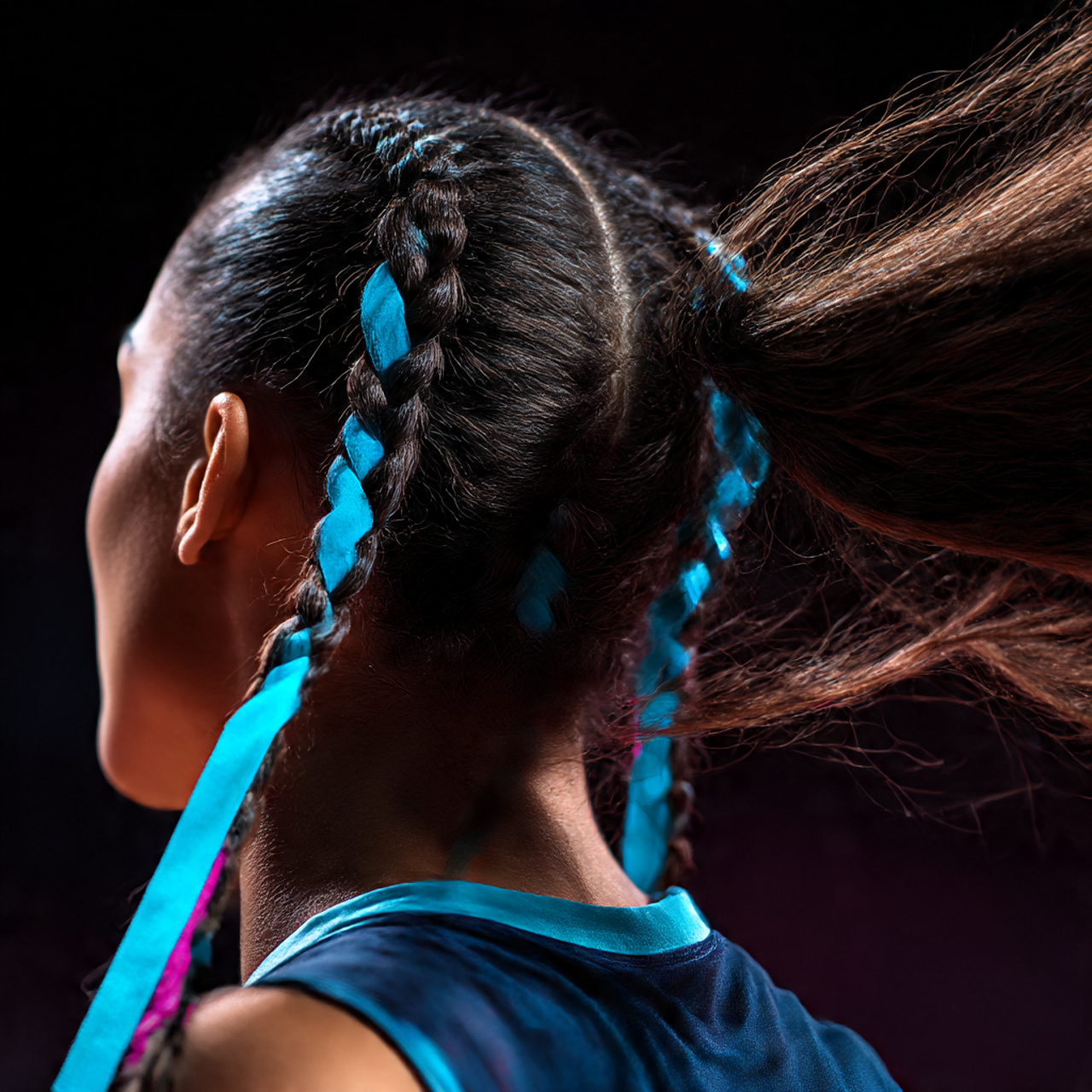
Weaving a thin satin or grosgrain ribbon into a braid alongside the hair adds structural reinforcement without adding weight to the style. The ribbon fills space between hair sections and gives each cross of the braid a firm surface to grip against, which is noticeably more effective than using hair alone in a classic French braid. This technique works especially well for fine or slippery hair that normally loosens from standard braids within the first set.
Choosing a ribbon in a team color adds a visual element that works well for match days and competitive events while providing a functional grip benefit.
Best for: Fine or slippery hair that regularly loosens from standard braids during play Product: Offray grosgrain ribbon in 3/8-inch width for the right thickness without making the finished braid stiff or bulky Pro tip: Begin weaving the ribbon at the second braid stitch rather than the first so it locks into the structure immediately rather than sliding out at the root Face shape: Round and heart face shapes Stylist language: Ask for a French or Dutch braid with a thin ribbon woven in as a third strand starting from the second stitch, finished with a small clear elastic at the end
Single High-Security Braid
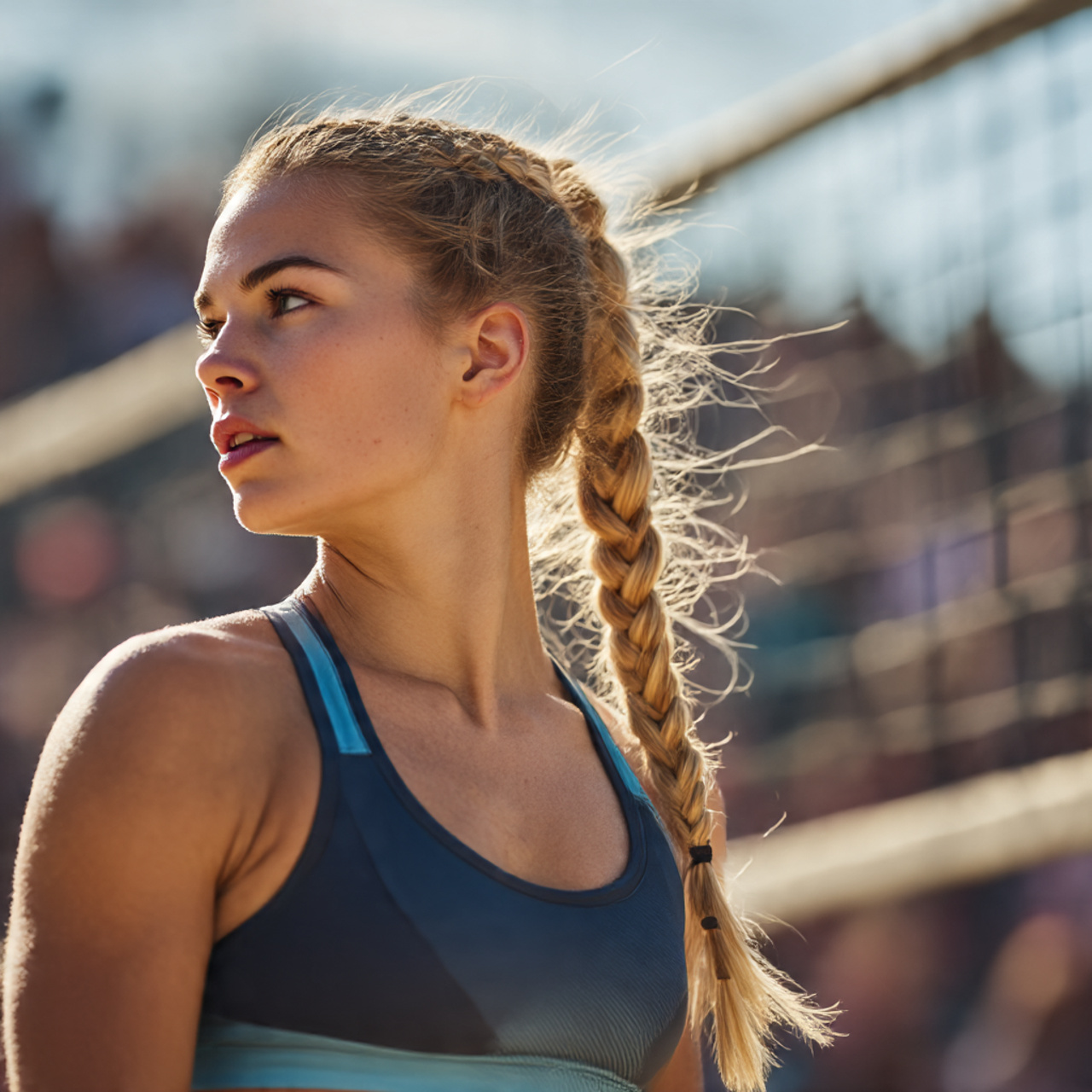
A single braid running from the crown straight down the back concentrates all hair into one controlled column that does not shift side to side during play. Beginning with a French or Dutch braid at the very top of the head locks in the root section, which is the area most likely to loosen first. Once the braid reaches the nape, it can transition into a standard three-strand braid down to the end.
Players with fine hair often prefer this over a ponytail because the braid structure creates friction between strands that a plain elastic simply cannot replicate.
Best for: Fine to medium hair, players who prefer a single centered style over divided braids Product: Moroccanoil Treatment applied to dry hair before braiding for frizz control and a smooth braid surface throughout play Pro tip: Pull each stitch slightly tighter at the crown than at the nape because root tension weakens first during physical activity, so starting tighter compensates for that natural loosening Face shape: Round and square face shapes Stylist language: Ask for a single high French or Dutch braid starting at the crown and transitioning to a three-strand braid at the nape, finished with a small clear elastic
Protecting Hairline Edges
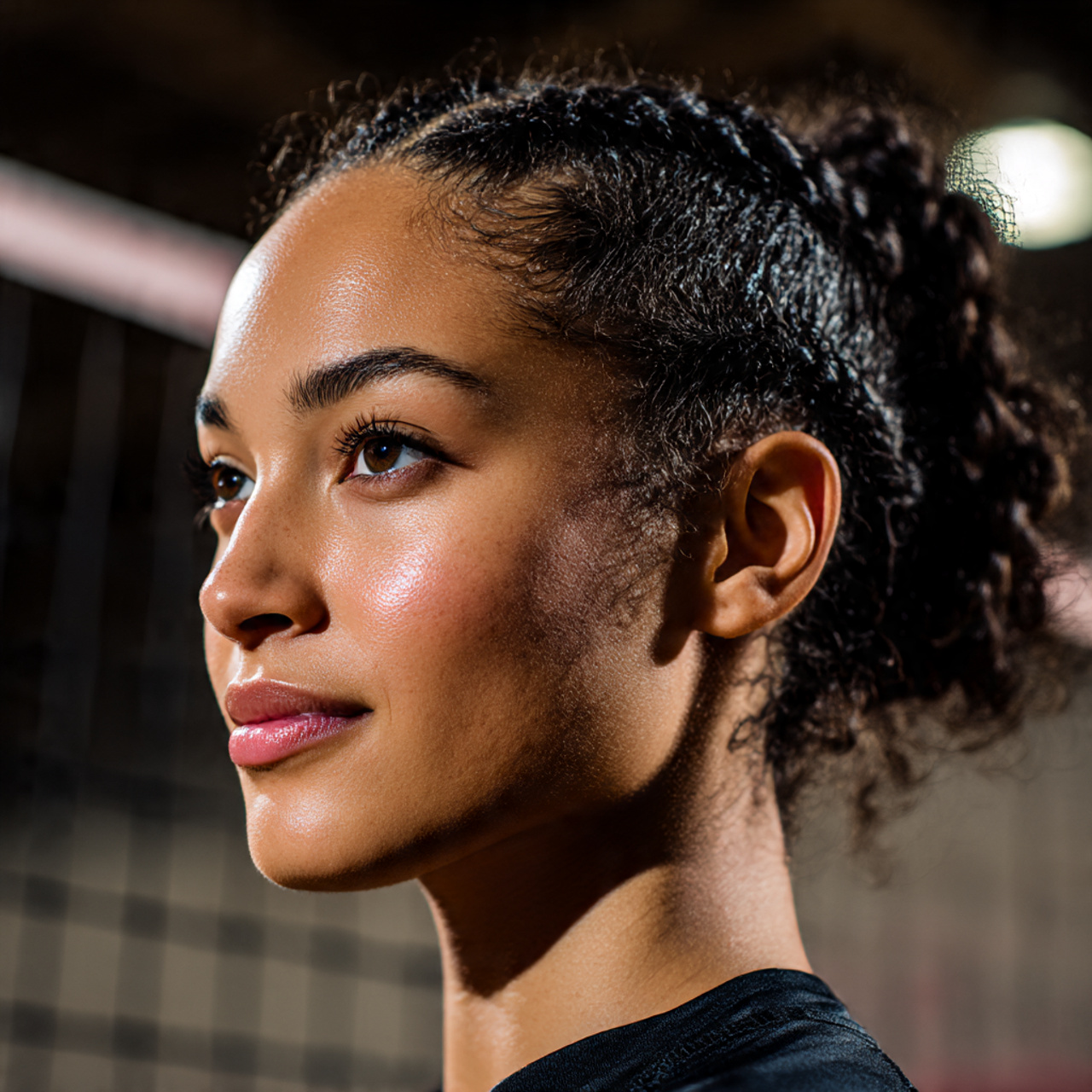
Tight hairstyles worn daily create cumulative stress on the hairline that leads to breakage and progressive thinning over months of training. Rotating the elastic position between high, mid, and low placements each session prevents the same follicles from taking repeated stress every single day. This is one of the most overlooked pieces of long-term hair health advice in athletic training environments.
Using softer materials like satin scrunchies at least twice a week instead of tight rubber elastics gives the hairline recovery time between matches and keeps edges strong across a full competitive season.
Best for: All hair types, players with daily training schedules and year-round competitive seasons Product: Kitsch Satin Scrunchies as a low-tension alternative to standard elastics during practice sessions Pro tip: Apply a small amount of Olaplex No. 6 Bond Smoother along the hairline before tying up to protect the most vulnerable strands from repeated elastic friction during back-to-back sessions Face shape: All face shapes Stylist language: Ask your stylist to show you how to alternate elastic placement between high, mid, and low positions to rotate tension points across different areas of the hairline each session
Taming Flyaways with Gel
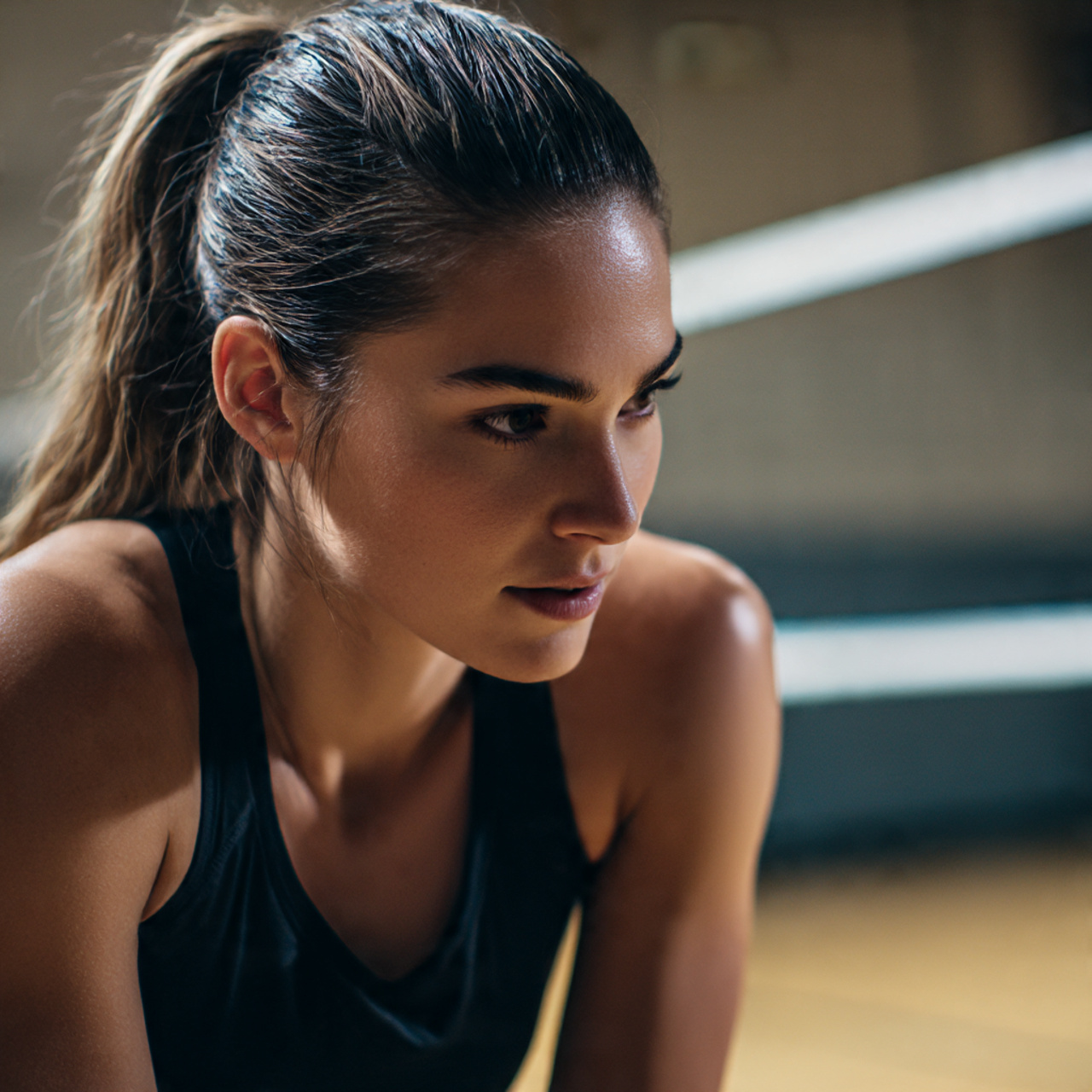
Flyaways form at the hairline because those shorter hairs grow at different angles than the main hair mass and are too short to be caught in an elastic or a braid stitch. A small amount of gel applied with a soft-bristle brush or a clean toothbrush along the hairline smooths these strands flat without adding stiffness to the rest of the style. This exact technique is used backstage at professional sports events before broadcast appearances where hairlines need to stay controlled on camera.
Comparing Eco Styler Gel with Got2b Glued directly, Eco Styler provides a lighter hold that lays edges flat without the hard, crispy finish that appears visibly stiff and draws attention during play.
Best for: All hair types with visible hairline flyaways that break free during physical activity Product: Eco Styler Olive Oil Styling Gel for lightweight, non-crunchy edge control that holds through an entire match Pro tip: Brush gel in a downward direction only along the hairline because brushing upward lifts the hair away from the scalp rather than pressing it flat against the head Face shape: All face shapes Stylist language: Ask for edge control applied with a soft bristle brush along the hairline after the main style is set, using a lightweight gel rather than wax or pomade
Visit Also: Calico Hair
Wet Look Low Bun
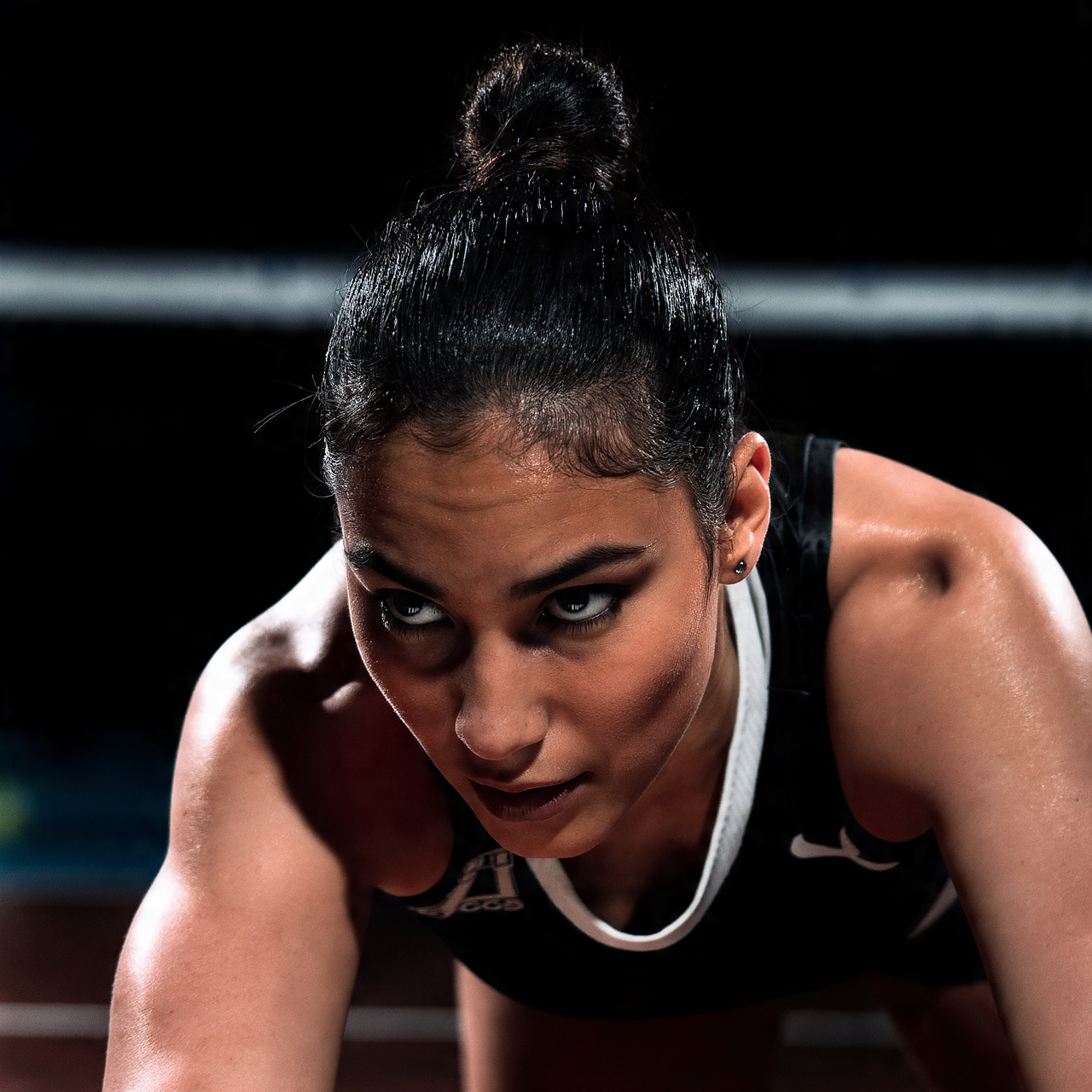
Applying a leave-in conditioner or light styling cream to slightly damp hair before forming a low bun creates a sleek, controlled style that dries in place throughout warmup. The moisture keeps frizz compressed and gives the hair a smooth surface that does not expand with body heat as play intensity increases. This approach performs especially well in humid outdoor conditions where dry-set styles often fail within the first fifteen minutes.
As the bun dries during the match, it compresses slightly, which tightens the structure and actually makes it more secure than a style set on completely dry hair from the start.
Best for: Frizzy, wavy, or curly hair playing in humid conditions or outdoor beach volleyball Product: Olaplex No. 6 Bond Smoother applied to damp sections before gathering and coiling into the bun Pro tip: Smooth the bun surface with a boar bristle brush before it fully dries to remove surface texture that would otherwise catch air and expand into frizz during play Face shape: Long and oval face shapes Stylist language: Ask for a low bun styled on damp hair with a leave-in smoothing cream, finished completely flat and sleek at the nape before securing
Twist-In Bun Technique
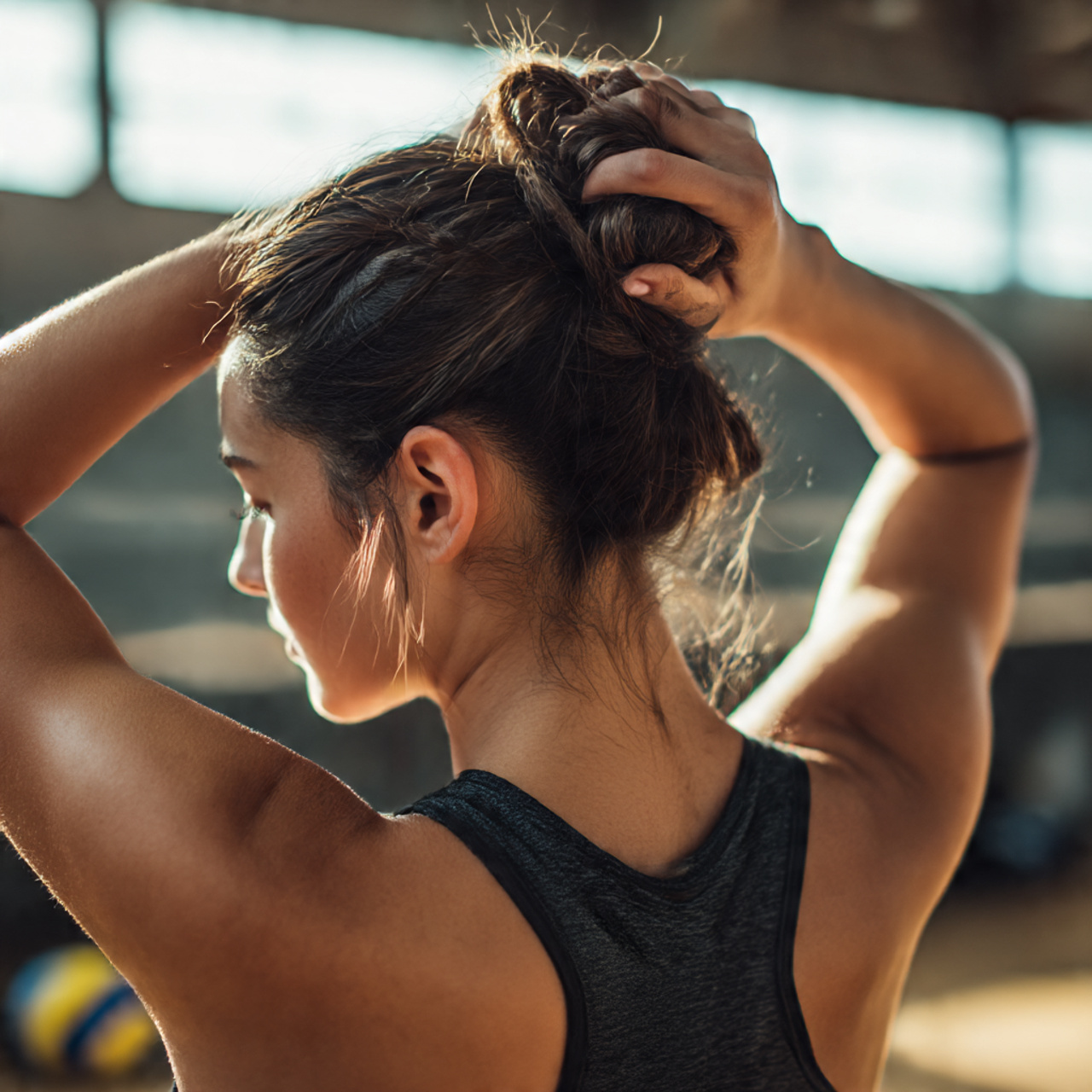
Twisting the hair into a firm rope before coiling it into a bun shape creates internal torque that holds the structure in place without relying entirely on pins. That twist tension works against itself, meaning the bun resists unraveling during physical movement in a way that a loosely wrapped bun never can. The technique is fundamentally different from simply folding hair over into a coil and hoping the elastic holds everything together.
It performs best on hair from shoulder length and longer, and it is especially effective for players with fine hair that slides free from standard buns before the match even begins.
Best for: Fine to medium hair from shoulder length and longer that slips out of standard buns Product: Living Proof Perfect Hair Day 5-in-1 Styling Treatment to add grip and body before the twist begins Pro tip: Begin the twist at least six inches from the scalp so the torque builds within the hair length rather than pulling tension directly from the hairline Face shape: Square and heart face shapes Stylist language: Ask for a rope-twist low bun where the hair is twisted into a single firm cord before being coiled and pinned flat at the nape
Incorporating Headbands for Bangs
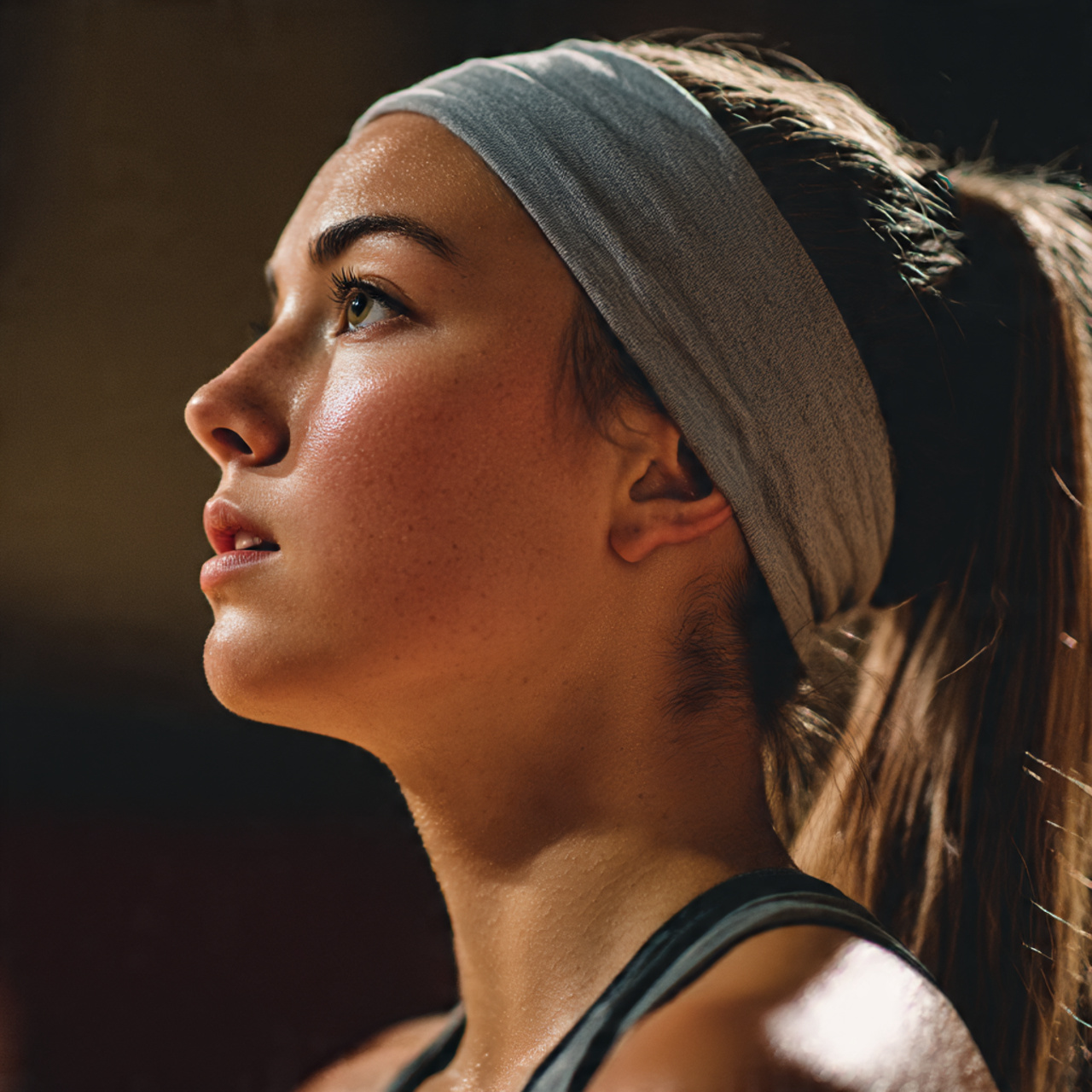
Bangs drop below the eyebrows during explosive movements and block vision at exactly the moment it matters most, whether during a spike approach or a fast set. A wide athletic headband placed two centimeters behind the natural hairline catches the full fringe section and holds it back without requiring pins or a secondary braid. This is the fastest reliable solution for players growing out fringe or managing shorter pieces cut close around the face.
Silicone-lined headbands from brands like Sweaty Bands grip without slipping through two-hour matches without requiring any mid-game adjustment.
Best for: Players with bangs, short face-framing layers, or fringe they are currently growing out Product: Sweaty Bands non-slip headband in a wide velvet style for maximum grip without sliding during play Pro tip: Position the headband before warmup rather than at the last second because the scalp expands slightly with heat, and repositioning later disrupts both the style and your pre-game focus Face shape: Oval and round face shapes Stylist language: Ask for a wide non-slip headband set two centimeters behind the hairline to cover the full fringe section, worn under whatever back style you are using for the match
Double Ponytail System
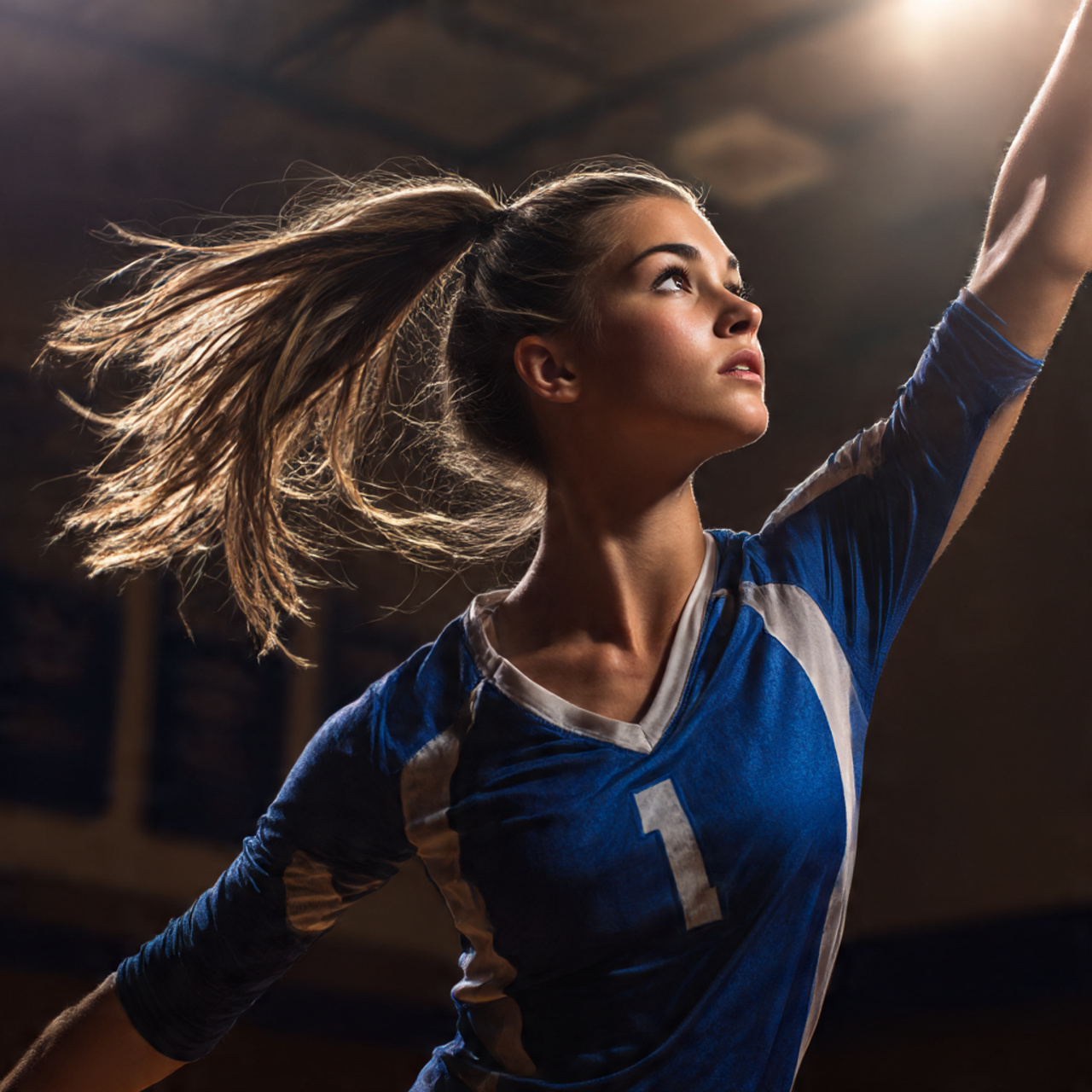
Stacking two ponytails directly on top of each other creates a reinforced structure that works far better for medium-length hair than a single elastic trying to hold everything alone. The lower ponytail anchors the upper section, and together they function as one connected system rather than two separate ties. This is the go-to solution for hair between jaw and shoulder length that is too short to form a proper bun but too long to stay contained in one low ponytail.
Best for: Medium-length hair between jaw and shoulder that cannot reach a bun Product: Kitsch Spiral Hair Coils for both ties to eliminate creasing and maintain firm hold through long matches Pro tip: Gather the upper tie to include the tail of the lower ponytail so both are secured as a single unit, which makes the stacking structure invisible and the hold significantly stronger Face shape: Long and oval face shapes Stylist language: Ask for a stacked double ponytail with the first elastic at mid-head and the second directly above it, gathering both the hair and the lower tail into the upper tie
Managing Thick Hair Volume
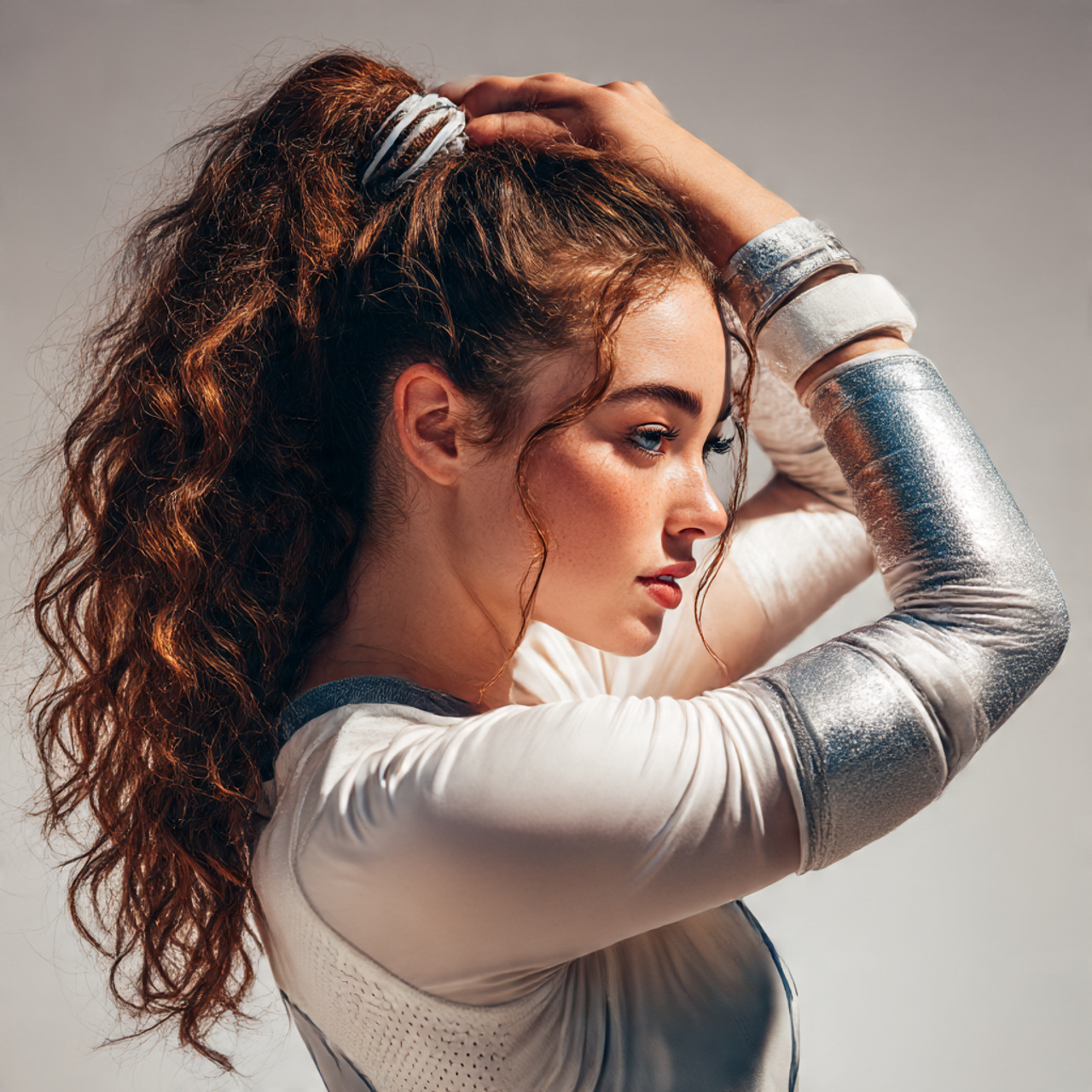
Thick hair carries substantial weight, and concentrating it all into a single high ponytail creates a pulling sensation that becomes genuinely painful across a long match. Braiding the hair into two sections before forming the final style divides that weight and reduces scalp stress considerably. Players with thick hair who make the switch from a single high ponytail to a two-braid system consistently report a meaningful difference in comfort by the second set.
The braid structure also compresses volume, which prevents the ponytail or bun from expanding and loosening as the hair is jostled repeatedly during play.
Best for: Thick, dense hair that feels heavy and pulls during matches longer than one set Product: Bumble and bumble Hairdresser’s Invisible Oil Heat and UV Protective Primer applied before braiding to reduce tangling through a full day of competition Pro tip: Wrap a second elastic around the ponytail base after every set during long tournaments because thick hair compresses over time and the initial tie will loosen enough to matter Face shape: Square and heart face shapes Stylist language: Ask to have the hair sectioned into two braids first before combining into a single ponytail or bun to control volume and reduce weight load on any single anchor point
Tucking Hair Under Headgear
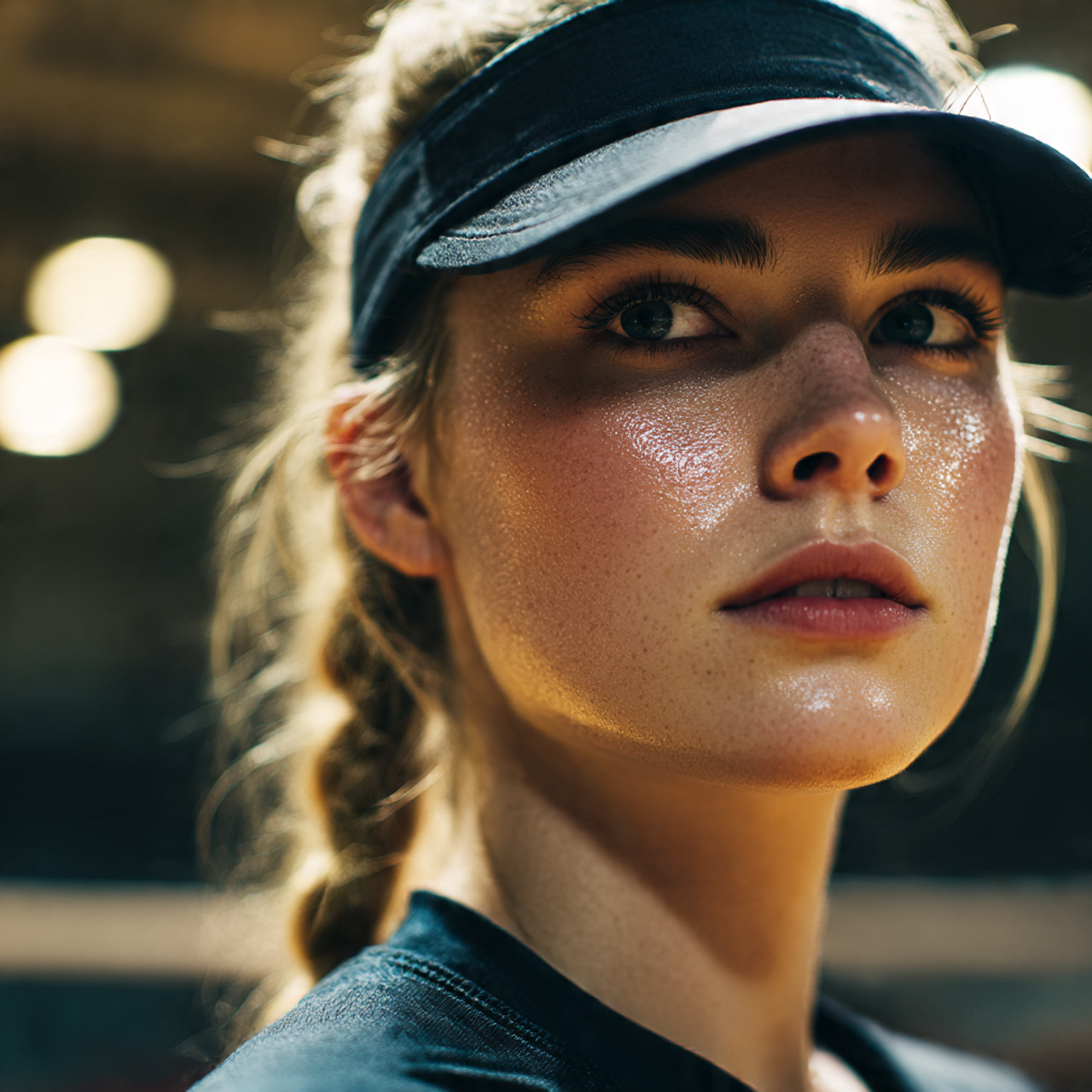
Beach volleyball players wearing caps need a style that fits completely below the hat line without creating bulk that lifts the cap off the head during play. Low buns and tight braids finished at the nape are the only styles that consistently work under structured headgear. A bun placed higher than the occipital bone will push the cap up and forward during movement, which is a common and entirely preventable mistake among recreational beach players who have not tested their style under a hat before game day.
Securing the bun with a flat coil elastic and two crossed bobby pins eliminates the bulk that causes cap lifting while keeping the full style in position beneath the brim throughout the match.
Best for: Beach volleyball players wearing caps or visors during outdoor play Product: Dyson Airwrap for smoothing and compressing the hair flat before forming the bun to minimize bulk under the cap Pro tip: Test the style with the cap on during the full warmup before the match because any extra bulk will become obvious the moment you put the headgear on, and adjusting after warmup disrupts focus Face shape: All face shapes Stylist language: Ask for a tight flat low bun or braided knot positioned below the hat line at the nape, secured flat with coil elastics and crossed pins, no volume above the occipital bone
Comfort Over Aesthetics
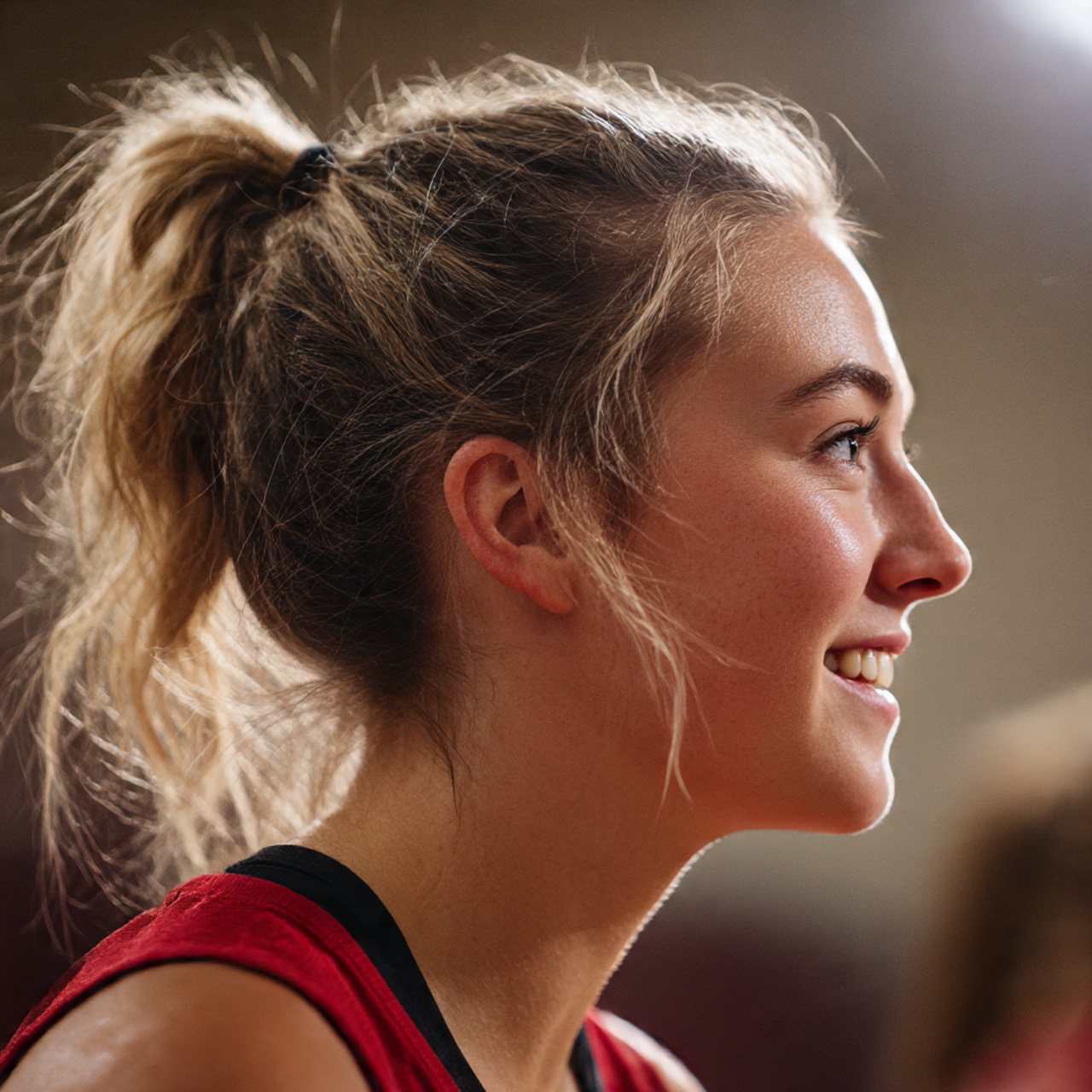
A style that looks impressive but causes pulling, tension, or mid-set slipping will always hurt performance more than help it. The discomfort of a tight elastic or a heavy bun shifting to one side takes mental space that belongs entirely on the game. Players who prioritize comfort as the first requirement when choosing a style consistently spend fewer timeouts adjusting their hair and maintain sharper focus across full matches.
Testing any new style during a complete training session before wearing it to a match is the only reliable way to discover whether it holds under real game conditions.
Best for: All players trying a new style for the first time before committing it to match day Product: Olaplex No. 3 Hair Perfector used as a weekly treatment to keep hair strong and resilient enough to handle regular styling without breakage Pro tip: Run a full two-hour practice in any new style before match day because training intensity reveals every weakness that casual movement at home never shows Face shape: All face shapes Stylist language: Ask your stylist to prioritize tension distribution and hold strength over visual complexity, and adjust for style once you have confirmed what holds through real play
Quick Comparison Table
| Style | Length | Hair Type | Maintenance | Bold Factor |
|---|---|---|---|---|
| The Classic High Ponytail | Long | All types | Low | ★★★☆☆ |
| Dual French Braids | Long | Thick, wavy | Medium | ★★★★☆ |
| The Low, Sleek Bun | Short to medium | All types | Low | ★★★☆☆ |
| Double Dutch Braids | All | All types | Medium | ★★★★★ |
| Half-Up Braided Crown | Medium | Layered | Low | ★★★☆☆ |
| Quick Messy Bun | Medium to long | All types | Low | ★★☆☆☆ |
| Braided Pigtails | Long | Heavy, thick | Medium | ★★★☆☆ |
| Sleeked-Back Low Ponytail | Short to medium | Fine, straight | Low | ★★☆☆☆ |
| Headband with High Bun | Medium to long | All types | Low | ★★★☆☆ |
| Fishtail Braid Detail | Long | All types | Medium | ★★★★☆ |
| Bubble Ponytail Variation | Very long | All types | Low | ★★★★☆ |
| Spiral Hair Ties Use | All | All types | Low | ★★☆☆☆ |
| Short Hair Pinned Back | Short | All types | Low | ★★☆☆☆ |
| Layered Hair Security | Medium to long | Layered | Medium | ★★★☆☆ |
| Accessorized Braids with Ribbon | Long | Fine, slippery | Medium | ★★★★☆ |
| Single High-Security Braid | Long | Fine to medium | Medium | ★★★★☆ |
| Protecting Hairline Edges | All | All types | Low | ★★☆☆☆ |
| Taming Flyaways with Gel | All | All types | Low | ★★☆☆☆ |
| Wet Look Low Bun | Medium to long | Frizzy, curly | Low | ★★★☆☆ |
| Twist-In Bun Technique | Shoulder plus | Fine to medium | Medium | ★★★☆☆ |
| Incorporating Headbands for Bangs | All | All types | Low | ★★☆☆☆ |
| Double Ponytail System | Medium | All types | Low | ★★★☆☆ |
| Managing Thick Hair Volume | Long | Thick, dense | Medium | ★★★★☆ |
| Tucking Hair Under Headgear | Medium to long | All types | Low | ★★★☆☆ |
| Comfort Over Aesthetics | All | All types | Low | ★★☆☆☆ |
Frequently Asked Questions
What are the best volleyball hairstyles for players with very long or thick hair? Double Dutch braids or a two-braid combination style distribute weight evenly across the scalp and lock every strand in place, making them the strongest options for long or thick hair. Bubble ponytails and twist-in buns are also reliable because they compress volume and prevent the style from loosening during multi-set matches.
How do I stop my ponytail from sliding down after the first set? Using two elastics rather than one, with the second tie placed two inches below the first, creates a reinforced anchor that resists the downward pull of movement over time. Spiral hair ties like Invisibobble add grip that holds through heavy sweat and outperform standard flat elastics in humid or high-intensity conditions.
Are bobby pins safe to wear during competitive volleyball matches? Bobby pins are safe when inserted with the wavy side pressed flat against the scalp and no ends left protruding outward from the style. Placing two pins in a crossed position rather than parallel provides a significantly stronger anchor that holds through dives and floor contact.
How can I protect my hairline from damage caused by daily tight styling? Rotating your elastic position between high, mid, and low placements each session distributes stress across different follicles rather than targeting the same area every day. Switching to Kitsch Satin Scrunchies for two or more practice sessions per week and applying Olaplex No. 6 along the hairline before styling reduces cumulative breakage meaningfully across a full season.
What should I do with my bangs on match day when I need full vision clearance? A wide non-slip headband from Sweaty Bands placed two centimeters behind the hairline catches the full fringe section without needing additional pins. For shorter pieces that the band alone cannot catch, a small twisted section pinned back on each side of the face provides a secondary anchor that keeps vision completely clear from the first serve onward.
Final Thoughts
The right hairstyle is one of the simplest competitive advantages available to a volleyball player. When your hair stays exactly where you put it, your mind stays where it needs to be: on the ball, on your teammates, and on every play as it develops. These volleyball hairstyles exist to remove one more variable from the game so your focus has nowhere to go except the court.
Start with the style that fits your hair type and your position on the court. Test it through one full training session before bringing it to a match. Adjust once. After that, stop thinking about it entirely.
Hair that holds quietly throughout the longest match, through the sweat and the dives and the pressure, is doing exactly its job. The best athletes understand that every detail of preparation matters, including the ones that seem small before the game starts.
The style you wear on match day should be the one you chose with function first and forgot about completely before the opening whistle.
Save this guide to your volleyball or sports hairstyle board and share it with every teammate before your next match.