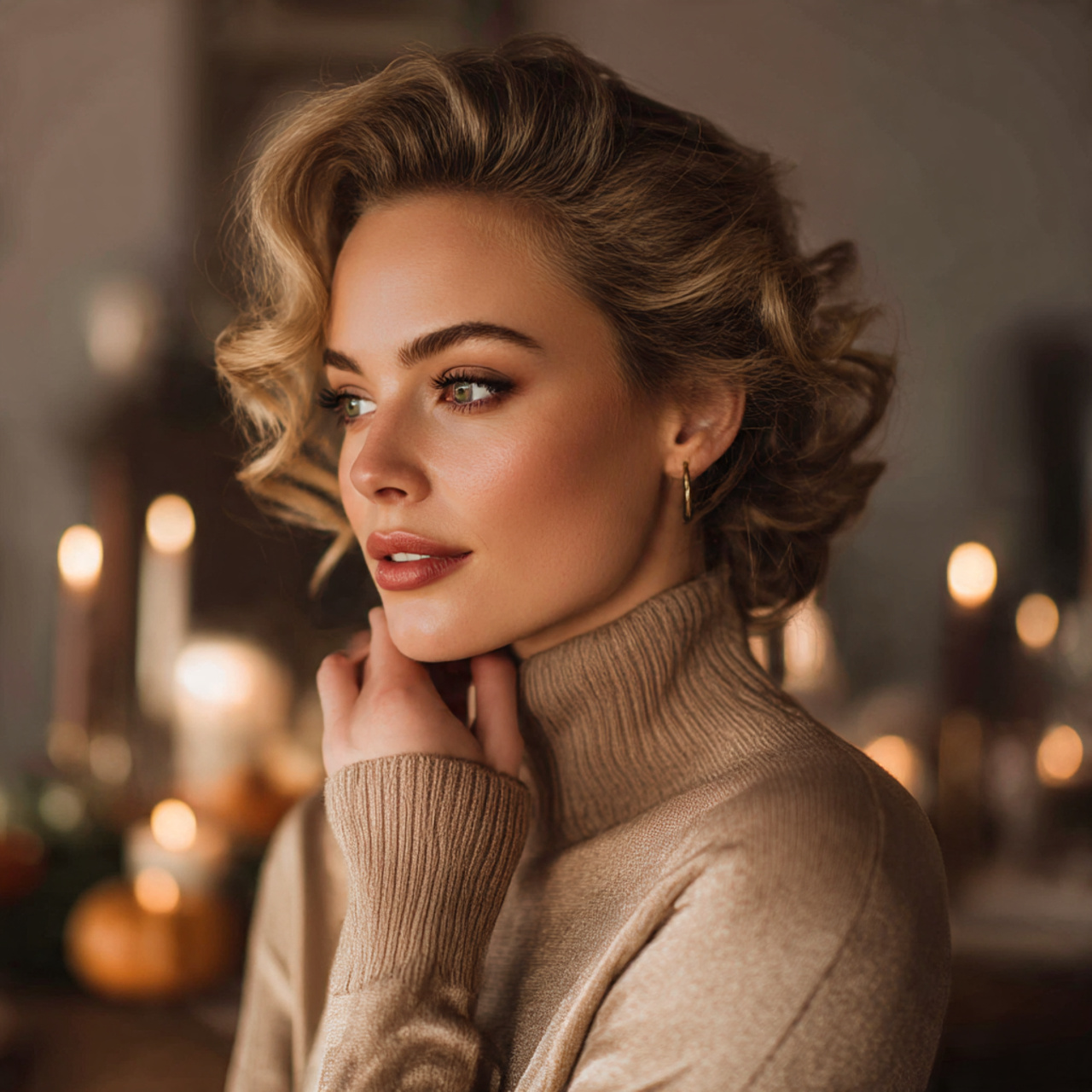
25 Worst Celebrity Hairstyles That Prove Fame Never Guarantees Great Hair
You have seen the worst celebrity hairstyles plastered across every entertainment site and still cannot fully explain why some of them went so wrong. The hair is expensive. The stylists are professional. The lighting team is paid to make everything look perfect. And yet, the result is a look that follows that celebrity for years online.
This confusion is more common than most people admit, and it has nothing to do with personal knowledge of hair or fashion. Even seasoned beauty editors struggle to name the exact problem in real time. Bad celebrity hair tends to be obvious but not always explainable, and that gap is frustrating when you are trying to understand what actually went wrong.
The real reason most celebrity hairstyles fail comes down to one gap: the concept was never pressure-tested against the environment. A style built in a calm, well-lit salon behaves completely differently under flash photography, broadcast lighting, or outdoor sun. No amount of product or technique fully compensates for skipping that environmental check.
After studying red carpet breakdowns, award show post-mortems, and the specific technical failures behind the most documented celebrity hair moments, the patterns become impossible to miss. These are not random accidents. They are repeatable errors tied to product misuse, timing failures, and choices made without accounting for face shape or camera behavior.
This article breaks down all twenty-five categories of celebrity hair failure with specific detail. Not just what went wrong visually, but what the technical reason was, which products were involved, and what a corrected version would have required.
By the end, you will understand exactly why the worst celebrity hairstyles become so recognizable, and you will see every red carpet photo differently going forward. This is the most specific guide to worst celebrity hairstyles ever compiled in one place.
Celebrity hair is under more scrutiny than ever, with 4K cameras and social media archiving every angle in permanent detail as of 2024. The volume of documented hair failures has never been higher, and the analysis has never been more precise. The single rule connecting every mistake in this list is the same: a hairstyle chosen without matching the face shape and the camera environment will fail regardless of the budget behind it.
Worst Celebrity Hairstyles Ideas
Worst Celebrity Hairstyles On The Red Carpet
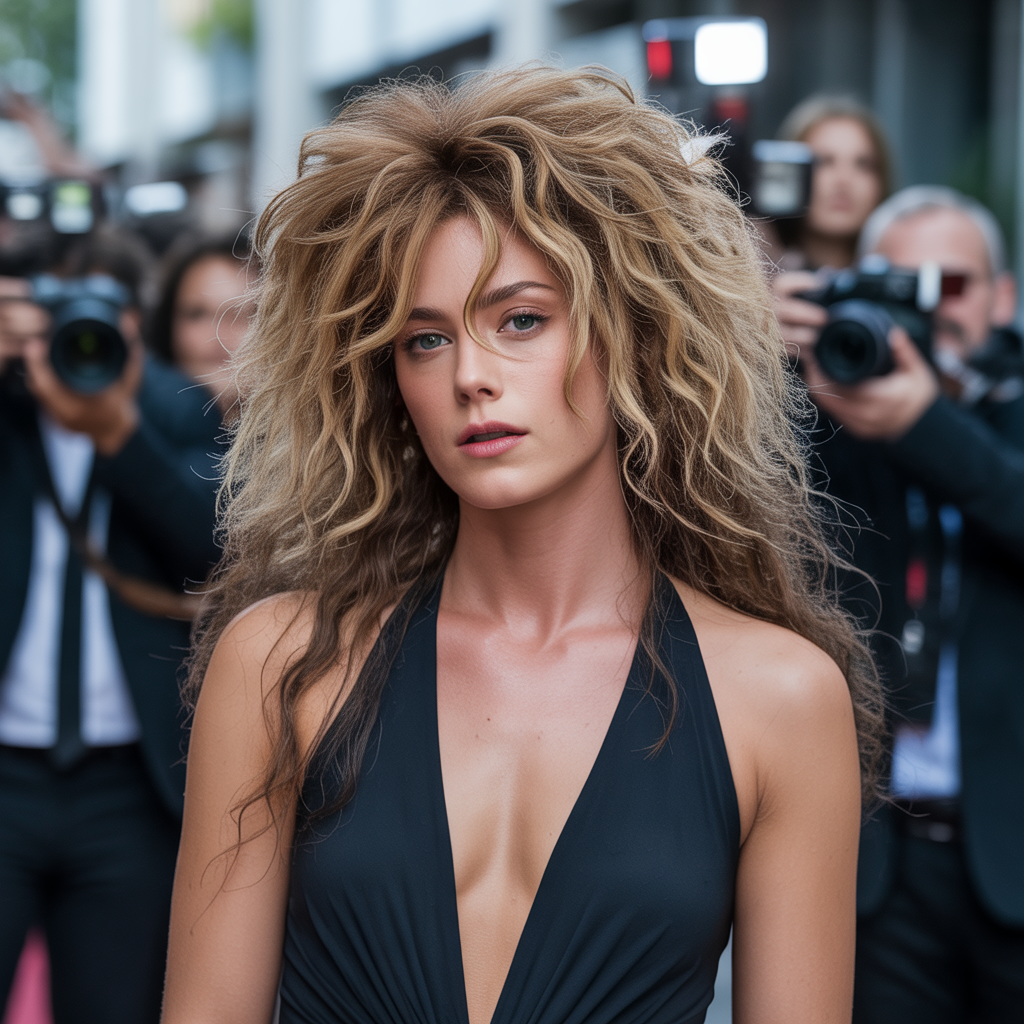
Red carpet styling collapses most often when the hair is built for a mirror and not for a lens. Flash photography exposes frizzy extension blends, stiff updos, and color inconsistencies that look seamless backstage. Brands like Bellami Professional extensions and Great Lengths offer shade matching tools for exactly this reason. When the match is skipped under artificial salon lighting, the camera reveals the gap immediately.
Structural rigidity is the second red carpet failure. When too much Kenra Platinum Silkening Mist is applied to lock a shape, the hair loses movement and reads as architectural rather than elegant on film.
Best for: Understanding what the most common formal hair failures look like before they happen Product: Bellami Professional Extensions or Kenra Platinum Silkening Mist Pro tip: Request a test photo under flash or stage lighting before committing to any structured updo for a major appearance. Barber language: Ask your stylist for “a red carpet finish with soft movement, not a fixed architectural shape.” Face shape: Stiff, structured updos without softness add width and height and create severity on angular or square face shapes fastest.
Worst Celebrity Hairstyles That Failed As Experiments
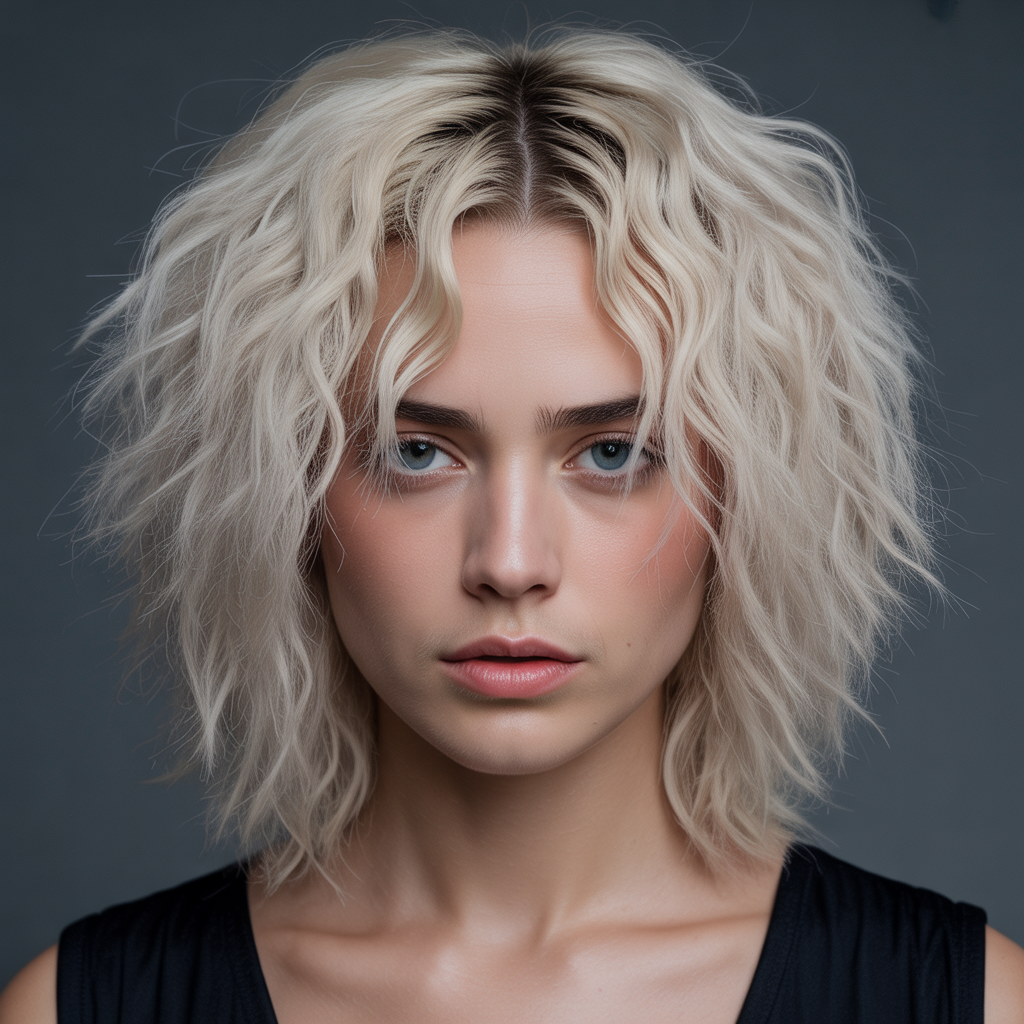
Hair experiments fail almost universally for one reason: the change was made without a phase plan. Going from dark brown to platinum in a single session, or cutting twelve inches with no transition cut, skips the stages that protect both structure and outcome. Olaplex No. 3 Hair Perfector was designed specifically to rebuild internal bonds during chemical processing. When it is skipped, the texture makes the decision visible within forty-eight hours.
Rushed transitions also ignore the stabilization window. Hair requires time between major services to hold color and maintain strength at the cortex level.
Best for: Recognizing which hair experiments require multiple sessions rather than one appointment Product: Olaplex No. 3 Hair Perfector Pro tip: Book a strand test with Redken’s colorist team before any full bleach session to preview exactly how your specific hair will respond to developer strength. Barber language: Tell your colorist you want “a phased transition plan, not a single-day transformation.” Face shape: Extreme cuts require balanced facial proportions to carry them successfully. Oval faces handle the widest range. Sharp or asymmetric changes become risky on heart and oblong face shapes.
Worst Celebrity Hairstyles From Award Shows
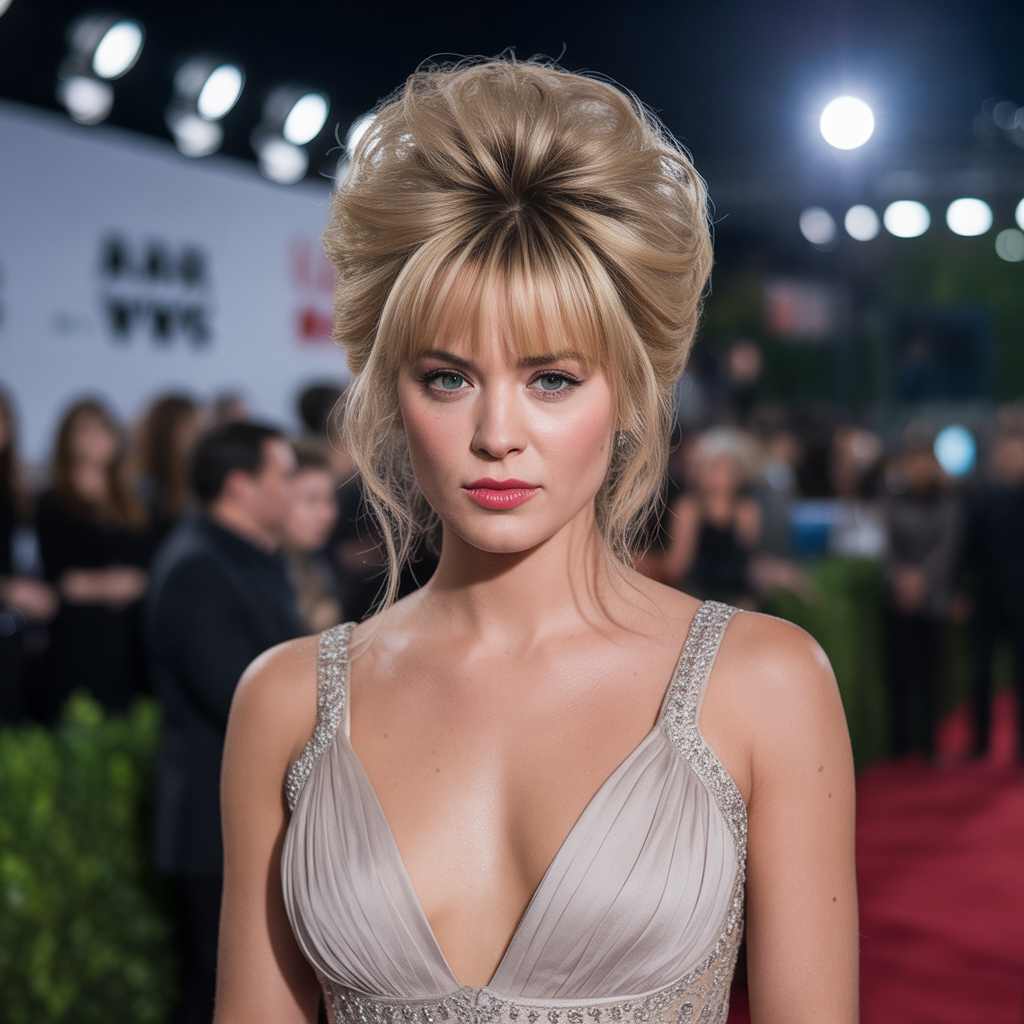
Award show failures are dominated by one specific problem: tonal shift under studio lighting. Hair color that reads accurately in natural light turns uneven, patchy, or oversaturated under tungsten or LED stage lighting. Matrix SoColor has long been a go-to for toner correction on the day before events. A stylist who skips the gloss step leaves the color vulnerable to shift the moment the key lights hit.
Over-teased crowns are the second most frequent award show error. Without a product like R+Co Aircraft Pomade Mousse holding directional structure, the tease collapses by the second hour and widens the silhouette in photos.
Best for: Understanding how studio lighting reveals color inconsistency that salon lighting hides Product: Matrix SoColor toner or R+Co Aircraft Pomade Mousse Pro tip: Schedule a toner refresh no more than forty-eight hours before any televised event to lock accurate color under broadcast conditions. Barber language: Request “a pre-event gloss treatment for tone consistency specifically under camera lighting.” Face shape: Oversized teased shapes add disproportionate width and height and overwhelm small or round face shapes most rapidly.
Worst Celebrity Hairstyles That Looked Unfinished
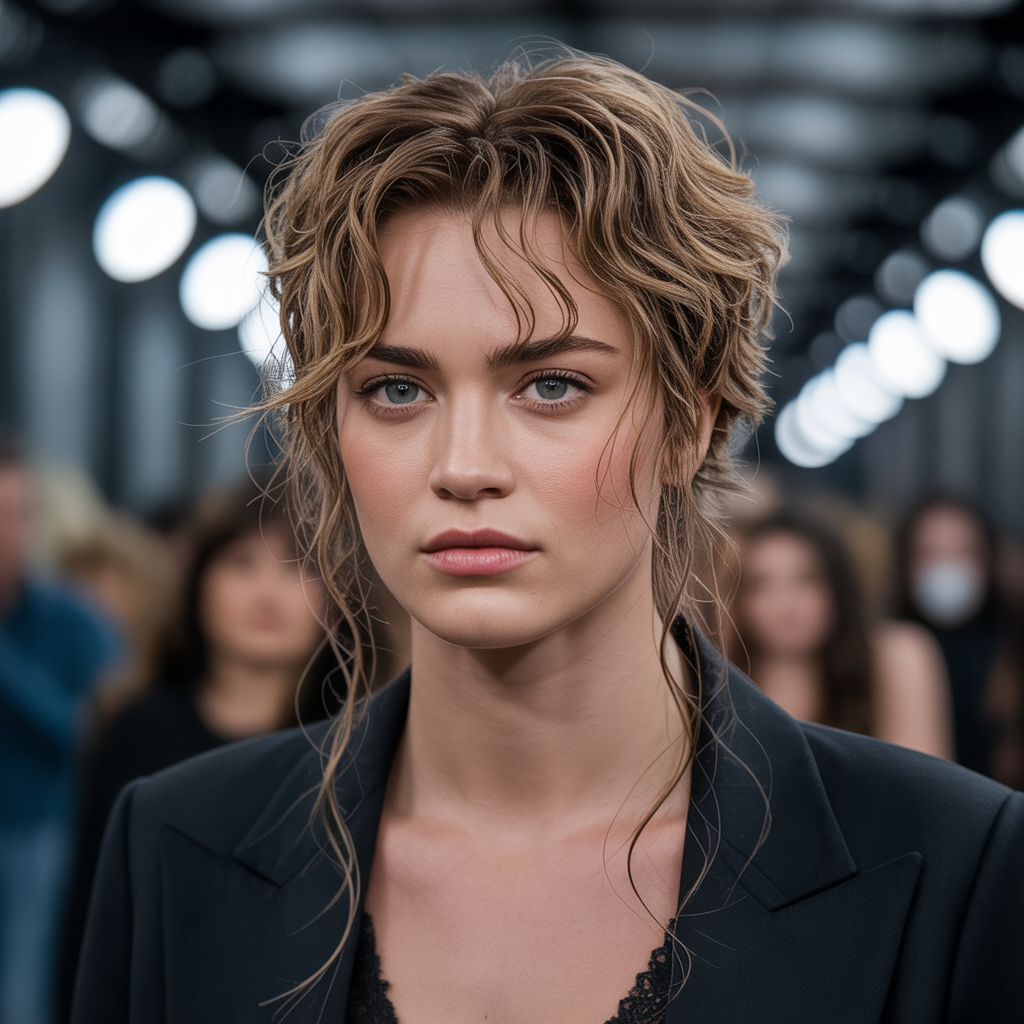
Unfinished hair under cameras comes down to a single skipped step: the final check under direct light. Flyaways, exposed lace from a frontal unit, and uneven layers are all catchable before leaving the chair. Got2b Glued Blasting Freeze Spray handles edge and flyaway control with a firm, fast-drying hold. When it is skipped, cameras find every loose strand within the first few frames.
Visible lace is the most damaging version of this failure. HD lace frontals from brands like Ali Grace require both proper adhesive and a thorough heat melt to disappear against the skin. Without it, the hairline becomes the subject of every photo.
Best for: Learning which final preparation steps prevent the most common unfinished looks Product: Got2b Glued Blasting Freeze Spray or Ali Grace HD Lace Frontal Pro tip: Do a final lighting check with a ring light held at face level before leaving for any event where photography is expected. Barber language: Ask your stylist to “finish with a seal and light check under direct light before I leave the chair.” Face shape: Visible wig lines draw attention to the hairline and accentuate wide or high foreheads across all face shapes.
Worst Celebrity Hairstyles From The 2000s
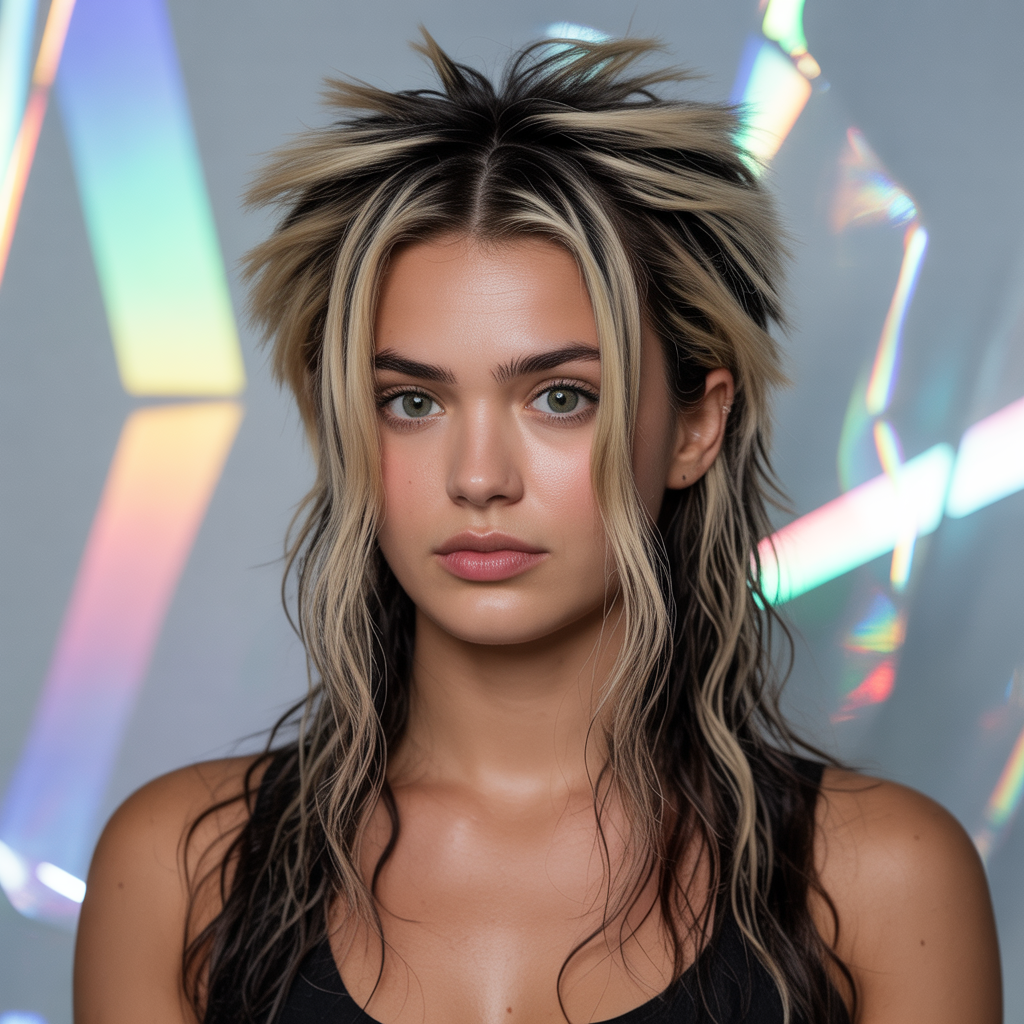
Chunky highlights remain some of the most documented celebrity hair mistakes in recorded history. The technique involved painting thick blocks of lightener with no blending, producing a striped effect that photographed as bold at the time and reads as extreme under modern lenses. Schwarzkopf BlondMe was widely used for these sessions, and the product itself was not the failure. The placement was the entire problem.
Heavy crimping and frosted tips completed the era’s catalog of visible errors. These looks photographed passably in low resolution and became harsh and obvious under any updated imaging standard.
Best for: Understanding how placement decisions age more poorly than product quality Product: Schwarzkopf BlondMe or Wella Illumina for a modern contrast update Pro tip: If you want visible contrast in your highlights today, ask for a money piece using Wella Illumina instead of block placement to achieve dimension without hard lines. Barber language: Request “soft ribbons of lightener with seamless blending, not chunky sectioned placement.” Face shape: Chunky highlights create strong horizontal lines across the head, which widen the visual impression of the face. Oval and long face shapes handle contrast better than round ones.
Worst Celebrity Hairstyles With Excessive Hair Gel
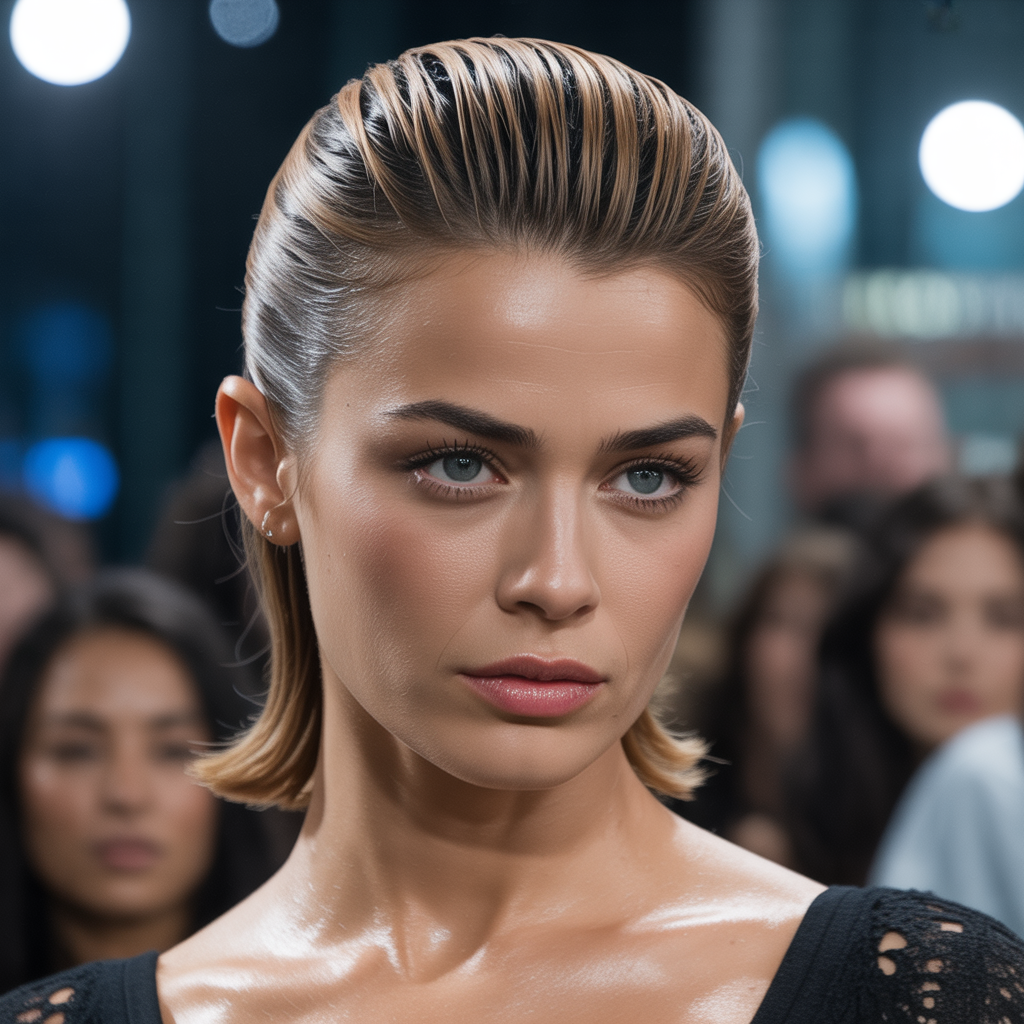
Overuse of gel creates a shellacked, plastic finish that reads differently under camera light than under natural conditions. Several high-profile appearances featured hair so stiff it reflected light like a helmet rather than like a styled look. LA Looks Sport Gel is inexpensive and widely available but photographs poorly at maximum hold levels because the sheen replaces the style as the focal point.
The correction is layering. A lightweight cream base like Bumble and Bumble Grooming Cream applied first preserves movement and direction. A medium hold gel applied over that maintains the shape without the plastic surface.
Best for: Recognizing how product weight and sheen level affect a hairstyle’s camera performance Product: LA Looks Sport Gel or Bumble and Bumble Grooming Cream Pro tip: Finish any slicked style with a matte spray like Kenra Platinum Silkening Mist on top of gel to reduce the high shine that reads as artificial under studio lights. Barber language: Ask for “sleek direction with movement, not a fixed shell finish.” Face shape: Heavy gel flattens volume and visually elongates the head. This suits rounder face shapes best and creates severity on long or oblong faces.
Worst Celebrity Hairstyles That Relied On Wigs
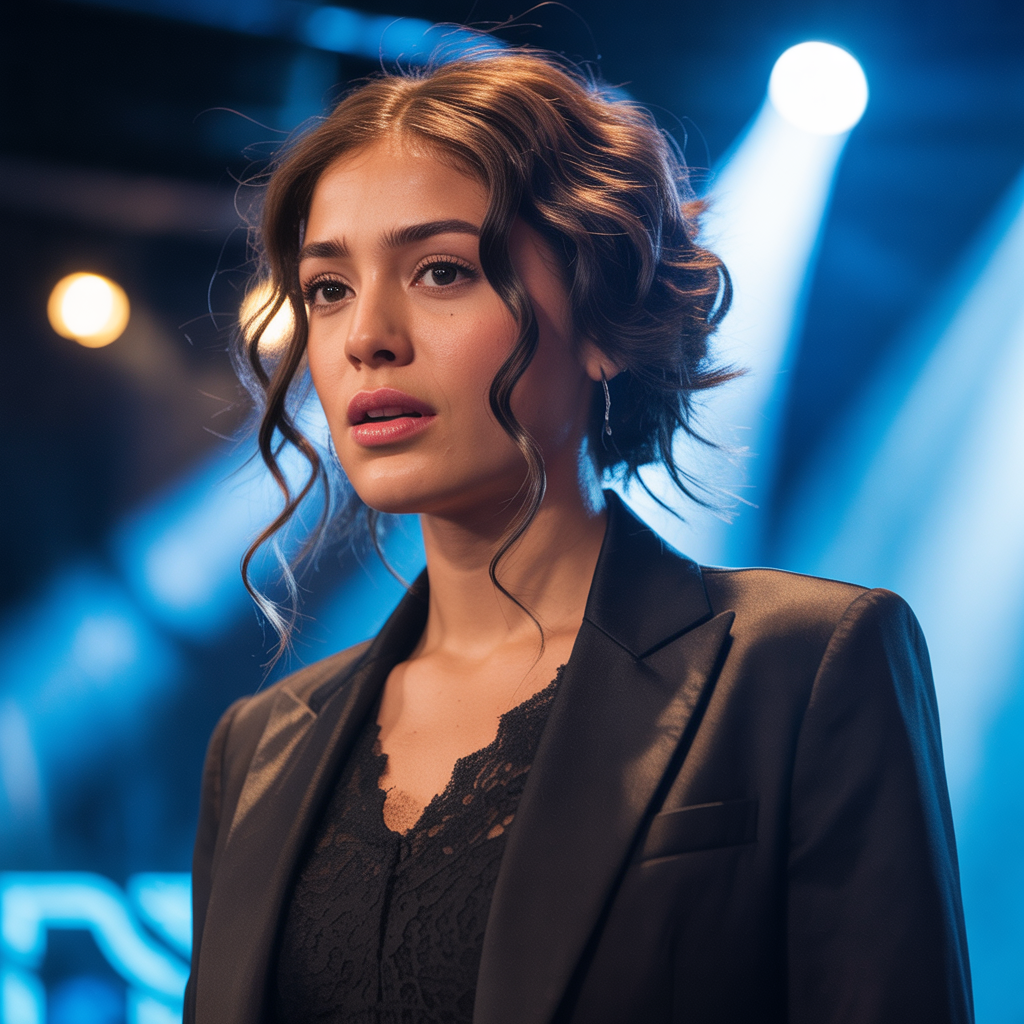
A wig worn incorrectly announces itself within seconds of the first close-up. The three failure points are consistent: hairline placement, lace color matching, and fiber sheen. Synthetic wigs not designed for camera use reflect light differently than natural hair, creating an obvious artificiality that no angle can correct. Premium options like Raquel Welch Wigs and Jon Renau use heat-resistant fibers with a matte finish specifically because they photograph closer to real hair.
When lace does not match the wearer’s skin tone, the hairline becomes the only detail the viewer processes. This is a preparation failure that happens in the dressing room, not at the stylist’s chair.
Best for: Understanding the three technical points that separate a convincing wig from an obvious one Product: Raquel Welch Wigs or Jon Renau heat-resistant fiber wigs Pro tip: Test your wig under the same lighting type you will be photographed in before the event, not just in a bathroom mirror under overhead light. Barber language: Ask your stylist to “melt the lace with Got2b Glued and press the hairline with a flat iron for a seamless blend.” Face shape: Wigs with incorrect density add bulk that does not suit every face. Oval faces handle most wig styles. Round and square faces need lighter density at the sides to maintain proportion.
Worst Celebrity Hairstyles With Bleached Mistakes
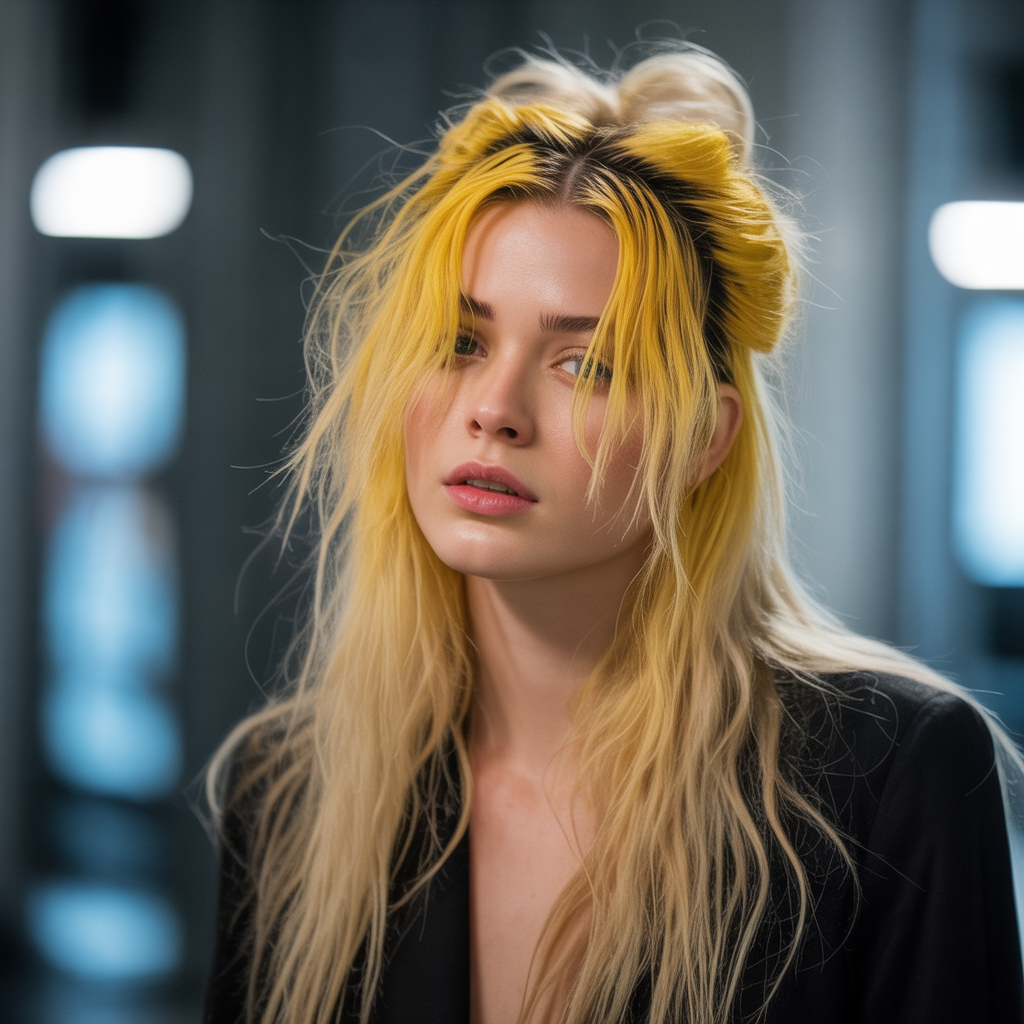
Bleaching failure has one consistent root: the strand test was skipped. When a celebrity goes platinum without checking how their specific hair responds to developer concentration, results range from brassiness to mid-shaft breakage. Wella T18 Toner is the industry standard for neutralizing yellow after the bleach process. Without it, even a technically correct bleach session looks incomplete under any light.
Chemically compromised texture shows differently under red carpet lighting than under salon conditions. Hair that has lost its cortex structure loses internal shine and begins reflecting light unevenly, creating a dull, flat appearance that no product fully corrects from the outside.
Best for: Understanding why bleach outcomes depend entirely on preparation, not just technique Product: Wella T18 Toner or Olaplex No. 4P Blonde Enhancer Toning Shampoo Pro tip: Use Olaplex No. 4P Blonde Enhancer Toning Shampoo in the two weeks before any public appearance to keep platinum looking fresh, bright, and cool-toned in photos. Barber language: Tell your colorist “I want a full strand test and a toner gloss applied the same day as the bleach, not separately.” Face shape: Platinum blonde draws strong attention to the entire head. Square and heart face shapes carry it with confidence. Softer or rounder faces need a warm blonde tone to avoid losing facial definition.
Worst Celebrity Hairstyles That Ignored Face Shape
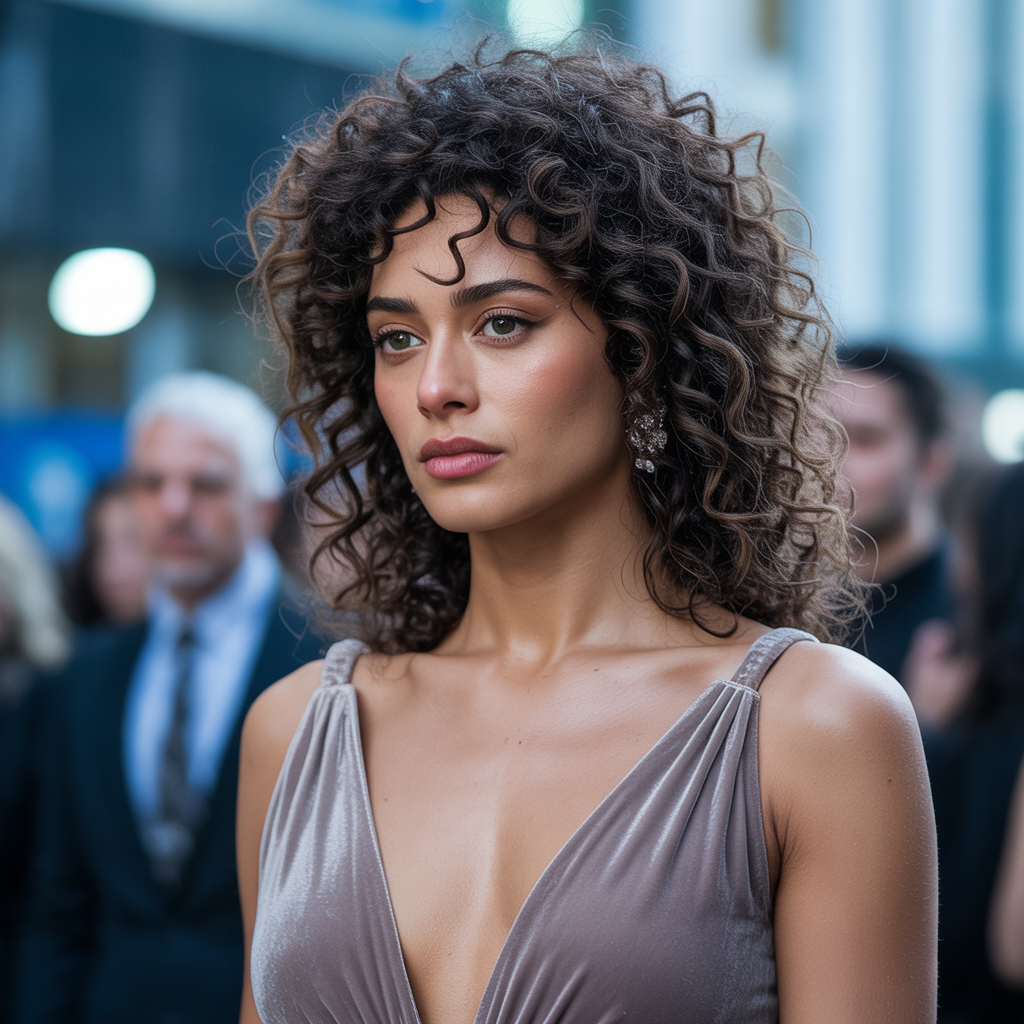
Face shape is the most consistently ignored variable in celebrity hair decisions. Blunt bobs cut at the jawline without considering jaw width create a box-like effect that flattens all features below the eye line. Vidal Sassoon built an entire methodology on the principle that cut geometry must follow facial geometry. Ignoring this principle produces exactly the kind of before-and-after contrast that dominates worst hairstyles coverage.
Heavy bangs cut straight across without edge tapering also harden round and heart face shapes by removing the forehead framing that creates visual proportion from the top down.
Best for: Learning how cutting without face shape consideration creates results that no product can correct Product: Vidal Sassoon Precision Shears or a stylist trained formally in Sassoon geometry Pro tip: Before any major cut, ask your stylist to identify your face shape in writing and show you the specific geometry they will use to work with it, not just describe it verbally. Barber language: Request “a shape that softens my strongest angles and adds visual length where my face needs it most.” Face shape: Blunt cuts that ignore structure are most damaging on square and heart-shaped faces. Oval and long faces carry straight-edge cuts more naturally due to balanced proportions.
Worst Celebrity Hairstyles With Overdone Extensions
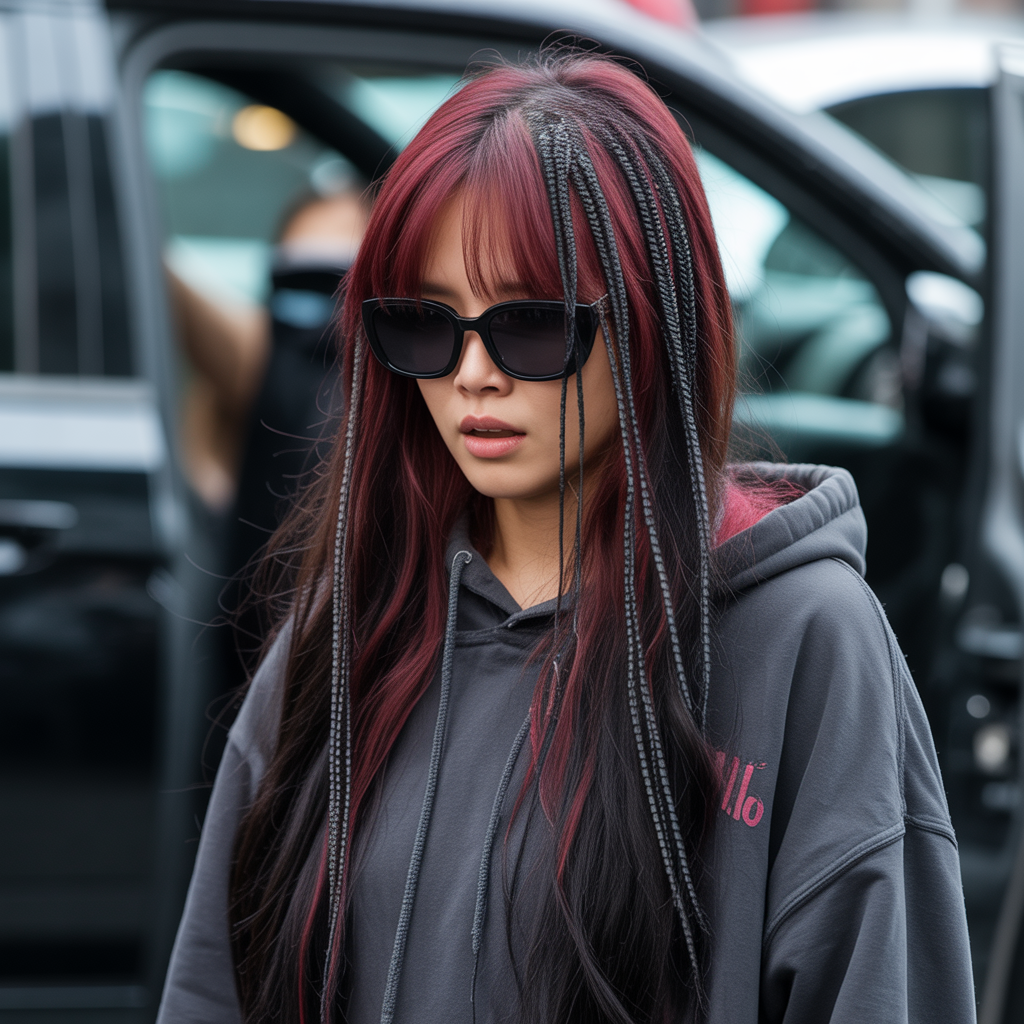
Extensions fail in three predictable ways: wrong length, wrong density, or wrong color grading. When all three problems appear in one install, the result looks like an accessory rather than natural hair. Luxy Hair clip-ins and Bellami Professional Tape-ins both offer color matching tools specifically because skipping the match creates a visible line between the natural hair and the extension.
Excessive length also creates proportion failure. Hair extending past the waist on a petite frame produces visual imbalance that no styling can fully correct once the install is in.
Best for: Identifying the three most common extension mistakes before they show in photos Product: Bellami Professional Tape-in Extensions or Luxy Hair clip-ins Pro tip: Ask your extension specialist to lay the install in a brick pattern rather than a straight horizontal row to eliminate the visible track line that appears in photos. Barber language: Tell your stylist you want “a natural fall length, matched to my existing ends within one shade.” Face shape: Heavy extensions pull visual weight downward. This suits oblong and long faces by shortening visual length. Round faces need volume at the crown, not at the ends, to create proportion.
Worst Celebrity Hairstyles That Looked Outdated
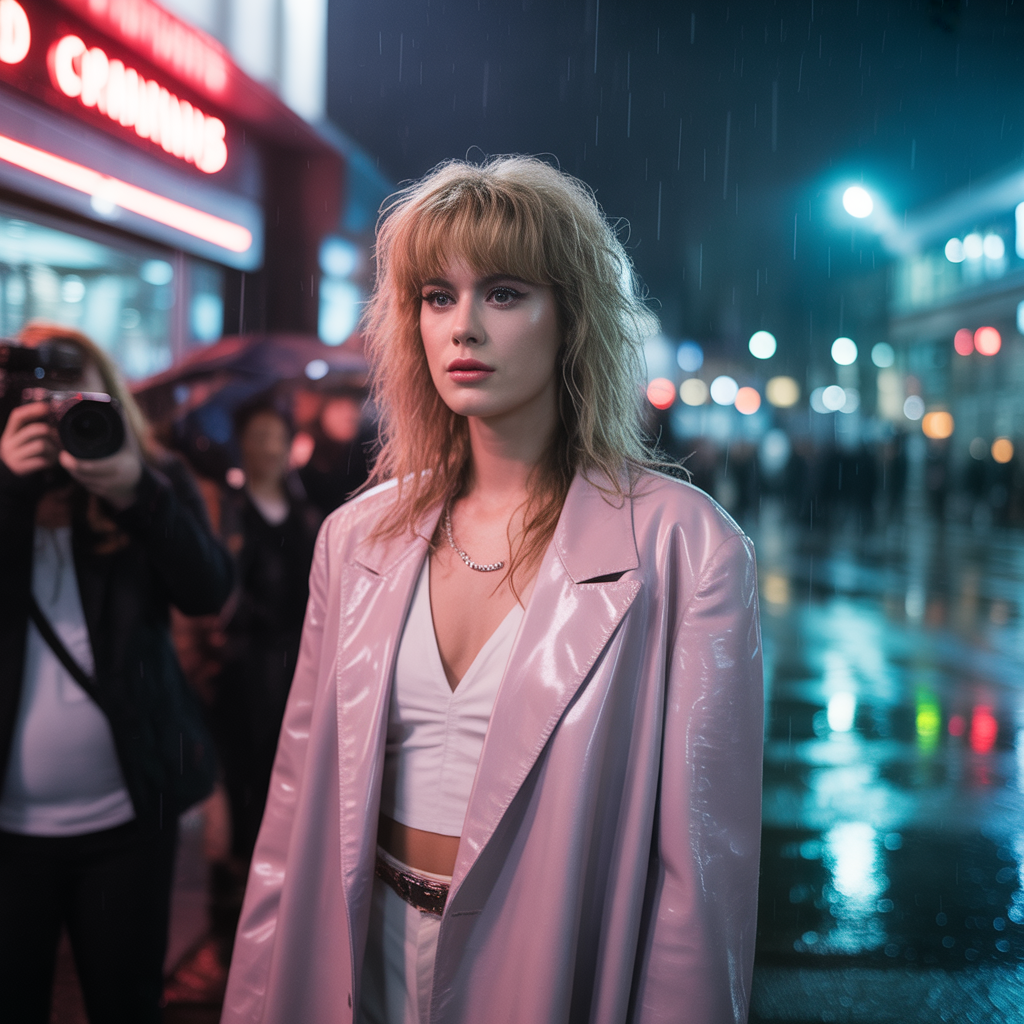
Holding onto a past trend beyond its cultural expiration creates a specific kind of failure that has nothing to do with technical execution. The hair is not bad. The context around it has simply moved on. A spiral perm that was bold in 1988 reads as costume in 2024 regardless of how cleanly it was executed. DevaCurl SuperCream Coconut Curl Styler produces defined curl without the stiffness that made the original perm shape feel frozen and dated.
Mullets and teased bangs face the same challenge. The silhouette carries cultural associations that are nearly impossible to override without a very deliberate modern interpretation layered on top.
Best for: Recognizing when a nostalgic trend needs a current update before it can work today Product: DevaCurl SuperCream Coconut Curl Styler Pro tip: If you want to revive a retro shape, pair it with a modern texture technique like a glass hair blowout or curtain fringe to signal that the choice is intentional rather than stuck. Barber language: Ask for “a modern reinterpretation of the shape, not a direct reproduction of the original era.” Face shape: Dated perm shapes and teased silhouettes add disproportionate width. Round faces should avoid both entirely. Long and oval faces can carry updated versions with careful shaping at the sides.
Worst Celebrity Hairstyles From Music Videos

Music video hair fails differently from red carpet failures because the concept is usually driven by a director rather than a stylist. The result is hair designed to communicate a theme, not to flatter the person wearing it. When concept overrides structure, the hair looks extreme but disconnected from the individual. Manic Panic High Voltage Classic Cream Formula is commonly used for video color because it is vivid and temporary. Without proper toning and heat protection applied over it, the color visibly fades between shooting days.
Extreme shapes like gravity-defying spikes or sculpted waves also photograph inconsistently across a multi-day shoot when supporting products cannot hold up under set lighting temperature.
Best for: Understanding why video hair decisions age poorly when transplanted into personal style Product: Manic Panic High Voltage Classic Cream Formula or Joico Color Intensity Semi-Permanent Pro tip: For any vivid color worn under video lighting, seal the surface with Joico Color Butter before each shoot day to prevent fade from set heat and time under lights. Barber language: Ask your colorist to “apply a gloss seal over any vivid color the day before shooting begins.” Face shape: Extreme graphic shapes in music videos rarely account for face shape. Symmetrical bold styles work on oval faces. Asymmetric cuts need very careful balance on round or square structures.
Worst Celebrity Hairstyles With Overprocessed Hair
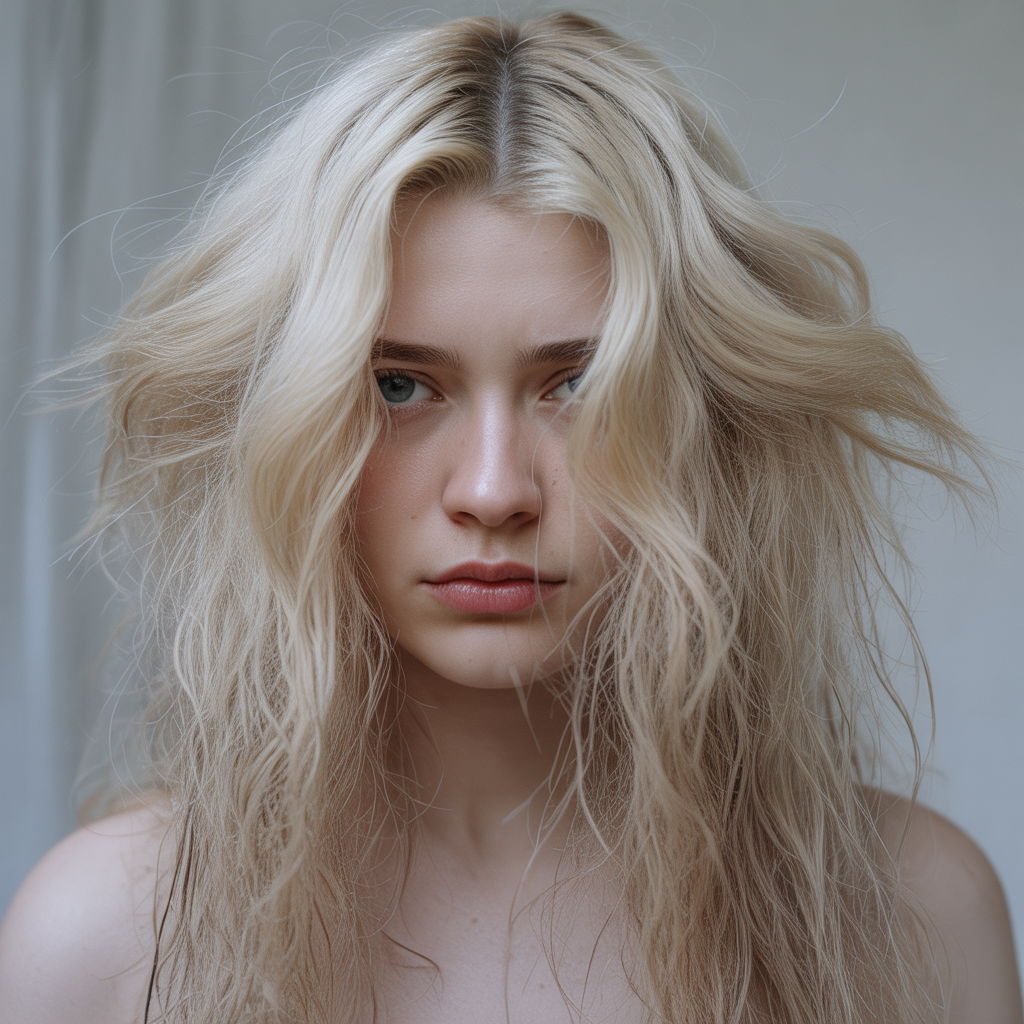
Overprocessed hair has a visual signature that cameras amplify: no movement, no shine, and a texture that photographs as straw-like rather than silky. This happens when multiple chemical services overlap without a recovery window between them. Moroccanoil Treatment was developed specifically to restore surface smoothness to chemically compromised strands. Without it, or a bond-repair equivalent, overprocessed hair reflects light flatly and reads as damaged on any screen.
Split ends and mid-shaft breakage become visible at medium focal distance under red carpet lighting. At close range, the texture damage is impossible to conceal with finishing products alone.
Best for: Identifying the visual signs of chemical overprocessing before cameras make them permanent Product: Moroccanoil Treatment or Olaplex No. 6 Bond Smoother Pro tip: Apply Olaplex No. 6 Bond Smoother to damp hair before any heat styling session to temporarily smooth overprocessed strands and restore surface shine that products alone cannot add back. Barber language: Ask your stylist for “a bond repair treatment before every blow dry on chemically treated hair, not just occasionally.” Face shape: Damaged texture adds visual chaos that pulls the eye away from facial features. This affects all face shapes equally because the problem is surface quality, not structural shape.
Worst Celebrity Hairstyles That Tried To Be Edgy
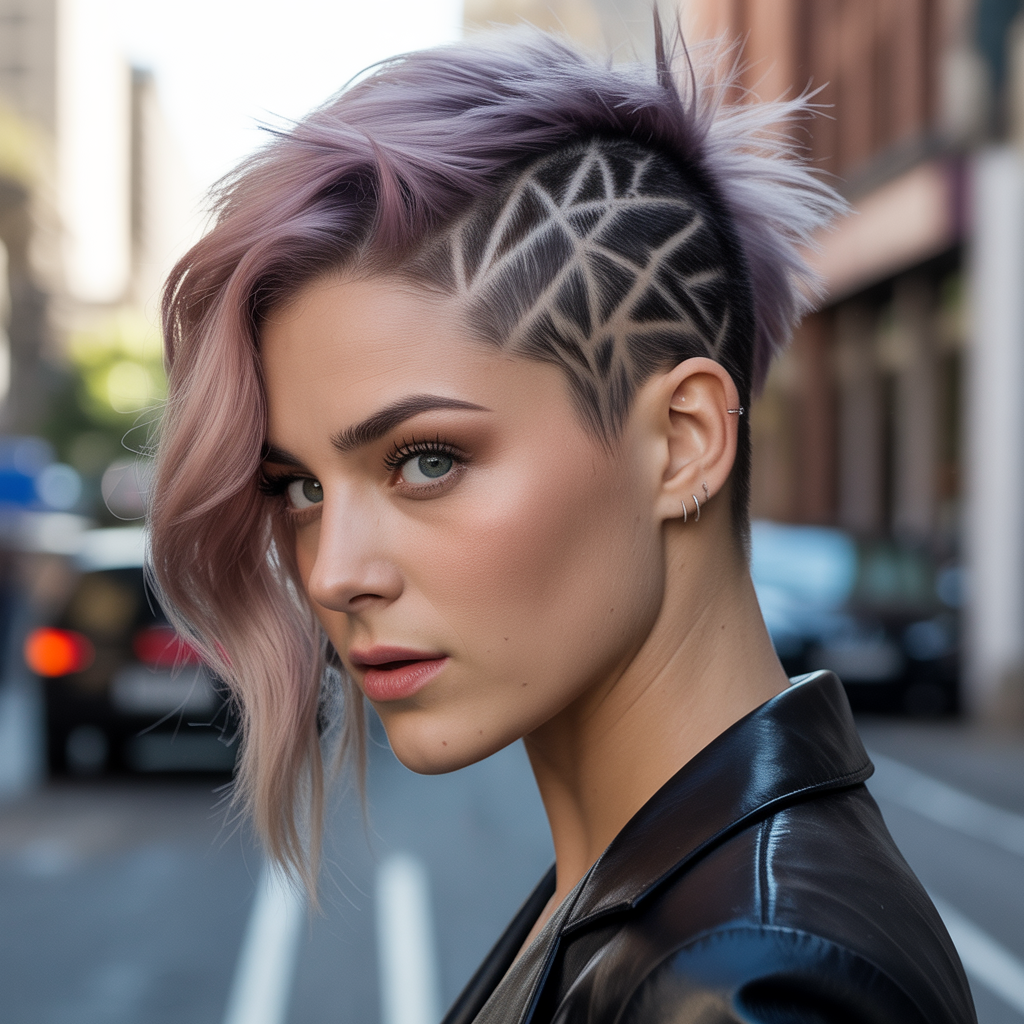
Edgy hair succeeds when there is a precise concept driving the shape. It fails when shock is the entire concept and precision is the afterthought. Shaved patterns, extreme asymmetry, and uneven cuts all require a specific facial structure and clean technical execution to avoid reading as accidental. Andis Master Cordless Clippers are used by top session barbers for precision fades and carved designs. In less experienced hands, the same tool produces lines soft enough to read as errors rather than decisions.
The difference between edgy and messy is always line quality. Crisp lines read as intentional choice. Soft or uneven edges read as a technical mistake.
Best for: Understanding why bold haircuts require the highest technical precision to succeed Product: Andis Master Cordless Clippers or Wahl Professional 5 Star Magic Clip Pro tip: Any shaved design or undercut pattern should be freshened every two weeks to maintain the line quality that separates a deliberate look from a neglected one. Barber language: Tell your barber you want “crisp, clean line edges with zero taper bleeding into the design.” Face shape: Shaved sides and graphic patterns suit oval and square faces with defined jawlines. Soft or round faces lose definition against extreme cut geometry.
Worst Celebrity Hairstyles From Movie Premieres
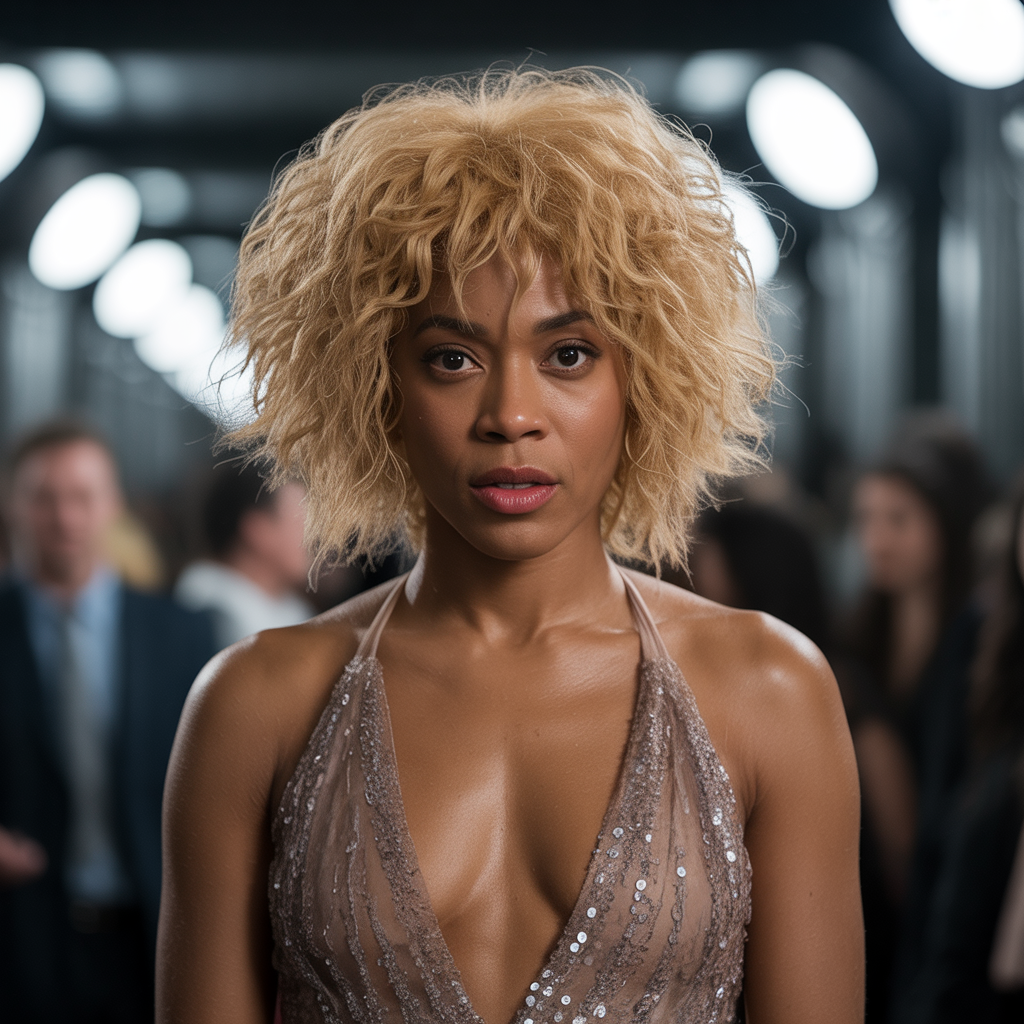
Premiere appearances require hair, makeup, and outfit to function as a unified visual system. When the hair is styled in isolation from the overall look, the result often competes with the clothing rather than supporting it. Limp ponytails created with too little root product or too much shine spray take on a wet appearance that reads as underprepared in every photo. Drybar Detox Dry Shampoo builds texture and grip at the root, which is what prevents the ponytail from slipping flat by photo call.
Frizzy texture at premieres most often traces to a mismatched barrel size. Large curling irons used on fine hair create separation rather than defined curl, and the result collapses under walkway lighting within thirty minutes.
Best for: Learning how premiere styling fails when built without the outfit as the primary reference point Product: Drybar Detox Dry Shampoo or Hot Tools Professional 24K Gold Curling Iron Pro tip: Style your hair before putting on the final outfit so you can evaluate proportion and visual balance before committing to the finished shape. Barber language: Ask your stylist for “a ponytail with root lift and a blowout at the base, not a slicked pull-back.” Face shape: Sleek ponytails visually elongate the face. They suit round and square faces best and can over-lengthen already long or oblong face shapes.
Worst Celebrity Hairstyles That Looked Artificial
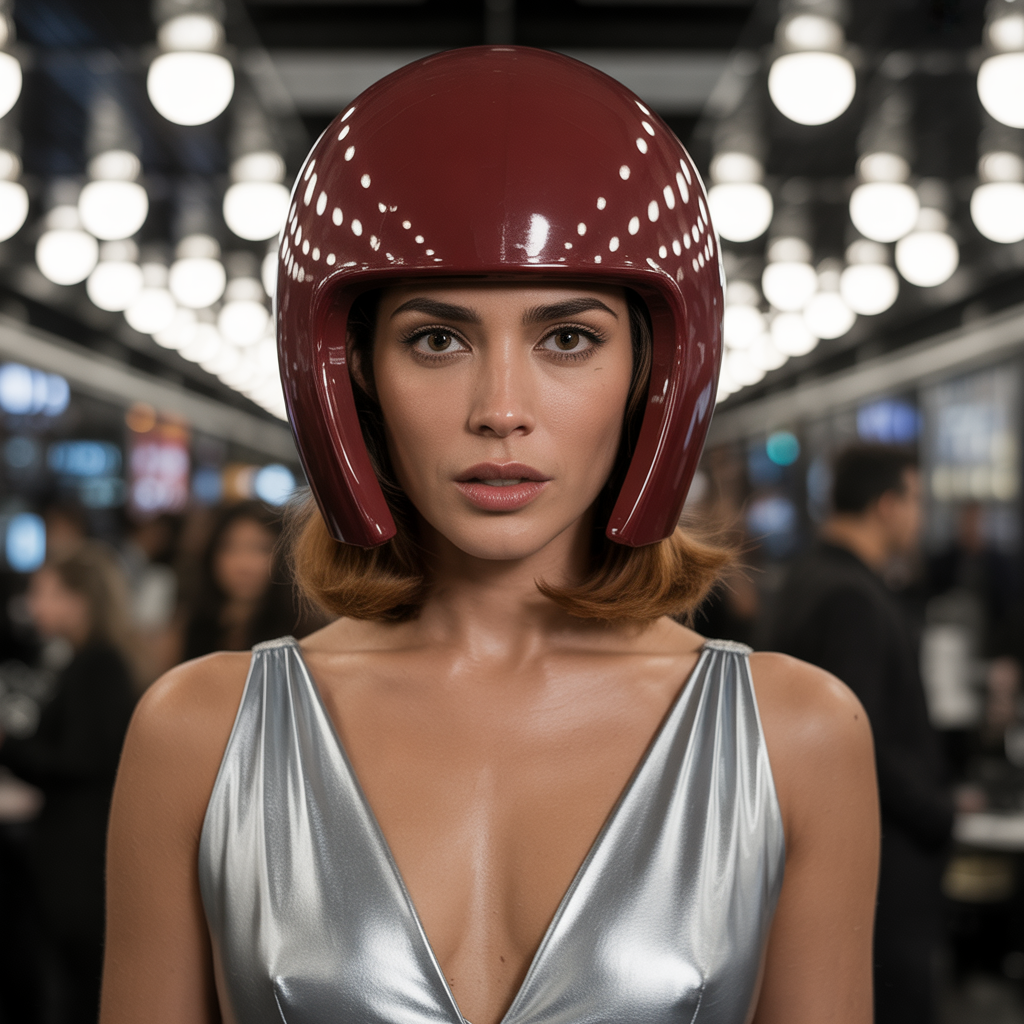
Artificial-looking hair shares one consistent quality: no movement at any focal point. When overspraying pushes product past the holding threshold, curls freeze and waves stiffen into shapes that look molded rather than worn. Kenra Platinum Silkening Mist is designed to add sheen while preserving movement when applied correctly from a distance. Spray lacquers at maximum hold, like L’Oreal Elnett Satin Extra Strong Hold, should be applied in short bursts from at least twelve inches away.
Hair that refuses to move reads as costume in any camera format. This is most damaging for wavy and curly textures where spring and bounce are the primary visual asset of the style.
Best for: Understanding why finishing product application distance changes the entire camera appearance Product: Kenra Platinum Silkening Mist or L’Oreal Elnett Satin Extra Strong Hold Pro tip: Hold any finishing spray at least twelve inches from your hair and use a single quick pass to preserve natural movement under the hold level. Barber language: Ask for “a finish that holds the shape without killing movement, not a lacquer set.” Face shape: Stiff, molded styles remove softness from all face shapes. Round faces lose the most because natural softness is what prevents round faces from reading as heavy in photos.
Worst Celebrity Hairstyles With Overly Short Bangs
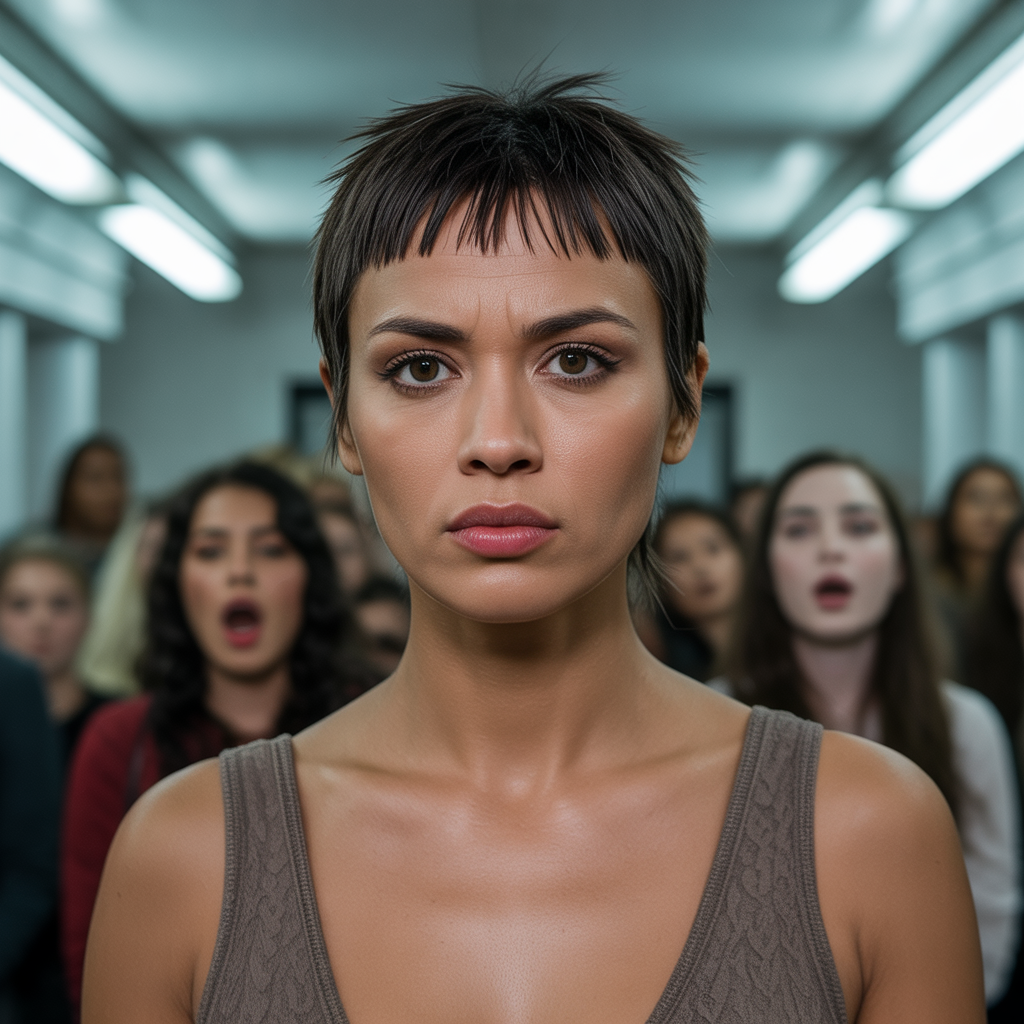
Short bangs cut above the natural brow crease expose the forehead without framing it. The result looks accidental rather than bold regardless of the intention behind it. Fringe cut with Japanese steel shears like Yasaka M-35 produces a clean, precise edge. Dull or incorrect shears create a ragged line that makes even a correctly placed bang look like an amateur cut.
Bangs cut without accounting for the natural curl of the hairline also spring up shorter than intended after drying completely. A dry cut technique prevents this error because the final length is confirmed before commitment.
Best for: Understanding why bang length errors are so visible in photos and why they happen during the cut Product: Yasaka M-35 Japanese Steel Shears or Seki Edge Professional Barber Scissors Pro tip: Always have your bangs cut dry rather than wet so the final length accounts for any curl or lift at the hairline before the stylist makes the final cut. Barber language: Tell your stylist “I want my bangs cut dry at half an inch below my brow arch, with a curved guide that follows my forehead shape.” Face shape: Short blunt bangs widen foreheads and complement long or oblong face shapes. They create visible imbalance on round, heart, and square face shapes without careful tapering at the outer edges.
Worst Celebrity Hairstyles From Paparazzi Photos
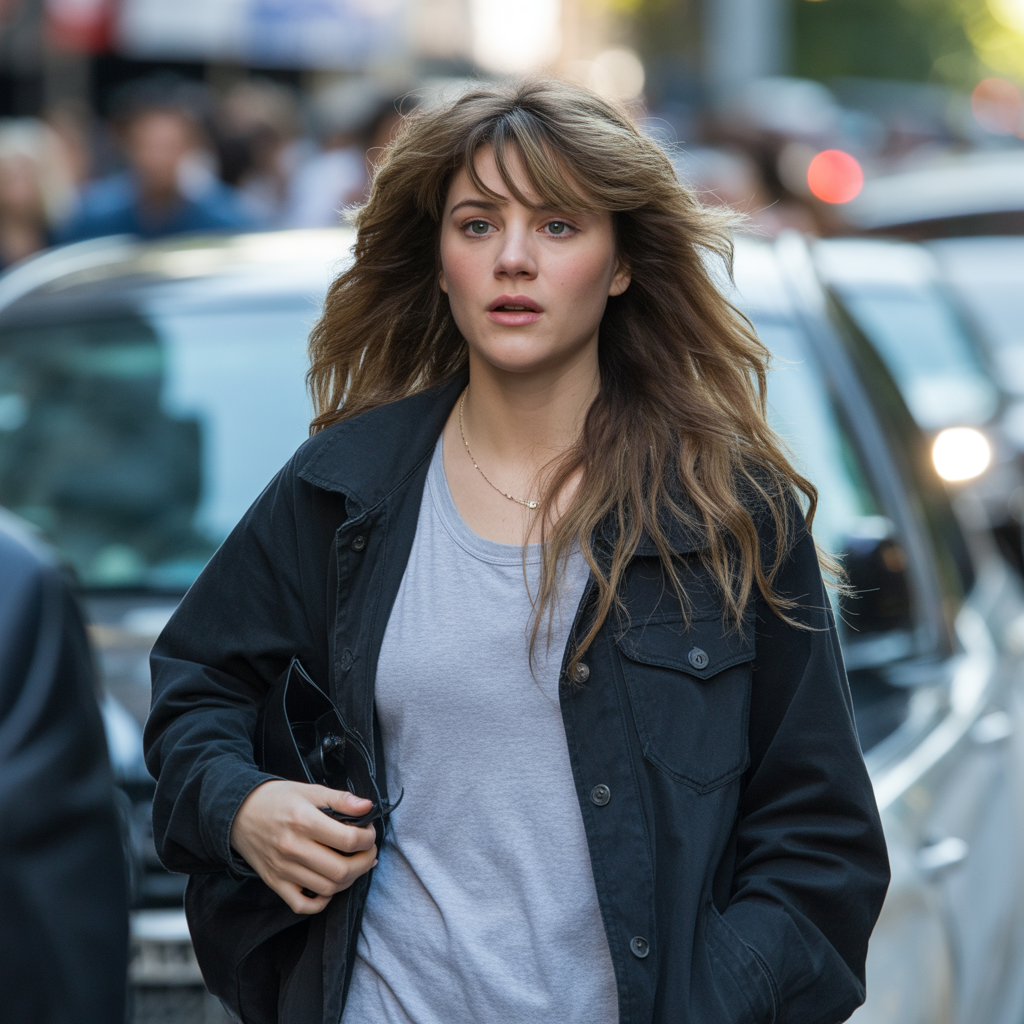
Candid shots capture hair in natural light with zero preparation, and they reveal everything that studio styling was covering: greasy roots, regrowth lines, and unstyled texture. Kerastase Elixir Ultime Original Hair Oil manages frizz and surface texture in off-duty settings without adding weight that flattens the hair. A single pump applied through mid-lengths keeps candid photos from reading as careless.
Visible regrowth is the most common candid hair failure. A Color Wow Root Cover Up compact corrects regrowth in under two minutes and photographs as accurately as permanent color under any natural light condition.
Best for: Learning which products maintain appearance between styled events for candid photography Product: Kerastase Elixir Ultime Original Hair Oil or Color Wow Root Cover Up Compact Pro tip: Keep a Color Wow Root Cover Up compact in your everyday bag for quick regrowth correction before any unplanned outdoor appearance where photography is likely. Barber language: Ask your colorist for “a shadow root or smudge technique that grows out naturally without producing a hard regrowth line.” Face shape: Flat, unstyled hair without root lift suits elongated face shapes but removes definition from round and wide face shapes. A small amount of targeted root volume corrects this for any structure.
Worst Celebrity Hairstyles That Looked Too Puffy
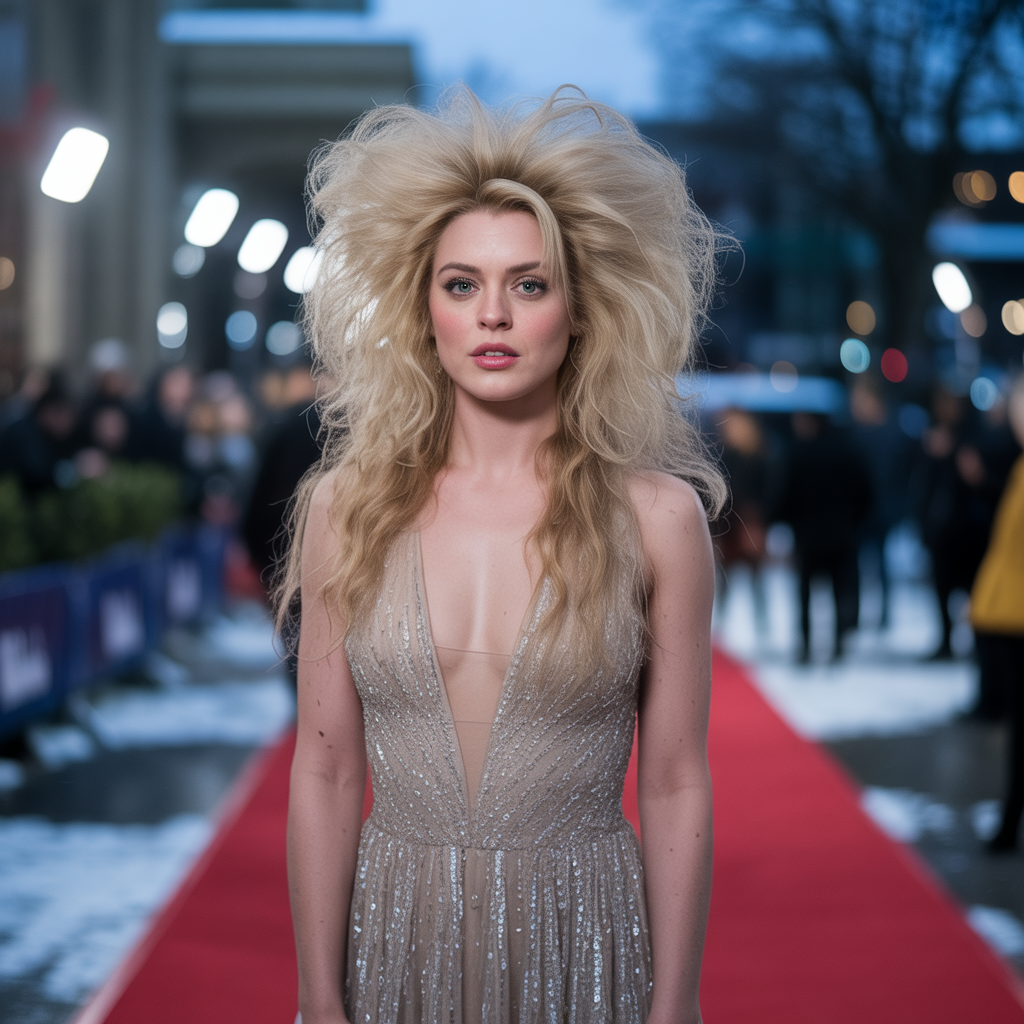
Oversized volume without directional control is the primary cause of puffy hair failure on camera. The hair reads as costume because the shape has no anchor point. Building a teased crown with a Conair rattail comb requires consistent directional backcombing so the shape lifts upward rather than expanding outward. Without direction, the tease collapses unevenly and widens the silhouette in every photo angle.
Product selection matters as much as technique. Mousse applied to damp roots before diffusing builds controlled volume that holds its geometry. Heavy pomade used for the same purpose creates a greasy expansion that photographs as dense and unintentional.
Best for: Understanding why volume without directional shape creates camera problems that styling cannot fix Product: Conair TC445 Teasing Comb or Bumble and Bumble Thickening Full Form Soft Mousse Pro tip: Build crown volume in three targeted sections rather than backcombing the entire top to create controlled shape rather than undefined width. Barber language: Ask your stylist for “lifted volume with a directional shape and a defined silhouette, not an all-over tease.” Face shape: Excess width from uncontrolled volume is most unflattering on round and square face shapes. Long and oval faces can carry wider silhouettes, but only when the shape has clear direction and boundaries.
Worst Celebrity Hairstyles With Wrong Hair Color
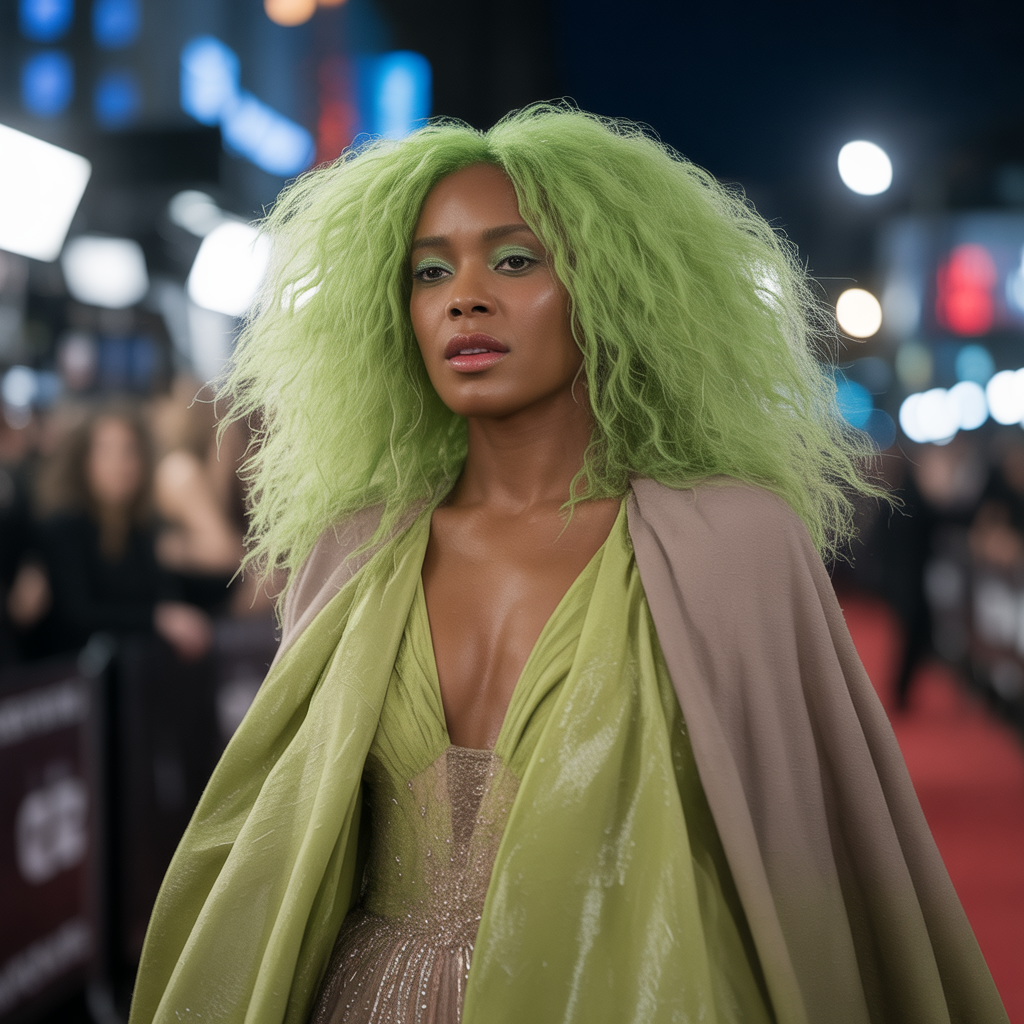
Color that clashes with skin tone creates an undertone conflict that no outfit coordination can correct. Warm-toned blondes applied to cool-undertone skin read as visibly yellow under any camera flash. Redken Shades EQ Gloss 09B is a toning gloss used specifically to balance warm and cool undertones after any major color change. When the toning step is skipped, the conflict between skin and hair is visible in every image.
Green tones from pool exposure or incorrect toner selection on lightened hair are a separate frequent failure. Clairol Shimmer Lights Purple Shampoo is a standard correction tool used to balance brassiness and green undertones between salon visits.
Best for: Understanding how skin undertone determines which hair colors succeed and which create visible conflict Product: Redken Shades EQ Gloss 09B or Clairol Shimmer Lights Purple Shampoo Pro tip: Ask your colorist to hold a skin undertone swatch next to your face before selecting any final color so the tone is confirmed against your complexion under salon lighting, not guessed. Barber language: Tell your colorist “I want a tone confirmation swatched against my skin before any color is applied.” Face shape: Color does not alter face shape directly, but contrast level does. High contrast between hair and skin emphasizes the face outline. Low contrast softens it. The choice should be based on which features you want to highlight.
Worst Celebrity Hairstyles That Looked Like Wigs But Were Not
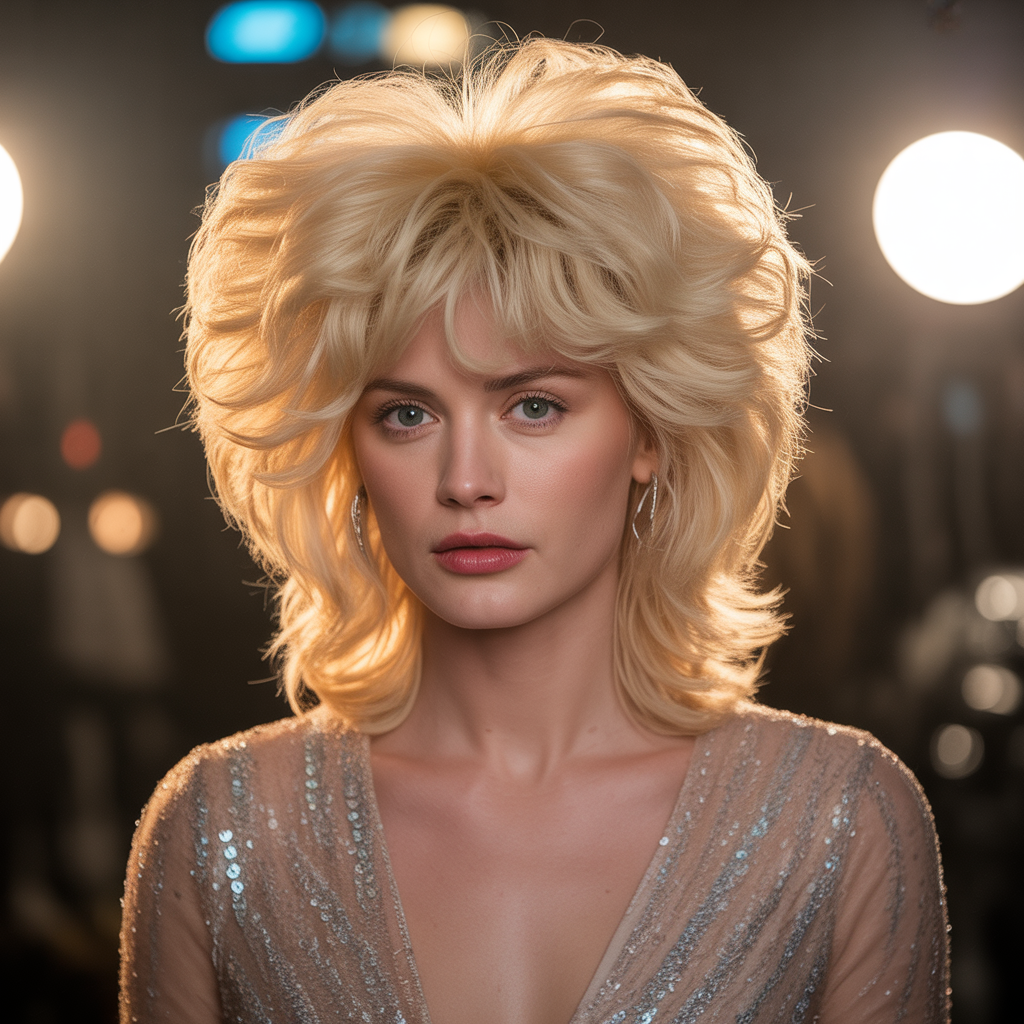
Natural hair can read as a wig when heavy hold products eliminate all texture and movement from the surface. A hard part pressed into place with Murray’s Superior Hair Dressing Pomade creates a line so defined it photographs as a seam. The high-gloss sheen from products like Dax High and Tight Pomade also mimics the reflective surface of synthetic wig fiber, which is the exact opposite of the intended effect.
Restoring believability after this mistake requires reintroducing texture to the surface. One light pass of Bumble and Bumble Texture Hair Spray over the finished style breaks up the plastic finish and returns the appearance of natural movement.
Best for: Learning how over-styling natural hair creates the visual impression of a poorly applied wig Product: Murray’s Superior Hair Dressing Pomade or Bumble and Bumble Texture Hair Spray Pro tip: After any slick or polished style, always finish with one light pass of a matte texture spray to break up the surface sheen and restore the look of real, living hair. Barber language: Ask for “a sleek finish with matte texture, not a lacquered or high-gloss result.” Face shape: Hard-parted slick styles draw a strong vertical line through the face. This suits square and oval faces well. Round faces should avoid hard center parts that divide the face symmetrically.
Worst Celebrity Hairstyles From Television Appearances
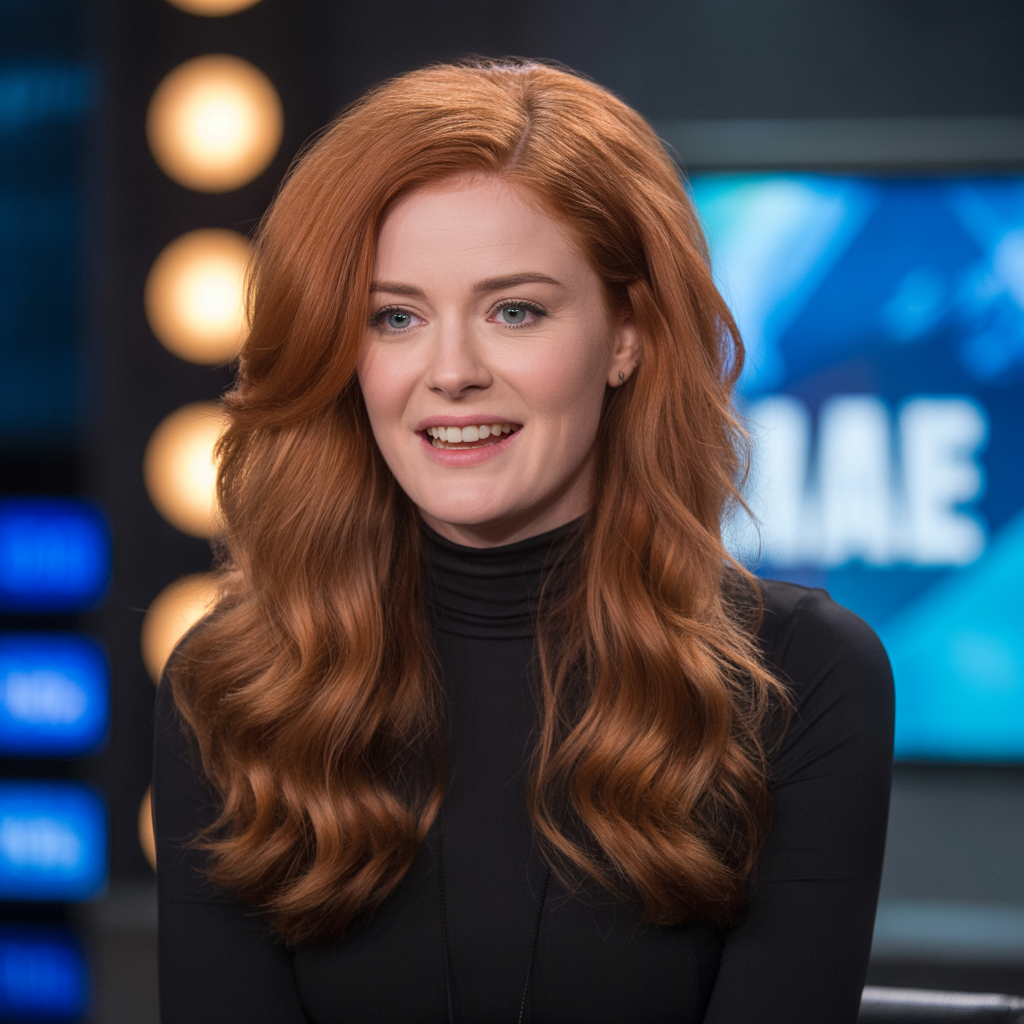
Television studio lighting is the most technically demanding lighting type for hair performance. Fluorescent and tungsten key lights flatten dimension and expose every buildup line, limp curl, and uneven edge in high contrast. Wella Professionals EIMI Glam Mist adds light-catching dimension without leaving product residue, making it the preferred finishing option for hair that needs to read as polished under broadcast conditions.
Curls styled with heavy-hold product collapse under set heat within the first hour of a live taping. A lightweight styling cream like Tresemme Curl Hydration Cream refreshes definition without the product weight that accelerates structural breakdown on camera.
Best for: Learning which products perform specifically under broadcast and studio lighting Product: Wella Professionals EIMI Glam Mist or Tresemme Curl Hydration Cream Pro tip: Avoid applying any finishing product within thirty minutes of going on camera, since set heat activates product faster than ambient temperature and accelerates breakdown during the appearance. Barber language: Ask your stylist for “a broadcast-ready finish with light-catching dimension, not a flat or product-heavy set.” Face shape: Studio lighting that flattens hair simultaneously removes side dimension, making wider face shapes look wider. Oval faces have the most flexibility under flat broadcast lighting.
Visit Also: Streaky Highlights
Worst Celebrity Hairstyles That Ignored Texture
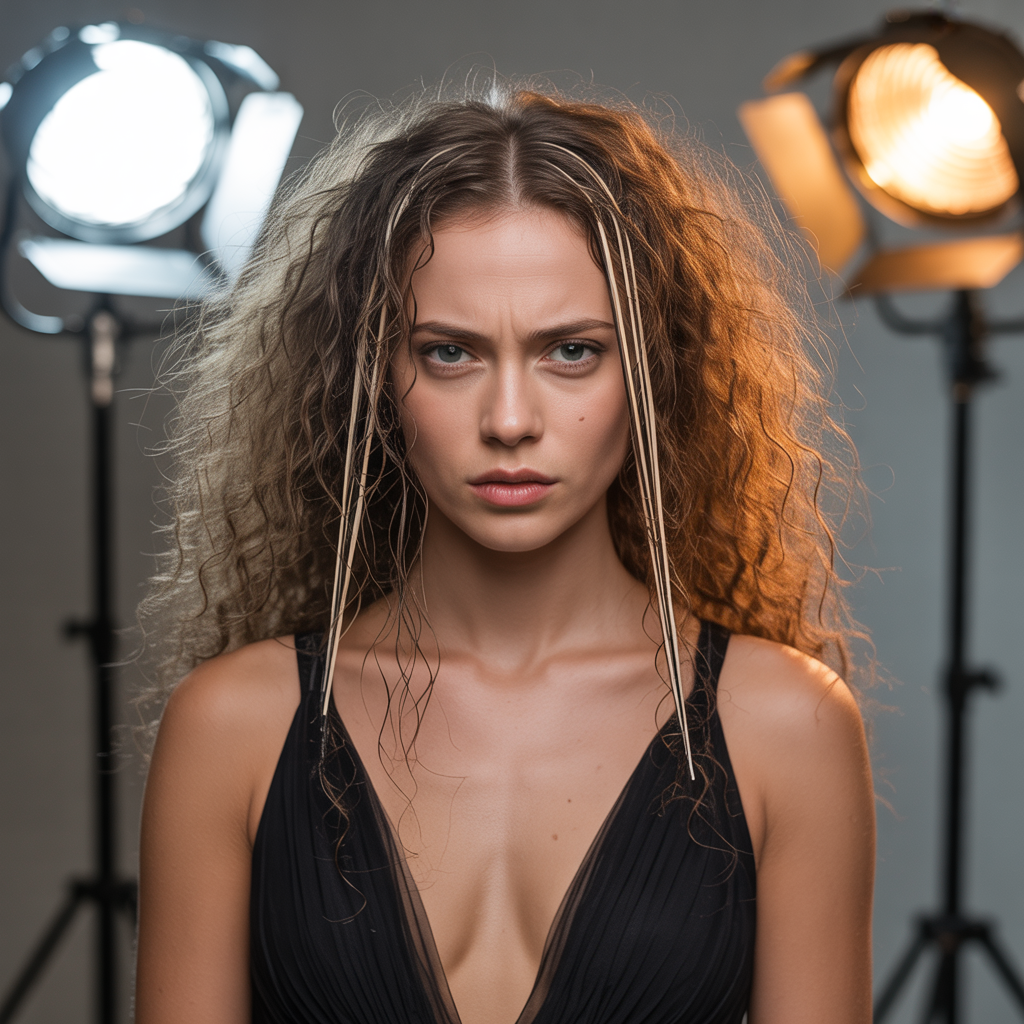
Forcing hair to perform against its natural texture creates a specific visual tension that cameras read as strain rather than style. Over-straightening naturally coily hair with a GHD Platinum+ Styler at maximum heat delivers temporary smoothness at the cost of bond integrity. The hair begins reverting under any humidity, and the mid-process state photographs as frizzy rather than either the intended look or the natural state.
Curling naturally straight hair beyond its stretch tolerance creates the opposite problem. The curl holds inconsistently, leaving some sections flat and others defined, which reads as poorly executed styling rather than any intentional texture.
Best for: Understanding why fighting natural texture in front of cameras rarely produces successful results Product: GHD Platinum+ Styler or DevaCurl Arc AngelGel for natural curl definition Pro tip: Use a humidity-blocking serum like Redken Anti-Snap Leave-In Treatment before any heat styling in humid locations where the environment will counteract the finished style. Barber language: Ask your stylist to “build the style using my natural texture as the base rather than working against it.” Face shape: Uncontrolled frizz or inconsistent texture adds unplanned width to the silhouette. All face shapes benefit from managed texture, not from texture that is simply suppressed with heat and then released by humidity.
Worst Celebrity Hairstyles That Distracted From Outfits
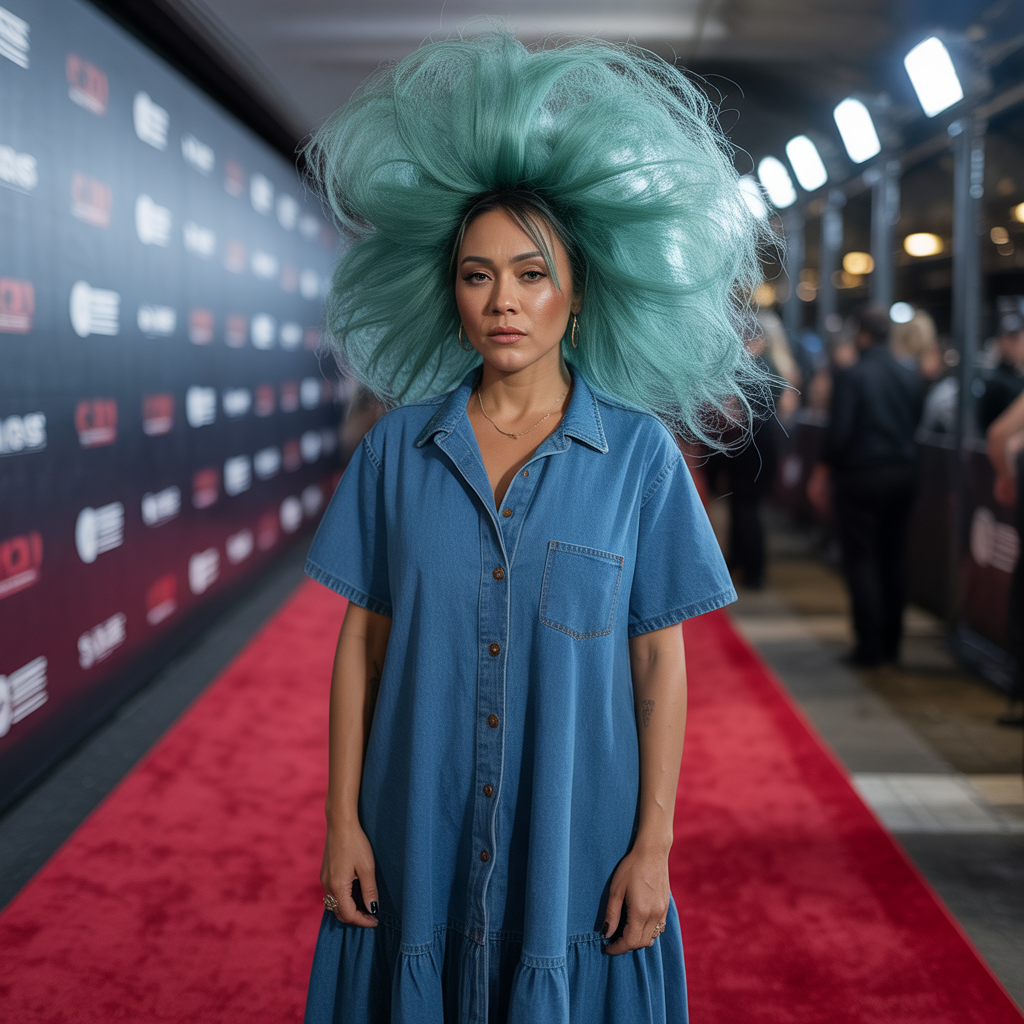
Hair is a supporting element of a complete look. When it draws more visual attention than the outfit, the coordination has failed regardless of how well either piece was executed individually. Oversized teased silhouettes paired with structured gowns create two competing focal points that cancel each other out in photos. A Chi Air Expert Classic Tourmaline Ceramic Flat Iron produces a smooth, reflective finish that supports fashion-forward pieces rather than contesting them.
Intense color choices create identical distraction problems. A vivid red or saturated platinum chosen without referencing the clothing’s color story turns the hair into the headline and reduces the outfit to background.
Best for: Learning how to build hair that functions as support for fashion impact rather than as competition Product: Chi Air Expert Classic Tourmaline Ceramic Flat Iron or IGK Good Behavior Spiral Defining Cream Pro tip: Select your outfit before finalizing your hairstyle, and build the hair around the strongest visual element in the clothing rather than designing both independently. Barber language: Ask for “a complementary finish that supports the outfit palette and does not create a competing focal point.” Face shape: Distracting oversized hair styles affect all face shapes, but the impact is most severe on small or petite frames where the hair-to-body proportion becomes most obviously unbalanced.
Worst Celebrity Hairstyles That Sparked Memes
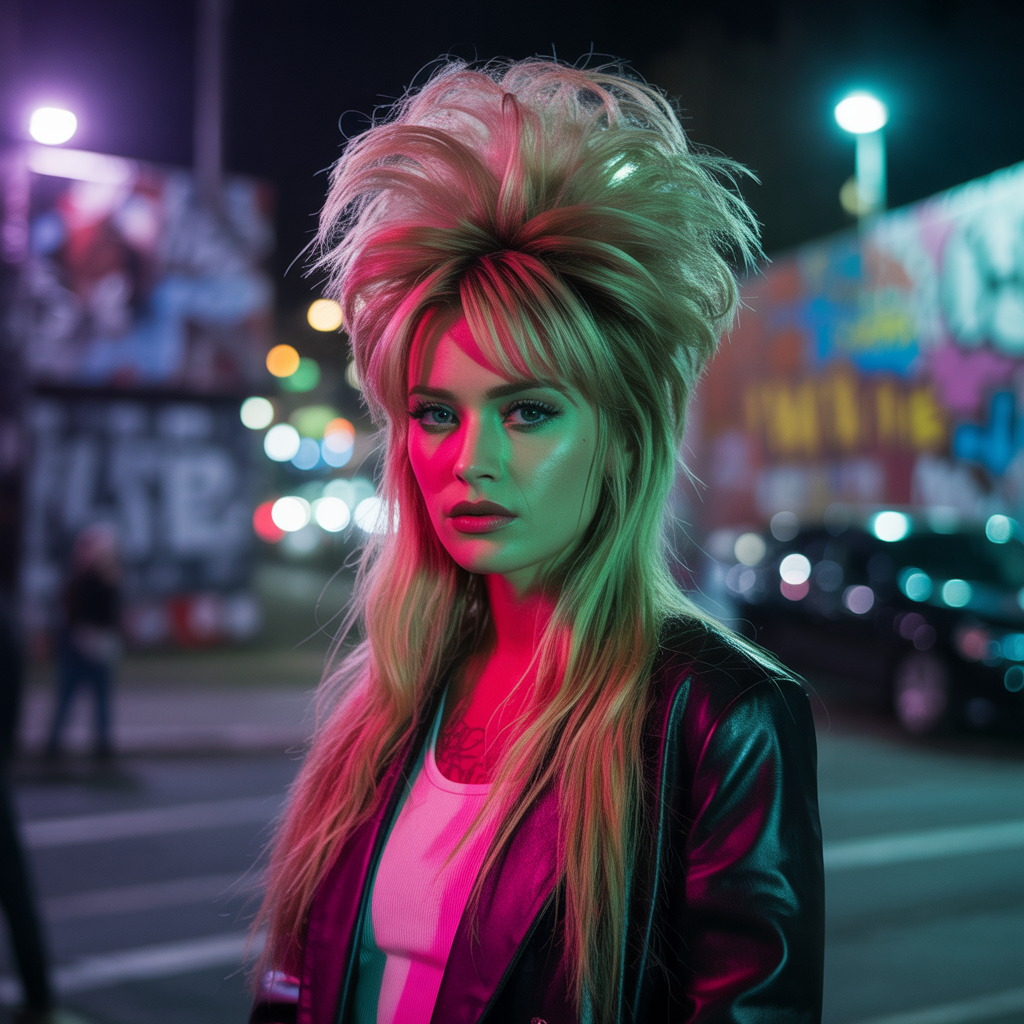
Meme-worthy hair moments share one quality: the failure is so specific and clear that it communicates its mistake without any context required. A visible glue line, an updo collapsing mid-event, or a color mismatch so dramatic it reads like a filter. These images become the defining visual of a career moment regardless of everything else happening in the photo. Ion Color Brilliance Brights Semi-Permanent Creme Hair Color produces vivid, clean tones when applied correctly. When a similar product is applied at the wrong developer level or to an uneven base, the result is exactly the patchy, inconsistent color that generates viral reactions.
Social media archives these moments permanently and circulates them alongside current content. A mistake documented in 2006 generates engagement in 2026 as though it happened yesterday.
Best for: Understanding what technical elements turn a hair mistake into a permanent viral moment Product: Ion Color Brilliance Brights Semi-Permanent Creme Hair Color Pro tip: For any major color change scheduled before a public appearance, complete the service at least five days in advance so any necessary correction has time to be applied and settled before cameras arrive. Barber language: Ask your colorist for “a test placement on a hidden section to confirm tone accuracy before full application.” Face shape: Viral hair mistakes are not face-shape-specific. They result from preparation failures, not from the structure of the person wearing the style.
Quick Comparison Table
| Hairstyle Failure | Common Length | Hair Type Affected | Maintenance | Bold Factor |
|---|---|---|---|---|
| Red Carpet Fails | Long | All types | High | ★★★ |
| Experiment Failures | Medium to Long | Chemically treated | Very High | ★★★ |
| Award Show Mistakes | Medium to Long | Color-treated | High | ★★★ |
| Unfinished Looks | All lengths | All types | Low | ★★ |
| 2000s Trends | Short to Medium | Fine and thick | Low | ★★★ |
| Excessive Gel | Short to Medium | Straight | Very Low | ★★ |
| Bleach Mistakes | Medium to Long | All types | Very High | ★★★ |
| Overdone Extensions | Long | Fine | Medium | ★★★ |
| Overprocessed Hair | Medium to Long | Damaged | Very High | ★★ |
| Wrong Color | All lengths | Color-treated | High | ★★★ |
| TV Appearance Fails | All lengths | All types | Medium | ★★ |
| Viral Meme Moments | All lengths | All types | Varies | ★★★ |
Frequently Asked Questions
What makes the worst celebrity hairstyles so easy to spot in photos? The worst celebrity hairstyles fail on camera because they were never tested under the same lighting conditions they were photographed in. What reads as polished in a salon mirror behaves differently under flash photography, broadcast lighting, or outdoor sun.
Do celebrities choose their own hair or do stylists make the final call? The decision is usually shared, with stylists proposing and celebrities approving. When a look fails, the breakdown often happened at the approval stage when neither party pressure-tested the concept against the actual shoot environment.
Can a single bad hairstyle actually affect a celebrity’s public image long term? Yes, because social media archives these moments permanently and circulates them without context alongside current content. A single viral hair failure from a decade ago continues generating new impressions today.
What is the most common technical mistake that causes celebrity hair to fail on camera? Skipping the toner step after bleach or color service is the most repeatable single-service error. It leaves undertone conflicts that are invisible in the salon and immediately obvious under camera lighting.
Why do 2000s celebrity hairstyles look so much worse today than they did at the time? Camera resolution has changed the equation entirely. Chunky highlights, stiff crimping, and frosted tips photographed passably in lower resolution and read as extreme under 4K and high-definition imaging.
Final Thoughts
The worst celebrity hairstyles are not just entertainment. They are documented proof that hair success depends on matching the concept to the environment, the face shape, and the camera conditions before a single product is applied. Fame, budget, and access to professional stylists do not remove these requirements. They simply raise the stakes when the requirements are ignored.
Every failure in this list traces back to a preparation step that was either skipped or misread. The strand test was not done. The toner was skipped. The wig lace was not matched. The barrel size was wrong for the hair type. These are not creative missteps. They are technical decisions with predictable outcomes.
Understanding worst celebrity hairstyles at this level means you understand hair at a structural level too. You can now watch a red carpet and identify why something is not working before anyone else in the room names it. That kind of trained observation changes how you approach your own hair choices in a real and practical way.
The most important truth any stylist with real experience will tell you is this: lighting is not cosmetic, it is diagnostic. Every hairstyle should be approved under the lighting it will be seen in, not the lighting it was built in.
If this guide taught you something about what separates great hair from a viral mistake, save it to your Pinterest board and share it with someone who obsesses over red carpet moments as much as you do.