12 Butterfly Haircut Straight Hair Styles That Instantly Transform Your Look
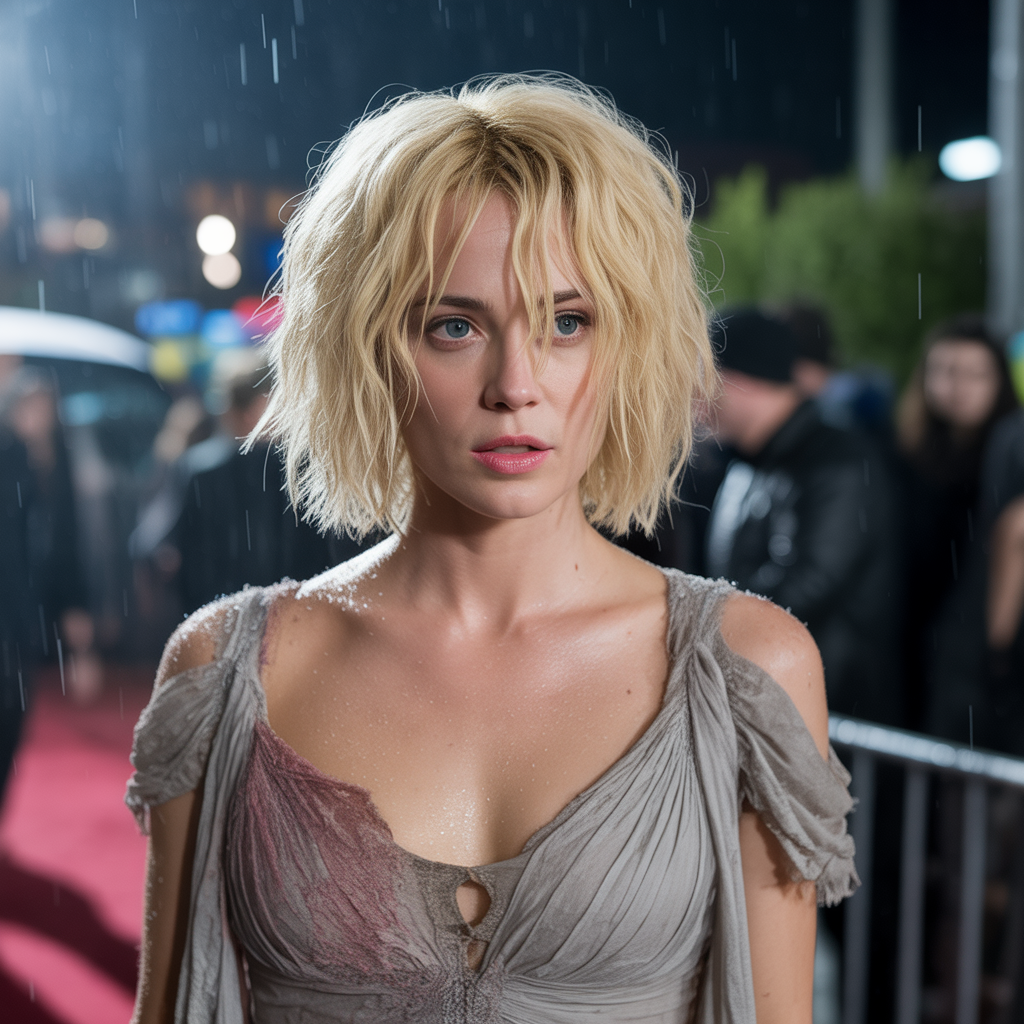
You have been cycling through safe, predictable haircuts and still wondering why your straight hair looks flat by midmorning. The butterfly haircut for straight hair was built to solve that exact problem. This layered, face framing cut creates genuine movement where straight hair usually has none. If you have tried blunt cuts, one-length styles, and everything in between with nothing to show for it, this is the one worth trying.
Straight hair takes the blame for dull haircuts, but the real issue is stylist habit. Most cuts on straight hair are designed to be safe and repeatable rather than flattering or interesting. The result is a haircut that looks fine in the salon and completely deflates two days later.
The root cause is a lack of dimensional layering. Standard cuts add length without adding structure. The butterfly haircut uses precise layering that works with the natural fall of straight strands to produce shape that moves rather than hangs.
This cut picked up serious traction in editorial circles before spreading into mainstream salons, largely because it delivers what years of blunt and single-length cuts could not. It draws from the same layered logic as the 70s shag but with cleaner sections and a more structured frame around the face.
This article covers 12 butterfly haircut straight hair variations, from classic mid-length styles to asymmetrical fashion cuts, with product picks, face shape guidance, and the exact words to use in the salon chair for every single one.
By the end you will know which version of the butterfly haircut for straight hair works best for your length and hair type, and you will be ready to book the appointment with confidence.
The butterfly cut is defined by its layering technique more than its length or overall shape. Always ask your stylist specifically for point cut layers rather than blunt layers on straight hair. That single detail is what separates a cut that generates real movement from one that sits flat after the first wash. The butterfly cut has moved from a niche salon request to one of the most searched haircut styles of the past two years, and straight hair clients are consistently seeing the strongest results.
Butterfly Haircut Straight Hair Ideas
1. Classic Mid-Length Butterfly Cut
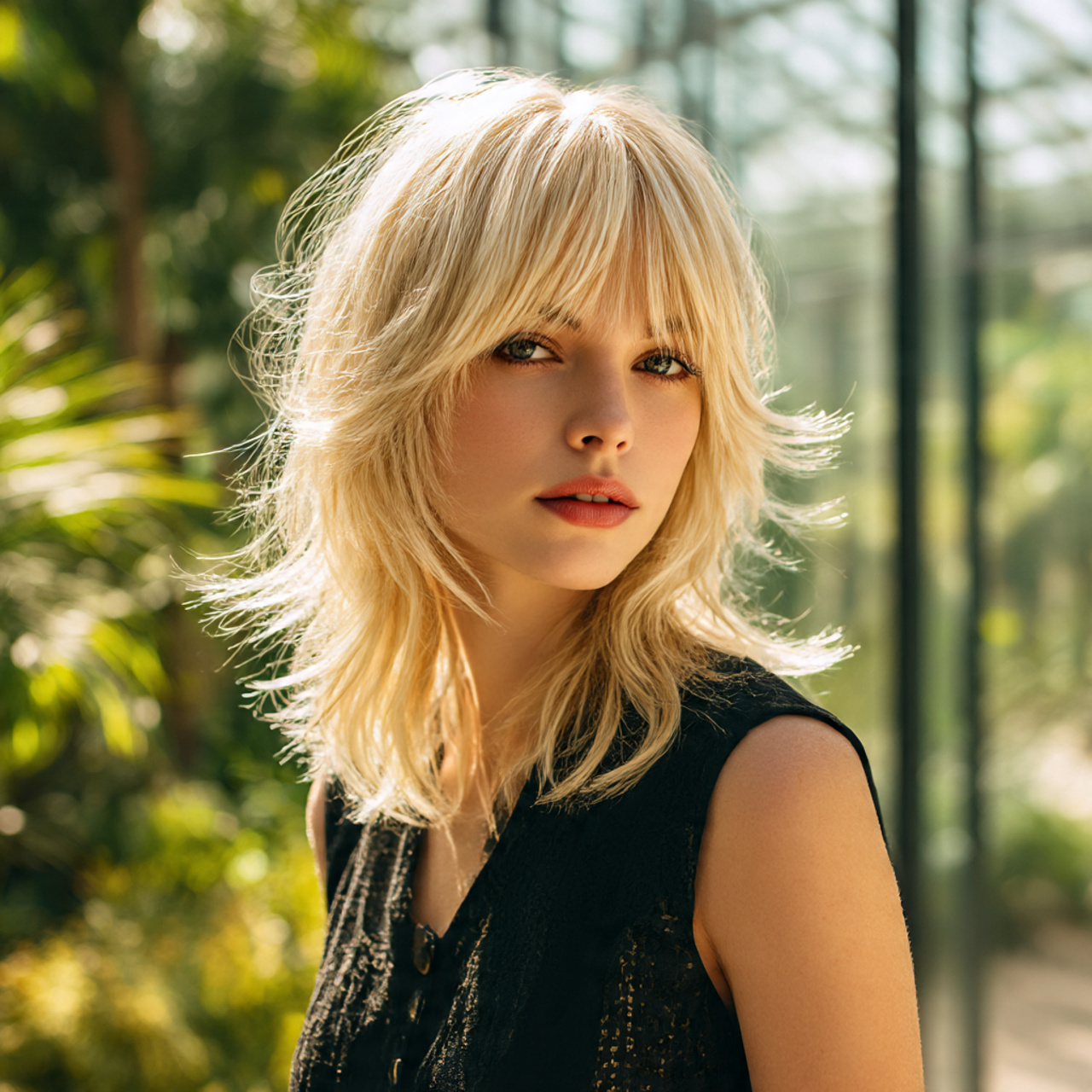
The classic mid-length butterfly cut sits between the collarbone and shoulder and uses face framing layers that sweep outward as the hair falls naturally. On straight hair this silhouette reads intentional rather than accidental. The layers begin at cheekbone level and graduate into the length so every angle of movement shows real shape. This is the most approachable entry point for anyone trying the butterfly cut for the first time.
Best for: First-time butterfly cut clients with medium-length straight hair
Product: Virtue Labs Flourish Thickening Shampoo for added density at the root
Pro tip: Ask your stylist to bring the shortest layer to eye level so the wings properly frame your face when worn down.
Face shape: Oval and heart
Stylist language: “I want a butterfly cut with point cut face-framing layers starting at cheekbone level.”
2. Long Butterfly Cut with Curtain Bangs
Pairing curtain bangs with long butterfly layers is one of the most impactful combinations for straight hair. The bangs part at the center and sweep outward, mirroring the wing shape the body layers create below. On straight hair the bangs sit clean and flat, which actually makes them simpler to maintain than on wavy or curly textures. Keep the overall length past the chest so the layers have enough room to generate real movement.
Best for: Long straight hair that falls without dimension or life
Product: Dyson Airwrap for styling curtain bangs without excess heat damage
Pro tip: Keep the shortest curtain bang piece no higher than your outer brow so the bangs frame without closing off the upper face.
Face shape: Round and square
Stylist language: “Long butterfly layers with curtain bangs that part in the center and sweep back at the sides.”
3. Shoulder-Length Butterfly Cut
The shoulder-length butterfly cut is where straight hair tends to show the most dramatic transformation. At this length the layers are light enough to lift at the ends and redirect the natural downward pull into an outward flutter. Straight strands at shoulder length have a tendency to swing inward from gravity, and the butterfly layers work directly against that. A round brush blowdry at this length sets the shape in under ten minutes.
Best for: Straight hair with a tendency to feel heavy and fall completely flat
Product: Olaplex No. 9 Bond Protector applied before heat to maintain strand integrity
Pro tip: Rough-dry 80 percent of the way, then use a Denman D3 brush only on the ends to lock in the layer direction without disrupting root volume.
Face shape: Oblong and diamond
Stylist language: “Shoulder-length butterfly cut with layers that open outward at the ends, not just at the crown.”
4. Butterfly Cut with Money Pieces
Money pieces are face framing sections lightened two to three shades above the natural base. On a butterfly cut they create a color-driven version of the wing effect that adds visible contrast without touching the rest of the hair. The lighter front sections against a darker body make every layer appear more dramatic from any angle. This combination works especially well on dark straight hair that needs dimension without a full highlight session.
Best for: Dark straight hair that needs contrast without a full color commitment
Product: Redken Color Extend Magnetics Shampoo to protect and maintain money piece tone between visits
Pro tip: Ask your colorist to keep the money piece no wider than two inches from the hairline so it frames without overwhelming the face.
Face shape: Heart and oval
Stylist language: “Butterfly layers with hand-painted money pieces on the front two sections. Face framing only.”
5. Textured Butterfly Cut
The textured butterfly cut uses a razor or shear over comb finish on the ends to build micro-movement into straight hair that would otherwise sit heavy. Stylists specifically recommend this version for dense straight hair because it removes bulk while preserving length. The ends look intentionally undone in a way that reads sharp and controlled in photos. This is the most editorial of the 12 options and holds its styled appearance even without heat.
Best for: Thick, dense straight hair that resists movement even after layering
Product: OUAI Texturizing Hair Spray for separation and light hold after styling
Pro tip: Skip the daily wash with this cut. The texture reads best on day two with a light dusting of dry shampoo at the root.
Face shape: Square and round
Stylist language: “Butterfly cut with razor-textured ends to reduce bulk and build in natural movement.”
6. Short Butterfly Cut at Collarbone Length
A butterfly cut at collarbone length creates the most volume on straight hair of any variation on this list. The layers sit high enough to visually lift the crown and the face framing sections land near the jaw without producing a traditional bob silhouette. This is a technically demanding length that requires a stylist confident in layering ratios. The shortest interior layer should sit no more than three inches above the longest perimeter piece.
Best for: Straight hair clients ready to commit to trims every six to eight weeks
Product: R+Co Balloon Dry Volume Spray applied at the root before blowdrying
Pro tip: Blowdry with the nozzle directed down the shaft first, then flip the head and finish at the root to build volume that holds all day.
Face shape: Long and oblong
Stylist language: “Collarbone butterfly cut with short layers at the crown and longer face-framing pieces near the jaw.”
7. Butterfly Cut for Fine Straight Hair
Fine straight hair needs butterfly layering concentrated at the crown and mid-lengths rather than pulled all the way to the ends. Removing too much weight from the tips of fine hair makes the ends look thin and scraggly. The wing shape still reads clearly but the execution is more conservative by design. A volumizing treatment before the cut gives the strands enough body to hold the style without collapsing by midday.
Best for: Fine, flat straight hair that loses volume and shape well before noon
Product: Living Proof Full Thickening Cream worked through damp hair before blowdrying
Pro tip: Tell your stylist explicitly to preserve weight at the ends. Fine hair needs that anchor or it will look sparse within weeks of the cut.
Face shape: Round and square
Stylist language: “Butterfly cut with layering focused at the crown. My hair is fine so please keep the ends heavier than standard.”
8. Butterfly Cut with Blunt Ends
The blunt end butterfly cut pairs crown and mid-shaft layering with a clean, even perimeter line at the bottom of the length. The layers generate movement through the upper sections while the blunt base adds weight and definition at the finish. It reads polished from a distance and textured up close, which makes it one of the more versatile options on this list. It works well for clients who want the butterfly silhouette without fully letting go of a structured base.
Best for: Straight hair that needs volume on top and a clean defined structure at the bottom
Product: GHD Platinum+ Styler for sealing the blunt ends into a smooth, even finish
Pro tip: Trim the perimeter line every five weeks without exception. Once the blunt base grows uneven it throws off the balance the entire cut depends on.
Face shape: Oval and heart
Stylist language: “Butterfly layers from mid-shaft up with a clean blunt perimeter line at the bottom.”
9. 70s Inspired Butterfly Cut
The 70s butterfly cut uses deeper, chunkier layers and a strong center part that falls naturally into two heavy wings. On straight hair this silhouette holds its shape without any styling product because the strands maintain the direction the cut establishes. Face framing sections beginning at the temples complete the era-specific look. This variation has seen consistent editorial revival driven by Fawcett era styling references in recent runway and campaign work, making it one of the most timely picks on this list.
Best for: Naturally shiny straight hair that suits a vintage-inspired silhouette
Product: Kenra Platinum Silkening Mist for the high-gloss finish this era demands
Pro tip: Use a large barrel Conair Infiniti Pro brush on the face framing sections during blowdrying to push them slightly backward for the authentic 70s outward flip.
Face shape: Heart and oval
Stylist language: “70s butterfly cut with chunky layers and a strong center part. Fawcett era movement on straight hair.”
10. Butterfly Cut for Dark Straight Hair
Dark straight hair and the butterfly cut are one of the strongest combinations in the hairstyle space because the layering creates shadow and depth without any color treatment. The contrast between lifted crown layers and heavier lower sections produces a three dimensional effect that reads like a color investment even on fully natural hair. This is the version to bring to your stylist when you want maximum visual impact and zero chemical work.
Best for: Natural brunettes who want visible dimension without highlights or bleach
Product: Moroccanoil Treatment Light applied to mid-lengths and ends to amplify natural shine
Pro tip: A gloss treatment in your natural base shade every three months keeps dark hair rich enough that the layering does all the visual work on its own.
Face shape: All face shapes
Stylist language: “Butterfly layers on dark hair. I want the shadow from the layering to create depth without any color.”
11. Asymmetrical Butterfly Cut
The asymmetrical butterfly cut shifts the traditional wing shape so one side falls slightly longer than the other. On straight hair this produces a visual lean that adds edge and modern directional energy to what can otherwise read as a soft, romantic silhouette. The longer side typically sweeps toward the jaw while the shorter side lifts near the cheekbone. Book a consultation before scheduling. The execution demands a technically strong stylist and should not be attempted as a walk-in appointment.
Best for: Straight hair clients wanting a fashion-forward spin on the butterfly silhouette
Product: Kevin Murphy Night Rider matte paste for definition and control on the shorter side
Pro tip: Keep the length difference under an inch. That range reads as intentional design. Anything beyond it risks looking like an uneven cut rather than a deliberate one.
Face shape: Oval and round
Stylist language: “Asymmetrical butterfly cut with one side slightly longer. Keep the difference under an inch.”
12. Butterfly Cut with Highlights
Adding highlights to a butterfly cut on straight hair makes every layer immediately visible because the contrast between light and dark strands maps out the entire layering pattern. Babylights and fine balayage integrate particularly cleanly into straight hair because the strands carry color flat and without diffusion. The result is a cut that reads differently in natural light versus indoor lighting across the same day. Color placement should mirror layer placement so the lightest sections land on the most elevated, highest-movement pieces.
Best for: Straight hair that still falls flat after a fresh haircut alone
Product: Davines MINU Shampoo for color treated hair to preserve highlight vibrancy between salon visits
Pro tip: Ask your colorist to concentrate the lightest highlights on the topmost face framing layers. Those sections catch light first and the contrast shows most powerfully right there.
Face shape: All face shapes
Stylist language: “Butterfly cut with babylights placed on the top layers. I want the color placement to follow the layering so the lightest pieces are the most elevated.”
Quick Comparison Table
| Style | Length | Hair Type | Maintenance | Bold Factor |
|---|---|---|---|---|
| Classic Mid-Length | Collarbone to shoulder | All straight | Low | ★★★ |
| Long with Curtain Bangs | Past chest | All straight | Medium | ★★★★ |
| Shoulder-Length | Shoulder | All straight | Low | ★★★ |
| With Money Pieces | Any | Dark straight | Medium | ★★★★ |
| Textured | Any | Thick and dense | Medium | ★★★★★ |
| Collarbone (Short) | Collarbone | All straight | High | ★★★★★ |
| For Fine Hair | Mid-length | Fine and thin | Low | ★★★ |
| With Blunt Ends | Mid to long | All straight | Medium | ★★★★ |
| 70s Inspired | Mid to long | Shiny straight | Low | ★★★★ |
| For Dark Hair | Any | Natural brunette | Low | ★★★★ |
| Asymmetrical | Shoulder to mid | All straight | Medium | ★★★★★ |
| With Highlights | Any | Color treated | High | ★★★★★ |
Frequently Asked Questions
Is the butterfly haircut for straight hair actually flattering on most people?
Yes, the butterfly haircut for straight hair is one of the most universally flattering cuts for this texture because the layering creates movement and dimension the hair cannot produce on its own. The face framing structure works across a wide range of face shapes, which makes it broadly accessible.
How often should I get a trim to maintain a butterfly cut?
Every six to eight weeks is the standard for keeping the shape and structure intact. Waiting longer allows the layers to blend into the length and the wing effect disappears gradually.
Can fine straight hair handle a butterfly cut without looking thin?
Yes, but the approach differs from thick hair. Your stylist should focus the layers at the crown and protect the weight at the ends to keep fine strands from looking wispy or sparse.
What is the difference between a butterfly cut and a wolf cut?
A wolf cut layers the entire length from the crown down with a strong shaggy section at the top, while a butterfly cut focuses its layering specifically around the face and mid-shaft to create a wing-like silhouette. The butterfly cut reads more polished and structured overall.
Do I need heat tools every day to maintain a butterfly cut on straight hair?
No. Many of these variations look intentional when air-dried because the layers fall naturally into the wing shape. A light application of OUAI Texturizing Hair Spray handles most styling days without any heat at all.
Final Thoughts
The butterfly haircut for straight hair is one of the few cuts that genuinely changes how your hair behaves rather than just how it looks in the salon mirror on cut day. The layering builds movement into the structure itself, which means even a low-effort morning still produces a result that reads intentional and styled.
The key is matching the right variation to your actual hair type before you book. Fine hair needs a more conservative approach than thick hair. Dark hair shows the cut through shadow and contrast. Highlighted hair amplifies every layer through color difference. Use this guide to land on the variation that fits your texture and daily routine.
The detail most clients never think to ask about is the cutting technique their stylist uses on the ends. Point cutting versus cutting straight across makes a visible difference in how the layers behave over the following weeks. A stylist who understands the question when you raise it is the one you want holding the scissors.
Book the appointment, bring a reference photo, say the right words in the chair, and this cut will change how you feel about your straight hair from the very first day you walk out.
Love this guide? Save it to your Pinterest boards and share it with a friend who needs a fresh cut.