20 Ideas How to Style Fine Hair and Make It Look Thicker Instantly
Fine hair feels soft, smooth, and easy to brush every day. At the same time, it often loses volume quickly and falls flat within hours. Many people struggle to keep shape, lift, and fullness throughout the day. Styling can feel frustrating when hair does not hold body well.
The best approach is learning how to work with fine hair instead of fighting it. The right cuts, light products, and simple techniques create visible fullness and healthy movement. Small changes in routine can improve results quickly. Below are twenty practical ideas that help fine hair look thicker, lifted, and easy to manage.
Why Fine Hair Needs Smart Styling Choices
Fine hair strands are thinner and lighter than other hair types. Heavy products weigh the hair down and remove natural bounce. Long lengths also pull hair flat near the roots. Choosing light textures and balanced shapes keeps hair lifted longer.
In the salon, layered structure and blunt edges improve body. At home, simple drying habits and lightweight styling tools support better shape. Consistent trimming also keeps ends healthy and full. These small habits protect fine hair over time.
Soft Layered Cuts for Natural Lift
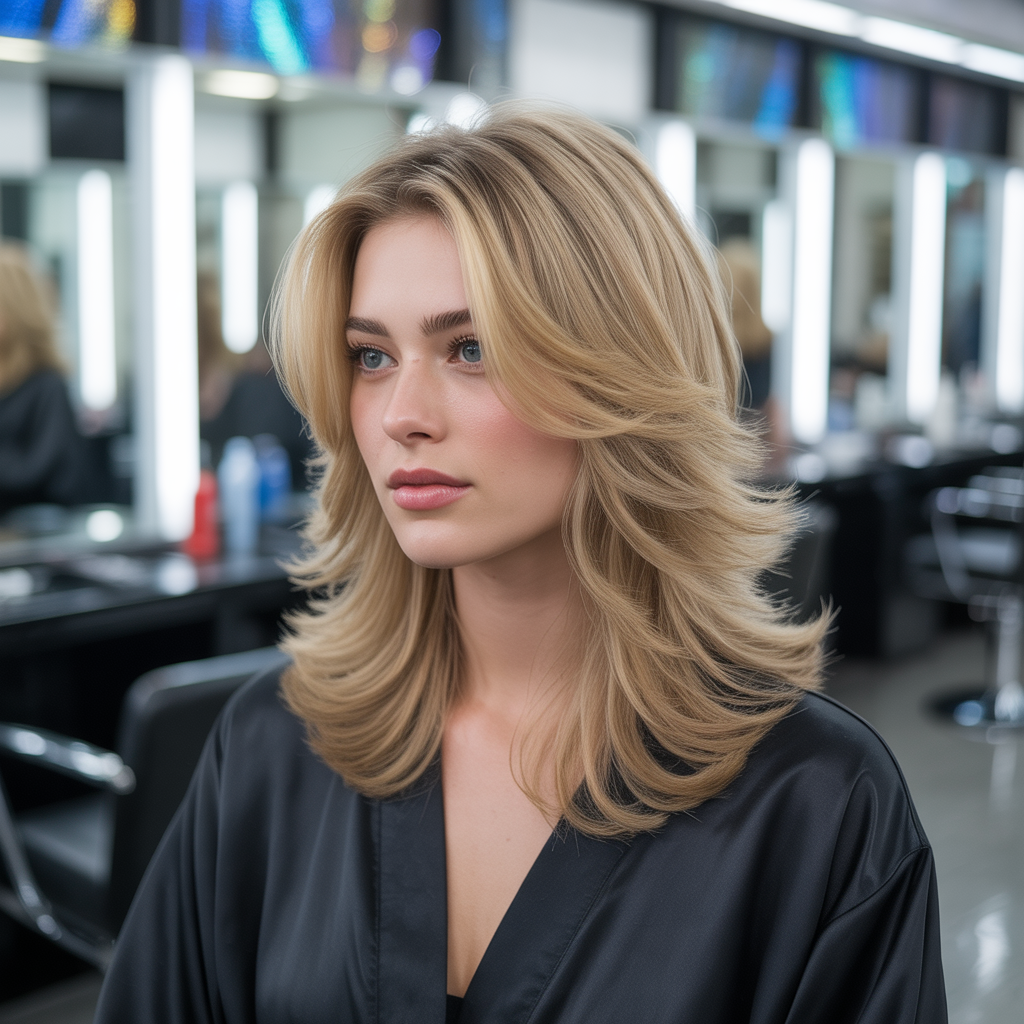
Soft layers remove excess weight and improve movement. Hair flows more freely and avoids sitting flat against the scalp. This creates natural fullness without thinning the ends too much. The result looks light and healthy.
Best for straight and soft wavy hair. Works well for oval and round faces. Ask for blended layers, not sharp cuts. Trim every six to eight weeks.
Blunt Bob for a Thicker Look
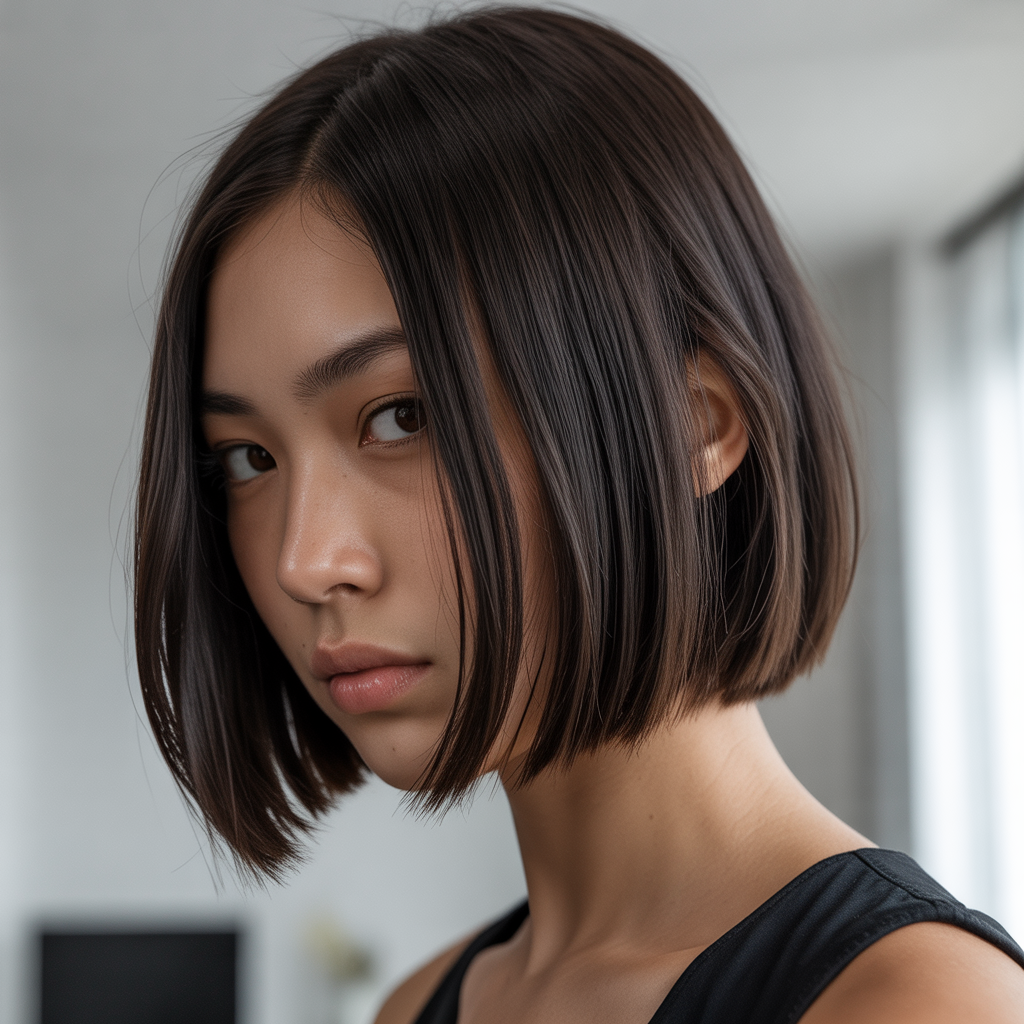
A blunt bob keeps the ends strong and dense. Straight edges make hair appear fuller and healthier. Shorter length prevents hair from losing lift quickly. It reflects light well for a polished look.
Best for straight hair and fine textures. Works for professional and casual wear. Use light smoothing cream. Maintain regular trims.
Lightweight Volumizing Products That Actually Help
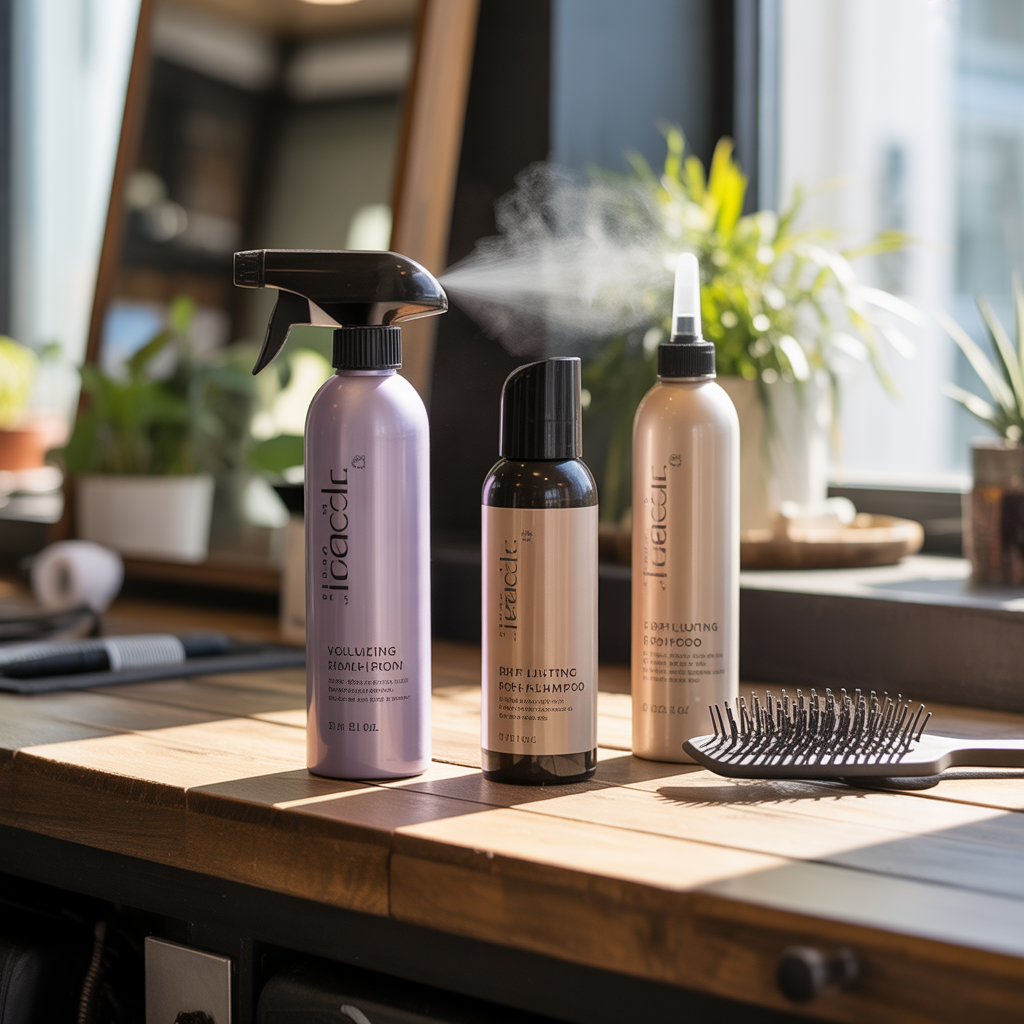
Heavy creams flatten fine hair quickly. Use mousse, root spray, or foam instead. These give lift without sticky buildup. Less product always works better.
Apply mainly at roots on damp hair. Use small amounts only. Dry shampoo adds grip even on clean hair. Avoid oils near the scalp.
Blow-Dry Upside Down for Quick Root Lift
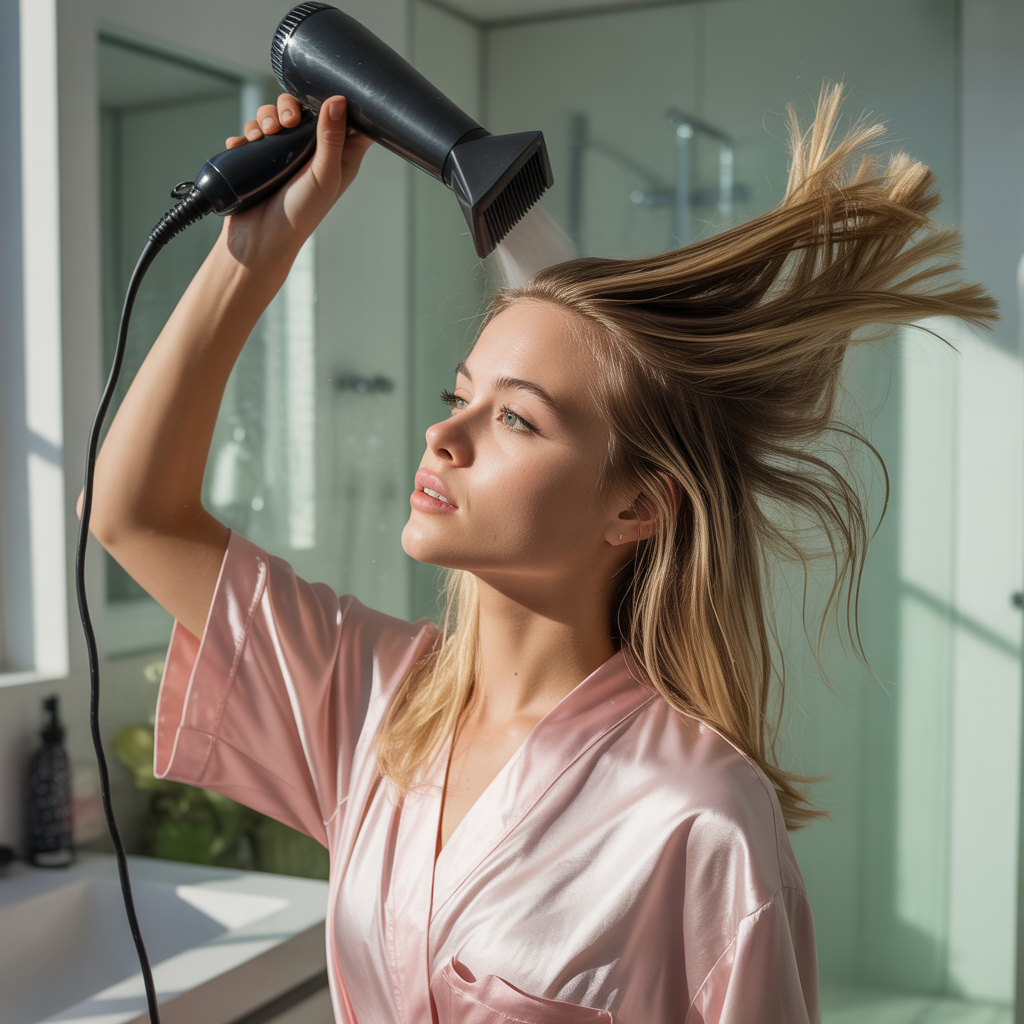
Drying upside down lifts roots away from the scalp. It adds instant body without extra styling tools. This method keeps hair from sticking flat at the crown.
Finish upright using a round brush for shaping. Focus on front sections. Works best for straight and light wave hair. Use medium heat only.
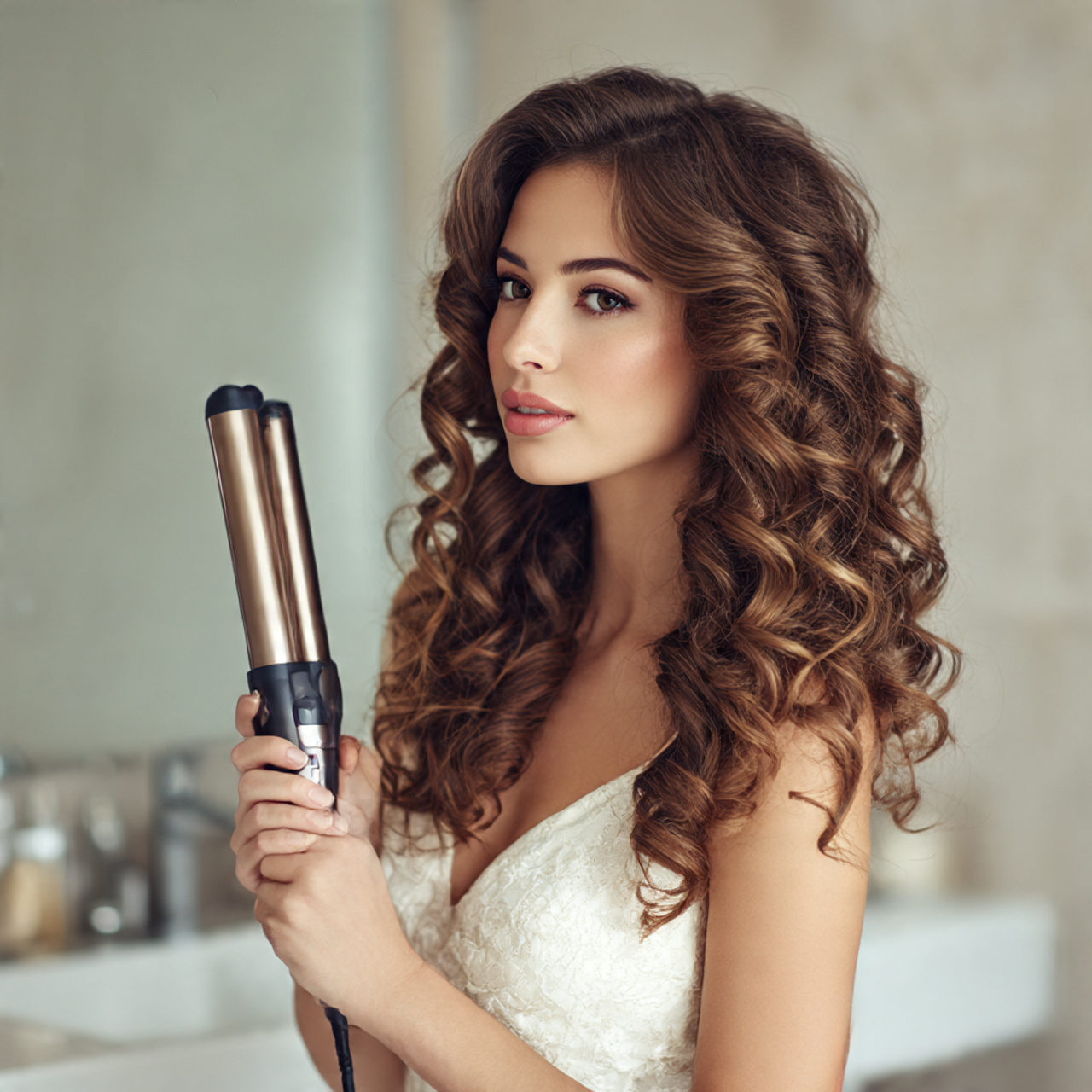
Heatless Waves for Fullness Without Damage
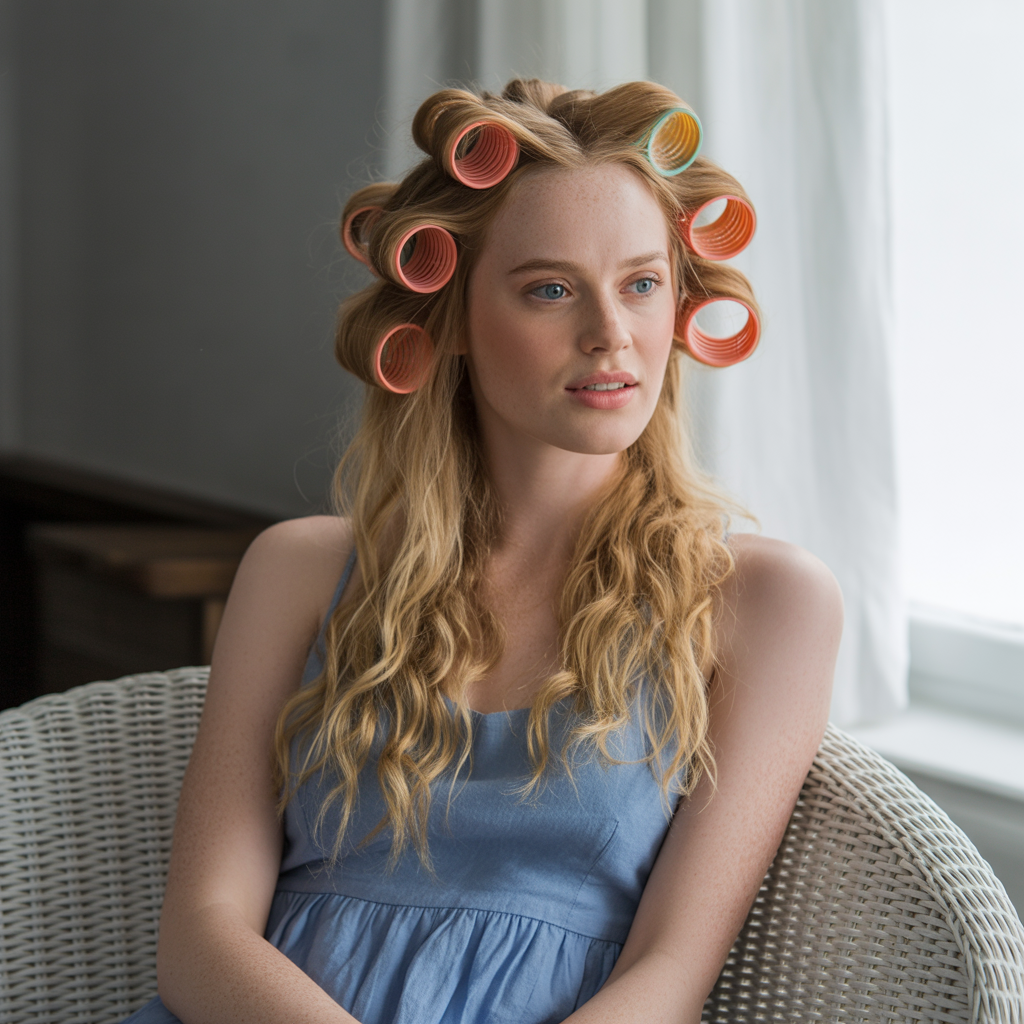
Waves add space between strands and create visual thickness. Braids or soft rollers shape hair overnight without heat damage. The result feels natural and soft.
Great for shoulder-length and long hair. Saves morning styling time. Protects fragile strands. Finish with light texture spray.
Using Dry Shampoo as a Styling Tool
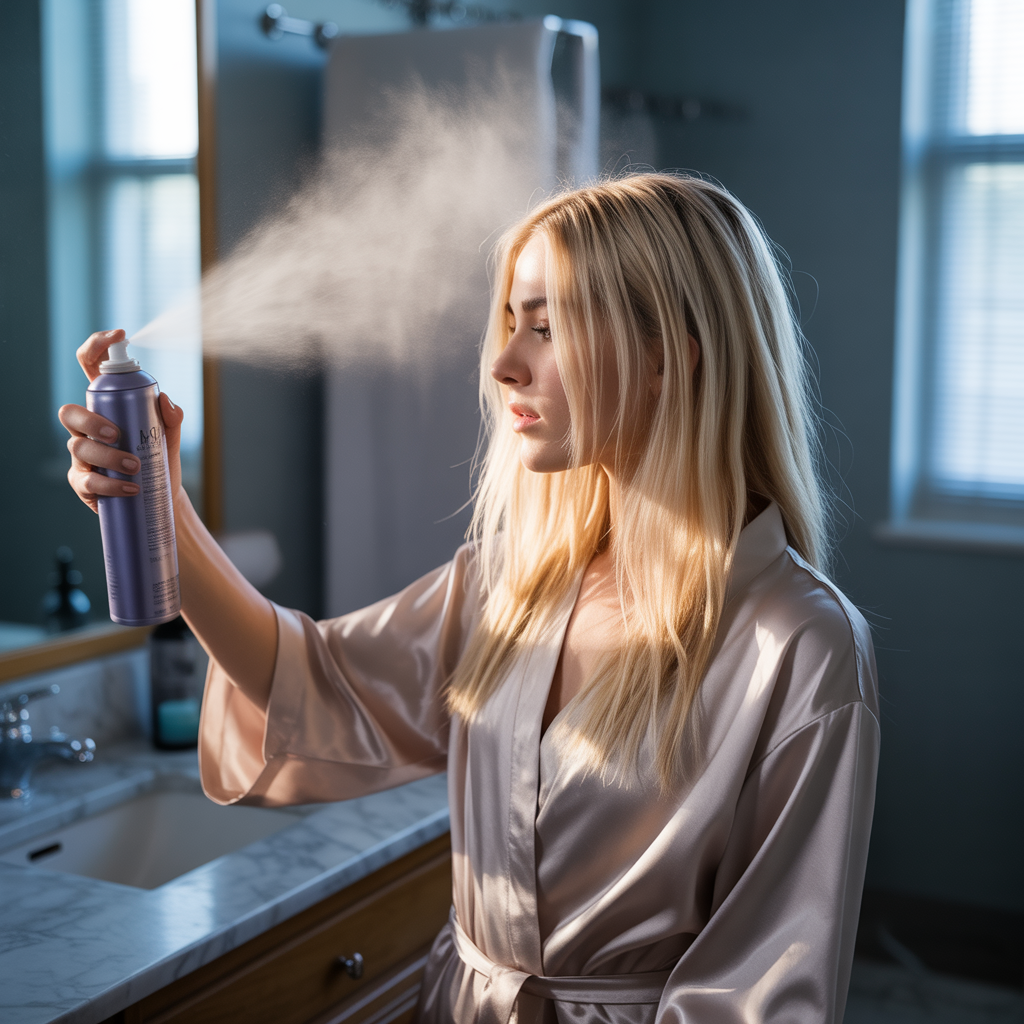
Dry shampoo builds grip and volume, not just oil control. It keeps styles lifted longer and improves hold. Braids and updos stay shaped better.
Spray lightly at the crown. Massage gently. Avoid heavy layers of powder. Brush through ends.
Half-Up Styles for Better Balance

Half-up styles keep lift at the crown while leaving length loose. This prevents thin areas from showing too clearly. The look feels balanced and polished.
Works for all face shapes. Suitable for casual and formal days. Add soft waves for volume. Secure gently.
Wispy Bangs That Match Fine Texture
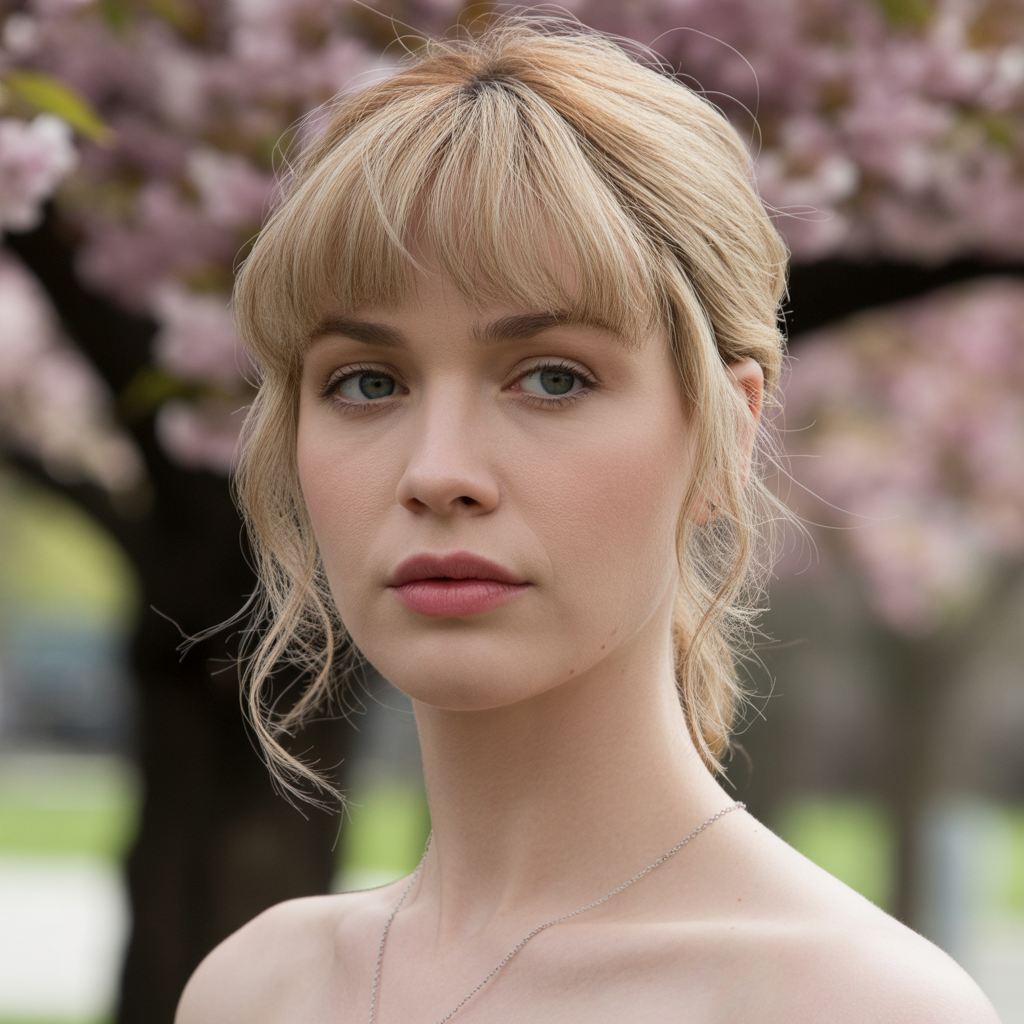
Light bangs frame the face without needing thick density. They stay soft and blend easily with layers. Heavy bangs often look thin on fine hair.
Best for straight and soft wave hair. Trim regularly. Style with round brush. Avoid heavy products.
Textured Lob for Easy Movement
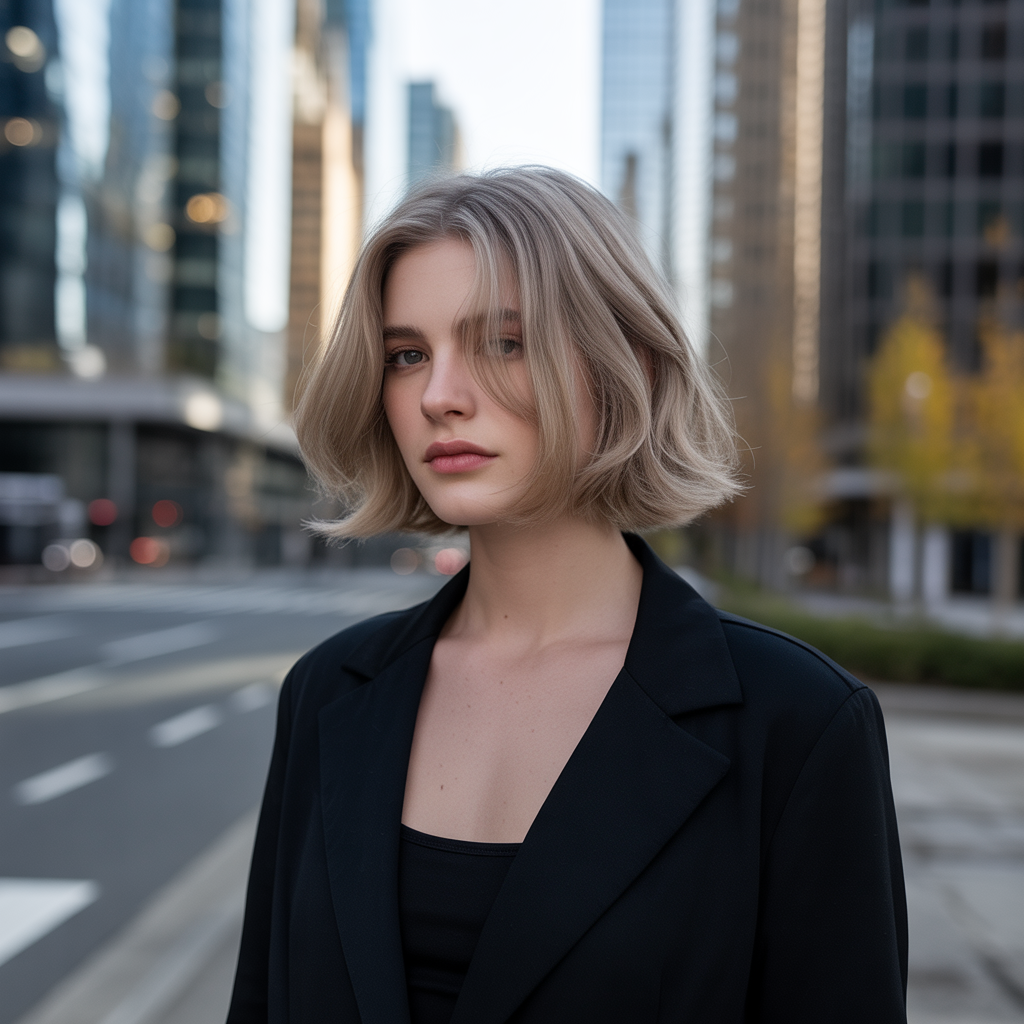
A long bob keeps length manageable while preventing flat roots. Light texture improves bounce and flow. Ends stay healthy and thick.
Works for most face shapes. Style with loose waves. Maintain trims every eight weeks. Use volume spray lightly.
Gentle Root Teasing for Extra Height
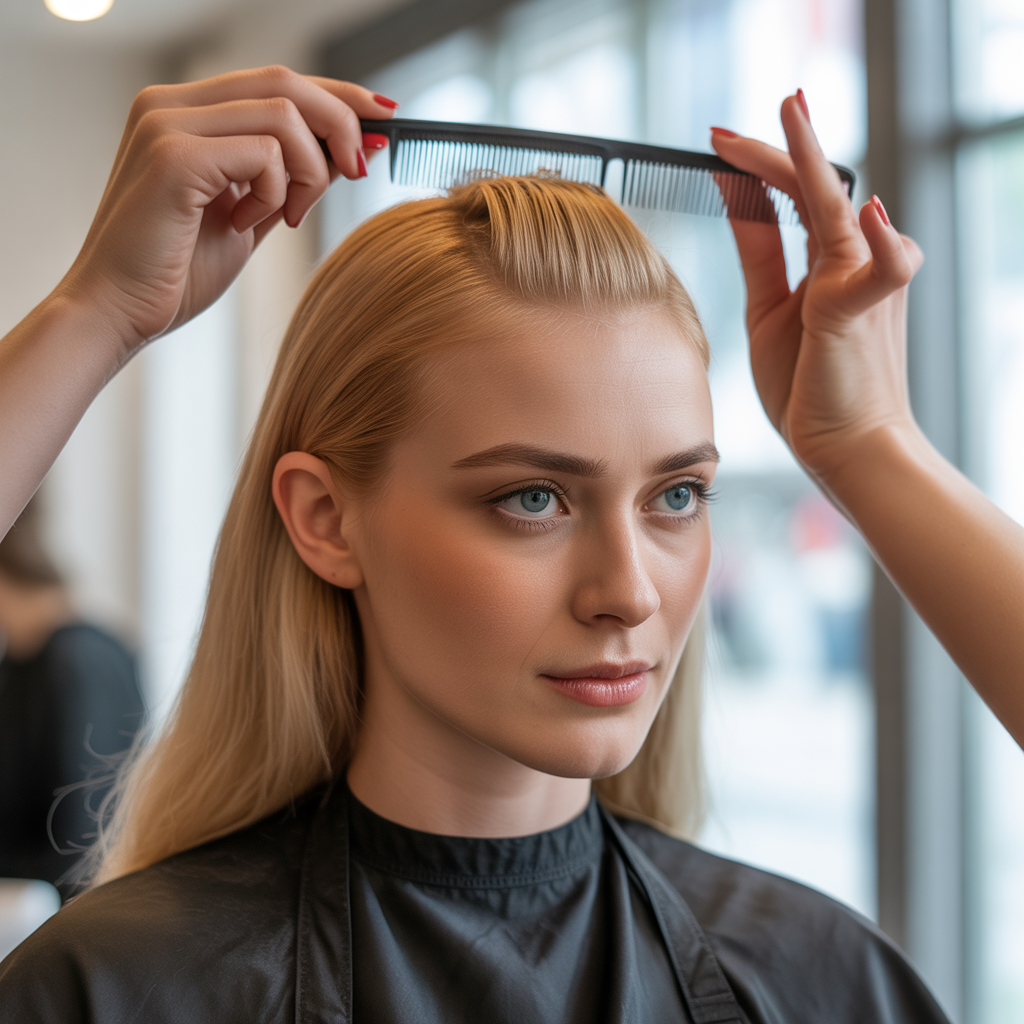
Light teasing at the crown adds height for special occasions. Smooth top layers over gently for clean finish. Avoid daily teasing to protect hair health.
Best for events and photos. Use fine comb only. Spray lightly for hold. Be gentle when brushing out.
Sleek Ponytail with Hidden Volume
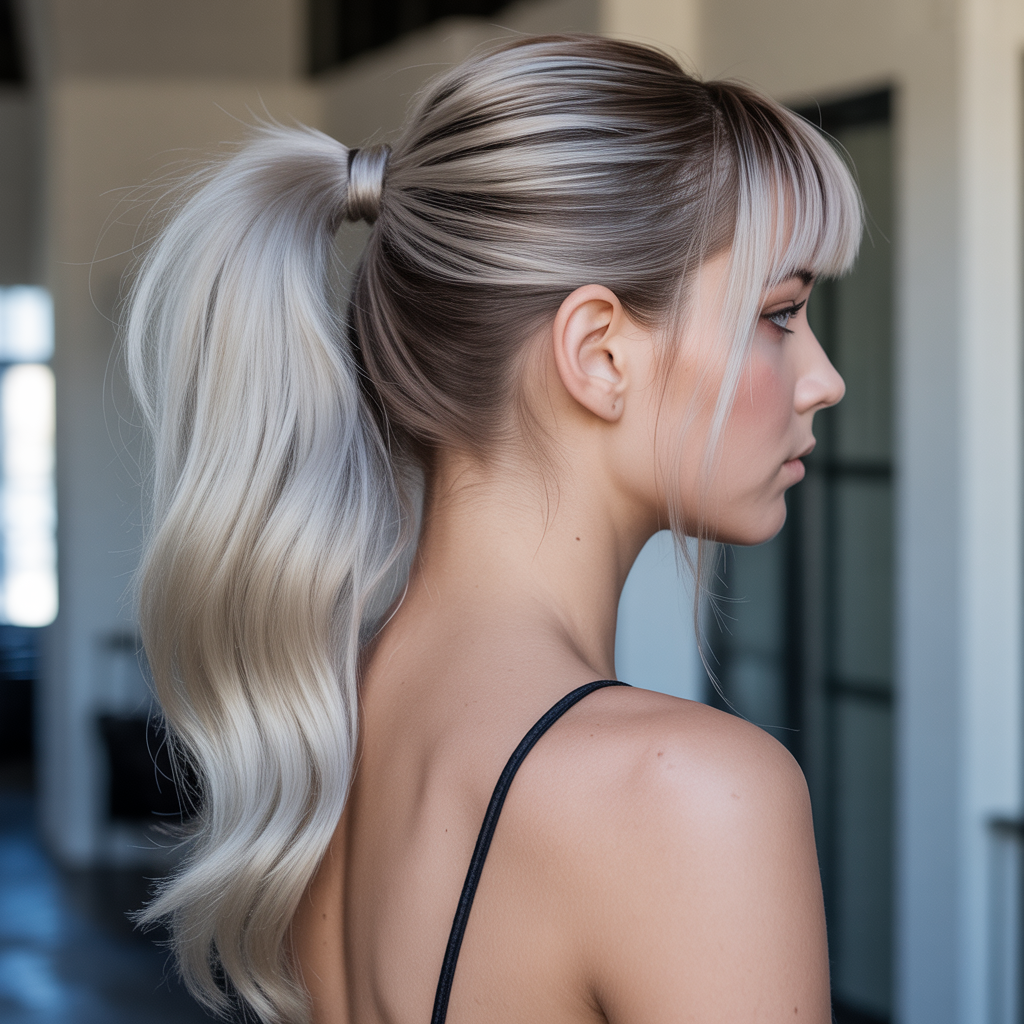
Hidden teasing under the ponytail base adds lift. It makes ponytails look fuller and balanced. Wrapping hair over elastic improves polish.
Great for work and casual wear. Works on all hair lengths. Secure gently. Avoid tight tension.
Air-Drying with a Plan
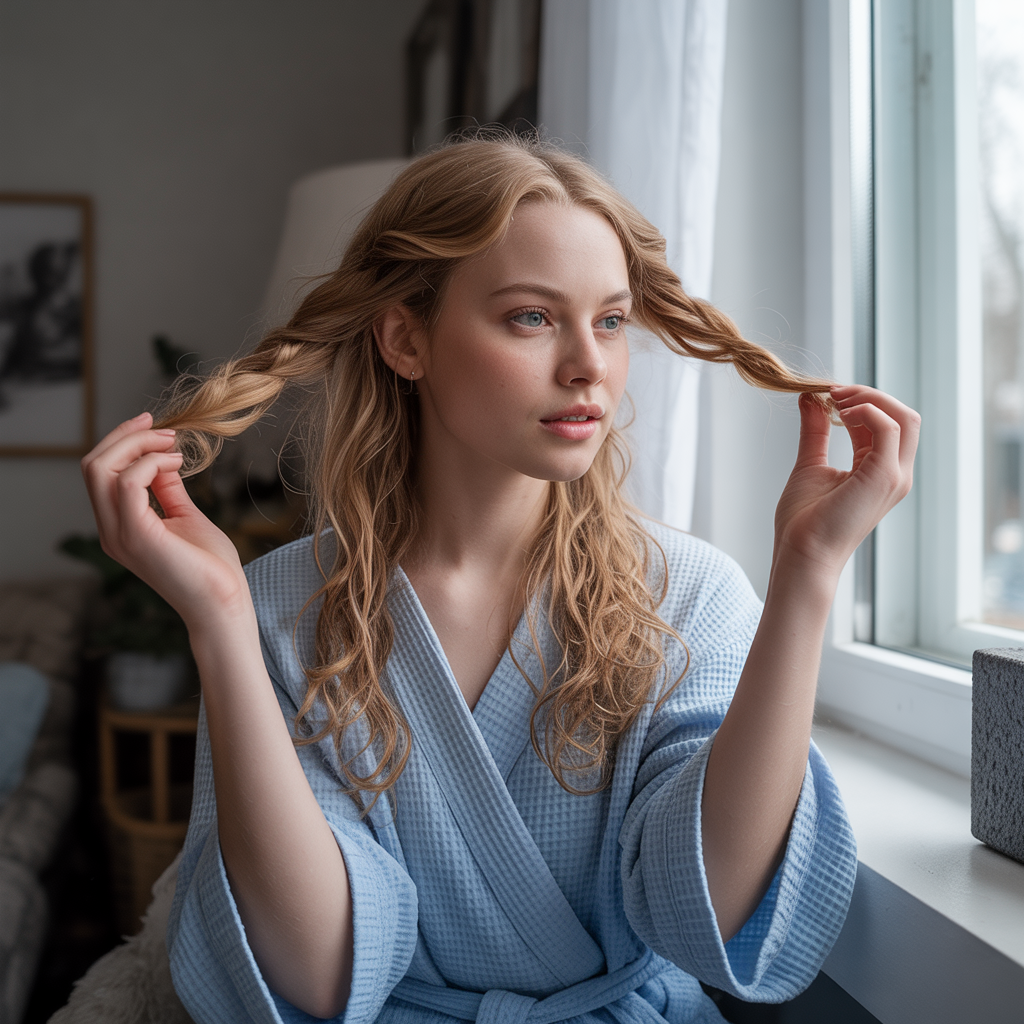
Prep hair with light mousse before air drying. Twist sections gently for shape. This prevents flat drying results.
Best for natural straight and wavy hair. Saves heat damage. Finish with texture spray. Avoid heavy creams.
Rollers at the Crown for Long-Lasting Lift
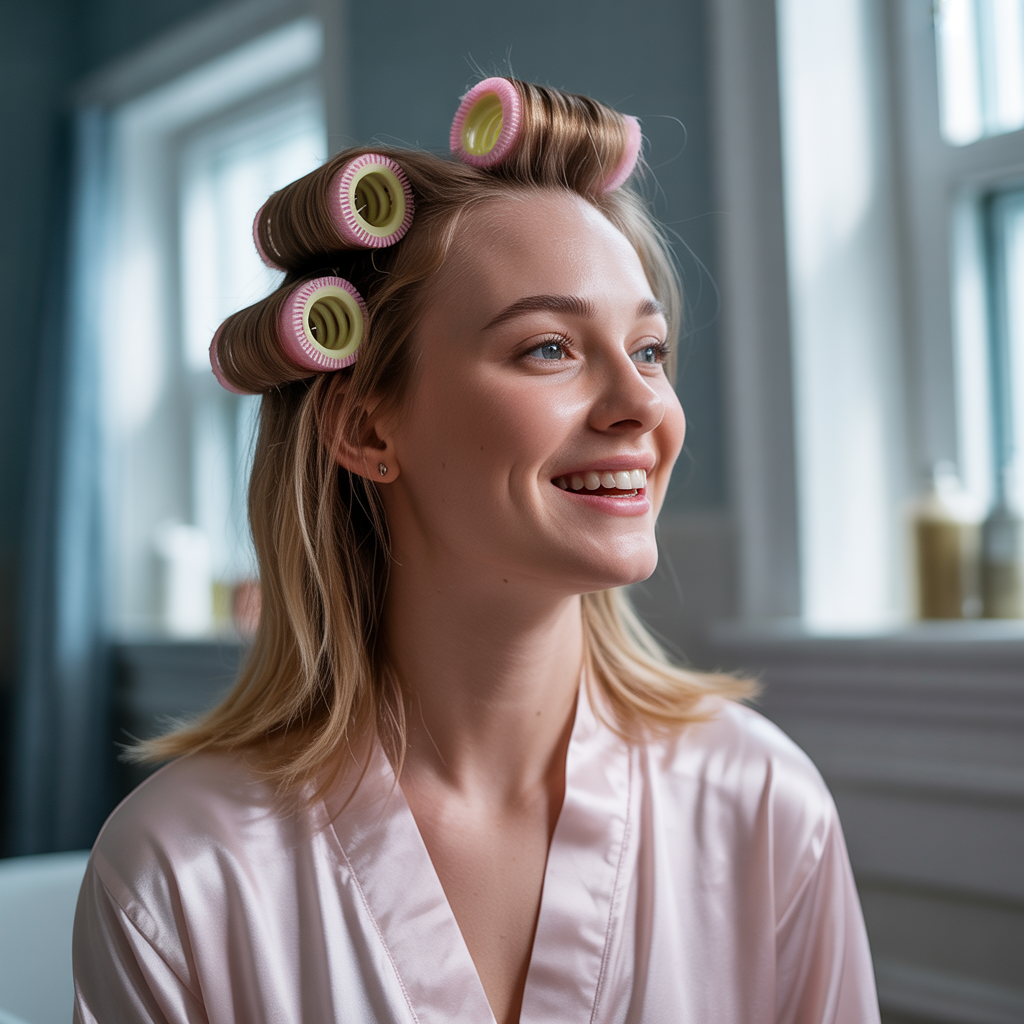
Velcro rollers add lift that lasts longer than blow-drying alone. Even two rollers change the overall shape. This works well before outings.
Use on damp or dry hair. Leave for fifteen minutes. Brush gently after removal. Add light spray.
Visit Also: Short Flow Haircut Men
Highlights to Create Depth and Fullness
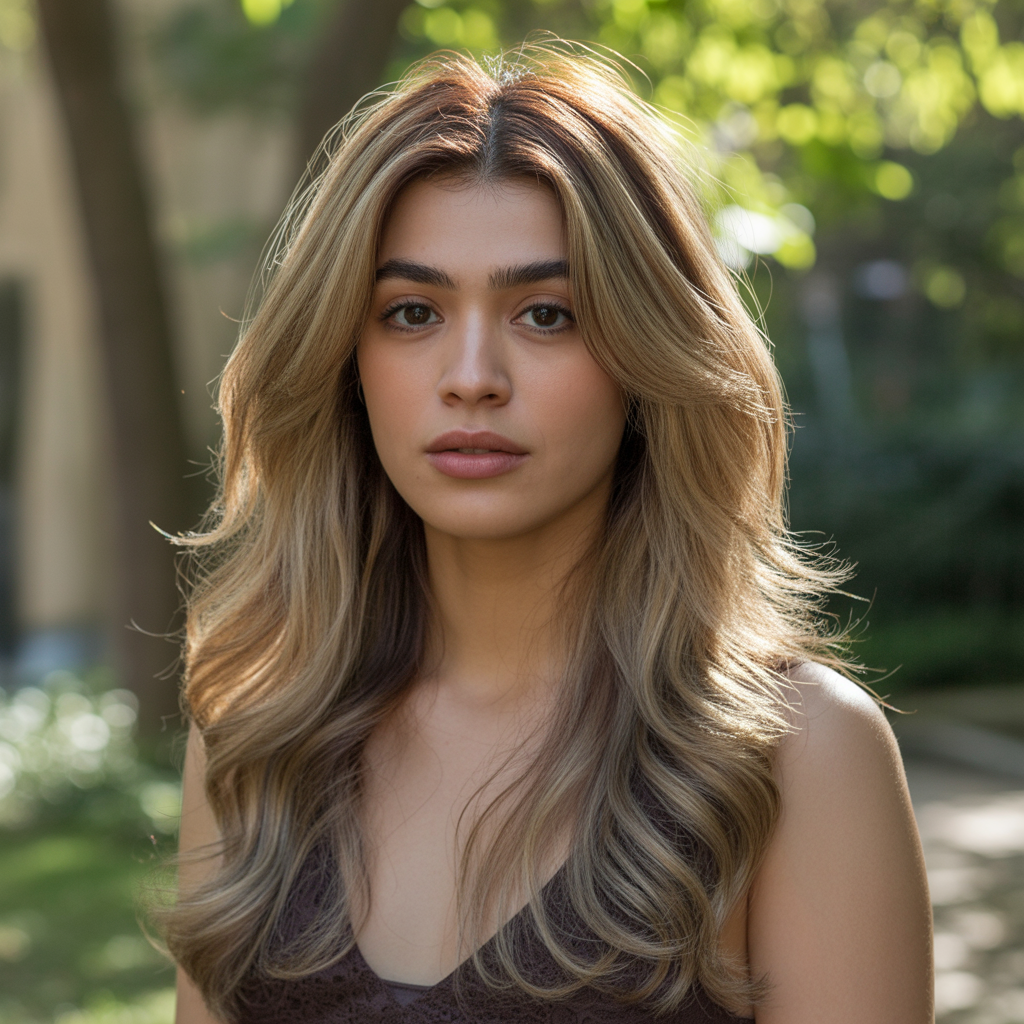
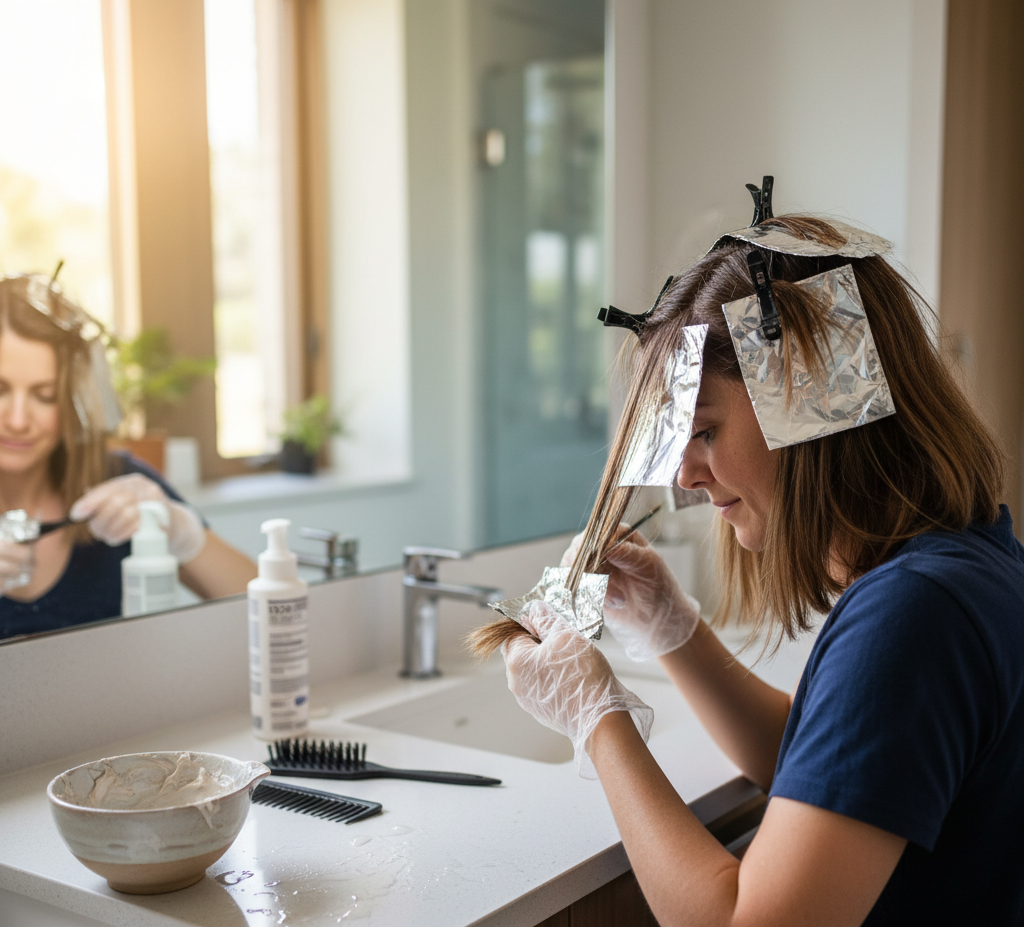
Soft highlights add visual layers and dimension. Hair appears thicker because color reflects light differently. Blended tones keep the look natural.
Choose shades close to your base color. Avoid harsh contrast. Maintain color care routine.
Short Pixie Cuts for Maximum Volume
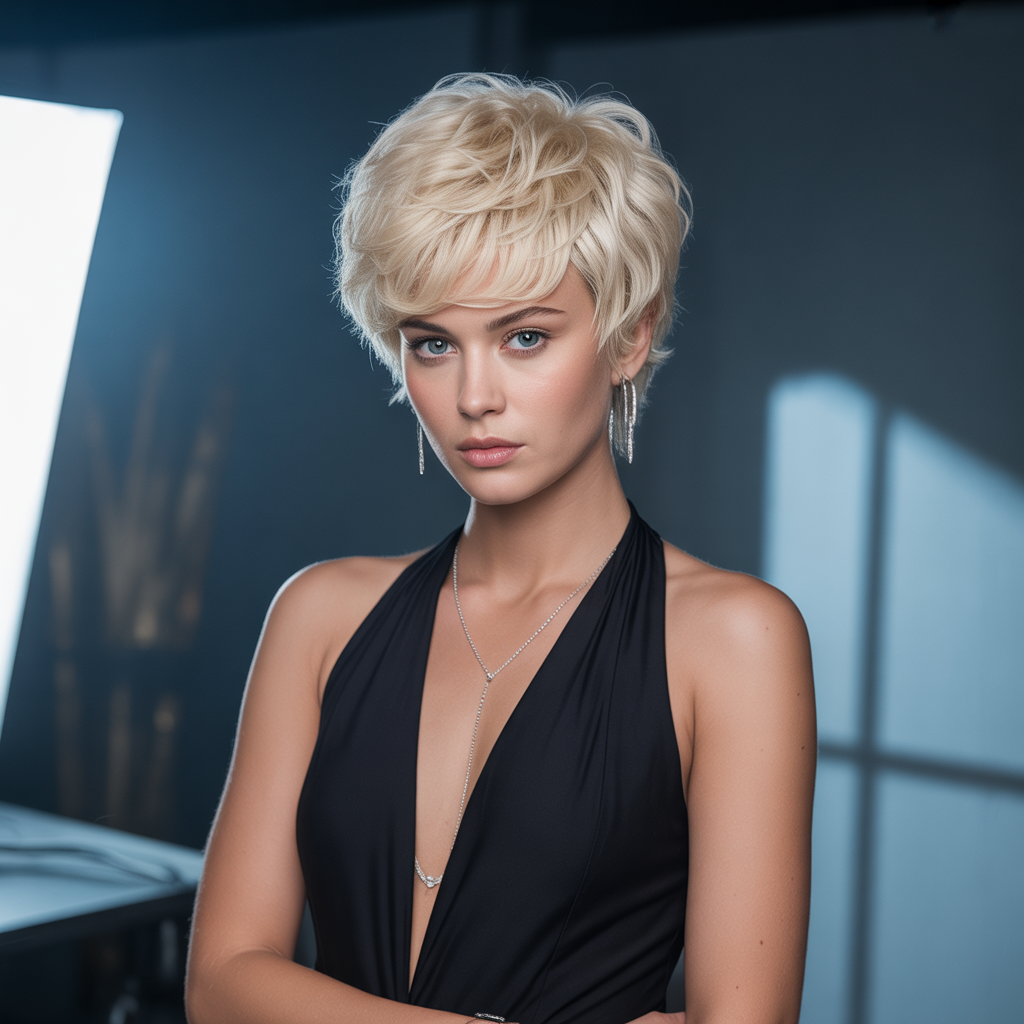
Short length removes weight and improves natural lift. Pixies create fullness with minimal styling time. The shape stays clean and modern.
Best for fine straight hair. Works for oval and heart faces. Trim frequently. Use light styling cream.
Collarbone Length Cut with Face Framing Layers
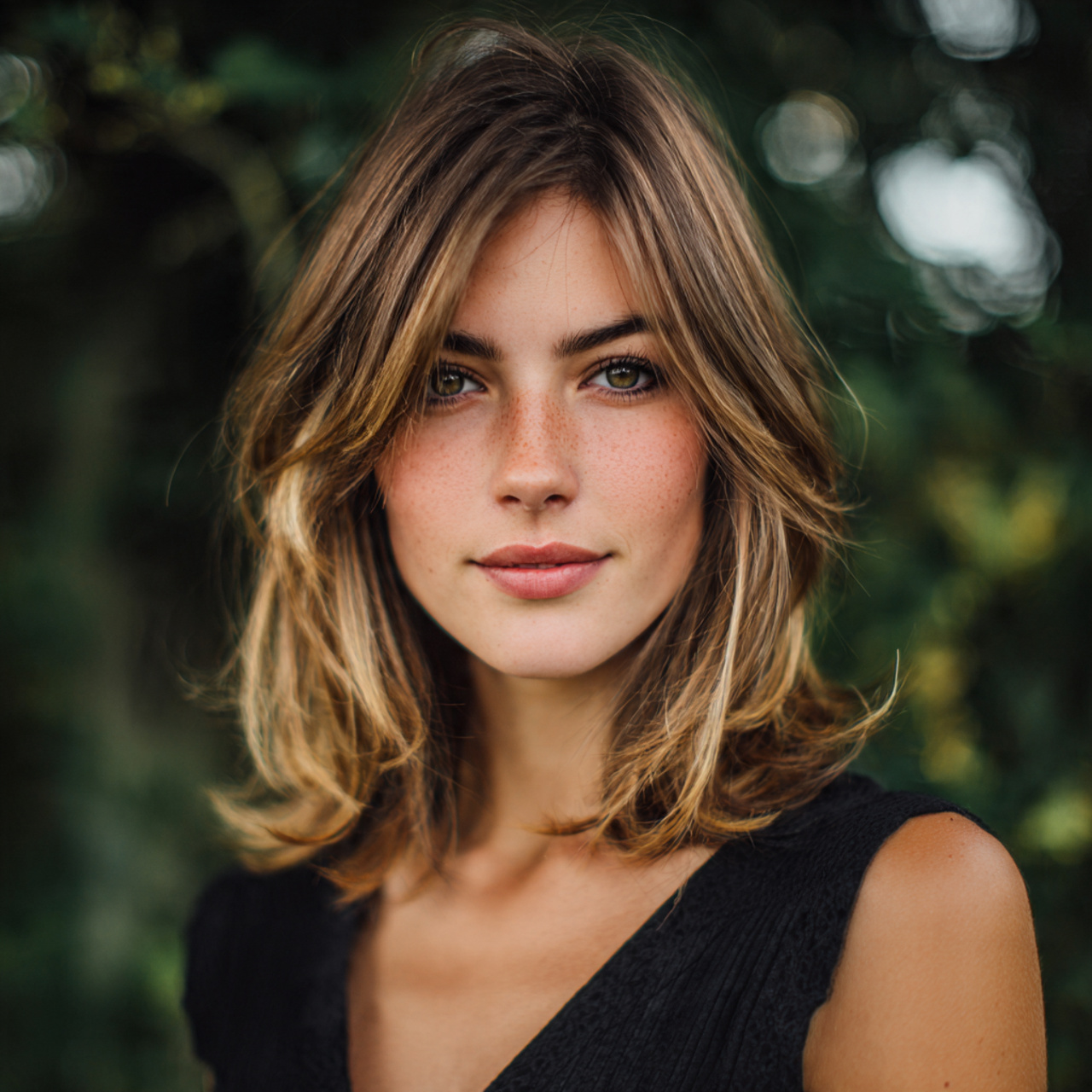
This length balances fullness and flexibility. Face framing layers lift the front and soften the jawline. It feels light and easy to style daily.
Best for straight and wavy hair. Works for all ages. Blow dry with round brush lightly.
Soft Curtain Bangs for Thin Forehead Coverage
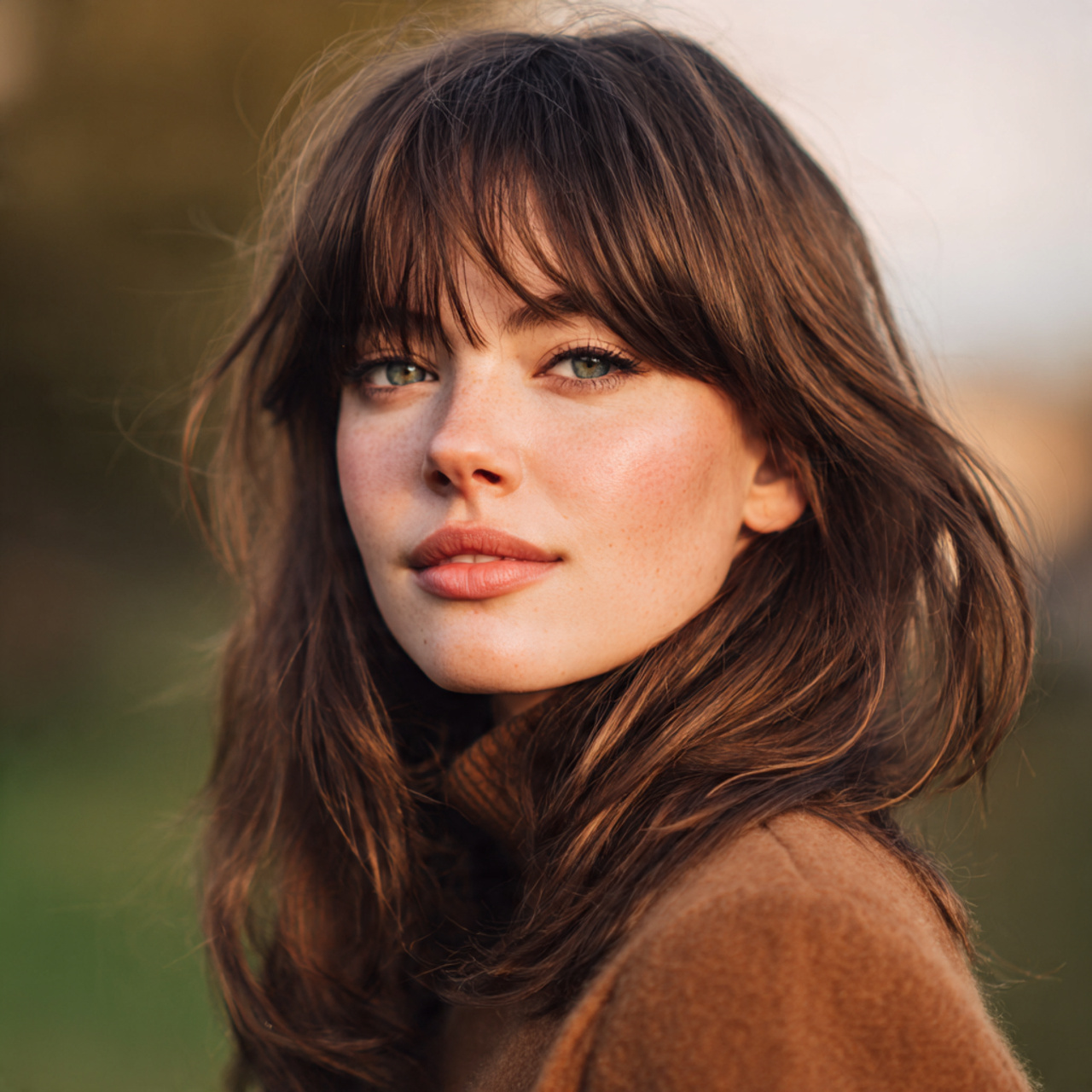
Curtain bangs create gentle framing without heaviness. They blend into layers smoothly and grow out easily. This adds style without high maintenance.
Best for oval and heart faces. Works with straight and wavy hair.
Chin-Length Rounded Bob for Soft Volume

Rounded shaping lifts the sides and avoids flat ends. It softens facial lines and improves balance. Styling remains quick and clean.
Best for square and long faces. Suitable for fine straight hair.
Light Perm Waves for Long-Term Body

A light perm creates lasting wave pattern and volume. It reduces daily styling effort and keeps shape consistent. Proper care keeps hair healthy.
Best for fine hair lacking hold. Requires moisture care routine.
Short Stacked Bob for Crown Lift

Stacked layers at the back boost crown height. The shape keeps fullness even after long days. It feels structured yet lightweight.
Best for fine hair needing volume support.
Who These Styles Work Best For
Fine hair benefits most from light layers and controlled lengths. Straight hair shows structure clearly. Wavy hair gains movement easily. Thin density improves with blunt edges and crown lift.
Busy lifestyles benefit from low-maintenance cuts. Professional settings favor clean shapes. Casual wear supports textured styles.
Practical Styling and Maintenance
Wash every two to three days. Use lightweight conditioner. Avoid heavy oils near roots. Trim regularly to keep shape.
Use heat protectant when styling. Rotate volume products. Sleep on silk pillowcases to reduce friction.
FAQs
Is fine hair better short or medium length?
Short to medium holds volume better than long.
Can fine hair handle color safely?
Yes, when properly conditioned and spaced out.
Does teasing damage fine hair?
Excess teasing can cause breakage. Use gently.
What product adds most volume?
Root mousse and dry shampoo work best.
Should fine hair be layered?
Yes, when layers are soft and balanced.
Conclusion
Fine hair responds best to smart shape, light products, and gentle styling habits. With the right approach, fine hair looks full, healthy, and easy to manage. Small adjustments create visible improvement without heavy effort.
These twenty ideas provide flexible options for every lifestyle and face shape. With consistent care and smart choices, fine hair becomes a strength instead of a challenge.