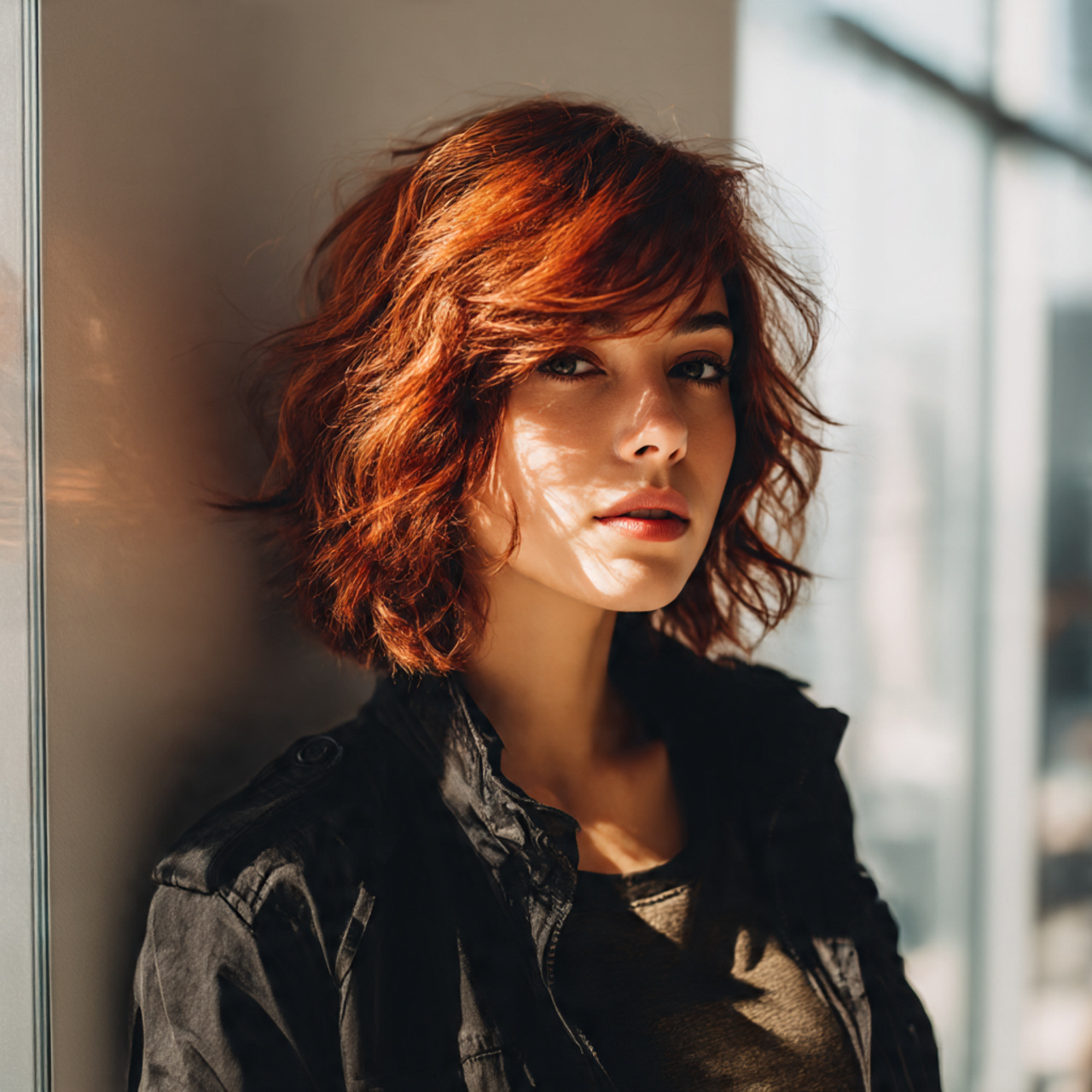
20 Caramel Highlight Ideas That Will Completely Transform Your Hair This Season
You have been staring at the same flat, lifeless hair color for months and something feels wrong. Caramel highlights keep appearing on your feed, in salons, and on everyone you pass on the street, but every time you try to describe what you want, you leave the chair with something that looks nothing like it. The color is too orange, too washed out, or simply wrong for your skin. You are not imagining the gap between the idea and the result.
This is not a personal failure. Caramel is one of the most requested and most misunderstood shades in salons right now, and it sits across a spectrum from pale honey to deep amber. Without a clear direction, stylists default to a formula that works generically instead of the one that works specifically for you. The disappointment is almost always a communication problem, not a color problem.
The real root cause is that most people walk into a salon with a vague reference image and no understanding of what caramel actually means for their specific base. A warm amber caramel that photographs beautifully on deep brown hair pulls brassy and flat on a lighter base. Technique, tone, and placement all have to align from the start, and choosing any one of them randomly produces unpredictable results.
After years of studying color placement, testing formulas across different textures, and comparing results from brands like Wella, Redken, and Schwarzkopf Professional, certain patterns become impossible to ignore. There is a system behind the caramel looks that top colorists produce repeatedly. The placement follows logic, the tone is chosen with intention, and the technique is matched to the hair type. None of it is accidental.
This article breaks that system down into twenty specific looks. Each one comes with the exact tone to request, the product your colorist should use, and the precise words to say in the salon so there is zero room for misinterpretation.
By the time you finish reading, you will know exactly which caramel highlights work for your hair type, your face shape, and your maintenance schedule. Whether you want something barely there or an eye-catching transformation, every version of caramel highlights worth asking for is covered here.
Caramel highlights are one of the defining color movements of 2025, with stylists reporting a strong surge in requests for warm, multidimensional depth over the flat icy blondes that dominated the last several years. Before you scroll through the ideas below, remember the single most important rule for this niche: your caramel tone must be matched to your skin’s undertone first and your hair color second. Warm golden caramel flatters olive and golden skin tones, while beige and neutral caramel suits pink and cool skin tones best.
Caramel Highlight Ideas
Deep Espresso Base Caramel Ribbon Ideas
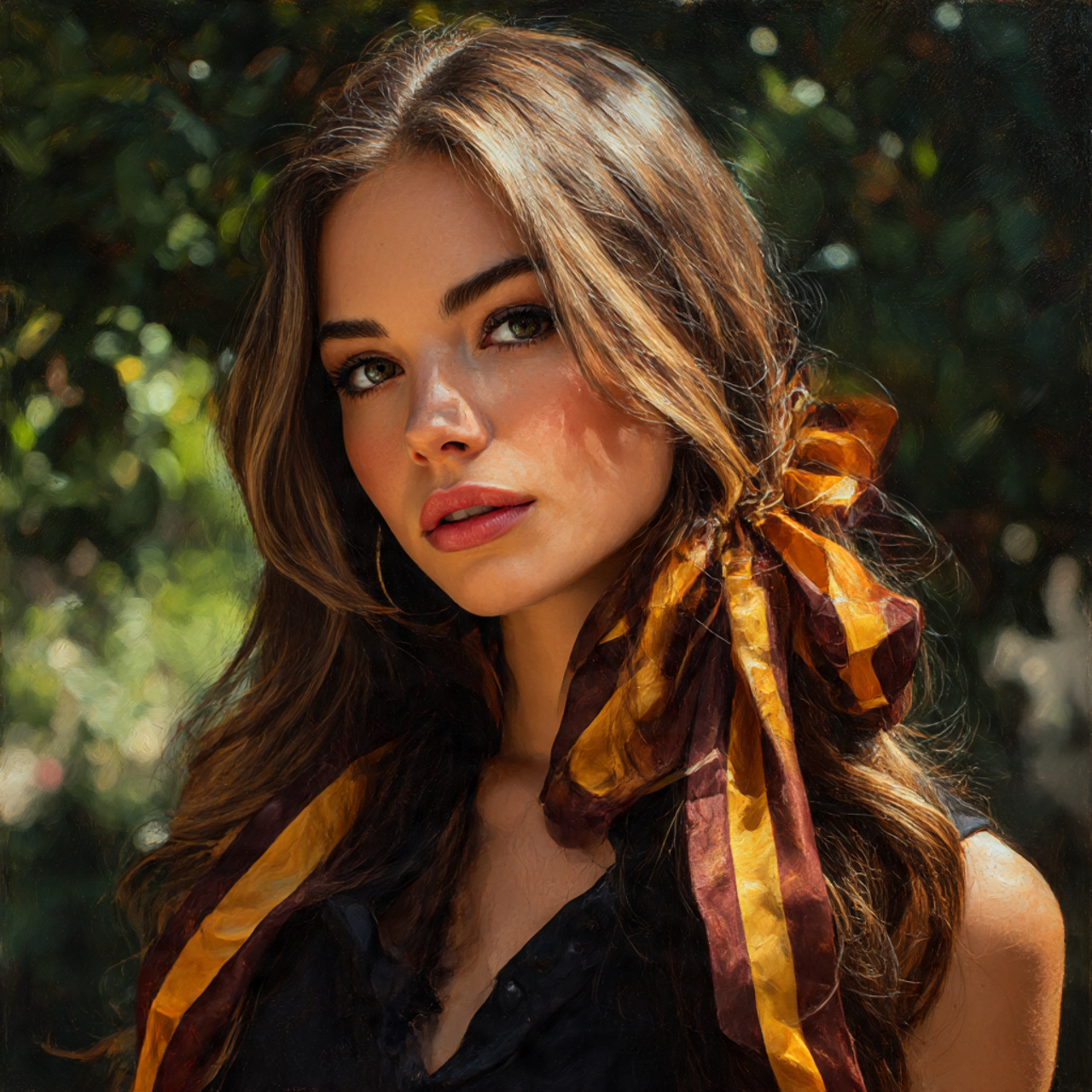
Thick caramel ribbons placed against a very dark base create a contrast that reads almost editorial. A colorist lifts the selected sections to level 8 or 9 using a strong lightener like Schwarzkopf BlondMe Premium Lightener 9+, then tones the lifted hair with Wella Koleston Perfect 9/3 in warm gold. The resulting ribbons sit bright and defined against the espresso base and catch light in long, clean strips every time the hair moves.
This look performs best on straight and gently waved hair, where the ribbons lay flat against the dark base and the contrast is undiluted. Spacing matters as much as the color itself. Wider gaps between ribbons at the root and tighter sections at the ends produce a result that reads natural rather than striped.
Best for: Very dark hair with no previous lightening that needs bold warmth without going fully blonde Product: Wella Koleston Perfect 9/3 toned over a Schwarzkopf BlondMe Premium Lightener 9+ lift Pro tip: Ask your stylist to space the ribbons wider apart at the roots and closer together toward the ends so the color builds in density as it reaches the tips. Face shape: Oval and heart-shaped faces carry this high-contrast ribbon look with the most natural balance. Barber language: “I want thick caramel ribbon highlights on a very dark espresso base, lifted to a level 8 or 9 and toned warm gold, with wide spacing at the roots and tighter at the ends.”
Sun-Kissed Golden Caramel Placement Ideas

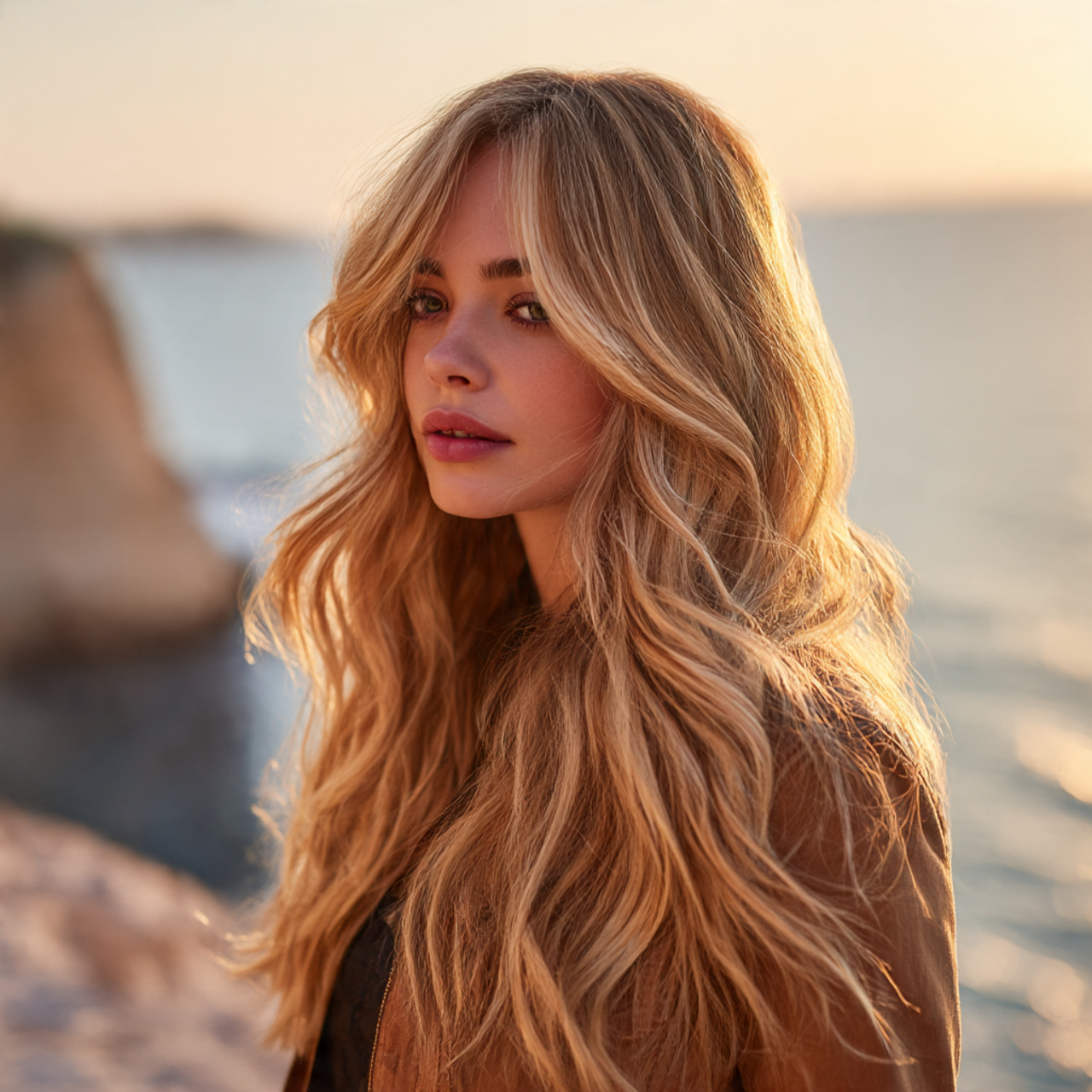
Golden caramel placed exactly where direct sunlight hits creates results so believable that people genuinely assume the color grew in naturally. The technique involves freehand painting with a flexible balayage brush using Schwarzkopf BlondMe Lift and Blend, targeting only the temples, crown, and outermost layers. The placement covers no more than 20 to 30 percent of the total hair, which is precisely what makes it look real.
This approach suits mid-length to long hair best because the painted sections have enough length to show a soft, full gradient. Fine hair benefits most from this specific technique because the lighter pieces create a visual impression of added volume and brightness that structured foil highlights cannot match.
Best for: Anyone wanting natural-looking warmth with minimal upkeep and seamless grow-out Product: Schwarzkopf BlondMe Lift and Blend applied freehand with a wide balayage brush Pro tip: Request that your stylist leave the root section fully untouched so the grow-out integrates naturally for up to six months without a visible line. Face shape: Round and square faces benefit most from golden pieces placed high at the temples, which draw the eye upward and add length to the face. Barber language: “I want sun-kissed golden caramel balayage placed only where the sun would hit naturally, no more than 30 percent coverage, very believable and natural-looking.”
Subtle Honey-Toned Balayage Ideas
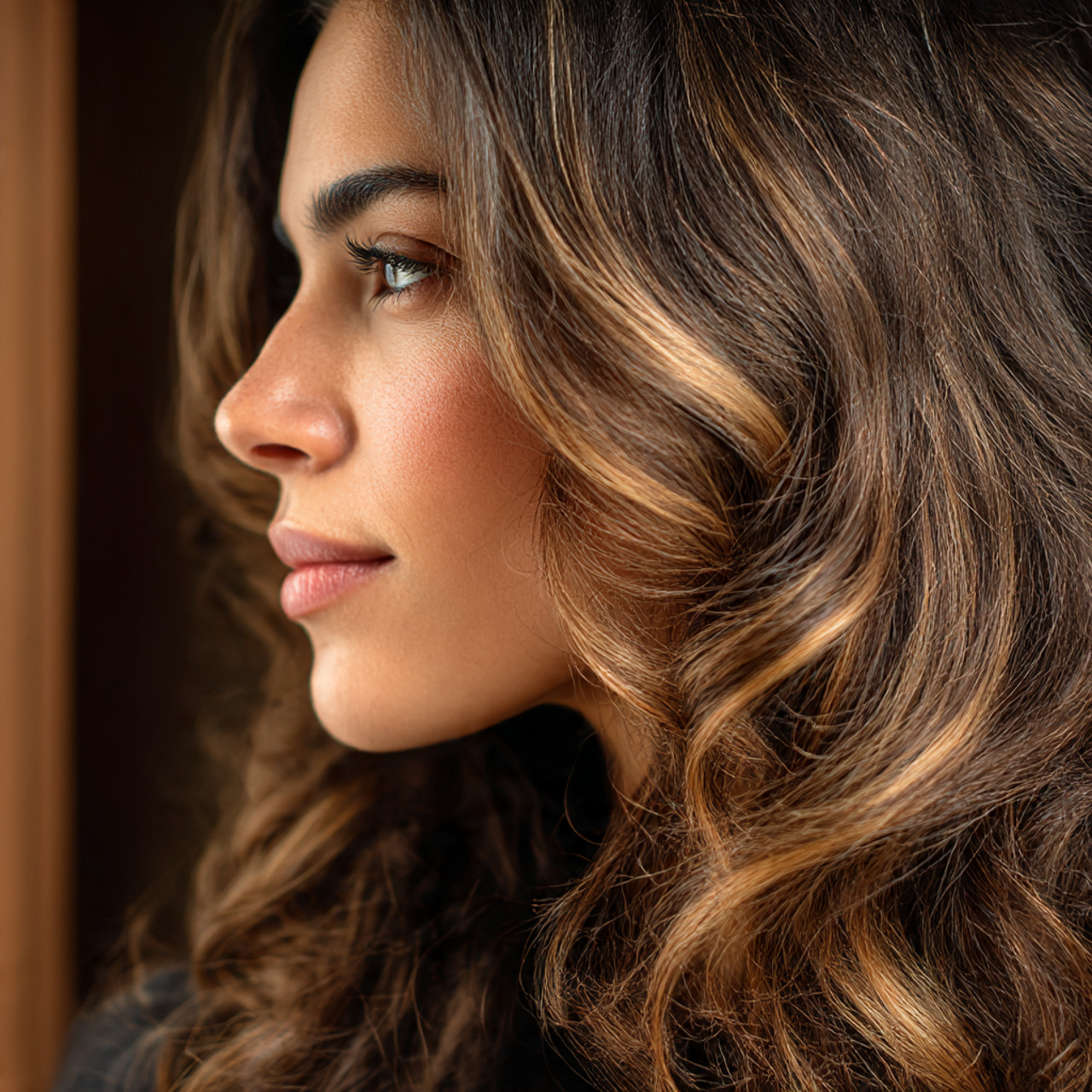
Honey is the softest, most wearable version of caramel, and balayage is the technique that suits it best because of how naturally it diffuses at the edges. A colorist hand-paints sections with L’Oréal Professionnel LuoColor to deliver soft honey warmth through the mid-lengths and ends with no definable line where the natural base stops and the color begins.
This is among the lowest-maintenance highlight options available because the grow-out looks intentional rather than neglected. Brown and dark blonde bases respond to honey balayage particularly well, and a clear gloss treatment between appointments restores the shine and tone without a full color service.
Best for: Busy clients who want color that looks beautiful even while growing out Product: L’Oréal Professionnel LuoColor in honey-warm tones, refreshed between appointments with a clear Redken EQ gloss Pro tip: Book a gloss-only appointment every eight weeks instead of a full recolor to extend the honey tone and cut the cost of maintaining the look. Face shape: This diffused, soft result flatters all face shapes and looks particularly elegant on long and oval faces. Barber language: “I want subtle honey balayage, hand-painted from mid-length to the ends, very soft and blended with absolutely no harsh lines.”
High-Contrast Mocha and Caramel Streak Ideas
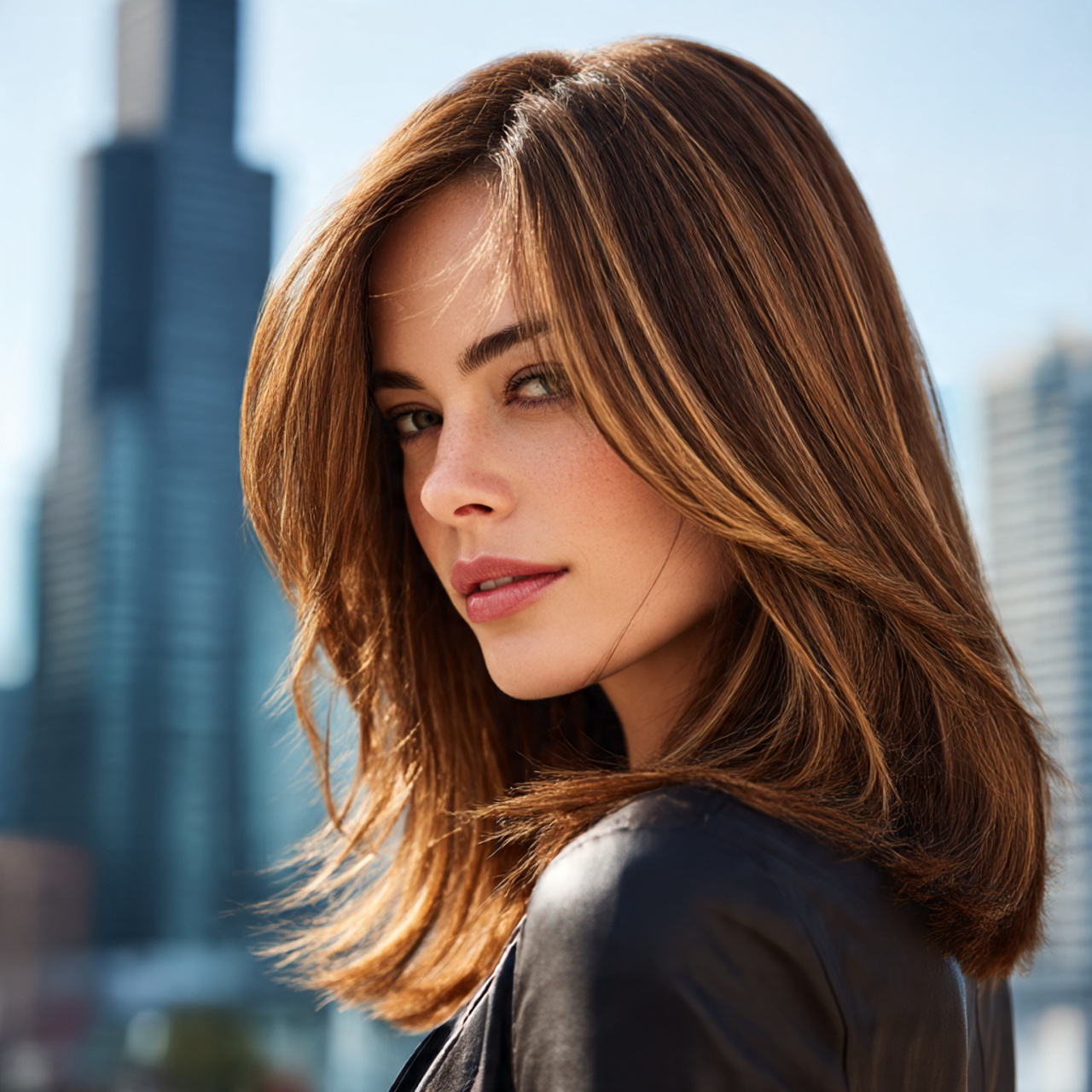
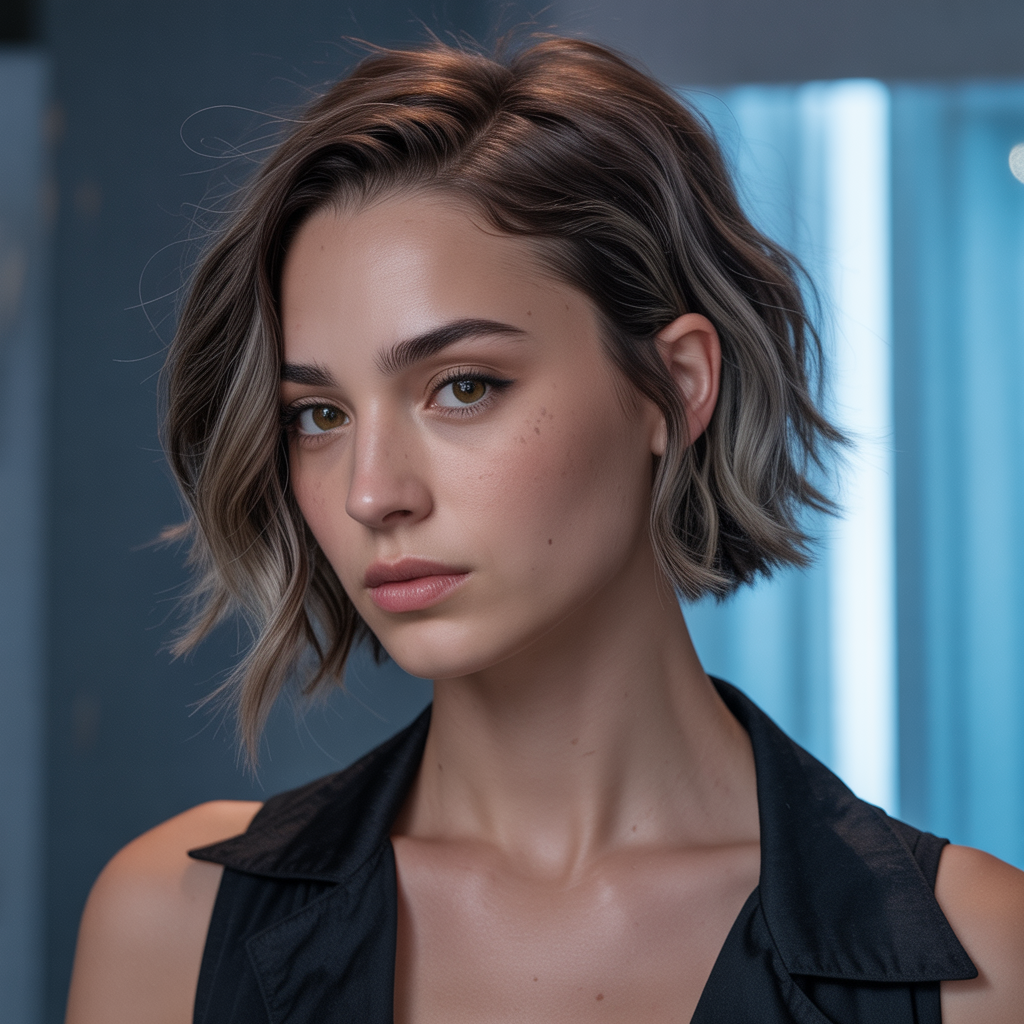
Pairing cool mocha tones with warm caramel streaks in the same head of hair creates a tension that makes the color look three-dimensional and full of movement. This dual-tone technique requires a colorist who understands tonal contrast. Redken Shades EQ is used to tone each section separately so the mocha reads distinctly cool and the caramel reads distinctly warm without the two bleeding into a muddy middle tone.
Structured cuts like bobs, lobs, and blunt layers work best because the geometric shape of the cut frames the contrast cleanly and gives the streaks a defined context. This is not a subtle look and the styling should reflect that intention.
Best for: Bold clients with modern geometric cuts who want visible, fashion-forward color drama Product: Redken Shades EQ 6N for the mocha sections and 7WB for the caramel sections, applied and processed separately Pro tip: Tell your stylist to tone the mocha sections with Redken Shades EQ 6N and the caramel with 7WB so the warm and cool contrast remains sharp and readable. Face shape: Angular face shapes like square and diamond carry this high-contrast technique with the most visual authority. Barber language: “I want high-contrast caramel and mocha streaks, toned separately so the warm and cool sides don’t blend together. I want the contrast to show clearly.”
Face-Framing Caramel Money Piece Ideas

The money piece is one of the most efficient color updates in the salon because it requires the shortest processing time and delivers the most immediate visual impact per section treated. Caramel placed around the face brightens the eyes, defines cheekbones, and updates the overall look without touching the rest of the hair. Because sections around the face are the most fragile and prone to breakage during lightening, Olaplex No.1 Bond Multiplier is non-negotiable in this application.
This technique works on every length and every texture, which makes it the most universally accessible option on this entire list. The results feel personal and specific to the individual even though the actual application is relatively contained.
Best for: Anyone wanting an instant face-brightening update at a lower cost and time commitment Product: Olaplex No.1 Bond Multiplier added during lightening to protect fragile face-framing sections Pro tip: Ask your stylist to blur the money piece into the rest of the hair at the back using a soft shadow root technique so it reads as a seamless halo rather than two separate color zones. Face shape: Heart-shaped faces gain incredible balance from money pieces because the brightness draws the eye to the forehead and upper third of the face. Barber language: “I want caramel money pieces around my face only, then soften and blend them into the rest of my hair at the back with a shadow root.”
Warm Autumnal Caramel Melt Ideas
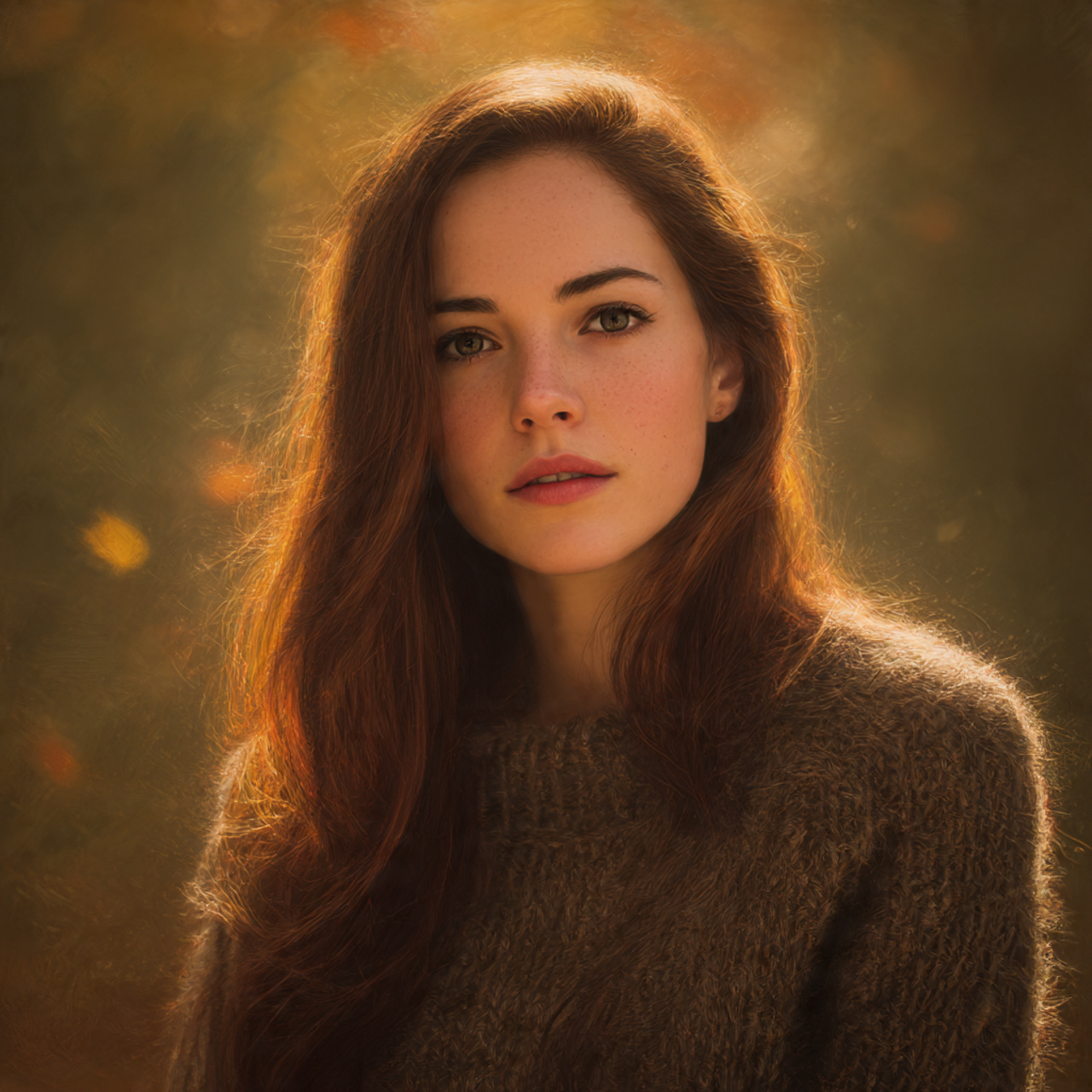
Autumn color melts work because they mirror the layered warmth of natural light falling through leaves. Reds, golds, and ambers are blended seamlessly into a rich caramel at the ends using a wet-on-wet application method where each shade is painted while the previous one is still wet, allowing the boundaries to dissolve completely. Joico LumiShine is the product of choice for this technique because it deposits warmth without lifting the base, keeping the depth rich and intact.
The result reads richest on dark to medium brown bases where the warm tones layer over the natural pigment rather than competing with it. A professional blowout or silk press turns this look into a full autumn statement.
Best for: Clients who love warm, seasonal tones and want a richly layered result that shifts in sunlight Product: Joico LumiShine in copper, gold, and caramel tones applied in sequence using a wet-on-wet melt technique Pro tip: Ask your stylist to use three distinct tones in the melt rather than a single caramel shade so the result reads multidimensional instead of flat. Face shape: Warm melt tones add softness and organic warmth to angular faces, making them especially flattering on square and rectangular shapes. Barber language: “I want a warm caramel color melt with red and gold tones blended wet-on-wet through the mid-lengths and ends. Three tones, not one.”
Dimension-Adding Caramel Lowlight Ideas
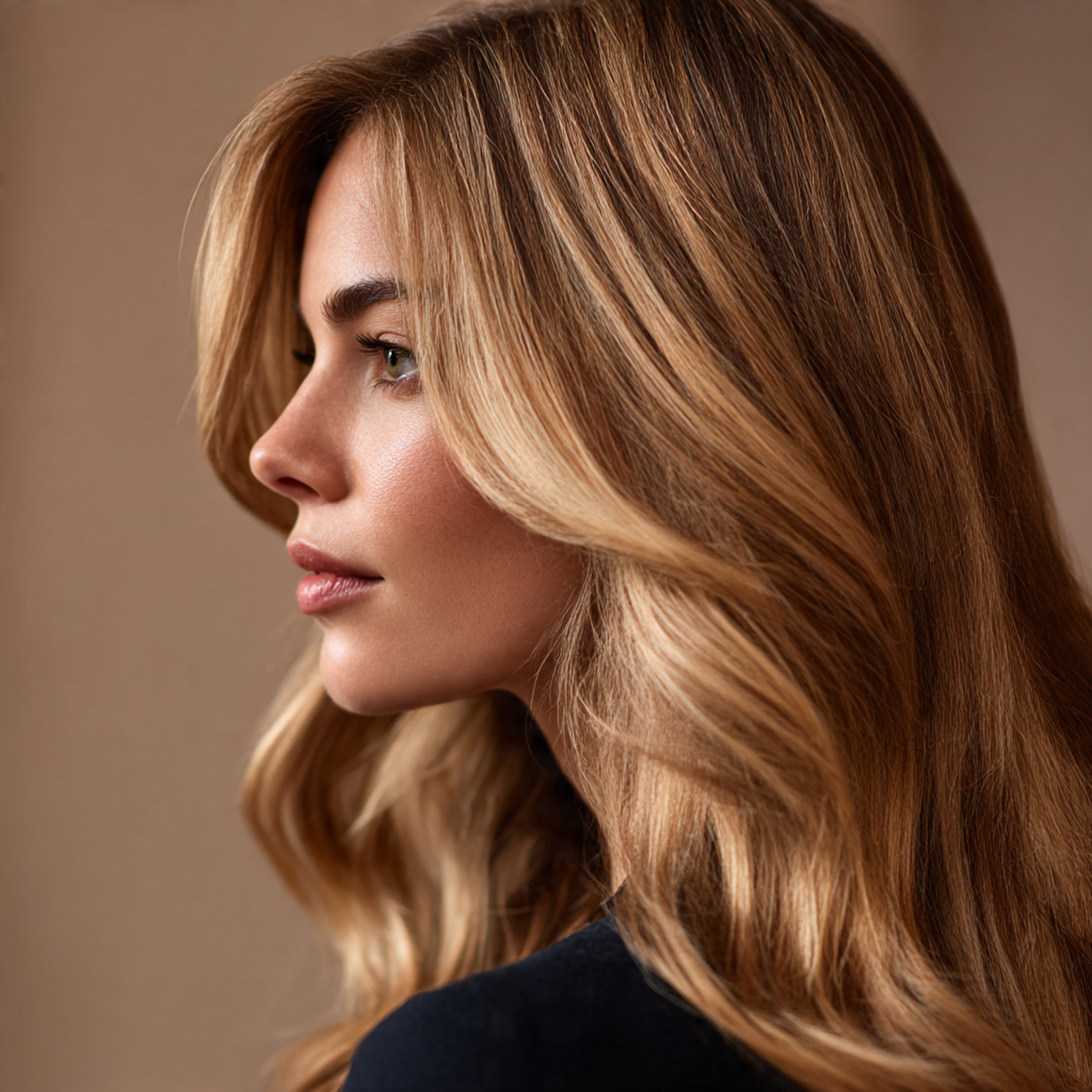
Most clients think of highlights as sections that go lighter, but using caramel as a lowlight in over-lightened or very pale hair is one of the most underused corrective techniques in the industry. When hair has been lifted too far and lost all warmth, painting caramel lowlights back in restores the natural depth that was bleached out. Schwarzkopf Igora Royal in a warm brown-caramel shade deposits cleanly without pulling green or muddy, which is the consistent failure point of cheaper alternatives.
Fine hair benefits most from this approach because the darker caramel sections create an optical illusion of thickness and weight. The result looks like expensive, intentional color even though it is technically a corrective service that repairs previous over-processing.
Best for: Anyone with over-lightened or heavily bleached hair who needs warmth, depth, and the appearance of thickness restored Product: Schwarzkopf Igora Royal 7-65 or 8-65 in caramel-gold for clean, warm deposit on lightened hair Pro tip: Ask for the lowlights to be placed under the top layer rather than on top so they peek through when the hair moves and create depth rather than sitting as visible streaks on the surface. Face shape: Added caramel depth through lowlights benefits round faces most because the darker sections create an illusion of vertical length and shadow through the hair. Barber language: “I want caramel lowlights added underneath my top layer to restore warmth and depth. I want them hidden under the surface so they add dimension, not streaks.”
Ultra-Fine Babylights Caramel Effect Ideas
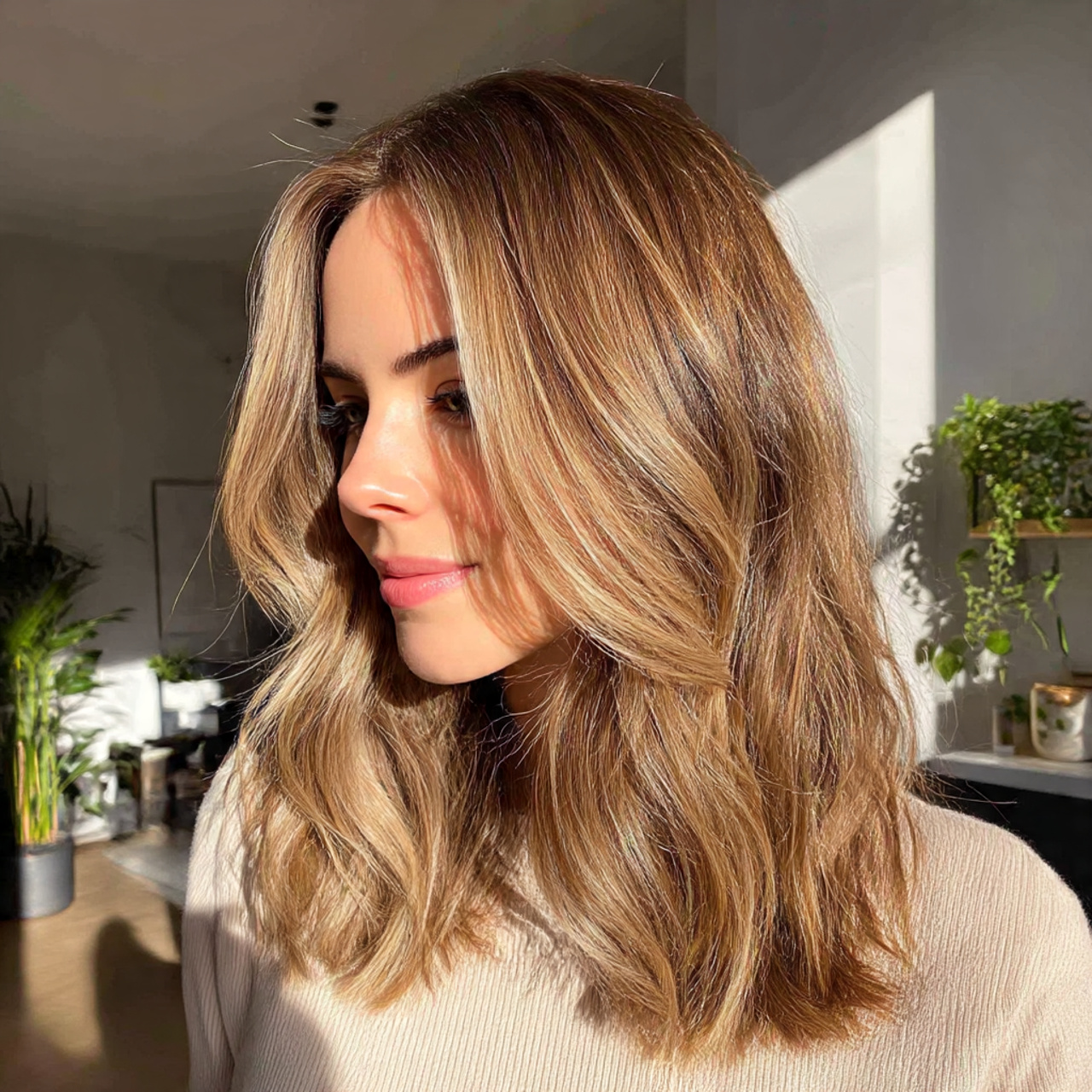
Babylights use sections no wider than a few millimeters to recreate the scattered, irregular light pattern you see in children’s uncolored hair. When those micro-sections are lifted and toned to a soft caramel using Matrix SoColor, the warmth spreads all over the hair without any single piece being wide enough to read as artificial color. The result looks like something you were born with rather than something you paid for.
This is the best entry point for anyone who has never had highlights before. The change is gradual and almost imperceptible at the first appointment, but the warmth builds beautifully across subsequent sessions and the look never appears sudden or dramatic.
Best for: First-time color clients or anyone who wants natural-looking warmth that builds over time Product: Matrix SoColor lifted to level 8 in warm caramel, applied in micro-sections throughout the hair Pro tip: Book babylights in two appointments spaced eight weeks apart so the warmth builds gradually and never reads as a single sudden change that announces itself. Face shape: Babylights work across every face shape because their subtlety never competes with or overwhelms any features. Barber language: “I want caramel babylights all over. Very fine sections, nothing wider than two or three millimeters. I want it to look completely natural and uncolored.”
Reverse Balayage Caramel Depth Ideas

Reverse balayage is the corrective technique where a colorist paints a deeper shade downward into heavily highlighted or bleached hair to restore the root depth that was removed. Caramel is the ideal shade for this because it adds warmth without going dramatically dark, and when applied by hand it integrates in a way that foil-applied lowlights cannot replicate. A Redken Shades EQ Gloss in a warm toffee-caramel shade can be worked into the same appointment to adjust the tone at the same time.
This approach is especially popular with clients who have been heavily highlighted for years and want to transition back toward a more natural-looking base without committing to a harsh, obvious grow-out phase.
Best for: Clients with years of heavy highlights who want to reclaim warmth and natural-looking depth gradually Product: Wella Koleston Perfect in warm caramel-toffee applied freehand, followed by Redken Shades EQ Gloss to refine the tone Pro tip: Ask your stylist to concentrate the caramel depth at the roots and upper mid-lengths and keep the ends lighter so the result mirrors natural shadow root growth. Face shape: The depth added at the roots through reverse balayage elongates the face visually and benefits round and wide face shapes the most. Barber language: “I want reverse balayage. Paint caramel depth down from my roots to mid-length and leave the ends lighter. I want it to look like natural root shadow, not a regrowth line.”
Caramel Highlights on Curly Hair Ideas
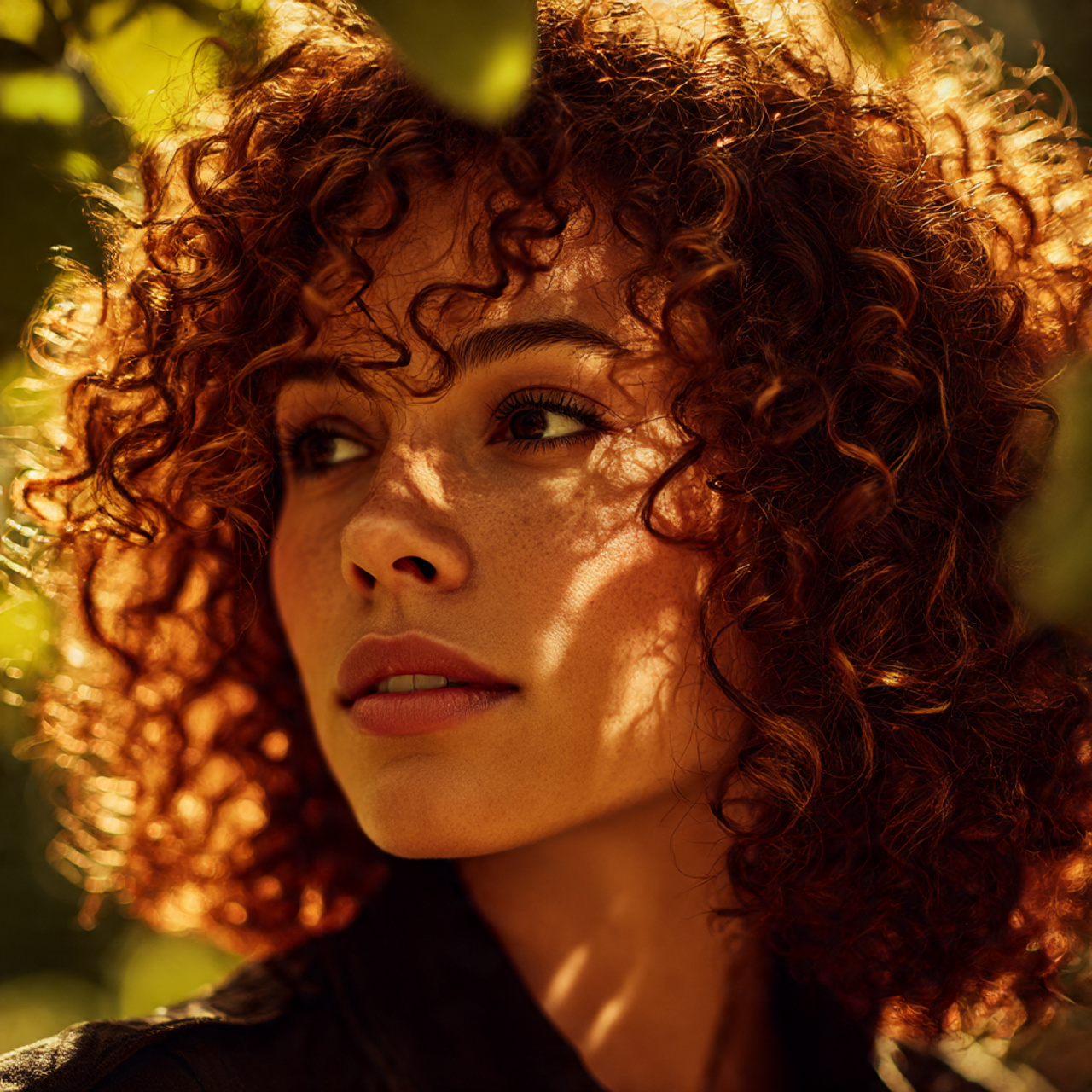
Curly hair requires a fundamentally different placement logic because the color needs to work with the curl pattern rather than across it. Placing caramel on the outer ring of each curl cluster means the color only becomes visible when the curl opens and catches light, creating a natural, sun-warmed effect that looks organic to the texture. DevaCurl Arc Angel Gel defines the curl clusters after the color service so each lit ring is fully visible and separated.
The detail most colorists trained on straight hair miss is that curly hair reads darker when dry than it appears when wet. Color always comes out stronger after styling than it looked during processing. Requesting a curl-specific colorist who assesses the hair dry before mixing anything is the single most important step a curly-haired client can take.
Best for: Curly and coily textures from 3A to 4C who want caramel warmth without disrupting curl definition Product: DevaCurl Arc Angel Gel applied post-color to restore full curl cluster definition and show off placement Pro tip: Specifically request that the colorist assess your hair in its dry, fully styled state before any formula is mixed, so the lift level accounts for how dark your curls actually read. Face shape: Caramel on curly hair flatters all face shapes because the volume and natural movement of curls create their own balance across any proportions. Barber language: “I want caramel on the outer ring of my curl clusters only. Not all the way through. Please assess my hair dry before you start so you don’t over-lift.”
Cool-Toned Neutral Caramel Ideas
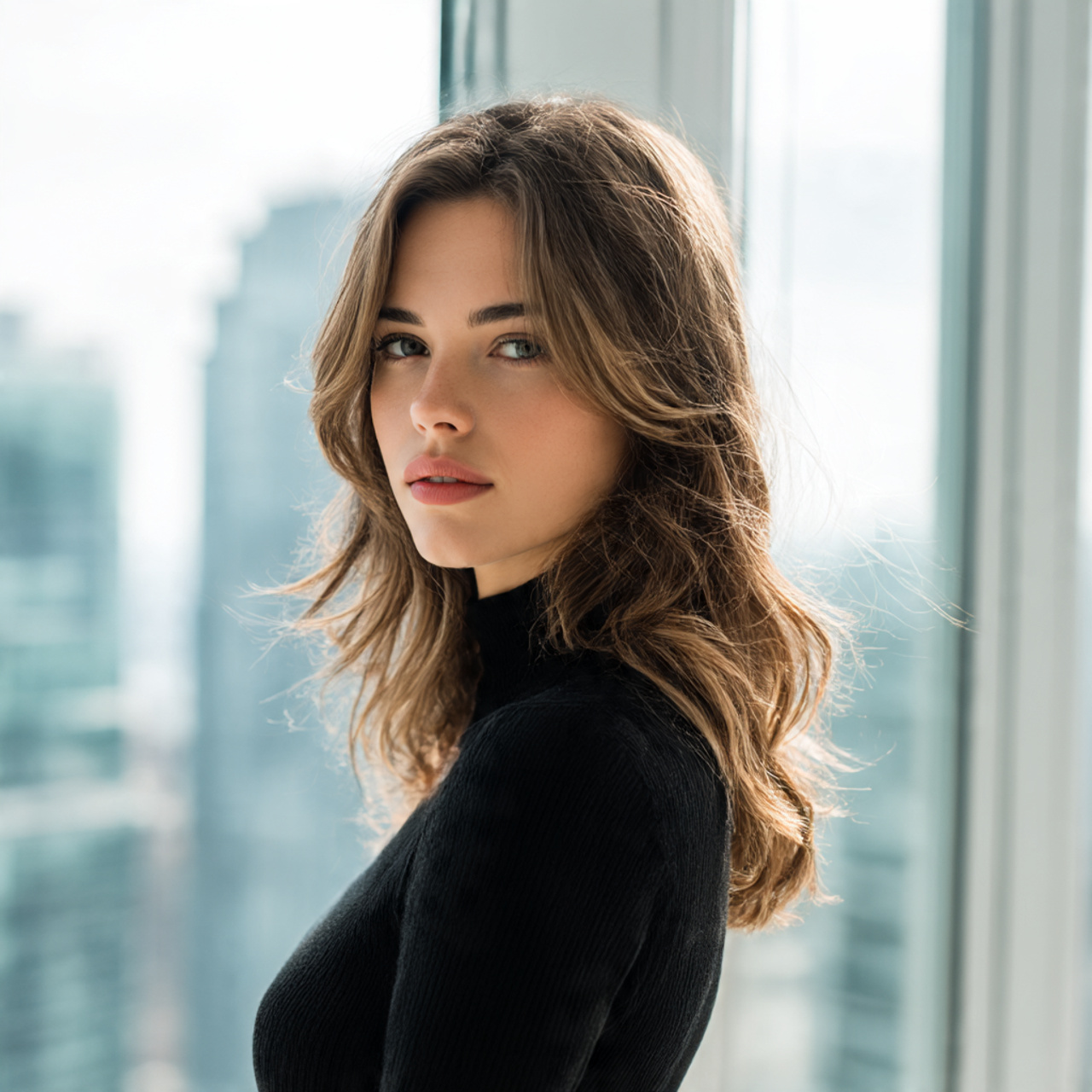
Not all caramel is warm, and this distinction matters far more than most people realize when choosing a shade. A neutral or beige caramel sits between warm amber and cool ash, delivering warmth without any orange or yellow pulling through. Kenra Color Platinum Series 8SM is one of the few professional products that consistently delivers this muted caramel result in a single formula without requiring a separate toning step.
This tone photographs cleanly in natural light and reads as expensive and precise whether the hair is styled up or down. It is a particularly smart choice for professional environments where bright warm color might not be appropriate and a refined, understated look is the goal.
Best for: Cool or neutral skin tones and anyone in professional settings who wants warmth without vibrancy Product: Kenra Color Platinum Series 8SM for muted caramel with no orange undertone, no separate toner required Pro tip: Specify to your stylist that you want a neutral-based caramel formula with an ash modifier so they do not default to their standard warm formula, which will pull orange on most bases. Face shape: Cool neutral caramel is most flattering on fair and light skin with oval or long face shapes where the muted tone adds warmth without overwhelming the complexion. Barber language: “I want a neutral caramel tone with no warm or orange pull. Use an ash modifier to keep it beige and muted. I do not want anything that goes golden or amber.”
Copper-Infused Spiced Caramel Ideas
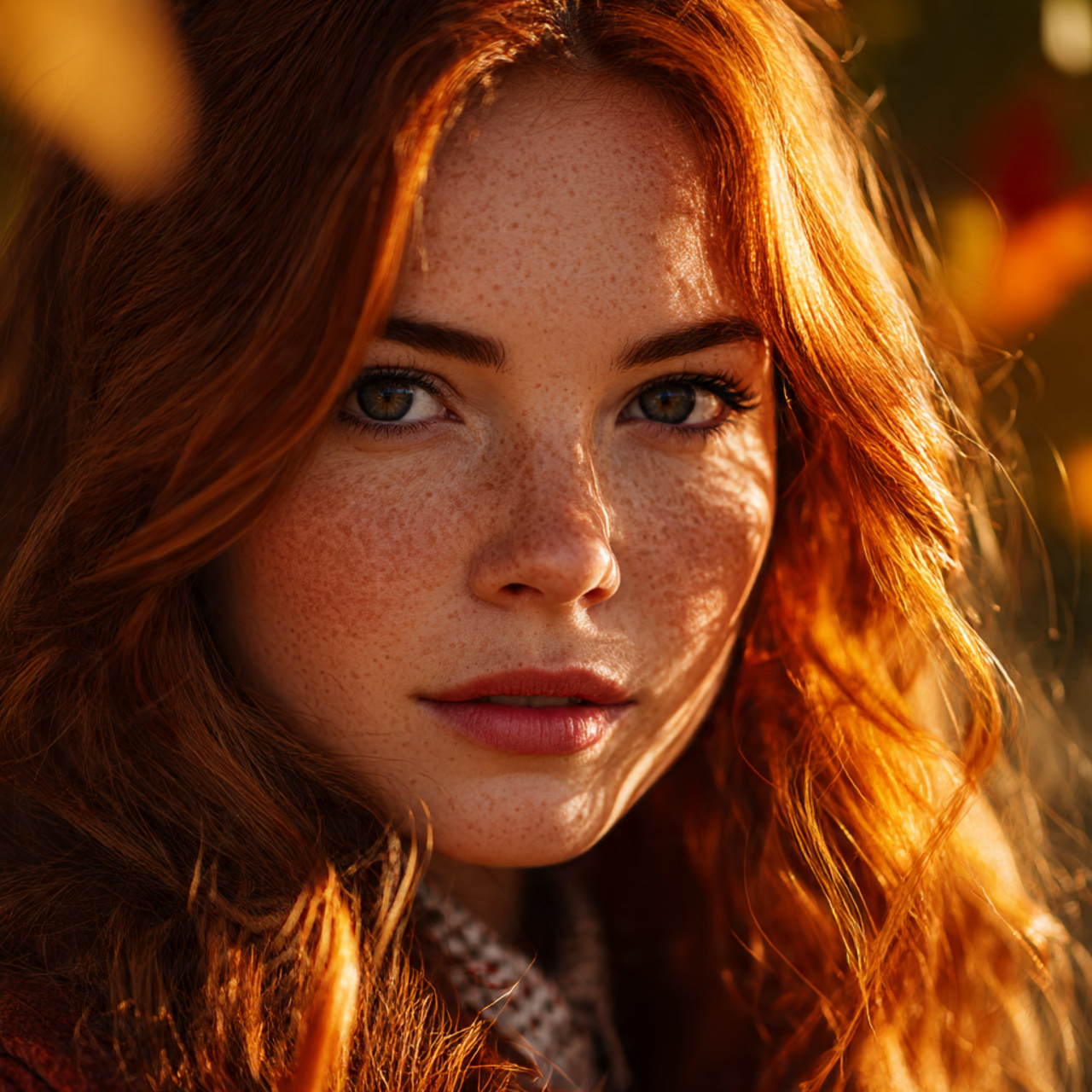
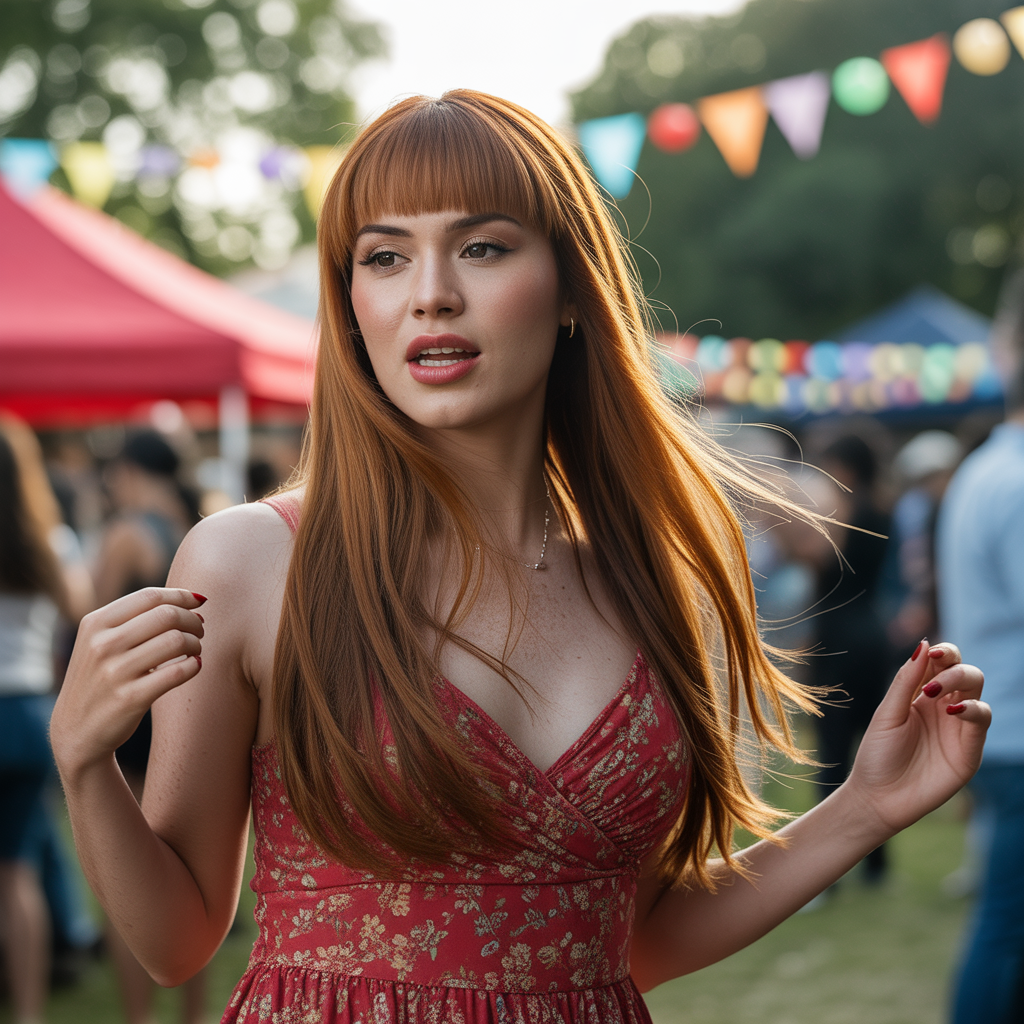
Spiced caramel with copper is the high-impact end of the warm highlight spectrum, and it suits a specific kind of bold, confident aesthetic. The copper element is introduced by mixing a red-gold tone directly into the caramel formula, creating a layered result that shifts between amber, rust, and gold depending on the quality and direction of light. Davines A-New Colour in copper-caramel shades delivers this result while keeping the hair in significantly better condition than many other professional alternatives at the same lift level.
Medium to thick hair carries copper richness best because the density of the strand amplifies the tonal layering. On finer hair the same technique reads flat unless the colorist deliberately layers two distinct tones rather than blending them into one.
Best for: Confident clients with medium to thick hair who want vibrant warmth that reads differently in every light Product: Davines A-New Colour in copper-caramel tones applied through mid-lengths and ends Pro tip: Use Kerasilk Color Gloss at home every six weeks over the copper caramel sections to prevent the red-gold tones from going dull between professional appointments. Face shape: Copper-infused caramel is most striking on heart and oval faces where the warmth of the tone mirrors the natural color contrast in the skin. Barber language: “I want spiced caramel with copper mixed into the formula. I want the color to look like it shifts between amber and rust in different lighting. Not just one flat warm tone.”
Peek-A-Boo Underlayer Caramel Ideas

The peek-a-boo technique is the preferred choice for anyone navigating a professional environment with a conservative appearance code because the color stays completely invisible when the hair is worn down. Caramel is painted onto the underlayer sections only in a clean horseshoe section from ear to ear, so the color reveals itself when the hair is tied up, pulled back, or flipped over. Joico Color Butter in caramel tones is a practical at-home option for keeping the underlayer vibrant between professional appointments without booking a full service.
This is also one of the most affordable highlight techniques on this list because the processing time is short and the number of foils is limited. Touch-ups are simple, infrequent, and cost less than a standard highlight service.
Best for: Clients in conservative workplaces who want expressive color that stays hidden on command Product: Joico Color Butter in caramel tones for at-home maintenance of the underlayer sections between appointments Pro tip: Ask your stylist to apply the caramel in a clean horseshoe section from ear to ear so the reveal is sharp and deliberate when the hair is pulled up rather than random and patchy. Face shape: All face shapes work with peek-a-boo placement because the color is hidden and does not interact with facial structure. Barber language: “I want caramel only on the underlayer sections, the parts that are completely hidden when my hair is down. I want a clean reveal when my hair goes up.”
Sombré Blended Caramel Transition Ideas
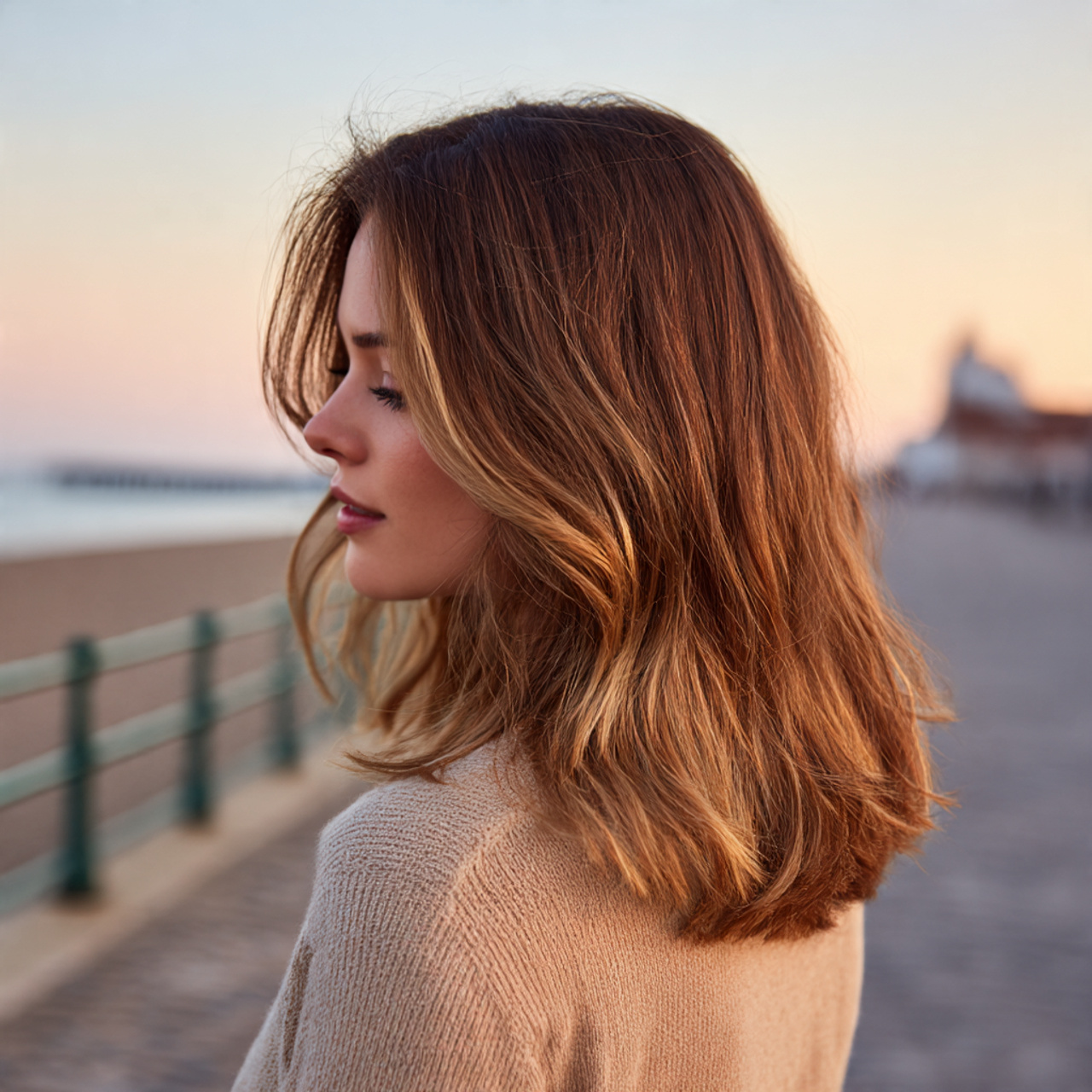
Sombré is the softer, more natural sibling of classic ombré. Where ombré creates a clear two-toned shift, sombré transitions so gradually from the natural root to the caramel end that the change is almost invisible until you look closely and trace it from crown to tip. L’Oréal Professionnel INOA in a warm caramel shade is the ideal product for this technique because the ammonia-free formula blends into the natural base without producing a harsh line of demarcation at the starting point.
Long hair showcases this technique most beautifully because the slow fade needs enough length to develop fully and read as a gradient rather than a two-tone color. Clients with fast-growing hair also favor this approach because the natural root integrates into the sombré rather than creating a visible grow-out band.
Best for: Low-maintenance clients with long hair who want subtle caramel warmth that starts gently and builds toward the ends Product: L’Oréal Professionnel INOA in warm caramel shades for a seamless ammonia-free transition with no line of demarcation Pro tip: Ask for the sombré to start at the jawline rather than higher up the shaft so the transition is long enough to look gradual rather than abrupt and obvious. Face shape: Long and oval face shapes are most naturally flattered by sombré because the vertical color gradient enhances and emphasizes the natural length of the face. Barber language: “I want a caramel sombré starting at the jawline and fading to the ends. Very gradual shift. No visible line between my natural color and the caramel.”
Chunky 90s Revival Caramel Block Ideas
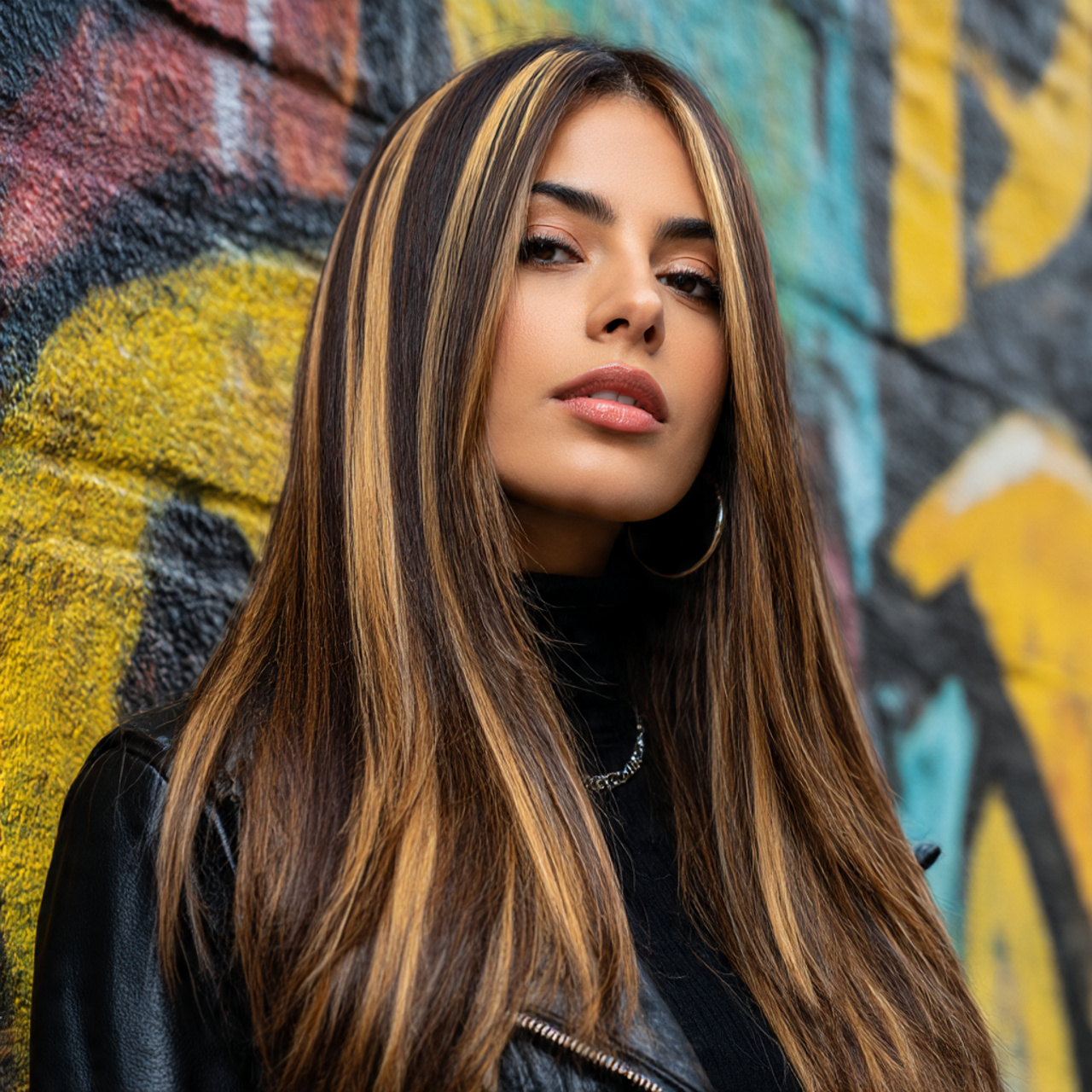
The chunky highlight trend that defined the 1990s is back, and the current version makes one critical improvement over the original. Where the first era used icy, flat blonde blocks, the modern revival uses warm, rich caramel tones that feel intentional and current rather than dated. Wella Illumina Color in warm caramel shades is the professional choice for this look because its micro-illuminating technology adds a luminous shine to the large sections that the original 90s foil results famously lacked.
Medium to thick hair handles chunky blocks best because the sections need density to hold their shape and remain distinct from neighboring pieces. This is a deliberate, graphic statement and the styling should honor that. A sleek blowout reads stronger than waves for this specific look.
Best for: Bold clients with medium to thick hair who want a retro-modern statement with warm, current tones Product: Wella Illumina Color in warm caramel shades for high-shine chunky block sections Pro tip: Pair your chunky caramel blocks with a sleek, polished blowout rather than waves so each block reads as a defined, intentional panel rather than blending into the texture. Face shape: Square and strong-jaw face shapes carry chunky blocks with the most authority because the boldness of the color matches the structure of the face. Barber language: “I want chunky caramel highlights in large foil sections, wide apart, like the 90s but warmer and richer in tone. I want them bold and deliberate, not blended.”
Visit Also: Dutch Braid Hairstyles
Caramel Ombré Fade to Ends Ideas
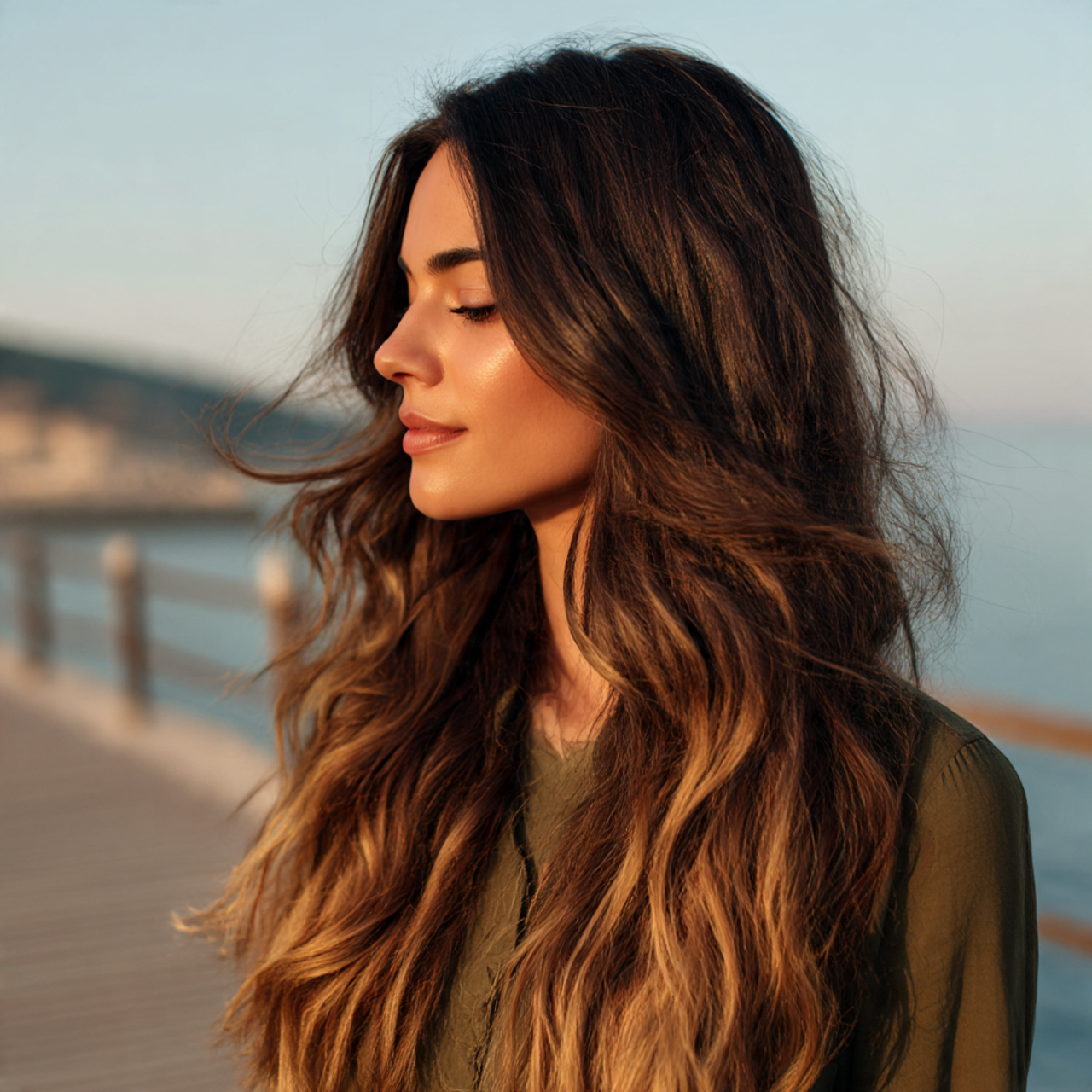
Caramel ombré creates the most dramatic length impact of any technique on this list because the entire lower half of the hair shifts into warm color. A skilled colorist lifts the mid-shaft using balayage boards before toning with Redken Color Gels Lacquers in warm caramel to lock in the exact shade and ensure the gradient reads smoothly. The color reads warmest at the very tips, which draws the eye downward and gives even mid-length hair a visual impression of greater length.
Long, healthy hair is the ideal canvas for this technique because the gradient needs enough space to develop fully without appearing abrupt. Weekly Olaplex No.3 treatments applied to the ends only are the most effective way to keep the tips smooth and shiny between salon visits, since the ends receive the most damage during the lift process.
Best for: Long-haired clients who want maximum color drama and a gradient that commands attention Product: Redken Color Gels Lacquers in warm caramel tones applied over a lifted mid-shaft to ends, maintained with Olaplex No.3 Pro tip: Apply Olaplex No.3 exclusively to the ends each week rather than throughout the length, since the ends take the full brunt of ombré damage and need targeted care. Face shape: Ombré suits oval and long face shapes most naturally because the downward color shift draws the eye along the length and reinforces the natural elongation of the face. Barber language: “I want a caramel ombré starting at the mid-shaft and fading to a lighter caramel at the tips. A warm, clear gradient with the lightest point right at the ends.”
Multi-Dimensional Toffee and Caramel Blend Ideas
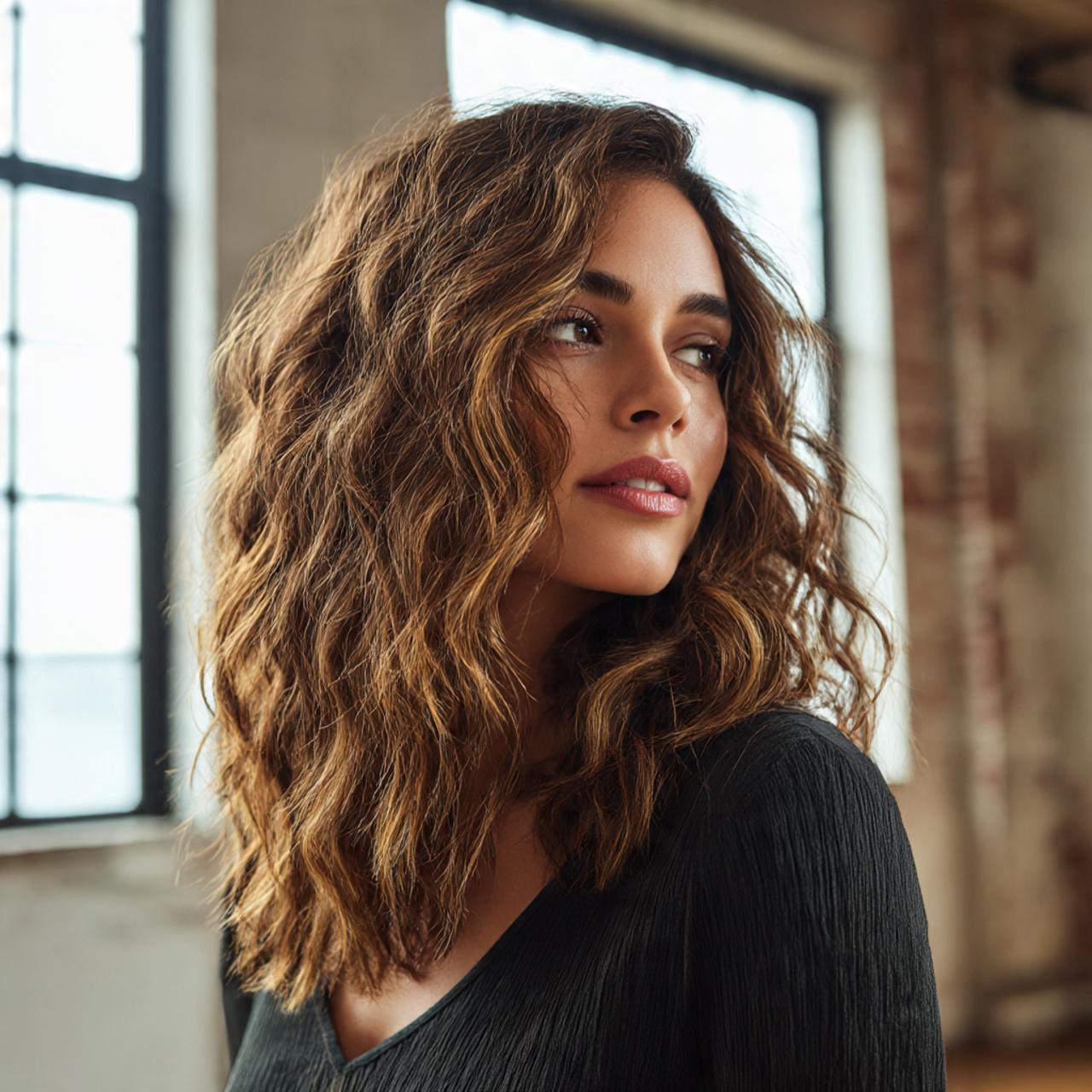
Layering toffee and caramel together in the same head of hair is the technique professional colorists use to recreate the complexity of naturally uncolored hair. Toffee is deeper and more muted, caramel is brighter and warmer, and when they sit in alternating sections the contrast between them generates a bounce and depth that single-shade highlighting never reaches. Framesi Framcolor Eclectic in toffee and caramel shades is a professional go-to for this layered application.
The application sequence is what separates a successful blend from a muddy one. The toffee goes into slightly deeper sections first, then caramel is applied over adjacent sections while the toffee is processing. When the hair is styled, the two tones overlap at the edges and create a third, blended intermediate tone between them that looks like nothing a single formula could produce.
Best for: Anyone who wants rich, complex color with maximum depth and no single tone reading as artificial or applied Product: Framesi Framcolor Eclectic in toffee and warm caramel applied in a deliberate two-tone alternating sequence Pro tip: Ask your stylist to place the toffee sections slightly deeper in the hair and the caramel on the outermost pieces so the lighter tone is the first thing light hits and the deeper tone creates shadow beneath it. Face shape: Two-tone blends add the most dimension to fine and flat hair textures and look particularly rich on oblong and oval face shapes. Barber language: “I want a toffee and caramel blend using two separate formulas placed in alternating sections. I want depth and brightness working together, not blended into one flat tone.”
Dark Brown Hair Caramel Pop Ideas
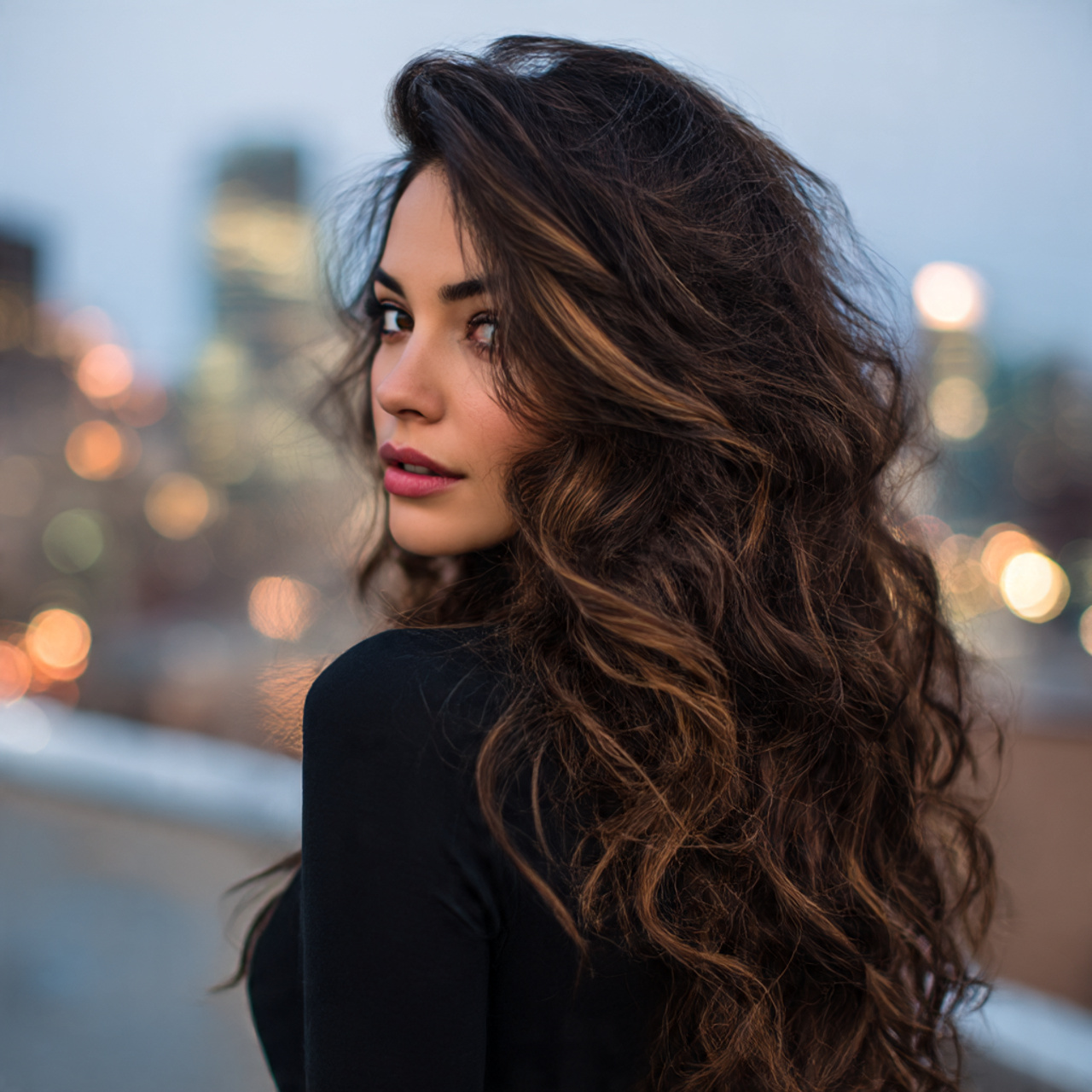
On very dark brown hair, a caramel section creates what colorists call a pop: a single bright panel that reads clearly against a much darker background and creates the appearance of light radiating from inside the hair itself. Achieving this on a dark base requires a strong, controlled lift, and Schwarzkopf Professional BlondMe Premium Lightener 9+ is the preferred product because it reaches caramel level without pulling red or orange even on resistant dark bases.
Straight and wavy hair shows this contrast most cleanly because each lifted section lies flat and reflects light in a single unbroken plane. Using Olaplex No.1 Bond Multiplier during the lightening step is critical here because the lift required to reach caramel on dark hair places the most mechanical stress on the strand of any technique in this list.
Best for: Dark-haired clients with straight or wavy hair who want a clear, unmistakable color transformation Product: Schwarzkopf Professional BlondMe Premium Lightener 9+ for controlled lift, used alongside Olaplex No.1 Bond Multiplier Pro tip: Ask your stylist to add Olaplex No.1 directly into the lightener mix rather than applying it separately, since dark hair requires a higher developer volume and the bond protection needs to be active from the first moment of processing. Face shape: Strong caramel pops read best on oval faces where the brightness frames the features naturally without overpowering the structure. Barber language: “I want caramel pops on my dark brown hair. Lift to a level 8 or 9 caramel with Olaplex in the mix. I want bold, visible contrast against my base.”
Minimalist Partial Caramel Weave Ideas
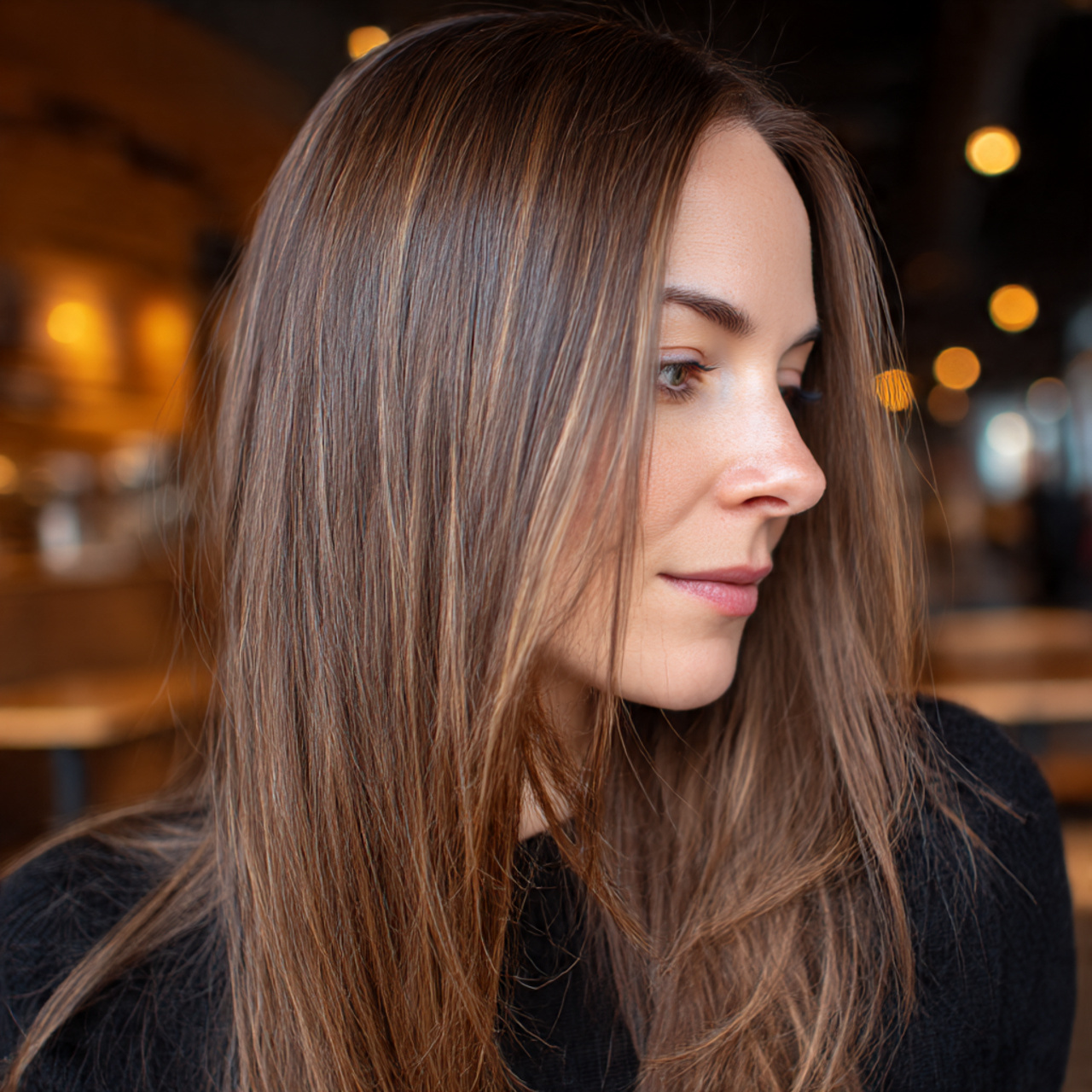
A partial weave covers only the top layer and crown area rather than the entire head, which makes it the most time-efficient and accessible entry point into caramel highlights. Thin sections are woven through the top layer using a fine-tooth highlight comb, then lifted and toned with Pravana ChromaSilk in a warm caramel-blonde tone that holds its warmth longer than many standard professional formulas. The result is visible and luminous in natural light while remaining surprisingly understated overall.
This is a smart starting point for anyone coloring their hair for the first time because the impact is real but the commitment is minimal. The sparse placement means the grow-out looks virtually invisible for months and never requires emergency correction.
Best for: First-timers and anyone who wants visible brightness with minimal time, cost, and maintenance Product: Pravana ChromaSilk in caramel-blonde tones for clean lift and lasting warmth in partial weave sections Pro tip: Request that your stylist concentrate the partial weave sections at the crown and front hairline specifically rather than distributing them evenly across the top, so the brightness shows even when the hair is pulled back. Face shape: Crown-focused partial weave placement adds height and visual lift to any face shape, making it especially effective for round faces that benefit from added vertical volume. Barber language: “I want a partial caramel weave on the top layer and crown only. Not a full head. Thin sections. Concentrate most of the placement at the front hairline and crown.”
Bold, Thick Caramel Slice Ideas
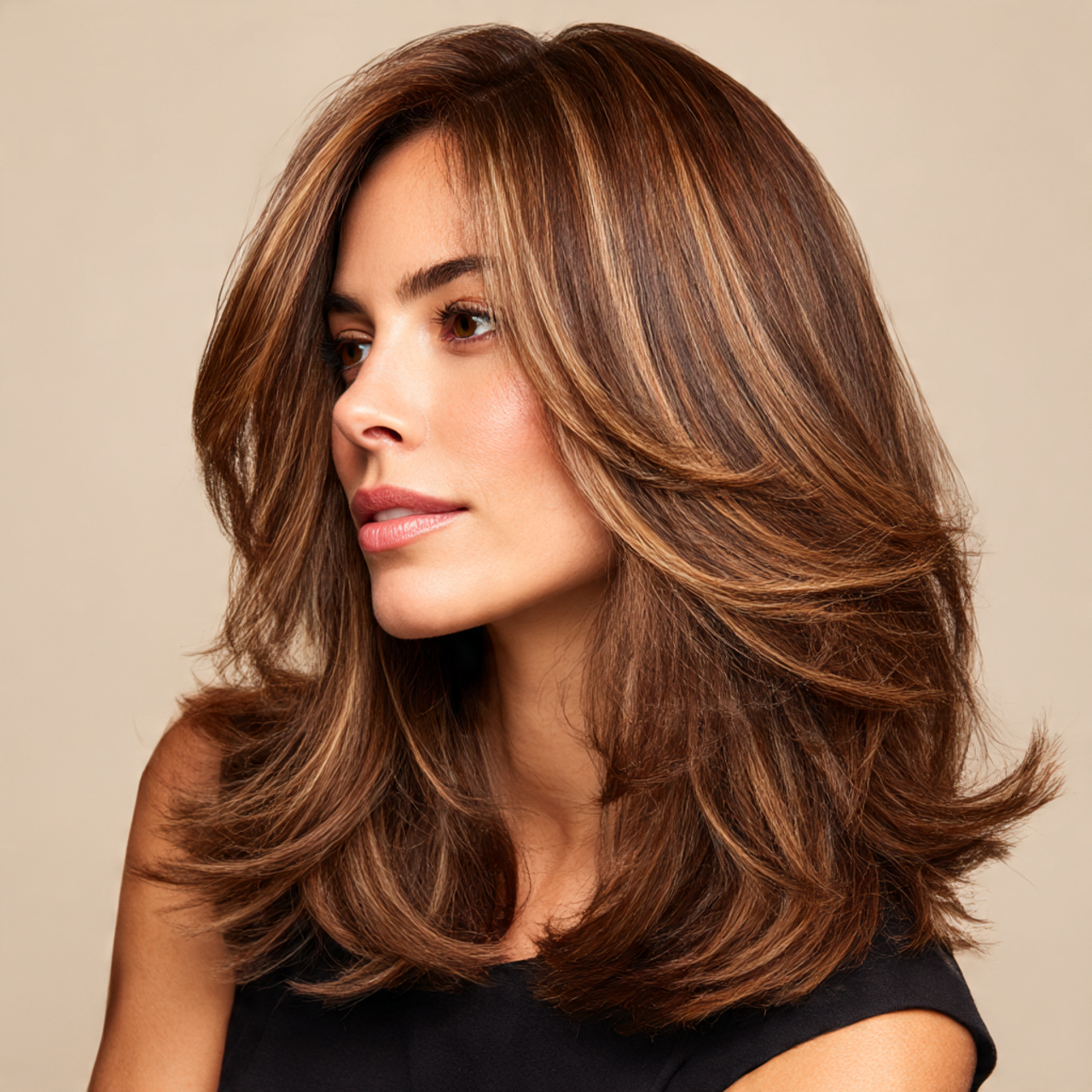
Caramel slices are the most architectural expression of caramel color, where wide, fully saturated sections are applied as deliberate, graphic panels that function almost as design elements rather than traditional highlights. Unlike balayage or ribbons, slices do not blend or diffuse at the edges. Each section sits as a clean, distinct band of color. Goldwell Topchic in caramel-gold tones delivers the saturation level this look demands because the color must be vivid and fully opaque to hold its identity against a dark surrounding base.
Medium to thick hair handles slices best because the density of the strand maintains the sharp edge of each section without collapsing into the surrounding hair. A foil technique rather than freehand application is essential here because foil creates the heat and saturation needed for fully opaque, graphic caramel that does not soften or feather at the borders.
Best for: Clients with thick hair who want a graphic, high-fashion caramel statement that reads with full force from across a room Product: Goldwell Topchic in caramel-gold tones applied in foil for maximum saturation and clean section edges Pro tip: Always request foil rather than balayage for caramel slices because only foil delivers the enclosed heat and full saturation required to make each section read as a solid, architectural color block. Face shape: Bold caramel slices complement oval and heart faces most, where the graphic placement adds width and frame without competing against a strong jaw. Barber language: “I want bold caramel slices. Wide sections in foil that don’t blend or feather at the edges. I want the caramel to look graphic and deliberate, like a design choice.”
Quick Comparison Table
| Style | Length | Hair Type | Maintenance | Bold Factor |
|---|---|---|---|---|
| Deep Espresso Base Caramel Ribbon | Long | Straight or Wavy | Every 8 to 10 weeks | ★★★ |
| Sun-Kissed Golden Caramel Placement | Mid to Long | Any | Every 5 to 6 months | ★ |
| Subtle Honey-Toned Balayage | Any | Brown or Dark Blonde | Every 3 to 6 months | ★ |
| High-Contrast Mocha and Caramel Streak | Short to Mid | Structured Cut | Every 8 weeks | ★★★ |
| Face-Framing Caramel Money Piece | Any | Any | Every 8 to 10 weeks | ★★ |
| Warm Autumnal Caramel Melt | Mid to Long | Dark to Medium Brown | Every 3 to 4 months | ★★ |
| Dimension-Adding Caramel Lowlight | Any | Fine or Lightened | Every 3 to 4 months | ★★ |
| Ultra-Fine Babylights Caramel Effect | Any | Light Brown or Blonde | Every 4 to 6 months | ★ |
| Reverse Balayage Caramel Depth | Mid to Long | Previously Lightened | Every 4 to 5 months | ★★ |
| Caramel Highlights on Curly Hair | Any | 3A to 4C Curly | Every 4 to 6 months | ★★ |
| Cool-Toned Neutral Caramel | Any | Light Brown to Blonde | Every 4 to 6 months | ★ |
| Copper-Infused Spiced Caramel | Mid to Long | Medium to Thick | Every 8 to 10 weeks | ★★★ |
| Peek-A-Boo Underlayer Caramel | Mid to Long | Any | Every 4 to 5 months | ★★ |
| Sombré Blended Caramel Transition | Long | Any | Every 4 to 6 months | ★ |
| Chunky 90s Revival Caramel Block | Mid to Long | Medium to Thick | Every 8 weeks | ★★★ |
| Caramel Ombré Fade to Ends | Long | Any | Every 4 to 5 months | ★★★ |
| Multi-Dimensional Toffee and Caramel Blend | Mid to Long | Medium to Thick | Every 4 months | ★★★ |
| Dark Brown Hair Caramel Pop | Any | Straight or Wavy | Every 8 to 10 weeks | ★★★ |
| Minimalist Partial Caramel Weave | Any | Fine to Medium | Every 5 to 6 months | ★ |
| Bold, Thick Caramel Slice | Mid to Long | Medium to Thick | Every 8 weeks | ★★★ |
Frequently Asked Questions
What base color works best for caramel highlights? Dark brown and medium brown bases show caramel highlights with the richest, most defined contrast. Light brown and natural blonde bases work well too, though a softer, honey-adjacent tone typically reads better on lighter bases than a saturated amber.
Can caramel highlights be done on previously colored hair? Yes, but your colorist will assess the condition and history of the hair before selecting a developer strength and technique. Bond treatments like Olaplex are strongly recommended for previously processed hair since the existing color layer can create unpredictable lift results.
How often do caramel highlights need to be touched up? Frequency depends on the technique. Balayage, sombré, and babylights need touch-ups every four to six months, while foil techniques, chunky blocks, and caramel pops require visits every eight to ten weeks to maintain the contrast.
What hair length shows caramel highlights best? Mid-length to long hair gives any caramel technique the most canvas to develop a visible gradient or distribution. Short hair still carries money pieces and partial weaves beautifully, though the overall effect is more concentrated and face-focused.
Which caramel technique is least damaging? Lowlights and reverse balayage are the least damaging because they involve depositing color rather than lifting the hair. Sombré and honey balayage using ammonia-free formulas like L’Oréal Professionnel INOA are also gentle options for clients concerned about hair integrity.
Final Thoughts
Caramel highlights are not a trend you will regret in two years. They are one of the few color categories that ages gracefully, grows out naturally, and works across enough shades and techniques to suit virtually every hair type, skin tone, and lifestyle. The difference between a caramel look that feels expensive and one that falls flat is almost never the color itself. It is the precision of the conversation that happens before the formula is mixed.
Walk into your next appointment with a specific technique name, a product reference, and the exact words you need from the barber language lines in this guide. That level of clarity changes the entire appointment. Your colorist stops guessing and starts executing, and the result reflects that.
Caramel highlights at their best look like your hair has always been this warm, this dimensional, and this alive. That is the standard worth holding.
The most experienced colorists will tell you that the single most underused tool in any caramel service is the pre-appointment consultation in natural daylight, not salon light, because the way caramel reads in the real world is the only result that actually matters.
Save this guide to your Pinterest boards and share it with your stylist before your next appointment.