27 Ideas for the Best Hairstyle for You (Every Face & Texture)
Best Hairstyle for You is more than just a passing trend; it’s a reflection of your personality, lifestyle, and unique features. Choosing the right cut and style can dramatically boost confidence and frame your face beautifully. This comprehensive guide will serve as your ultimate resource, breaking down exactly how to determine the most flattering options for your individual needs.
We’ll explore the science behind face shapes, hair texture, and maintenance levels in detail. Whether you have straight, wavy, or coily hair, understanding these core factors is the first step toward finding your signature look. Forget fleeting fads and discover timeless styles that work specifically for you, ensuring you always feel great about your reflection.
The Ultimate Guide to Finding the Best Hairstyle for You
Selecting a new hairstyle can feel overwhelming given the endless possibilities available today, but it doesn’t have to. The key to a successful cut lies in harmonizing the style with your bone structure, jawline, and forehead width. Our aim is to simplify this process so you can walk into the salon with total clarity and confidence in your next choice for the Best Hairstyle for You.
Beyond just aesthetics, the practicality of a style must match your daily routine. A gorgeous, high-maintenance look isn’t the best fit if you only have five minutes in the morning. We will also address factors like hair health, color considerations, and how to communicate your desired outcome clearly to your stylist, setting you up for success.
Hairstyles for Oval Face Shapes

Oval face shapes are universally considered the most balanced, meaning you can pull off nearly any style, from long layers to short crops. The key is to avoid obscuring the perfect symmetry of your face with heavy layers or excessive length. Long, soft waves or a medium-length lob (long bob) that falls just below the collarbone work beautifully by highlighting the natural structure.
If you’re considering bangs, opt for curtain bangs or a light, side-swept fringe. Avoid heavy, blunt bangs that cover too much of your forehead, as this can make your face look shorter than it is. Since versatility is your friend, feel free to experiment with different parts and textures to find the Best Hairstyle for You.
Hairstyles for Round Face Shapes

For round face shapes, the goal is to add height and create the illusion of length and angles, elongating the overall silhouette. Styles that are longer than the chin are generally recommended, often with an off-center or deep side part to draw the eye vertically. Long layers are especially effective as they prevent the hair from lying flat around the cheeks, which can unintentionally widen the face.
Try voluminous updos or a sleek, straight look that falls past the shoulders to visually slim the face. It’s best to avoid chin-length bobs, especially those cut straight across, and excessive volume at the cheeks. The Best Hairstyle for You will incorporate vertical lines and strategic texture to provide definition and dimension.
Hairstyles for Square Face Shapes

Square face shapes are characterized by a strong, angular jawline and a forehead of similar width, giving a bold appearance. To soften these powerful features, you should choose styles with curved lines and texture that gently cascade. Long layers starting around the jawline or a shoulder-length cut with feathered ends are ideal choices that gently frame the face without adding weight to the bottom.
Soft, side-swept bangs or curtain fringe can help round out the angular forehead and jawline. It is wise to avoid overly sharp, blunt cuts, and tight, pulled-back styles which only emphasize the chin and jaw. A long bob with subtle, tousled waves is often the Best Hairstyle for You to balance strength with a feminine softness.
Hairstyles for Heart Face Shapes

Heart face shapes feature a wider forehead and cheekbones that beautifully narrow down to a pointed chin. The most flattering styles focus on creating balance by adding crucial width and volume around the jawline and chin area to fill out the bottom of the face. A shoulder-length or long bob cut with full, layered ends works perfectly to achieve this desired balance.
Deep side parts and long, sweeping side-swept bangs draw attention away from the wider forehead and towards the eyes. You should avoid sleek, severe updos and very short, blunt bangs that can accentuate the wider top of the face. The goal is to visually fill out the lower third, ensuring you find the Best Hairstyle for You.
Hairstyles for Diamond Face Shapes
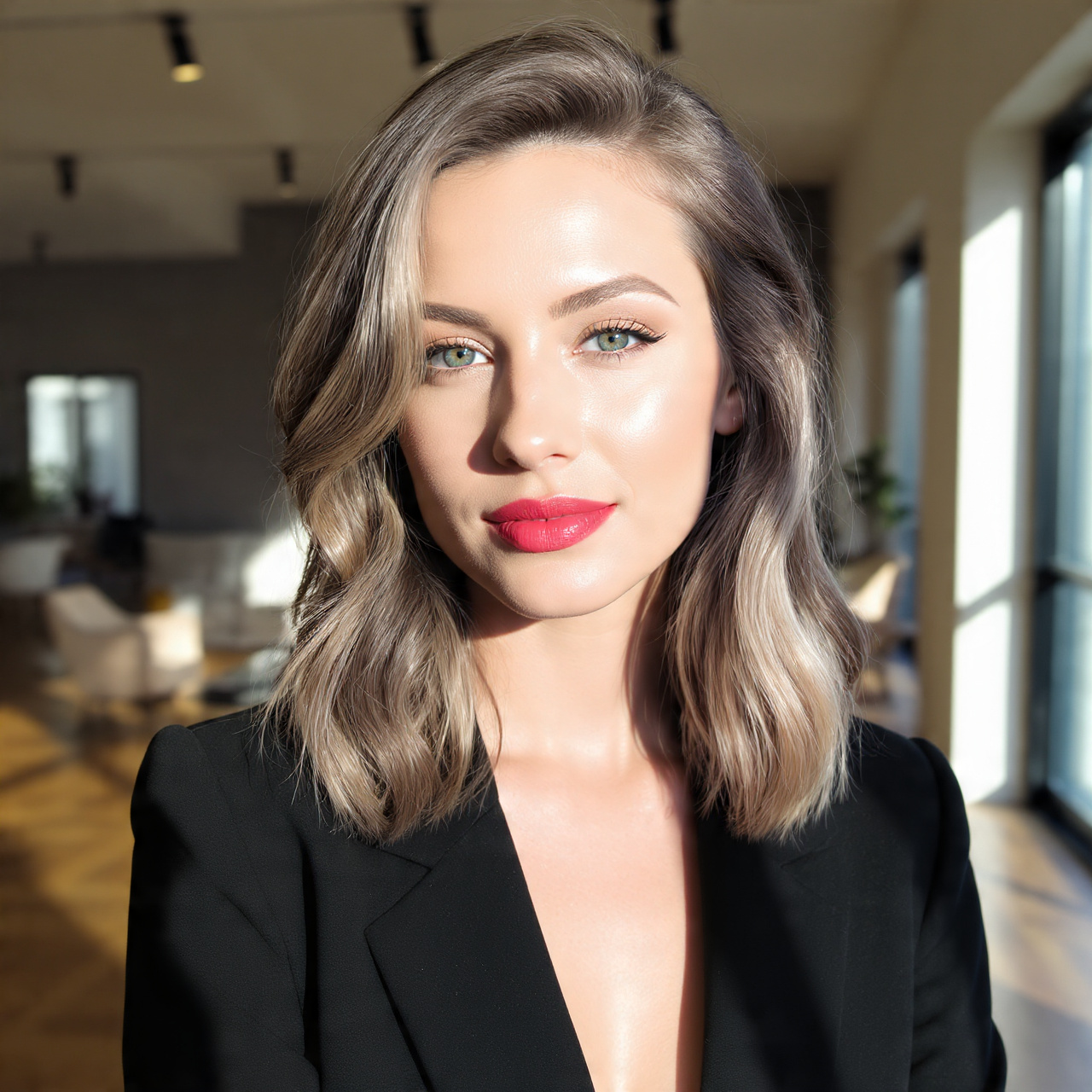
Diamond face shapes are marked by high, wide cheekbones and a slightly narrower forehead and jawline, creating a striking profile. The objective here is to soften the cheekbones and add volume at the jawline and brow area to balance the mid-face width. Chin-length bobs or shoulder-length cuts that tuck easily behind the ears are incredibly flattering options.
Bangs, particularly textured or fringe styles, are excellent for subtly reducing the width of the forehead and bringing focus lower down. Avoid styles that pull the hair back severely from the temples, which can make your mid-face appear too wide or pointed. Finding the Best Hairstyle for You involves softening the overall outline with carefully placed volume.
Best Cuts for Fine, Thinning Hair
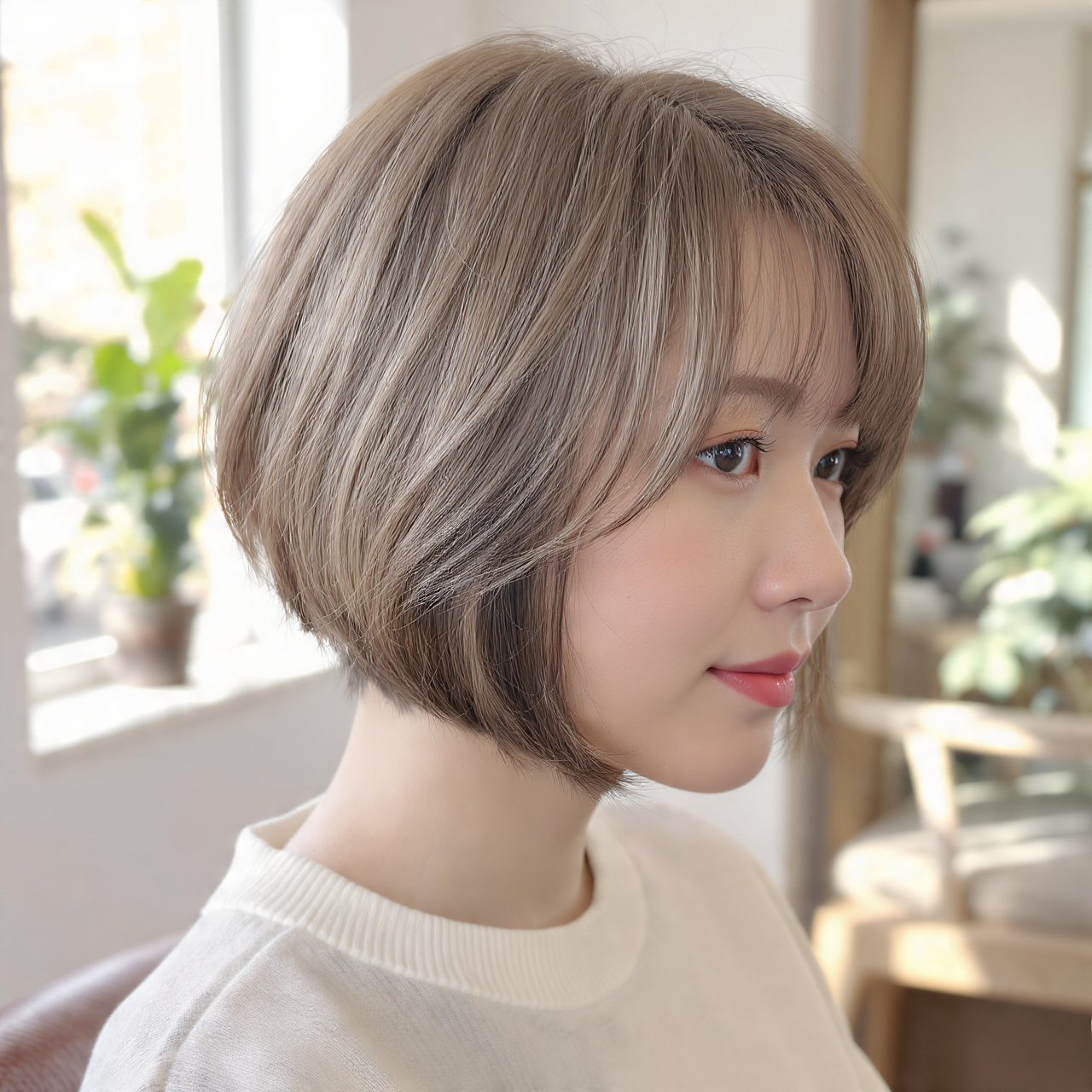
Fine or thinning hair requires cuts that maximize the appearance of density and create the illusion of volume. Shorter styles like bobs, lobs, and pixies are often the most successful, as less length prevents the hair from being weighed down at the roots. Strategically placed, subtle internal layers can create essential movement and lift at the crown.
Blunt cuts are an excellent choice because they make the ends look notably thicker and fuller, providing a strong baseline. Texture sprays and root-lifting products will become your best friends for daily styling and longevity. The right cut can make a huge difference in achieving the illusion of fuller hair, making it the Best Hairstyle for You to combat thinness.
Voluminous Styles for Thick Hair

Thick hair is often the envy of many, but it can be challenging to manage and style without the right cut. The key is to remove bulk and incorporate internal layers to create shape and reduce overall weight, preventing a heavy look. Long, cascading layers or a U-shaped cut help the hair fall naturally and prevent a bulky, unflattering triangular shape at the bottom.
A long, layered cut allows for beautiful movement and prevents the hair from looking overwhelmingly dense or heavy. If you opt for shorter styles, make sure to ask your stylist to carefully “de-bulk” the interior of the hair. The Best Hairstyle for You will be one that manages volume while celebrating your natural richness and texture.
Managing and Styling Coarse Hair

Coarse hair is typically thicker in diameter and can be prone to dryness and frizz, requiring cuts that prioritize weight and moisture retention above all else. Longer lengths often work well, as the weight of the hair helps to pull down and smooth the cuticle, reducing poofiness. Layering should be minimal and focused purely on shaping, not aggressively removing bulk.
Deep conditioning treatments and moisturizing leave-in products are essential for keeping coarse hair healthy, pliable, and shiny. Styles that allow for natural texture, like wash-and-go curly cuts or sleek blowouts, are ideal for this hair type. The Best Hairstyle for You respects the hair’s natural thickness while ensuring maximum hydration and a healthy shine.
Low-Maintenance Cuts for Busy Professionals

Busy professionals need styles that look polished and put-together with the absolute minimum amount of daily effort and styling time. Short, sharp bobs or playful pixies require little more than a quick product application and are perfect for a fast-paced life. Lobs (long bobs) are also a great middle ground, as they allow for easy ponytails while still looking chic when worn down.
Consider cuts that grow out gracefully, minimizing the need for frequent, urgent trims every few weeks. These styles often feature minimal, soft layers that don’t require daily heat styling to look presentable and structured. Choosing the Best Hairstyle for You means perfectly balancing sophistication with absolute real-world practicality.
Trendy Medium-Length Bobs

The medium-length bob, universally known as the lob, remains incredibly popular because it offers the perfect bridge between short and long hair commitment. It provides the definition and edge of a shorter cut without the scary commitment of losing significant length, which many people fear. This style is endlessly versatile, easily switching between sleek straightness and relaxed beachy waves.
For added trend appeal, try a subtle A-line shape, where the front is slightly longer than the back, or incorporate a shadow root hair color for depth. This style suits most face shapes due to its adjustable length and angle, making it a reliable and fashionable choice. It’s a strong contender for the title of Best Hairstyle for You if you seek modernity and effortless ease.
Classic Long Layered Styles
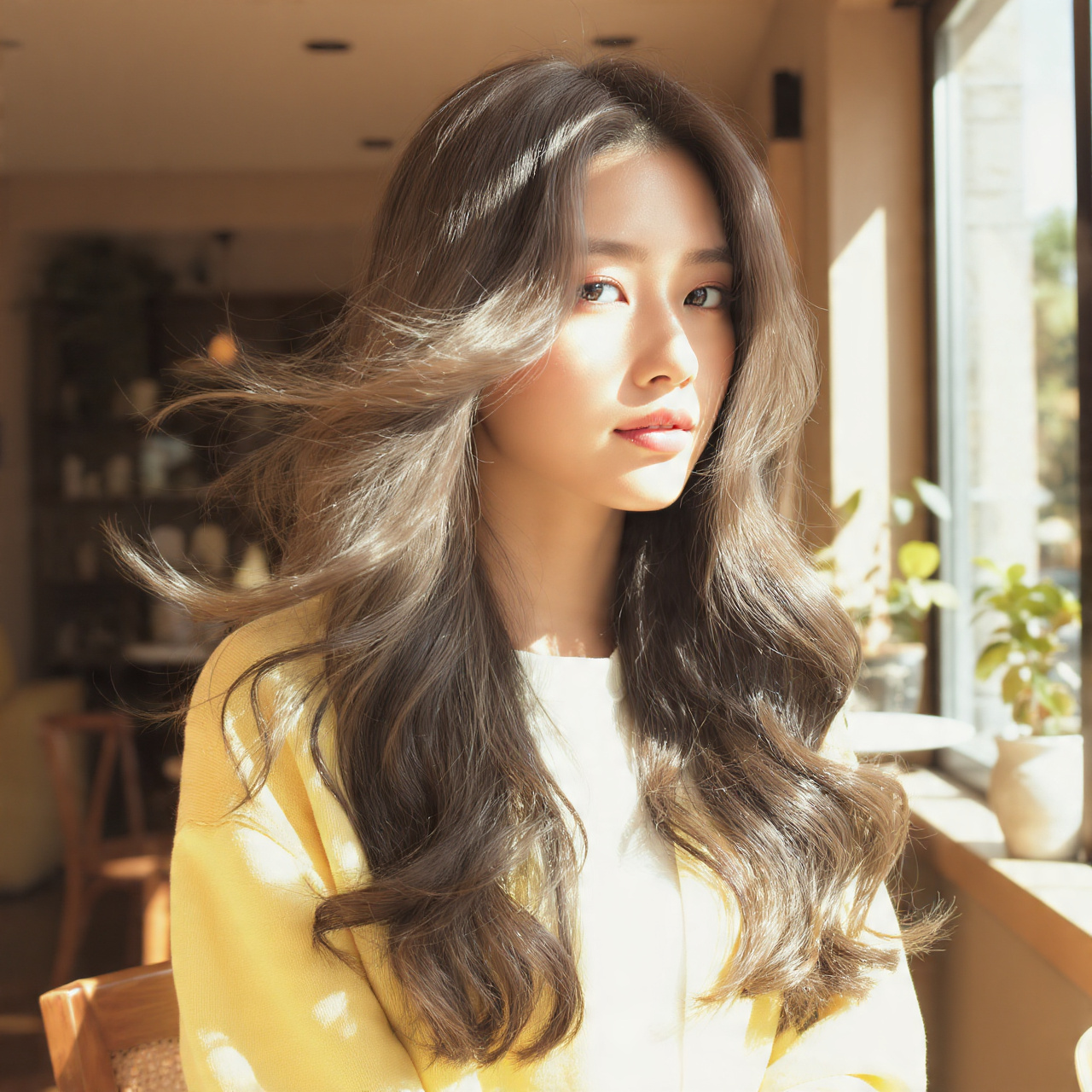
Classic long layered styles are a timeless and enduring choice that adds essential movement, dimension, and shape to lengthy hair. The layering should be carefully tailored to your hair texture; fine hair needs fewer, longer layers to maintain thickness, while thick hair benefits from more strategic internal layering to reduce weight and bulk.
These styles are incredibly versatile for daily styling, comfortably accommodating anything from voluminous blowouts to intricate braids and elegant updos for special occasions. Long hair requires dedication to hair health, so regular trims and nourishing treatments are essential for shine. This enduring elegance makes it the Best Hairstyle for You if you prioritize length and dynamic movement.
Short Pixie Cuts and Their Variations

Short pixie cuts are a bold and liberating choice that draws maximum attention to your facial features, particularly your striking eyes and prominent cheekbones. Variations range from the super-short, textured crop to slightly longer, side-swept versions that offer a bit more styling flexibility and softness. They are often surprisingly versatile and look great on many face shapes when cut correctly.
A key practical benefit is the minimal drying time, though they often require more frequent, precise trims to maintain their sharp shape. You can play with texture using waxes and pomades for a piecey, modern look, or slick it down for a formal appearance. If you’re ready for a change that screams confidence, this might be the Best Hairstyle for You.
Flattering Bangs for High Foreheads
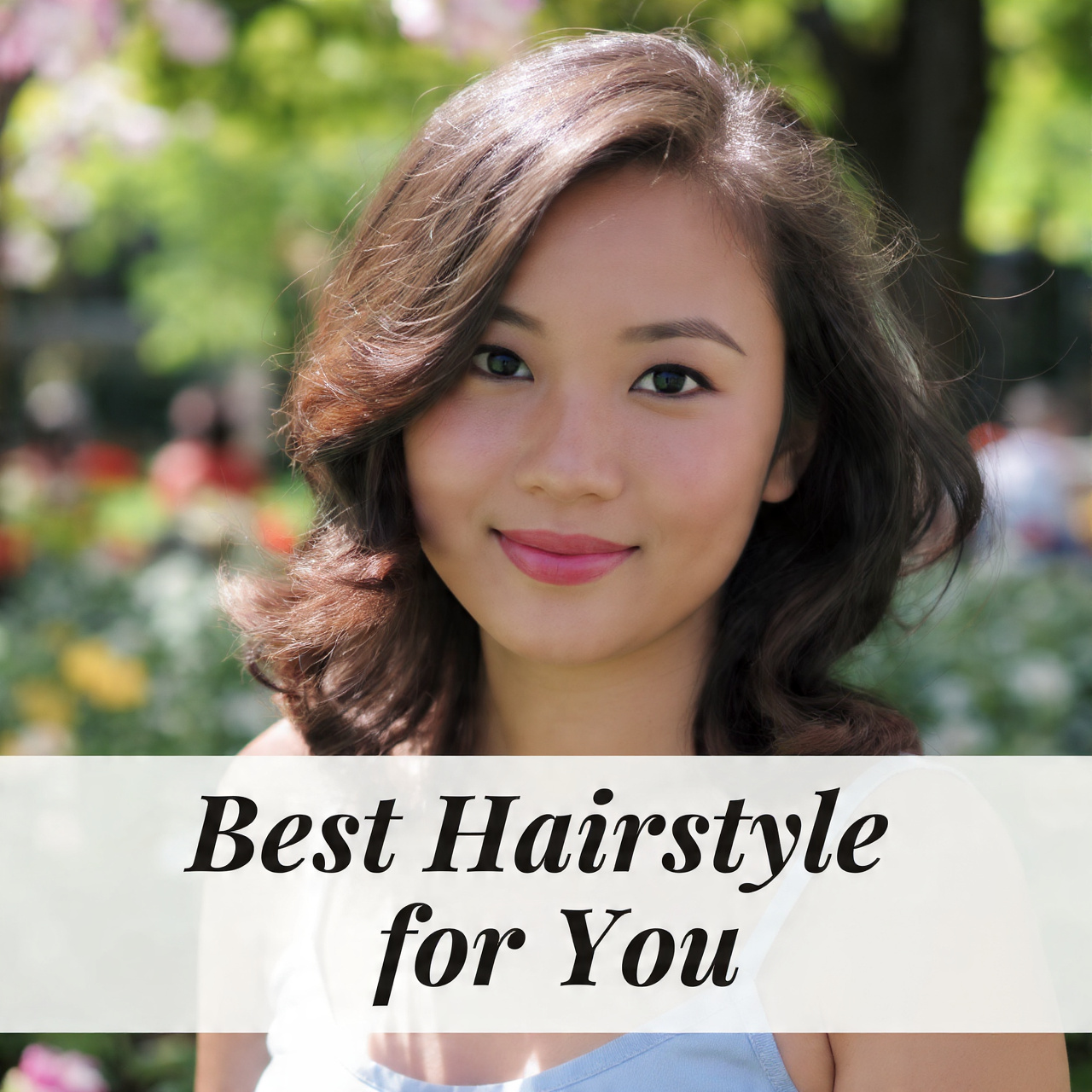
Bangs are an excellent stylistic tool for balancing a high or large forehead by reducing its visibility and drawing primary focus to the eyes. Longer, sweeping fringe, or full, soft curtain bangs are highly effective options that offer coverage without being too heavy. The length should ideally fall just below the eyebrow line to perfectly frame the gaze and balance the upper third of the face.
You should avoid excessively thin or wispy bangs, as they may not provide enough coverage or density to effectively reduce the forehead height. A slightly thicker, more textured fringe will offer a better visual balance and hold its shape better throughout the day. When done correctly, bangs transform your face shape instantly, ensuring you have the Best Hairstyle for You to complement your features.
Side Part vs. Middle Part: Which is Better?
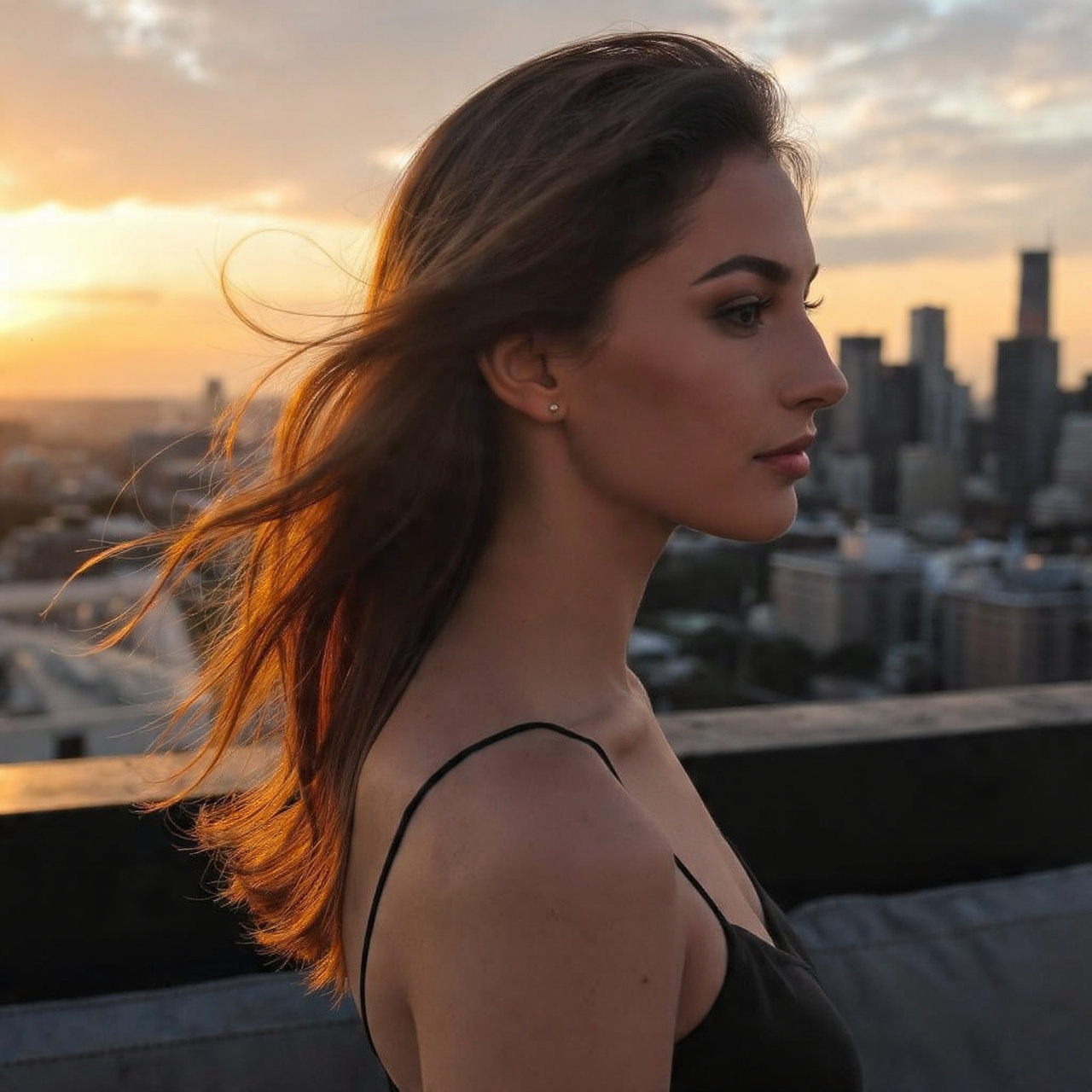
The choice between a side part and a middle part can dramatically alter the appearance of your face shape, profile, and hair volume. A middle part emphasizes symmetry and is generally flattering on oval and heart-shaped faces, creating a clean, modern look. It also works as a perfect base for face-framing layers or straight styles.
A side part, particularly a deep one, adds instant volume at the crown and is excellent for softening round or square faces by creating vertical and diagonal lines. Experimenting with your part is a free and easy way to change your entire look and find the Best Hairstyle for You without committing to a permanent cut.
Hair Color Trends That Complement Your Cut
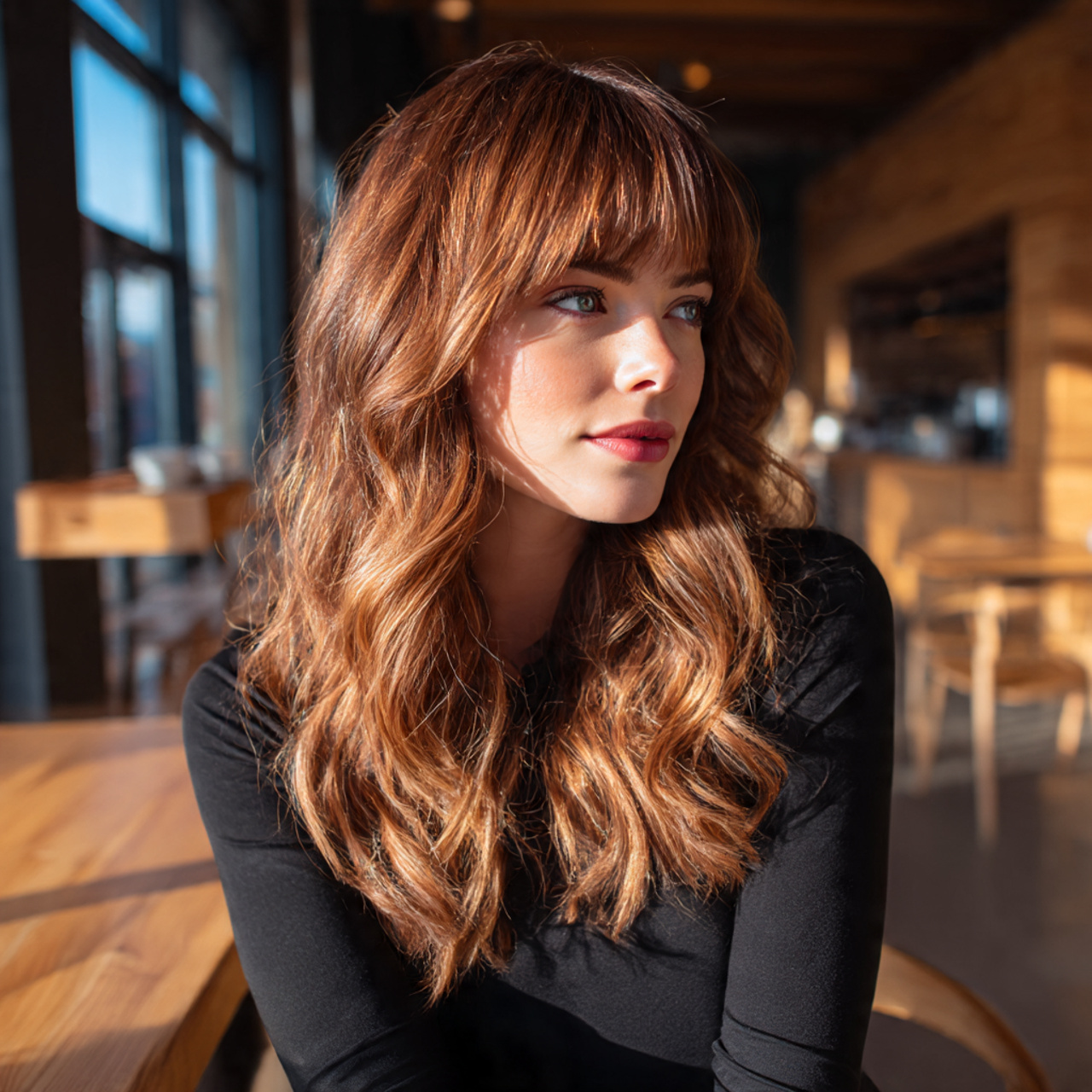
Your hair color should always work in harmony with your cut to maximize its visual impact and dimensional appeal. Highlights and dimension (such as balayage or foil placement) can add incredible visual texture and movement to layered cuts or bobs, effectively making fine hair appear fuller. Conversely, solid, rich colors beautifully emphasize the clean, sharp lines of blunt bobs or single-length cuts.
Lighter colors, strategically placed around the face (like a money piece), can brighten the complexion and draw attention to the eyes. Conversely, darker, monolithic colors can provide a rich depth that highlights the precision of a cut. Finding this synergy is vital for achieving the overall Best Hairstyle for You.
Styling Techniques for Natural Curls

Natural curls thrive when cuts allow the hair to curl and coil freely without restriction, which means avoiding a heavy, weighted bottom. The dreaded triangular shape must be avoided, which is usually achieved through specialized dry cutting methods that shape the hair based on its individual curl pattern and shrinkage. Long layers are crucial for distributing weight evenly and promoting bounce.
The primary styling technique involves maximizing moisture and definition, often through the “squish to condish” method and using strong-hold gels or creams to lock in hydration. Diffusing or air-drying while avoiding excessive manipulation minimizes frizz and enhances the curl formation. This dedicated care routine helps maintain the Best Hairstyle for You for textured hair.
Permanent Waves and Perm Styles
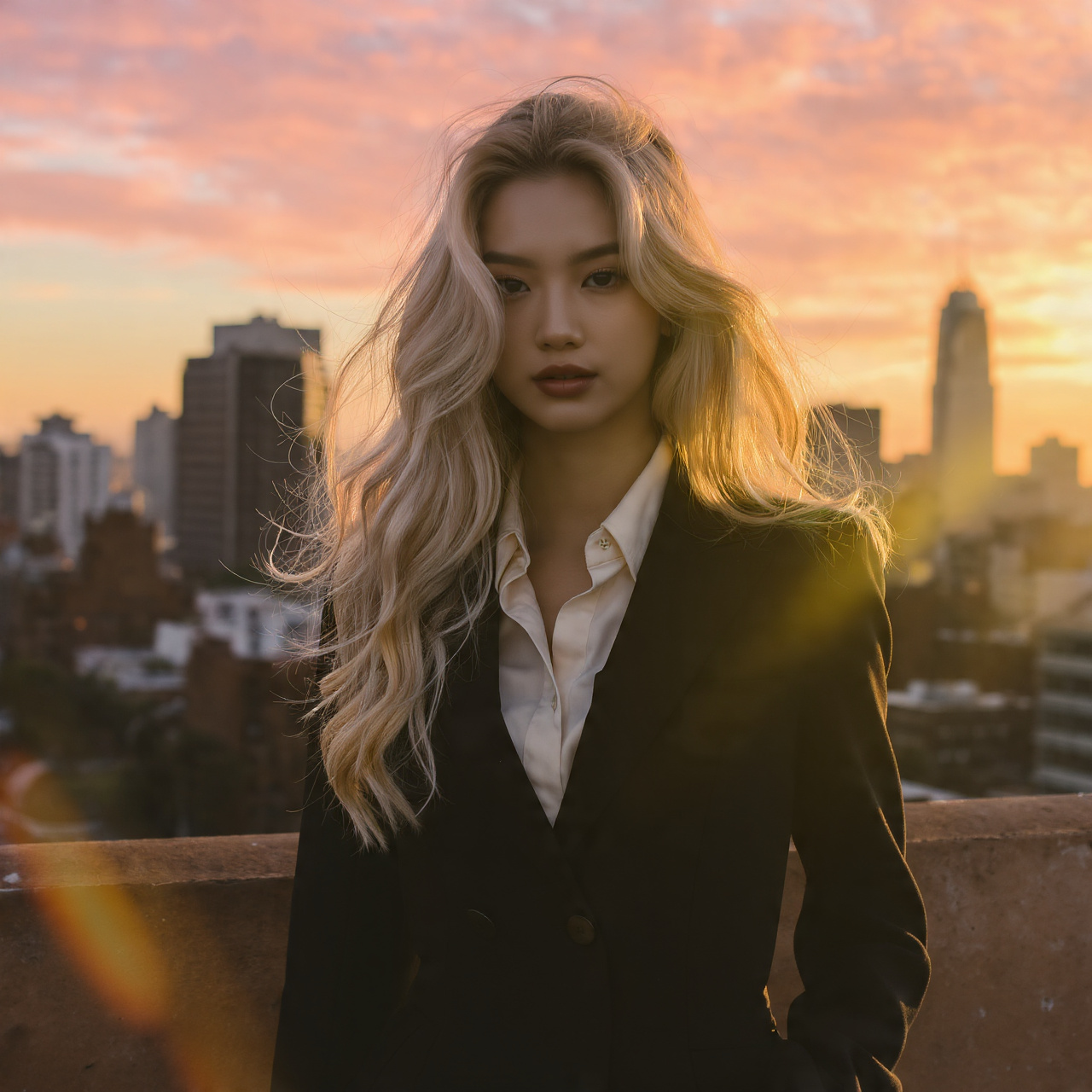
Modern permanent waves (perms) are nothing like the tight, poodle curls of the 80s; today, they are used to create soft, natural-looking body and loose, voluminous waves. Perms are an excellent, low-commitment option for those with straight hair who want added, lasting texture and volume with minimal daily heat styling effort.
The technology now allows for different rod sizes and wrapping techniques to achieve a variety of effects, from beach waves to natural coil patterns, giving you lots of choice. However, chemical processing requires commitment to moisture-rich, repairing products to maintain hair health and shine. Consult your stylist about this lasting texture to determine the Best Hairstyle for You.
Best Options for Receding Hairlines
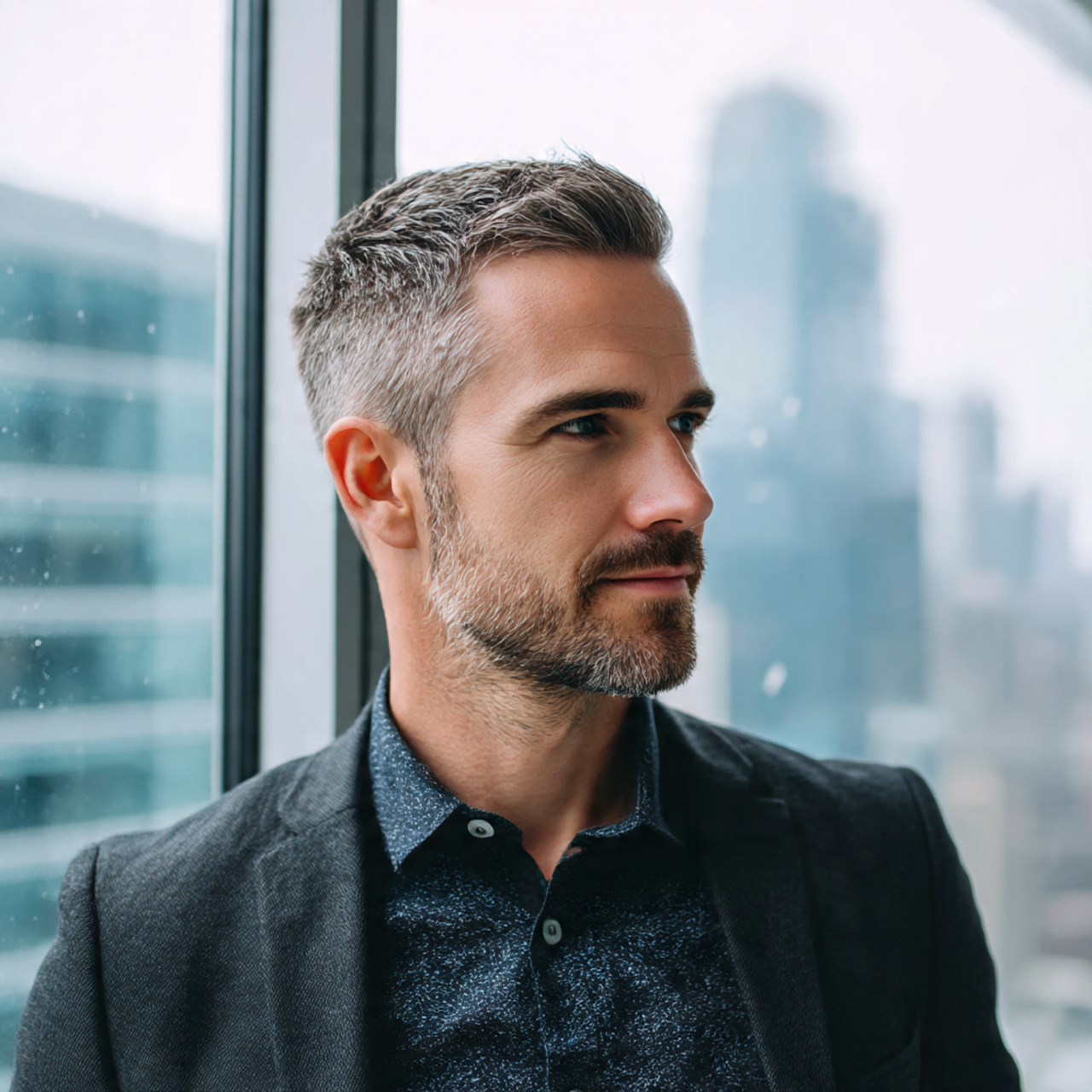
Managing a receding hairline requires smart styling to strategically camouflage or confidently embrace the area. For men, a short, textured cut that is styled forward or slightly messy works well to minimize the contrast and create the illusion of fullness. For women, soft fringe or long, side-swept bangs are highly effective in covering the temple area where recession often starts.
Longer hair with layered face-framing pieces can also work by allowing the hair to fall loosely around the forehead and temples, softening the entire line. It is important to avoid severe or slicked-back styles that pull the hair taut against the scalp, which instantly emphasizes the recession. Strategic cuts can give you the Best Hairstyle for You and your current hairline reality.
Styles That Take Years Off Your Age

Hairstyles that create softness, movement, and lightness tend to have an immediate anti-aging effect on the face and profile. Softly layered bobs, especially those with long, feathered ends, prevent the harshness that severe, blunt cuts can sometimes create, which often draws attention to fine lines. Volume at the crown and light, bouncy face-framing layers are key elements to seek out.
Adding warmth and dimension through subtle color changes, like honey or caramel highlights, can also brighten the face and reduce shadows. Avoid overly stiff, helmet-like, or formal styles, opting instead for a playful, youthful, and slightly tousled appearance. Finding the Best Hairstyle for You can be an instant, non-invasive rejuvenation.
Seasonal Hair Care and Cut Adjustments

Seasonal hair care and cut adjustments are vital for maintaining health, shape, and overall manageability throughout the year. In humid summer months, many people opt for shorter cuts or layered styles that allow for natural texture and reduce time spent battling frizz with heat tools. The dry winter often requires protective styles and extra hydration due to dry, indoor heat.
Your stylist can adjust your layering depth based on the current climate; for example, deep layering might be better in the summer to reduce bulk and weight. Always discuss your seasonal routine and environment to ensure you have the Best Hairstyle for You that works hard for you year-round.
The Importance of Hair Texture in Choosing a Style
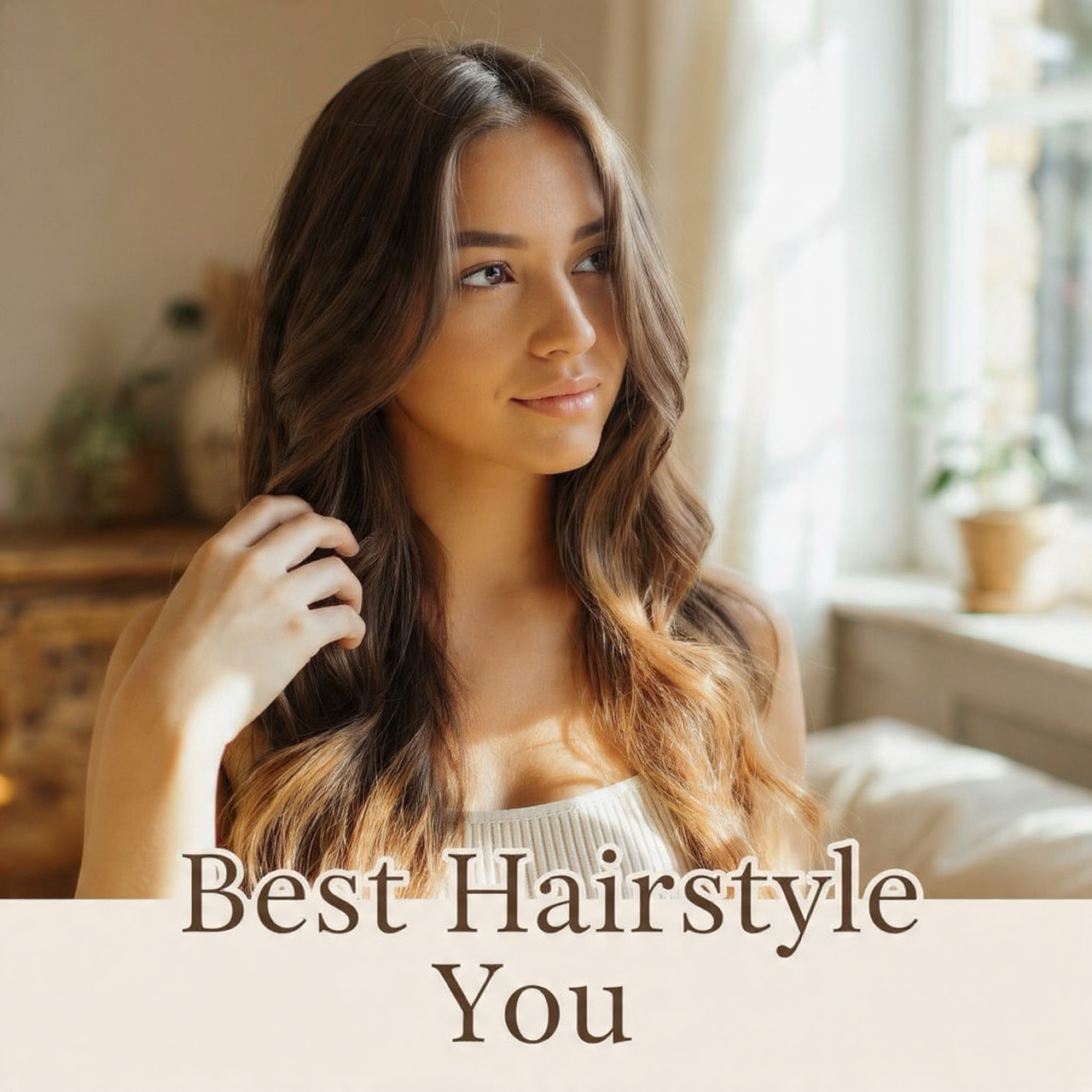
Hair texture—whether it is fine, medium, or coarse—is arguably the most critical and non-negotiable factor when choosing a cut. A style that looks incredible on coarse, thick hair may look flat and lifeless on fine hair, and vice versa. It is absolutely essential to respect your natural texture rather than constantly fighting it with products or heat.
Fine hair lacks volume but is often shiny; thick hair has volume but can be bulky and less shiny. Your chosen cut must complement these properties for maximum aesthetic effect and manageability. Trying to force your hair into an incompatible style leads only to frustration and excessive daily styling time. Understanding texture is crucial to finding the Best Hairstyle for You.
Cuts Designed for Wavy Hair Movement

Wavy hair (often Type 2) needs specific cuts to encourage its beautiful, natural movement without creating unwanted frizz or a ‘shelf’ look. Long layers should be carefully cut diagonally or point-cut to match the natural wave pattern, which helps the waves transition seamlessly from top to bottom. Medium-length cuts, sitting just above the shoulder, often maximize the wave potential.
A key element is avoiding excessive use of thinning shears, which can make the ends look frayed and contribute to frizz. Diffusing the hair with a proper curl or wave cream enhances the definition and spring of the waves. The goal is easy, air-dried elegance, making sure you have the Best Hairstyle for You for your beautiful, natural flow.
How to Discuss Your Style Needs with a Stylist
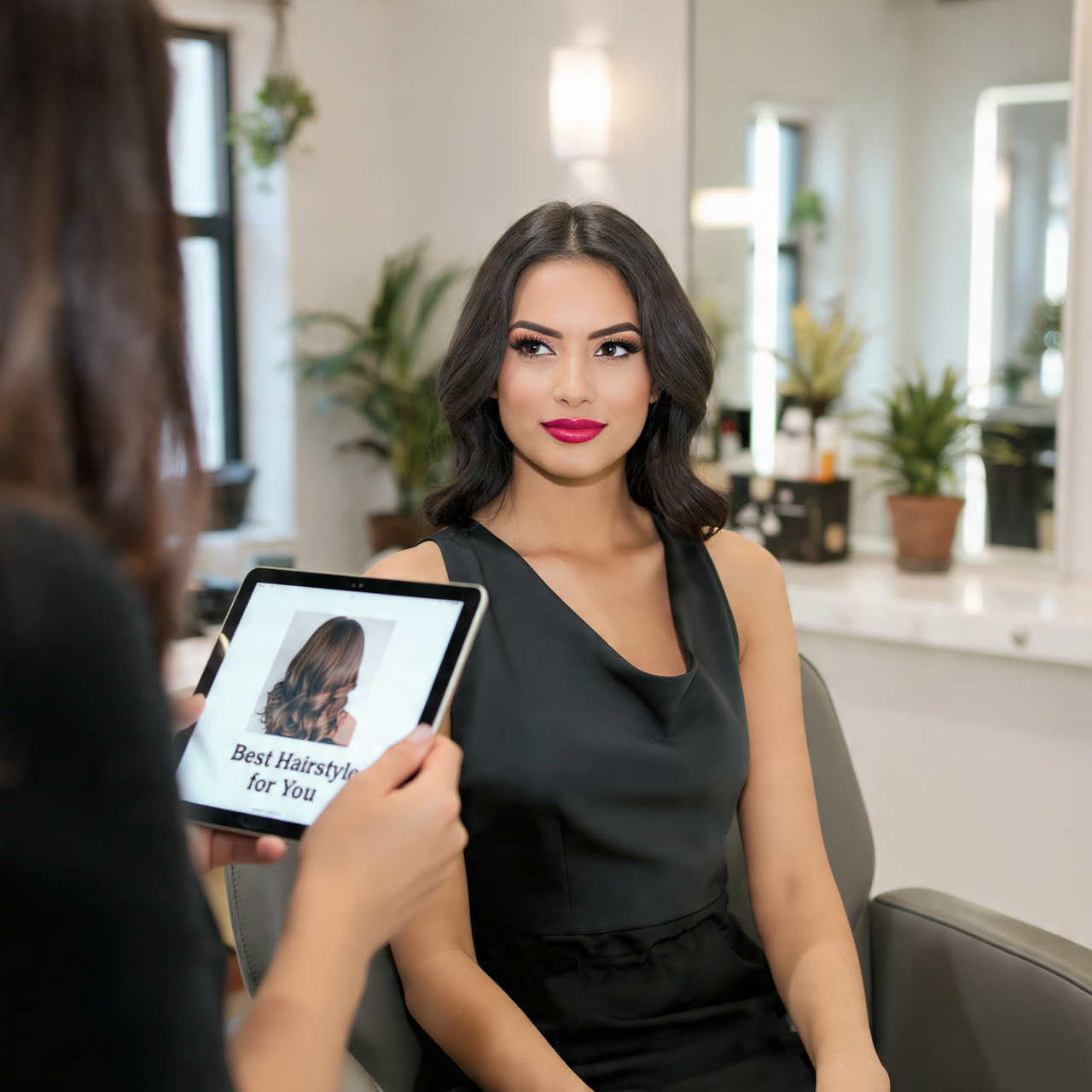
Clear communication with your stylist is the single most important step in a successful hair appointment and achieving the look you want. Bring visual aids—photos of styles you like and, just as importantly, photos of styles you want to avoid—to ensure you are both perfectly aligned regarding length and shape.
Be honest about your styling routine, skill level, and budget for maintenance and products. Explain exactly how much time you are willing to spend daily and how often you can realistically commit to salon visits. This transparency helps your stylist recommend the most realistic and genuinely Best Hairstyle for You.
Visit Also: Long Hairstyles for Men
Using Extensions to Achieve Ideal Hair Volume
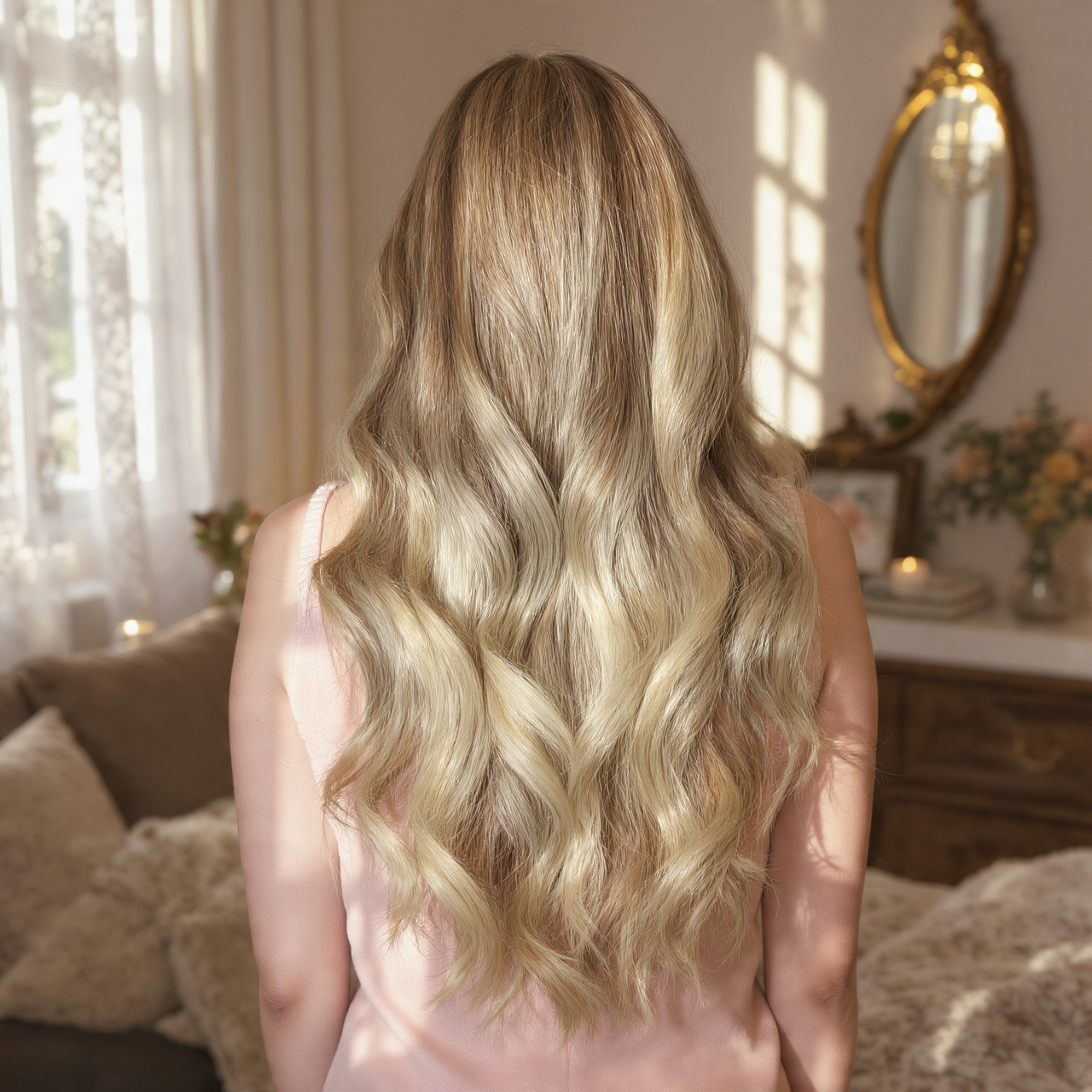
Hair extensions are no longer just for adding extreme length; they are now frequently and expertly used to add volume and fullness to fine or thinning hair. Techniques like tape-ins or high-quality hand-tied wefts can strategically thicken the sides or back of the hair, instantly transforming the appearance of a bob or layered style.
Choosing the right type of hair, the perfect color match, and professional installation are essential for a seamless, undetectable look. Extensions do require specific care and can increase daily styling time slightly, but they offer an immediate solution. They can help you achieve the Best Hairstyle for You that your natural hair alone cannot sustain.
Layering Techniques for Maximum Body
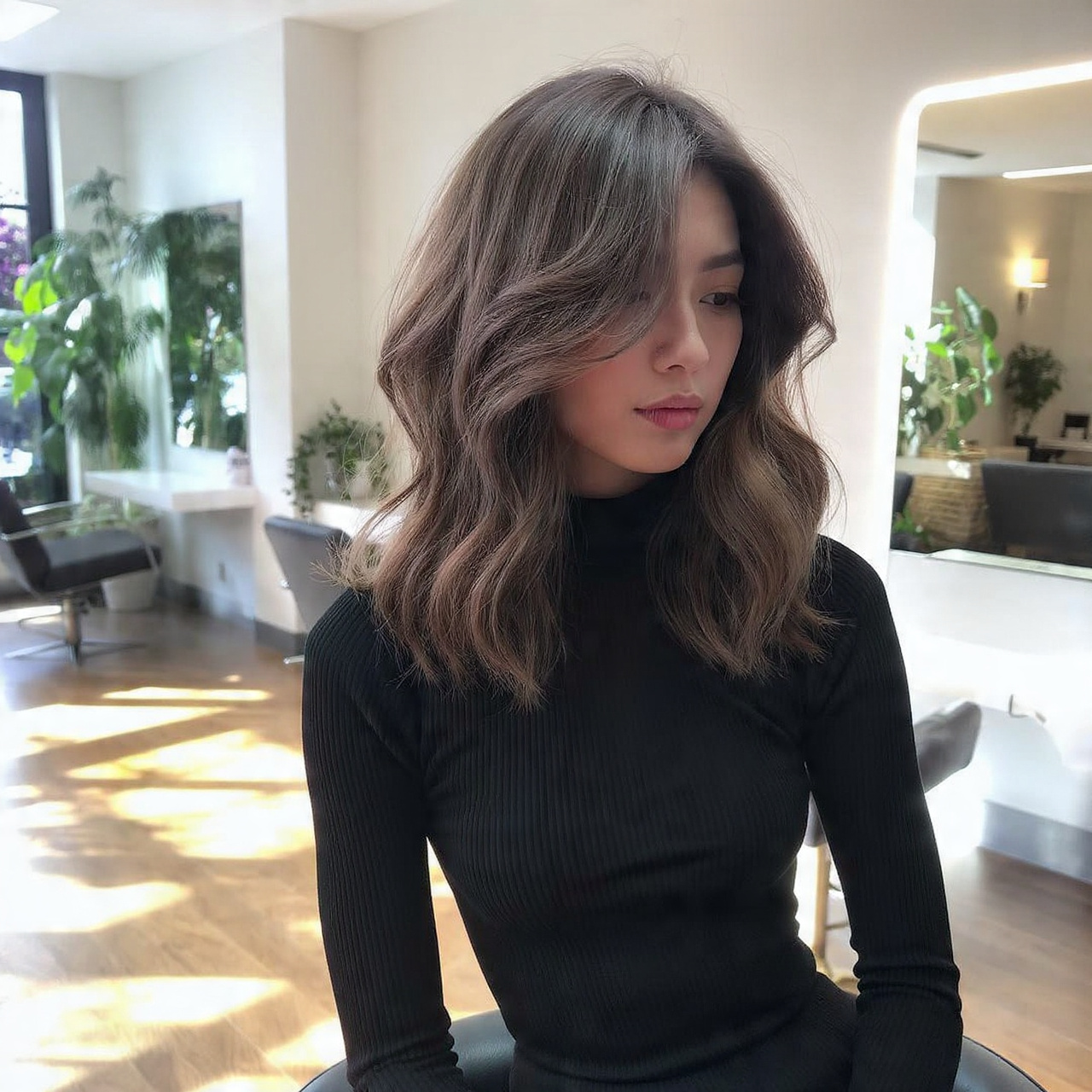
Utilizing various layering techniques is the primary and most effective method for adding body and shape to any haircut. Internal layering removes weight from the inside, allowing the exterior length to maintain fullness, a perfect technique for managing thick hair. Shorter, stacked layers at the crown, however, create crucial lift and volume for fine hair that tends to fall flat.
Long, face-framing layers create a soft outline that complements the cheekbones, while short, choppy layers produce an edgy, texturized finish suitable for modern styles. Your stylist should select a technique based entirely on your hair’s density and the specific result you want. The right layering is essential to unlocking the Best Hairstyle for You.
Edgy Undercuts and Asymmetrical Styles
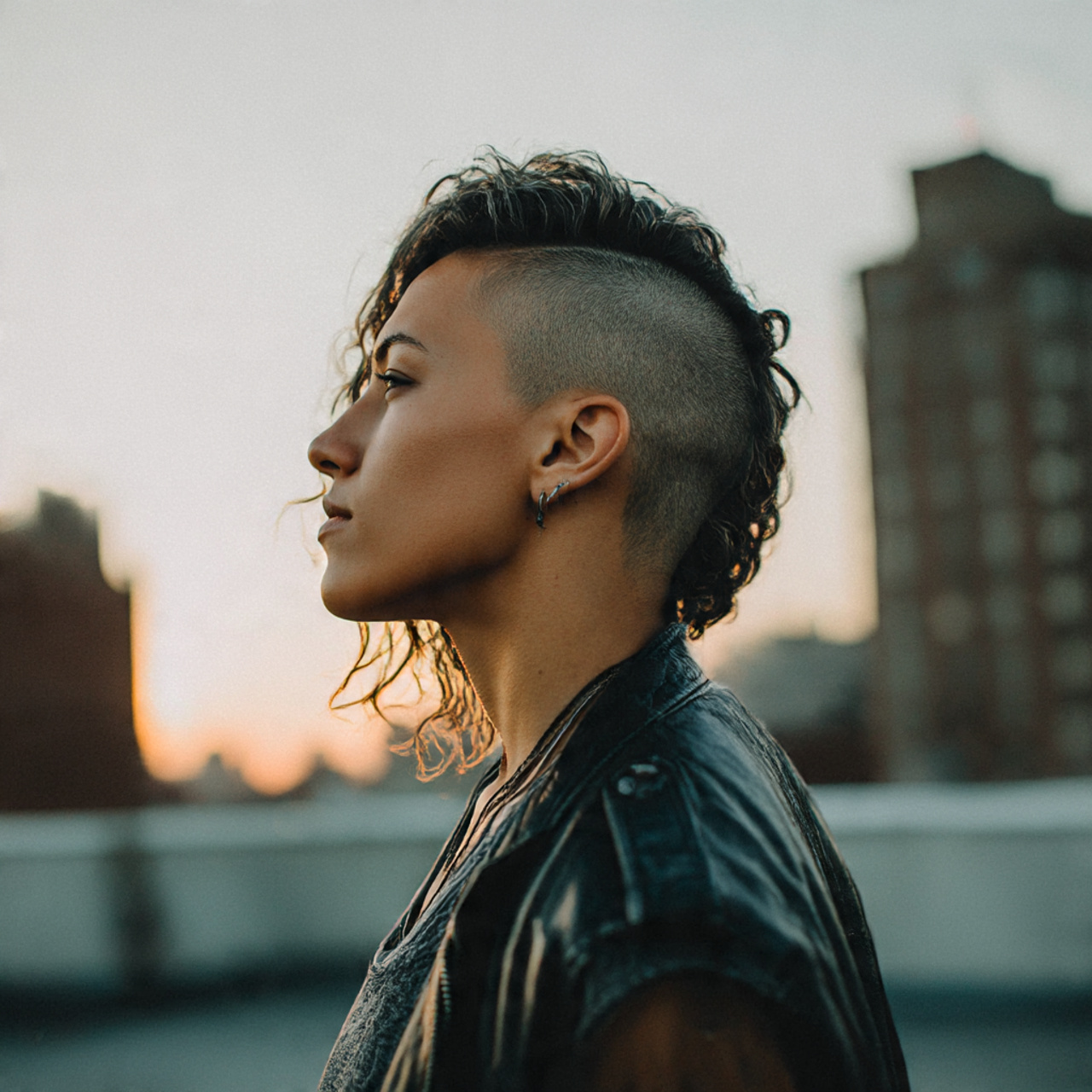
Edgy undercuts and asymmetrical styles are bold, contemporary choices that introduce drama, personalized flair, and architectural structure. An undercut involves shaving or closely clipping the hair beneath the top layer, providing hidden lightness and a cool surprise when the top layer is lifted for various styles.
Asymmetrical cuts, where one side is intentionally longer than the other, create dynamic lines and angles, often flattering square or round face shapes by elongating them. These styles require confidence and commitment to a sharp, clean line, potentially making them the Best Hairstyle for You if you crave a powerful, unmistakable statement.
Products and Tools for Maintaining Your New Look
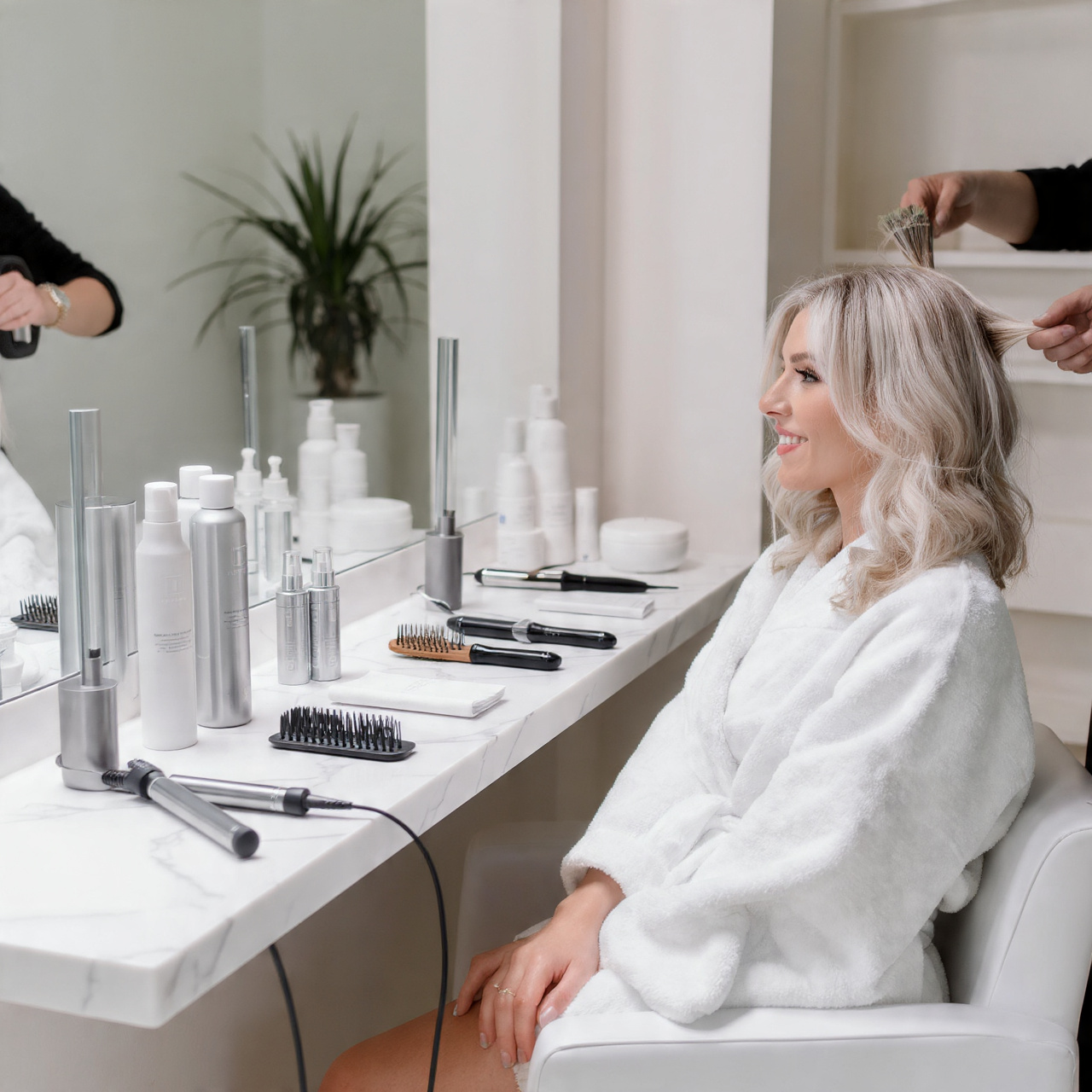
The products and tools you use at home are just as important as the initial haircut itself for proper, long-term maintenance and longevity. Investing in quality, heat-protectant sprays, texturizing waxes, and moisturizing oils specific to your hair type is crucial for health. Never skimp on shampoo and conditioner tailored to your specific color or texture needs.
Good styling tools, like a quality blow dryer with multiple nozzles or a reliable curling iron with temperature control, are always worth the investment for minimizing damage. Regular use of deep conditioning masks prevents damage and maintains the longevity of your style and color. Using the right regimen ensures your new cut remains the Best Hairstyle for You.
FAQs About the Best Hairstyle for You
1. How often should I change my hairstyle to keep it fresh?
You don’t need a drastic change every year, but most stylists recommend a refresh every 3 to 5 years to keep up with evolving trends and your changing personal style. Small changes, like switching your part or adding face-framing layers, can provide that “fresh” feeling without requiring a major overhaul. The key is to find your core style and then update it subtly over time.
2. What is the easiest way to determine my correct face shape?
The simplest way is to stand in front of a mirror and trace the outline of your face onto the glass using lipstick or a dry-erase marker. Step back and observe the shape. Is the jawline the widest part (square)? Is the length nearly equal to the width (round)? Or is it perfectly symmetrical (oval)? This quick trick provides a clear visual guide.
3. Can hair density affect which style looks best on me?
Absolutely. Hair density (the number of hairs per square inch) is more important than texture. Low density needs cuts that create the illusion of fullness, like blunt cuts and light layering. High density needs cuts that remove internal bulk and weight, such as heavy internal layering, to ensure the style doesn’t look overwhelming or bottom-heavy.
4. Are classic styles or trendy cuts safer for a complete overhaul?
Classic styles are almost always the safer bet for a complete overhaul, as they are based on timeless principles of proportion and face shape. Trendy cuts, while exciting, often require specific styling or hair types that may not be sustainable for everyone. You can always integrate a trend (like curtain bangs) into a classic shape (like a lob).
5. Should I choose a hairstyle based on my body height or neck length?
While face shape is the primary factor, neck length and body height can influence the ideal length. Taller individuals can handle longer, more voluminous hair, while shorter individuals sometimes benefit from medium or shorter styles to avoid being overwhelmed by hair. For neck length, shorter cuts (like bobs) look fantastic on long necks, and collarbone length is great for balancing shorter necks.
Conclusion
Finding the Best Hairstyle for You truly is a journey of self-discovery, blending geometry, texture science, and personal practicality. By understanding your face shape and being honest about your daily styling commitment, you move from guessing games to making informed, confident choices. Remember that hair is meant to be fun and transformative.
The perfect cut should not only look incredible but also make your daily routine easier. Use this guide to open a clear dialogue with your stylist, ensuring the final result is a look you genuinely love and can maintain. Embrace the versatility of your hair and feel empowered knowing you’ve found the definitive Best Hairstyle for You.