25 Flowy Haircut Secrets for Incredible Movement.
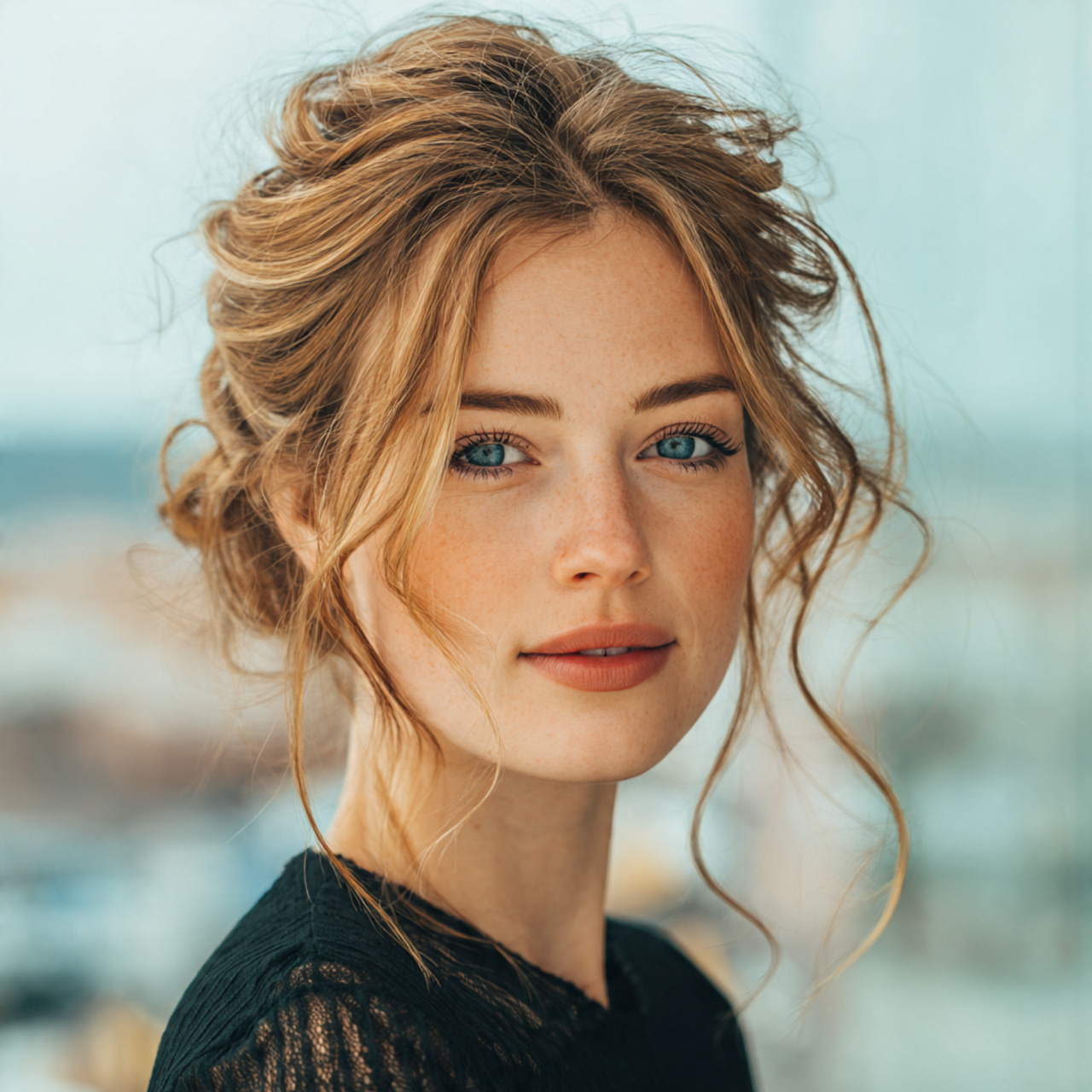
A flowy haircut is one of the most requested looks in salons. It feels light, natural, and easy to wear every day. People love how it moves when they walk or turn their head. The secret is not luck or genetics, but the right cutting and styling choices. When done well, a flowy haircut looks soft, healthy, and full of life.
The good news is that any hair type can look flowy with the right method. Fine hair, thick hair, straight hair, or wavy hair all have options. The key is using the right structure, layers, and finish. This guide explains how flowy haircuts work, how to choose the best version, and how to keep the movement alive at home.
Why Flowy Haircuts Stay Popular Every Year
Flowy haircuts never go out of style because they feel natural and modern at the same time. They do not look stiff or overdone. Instead, they follow the natural direction of your hair and face. This makes them easy to wear for work, school, or casual days.
In the salon, I see clients choose flowy cuts because they want hair that moves without effort. They want something that looks good without heavy styling. This style also works with trends like layers, curtain bangs, and soft waves, which makes it easy to refresh each season.
The Foundation of a Truly Flowy Haircut
Every flowy haircut starts with the cut itself, not products or tools. If the base is wrong, no styling can fix it. Hair that is cut too blunt will feel heavy. Hair with uneven layers will look frizzy or messy.
A good flowy cut removes weight in the right places while keeping the shape full. The goal is balance, not thin hair. When the weight is placed correctly, the hair moves freely and falls into place naturally.
The Seamless Feathering Technique
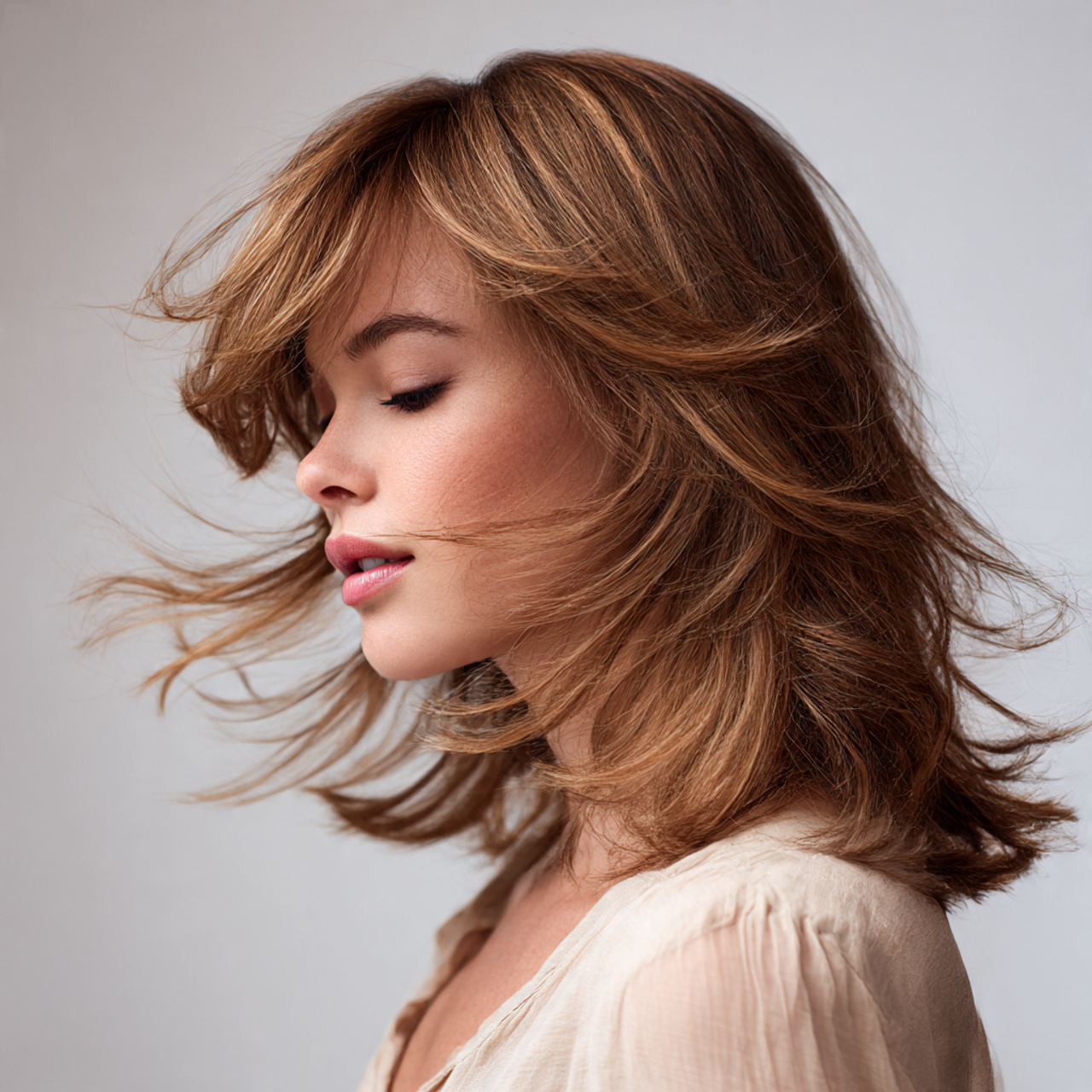
Feathered ends help soften the bottom of the haircut. Instead of a straight line, the ends are lightly tapered. This makes the hair float instead of hanging down.
This works best for thick or heavy hair that feels stiff. The feathering keeps the length but removes the heavy feeling. It also helps the hair move better when you walk or style it.
Removing Hidden Weight Inside the Hair
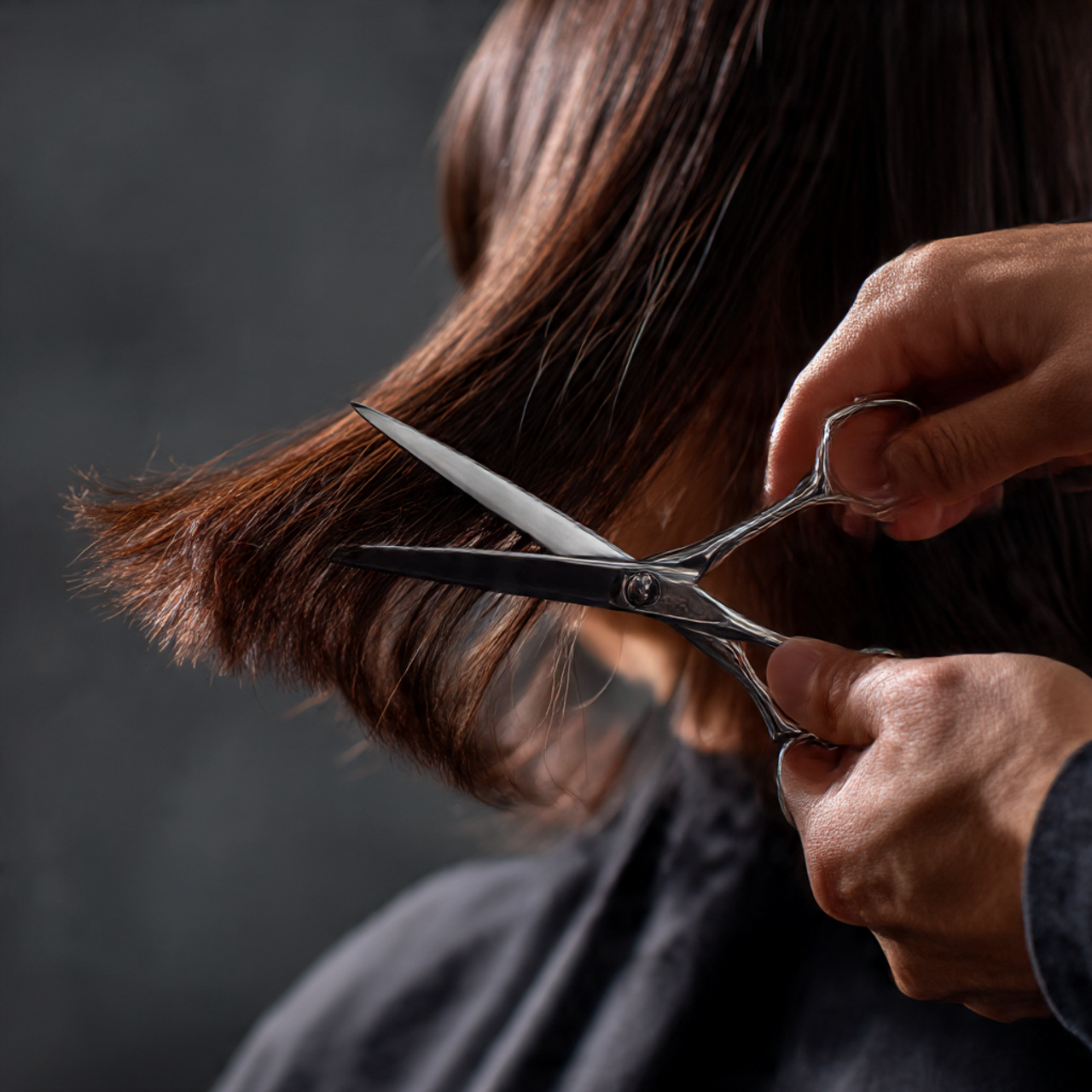
Sometimes hair looks full but does not move. This usually means there is too much weight inside the cut. Stylists fix this by removing bulk from under the top layers.
This keeps the shape full but makes the hair lighter. It is perfect for long and medium hair that feels flat. Clients notice more bounce without losing volume.
Soft Face-Framing for Natural Flow
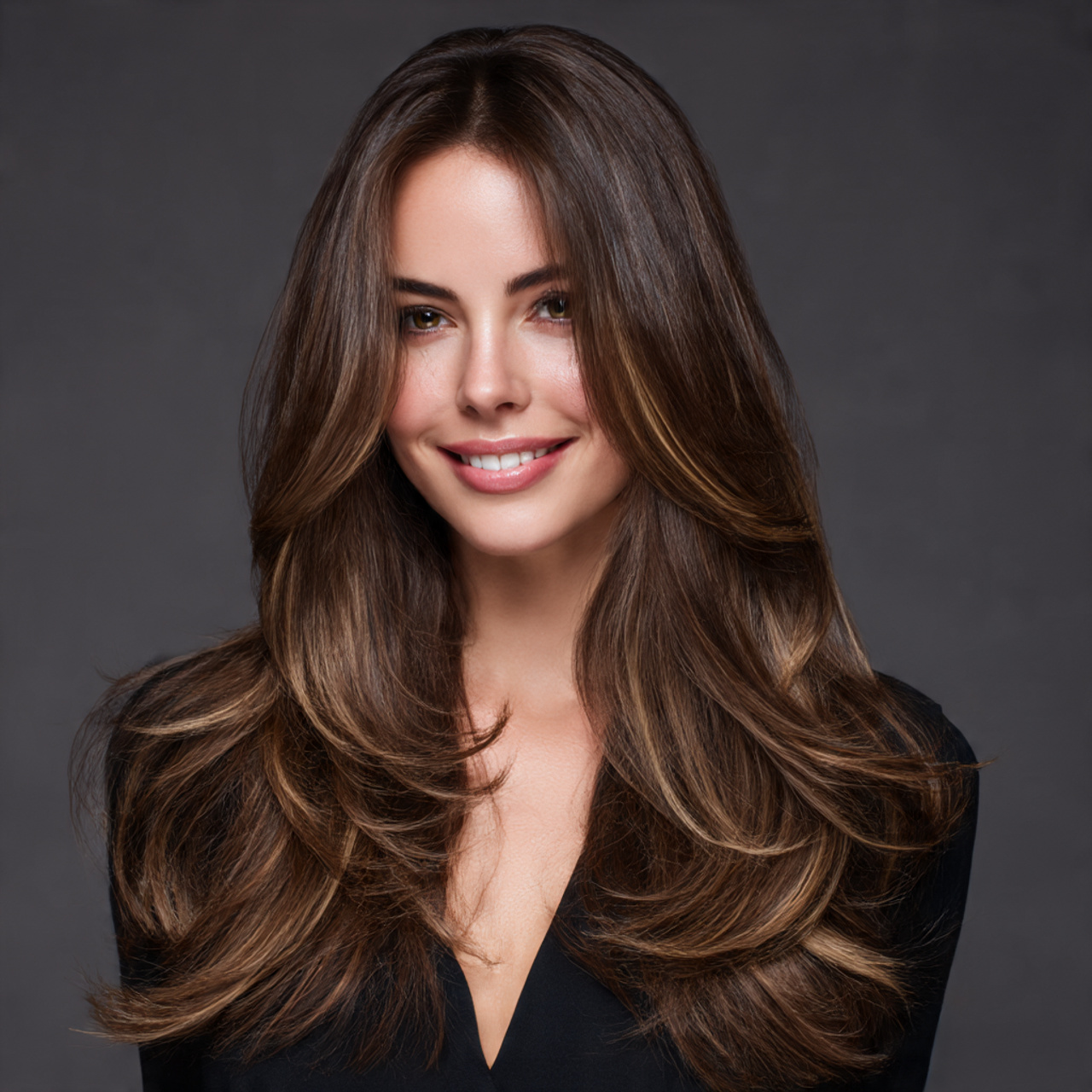
The hair around your face controls the whole look. Soft face-framing helps the hair fall gently instead of sticking out. The angle should match your jawline and cheekbones.
This makes ponytails, buns, and loose styles look better. Even simple styles feel polished when the front pieces are cut correctly.
Point Cutting for Soft Edges
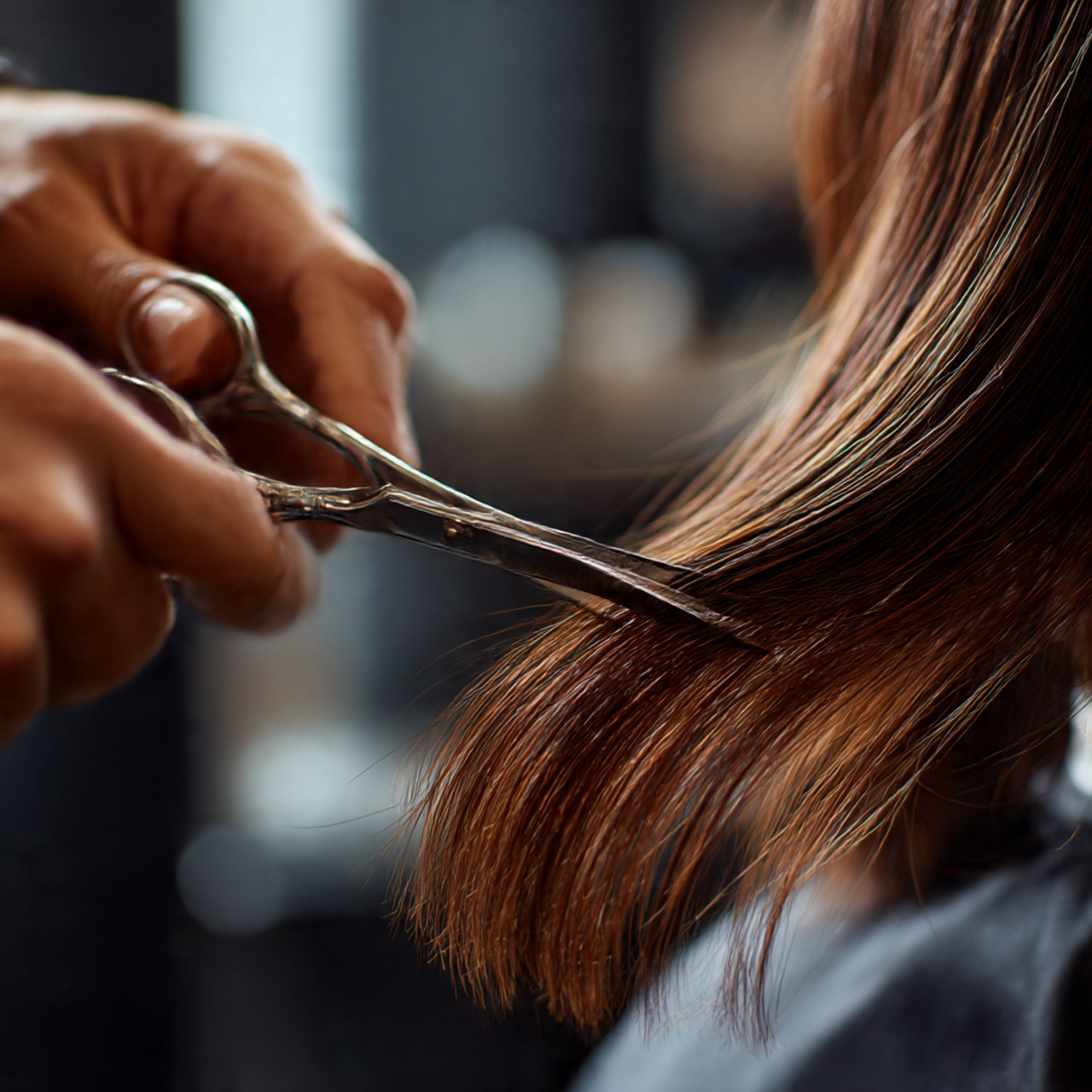
A flowy haircut should never end in a sharp line. Point cutting breaks up the ends and makes them move freely. It keeps the length but removes stiffness.
This technique helps the ends flip softly instead of clumping together. It is small work that makes a big difference in movement.
Gradual Layers That Stay Hidden
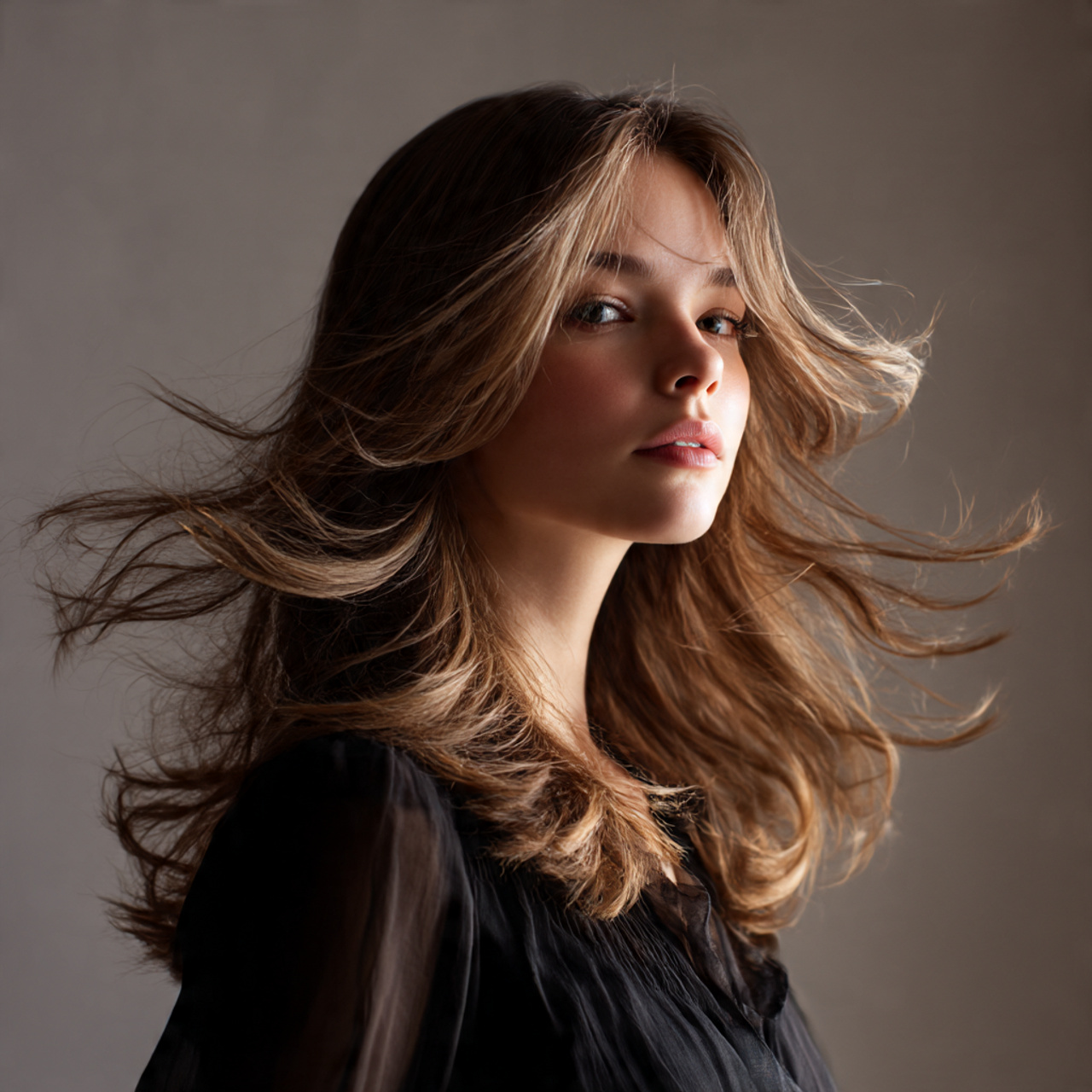
Good layers are felt, not seen. Gradual layers keep the hair looking thick while still adding lift. They start long and slowly blend down.
This prevents the hair from looking choppy. It also keeps the style smooth and easy to manage every day.
Tapered Mid-Length for Shoulder Movement

Hair often gets heavy where it touches the shoulders. A light taper in the mid-length area removes that weight. This helps the hair curve inward or flip softly.
This is ideal for medium-length cuts that feel boxy. The hair stays full but gains energy and motion.
Slide Cutting for Smooth Flow
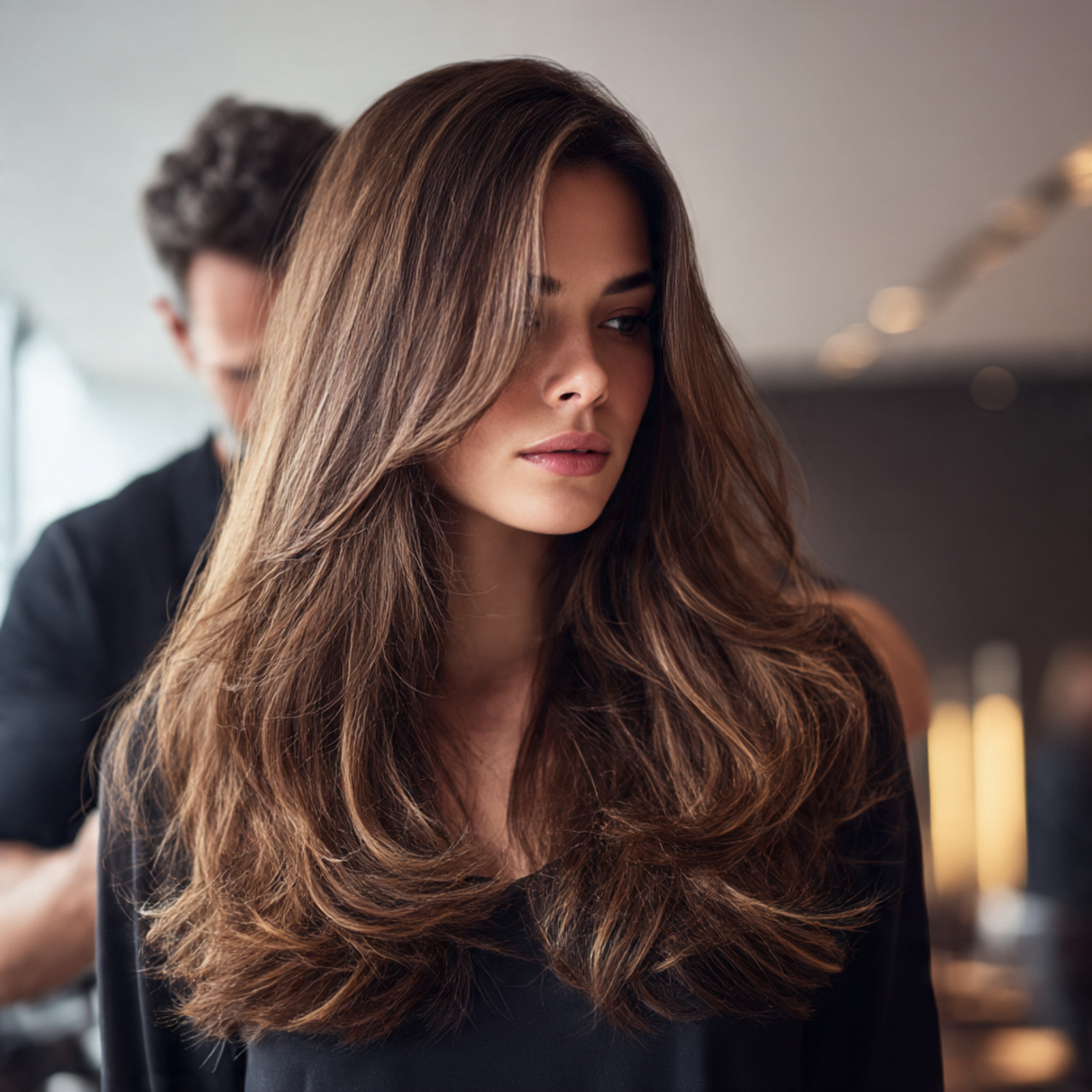
Slide cutting smooths the hair without removing too much. The scissors glide down the strand to refine texture. This helps the hair move past itself easily.
This method is great for hair that feels stiff or stuck. It adds softness without thinning the hair too much.
Soft Razor Ends for Straight Hair
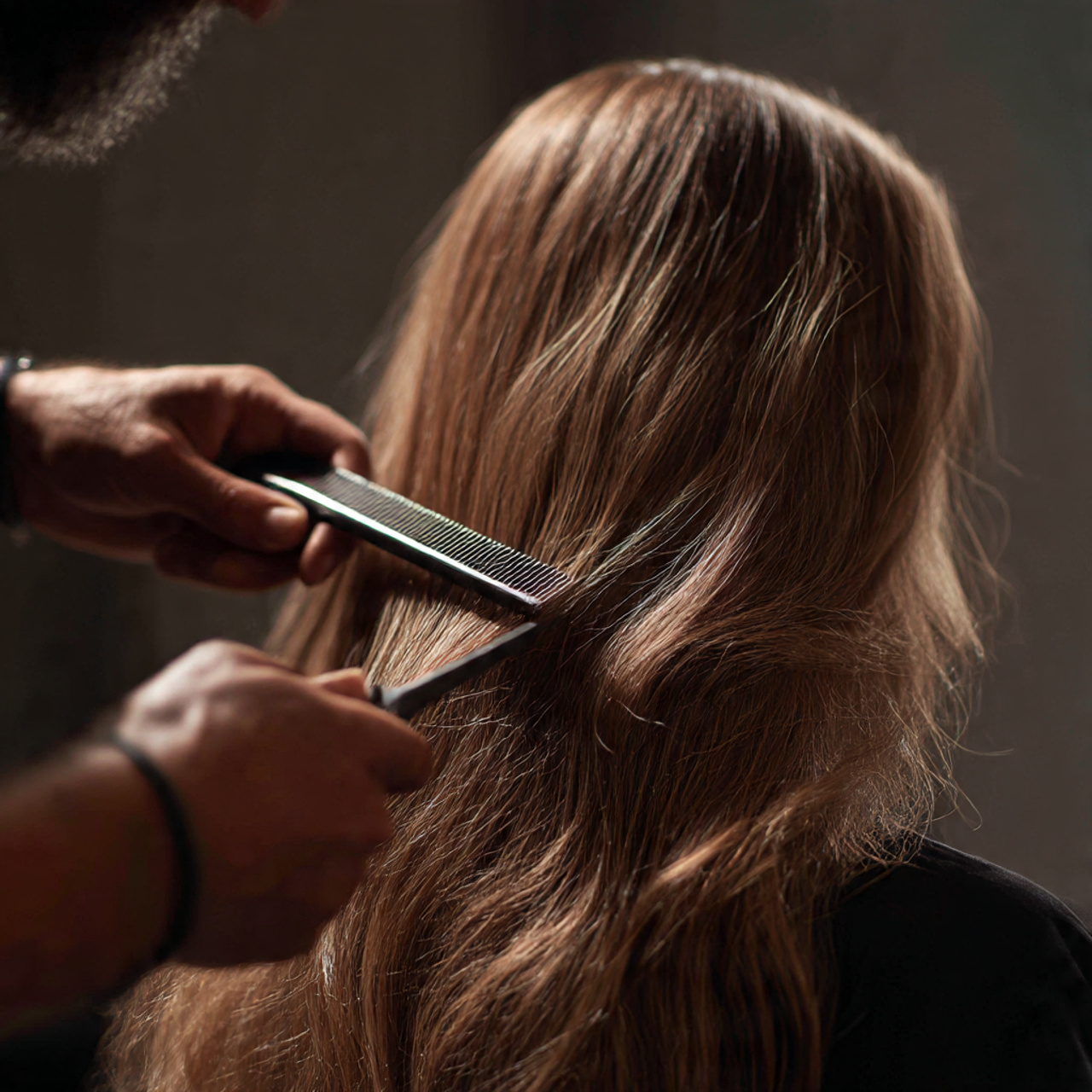
Straight, dense hair often looks heavy at the bottom. A razor can soften the ends when used carefully. It makes the finish light and natural.
The razor should only touch the ends, not the length. This keeps the style full but flexible.
Weight Balance Through Cutting Angle
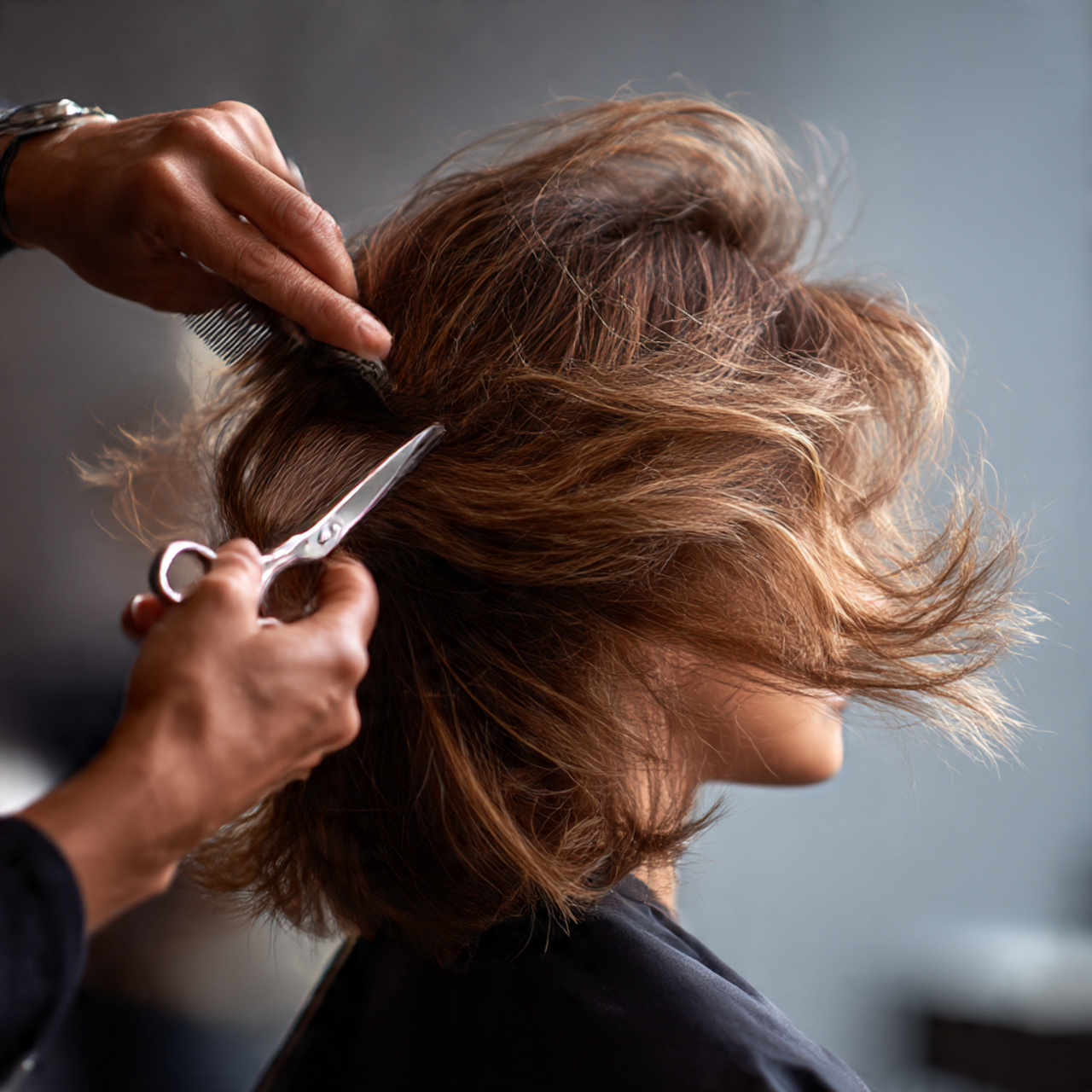
The angle used while cutting controls where the hair sits. Higher angles remove inside weight and add lift. Lower angles keep fullness.
This balance helps the hair lift at the roots and fall gently at the ends. It prevents the triangle shape many people dislike.
Working With Natural Waves

Wavy hair needs special care when cutting. The layers should follow the wave pattern. This lets each wave move on its own.
When done right, waves look soft and defined instead of puffy. The hair feels lighter and more natural.
Invisible Layers for Hidden Lift
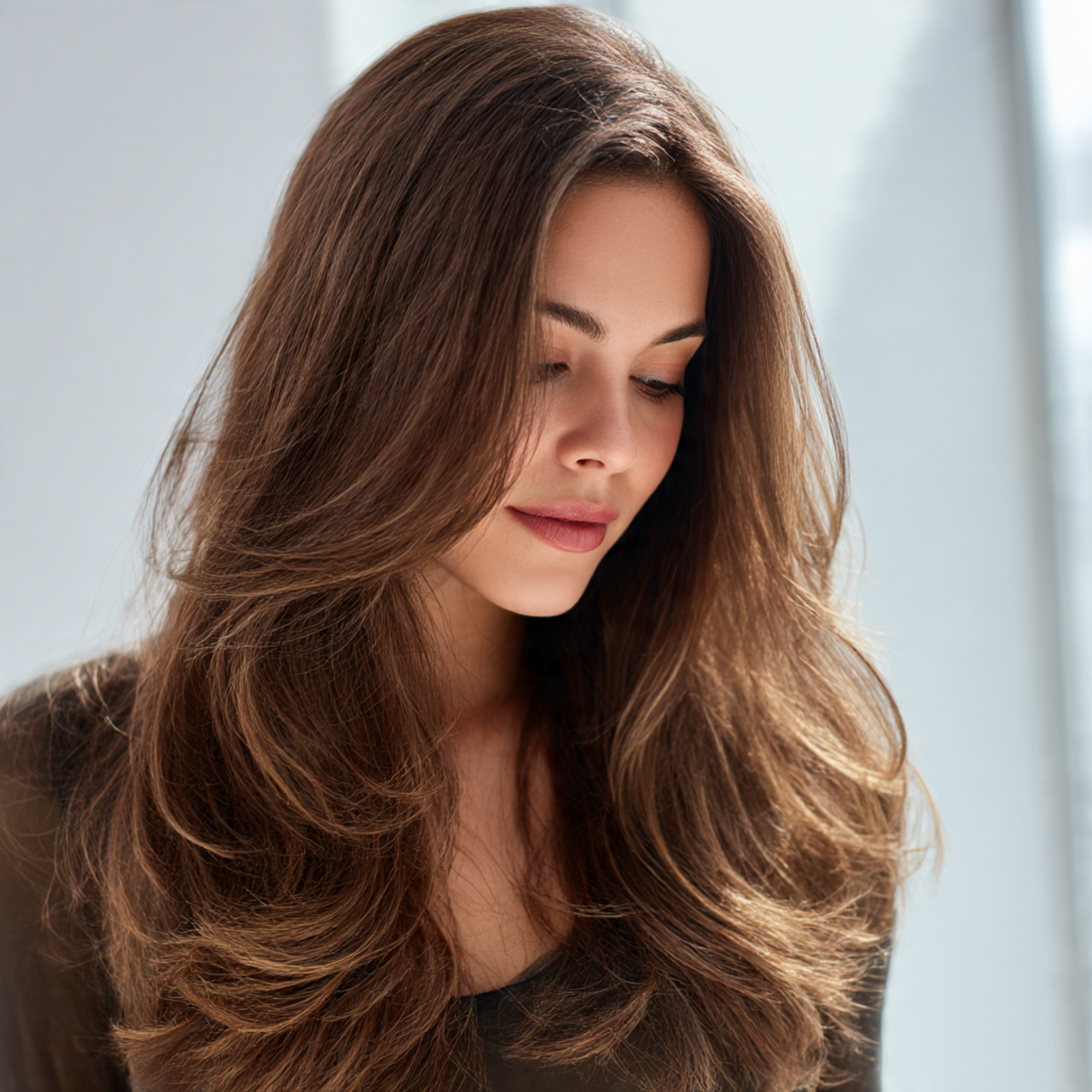
Invisible layers are long layers placed high but blended perfectly. You cannot see them, but you can feel the movement.
They help lift flat hair at the crown without changing the length. This is perfect for people who want volume without short layers.
Root Support Layers for Flat Hair

Some hair needs lift right at the top. Small, blended layers at the crown help the hair stand up. They create airflow under the top section.
This keeps the hair from lying flat on the scalp. The lift looks natural, not teased or stiff.
Deep Point Cutting for Thick Hair
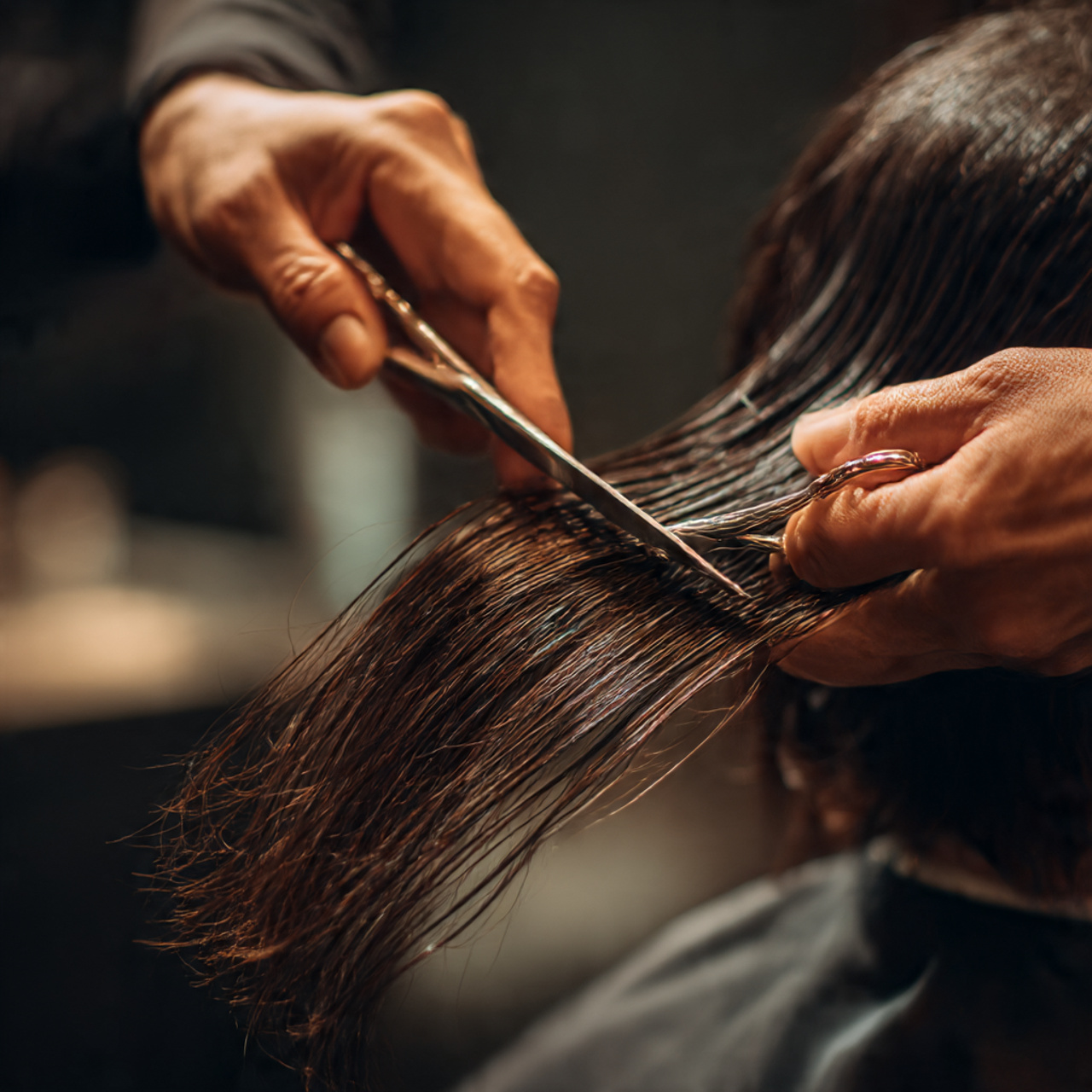
Very thick hair needs stronger weight removal. Deep point cutting reduces bulk inside the cut. It keeps the outside smooth.
This helps thick hair move freely instead of hanging heavy. It is one of the best ways to control density.
Fine Shear Work for Extra Texture
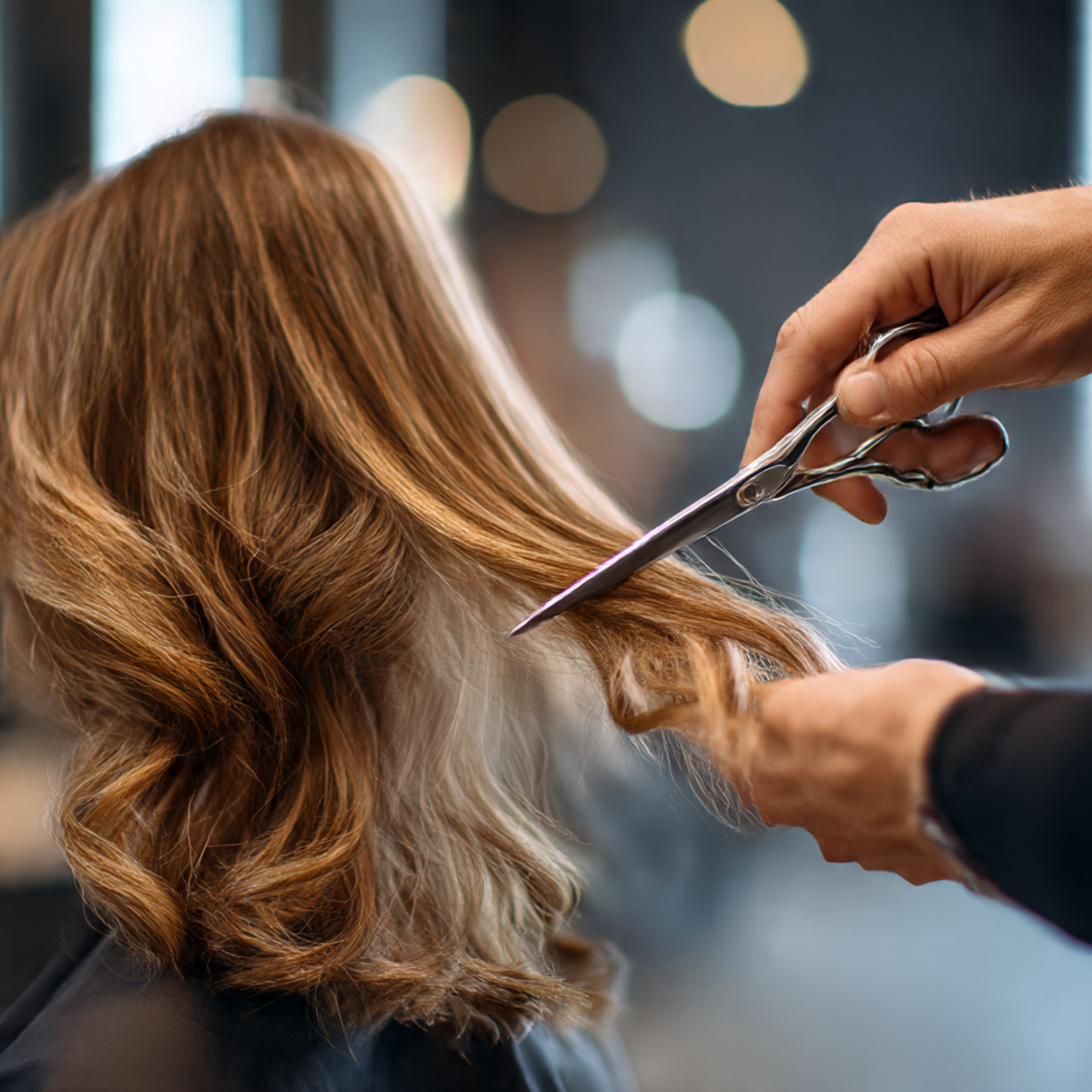
After layering, small cuts refine the ends. This stops the hair from sticking together. It also adds lightness to the finish.
The hair looks softer and more touchable. It also holds shape better during the day.
Soft Graduation at the Bottom
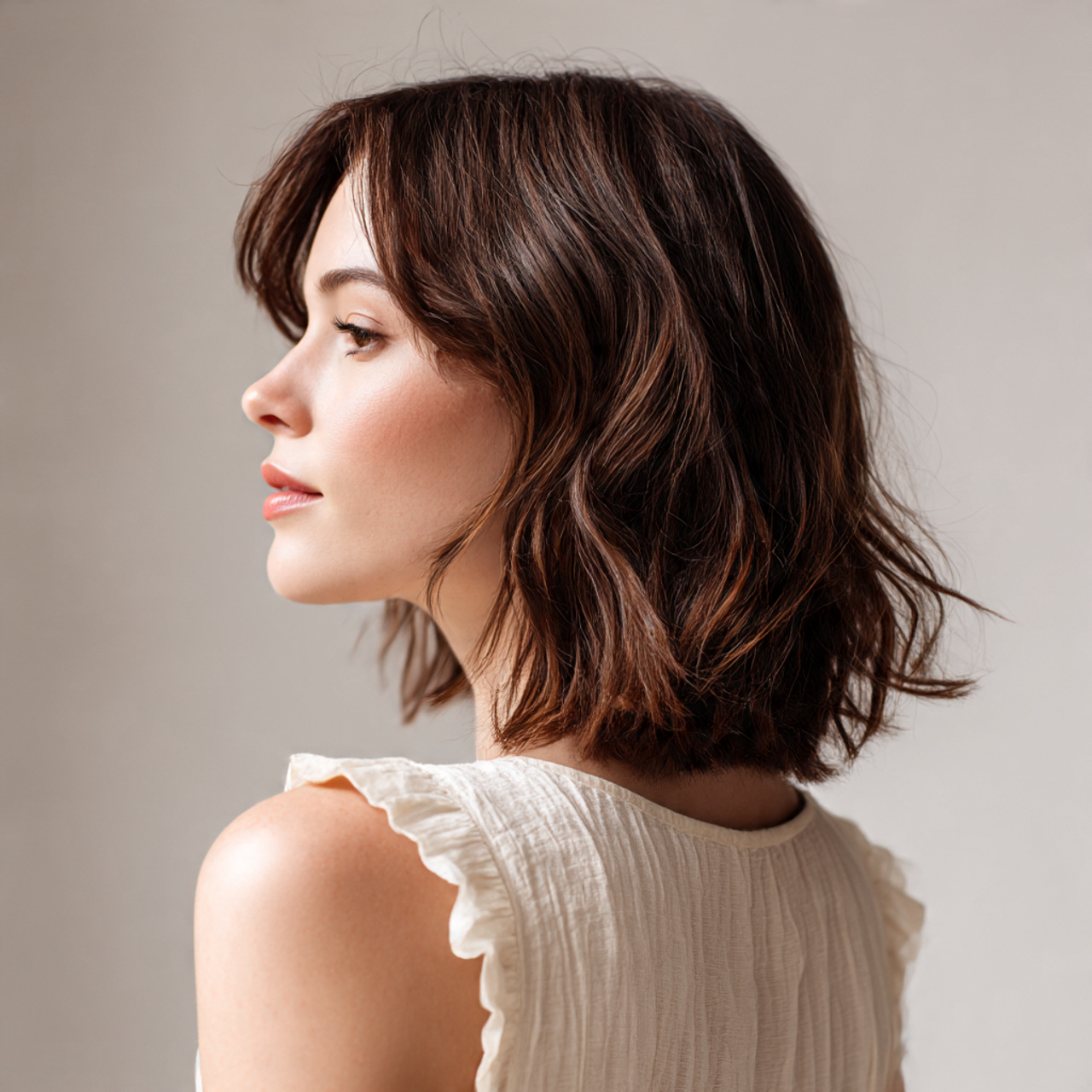
Instead of one straight line, a soft graduation creates movement. The back is slightly shorter than the front.
This gives the hair a forward flow that feels natural. It works very well for medium and long haircuts.
Blending Layers with Slicing
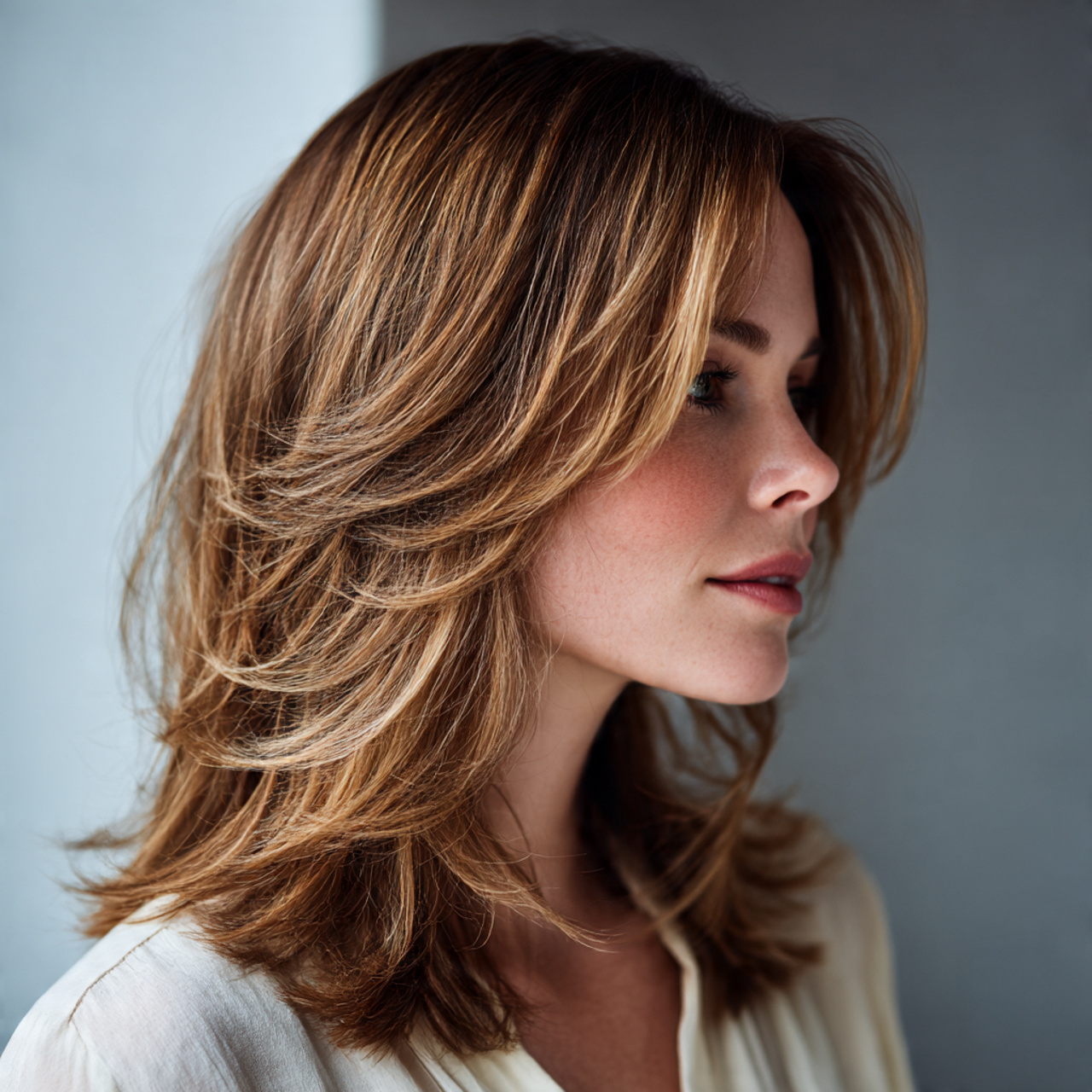
Slicing removes hard lines between layers. It connects short and long pieces smoothly. The hair moves as one shape.
This prevents the cut from looking broken or uneven. It keeps the flow clean and natural.
Crown Cutting for Lift and Shape
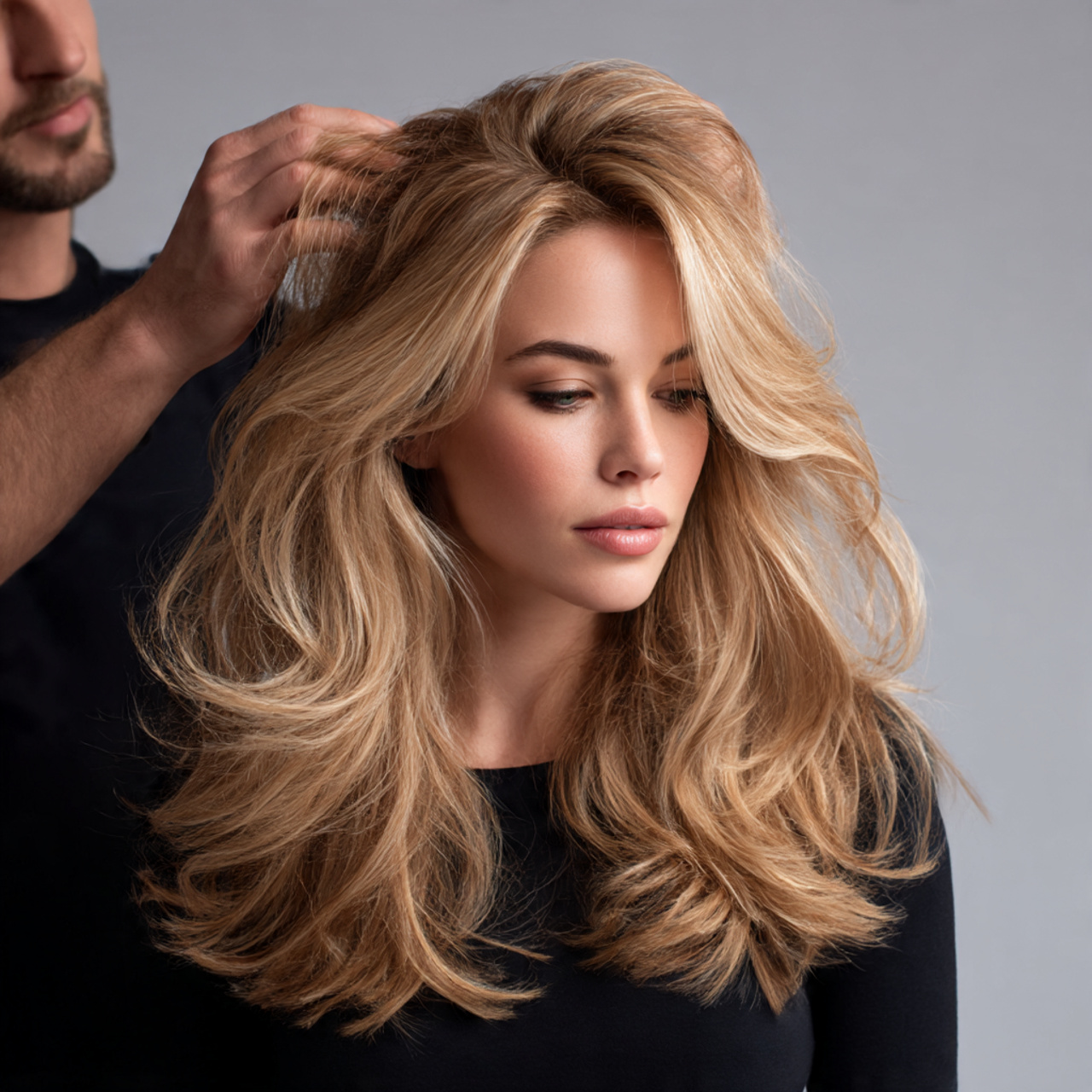
The crown controls the overall balance. Cutting at the right angle gives lift and roundness. This helps the rest of the hair follow.
A strong crown shape keeps the haircut from falling flat. It also helps styles last longer.
Diffuser Drying for Soft Finish
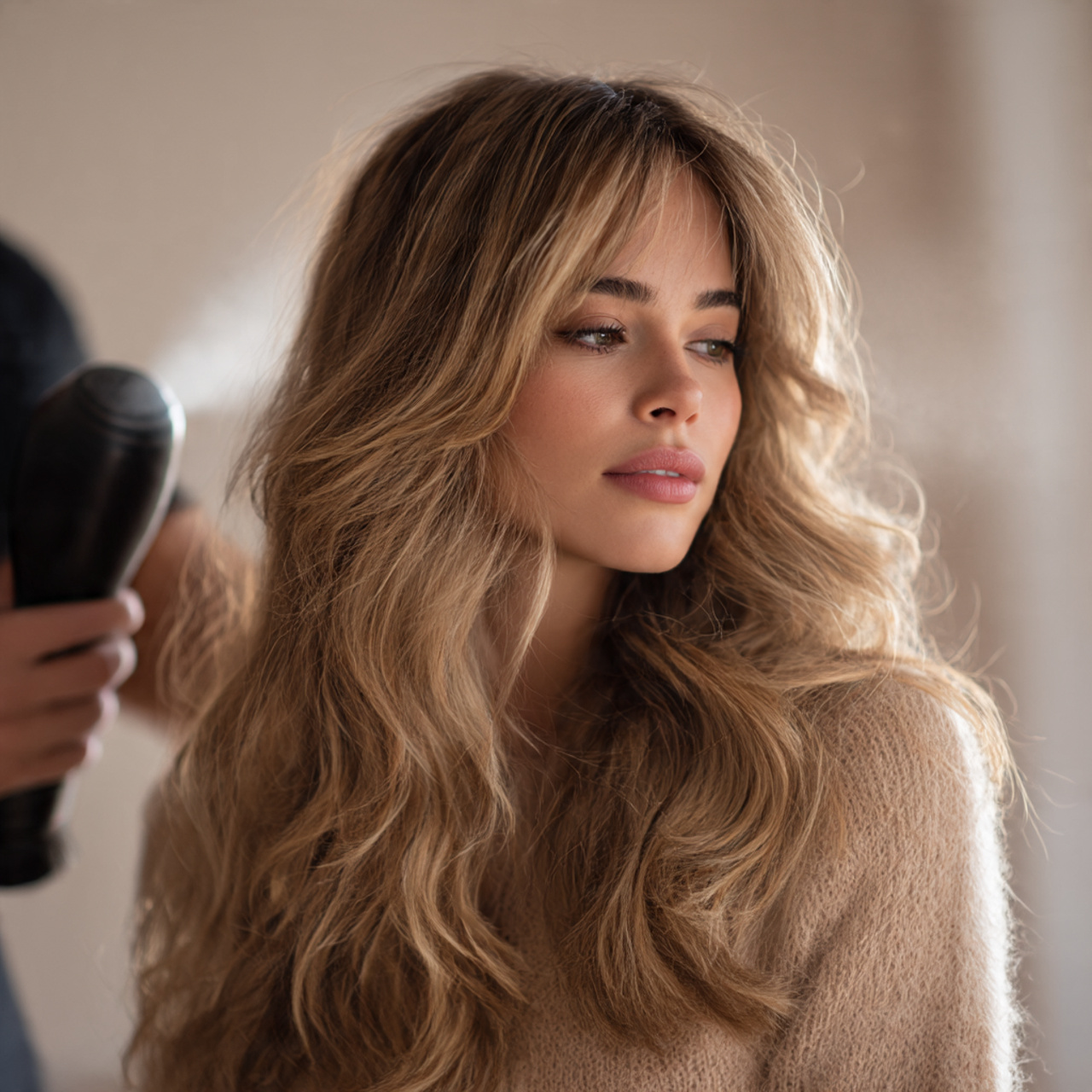
The way you dry your hair matters. A diffuser helps waves and curls stay soft. It spreads air gently and reduces frizz.
This is best for textured hair that needs movement without stiffness. The result looks natural and light.
Using Light Styling Products
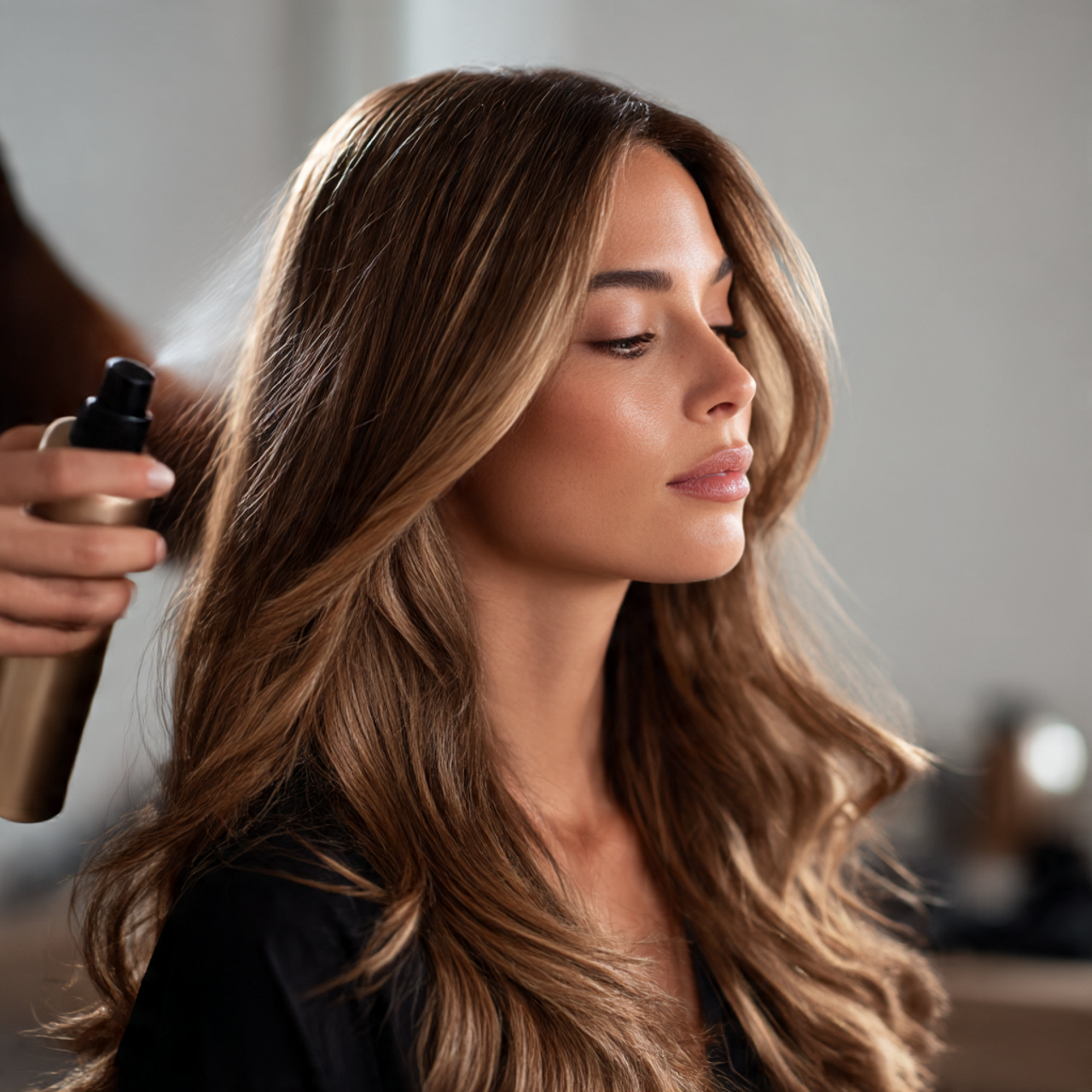
Heavy products stop hair from moving. Light mousse or texture spray works best. They add grip without weight.
Always start with a small amount. You can add more if needed, but too much will kill the flow.
Shine for Better Movement Look
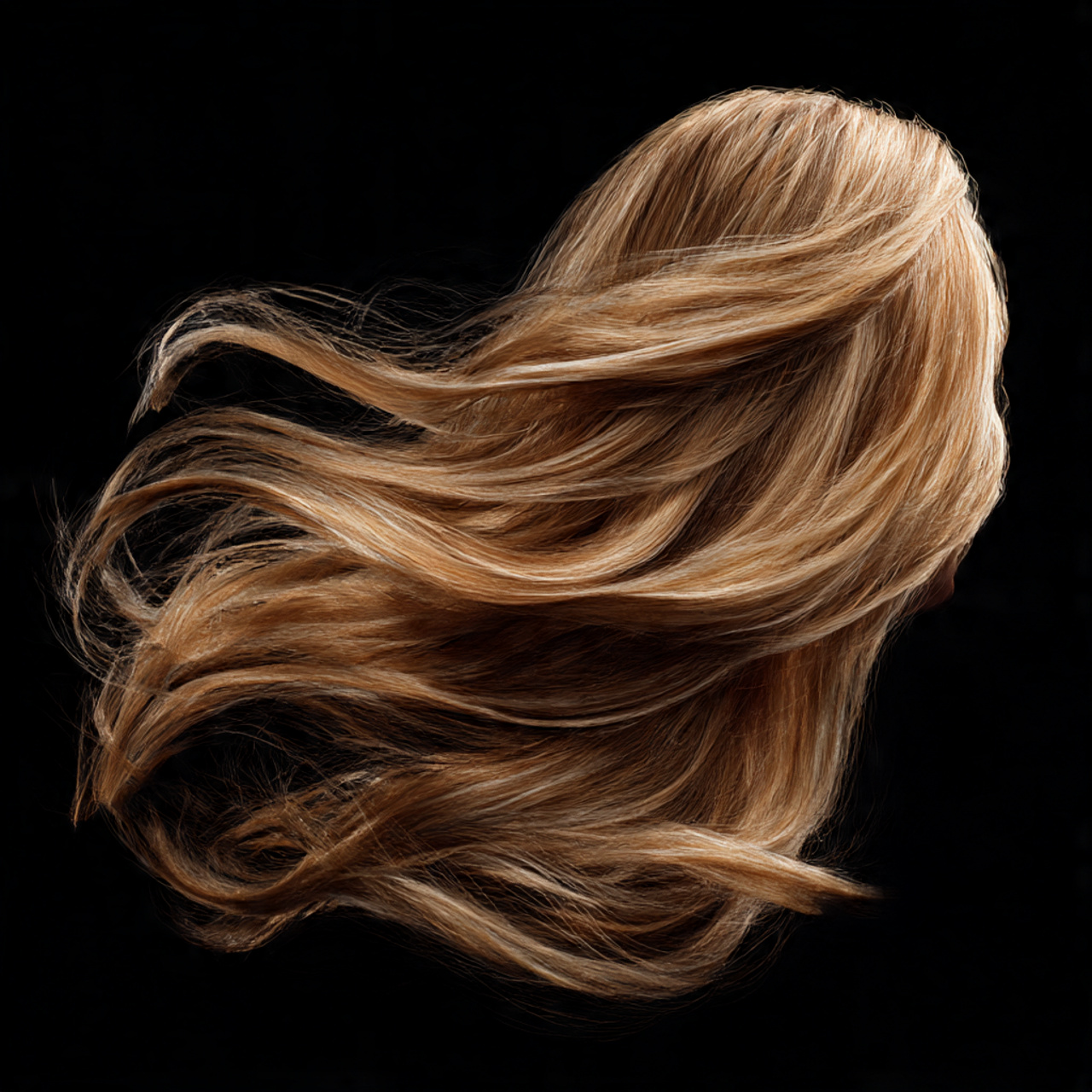
Shiny hair looks healthier and moves better. Light reflects off the strands and shows motion. A small amount of oil on the ends helps.
Never apply oil near the roots. Focus on mid-lengths and ends only.
Deep Side Part for Instant Flow
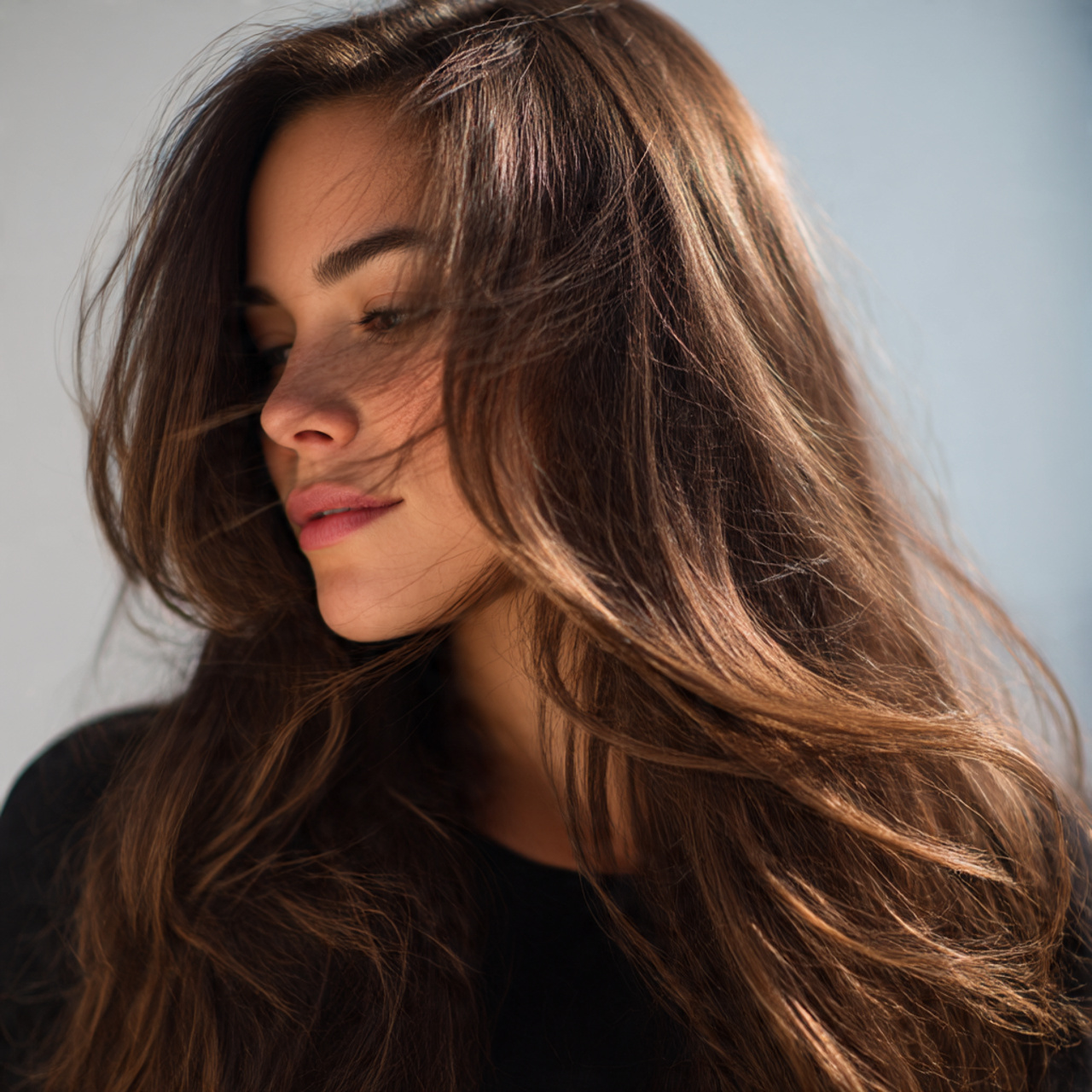
A deep side part changes how the hair falls. It adds lift and movement right away. It also helps flat hair look fuller.
This is an easy trick for special events or daily wear. No tools needed.
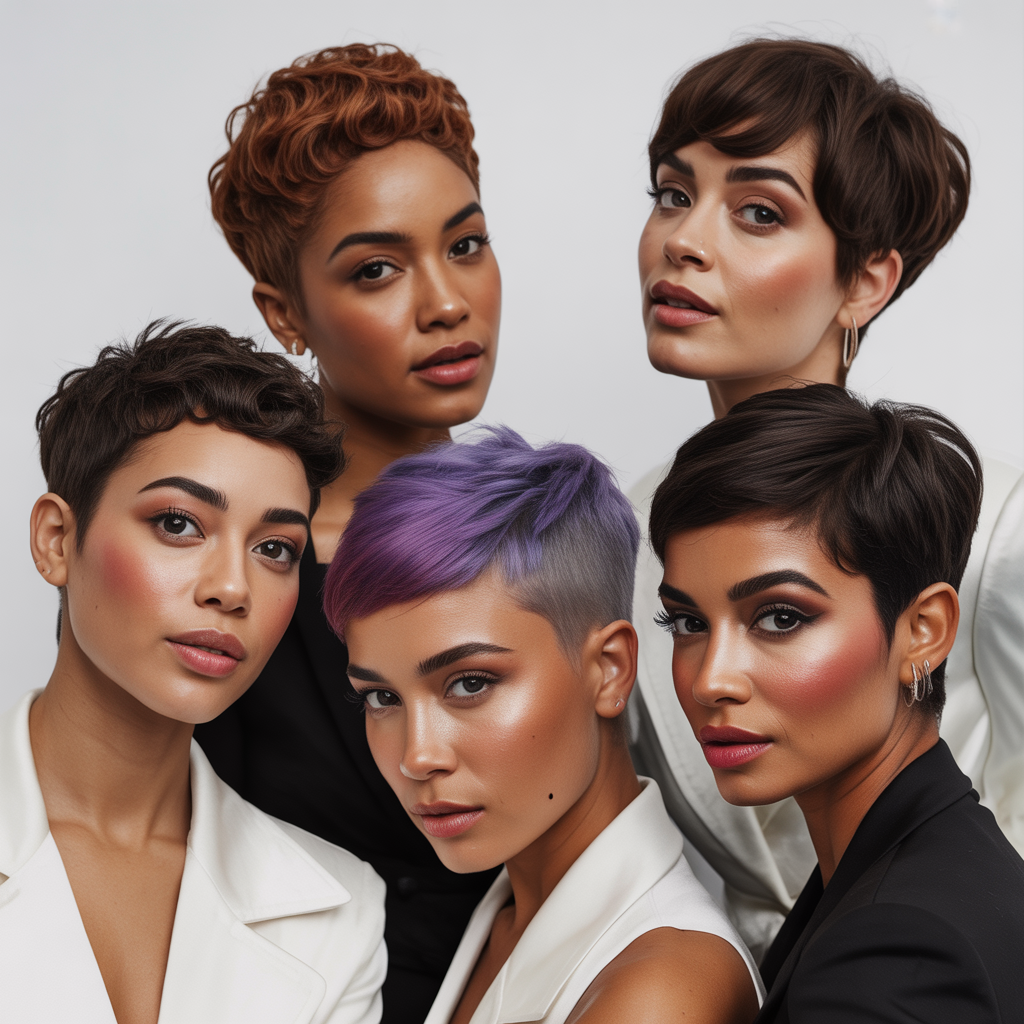
Scissor-Over-Comb for Short Hair
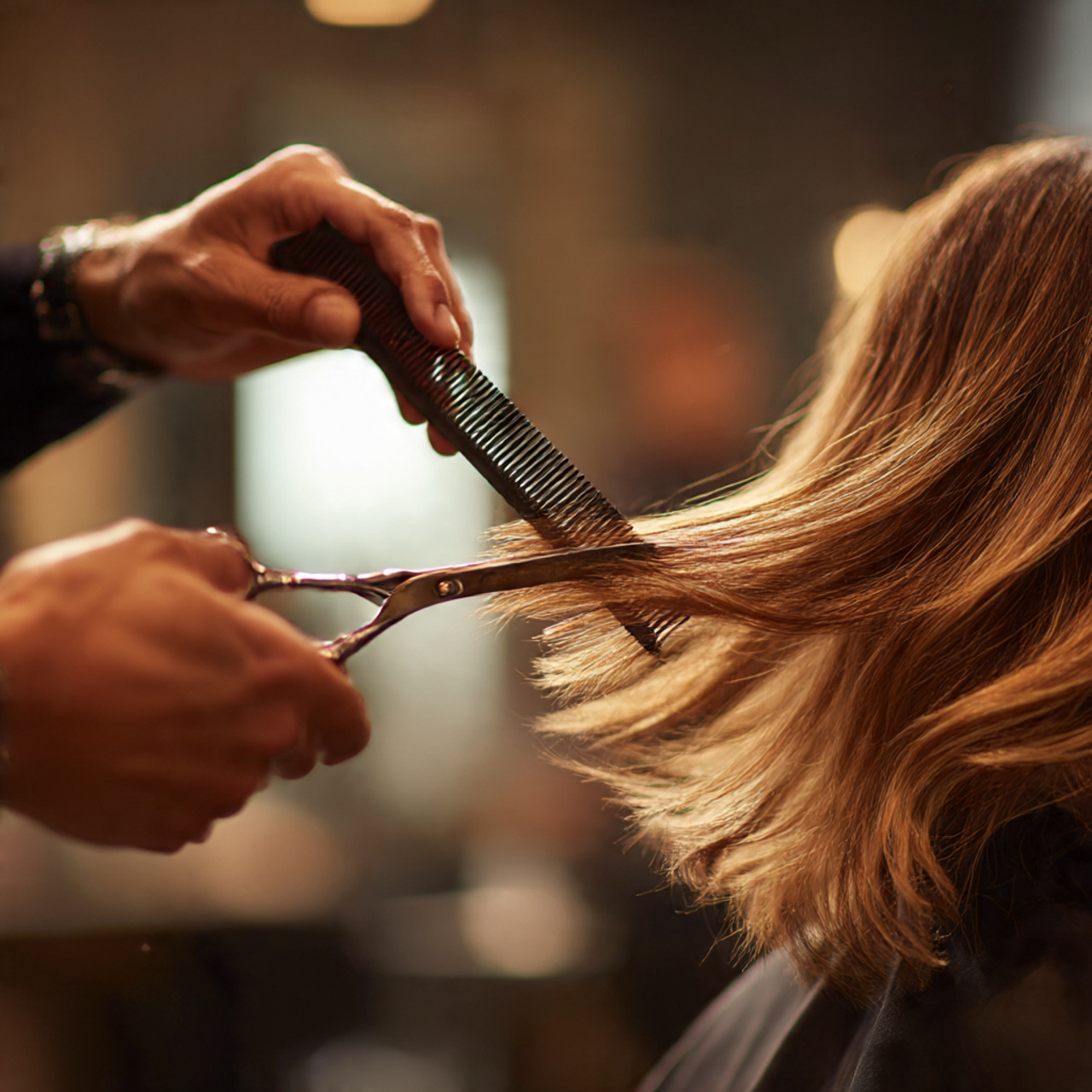
Short hair needs texture to move. This method creates soft edges and clean blends. It allows hair to flow in different directions.
It is often used for pixie cuts and men’s styles that need lightness.
Lightening the Nape Area
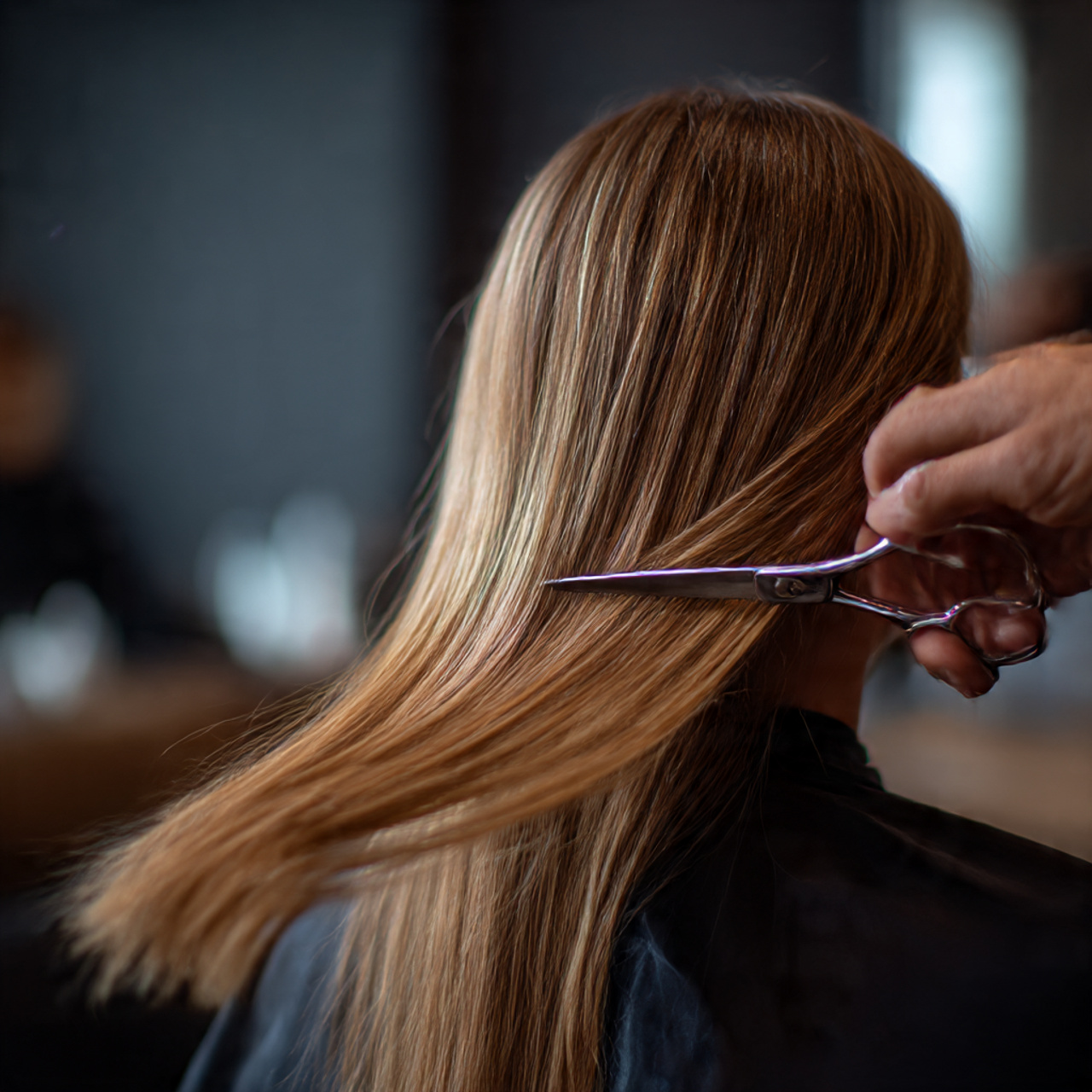
The nape is often the heaviest part of long hair. Removing weight here helps the whole cut lift. The hair falls better everywhere else.
This small adjustment can change the entire feel of the haircut.
Visit Also: Haircuts and Styles for Blonde
Forward Angle for Natural Swing
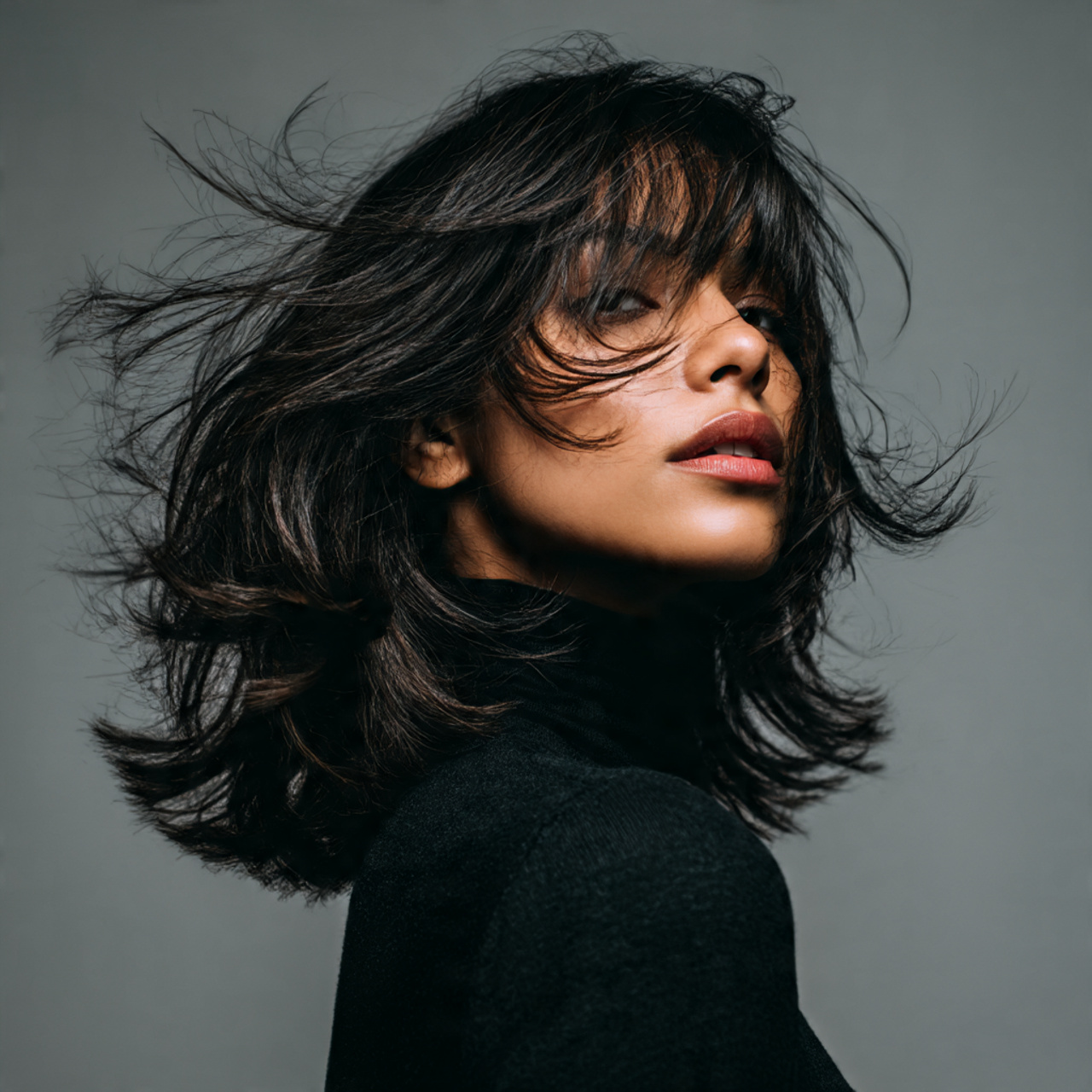
When the front is slightly longer than the back, hair swings forward. This adds motion without styling. It also frames the face nicely.
This is great for people who like natural movement with little effort.
Keeping the Ends Healthy
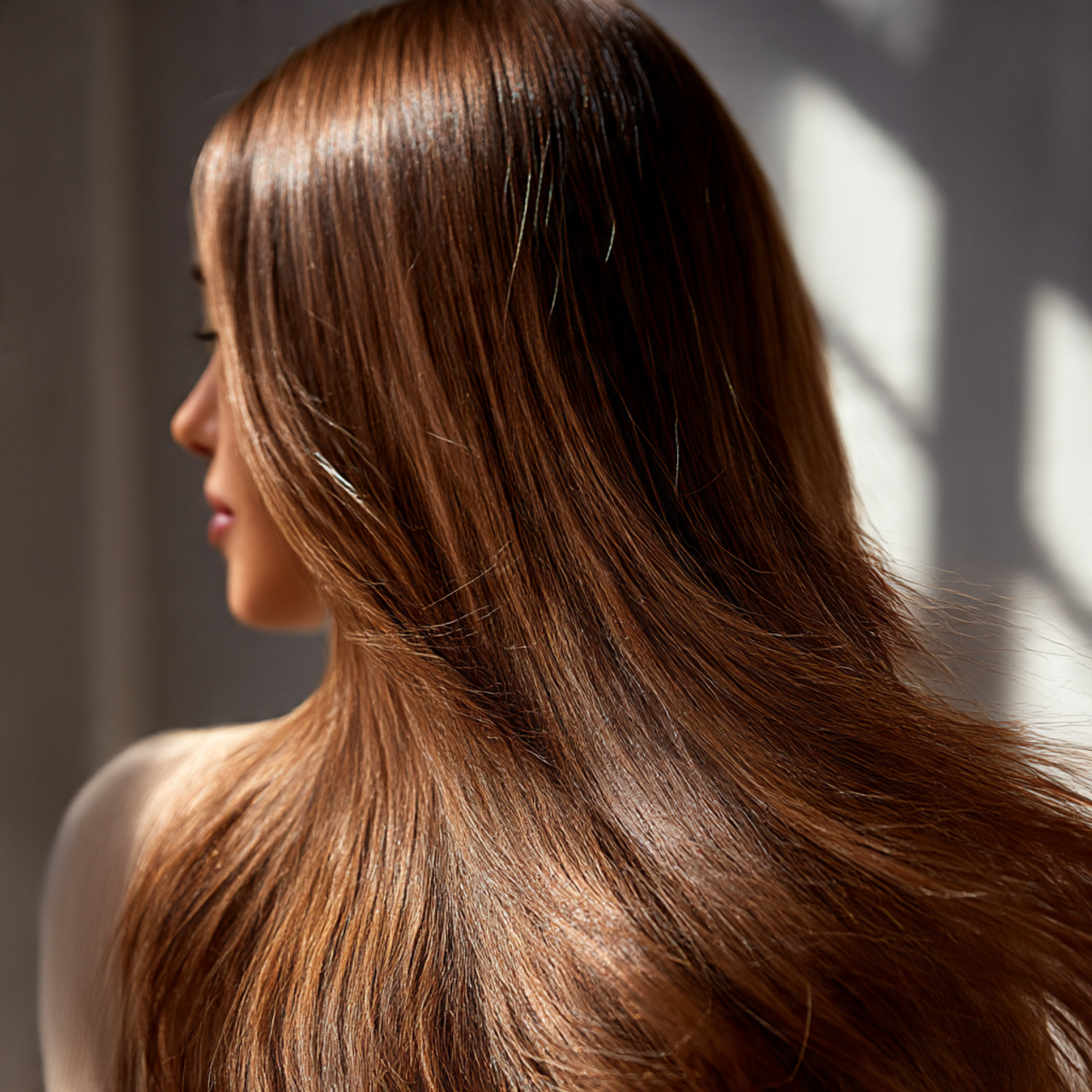
Dry ends stop hair from moving. Regular trims keep them light and smooth. Healthy ends respond better to styling.
Aim for a trim every 8 to 10 weeks. This keeps the flow fresh and clean.
Who a Flowy Haircut Is Best For
Flowy haircuts work for all ages and lifestyles. They suit round, oval, and heart face shapes especially well. With small changes, they can work for square faces too.
They are great for busy people who want easy styling. They also work for school, work, and events with small adjustments.
Hair Type Compatibility
Fine hair needs long layers and clean ends for movement. Thick hair needs weight removal and blending. Straight hair benefits from soft ends and shine. Wavy and curly hair need shape that follows texture.
A good stylist will adjust the cut for your hair type. This makes all the difference in results.
Simple Daily Styling Tips
Use a light leave-in spray before drying. Dry with a brush or diffuser depending on texture. Finish with a small amount of texture spray if needed.
Avoid over-brushing during the day. Let the hair move naturally for best results.
Common Questions About Flowy Haircuts
How often should I trim my hair?
Every 8 to 10 weeks keeps the ends soft and light.
Can fine hair look flowy?
Yes, with long layers and soft ends. Avoid heavy thinning.
What product helps most?
A lightweight heat protectant with flexible hold works best.
Will wavy hair get frizzy?
Not if the cut follows the wave pattern and is dried gently.
Can I air dry?
Yes, but blow-drying gives smoother and longer-lasting flow.
Final Thoughts
A flowy haircut is built on smart cutting and simple care. It is not about trends or heavy styling. It is about balance, shape, and movement that fits your hair.
When the cut is right, styling becomes easy. The hair moves, feels light, and looks healthy every day. With regular trims and gentle products, your flowy haircut will keep its shape and beauty long after you leave the salon chair.