25 Winter Hairstyles That Protect Your Hair and Keep It Thriving All Season
Every winter, the same thing happens. Your hair loses its bounce, static takes over, and the styles that looked sharp in September start looking flat and rough by December. Winter hairstyles are one of the most searched topics this time of year for a reason, and it goes deeper than aesthetics.
Cold air strips moisture from your strands faster than any other season. Add dry indoor heat, heavy coats, and daily scarves to the mix and your hair is absorbing damage from every direction. This is not a lack of care. It is a lack of the right seasonal approach.
The real problem is that most people carry their summer habits straight into cold weather without adjusting. Lightweight summer products evaporate before they can do anything useful. Open styles leave ends exposed to constant fabric friction all day. The result is breakage, frizz, and hair that looks worn out by February.
After years of working through cold-weather techniques across fine, thick, curly, and coily textures, one thing stands out clearly. The styles that protect best are also the ones that require the least daily effort. Low manipulation and sealed ends go together in every strong winter routine, and that pattern holds across every texture.
This article gives you 25 cold-weather options chosen for protection, style payoff, and real wearability during the harshest months. Every item includes the exact product, a specific technique, and the kind of detail that makes the difference between a style that holds and one that falls apart by noon.
By the time you finish reading, you will know exactly which winter hairstyles suit your hair type, lifestyle, and face shape. That is the specific outcome this article delivers, backed by 25 fully detailed options with every label you need to walk into your next appointment or morning routine with complete confidence.
Protective styling shifted significantly in 2024 and 2025, with more people choosing styles that seal in moisture as a function rather than just a bonus. The one rule that applies to every winter hairstyle on this list is this. If your ends are rubbing against wool, knit, or canvas every single day, your hair is losing the winter battle before it even starts.
Winter Hairstyles Ideas
Low Ponytails with a Twist
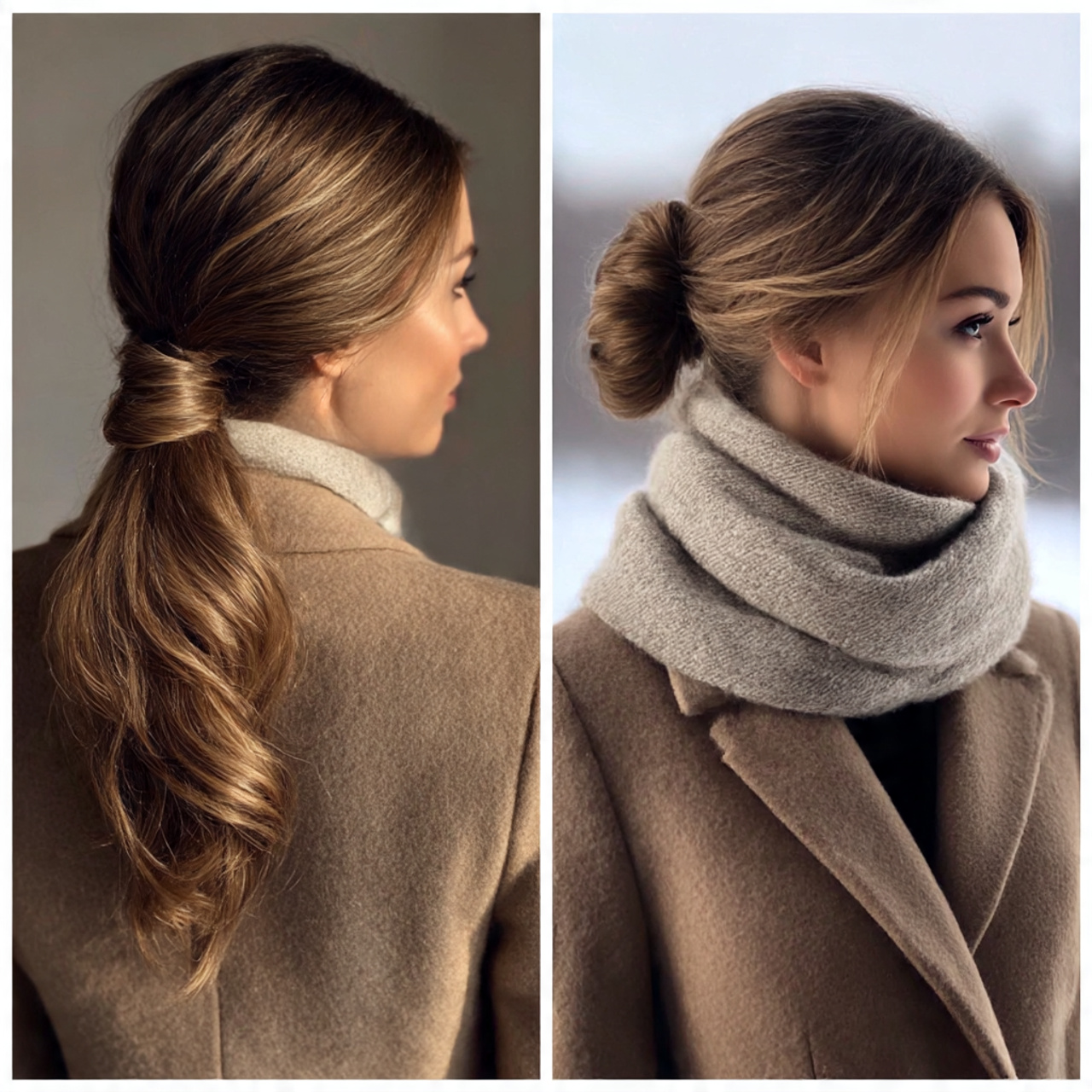
A low ponytail at the nape is one of the most underrated protective styles for cold weather. It sits below the collar of most coats and scarves, keeping hair out of the friction zone that destroys ends over weeks of daily wear. Twisting the tail or flipping it through the elastic above the band adds polish without any extra heat or effort.
This style works best when hair is lightly moisturized before gathering. A drop of Ouai Hair Oil worked through mid-lengths reduces static and keeps the surface smooth through cold, dry air.
Best for: All hair types, everyday wear, office and casual days Product: Ouai Hair Oil Face shape: Works on all face shapes. A loose strand at each temple softens stronger jaw lines. Ask for: “A low nape ponytail, clean at the crown, with a flip-through finish at the elastic.” Pro tip: Secure with a Goody Ouchless elastic coated lightly in one drop of oil so the band slides off at night without pulling.
Classic Box Braids
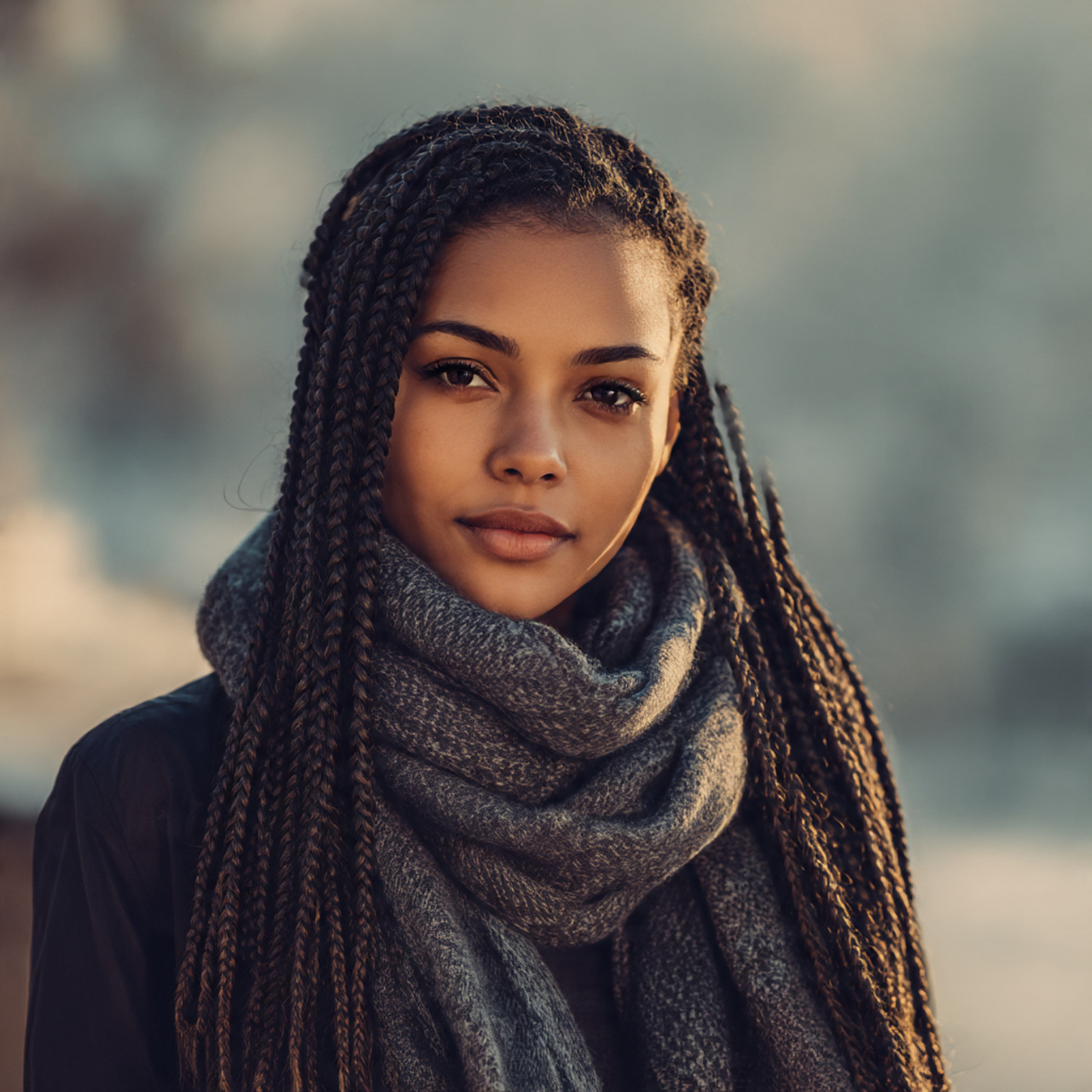
Box braids are one of the most effective cold-weather styles because they keep every strand sealed and away from fabric friction. Kanekalon braiding hair adds length and thickness while protecting natural strands underneath. Installed at a light tension, they require almost zero daily manipulation for weeks at a time.
Regular scalp oiling with Mielle Organics Rosemary Mint Scalp Oil keeps the scalp healthy and extends the wear comfortably. Box braids can be worn loose, in buns, or in half-up styles throughout the weeks they are in.
Best for: Medium to long natural hair, low-maintenance protective wear Product: Mielle Organics Rosemary Mint Scalp Oil Face shape: Every face shape. Longer braids elongate rounder faces. Shoulder-length braids suit oval and heart shapes equally. Ask for: “Medium box braids with Kanekalon hair, shoulder length or longer, light tension at the roots throughout installation.” Pro tip: Spritz braids lightly with Cantu Moisturizing Curl Activator diluted in water every three days to prevent dryness and dullness between wash days.
The Chic Low Bun
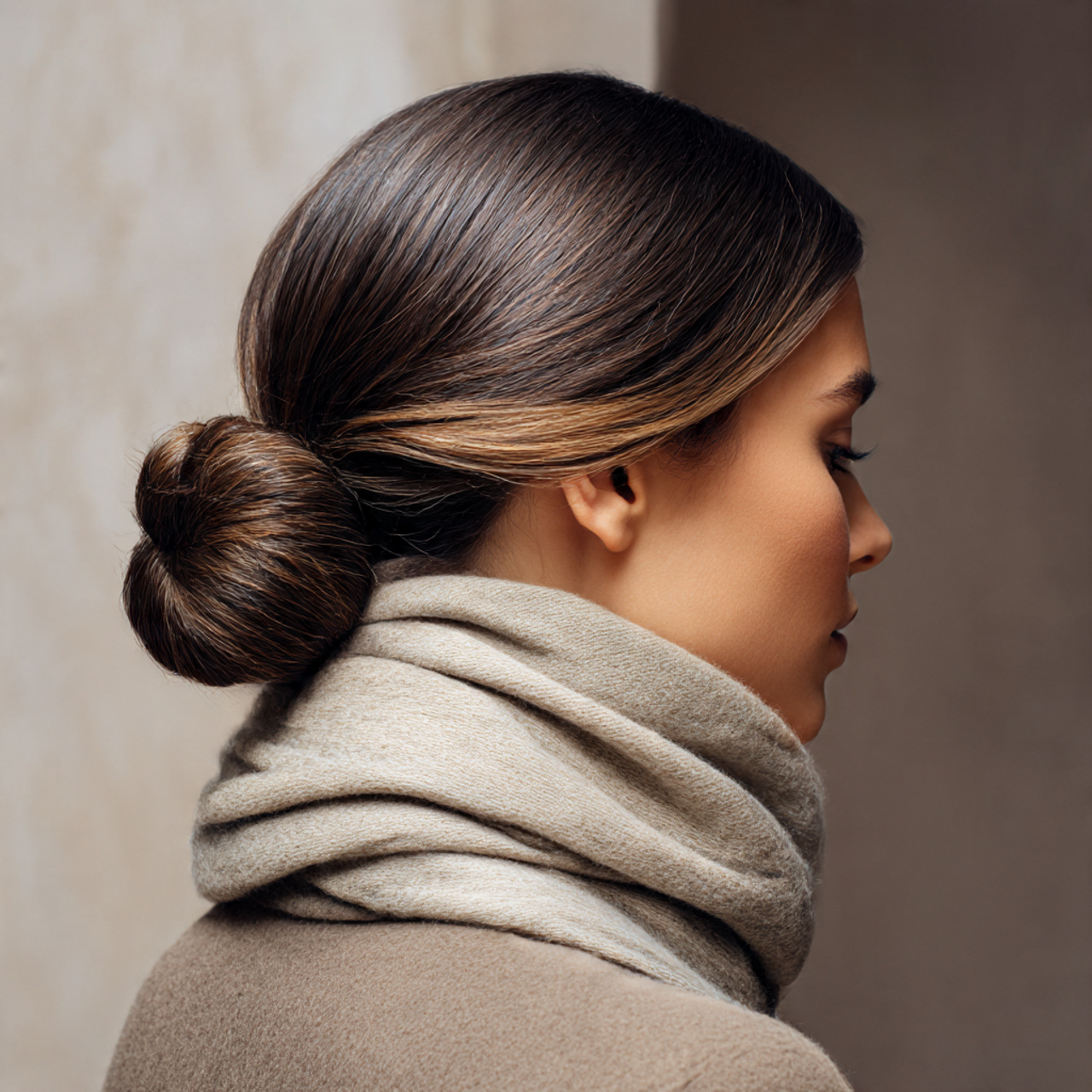
The low bun is protective by design. It tucks all ends away from scarves and coat collars while looking neat and intentional for work or formal events. This style works across nearly every texture and requires minimal product to hold cleanly.
Apply a small amount of Moroccanoil Smoothing Lotion from mid-length to ends before gathering hair. Keep the bun firm but not tight. Pulling too hard at the nape creates tension breakage that builds silently over weeks of daily wear.
Best for: All textures, formal and office settings, multi-occasion wear Product: Moroccanoil Smoothing Lotion Face shape: Suits all face shapes. Round faces benefit from pulling a few face-framing strands loose at the temples before securing. Ask for: “A clean low bun at the nape, smooth surface, light tension, with a couple of strands left loose at the front.” Pro tip: Use Conair bobby pins that match your exact hair color so the structure stays clean without any visible hardware through the day.
High Top Knots
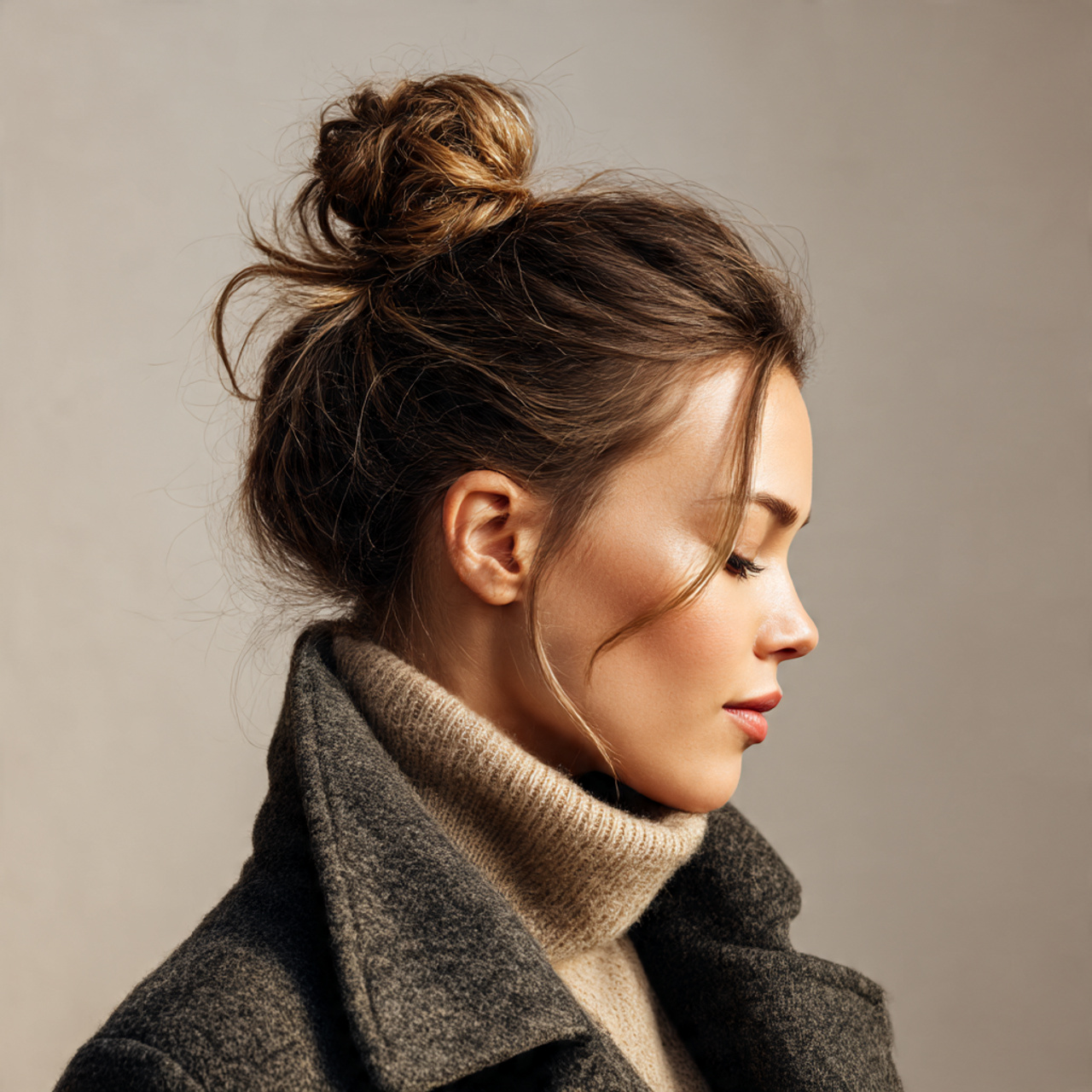
High top knots move hair completely away from coat collars and scarves, which is their biggest winter advantage. Second-day hair actually works better here because natural oil buildup gives hair the grip it needs without any added product. This style comes together in under two minutes and holds through long outdoor days.
Avoid pulling the front hairline too tight. That is where most breakage from repeated daily styles accumulates over a season. A small amount of Eco Styler Olive Oil Styling Gel applied only to the edges keeps everything neat while protecting the perimeter hair.
Best for: All textures, busy mornings, gym-to-office and commute days Product: Eco Styler Olive Oil Styling Gel (edges only) Face shape: Best on oval and heart faces. Long faces benefit from keeping a little volume at the sides before twisting up. Ask for: “A high topknot with soft tension at the hairline, voluminous at the top, no flat crown.” Pro tip: Wrap a Kitsch Satin Scrunchie around the base instead of a standard elastic to eliminate stress marks on fragile strands.
Winter Blowout with Lasting Volume
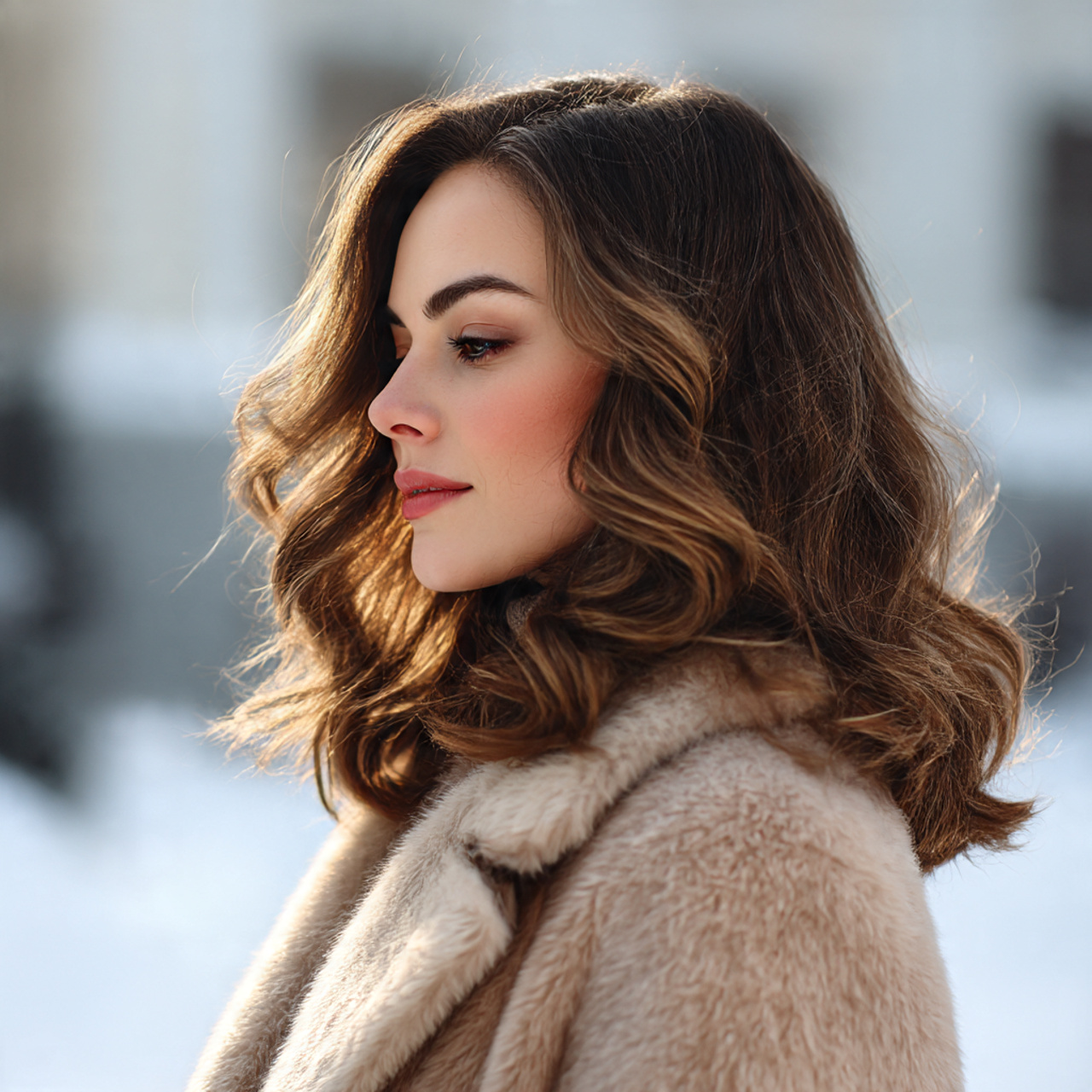
Dry winter air is an actual advantage for blowouts. Low humidity means volume holds longer and frizz stays manageable for days. The Dyson Supersonic is the professional standard here because its built-in heat sensor prevents extreme temperature spikes, which matter most when hair is already winter-weakened. Fixed-temperature tools set at the same level all the way through cause significantly more damage than a sensor-regulated dryer because fine and coily sections near the scalp need far less heat than mid-lengths.
Kenra Platinum Silkening Mist applied before drying creates a lightweight barrier without weighing hair down. Finishing every section with a cool air blast seals the cuticle and locks in shine that lasts past the first day.
Best for: Fine to medium straight or wavy hair, weekly resets, special events Product: Kenra Platinum Silkening Mist with Dyson Supersonic Face shape: Universally flattering. Root volume at the crown elongates rounder face shapes beautifully. Ask for: “A full blowout with lifted roots, smooth ends, and a cool-shot finish to lock in the shape at every section.” Pro tip: Blast each section with cool air for a full 10 seconds immediately after the warm pass to set the cuticle before moving on.
Natural Waves with Minimal Heat
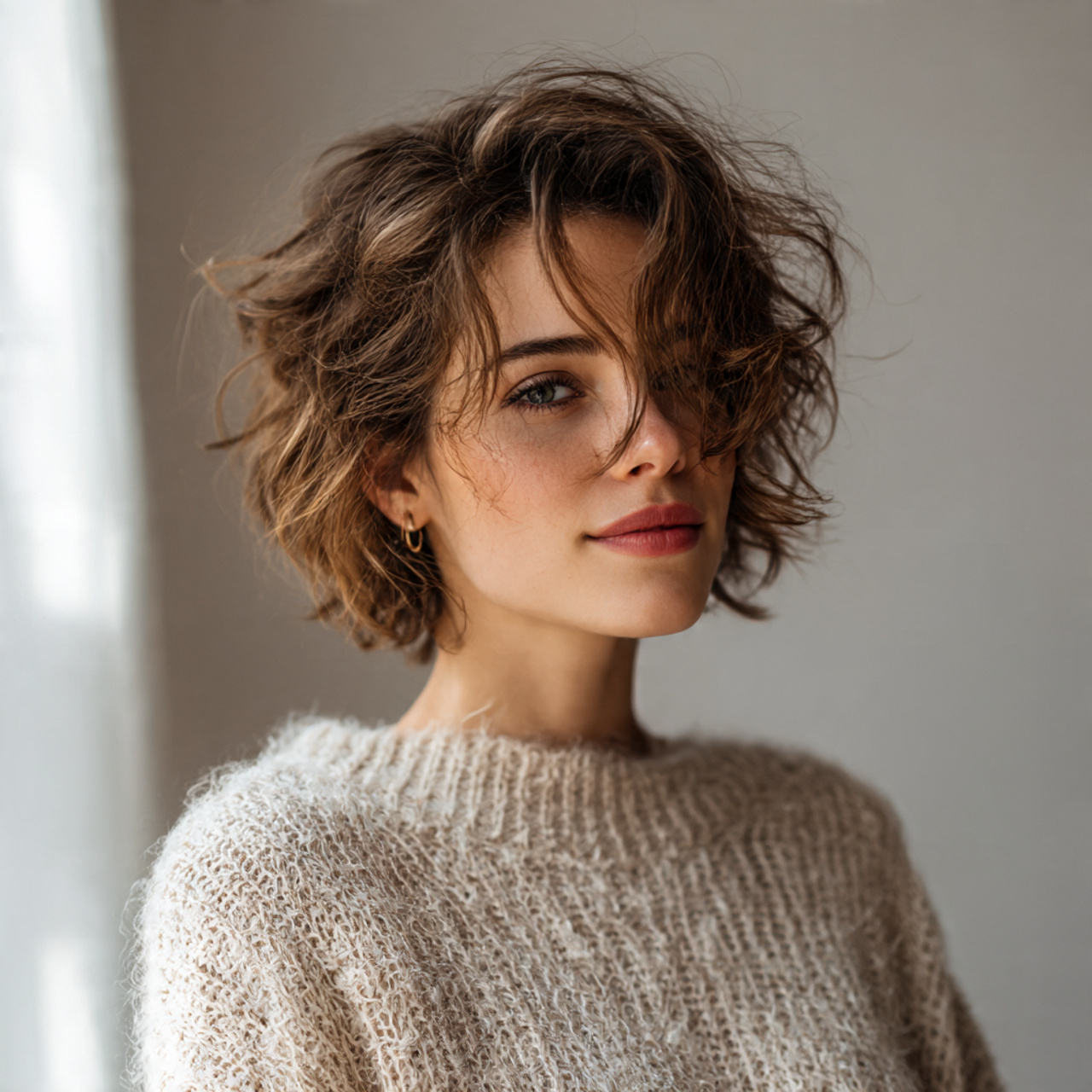
Skipping heat in winter is one of the smartest decisions you can make for your hair. Less heat means less dryness, and dryness is the primary enemy in cold air. Overnight braiding on damp hair using Briogeo Curl Charisma Rice Amino Frizz Control Cream creates consistent wave texture with zero thermal damage and no morning effort.
Scrunch waves gently in the morning with a microfiber towel to release definition without disturbing the pattern. This method suits wavy and lightly curly textures most and gives movement that looks styled without any time investment.
Best for: Wavy and curly textures, low-heat routines, wash-and-wear days Product: Briogeo Curl Charisma Rice Amino Frizz Control Cream Face shape: Waves flatter every face shape. Wider waves add width, tighter waves create length and definition. Ask for: “A cut that removes bulk from the interior so waves spring naturally without looking stringy or weighed down.” Pro tip: Sleep with hair in two loose braids secured with Gimme Beauty spiral elastics to wake up with consistent wave texture every morning.
Scarf-Wrapped Updos for Extra Protection
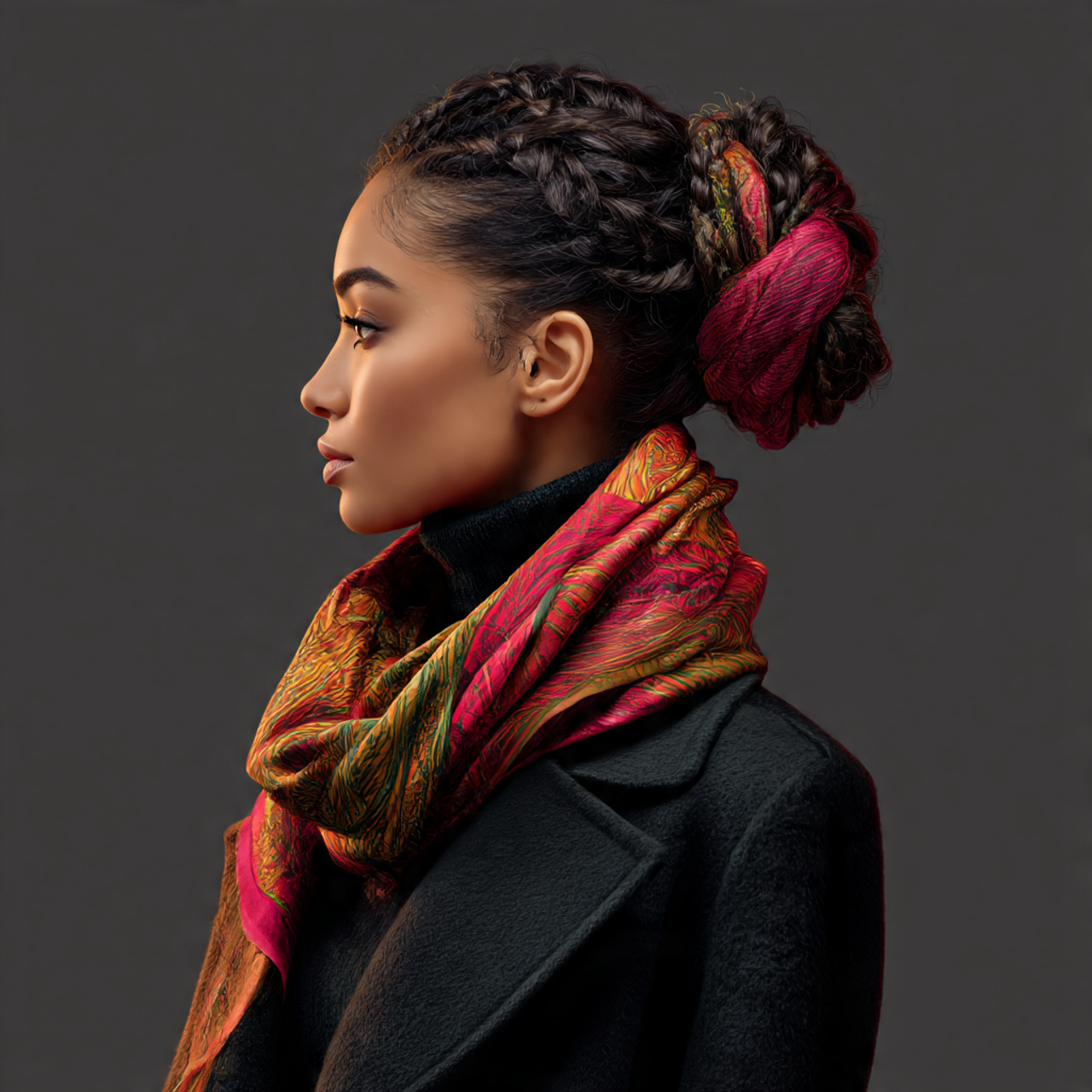
Wrapping a Slip Pure Silk Scarf around an updo does two things at once. It adds friction protection against hats and hoods, and it locks in moisture that your leave-in already applied. Silk and satin create far less mechanical damage than the cotton and polyester lining inside most winter hats, which saw real momentum as a styling technique throughout 2024.
Tie the scarf around a low bun or ponytail with the ends visible from the top or side. It works on rushed mornings and adds color and personality to any winter outfit without any extra styling effort.
Best for: All textures, protective style maintenance, cold-weather commutes Product: Slip Pure Silk Scarf Face shape: All face shapes. Positioning the scarf slightly forward frames the face and softens sharp features. Ask for: “No specific cut required. Ask your stylist which base style works best as a foundation under a scarf wrap for your hair weight.” Pro tip: Lay the silk scarf over pinned hair before putting on a wool hat so the silk sits between hair and hat lining all day without shifting.
Sleek and Straight Locks
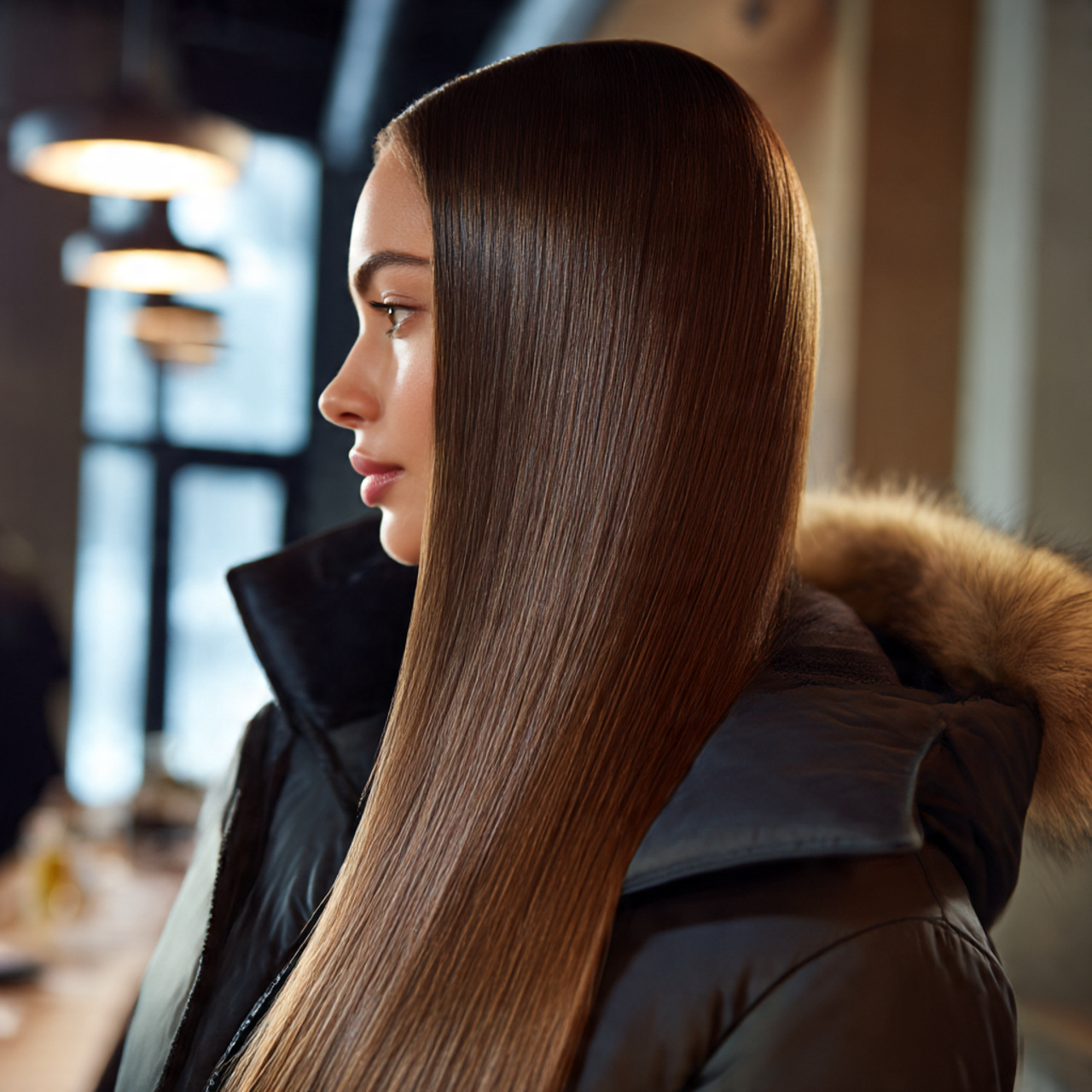
Straight styles look sharp against structured coats and winter knitwear. The GHD Platinum Plus Styler is worth the investment here because it adjusts heat automatically and delivers significantly less damage than fixed-temperature tools on fragile winter strands. Keeping heat passes to one per section is non-negotiable when hair is already moisture-depleted from cold air.
John Frieda Frizz Ease Original Serum applied to mid-lengths and ends before styling fights static and controls flyaways. Focus product on ends because they are the oldest, driest section of the hair.
Best for: Medium to thick hair, polished commuter looks, low-manipulation styling days Product: GHD Platinum Plus Styler and John Frieda Frizz Ease Serum Face shape: Best on oval, square, and heart faces. A slight bend at the ends prevents the look from being too severe on longer face shapes. Ask for: “Blowout-straight finish with one heat pass per section using a GHD, tension-pulled through mid-lengths, serum applied for anti-static finish.” Pro tip: Run the GHD through each section once at the correct temperature rather than twice at a lower setting to reduce total heat exposure per strand.
Half-Up Braided Crown
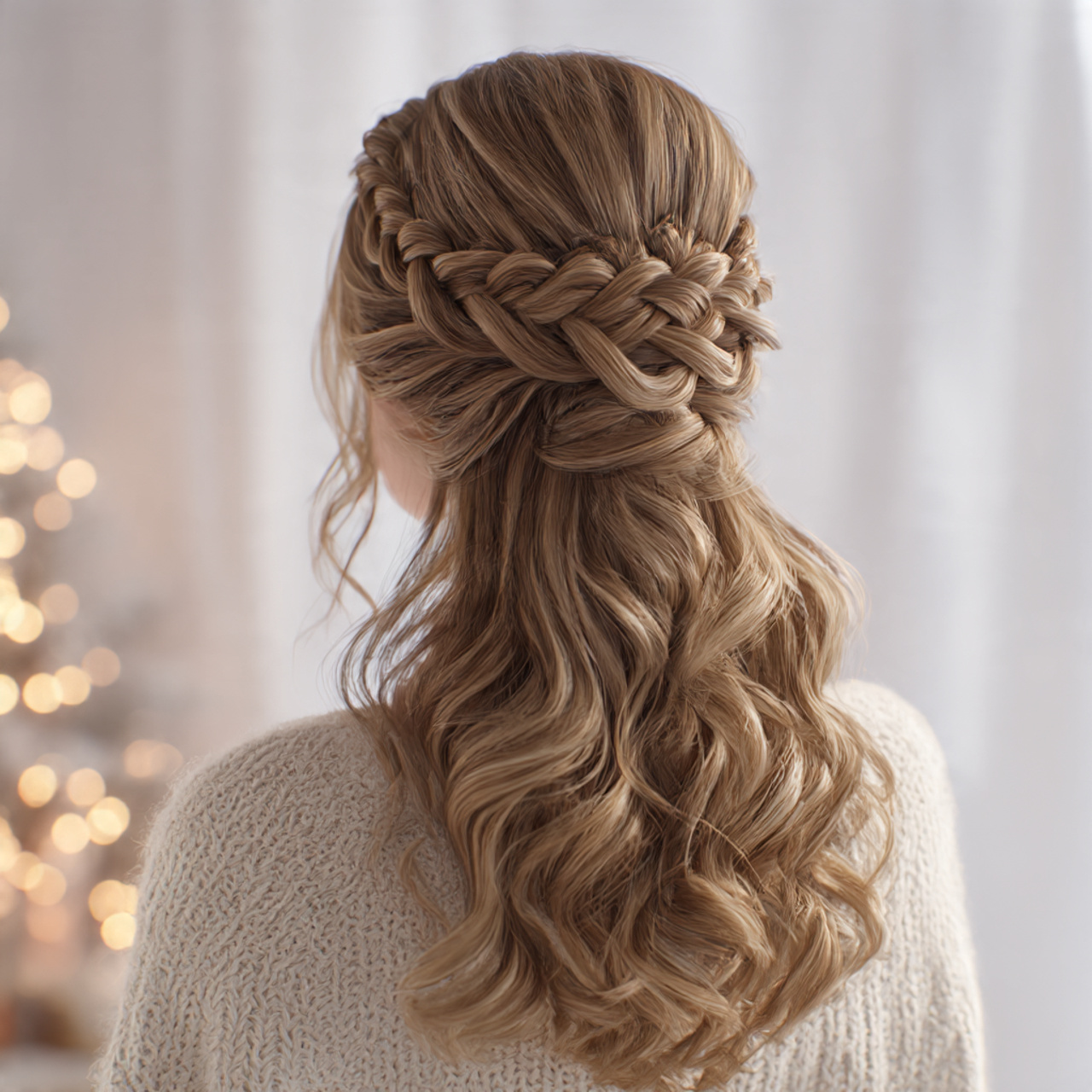
The braided crown section protects the most vulnerable area of the head: the front hairline. This is exactly where friction from scarves and hoods causes the most breakage over a winter season. Pulling the front sections back into a small braid removes them from fabric contact entirely while keeping the rest of the length natural and soft.
Bumble and Bumble Styling Lotion gives light hold and texture without any stiffness. This style suits medium to long hair and works particularly well on second or third-day hair when texture holds better naturally.
Best for: Medium to long hair, work and casual wear, cold-weather commutes Product: Bumble and Bumble Styling Lotion Face shape: Best on round and square faces where the lifted crown adds visual length and draws the eye upward. Ask for: “A half-up crown braid starting at both temples, joined at the center back of the crown, with everything below left down.” Pro tip: Start the braid from just above the eyebrows rather than at the temples to capture more of the hairline and provide stronger protection against scarf friction.
Effortless Claw Clip Style
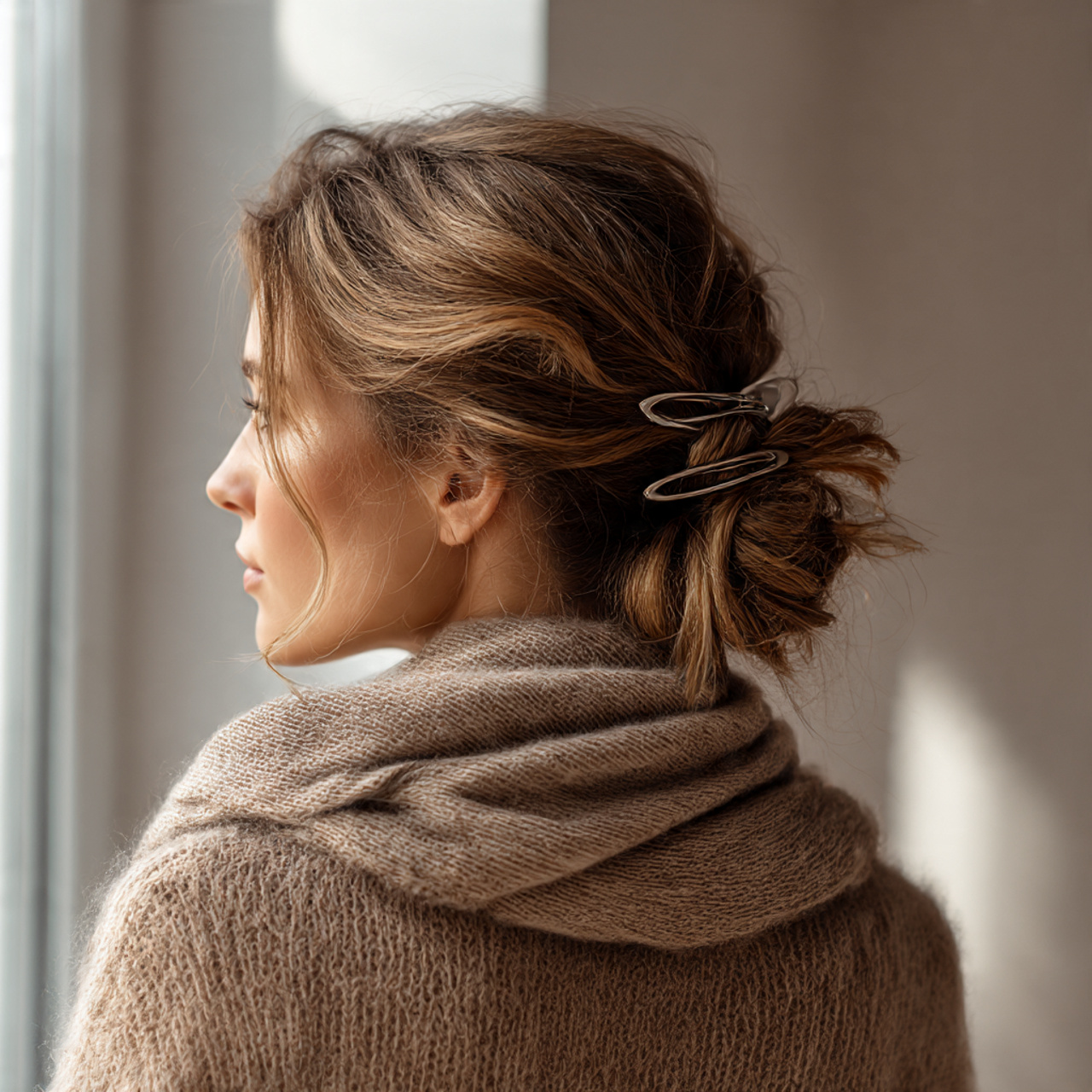
Claw clips hold hair without bending strands tightly around an elastic band, which is one of the leading causes of breakage when hair is already dry and fragile in winter. The key detail most people overlook is clip size. A Kitsch Marble Claw Clip should be at least two inches wider than your natural ponytail diameter so hair spreads evenly across the teeth rather than concentrating pressure at a single point. This distribution is what makes the style genuinely gentle rather than just convenient.
Twist hair loosely and clip it at the back of the crown. The messier the twist, the more modern and relaxed the result.
Best for: All textures, quick morning styling, office and casual days Product: Kitsch Marble Claw Clip Face shape: Universally flattering. Placement higher or lower on the head changes how much the face is framed. Ask for: “I want a lived-in finish. Cut with texture so the claw clip style looks intentional and a few pieces fall naturally around the face.” Pro tip: Store clips open rather than clipped shut between uses to preserve the spring tension over the full winter season.
French Braid Waterfall
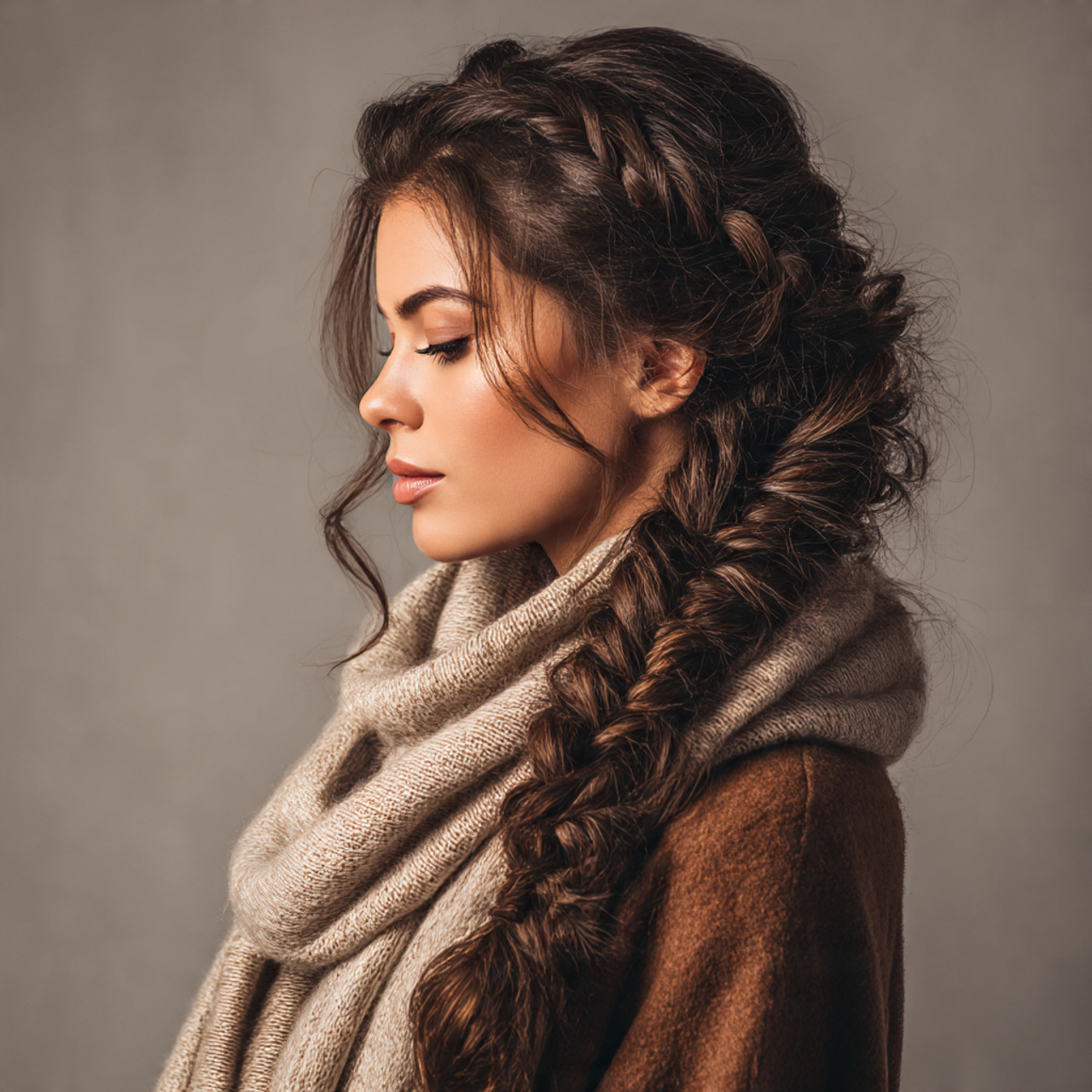
A waterfall French braid provides structure at the crown where friction happens most while allowing length to fall loose and natural. Dropped sections falling free from the braid give this style softness and movement that suits layered cuts especially well. Got2b Phenomenal Flexible Styling Spray keeps flyaways controlled without stiffening the braid itself.
This style looks detailed and intentional but takes less time than it appears once the motion becomes familiar. It suits special outings, dinner plans, and any occasion that needs more than a basic style.
Best for: Medium to long layered hair, special outings and evenings out Product: Got2b Phenomenal Flexible Styling Spray Face shape: Best on oval and heart faces. The diagonal line of the braid adds visual length to rounder face shapes as well. Ask for: “A waterfall French braid along one side of the crown with sections dropped every few stitches so length falls through naturally.” Pro tip: Mist hair lightly with water before braiding in winter because dry strands are harder to work with and small breaks in the braid appear more easily.
Twisted Flat Braids
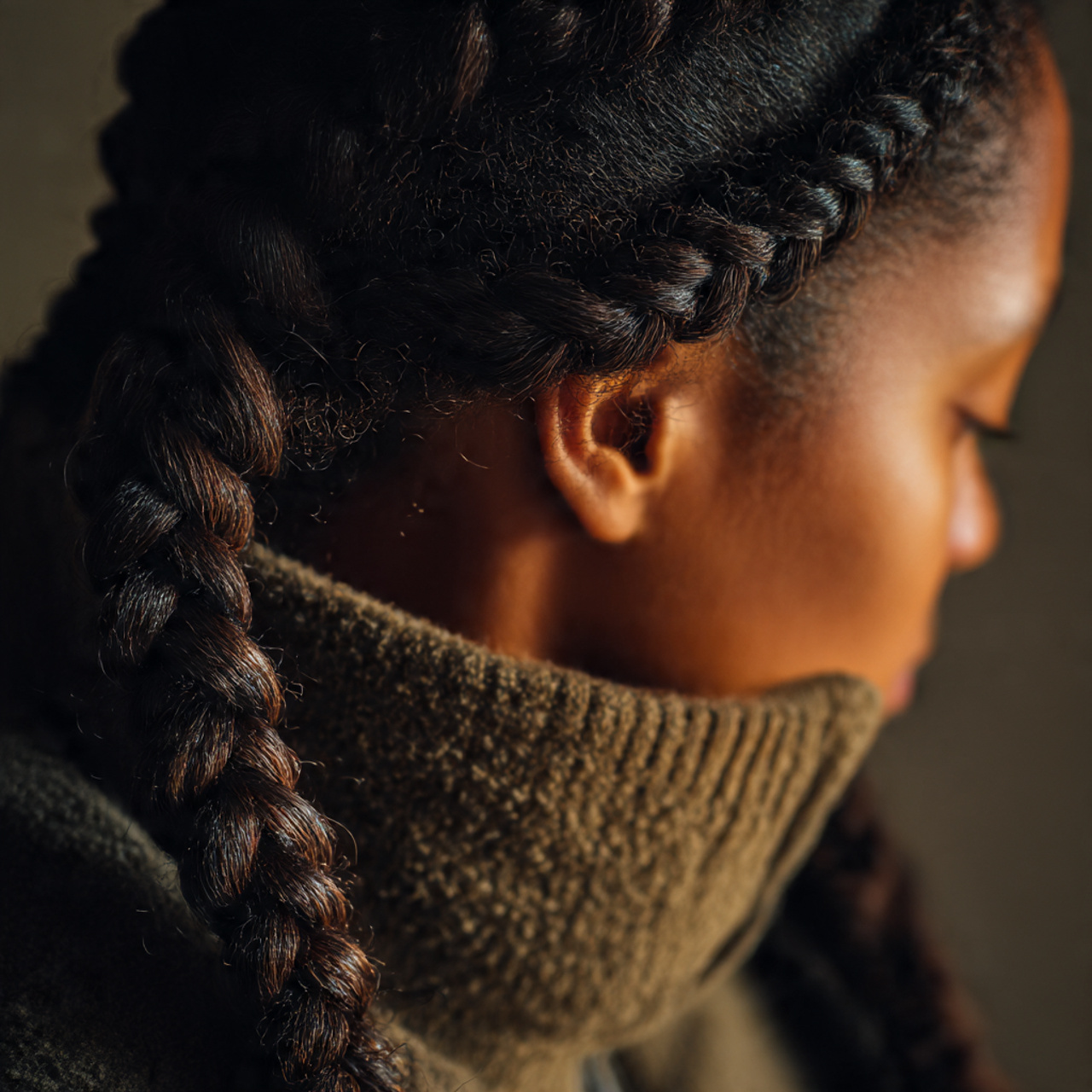
Flat twists sit close to the scalp and create a barrier between hair and fabric that no open style can match. They reduce daily manipulation to near zero, which is the single most important winter advantage they offer. Mielle Organics Pomegranate and Honey Twisting Soufflé provides the slip and hold needed for clean, even sections without buildup.
Flat twists can be pinned into a bun at any point or worn straight back from the hairline. Either way, ends are sealed. A light scalp refresh between wash days extends the style comfortably.
Best for: Natural and coily textures, long-term protective wear, low daily effort Product: Mielle Organics Pomegranate and Honey Twisting Soufflé Face shape: Every face shape. Direction of the twists can be angled to elongate or widen the face as needed. Ask for: “Flat twists from the front hairline going straight back, small to medium sections, tight to the scalp, with ends pinned or left hanging.” Pro tip: Apply Jamaican Black Castor Oil directly to the scalp before installing flat twists to strengthen hair at the root during the full wear period.
The Tucked-In Hair Look
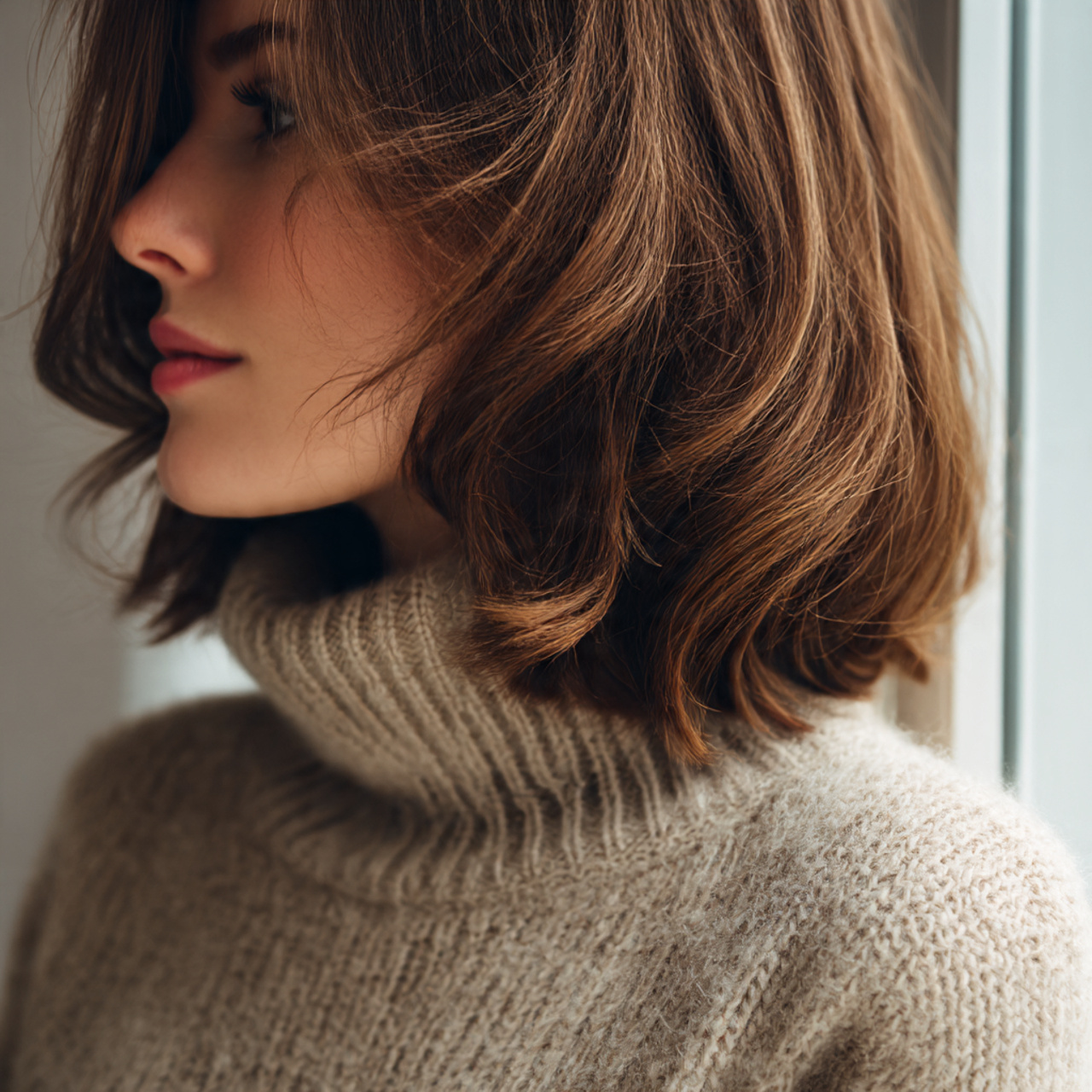
Tucking hair inside a turtleneck or under a collar removes ends from all fabric friction with zero effort. This works on any length from shoulder down. Curlsmith Moisture Memory Reactivator applied to ends before tucking keeps them flexible and prevents dryness from collar fabric through the day.
When the collar comes off, hair falls with soft bends and natural movement that looks styled. This creates two looks from one morning routine without any additional product or tools.
Best for: Shoulder to long hair, casual winter wear, fast commute mornings Product: Curlsmith Moisture Memory Reactivator Face shape: All face shapes. Works best when a few face-framing layers are left out of the tuck to maintain softness. Ask for: “I want face-framing layers cut around the jaw that fall naturally when the rest of the hair is tucked away into a collar.” Pro tip: Add one drop of Olaplex No. 7 Bonding Oil to ends right before tucking to prevent friction drying through long days in collar-heavy outerwear.
Halo Braids
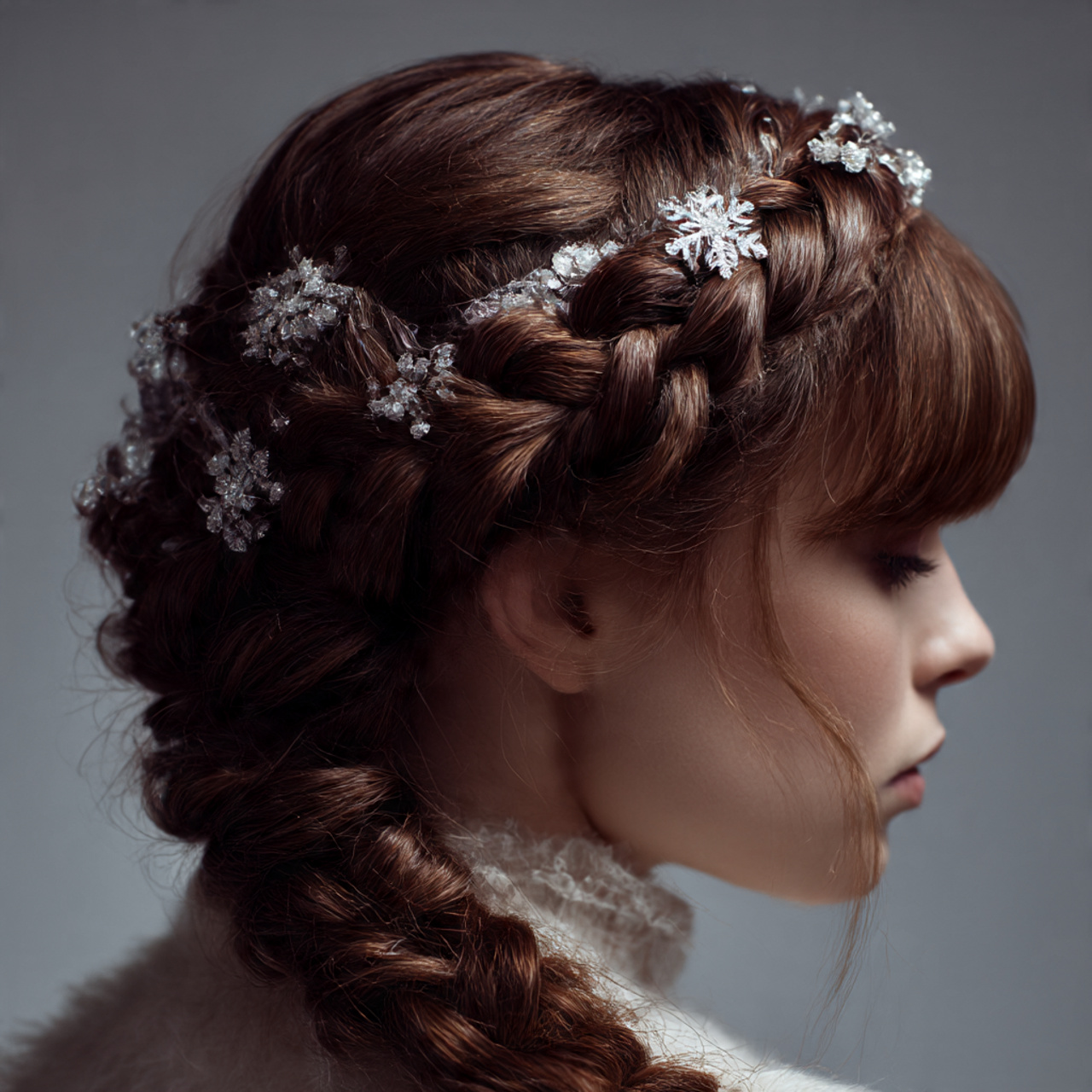
Halo braids wrap around the entire head and tuck all ends under the braid itself. No other style offers this level of complete end coverage against cold air and fabric. Sensationnel Kanekalon braiding hair can be incorporated for a cleaner, more polished finish with additional length.
They last several days with minimal maintenance and reduce heat use to almost nothing. Keeping tension specifically light at the edges is non-negotiable because tight halo braids are one of the fastest routes to hairline thinning over time.
Best for: All textures, formal events, multi-day wear Product: Sensationnel Kanekalon Braiding Hair Face shape: Universally flattering. The circular shape wraps evenly and frames the face without favoring any single structure. Ask for: “A halo braid starting above the ear, wrapping around the full head, with light tension throughout and the tail tucked under at the finish.” Pro tip: Use two-strand twists instead of a standard braid for a softer, more elevated halo finish that also sits with less tension on fine or fragile hair.
Slicked-Back Wet Look
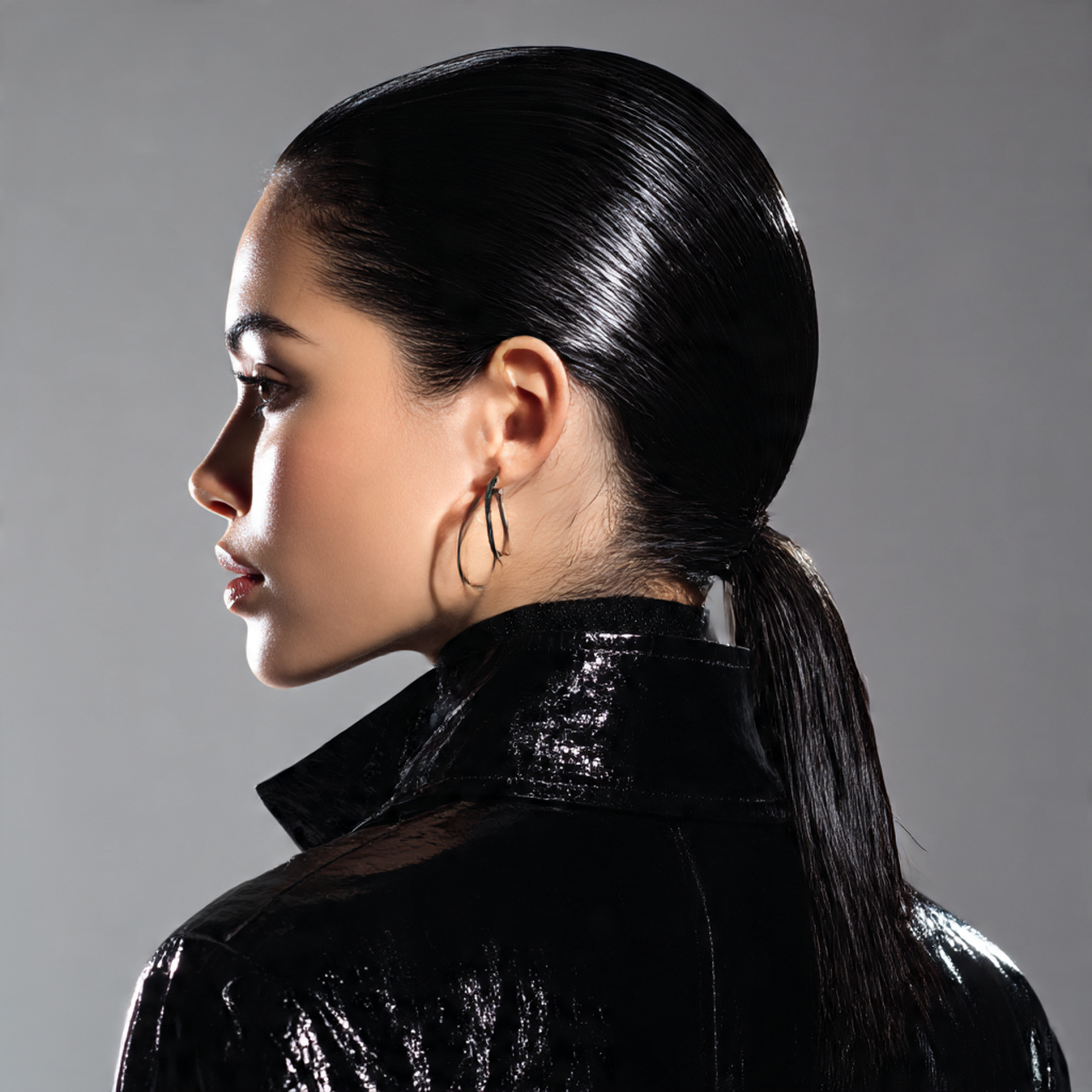
Eco Styler Krystal Styling Gel creates a smooth slicked-back finish that seals moisture into the surface of the hair while holding the shape. This means the style actively conditions while it is worn. The technique matters as much as the product. Apply gel in sections working from front to nape using a Mason Pearson Bristle Brush, which distributes product more evenly across the hair surface than a standard brush and prevents product from sitting in clumps that flake once dry. Choose formulas that dry soft rather than stiff because hard gels crack when hair moves naturally and create buildup at the hairline.
Best for: All textures, formal event styling, sleek polished days Product: Eco Styler Krystal Styling Gel and Mason Pearson Bristle Brush Face shape: Best on oval and heart faces. The strong slick-back reveals the full face, which works on balanced and wider-at-top shapes. Ask for: “Full slick-back from front to nape, smooth surface with no flyaways, finished into a low bun or ponytail at the back.” Pro tip: Apply gel while the hair is still slightly damp rather than fully dry so the product bonds to the strand instead of sitting on top of it.
Accessorized Headbands
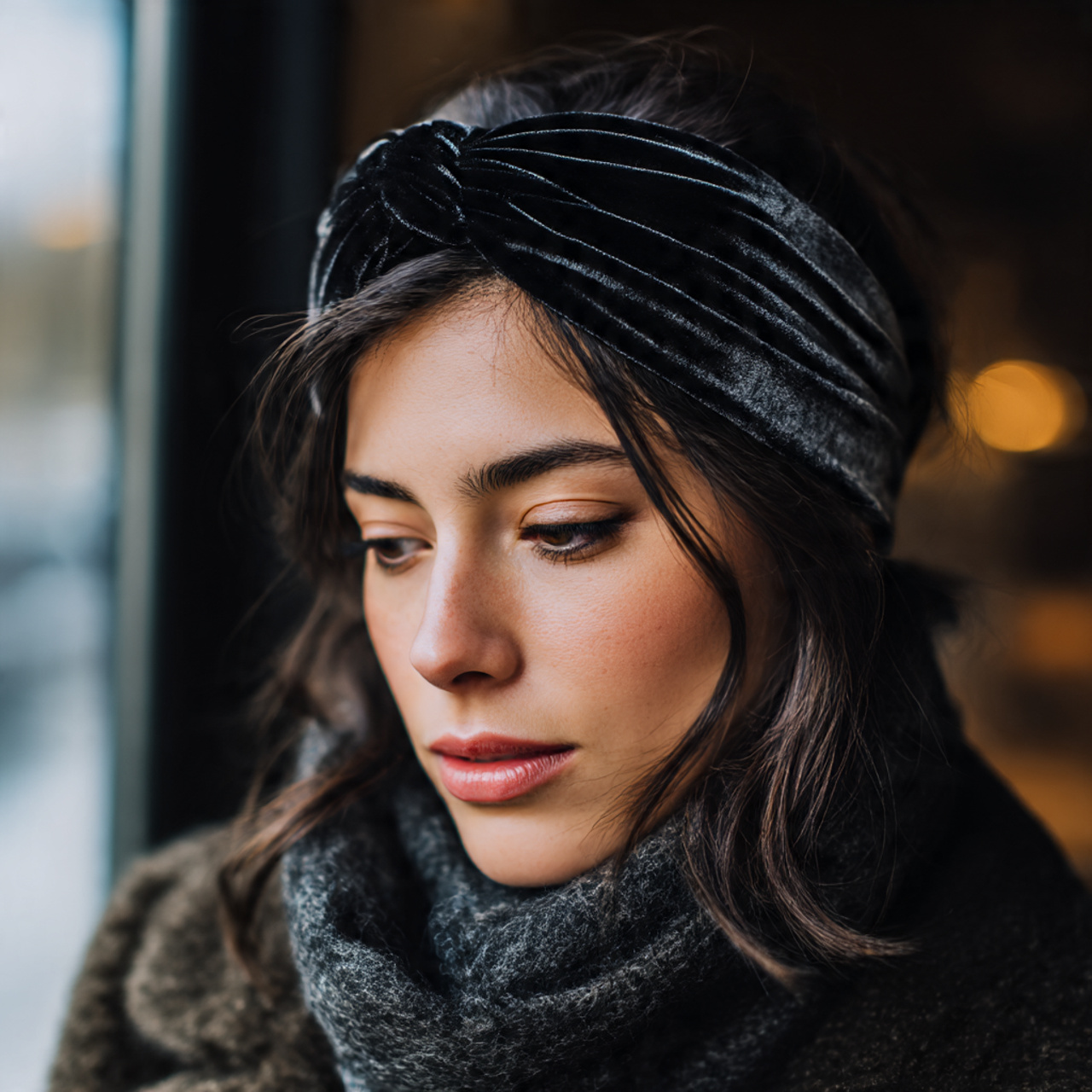
Wide headbands hide frizz, control flyaways, and protect the hairline simultaneously. A silk-lined option like the Slip Silk Headband eliminates friction between the band and the hair. Standard cotton or elastic bands pull at strands every time they go on or come off, and that daily friction compounds quickly over a full winter season.
Position the headband just behind the natural hairline rather than over it to avoid mechanical stress on the edges. Paired with a loose bun or open hair, this takes under a minute and makes any style look intentional.
Best for: All textures, frizz control, rushed morning routines Product: Slip Silk Headband Face shape: All face shapes. Wider bands suit stronger jaw lines. Narrower bands suit longer faces. Ask for: “A length that falls softly when the headband holds the top back. Layers around the jaw help balance the look with this style.” Pro tip: Store headbands flat rather than stretched around an object because elastic degrades significantly faster when kept stretched between uses.
The Bubble Ponytail
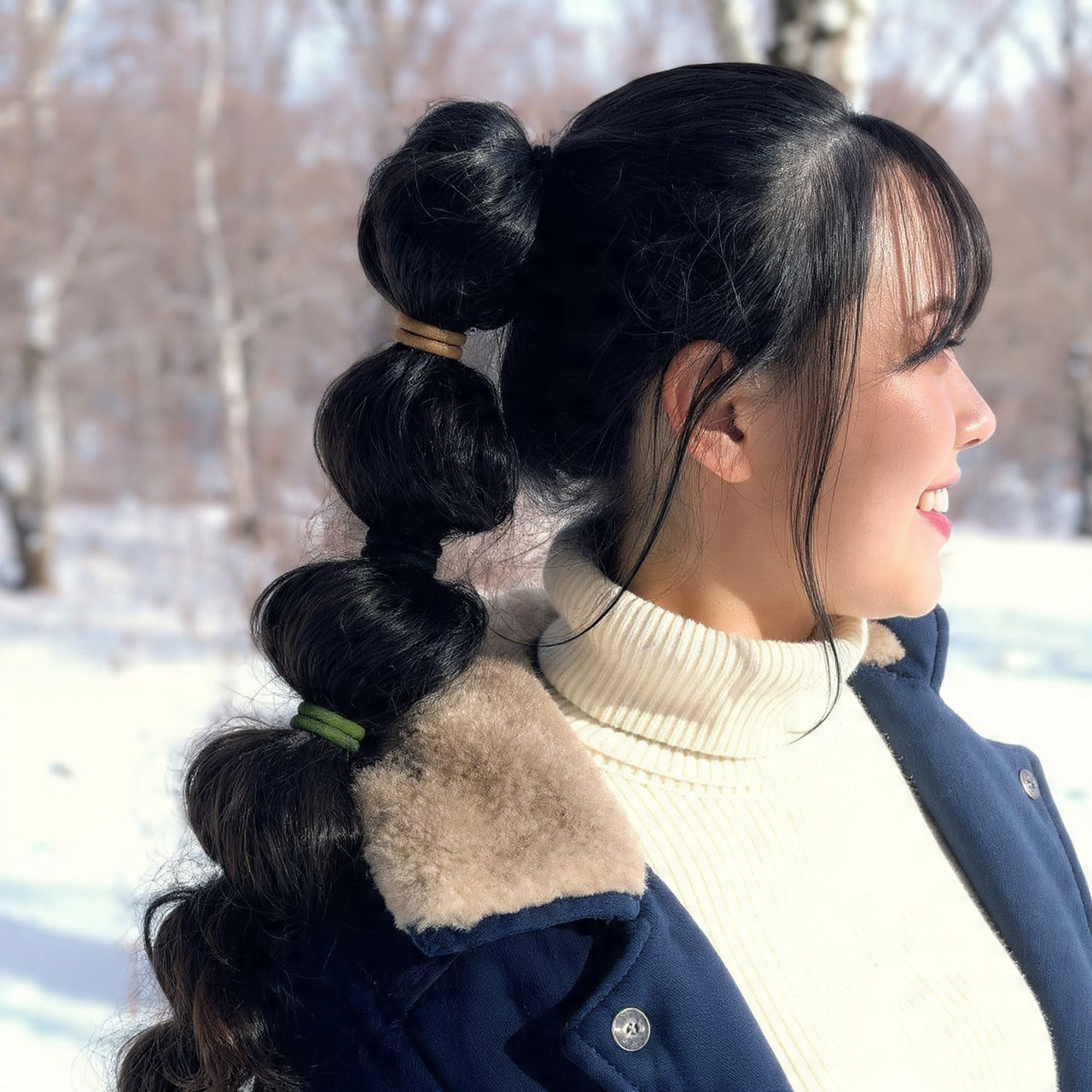
Bubble ponytails distribute tension across several elastics rather than concentrating it at one point. This makes them far gentler on hair than a single high ponytail held with one tight band. Goody Ouchless Elastics are the reliable standard because they grip without cutting into strands at each anchor point.
Space the elastics roughly two inches apart and push sections upward slightly between each one to create the bubble effect. The style keeps long hair contained and protected from outerwear while looking modern and playful.
Best for: Long and medium-long hair, casual and sporty outings Product: Goody Ouchless Elastics Face shape: Best on oval and round faces where the vertical shape adds visual length. Ask for: “A bubble ponytail with elastics every two inches. Push each section upward slightly so the bubbles sit full rather than flat.” Pro tip: Mist each section with Oribe Dry Texturizing Spray before placing the elastic so the bubbles hold their shape without collapsing by midday.
Deep Side Parting Volume
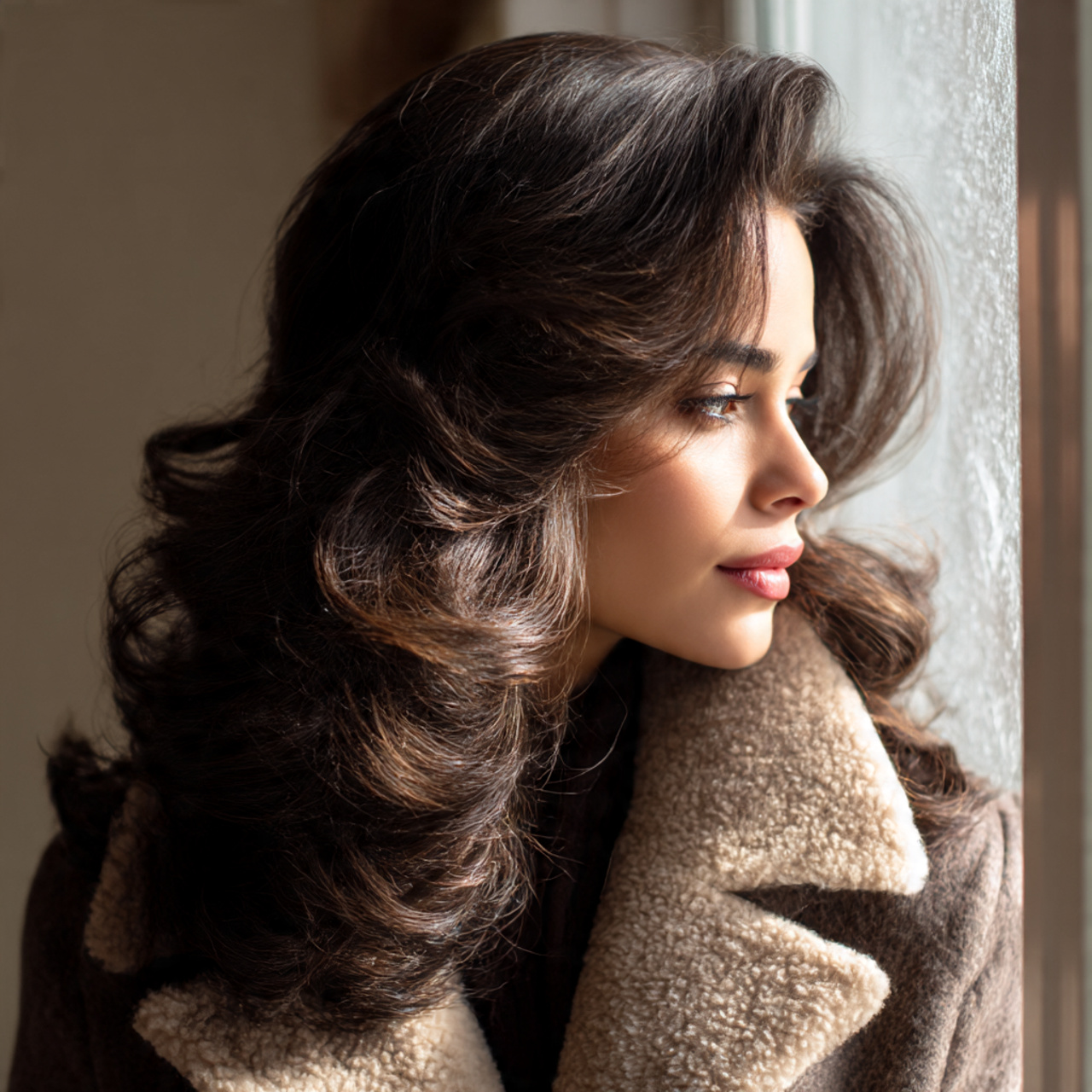
Changing your part is the fastest zero-effort volume technique in any season. A deep side part shifts the weight of hair to one side, lifts the root on the opposite side, and creates movement without a single heat tool or extra product. Oribe Dry Texturizing Spray at the root gives lift that holds even under hats.
This trick works on every hair type. Fine hair benefits most because root lift is immediate and requires nothing but a comb. Switching to the opposite side from your usual default gives maximum lift and a genuinely refreshed look.
Best for: All textures, fine to medium hair, volume without heat Product: Oribe Dry Texturizing Spray Face shape: Works on all face shapes. Deep side parts add diagonal movement that flatters long and narrow face shapes particularly well. Ask for: “A deep side part cut into the style. Remove weight from the heavy side and point-cut so the part sits naturally without splitting throughout the day.” Pro tip: Apply dry texturizing spray at the root while hair is flipped to the opposite side of the part, then flip back over for instant lift that holds all day.
The Half-Up Mini Buns
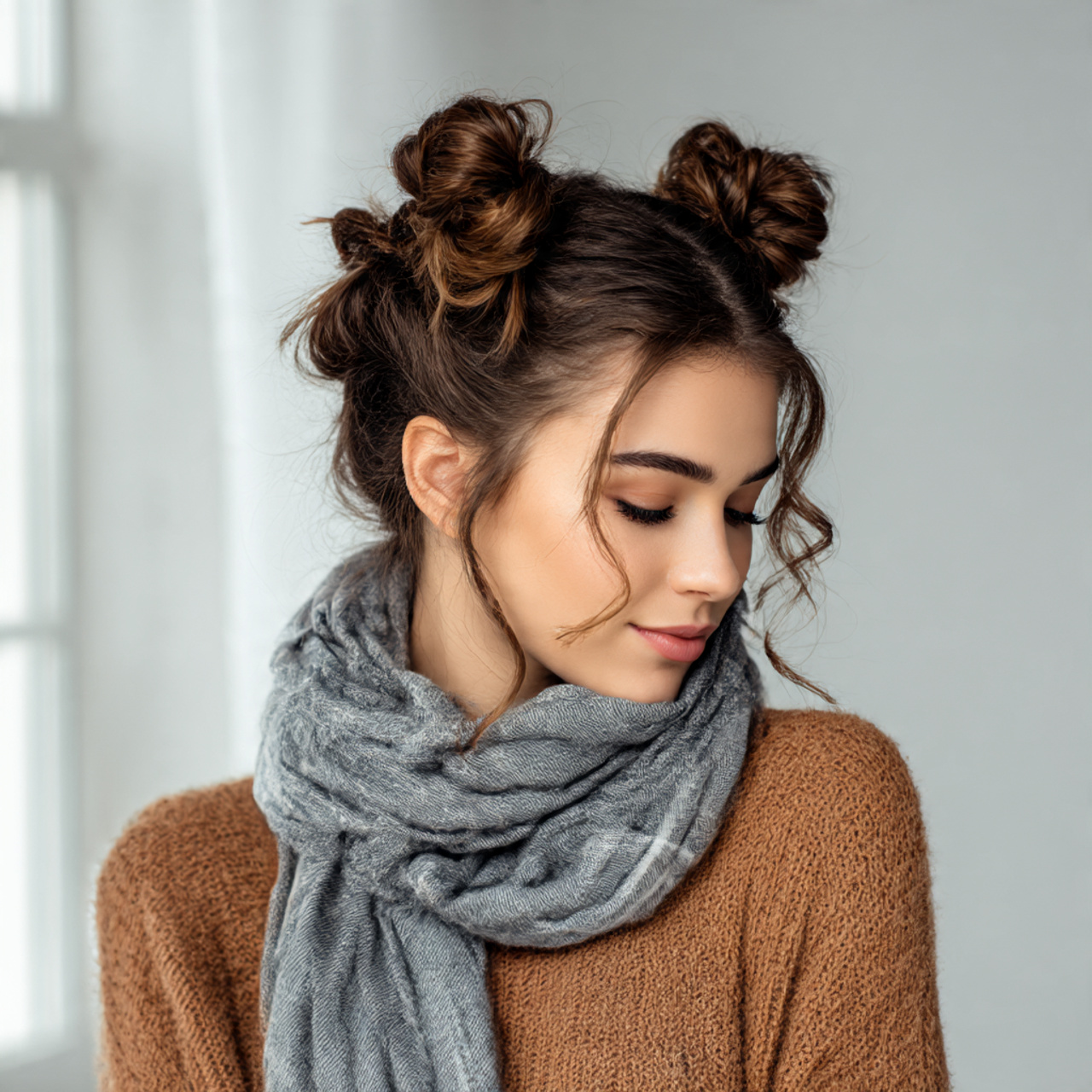
Two small buns at the crown protect the top sections from hat friction while the rest of the length sits loose and free. This is a softer alternative to a full updo on days when you want coverage without committing to a fully secured style. Conair Spiral Bobby Pins hold each mini bun in place without visible hardware or uncomfortable pressure points.
The balance between secured top sections and loose ends is what makes this style feel current. It reduces pulling on any single point and keeps hair off hoods without going fully up.
Best for: All textures, casual days, hood and hat-wearing days Product: Conair Spiral Bobby Pins Face shape: Works best on oval, round, and heart faces where the lifted crown creates visual balance. Ask for: “Keep enough length through the crown for two small buns. Leave layers through the mid-length so the loose sections below fall with movement.” Pro tip: Mist each bun section with L’Oreal Paris Elnett Satin Hairspray before twisting and pinning for enough hold to last without any gel-like stiffness.
Twisted French Roll
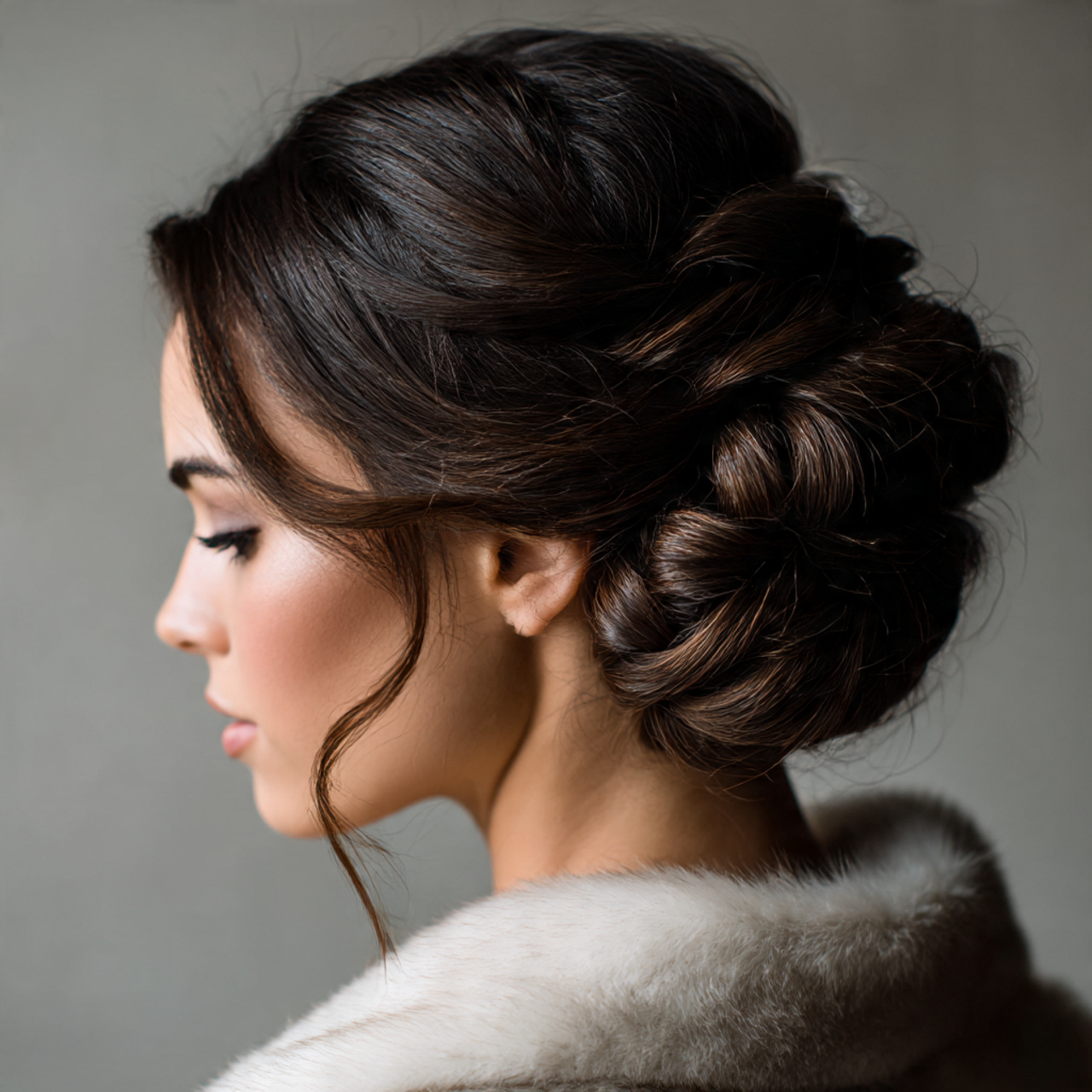
The French roll is a fully enclosed style that keeps every strand tucked and sealed from cold air. It suits formal environments and long outdoor days equally well. Strong pinning is the difference between a French roll that lasts all day and one that unravels by hour three. Horizontal pins pushed through the center of the roll hold the structure against the full weight of the hair far more effectively than vertical pins along the outer edge, which only anchor the surface fabric. L’Oréal Paris Elnett Extra Strong Hold Hairspray applied to the surface before rolling keeps it smooth without creating stiffness or crunch.
Best for: Medium to long hair, formal and professional settings Product: L’Oréal Paris Elnett Extra Strong Hold Hairspray Face shape: Best on oval and oblong faces. The vertical shape also suits rounder faces well when combined with a little volume at the top before rolling. Ask for: “A smooth French roll from the nape upward, pinned horizontally through the center, surface sprayed flat with no gaps or loose sections.” Pro tip: Insert every pin horizontally through the fold of the roll rather than vertically along the edge to hold the structure against the weight of the hair all day.
Ribbon-Tied Braids
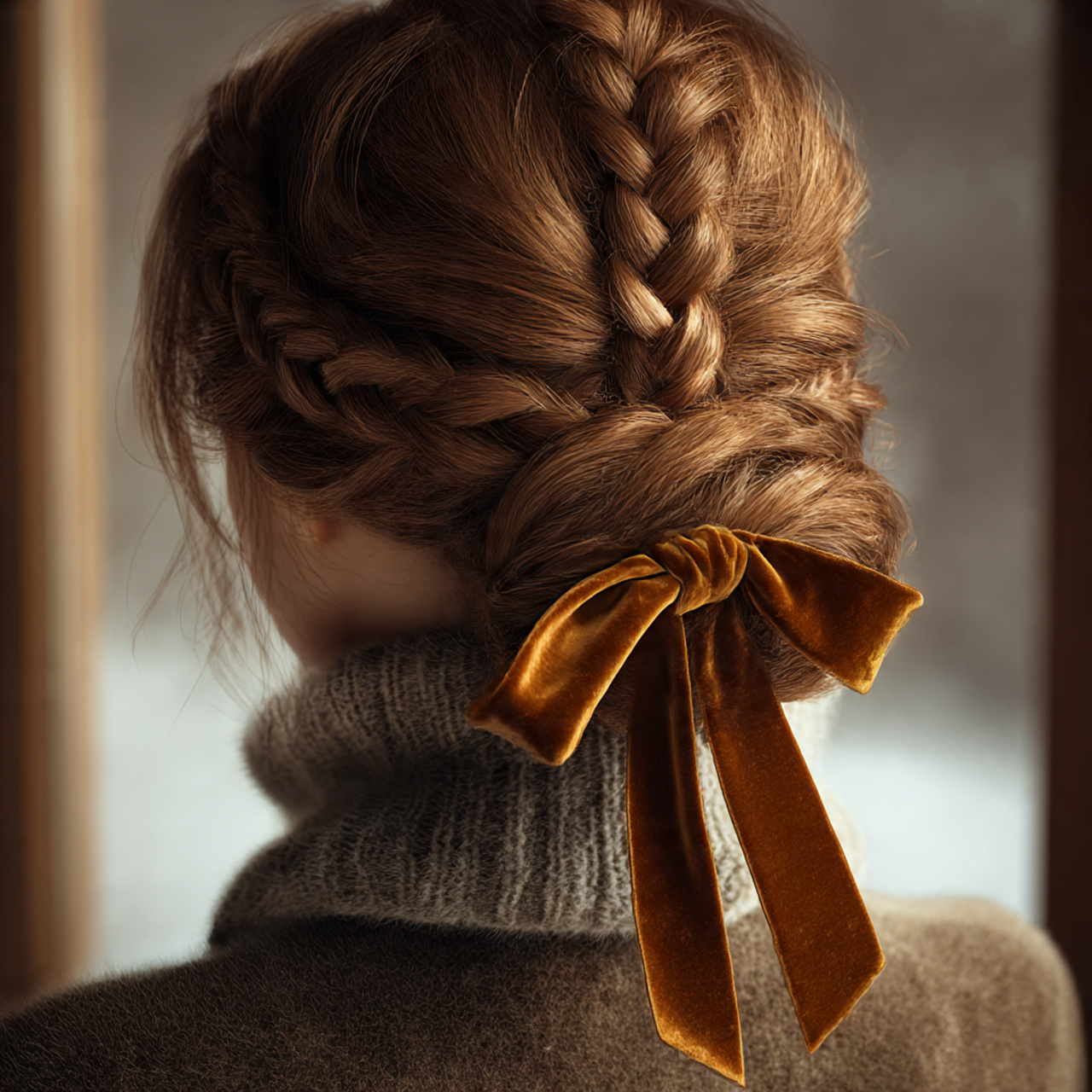
A ribbon woven through or tied at the end of a braid softens the overall look and protects the most fragile section of hair: the tip. The tip is the oldest part of the strand and the first to snap. Scünci No-Damage Ribbon Hair Ties replace the raw elastic that creates a pressure point at the end of every braid, delivering a detail that is both practical and visually polished.
This works best on three-strand braids and fishtails. A thin ribbon woven into the braid from the start looks integrated and intentional rather than just tied on at the end.
Best for: Medium to long hair, casual and transitional styling Product: Scünci No-Damage Ribbon Hair Ties Face shape: All face shapes. The vertical braid adds length, which suits round and square faces best. Ask for: “A clean three-strand braid finished with a ribbon tie. Texture through the body is fine. I want a relaxed, lived-in feel rather than a tight finish.” Pro tip: Weave a thin satin ribbon into the braid from the very first stitch rather than tying it only at the end for a more polished and structurally integrated result.
Curly Hair Defined Fro
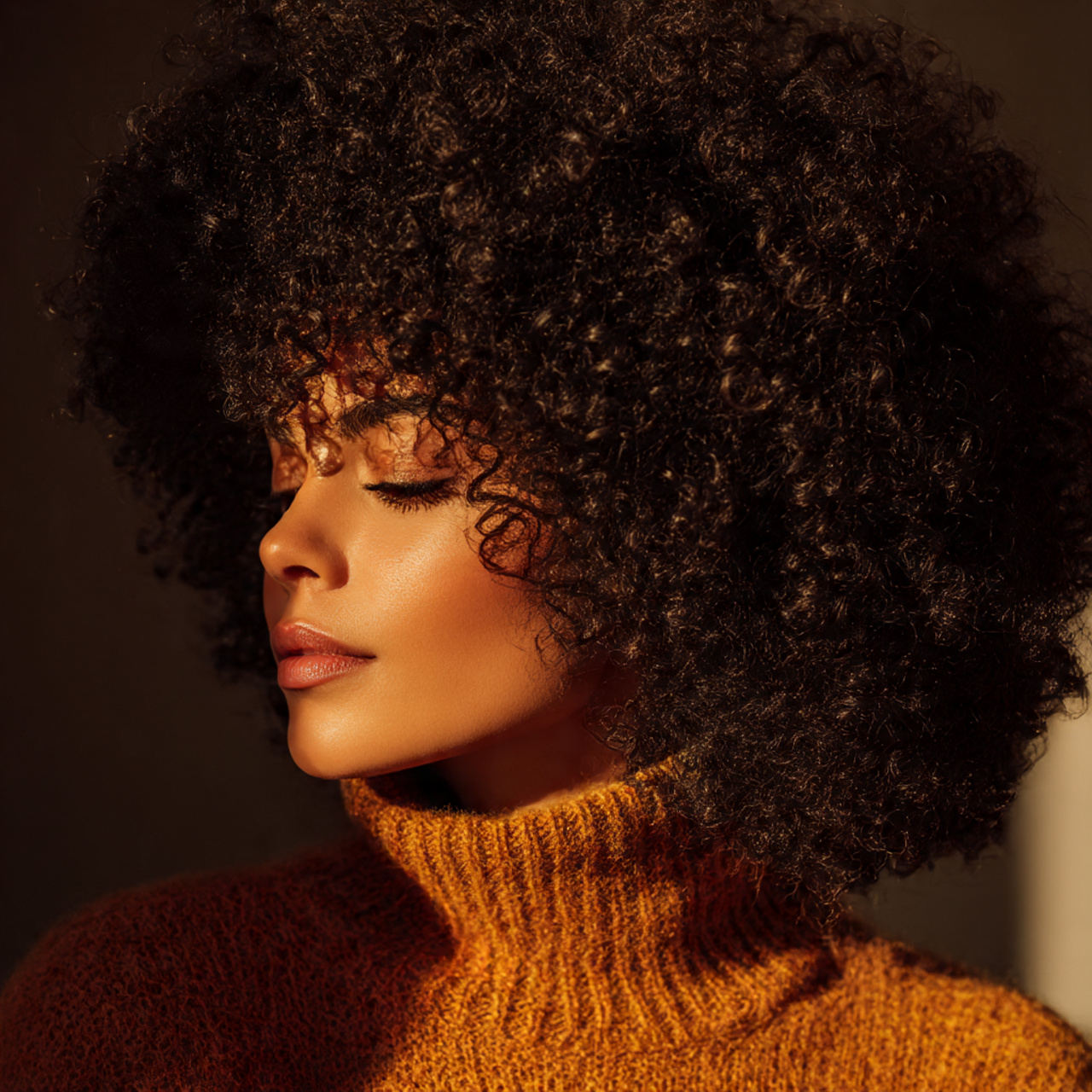
A well-moisturized fro is one of the warmest and most protective natural styles available in cold weather. Lifted curls create an insulating layer of air close to the scalp that genuinely keeps heat in. The moisture-locking sequence matters here. Apply Cantu Shea Butter Leave-In Conditioning Cream to freshly washed hair first, then seal with an oil. Reversing this order blocks the water-based leave-in from penetrating the strand at all.
A Denman D4 Brush used on soaking wet hair defines curl clumps so the fro sets with clean shape rather than uneven texture. Moisture is the entire strategy for this style in winter.
Best for: Coily and tightly curled textures, natural wear, wash-and-go days Product: Cantu Shea Butter Leave-In Conditioning Cream and Denman D4 Brush Face shape: All face shapes. Wider fros add volume at the sides, taller fros elongate. Shape can be directed with a pick after drying. Ask for: “Clean up the perimeter shape and dust the ends to remove single-strand knots without reducing overall volume.” Pro tip: Apply the leave-in first, then seal with Jamaican Black Castor Oil, and never reverse this sequence or the oil will block the cream from entering the strand.
Visit Also: Halloween Hairstyles for Kids
Micro Twists
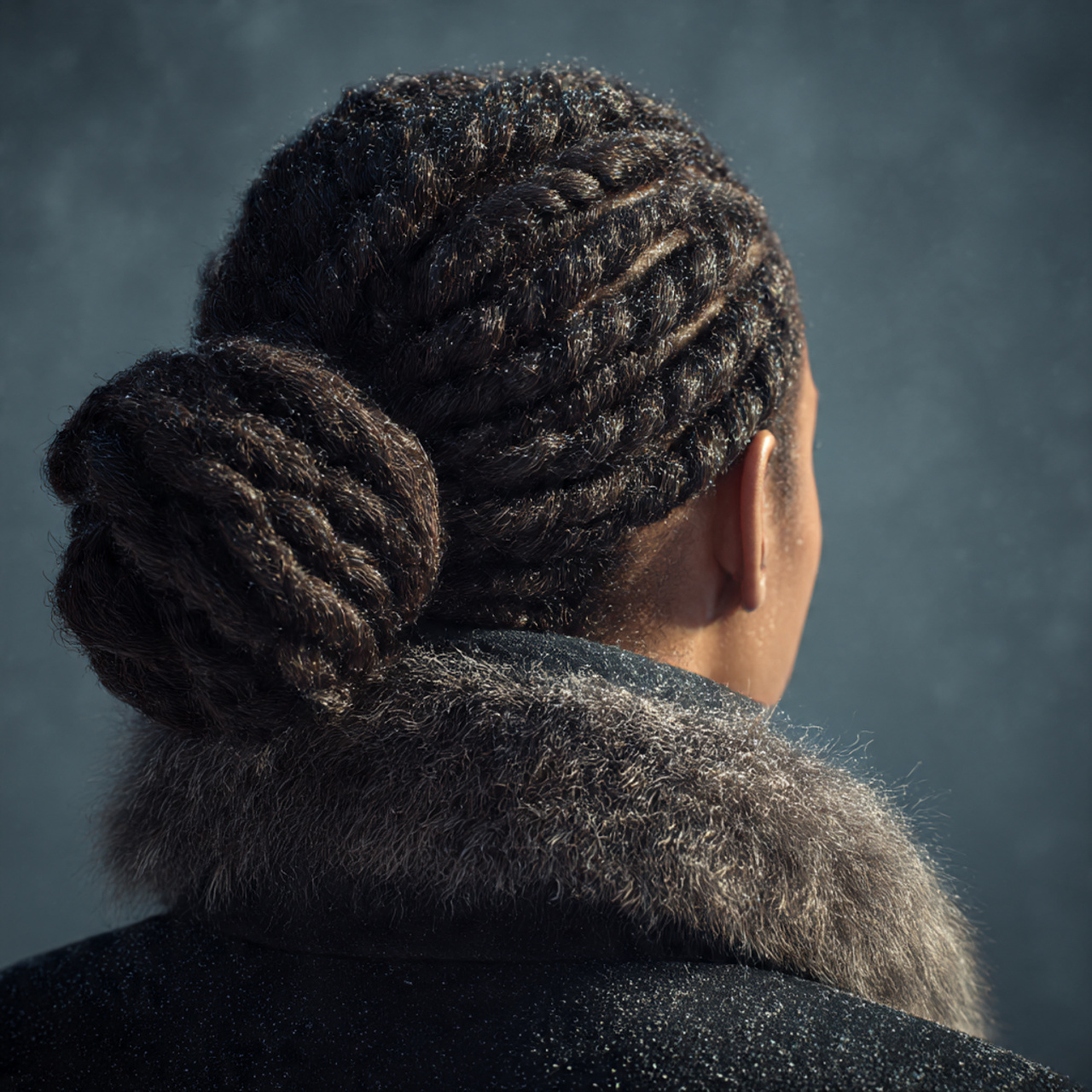
Micro twists keep hair stretched, sealed, and completely ready to style into buns, ponytails, or half-ups every morning for weeks at a time. Carol’s Daughter Black Vanilla Moisture and Shine Hair Smoothie provides the moisture and slip needed for clean installation without heaviness. The investment in installation pays off immediately through weeks of near-zero daily manipulation.
Light misting with diluted leave-in every few days keeps twists hydrated and prevents them from hardening over time. Avoid tight installation at the hairline specifically because repeated tension in that area causes loss that develops slowly and is very difficult to reverse.
Best for: Natural and transitioning hair, multi-week wear, zero daily effort Product: Carol’s Daughter Black Vanilla Hair Smoothie Face shape: All face shapes. Length and parting direction can be adjusted to flatter any structure. Ask for: “Micro twists with Carol’s Daughter Smoothie, small section size, tight to the scalp overall but with specifically light tension at the hairline.” Pro tip: Pre-stretch hair in large twists or braids overnight before installing micro twists so the finished style starts with less shrinkage and holds its length far longer.
Faux Locs
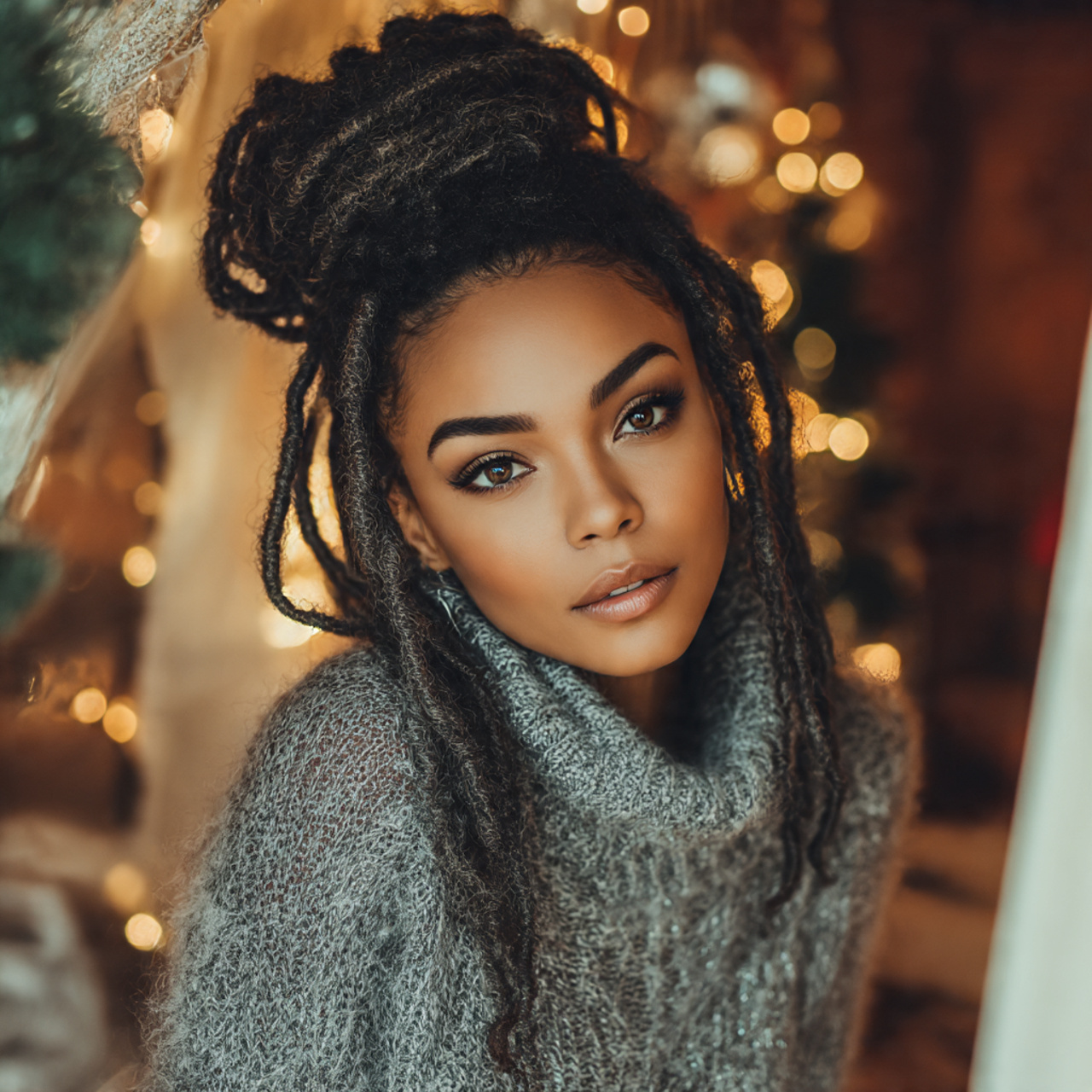
Faux locs completely enclose natural hair and create a style that needs almost no daily maintenance for six to eight weeks. Freetress Water Wave Crochet Hair is the standard for installation and gives a realistic texture that wears well without looking stiff or uniform. Winter is the ideal season for faux locs because the style fully shields natural hair from cold air, friction, and dryness all at once.
The Mane Choice Ancient Egyptian Anti-Breakage Scalp Oil is lightweight enough to apply under installed locs weekly to prevent the scalp dryness and buildup that makes long-term wear uncomfortable.
Best for: All natural textures, long-term protective wear, minimal daily effort Product: Freetress Water Wave Crochet Hair and The Mane Choice Scalp Oil Face shape: Every face shape. Length and thickness of the locs can be adjusted to suit different proportions naturally. Ask for: “Faux locs installed with Freetress crochet hair. Shoulder length or longer, light tension, natural textured finish rather than a tightly wrapped look.” Pro tip: Seal the end of each faux loc by dipping it briefly in hot water during installation so it stays secure and does not unravel through the full wear period.
The Deep Wave Texture
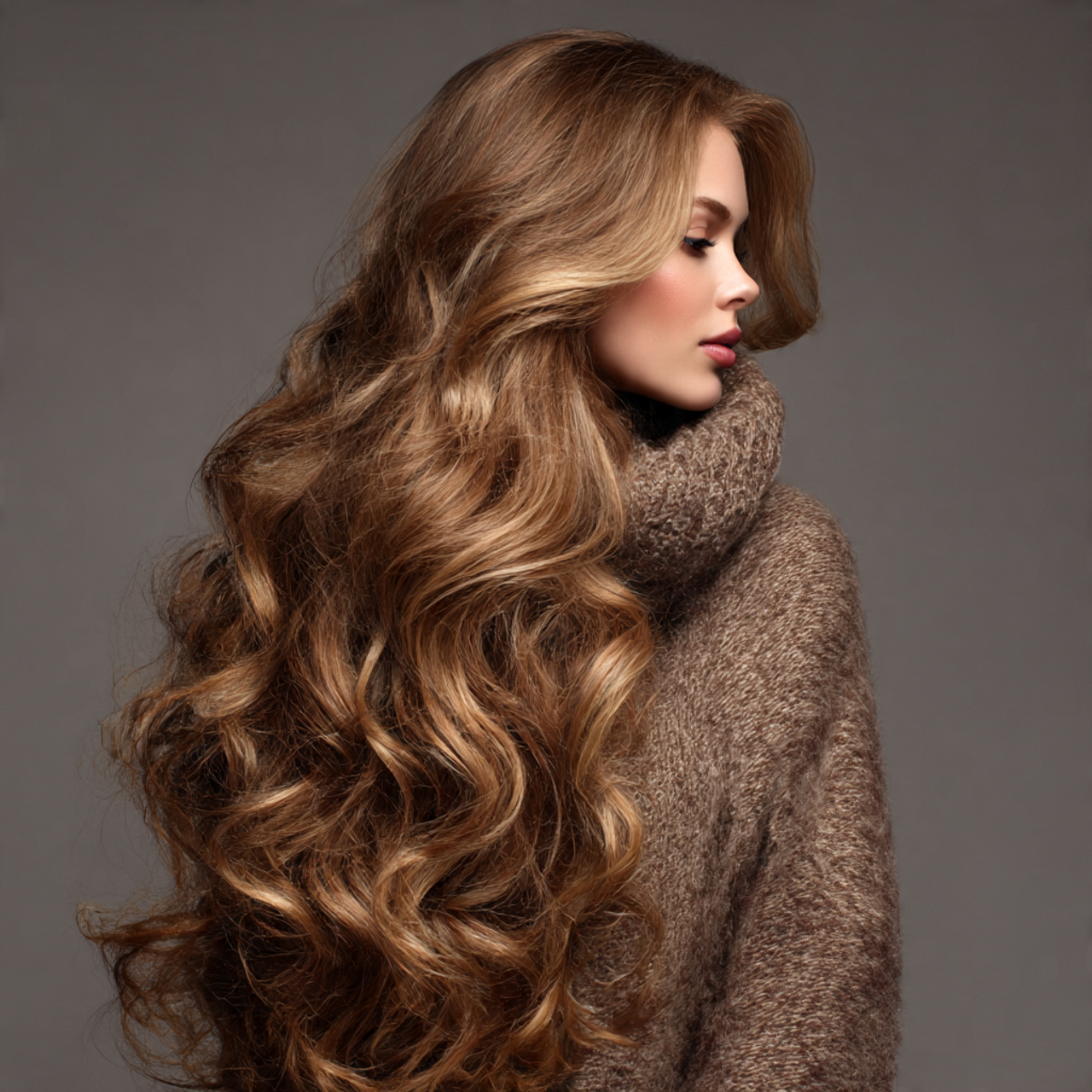
Deep waves add body and fullness that winter coats and layered outfits actually enhance rather than flatten. The Conair Infiniti Pro 1.5-inch Curling Wand creates consistent wave depth across different textures. Alternating the direction of each wave section, wrapping some toward the face and some away from it, creates a natural wave pattern that looks like it developed without heat rather than set deliberately. This directional variation is the single technique difference between a wave style that looks professional and one that looks mechanical. Kenra Platinum Silkening Mist applied before each section reduces thermal impact and adds the slip that gives finished waves soft, fluid movement.
Best for: Straight to wavy textures, volume styling, special winter events Product: Conair Infiniti Pro 1.5-inch Curling Wand and Kenra Platinum Silkening Mist Face shape: Best on square and round faces where added width creates softness. Oval faces suit any wave direction. Ask for: “A wave-friendly cut with length removed from the interior to reduce bulk so waves bounce rather than weigh down.” Pro tip: Break finished waves apart with fingers rather than a brush after waving to create wide, deep texture rather than tight ringlets that close up in cold air.
Quick Comparison Table
| Style | Length | Hair Type | Maintenance | Bold Factor |
|---|---|---|---|---|
| Low Ponytails with a Twist | All | All types | Low | ★ |
| Classic Box Braids | Medium to long | Natural | Very low | ★★ |
| The Chic Low Bun | All | All types | Low | ★ |
| High Top Knots | Medium to long | All types | Low | ★ |
| Winter Blowout with Lasting Volume | All | Straight to wavy | Medium | ★★ |
| Natural Waves with Minimal Heat | Medium to long | Wavy to curly | Low | ★★ |
| Scarf-Wrapped Updos for Extra Protection | Medium to long | All types | Low | ★★ |
| Sleek and Straight Locks | All | Straight to wavy | Medium | ★★ |
| Half-Up Braided Crown | Medium to long | All types | Low | ★★ |
| Effortless Claw Clip Style | Medium to long | All types | Very low | ★ |
| French Braid Waterfall | Medium to long | All types | Medium | ★★★ |
| Twisted Flat Braids | Medium to long | Natural | Low | ★★ |
| The Tucked-In Hair Look | Shoulder to long | All types | Very low | ★ |
| Halo Braids | Medium to long | All types | Low | ★★★ |
| Slicked-Back Wet Look | All | All types | Low | ★★★ |
| Accessorized Headbands | All | All types | Very low | ★ |
| The Bubble Ponytail | Long | All types | Low | ★★ |
| Deep Side Parting Volume | All | All types | Very low | ★ |
| The Half-Up Mini Buns | Medium to long | All types | Low | ★★ |
| Twisted French Roll | Medium to long | Straight to wavy | Medium | ★★★ |
| Ribbon-Tied Braids | Medium to long | All types | Low | ★★ |
| Curly Hair Defined Fro | All (natural) | Coily | Low | ★★ |
| Micro Twists | Medium to long | Natural | Very low | ★★ |
| Faux Locs | Medium to long | Natural | Very low | ★★★ |
| The Deep Wave Texture | Medium to long | Straight to wavy | Medium | ★★★ |
Bold Factor Key: ★ Subtle and clean. ★★ Styled with intention. ★★★ Full statement look.
Frequently Asked Questions
What makes winter hairstyles fundamentally different from styles worn the rest of the year? Winter hairstyles need to account for two damaging forces working at the same time: cold outdoor air pulling moisture from strands and dry indoor heat doing the same from the opposite direction. Adding daily fabric friction from scarves, hoods, and coat collars to that combination makes winter uniquely hard on hair in a way no other season matches.
How often should I wash my hair when wearing a protective style in cold weather? Most protective styles allow two to three weeks between full wash days without any scalp or moisture concerns. Refresh the scalp between washes with a diluted apple cider vinegar spray if buildup feels noticeable before your next full cleanse.
Which style on this list is best for fine hair that tends to break easily in winter? Claw clip styles, loose buns, and bubble ponytails distribute tension across multiple anchor points rather than concentrating it, making them far gentler on fragile fine strands. Pair any of these with a Slip Silk scrunchie or Kitsch satin tie to eliminate the mechanical stress a standard elastic creates every time it is used.
Can I protect my hair from hat damage without giving up warmth this season? Yes. Line the inside of your hat with a Slip silk scarf or choose a beanie with a satin lining, which brands like YANIBEST and LilySilk now produce specifically for this purpose. Flat styles like low braids and nape ponytails also suffer far less distortion when a hat is removed compared to voluminous styles that collapse under pressure.
What is the one product category that matters most for every winter hair routine? A moisturizing leave-in conditioner applied after every wash is non-negotiable because it replenishes moisture lost to dry air and keeps strands flexible enough to resist mechanical breakage. Products like Cantu Shea Butter Leave-In or Carol’s Daughter Black Vanilla Hair Smoothie work across most textures and form the base that makes every other winter style perform better.
Final Thoughts
Winter does not have to mean damaged hair. It means different choices. The 25 winter hairstyles on this list were built around protection first and aesthetics second, and the result is that both actually improve when you approach cold weather that way.
Your hair is not failing in winter. It is responding to conditions that demand a smarter routine. Choosing styles that seal ends, reduce friction, and limit daily heat is one of the highest-return decisions you can make for hair health over an entire season.
The insight that separates people who keep their length through winter from those who lose it every year is not a single product. It is the habit of reducing total manipulation across the whole season. Every day you choose a claw clip over a tight elastic or skip one heat session is a day your hair recovers instead of depletes.
Winter is not your hair’s enemy. Low effort, high protection, and the right product in the right sequence make it the season your hair actually gets stronger.
Save this article now and share it with someone who needs a proper winter hair reset before the cold season hits.