Wolf Cut for Men: 25 Ideas to Unleash Your Style
Men’s hair trends change fast, but some styles stay strong because they work in real life. The wolf cut for men is one of those styles. It blends the messy texture of a shag haircut with the shape of a modern mullet. The result is a layered look that feels natural, full, and easy to wear.
This haircut is not about perfection or sharp lines. It is about movement, volume, and a relaxed finish. The wolf cut for men works with your hair instead of fighting it. It suits men who want their hair to look styled without looking forced or overdone.
This article discusses hairstyle aesthetics inspired by fashion and alternative beauty trends, not beliefs or practices.
Where the Wolf Cut Style Comes From
The wolf cut is inspired by older layered haircuts from the 70s and 80s, updated for today’s lifestyle. It takes the best parts of the shag haircut and mixes them with the flow of a mullet. The goal is to create a haircut that has volume on top and length at the back without looking messy or outdated.
In salons, this cut has become popular because clients want hair that moves and looks good without daily effort. The layers are cut in a way that gives shape even when the hair is air-dried. That makes it perfect for busy routines and casual styling habits.
What Makes a Wolf Cut for Men Unique
A wolf cut for men uses short layers on the crown to build volume. The back and sides stay longer and softer to create flow. This contrast is what gives the haircut its shape and personality. It looks full from every angle without feeling heavy.
The key feature is texture. Whether your hair is straight, wavy, or curly, the layers are designed to support your natural pattern. This makes the style flexible and easy to adjust for different face shapes and hair types.
The Original Shaggy Layers
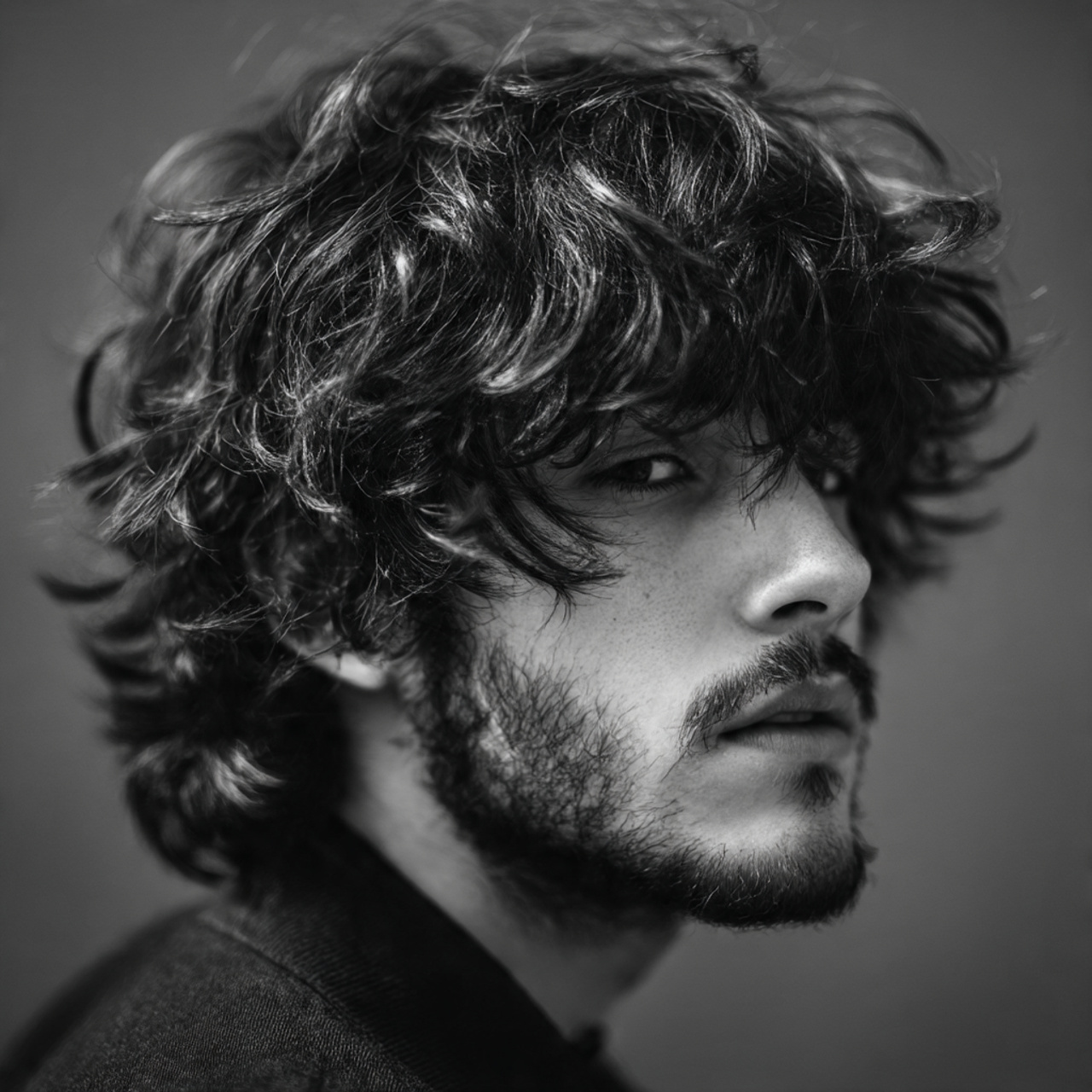
This version stays closest to the classic shag look. The layers are cut choppy and uneven to create a relaxed, textured shape. The volume stays focused on the top while the ends fall naturally.
This style suits men with medium to thick hair who want a casual everyday look. A light texturizing spray helps keep the layers separated and adds movement without stiffness. It works well for daily wear and weekend styling.
Classic Tapered Ends
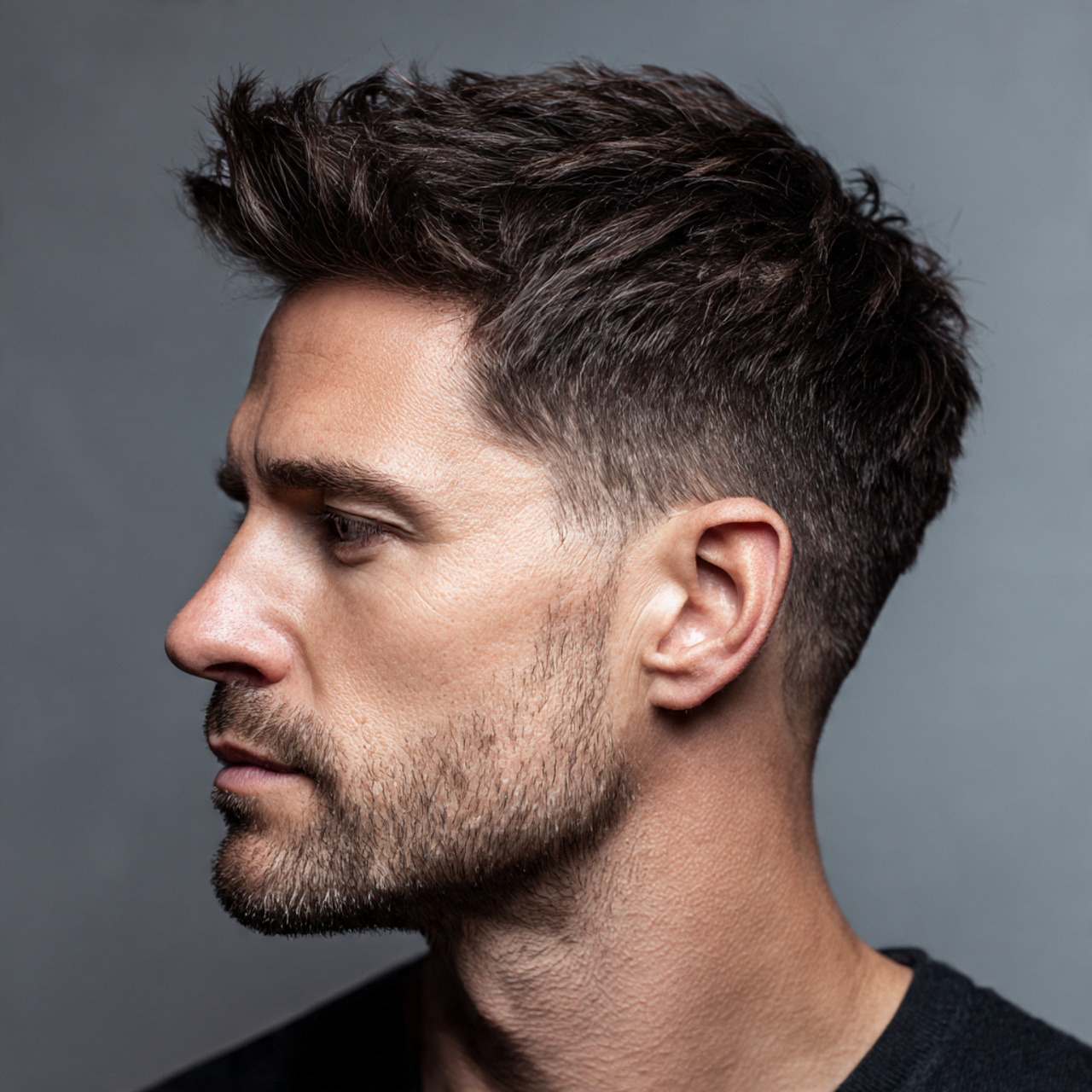
This option keeps the volume on top but uses a softer taper at the back and sides. The length fades smoothly instead of ending bluntly, which makes the cut more balanced and tidy.
It is a great choice for men who want texture but still need a clean look for work. Straight and slightly wavy hair types benefit the most because the feathered ends fall naturally without extra styling.
Face-Framing Fringe

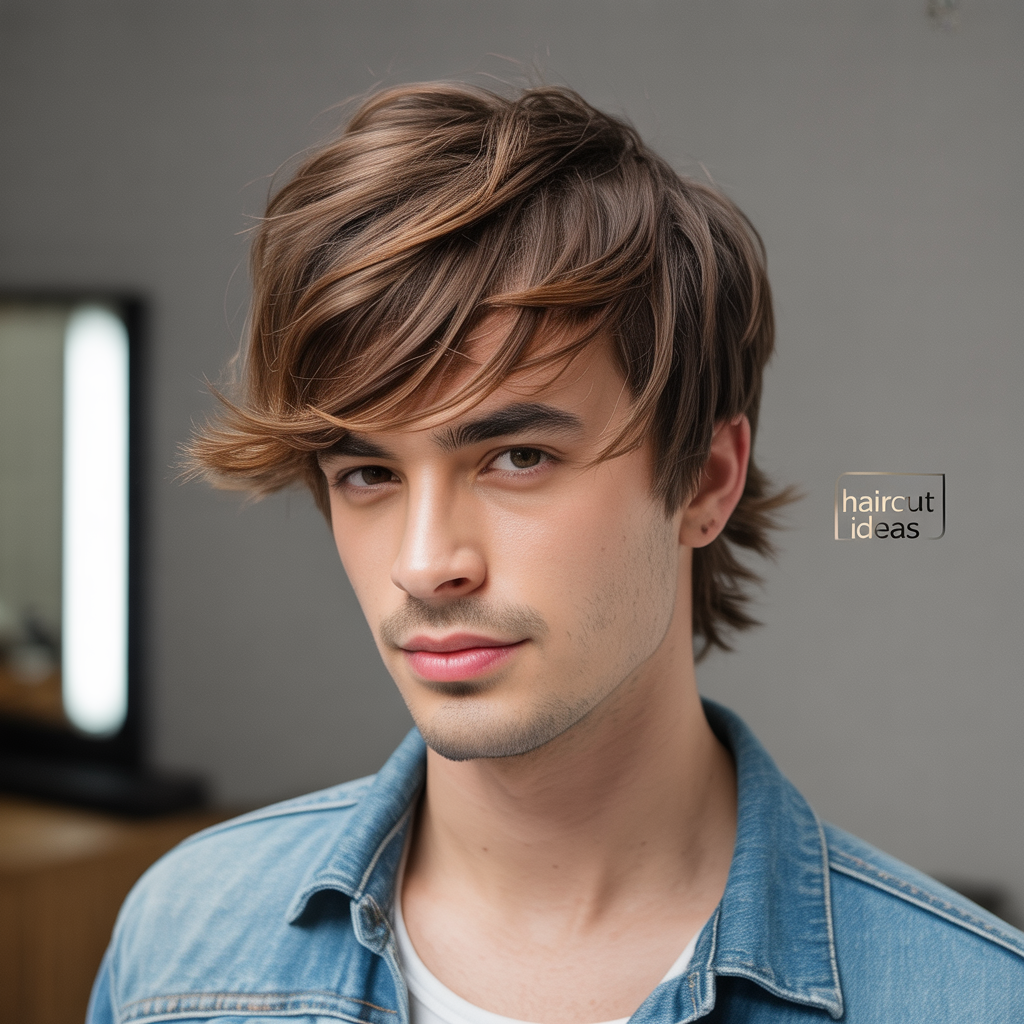
Adding longer bangs helps soften the face and highlight the eyes. The fringe blends into the side layers and often parts in the middle or slightly off-center.
This variation works well for men with long or square faces. It creates balance and reduces harsh lines. A small amount of light styling cream keeps the fringe in place while still allowing movement.
Korean-Inspired Flow
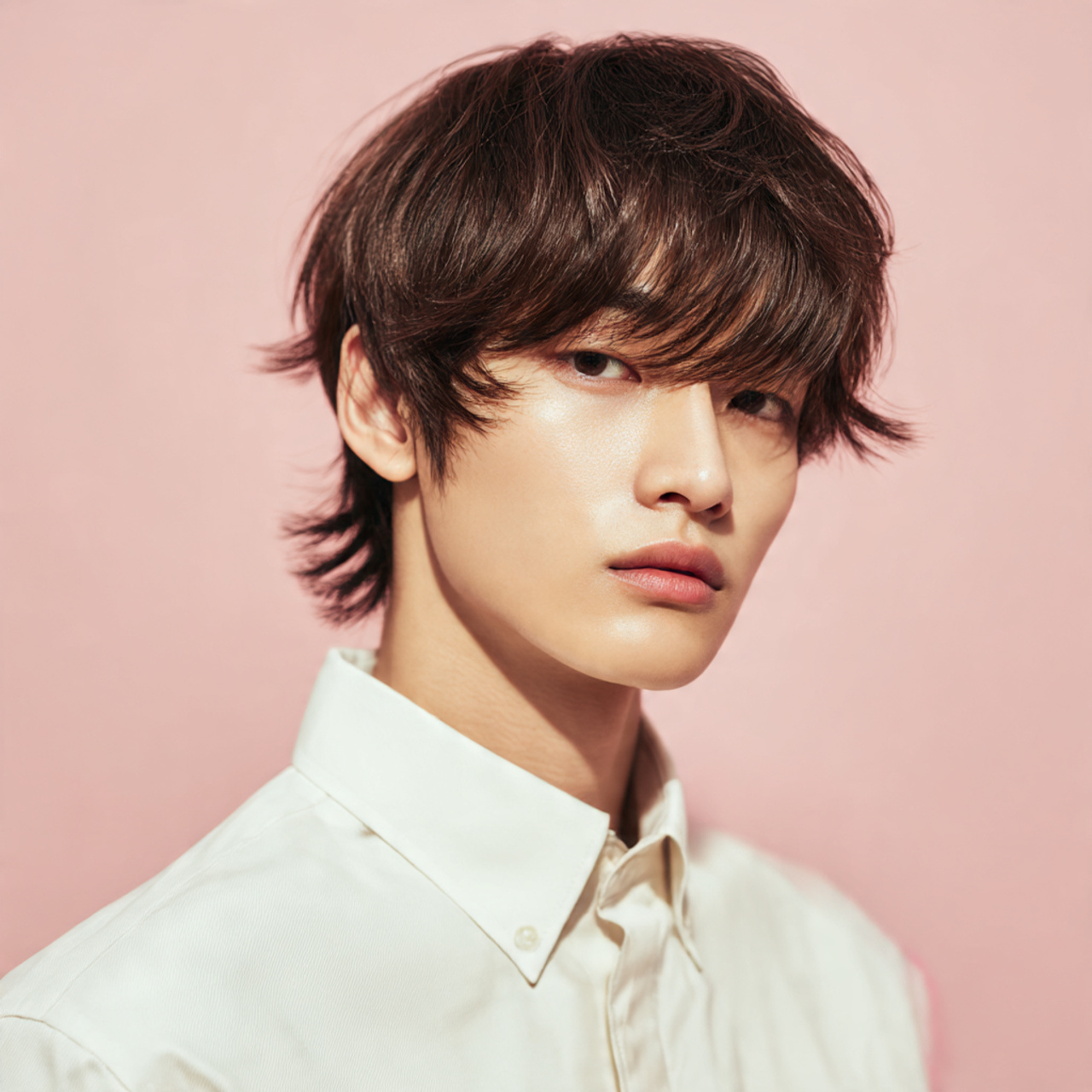
This version focuses on smooth flow and gentle layers instead of heavy texture. The layers are blended more carefully, creating a softer shape that moves naturally.
It suits fine to medium hair and works best with a blow dryer and round brush. The result is a neat, youthful look that still keeps the relaxed feel of a wolf cut without strong contrast.
Length with Undercut

This look adds an undercut or high fade on the sides while keeping the top long and layered. The contrast makes the style bold and sharp.
It is ideal for men who want a strong visual impact. Regular trims are needed to keep the sides clean. The top can be styled messy or smooth depending on the occasion.
Texture on Straight Hair
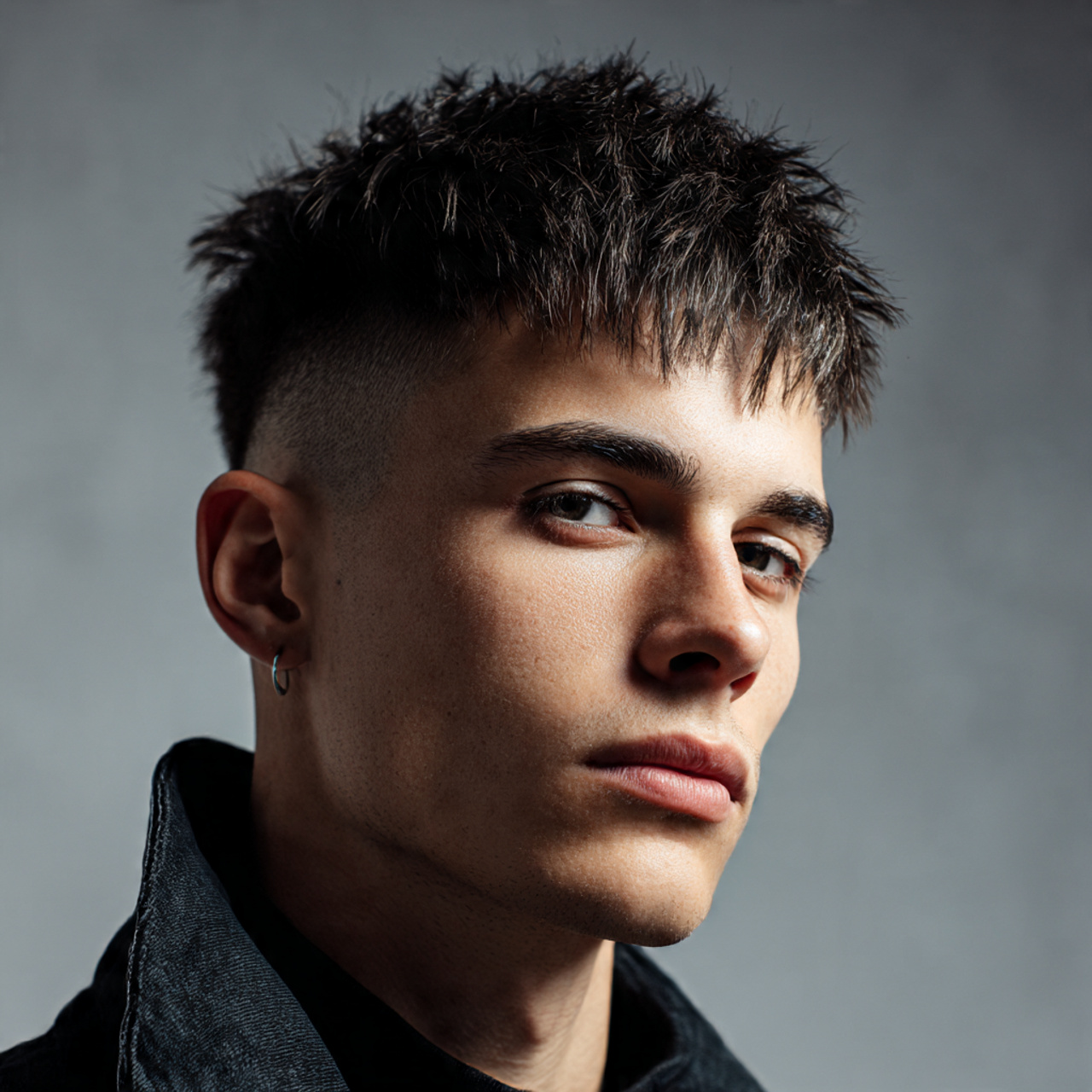
Straight hair often looks flat, but a wolf cut adds movement through layered ends. Razor cutting helps soften the tips and create lift at the roots.
Use matte clay or light wax to define the layers. Focus on the crown to avoid flatness. This version works well for men who want more shape without growing long hair.
Natural Wavy Definition

Wavy hair pairs perfectly with this cut. The layers follow the wave pattern and reduce bulk while increasing volume.
Air-drying with a sea salt spray is often enough. The waves separate naturally, creating a full crown with very little effort. This is one of the easiest versions to maintain daily.
Curly Hair Volume
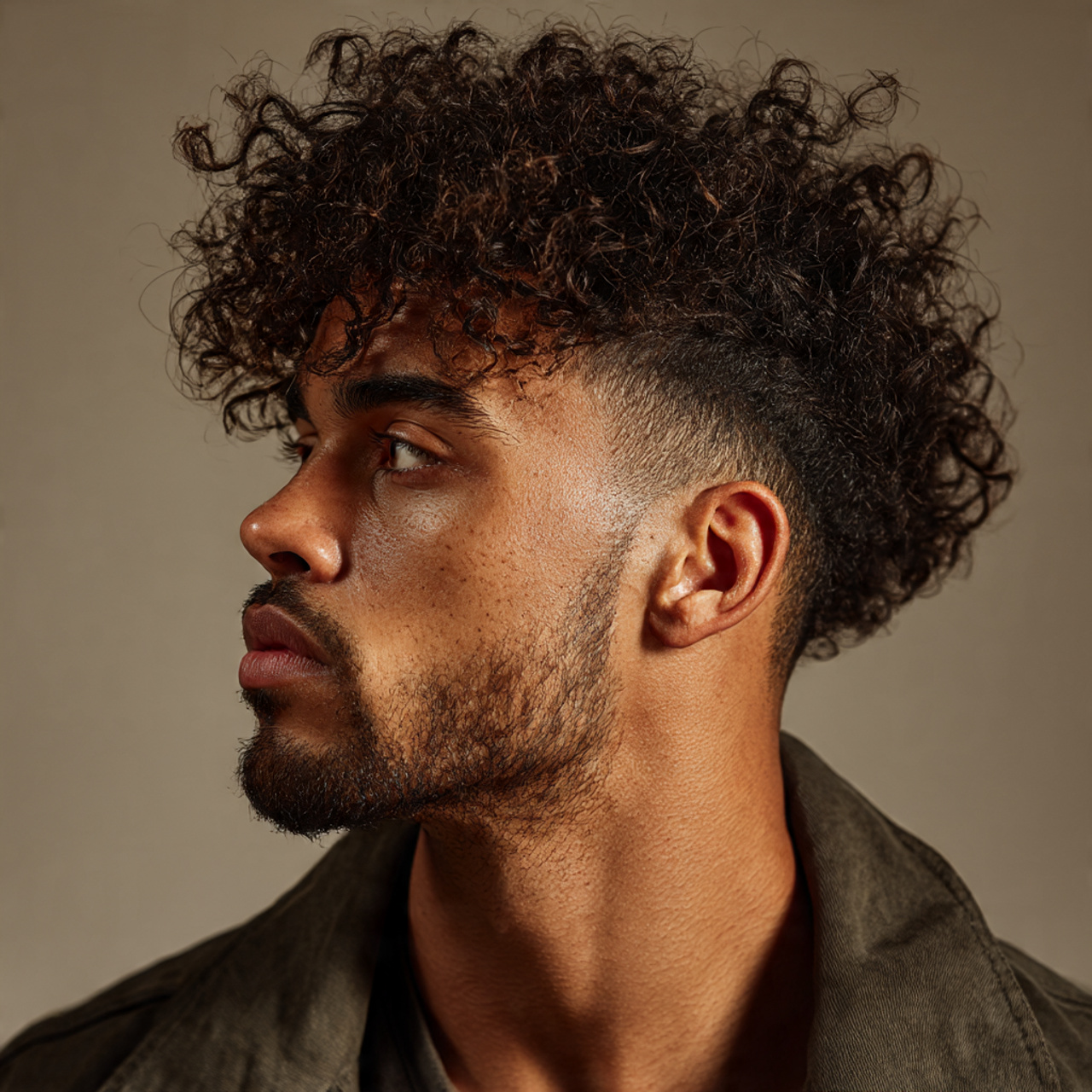
Curly hair needs shape to avoid heaviness. The wolf cut helps by lifting the top and lightening the ends.
Use curl cream or mousse to keep curls soft and defined. This style suits men who want volume without a round shape. Regular trims keep the layers working properly
Short, Controlled Mess
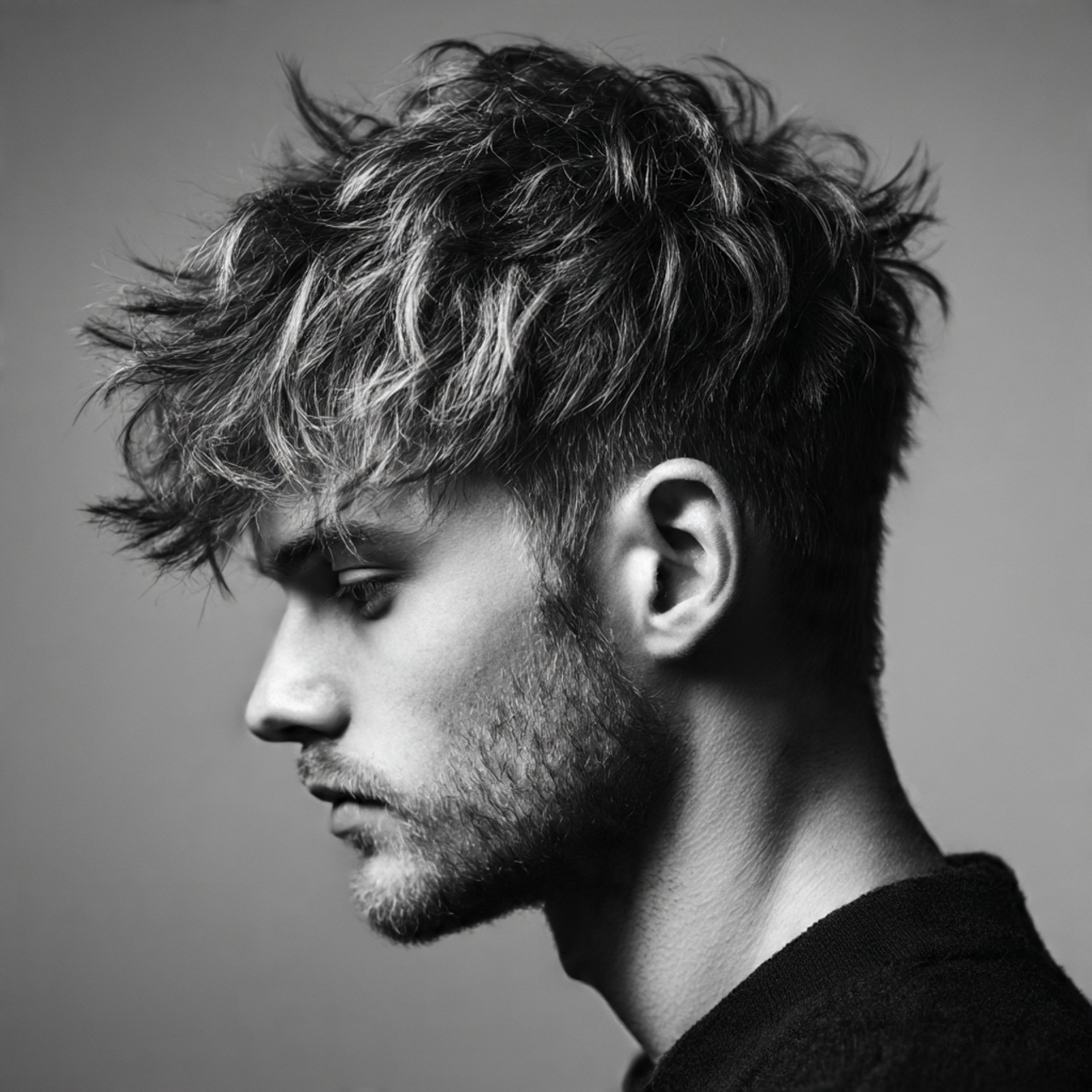
This shorter version keeps the layered look but removes extra length. The volume stays at the top, and the sides remain neat.
It is perfect for men with busy routines or active lifestyles. A quick touch of texturizing powder in the morning is enough to refresh the look.
Long, Flowing Cascade
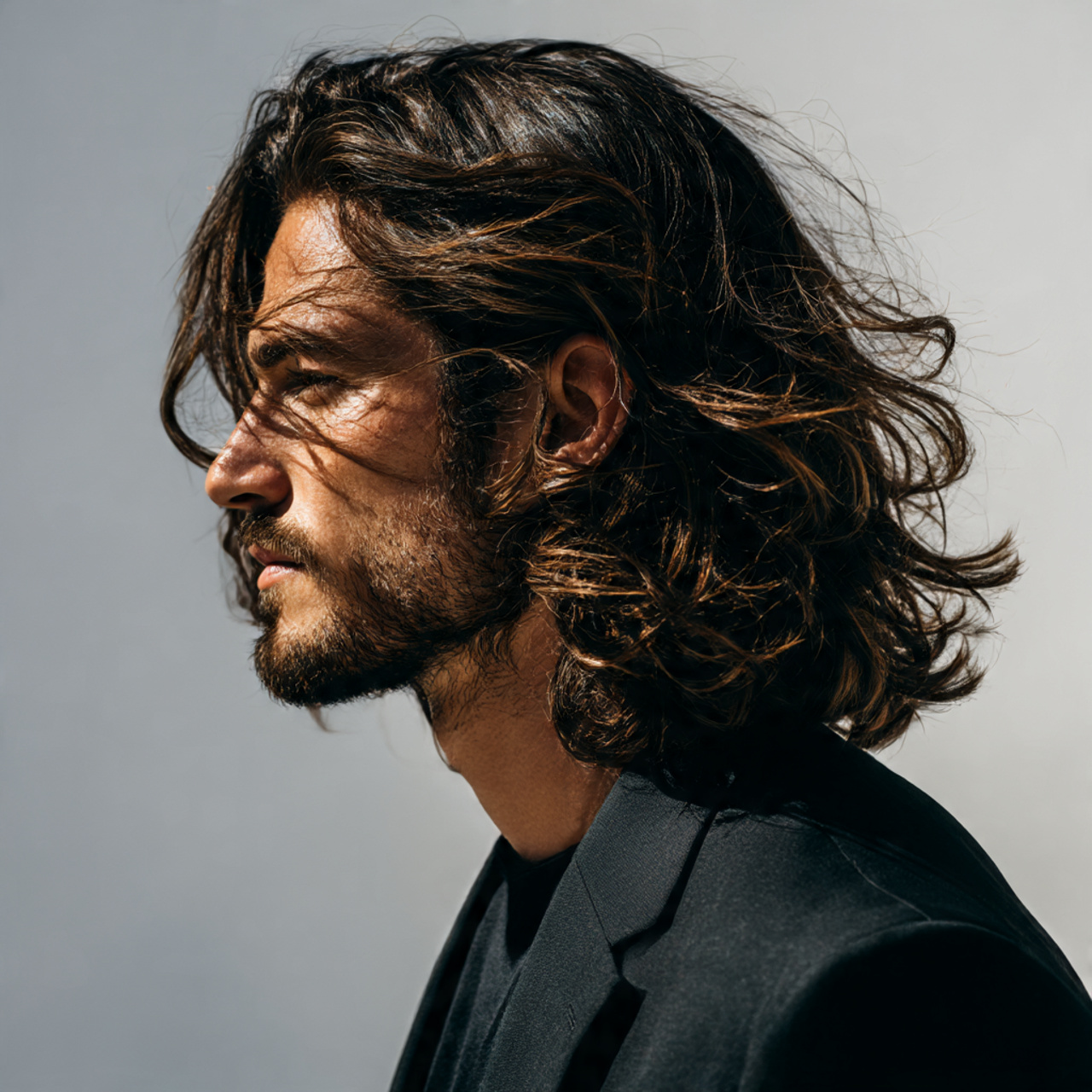
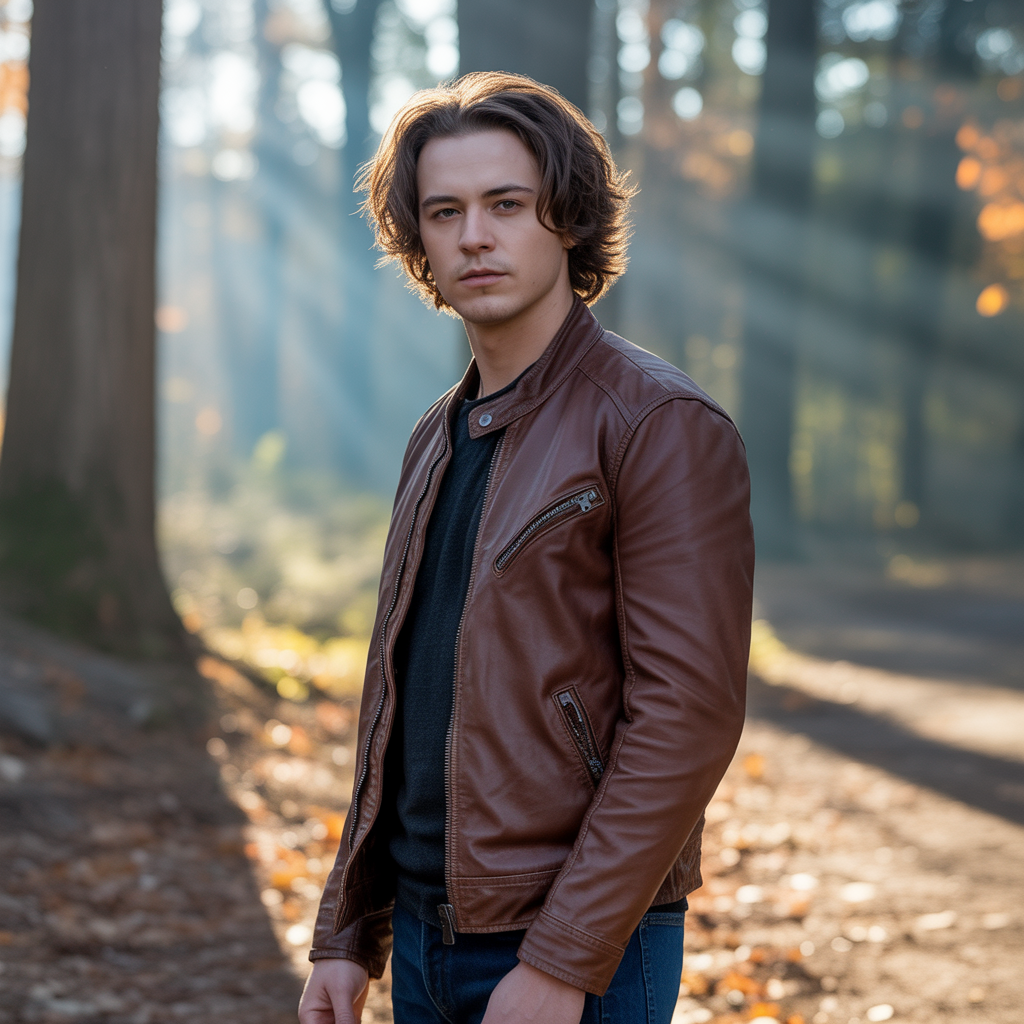
This version keeps length past the neck or shoulders. The layers add shape so the hair does not feel heavy or flat.
Light oils or leave-in conditioner help keep the ends smooth. This style suits men who enjoy longer hair but still want movement and structure.
Middle-Part Precision
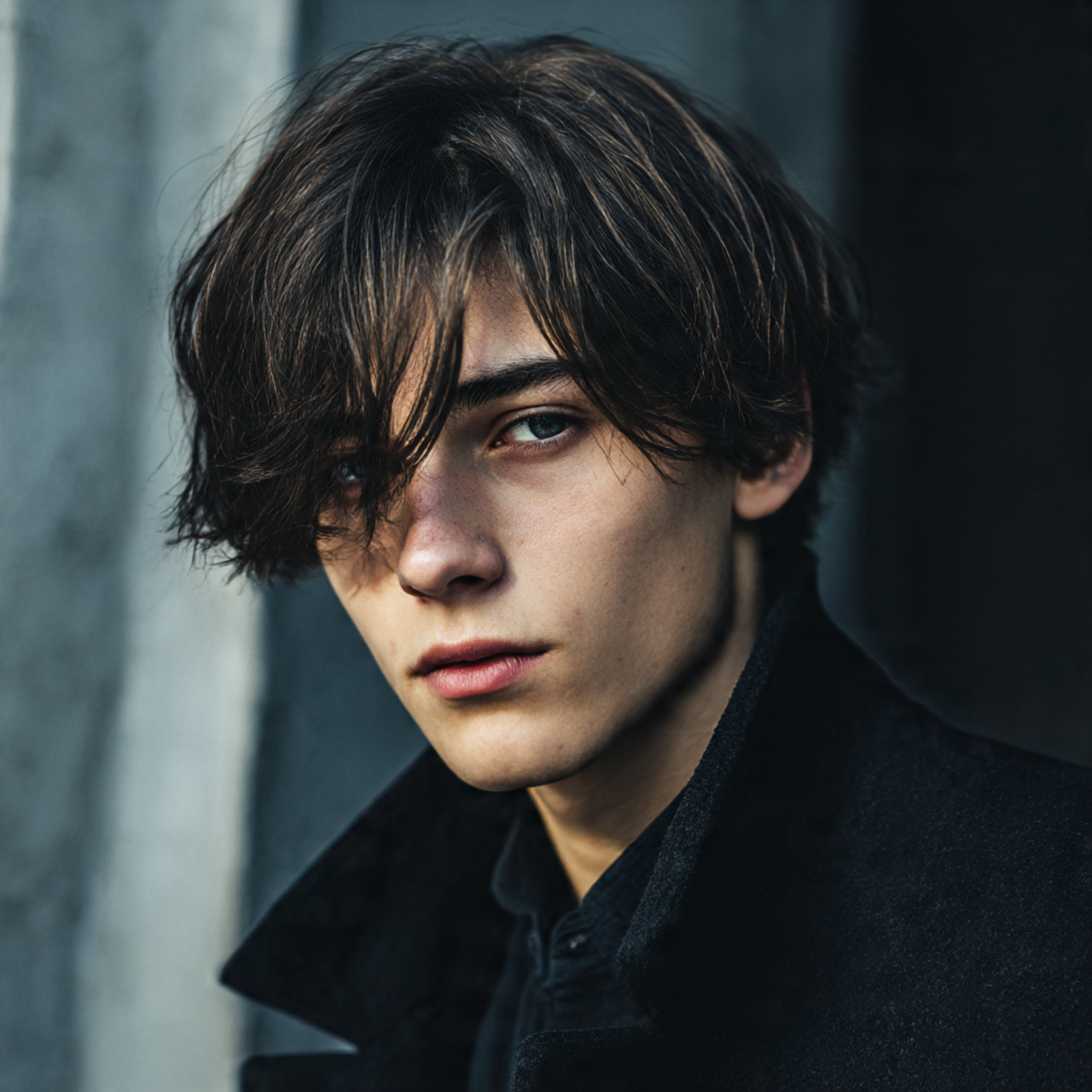
A clear middle part gives the cut balance and shape. It frames the face evenly and highlights cheekbones.
Blow-drying forward and setting the part while drying helps keep it in place. This style looks polished while still relaxed.
Side-Swept Attitude
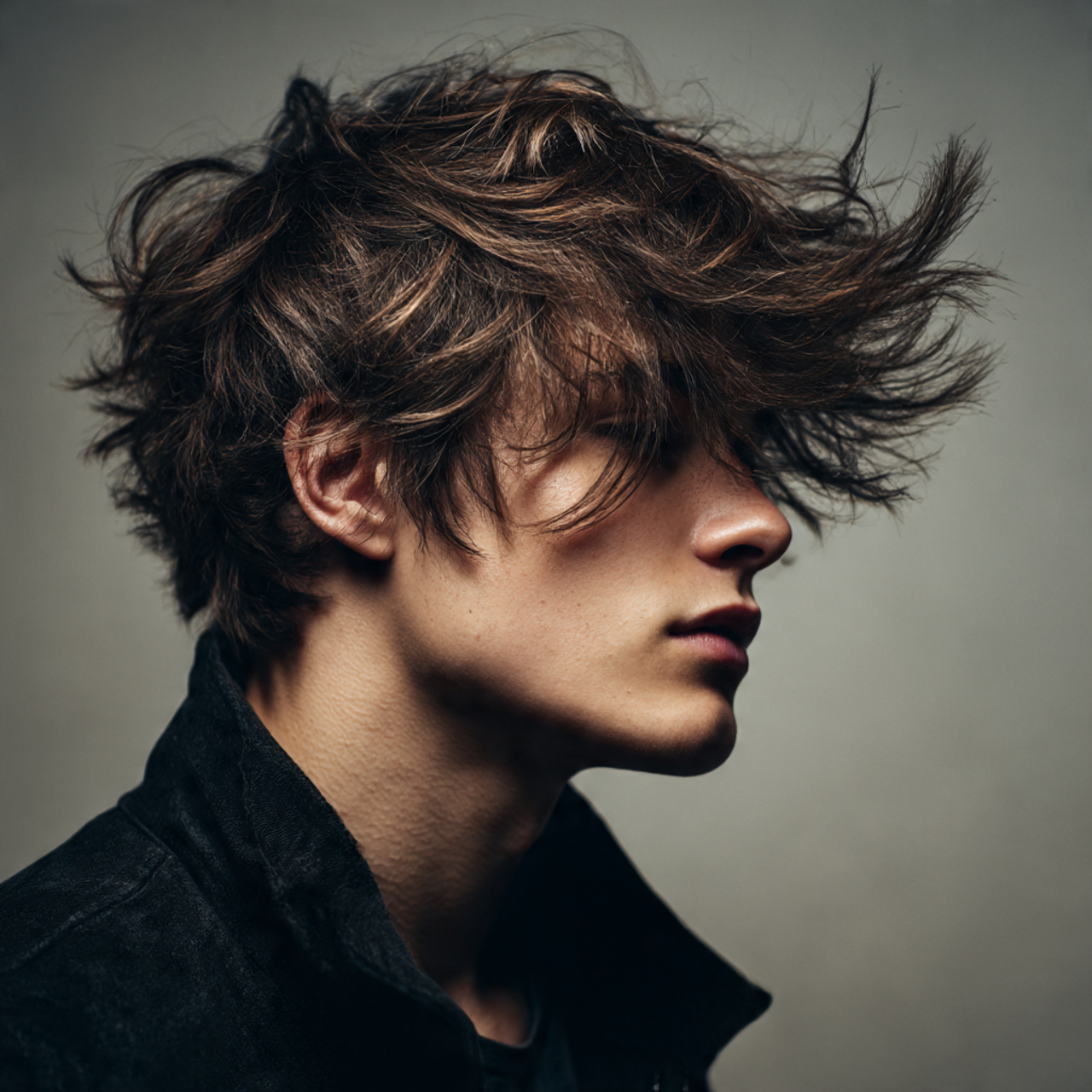
Sweeping the front layers to one side adds movement and helps balance facial features. It can also soften the look of a receding hairline.
Use light paste or cream to hold the sweep without stiffness. This version works well for everyday wear and casual settings.
High-Contrast Color Pop
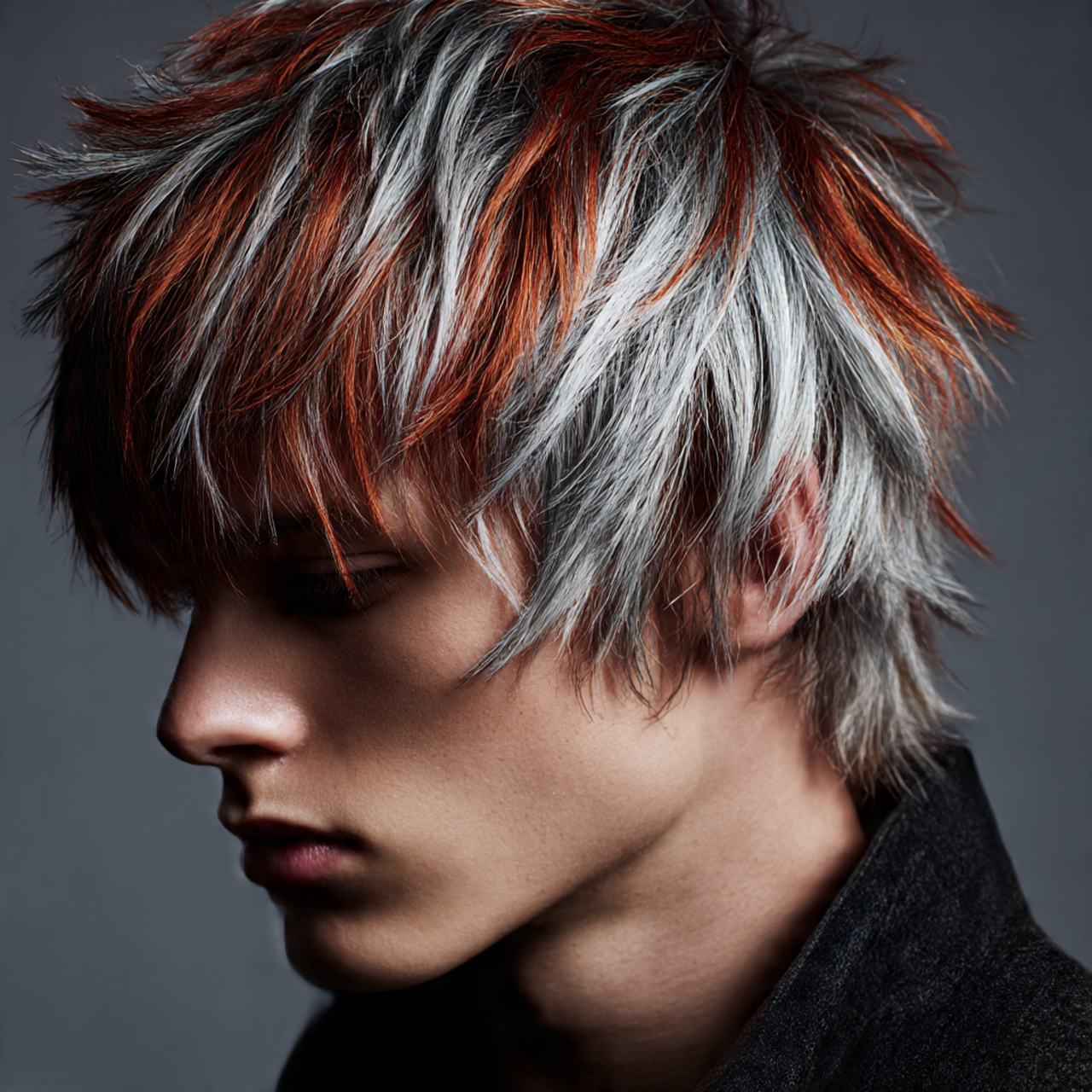
Highlights or bold colors make the layers more visible and add dimension. The movement of the cut shows better when light hits different lengths.
This option requires extra maintenance but gives strong visual impact. It is best for men who enjoy experimenting with their style.
Whispy Bangs Integration
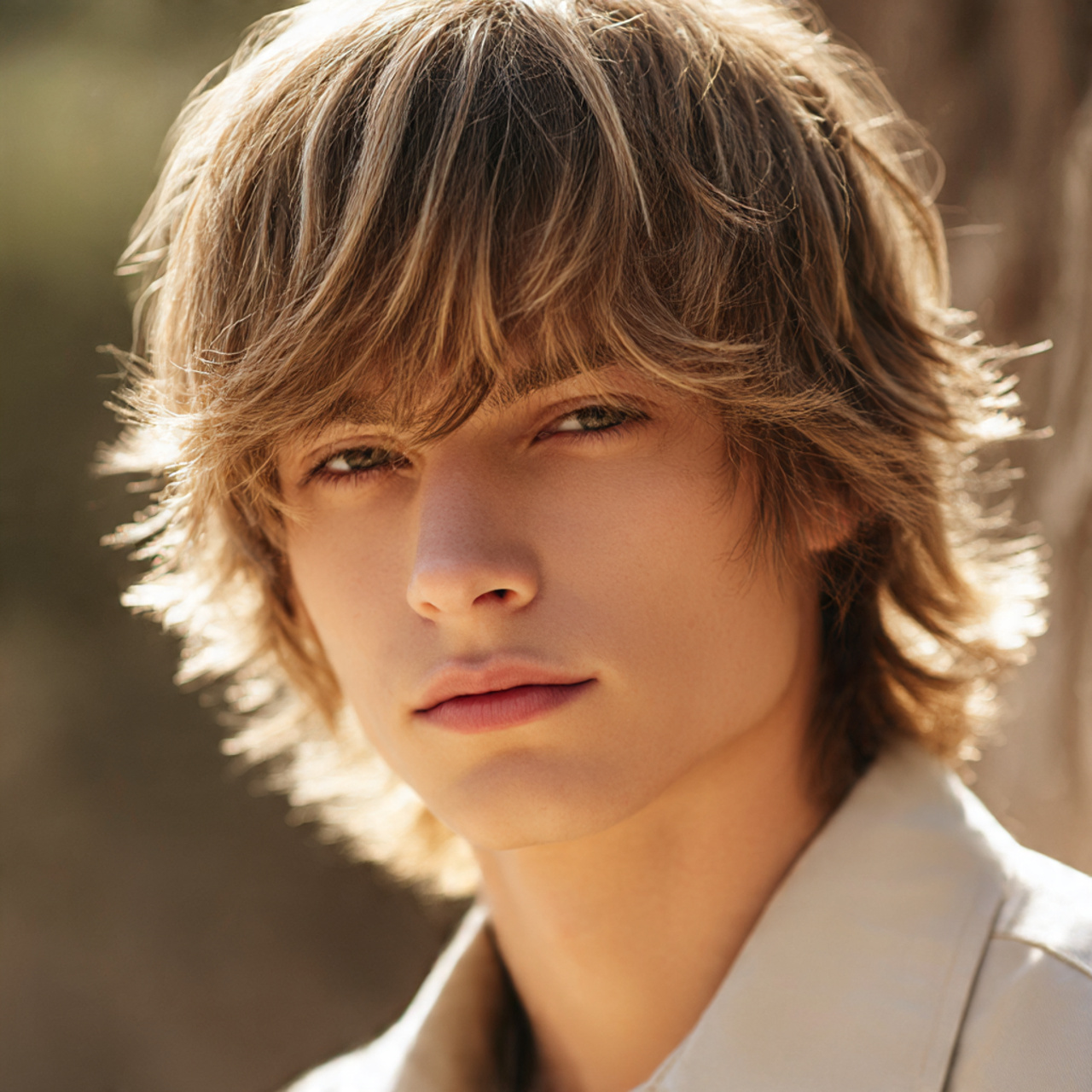
Thin, airy bangs soften the forehead area and keep the haircut from feeling heavy. They blend easily into the rest of the layers.
This style works well for men who want a fringe without full coverage. It adds softness without changing the overall shape.
Shaggy Disconnection

This version uses very short layers on top and longer lengths at the back. The difference in length is clear and intentional.
It creates a bold, retro-inspired look that suits confident personalities. Texturizing product helps define the separation between layers.
Textured with a Beanie
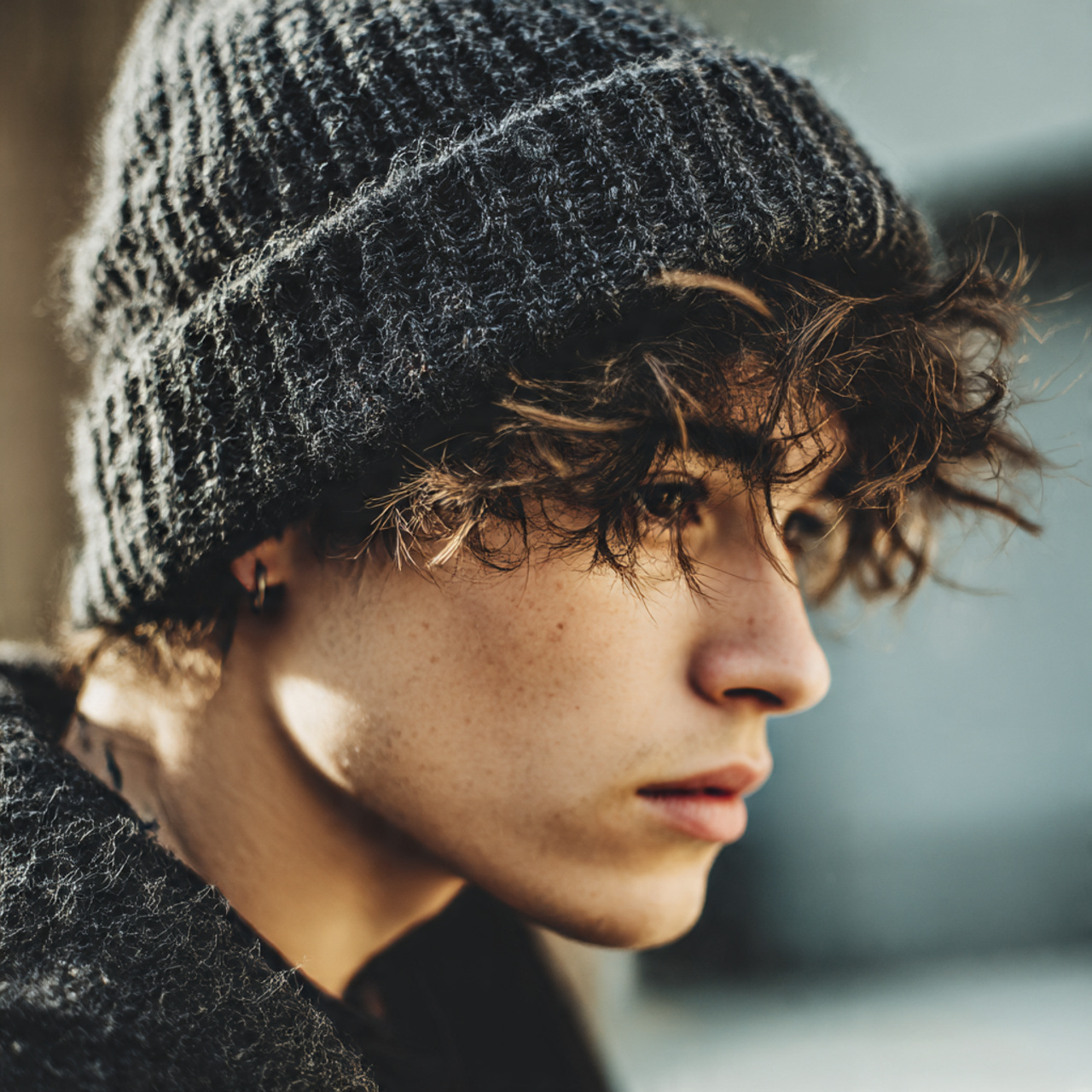
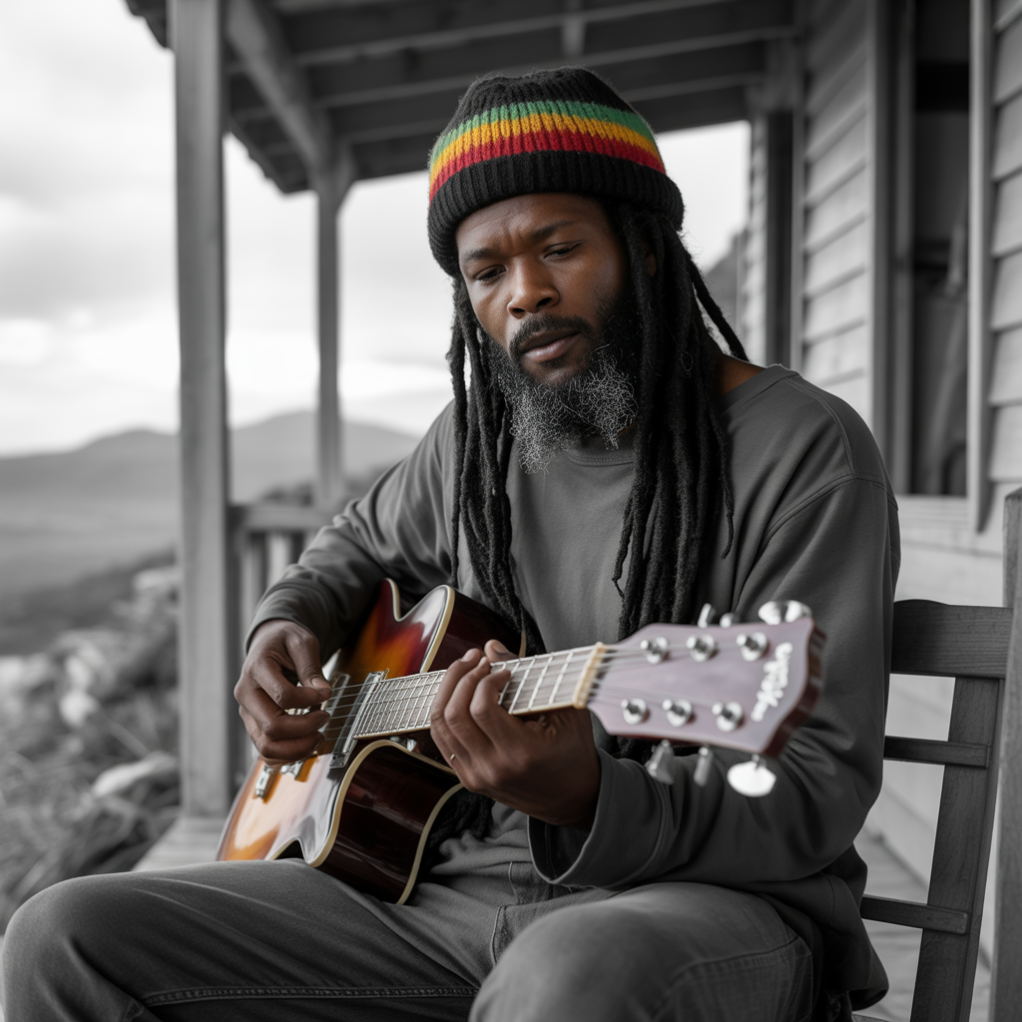
This version is cut to sit well under hats and beanies. The volume returns quickly after removing headwear.
It is perfect for colder weather and casual outfits. A quick finger comb restores shape within seconds.
Polished with Pomade
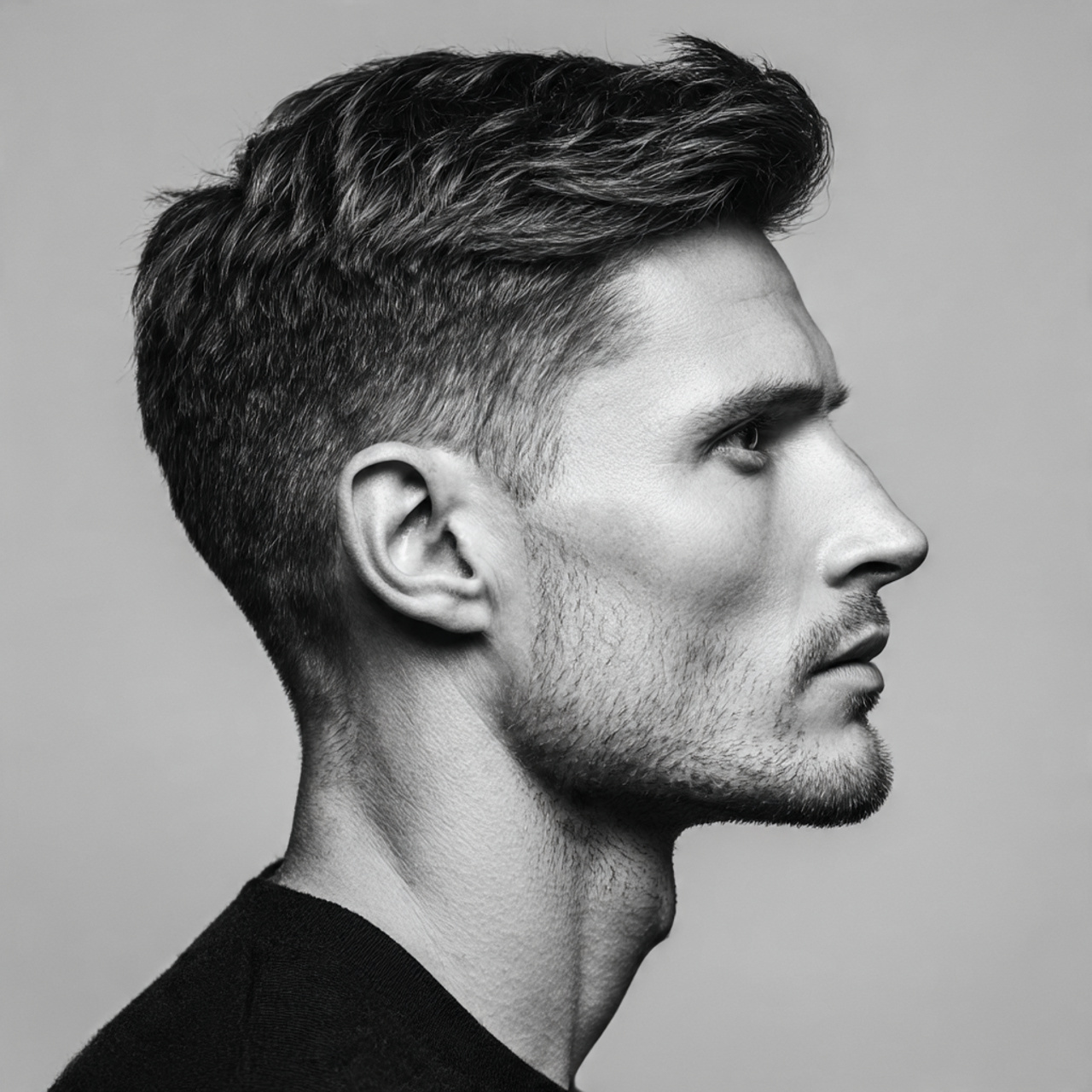
Using a light pomade gives the layers shine and definition. It turns the messy cut into a cleaner, styled version.
This is ideal for events or evenings out. The key is using a flexible product that allows movement.
Air-Dried Simplicity

This approach lets the haircut do all the work. The layers create shape without styling tools.
A small amount of leave-in conditioner helps control frizz. It is perfect for men who prefer natural routines.
Mullet Hybrid Aggression
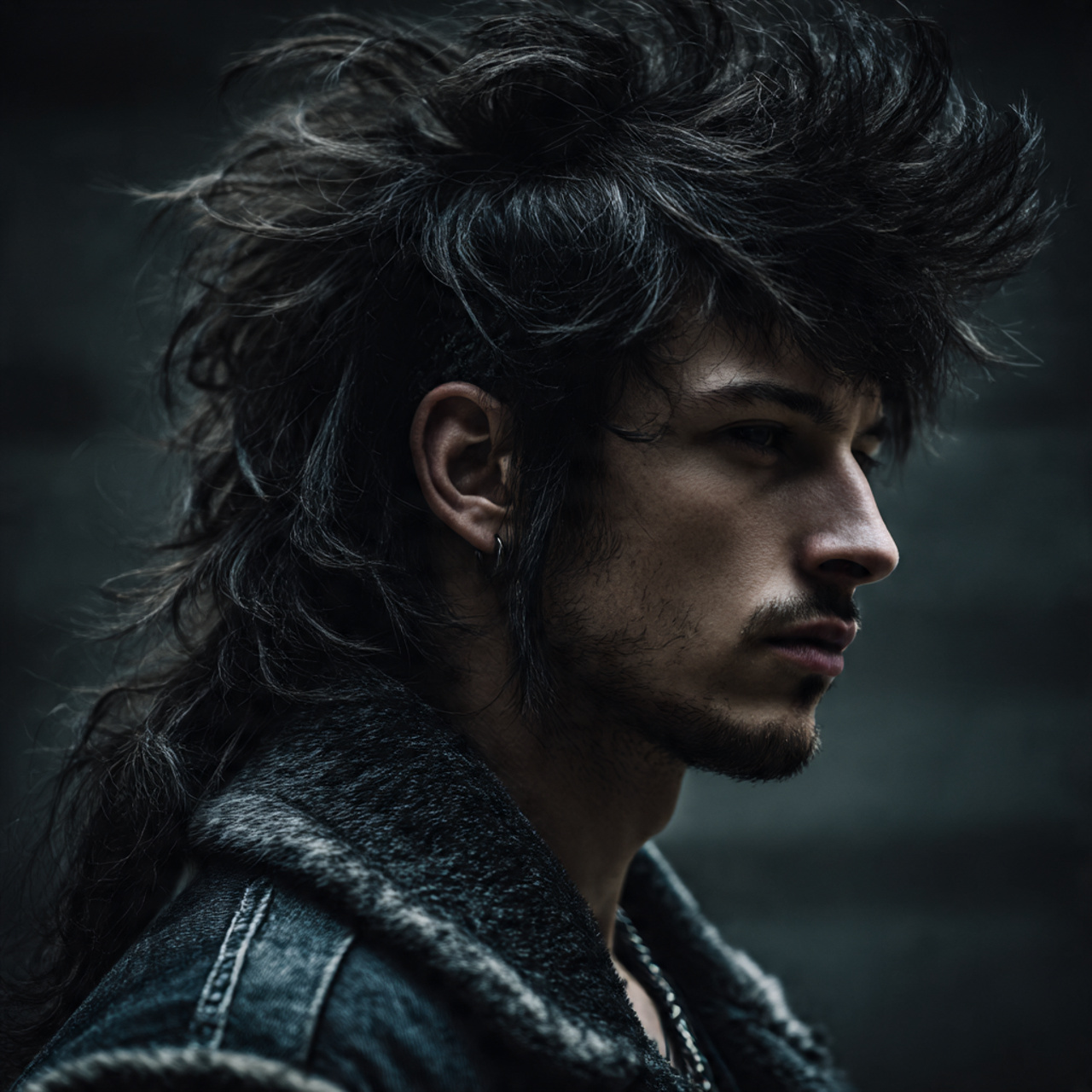
This version keeps the back long and the sides short. The contrast is bold and noticeable.
It is a fashion-forward option for men who enjoy strong shapes. Regular trims keep the sides sharp.
Thin Hair Illusion
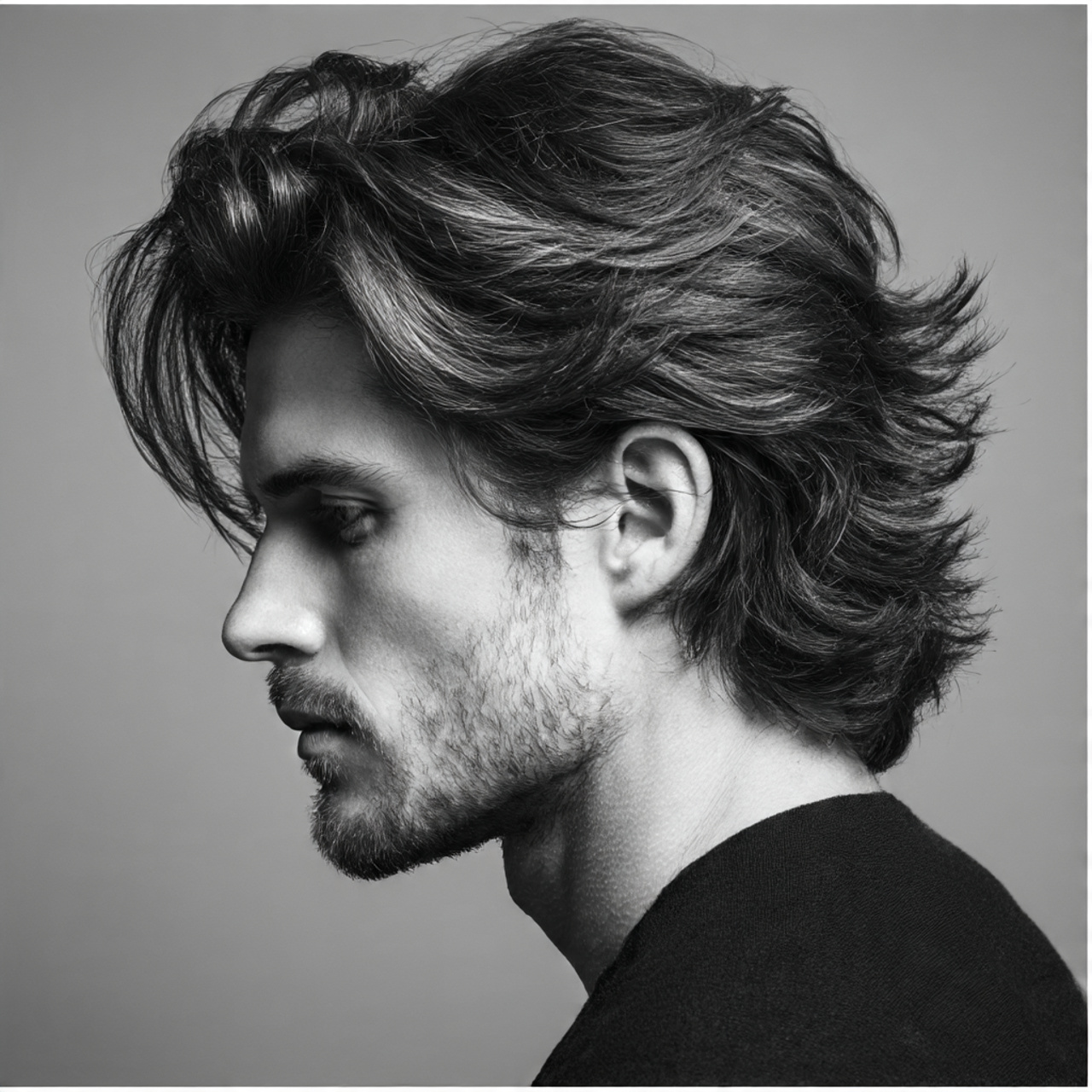
The layered crown adds lift and makes hair appear fuller. This cut is often recommended for fine hair.
Use volumizing mousse at the roots and dry upward. The shape creates the illusion of thicker hair.
Retro 90s Grunge

This style embraces a slightly messy, lived-in texture. It looks relaxed and casual without looking messy.
Dry shampoo adds volume, and a little wax creates separation. It is perfect for men who like effortless styling.
Feathered and Fine
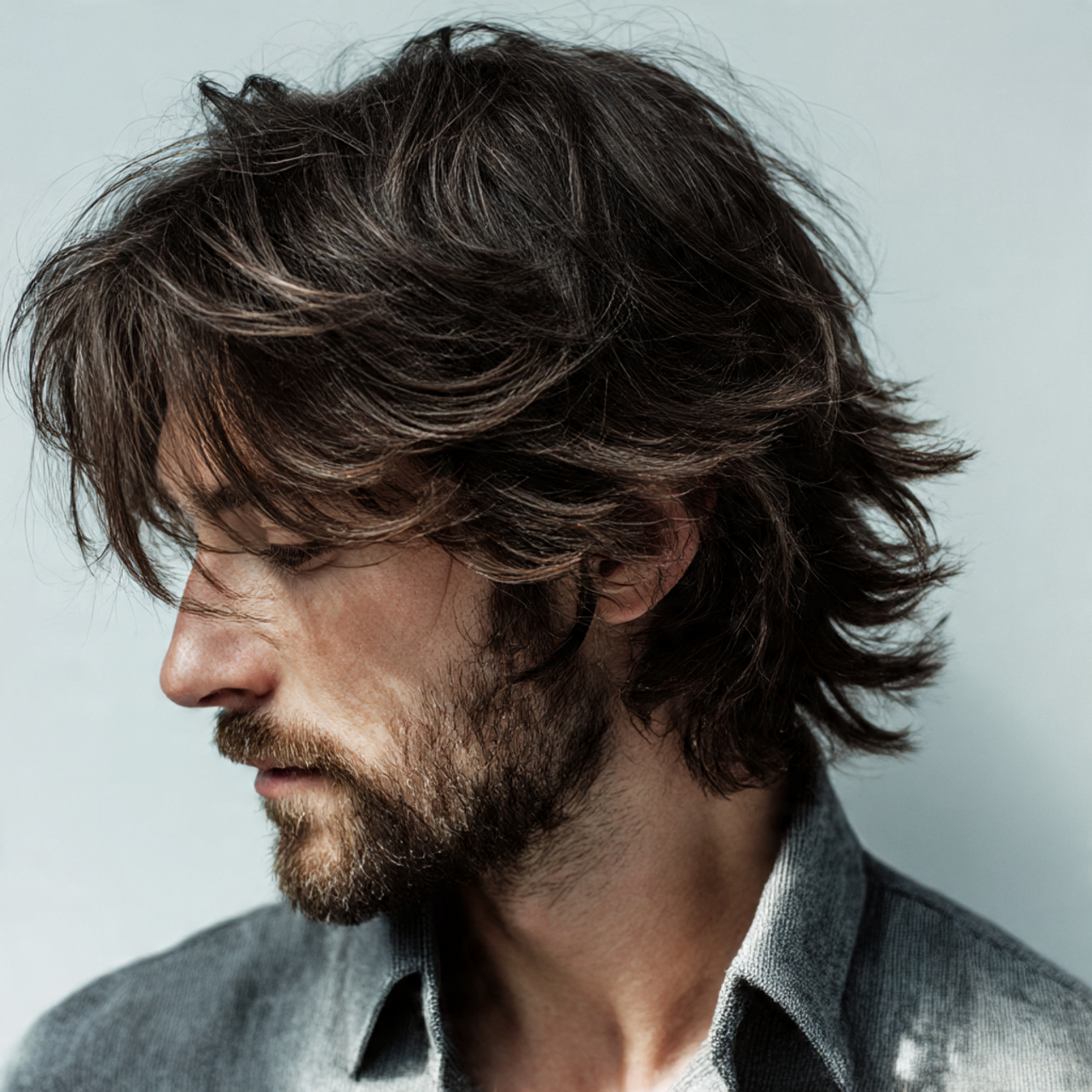
Feathered layers reduce weight and make thick hair easier to manage. The ends feel soft and airy.
This version works well with blow-drying for extra lift. It keeps the hair light without losing shape.
Buzzed Sides Blend
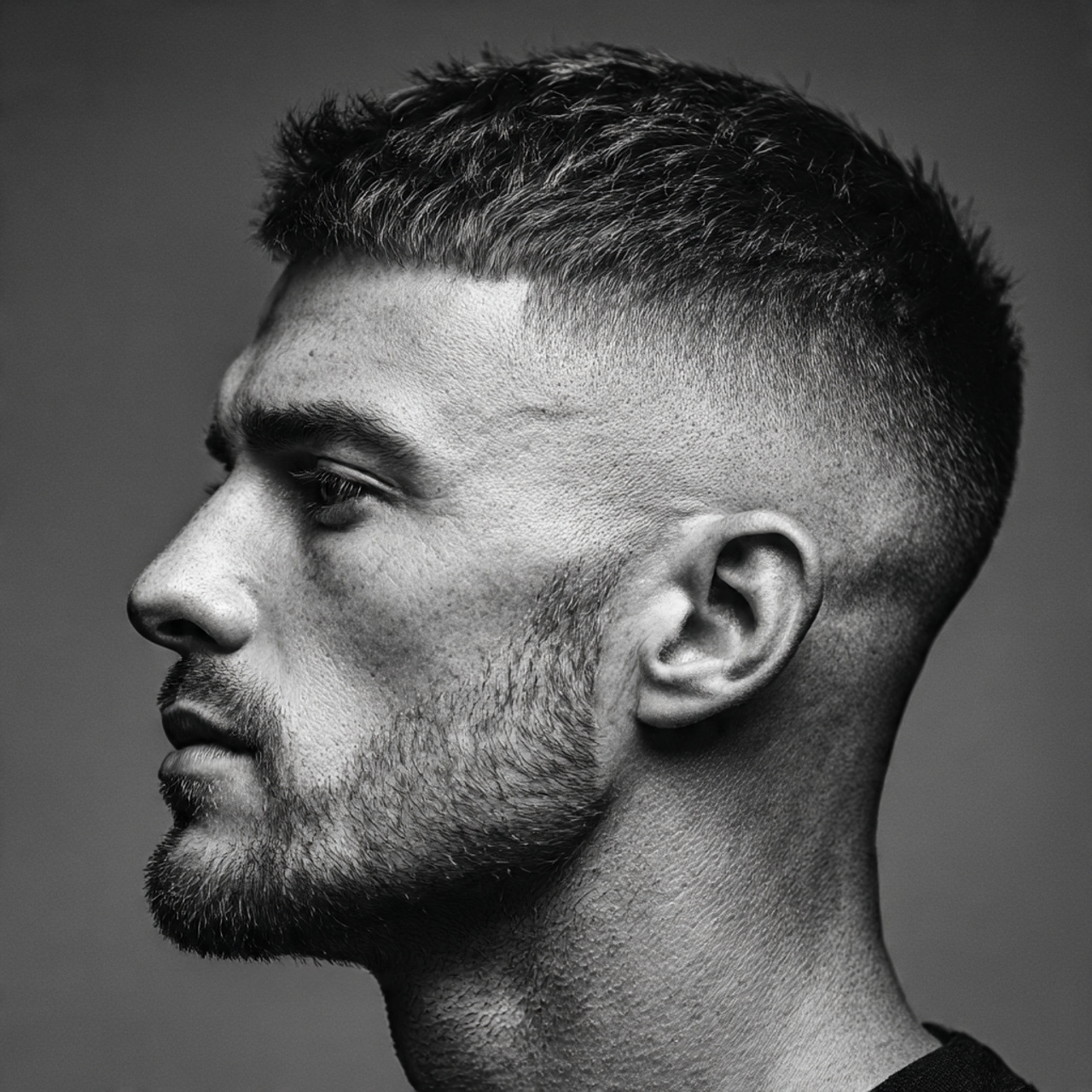
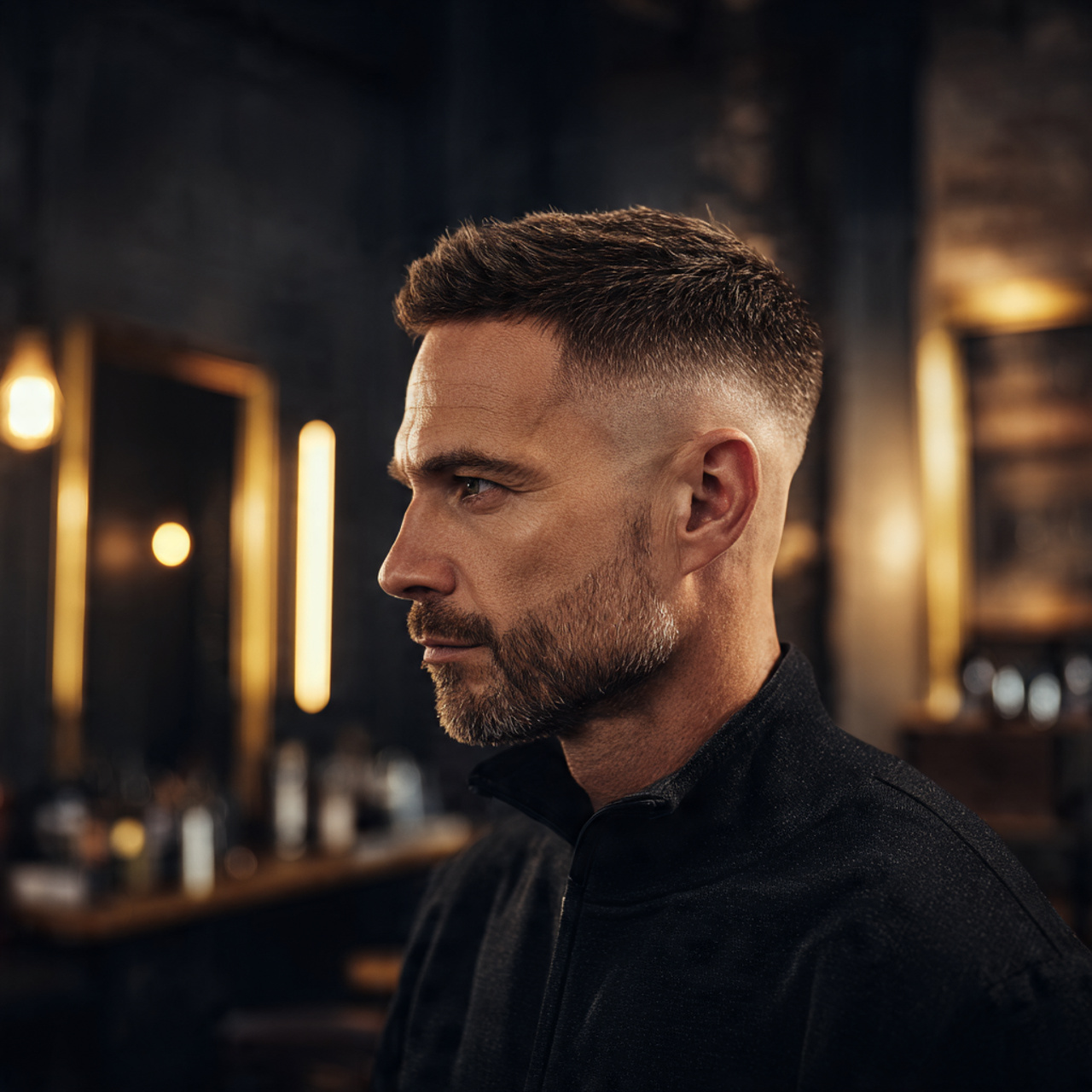
The sides are faded instead of fully shaved. This keeps the look clean but softer than an undercut.
It works well for men who want texture but still need a neat profile. Regular fades keep the shape fresh.
Visit Also: Flowy Haircut
Tousled and Textured
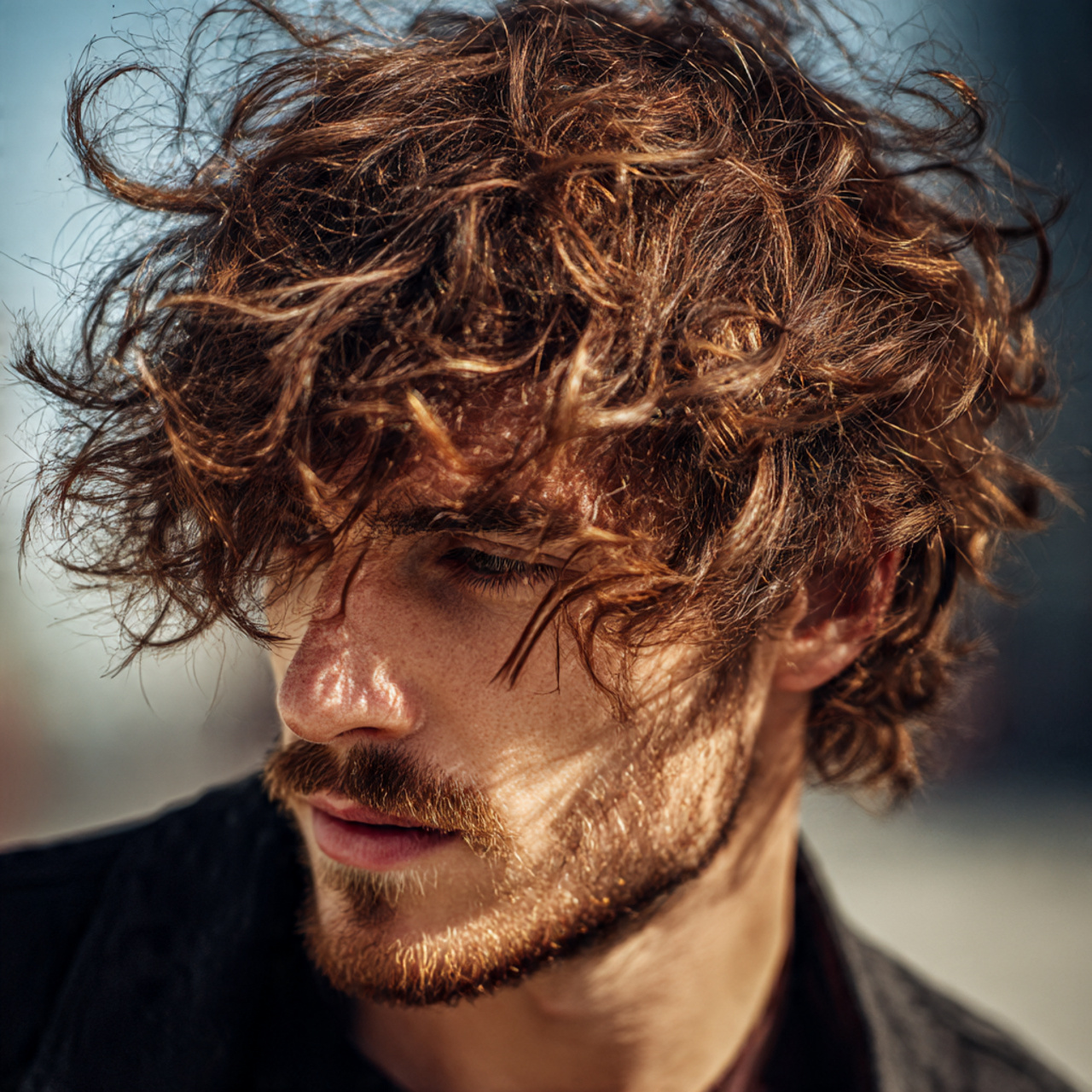
This version uses heavy texturizing throughout the cut. Every layer moves freely.
Texturizing spray is essential here. Scrunch the hair lightly to add lift and separation for a natural finish.
Subtle Shag Taper
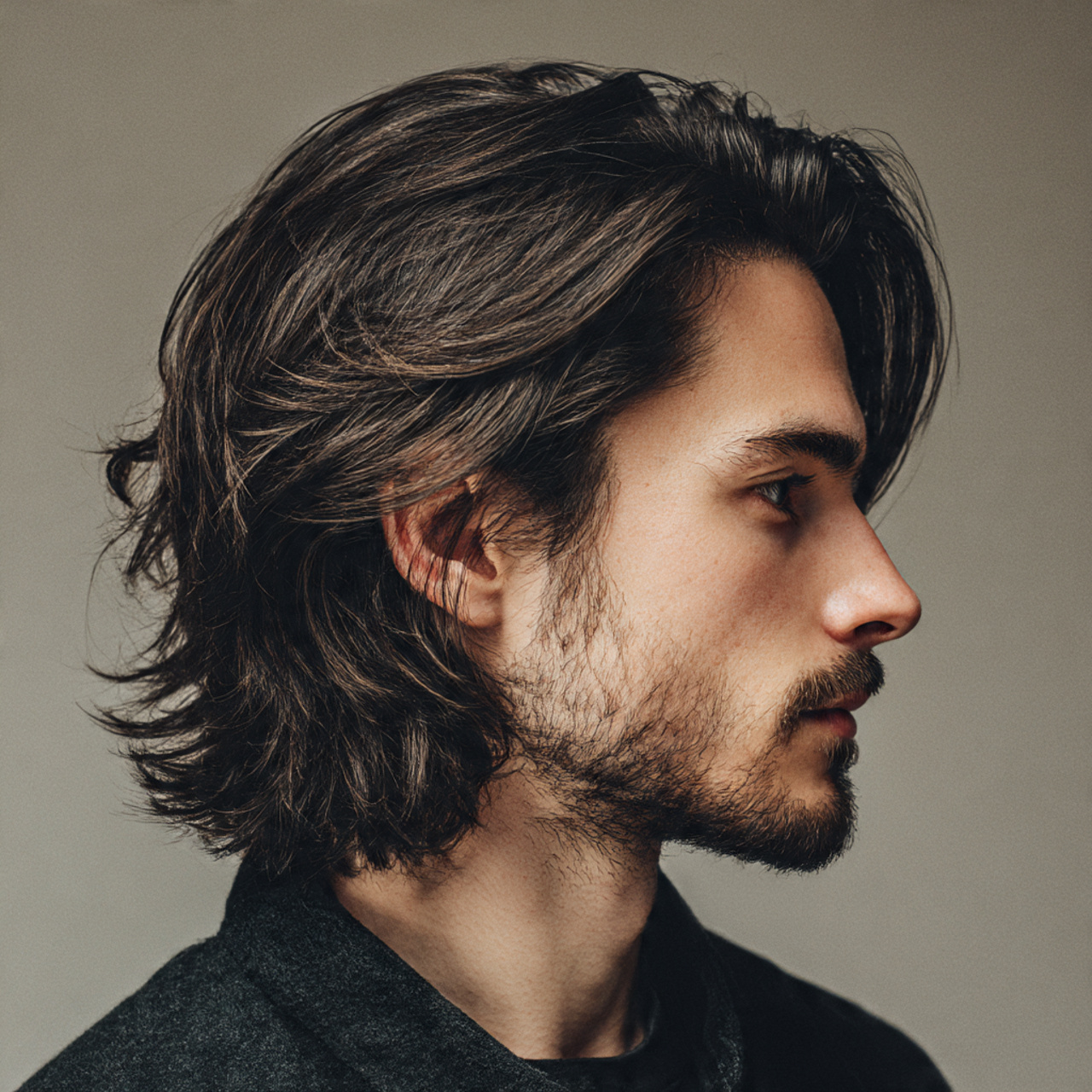
This is a softer version with less contrast and shorter length. It adds movement without dramatic shape.
It is a good choice for first-time wolf cut clients. It works in both casual and professional settings.
Who the Wolf Cut Suits Best
The wolf cut for men suits a wide range of face shapes and age groups. It works especially well for oval, round, and square faces because the layers help balance proportions. The added volume at the crown can make the face look longer and more defined.
This style is popular with men aged 18 to 40, but it is not limited by age. It suits anyone who wants a modern look with natural movement. The cut also fits creative, casual, and relaxed lifestyles because it does not need strict daily styling.
Hair Type Compatibility Explained Simply
This haircut works on most hair types when cut correctly. Wavy and thick hair are the easiest to manage because they already have natural movement. The layers enhance what is already there without much effort.
Straight hair benefits from the cut because it adds texture and lift. Fine hair looks fuller with the right layering and products. Curly hair needs careful shaping, but the result is lighter and more balanced curls with better control.
Daily Wearability for Real Life
The wolf cut is easy to wear every day. It works well for school, work, casual outings, and even events when styled slightly cleaner. Most days, the hair looks good with minimal effort, which is why many clients choose it.
It pairs well with casual clothing, streetwear, and even smart-casual outfits. You can style it messy for daytime and slightly polished for evenings. This flexibility makes it one of the most practical layered cuts for men.
Simple Daily Styling Routine
Daily styling should stay simple. Start with clean or slightly damp hair. Apply a small amount of texturizing spray or sea salt spray and let it air dry if possible.
If you use a dryer, lift the roots with your fingers for volume. Finish with a light matte clay on the ends only if needed. Avoid heavy products because they remove movement and make the layers fall flat.
Basic Maintenance Tips from the Salon
Regular trims are important to keep the layers working properly. Book a trim every 6 to 8 weeks to refresh shape and remove weight. Shorter versions may need trimming sooner around the neck and ears.
Use a lightweight shampoo and conditioner to avoid buildup. Once a week, use a clarifying wash if you use styling products often. Healthy hair always makes this cut look better with less effort.
Common Problems and Easy Solutions
If your hair looks flat, focus on root lift using texturizing powder. If it gets frizzy, switch to a light leave-in conditioner or cream. Thin hair needs volume at the crown, not heavy products on the ends.
If your face looks too round, keep the front layers longer. If your hair feels heavy, ask your barber for softer, feathered layers. Small adjustments make a big difference with this cut.
How to Choose the Right Version for You
Always choose the variation based on your hair type and daily routine. If you style daily, you can go bolder. If you prefer wash-and-go, choose a softer version with blended layers.
Bring reference photos and explain how much time you spend styling each morning. A good barber will adjust the cut to your lifestyle, not just the trend.
Reality-Based Inquiries
How often should I trim a wolf cut?
Most styles need trimming every 6 to 8 weeks. Shorter versions may need trimming sooner to keep the shape clean.
Does this cut work for all hair types?
Yes, but it shines most on wavy and thick hair. Straight hair needs more styling. Curly hair benefits from proper layering.
What styling products work best?
Texturizing spray, matte clay, and sea salt spray are enough for most styles. Avoid heavy gels.
Is this haircut hard to manage daily?
No. Most days only need finger styling and a small amount of product. The cut is designed for easy wear.
How do I explain this cut to my barber?
Bring photos of the version you want. Ask for layered volume on top with longer, softer ends at the back.
Final Thoughts on the Wolf Cut for Men
The wolf cut for men is more than a trend. It is a practical, flexible haircut that fits modern life. It works for many hair types and suits different face shapes and lifestyles.
With the right layers and simple styling, this haircut offers movement, volume, and a natural finish. It is easy to maintain and easy to wear, making it a smart choice for men who want style without stress.