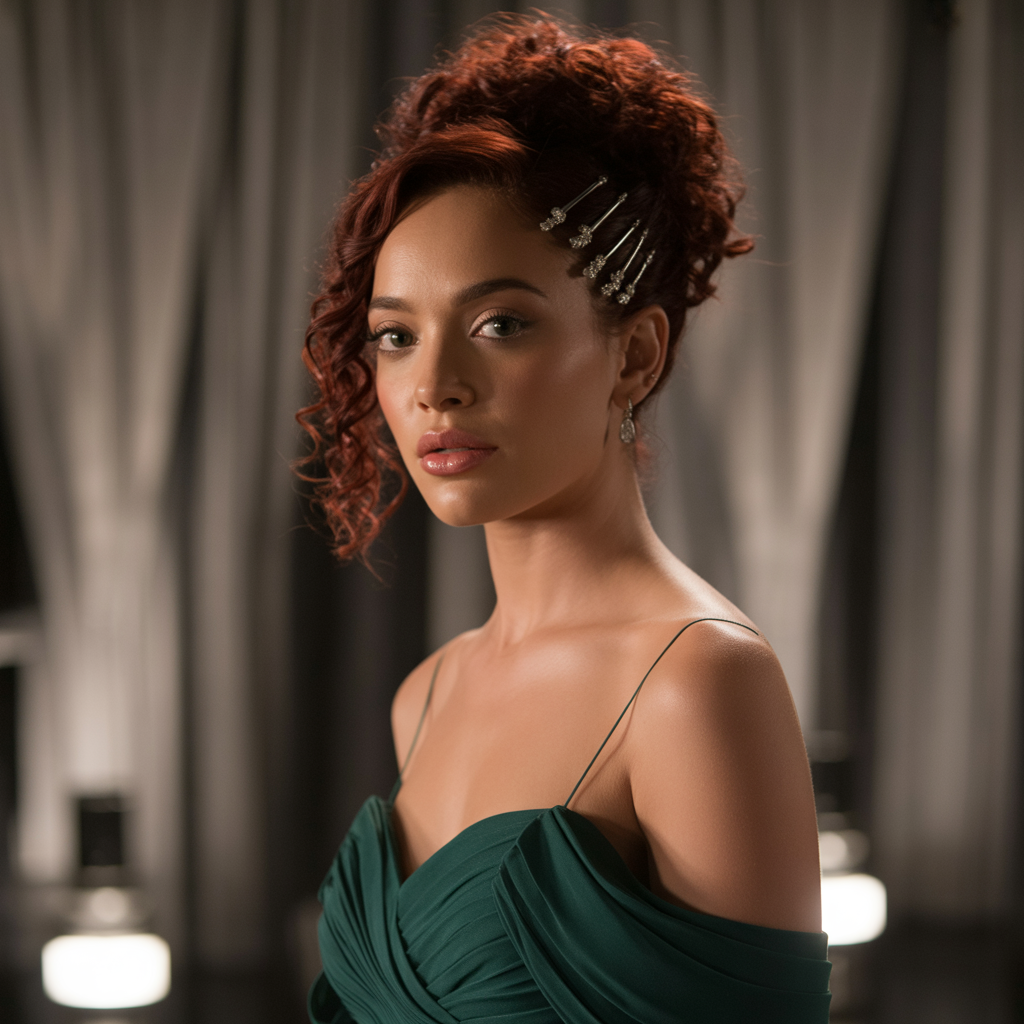
32 Ultimate Pink Hair Color Inspiration for Every Personality
Pink hair color is more than just a passing trend; it’s a vibrant statement, a celebration of individuality, and a versatile shade that can be adapted to suit almost any personal style. From subtle rose gold highlights to a shocking neon magenta, the spectrum of pink offers an exciting canvas for self-expression. Choosing to dive into the world of pink hair color involves understanding the commitment, the science of hair lightening, and the plethora of shade options available today, making the journey as exciting as the final result.
The appeal of this captivating hue lies in its playful yet sophisticated nature, allowing it to transition seamlessly between edgy and elegant. Whether you’re considering a full head transformation or just a peek-a-boo accent, there’s a perfect shade of pink hair color waiting. This comprehensive guide will walk you through the preparation, application, maintenance, and endless style ideas for achieving and loving your dream pink shade, ensuring your color remains brilliant and your hair stays healthy.
Exploring the Versatility of Pink Hair Color
The allure of pink hair lies in its transformative power, instantly injecting personality and boldness into one’s look. It’s a color that defies typical hair conventions, moving from the punk rock scene to high-fashion runways with impressive fluidity. Understanding the nuances of achieving the right shade is crucial; a light, pastel pink hair color often requires significant pre-lightening, whereas deeper magenta or fuchsia tones can be achieved on darker bases.
Navigating the world of dyes, toners, and maintenance routines is essential for anyone considering this exciting change. Professional application is often recommended for the most vibrant and even results, especially when dealing with complex lightening processes. However, with the right knowledge and quality products, maintaining a stunning pink hair color at home becomes an achievable and rewarding endeavor, keeping the shade fresh between salon visits and protecting hair health.
The Allure of Pastel Pink Hair
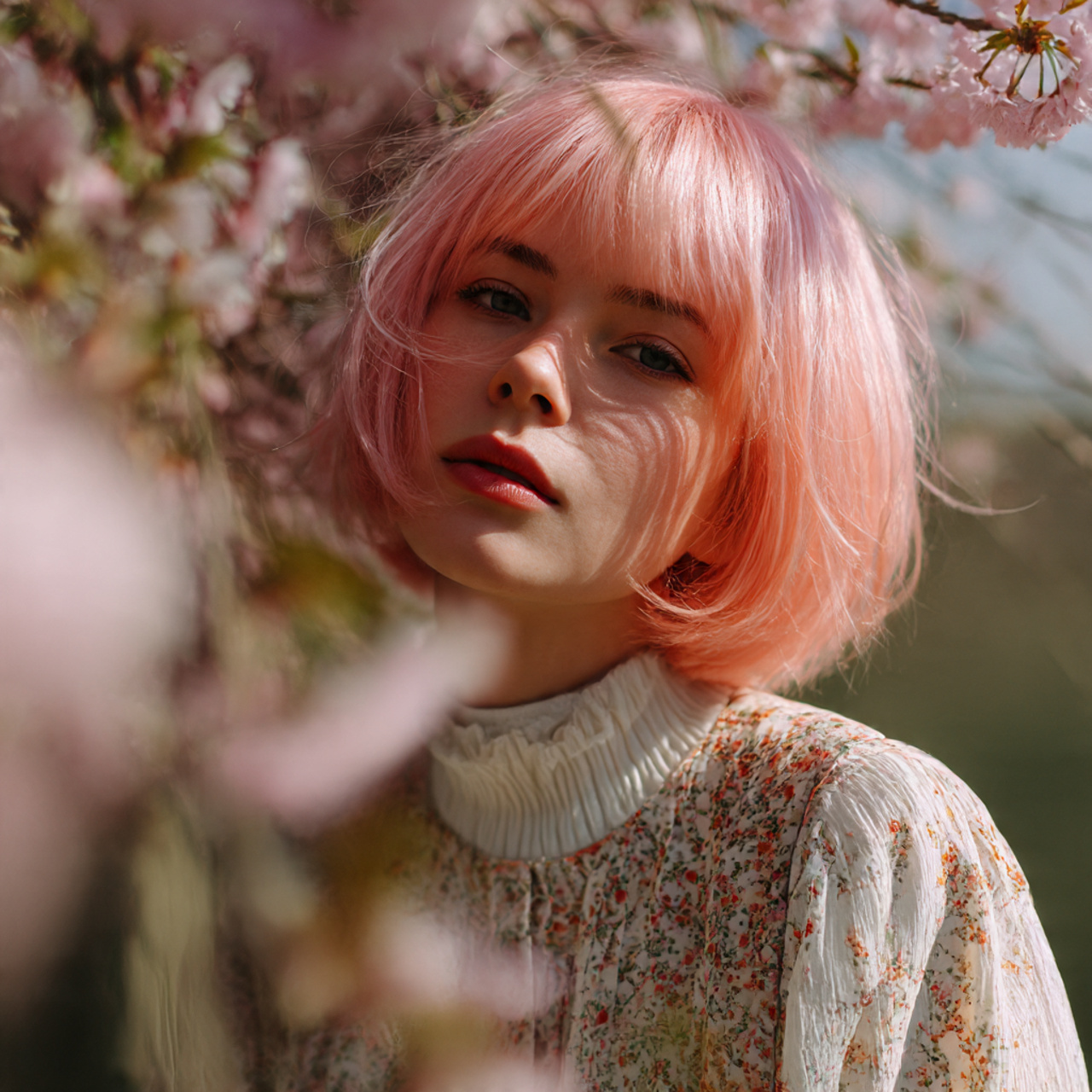
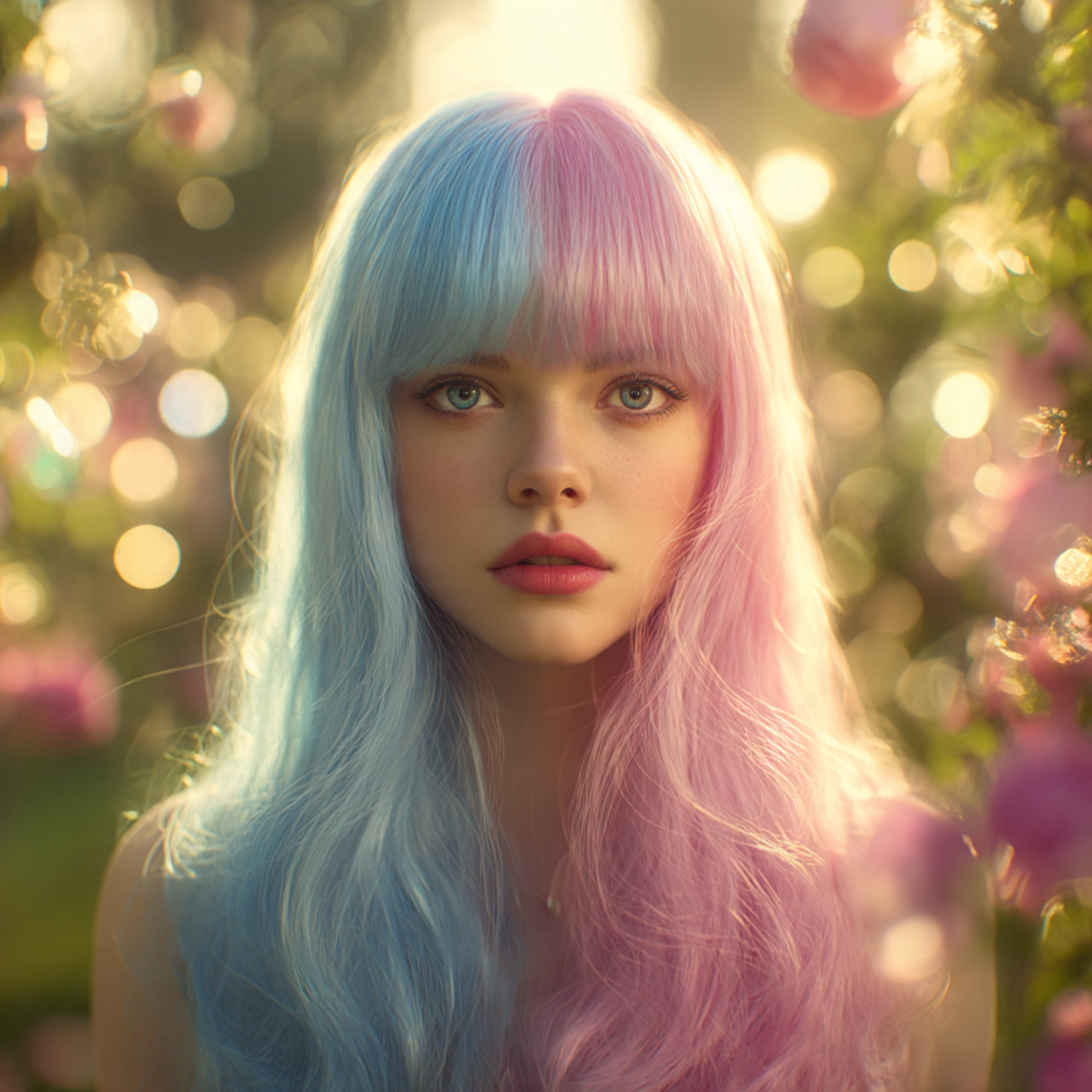
Pastel pink hair is perhaps the most iconic variation, conjuring images of soft, dreamy cotton candy and ethereal beauty. Achieving this delicate hue often requires the hair to be lifted to a very light blonde base, ideally a level 9 or 10, to ensure the undertones do not pull the color brassy or orange. The softness of a light pink works beautifully on cool skin tones, offering a sophisticated yet playful aesthetic that is immensely popular.
Maintaining the lightness of pastel shades can be challenging as they tend to fade quickly, often requiring frequent touch-ups or the use of color-depositing conditioners. The pale pigment sits lightly on the hair shaft, making rigorous color care crucial for longevity. Proper home maintenance, including sulfate-free products and minimizing heat styling, is essential to keep this delicate color from washing out too soon.
Fuchsia Hair Color: A Bold Statement
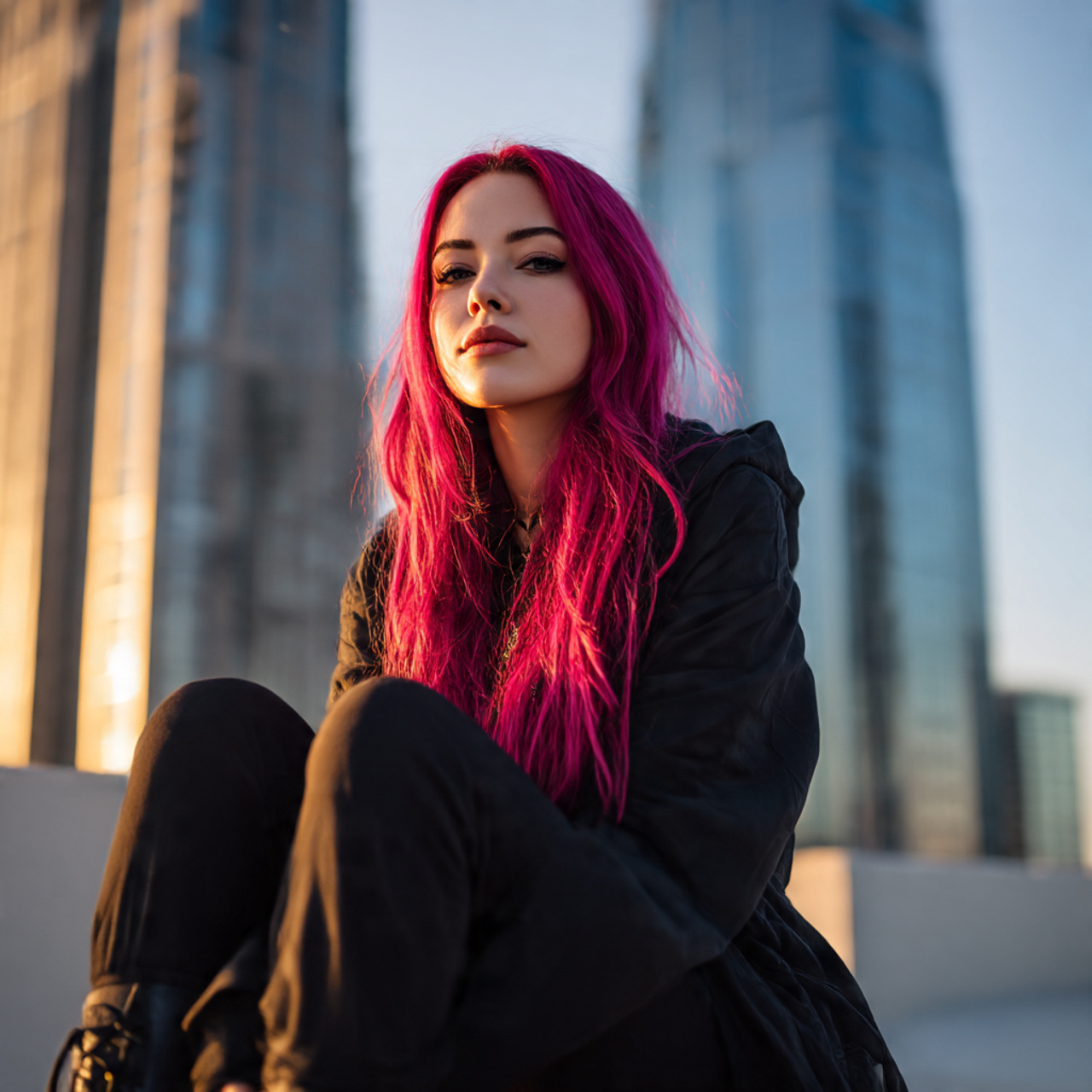
Fuchsia is a deep, vibrant magenta-pink that offers an intense, electrifying look. Unlike pastel tones, a rich fuchsia hair color often holds up better on slightly darker blonde or even light brown bases, as its strong pigment can mask minor underlying yellow tones. This high-impact shade is a fantastic choice for those who want a dramatic, head-turning result that truly pops.
The depth of fuchsia allows for greater longevity compared to lighter pinks, making it a lower-maintenance option in terms of color fading. Its intensity can be customized, ranging from a glowing, neon-like brightness to a deeper, berry-stained magenta. This versatility makes the bold shade a favorite for expressing an unapologetic sense of style and confidence.
Rose Gold Hair: The Subtle Trend
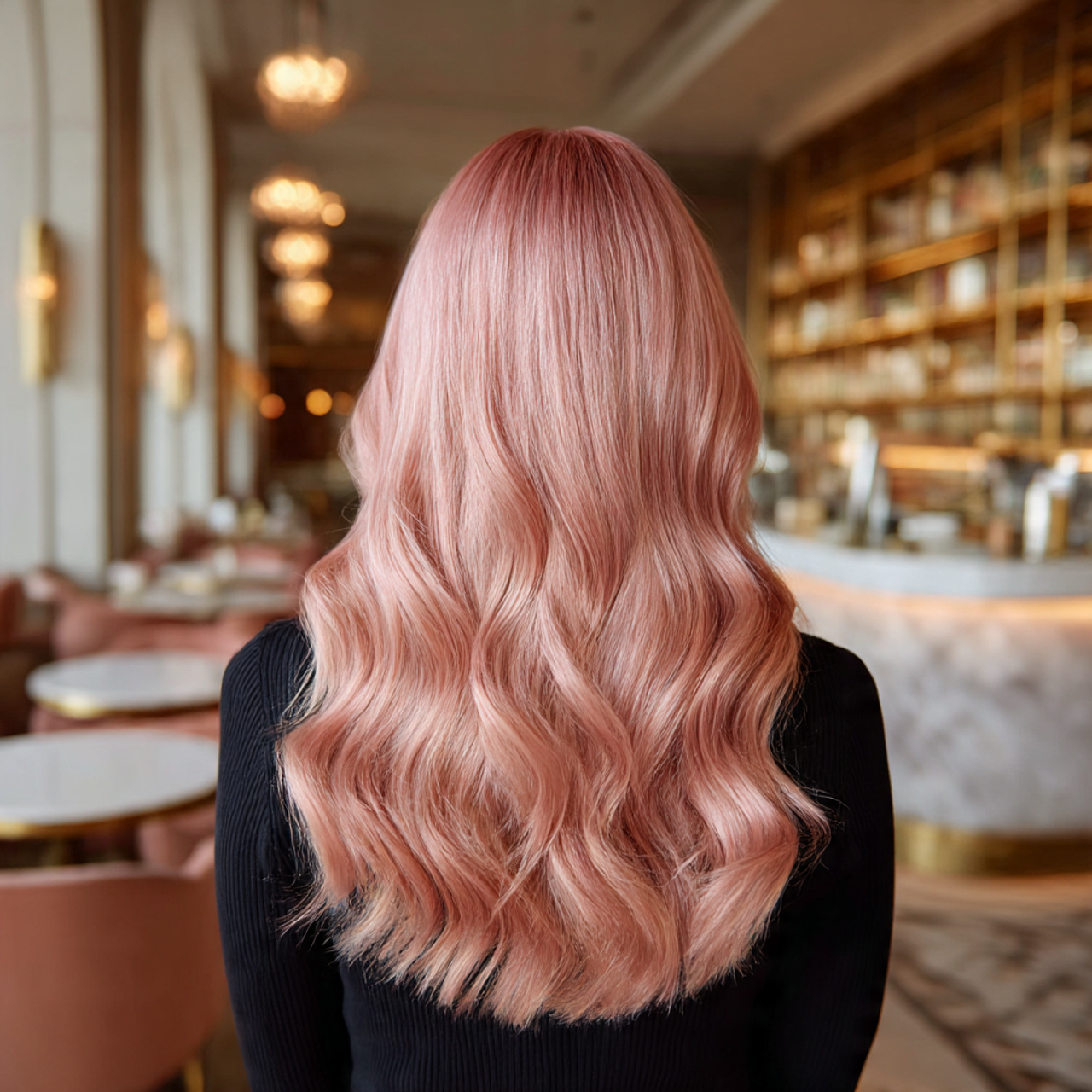
Rose gold hair has cemented its place as a perennial favorite, sitting perfectly between a warm blonde, a soft pink, and a hint of copper. This sophisticated, shimmery shade is flattering on many skin tones due to its balanced warm and cool undertones. It’s an ideal gateway color for those hesitant to fully commit to a bright pink, offering a gentle wash of color that catches the light beautifully.
Achieving the perfect rose gold tone often involves toning pre-lightened hair with a mixture of gold, copper, and a tiny amount of pink dye. Because it is a sheer, metallic color, the base blonde must be clean and even for the best result. Its popularity stems from its elegance and wearability, easily transitioning from professional settings to weekend fun.
Hot Pink Hair: Maximum Impact
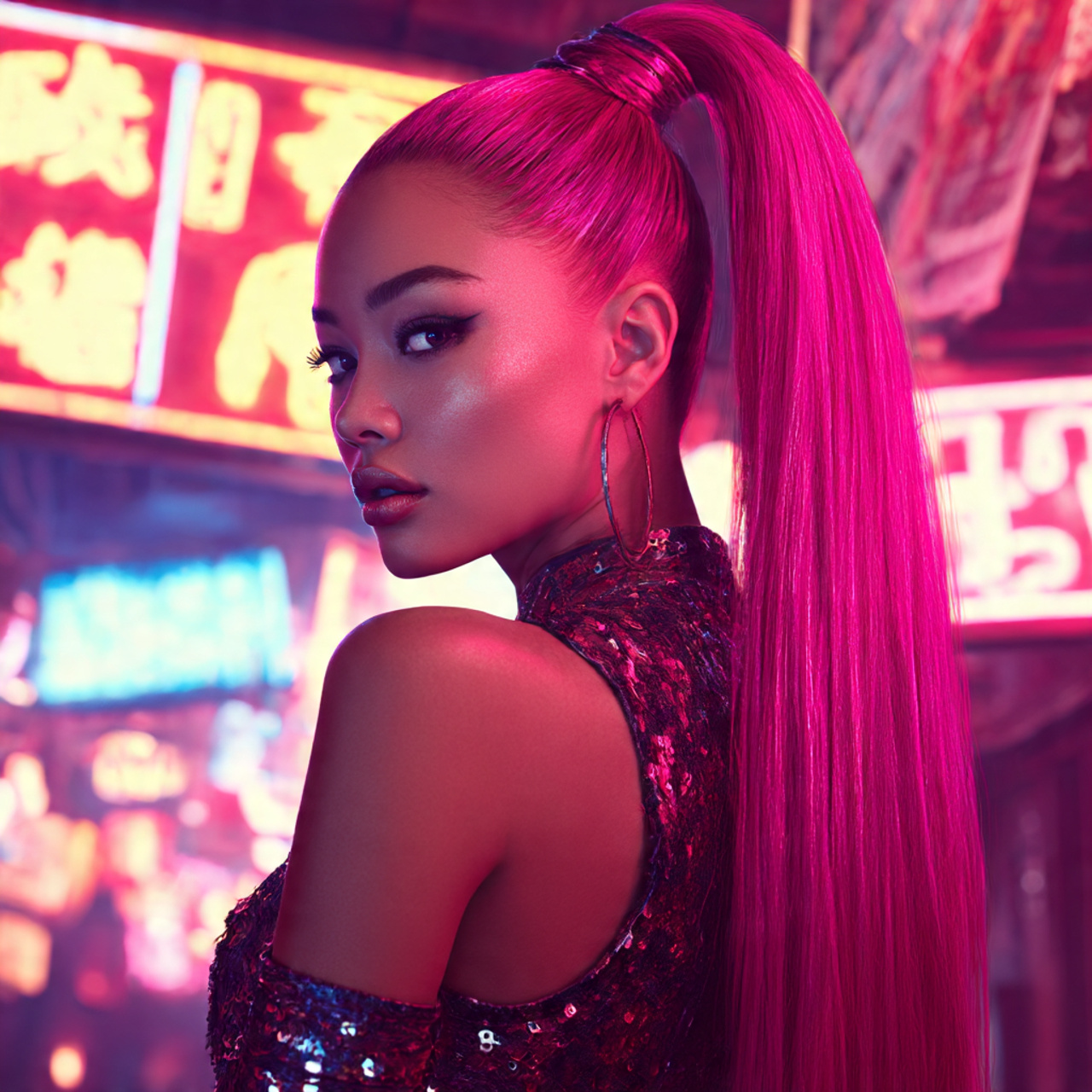
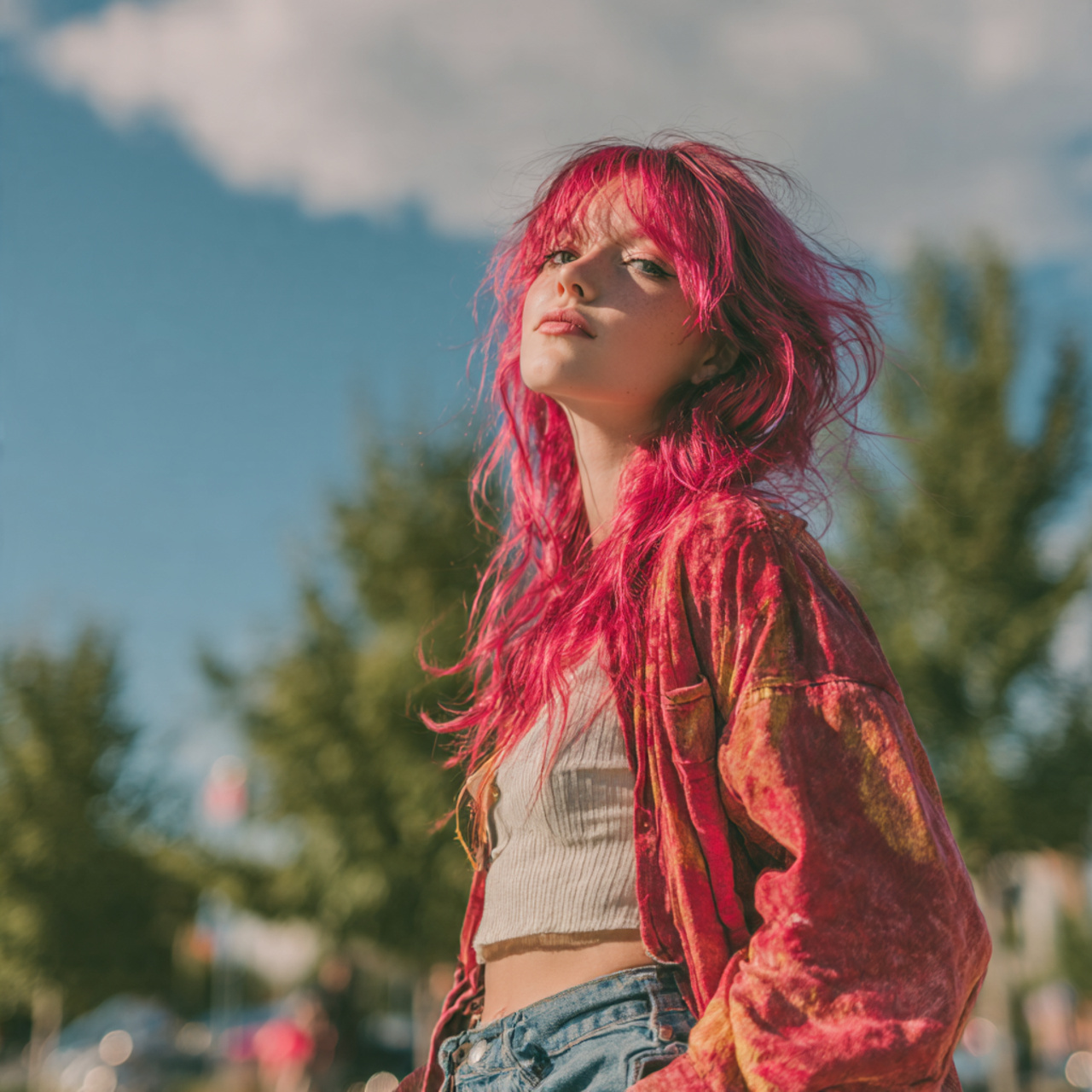
Hot pink hair is the ultimate expression of vibrancy, delivering a powerful, saturated color that demands attention. This intense shade, often leaning towards a neon or bubblegum brightness, requires a commitment to bold style. Like fuchsia, it boasts strong pigmentation, which contributes to better fade resistance than very light pinks, though maintaining its searing brightness still requires care.
To achieve this level of luminosity, the hair usually needs to be lifted to a light blonde base, ensuring the hot pink dye can fully saturate the strand without interference from yellow undertones. This electrifying color is a favorite in alternative fashion and anyone looking to make a fierce, undeniable statement with their look.
Pink Highlights: A Touch of Color
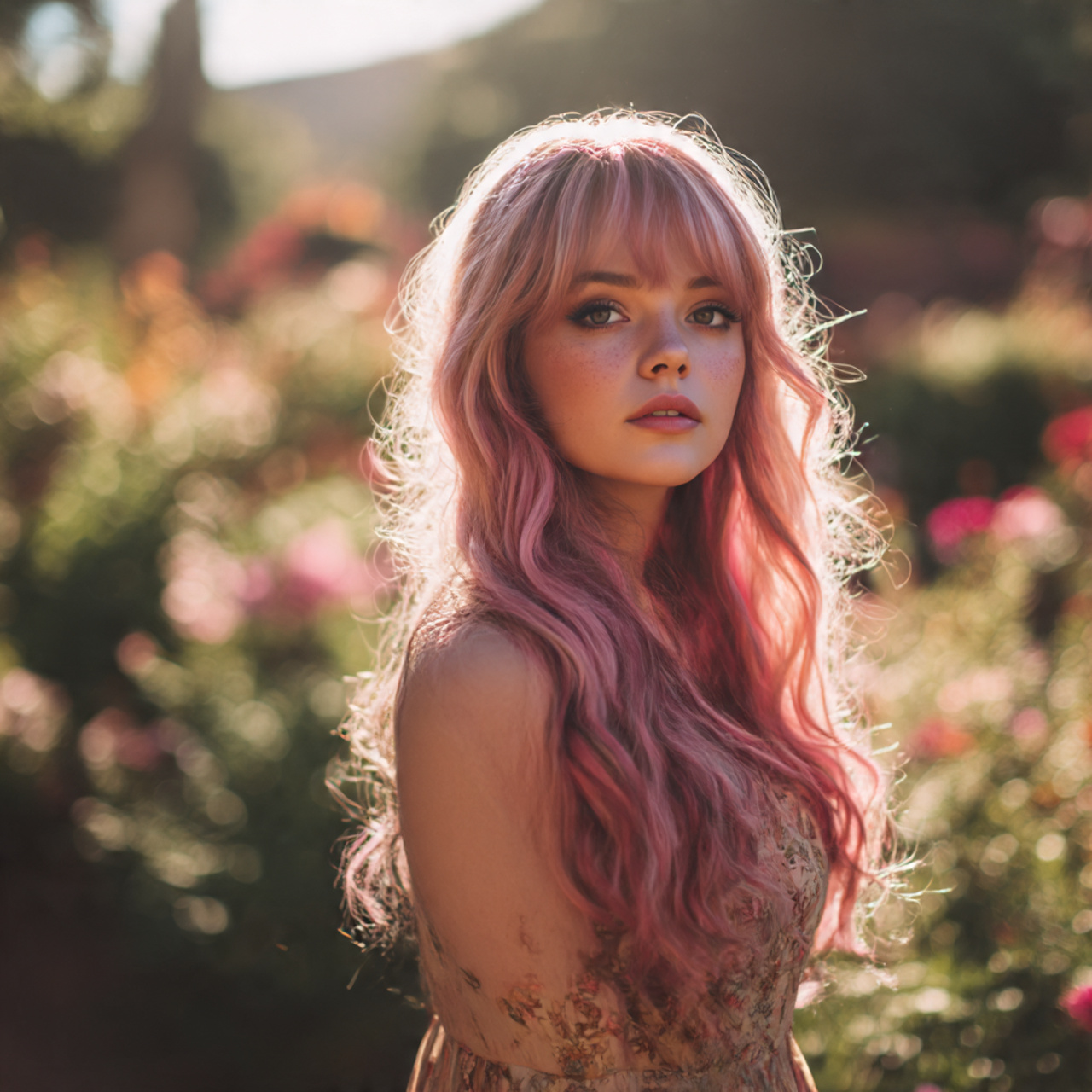
Integrating pink highlights is a fantastic, low-commitment way to sample the world of pink hair color. Highlights can be strategically placed around the face for a subtle frame, woven throughout the hair for dimension, or concentrated in a specific area to draw the eye. This technique works well on both light and dark bases, with the pink shade chosen to complement the existing hair color.
For dark hair, a vibrant magenta or hot pink usually contrasts beautifully, while on blonde or lighter hair, pastel pink or rose gold highlights create a softer, more blended effect. This method is an excellent way to experiment with the color trend without the full-head commitment, allowing for easy grow-out or change.
Split Dye Pink Hair Ideas
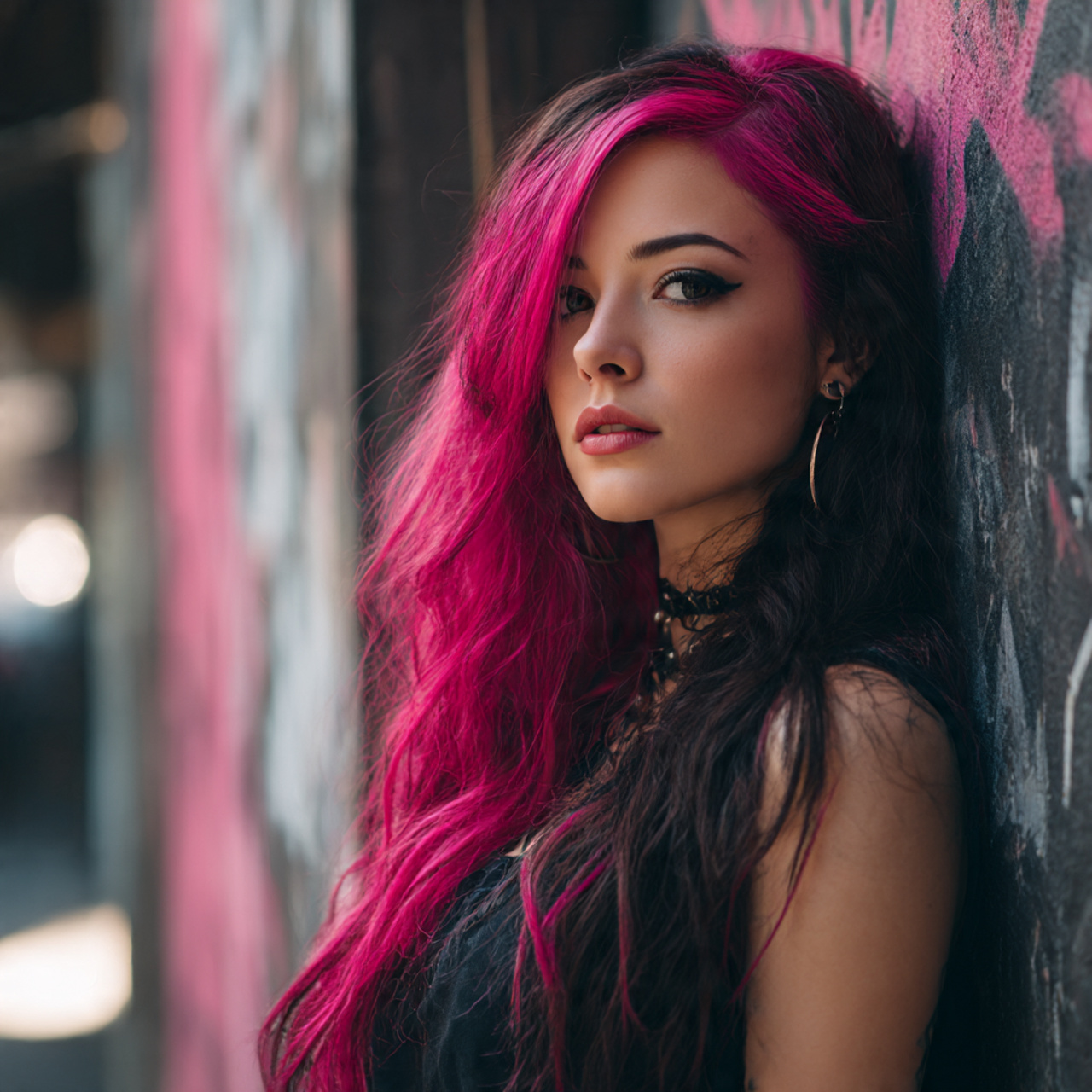
Split dye is a dramatic, high-contrast coloring technique where the hair is divided, often down the middle, and colored with two distinct shades. Pink hair color is frequently chosen for one half, paired with a contrasting color like black, blonde, or even blue. This bold style creates a striking, two-toned effect that is inherently edgy and modern.
The key to a successful split dye is precision in the sectioning and application to ensure the colors do not bleed into each other during rinsing. This style is a popular choice for those wanting a look that is both playful and defiant, maximizing the visual impact of the vibrant pink shade alongside its counterpart.
Peek-A-Boo Pink Hair
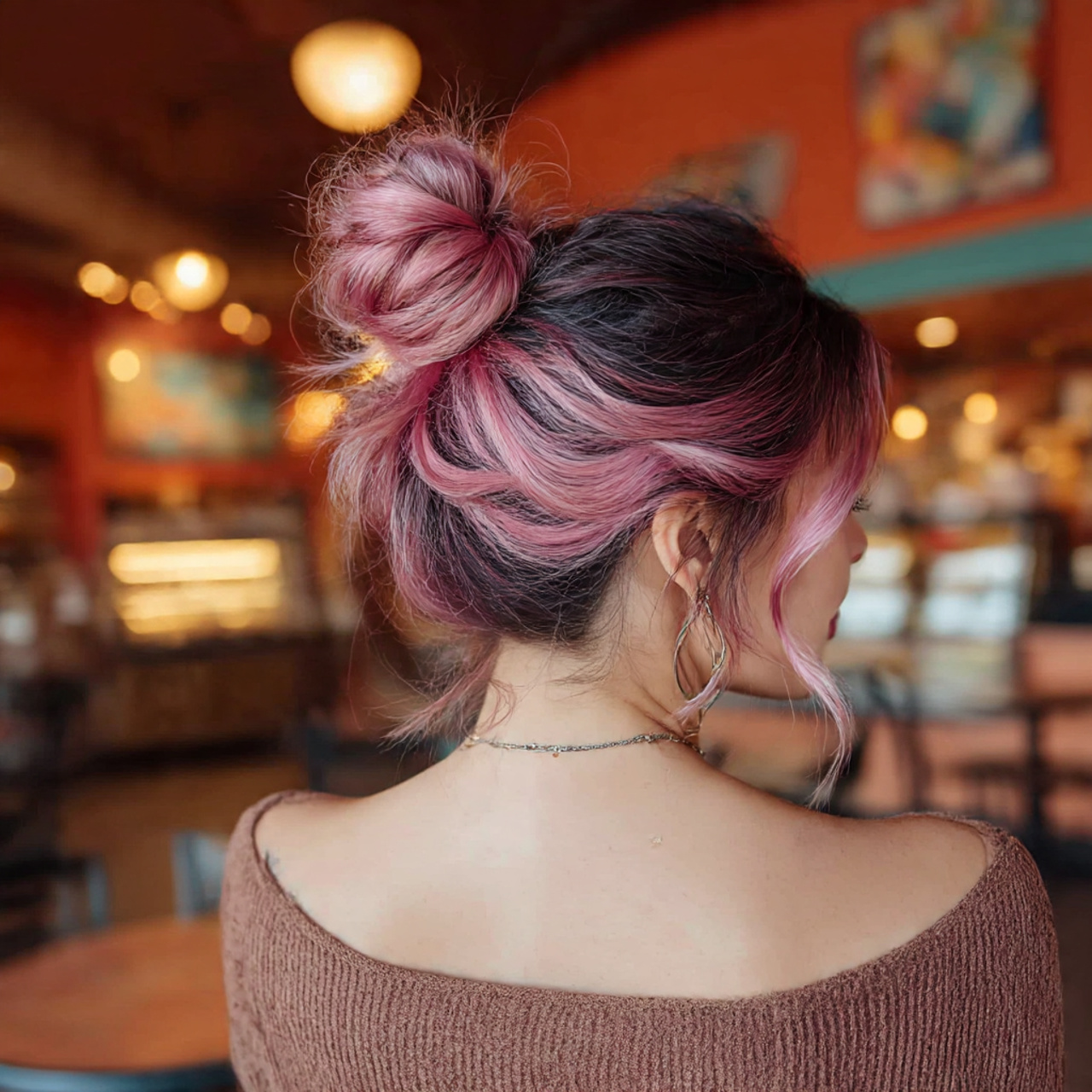
Peek-a-boo pink hair involves coloring only the underlayers of the hair, concealing the vibrant shade beneath the natural or top layer. This offers a fun, surprising splash of color that is visible only when the hair is styled in certain ways, such as in an updo or when the top layer is moved. It’s a perfect option for professional settings where a full head of vivid color might not be appropriate.
The shade of pink can be as bold as fuchsia or as subtle as a soft pastel, depending on the desired level of surprise. As the color is mostly hidden, the grow-out is less noticeable, and the maintenance is generally easier, as only the hidden section requires regular color upkeep.
Pink Ombre and Balayage Techniques
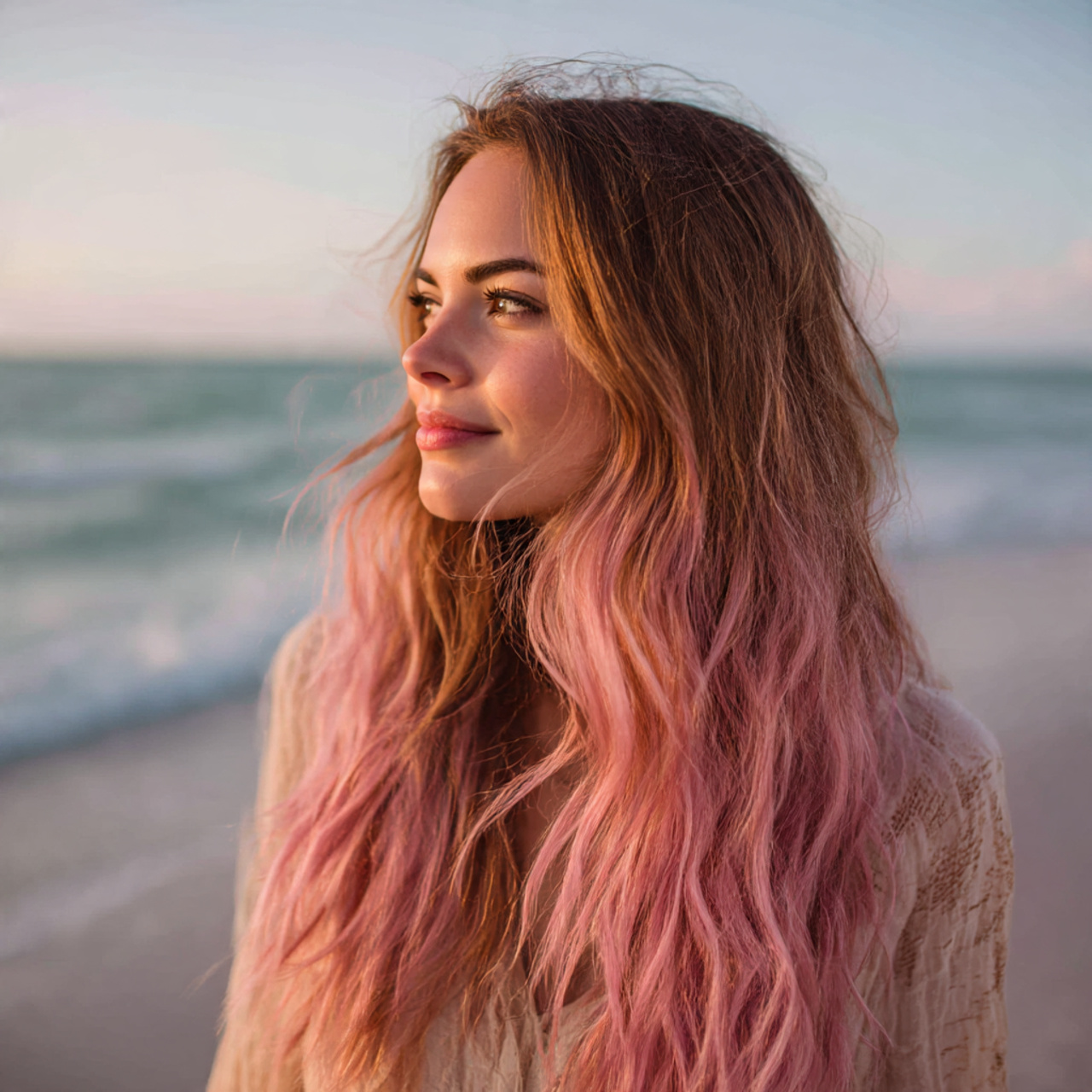
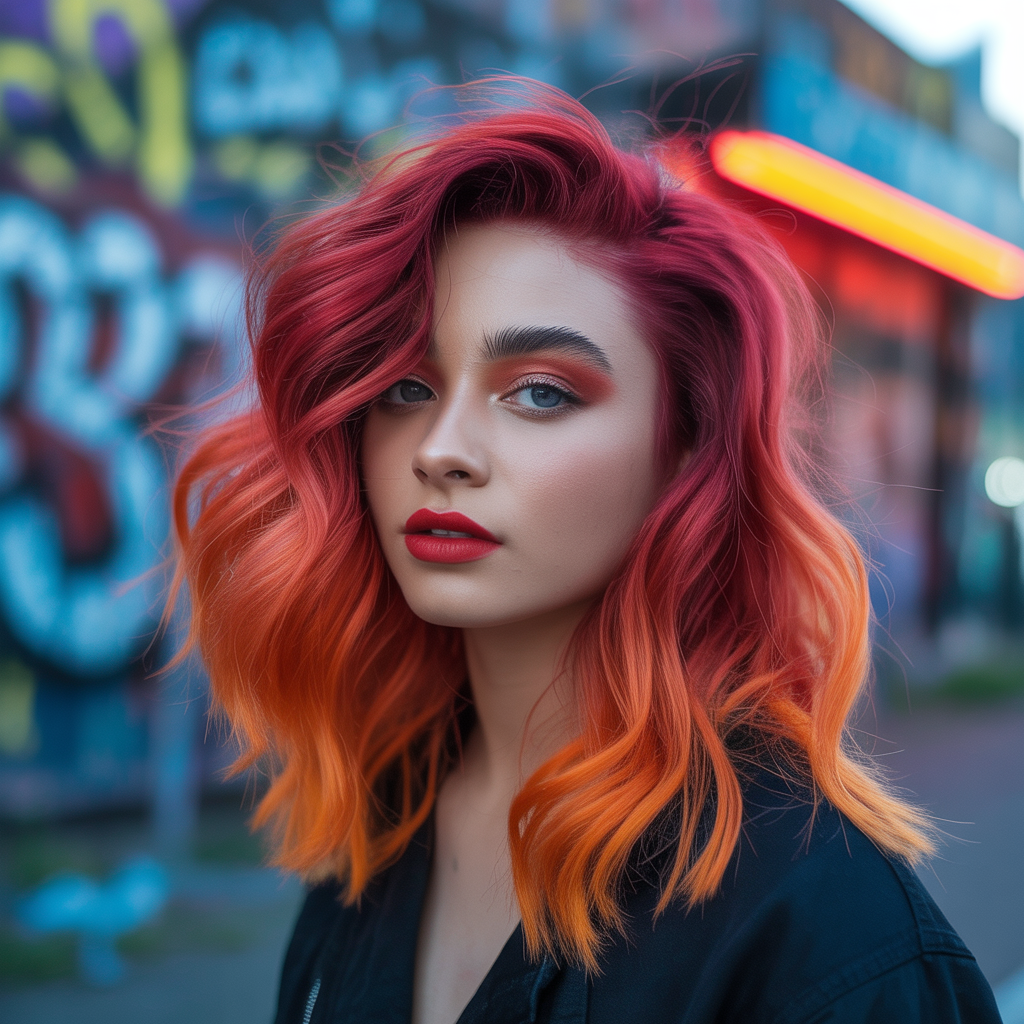
Ombre and balayage are two popular gradient techniques that seamlessly blend pink hair color into the existing shade, creating a natural-looking transition. Ombre features a distinct horizontal graduation from a darker root to pink ends, while balayage uses hand-painted sweeps for a more dispersed, sun-kissed effect. Both methods offer a soft, low-maintenance way to wear pink.
These techniques are particularly beneficial because they allow for less frequent root touch-ups compared to all-over color. The pink shade can range from subtle rose gold tips to a dramatic hot pink fade, adapting the intensity to the wearer’s preference and making the pink hair color journey less intimidating.
Darker Hair with Pink Undertones
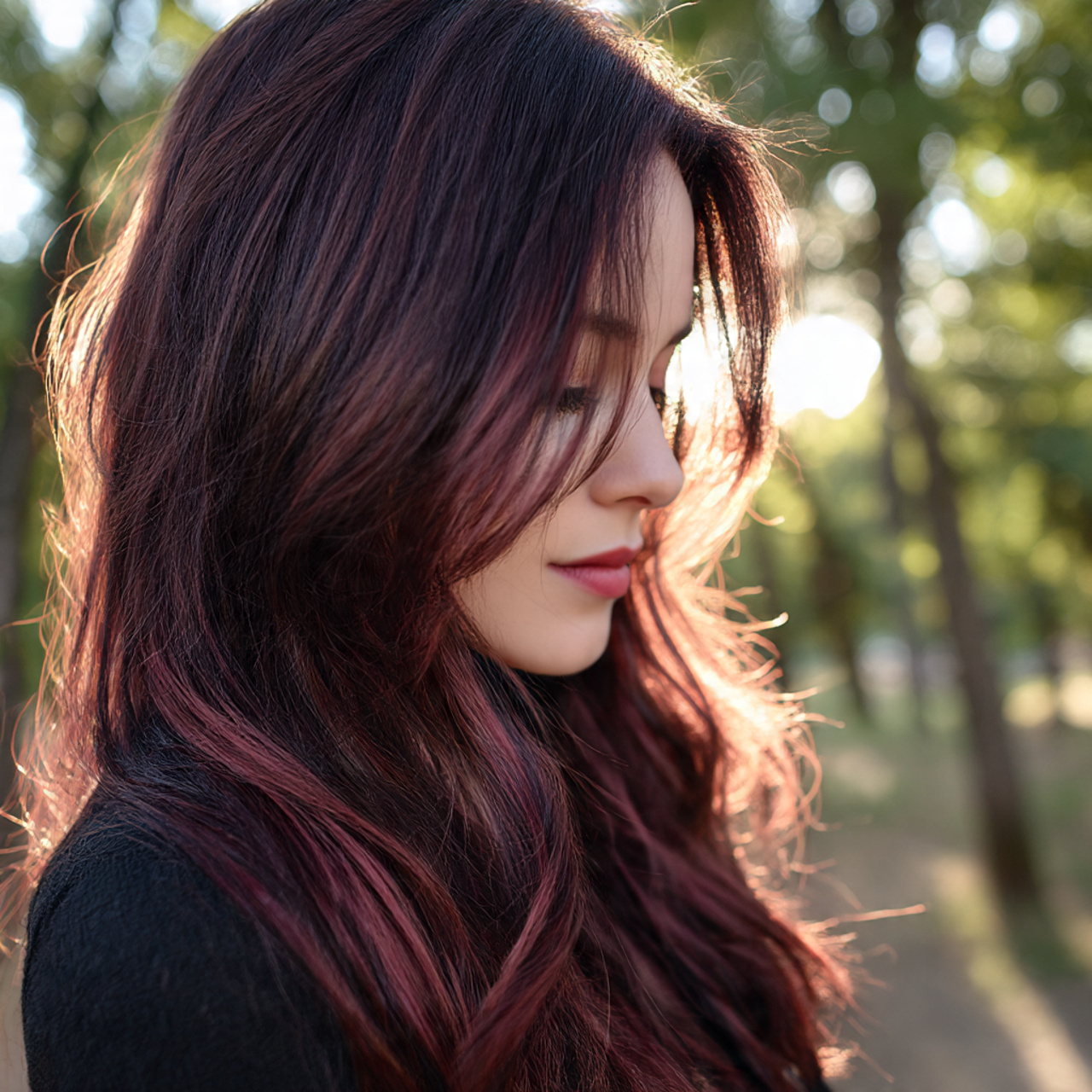
For individuals with naturally dark hair who want to minimize the intense pre-lightening process, incorporating darker shades of pink is an excellent option. Deep berry, crimson, or magenta tones can be layered over hair that has only been partially lifted, achieving a rich pink undertone that is subtle indoors but vibrant in sunlight. This approach preserves more of the hair’s natural integrity.
The resulting color is sophisticated and moody, often appearing as a luminous cast rather than a stark, bright pink. It’s a fantastic alternative for those seeking a less intense pink hair color and who want a dramatic, jewel-toned depth without the platinum commitment.
Achieving Pale Pink Hair Safely
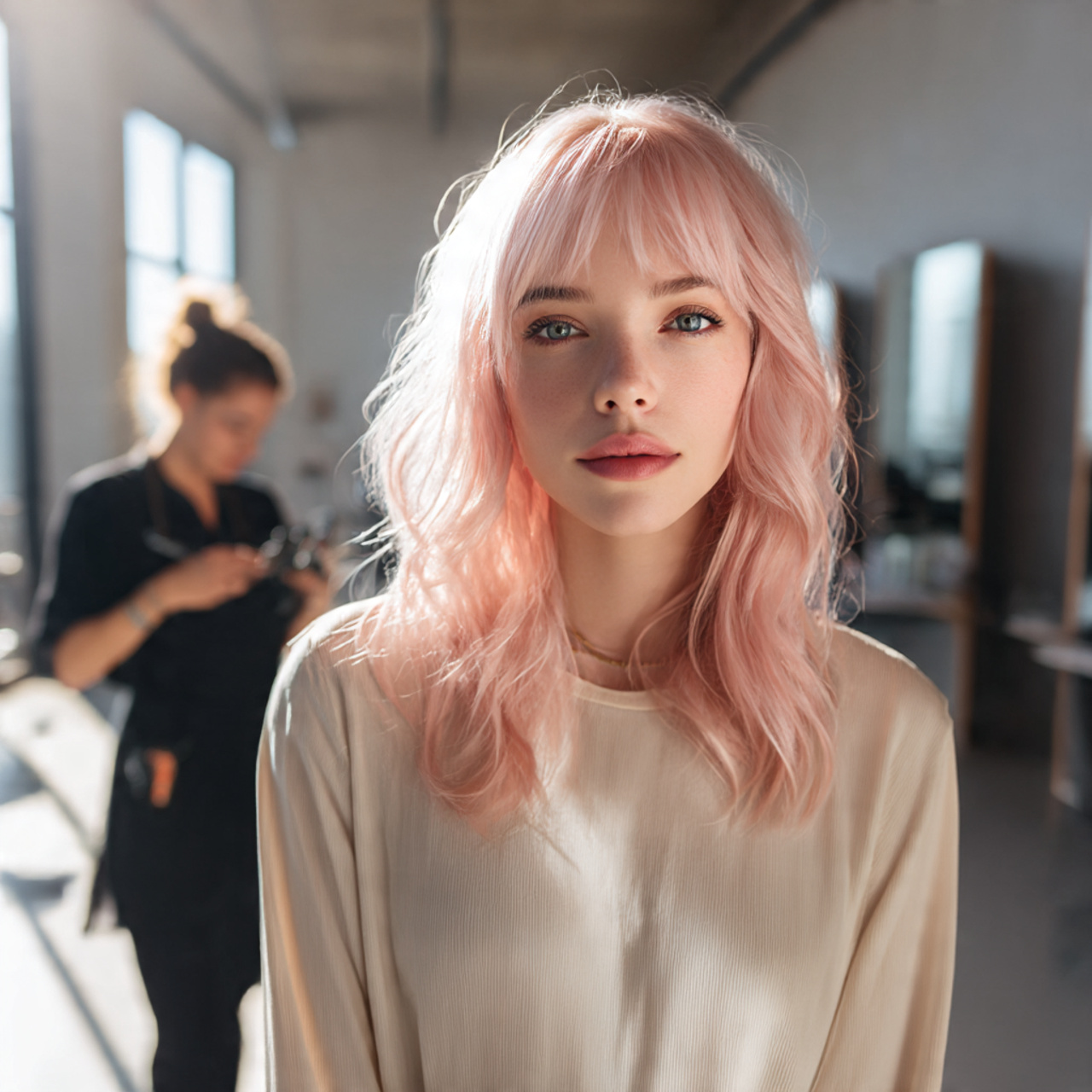
Achieving the very palest, lightest pink hair color requires significant preparation to ensure the health of the hair. This often means multiple lightening sessions spaced out over time to minimize damage. The hair must be stripped of all yellow and brassy tones, reaching a near-white canvas to allow the pale pink pigment to show true and clear.
It is highly recommended to seek professional assistance for this level of lightening and toning, as improper bleaching can lead to breakage or an uneven base. Once achieved, using bond-building treatments and deep conditioning masks is vital for maintaining the hair’s strength and ensuring the longevity of the fragile pale pink color.
Pink Hair on Curly Textures
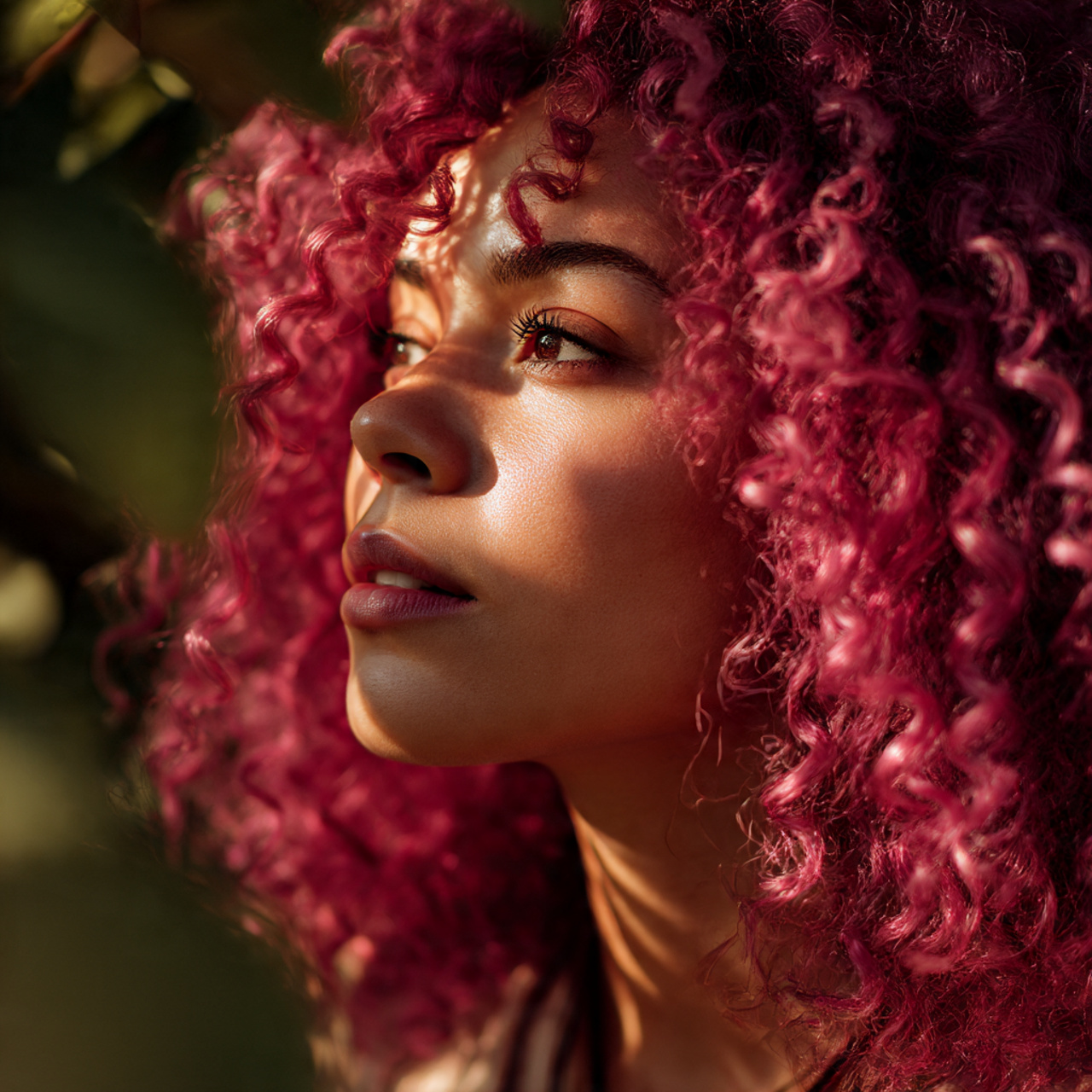
Pink hair color looks exceptionally stunning on naturally curly and coily hair textures, as the shape of the curl adds incredible dimension and movement to the shade. The way the light catches the various coils makes the color appear multi-tonal and vibrant. It’s important to note that curly hair can be more porous and susceptible to damage from lightening.
Therefore, gentle, slower lifting processes are crucial for preserving the curl pattern and preventing frizz. Once colored, focusing on moisture-rich, sulfate-free products designed for curly hair is paramount to keep the pink hair color brilliant and the curls healthy and bouncy.
Neon Pink Hair for a Modern Edge
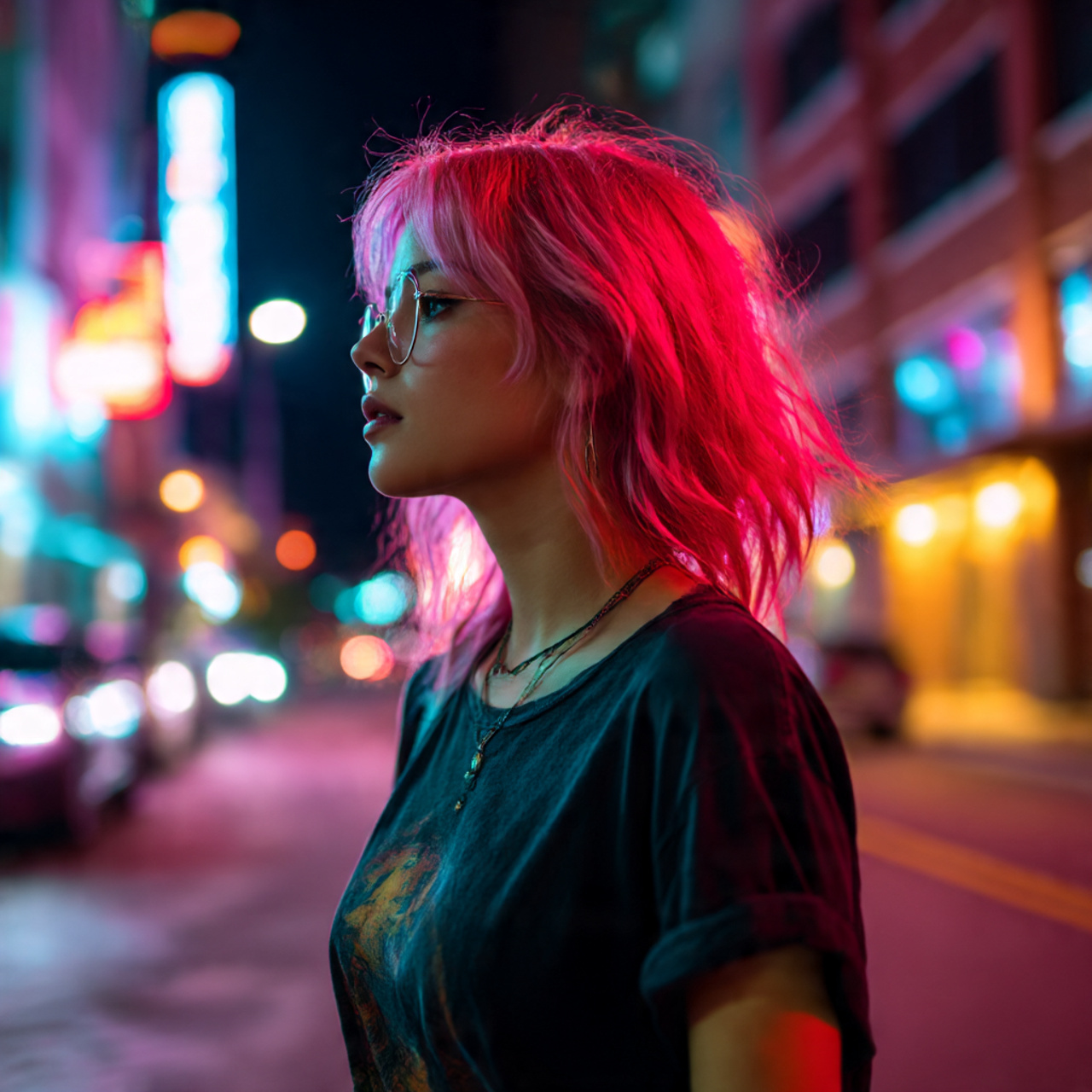
Neon pink hair is a hyper-vibrant, glowing shade that embodies an unapologetically modern and energetic aesthetic. This color typically requires specialized fluorescent or UV-reactive dyes applied to a very light blonde base to ensure the shade truly fluoresces. It’s a high-visibility choice for those who embrace an avant-garde or club-ready style.
The maintenance for such a bright, synthetic shade involves using cold water washes and color-safe products designed specifically for vivids. While neon shades can be challenging to maintain, their electric intensity makes the effort worthwhile for a striking and contemporary look.
How to Maintain Pink Hair Color
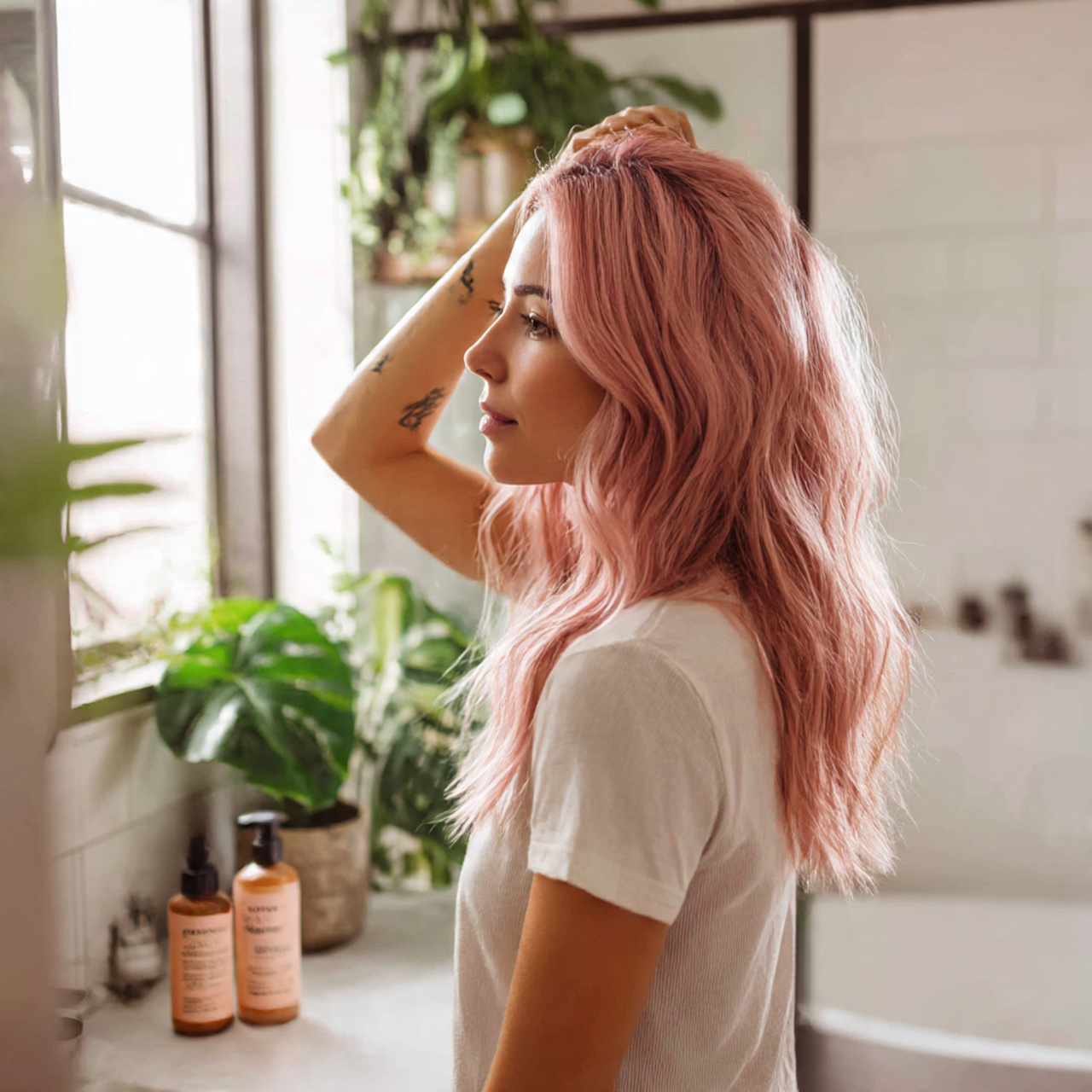
Maintaining the vibrancy of any pink hair color requires a dedicated aftercare routine. Due to the temporary nature of most pink dyes, the color molecules sit on the surface of the hair shaft and are easily washed away. The most crucial step is switching to a high-quality, sulfate-free, and color-safe shampoo and conditioner.
Washing hair with cool or lukewarm water, as hot water opens the cuticle and allows the color to escape, is also essential. Minimize heat styling, and always use a heat protectant spray to prevent fading and damage. Regular use of color-depositing masks or conditioners in your specific pink shade is the secret to extending the time between salon visits.
Pink and Purple Hair Combinations
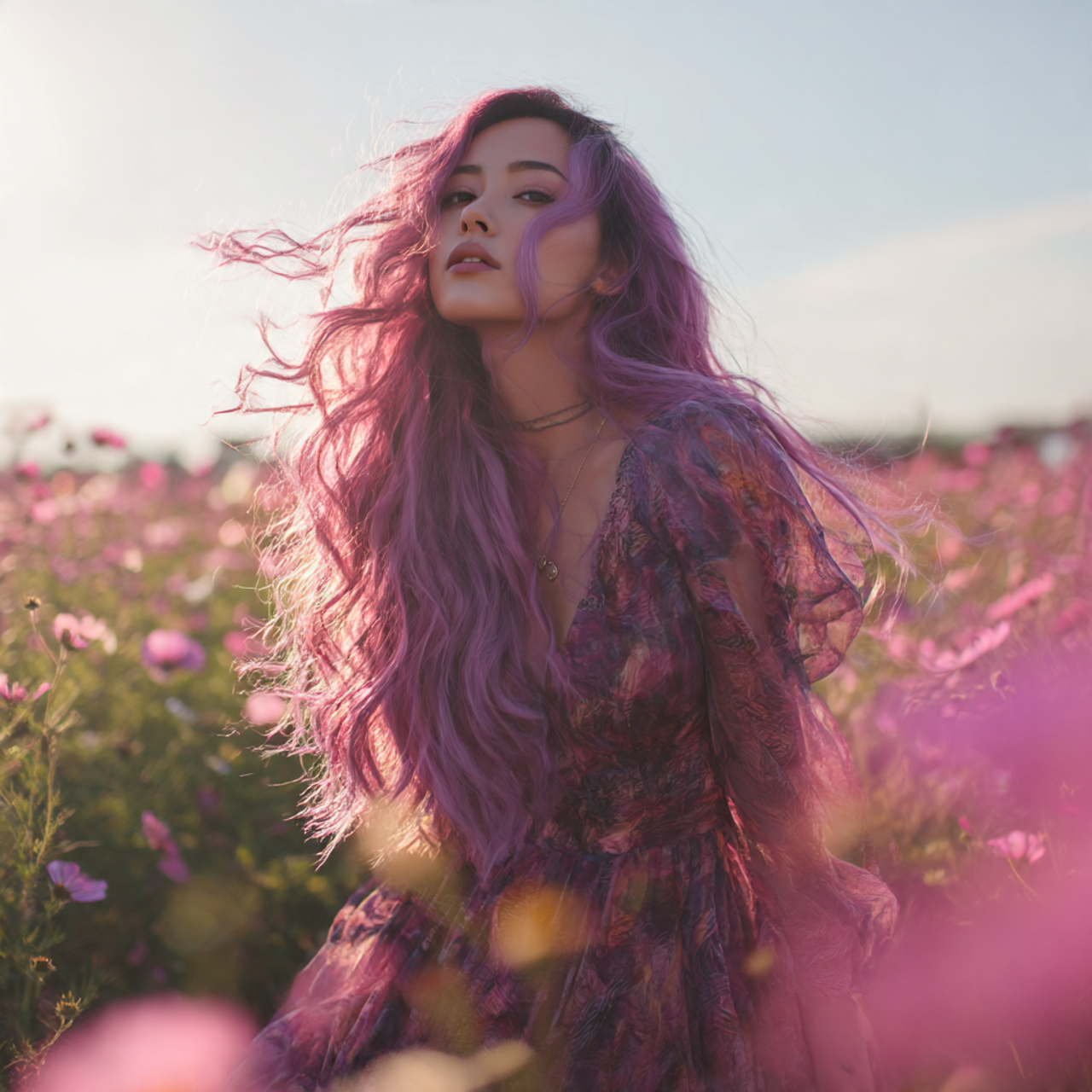
Combining pink hair color with various shades of purple creates a complex, multi-dimensional look that is both deep and vibrant. Shades like magenta and lilac, or hot pink and deep violet, blend together seamlessly, offering a dramatic contrast or a soft, watercolor effect. This pairing is popular for adding richness and visual interest.
These two colors are complementary in many dye formulations, often fading beautifully into each other over time. The combination can be applied using techniques like balayage, split dye, or simply alternating chunky sections for a bold, interwoven look that maximizes the visual impact of both hues.
Styling Pink Hair: Cuts and Techniques
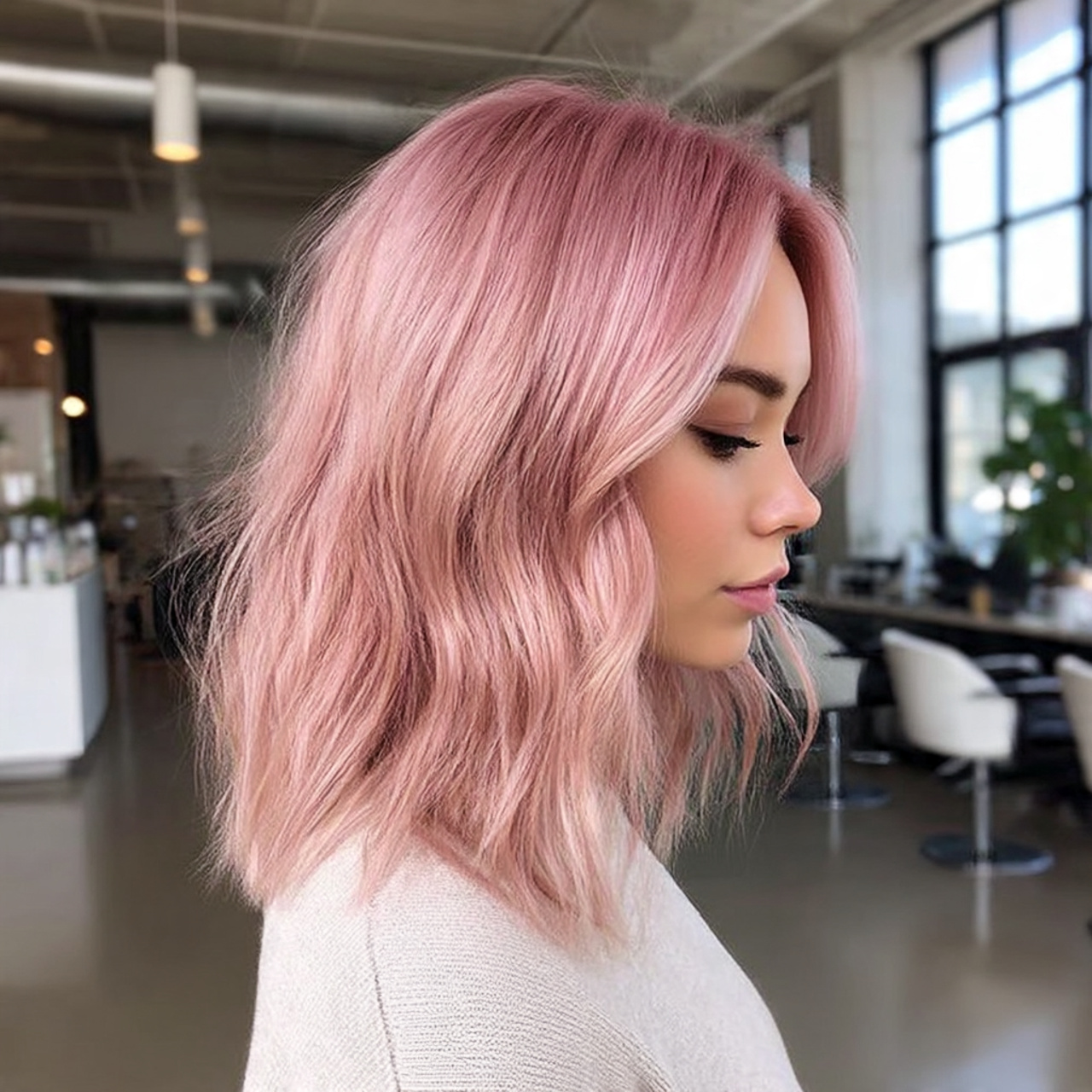
The visual impact of pink hair color can be amplified by choosing the right haircut and styling techniques. Shorter cuts, like a sharp bob or a pixie, highlight the color’s boldness and vibrancy, creating a chic, polished finish. Long, wavy, or layered hair allows the color to create an incredible dimension as the light hits the various strands.
Styling options like intricate braids or space buns particularly showcase multi-tonal pinks or those with highlights, allowing the color depth to be fully appreciated. The style should complement the shade—for instance, a slick, straight style works well with neon pink, while soft waves enhance rose gold.
Pink Hair Color for Different Skin Tones
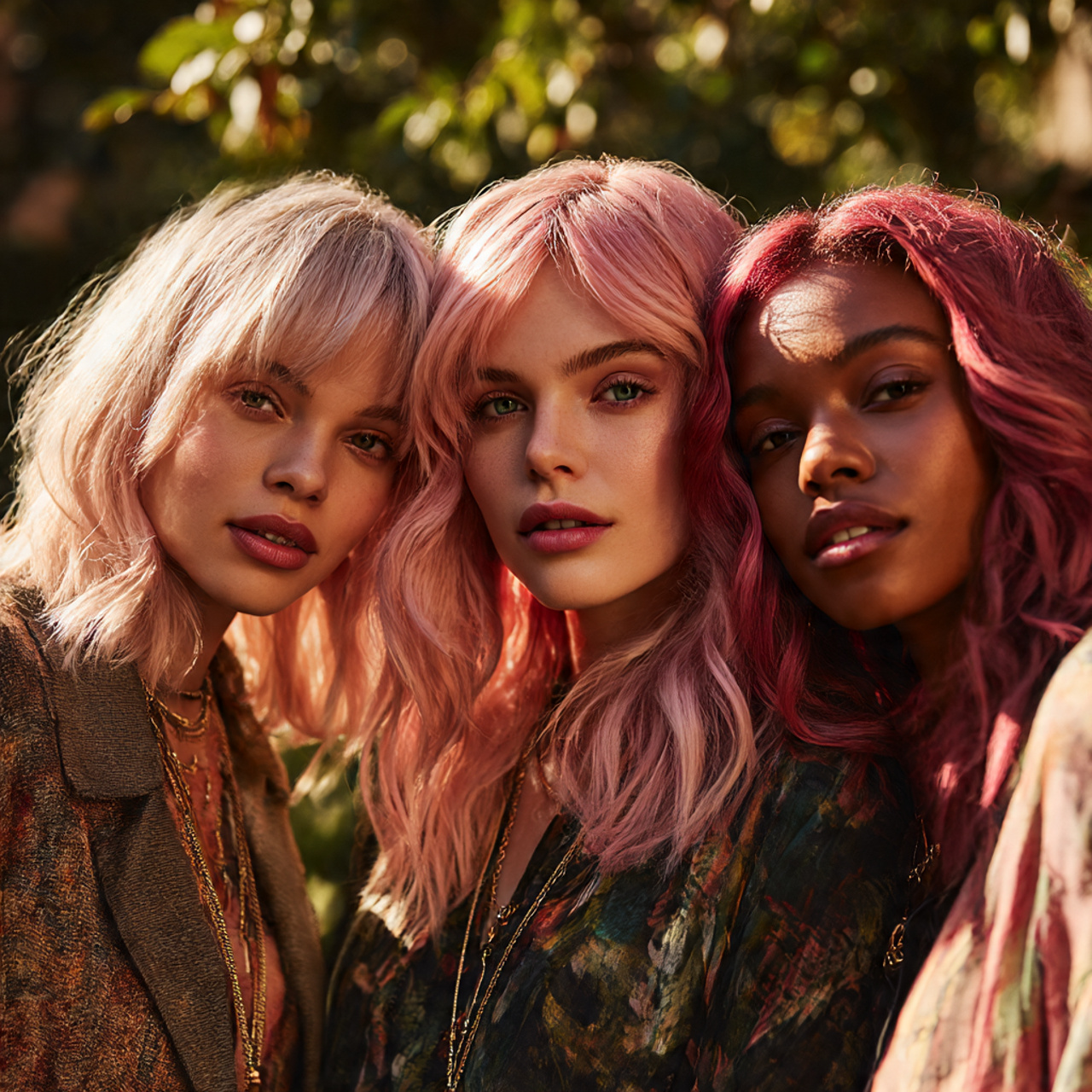
Selecting the right pink hair color shade involves considering one’s underlying skin tone to ensure a harmonious and flattering look. Cool skin tones (blue/pink undertones) are often best complemented by cool pinks like dusty rose, magenta, or true pastel pink. These shades prevent the skin from looking sallow.
Warmer skin tones (yellow/golden undertones) look stunning with warmer pinks, such as rose gold, coral pink, or apricot shades, which enhance the natural glow. Neutral skin tones have the most flexibility and can typically pull off any shade of pink hair color with ease, from fuchsia to light pink.
Semi-Permanent vs. Permanent Pink Dye
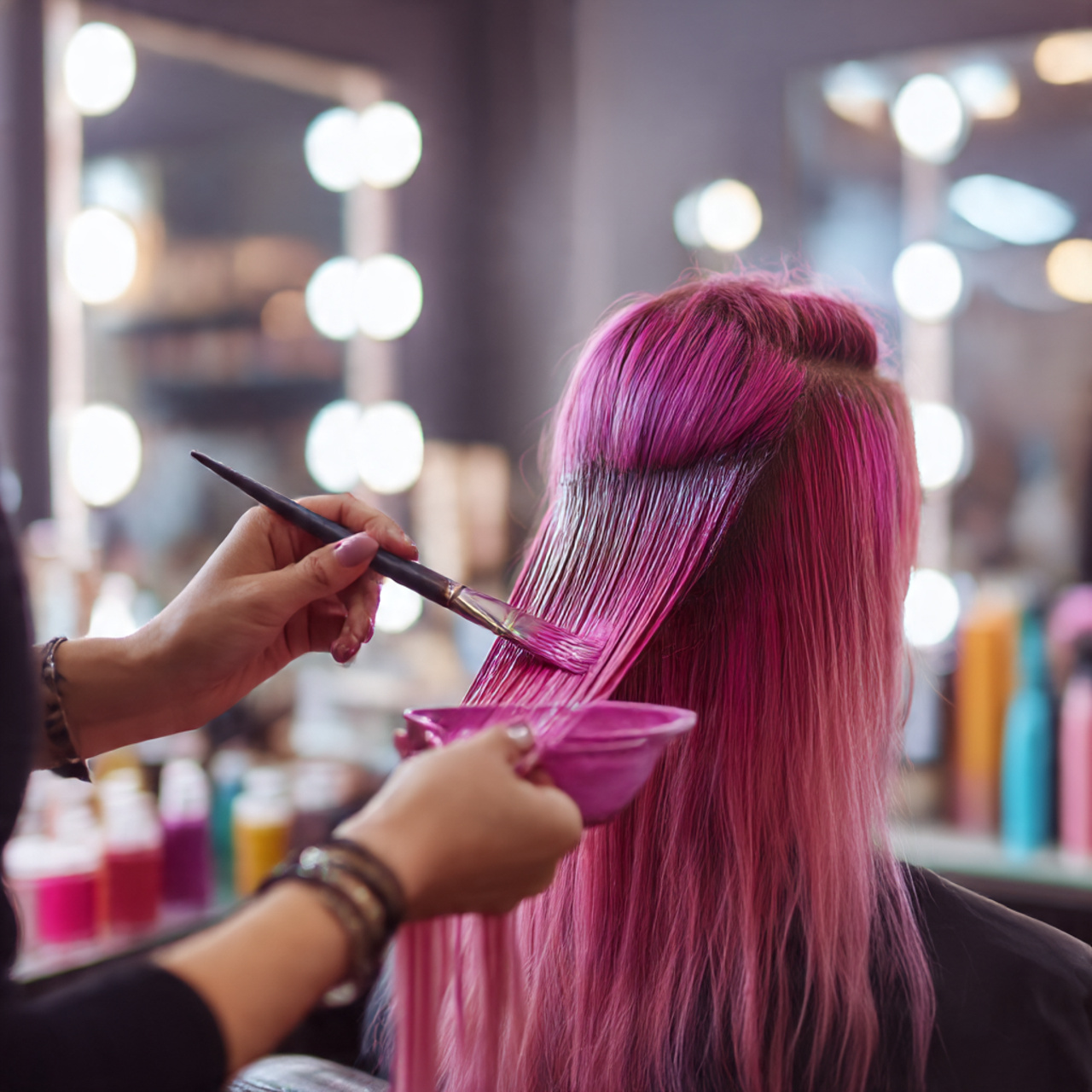
Understanding the difference between semi-permanent and permanent pink hair color is crucial for commitment and maintenance. Most vibrant, true pinks are achieved using semi-permanent, direct dyes that coat the hair shaft rather than penetrating it, which means they are non-damaging but fade quickly.
Permanent dyes, which lift the natural pigment and deposit color, are less common for vibrant pink but are sometimes used for muted, “natural” shades like strawberry blonde or for darker, permanent magenta bases. For the bright, vivid pink hair color most people desire, semi-permanent dye is the standard choice, requiring frequent reapplication.
Root Color Maintenance for Pink Hair
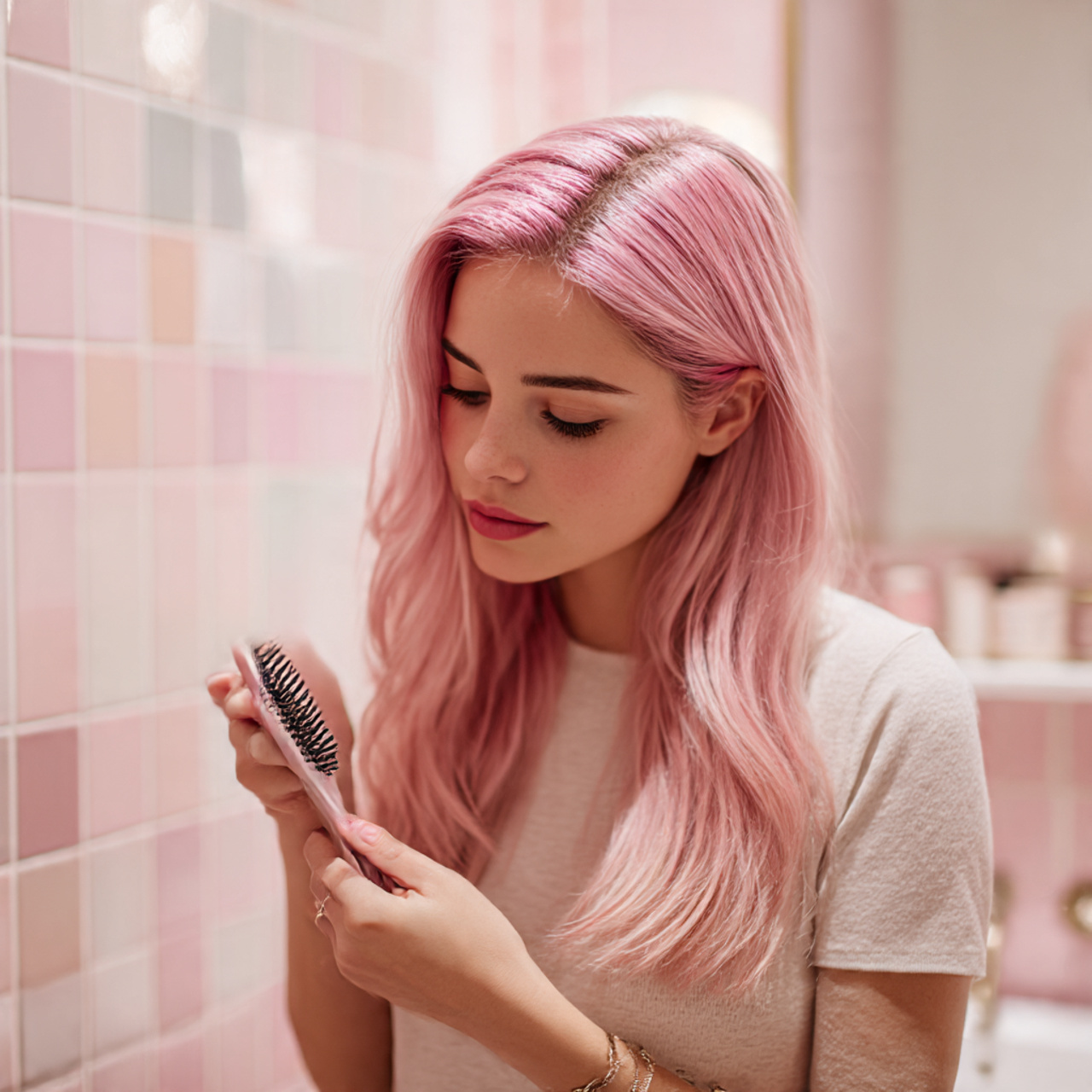
For all-over pink hair color, managing root regrowth is a primary maintenance concern. If the desired pink is light, the roots will need to be bleached and toned to match the base, typically every 4–6 weeks. This process, known as a root touch-up, is necessary to prevent a harsh line of demarcation between the natural root and the light pink.
An increasingly popular solution is the pink root smudge or ‘shadow root,’ where the natural or a complementary dark color is subtly blended at the base. This technique allows for a softer grow-out and extends the time between required root lightening, making the bright pink hair color more manageable.
Temporary Pink Hair Solutions
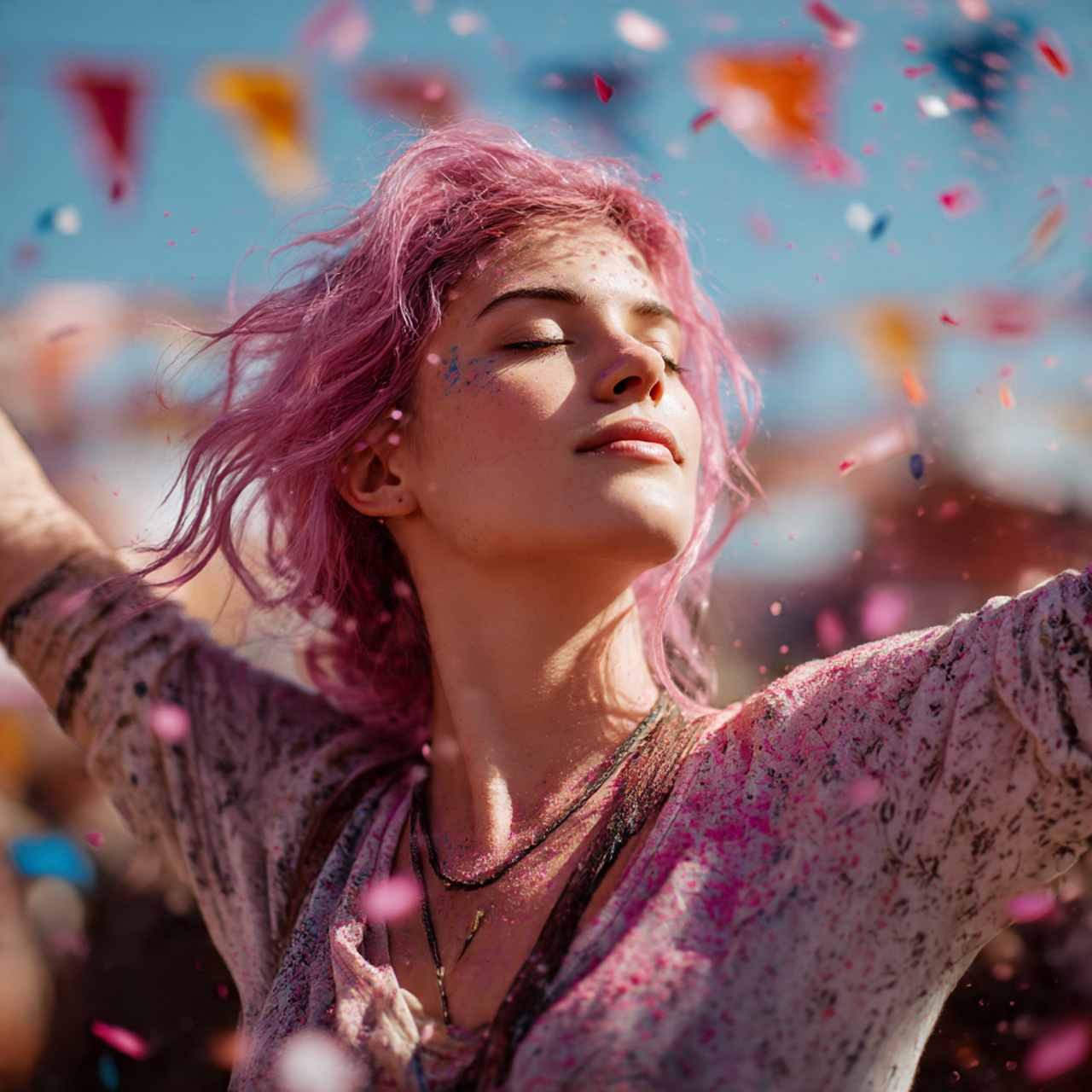
For those who want a fun, commitment-free experimentation with pink hair color, temporary solutions are plentiful. Products like colored hair sprays, hair chalks, and color-depositing gels can provide a temporary wash of color that easily washes out in one shampoo. This is ideal for festivals, parties, or just a weekend change.
These options are especially great for dark hair, as the pigments are often highly concentrated and opaque enough to show up without prior bleaching. While the intensity and coverage may not match permanent dyes, they offer a low-risk way to play with various shades of pink.
DIY Pink Hair Coloring at Home
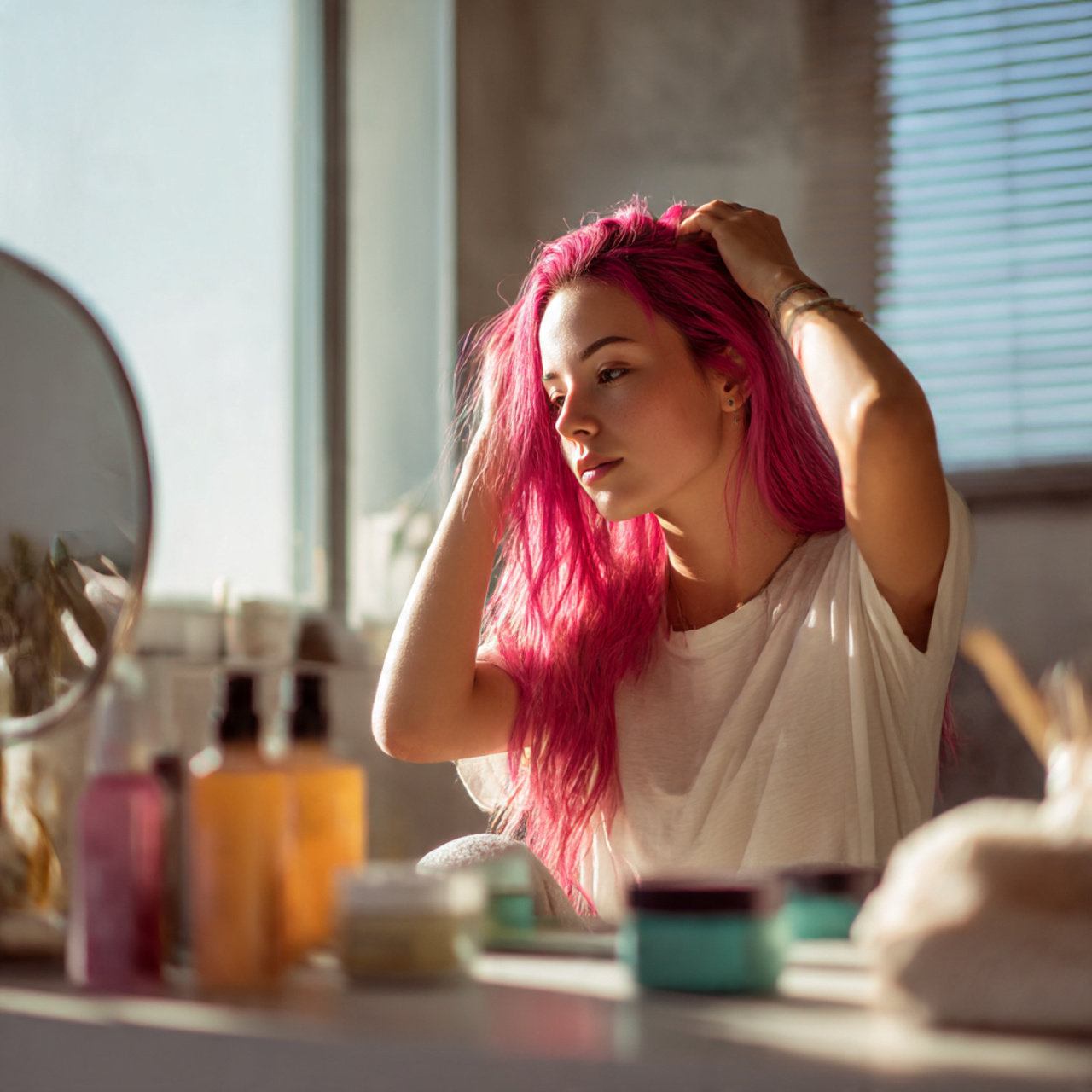
Coloring your hair pink at home is achievable, especially if your hair is already lightened or if you are aiming for a deep fuchsia over a darker base. The key to a successful DIY is meticulous preparation: performing a strand test, thoroughly saturating the hair with dye, and using barrier cream to protect the skin.
Always apply the color to clean, dry hair for the best absorption, and follow the processing time exactly as directed by the dye manufacturer. While home coloring is cost-effective, complex lightening or multi-tonal looks should always be left to a professional stylist for the best and safest results.
Pink Hair on Gray or White Hair
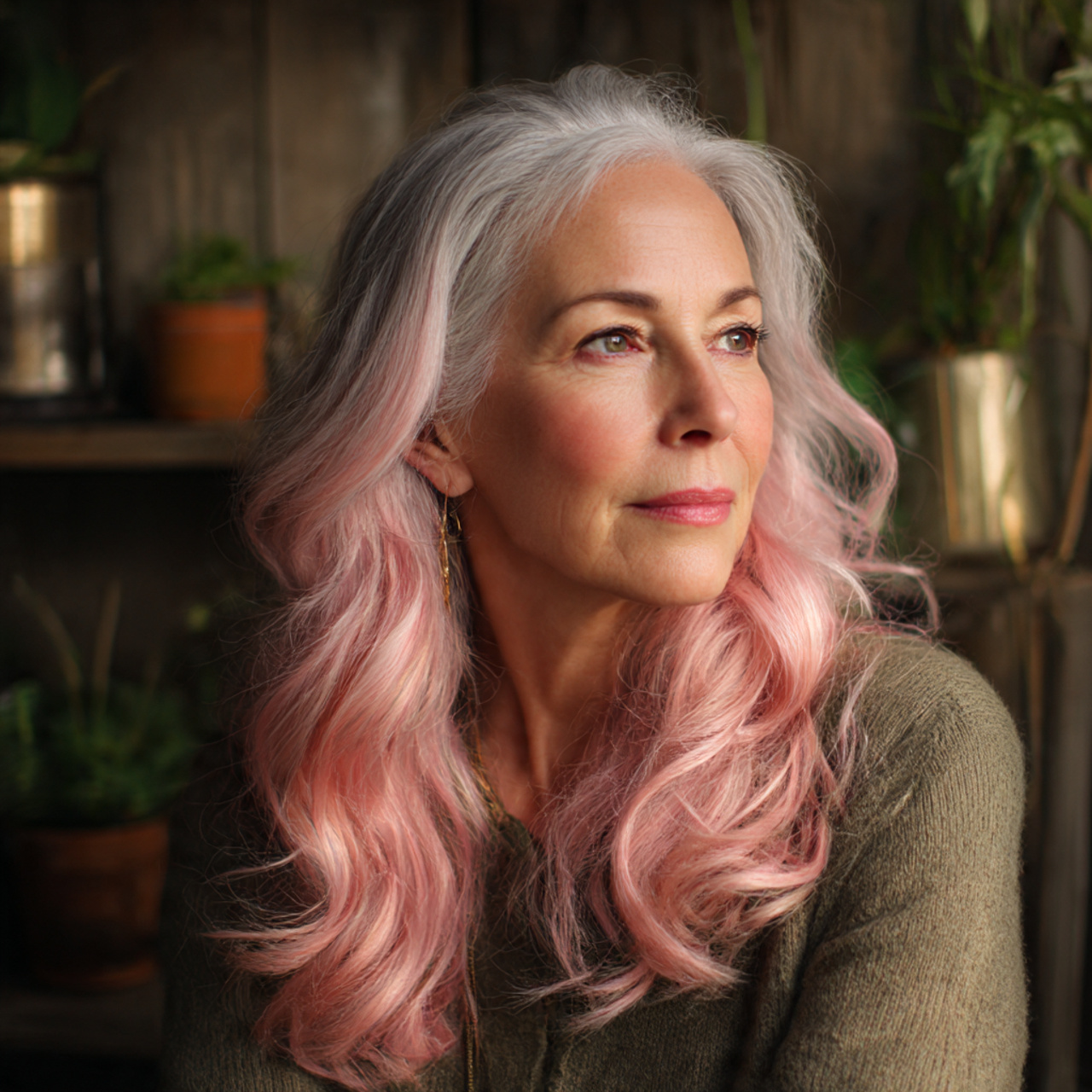
Gray or naturally white hair provides a nearly perfect, pre-lightened canvas for vibrant pink hair color. Since the hair is already devoid of natural pigment, pastels and vivid pinks can show up true-to-tone with minimal effort and no need for harsh bleaching. A toner may be used first to ensure a pristine base.
The high porosity of some gray hair can sometimes mean the color absorbs quickly and intensely, so a strand test is vital. This is a wonderfully low-maintenance way for those with natural gray to embrace a fun, youthful color with reduced chemical processing.
The Best Products for Pink Hair Care
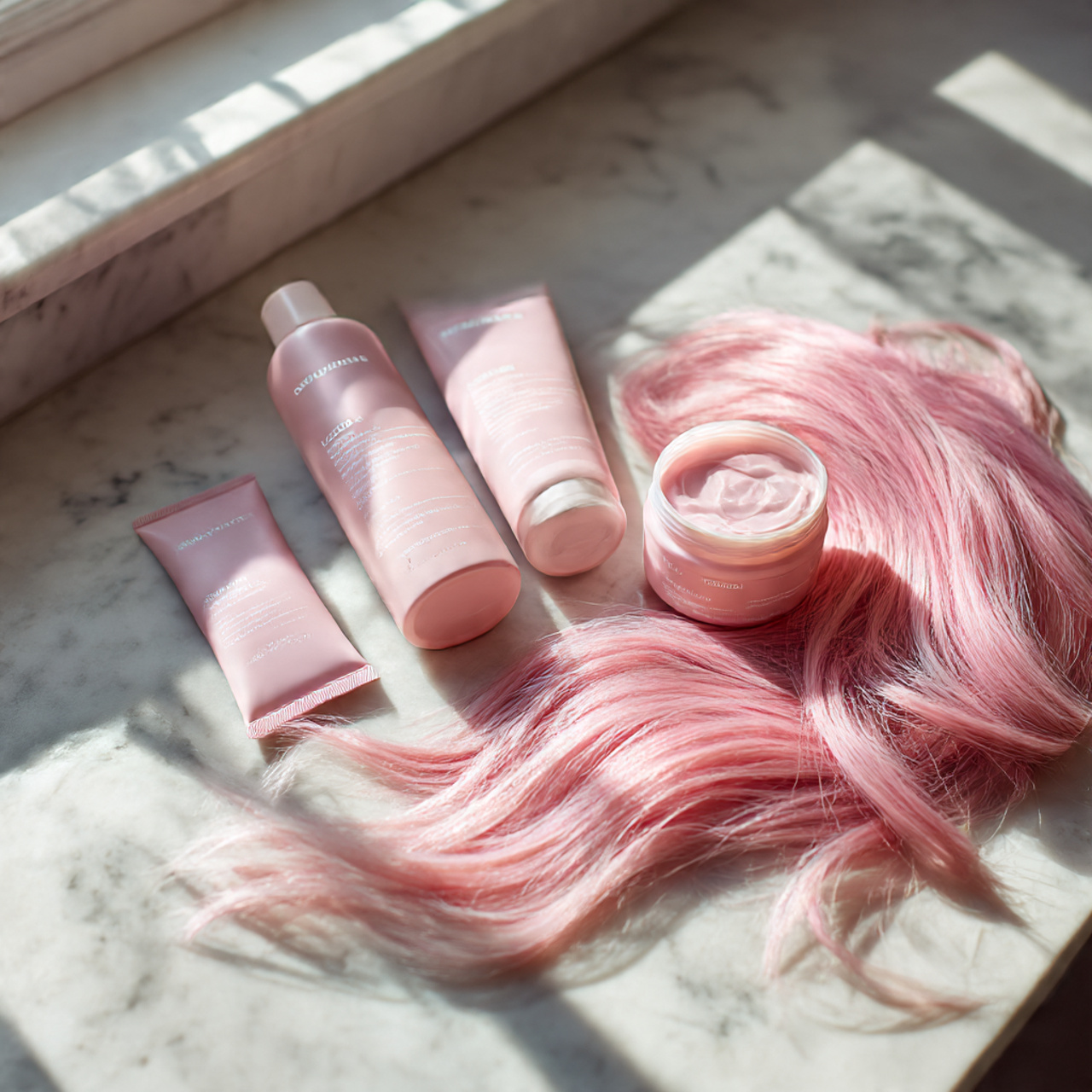
The longevity of a vibrant pink hair color hinges on using specialized care products. The primary recommendation is a gentle, acid-balanced, color-safe shampoo and conditioner, ideally one that is sulfate-free and low-pH to help seal the cuticle and lock in the color.
Products containing UV filters are also crucial for protecting the pink pigment from fading due to sun exposure. Regularly incorporating deep conditioning masks and bond-building treatments will help repair any damage from the lightening process and keep the hair cuticle smooth, which, in turn, helps hold the color better.
Pink Hair Color Trends for Short Hair
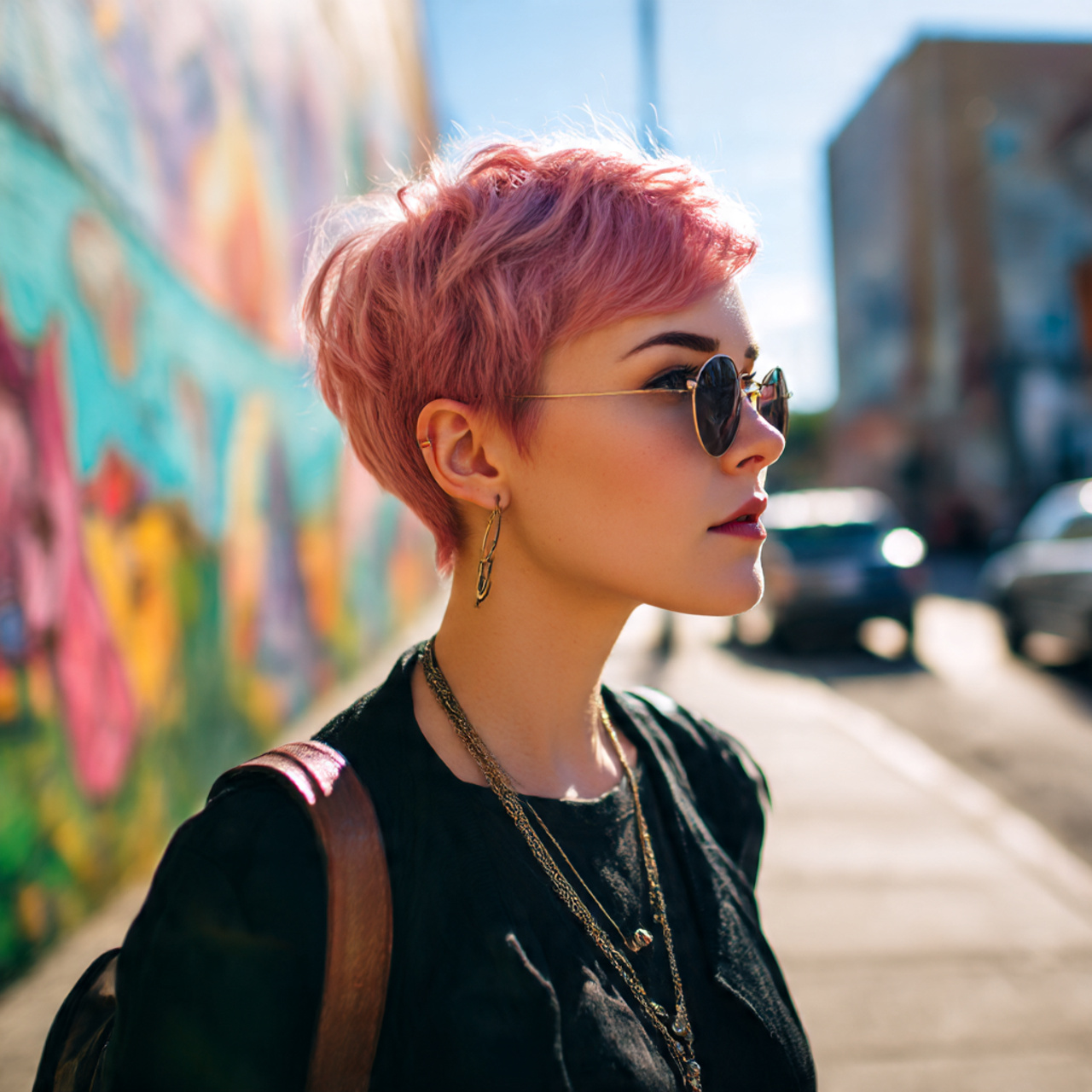
Short haircuts, such as textured pixies, buzzcuts, and angled bobs, are phenomenal canvases for showcasing pink hair color. The bold simplicity of the cut allows the vibrant shade to be the primary focus. With less hair to process and manage, short pink hair often feels lighter and easier to maintain.
Trends for short hair include a vibrant, all-over hot pink, or a more subtle, two-toned look with a darker undercut and a pink top layer. The precision of the cut highlights the clarity and saturation of the pink shade beautifully, creating a chic, modern aesthetic.
Pink Hair Color and Fading Tones
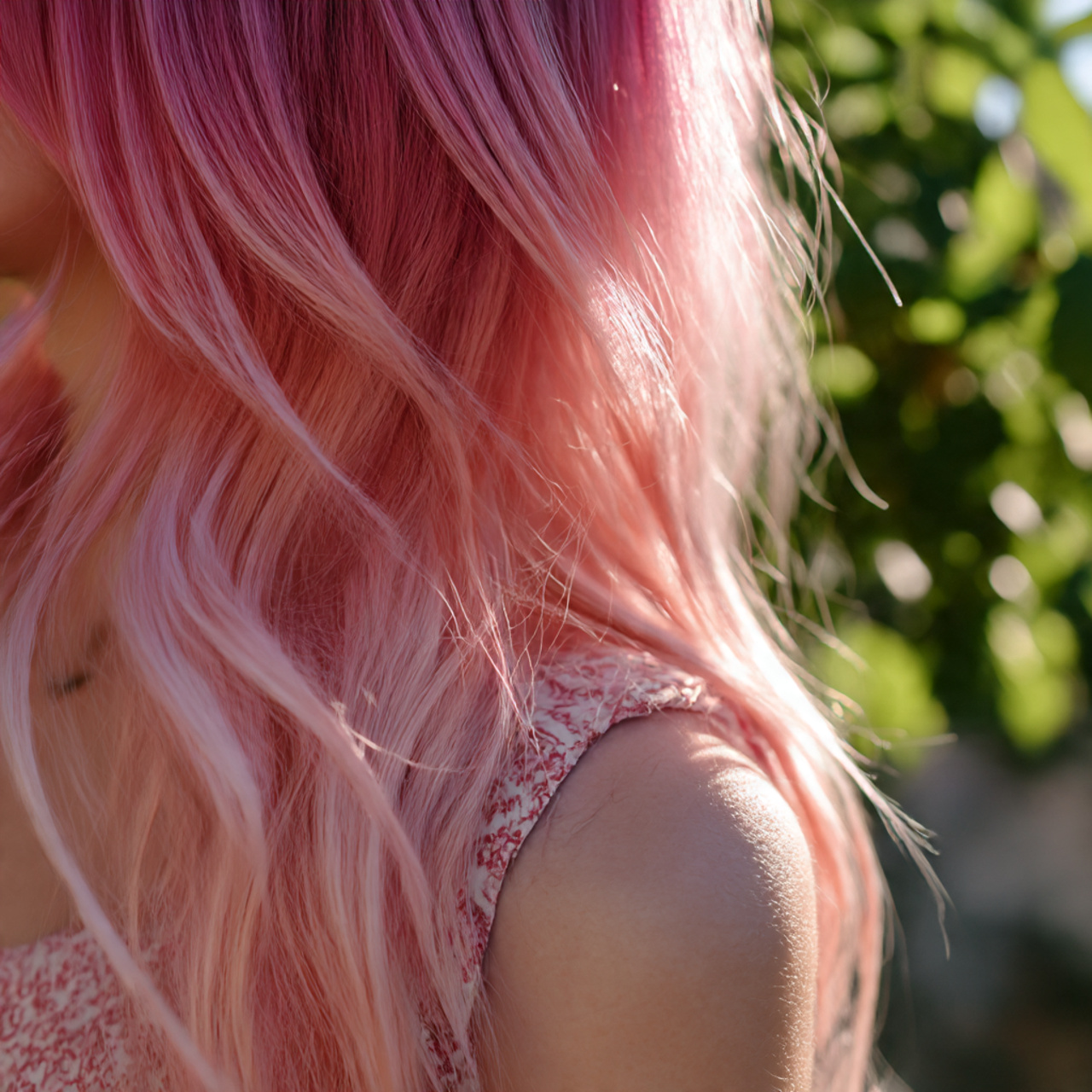
It is inevitable that pink hair color will fade, but understanding how it fades can help manage the process. Most semi-permanent pinks will fade to a lighter, softer pastel version of the original shade, often becoming a very light, almost white-pink. Deeper colors like fuchsia may fade into a coral or muted berry tone.
The key to managing the fade is embracing it or counteracting it with color-depositing products. Many people enjoy the natural transition from a vibrant pink to a soft pastel, allowing them to stretch their color between appointments while still enjoying a lovely shade.
Professional vs. At-Home Pink Application
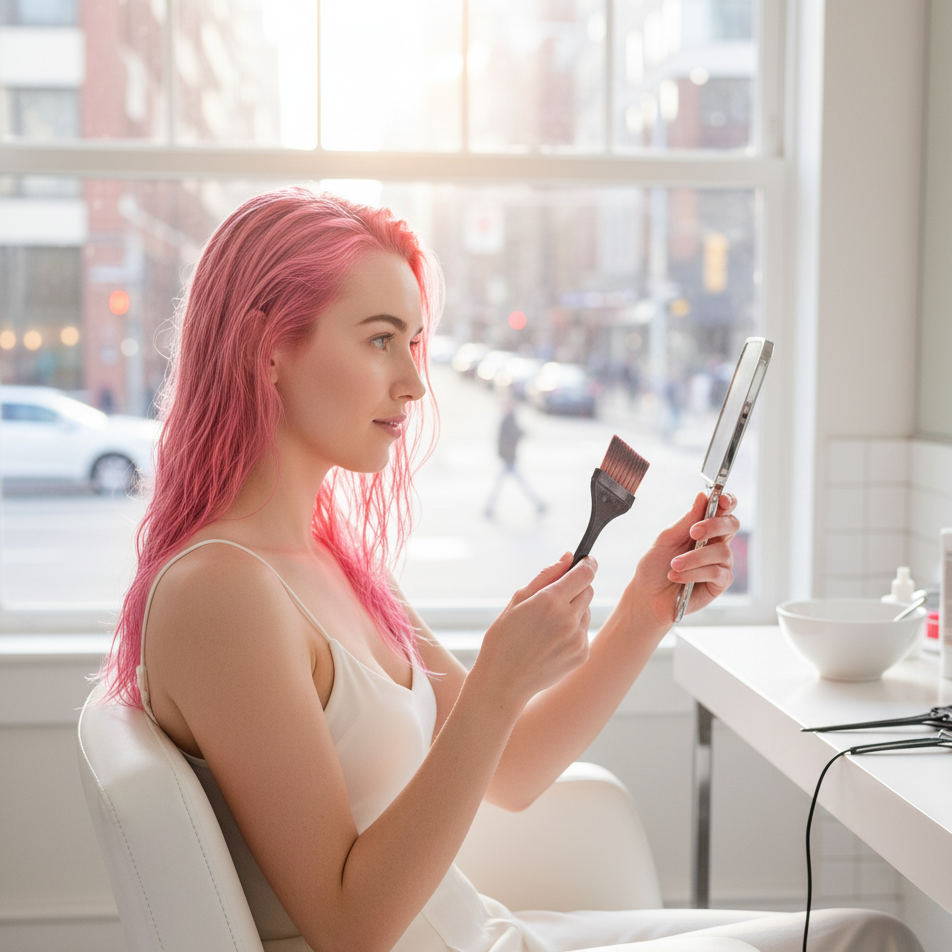
Deciding between professional salon application and an at-home process for pink hair color depends largely on the starting hair color and the desired pink shade. For those with dark hair aiming for a light pastel, professional application is strongly recommended due to the complexity and damage risk of significant bleaching.
However, if your hair is already light blonde, or if you are applying a deep pink over a medium blonde, a high-quality, direct dye can be successfully applied at home. A professional stylist can guarantee even lifting, custom color mixing for the perfect pink, and ensure the hair’s health remains prioritized throughout the transformation.
The Cost of Pink Hair Maintenance
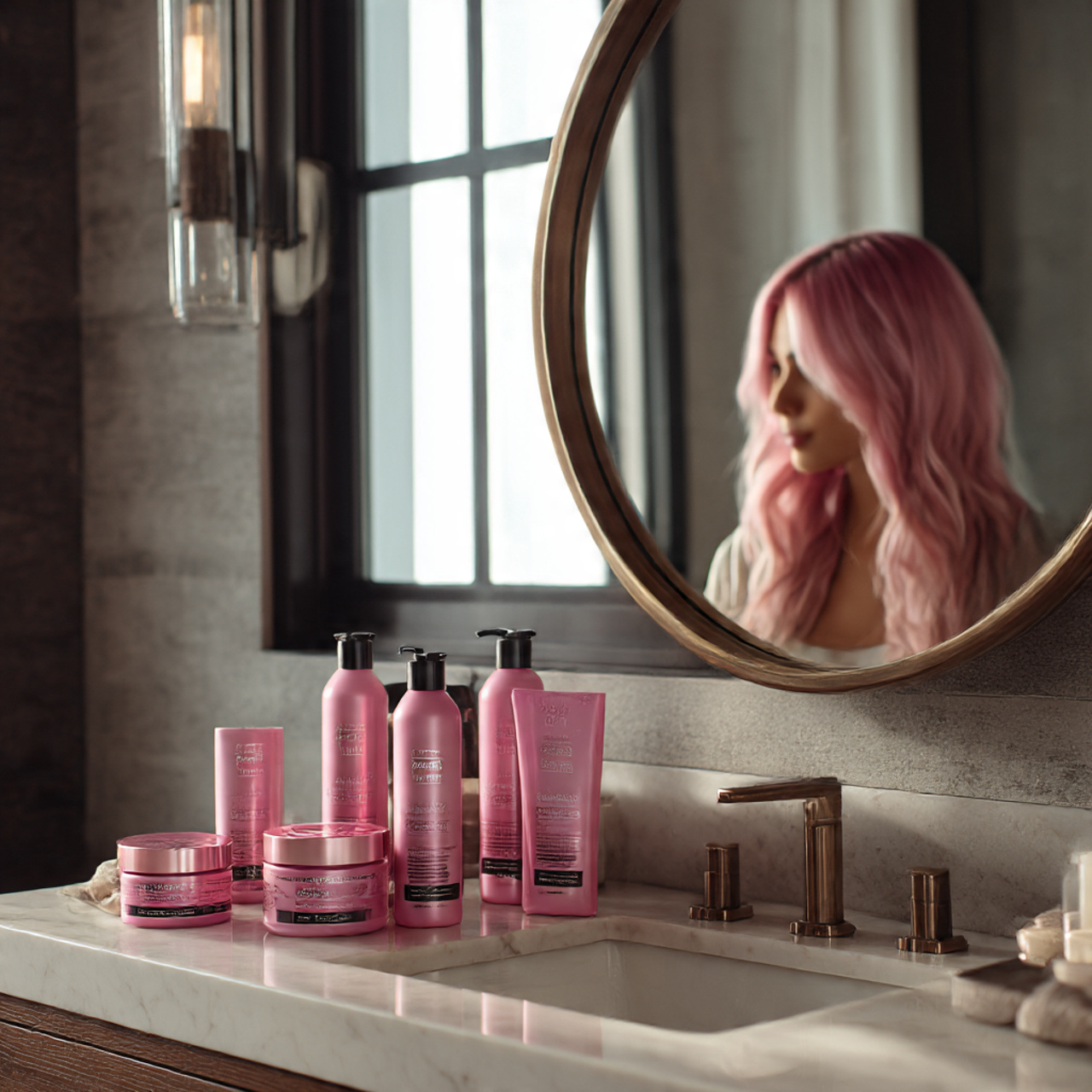
The cost associated with maintaining pink hair color is generally higher than natural shades due to the need for lightening and the frequent reapplication of the vivid dye. Salon visits for root touch-ups and full color refreshes can be costly, often required every 6–8 weeks for all-over color.
In addition to salon expenses, the ongoing cost of high-quality, color-safe products, deep conditioners, and color-depositing treatments adds up. While an initial DIY application might save money, the long-term maintenance of a vibrant shade is a significant financial consideration for any wearer of pink hair color.
Visit Also: Best Hairstyle for You
Pink Hair Dye Longevity Tips
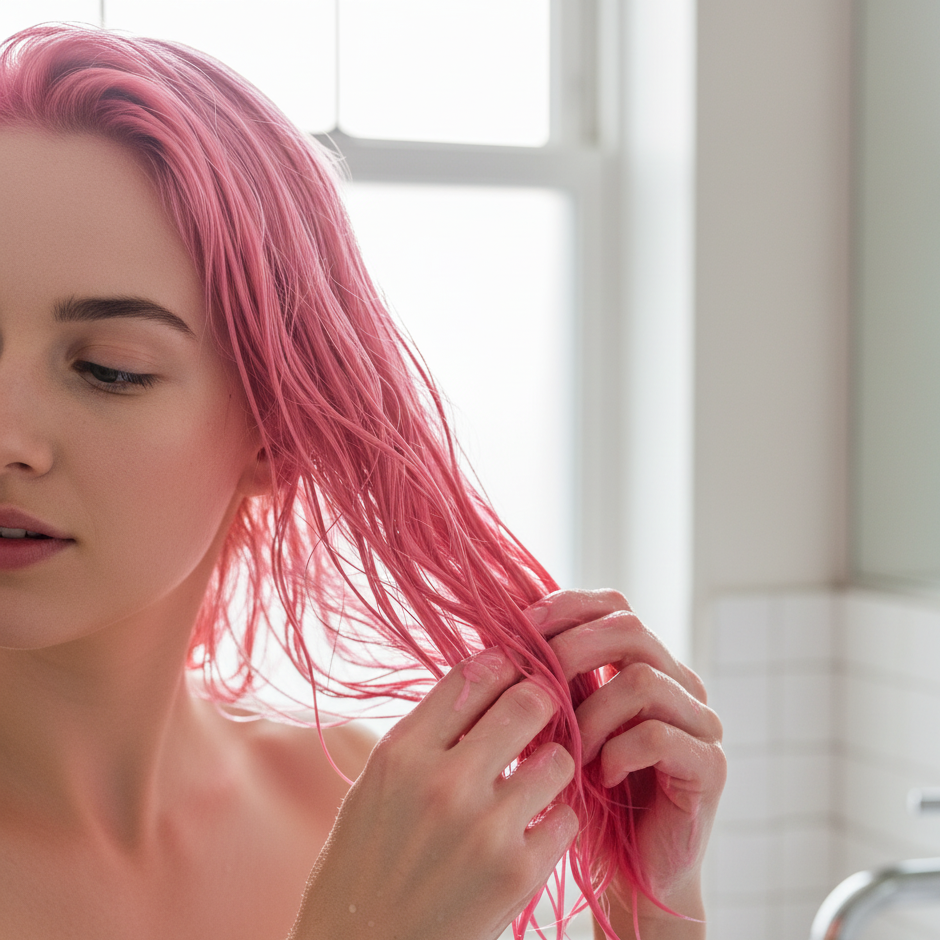
Maximizing the longevity of your pink hair color requires a multi-pronged approach that goes beyond just using color-safe shampoo. One crucial tip is to pre-treat hair with a protein filler or bond-building treatment before coloring, which helps the porous hair shaft better absorb and hold the dye.
Minimizing washing frequency—perhaps only 1–2 times per week—and using dry shampoo in between is highly effective. Furthermore, protecting the hair from chlorine in swimming pools, which can strip or turn the color green, and applying a leave-in conditioner before sun exposure are all vital practices to keep the pink vibrant for as long as possible.
Integrating Pink Hair into Professional Life

Many people worry that a vibrant pink hair color is incompatible with a professional career, but this is increasingly less true. For more traditional settings, subtle options like rose gold balayage on the ends, a peek-a-boo panel underneath, or a very muted, smoky pink can be excellent compromises.
The key is in the execution and maintenance; a well-executed, polished style with a clean, vibrant shade often reads as intentional and professional. If full pink is not an option, temporary color sprays for weekends or the use of clip-in pink extensions offer a non-committal way to participate in the trend.
Repairing Damage from Lightening for Pink Hair
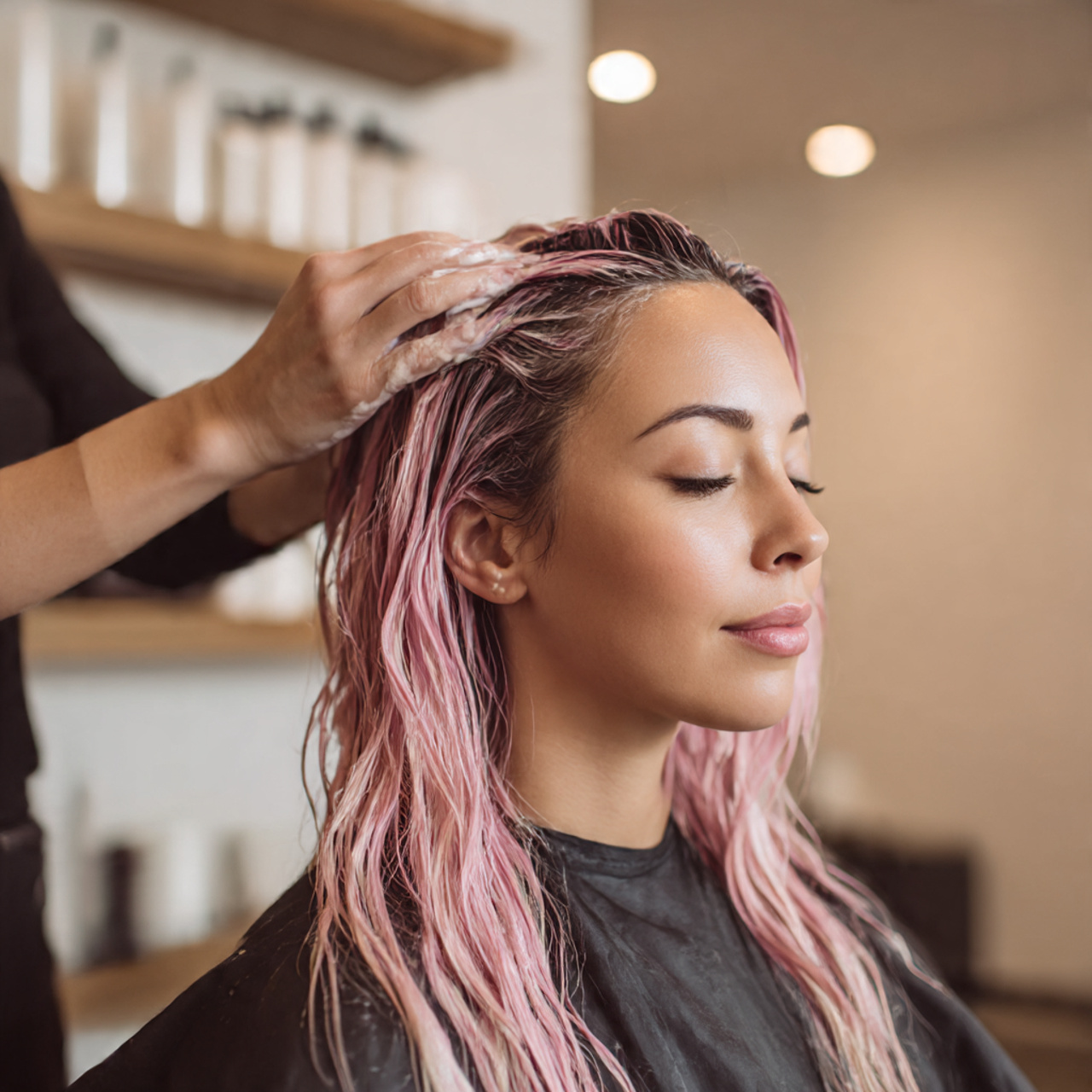
The prerequisite for light pink hair color, which is heavy pre-lightening, can cause significant damage, making hair brittle and prone to breakage. It is crucial to immediately begin a rigorous repair regimen focused on restoring protein and moisture balance. This process should ideally start before the pink dye is even applied.
Using products with ingredients like keratin, argan oil, and especially bond-repairing technology (such as those containing maleic acid or similar compounds) is essential. Consistent deep conditioning masks and leave-in treatments will help fortify the hair, making it strong enough to hold the vibrant pink pigment.
Creative Blending with Multiple Pink Shades
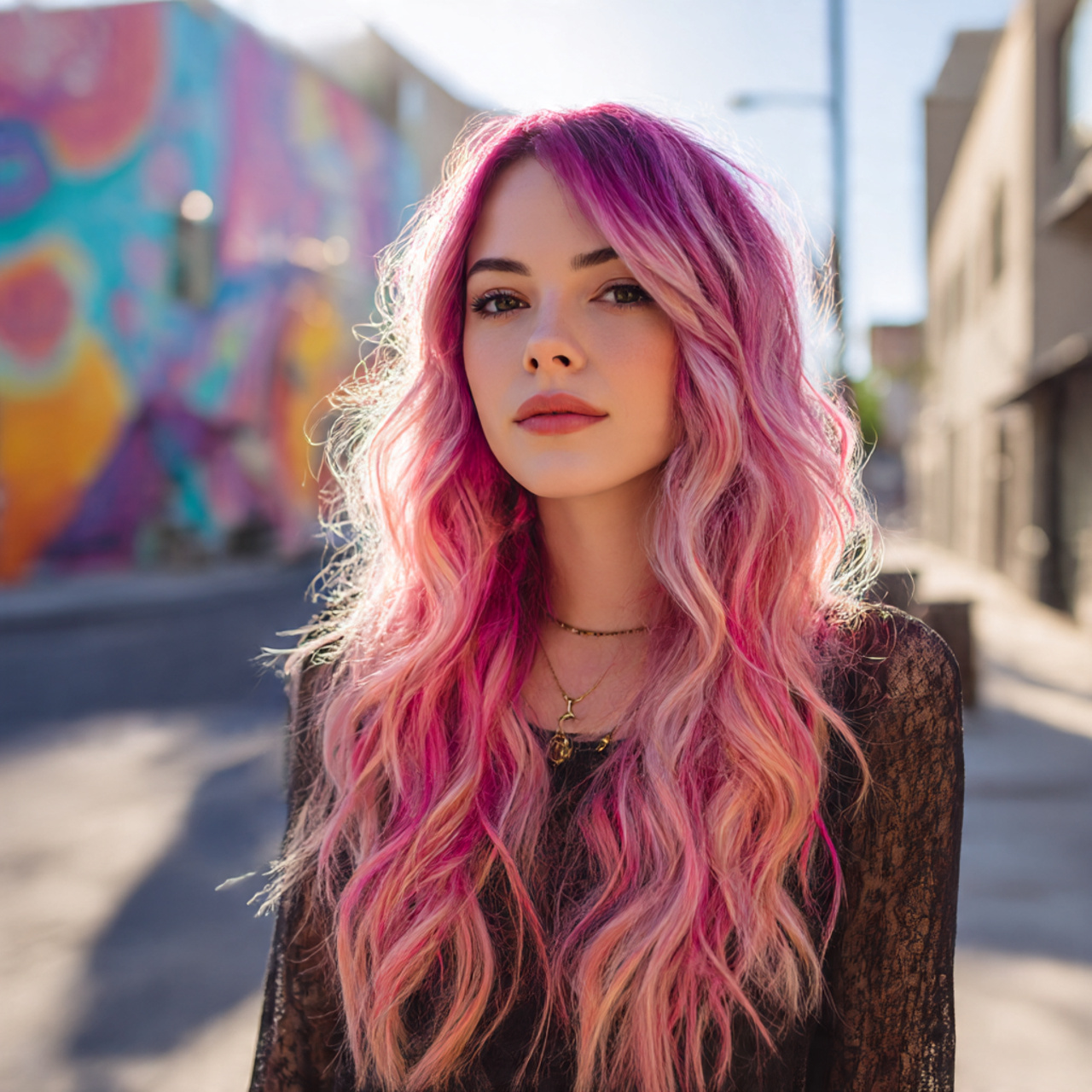
Instead of a single, flat shade, using multiple pink hair color tones creates a dynamic, custom look that adds incredible depth and movement. Techniques such as blending a deep magenta at the roots, fading into a hot pink mid-shaft, and finishing with pastel pink tips can mimic a natural, sun-kissed dimension.
This multi-tonal approach makes the overall color appear more vibrant and often provides a softer fade-out. Stylists can also strategically place light and dark pink shades to create an optical illusion, adding visual volume and complexity to the hair that a single color cannot achieve.
Accessories and Makeup for Pink Hair
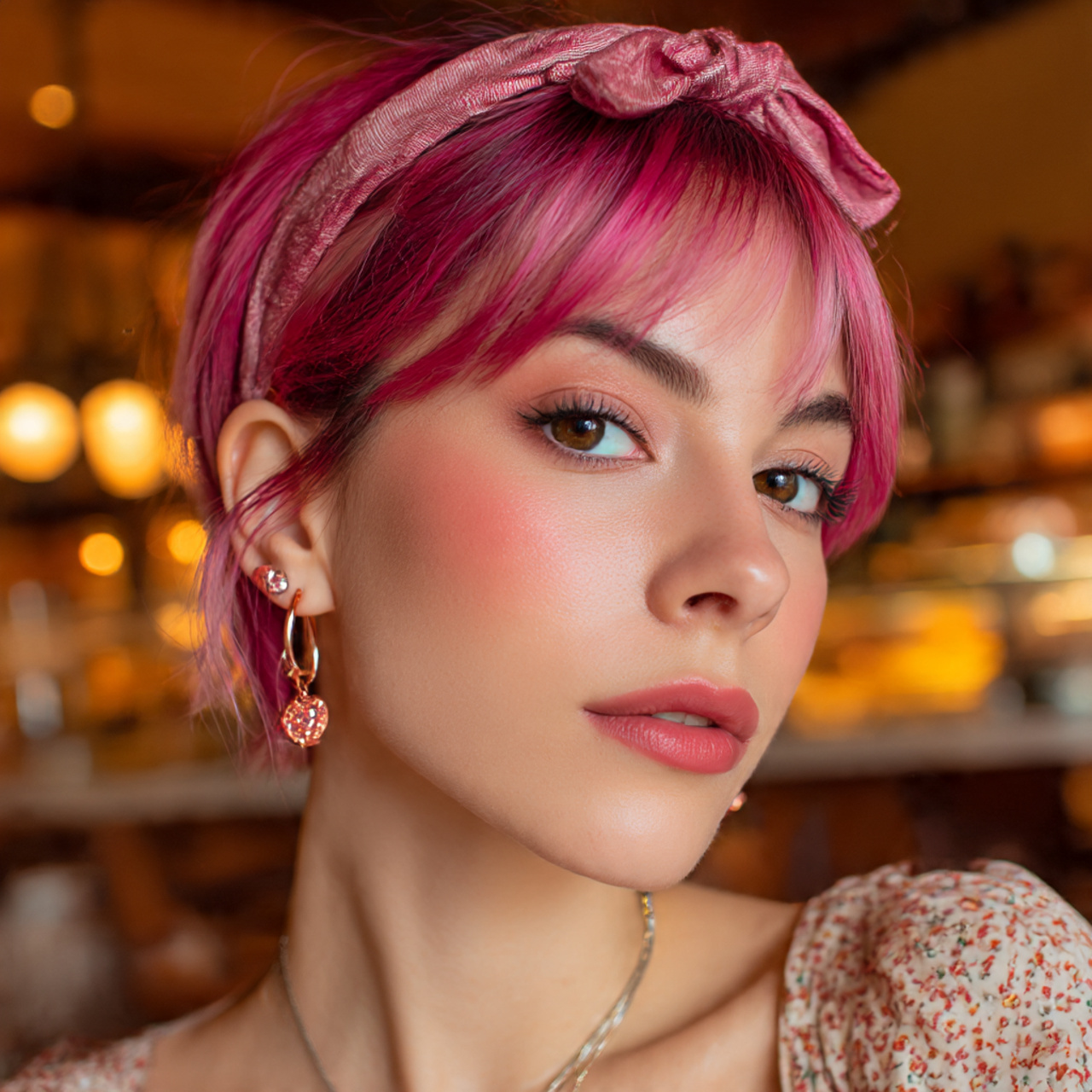
Once you have your desired pink hair color, tailoring your accessories and makeup can beautifully enhance the new look. Jewelry in silver or rose gold tones often complements the cool or warm pink shades, respectively. Headbands, scarves, and hats in contrasting colors like black, white, or deep jewel tones can make the pink pop.
For makeup, consider complementing the pink hair with eye shadows in blues, greens, or warm bronzes, which provide a beautiful contrast. Pinks and corals on the lips and cheeks can create a monochromatic harmony, though caution should be taken not to overuse pink makeup, which can sometimes look overwhelming.
Transitioning from Pink Hair to a New Color
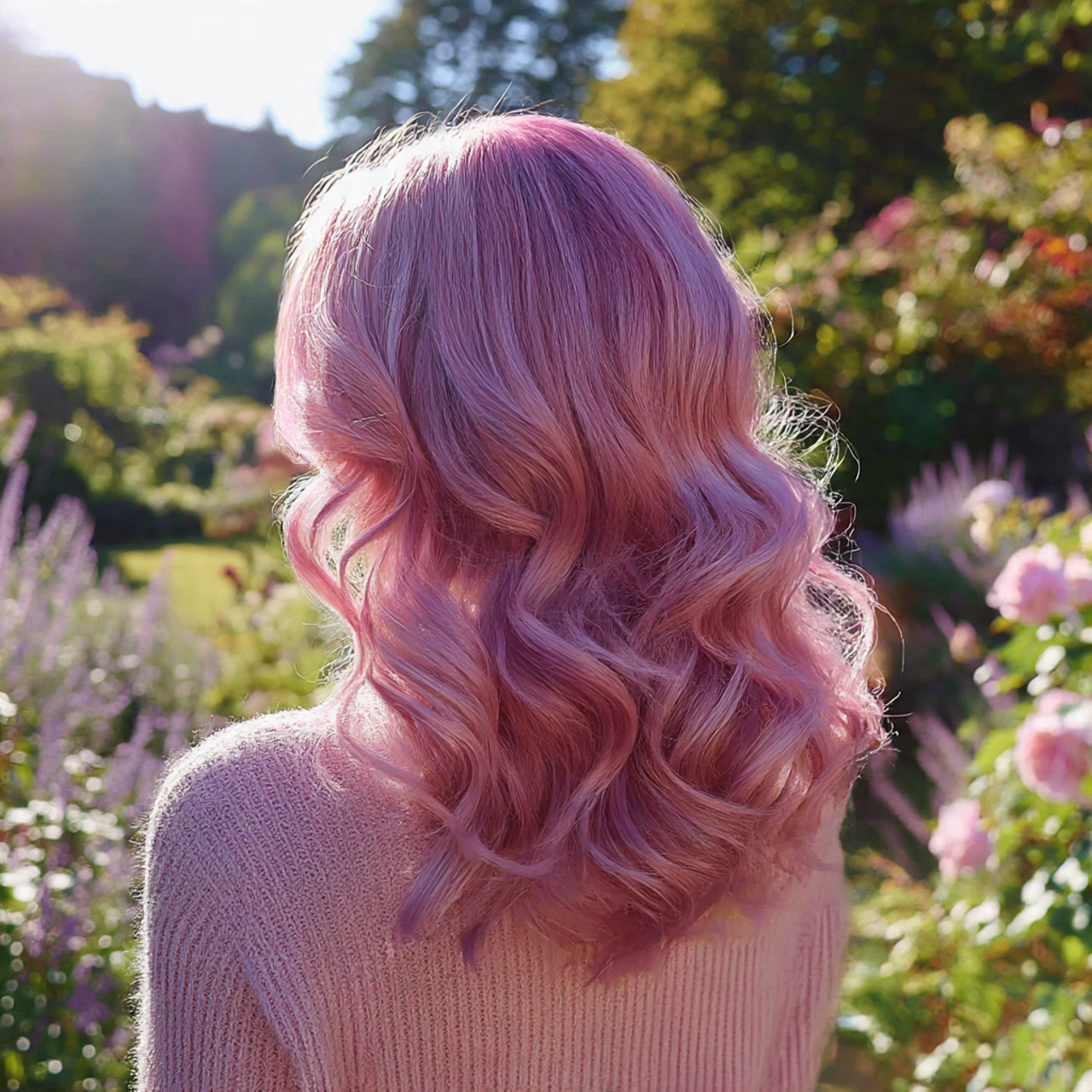
Eventually, you may decide to move on from your pink hair color. Transitioning away requires careful planning to avoid undesirable color mixtures. Because pink fades to a very light, often almost colorless base, it is an excellent foundation for moving into other pastel or light vivid shades like lilac, mint, or blue.
If transitioning to a natural color, a professional color correction is necessary to fill the lightened hair with the necessary red and gold pigments before applying the target brown or blonde. Trying to apply a dark color over faded pink without filling can result in a muddy, dull shade.
FAQs About Pink Hair Color
Does pink hair color fade quickly?
Yes, vibrant pink hair color is notoriously quick to fade because most vivid pinks are semi-permanent direct dyes, meaning the large color molecules only coat the outside of the hair shaft. Factors like frequent washing, hot water, sun exposure, and sulfates in shampoo accelerate the fade, often requiring color refreshing every few weeks.
Can I dye my dark hair pink without bleaching?
Achieving a true, bright pink hair color usually requires bleaching. However, you can achieve a subtle, jewel-toned magenta or deep berry pink without lifting your hair to a light blonde. These darker pinks will only be visible as a luminous cast or tint, especially in bright sunlight, rather than a true vivid color.
What is the least damaging way to go pink?
The least damaging way to go pink is to use temporary color sprays or chalks, or opt for a low-commitment style like pink clip-in extensions. For permanent color, using a semi-permanent dye over existing lightened hair or having a professional stylist use a slow, gentle lightening process with bond-building treatments is the safest approach.
How do I stop my pink hair dye from staining everything?
To prevent your pink hair color from staining towels, pillowcases, and skin, ensure the hair is thoroughly rinsed with cool water until the water runs clear after coloring. Use a dark-colored towel, wear a shower cap while sleeping initially, and consider using a barrier cream on your hairline before the initial dye application.
Which pink shade is best for fair skin tones?
Fair skin tones, which often have cool or pink undertones, look exceptional with cooler pink shades. Pastel pink, dusty rose, light magenta, and icy pink are particularly flattering, as they complement the skin’s natural coloring and prevent the complexion from looking washed out or overly red.
Conclusion
Embracing a pink hair color is a journey into self-expression that is as vibrant and exciting as the shade itself. From the elegance of rose gold to the electric intensity of hot pink, the spectrum offers a shade for every personality and commitment level. The initial transformation, while sometimes demanding, is rewarded with a head-turning look that is unique and deeply personal.
Successfully maintaining a stunning pink hair color requires diligence in aftercare, but the joy of sporting such a playful and versatile hue is well worth the effort. Whether you opt for a subtle peek-a-boo effect or a full-head transformation, this exciting color allows for endless creativity and stands as a bold, beautiful testament to your individual style.